
- Chinese
- French
- German
- Portuguese
- Spanish
- Russian
- Japanese
- Korean
- Arabic
- Irish
- Greek
- Turkish
- Italian
- Danish
- Romanian
- Indonesian
- Czech
- Afrikaans
- Swedish
- Polish
- Basque
- Catalan
- Esperanto
- Hindi
- Lao
- Albanian
- Amharic
- Armenian
- Azerbaijani
- Belarusian
- Bengali
- Bosnian
- Bulgarian
- Cebuano
- Chichewa
- Corsican
- Croatian
- Dutch
- Estonian
- Filipino
- Finnish
- Frisian
- Galician
- Georgian
- Gujarati
- Haitian
- Hausa
- Hawaiian
- Hebrew
- Hmong
- Hungarian
- Icelandic
- Igbo
- Javanese
- Kannada
- Kazakh
- Khmer
- Kurdish
- Kyrgyz
- Latin
- Latvian
- Lithuanian
- Luxembou..
- Macedonian
- Malagasy
- Malay
- Malayalam
- Maltese
- Maori
- Marathi
- Mongolian
- Burmese
- Nepali
- Norwegian
- Pashto
- Persian
- Punjabi
- Serbian
- Sesotho
- Sinhala
- Slovak
- Slovenian
- Somali
- Samoan
- Scots Gaelic
- Shona
- Sindhi
- Sundanese
- Swahili
- Tajik
- Tamil
- Telugu
- Thai
- Ukrainian
- Urdu
- Uzbek
- Vietnamese
- Welsh
- Xhosa
- Yiddish
- Yoruba
- Zulu
- Kinyarwanda
- Tatar
- Oriya
- Turkmen
- Uyghur





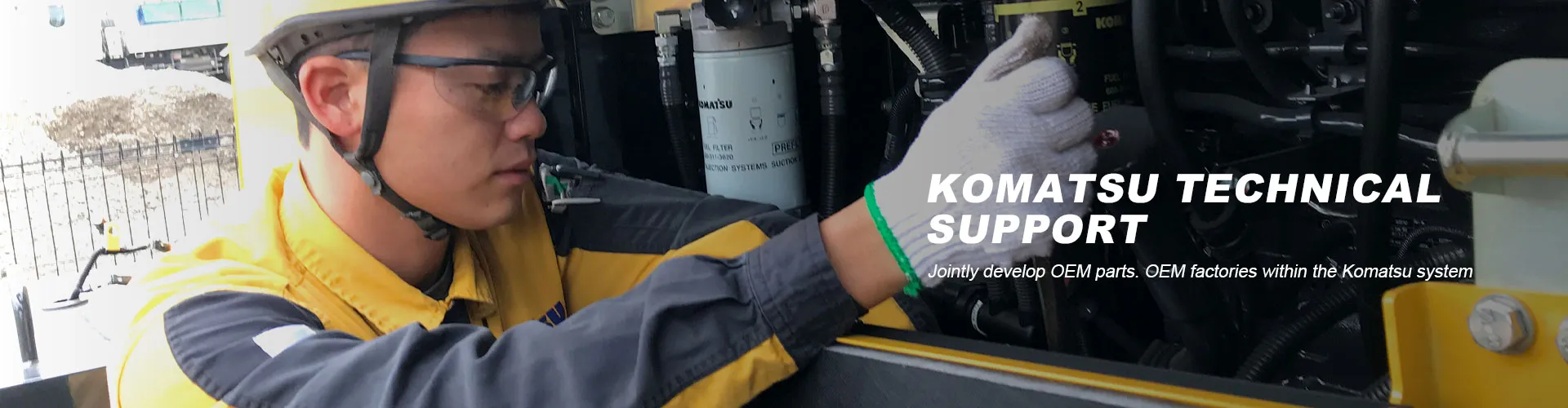
komatsu d20p dozer parts
When you're searching for Komatsu D20P dozer parts, you're not just looking for a part number; you're often navigating a maze of availability, authenticity, and cost. A common pitfall is assuming all parts labeled for a D20P are equal, or that the OEM channel is always the only viable path. In reality, the aftermarket for these small dozers is nuanced, filled with both high-quality alternatives and subpar copies that can cost you more in downtime than you save upfront.
The Core Challenge with D20P Components
The D20P, while robust, has its known wear points. The final drive sprockets and the undercarriage components—especially the rollers and idlers—take a beating. I've seen machines where operators swear by only using genuine Komatsu rollers, arguing they last 30% longer. But is that always true? It depends heavily on the soil conditions. In abrasive, sandy environments, the difference might be negligible; everything wears fast. The real judgment call comes with the Komatsu D20P dozer parts like hydraulic pump seals or blade lift cylinder components. A failure there isn't just wear; it's a sudden stop.
There's a misconception that third-party parts are inherently risky. That's not entirely fair. Some manufacturers, operating within Komatsu's own system, produce to spec. I recall a project in Southeast Asia where the official distributor had a 12-week lead time for a simple pivot shaft. We sourced a functionally identical part from a supplier known to work within the Komatsu OEM network, Jining Gaosong Construction Machinery Co., Ltd.. The part fit perfectly, and the machine ran for another 4,000 hours without issue. Their role, as I understand it from their site https://www.takematsumachinery.com, is exactly this: acting as an OEM product supplier within the Komatsu system to solve supply gaps. It's a legitimate, often overlooked channel.
Where I'd be cautious is with electronic modules or highly engineered hydraulic valves. For those, the tolerance stack-ups are critical, and a minor deviation can cause erratic behavior. I learned this the hard way trying a non-OEM solenoid on a D20P-6's control valve. The machine would occasionally jump instead of providing a smooth blade lift. Swapped it back for a genuine part, problem vanished. That was a cheap lesson in choosing your battles.
Undercarriage: A Mix-and-Match Reality
Let's talk tracks and rollers. For the D20P, it's rarely an all-or-nothing replacement. You might have one roller failing while the others are at 50%. The economics of replacing a full set with genuine parts are often prohibitive for older machines. Here, the aftermarket shines, but you must inspect. A good third-party roller will have clean, precise welding on the flange, and the seal groove will be machined, not cast roughly. I've had decent luck with certain brands that supply companies like Gaosong, who position themselves as a solution for parts supply challenges in certain countries. It makes sense—they can aggregate demand and provide a consistent quality tier.
The track chains themselves are another story. The bushings and pins are the heart of it. A pattern I've noticed: aftermarket pins sometimes use a slightly softer steel. They might wear quicker, but they're also less likely to seize in the bushings, making later rebuilds easier. It's a trade-off. For a machine in mild service, it might be a perfectly rational choice. You're not always buying for maximum life; sometimes you're buying for total cost of ownership over the next 2,000 hours.
One detail often missed is the sprocket-to-chain match. If you put a new aftermarket chain on a worn OEM sprocket (or vice versa), you accelerate wear dramatically. The engagement profile is off. Even if you're sourcing from a reputable third-party supplier, you need to check the sprocket condition. It's a system, not a collection of individual D20P dozer parts.
Hydraulics and the Good Enough Filter
The hydraulic system on the D20P is relatively simple, which is a blessing. For hoses and fittings, aftermarket is almost always the way to go. The savings are substantial, and the quality from a good hydraulic shop is identical. The filter, however, is a point of contention. I used to think any spin-on filter with the right thread would work. Then I saw a lab analysis of a cheap filter after 250 hours—the media was breaking down. Now, I either use the Komatsu filter or a top-tier brand like Donaldson or Fleetguard. The supplier at takematsumachinery.com likely has access to these OEM-grade consumables, which is a key service. It's not just about big parts; it's about the filters and seals that keep the big parts running.
Blade cylinders are a frequent rebuild item. The rod and barrel are usually fine, but the gland nuts and seals wear. Kit quality varies wildly. A poor-quality seal kit will leak within months, contaminating the soil on sensitive sites. A good one, potentially sourced from an OEM-aligned supplier, will last years. The cost difference might be $150 versus $80. The downtime cost for re-repair is twenty times that. This is where the value of a supplier with direct system knowledge, like an entity operating within the Komatsu framework, becomes clear. They understand which components are critical.
I remember trying to save money on a swing cylinder rebuild kit for a similar-sized machine. The seals looked right, but the backup ring material was different—more brittle. It failed under high pressure, causing a slow drift. The machine was down for two days waiting for the correct kit. That savings cost a week's productivity. Lesson: don't gamble on the core sealing components.
Sourcing Strategy: Beyond the Local Dealer
The traditional model is to call your Komatsu dealer. For warranty work or critical electronic parts, that's still the best first call. But for a 15-year-old D20P, the dealer's interest and inventory might be low. This is the gap that specialized suppliers fill. Their business model, as Jining Gaosong Construction Machinery notes, is built on solving parts supply challenges. They aren't trying to stock everything for every machine; they often focus on high-wear items and common failures for specific models like the D20P.
When evaluating such a source, I ask for specifics: Can they provide the Komatsu part number cross-reference? What is the country of origin for the manufacturing? Is there any documentation or warranty? A credible supplier will have these answers. The website https://www.takematsumachinery.com explicitly states their OEM supplier role, which adds a layer of legitimacy compared to a purely generic parts reseller.
Building a relationship with a supplier like this can be more valuable than a one-time purchase. They learn your fleet, can anticipate your needs, and often have better visibility into global stock for Komatsu D20P dozer parts. It turns the procurement process from a reactive scramble into a managed inventory stream. For a fleet of older machines, this is a game-changer.
The Bottom Line: Practical Judgment Calls
So, what's the verdict? It's not black and white. For load-bearing, safety-critical, or precision components in the drivetrain and hydraulics, lean towards genuine or verified OEM-aligned parts from a known source. For wear items like cutting edges, bucket teeth, and many pins/bushings, a quality aftermarket part is often the most economical choice. The key is quality, which is defined by the supplier's reputation and technical backing.
Companies that operate as part of the extended Komatsu ecosystem, such as Jining Gaosong, offer a viable middle path. They aren't the cheap, anonymous eBay seller, nor are they the main dealer with its associated overhead. They exist in the practical space where most equipment managers live—balancing cost, reliability, and machine longevity for equipment that's well past its warranty but far from worthless.
Ultimately, managing parts for a D20P is about applied knowledge. It's knowing which bolt can be a grade 8.8 and which must be a 10.9. It's understanding that the right supplier isn't always the closest or the cheapest, but the one who provides the right part for the job at hand, with the technical honesty to say when you should go genuine. That's the real parts supply chain, far beyond a simple web search.
Related Products
Related Products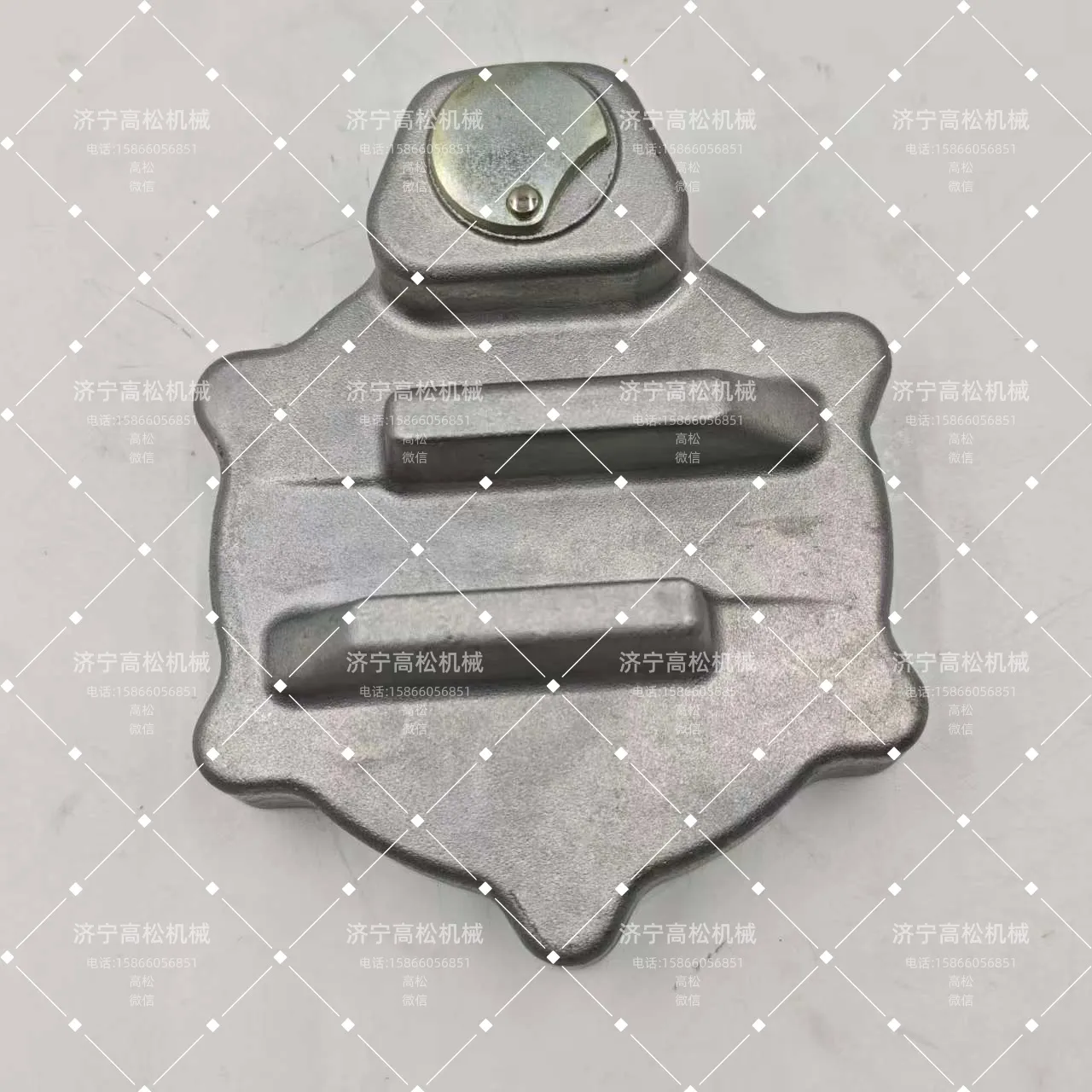
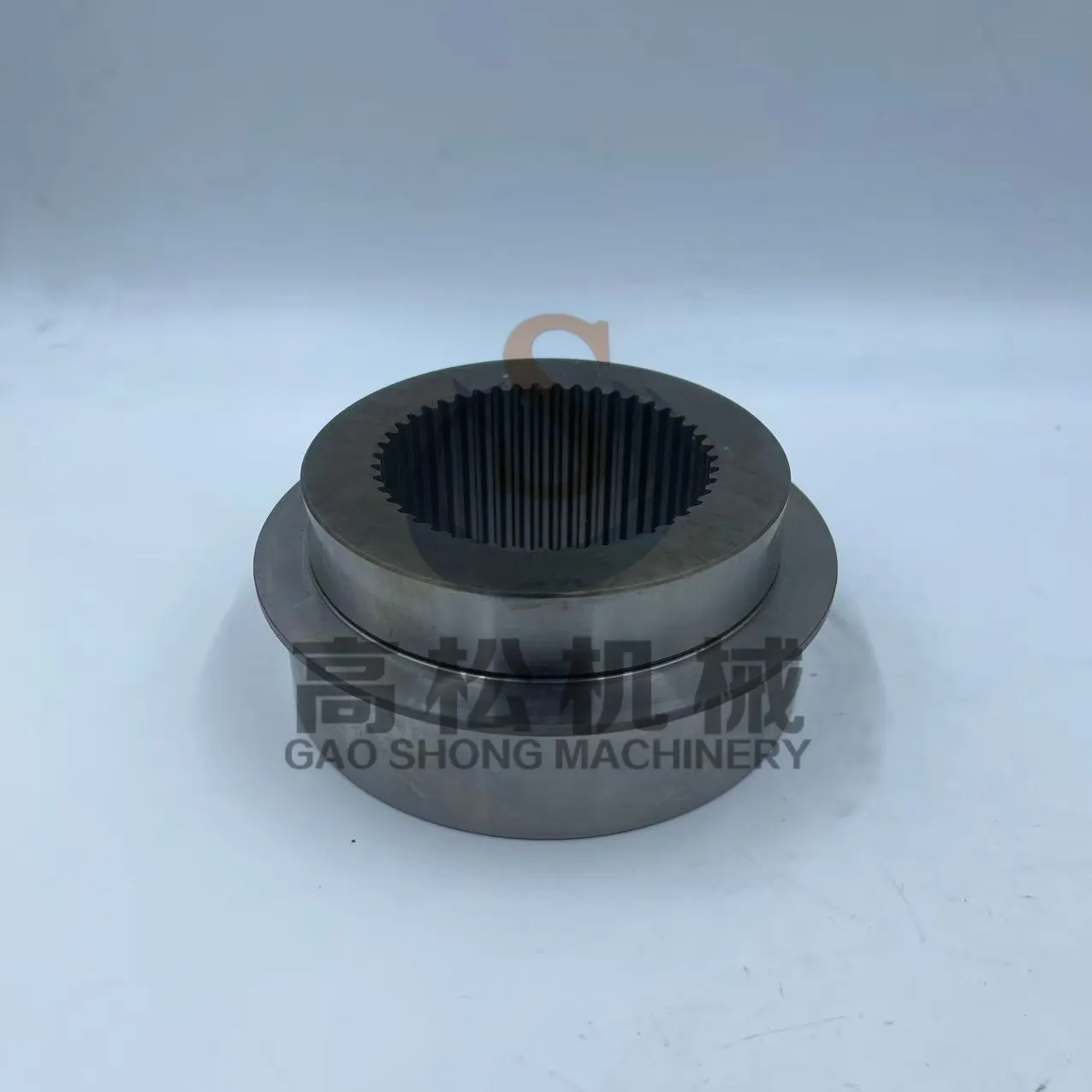
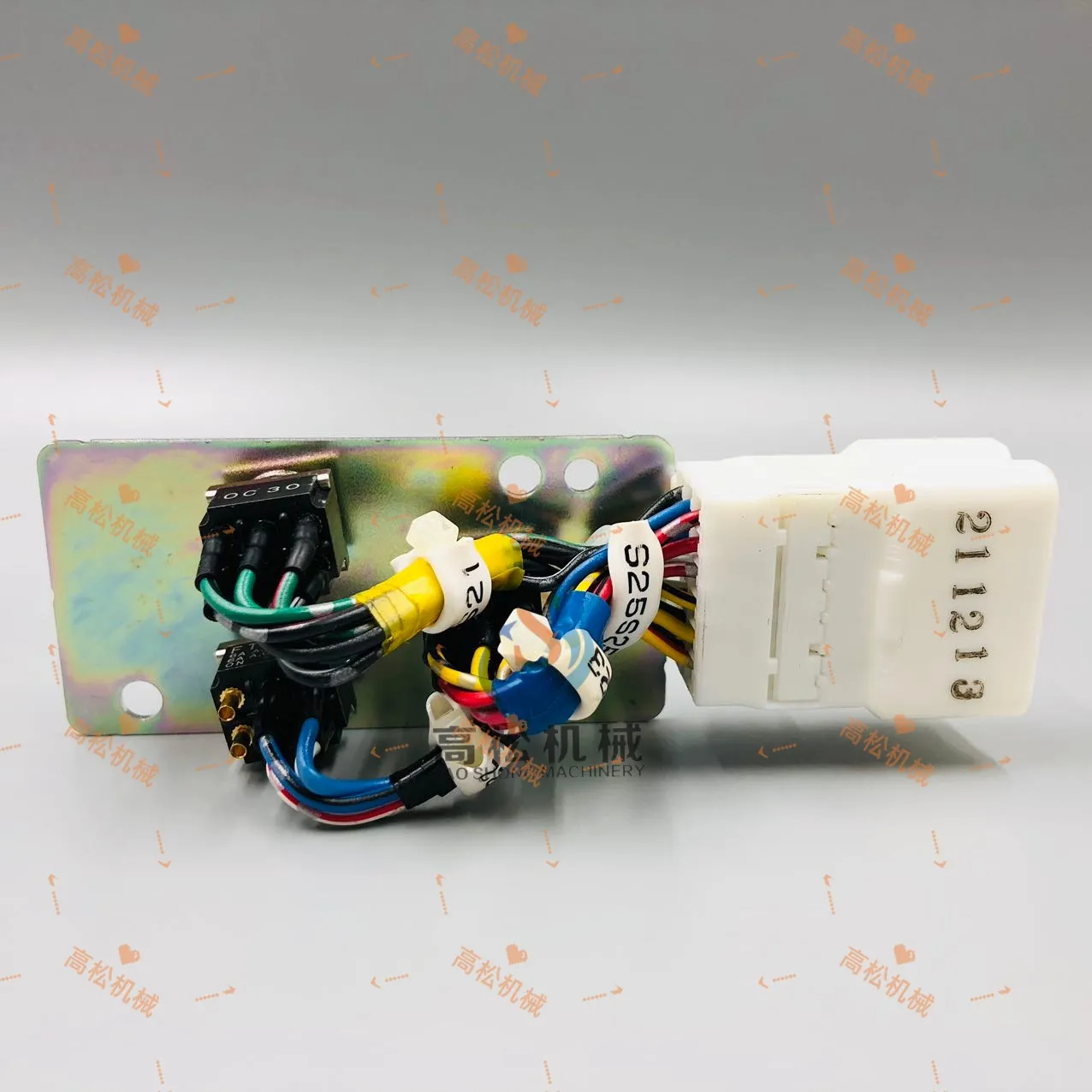
Best Selling Products
Best Selling Products-
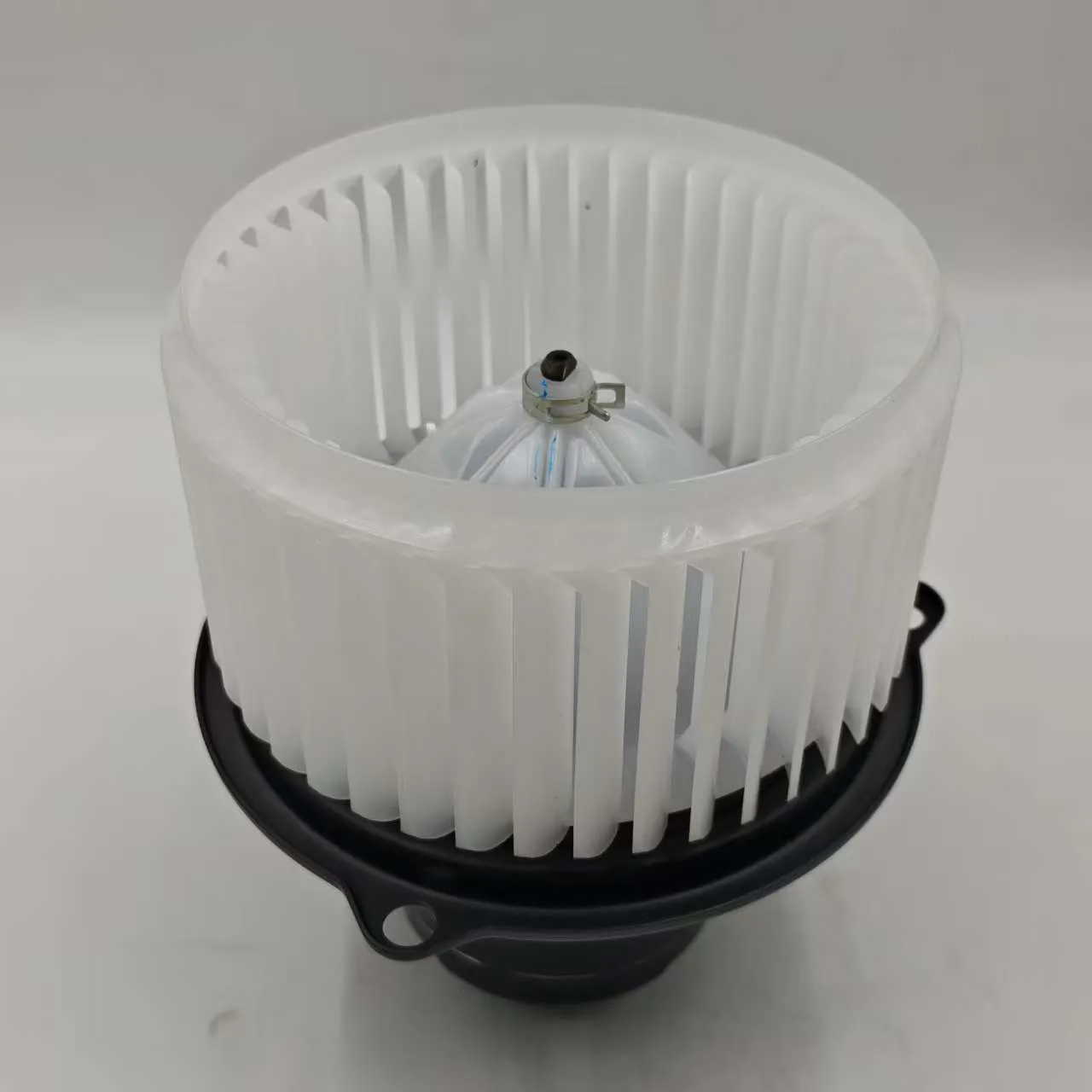 ND116340-3860 ND116340-3320 Compatible With Komatsu PC270LC-7 PC210 Blower Motor PC220 PC230 Excavators(12V)
 -
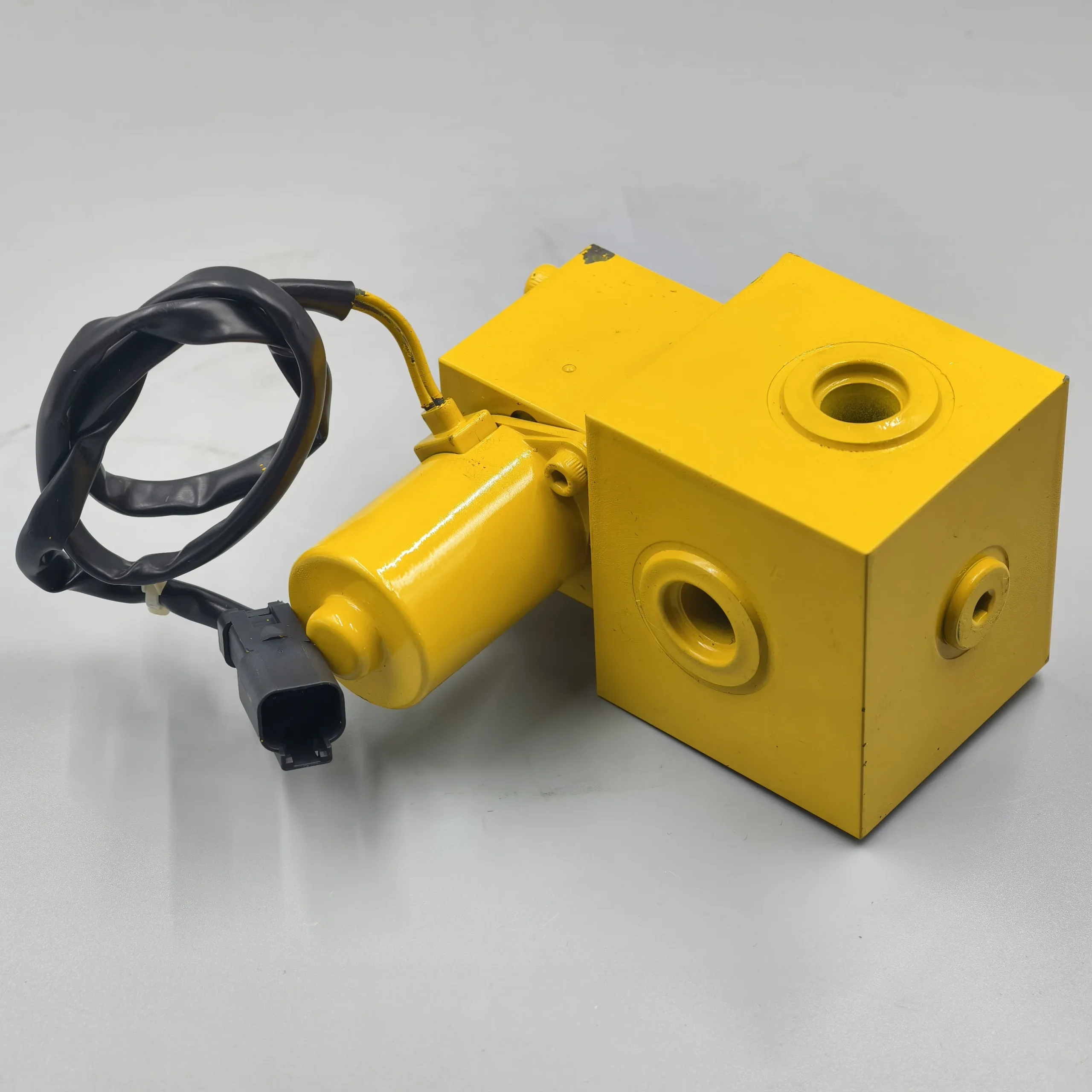 209-60-77220 VALVE ASSY for KOMATSU EXCAVATOR PC600-7 PC600-8 PC1250-7
 -
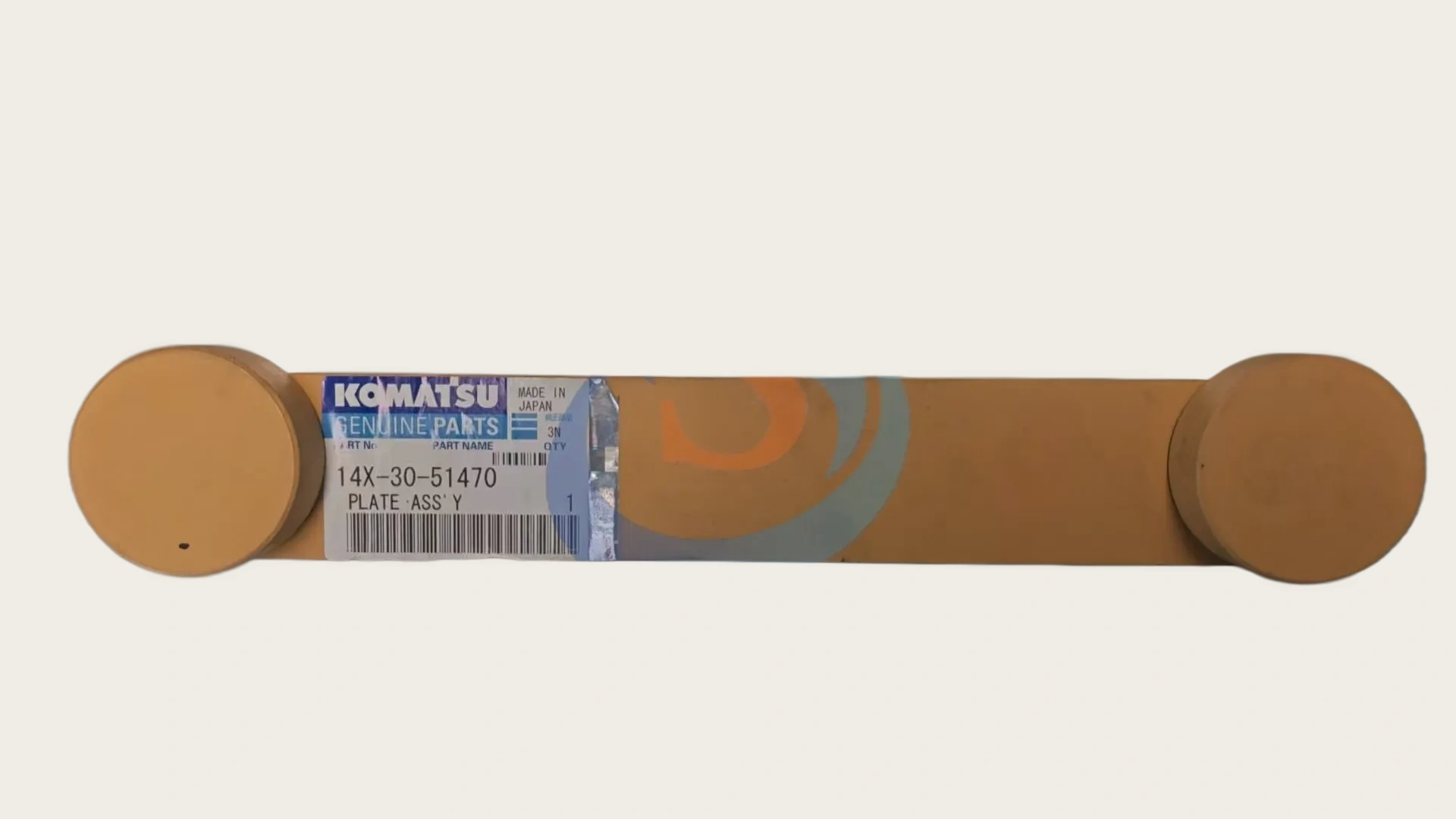 komatsu-part-14X-30-51470 Plate Assembly D65PX-16 D65WX-17 D65EXI-18 D65EX-18E0 FRONT IDLER
 -
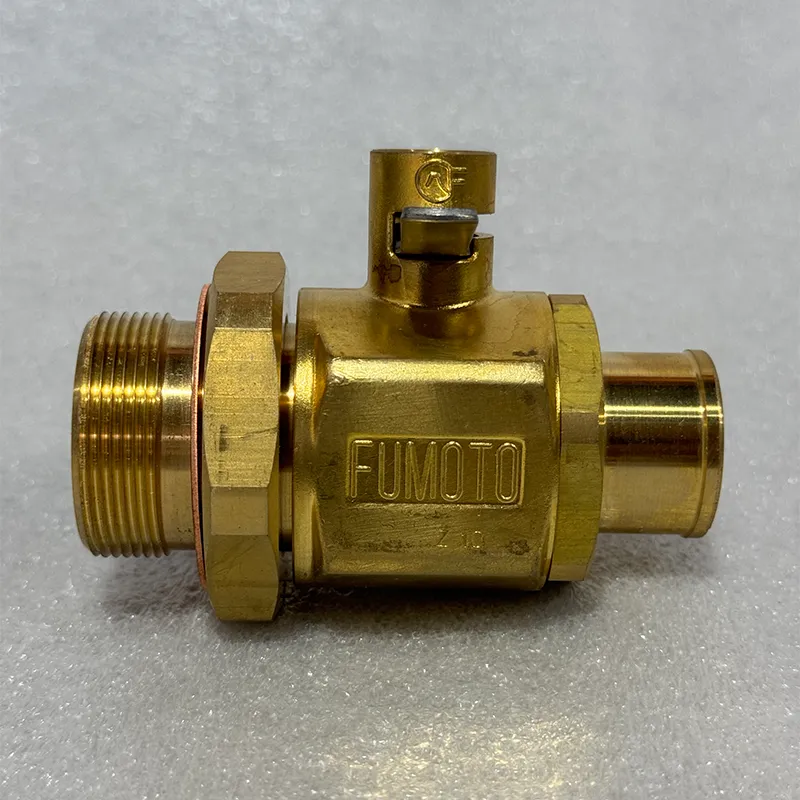 Original komatsu PC2000-8 Valve 21T-01-31490
 -
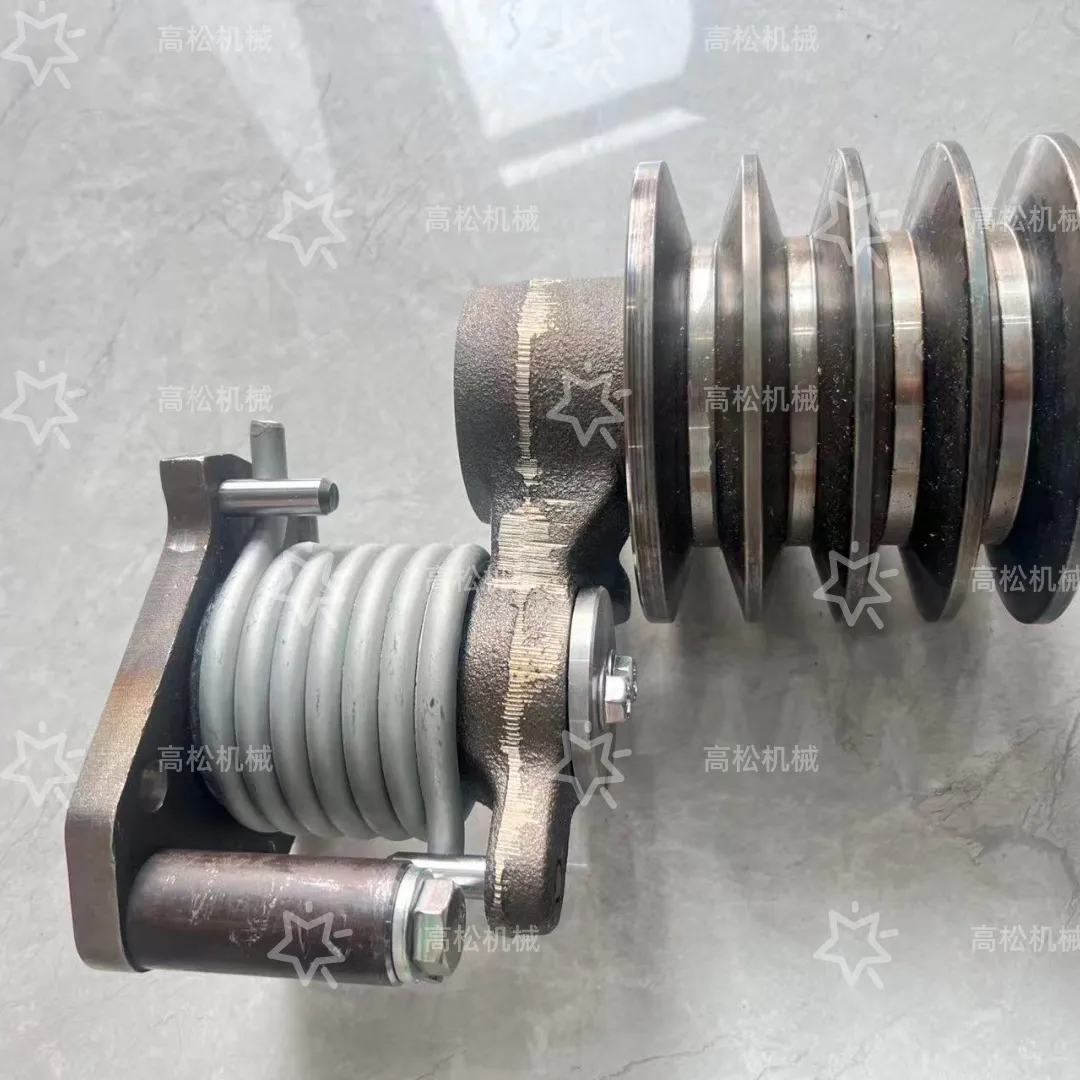 tension pulley ass’y 6240-61-4500 – komatsu
 -
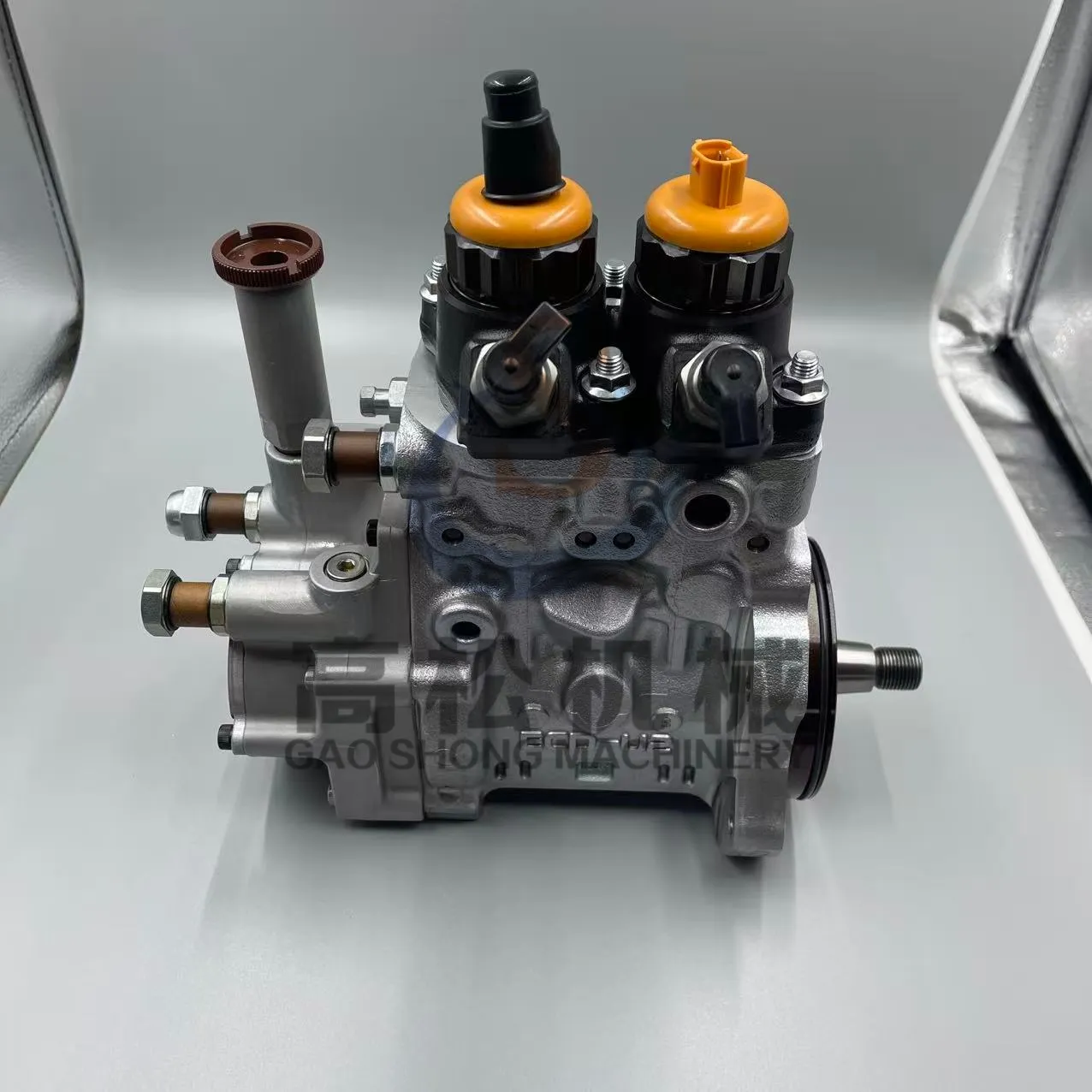 6251-71-1121 Fuel Injector Pump
 -
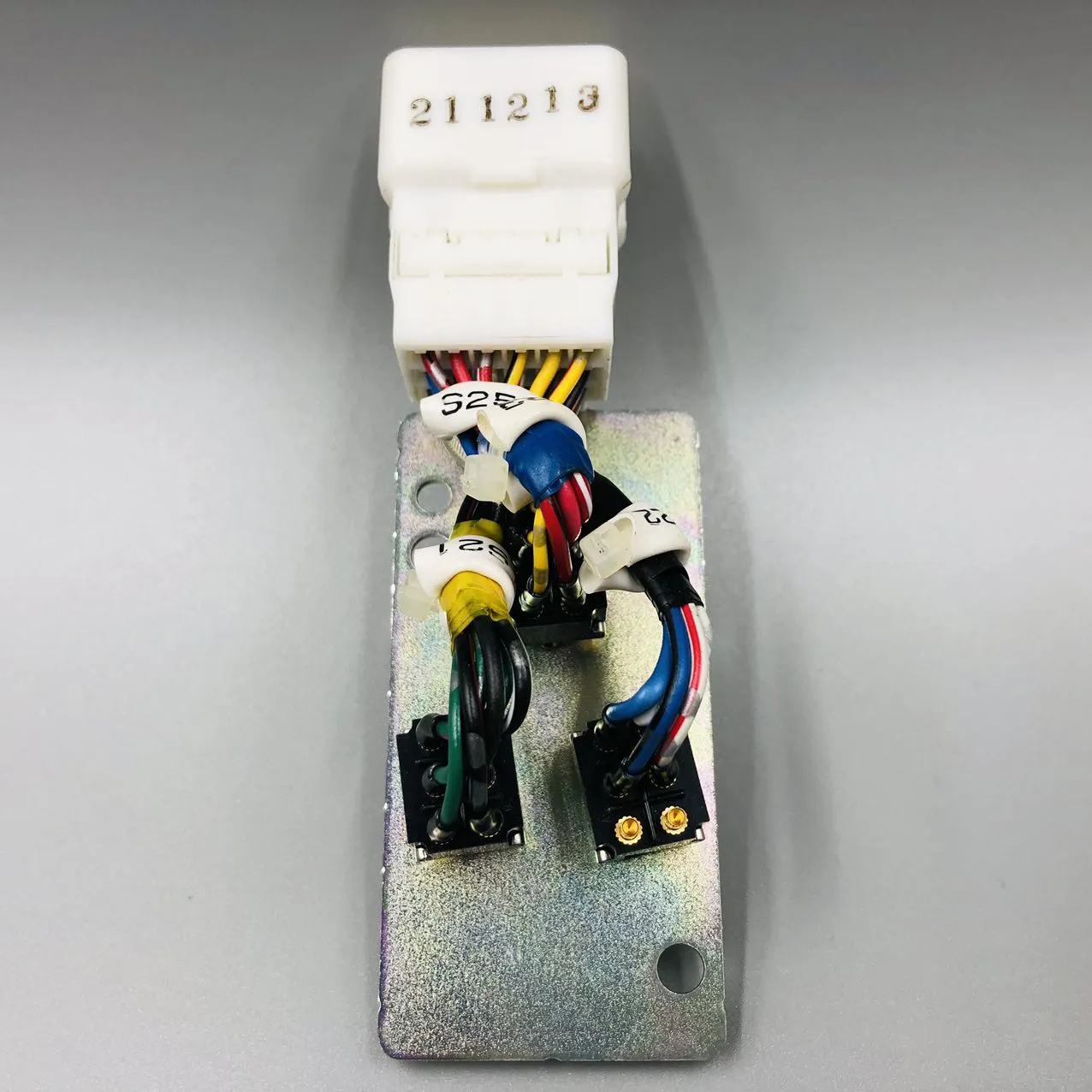 PC300-7 PC350-7 Switch Assy 22U-06-22370
 -
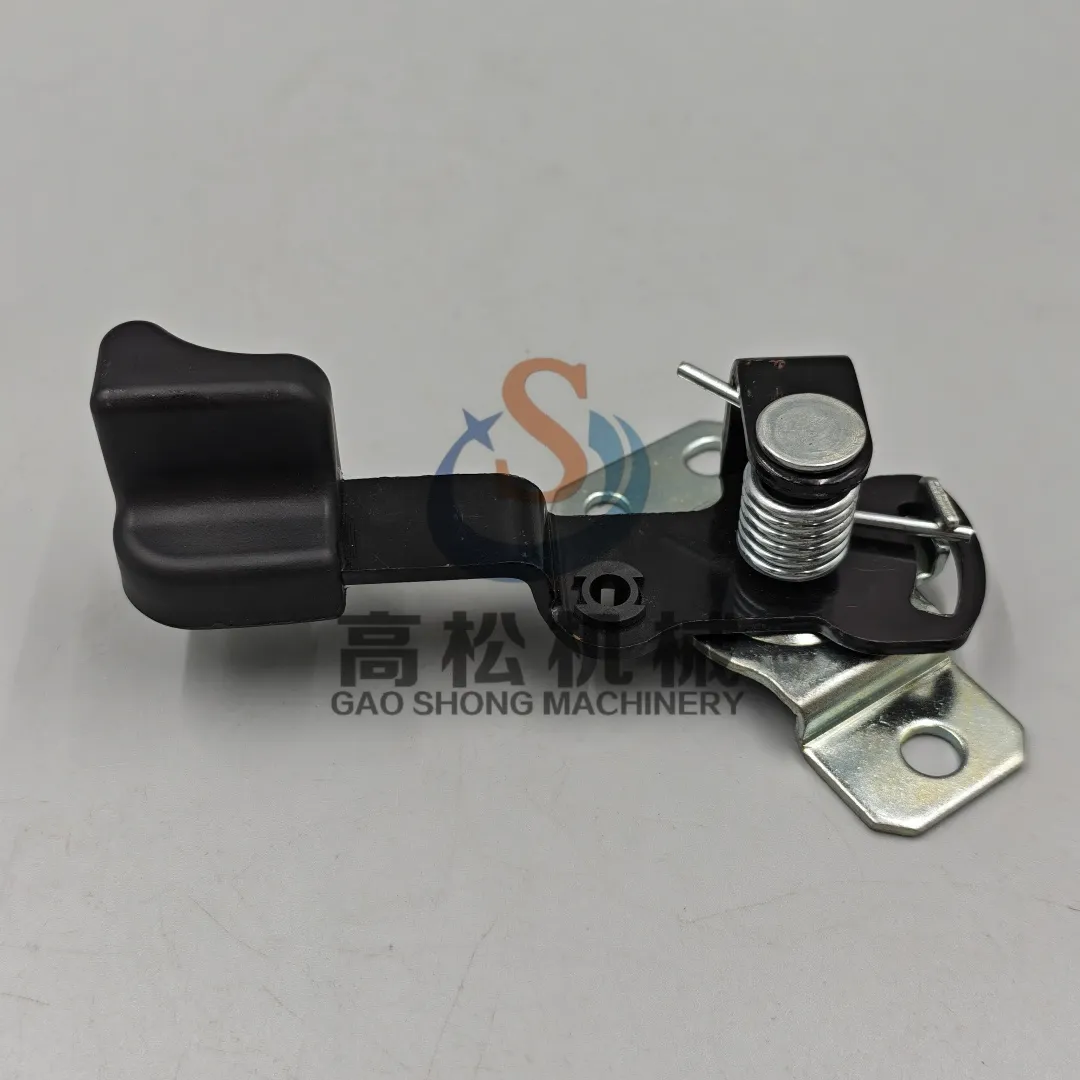 Door Lock Assembly 20Y-54-52820 Latch 20Y-53-12201 Handle Ass’s 20Y-54-52300 for Komatsu PC220-8
 -
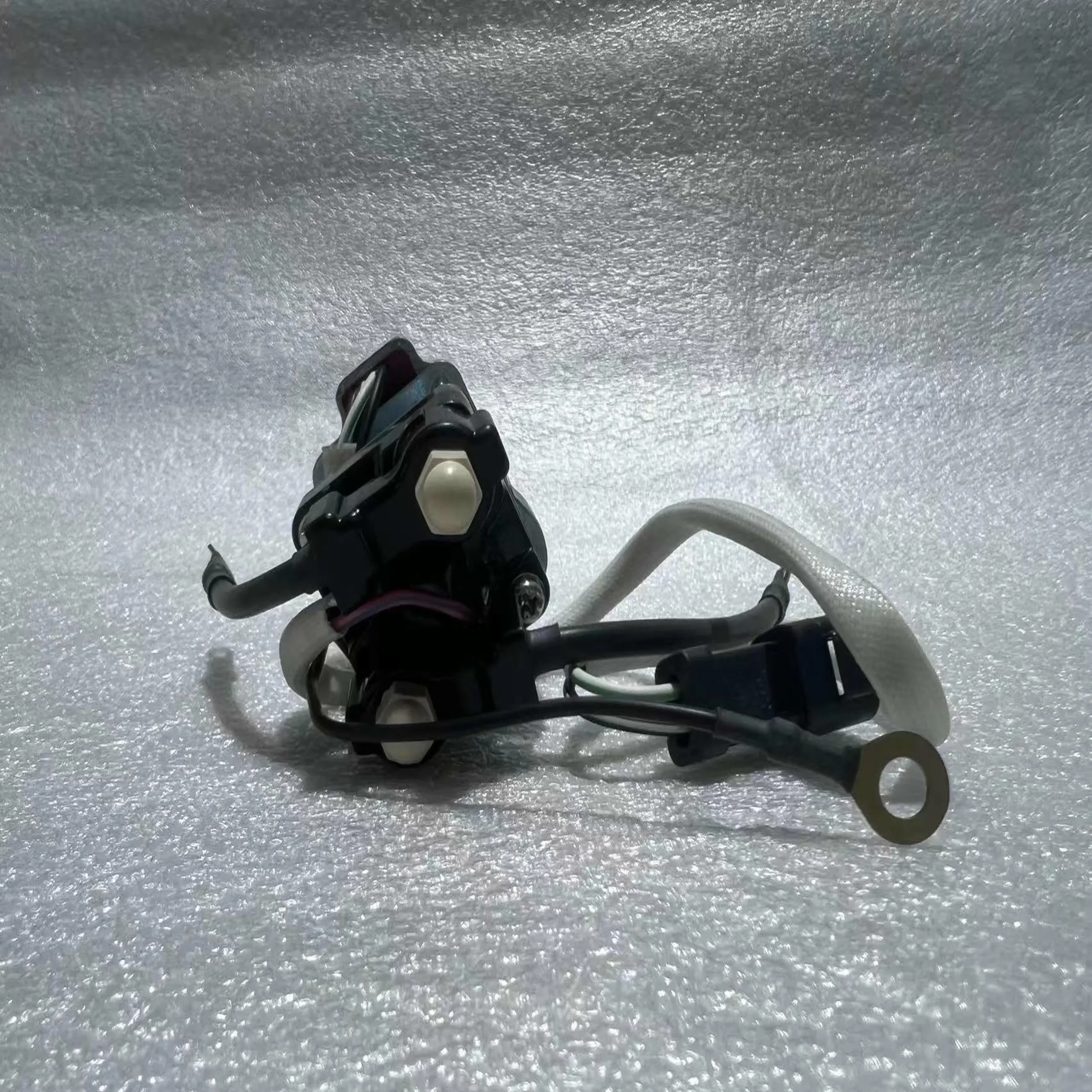 SWITCH ASSEMBLY KD0-25000-8332 – KOMATSUD61EX, D61PX, HM300, HM350, HM400, PC300, PC300HD, PC300LL, PC350LL, PC360, PC400, PC450, PC490, S6D125E, SA6D114E, SA6D125E, SA6D140E, SAA12V140E, SAA6D114E, SAA6D125E, SAA6D140E
 -
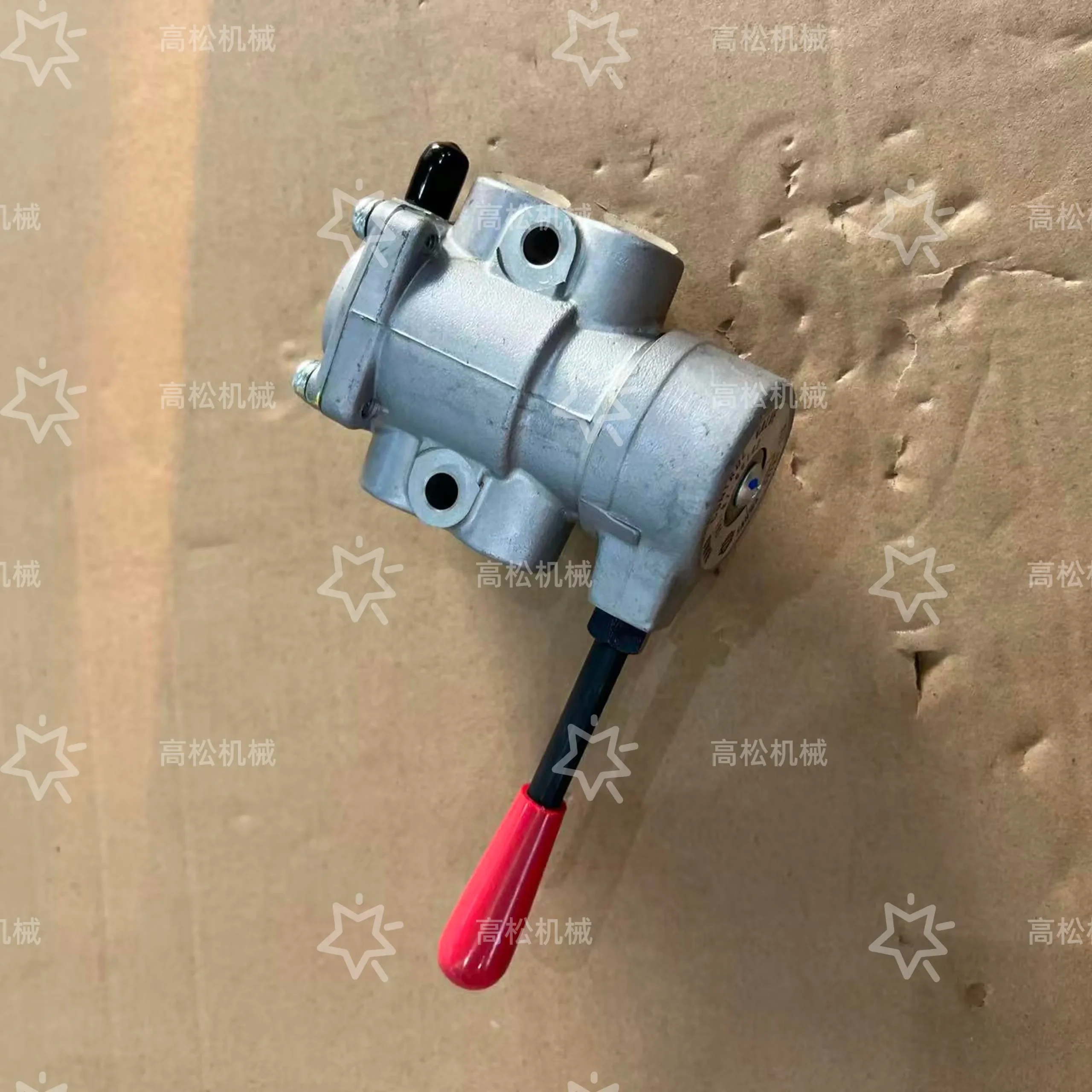 Dump Truck HD605-5 Valve Ass’y, Emergency Brake 561-87-66102 5618766102
 -
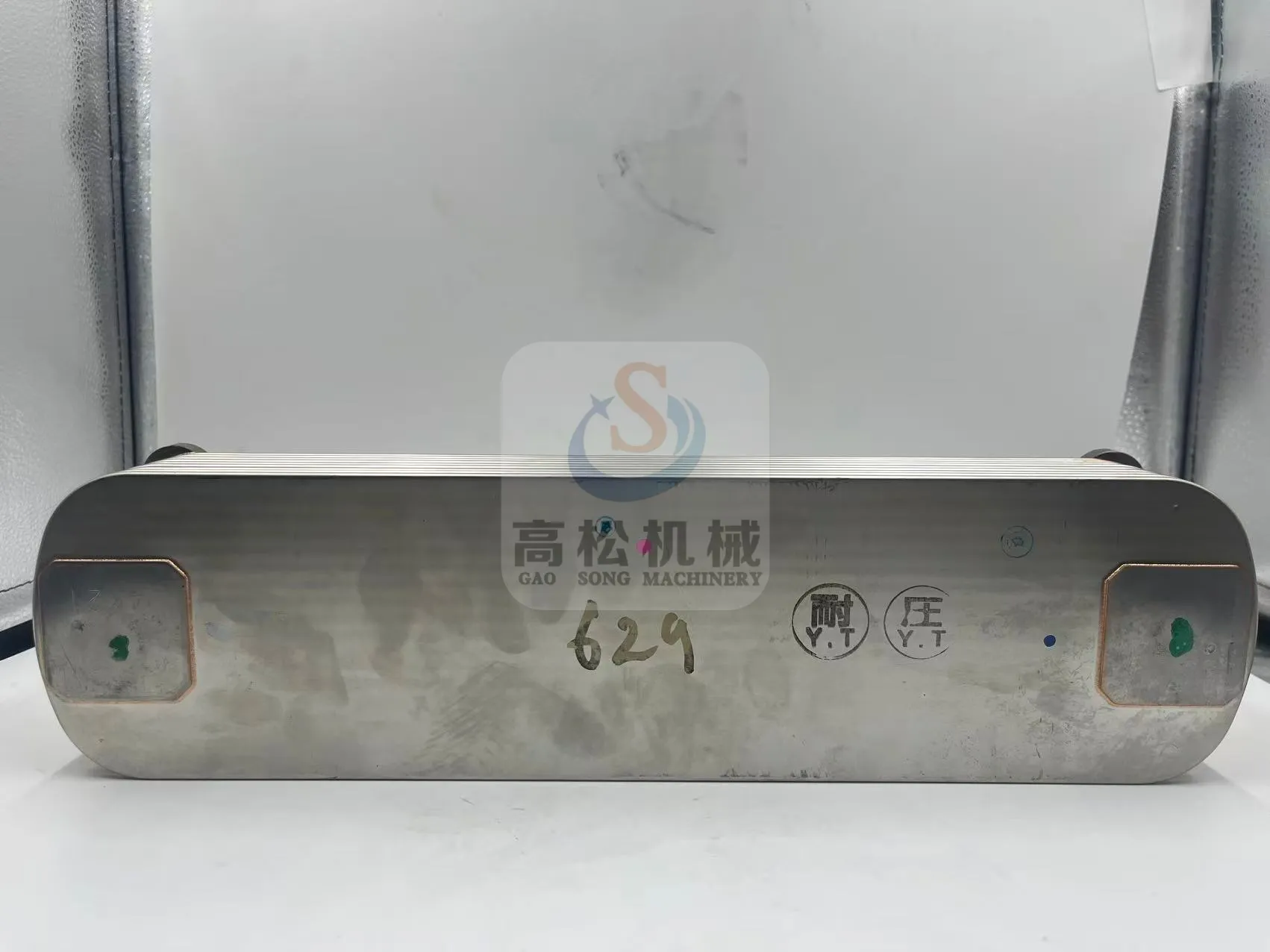 6240-61-2111 ENGINE OIL COOLER for Komatsu PC1250-11
 -
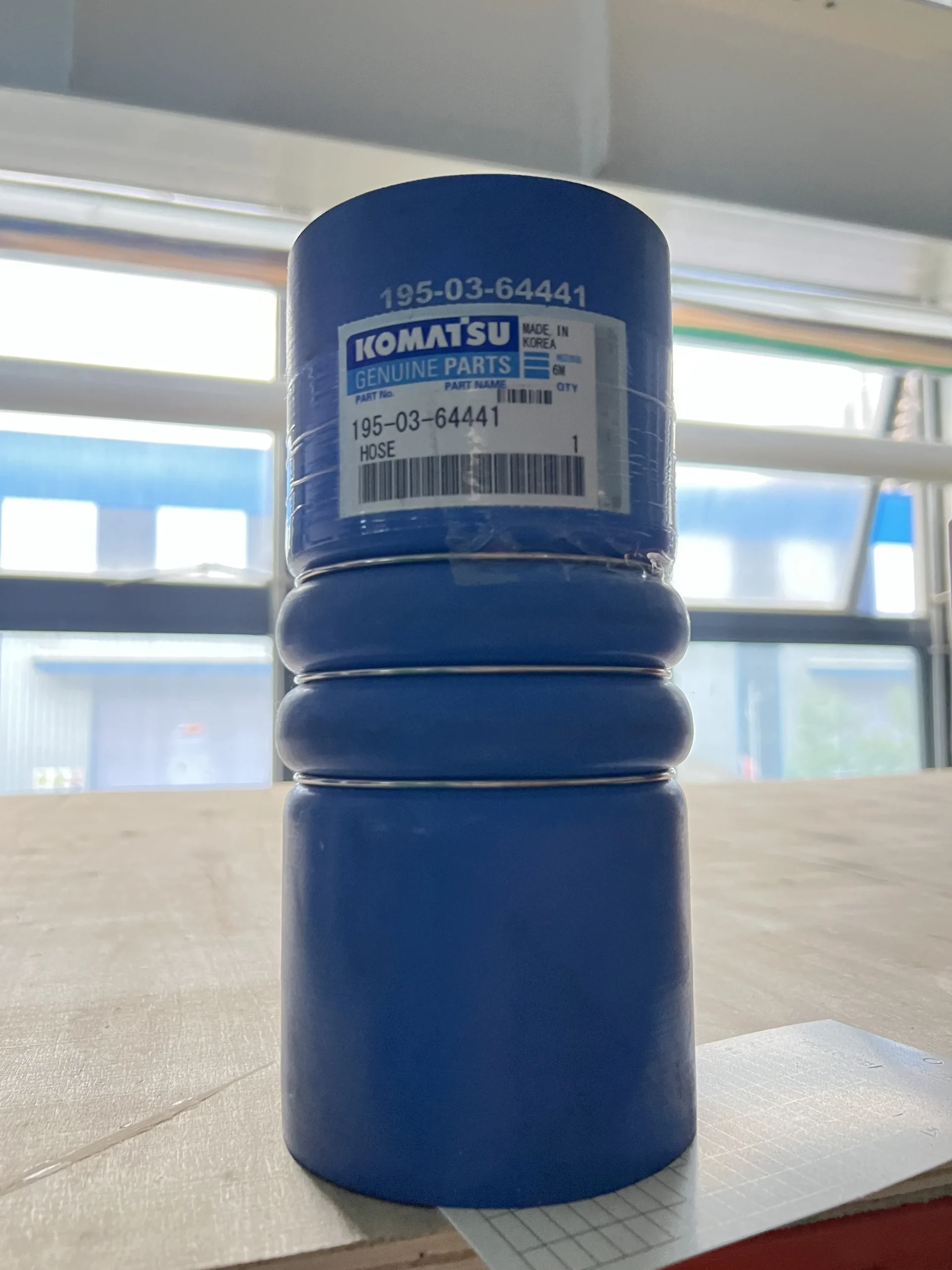 Intercooler Air Hose 195-03-64441 for Komatsu D375A-5
Related Search
Related Search- OEM AND ORIGINAL KOMATSU ARM 569-40-81120
- OEM AND ORIGINAL KOMATSU PLANETARY GEAR 198-27-45421
- Komatsu spare parts
- Komatsu rigid dump truck parts
- 6245-71-5141
- komatsu wb140 parts manual
- Komatsu Genuine & OEM Parts Full Precision Match for All Global Hot Komatsu Models
- Komatsu PC8000 parts
- Komatsu piston
- komatsu sk820 parts