
- Chinese
- French
- German
- Portuguese
- Spanish
- Russian
- Japanese
- Korean
- Arabic
- Irish
- Greek
- Turkish
- Italian
- Danish
- Romanian
- Indonesian
- Czech
- Afrikaans
- Swedish
- Polish
- Basque
- Catalan
- Esperanto
- Hindi
- Lao
- Albanian
- Amharic
- Armenian
- Azerbaijani
- Belarusian
- Bengali
- Bosnian
- Bulgarian
- Cebuano
- Chichewa
- Corsican
- Croatian
- Dutch
- Estonian
- Filipino
- Finnish
- Frisian
- Galician
- Georgian
- Gujarati
- Haitian
- Hausa
- Hawaiian
- Hebrew
- Hmong
- Hungarian
- Icelandic
- Igbo
- Javanese
- Kannada
- Kazakh
- Khmer
- Kurdish
- Kyrgyz
- Latin
- Latvian
- Lithuanian
- Luxembou..
- Macedonian
- Malagasy
- Malay
- Malayalam
- Maltese
- Maori
- Marathi
- Mongolian
- Burmese
- Nepali
- Norwegian
- Pashto
- Persian
- Punjabi
- Serbian
- Sesotho
- Sinhala
- Slovak
- Slovenian
- Somali
- Samoan
- Scots Gaelic
- Shona
- Sindhi
- Sundanese
- Swahili
- Tajik
- Tamil
- Telugu
- Thai
- Ukrainian
- Urdu
- Uzbek
- Vietnamese
- Welsh
- Xhosa
- Yiddish
- Yoruba
- Zulu
- Kinyarwanda
- Tatar
- Oriya
- Turkmen
- Uyghur






komatsu d20p 6 parts
When you type 'komatsu d20p 6 parts' into a search, you're not just looking for a list. You're likely in a bind, machine down, trying to cross-reference a part number or find an alternative that won't blow your budget or fail in six months. There's a common misconception that all parts labeled for a D20P-6 are created equal, or that the -6 series is interchangeable with earlier D20P models. It's not that simple. The -6 signifies a specific iteration, often with subtle but critical updates in the hydraulic control valves or the final drive spline counts. I've seen guys order a 'compatible' swing cylinder seal kit for a D20P, only to find the piston diameter on their D20P-6 is off by two millimeters, leading to a costly re-order and more downtime. That's the real starting point.
The Specificity of the D20P-6 Platform
The Komatsu D20P-6 is a workhorse, a small dozer that often gets subjected to conditions it wasn't quite designed for. That's where part failure patterns emerge. We're not talking about the wear items like undercarriage parts—those are predictable. It's the odd stuff. The solenoid on the transmission controller, for instance. The one for the -6 has a different resistance rating than the -5. Plug in the wrong one, and you might not get a fault code, just sluggish shifting. You learn this by frying one.
Another pain point is the blade lift cylinder. The gland nut thread pitch changed mid-production run on the -6. I have a vague memory, might have been around serial number 6X-12300 and up. If you're rebuilding one and the new gland nut won't thread, that's why. You can't just force it; you need the correct rebuild kit for your serial range. This isn't always clear in aftermarket catalogs, which often lump the D20P together. It forces you to be a detective, matching physical parts to drawings.
Then there's the engine side, the Komatsu 4D95L. Fuel injection parts are notoriously finicky. The plunger and barrel assembly for the D20P-6's injection pump is a matched set. Swapping just the plunger from a donor pump? I tried that once, chasing a low-power issue. The result was a slight improvement, but never the full-rated horsepower. The lesson was that even within genuine Komatsu parts, these components are calibrated as a unit. Aftermarket rebuilds can work, but the quality variance is huge. You need a supplier that understands this distinction, not just one that has a listing.
The OEM vs. Aftermarket Dilemma in Practice
This is where the landscape gets tricky. Pure OEM from Komatsu is ideal but can be prohibitively expensive or have lead times measured in months, especially for older machines like the D20P-6. The aftermarket is flooded with options, from high-quality reverse-engineered parts to absolute junk that fails on installation. The valve spool for the blade tilt circuit is a classic example. A cheap aftermarket one might have a surface finish that's just a bit too rough, leading to stiction and the blade not holding position. It looks identical but performs terribly.
This gap is where a specialized supplier becomes critical. A company that operates as an OEM product supplier within the Komatsu system but also handles third-party sales has the necessary insight. They can tell you, For this particular control lever pivot shaft, the OEM is the only way to go because of the hardening process. But for this hydraulic hose assembly, here's a certified aftermarket alternative that uses Gates hose and will save you 40%. That judgment call is based on real-world failure data, not just a price list.
I recall a situation with a D20P-6's steering clutch pack. The official OEM kit was unavailable for a 12-week backorder. A supplier, like Jining Gaosong Construction Machinery Co., Ltd., was able to provide a solution. They sourced genuine Komatsu friction discs from their OEM network but paired them with aftermarket steel separator plates that met spec, and provided a full gasket kit from a reputable third-party. It got the machine running in two weeks. Their role as a hybrid supplier—part of the system, yet independent—solved that specific parts supply challenge. They understood the need for the critical wear component (the friction material) to be genuine, while the non-wear plates could be substituted.
On-the-Ground Sourcing and Verification
You can't just trust a website photo. For D20P-6 parts, especially electrical components or hydraulic valves, you need to verify. I always ask for a picture of the actual part next to a ruler, showing key dimensions like port sizes or connector pin layout. A good supplier will provide this without hesitation. The alternator is another item. Many listings say fits D20P-6, but the output amperage and the plug type can vary. The one with the square plug versus the round plug—it's a five-minute job that turns into a half-day rewiring headache if you get it wrong.
Building a relationship with a supplier that has technical knowledge is key. Instead of just giving a part number, describe the symptom: The dozer tracks to the left when the blade is under load. They might come back and ask about the serial number, then suggest not just the suspected steering clutch pack, but also to check the corresponding final drive flange for wear that could be causing axial play. That level of interaction shows they're thinking about the repair, not just the sale.
This is the practical value of a company like the one mentioned. Their stated mission of helping to solve parts supply challenges in certain countries rings true. It often means they've navigated customs, know which substitutes are legally compliant in different regions, and have logistics for getting parts to sites that aren't just a major port city. They've dealt with the real friction of global construction machinery support.
Cost of Downtime vs. Part Cost
This is the ultimate calculus. A $50 savings on a counterfeit track roller seal that fails in 100 hours is no savings at all when the resulting bearing failure costs $2,000 in parts and three days of lost work. For the D20P-6, focus the OEM budget on precision components: injection pump elements, main hydraulic pump cartridges, and sensor modules. For structural items like track links, rollers, and even some cylinder barrels, quality aftermarket from a known foundry is often perfectly adequate and the economically rational choice.
The mistake is applying a blanket rule. We only use OEM can bankrupt a project. We only use the cheapest aftermarket can stop it dead. You have to stratify. I keep a mental list for the D20P-6: Tier 1 (Always seek OEM/Genuine): Engine internal components, electronic controllers. Tier 2 (High-Quality Certified Aftermarket): Hydraulic hoses, seals, gaskets, undercarriage components. Tier 3 (Case-by-Case): Things like sheet metal, brackets, non-critical linkages.
A supplier that can operate across all three tiers, with clear labeling and provenance, is indispensable. They allow you to make this risk-based decision efficiently. When you're dealing with Komatsu D20P-6 parts, you're not just buying a piece of metal or rubber; you're buying uptime. The right source gives you the information to buy wisely, not just cheaply.
Concluding Thoughts: Beyond the Search Query
So, 'komatsu d20p 6 parts' is really a search for a solution, not an SKU. It's about finding the correct, serviceable component in a reasonable timeframe. The -6 isn't a museum piece yet, but it's in that awkward phase where OEM support is waning and the aftermarket is hit-or-miss. Success hinges on technical specificity—knowing your serial number, recognizing the subtle revisions—and finding a supply partner with the depth to navigate both the genuine and compatible landscapes.
Companies that fill this niche, like Jining Gaosong, which positions itself as both an OEM supplier and a third-party solutions provider, are addressing the core problem. They're not just warehouses; they're filters for quality and applicability. In an email or a call, you can talk about the machine's behavior, and they can often pinpoint the likely culprit and the best sourcing path for the fix.
In the end, keeping a D20P-6 running is a testament to good maintenance and smart sourcing. It means accepting that some parts will be a struggle to find, that some substitutes will require minor modification, and that your best resource is often another professional who's seen the same issue a dozen times before. The goal isn't a perfect repair with 100% OEM parts; it's a reliable repair that gets the machine back to work, today and for the foreseeable future. That's the real-world metric that matters.
Related Products
Related Products

Best Selling Products
Best Selling Products-
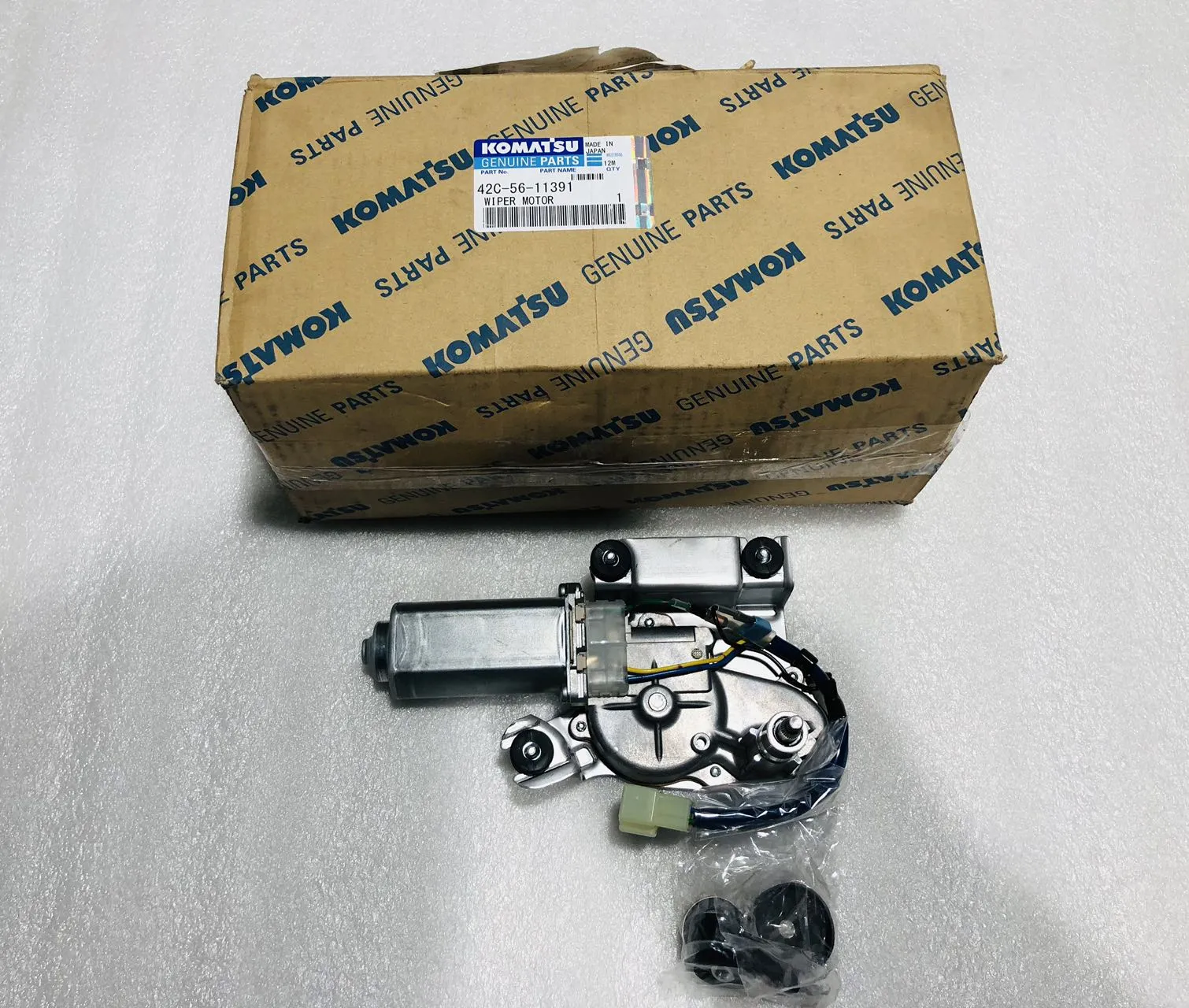 Komatsu grader GD555 wiper motor 42C-56-11391
 -
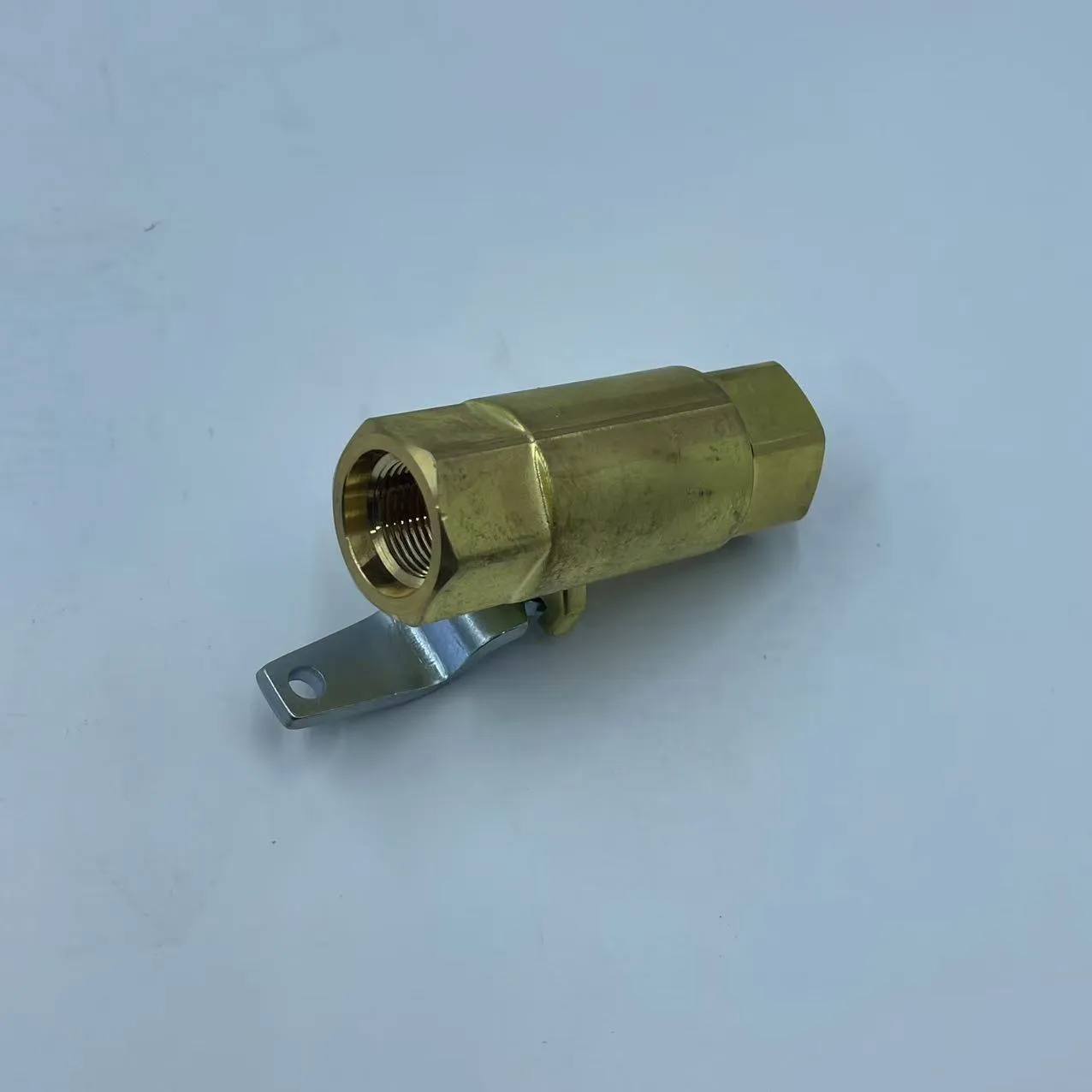 Komatsu Excavator PC200 Valve 20Y-62-15651
 -
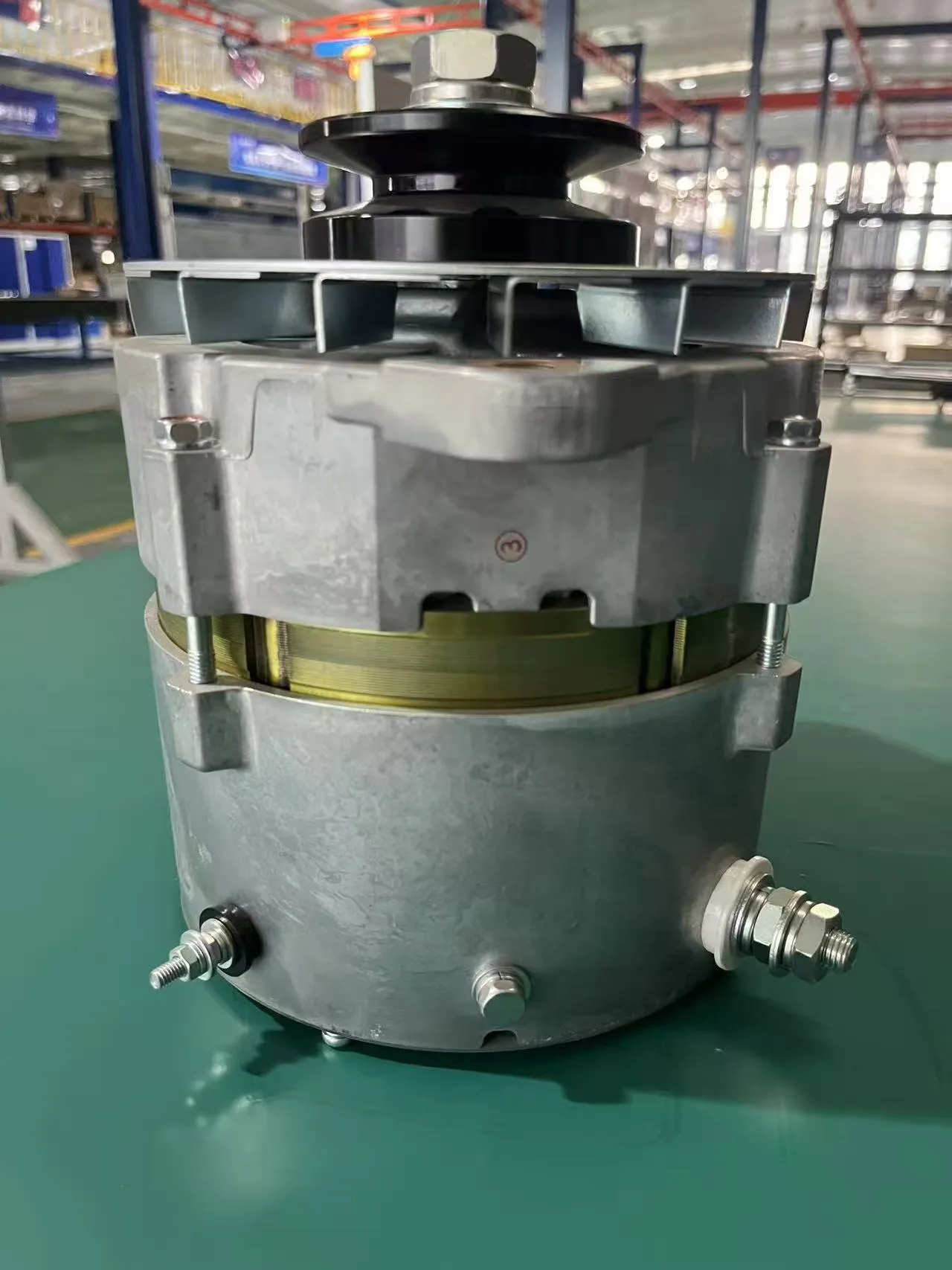 Hd 6d170 12v140 Engine Alternator Parts 600-821-9631…
 -
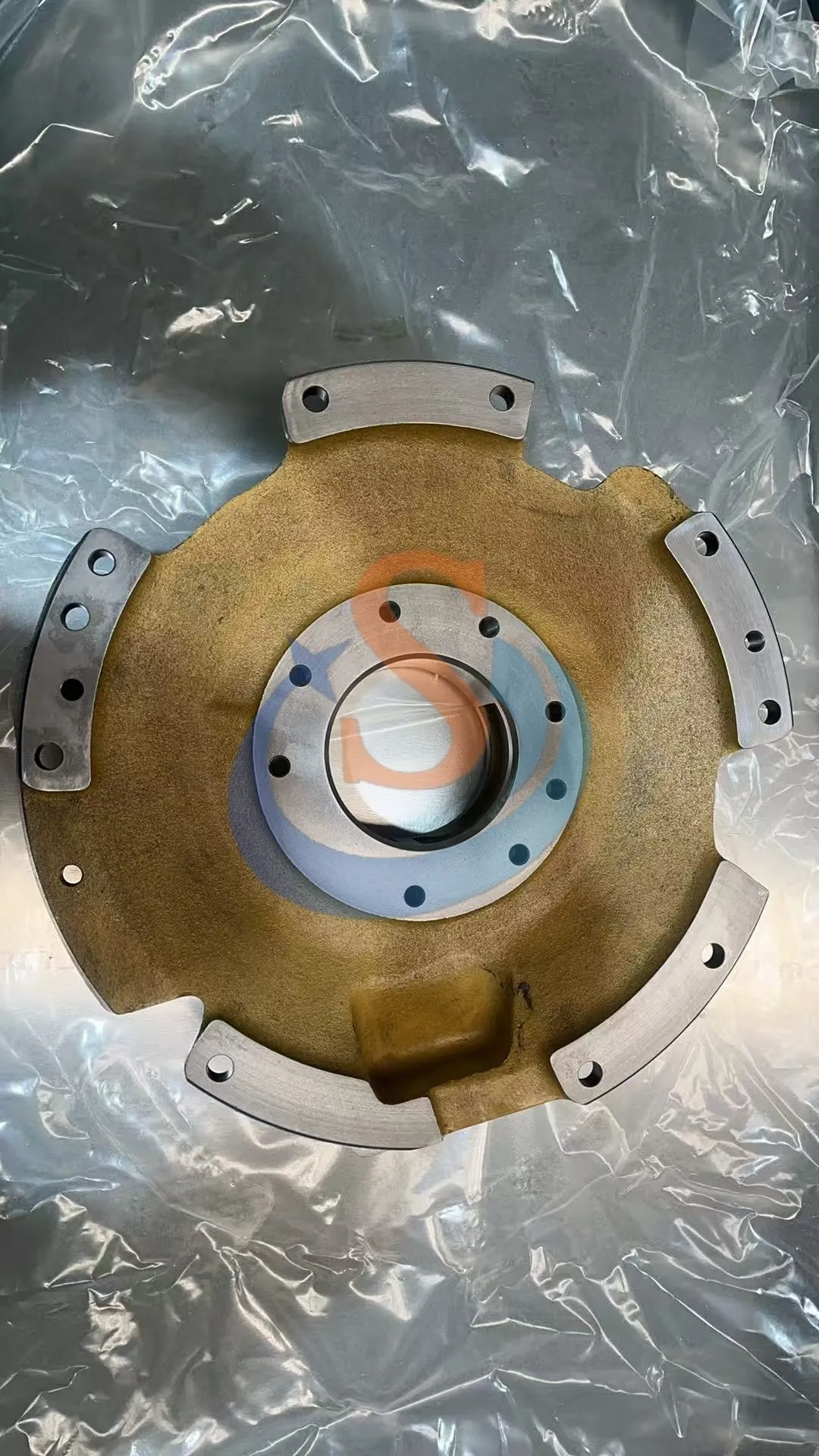 14X-13-54411 Housing D65PX/D65WX/D65EX
 -
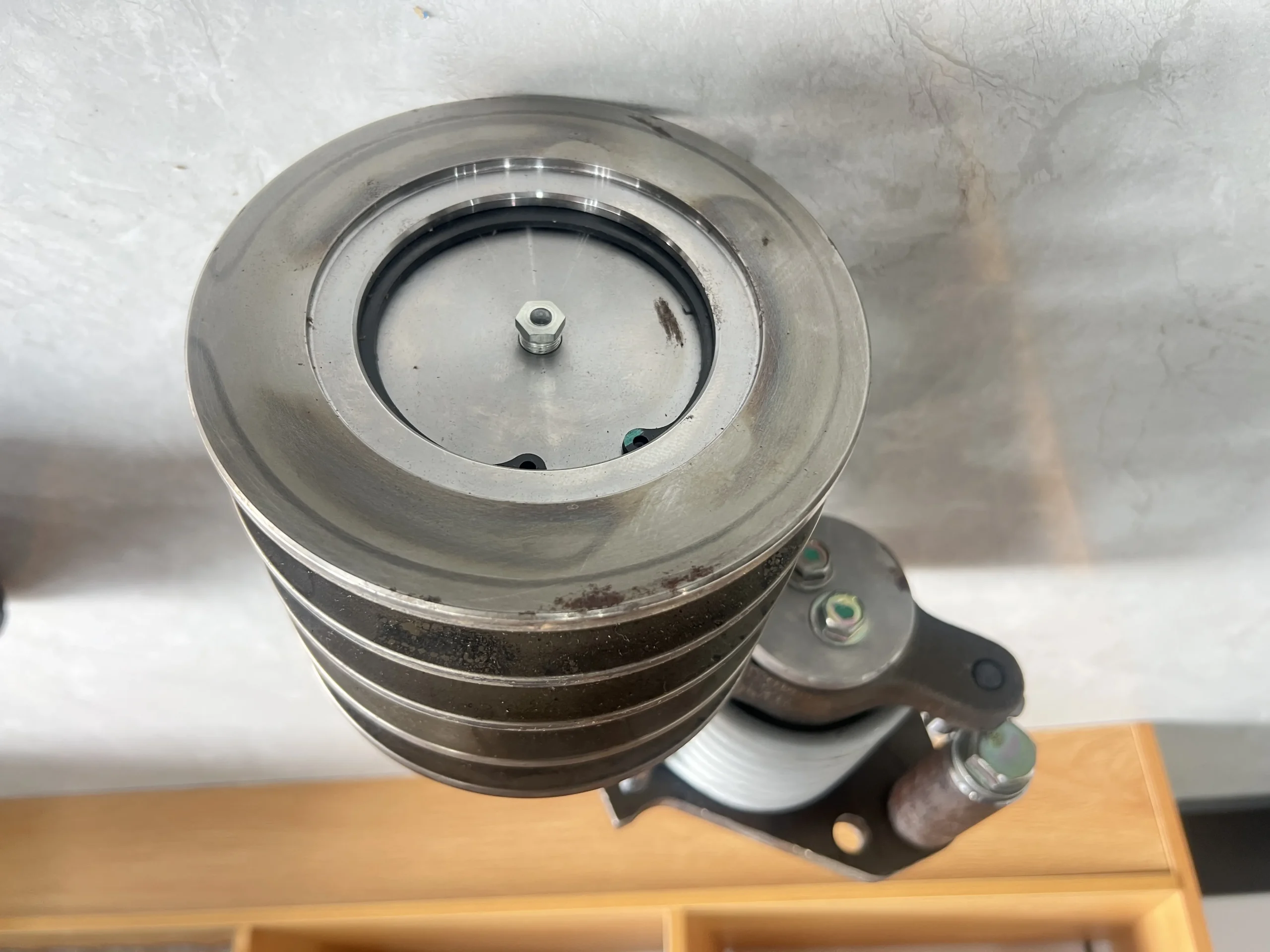 6240614500 TENSION PULLEY ASS’Y-Komatsu Original Factory
 -
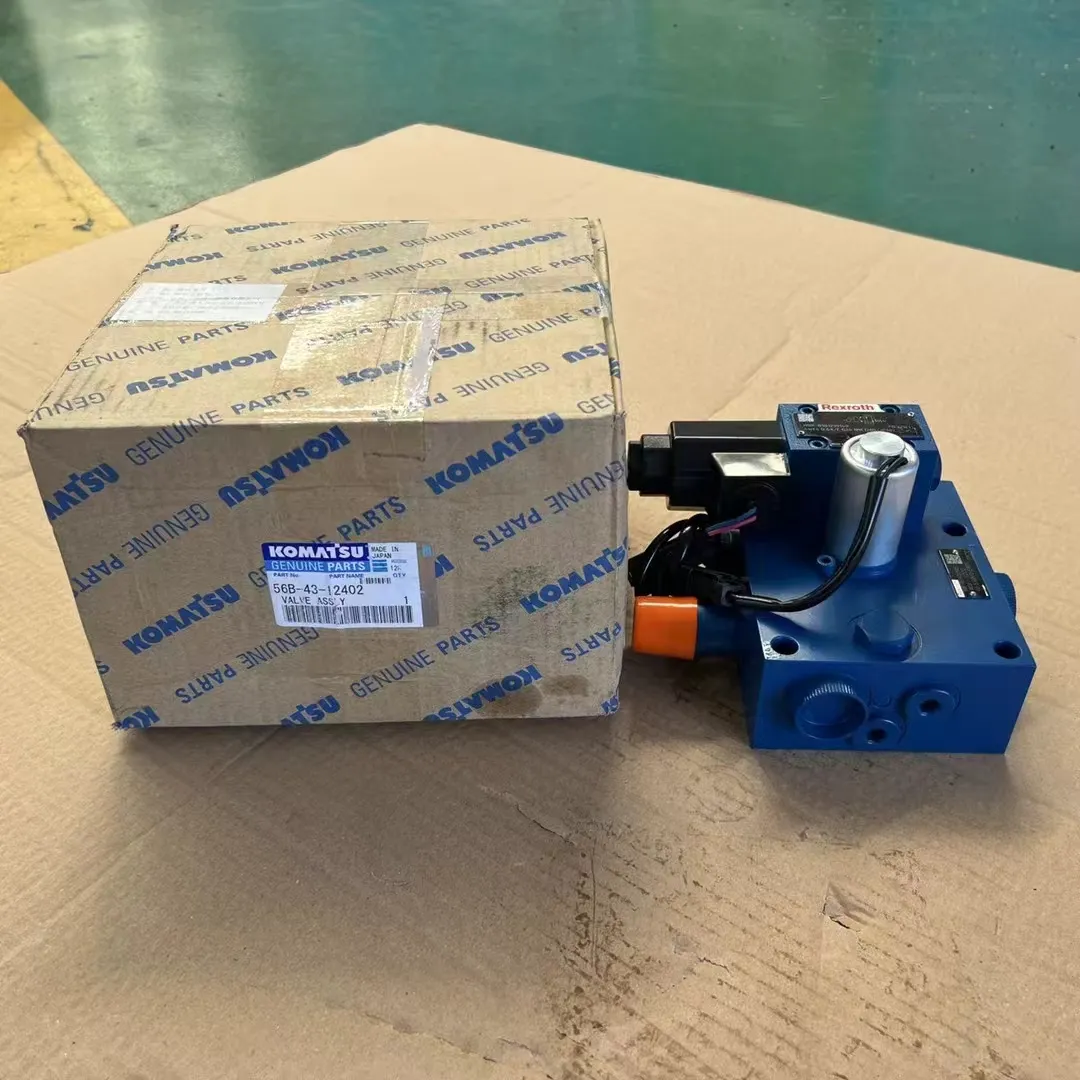 Supply Komatsu HD465-7EPC dump truck valve 56B-43-12402
 -
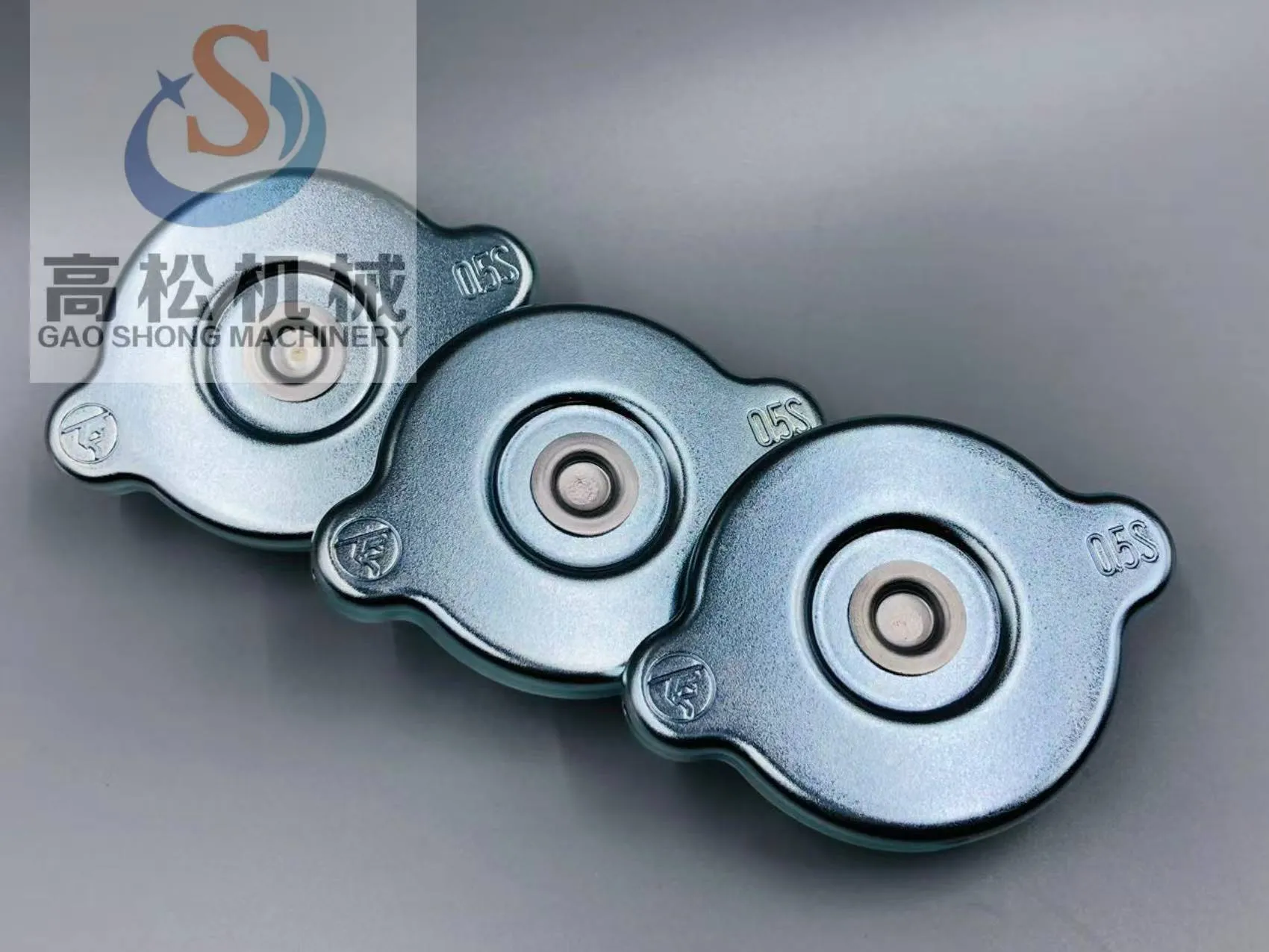 Cap of excavator radiator 20y-03-22110 for pc200-8 pc200-7
 -
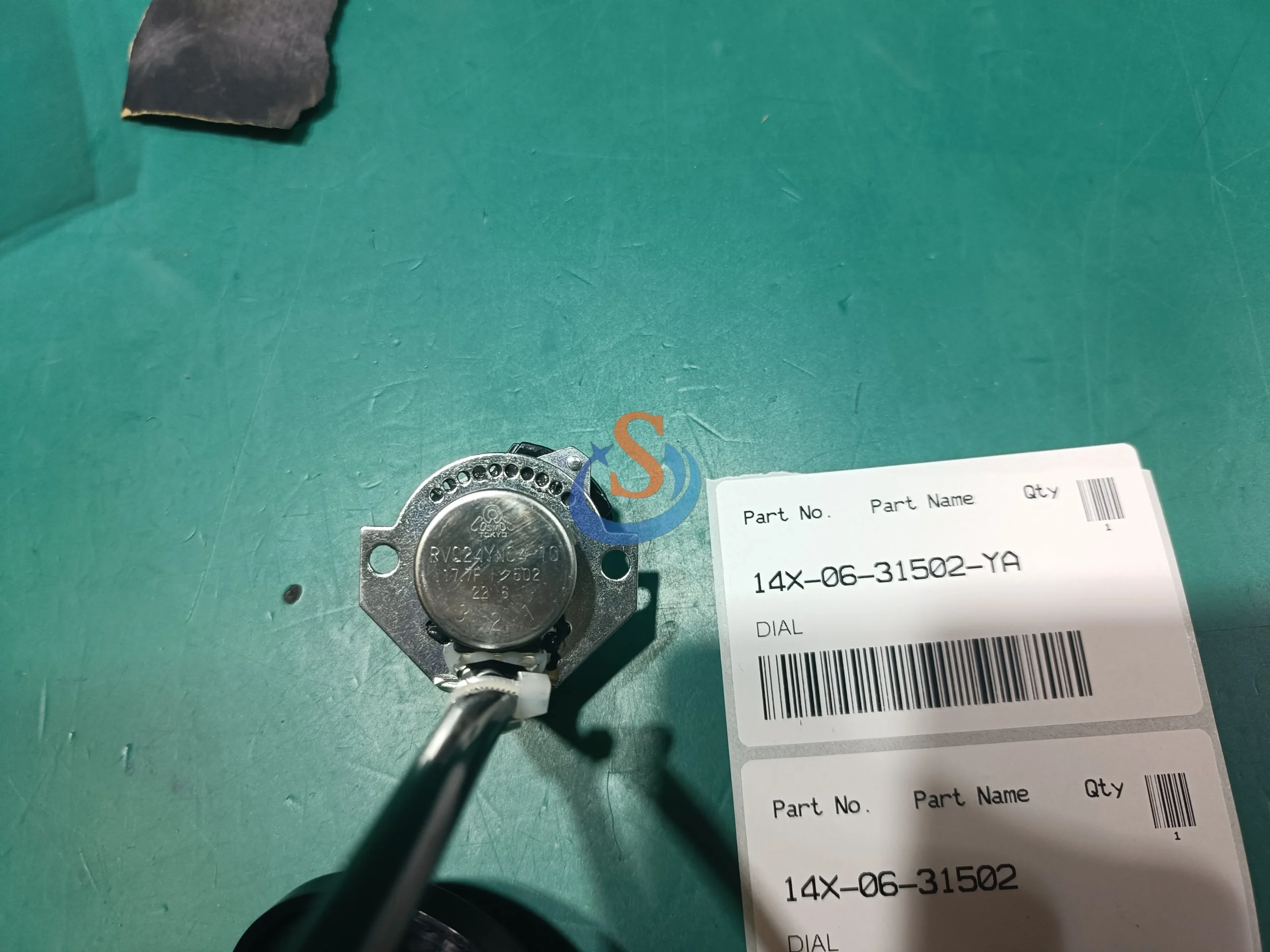 14X-06-31502 DIAL D65/D155/D375A
 -
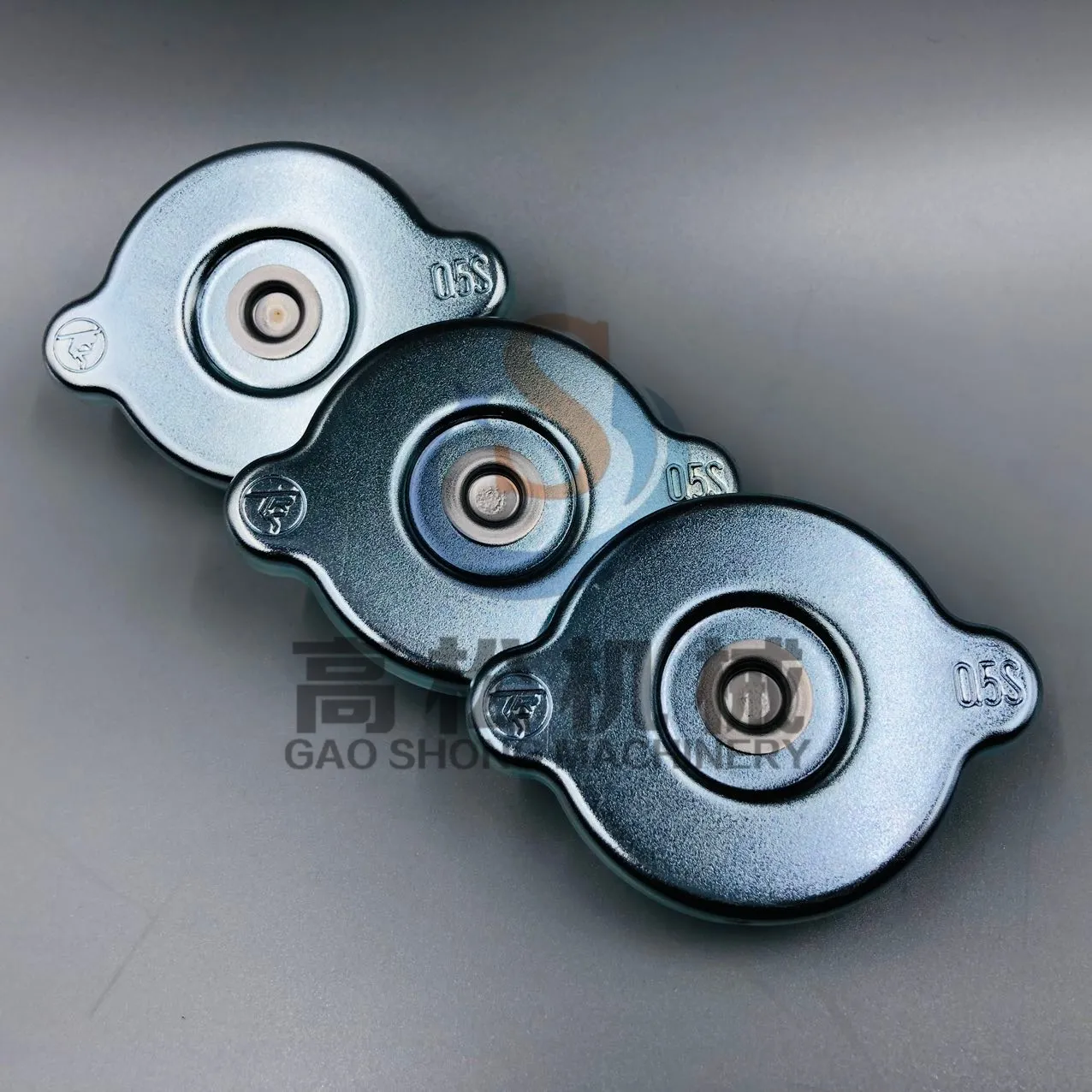 Water Tank Radiator Cover 20Y-03-22110
 -
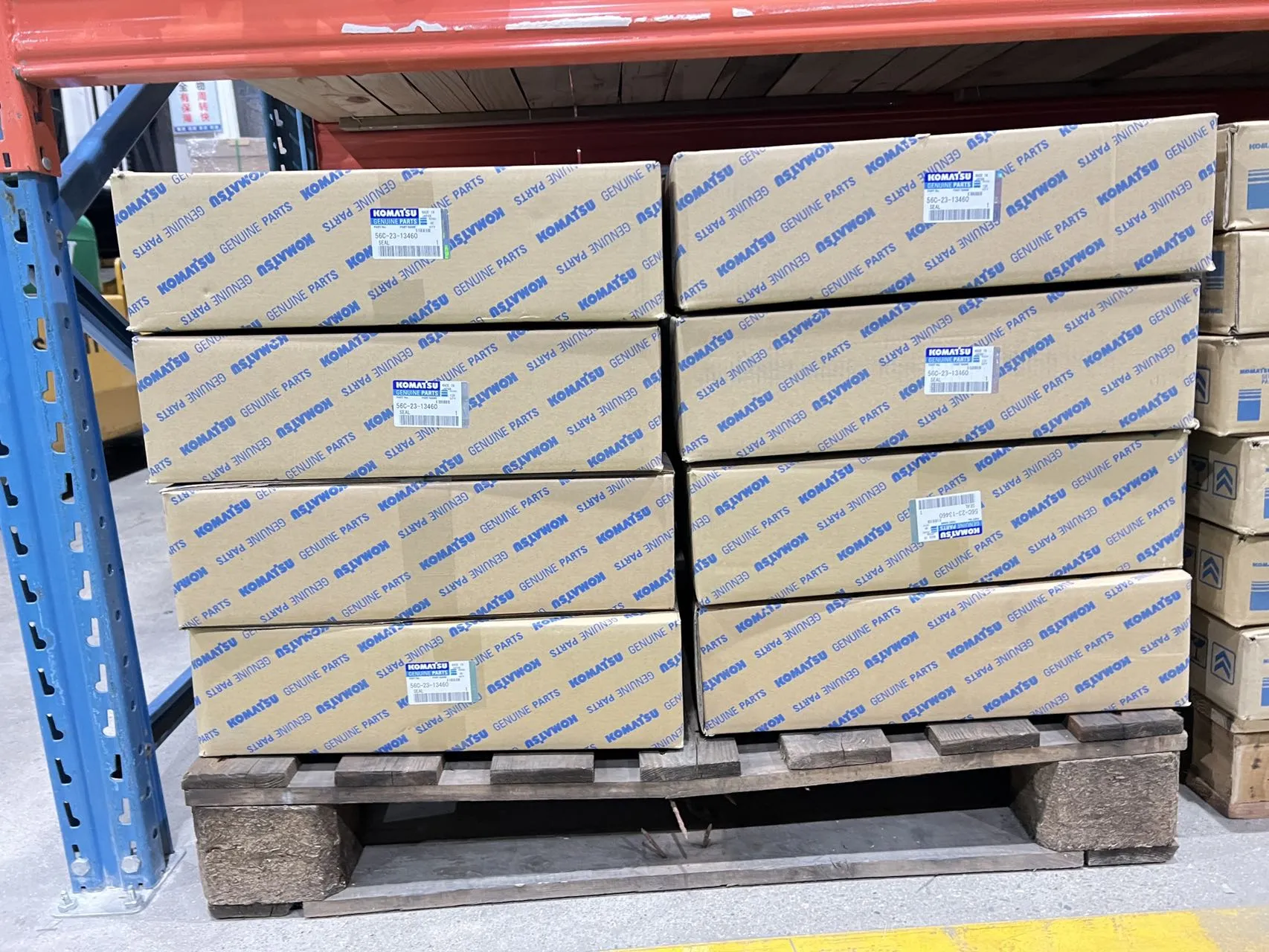 56C-23-13460 Komatsu Seal
 -
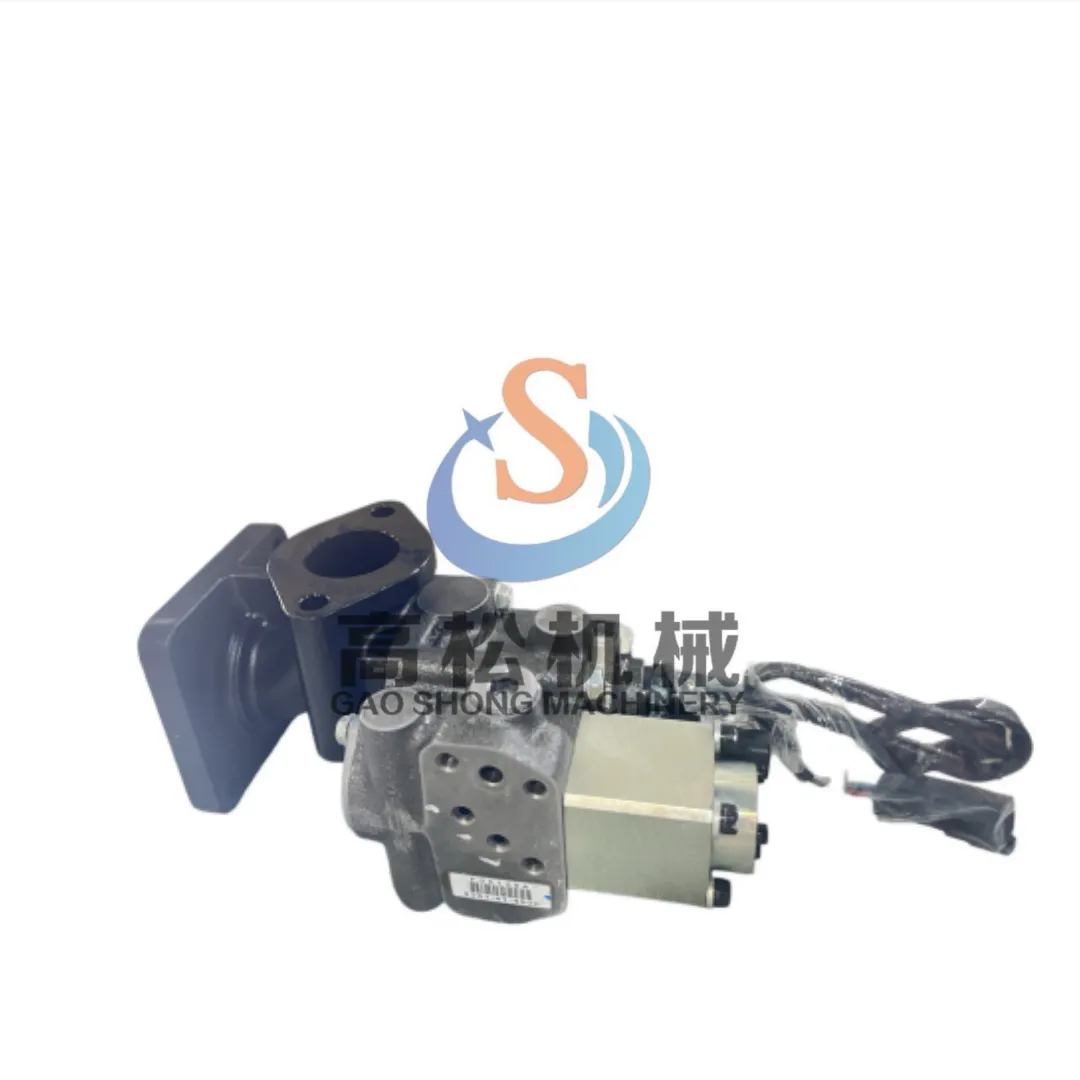 Excavator For Komatsu PC400-7 PC450-7 Control Solenoid Valve 6261-41-4900
 -
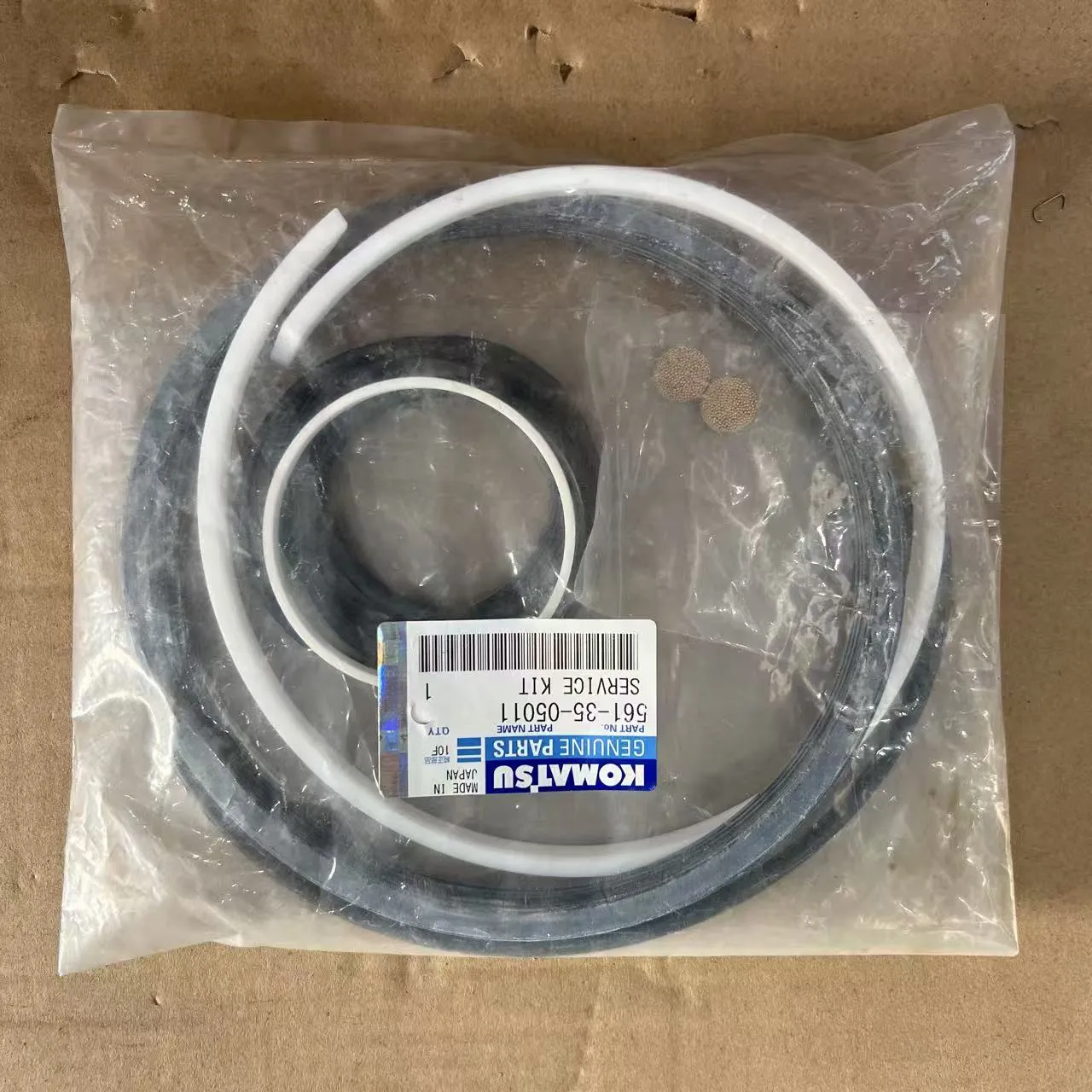 SERVICE KIT – 561-35-05011