
- Chinese
- French
- German
- Portuguese
- Spanish
- Russian
- Japanese
- Korean
- Arabic
- Irish
- Greek
- Turkish
- Italian
- Danish
- Romanian
- Indonesian
- Czech
- Afrikaans
- Swedish
- Polish
- Basque
- Catalan
- Esperanto
- Hindi
- Lao
- Albanian
- Amharic
- Armenian
- Azerbaijani
- Belarusian
- Bengali
- Bosnian
- Bulgarian
- Cebuano
- Chichewa
- Corsican
- Croatian
- Dutch
- Estonian
- Filipino
- Finnish
- Frisian
- Galician
- Georgian
- Gujarati
- Haitian
- Hausa
- Hawaiian
- Hebrew
- Hmong
- Hungarian
- Icelandic
- Igbo
- Javanese
- Kannada
- Kazakh
- Khmer
- Kurdish
- Kyrgyz
- Latin
- Latvian
- Lithuanian
- Luxembou..
- Macedonian
- Malagasy
- Malay
- Malayalam
- Maltese
- Maori
- Marathi
- Mongolian
- Burmese
- Nepali
- Norwegian
- Pashto
- Persian
- Punjabi
- Serbian
- Sesotho
- Sinhala
- Slovak
- Slovenian
- Somali
- Samoan
- Scots Gaelic
- Shona
- Sindhi
- Sundanese
- Swahili
- Tajik
- Tamil
- Telugu
- Thai
- Ukrainian
- Urdu
- Uzbek
- Vietnamese
- Welsh
- Xhosa
- Yiddish
- Yoruba
- Zulu
- Kinyarwanda
- Tatar
- Oriya
- Turkmen
- Uyghur






komatsu d20a parts
When you start digging into 'Komatsu D20A parts', the first thing that hits you isn't just a part number—it's the realization of how fragmented the aftermarket for these older, yet incredibly resilient, bulldozers can be. A lot of folks jump online expecting a one-stop-shop, but the reality for a model like the D20A, which has been out of primary production for years, is more nuanced. You're not just buying a part; you're navigating a legacy system. There's a common misconception that all parts labeled for the D20A are created equal, or that OEM is always the only viable path. Having been in the trenches sourcing for fleets, I've seen that this binary thinking can lead to costly downtime or, conversely, unnecessary expense. The truth is, the ecosystem involves genuine OEM, quality aftermarket, and a critical layer of system-approved suppliers who bridge the gap, especially in regions where the official pipeline has dried up or is prohibitively slow.
The D20A's Legacy and the Parts Reality
The Komatsu D20A is a workhorse. It's one of those machines you still see on smaller sites or in remote areas, chugging along reliably. But its age is precisely what defines the parts challenge. Komatsu's main channels naturally prioritize current models. For the D20A, you're often looking at a supply chain that's been handed down to specialized distributors and system partners. The key parts that wear—Komatsu D20A parts like undercarriage components (rollers, idlers, track chains), final drive seals, and steering clutch packs—aren't always on the shelf at your local dealer. You learn to plan ahead. I remember waiting eight weeks for a genuine steering clutch assembly from Japan for a client who insisted on pure OEM, a costly period of downtime that made us rethink strategy.
This is where the role of companies operating within the Komatsu system but with more flexibility becomes crucial. They aren't just order-takers; they understand the specs and the tolerances. For instance, a supplier like Jining Gaosong Construction Machinery Co., Ltd. positions itself in this space. From my interactions and reviewing their portal at takematsumachinery.com, they articulate a dual role: an OEM product supplier within the system and a third-party sales company. In practice, this means they can access genuine Komatsu-origin parts but also provide validated alternatives to solve specific supply bottlenecks, particularly for markets where official distribution is thin. Their stated goal of helping to solve parts supply challenges in certain countries isn't just marketing speak; it's the daily reality for anyone maintaining older Komatsu equipment in Africa, parts of Southeast Asia, or South America.
The nuance is in the validation. A system supplier doesn't just sling generic aftermarket parts. For critical components, they ensure the metallurgy for a roller path matches or the bore dimensions for a hydraulic pump housing are within Komatsu's original service limits. It's this layer of technical oversight that separates a reliable source from a parts gambler. You develop a sense for which suppliers have this depth. When you find one, you stick with them, because they save you from the nightmare of a part that fits but fails prematurely.
Critical Components: Where Focus Matters
Let's get specific. Not all Komatsu D20A parts are equally problematic. The engine side, if it's the original Komatsu 4D95, is relatively straightforward—many filter and gasket kits are common across models. The real headaches are in the power train and hydraulics. The steering clutches and brakes are a signature system of these older dozers. Rebuilding them requires not just the friction discs and plates, but the right springs, the correct oil seals (often a proprietary Komatsu design), and the precise adjustment shims. I've seen mechanics try to improvise with shims from a newer model, only to have the clutch drag or not fully disengage, leading to rapid wear.
Another high-failure point is the pivot shaft and bushing for the blade lift cylinder. It's a high-stress, greased joint that gets neglected. Sourcing just the bushing isn't enough; you need the exact hardness and internal oil groove pattern. A generic bushing will wallow out in a few hundred hours. A reliable supplier will ask for your serial number range to confirm the sub-variant, because Komatsu did make running changes. This attention to detail is what you pay for.
Then there's the undercarriage. It's tempting to go for the cheapest D20A-compatible track chain. Resist it. The pitch and pin hardness are critical. A mismatch accelerates wear on the sprockets and other rollers, turning a savings into a five-figure undercarriage overhaul down the line. A good system-oriented third-party supplier will be transparent about the origin—whether it's a Komatsu-made chain, a licensed manufacturer's product, or a high-quality reverse-engineered part that meets spec. They should provide the data to back that up.
The Supplier Ecosystem and Practical Sourcing
This brings us to the practicalities of sourcing. The website for Jining Gaosong Construction Machinery Co., Ltd. (takematsumachinery.com) is a case study in this niche. It's not a flashy e-commerce site with thousands of SKUs. It's focused. They present as an extension of the Komatsu ecosystem, which is a credible claim for solving parts supply challenges. In my experience, companies like this are invaluable for those hard-to-find items. You don't email them for a common filter; you contact them when the dealer network has a 12-week lead time on a final drive hub, or when you suspect a part has been superseded by a newer, incompatible part number.
The process is often conversational. You send them the part number and serial number. They come back with options: Genuine, available from Japan warehouse, 6 weeks, or System-approved alternative, same material spec, from our stock in Dubai, 1 week. That choice is powerful. It puts control back in the hands of the fleet manager or owner-operator, balancing cost, time, and machine integrity. This is the third-party sales function in action—they're aggregating supply channels that the end-user can't easily access.
One failure I learned from early on was assuming all aftermarket hydraulic pumps were equal. We installed a cheaper pump on a D20A's blade control circuit. It worked, but the flow rate was slightly off spec. The result was slower blade response and increased heat in the system, which eventually cooked the seals on the control valve. The downtime and repair cost wiped out any initial savings. Now, for such core components, I either go genuine or use a supplier that explicitly states the performance data matches the Komatsu technical publication. It's a non-negotiable checkpoint.
Cost vs. Value in the Long Run
The eternal debate: OEM versus alternative. For Komatsu D20A parts, it's not a simple either/or. It's a spectrum of value. For safety-critical or highly complex wear items—think brake bands or the steering clutch inner hub—the premium for genuine Komatsu parts is usually justified. The engineering and quality control are inherent. But for many items, like pins and bushings, track shoes, or even certain gaskets, a high-quality, system-verified alternative provides 95% of the service life at 60% of the cost. That's a sensible trade-off.
The value of a supplier in the Komatsu system, like the mentioned Jining Gaosong, is their ability to guide that decision. They operate with the OEM blueprints and tolerances in mind. Their business depends on your machine running properly, not just on making a one-time sale. This alignment of interest is critical. You want a supplier who will sometimes say, For that particular component, I recommend you wait for the genuine part, the alternatives aren't proven yet. That builds trust.
It also comes down to inventory strategy. For a single machine, you can't stock everything. But based on failure rates, it's wise to have a relationship with a supplier who can drop-ship key wear items. Knowing you can get a set of track roller seals or a fan belt within a week from a reliable source, even if it's not directly from Komatsu Ltd., reduces operational risk significantly. This is the solving supply challenges promise made real.
Concluding Thoughts: A Pragmatic Approach
So, what's the takeaway for anyone dealing with a Komatsu D20A? First, respect the machine's legacy but be pragmatic about its support network. The pure OEM path is ideal but not always practical or timely. Second, cultivate relationships with specialized suppliers who understand the nuances of legacy models and operate with technical integrity. A company's stated position as an OEM product supplier within the Komatsu system and a third-party solver, like Jining Gaosong, is a strong indicator of this capability.
Always cross-reference part numbers with your machine's serial number. Don't just trust a catalog listing for D20A. And finally, build a hybrid parts strategy. Use genuine for mission-critical, high-precision components, and leverage trusted, technically-rigorous alternative sources for high-wear, more generic items. This balanced approach, informed by real-world failures and successes, is what keeps these old dozers earning their keep year after year. The goal isn't to find the cheapest Komatsu D20A parts, but the most reliable and cost-effective solution for your specific operational context.
Related Products
Related Products

Best Selling Products
Best Selling Products-
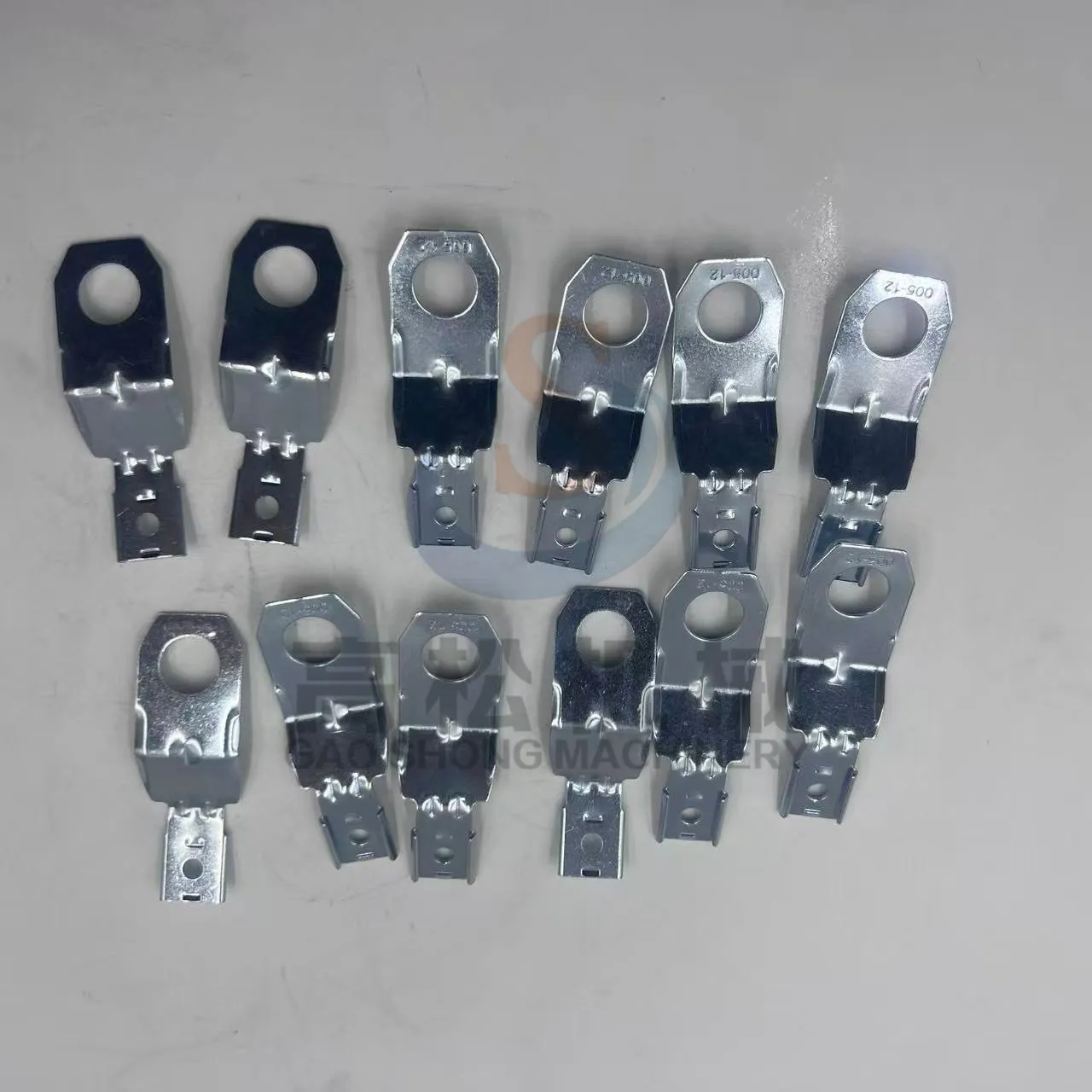 08193-21012 Clip (Komatsu)
 -
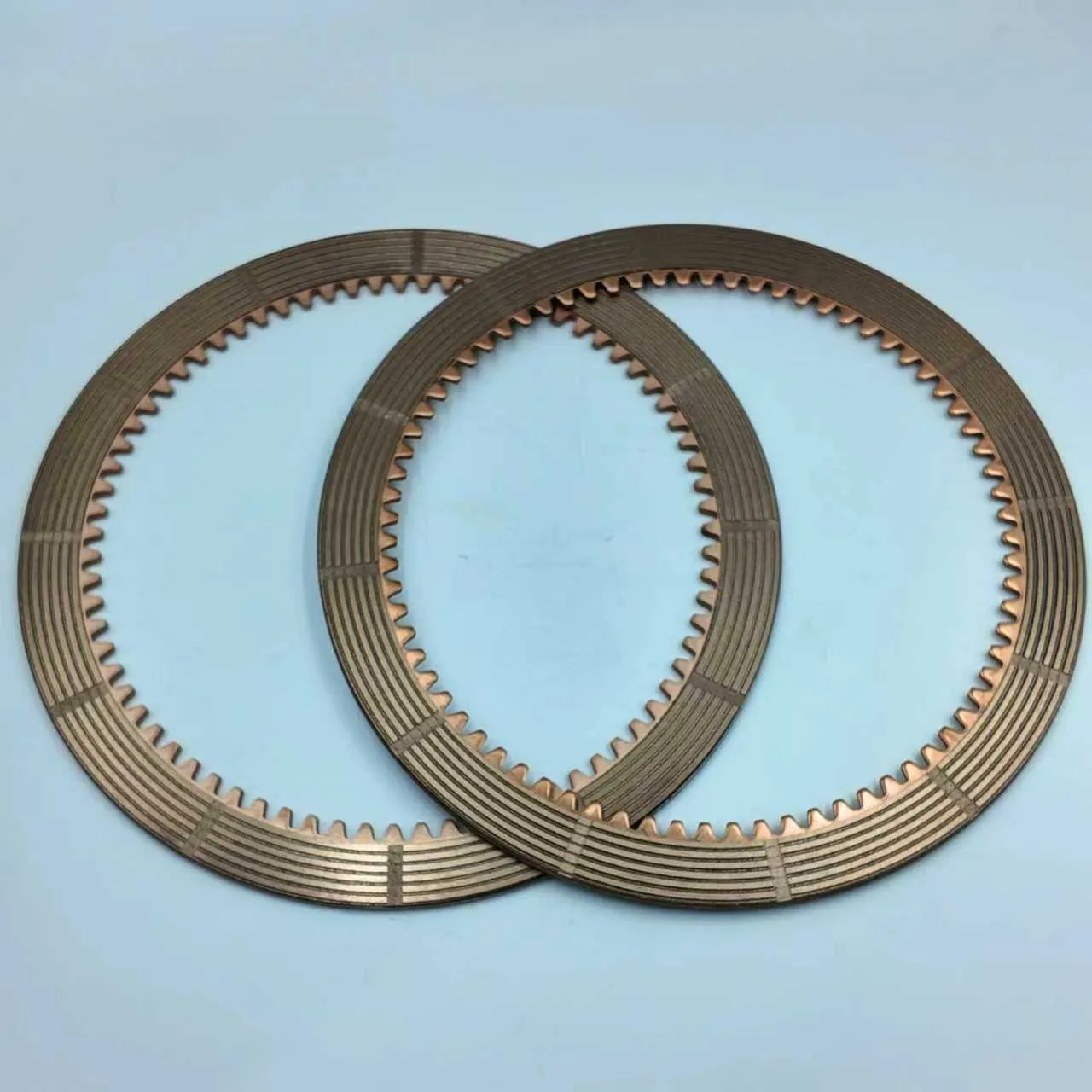 NEW 23S-15-12710 DISC TRANSMISSION (124-15-42710) FOR KOMATSU D41A-3
 -
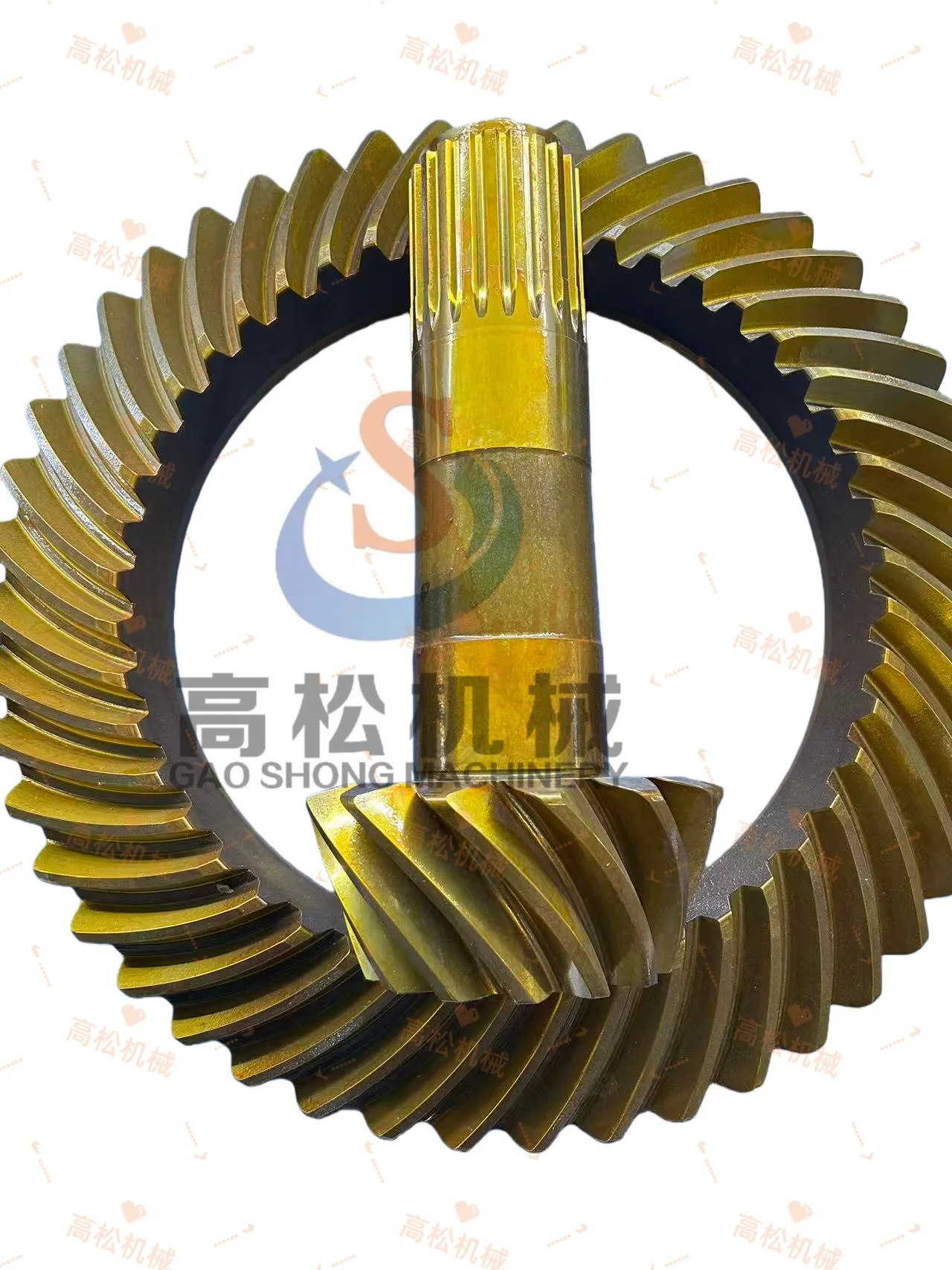 561-22-71207 561-22-71203 PINION GEAR ASS’Y HD785-7 REAR AXLE
 -
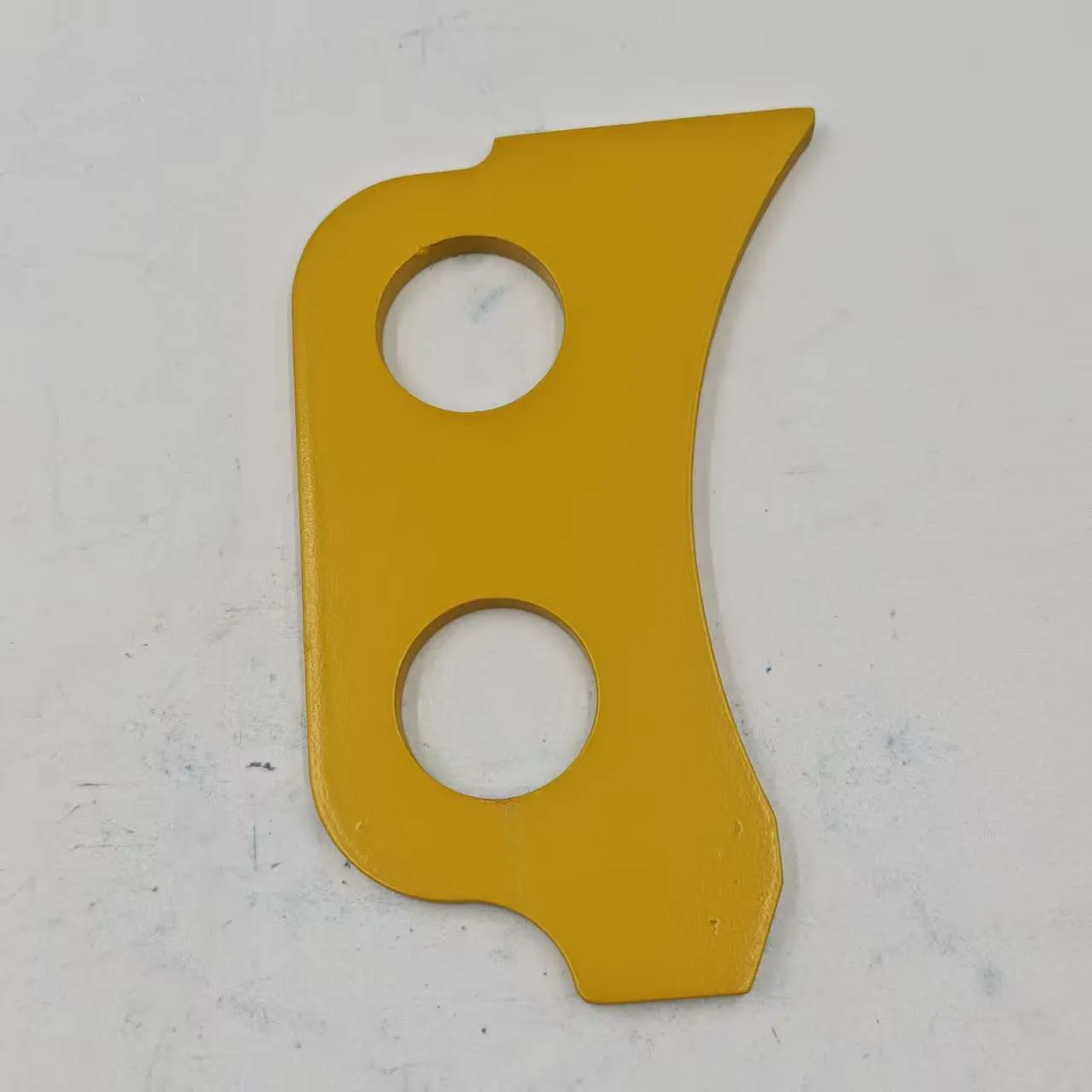 PLATE 195-71-74260 KOMATSU
 -
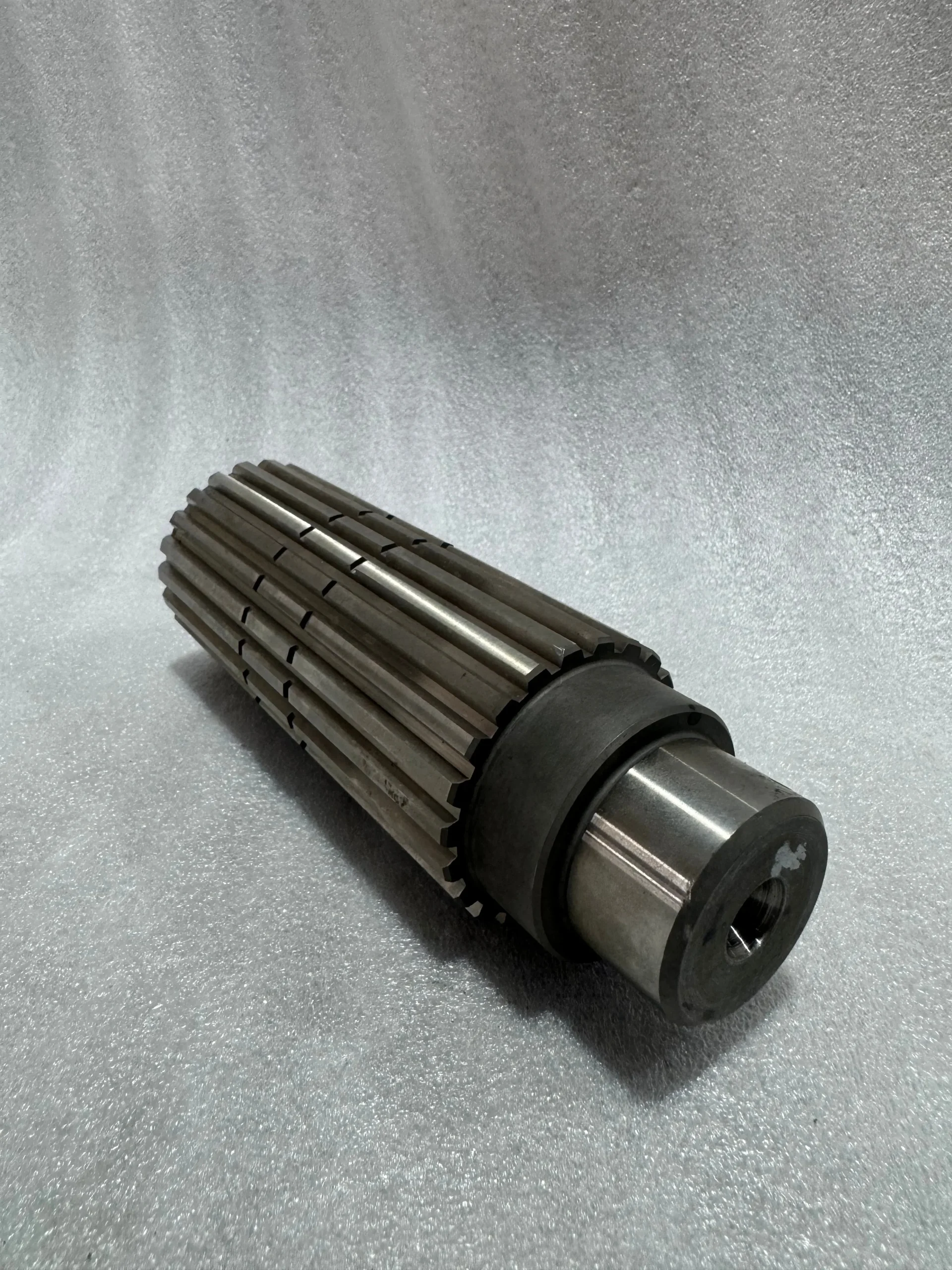 D65PX-15 Gear shaft 14X-12-11411
 -
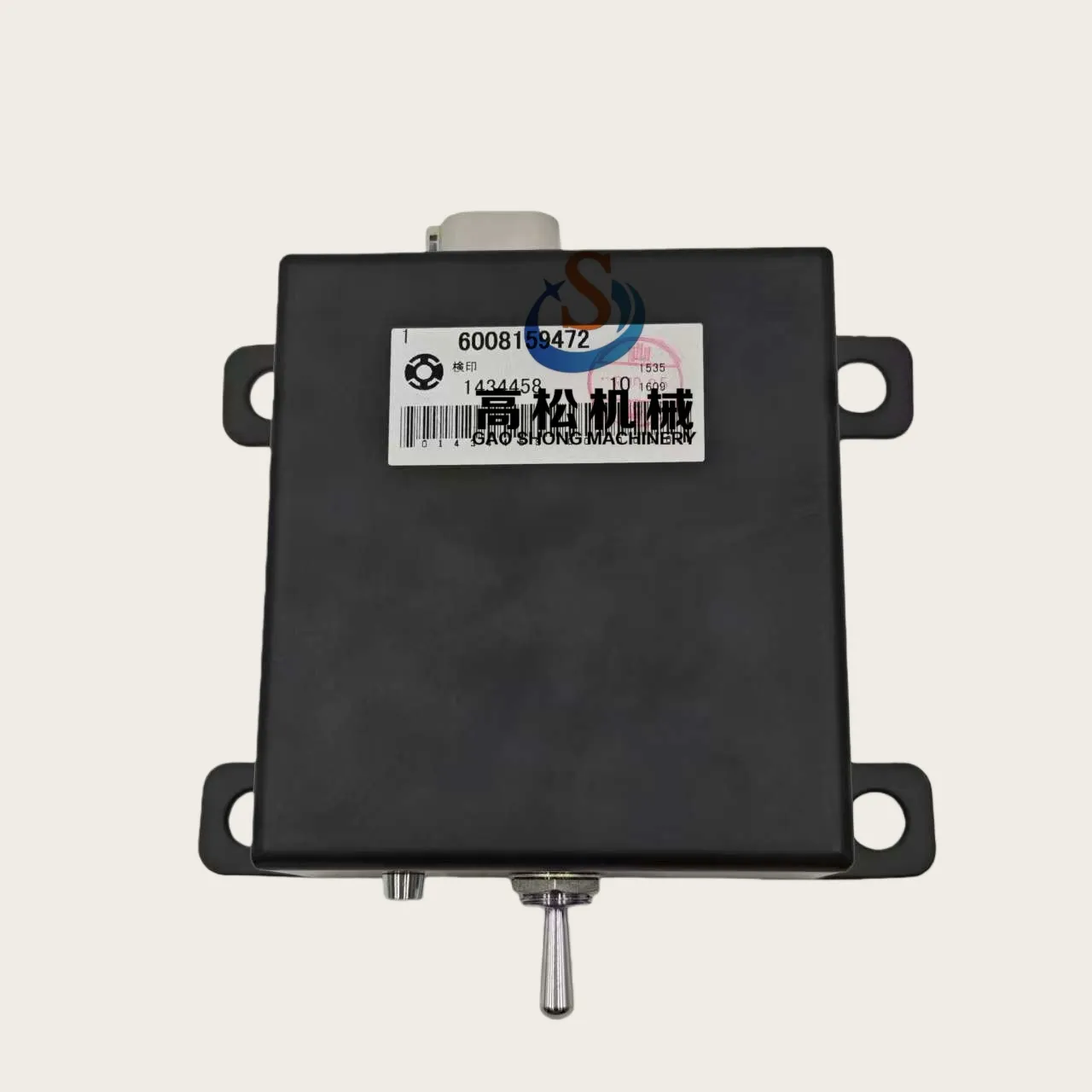 Switch 600-815-9472 D375A-6 WD600-6R HD605-7E1 HD465-7E1 HD785-7 SAA6D170E-5F ENGINE HOOD AND SIDE COVER GROUP, FUEL PRIMING PUMP SWITCH
 -
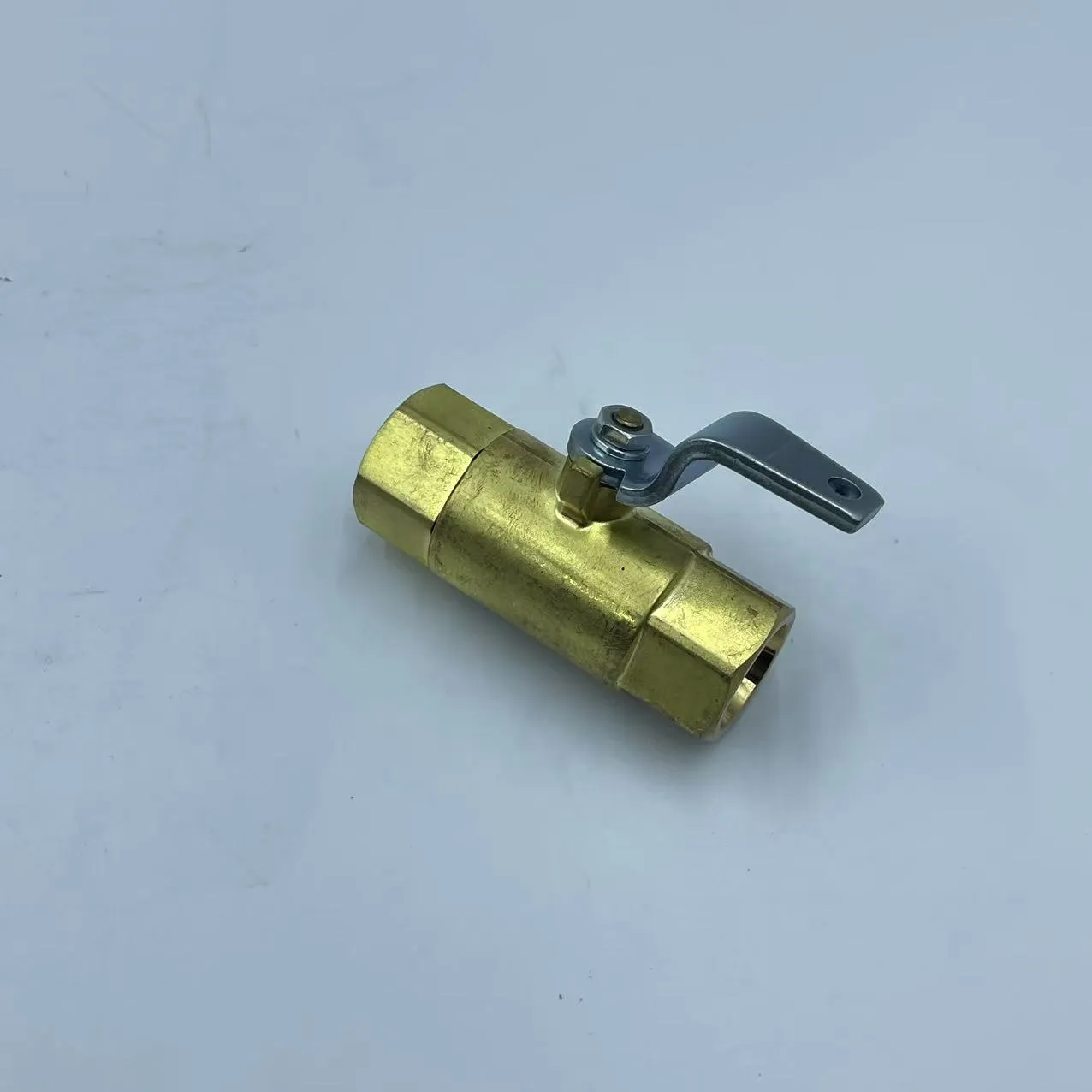 VALVE 20Y-62-15651 – KOMATSUBATTERY, D275A, D375A, FRONT, WA150, WA200, WA320
 -
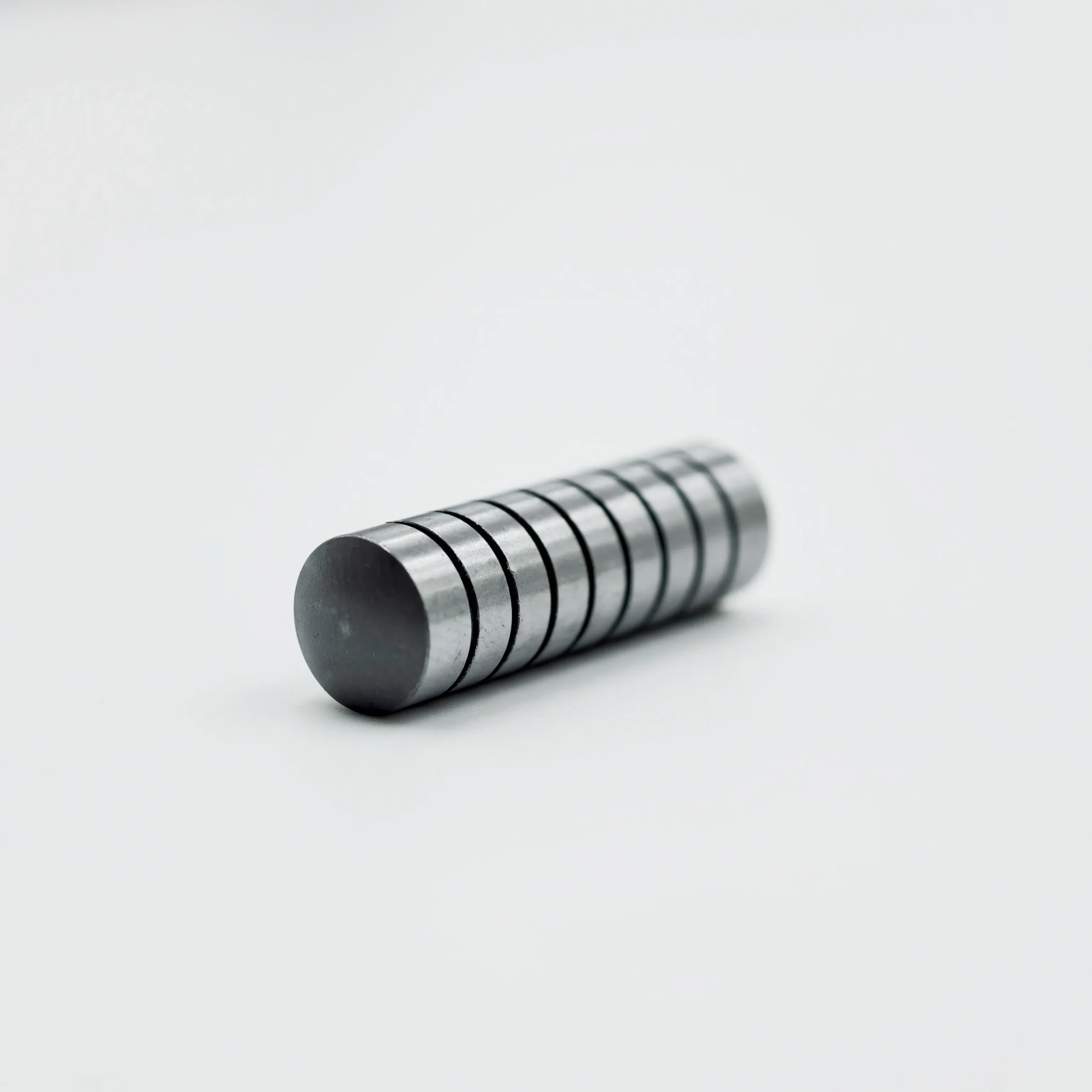 (KOMATSU)19M-40-11160 PISTON
 -
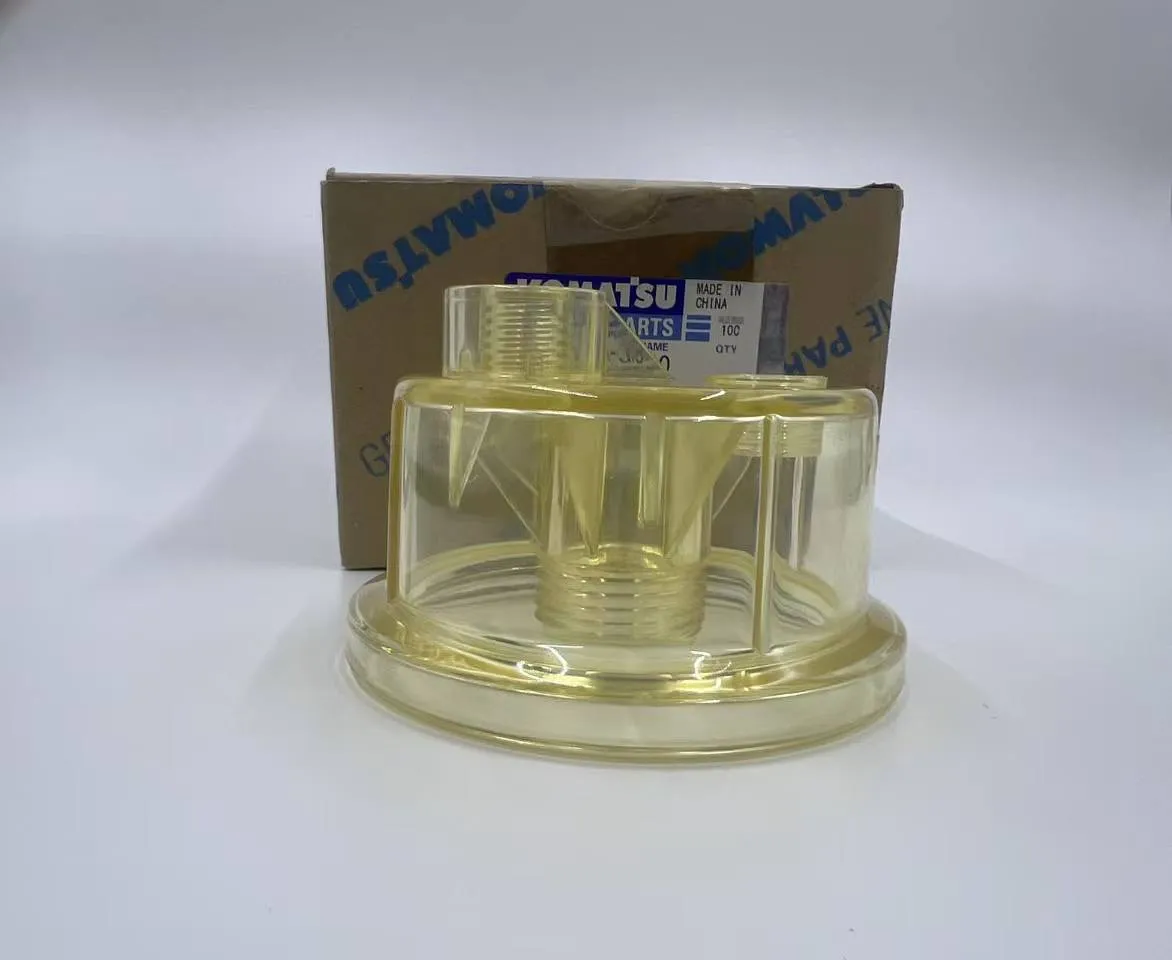 600-311-3640 • BOWL-Komatsu Original Factory
 -
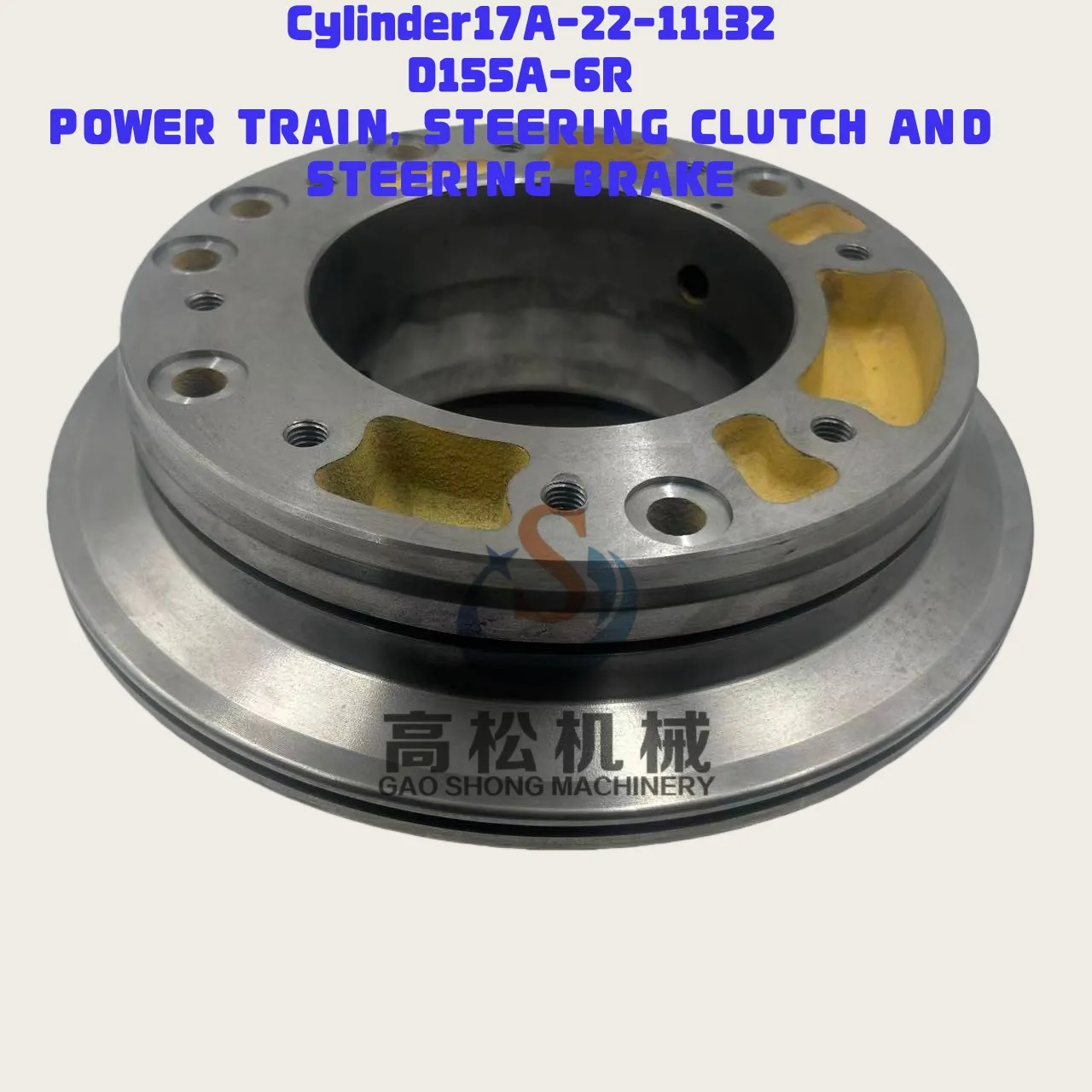 CYLINDER 17A-22-11132 D155A-6 D155A-3 D155A-5 D155A-6R STEERING CLUTCH AND BRAKE
 -
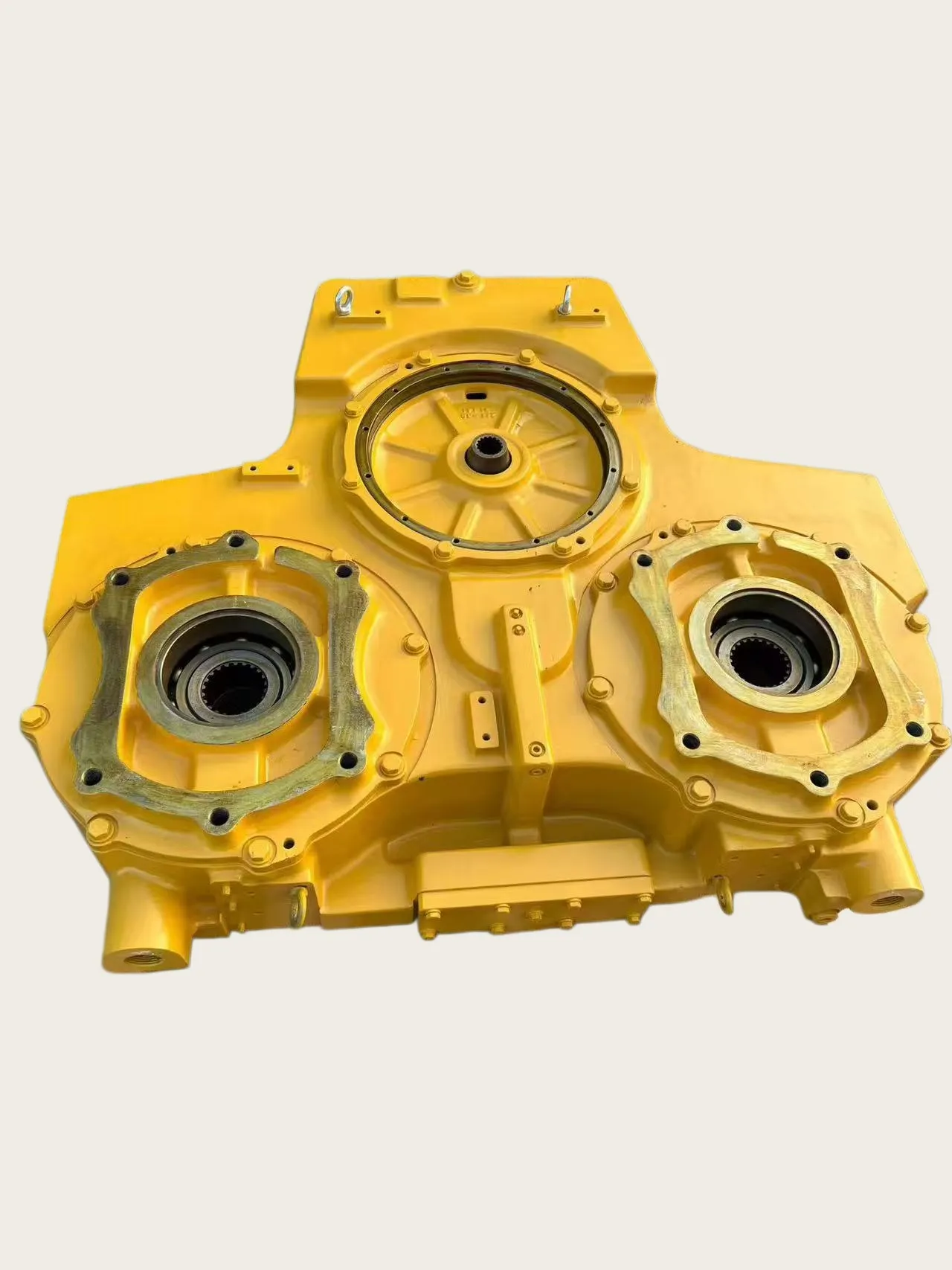 komatsu-part-21T-38-00160 21T-38-00170 21T-38-00180 21T-38-00190 PTO Assembly PC2000-8 PC2000-11 PTO (POWER TAKE OFF), INNER PARTS POWER TAKE OFF
 -
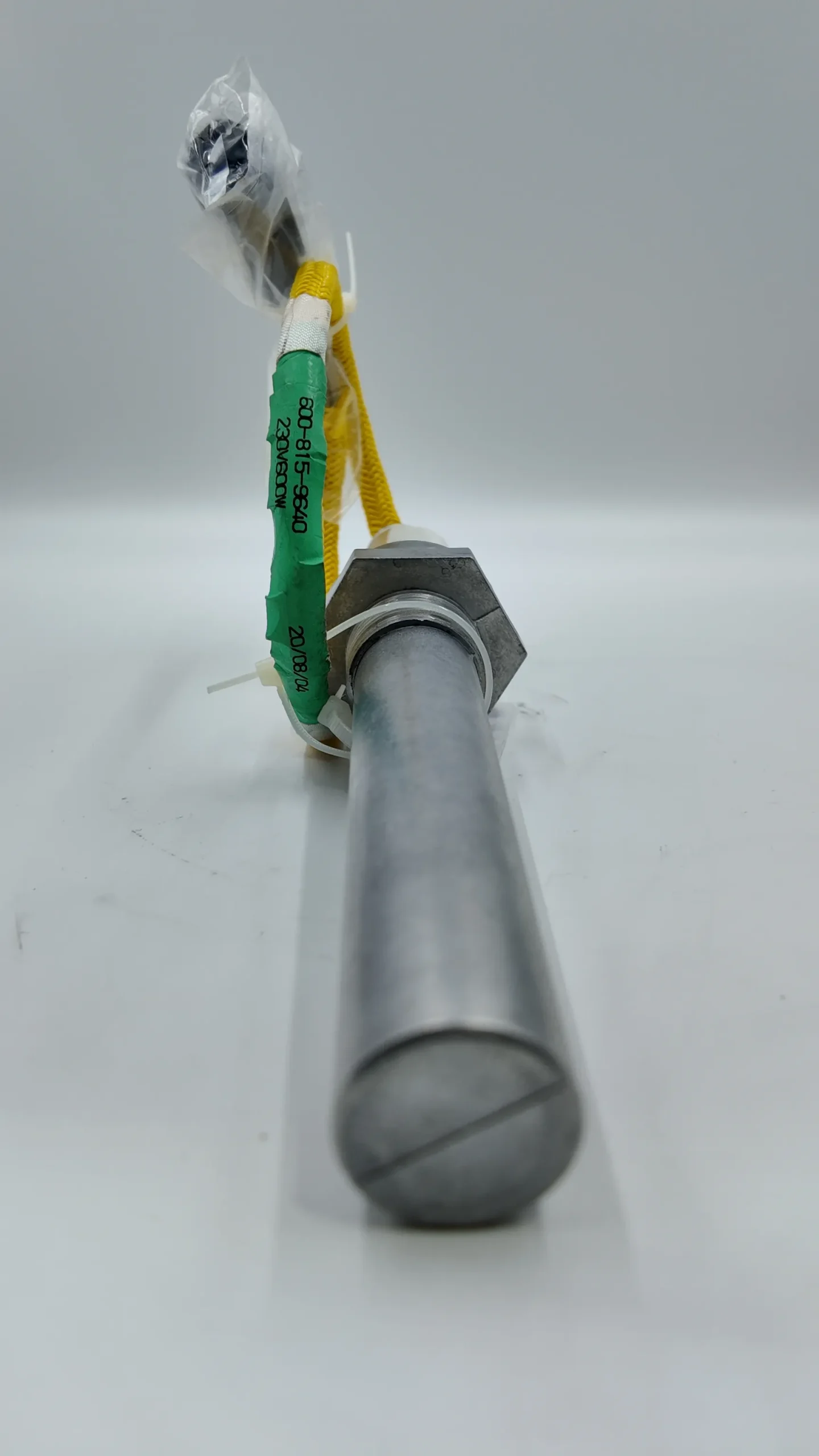 600-815-9640 HEATER-Komatsu Original Factory
Related Search
Related Search- OEM AND ORIGINAL KOMATSU BUSHING 561-40-61260
- 17A-50-11320
- OEM AND ORIGINAL KOMATSU GEAR 17M-27-41210
- komatsu hydraulic pump for sale
- 17A-30-00183
- OEM AND ORIGINAL KOMATSU BEARING 566-22-12190
- OEM AND ORIGINAL KOMATSU AIR CONDITIONER 561-07-61103
- 707-40-28020 • SPACER-Komatsu Original Factory
- 21N-03-53111
- used komatsu parts