
- Chinese
- French
- German
- Portuguese
- Spanish
- Russian
- Japanese
- Korean
- Arabic
- Irish
- Greek
- Turkish
- Italian
- Danish
- Romanian
- Indonesian
- Czech
- Afrikaans
- Swedish
- Polish
- Basque
- Catalan
- Esperanto
- Hindi
- Lao
- Albanian
- Amharic
- Armenian
- Azerbaijani
- Belarusian
- Bengali
- Bosnian
- Bulgarian
- Cebuano
- Chichewa
- Corsican
- Croatian
- Dutch
- Estonian
- Filipino
- Finnish
- Frisian
- Galician
- Georgian
- Gujarati
- Haitian
- Hausa
- Hawaiian
- Hebrew
- Hmong
- Hungarian
- Icelandic
- Igbo
- Javanese
- Kannada
- Kazakh
- Khmer
- Kurdish
- Kyrgyz
- Latin
- Latvian
- Lithuanian
- Luxembou..
- Macedonian
- Malagasy
- Malay
- Malayalam
- Maltese
- Maori
- Marathi
- Mongolian
- Burmese
- Nepali
- Norwegian
- Pashto
- Persian
- Punjabi
- Serbian
- Sesotho
- Sinhala
- Slovak
- Slovenian
- Somali
- Samoan
- Scots Gaelic
- Shona
- Sindhi
- Sundanese
- Swahili
- Tajik
- Tamil
- Telugu
- Thai
- Ukrainian
- Urdu
- Uzbek
- Vietnamese
- Welsh
- Xhosa
- Yiddish
- Yoruba
- Zulu
- Kinyarwanda
- Tatar
- Oriya
- Turkmen
- Uyghur






komatsu d20 dozer parts
When you're searching for 'Komatsu D20 dozer parts', you're not just looking for a bolt or a seal. You're often in a bind, trying to keep an older, maybe even a well-worked machine, running against the odds. There's a common misconception that all parts labeled for a D20 are created equal, or that the aftermarket is just a sea of cheap, interchangeable options. The reality on the ground is far messier, and the difference between a good fix and a costly downtime often hinges on understanding that nuance.
The Core Challenge with Legacy Machine Parts
The D20, in its various iterations, was a workhorse. But time moves on. Official dealer networks naturally prioritize current models, and for older machines like the D20, genuine Komatsu stock can become sporadic or vanish entirely, especially for specific serial number breaks. This is where the supply chain gets interesting, and frankly, where most of the headaches begin. You're not just buying a part; you're buying compatibility, durability, and ultimately, machine integrity.
I've seen too many guys go for the rock-bottom price on a track roller or a final drive seal, only to have it fail in half the expected service life. The issue isn't always that the part is a fake—it's that the metallurgy, the heat treatment, or the sealing lip compound isn't to the original spec. For a machine that operates under constant stress, those specs aren't arbitrary. A Komatsu D20 dozer transmission clutch pack, for instance, needs to handle a very specific friction coefficient and heat dissipation profile. An off-spec part might work... for a while. Then it glazes, slips, and you're tearing it down again.
This is where the role of specialized suppliers becomes critical. They bridge that gap between discontinued OEM supply and the pure, unvetted aftermarket. A company like Jining Gaosong Construction Machinery Co., Ltd. positions itself in that exact space. From my dealings and understanding, they operate with a dual identity: an OEM product supplier within the Komatsu system and a third-party sales channel. In practice, this often means they have access to genuine Komatsu lineage parts—either surplus, NOS (new old stock), or produced under original agreements—for models that main dealers have sunsetted. Their site, takematsumachinery.com, explicitly states they aim to solve parts supply challenges in certain countries, which is a diplomatic way of saying they navigate the complex global logistics and regional availability issues that stump local dealers.
Navigating the OEM-Supplier and Aftermarket Maze
The term OEM product supplier within the Komatsu system needs unpacking. It doesn't necessarily mean every part on their shelf is stamped with the Komatsu logo. It can mean they source from the same Tier 1 or Tier 2 manufacturers that originally supplied Komatsu. This is a crucial distinction. You might get a cylinder head that came off the same production line as the genuine article, just without the final branding and markup. For a practical equipment manager, this is often the sweet spot: OEM-equivalent quality at a non-OEM price.
However, vigilance is still key. I always cross-reference part numbers meticulously. A D20A-6 part might not fit a D20P-7, and suppliers with deep system knowledge will ask you for your machine's serial number before quoting. A good test is to ask about a specific, hard-to-find component, like the steering clutch lever shaft or the bevel gear set in the final drive. Their ability to provide clear guidance—or better yet, offer a choice between a genuine Komatsu-packaged part, a system-OEM part, and a quality aftermarket alternative—tells you about their expertise.
I recall a project in Southeast Asia where we had two D20s down with failed undercarriage components. Local dealers had lead times of months. We turned to a third-party supplier with a similar profile to Gaosong. They provided a mix: genuine Komatsu pins and bushings for one machine (they had found stock in Japan), and high-quality, certified compatible rollers and idlers for the other. The takeaway? A reliable supplier uses multiple channels. They don't just sell one type of part; they provide a solution based on what's actually available and what makes economic sense for the machine's remaining life.
Practical Considerations Beyond the Part Number
Let's talk about the actual process. Ordering a D20 dozer part isn't like ordering a book online. You need to factor in logistics, customs, and the very real possibility of damage in transit. A 200-pound track frame section isn't a delicate item, but it can be bent if improperly crated. Established suppliers in this niche understand heavy machinery logistics. They should be able to provide clear Incoterms, reliable freight forwarder contacts, and proper packaging documentation. This operational know-how is as valuable as the part itself.
Another often-overlooked aspect is the kit versus individual component approach. For something like a D20 steering clutch rebuild, are you buying 27 separate pieces—seals, bearings, plates, springs—or can you get a complete rebuild kit? A comprehensive kit from a trusted source saves downtime and reduces the risk of missing a critical seal. It speaks to the supplier's understanding of repair workflows, not just their inventory list.
Wear parts like cutting edges, end bits, and ripper shanks are a different category. Here, the debate between genuine and aftermarket is fierce. For a D20, I've had excellent results with certain aftermarket cutting edges that use AR400 steel, sometimes outlasting the OEM part in abrasive conditions. But I'd never gamble on an aftermarket hydraulic pump. The supplier's judgment in segmenting their catalog—knowing where to recommend genuine, where to recommend a premium alternative—is what builds trust. A supplier like the one mentioned, which is embedded in the Komatsu ecosystem yet operates independently, is often well-placed to make those calls without the bias of a pure-brand dealer or a pure-aftermarket reseller.
The Value of a Specialized Third-Party Channel
So why does a company like Jining Gaosong, as a third-party sales company for Komatsu, matter? They fill a systemic gap. Komatsu's primary distribution is optimized for volume and current models. Smaller markets, older fleets, and urgent one-off needs can fall through the cracks. A dedicated third-party channel aggregates this scattered, long-tail demand. They become experts in the obscure, the discontinued, the I-can't-find-this-anywhere part. Their business model is literally built on solving the parts supply challenges they mention.
This isn't without its risks for the buyer. You're relying on their vetting process. When they say a component is OEM-equivalent, what's their proof? Certifications? Batch testing? Historical performance data? The good ones can provide it. The best ones will also be transparent when something is a straight-aftermarket part, explaining the trade-offs. The relationship shifts from a simple transaction to a technical consultation.
In one instance, sourcing a D20P transmission control valve, the genuine part was astronomically priced with a 16-week lead time. A third-party specialist offered a remanufactured unit using genuine Komatsu core and seals. They provided photos of the core before rebuild, the rebuild process, and the test results. It was a calculated risk that paid off, saving weeks of downtime and thousands. That level of service and transparency is the hallmark of a supplier that understands the stakes.
Concluding Thoughts: A Matter of Pragmatism
Keeping a Komatsu D20 running in today's environment is an exercise in pragmatic sourcing. It's about balancing authenticity, availability, cost, and machine longevity. The landscape isn't black and white—it's a spectrum of gray where suppliers like Jining Gaosong Construction Machinery operate. Their stated role as both an OEM-system supplier and a problem-solving third-party seller accurately reflects the hybrid reality of the legacy equipment parts world.
Ultimately, success comes from building a relationship with a supplier that has depth in your specific machine model. It's about finding a partner who asks for your serial number, understands the difference between a D20A and a D20P, and can navigate the global parts labyrinth to get you what you need, with clear honesty about what you're getting. For those of us with these older dozers still earning their keep, that reliable channel is often worth more than any single part.
The search for 'Komatsu D20 dozer parts' never really ends. It's an ongoing process of verification, testing, and building a shortlist of go-to resources that have proven they know the machine, not just the part number. That's the real key to minimizing downtime and keeping the iron moving.
Related Products
Related Products

Best Selling Products
Best Selling Products-
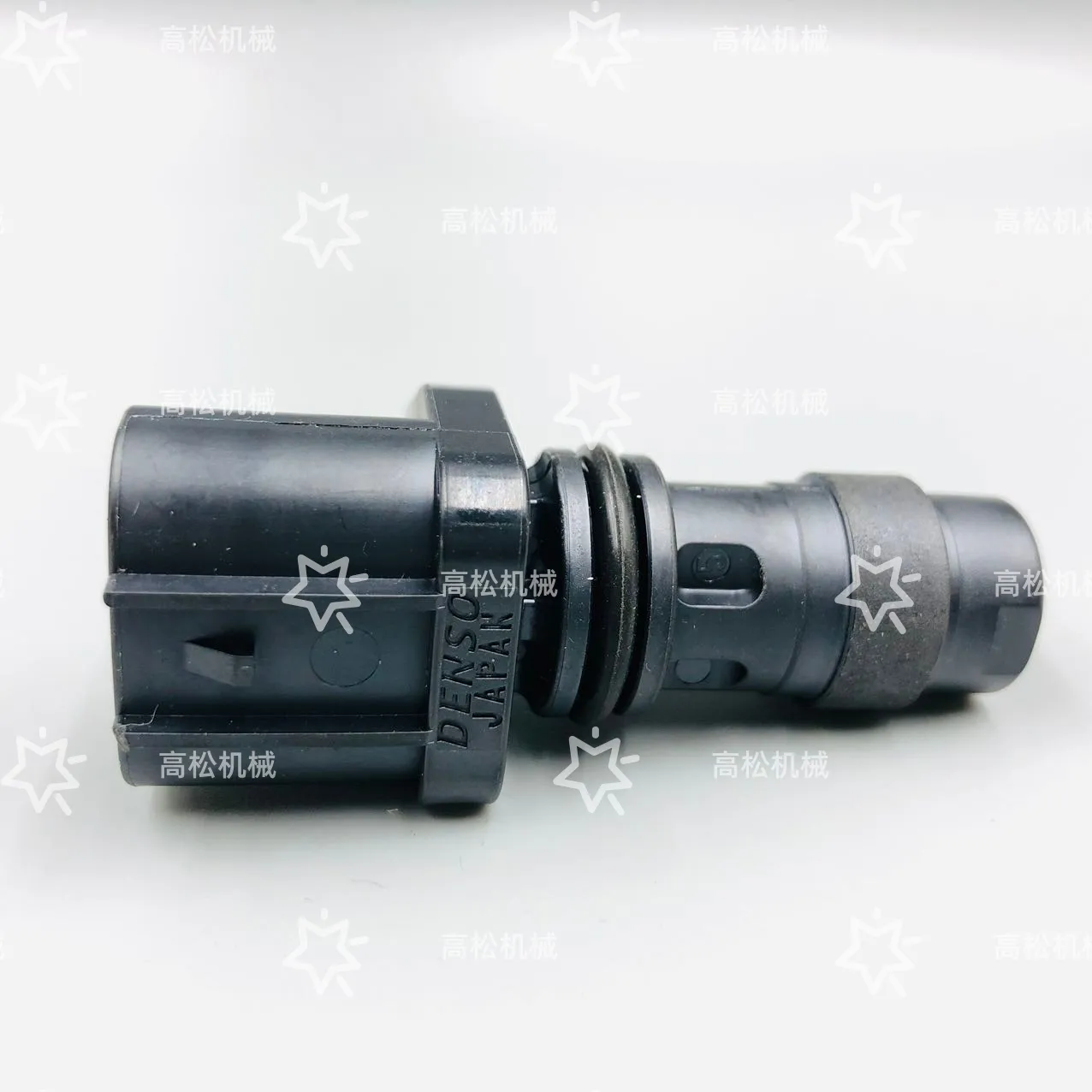 ND949979-1300 Camshaft Position Sensor for Komatsu Excavator PC400-8 PC450-8
 -
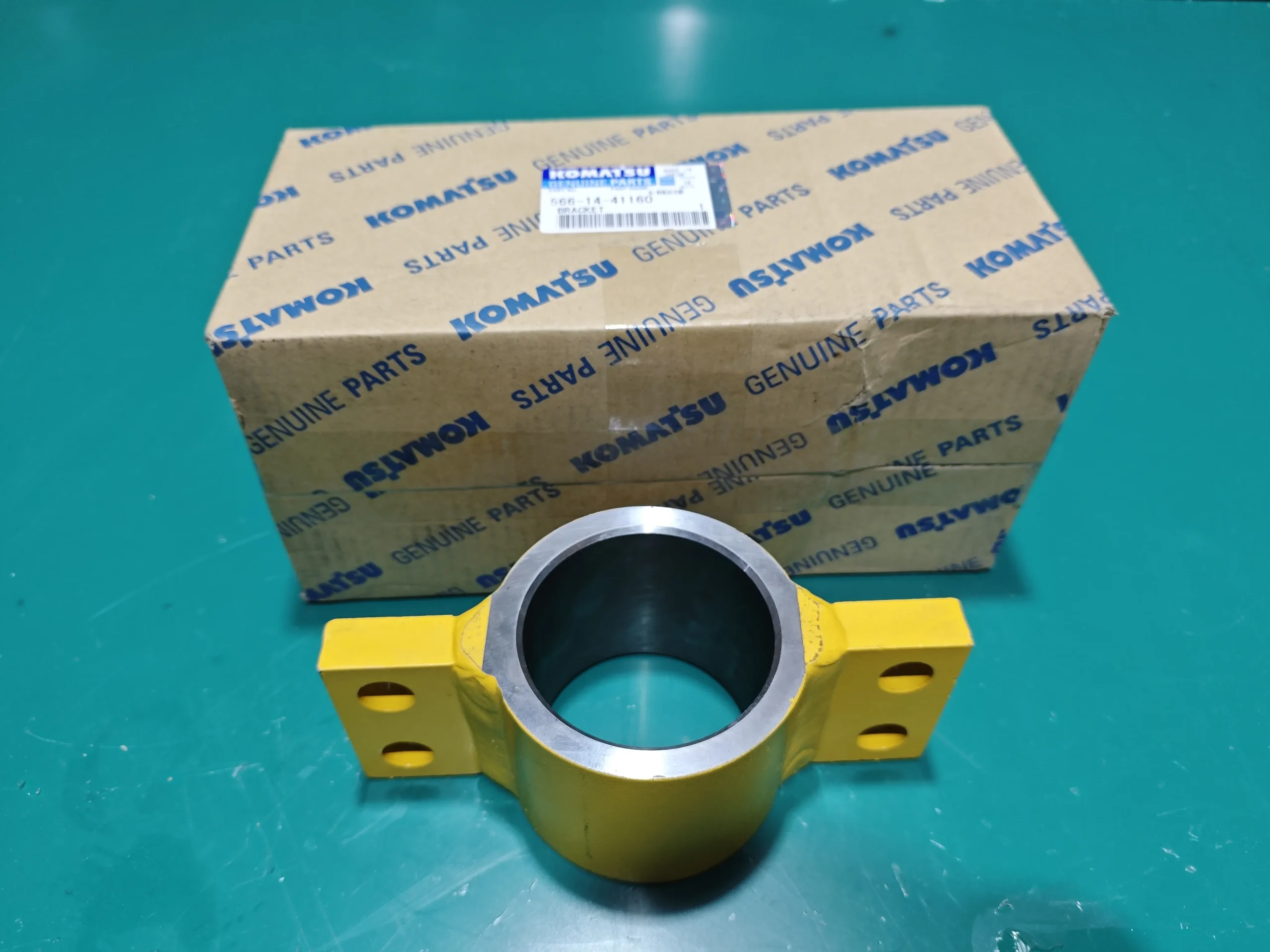 UrParts – Komatsu – Loader Parts – WA600-1H – 566-14-41160…
 -
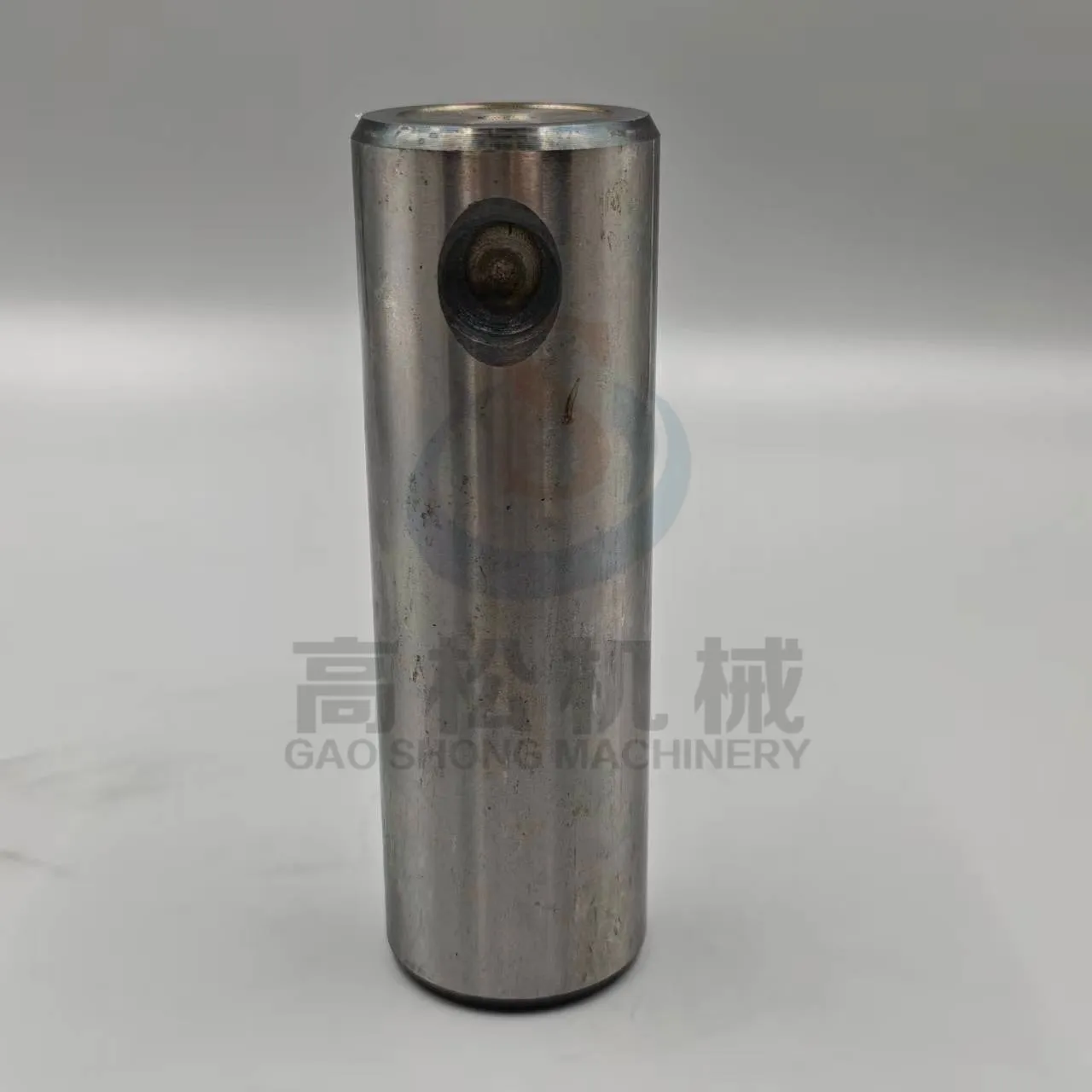 424-22-12510 Shaft (Komatsu)
 -
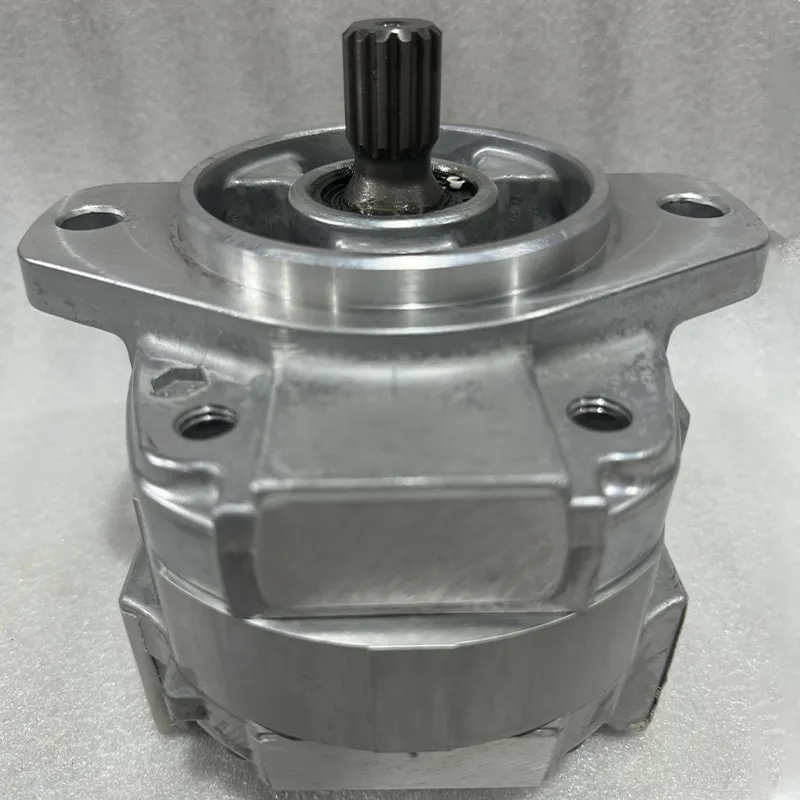 6156-71-1131 6156-71-1132Pump Compatible For 6D125 SA6D125E Engine Komatsu PC450-8 Excavator
 -
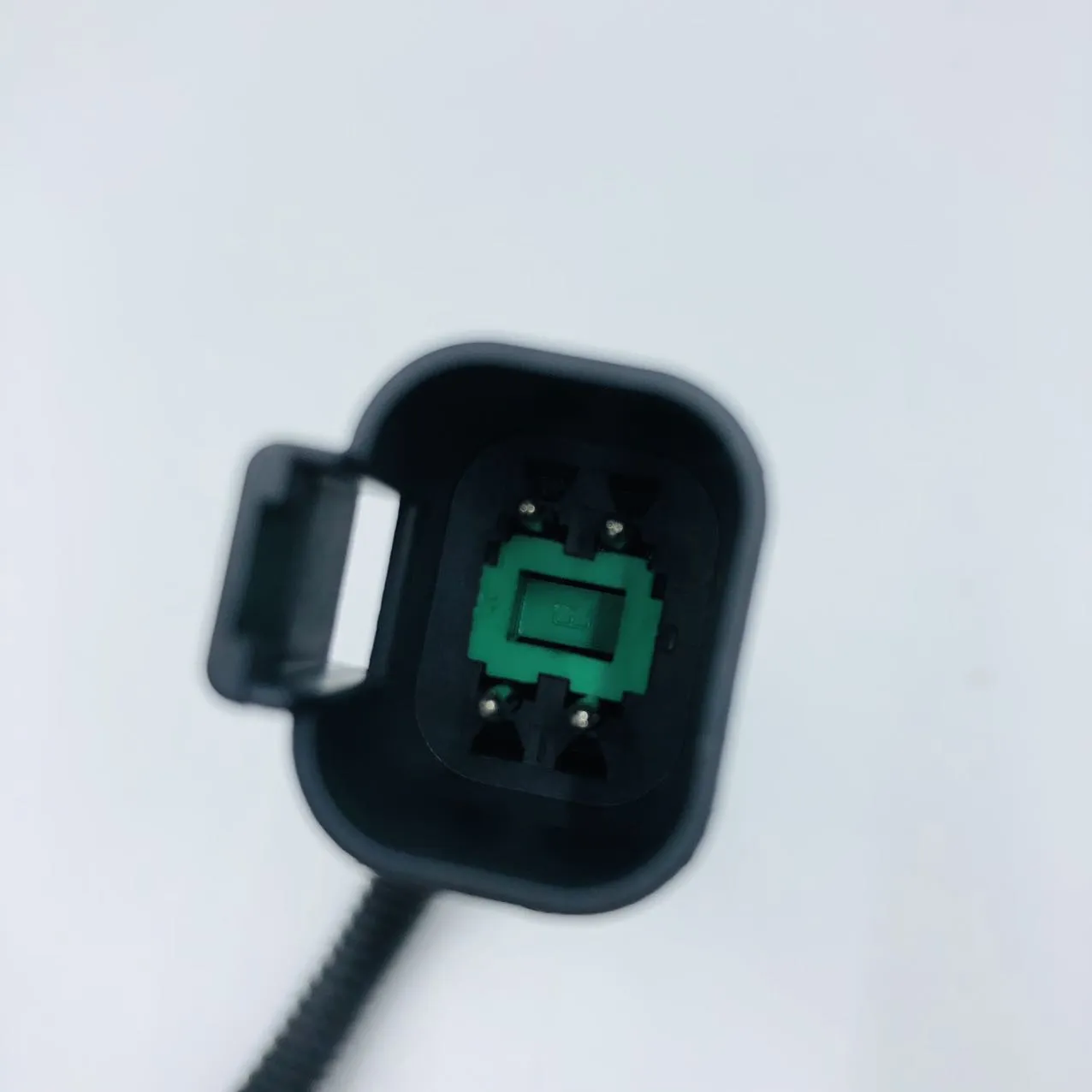 7861-93-5410Komatsu Acceleration Sensor, 7861-93-5410
 -
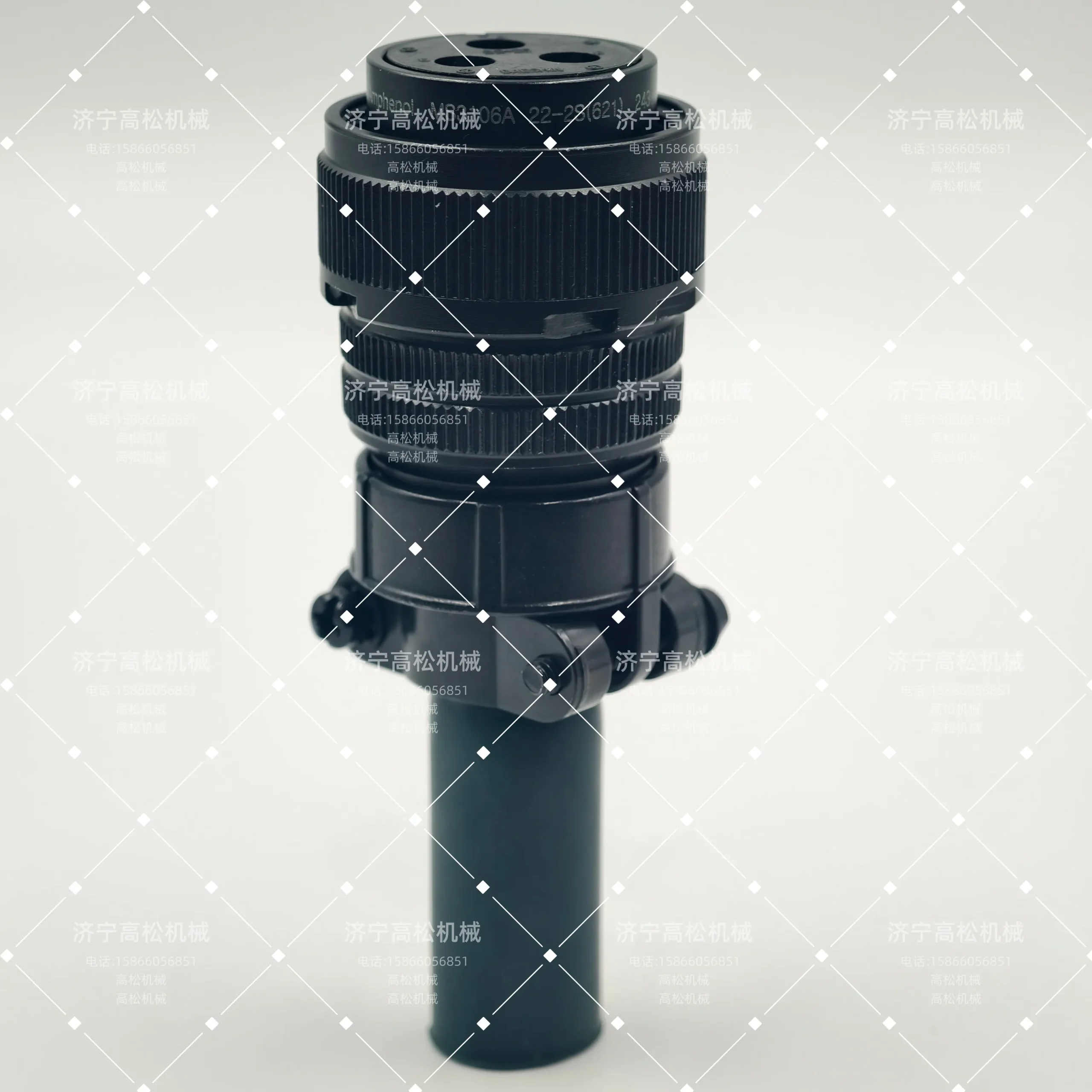 Top Quality 175-06-37871 Plug for Komatsu Mining Excavator Heavy…
 -
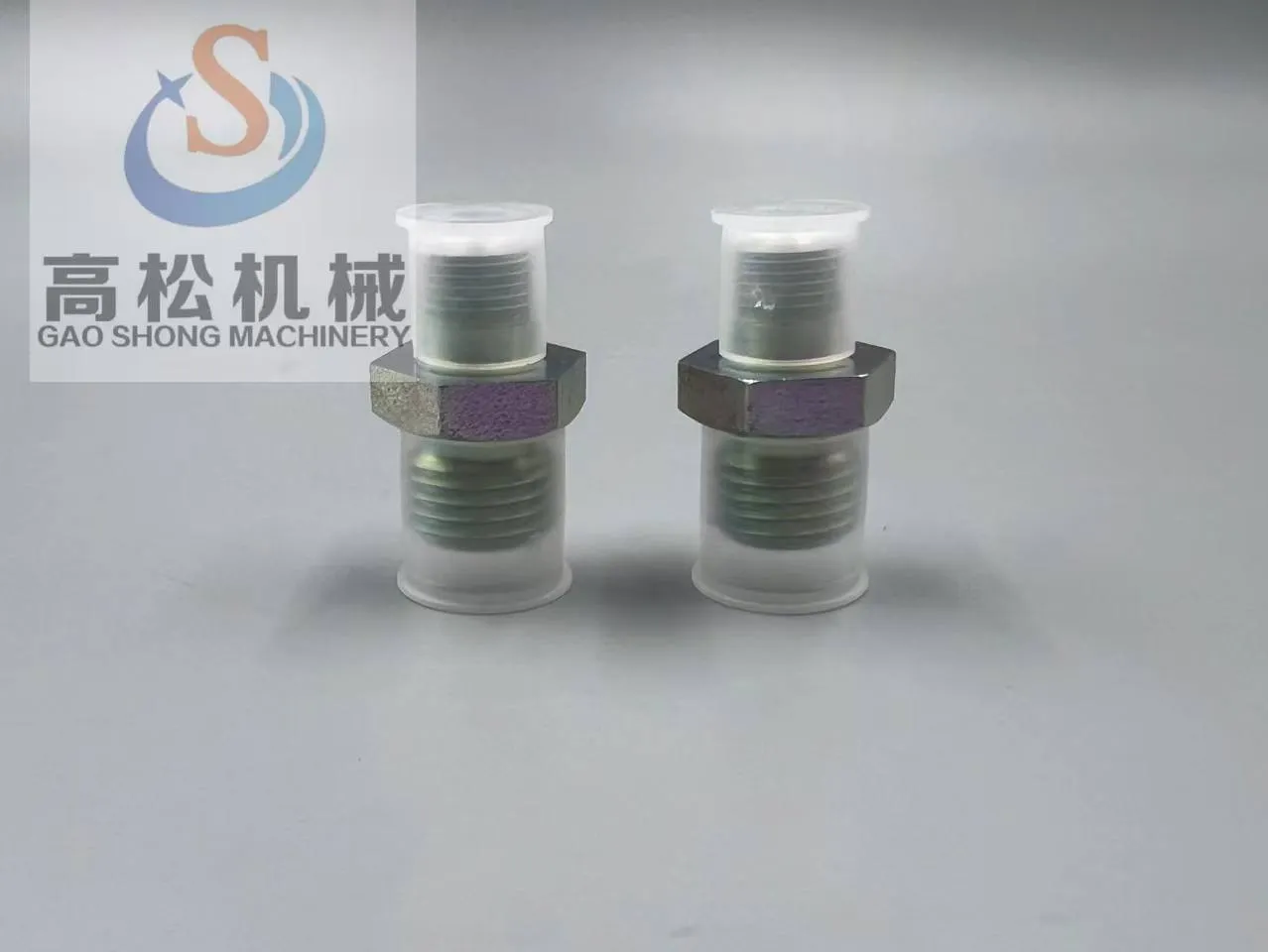 07213-50710 Connector, suitable for Komat Su D275A/D375A/D475A/PC600/PC1250
 -
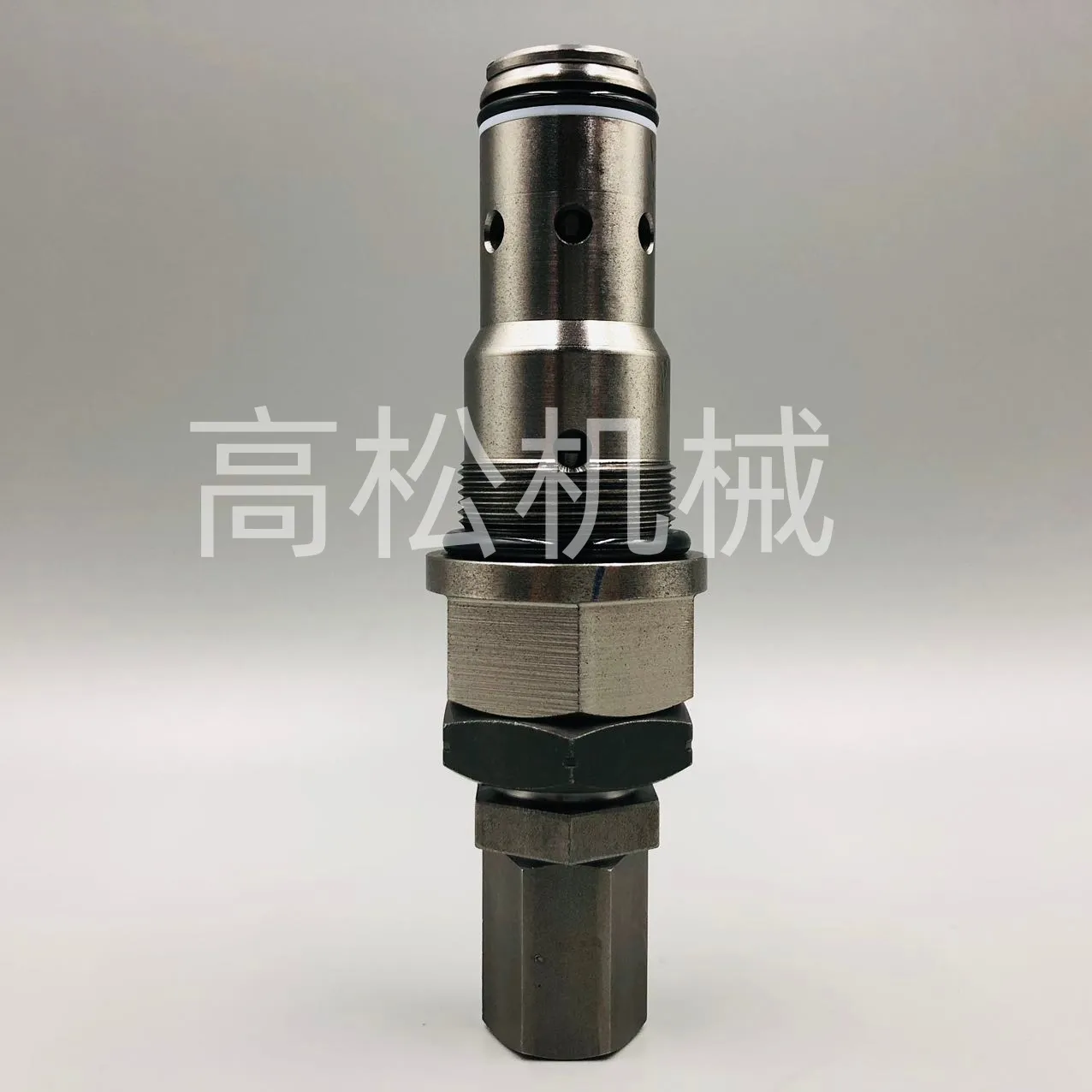 700-89-66000 Komatsu RELIEF VALVE
 -
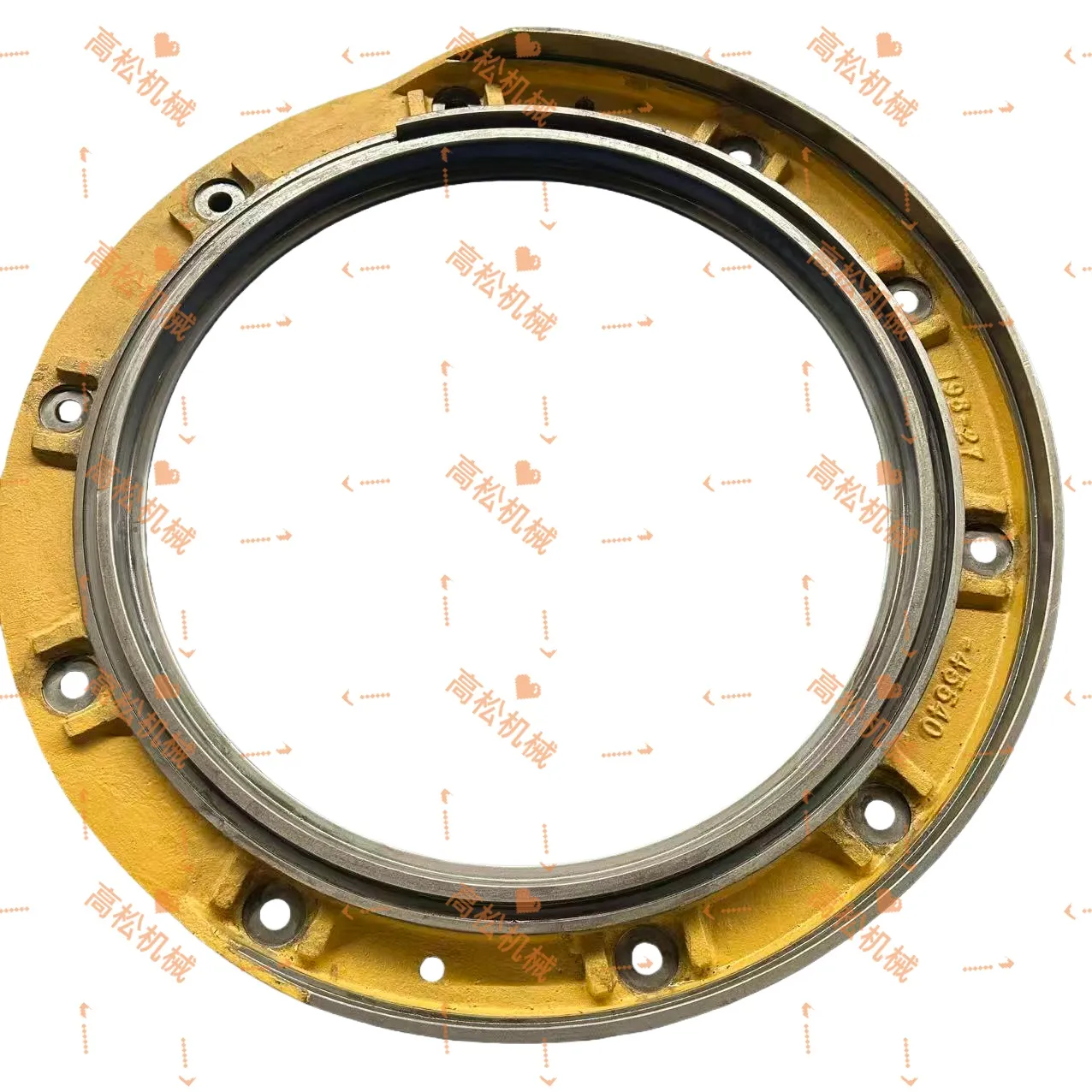 komatsu parts198-27-45540 COVER D475A-5A S/N 20001-UP (Super Dozer Spec.) FINAL DRIVE
 -
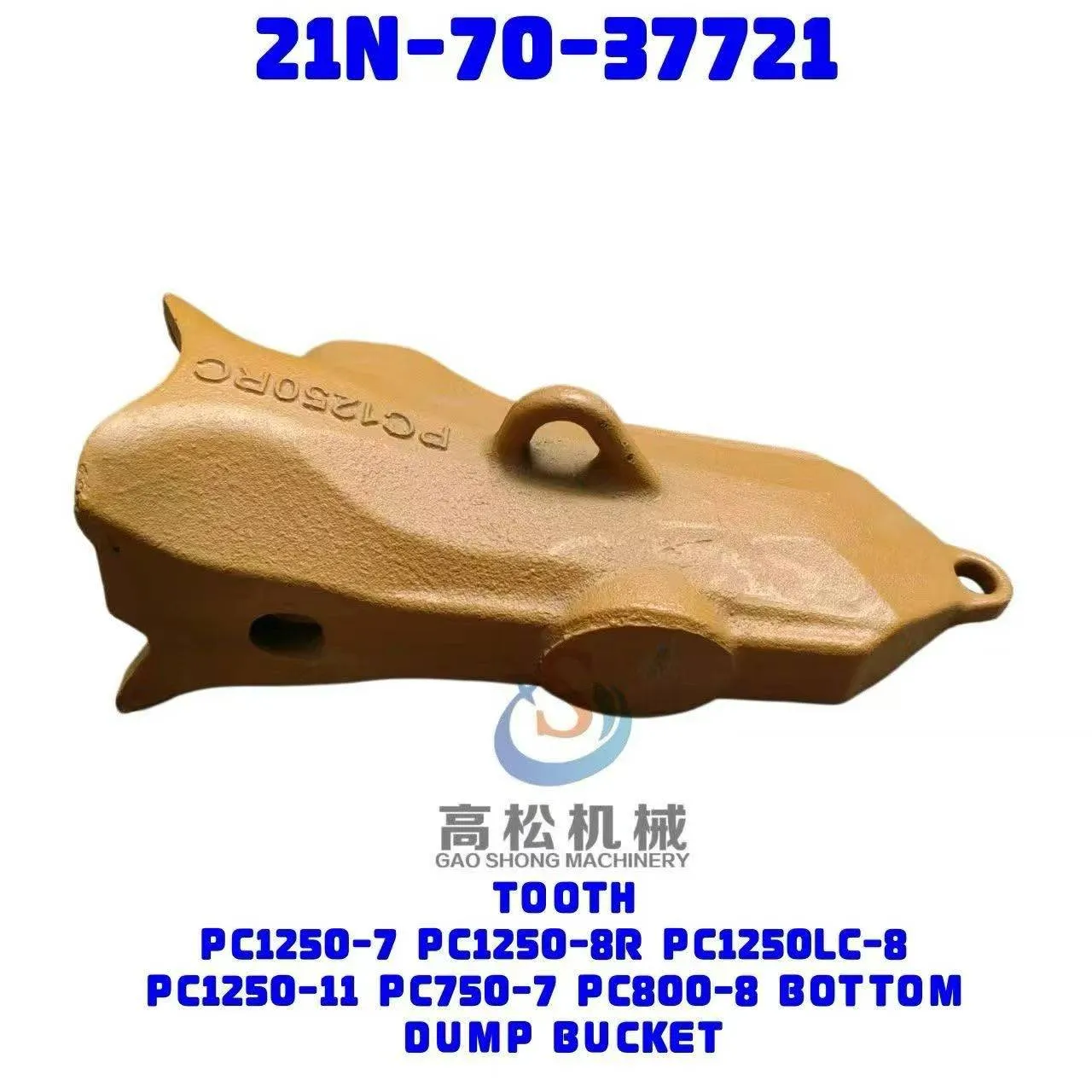 21n-70-37721 Bucket teeth, suitable for the following vehicle models. PC1250-7 PC1250-8R PC1250LC-8 PC1250-11 PC750-7 PC800-8 BOTTOM TOOTH PC1250-7 PC1250-8R PC1250LC-8 PC1250-11 PC750-7 PC800-8 BOTTOM DUMP BUCKET
 -
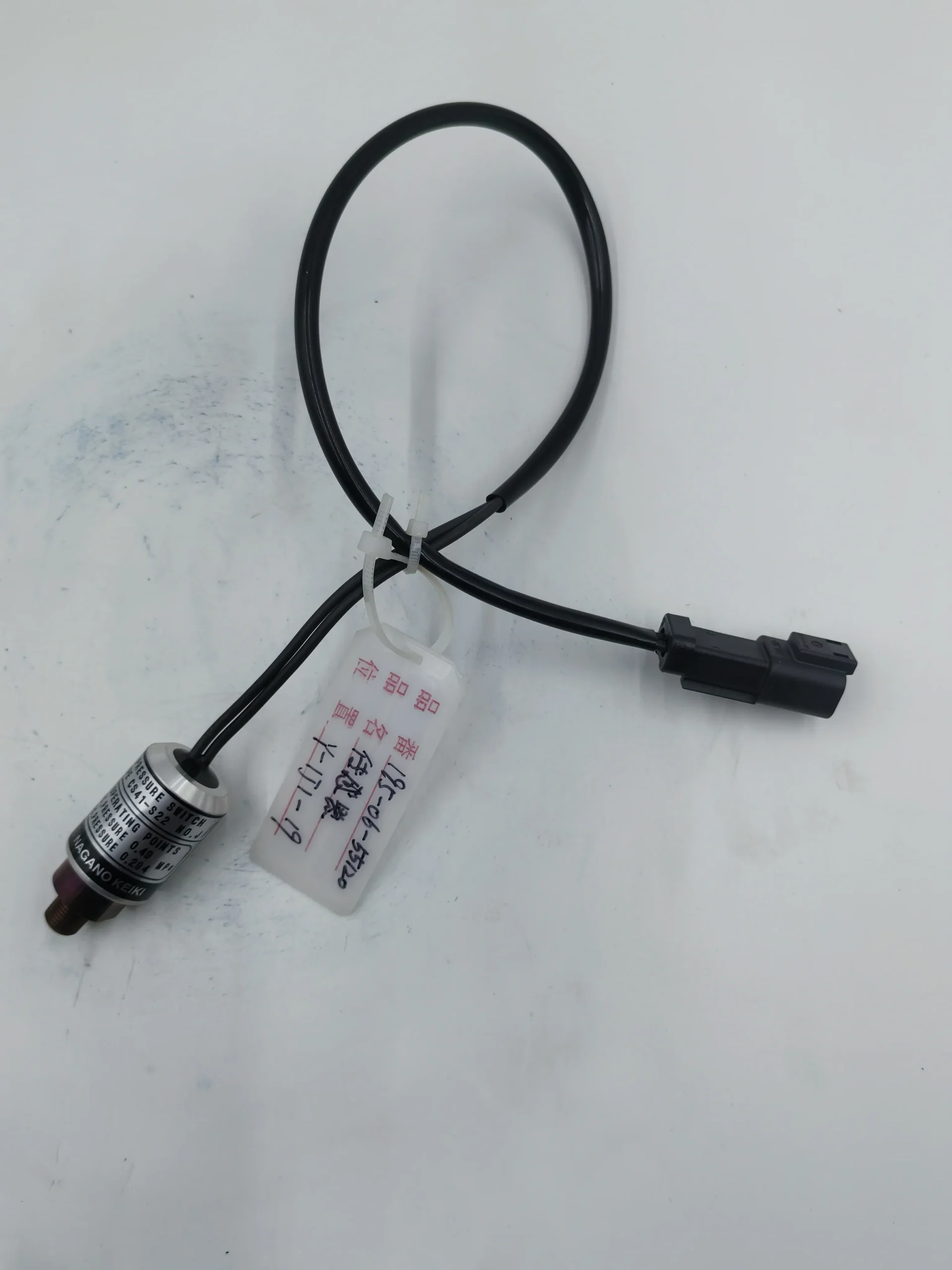 Electrical Parts 195-06-55120 Switch
 -
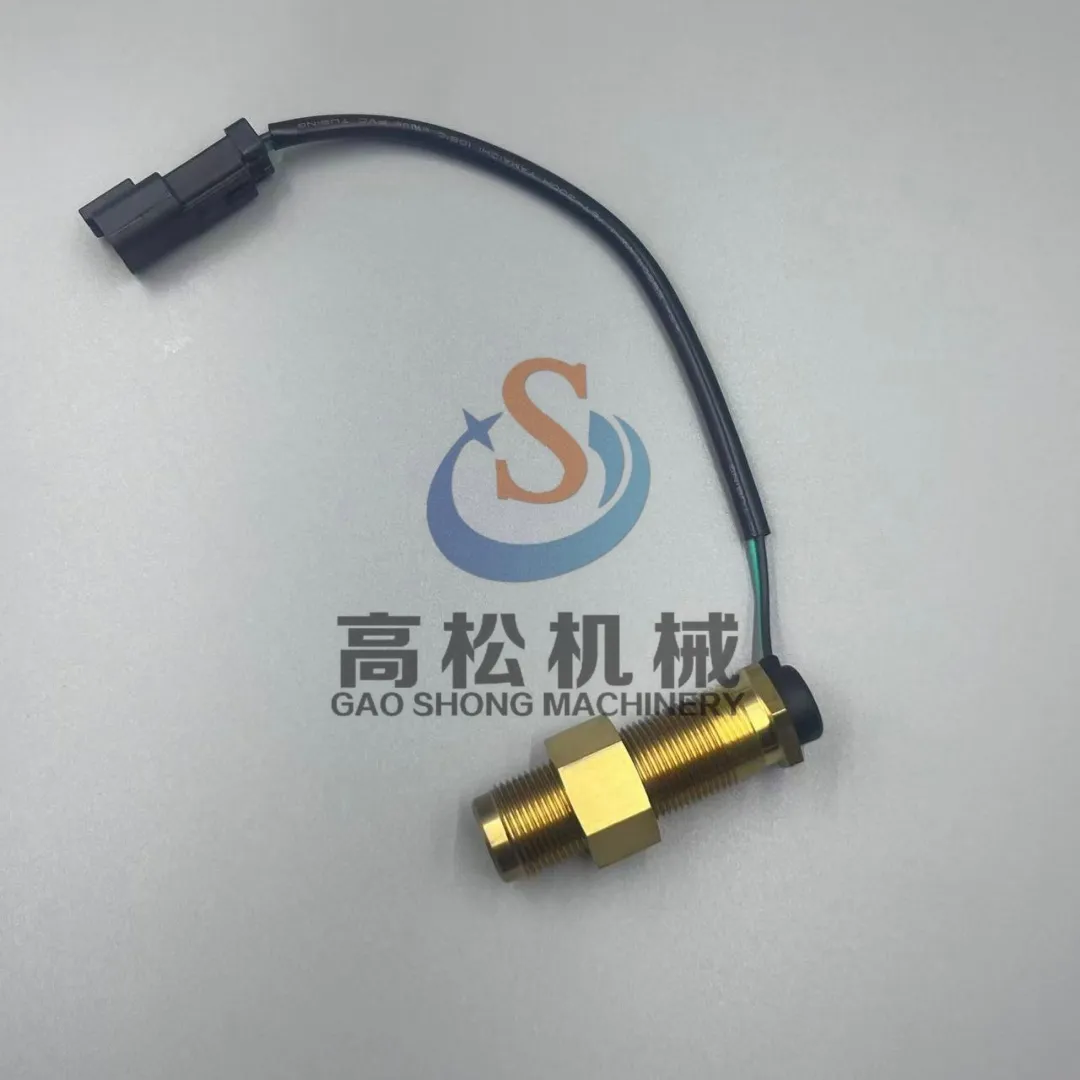 7861-92-2340 7861-93-2330 Fits for Komatsu PC200-3