
- Chinese
- French
- German
- Portuguese
- Spanish
- Russian
- Japanese
- Korean
- Arabic
- Irish
- Greek
- Turkish
- Italian
- Danish
- Romanian
- Indonesian
- Czech
- Afrikaans
- Swedish
- Polish
- Basque
- Catalan
- Esperanto
- Hindi
- Lao
- Albanian
- Amharic
- Armenian
- Azerbaijani
- Belarusian
- Bengali
- Bosnian
- Bulgarian
- Cebuano
- Chichewa
- Corsican
- Croatian
- Dutch
- Estonian
- Filipino
- Finnish
- Frisian
- Galician
- Georgian
- Gujarati
- Haitian
- Hausa
- Hawaiian
- Hebrew
- Hmong
- Hungarian
- Icelandic
- Igbo
- Javanese
- Kannada
- Kazakh
- Khmer
- Kurdish
- Kyrgyz
- Latin
- Latvian
- Lithuanian
- Luxembou..
- Macedonian
- Malagasy
- Malay
- Malayalam
- Maltese
- Maori
- Marathi
- Mongolian
- Burmese
- Nepali
- Norwegian
- Pashto
- Persian
- Punjabi
- Serbian
- Sesotho
- Sinhala
- Slovak
- Slovenian
- Somali
- Samoan
- Scots Gaelic
- Shona
- Sindhi
- Sundanese
- Swahili
- Tajik
- Tamil
- Telugu
- Thai
- Ukrainian
- Urdu
- Uzbek
- Vietnamese
- Welsh
- Xhosa
- Yiddish
- Yoruba
- Zulu
- Kinyarwanda
- Tatar
- Oriya
- Turkmen
- Uyghur






komatsu d155a engine
When you hear 'Komatsu D155A engine', most guys immediately think of the S6D155. That's correct, but it's also where the oversimplification starts. In the field, it's never just about the model code stamped on the block. The real story is about the iterations, the regional specs, and the brutal reality of keeping a 30-ton-plus dozer moving when the genuine pipeline is clogged or priced into oblivion. That's where the actual expertise gets tested—knowing what interchanges, what fails first, and where to source a reliable part without getting burned. I've seen too many projects stall because someone ordered 'an S6D155' without specifying the exact sub-model or suffix, leading to a costly mismatch on the jobsite.
The Heart of the Beast: S6D155 Realities
Let's get into the guts of it. The Komatsu D155A engine, the S6D155, is a 6-cylinder, direct injection diesel. Displacement around 15.2L. On paper, it's a workhorse. In practice, its reliability is legendary, but that legend depends entirely on maintenance and, critically, the quality of replacement parts. The turbocharger on these—often a Komatsu 6D—is a frequent point of contention. Aftermarket units flood the market, but the failure rate on cheap copies is staggering, often within 600 hours. The genuine article is superior, but the cost and lead time can be prohibitive, especially in remote regions.
This is the exact gap that companies operating within the Komatsu ecosystem but with more flexibility aim to fill. For instance, in my dealings, I've found that Jining Gaosong Construction Machinery Co., Ltd. positions itself precisely here. They are an OEM product supplier within the Komatsu system, which means they have access to authentic channels, but they also function as a third-party sales company. Their stated goal is to solve parts supply challenges in certain countries. From my experience, this isn't just marketing talk. When a client in a Southeast Asian mine was facing a 12-week wait for a certified cylinder head, a contact at https://www.takematsumachinery.com managed to source a fully verified OEM-grade unit through alternative system channels, cutting the downtime by two-thirds. It wasn't 'genuine Komatsu' in the traditional sense, but it met all the specs and crucially, it worked.
The nuance is in the 'OEM product supplier' status. It implies their components are manufactured to the original specifications, likely in the same factories that feed Komatsu's primary supply chain. This is different from a pure aftermarket manufacturer. For the D155A's fuel injection pump or cylinder liners, this distinction is everything. A sub-spec liner will wear prematurely, leading to coolant contamination and a catastrophic overhaul far sooner than the machine's designed lifecycle.
Field Failures and the Lessons They Teach
I recall a rebuild about five years back that went sideways. The engine had thrown a rod, typical fatigue failure from a neglected oil change regimen. The rebuild kit was sourced from a well-known generic supplier. Everything looked fine on assembly. But within 200 hours, we had excessive blow-by and oil consumption. Tear-down revealed the piston rings—while the right dimensions—had a coating hardness that was off-spec. They wore the newly honed liners unevenly. The root cause? The kit was a compilation of parts that 'fit', not parts engineered to work together as a system like the original. It was a $15,000 lesson in false economy.
This experience directly shapes my view on sourcing. Now, I cross-reference part numbers obsessively and prefer suppliers who can trace the lineage of their critical components. For the D155A's crankshaft or main bearings, you cannot afford guesswork. A company like the mentioned Jining Gaosong, by virtue of its OEM supplier role, should theoretically have better traceability and consistency for these high-stress components than the open aftermarket. I say 'theoretically' because you still have to verify on a case-by-case basis; the brand on the website is only as good as the part in the crate.
Another common, and often missed, failure point is the water pump. The S6D155 uses a gear-driven pump, and the impeller material matters. Cheap cast impellers can erode or cavitate, leading to gradual overheating that cooks the head gasket long before the temperature alarm gets urgent. It's a slow killer. When procuring, I always ask for the material spec now—it's a small detail that separates a routine maintenance part from a future headache.
The Turbocharger Conundrum and Interchange Myths
Back to the turbo. Part number Komatsu 6D. You'll see listings everywhere claiming direct interchange. Many are physical fits but have different actuator responses or boost profiles. Installing a mismatched turbo might get the machine running, but it can lead to poor fuel economy, black smoke, or worse, over-boosting and piston damage. The safe route is always the exact OEM part. The practical, cost-effective route often involves finding a supplier that offers a remanufactured core using the original Komatsu CHRA (Center Housing Rotating Assembly). This is where a specialist third-party sales company with OEM ties can add real value—they're more likely to have access to proper remanufactured units or high-quality alternatives that are actually validated, not just copied.
I've had moderate success with such hybrid solutions. The key is transparency. A good supplier will tell you what you're getting: This is a new housing with a rebuilt OEM core, or This is a new unit manufactured to Komatsu drawings under license. The bad ones just say fits D155A. The difference in machine performance and longevity is measurable.
Beyond Parts: The Support Ecosystem
The engine doesn't exist in a vacuum. It's connected to the Komatsu TORQFLOW transmission in the D155A. A failing torque converter or a misbehaving transmission control valve can manifest as what seems like an engine power loss. I've wasted days chasing 'engine problems' that were actually hydraulic or drivetrain related. A holistic understanding of the entire machine is non-negotiable. This is another reason to appreciate suppliers who are deep within a specific brand's ecosystem—they tend to have a broader understanding of system interactions, not just a parts catalog.
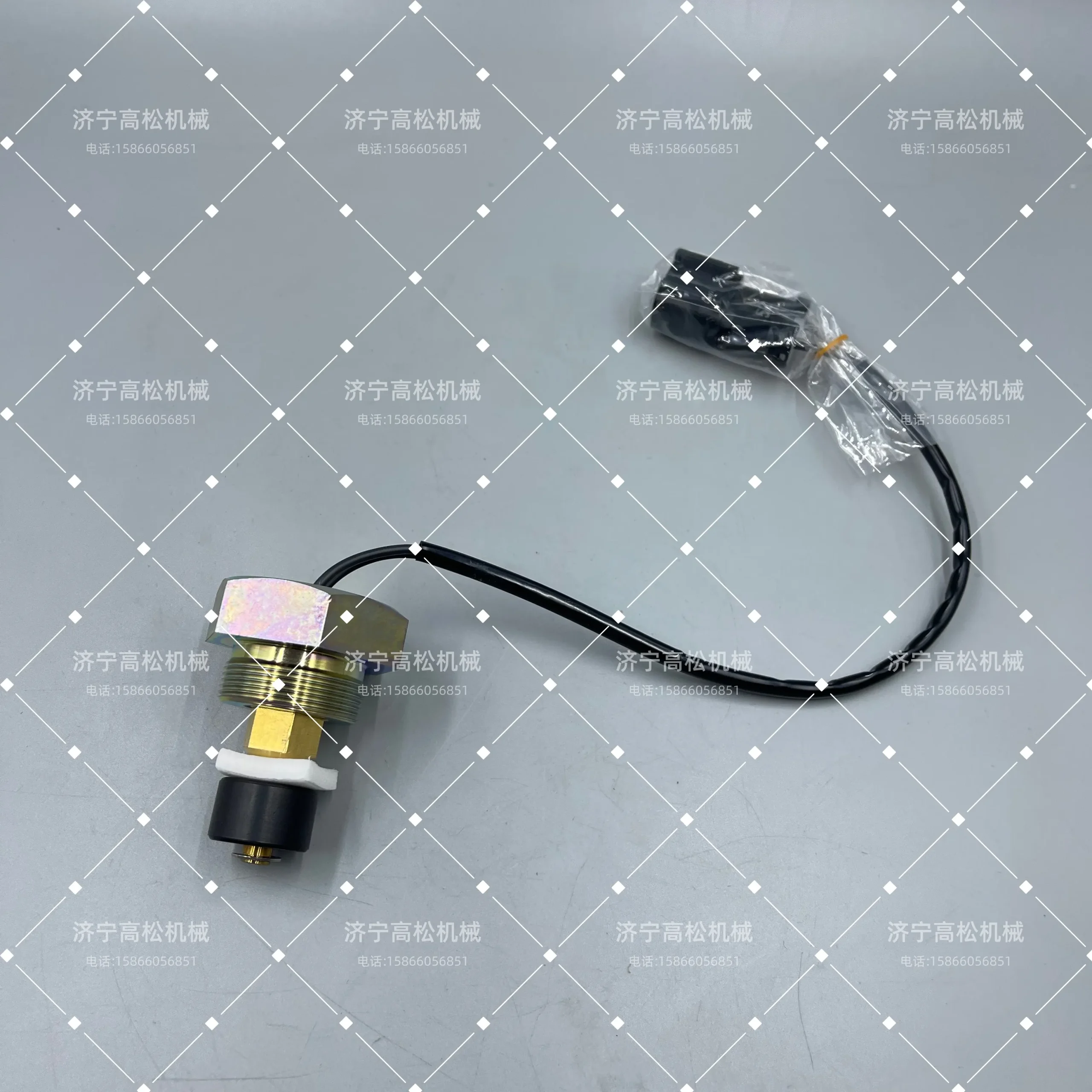
For example, when troubleshooting a persistent low-power complaint on a D155A-5, the issue was traced back to a faulty transmission output speed sensor. The ECU was limiting engine power because it was getting bad data from the drivetrain. A generic engine parts seller wouldn't have been any help. A company embedded in the Komatsu system might have been able to point towards the system diagnostic tree, even if they didn't sell the sensor itself. That contextual knowledge is invaluable.
This is the unspoken part of the business. It's not just about having the piston; it's about knowing why that piston failed and what else in the system might have contributed to its failure. The best suppliers are technical partners, not just order-takers.
Sourcing in a Constrained World: A Practical Take
So, where does this leave us with the Komatsu D155A engine today? The machines are aging, but many are still economically viable to repair. The challenge is a fragmented supply chain. You have the official Komatsu distributors (high cost, high reliability, potentially long lead times), the pure aftermarket (mixed quality, riskier), and the hybrid players like Jining Gaosong Construction Machinery Co., Ltd.
The value proposition of a hybrid is clear: potentially shorter supply lines into challenging markets, OEM-level quality assurance, and competitive pricing. For a fleet manager in Africa or South America, this can be the difference between a machine earning revenue or being a scrap metal candidate. Their company intro—helping to solve parts supply challenges in certain countries—rings true to that pain point.
My advice? For critical, high-wear items like crankshafts, bearings, and cylinder heads, lean towards OEM or certified OEM-supplier channels, even if it's through a third-party sales conduit. For less critical gaskets, seals, and bolts, a reputable aftermarket source is fine. Always, always verify part numbers and suffixes. And build a relationship with a supplier who demonstrates technical knowledge. Ask them a specific question about the D155A's oil cooler or the valve adjustment sequence. Their response will tell you everything you need to know about whether they're a parts peddler or a genuine asset for keeping your machine alive. The goal isn't just to fix the engine; it's to restore the machine's intended duty cycle without constant callback. That's the real measure of success.
Related Products
Related Products

Best Selling Products
Best Selling Products-
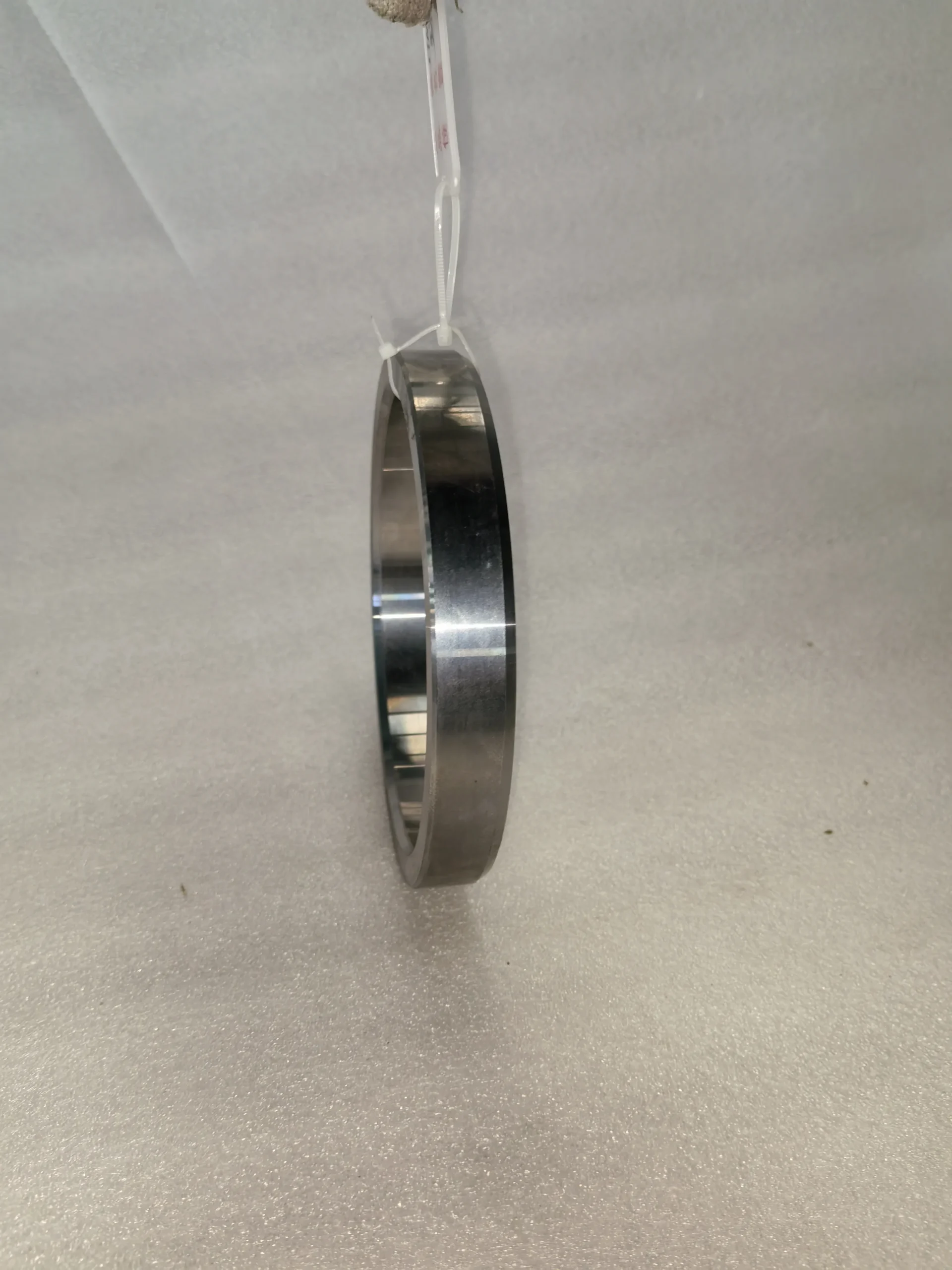 17m5041170-RING-Komatsu Original Factory
 -
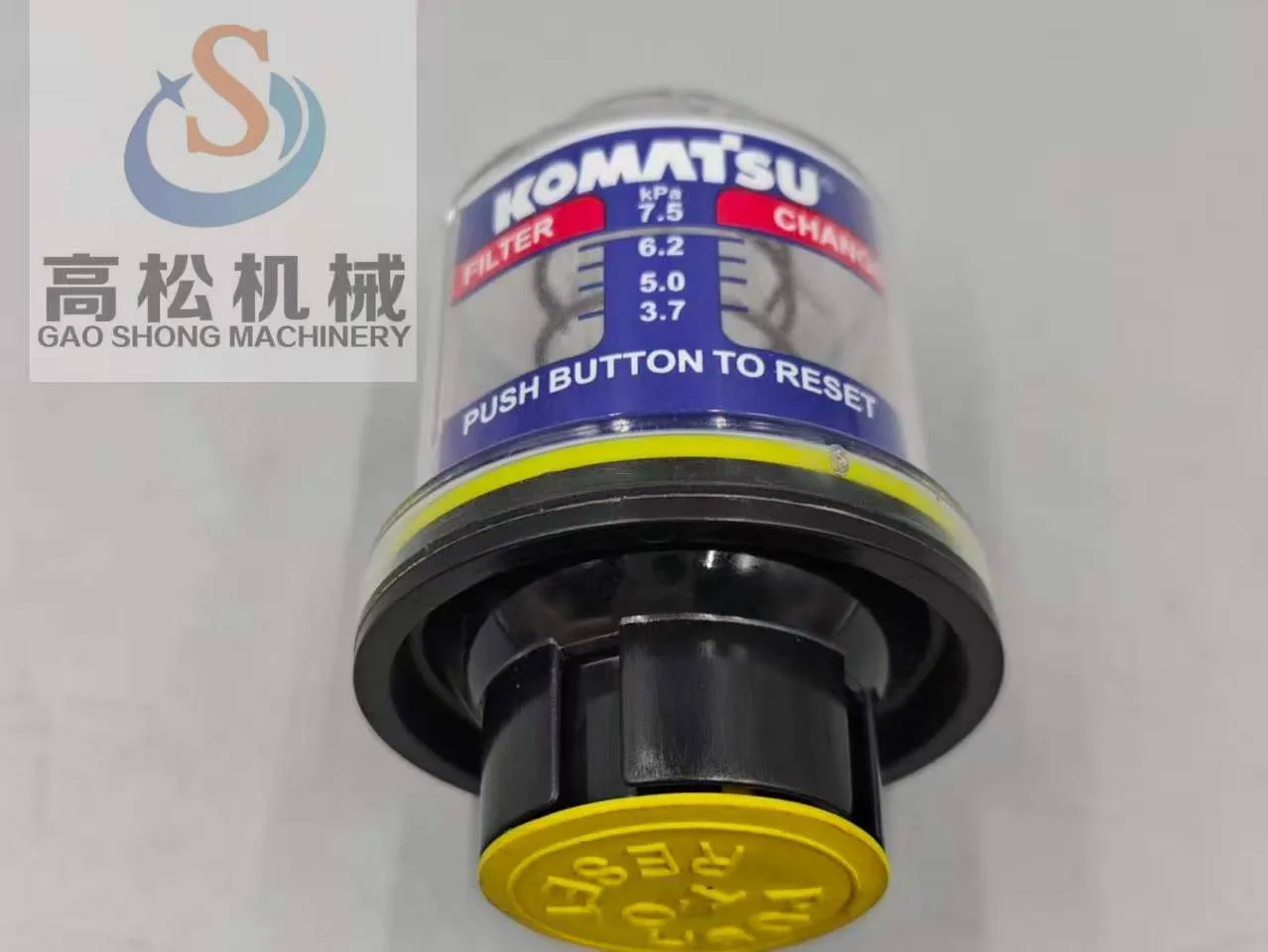 Komatsu GD405A-3 6D125E engine original factory engineering parts Indicator 08672-01000
 -
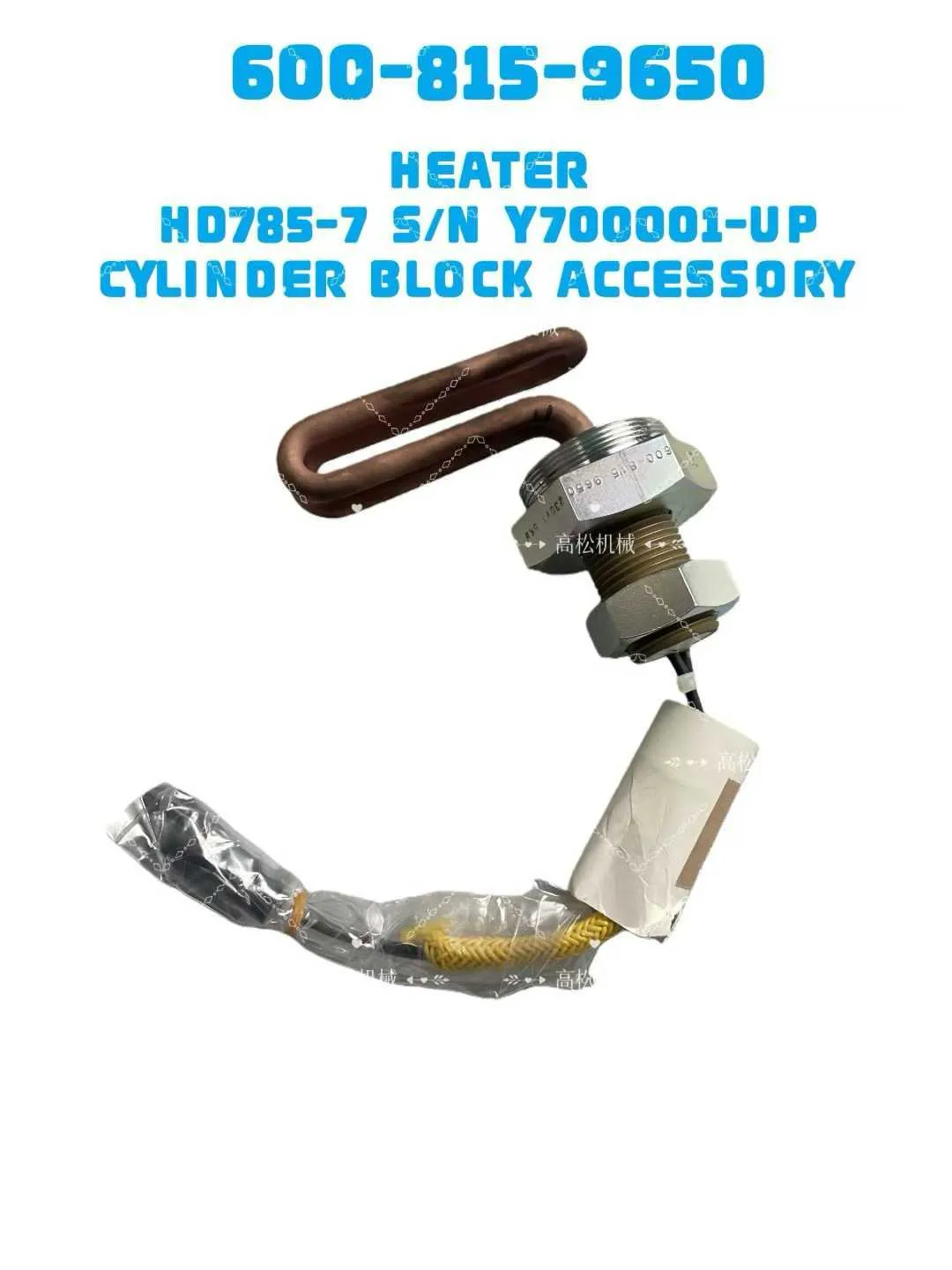 600-815-96504 HEATER HD785-7 5/N Y700001-UP6CYLINDER BLOCK ACCESSORY
 -
 Water Pump 6154-61-1102 6251-61-1105 6251-61-1111 For Komatsu S6D125E PC400-6 PC450-6 New Aftermarket Parts
 -
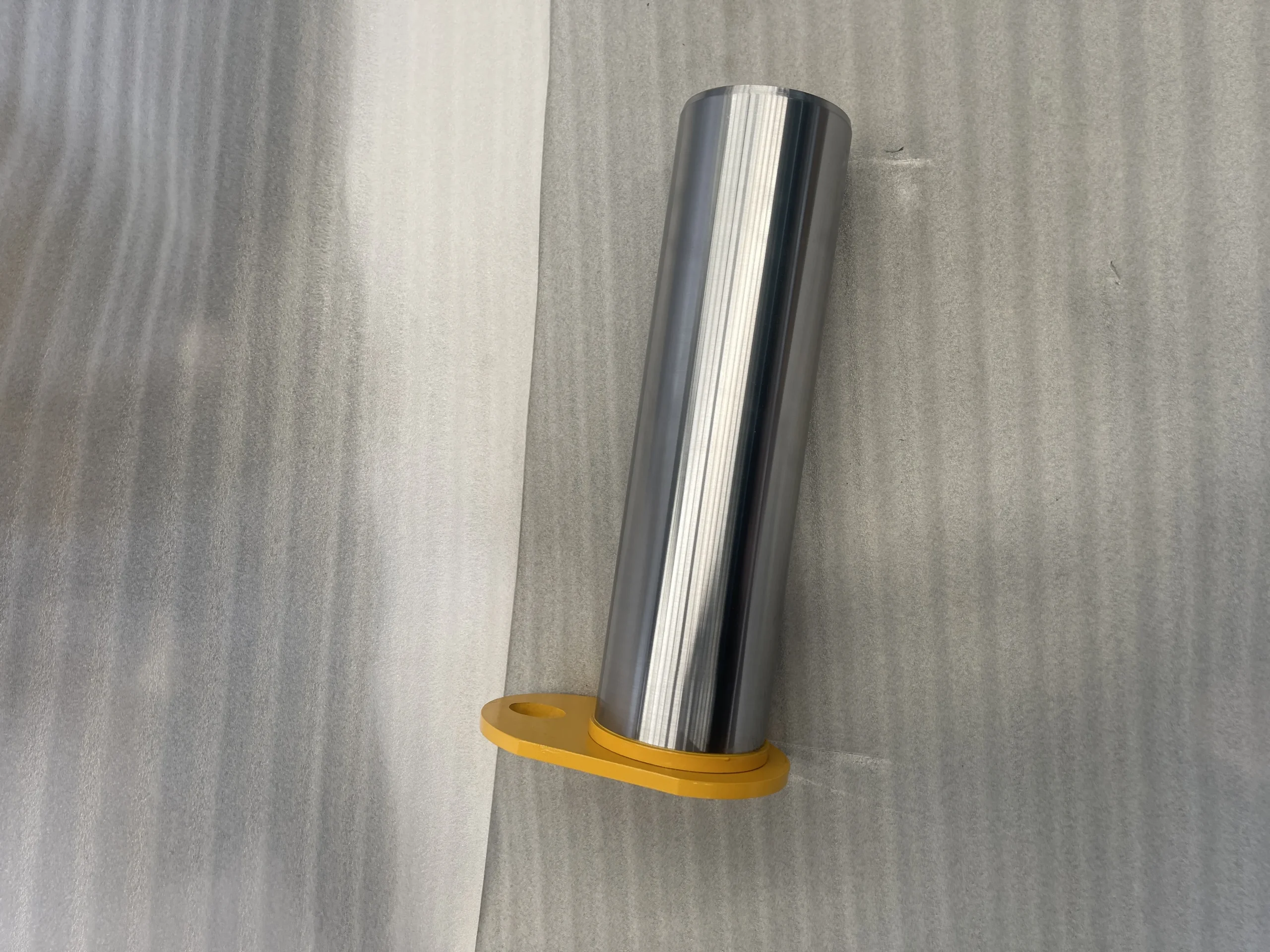 WA600-6 pin 426-70-31960
 -
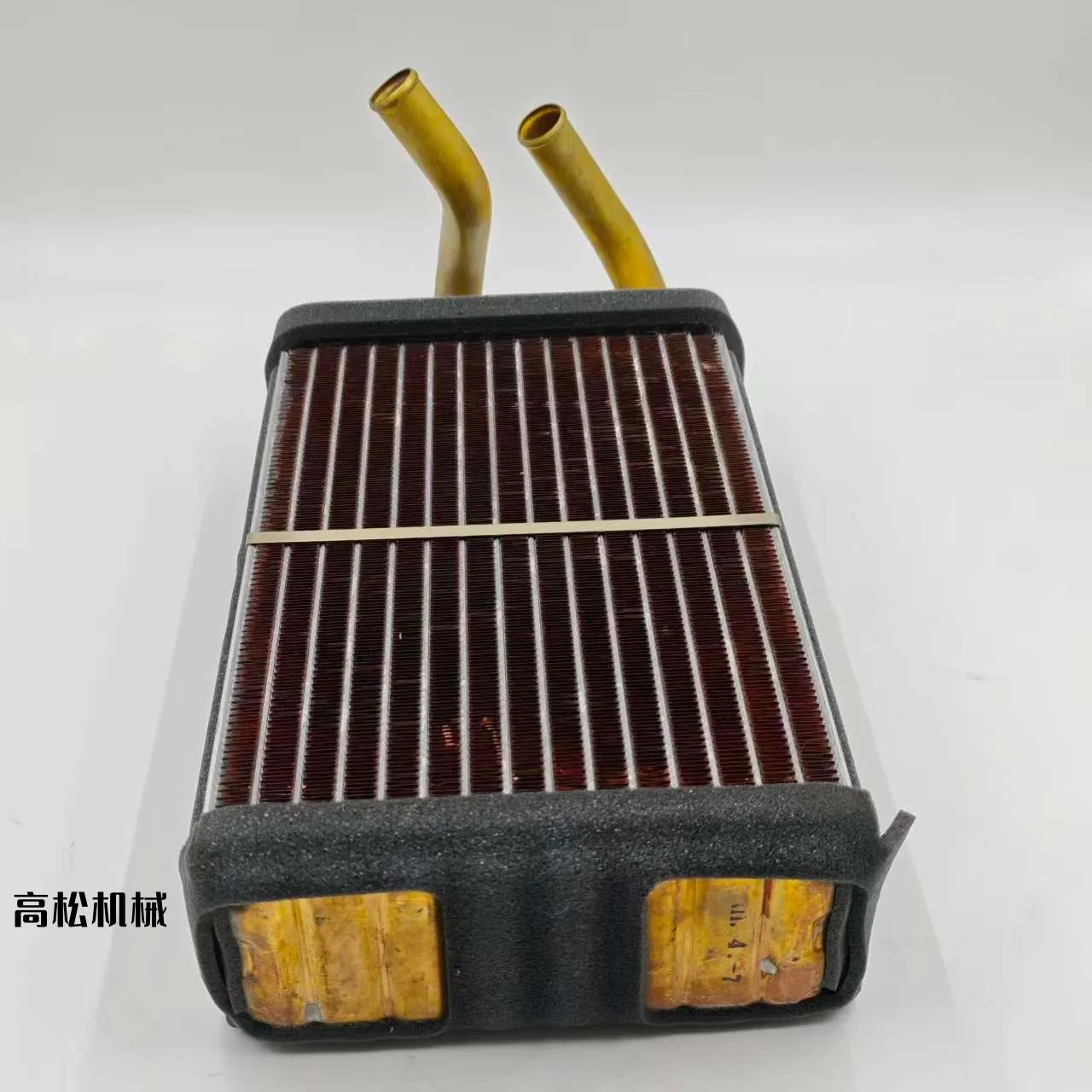 ND116410-9681 •• UNIT SUB ASS’Y-Komatsu Original Factory
 -
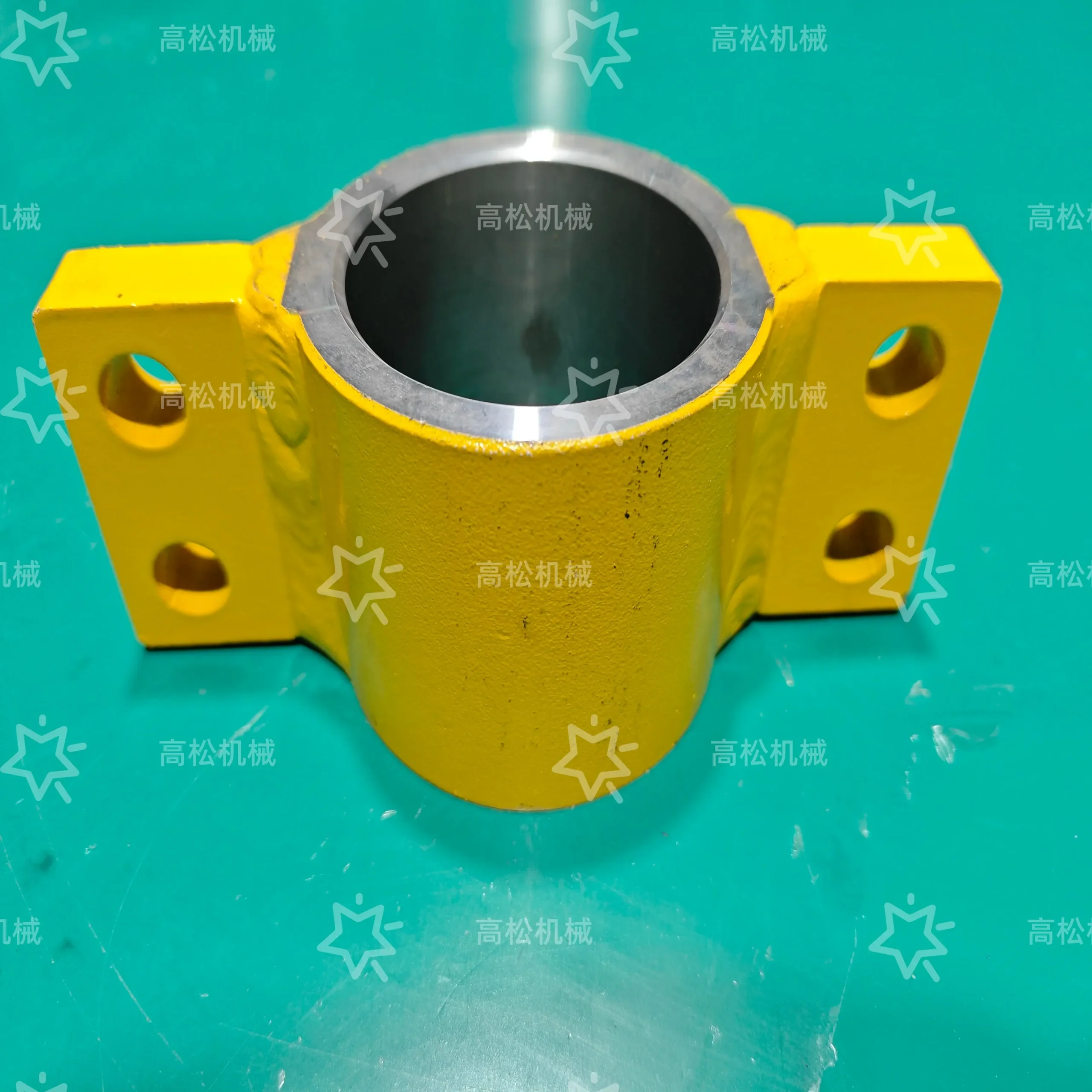 Komatsu Push± Machine Parts 195-20-35100
 -
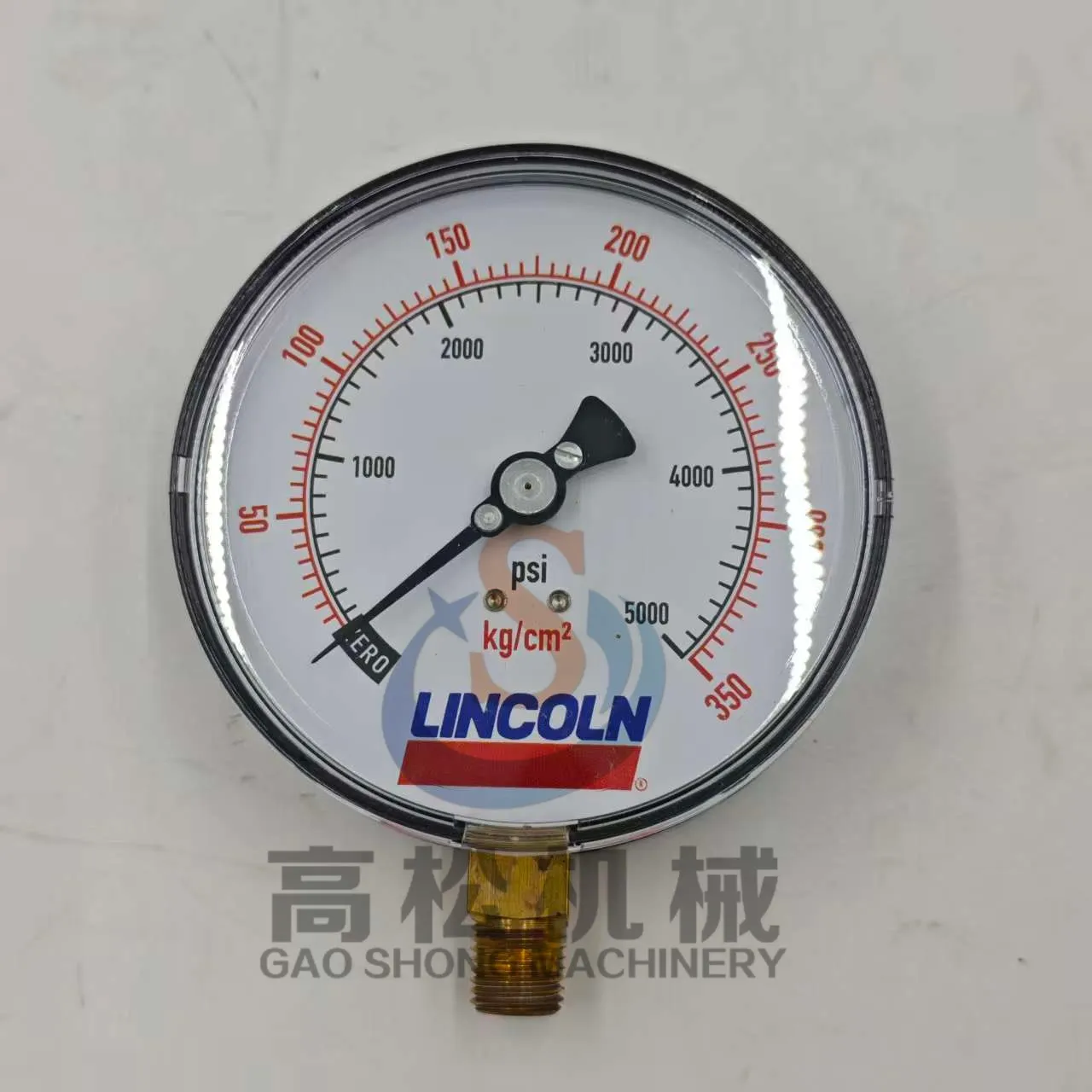 427-S95-2410 Komatsu Gauge, Pressure
 -
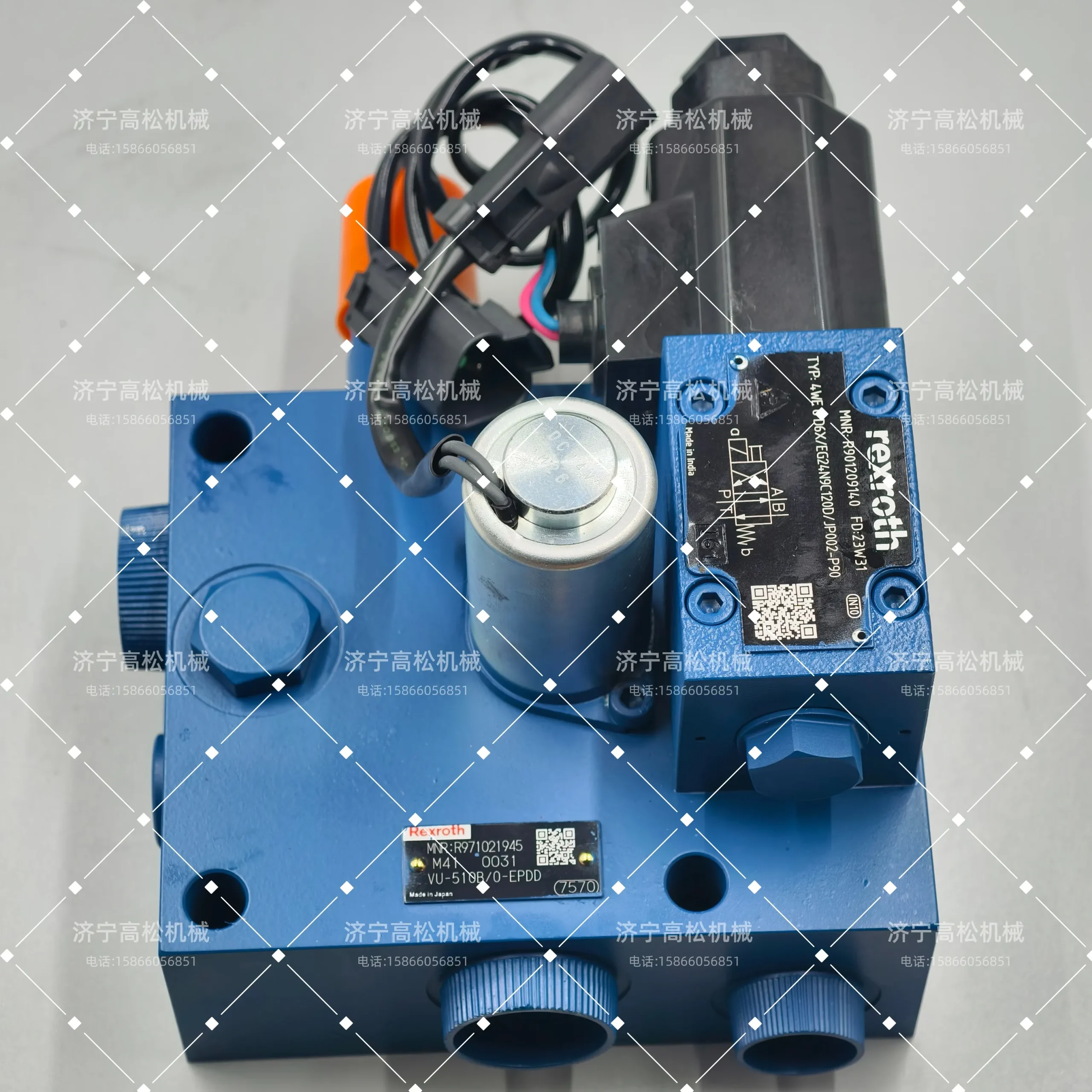 Dump Truck HD465-7EPC Valve Ass’y 56b-43-12402 56b4312402…
 -
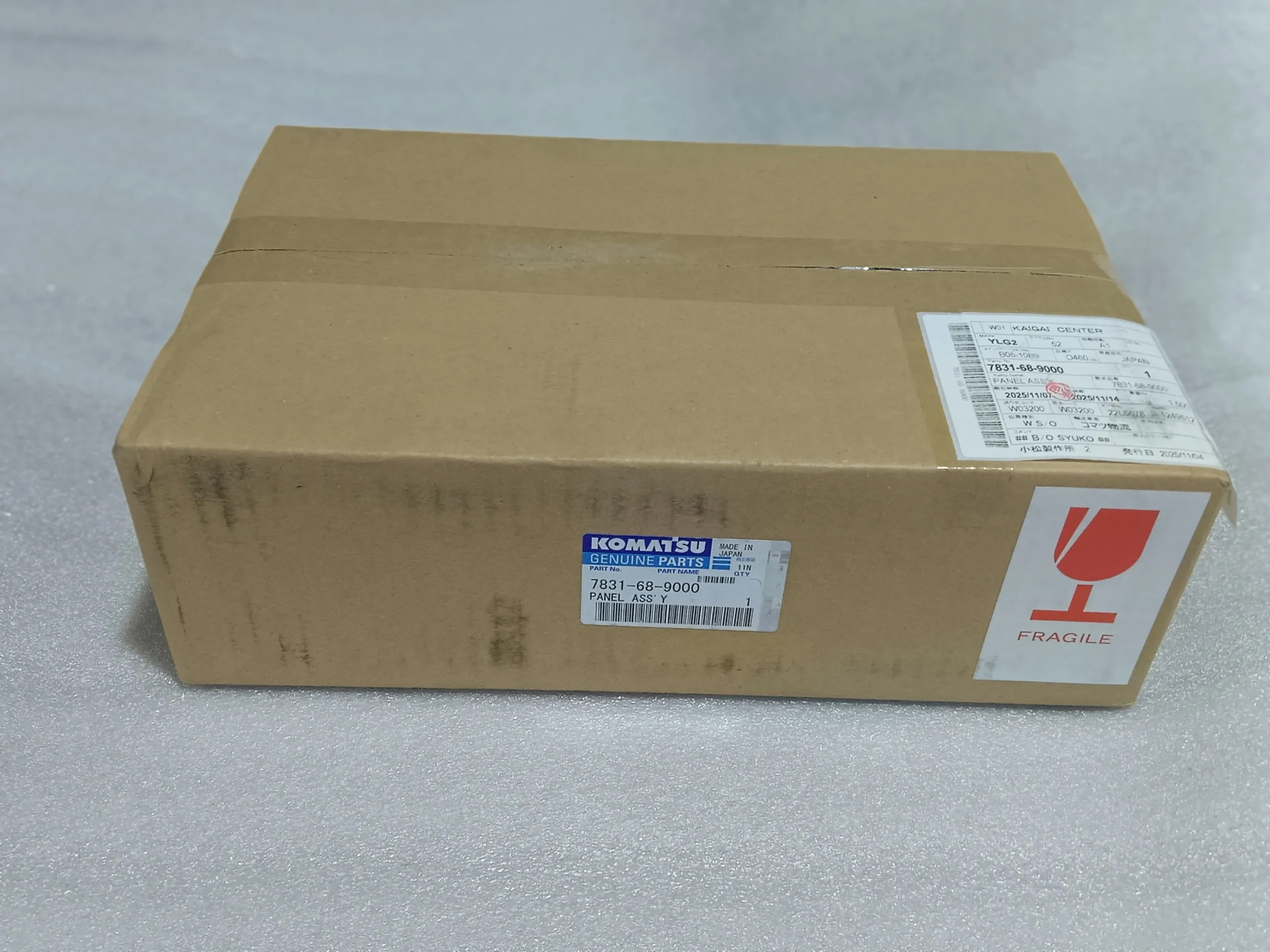 7831-68-9000 PANEL ASS’Y
 -
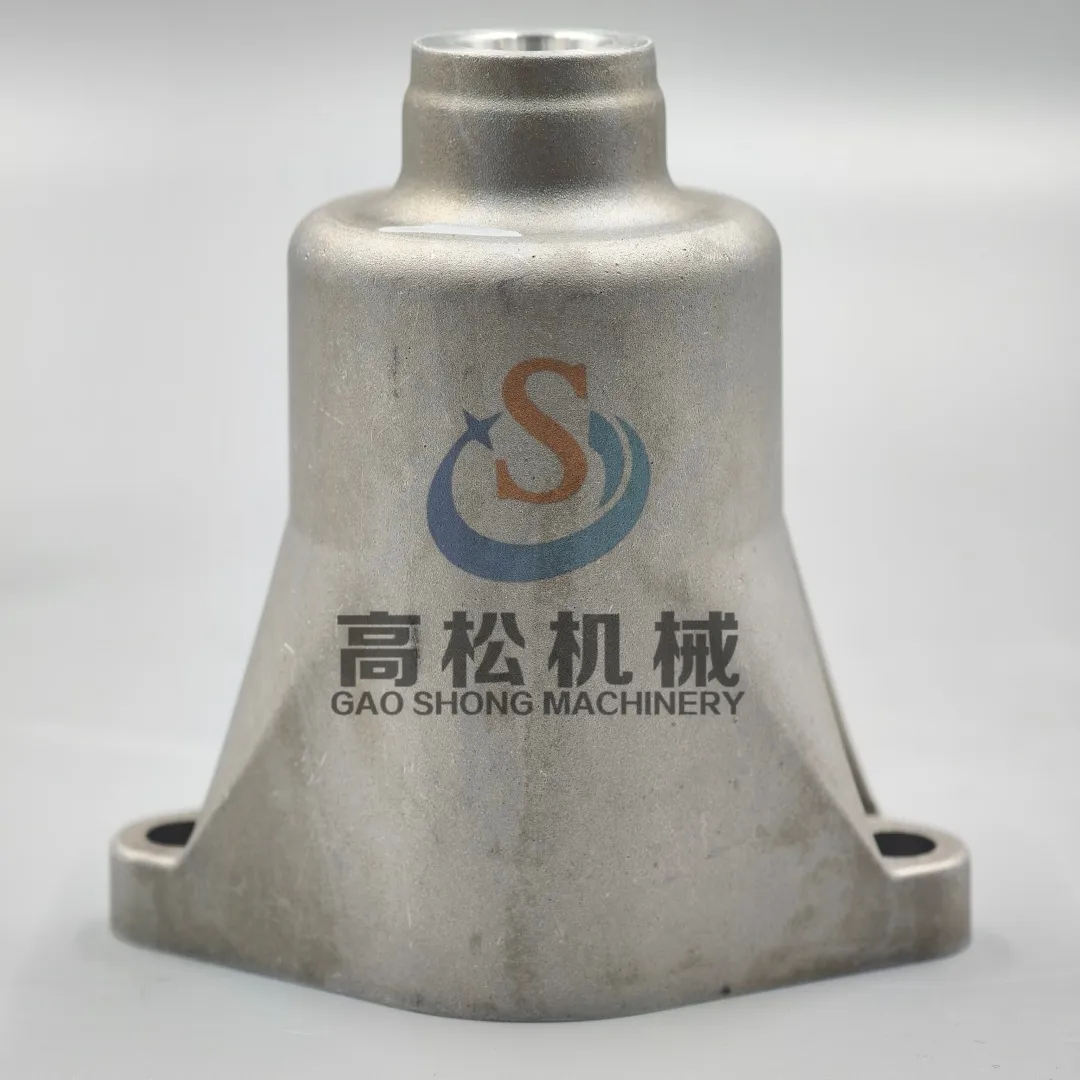 723-46-15111 Control Valve Case for Komatsu PC300 PC350 PC400 Excavator Diesel Fuel Cap Model Engine Parts
 -
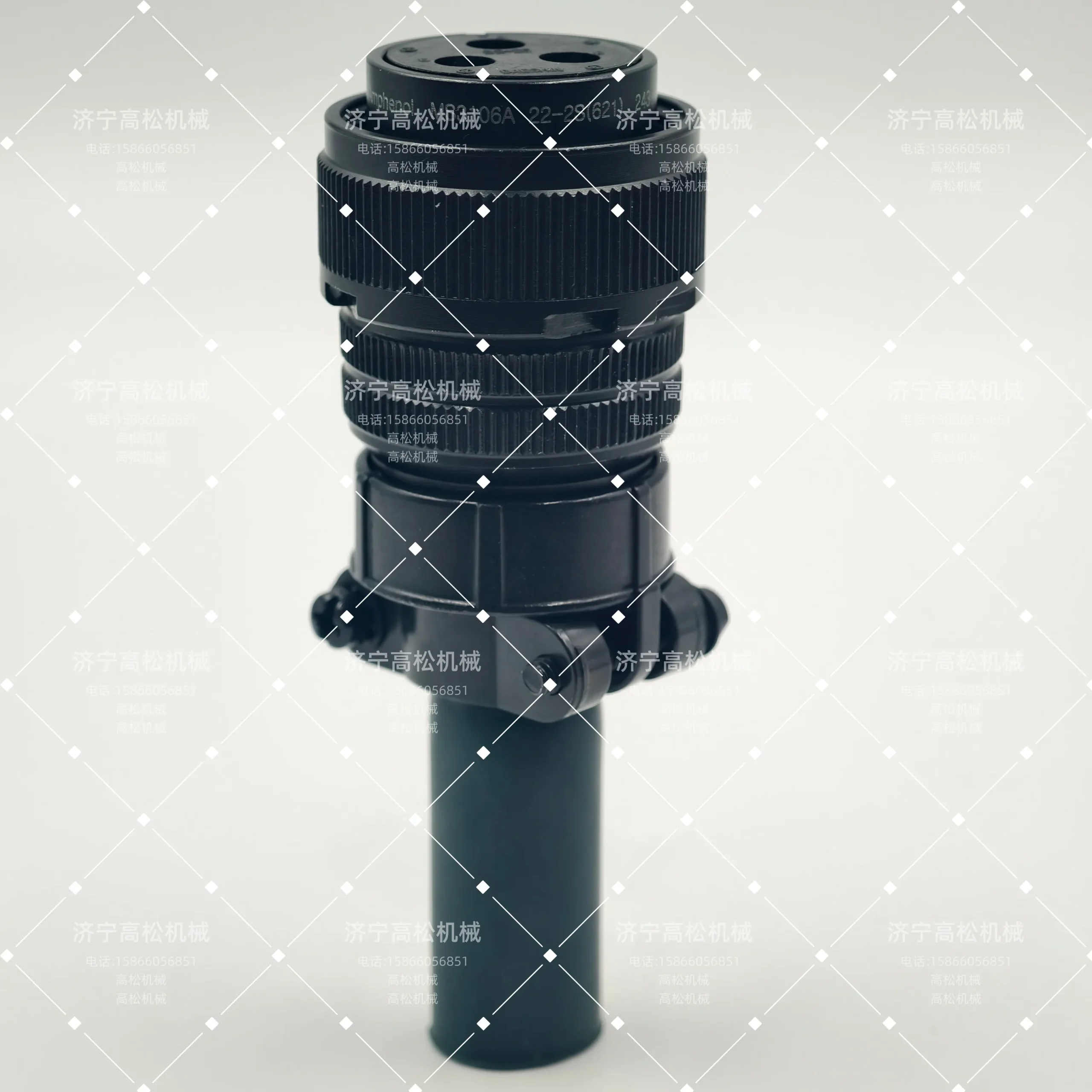 Top Quality 175-06-37871 Plug for Komatsu Mining Excavator Heavy…