
- Chinese
- French
- German
- Portuguese
- Spanish
- Russian
- Japanese
- Korean
- Arabic
- Irish
- Greek
- Turkish
- Italian
- Danish
- Romanian
- Indonesian
- Czech
- Afrikaans
- Swedish
- Polish
- Basque
- Catalan
- Esperanto
- Hindi
- Lao
- Albanian
- Amharic
- Armenian
- Azerbaijani
- Belarusian
- Bengali
- Bosnian
- Bulgarian
- Cebuano
- Chichewa
- Corsican
- Croatian
- Dutch
- Estonian
- Filipino
- Finnish
- Frisian
- Galician
- Georgian
- Gujarati
- Haitian
- Hausa
- Hawaiian
- Hebrew
- Hmong
- Hungarian
- Icelandic
- Igbo
- Javanese
- Kannada
- Kazakh
- Khmer
- Kurdish
- Kyrgyz
- Latin
- Latvian
- Lithuanian
- Luxembou..
- Macedonian
- Malagasy
- Malay
- Malayalam
- Maltese
- Maori
- Marathi
- Mongolian
- Burmese
- Nepali
- Norwegian
- Pashto
- Persian
- Punjabi
- Serbian
- Sesotho
- Sinhala
- Slovak
- Slovenian
- Somali
- Samoan
- Scots Gaelic
- Shona
- Sindhi
- Sundanese
- Swahili
- Tajik
- Tamil
- Telugu
- Thai
- Ukrainian
- Urdu
- Uzbek
- Vietnamese
- Welsh
- Xhosa
- Yiddish
- Yoruba
- Zulu
- Kinyarwanda
- Tatar
- Oriya
- Turkmen
- Uyghur






komatsu d155a 6 parts book
When someone searches for 'komatsu d155a 6 parts book', they're usually in a bind. The machine is down, a seal is blown, and they need the right part number now. The common mistake is thinking the official Komatsu parts book is just a simple PDF you can download and be done with. In reality, especially for a workhorse like the D155A-6, it's the gateway to a much more complex supply chain puzzle. Having the book is one thing; getting the actual part it references, particularly for older serial numbers or machines operating in remote regions, is where the real challenge begins. That's where the distinction between a standard supplier and a specialized partner becomes critical.
The Illusion of Easy Parts Lookup
Let's be clear: the Komatsu D155A-6 parts book is indispensable. It's the bible for that machine's anatomy. But here's the practical catch I've seen a hundred times. You get a book, maybe a scanned copy from a forum. You find the diagram, identify the pump assembly, and get the part number. You call your local dealer. Sorry, they say, that part is obsolete, or that's a six-month lead time from Japan. The book gave you the answer, but not the solution. The diagram doesn't tell you about cross-references, superseded numbers, or which sub-components are still commonly stocked versus which ones require a full assembly purchase.
I recall a job in West Africa with a D155A-6. Final drive issue. We had the parts manual, no problem. The listed ring gear and pinion set? Discontinued. The local Komatsu affiliate couldn't help beyond suggesting a complete final drive swap—prohibitively expensive and logistically a nightmare. This is the gap. Having the book is step one. Step two is having a channel that understands the lifecycle of these parts and can navigate Komatsu's global system to find stock, even for discontinued items, or offer a genuine alternative.
This is precisely the niche companies like Jining Gaosong operate in. They're not just another parts vendor; their model is built on this specific pain point. As an OEM product supplier within the Komatsu system, they have access to the authentic parts stream. But more importantly, their role as a third-party sales company for Komatsu allows them to maneuver in ways a standard dealership might not, specifically to solve parts supply challenges in certain countries. That phrase from their site, https://www.takematsumachinery.com, isn't marketing fluff. It's the operational reality for keeping older dozers like the D155A-6 alive in markets that are often an afterthought in the official supply chain.
Beyond the Book: The Sourcing Reality
So you have your parts book open. Page 235, hydraulic control valve. You need the spool. The part number is there, but what next? A specialist supplier looks at that number and sees more. They might know that this specific spool was also used in three other Komatsu models from the same era, widening the search pool. They might know that a later revision part is backward compatible with a minor modification. This isn't information in the standard manual; it's institutional knowledge gained from moving thousands of these parts.
Jining Gaosong Construction Machinery Co., Ltd. positions itself for this. Being embedded in the Komatsu system as an OEM supplier means they get the technical bulletins, the substitution notices, the quality of genuine parts. But acting as a third-party solver means they apply that knowledge aggressively to source and deliver. They're not waiting for a central warehouse directive; they're actively piecing together solutions from global stock, often for those certain countries where logistics are half the battle.
I've dealt with suppliers who just drop-ship. You give them the number from the D155A-6 book, they punch it into a system, and give you a price and date. It's transactional. The ones you remember, the ones you go back to, are the ones who call back and say, That exact seal kit is gone, but the inner seal is the same as part number XYZ from a PC400 pump, and we have that. The outer seal we can match from a different kit. We can build it for you. That's the difference. It's about resolving the need, not just fulfilling the order.
The Pitfall of Non-Genuine Matches
This leads to a critical judgment call. When the official part is listed as obsolete, the temptation is to go for a pattern part, a generic. For some components, maybe a grease fitting, it's fine. For critical wear items in a dozer's powertrain or hydraulics? It's a huge gamble. A non-genuine cylinder liner might not have the exact hardness or porosity, leading to premature wear or oil consumption issues. The tolerances in a Komatsu pump are minuscule.
A supplier with true OEM pedigree understands this. Their value is in providing the genuine article whenever humanly possible, especially for core components. The description on Takematsu Machinery's site implies this dual capability: they can supply the authentic Komatsu part because they're in the system, but they also have the flexibility to find solutions where the standard channel has dead-ended. This often means locating new old stock (NOS) in another market or working with Komatsu to see if a part can be specially run. It's a higher level of engagement.
I learned this the hard way early on. Saved money on a set of aftermarket track bushings for a D155A. They wore out in half the expected time, and the uneven wear damaged the sprockets. The total repair cost ended up being triple what using genuine Komatsu bushings would have been. The parts book doesn't warn you about that. Experience does.
The Serial Number: Your Real Key
Here's a detail often overlooked by those just grabbing a generic Komatsu D155A-6 parts book. The machine's serial number is everything. Komatsu makes running changes. A valve, a hose routing, a sensor might be different between early and late production runs. You must match the book to your serial number range. I can't count how many times I've seen the wrong part ordered because someone used a manual for a different serial prefix.
A professional supplier's first question should always be, What's the full machine serial number? It shows they know the drill. It allows them to cross-reference the exact factory build. When you're dealing with a partner like the one described, that serial number lets them interrogate Komatsu's systems more accurately to find the correct, available part, even if it's listed under a different assembly number for a later model. This serial-specific approach is what separates a parts lookup clerk from a parts solution expert.
It turns the static parts book into a dynamic tool. The book provides the map, but the serial number and deep system access provide the current traffic reports and alternate routes.
Wrapping It Up: The Book is the Start, Not the End
So, if you're digging for a parts book for your Komatsu dozer, you're on the right track. Get it. Study it. But understand its purpose is identification, not procurement. The real task begins after you have the number on the page. You need a supply partner that respects the integrity of the Komatsu design but has the agility and global reach to find what you need when the standard answer is no.
Entities like Jining Gaosong, operating as Takematsu Machinery, exemplify this hybrid model. They leverage their formal Komatsu OEM supplier status to ensure quality and authenticity, while using their third-party operational freedom to tackle the tough sourcing cases, especially in challenging markets. For a machine as proven yet aging as the D155A-6, this combination is often what makes the difference between a machine that's a yard ornament and one that's back on the cut, earning its keep. The parts book tells you what's broken. The right partner helps you actually fix it.
Related Products
Related Products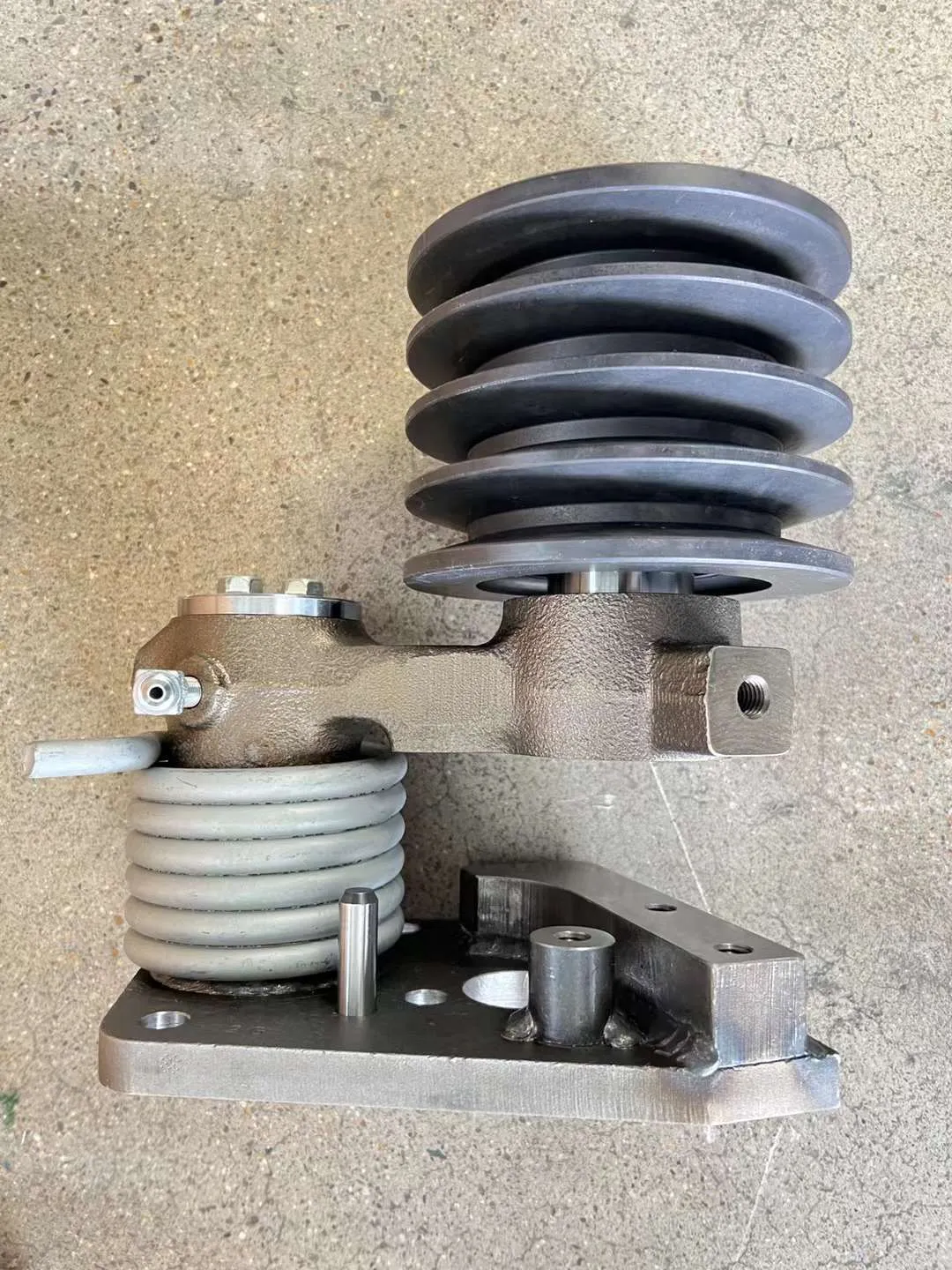
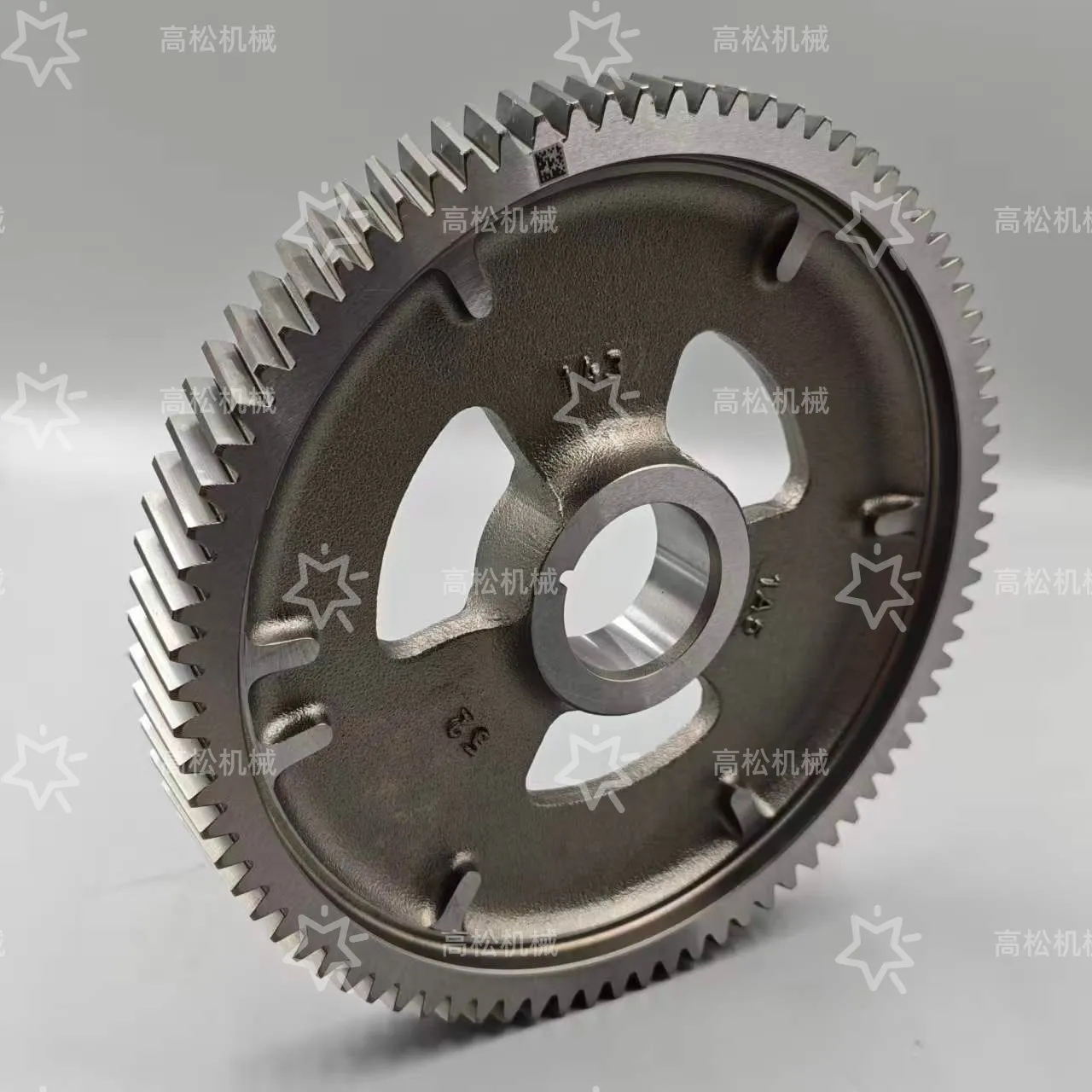
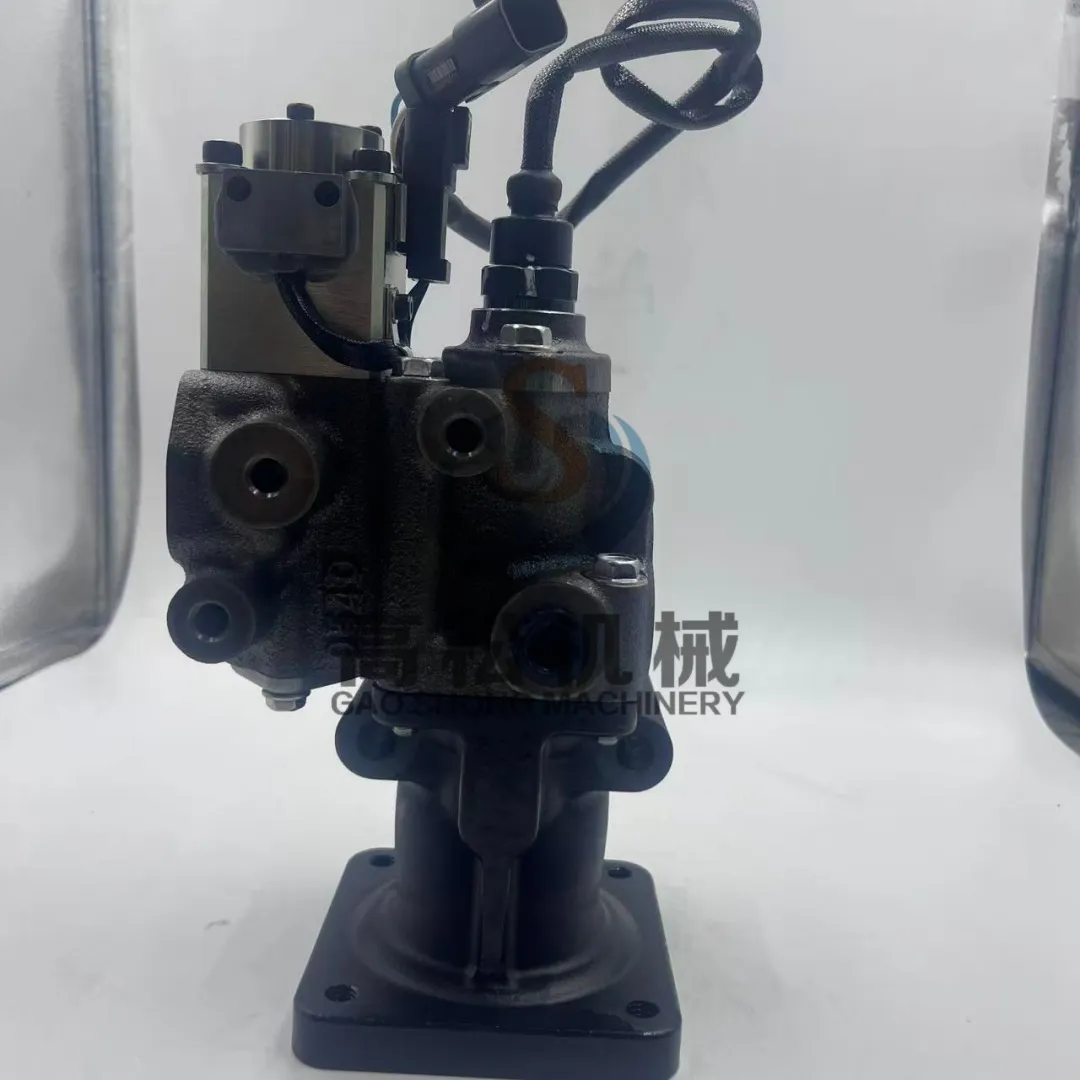
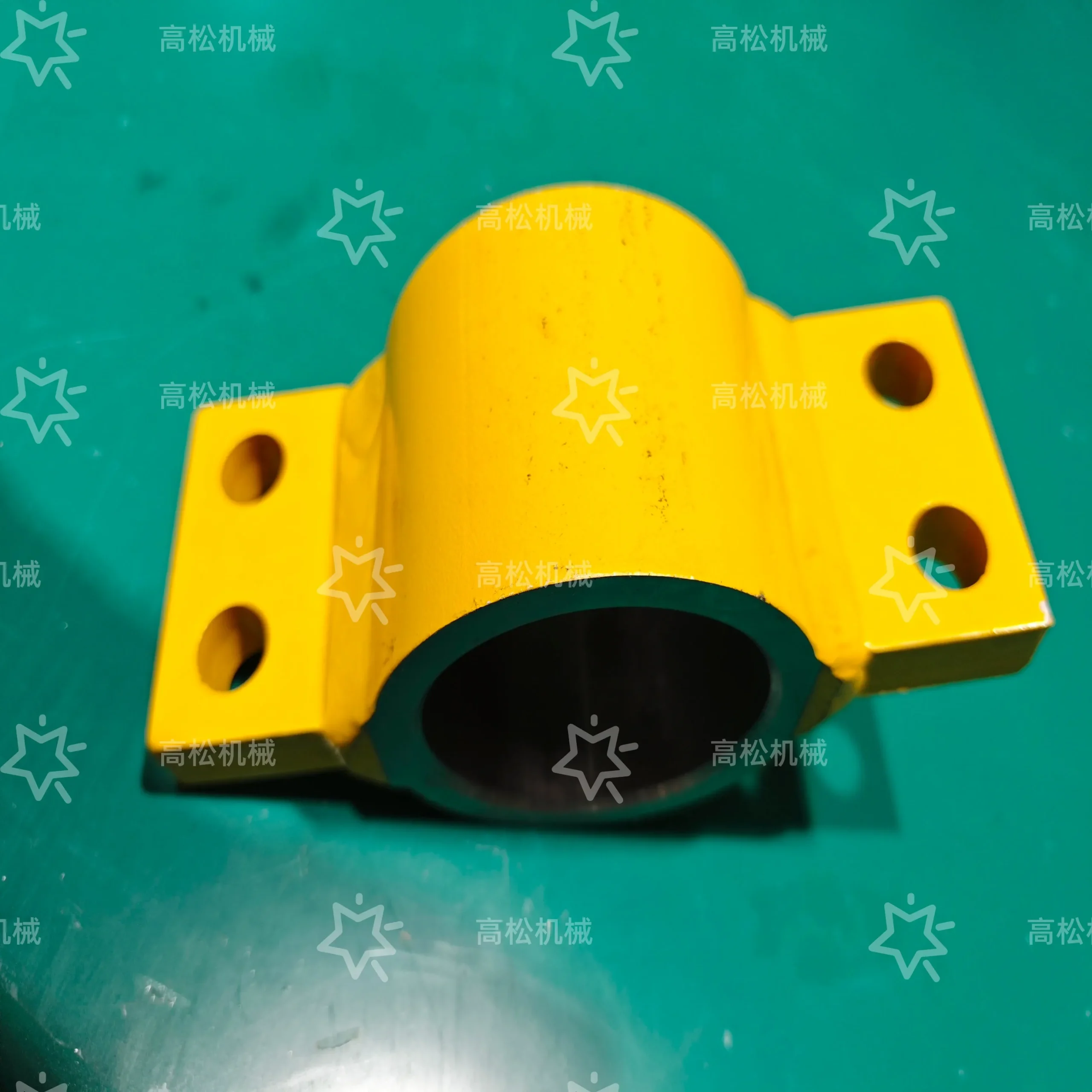

Best Selling Products
Best Selling Products-
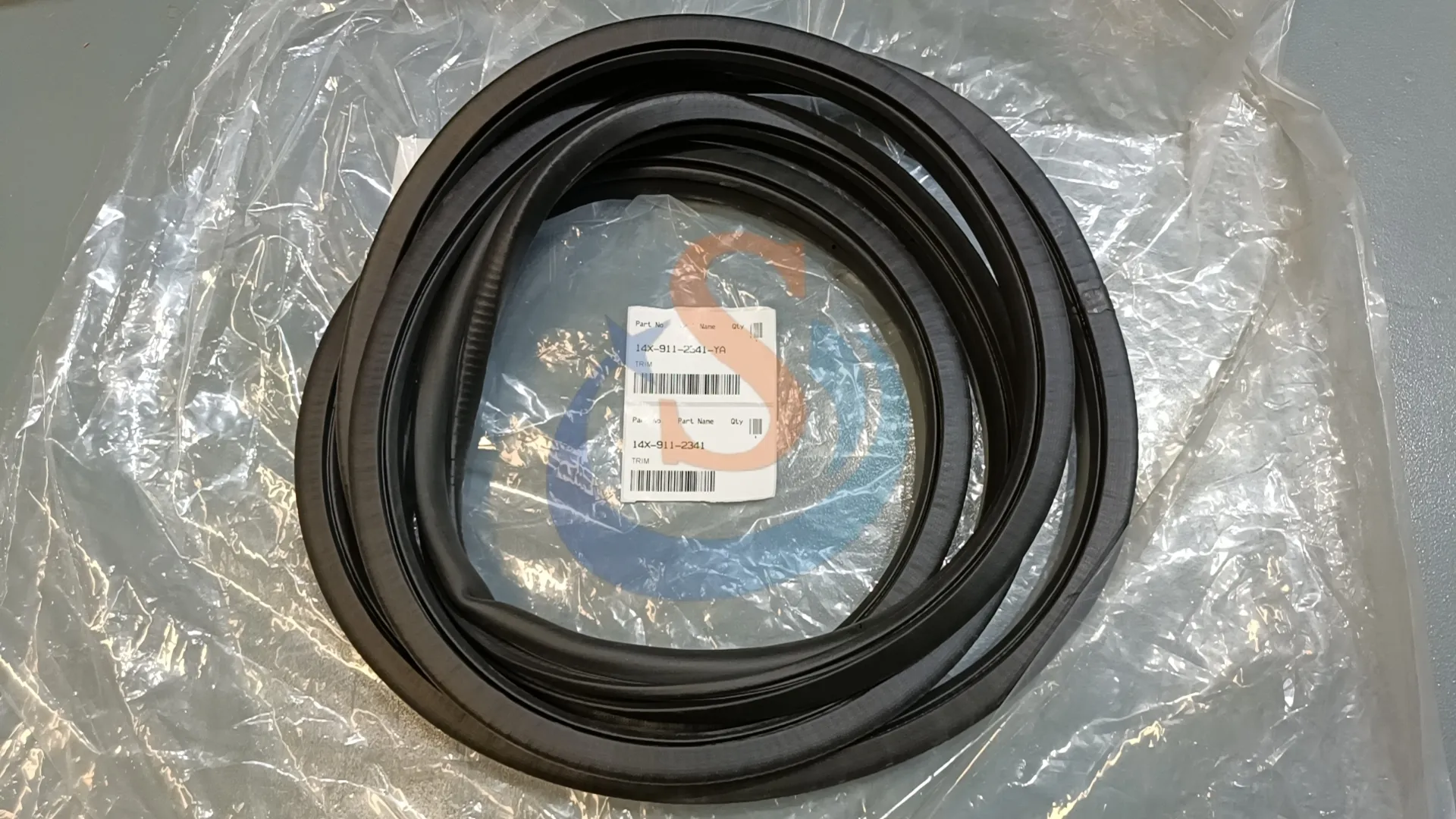 14X-911-2341,TRIM,D155A,D375A,D61EX
 -
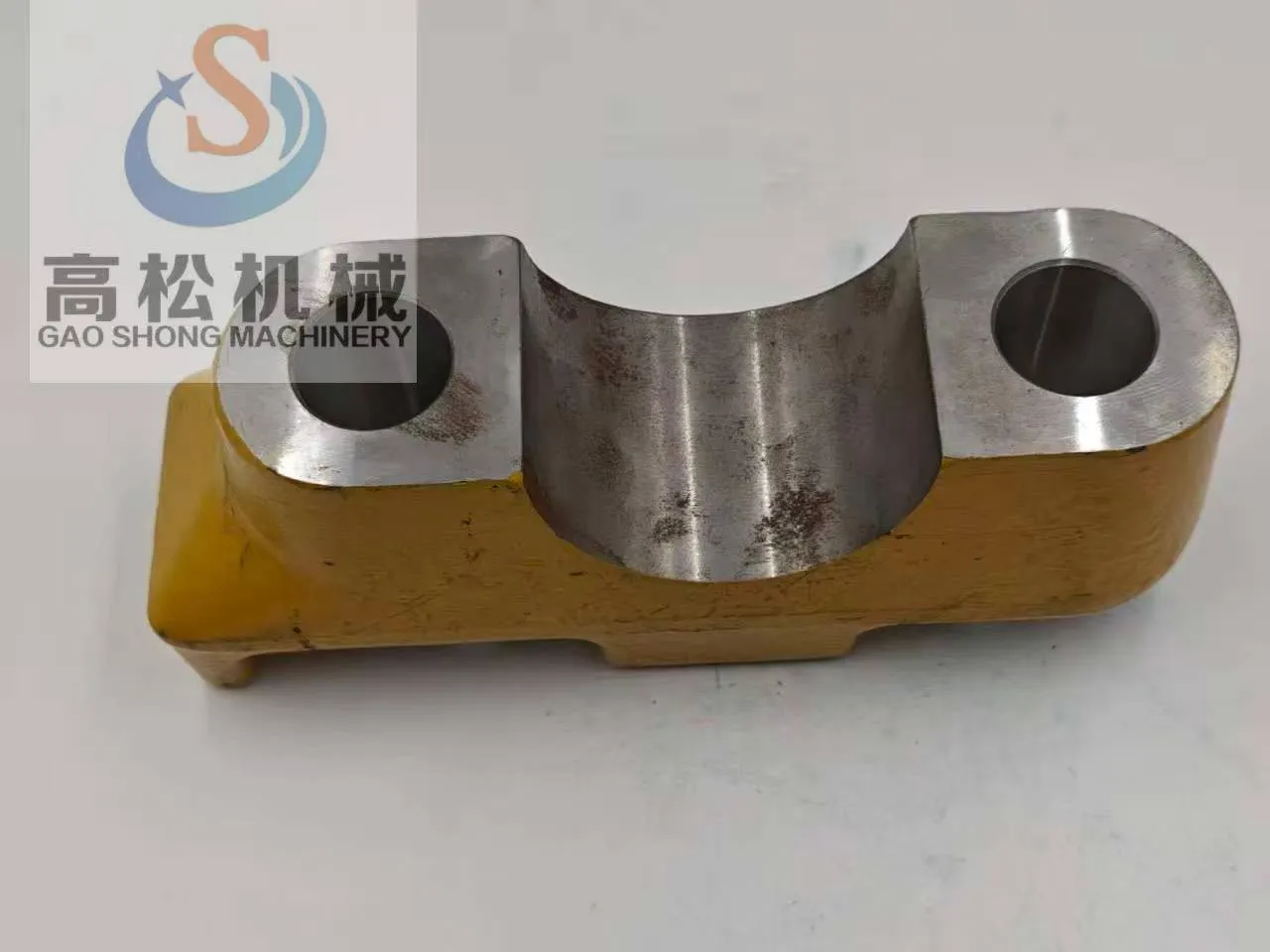 Cover 195-30-62141 for Komats bulldozer D375A
 -
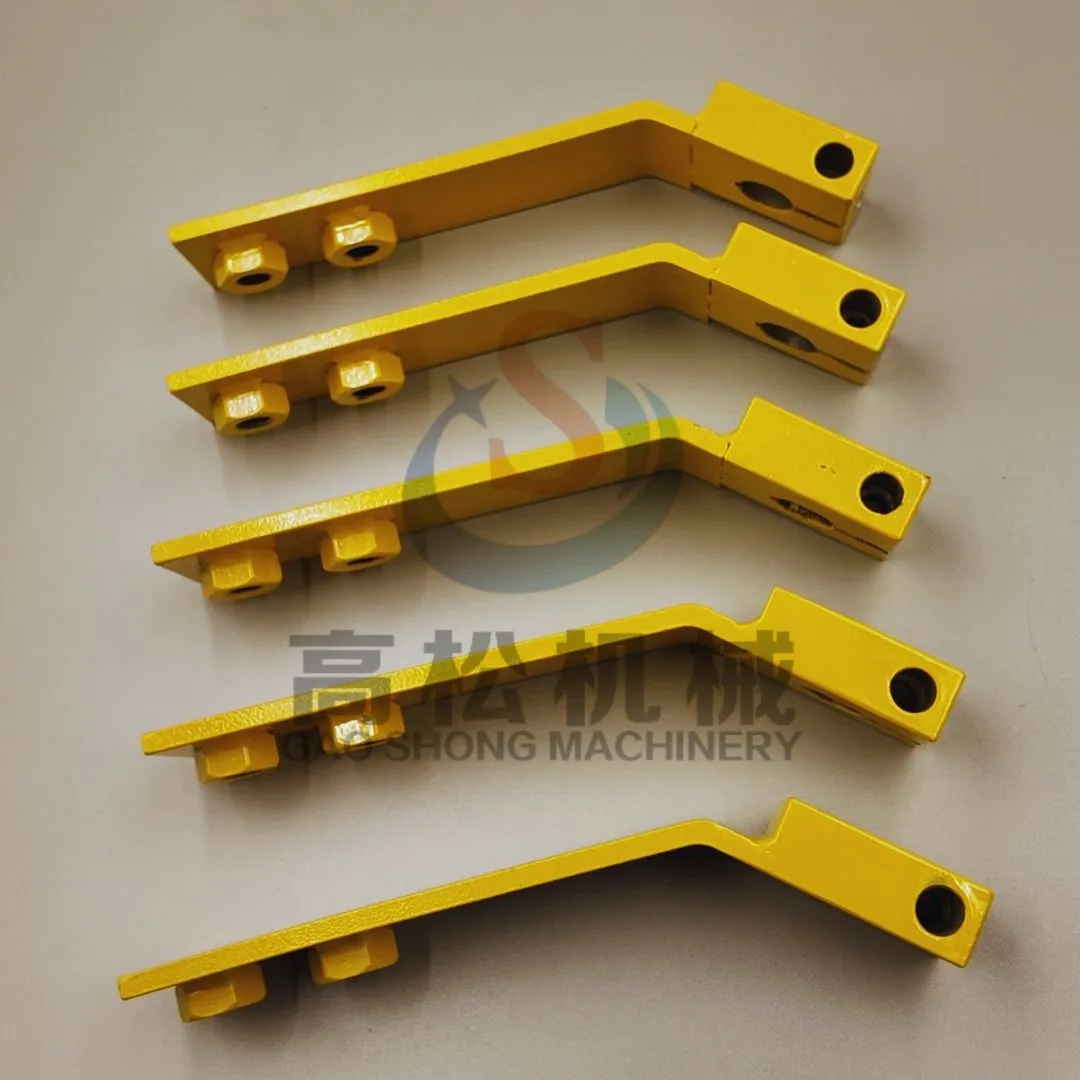 KOMATSU 566-86-6K430 BRACKET
 -
 Original New PC400-7 Excavator Parts – Control Valve 708-2H-03411
 -
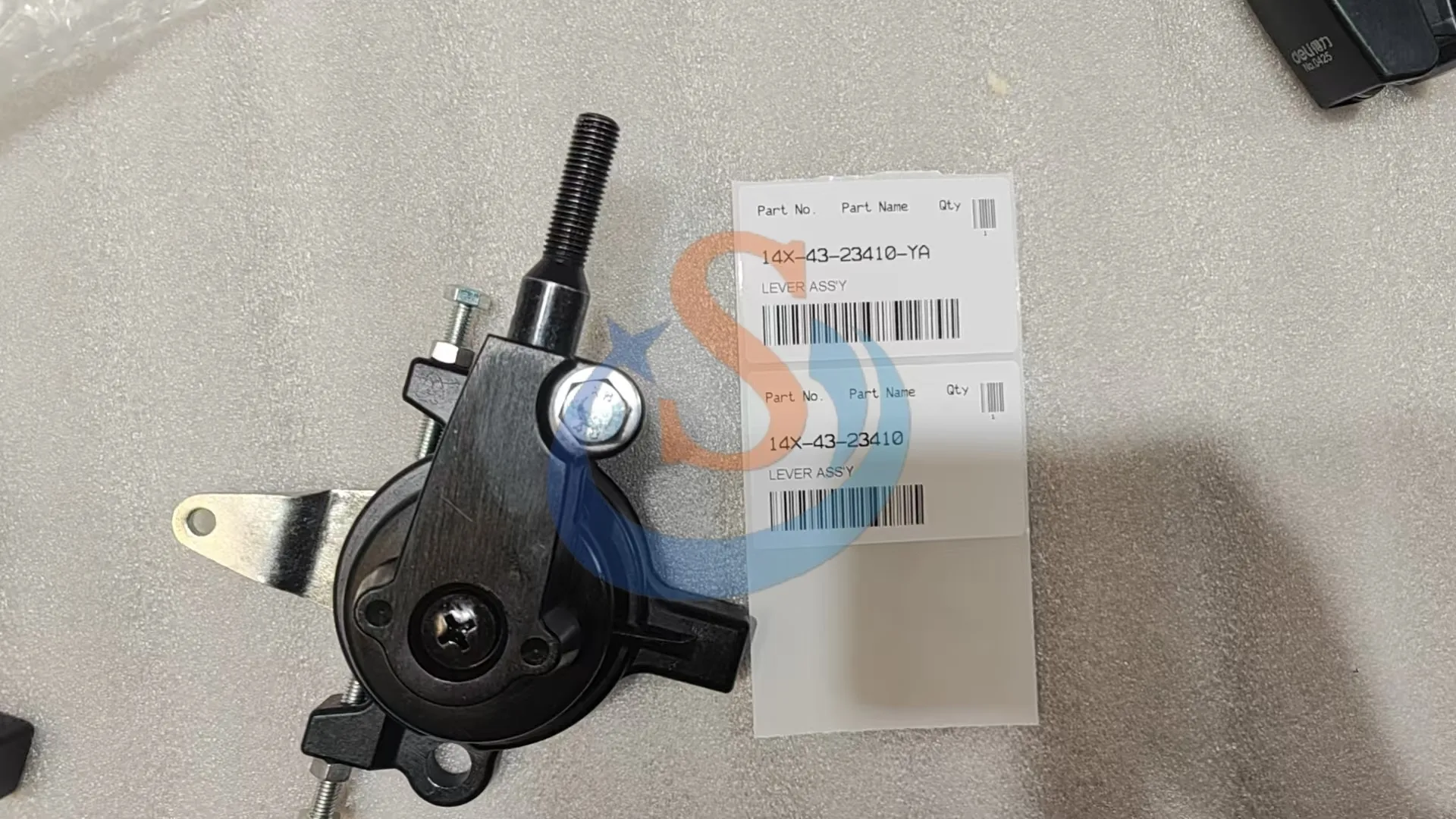 14X-43-23410,LEVER ASS’Y,D65PX,D85E,D65E
 -
 Komatsu Main Bearing STD – 6162-23-8010
 -
 7831-68-9000 PANEL ASS’Y
 -
 14X-15-29210 SEAL RING
 -
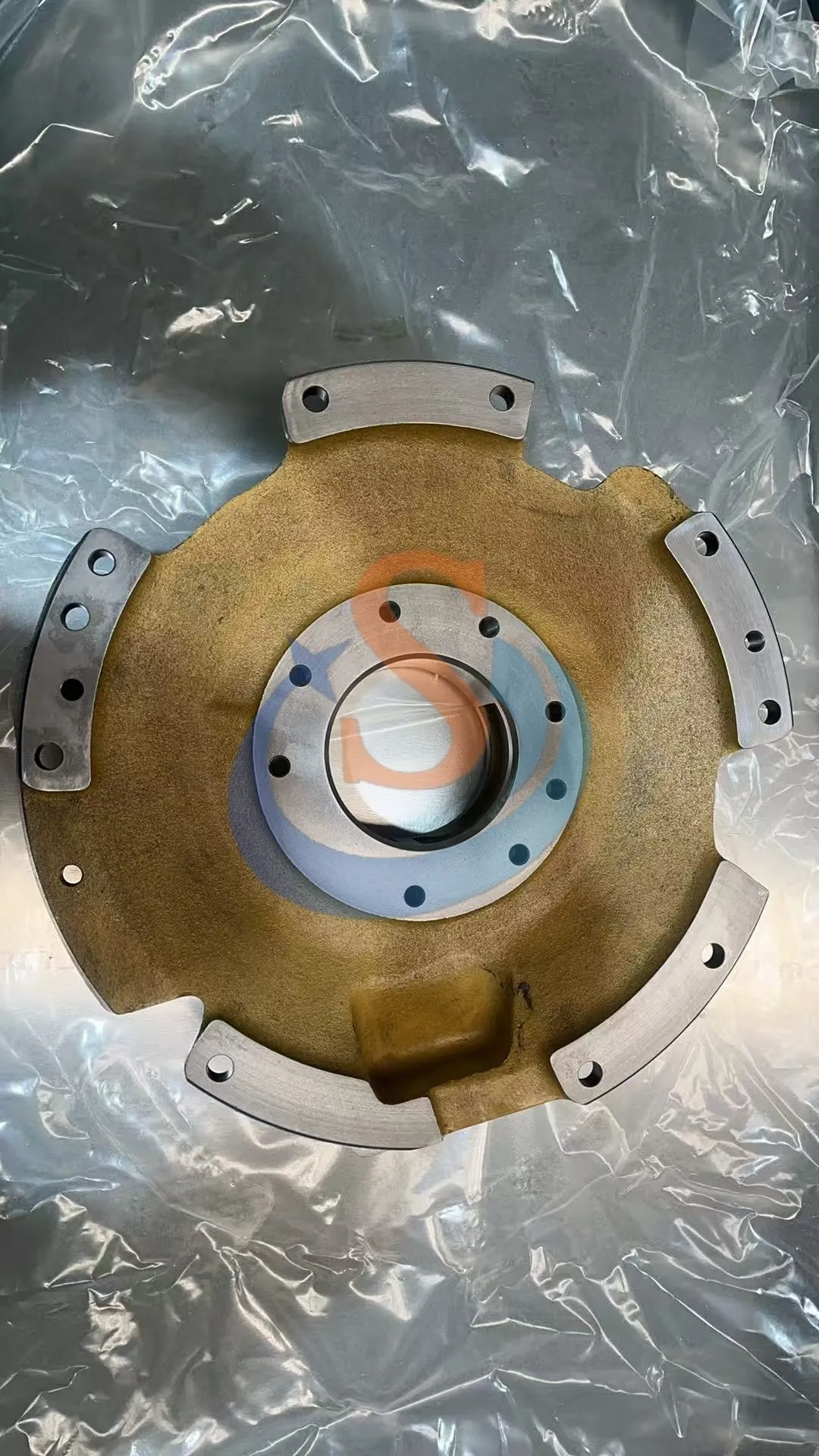 14X-13-54411 Housing D65PX/D65WX/D65EX
 -
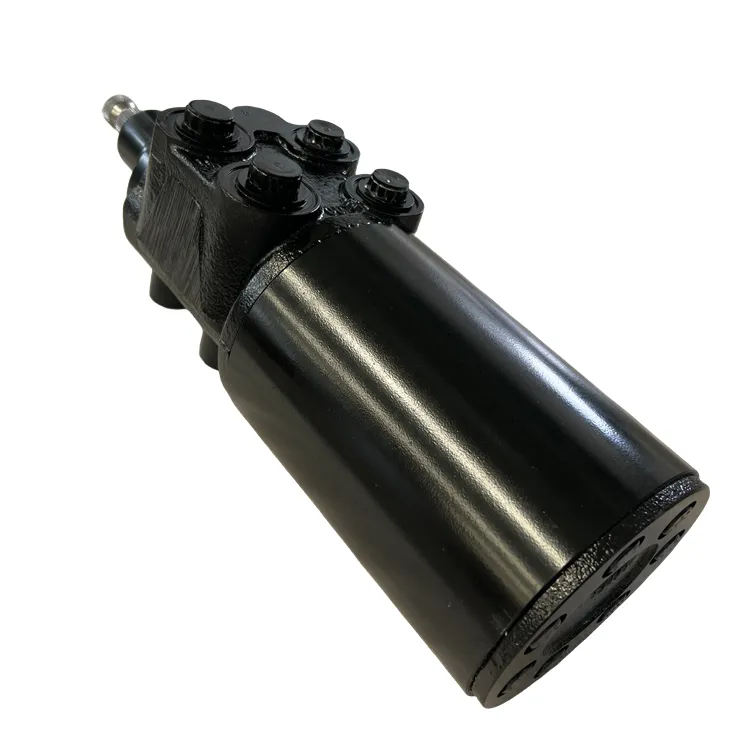 Hydraulic Steering Valve 561-40-83300 569-40-63302 for Komatsu HD785-7 HD465-7R Dump Trucks
 -
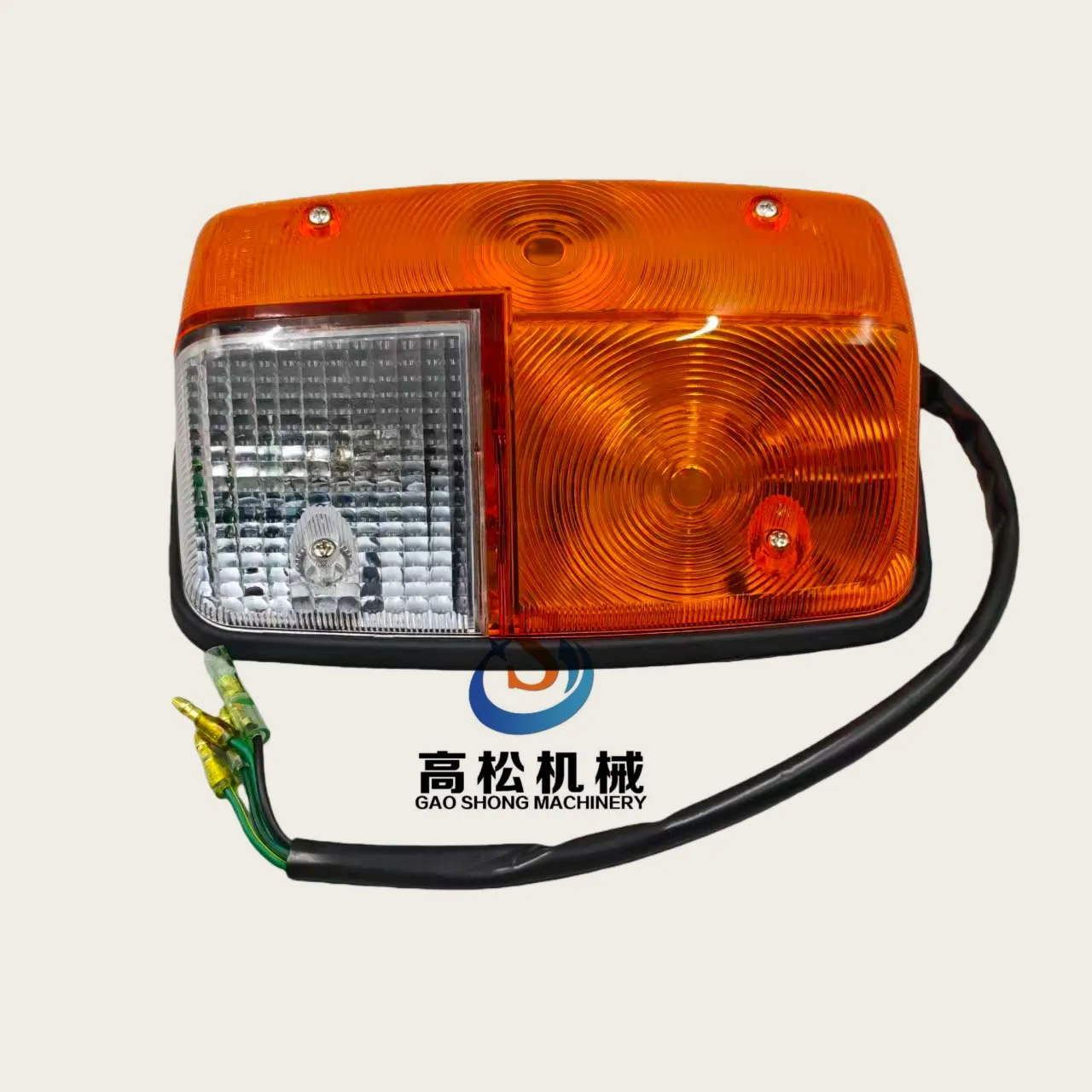 421-06-13401 Komatsu TURN SIGNAL AND PARKING
 -
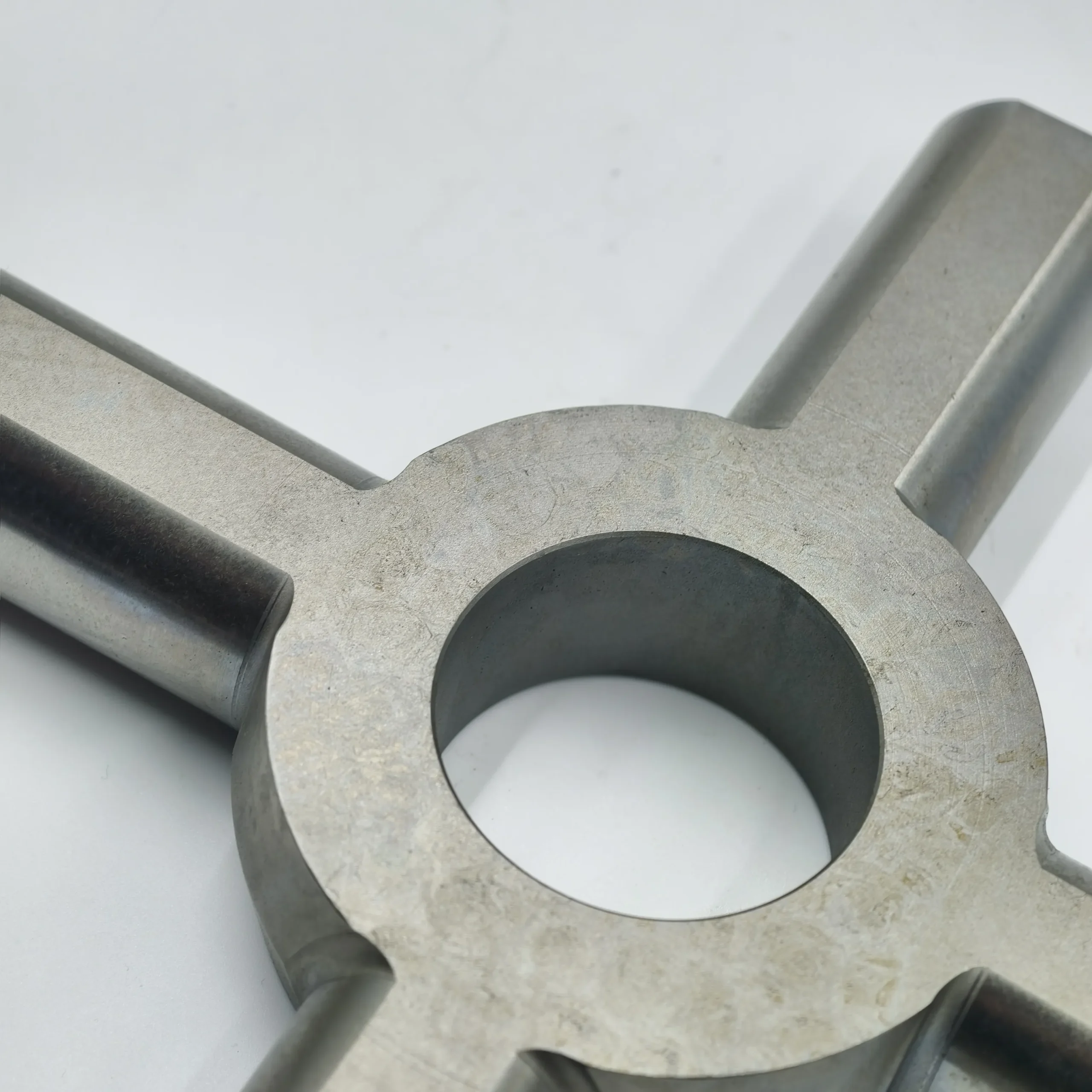 Komatsu Construction Machinery Full Series Accessories 421-22-11440 Loading Parts