
- Chinese
- French
- German
- Portuguese
- Spanish
- Russian
- Japanese
- Korean
- Arabic
- Irish
- Greek
- Turkish
- Italian
- Danish
- Romanian
- Indonesian
- Czech
- Afrikaans
- Swedish
- Polish
- Basque
- Catalan
- Esperanto
- Hindi
- Lao
- Albanian
- Amharic
- Armenian
- Azerbaijani
- Belarusian
- Bengali
- Bosnian
- Bulgarian
- Cebuano
- Chichewa
- Corsican
- Croatian
- Dutch
- Estonian
- Filipino
- Finnish
- Frisian
- Galician
- Georgian
- Gujarati
- Haitian
- Hausa
- Hawaiian
- Hebrew
- Hmong
- Hungarian
- Icelandic
- Igbo
- Javanese
- Kannada
- Kazakh
- Khmer
- Kurdish
- Kyrgyz
- Latin
- Latvian
- Lithuanian
- Luxembou..
- Macedonian
- Malagasy
- Malay
- Malayalam
- Maltese
- Maori
- Marathi
- Mongolian
- Burmese
- Nepali
- Norwegian
- Pashto
- Persian
- Punjabi
- Serbian
- Sesotho
- Sinhala
- Slovak
- Slovenian
- Somali
- Samoan
- Scots Gaelic
- Shona
- Sindhi
- Sundanese
- Swahili
- Tajik
- Tamil
- Telugu
- Thai
- Ukrainian
- Urdu
- Uzbek
- Vietnamese
- Welsh
- Xhosa
- Yiddish
- Yoruba
- Zulu
- Kinyarwanda
- Tatar
- Oriya
- Turkmen
- Uyghur






komatsu d155 engine
When you hear 'Komatsu D155 engine', most guys immediately think of the S6D155. That's correct, but it's also where the oversimplification starts. It's not just a model number stamped on a block; it's a system. I've seen too many people, even seasoned mechanics, treat it as a standalone unit, ordering parts by that number alone and then scratching their heads when things don't fit or perform. The reality is, the power unit in a D155A-5 dozer isn't identical in every detail to the one in a D155AX-6, even if they share that core S6D designation. Emissions tiers, auxiliary drive configurations, and subtle pump timing adjustments for different regional standards make a huge difference. It's this gap between the catalog number and the physical hardware on the job site that creates both headaches and opportunities for specialists.
The Heart of the Beast: S6D155 Realities
Let's get into the guts of it. The S6D155 is a 15.2-liter, inline-six turbocharged diesel. Reliable? Absolutely. Bulletproof? Not quite. Its reputation for endurance often leads to neglect. The most common failure point I've encountered isn't the bottom end—it's the top. Valve train wear, specifically on the rocker arms and bridges, gets overlooked during routine service. You'll hear a slight tap that gets dismissed as just a Komatsu sound, but over 3,000 hours, that tap turns into a worn camshaft lobe. It's a classic case of a strong design being let down by deferred maintenance. The parts aren't exorbitantly expensive, but the labor to get in there is.
Another nuance is the turbocharger. Early models used a specific Mitsubishi turbo, later units might have a Komatsu-branded variant or a different supplier. They're functionally similar but not always directly interchangeable. The gasket surfaces and oil feed line orientations can be off by just enough to cause a major leak. I learned this the hard way on a rebuild for a mining client in Indonesia; we assumed compatibility, lost two days of downtime modifying lines, and ate the cost. Now, we cross-reference not just the engine model, but the machine serial number and the turbo's own ID plate.
Cooling is its own battle. The S6D155 runs hot under sustained load, especially in ripping or deep dozing. The factory water pump is robust, but the composite impeller can erode over time, reducing flow without a clear temperature spike until it's critical. We started recommending a proactive replacement of the water pump at the 8,000-hour mark, regardless of its apparent condition. It's a minor cost compared to a cooked head gasket or, worse, a warped cylinder head.
Parts Sourcing: The OEM vs. Aftermarket Maze
This is where the industry gets messy. Pure OEM parts from Komatsu are impeccable, but the supply chain can be a bottleneck, particularly for older models or in regions without a strong dealer network. That's where companies with a foot in both worlds become critical. Take Jining Gaosong Construction Machinery Co., Ltd., for instance. Their setup is interesting; they're an OEM product supplier within the Komatsu system, but also operate as a third-party sales channel. In practice, this means they can often access genuine Komatsu inventory or OEM-spec parts that are functionally identical, helping to solve parts supply challenges in certain countries where direct distribution is thin.
I've used channels like theirs for D155 engine gasket kits, cylinder liners, and main bearing sets. The quality has been consistent, but the key is verification. OEM within the system can mean it came off the same production line as the dealer part, just without the Komatsu box. You still need to check markings, material certifications, and dimensions. I never just bolt on a part; I mic it. A piston from a reputable third-party supplier might be perfect, but a crankshaft? I'd still lean toward a genuine part for that core component unless the supplier's pedigree is rock-solid.
The alternative is the wild west of generic aftermarket. For the D155, you'll find pistons, heads, and injectors from a dozen manufacturers. Some are good, many are substandard. The failure mode is often slow—reduced fuel economy, slight oil consumption—so it doesn't show up immediately. It erodes profitability over time. My rule is simple: for internal rotating or high-pressure components (fuel system, crankshaft, connecting rods), stick to OEM or verified system suppliers. For peripherals like brackets, seals (except head seals), and non-critical housings, a quality aftermarket part is a sensible cost-saving move.
Overhaul Pitfalls and a Personal Lesson
An overhaul seems straightforward: rebuild kit, machine shop work, reassemble. The devil is in the details they don't write in the manual. Take cylinder block deck resurfacing. The S6D155 block is stout, but if it's been overheated, you can't just skim it flat. You must check the alignment between the cylinder liner seats and the main bearing bore. I once had a block machined by a shop that only checked deck flatness. After assembly, we had chronic oil pressure issues. Turns out, the deck skimming had subtly altered the geometry, affecting the crankshaft alignment. The fix was a new block—a catastrophic, expensive lesson.
Then there's the fuel injection pump. The Komatsu NP12 pump is precise. During a rebuild, it's tempting to just reinstall it. But if the engine is getting a new lease on life, the pump should be sent for calibration. Wear inside the pump might have been compensating for lower compression. With new rings and valves, the old pump calibration can lead to over-fueling and excessive smoke. It's a step that adds cost and time, but skipping it guarantees you won't get the performance or efficiency the rebuild was meant to deliver.
My most memorable failure was on a D155A-3. We did a full in-frame rebuild with what we thought were premium parts. The engine ran beautifully for about 50 hours, then developed a catastrophic knock. Teardown revealed a spun connecting rod bearing. The root cause? The replacement bearing shells we used, though a known brand, had a slightly different oil groove pattern that disrupted hydrodynamic lubrication under high load. The part number was a direct replacement, but the engineering wasn't. It taught me that for bearings, you must use the exact specification, not just a cross-reference. Sometimes, that means waiting for the right part from a trusted source like Takematsu Machinery, rather than using what's on the shelf.
Cooling and Filtration: Unsung Heroes
People obsess over the big metal parts and ignore the fluids and filters. The D155's cooling system capacity is massive, but that just means it takes longer to notice a problem. We started implementing coolant sample analysis as a standard practice during major services. The chemistry tells you about liner pitting, seal degradation, and electrolysis long before physical symptoms appear. For the price of an analysis, you can prevent a $15,000 repair.
Air filtration is another critical area. These engines move a tremendous volume of air. A clogged or low-quality air filter doesn't just rob power; it creates a pressure differential that can pull unfiltered air past seals. I've seen turbo compressor wheels sandblasted from a tiny intake leak downstream of a filter. The factory two-stage cyclonic pre-cleaner and paper element is excellent, but only if it's serviced rigorously. In dusty environments, we often added a third-party pre-screen element for daily clean-out, preserving the main filter's life.
Oil filtration seems basic, but the bypass valve in the filter housing is a common failure point. If it sticks open, unfiltered oil circulates. If it sticks closed, you get no oil flow on a cold start. We make it a habit to check and clean that valve housing during every oil change, a five-minute task that's saved several engines from premature wear.
The Modern Context and Final Thoughts
Today, the D155 platform is aging, but thousands are still working hard. The support ecosystem has evolved. You're no longer solely dependent on the local Komatsu dealer. Specialized suppliers and technical hubs, often online, have filled the knowledge and parts gap. A website like https://www.takematsumachinery.com exemplifies this model—leveraging their position within the OEM system to provide access and solve logistical problems. For an owner or a shop, this is invaluable. It turns a potential month-long wait for a cylinder head into a week-long process.
The takeaway on the Komatsu D155 engine is this: respect its design, but don't mythologize it. It's a mechanical system with specific needs and vulnerabilities. Success with it comes from understanding the nuances between model iterations, being fanatical about verification during parts sourcing, and never cutting corners on the supporting systems—cooling, filtration, fuel quality. It's not about finding the cheapest part; it's about finding the right part and installing it correctly.
In the end, keeping these engines running isn't just about wrenches and parts numbers. It's about judgment. Knowing when a block is salvageable, when to insist on a genuine component, and when a quality alternative will do. That judgment comes from experience, from successes, and from costly mistakes. For anyone deep in this world, that's the real currency.
Related Products
Related Products

Best Selling Products
Best Selling Products-
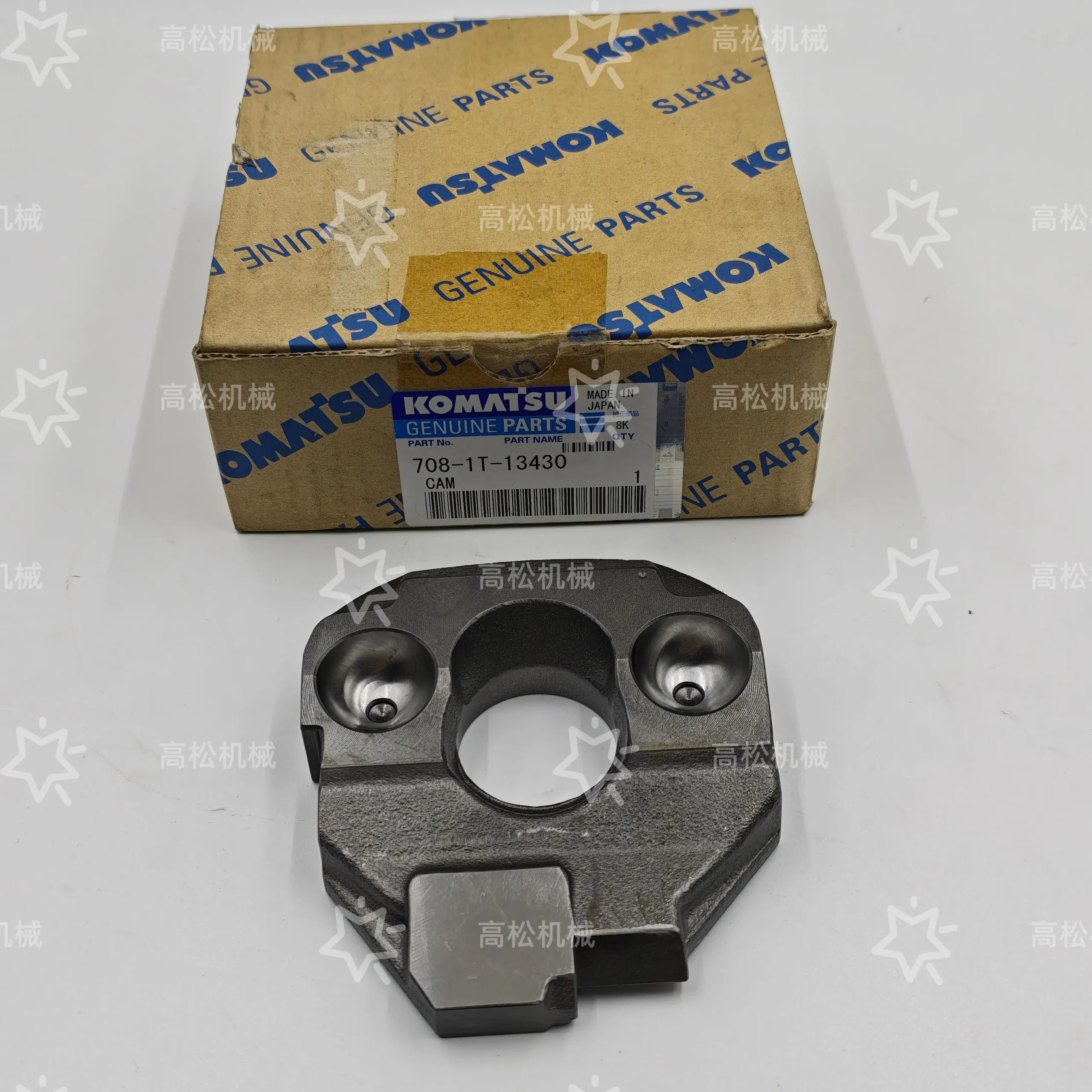 ROCKER CAM 708-1T-13430 for BULLDOZER D275A
 -
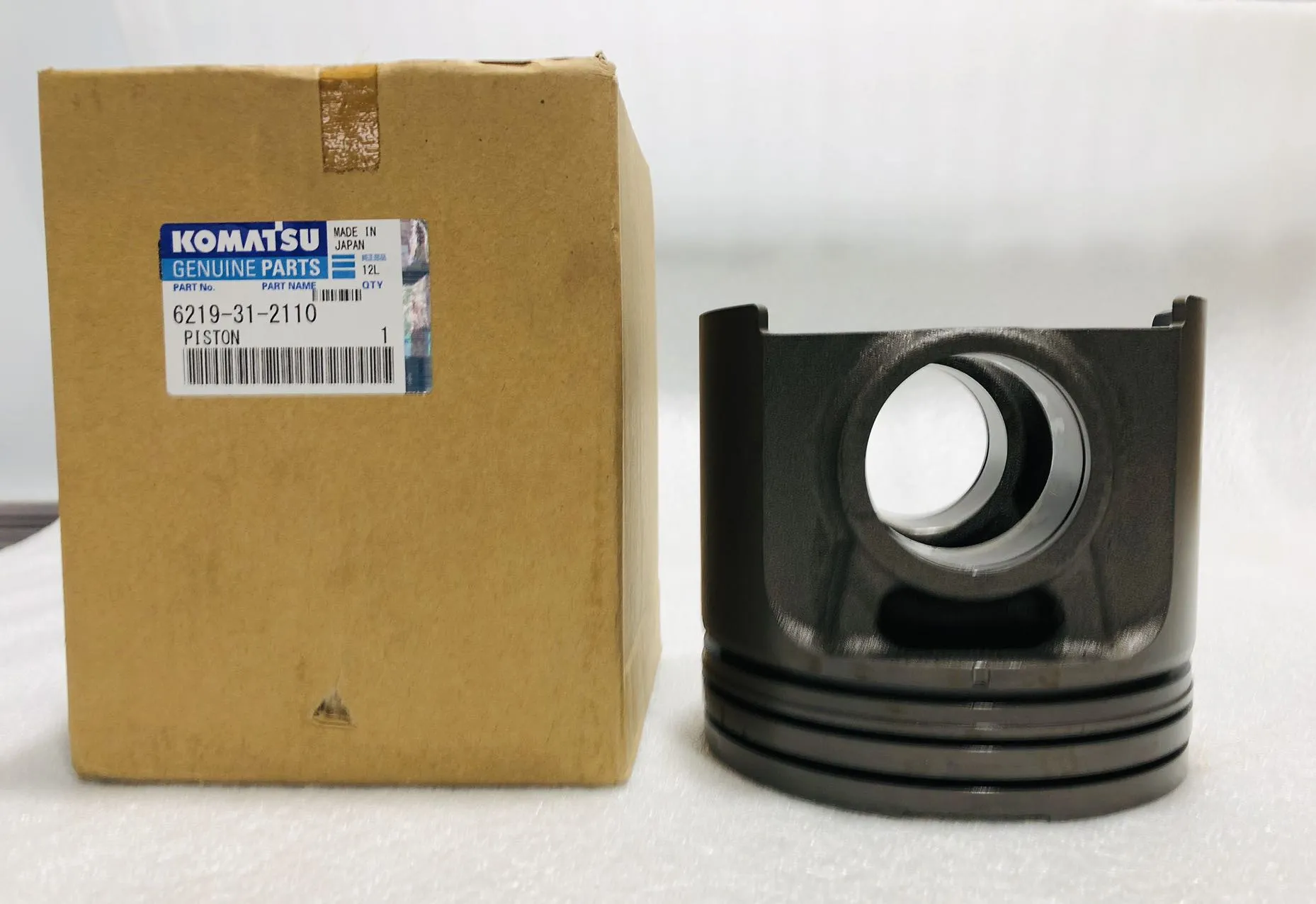 Komatsu 6219-31-2110 PISTON
 -
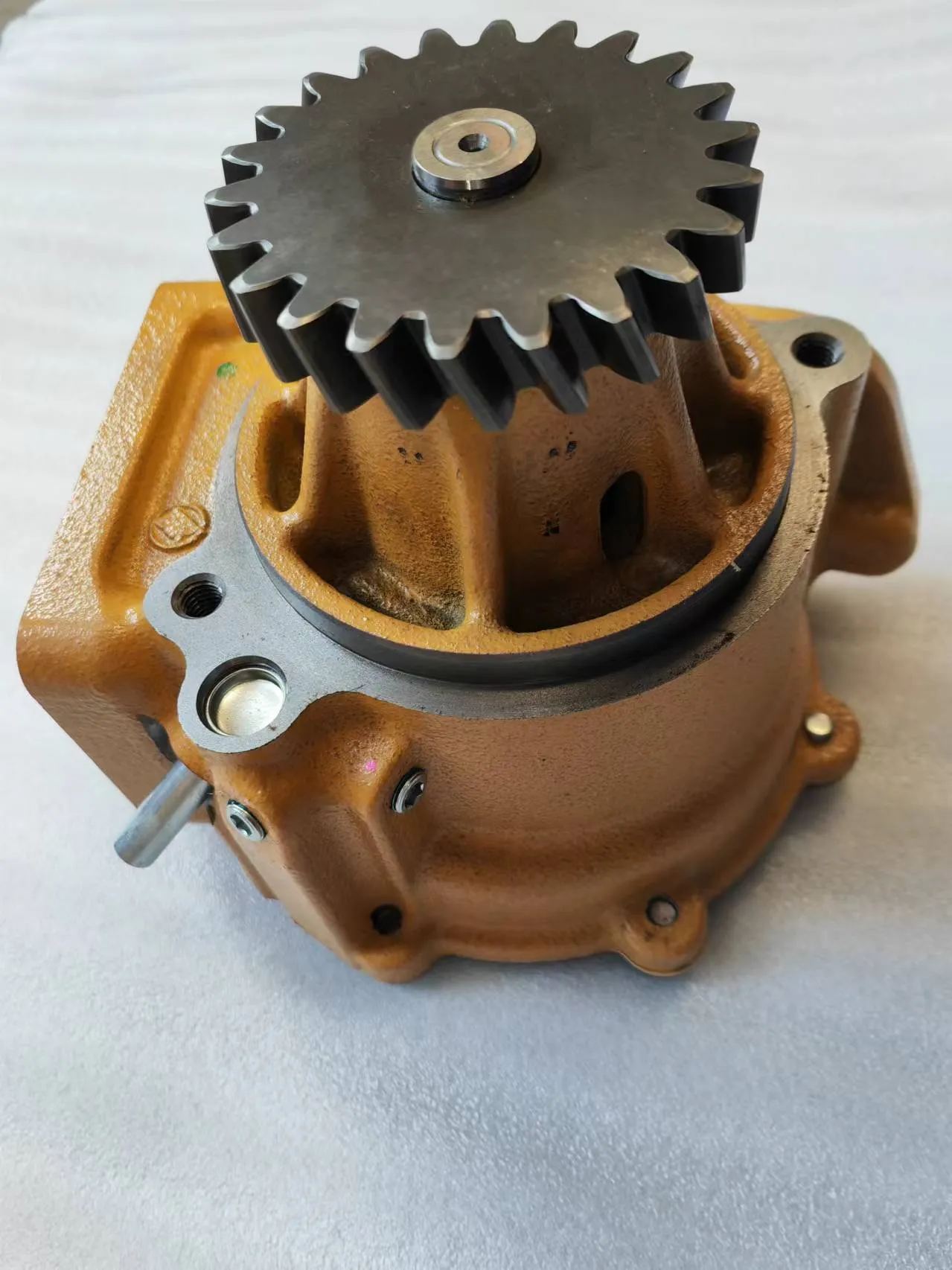 Water Pump Assembly 6219-61-1100 6219-61-1101 6219-61-1102 for Komatsu Engine SA12V140 SAA12V140E SDA12V140 Dump Truck HD785-7
 -
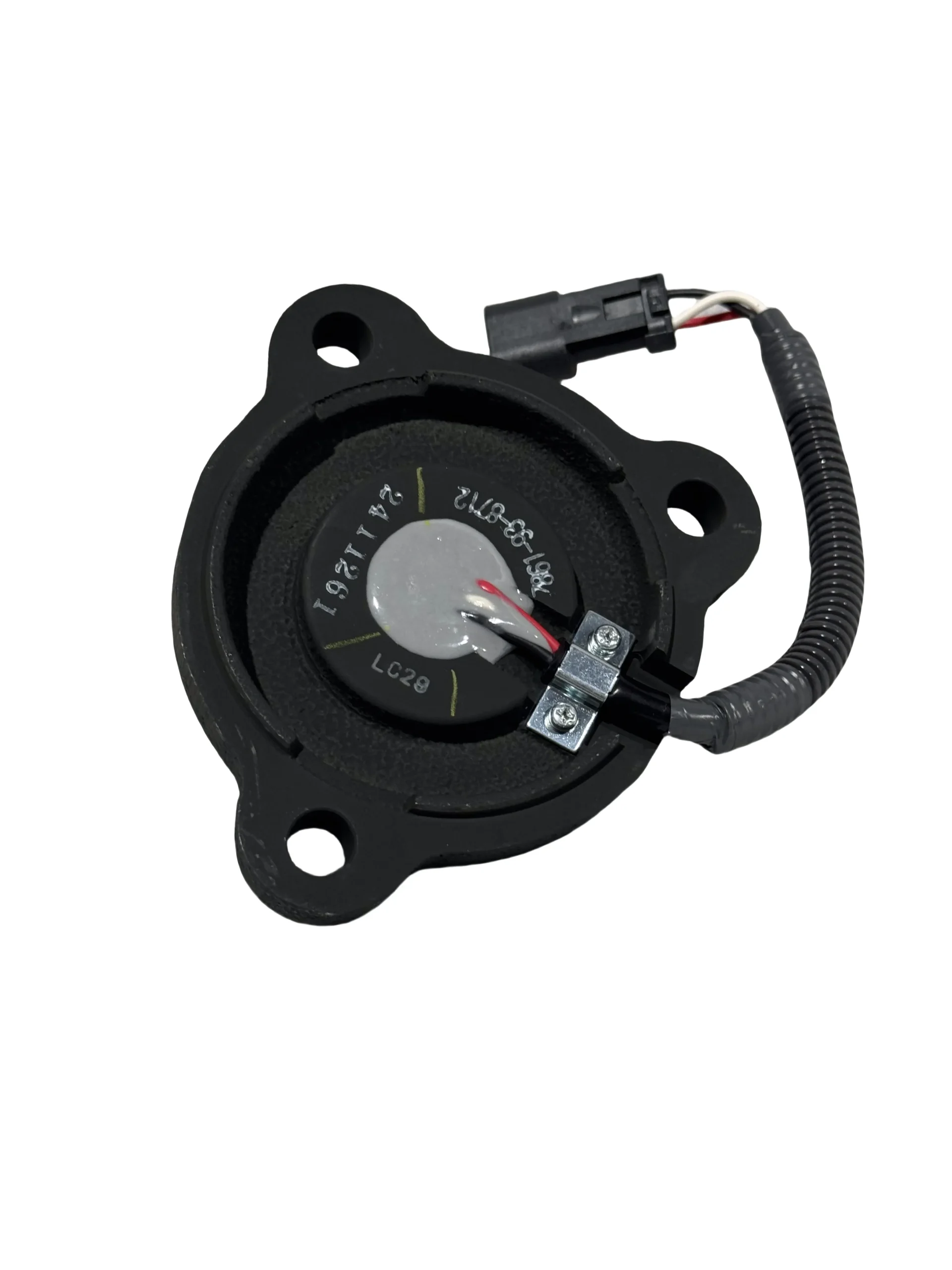 7861-93-8711 Steering Sensor for Komatsu HD785-7
 -
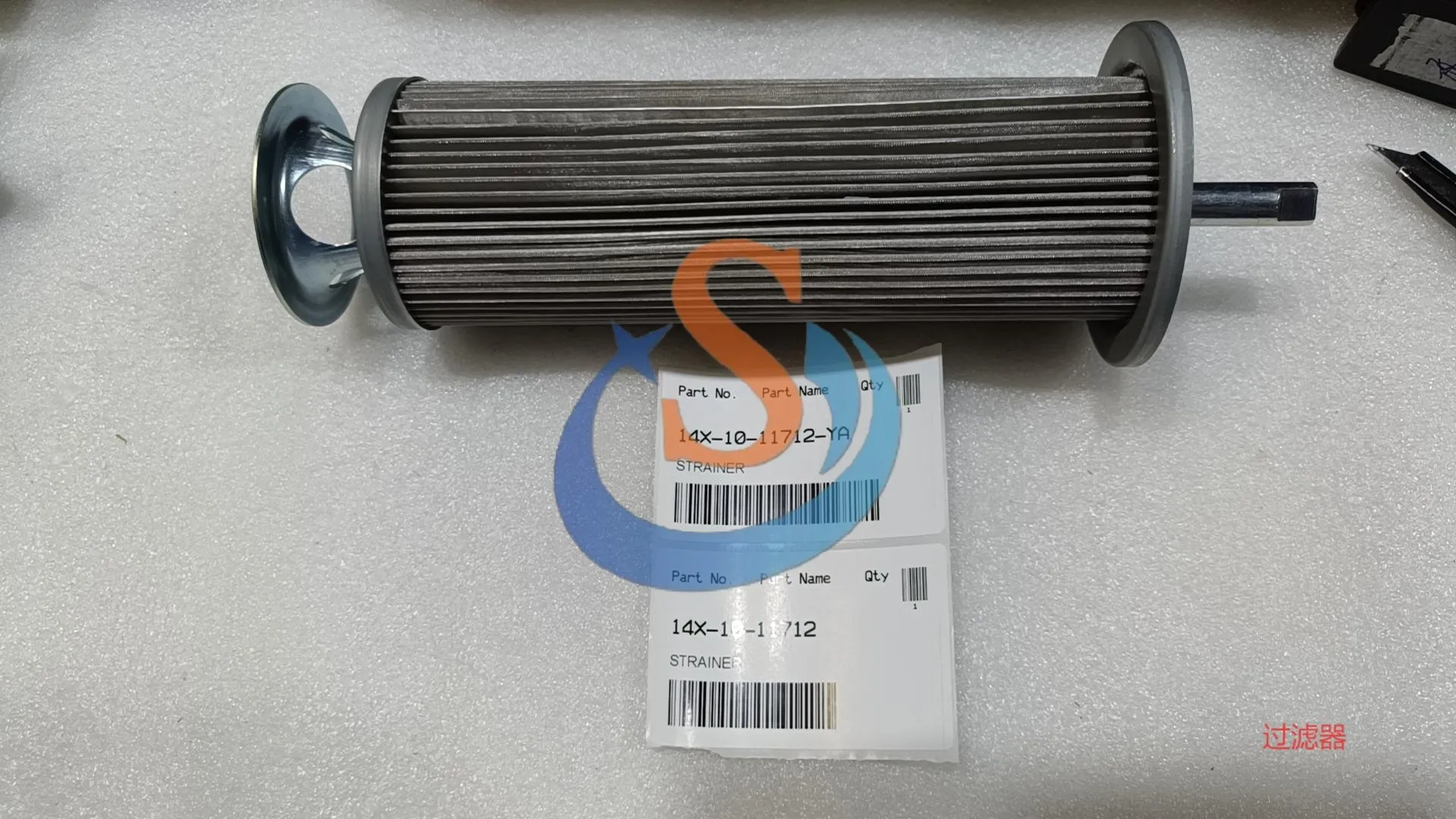 14X-10-11712 STRAINER D65EX/D85EX
 -
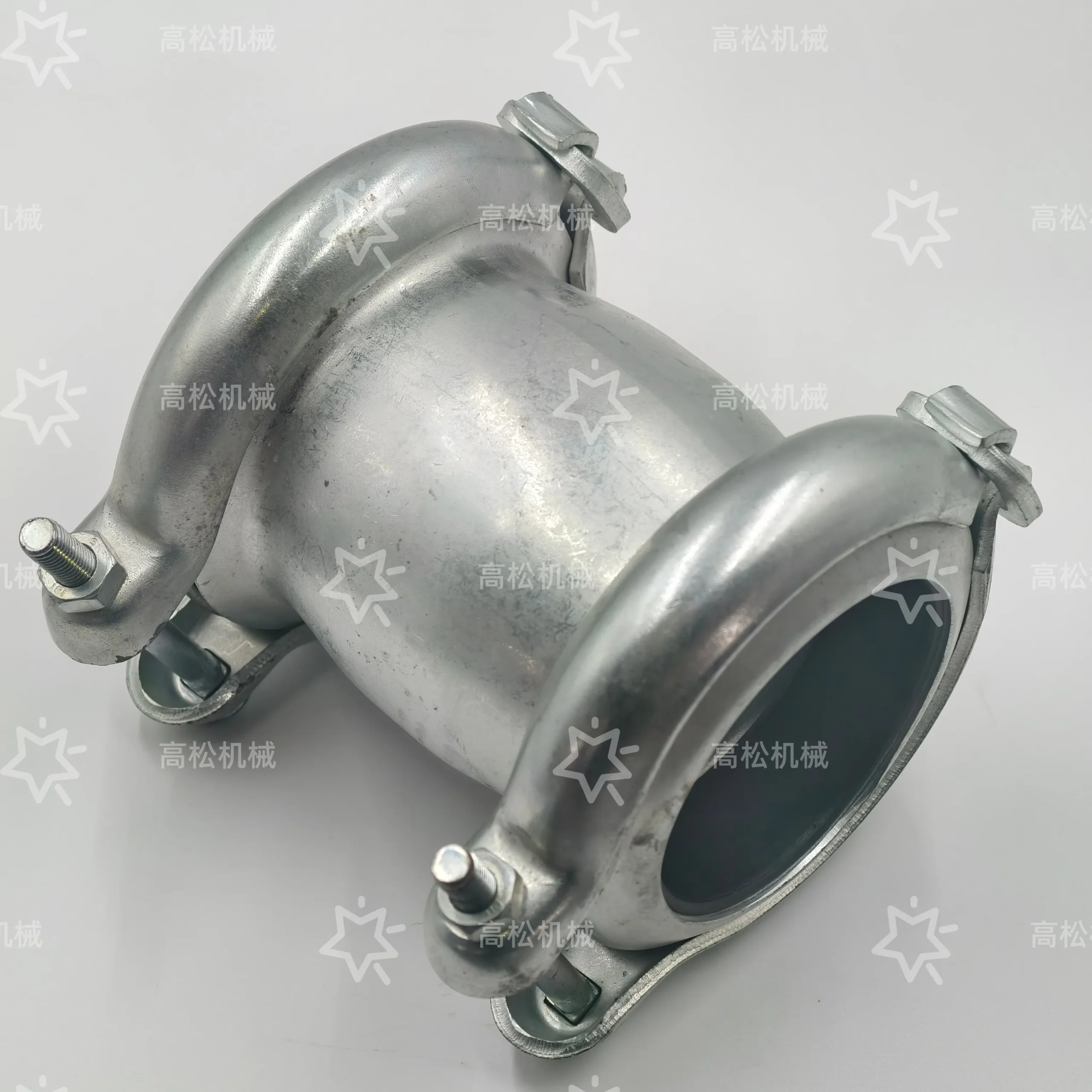 07332-03000Coupling 07332-03000 07332-63000 for Komatsu Dozer D155AX-3 D155S-1 D275A-5 D355A-3 D355A-5 D375A-3 D455A-1 D475A-5
 -
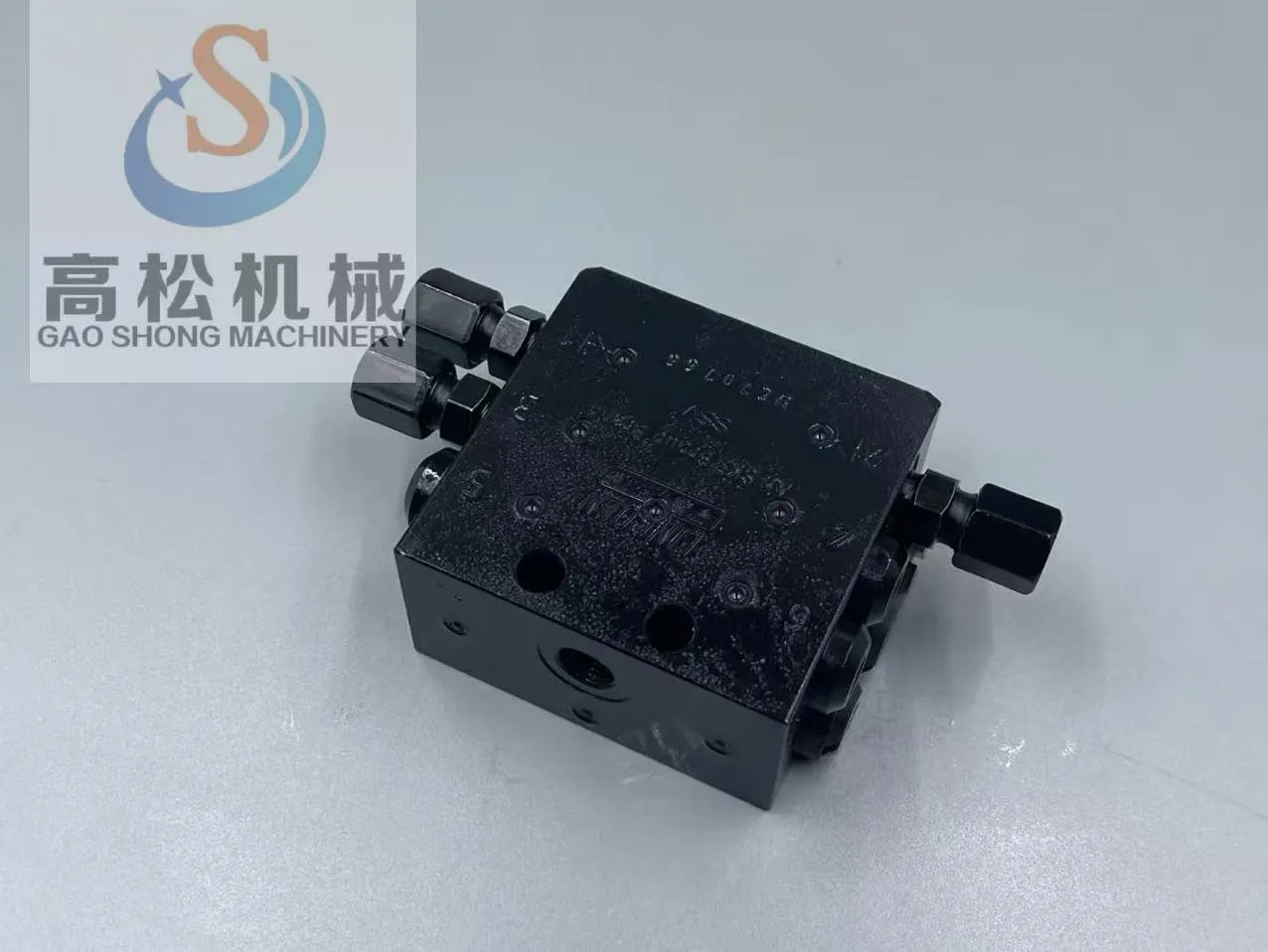 Valve Assembly 21T-68-67940 for Komatsu PC2000-8 Excavator
 -
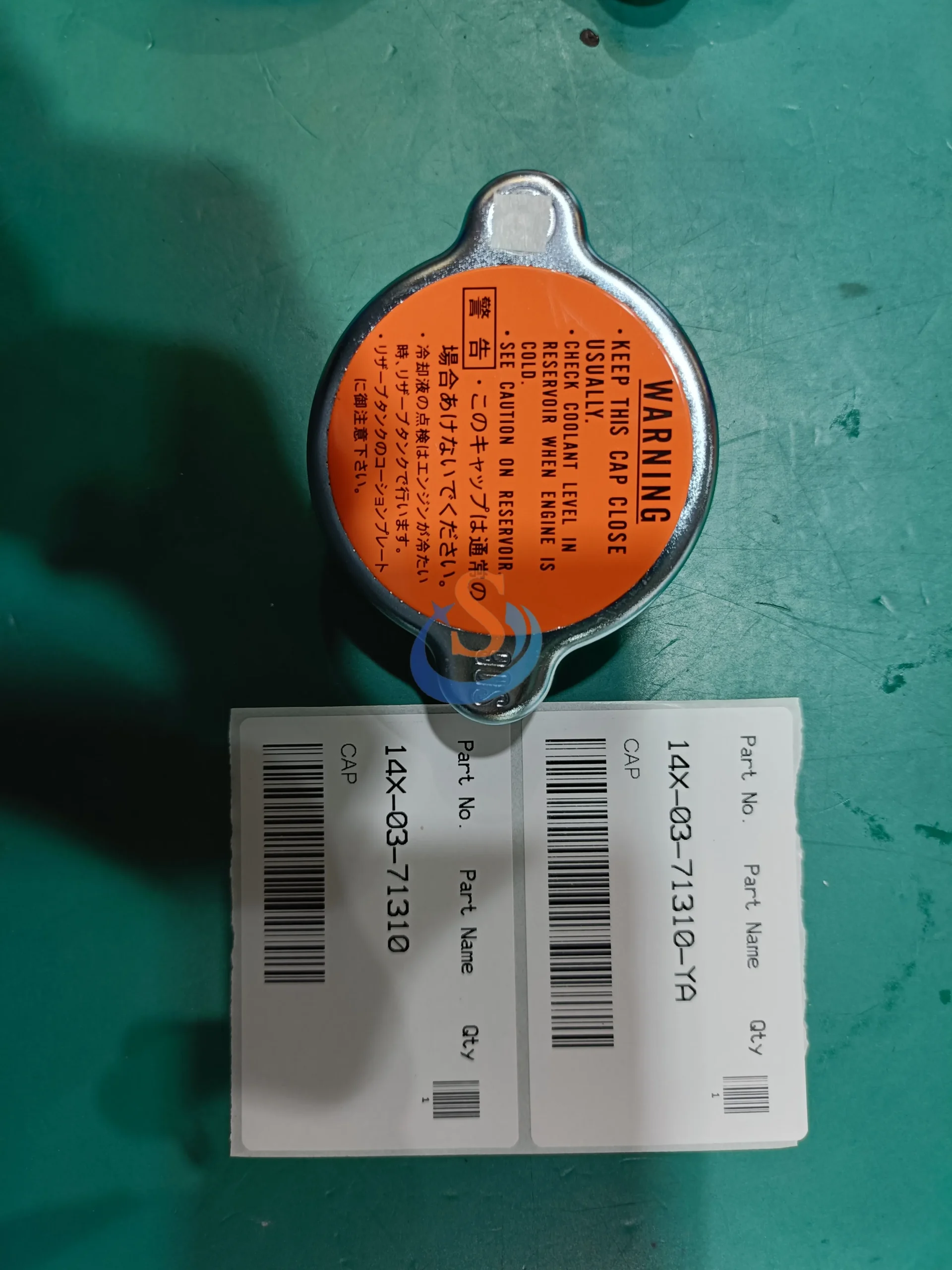 14X-03-71310 CAP HM300/WA470
 -
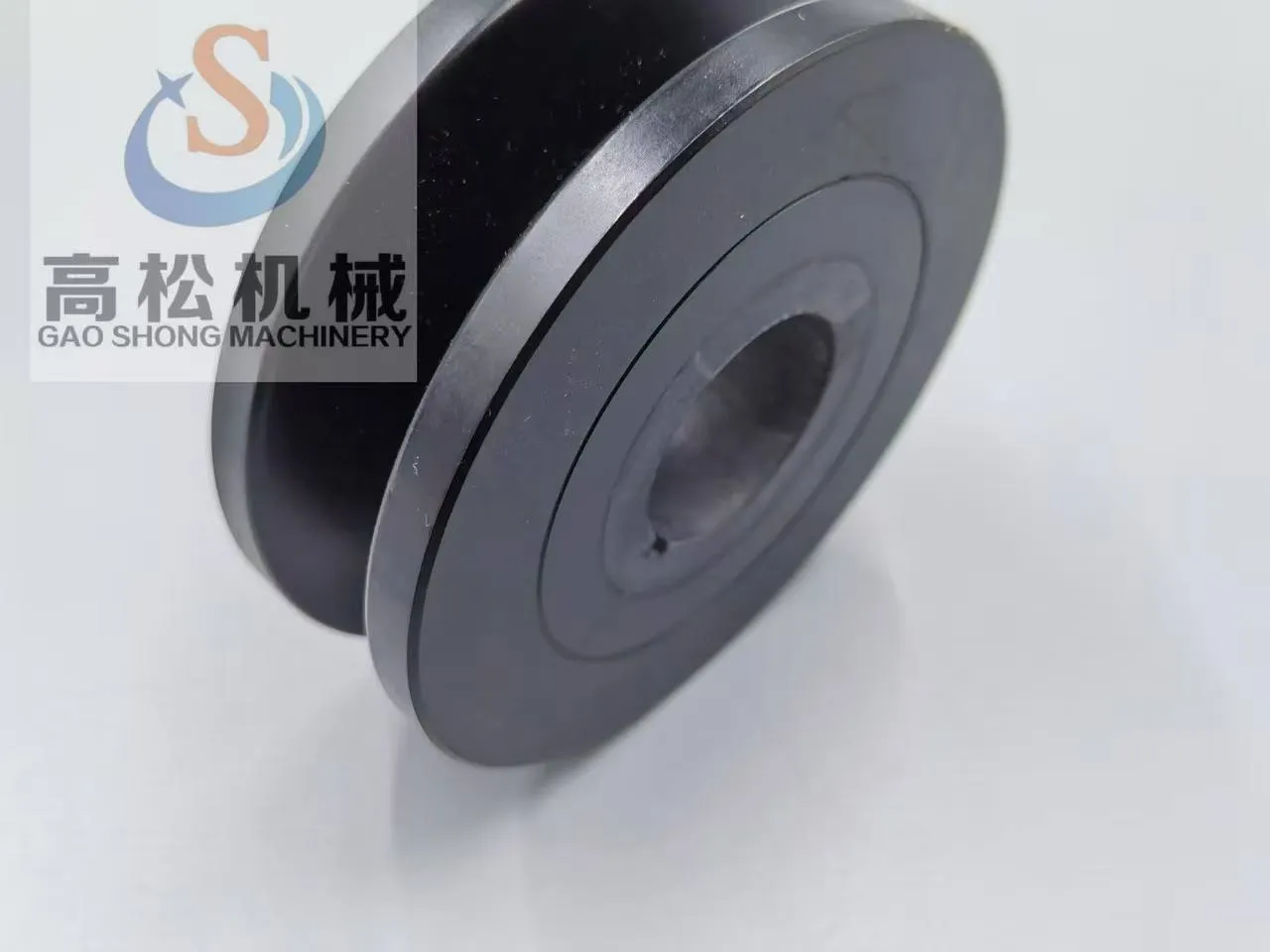 KD0-35411-0854 Komatsu pulley. Compatible with model Hd785. Available for immediate shipment.
 -
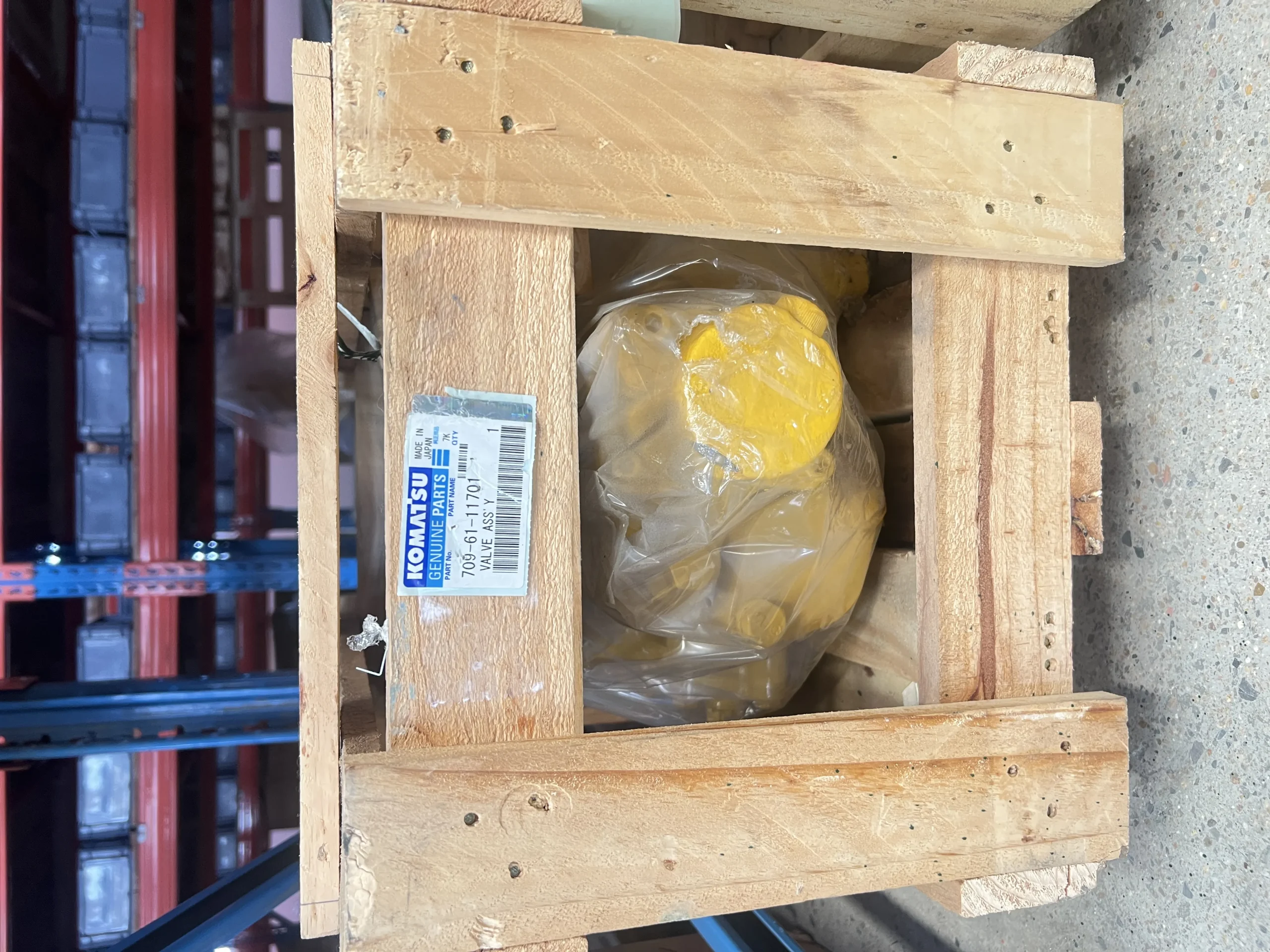 709-61-11701 Valve Assembly for Komatsu D375A-5D
 -
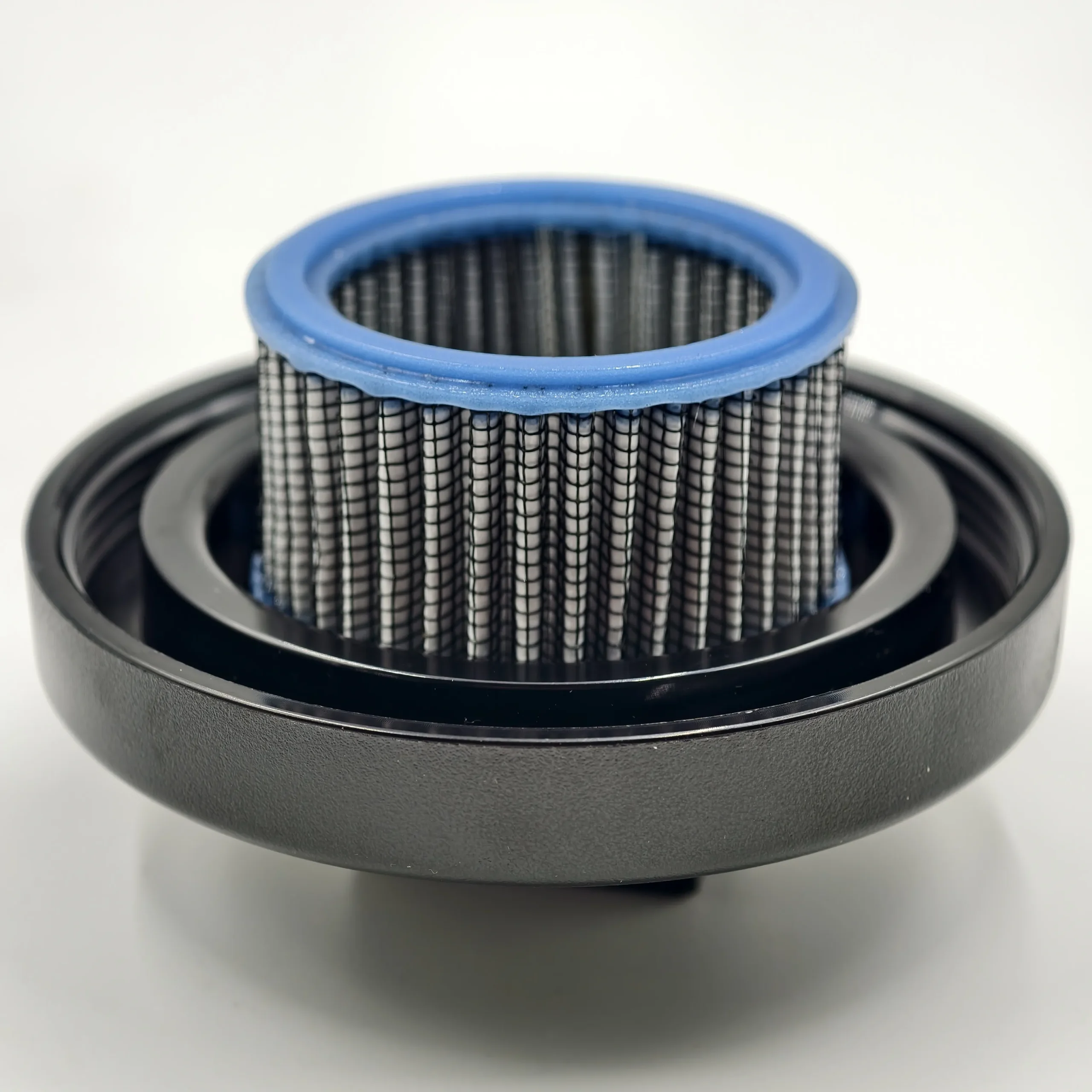 21T-04-31170 Komatsu Cap Assembly
 -
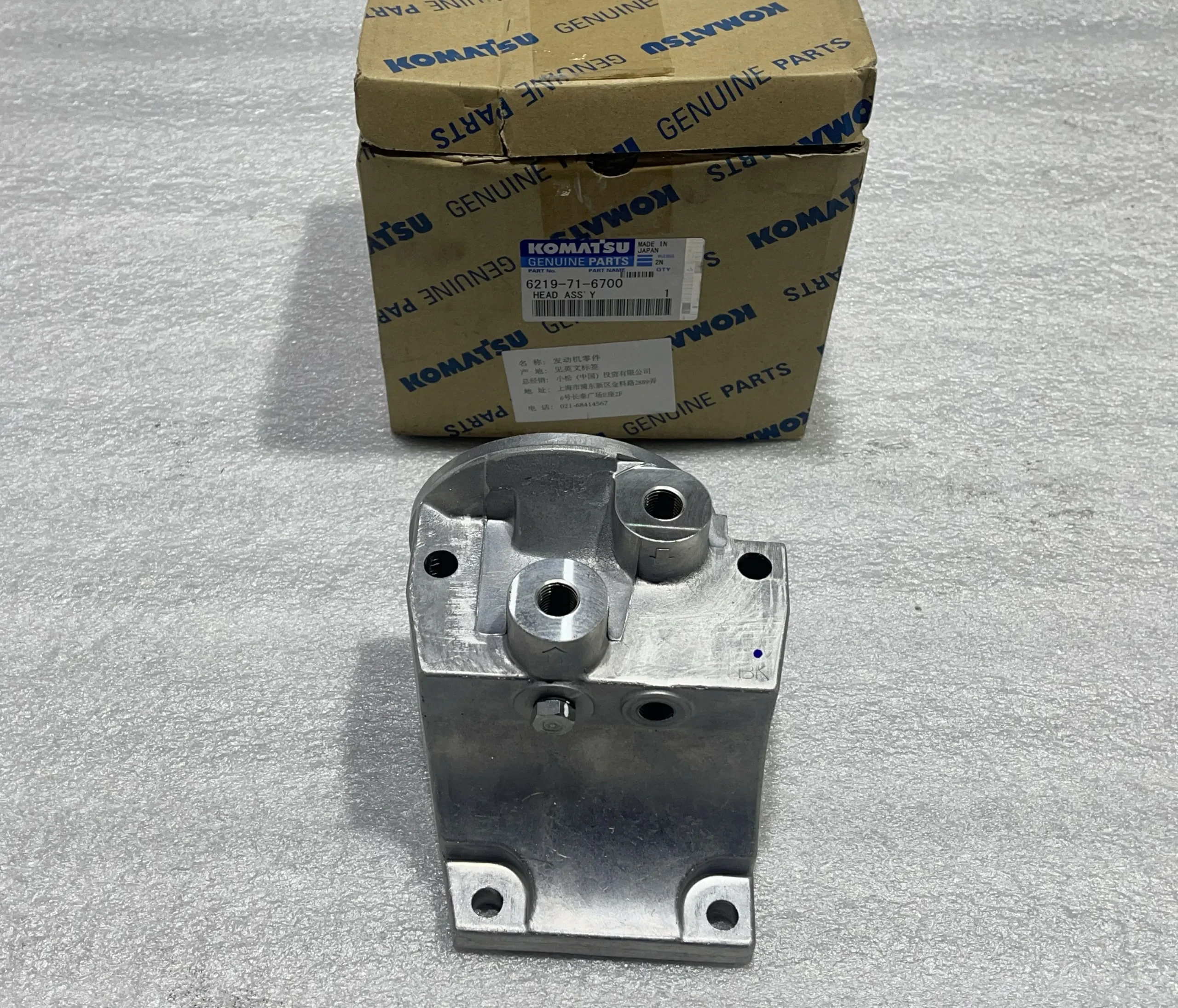 6219-71-6700 HEAD ASS’Y,FUEL FILTER-Komatsu Original Factory Accessories
Related Search
Related Search- OEM AND ORIGINAL KOMATSU VALVE ASSY 569-43-83140
- komatsu hydraulic pump parts
- komatsu 475 dozer engine
- OEM AND ORIGINAL KOMATSU VALVE ASSY 23C-15-65301
- Komatsu OEM truck parts
- OEM AND ORIGINAL KOMATSU PIN 427-S95-3461
- komatsu d355a engine
- Komatsu GD825 parts
- 424-16-11630
- OEM AND ORIGINAL KOMATSU BRACKET 17M-71-41951