
- Chinese
- French
- German
- Portuguese
- Spanish
- Russian
- Japanese
- Korean
- Arabic
- Irish
- Greek
- Turkish
- Italian
- Danish
- Romanian
- Indonesian
- Czech
- Afrikaans
- Swedish
- Polish
- Basque
- Catalan
- Esperanto
- Hindi
- Lao
- Albanian
- Amharic
- Armenian
- Azerbaijani
- Belarusian
- Bengali
- Bosnian
- Bulgarian
- Cebuano
- Chichewa
- Corsican
- Croatian
- Dutch
- Estonian
- Filipino
- Finnish
- Frisian
- Galician
- Georgian
- Gujarati
- Haitian
- Hausa
- Hawaiian
- Hebrew
- Hmong
- Hungarian
- Icelandic
- Igbo
- Javanese
- Kannada
- Kazakh
- Khmer
- Kurdish
- Kyrgyz
- Latin
- Latvian
- Lithuanian
- Luxembou..
- Macedonian
- Malagasy
- Malay
- Malayalam
- Maltese
- Maori
- Marathi
- Mongolian
- Burmese
- Nepali
- Norwegian
- Pashto
- Persian
- Punjabi
- Serbian
- Sesotho
- Sinhala
- Slovak
- Slovenian
- Somali
- Samoan
- Scots Gaelic
- Shona
- Sindhi
- Sundanese
- Swahili
- Tajik
- Tamil
- Telugu
- Thai
- Ukrainian
- Urdu
- Uzbek
- Vietnamese
- Welsh
- Xhosa
- Yiddish
- Yoruba
- Zulu
- Kinyarwanda
- Tatar
- Oriya
- Turkmen
- Uyghur





Komatsu cylinder liner
When you hear 'Komatsu cylinder liner,' most guys immediately think of a simple, replaceable iron sleeve. That's the first mistake. It's not just a wear item; it's the heart of the combustion seal in a hard-working engine, and the difference between a genuine one and a 'will-fit' is often measured in thousands of hours of unplanned downtime. I've seen too many operations try to save a few bucks upfront, only to pay tenfold later when a subpar liner leads to coolant contamination or catastrophic scuffing. The real conversation should start with material composition, honing pattern, and which specific Komatsu engine family we're talking about—the S6D140 or the newer SAA6D140? They are not the same.
The OEM Reality and the Aftermarket Gap
Working directly within the Komatsu supply chain, you get a raw look at the specifications. An authentic Komatsu cylinder liner isn't just about the dimensions. It's the specific grade of centrifugally cast iron, the boron content for wear resistance, and the proprietary plateau honing finish that holds oil just right. This isn't marketing fluff; it's what prevents cold-start scoring in a PC3000 excavator working in a Canadian mine.
This is where companies like Jining Gaosong Construction Machinery Co., Ltd. come into the picture. As an OEM product supplier within the Komatsu system, they bridge a critical gap. Their role isn't just to sell a part; it's to provide the correct engineering solution. I recall a project in Southeast Asia where a fleet of Dash-8 dozers was suffering from premature liner wear. The local supplier kept shipping liners that matched the basic ID and OD, but the problem persisted. The issue was the cooling jacket profile was slightly off, leading to hot spots.
It was through a channel like takematsumachinery.com that the site manager finally sourced the correct OEM-grade liners. The description of their work—helping to solve parts supply challenges in certain countries—is exactly what this looks like on the ground. It's not about having a warehouse full of parts; it's about having the technical backbone to know which part from the thousands in the system is the right one, and getting it to a port in Nigeria or a mining camp in Chile without it getting stuck in customs for months.
Installation: Where Theory Meets the Grease Rag
Here's another common pitfall: assuming the liner is a drop-in component. The manual says to chill it with liquid nitrogen for installation, right? But what if you're in a field workshop in the Australian outback and your nitrogen dewar is empty? I've been there. The temptation is to press it in dry or use a freezer. Don't. The interference fit is calculated for a specific temperature differential. Skipping it risks distorting the liner bore, which you won't see until the piston starts eating away at it 500 hours later.
The procedure for seating the liner on the block register is a feel thing. You listen for a distinct 'click' as it settles. If it doesn't sit flush, you must stop. Forcing it is a guaranteed comeback. I learned this the hard way early on, costing a client a complete engine teardown a second time. We had to check the block deck for minuscule debris—turned out to be a nearly invisible burr from a previous, botched repair.
Then there's the protrusion measurement. Using a dial indicator across multiple points isn't a suggestion; it's gospel. An uneven protrusion directly translates to head gasket failure. I keep a log for every engine rebuild, noting the protrusion values for each cylinder liner. Over time, you see patterns—if liner 3 is consistently low, maybe that cylinder block bore is wearing. This is the kind of data that turns a mechanic into a diagnostician.
Material Science Isn't Just for Engineers
Let's talk about the material for a second. The grey cast iron with flake graphite in a Komatsu liner is designed to be slightly porous. This isn't a defect. That microstructure helps retain oil. After honing, you get this beautiful cross-hatch pattern that should feel like glass to the touch, not like sandpaper. I've received aftermarket liners where the honing was too aggressive, essentially creating a surface that would wear out a piston ring set in record time.
The other aspect is thermal expansion. The liner and the block expand at different rates. The OEM design accounts for this. I encountered a batch of high-quality clones that used a different alloy mix. They passed the initial micrometer checks, but under the thermal cycling of a loaded haul truck engine, they seized. The metallurgical analysis later showed the coefficient of expansion was off by a fraction. A fraction is all it takes.
This is why the OEM linkage matters. When Jining Gaosong supplies a part as an OEM supplier, it implies a chain of custody back to the original material spec. For a mission-critical component like this, that traceability is the safety net. It's the difference between saying I bought a Komatsu-style liner and I installed a Komatsu cylinder liner. The semantics carry the weight of liability and performance.
Failures and What They Teach You
You haven't really known a component until you've seen it fail in every possible way. Cavitation erosion on the coolant side is a big one. It looks like the liner has been attacked by tiny worms from the outside. This is often a coolant chemistry issue—low inhibitor levels—but it can be exacerbated if the liner isn't sitting perfectly in the block, allowing micro-movement. It's a slow killer.
Then there's scuffing. A shiny, scored vertical line on the bore. Usually a lubrication breakdown on startup, or improper ring-to-liner break-in. But once, we saw recurring scuffing on the same cylinder across three rebuilds. We replaced everything—pistons, rings, liners. The culprit? A slightly misaligned main bearing bore from a prior catastrophic failure, causing imperceptible crankshaft whip that only showed up under full load. The liner was the victim, not the cause.
These experiences shape a paranoid level of thoroughness. Now, when we get a cylinder liner from a trusted pipeline, the first thing I do isn't just measure it. I examine the packaging for OEM markings, check the surface finish under a bright light, and even compare the weight to a known-good sample. It sounds excessive, but one bad part can wipe out the profit from three successful overhauls.
The Big Picture: Supply Chain as a Critical Tool
This brings us back to the core challenge: access. For many independent shops or remote operations, getting a genuine Komatsu part isn't a simple online order. There are territorial restrictions, minimum order quantities, and lead times measured in months. This vacuum is what creates the market for inferior copies.
The model of a company operating as both an OEM supplier and a third-party sales channel, like Gaosong describes, is a practical solution. It formalizes the grey market. They aren't just brokers; they are a technical conduit. Their website, takematsumachinery.com, becomes more than a catalog. For a guy like me, it represents a potential source for that specific, hard-to-find liner for an older Komatsu D155AX dozer that the local dealer has discontinued support for.
Ultimately, dealing with a Komatsu cylinder liner is a microcosm of heavy equipment maintenance. It's a lesson in applied physics, material science, logistics, and old-fashioned hands-on skill. You can't just look at the part number. You have to understand the engine it lives in, the environment it works in, and the consequences of getting it wrong. The right part, from the right source, installed with the right discipline—that's what keeps iron moving dirt, profitably. Everything else is just waiting for a breakdown.
Related Products
Related Products
Best Selling Products
Best Selling Products-
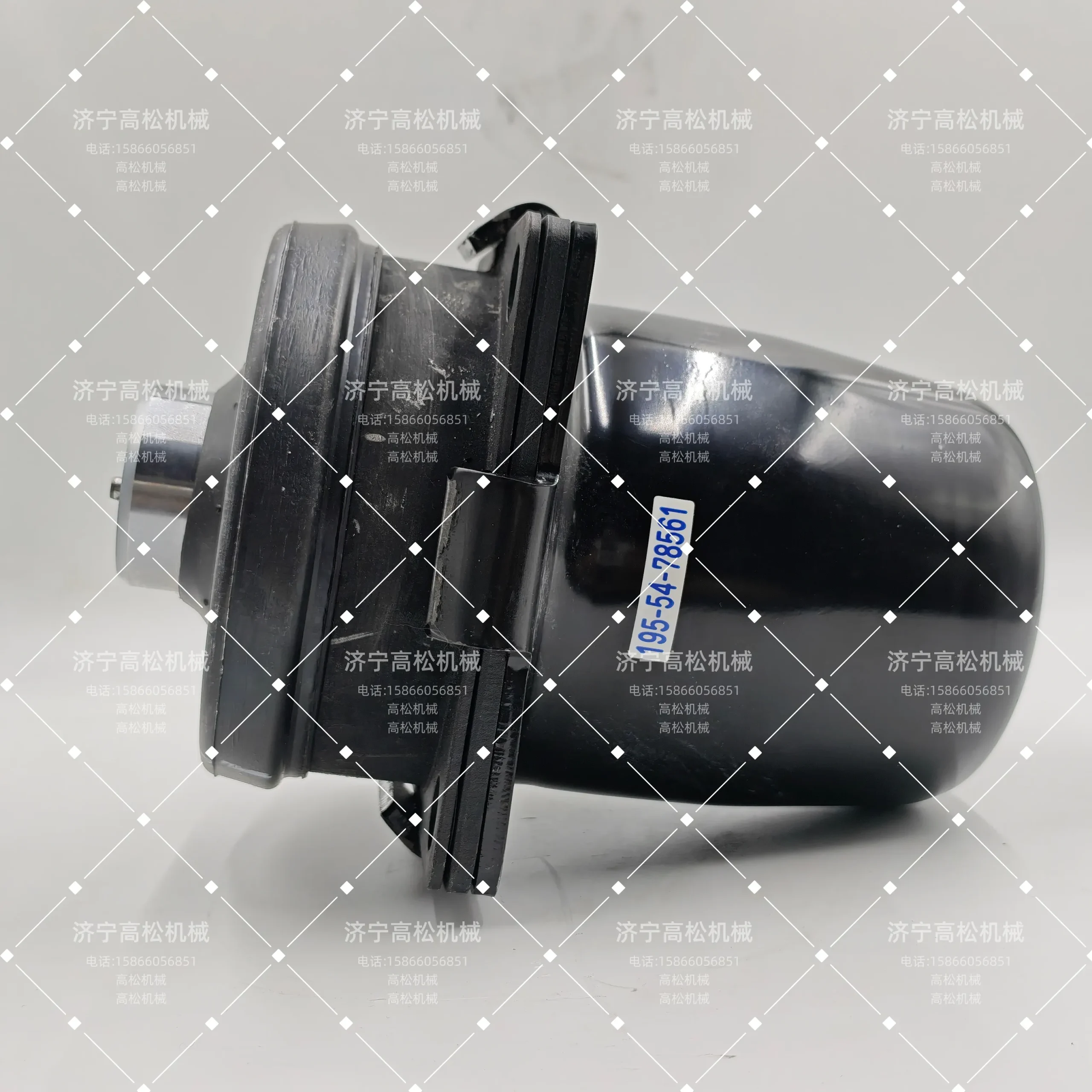 Komatsu Shock Absorbers 195-54-78412 195-54-78561 for D375A-6
 -
 KD0-23500-1024 • CLUTCH ASS’Y-Komatsu Original Factory
 -
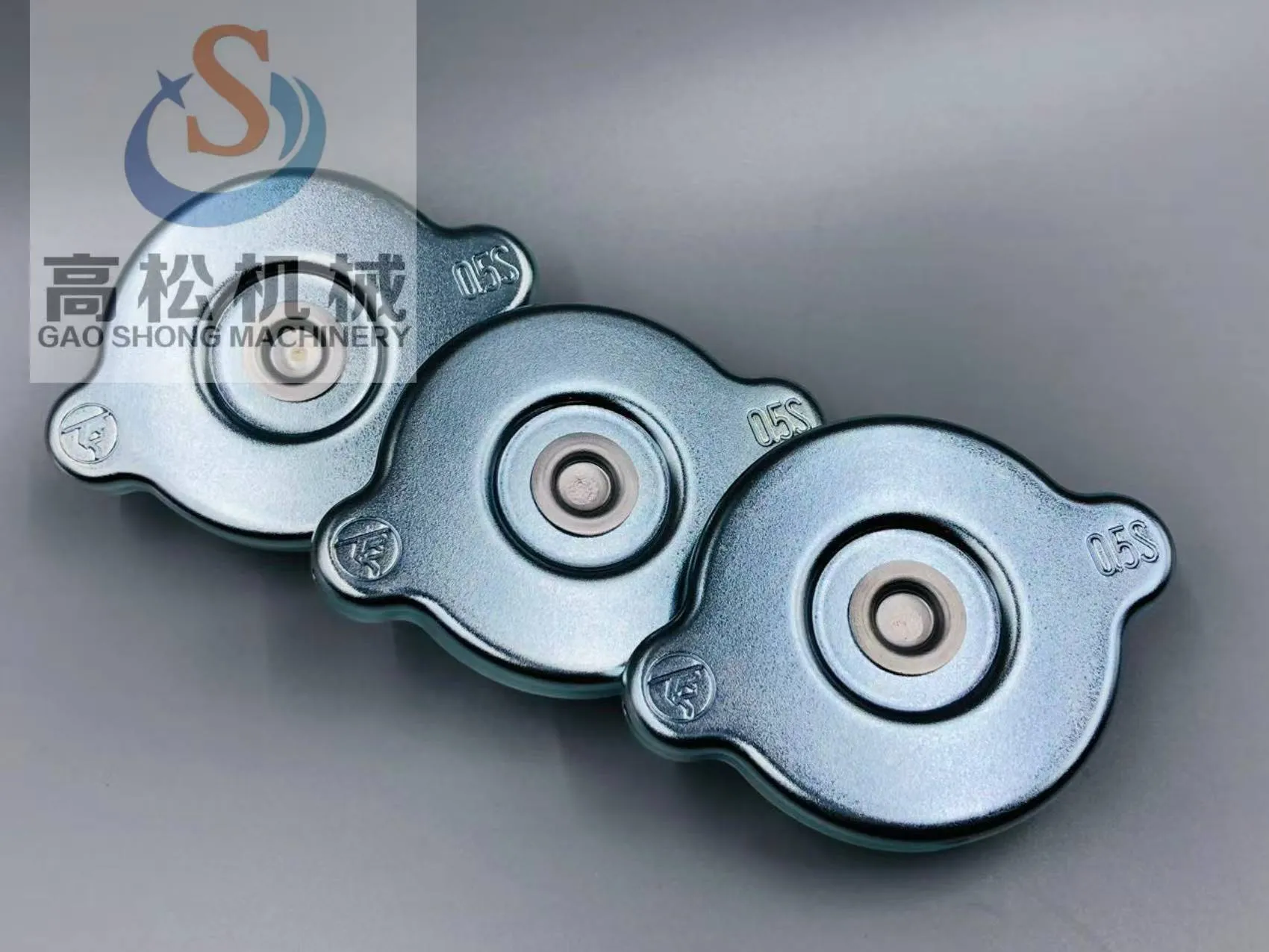 Cap of excavator radiator 20y-03-22110 for pc200-8 pc200-7
 -
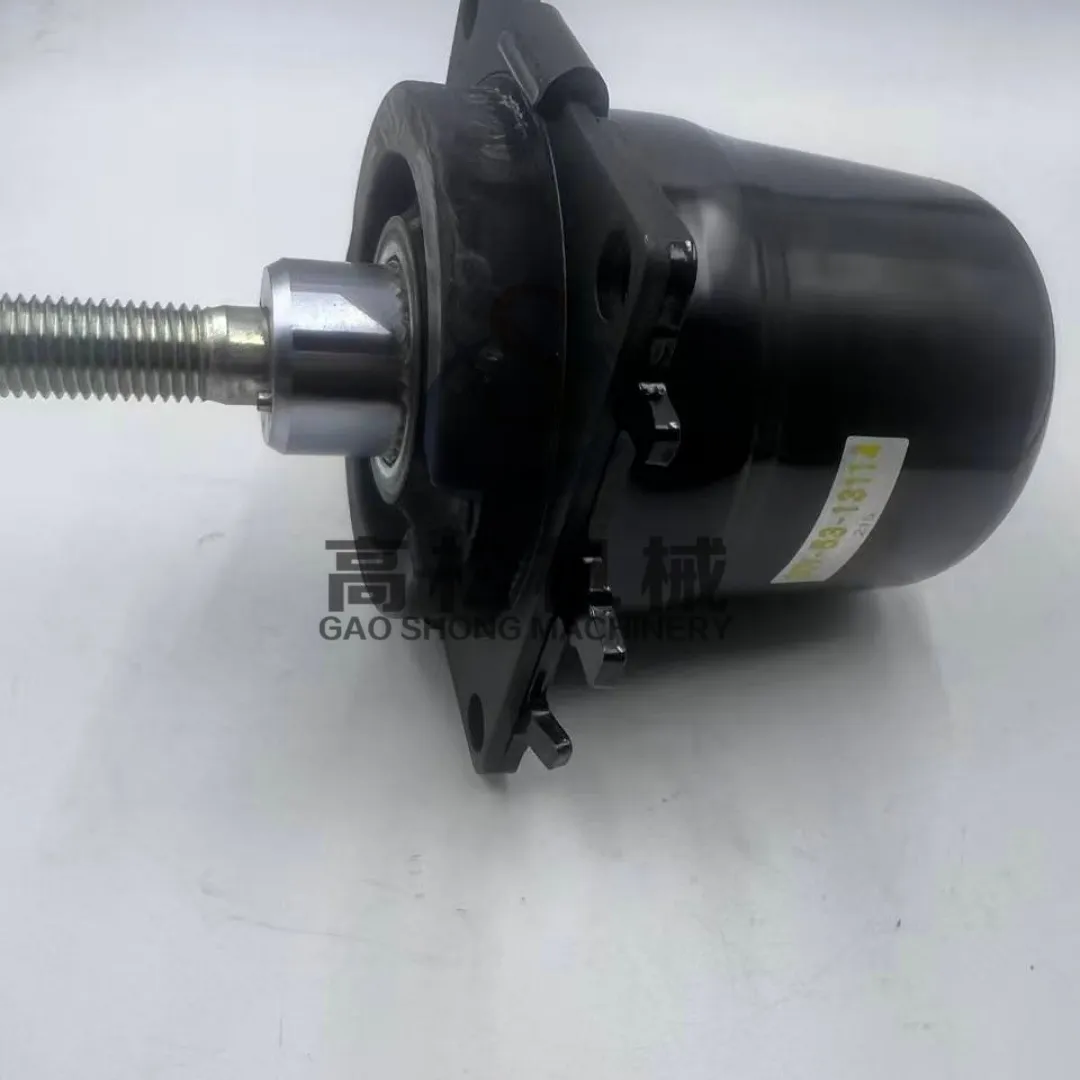 20Y-53-13114 SILENTBLOCK komatsu parts
 -
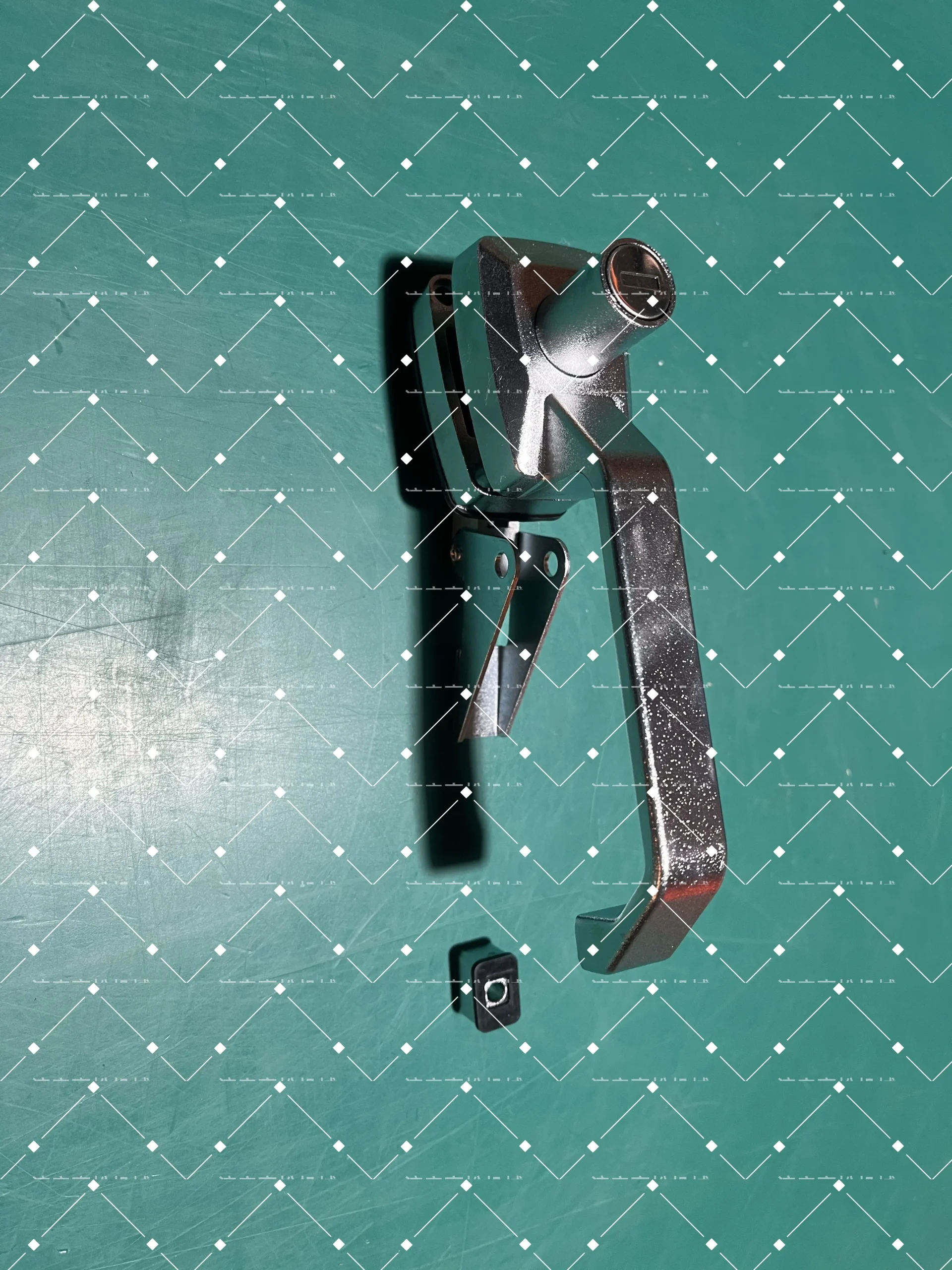 198-Z11-3710 Komatsu Handle Assembly
 -
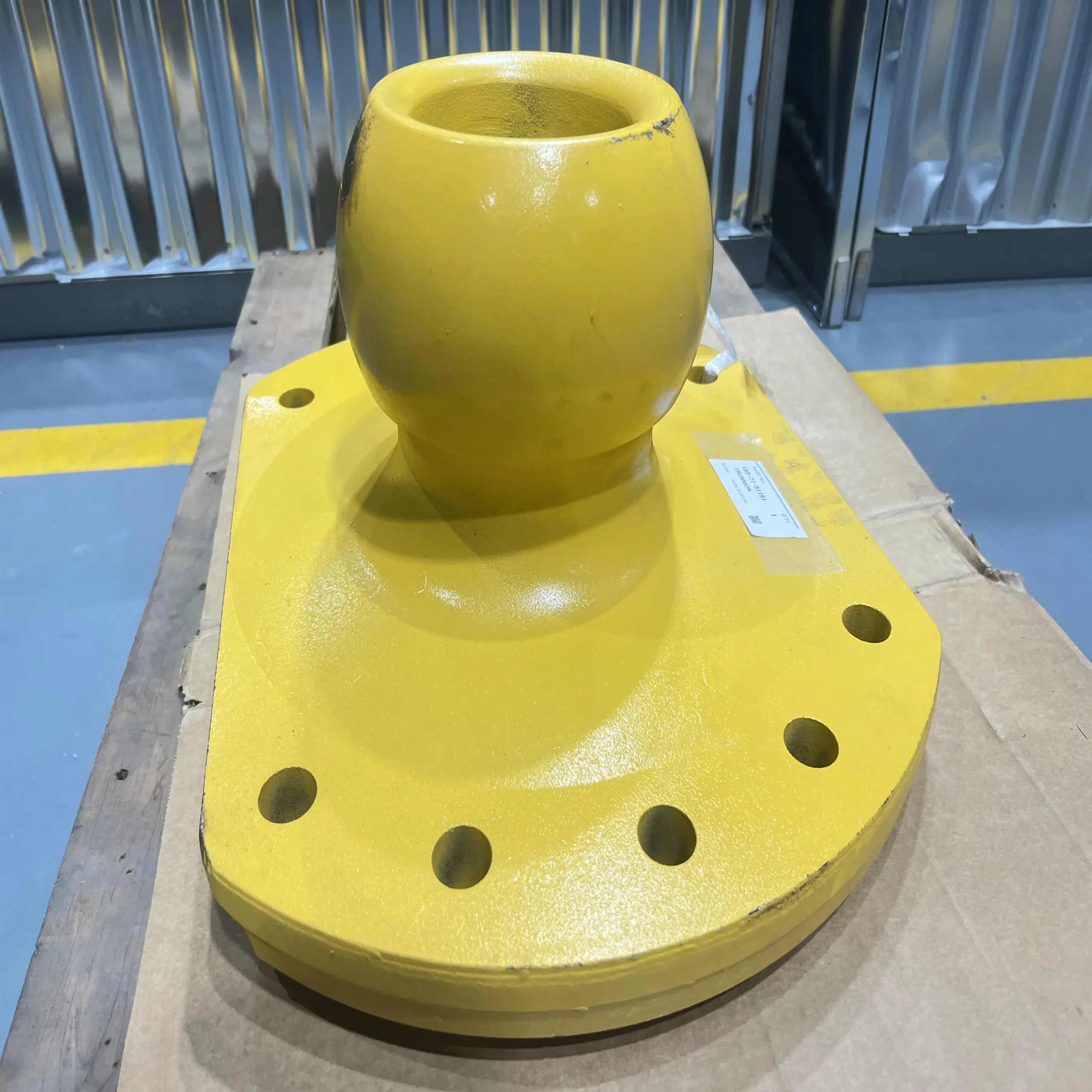 Suitable for Komatsu D375 pin/195-30-62100/195-71-51191/195-71-00342
 -
 708-2G-03720 • Valve Assembly-Komatsu Original Factory
 -
 7861-93-1680 Pressure Sensor For Komatsu WA1200 SDA12V140E
 -
 6743-11-4931 Komatsu HOSE
 -
 BUSHING 195-61-41160, myKomatsu – Buy Komatsu Parts
 -
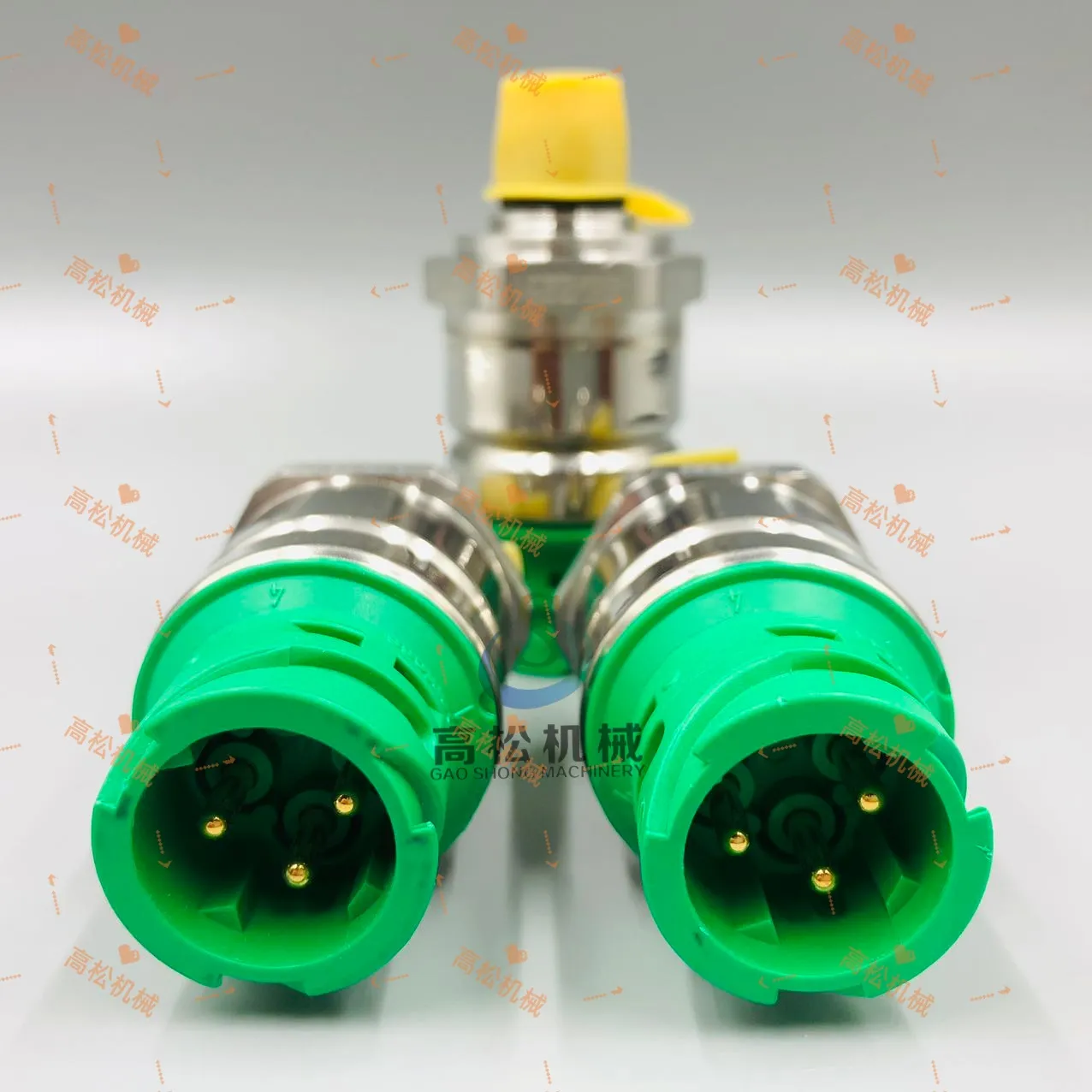 Pressure Sensor for Komatsu HM400 SAA6D140E WA500 6560-61-7201 6560617201
 -
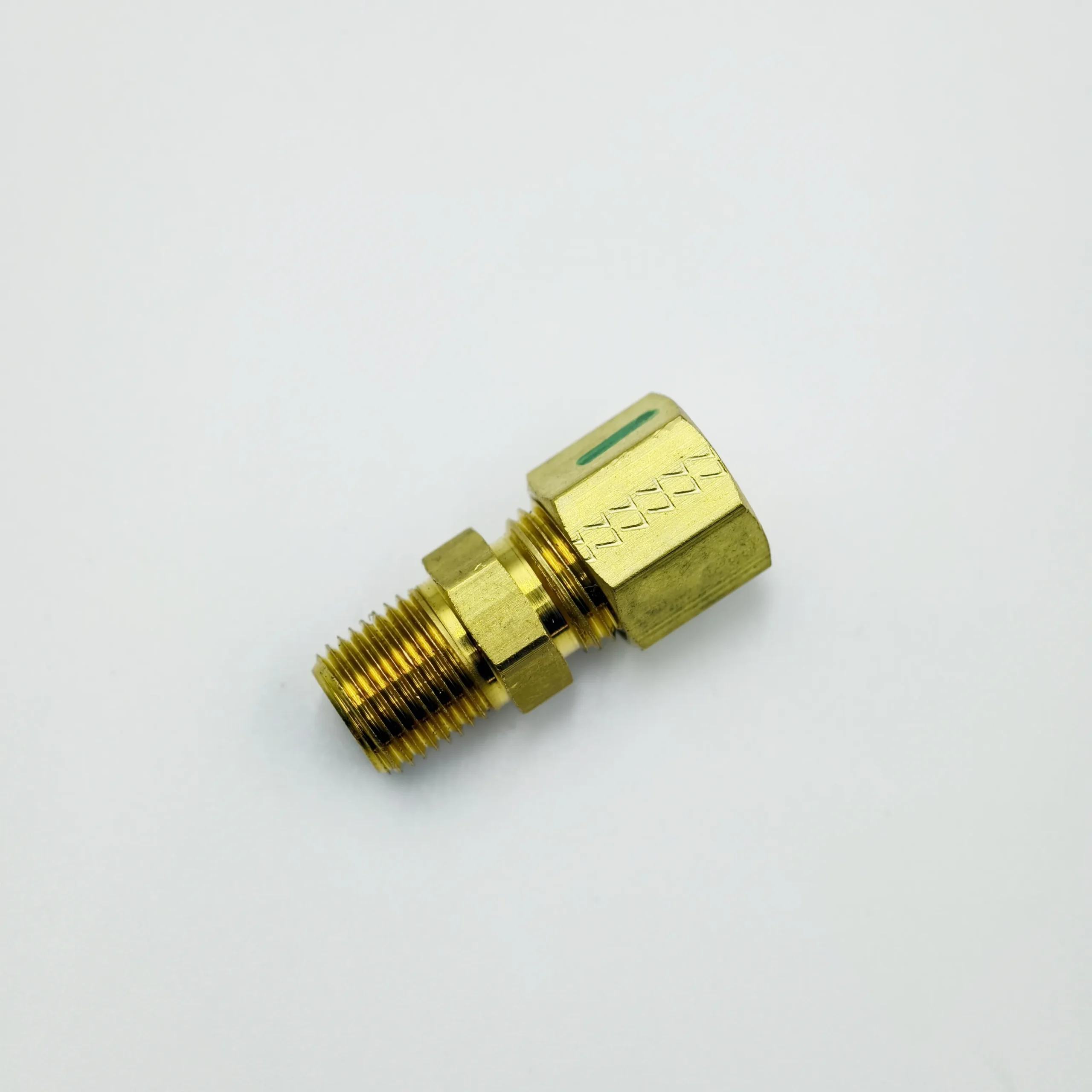 The PC1250SP-8 connector 21N-68-32320 is used for automotive grease in various countries ..