
- Chinese
- French
- German
- Portuguese
- Spanish
- Russian
- Japanese
- Korean
- Arabic
- Irish
- Greek
- Turkish
- Italian
- Danish
- Romanian
- Indonesian
- Czech
- Afrikaans
- Swedish
- Polish
- Basque
- Catalan
- Esperanto
- Hindi
- Lao
- Albanian
- Amharic
- Armenian
- Azerbaijani
- Belarusian
- Bengali
- Bosnian
- Bulgarian
- Cebuano
- Chichewa
- Corsican
- Croatian
- Dutch
- Estonian
- Filipino
- Finnish
- Frisian
- Galician
- Georgian
- Gujarati
- Haitian
- Hausa
- Hawaiian
- Hebrew
- Hmong
- Hungarian
- Icelandic
- Igbo
- Javanese
- Kannada
- Kazakh
- Khmer
- Kurdish
- Kyrgyz
- Latin
- Latvian
- Lithuanian
- Luxembou..
- Macedonian
- Malagasy
- Malay
- Malayalam
- Maltese
- Maori
- Marathi
- Mongolian
- Burmese
- Nepali
- Norwegian
- Pashto
- Persian
- Punjabi
- Serbian
- Sesotho
- Sinhala
- Slovak
- Slovenian
- Somali
- Samoan
- Scots Gaelic
- Shona
- Sindhi
- Sundanese
- Swahili
- Tajik
- Tamil
- Telugu
- Thai
- Ukrainian
- Urdu
- Uzbek
- Vietnamese
- Welsh
- Xhosa
- Yiddish
- Yoruba
- Zulu
- Kinyarwanda
- Tatar
- Oriya
- Turkmen
- Uyghur





komatsu cummins engine cross reference
When you hear 'Komatsu Cummins engine cross reference', the first thing that pops into most people's heads is a simple, one-to-one parts list. That's the biggest misconception. In the field, especially when dealing with older or region-specific machines, it's rarely that clean. The relationship between Komatsu machine models and the Cummins engines inside them creates a layer of complexity that generic databases often miss. I've seen too many guys order a part based on a basic cross-reference, only to find it doesn't fit because the engine was a specific emissions-tier variant or had a different OEM accessory drive. The real value isn't just in matching part numbers; it's in understanding the context of the machine's service history and the subtle engineering revisions.
The Core Challenge: More Than Just Numbers
The heart of the issue is that Komatsu doesn't manufacture every engine for its equipment. For many models, they integrate Cummins power plants—like the QSB, QSL, or QSX series. A Komatsu Cummins engine cross reference starts with the Komatsu serial number and model, but you must peel back to the actual Cummins engine model and ESN (Engine Serial Number). I recall a job on a Komatsu PC360LC-8. The system called for a specific fuel filter housing. We got it, and it was physically identical, but the pressure relief valve setting was off by 15 psi for that particular sub-model's calibration. It ran, but poorly. The lesson? The cross-reference got us 90% there, but the final 10% required pulling the engine's build sheet via the ESN.
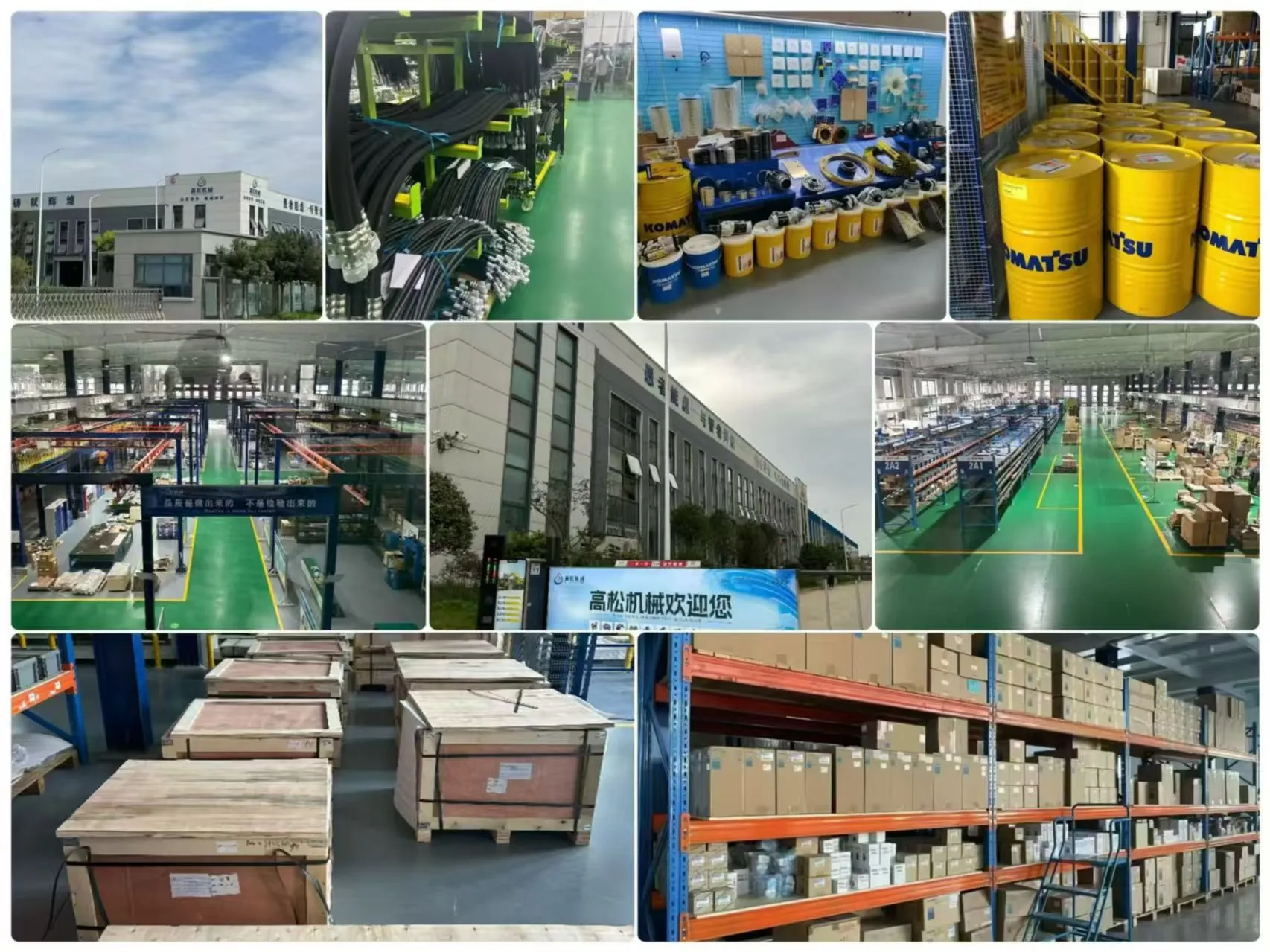
This is where having a source that understands both sides of the equation is critical. A company like Jining Gaosong Construction Machinery Co., Ltd. operates in an interesting space. As they note, they are an OEM product supplier within the Komatsu system and a third-party sales company. This dual role means they often have access to the official Komatsu parts streams but also the practical experience to know when a genuine Cummins component or a high-quality aftermarket equivalent is the smarter, faster fix. Their work in solving parts supply challenges in certain countries likely means they've built robust cross reference methods for scenarios where the official channel is blocked or delayed.
You develop a kind of sixth sense for the tricky ones. Machines from markets with different emissions regulations (Tier 2 vs. Tier 3 vs. Interim Tier 4) are the classic trap. The Komatsu side might be the same, but the Cummins engine inside could have a different turbocharger, fuel pump, or ECU. A cross-reference that doesn't account for this is useless. I always tell my team: Match the engine, not just the machine.
Practical Process and Pitfalls
So, what does a reliable process look like? First, get all the identifiers: Komatsu model, machine serial number, and most importantly, the Cummins ESN. If the ESN plate is worn or missing, you're in for a detective job—checking pump stamps, old service records, even the shape of the rocker cover. Then, you cross from the ESN to the exact Cummins part number. Only then do you look for the Komatsu equivalent. Sometimes they match perfectly. Other times, Komatsu might have a kit that includes additional gaskets or brackets, or they might have sourced a slightly different spec component for their assembly line.
I learned this the hard way with a water pump on a Cummins QSM11 in a Komatsu HD785-5. The aftermarket cross-reference catalog showed one part number. We installed it, and it leaked from the weep hole within 50 hours. Turns out, the Komatsu-specific version had a slightly different seal material to handle different coolant additive packages used in some regions. The generic cross-reference missed that detail entirely. It was a costly mistake in downtime.
This is the gap that specialized suppliers aim to fill. A company positioned like Jining Gaosong isn't just moving boxes; they're (or should be) providing the contextual data. When you contact them for a part, the good ones will ask you for the ESN, not just the Komatsu part number. They might come back and say, For that ESN range, we recommend this alternative because the OEM part is on a 12-week backorder, and this one has the updated seal design. That's value.
The Role of Alternative Supply Channels
Relying solely on the primary dealer network isn't always feasible, especially in remote locations or for legacy equipment. This is where the third-party role becomes essential. The goal isn't to bypass quality but to ensure uptime. A robust Komatsu Cummins engine cross-reference system within such a company allows them to source correctly from multiple tiers: genuine Komatsu, genuine Cummins, or premium aftermarket manufacturers like Fleetguard, Donaldson, or Bosch, depending on the criticality of the part.
For example, a fuel injector is a high-precision component where I'd lean heavily towards genuine or OEM-certified remanufactured. But for something like a thermostat or a set of hose clamps, a high-quality aftermarket part referenced correctly is a perfectly sound and economical choice. The supplier's job is to make that distinction clear to the customer.
From their website intro, solving parts supply challenges in certain countries is Jining Gaosong's niche. This directly implies they've had to master cross-referencing for scenarios where the standard part number leads to a dead end. They've probably built internal databases that link Komatsu models to Cummins engine specs to multiple sourcing options, which is exactly the kind of practical tool a field mechanic needs.
Case in Point: Filters and Fluids
Let's get specific with a common item: filters. The cross reference for oil, fuel, and air filters seems straightforward, but it's a minefield. A Komatsu part number for a fuel filter assembly might include the housing, the bracket, and the filter element as one unit. A Cummins reference might just be for the element itself. And an aftermarket guide might list three different elements that fit, but with varying micron ratings or burst strength.
I once saw a D6R (with a Cummins engine) suffer premature turbo failure because someone used an air filter that cross-referenced on dimensions alone but had a slightly less efficient media. It passed enough fine dust to sandblast the compressor wheel. The cross-reference was technically correct for size and thread, but fatally wrong for performance specification.
When evaluating a supplier, I look at how they handle filters. Do their listings specify OEM-equivalent performance specs, or just physical compatibility? The good ones will. It shows an understanding that goes beyond a simple number swap.
Building Your Own Reliable System
You can't rely on any single source. My approach has been to triangulate. I use the official Komatsu and Cummins online portals (when I have access) as the primary source of truth. Then, I cross-check with a trusted, industry-specific aftermarket database like the ones from major filter or bearing companies. Finally, I call a technical sales rep at a specialized supplier—the kind of place like the mentioned Jining Gaosong—to get a reality check. They're on the front lines and often know about interim parts substitutions or common failures.
Document everything. When you find a successful match, especially for a tricky application, save it in your own spreadsheet. Note the machine serial number, ESN, the problem, the part numbers tried (both successful and failed), and the supplier. This personal database becomes your most valuable tool, more so than any public-facing guide.
In the end, a Komatsu Cummins engine cross reference isn't a document; it's a process. It's a mix of hard data from plates and databases, soft knowledge from experience, and a network of reliable suppliers who understand the nuance. It's about knowing when the book is right and when you need to read between the lines. The companies that thrive in this space, especially in challenging markets, are the ones that have embedded this process into their service, turning a potential headache into a straightforward solution for the guy in the field with a machine down.
Related Products
Related Products
Best Selling Products
Best Selling Products-
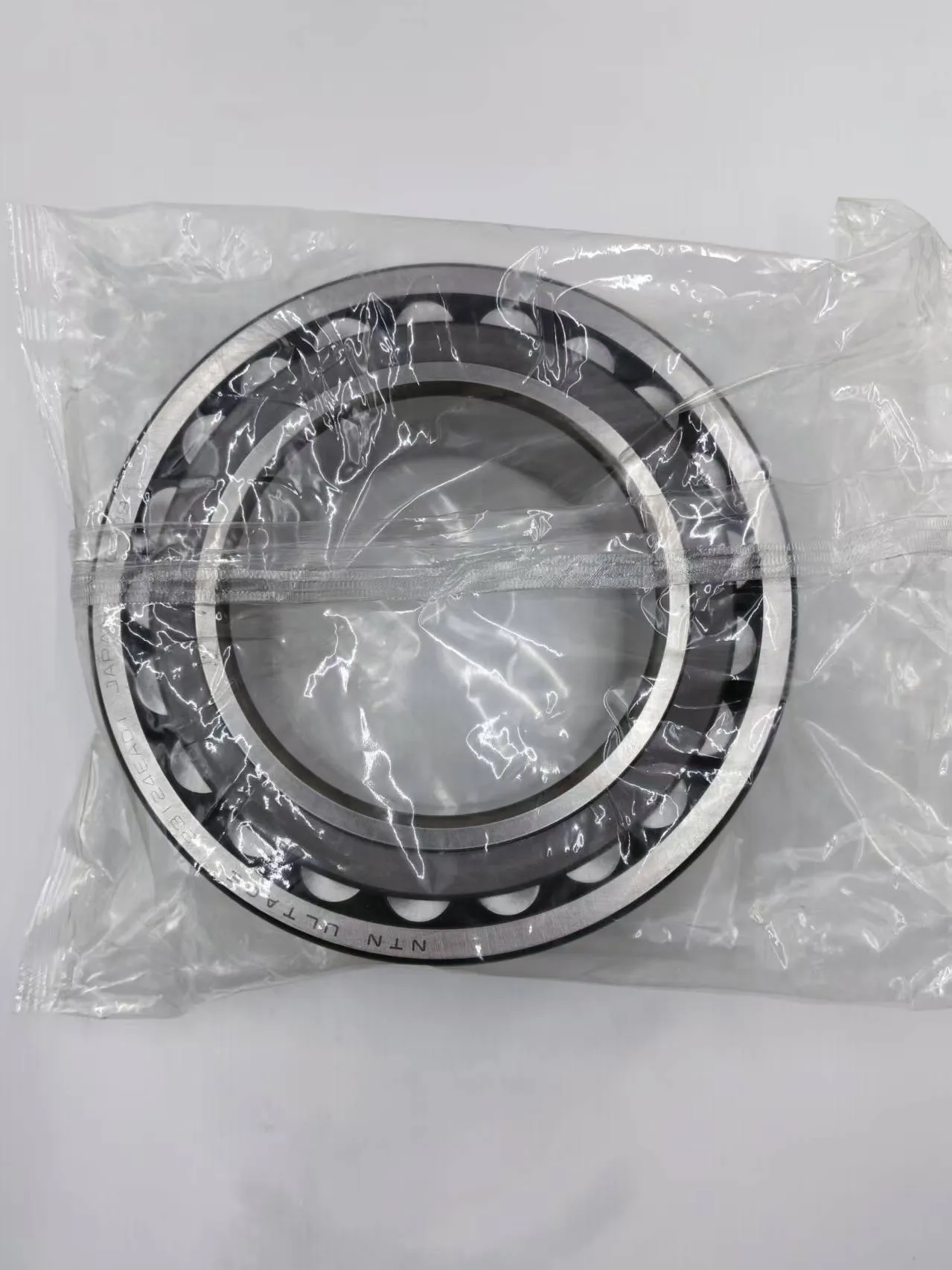 208-26-71530 Bearing for Komatsu PC450 PC460 PC500 Excavator Swing Drive Bearing Reducer Bearing
 -
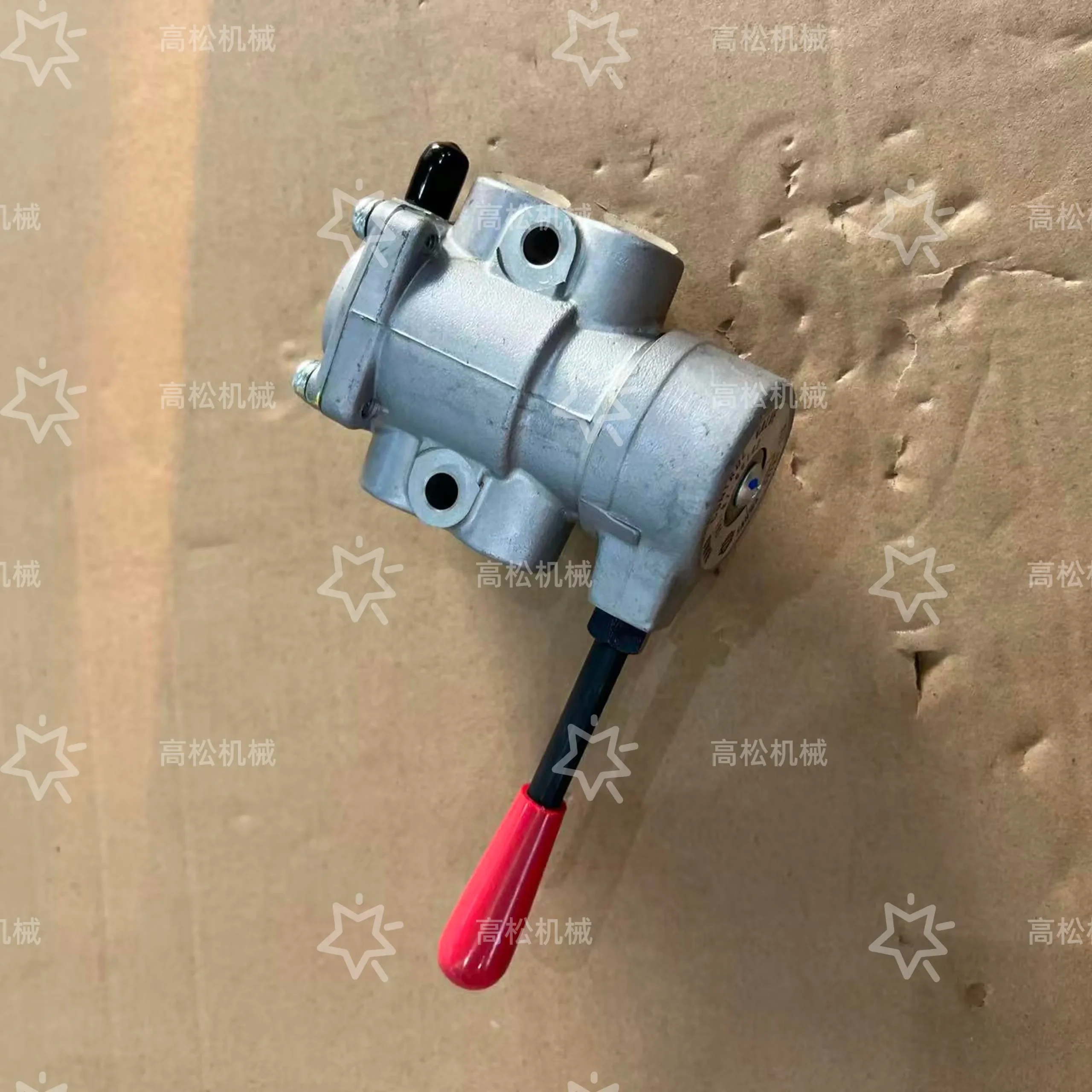 Dump Truck HD605-5 Valve Ass’y, Emergency Brake 561-87-66102 5618766102
 -
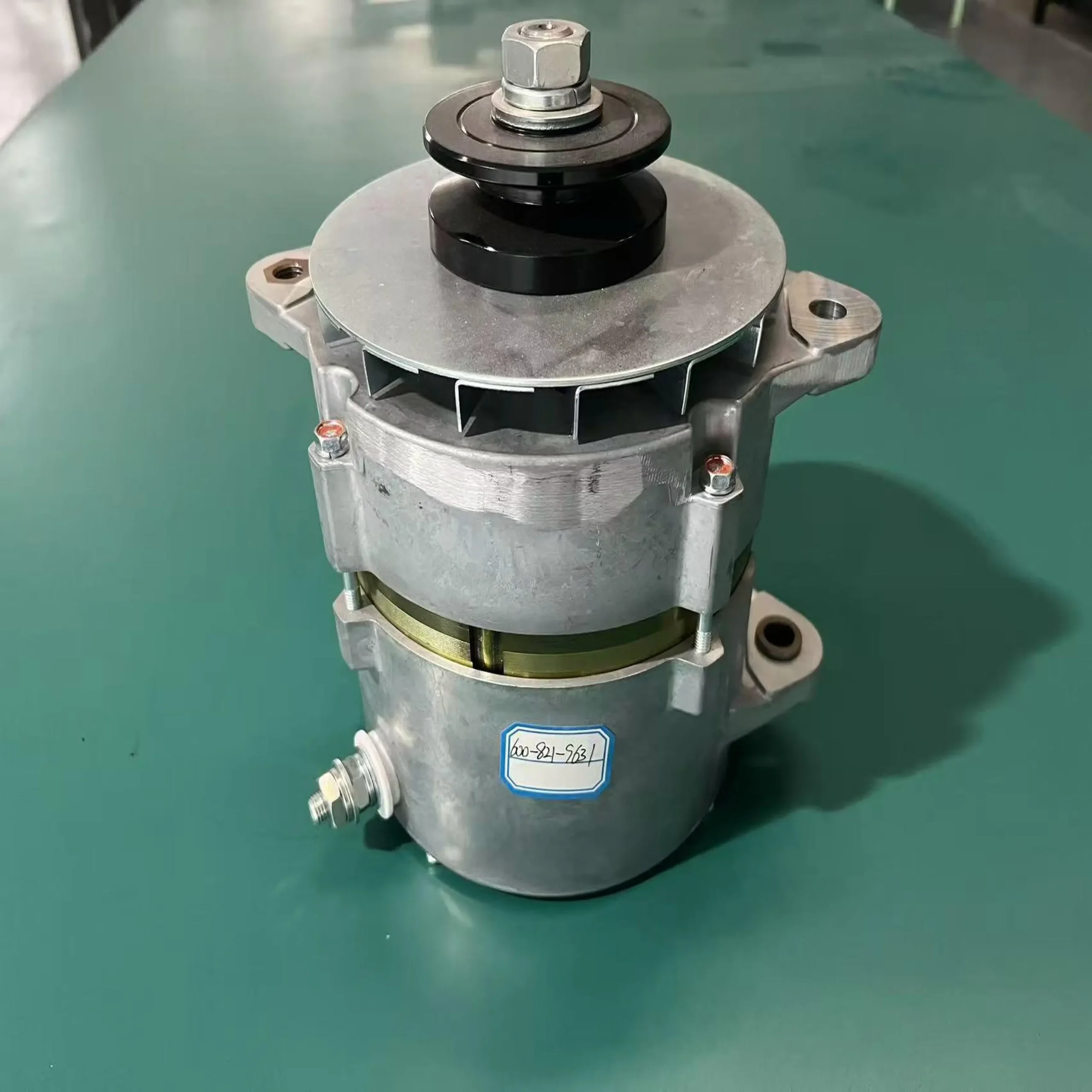 ATG20053 Alternator Compatible With Komatsu Cummins QSK23 600-821-9631 600-821-8260 600-821-9360 600-821-9550 600-821-9311 600-821-9511
 -
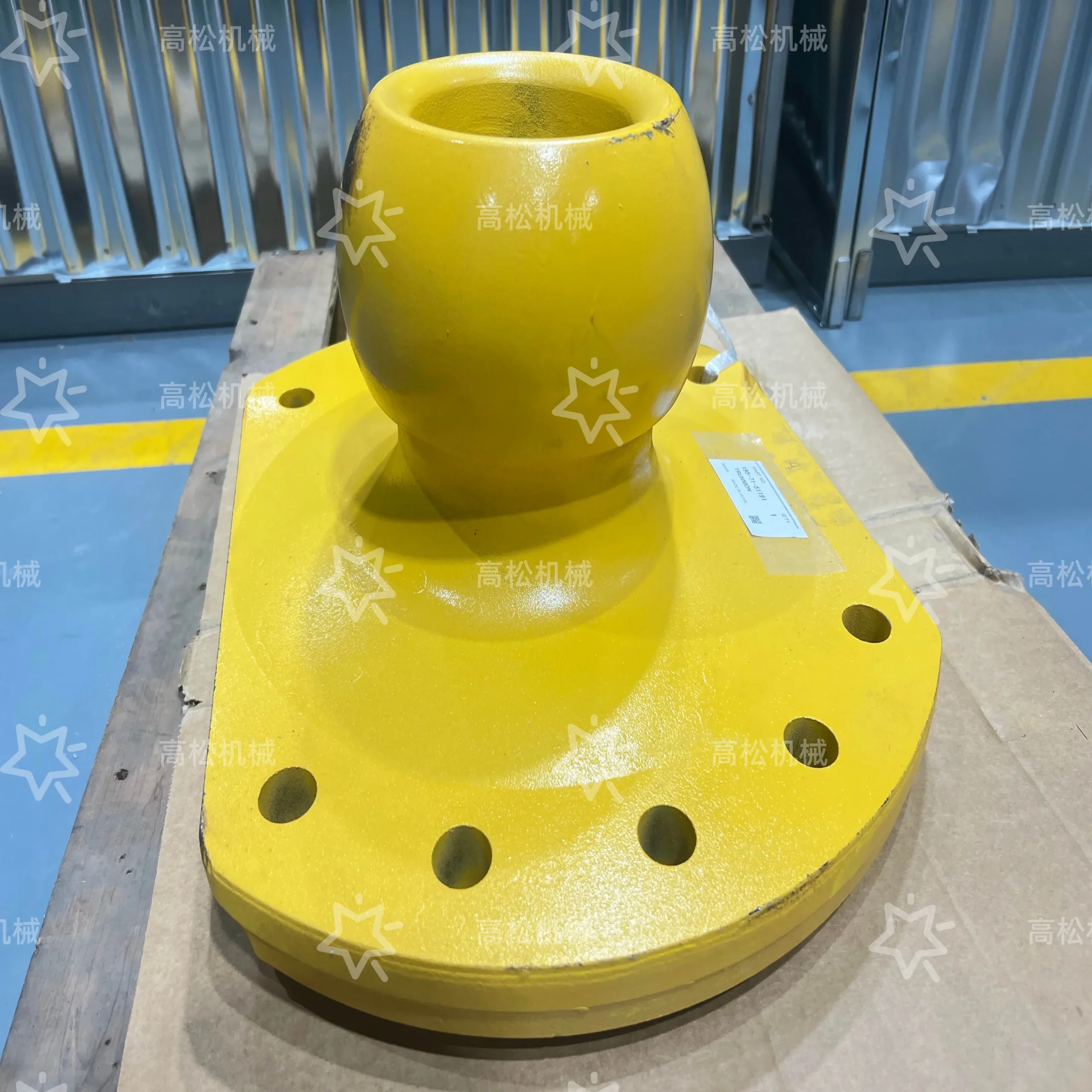 195-71-51191 TRUNNION – THIS TRUNNION HELPS MAINTAIN THE BALANCE OF THE MACHINE
 -
 CORE ASSEMBLY 6506-21-5921, myKomatsu
 -
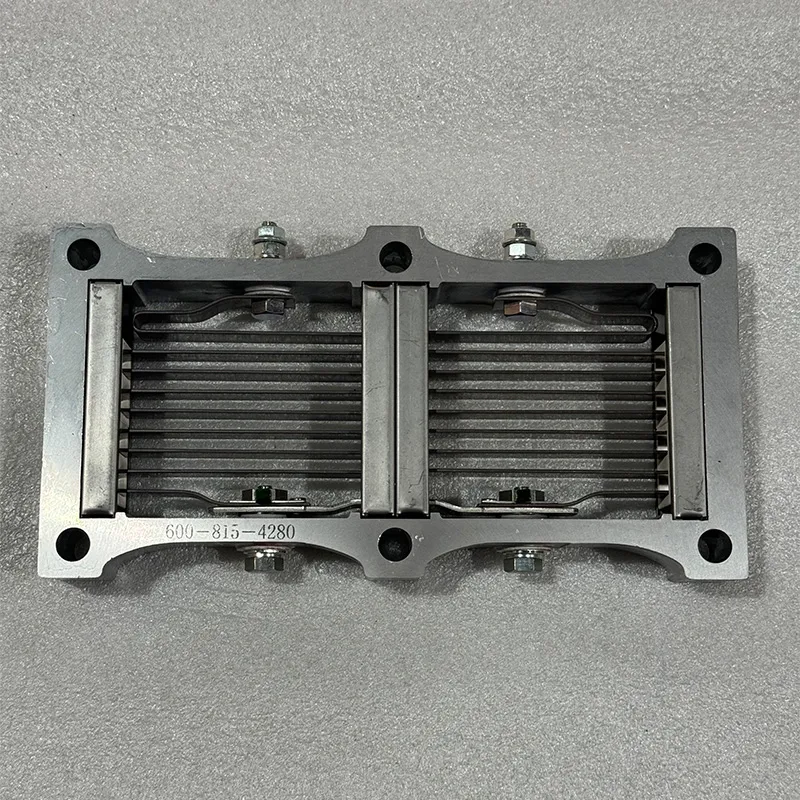 600-815-4280 Original komatsu Heater Ribbon for komatsu SAA6D engines
 -
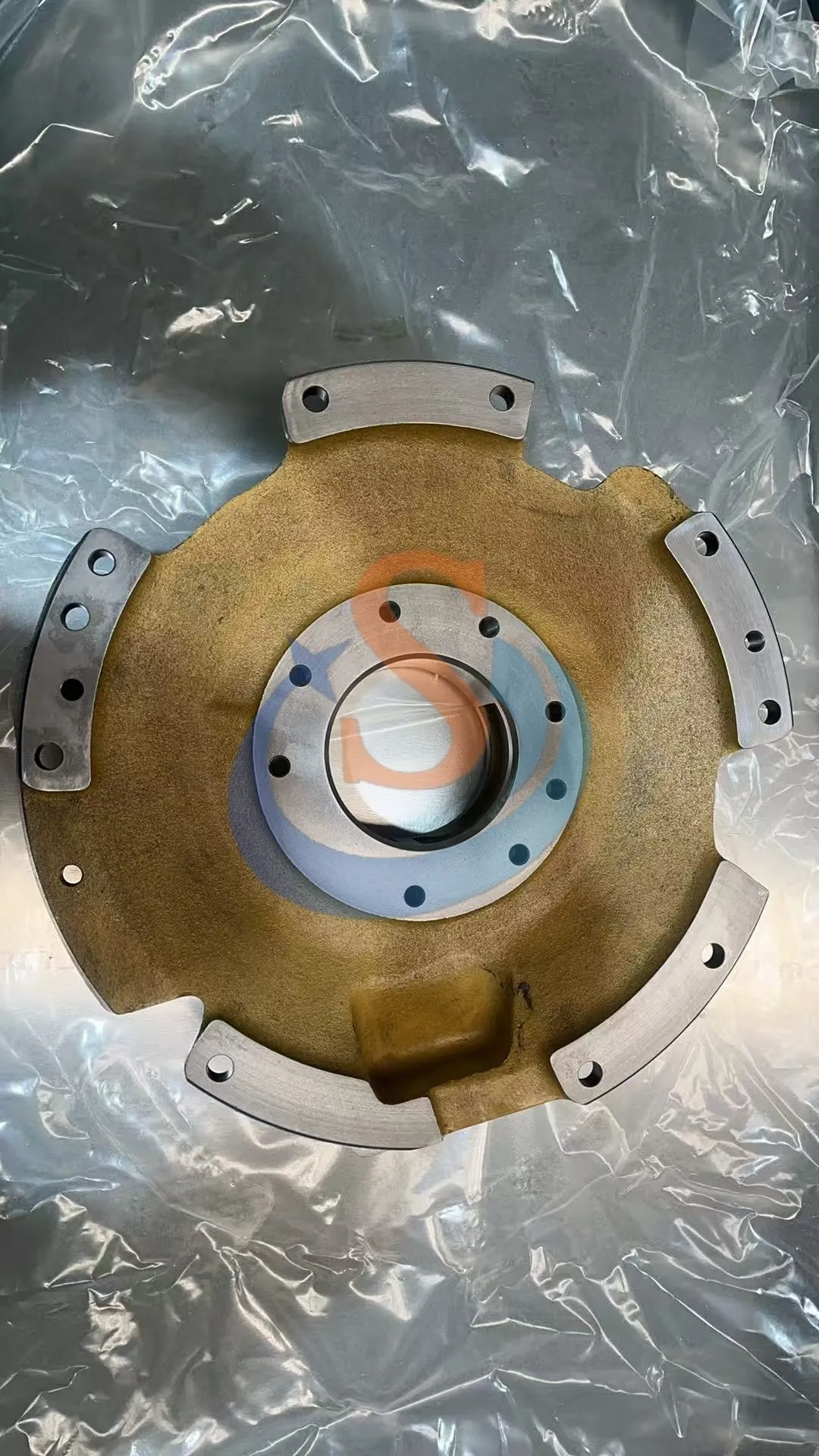 14X-13-54411 Housing D65PX/D65WX/D65EX
 -
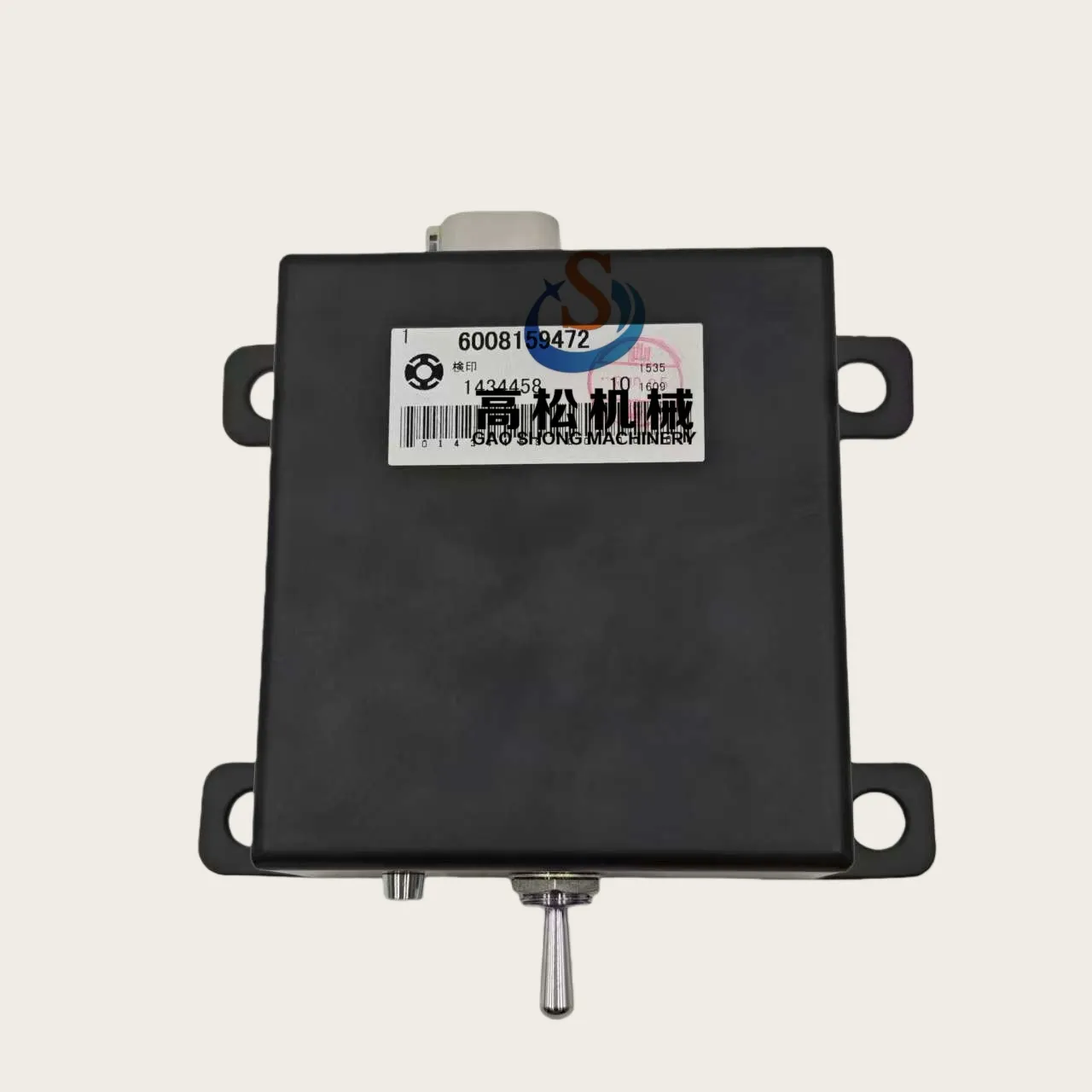 Switch 600-815-9472 D375A-6 WD600-6R HD605-7E1 HD465-7E1 HD785-7 SAA6D170E-5F ENGINE HOOD AND SIDE COVER GROUP, FUEL PRIMING PUMP SWITCH
 -
 195-49-75280 Komatsu O-ring
 -
 SEAL RING 155-15-12811 Dump Truck Transmission Kit D85A-18 NT855
 -
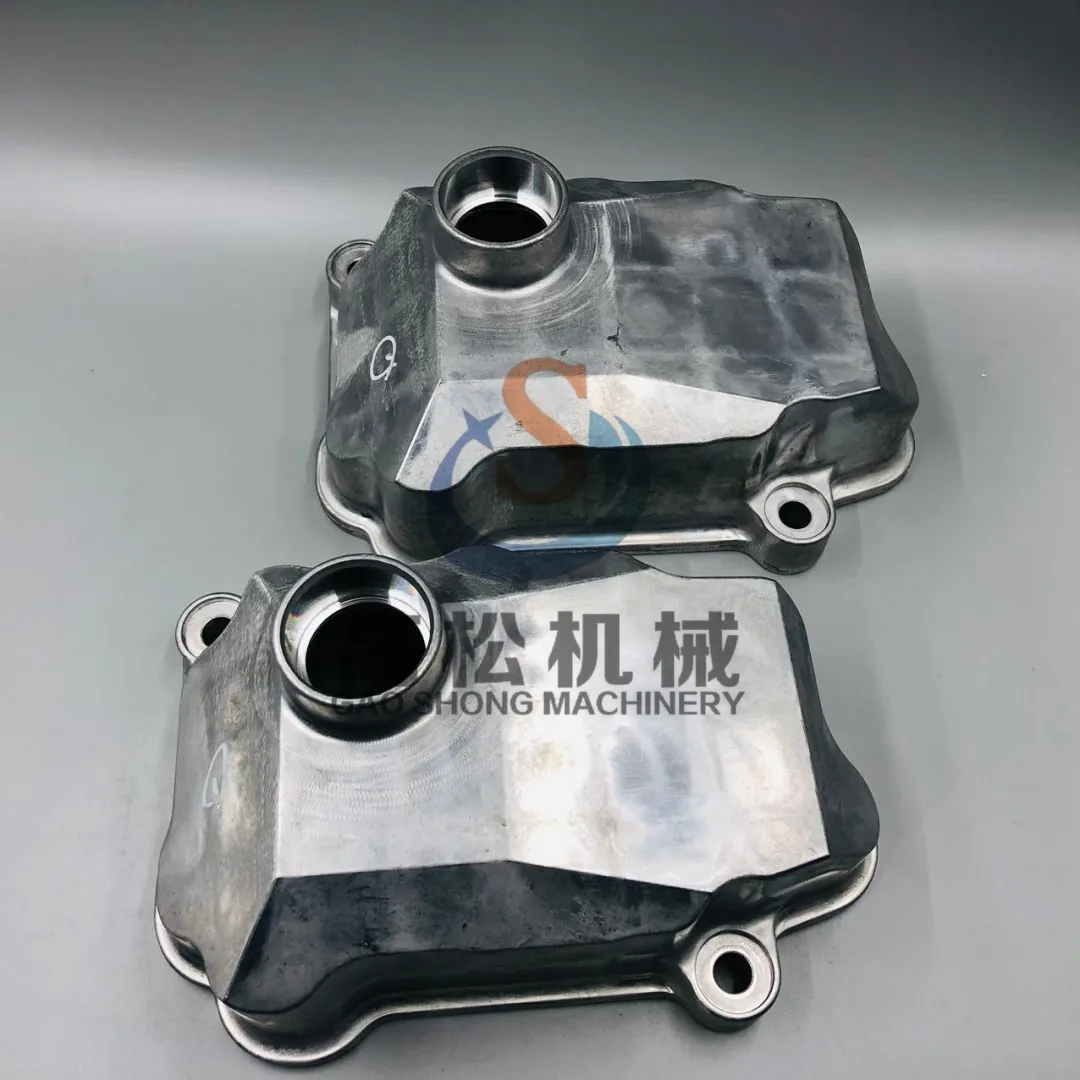 KOMATSU 6251-11-8150 COVER
 -
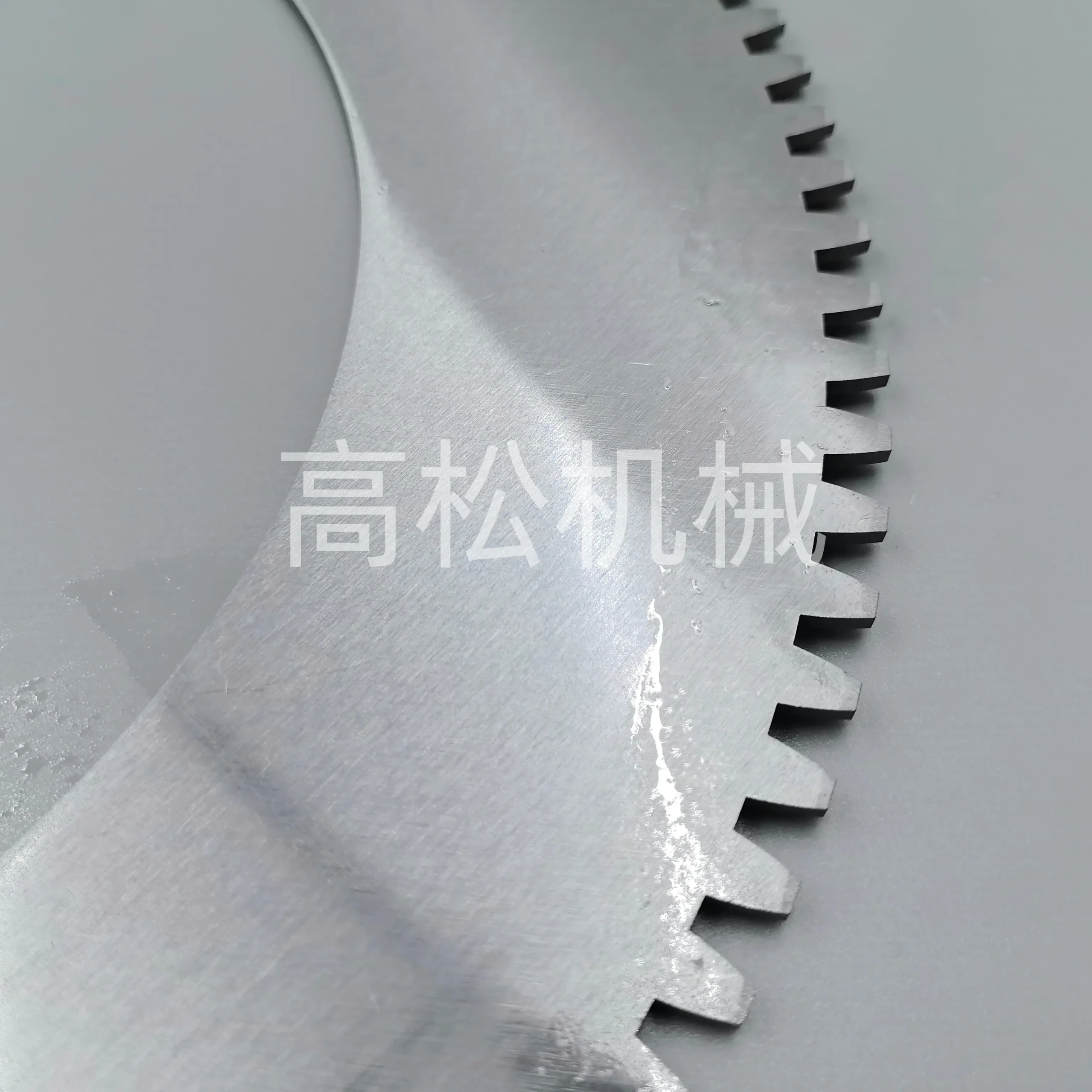 235-22-11550 •• PLATE-Komatsu Original Factory