
- Chinese
- French
- German
- Portuguese
- Spanish
- Russian
- Japanese
- Korean
- Arabic
- Irish
- Greek
- Turkish
- Italian
- Danish
- Romanian
- Indonesian
- Czech
- Afrikaans
- Swedish
- Polish
- Basque
- Catalan
- Esperanto
- Hindi
- Lao
- Albanian
- Amharic
- Armenian
- Azerbaijani
- Belarusian
- Bengali
- Bosnian
- Bulgarian
- Cebuano
- Chichewa
- Corsican
- Croatian
- Dutch
- Estonian
- Filipino
- Finnish
- Frisian
- Galician
- Georgian
- Gujarati
- Haitian
- Hausa
- Hawaiian
- Hebrew
- Hmong
- Hungarian
- Icelandic
- Igbo
- Javanese
- Kannada
- Kazakh
- Khmer
- Kurdish
- Kyrgyz
- Latin
- Latvian
- Lithuanian
- Luxembou..
- Macedonian
- Malagasy
- Malay
- Malayalam
- Maltese
- Maori
- Marathi
- Mongolian
- Burmese
- Nepali
- Norwegian
- Pashto
- Persian
- Punjabi
- Serbian
- Sesotho
- Sinhala
- Slovak
- Slovenian
- Somali
- Samoan
- Scots Gaelic
- Shona
- Sindhi
- Sundanese
- Swahili
- Tajik
- Tamil
- Telugu
- Thai
- Ukrainian
- Urdu
- Uzbek
- Vietnamese
- Welsh
- Xhosa
- Yiddish
- Yoruba
- Zulu
- Kinyarwanda
- Tatar
- Oriya
- Turkmen
- Uyghur






komatsu cummins engine
When you hear 'Komatsu Cummins engine', a lot of folks immediately think of the QSK series, maybe the 19-liter or 23-liter ones in a 400-ton haul truck. That's not wrong, but it's a bit of a surface-level view. The real story, from my seat, is about the integration—how that Cummins block gets married to Komatsu's machine logic. I've seen shops treat them like any other Cummins, and that's where the first set of headaches usually starts. The ECM mapping is a joint effort, and the fault codes don't always translate directly from a standard Cummins manual. It's this unique hybrid that defines its performance and, frankly, its maintenance quirks.
The OEM Partnership Reality and Parts Access
Working with an OEM supplier within the Komatsu system, like Jining Gaosong, gives you a different angle. Their site, takematsumachinery.com, positions them as an OEM product supplier and a third-party sales channel. In practice, this dual role is crucial. The official Komatsu parts pipeline is robust, but it's not always the fastest or most economical route for every customer in every region, especially when a machine is down and you need a Komatsu Cummins engine turbocharger cartridge or a specific gasket kit yesterday.
That's where the third-party function comes in. They're not just moving boxes; they're solving supply chain gaps. I recall a project in a South American mine where we had a Komatsu Cummins QST30 engine on a PC8000 excavator with a failed high-pressure fuel pump. The local Komatsu dealer's lead time was eight weeks. Through a network that includes companies like Gaosong, we sourced a genuine-tier equivalent part that met the spec, got it air-freighted, and had the machine running in ten days. The cost was higher for the rush, but the alternative—weeks of downtime—was a non-starter.
The key is knowing what you can substitute and what you absolutely cannot. For core components like the cylinder head or the ECU, you stick with the OEM-sanctioned part. But for certain sensors, seals, or even remanufactured injectors, the aftermarket or these alternative OEM-aligned suppliers can be a lifeline. The description of helping to solve parts supply challenges in certain countries is exactly that—a pragmatic workaround for real-world logistics bottlenecks.
On-Site Observations and Common Pitfalls
Let's talk about the QSK60 in the 930E truck. A beast. But its Achilles' heel, in my experience, often isn't the big-ticket items. It's the ancillary systems Komatsu wraps around it. The cooling package is tailored for the truck's duty cycle, not a generic Cummins industrial setup. We once had persistent overheating issues. We replaced thermostats, flushed the radiator—the usual suspects. Turned out, the issue was the fan clutch control, which was governed by the Komatsu VHMS system, not the engine ECU. We were diagnosing the engine when the problem was the machine's management logic telling the fan when to engage.
Another classic is the aftertreatment. The Komatsu Cummins setup for Tier 4 Final uses a selective catalytic reduction system. The DEF dosing strategy is calibrated specifically for Komatsu's expected load profiles. If you try to flash it with a standard Cummins calibration to tweak performance, you might get a power bump, but you'll almost certainly throw the aftertreatment system into a tailspin and trigger derates. It's a tightly integrated package. Treating the engine as an island is a mistake.
I've also seen failures from perfect maintenance. A crew was using a premium, API CK-4 15W-40 oil, but it wasn't the one specified on the Komatsu filter cap. It met all the Cummins specs. Yet, we started seeing unusual camshaft wear. After a lot of back-and-forth, we learned the specified oil had a specific additive package that played nice with the Komatsu-specific seals and the extended drain intervals their monitoring system recommended. A subtle but costly lesson in following the machine OEM's guidance, not just the engine OEM's.
The Value of a Specialized Supply Channel
This is why entities that understand both sides of the equation are valuable. A pure third-party parts seller might just match part numbers. A company operating as an OEM supplier within the system, like the one mentioned, likely has better insight into which components are truly Komatsu-proprietary versus which are more standard Cummins fare. They see the bulletins and tech updates that might not circulate widely in the general aftermarket.
For instance, there was a service campaign for early-model QSK23 engines in Komatsu dozers regarding a wiring harness chafing issue. It wasn't a full recall, but a technical service bulletin. If you weren't plugged into the Komatsu network, you'd just keep replacing harnesses when they failed. A supplier with OEM ties would be more likely to have access to that bulletin and the updated harness routing kit. It's this layer of contextual knowledge that separates a parts vendor from a solution provider.
Their model essentially creates a parallel, often more flexible, supply line for genuine or genuine-equivalent parts. It doesn't replace the official dealer network but complements it, especially in remote operations or markets where the primary distributor's footprint is thin. For a fleet manager running a mixed fleet with several Komatsu Cummins engine machines, having such a channel in your contacts can shave days off repair times.
Final Thoughts on Longevity and Operation
At the end of the day, these are excellent powerplants. The Cummins base is legendary for durability, and Komatsu's integration generally enhances reliability for the specific application. The key to longevity is respecting the marriage. Use the Komatsu service manuals. Pay attention to the machine's health monitoring system data—it's telling you how the entire system is performing, not just the engine vitals.
Don't ignore small leaks, especially around the interface points like the engine mounts or where the Komatsu hydraulic pumps are driven. Vibration from a loose mount can cause stress fractures in accessory brackets that you wouldn't see on a standalone generator set. It's all connected.
Would I specify a machine with this power unit again? Absolutely. But with the caveat that you need to build your maintenance and parts strategy around the fact that it's a Komatsu Cummins, not a Cummins in a Komatsu. That subtle difference in mindset, and having supply partners who grasp that difference, is what keeps these machines earning money on the job site instead of sitting in the shop. It's a partnership under the hood that demands a partnered approach to support.
Related Products
Related Products

Best Selling Products
Best Selling Products-
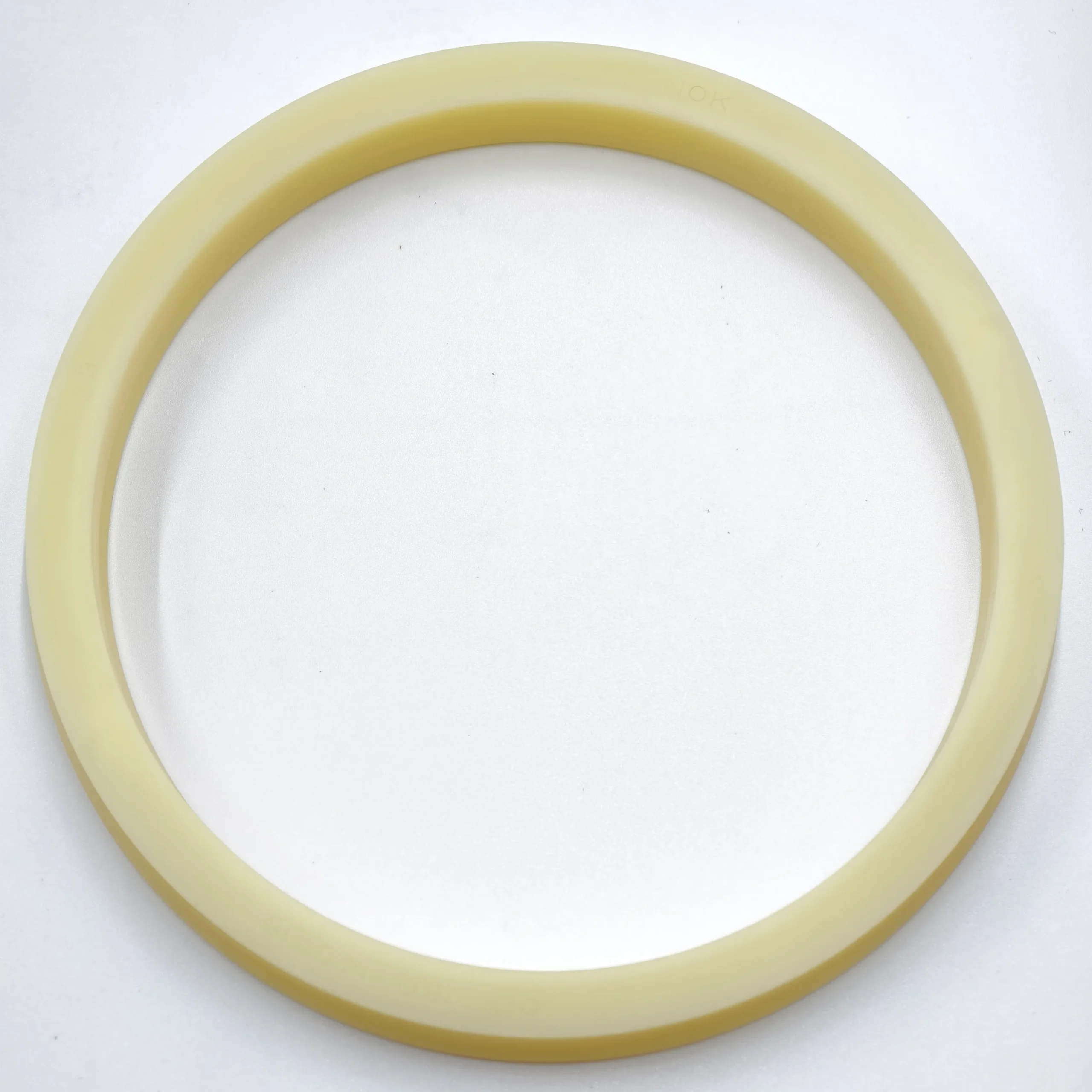 Komatsu 21N-30-14160 PACKING, price for original… — Pricing.Parts
 -
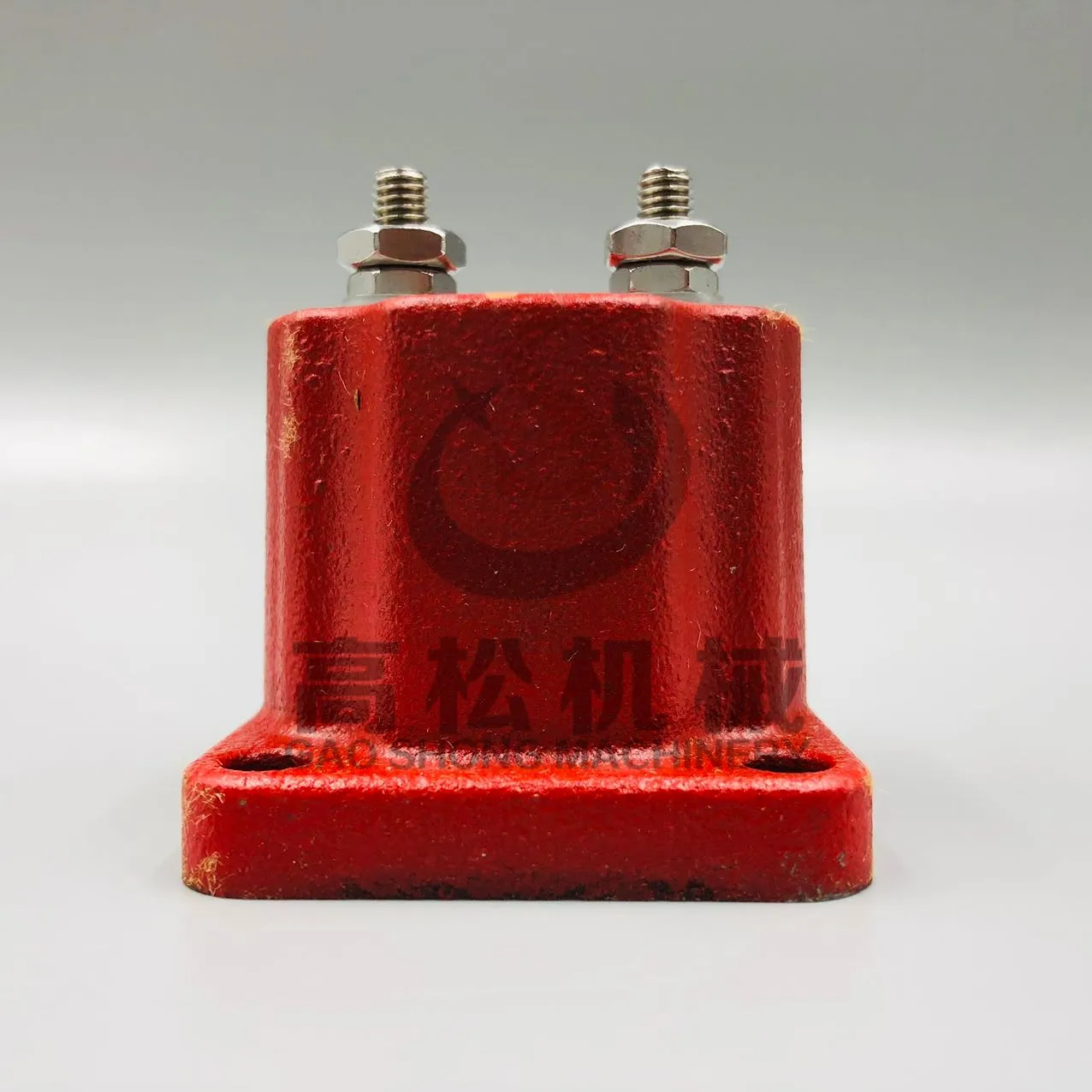 6560-51-1510 SOLENOID (Komatsu)
 -
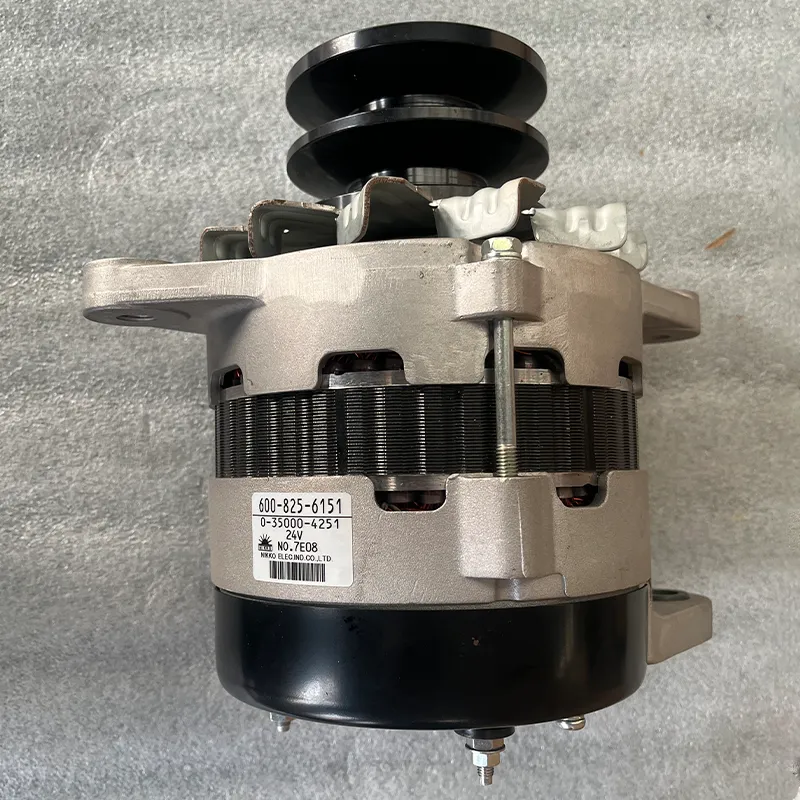 600-825-6151 Original komatsu alternator for PC300-7 PC360-7 PC400-78 PC450-8
 -
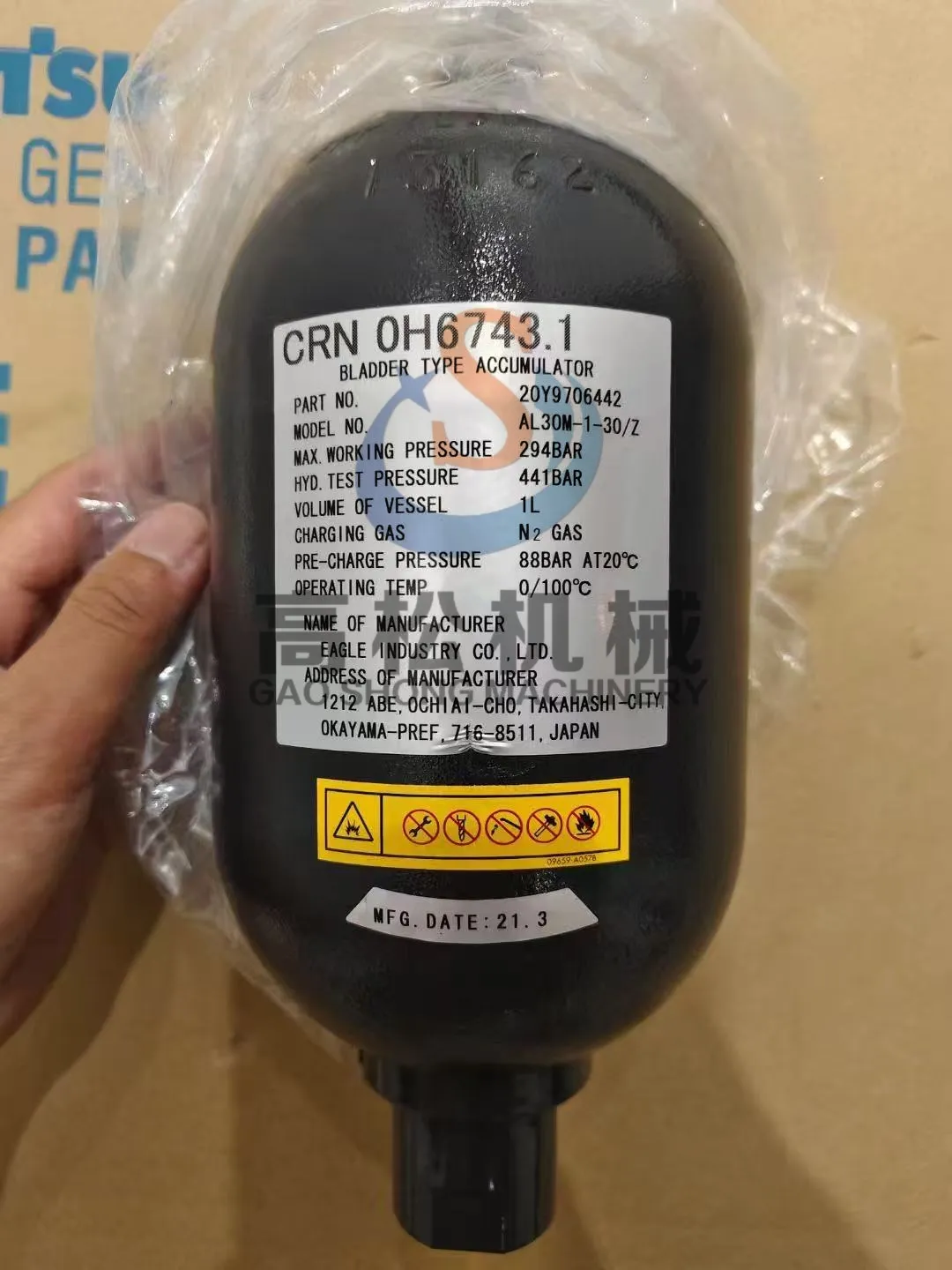 20Y-970-6442 Komatsu Accumulator Assembly
 -
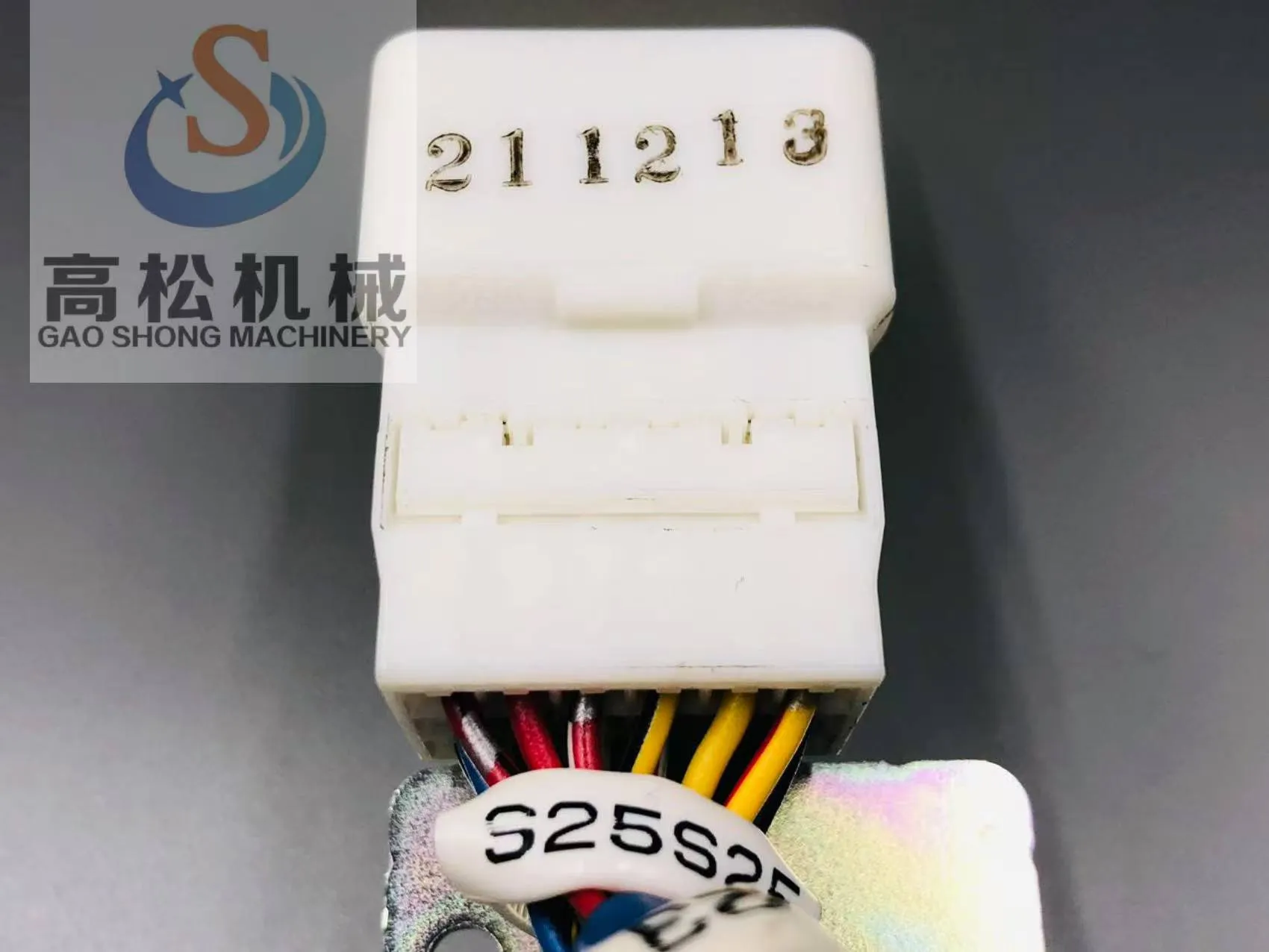 Factory wholesale of low-price 22U-06-22370 switch assemblies, suitable for Komatsu PC300LC, PC340LC, PC380LC construction machinery parts
 -
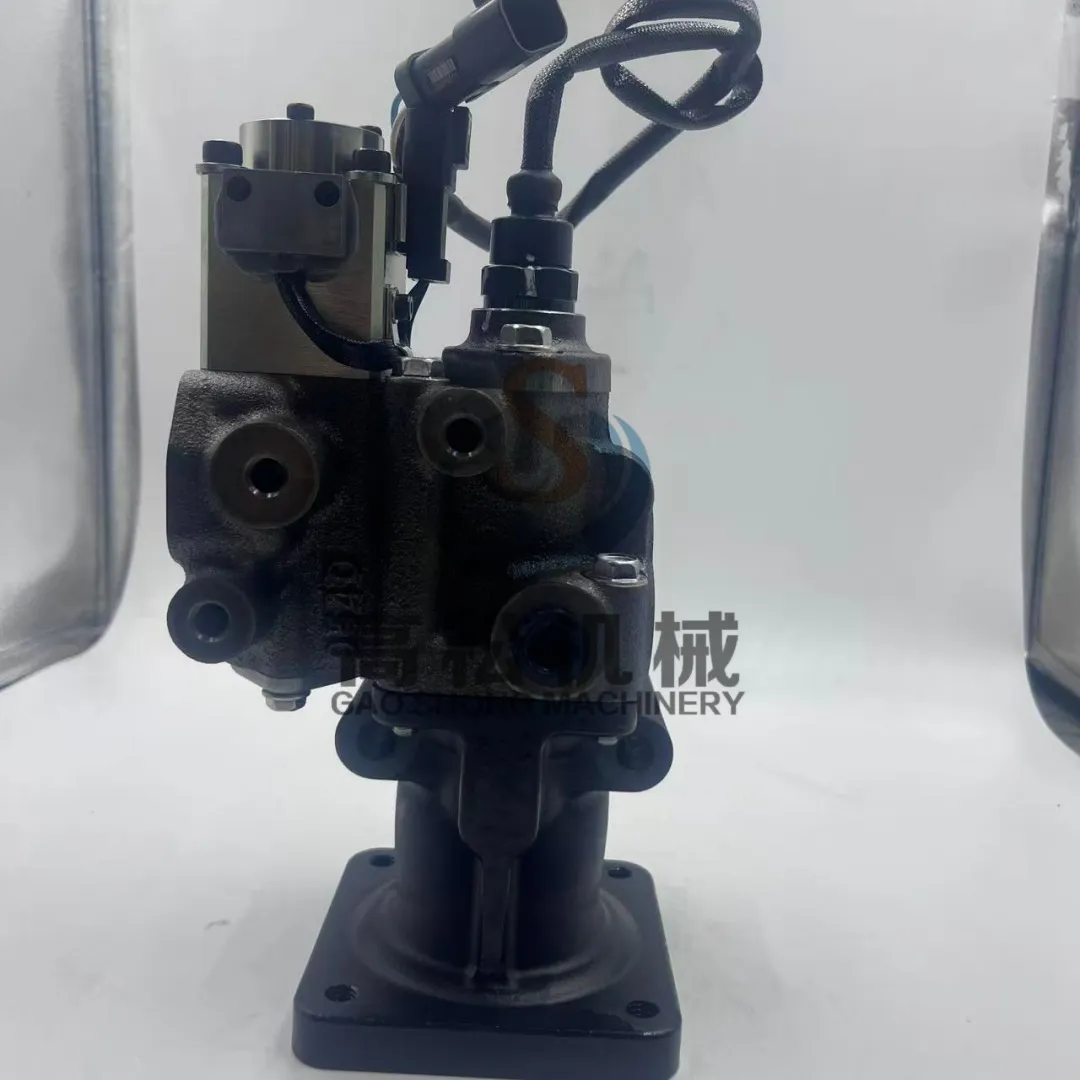 6261-41-9500 Komatsu Valve Assembly, Bypass
 -
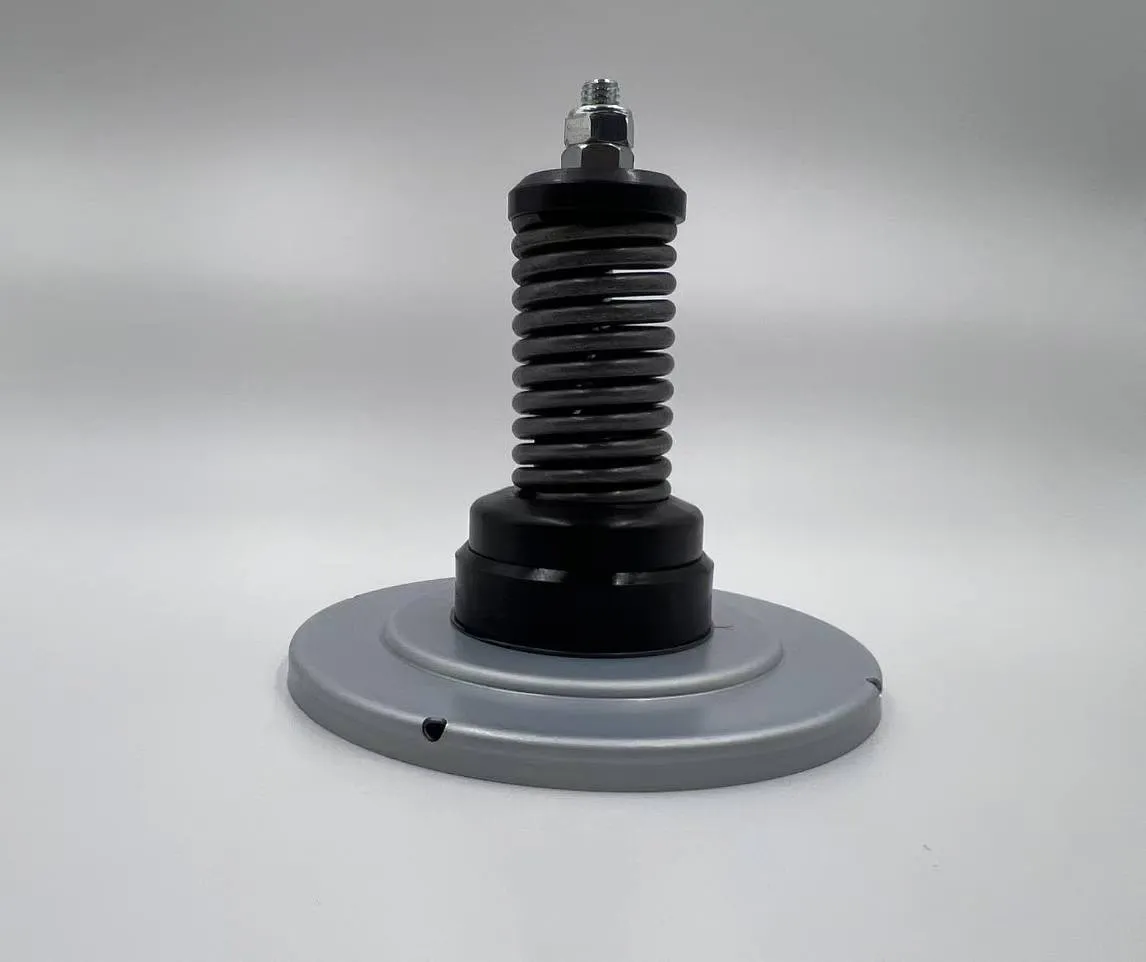 20Y-60-31450 Komatsu Valve Assembly
 -
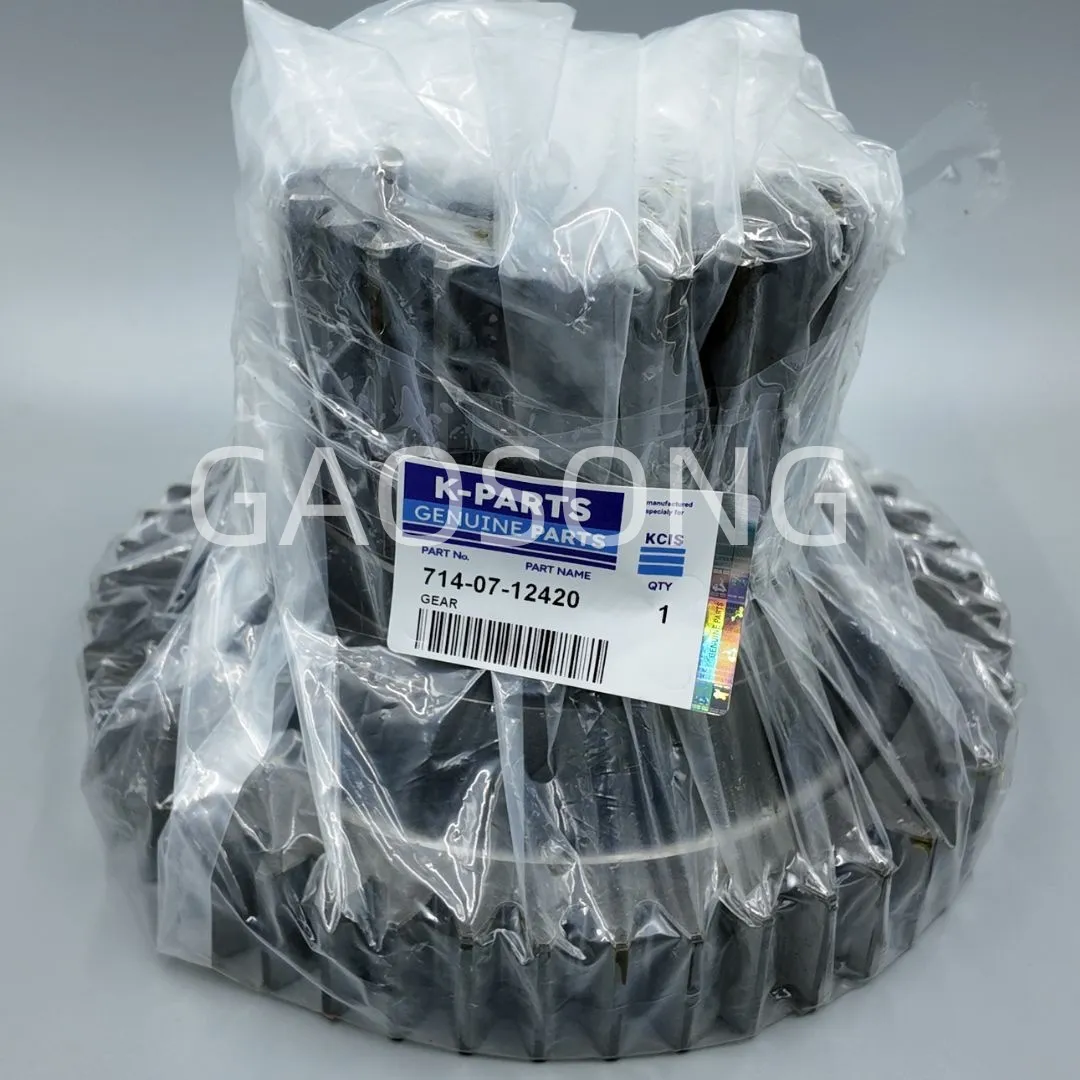 714-07-12420 •• GEAR¤ 48 TEETH,FORWARD-Komatsu Original Factory
 -
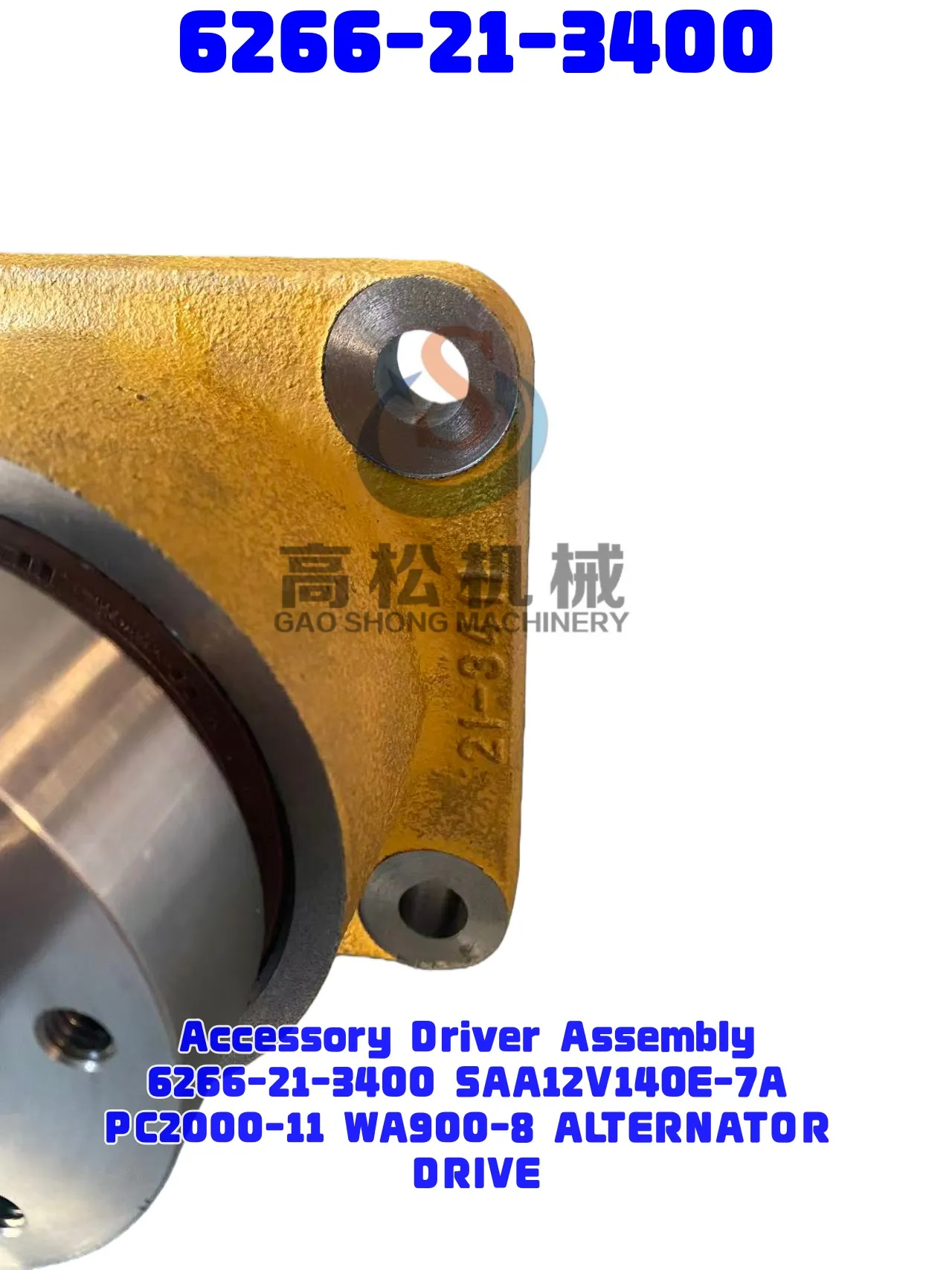 Water Pump 6154-61-1102 6251-61-1105 6251-61-1111 For Komatsu S6D125E PC400-6 PC450-6 New Aftermarket Parts
 -
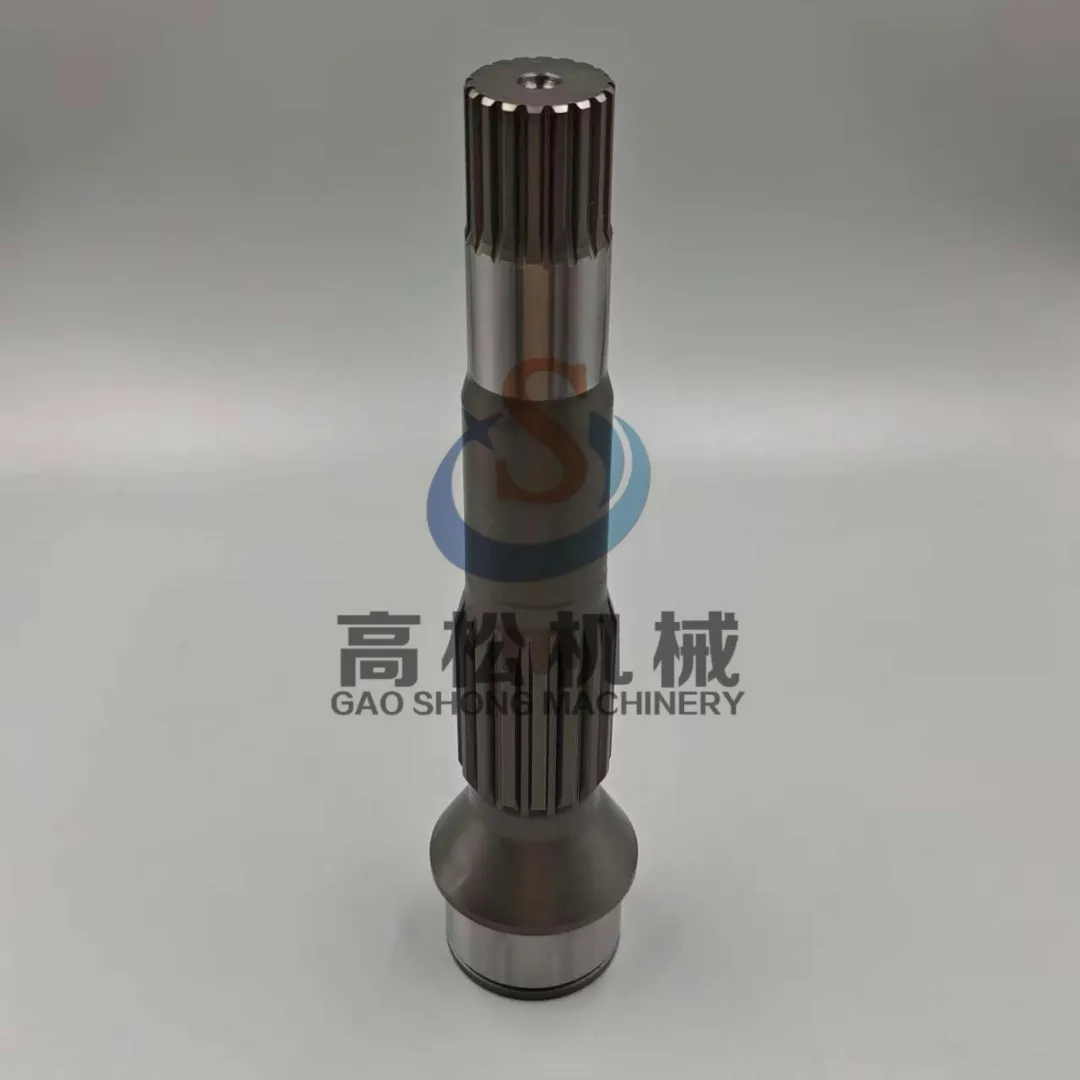 708-2G-12121 Shaft Drive L Fits Komatsu PC300-7 PC360-7 PC350-7 HPV140 Pump
 -
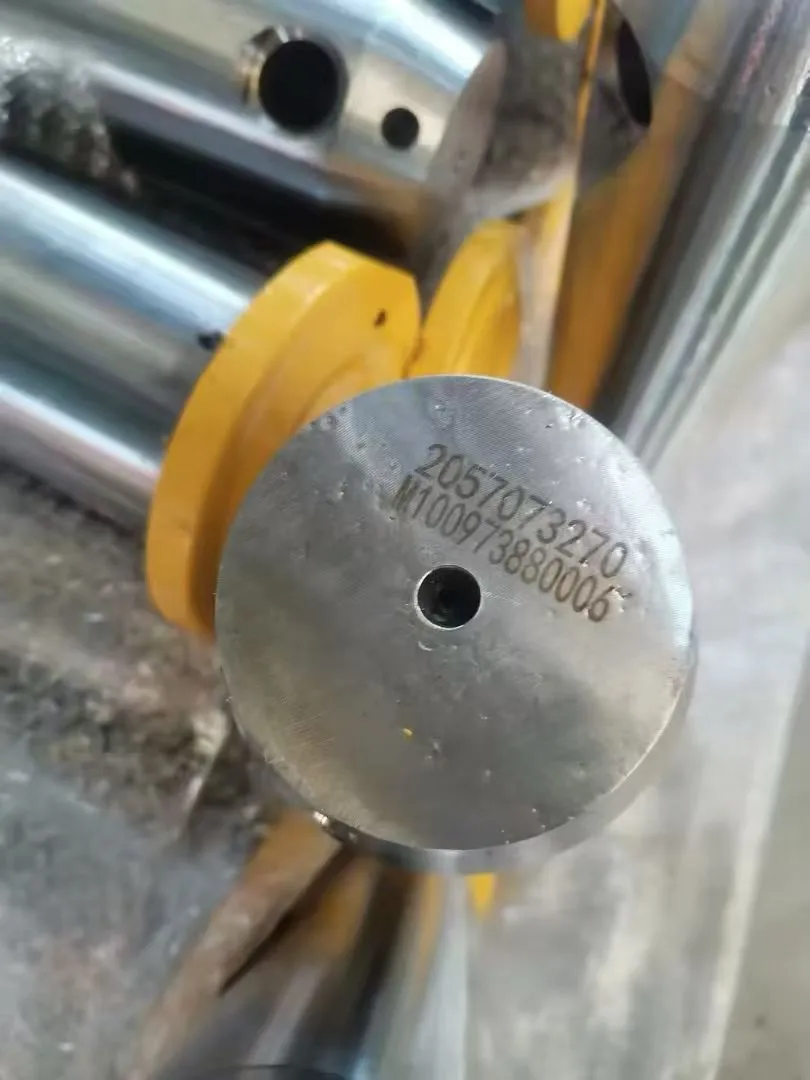 All types of Komatsu original sales pins welcome to inquire
 -
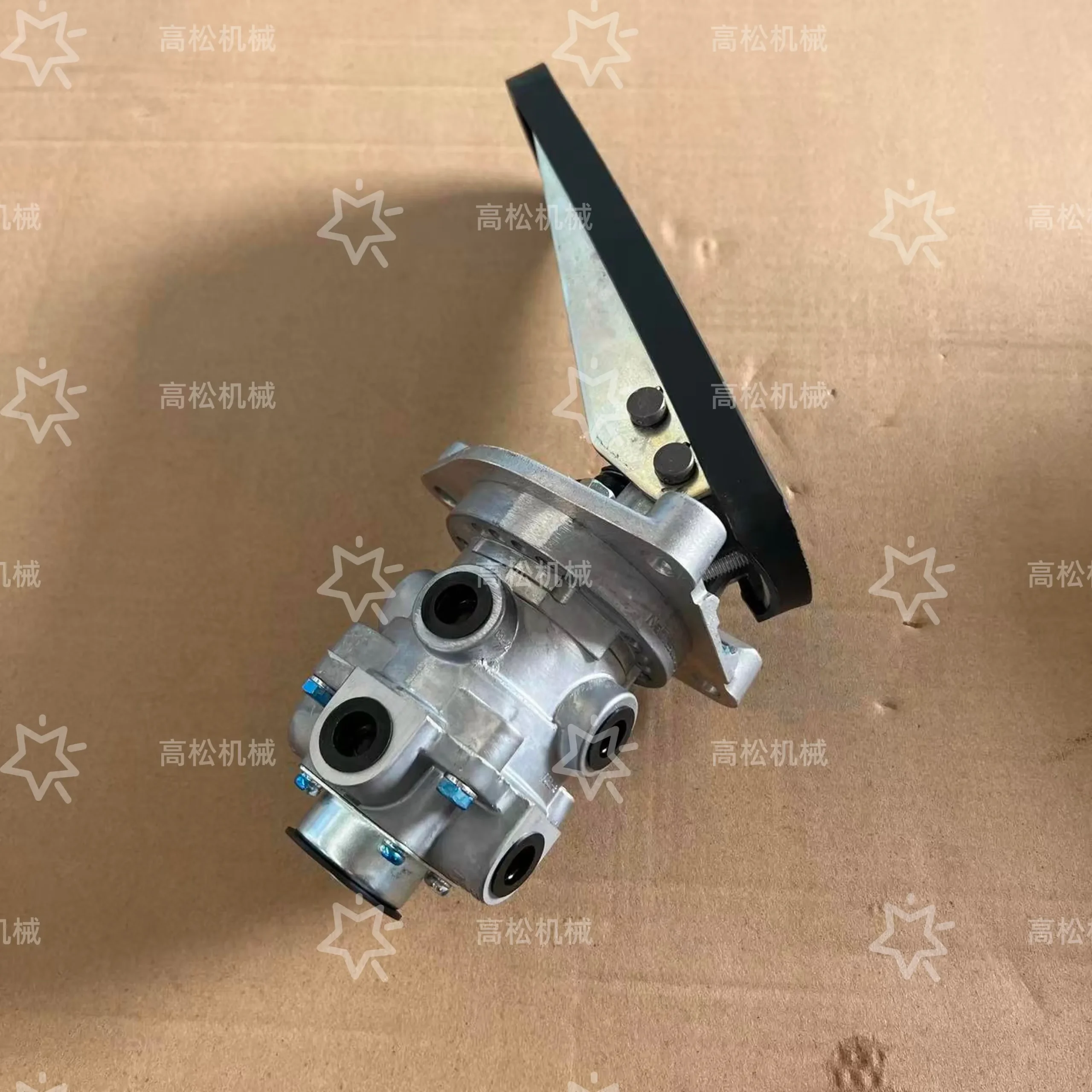 Valve 566-35-44110 for Komatsu Rigid Dumper HD465-5