
- Chinese
- French
- German
- Portuguese
- Spanish
- Russian
- Japanese
- Korean
- Arabic
- Irish
- Greek
- Turkish
- Italian
- Danish
- Romanian
- Indonesian
- Czech
- Afrikaans
- Swedish
- Polish
- Basque
- Catalan
- Esperanto
- Hindi
- Lao
- Albanian
- Amharic
- Armenian
- Azerbaijani
- Belarusian
- Bengali
- Bosnian
- Bulgarian
- Cebuano
- Chichewa
- Corsican
- Croatian
- Dutch
- Estonian
- Filipino
- Finnish
- Frisian
- Galician
- Georgian
- Gujarati
- Haitian
- Hausa
- Hawaiian
- Hebrew
- Hmong
- Hungarian
- Icelandic
- Igbo
- Javanese
- Kannada
- Kazakh
- Khmer
- Kurdish
- Kyrgyz
- Latin
- Latvian
- Lithuanian
- Luxembou..
- Macedonian
- Malagasy
- Malay
- Malayalam
- Maltese
- Maori
- Marathi
- Mongolian
- Burmese
- Nepali
- Norwegian
- Pashto
- Persian
- Punjabi
- Serbian
- Sesotho
- Sinhala
- Slovak
- Slovenian
- Somali
- Samoan
- Scots Gaelic
- Shona
- Sindhi
- Sundanese
- Swahili
- Tajik
- Tamil
- Telugu
- Thai
- Ukrainian
- Urdu
- Uzbek
- Vietnamese
- Welsh
- Xhosa
- Yiddish
- Yoruba
- Zulu
- Kinyarwanda
- Tatar
- Oriya
- Turkmen
- Uyghur






komatsu crusher parts
When you hear 'Komatsu crusher parts', the immediate thought for most is genuine OEM, full stop. But that's where the real conversation starts, not ends. In the field, it's rarely that binary. The challenge isn't just finding a part, it's finding the right balance of availability, cost, and crucially, reliability for a machine that can't afford extended downtime. I've seen too many projects default to the easiest catalog order, only to face weeks of delay, when other validated options existed. The assumption that non-OEM automatically means inferior is a costly misconception we need to unpack.
The OEM Ecosystem and Its Gaps
Komatsu's genuine parts network is engineered for consistency, and for major overhauls or critical components like main shafts or eccentric assemblies, that's often the only path. The traceability and perfect fit are undeniable. But here's the practical gap: not every operation is sitting next to a fully stocked regional distribution center. For a site in a remote location or a country with complex import logistics, waiting for a Komatsu crusher parts shipment can halt a multi-million dollar operation. The lead time isn't just a number on a sheet; it's idle equipment and labor costs piling up daily.
This is where the role of specialized suppliers within the system becomes critical. A company like Jining Gaosong Construction Machinery Co., Ltd. presents an interesting hybrid model. Being an OEM product supplier within Komatsu's system suggests a level of sanctioned quality and access, but their parallel role as a third-party sales company addresses the very supply chain fractures I've encountered. They aren't just an alternative; they function as a pressure relief valve for the system itself. Checking their portal at takematsumachinery.com, you see this dual focus: facilitating genuine supply while solving parts supply challenges in certain countries, as their line goes. That's a specific value proposition born from real-world friction.
I recall a situation in Southeast Asia where a BR380 jaw crusher needed a replacement toggle seat. The local dealer's system showed a 45-day backorder from Japan. The site manager was ready to cannibalize a less critical machine. Instead, we sourced a certified component through a channel similar to Gaosong's model—it was OEM-spec, likely from the same foundry network, but routed through a different logistical pipeline. It was on-site in 11 days. That's not bypassing quality; it's understanding the global supply web.
Judging Quality Beyond the Logo
So, if you're not always buying from the dealer's counter, how do you vet? The stamp isn't everything. For wear parts like jaw plates, mantles, and concaves, the metallurgy and heat treatment are the true differentiators. A shiny new part can fail spectacularly if the manganese steel alloy mix is off or the work-hardening properties aren't right. I've made the mistake of going for a grade-equivalent part that looked perfect on arrival but wore out 30% faster than the OEM it replaced. The cost saving was obliterated by the extra change-out downtime and labor.
This is where technical dialogue matters. A credible supplier should be able to discuss material certificates, Brinell hardness ranges for different applications (e.g., crushing granite vs. recycled concrete), and even share wear rate comparisons. The good ones, and I'd include those with formal Komatsu system affiliations here, treat this as a normal part of the conversation. They're not just order-takers. When I look at a supplier's profile, a line like OEM product supplier within the Komatsu system signals that they likely have access to the material specs and engineering tolerances that a random reverse-engineering workshop won't.
It extends to simpler components, too. A hydraulic cylinder seal kit might seem trivial, but an off-spec seal compound can swell or degrade quickly with Komatsu's specific hydraulic oil, leading to leaks and pressure loss. The devil is in these details. The question to ask is never just Is it compatible? but Can you confirm the material specification for the piston seals matches the OEM's MS- standard?
Logistics and the Real Cost of Ownership
Total cost is purchase price plus downtime plus installation risk. A cheap part that causes a secondary failure during installation or fails prematurely is the most expensive part you can buy. I've learned this the hard way. We once fitted a non-OEM bearing assembly for a Komatsu mobile crusher's vibrating feeder. The dimensional tolerances were just slightly off—maybe a few hundredths of a millimeter. It seemed to fit, but the uneven load distribution caused a catastrophic failure within 200 hours, damaging the shaft and housing. The repair bill was five times the saving.
This is why the procurement decision needs operational input. It's not just the purchasing department's job. The maintenance lead needs to weigh in: Have we used this brand before? What was the fit like? Reliable third-party channels mitigate this by offering parts with proven interchangeability. Their business depends on repeat orders, so sending out a part that requires modification with a sledgehammer isn't sustainable for them. A supplier's willingness to provide specific installation guidance or even CAD drawings is a good litmus test.
Furthermore, companies that explicitly focus on solving regional supply challenges, like the mentioned Jining Gaosong, often have invested in localized warehousing or consolidated shipping routes. This turns a vague promise into a tangible benefit: reduced transit time and lower risk of customs holdups. Their website, takematsumachinery.com, isn't just a catalog; it's a node in a logistics network designed for urgency. That's a different kind of value.
When to Deviate and When to Hold the Line
Developing a strategy for Komatsu crusher parts is about smart segmentation. My rule of thumb? Categorize by criticality. For core structural components, drivetrain elements (bearings, gears), and electronic control modules, I lean heavily toward genuine or the closest system-authorized equivalent. The risk is too high. For high-wear, consumable items—liner plates, screen meshes, filter elements—this is where a well-audited third-party source can provide tremendous value without compromising machine integrity, as long as the quality data checks out.
There's also the lifecycle consideration. For a nearly depreciated Komatsu crusher that's running on a low-intensity secondary site, investing in top-tier genuine parts for every repair might not offer the best ROI. The calculus changes. The goal becomes maintaining safe, functional operation at a reasonable cost until decommissioning. Here, reliable aftermarket parts play a vital economic role.
Always run a trial. If you're evaluating a new source, even one with good credentials, start with a single, non-critical component. Monitor its performance and wear life closely. Document it. Does the supplier follow up for feedback? That post-sale engagement is a huge indicator of whether they're a long-term partner or just a drop-shipper. The right supplier will want that performance data as much as you do.
The Evolving Parts Landscape
The market isn't static. Ten years ago, the gap between OEM and aftermarket for complex components was vast. Today, manufacturing technology and global quality standards have narrowed it significantly for many items. The rise of suppliers operating with some level of formal recognition from majors like Komatsu reflects this blurring. They're filling a niche the traditional dealer network sometimes can't address efficiently, particularly for legacy models or in specific geographic pockets.
This doesn't diminish the OEM's role; it complements it. It creates a more resilient supply ecosystem. For an equipment manager, the takeaway is to expand your toolkit. Your go-to list shouldn't just be the local dealer's phone number. It should include vetted specialists who understand the engineering behind the parts. It's about building a network of sources, each with a clear strength—whether it's genuine parts for a brand-new machine, certified wear parts for a high-production site, or logistical solutions for remote locations.
In the end, managing Komatsu crusher parts is about pragmatic precision. It's respecting the engineering but also navigating the real-world constraints of budget, time, and geography. The most successful operators I know are the ones who have done the homework to know when to insist on the factory box and when to confidently deploy a high-quality, validated alternative. They don't see it as a compromise, but as informed, professional asset management.
Related Products
Related Products
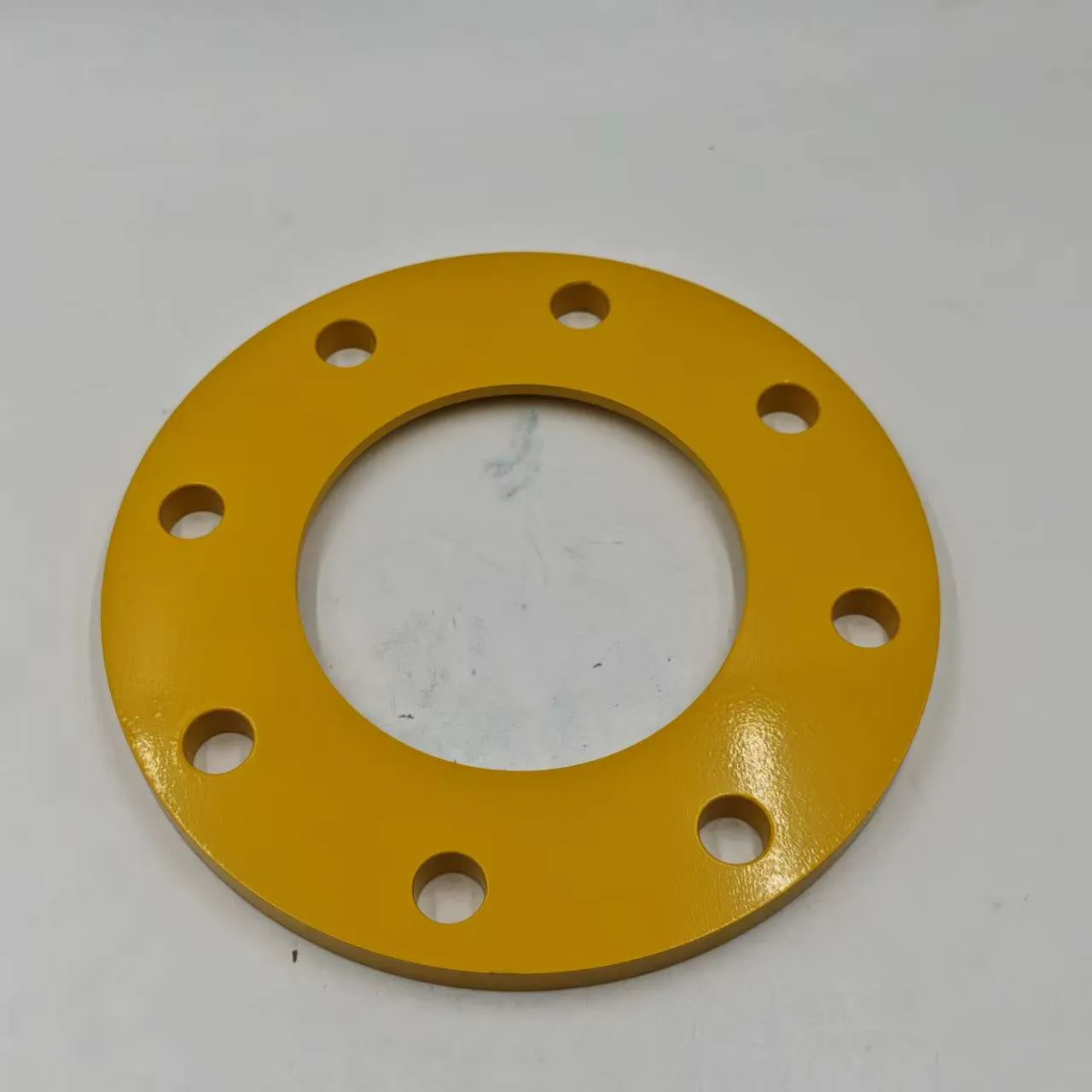
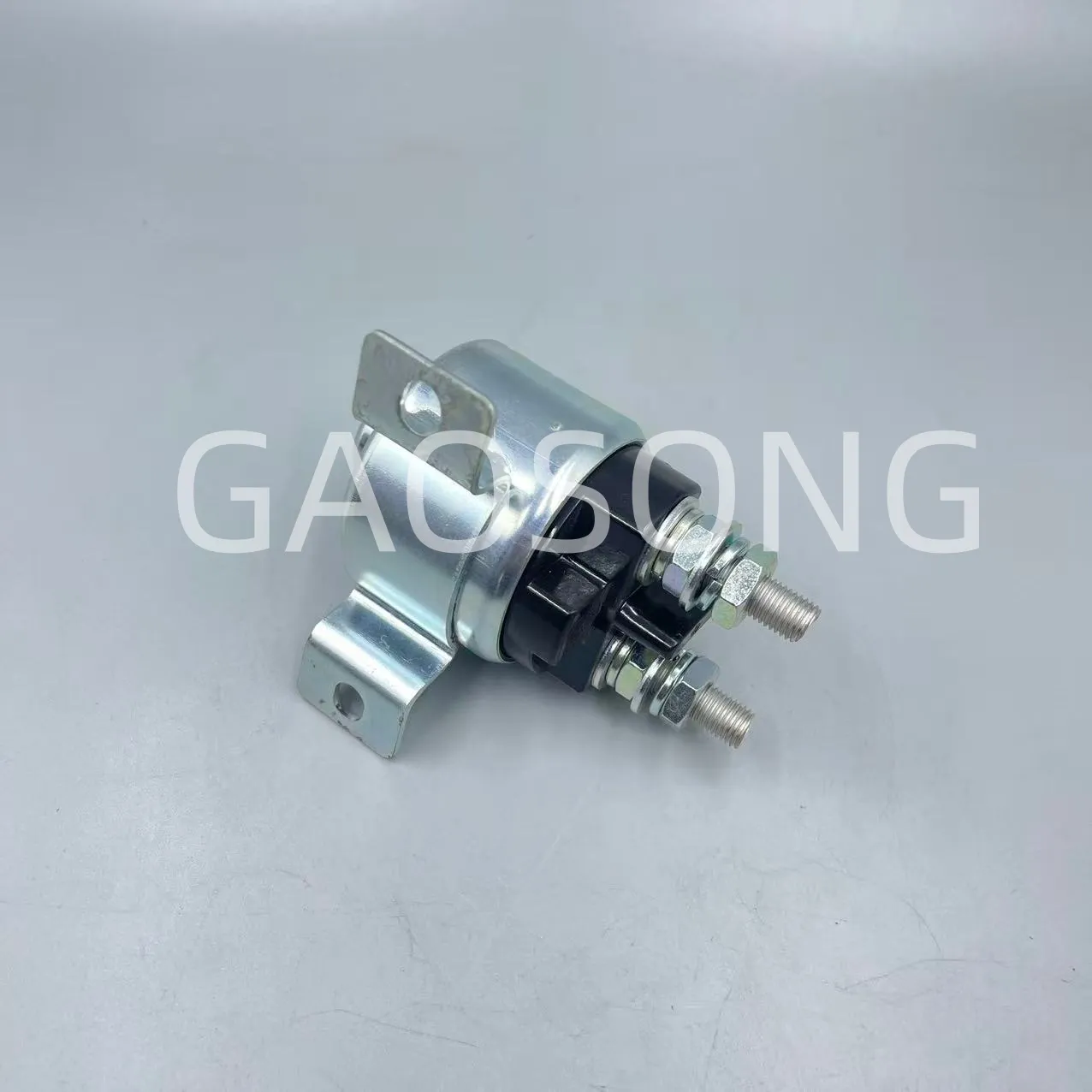
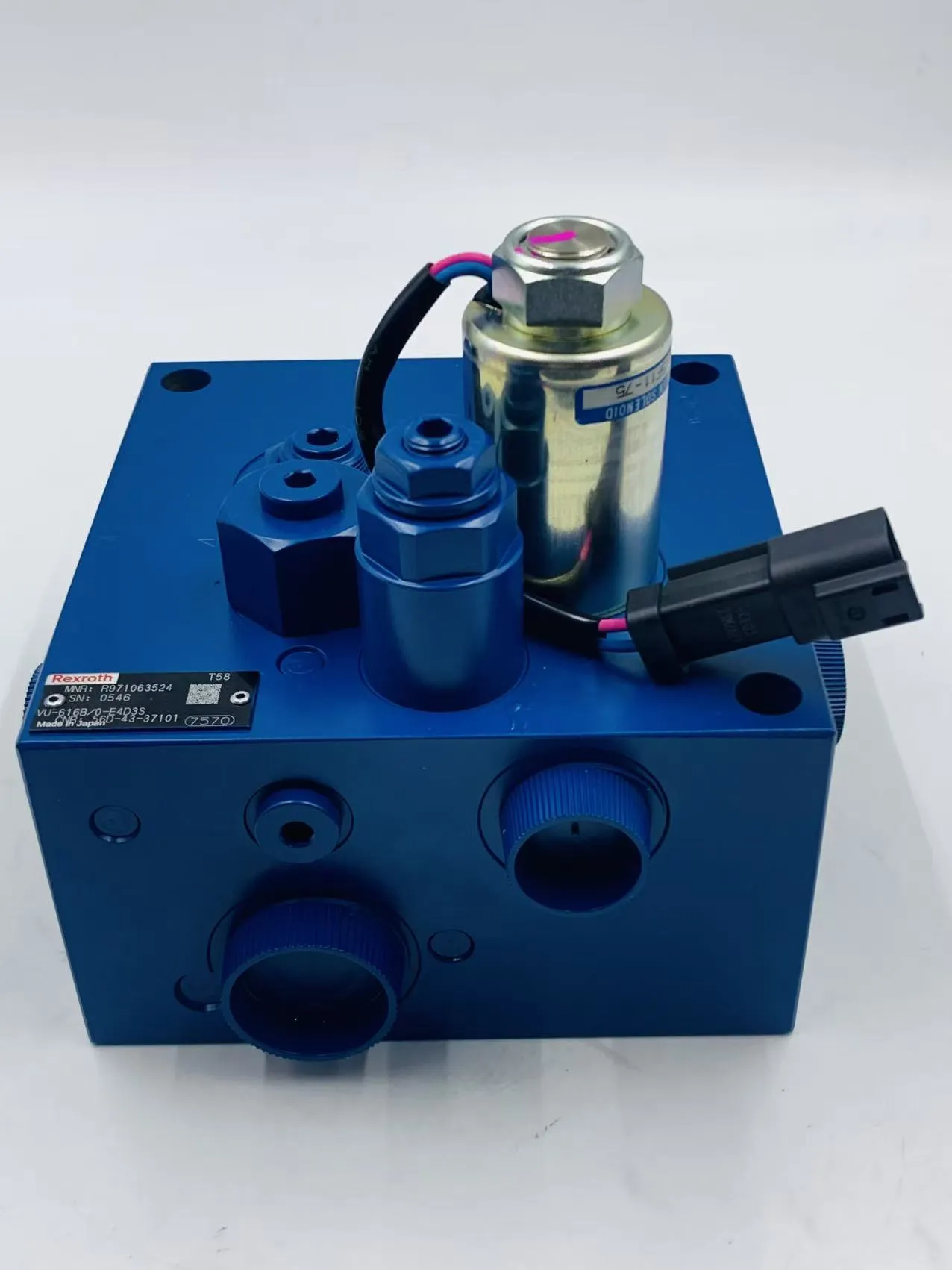

Best Selling Products
Best Selling Products-
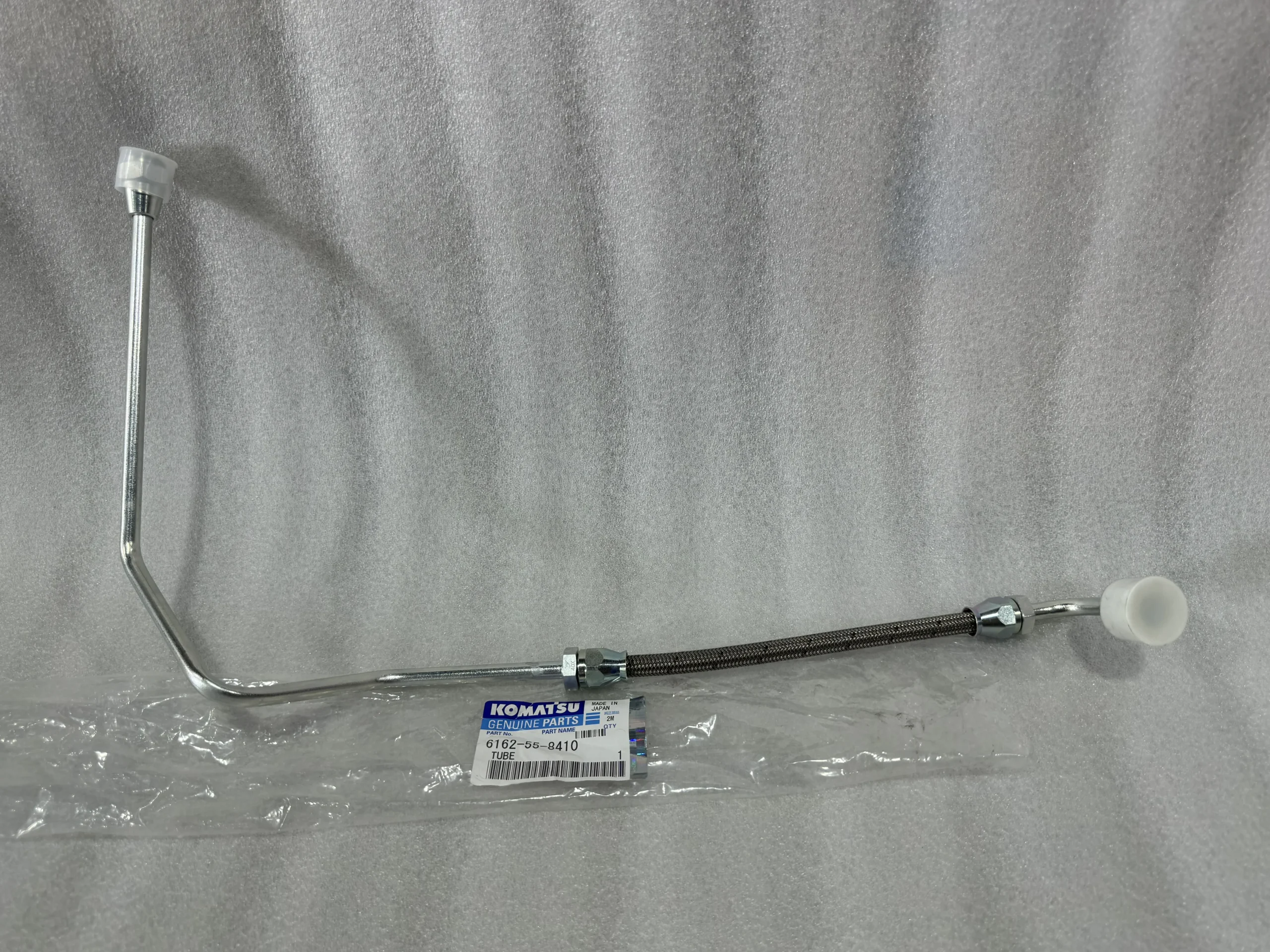 6D170-2 Oil Pipe 6162-55-8410
 -
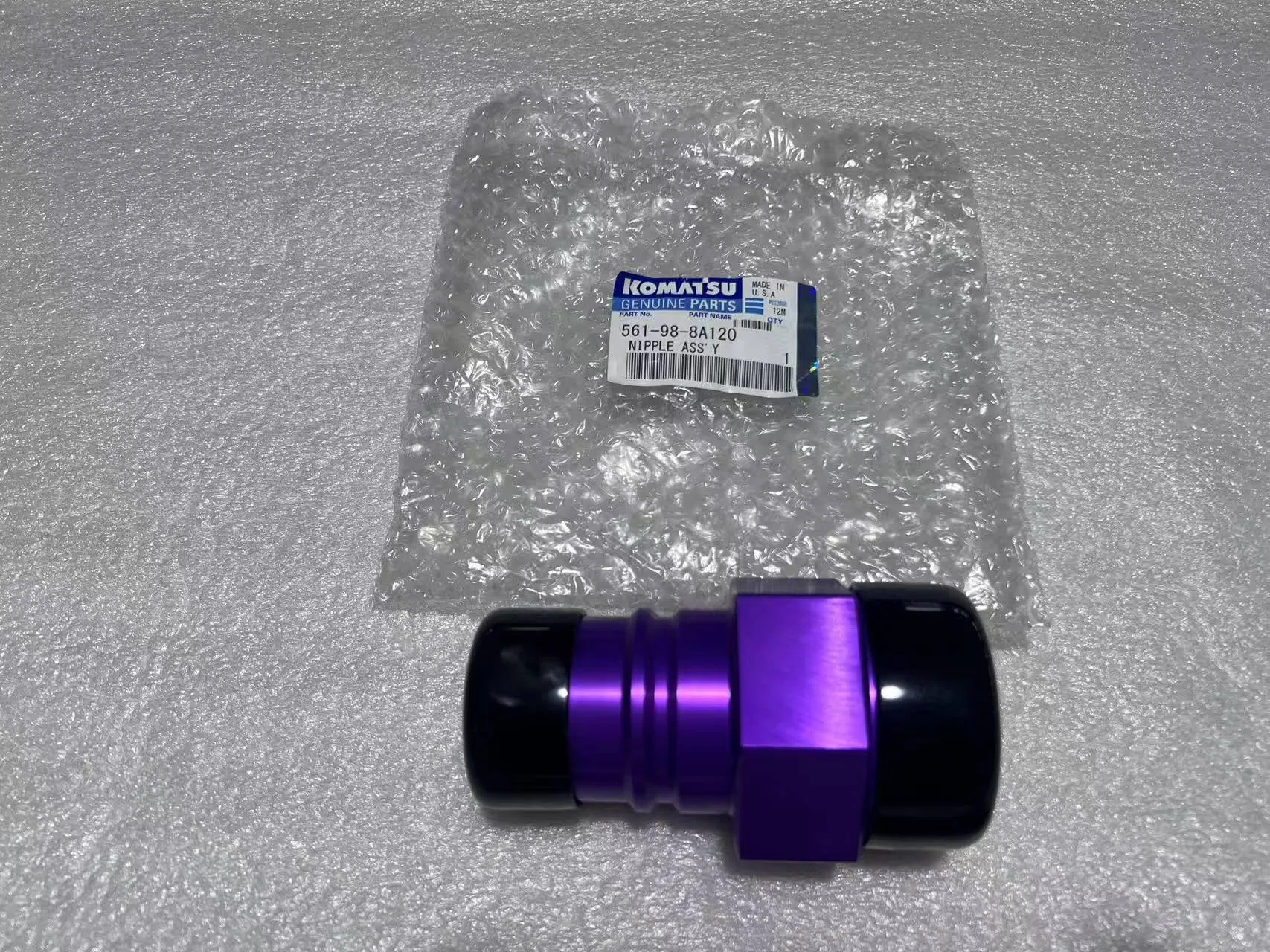 561-98-8A120 Komatsu Nipple Assembly
 -
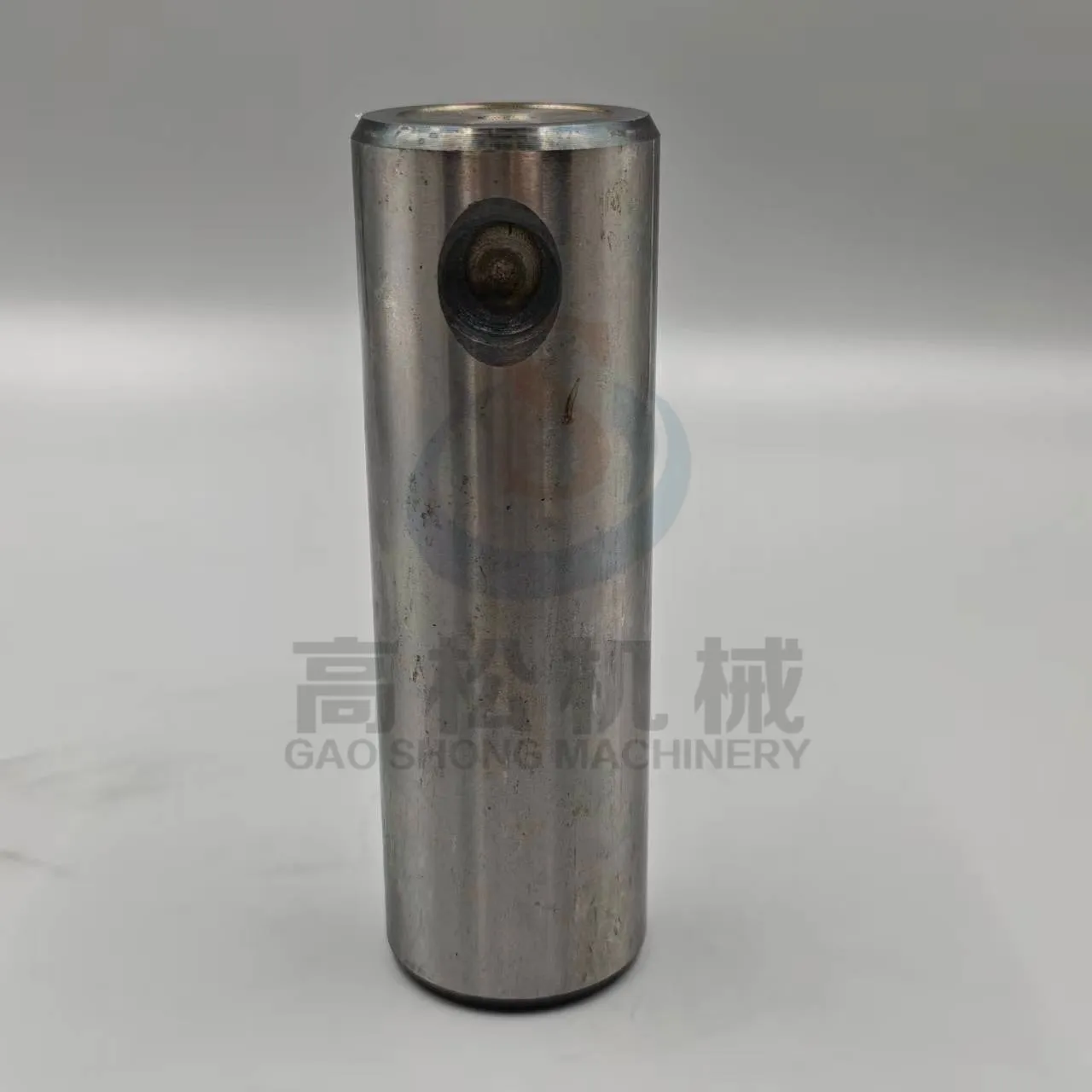 424-22-12510 Shaft (Komatsu)
 -
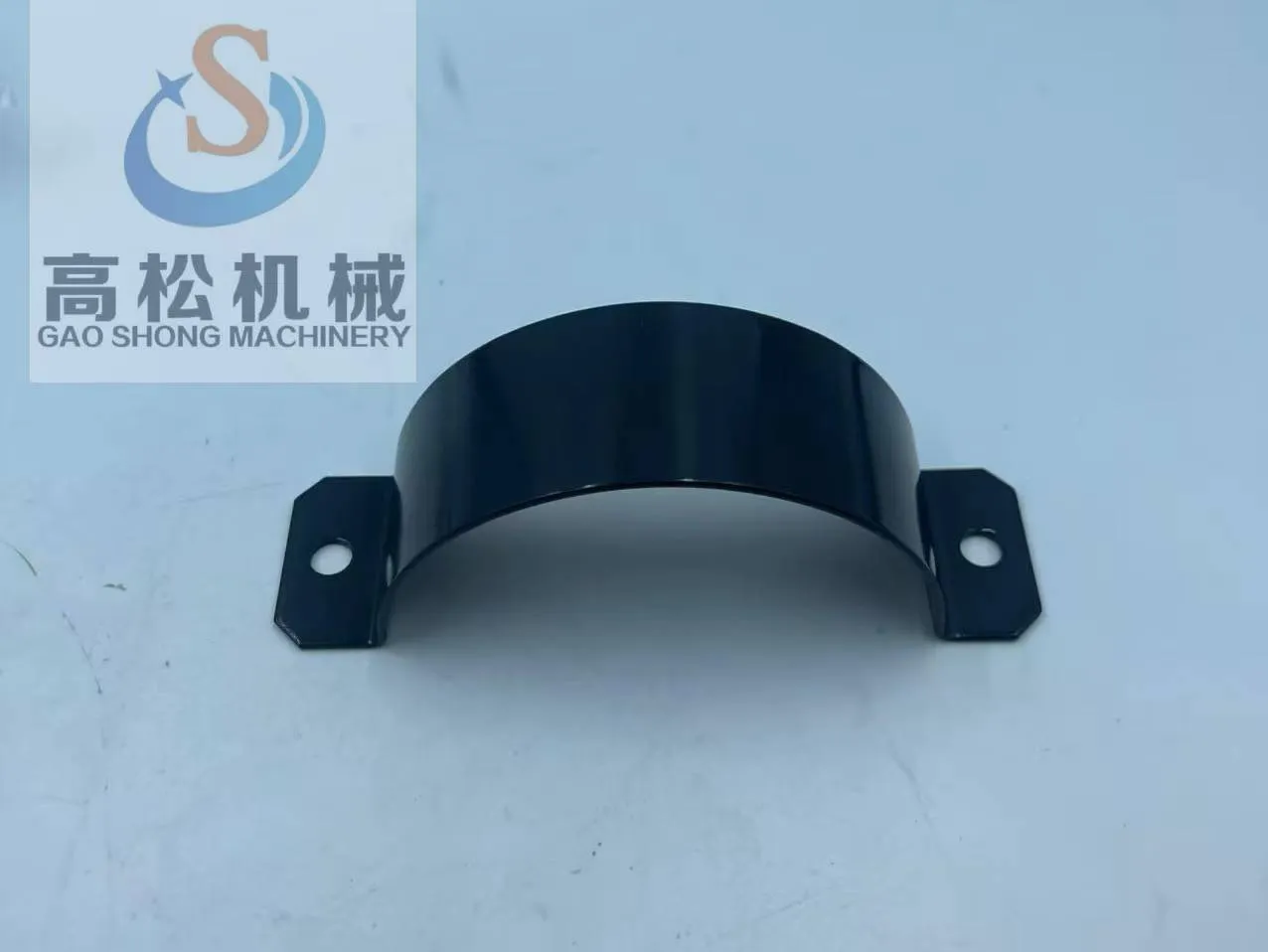 569-40-83470 Komatsu Genuine Bracket, Applicable Model: HD405-7, In-stock Promotional Price
 -
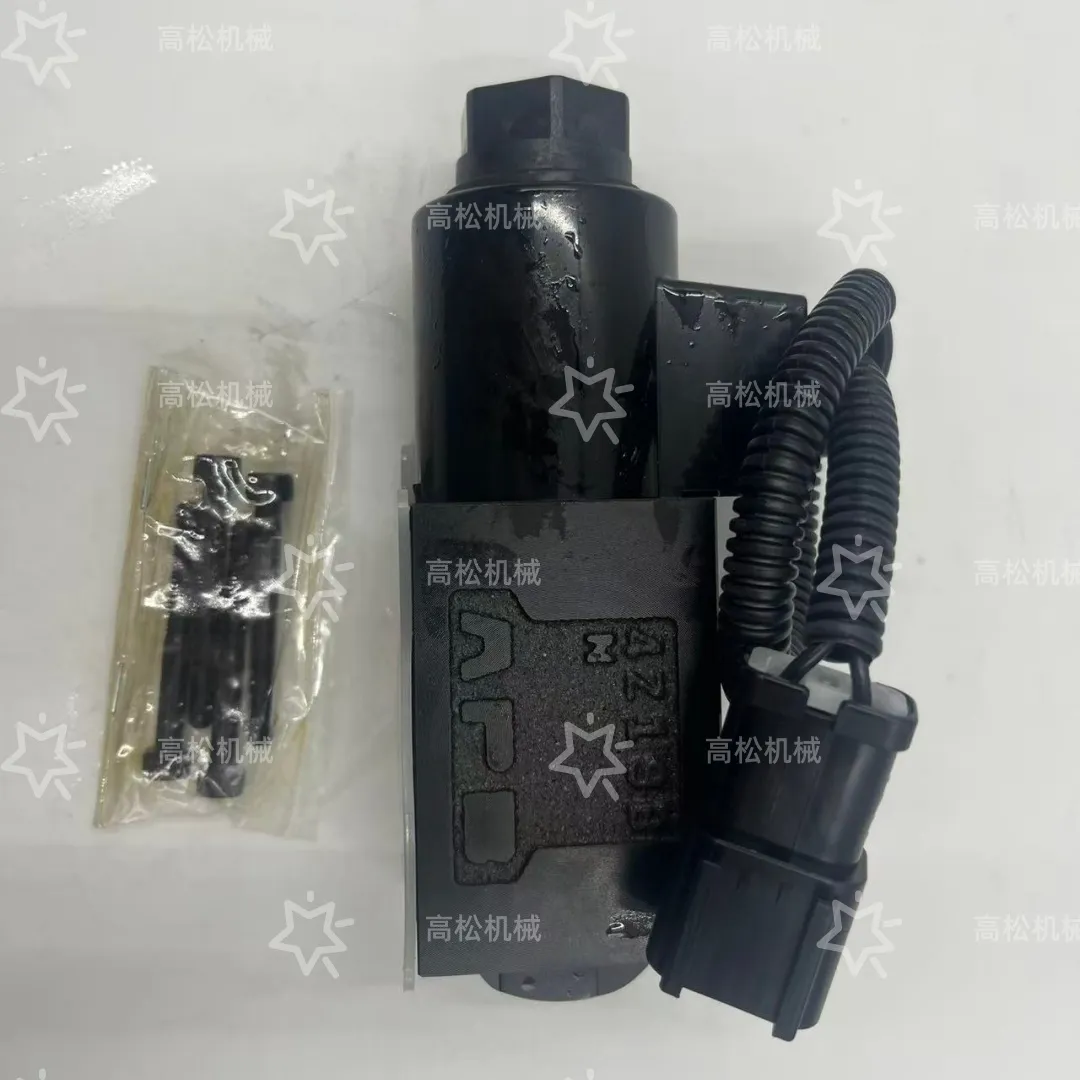 23W-60-28230 VALVE ASSEMBLY,SOLENOID – Komatsu
 -
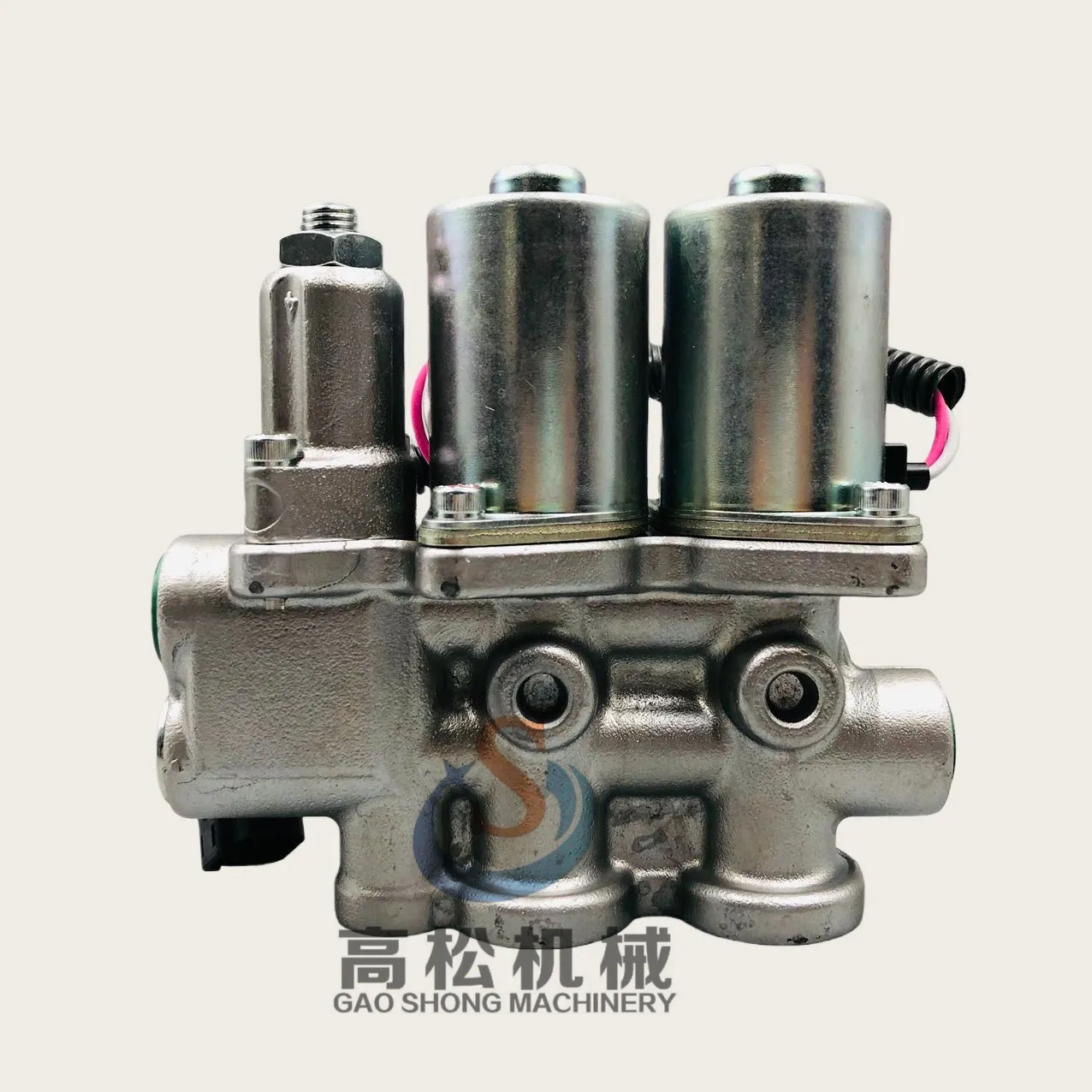 Solenoid Valve Assy 22F-60-31600
 -
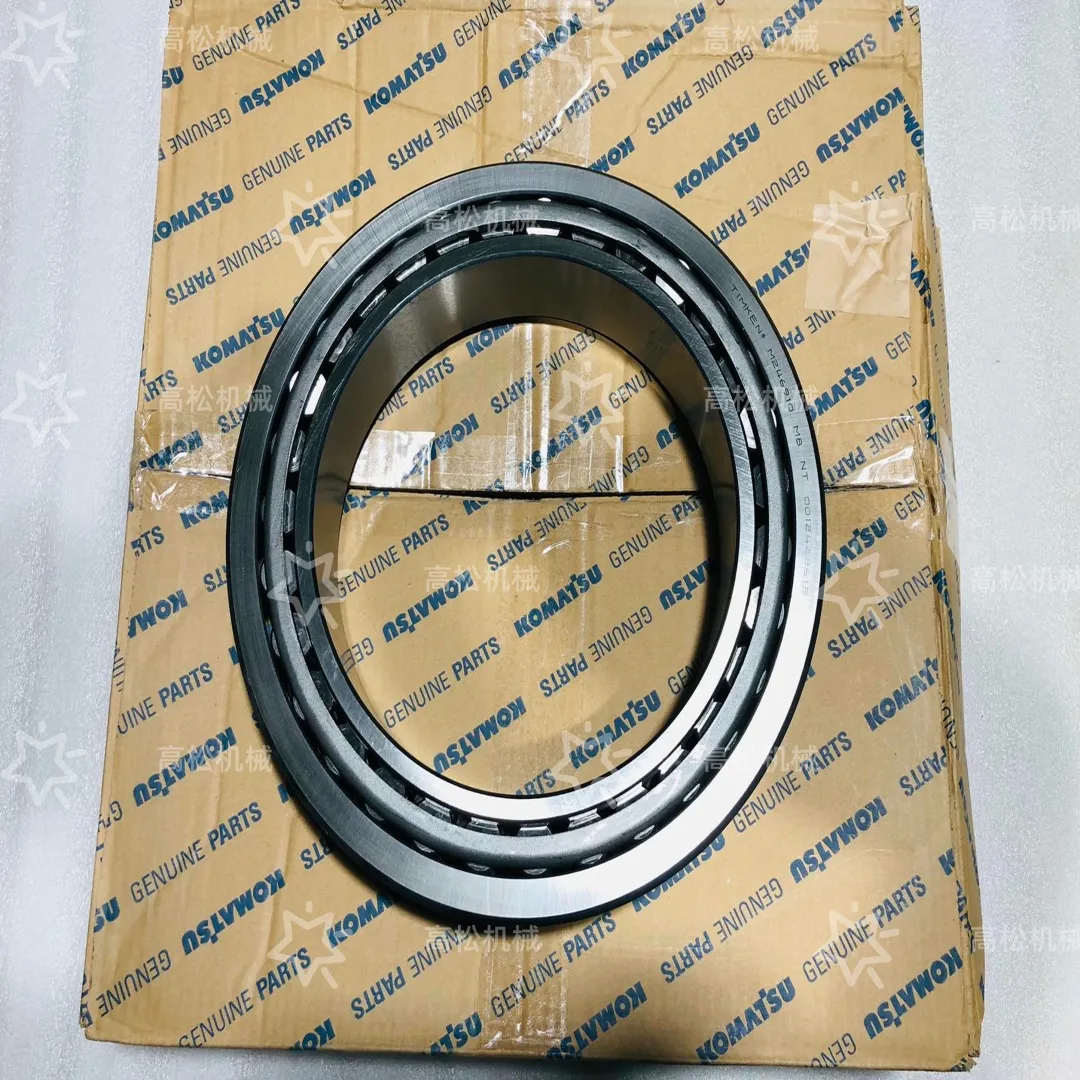 GL BEARING AS 17A-27-11331 Excavator Engine Loader Truck Bulldozer Grader Roller Spare Parts
 -
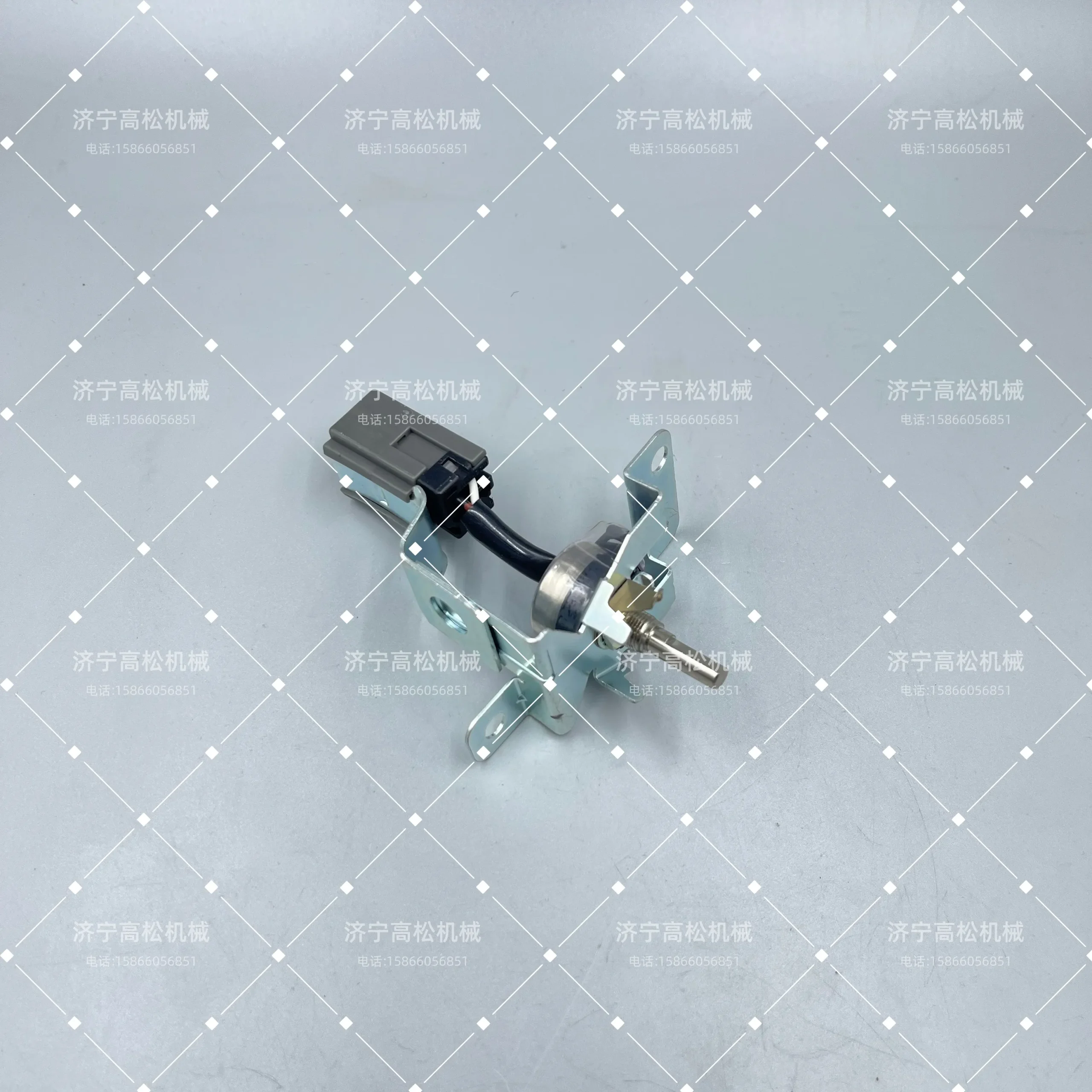 Komatsu PC200-7 PC200-8 Throttle Rotary Knob CAP 22U-06-22420
 -
 232-15-19220 – SEAL RIN
 -
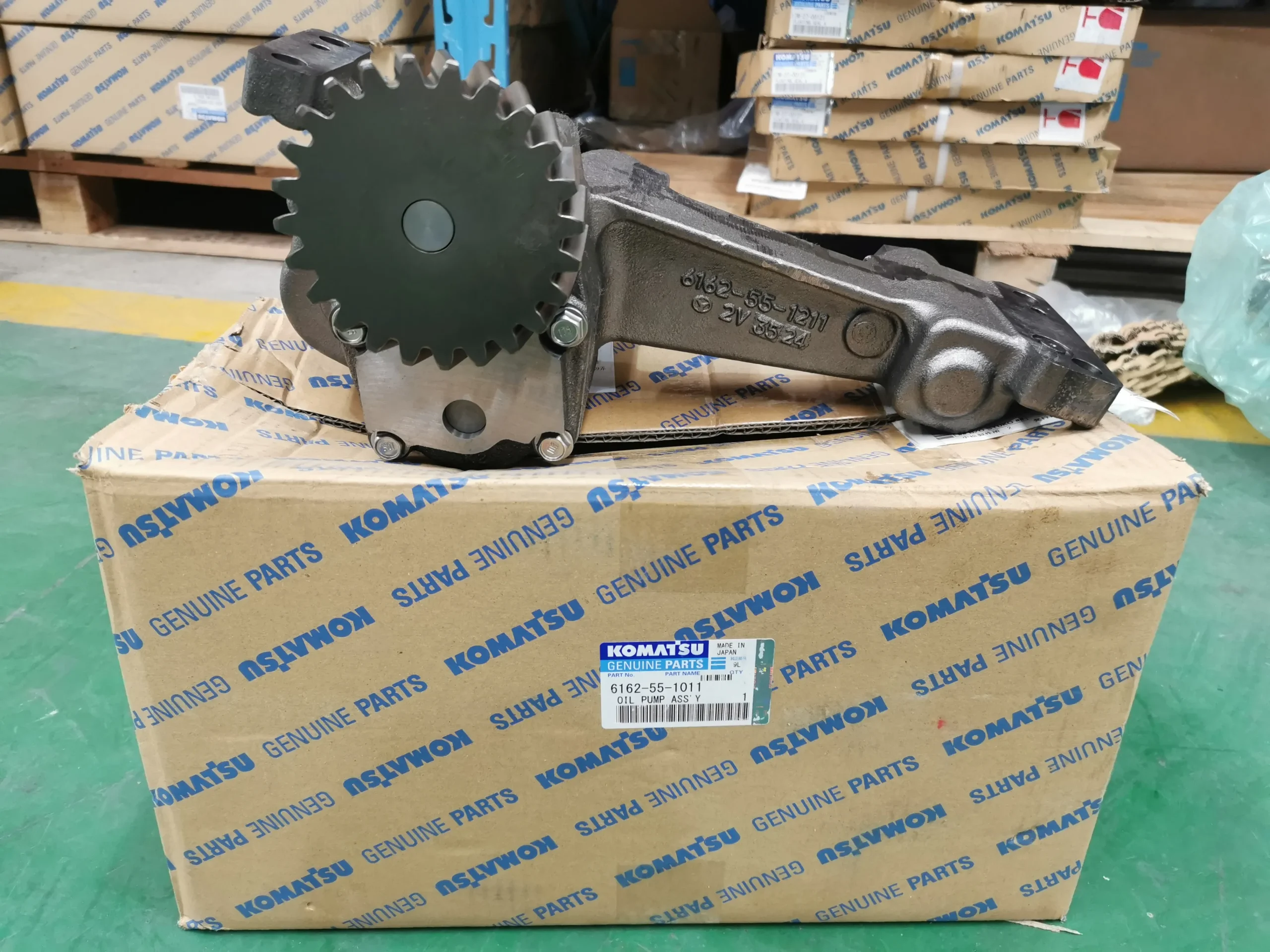 S6D170E-2A Oil Pump 6162-55-1011
 -
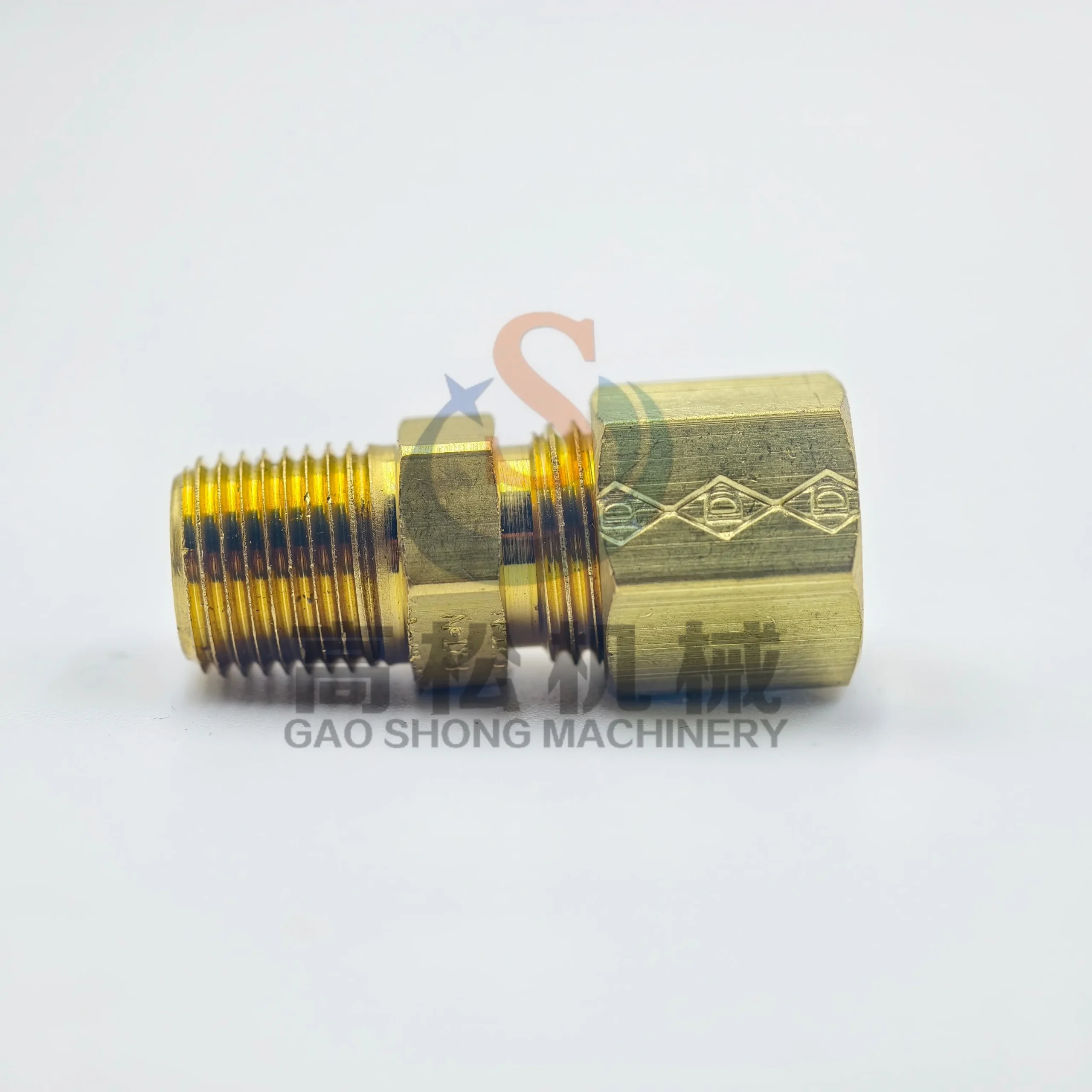 PC1250-8 Connector 21N-68-32320 For Auto Grease
 -
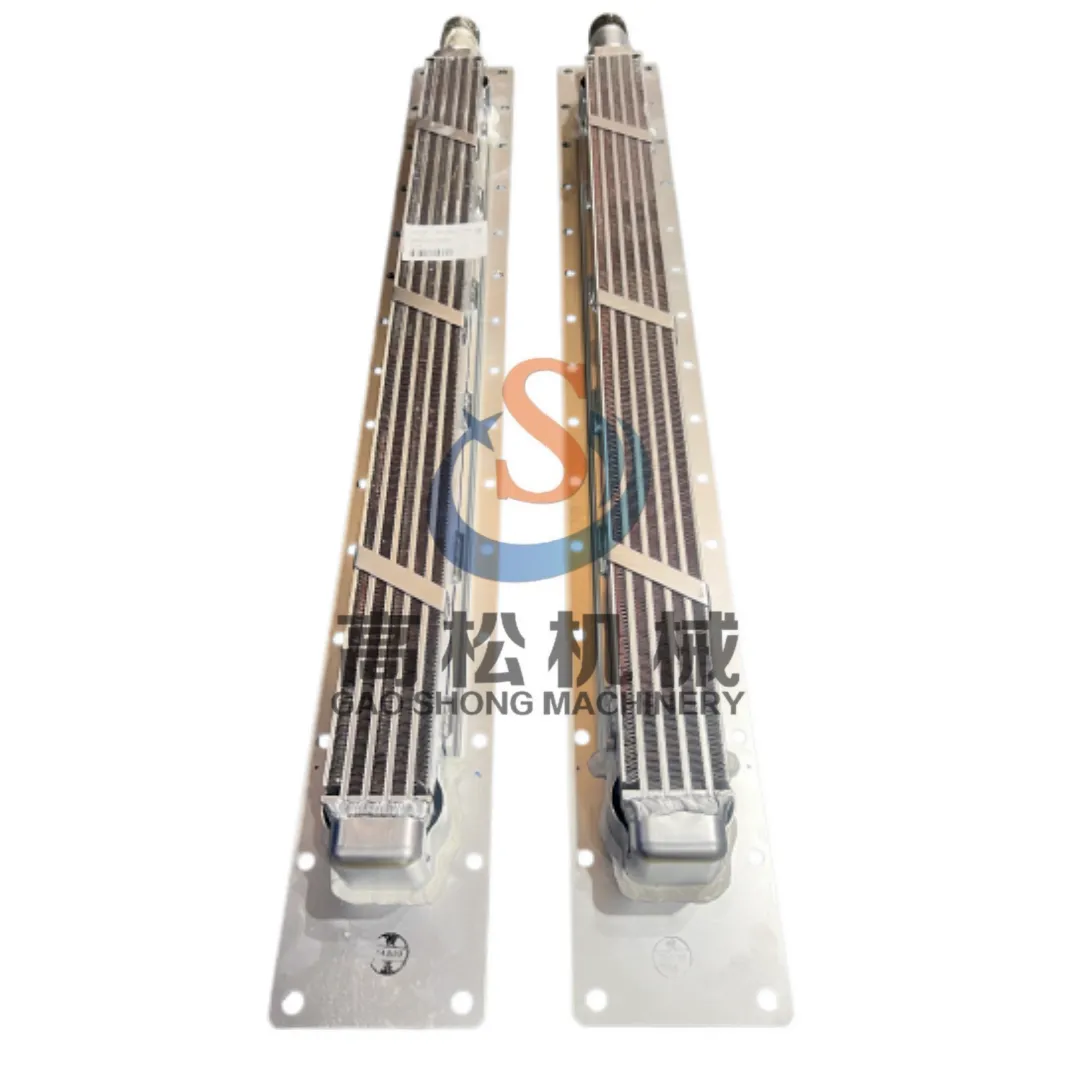 Original Stock Engine Parts Core 6212-61-6121 Is Suitable for Komatsu SA6D140-1 Engine – Image 2 Original Stock Engine Parts Core 6212-61-6121 Is Suitable for Komatsu SA6D140-1 Engine – Image 3 Original Stock Engine Parts Core 6212-61-6121 Is Suitable for Komatsu SA6D140-1 Engine – Image 4 Original Stock Engine Parts Core 6212-61-6121 Is Suitable for Komatsu SA6D140-1 Engine – Image 5 Original Stock Engine Parts Core 6212-61-6121 Is Suitable for Komatsu SA6D140-1 Engine – Image 6 Original Stock Engine Parts Core 6212-61-6121 Is Suitable for Komatsu SA6D140-1 Engine
Related Search
Related Search- komatsu pc200 7 hydraulic pump
- 427-22-42940
- OEM AND ORIGINAL KOMATSU WIRING HARNESS 195-06-48430
- OEM AND ORIGINAL KOMATSU BUSHING 21T-70-31250
- OEM AND ORIGINAL KOMATSU VALVE ASSY 723-40-71201
- Komatsu filter kit
- Komatsu light
- Komatsu excavator parts
- OEM AND ORIGINAL KOMATSU BRACKET 41E-70-15E20
- OEM AND ORIGINAL KOMATSU SUPPORT 427-46-12122