
- Chinese
- French
- German
- Portuguese
- Spanish
- Russian
- Japanese
- Korean
- Arabic
- Irish
- Greek
- Turkish
- Italian
- Danish
- Romanian
- Indonesian
- Czech
- Afrikaans
- Swedish
- Polish
- Basque
- Catalan
- Esperanto
- Hindi
- Lao
- Albanian
- Amharic
- Armenian
- Azerbaijani
- Belarusian
- Bengali
- Bosnian
- Bulgarian
- Cebuano
- Chichewa
- Corsican
- Croatian
- Dutch
- Estonian
- Filipino
- Finnish
- Frisian
- Galician
- Georgian
- Gujarati
- Haitian
- Hausa
- Hawaiian
- Hebrew
- Hmong
- Hungarian
- Icelandic
- Igbo
- Javanese
- Kannada
- Kazakh
- Khmer
- Kurdish
- Kyrgyz
- Latin
- Latvian
- Lithuanian
- Luxembou..
- Macedonian
- Malagasy
- Malay
- Malayalam
- Maltese
- Maori
- Marathi
- Mongolian
- Burmese
- Nepali
- Norwegian
- Pashto
- Persian
- Punjabi
- Serbian
- Sesotho
- Sinhala
- Slovak
- Slovenian
- Somali
- Samoan
- Scots Gaelic
- Shona
- Sindhi
- Sundanese
- Swahili
- Tajik
- Tamil
- Telugu
- Thai
- Ukrainian
- Urdu
- Uzbek
- Vietnamese
- Welsh
- Xhosa
- Yiddish
- Yoruba
- Zulu
- Kinyarwanda
- Tatar
- Oriya
- Turkmen
- Uyghur






Komatsu crankshaft
When you hear 'Komatsu crankshaft', the immediate thought is often just a forged steel component, a commodity defined by a part number like . That's the first mistake. In the real world of heavy equipment maintenance and parts supply, it's never that simple. It's the heart of the engine block, and its story involves metallurgy, counterfeits, supply chain gaps, and the practical judgment calls you make when a D375 dozer is down in a remote quarry and the 'official' channel says 12 weeks lead time. That's where the real conversation begins.
The Core Misconception: OEM vs. OEM-Quality
There's a pervasive belief that if it fits, it works. With a critical component like a crankshaft, that's a dangerous shortcut. A genuine Komatsu crankshaft isn't just machined to spec; its material grade, heat treatment process, and micro-polishing are engineered for the specific stress cycles of a Komatsu engine. I've seen so-called OEM-equivalent units fail prematurely, not from a catastrophic break, but from accelerated main bearing journal wear that contaminates the entire lube system. The failure mode is insidious and costly.
This is precisely the gap companies like Jining Gaosong Construction Machinery Co., Ltd. operate in. As an OEM product supplier within the Komatsu system, they aren't just another reseller. Their position is nuanced. They have access to genuine Komatsu production lines for certain components, which is different from buying from the open market. When they list a crankshaft for a PC360 or an HD785, it carries a different weight of provenance. You can check their portal at https://www.takematsumachinery.com to see this structure. Their parallel role as a third-party sales company isn't about bypassing Komatsu, but about solving the logistical deadlocks—especially in regions where the official distribution network is thin or backlogged.
The practical takeaway? Always verify the source's pedigree. Within the Komatsu system implies a formal supply agreement, adherence to quality audits, and traceability. For a crankshaft, that traceability back to the forging batch is what you're paying for. It's the difference between a 12,000-hour service life and a 7,000-hour teardown.
On-the-Ground Verification and Pitfalls
Let me describe a real scenario. We needed a crankshaft for a Komatsu SAA6D140E-3 engine in a Middle Eastern port project. The local Komatsu dealer quoted a 14-week delivery. The project couldn't wait. We turned to a third-party supplier claiming genuine stock. The part arrived, and on the surface, it looked perfect—proper Komatsu packaging, correct part number stamping. But the devil's in the details, literally.
Our lead mechanic, a guy with 30 years in the pit, noticed the finish on the oil passages. The chamfering was slightly more pronounced, less smooth than the one we pulled out. It was a tiny red flag. We then checked the magnetic particle inspection (MPI) marks—or rather, the lack of a specific, faint dye-penetrant trace mark near the counterweight 3 that genuine units from that era had. It was a superb counterfeit, likely a rejected forging that was finished in an unauthorized shop. We sent it back. This is where a supplier's reputation is everything. We eventually sourced through a channel like Gaosong's, which offered verifiable documentation of its origin from a Komatsu-affiliated forging partner. It took 3 weeks, not 14.
The lesson? Never skip the physical audit, even with paperwork. Cross-check subtle features against the failed original: the style of the part number engraving, the color of the preservation coating, the weight. A genuine Komatsu crankshaft will have a consistent, almost artistic quality to its machining. The radii transitions are flawless. A fake often has minute tooling marks or slightly different radii in non-critical areas, a sign of different machining protocols.
The Logistics & Remanufacturing Question
Another common fork in the road is the decision between new, genuine, and premium remanufactured. For crankshafts, I'm generally skeptical of remanufactured unless it's from a certified Komatsu reman program. The reason is grinding limits. A crank can only be reground so many times undersize before the case hardening is compromised. Many independent rebuilders will take a crank to the absolute limit of the spec, leaving no room for a future rebuild. A new unit from a trusted OEM supplier resets the clock.
Companies operating as third-party solvers, such as the one mentioned earlier, often have better visibility into global niche stock—like a new old-stock (NOS) crankshaft for a legacy Komatsu 92-series engine sitting in a warehouse in Singapore. Their value isn't just in moving boxes; it's in having the network intelligence to locate these parts and the credibility to guarantee they aren't shelf-worn or corroded. Their stated mission of helping to solve parts supply challenges in certain countries directly addresses this pain point. It's not marketing fluff; it's the daily reality of keeping fleets running in Africa, South America, or parts of Asia where the dealer network is sparse.
Technical Deep Dive: Where Failures Actually Happen
Moving past sourcing, let's talk about why these things fail. It's rarely a clean snap. In my observation, 70% of Komatsu crankshaft removals are due to journal surface degradation. The primary culprit is contaminated oil, but a secondary, often overlooked cause is improper bearing clearance during a previous overhaul. Too tight, and you starve the journal of oil, causing overheating and micro-welding. Too loose, and you get excessive oil throw-off and pounding, which over time fatigues the journal fillet area—the highest stress point.
Another subtle point is the crankshaft gear or damper mounting flange. I recall a case on a Komatsu SDA6D140 where a failed harmonic balancer led to a hairline crack propagating from the keyway on the crank nose. The replacement crank we sourced had a slightly different keyway tolerance. We had to selectively fit the new damper, using a gauging paste. It added half a day to the job. These are the unglamorous details that parts catalogs don't tell you. A supplier who understands this will sometimes provide these technical bulletins or known fitment notes, which is gold.
This is where the OEM system background matters. A supplier entrenched in that system is more likely to be aware of these service bulletins or engineering changes (ECs) that affect interchangeability. Part number might be superseded by A with a hardened flange, but the old number might still be in circulation. Knowing which one you're getting is critical.
Synthesis: A Pragmatic Sourcing Strategy
So, what's the playbook? First, exhaust the official channel and get their lead time. For critical-path equipment, that's your baseline. If the timeline is untenable, then you engage with specialized third-party suppliers who have systemic links to Komatsu. Scrutinize their claims. OEM supplier within the system is a key phrase to listen for—ask them what it means for their crankshaft inventory. Can they provide mill certificates for the forging? Can they trace it to a Komatsu-approved foundry?
Second, budget for the genuine part. The upfront cost is high, but the total cost of ownership, when you factor in avoided downtime and collateral engine damage from a failure, is almost always lower. The role of companies like Jining Gaosong is to make that genuine part accessible within a realistic timeframe, not just to offer a cheaper alternative.
Finally, build a relationship with a technical contact, not just a salesperson. When you call about a Komatsu crankshaft, you want to talk to someone who might ask, Is this for the machine with the updated ECM? There's a different balancer part number for that serial number range. That level of detail signals a partner who gets their hands dirty in the same world you do. It turns a transaction into a solution, which, in the end, is what keeping these machines running is all about.
Related Products
Related Products
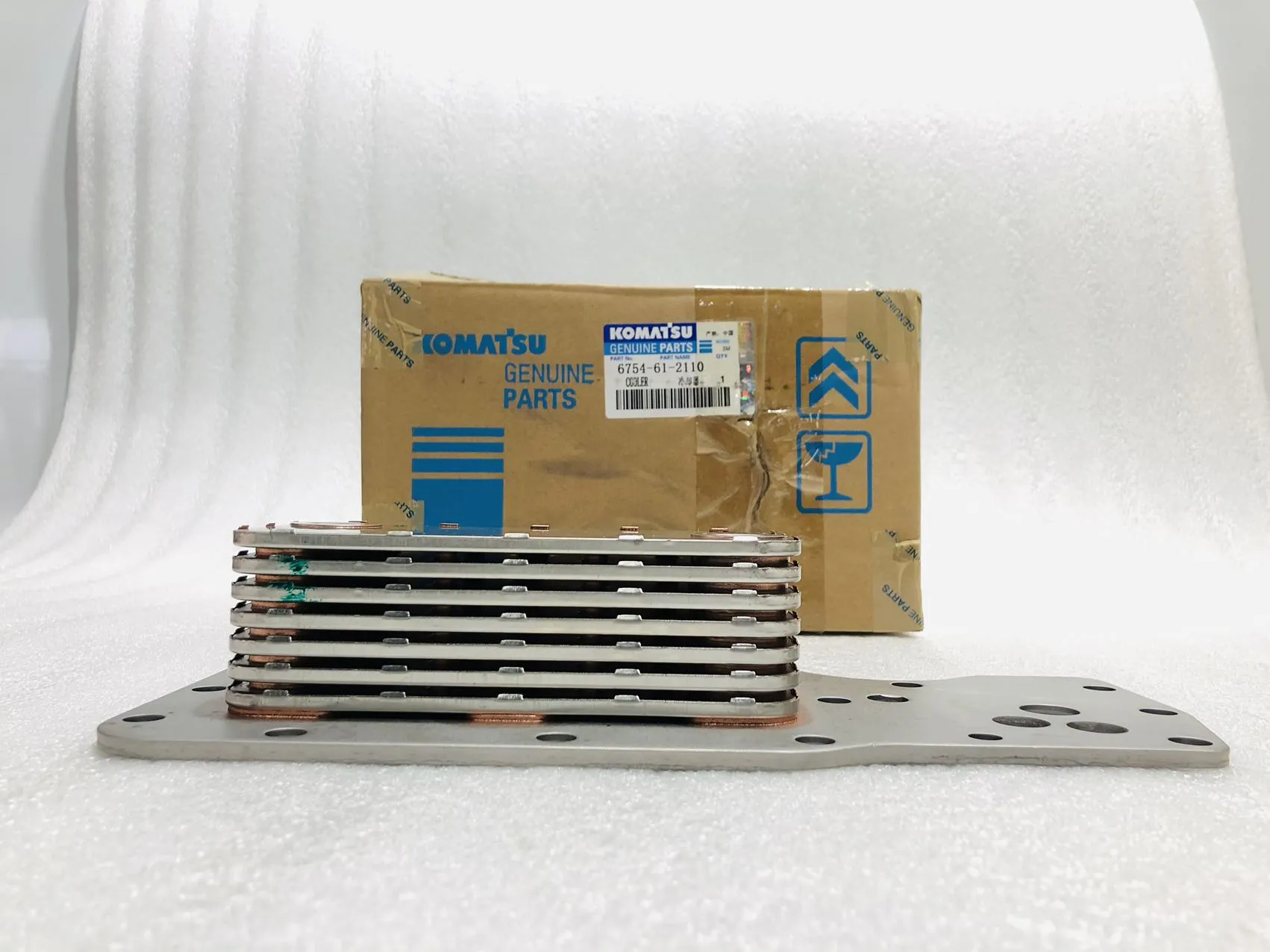
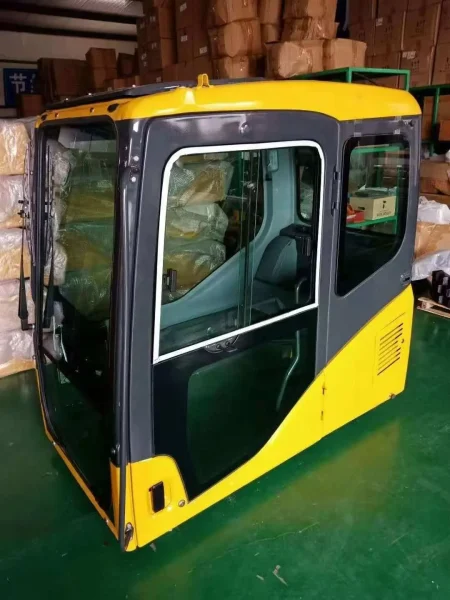
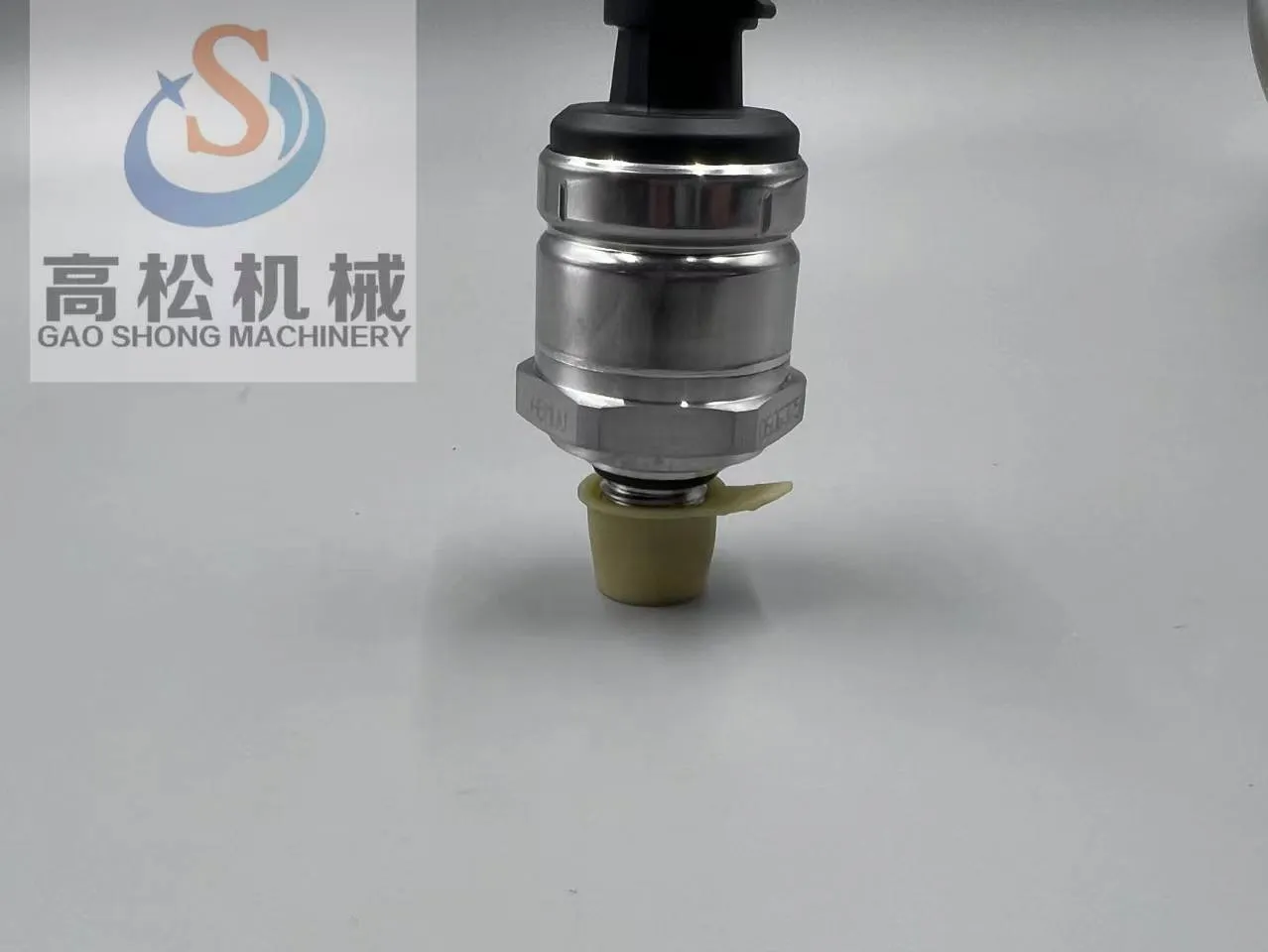
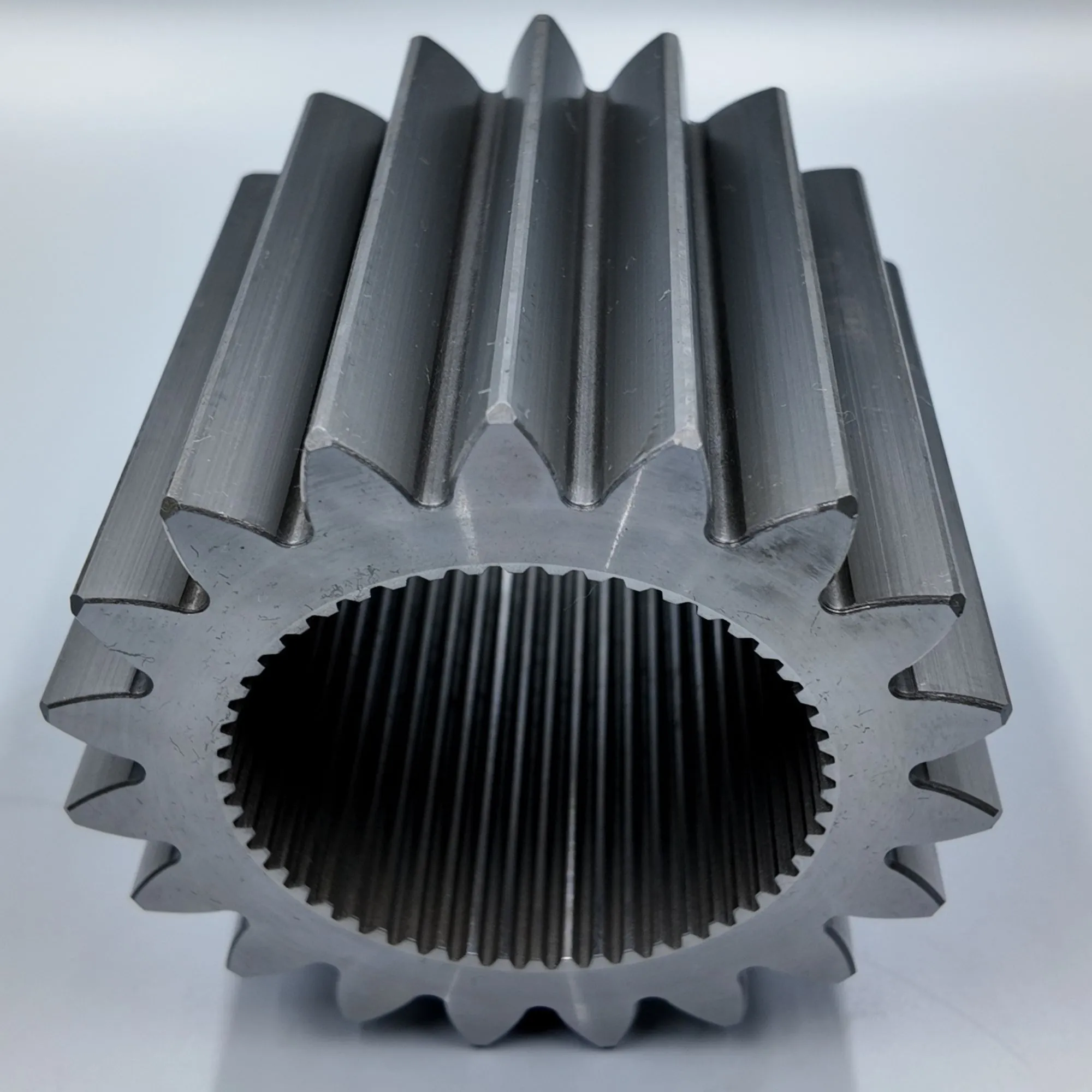

Best Selling Products
Best Selling Products-
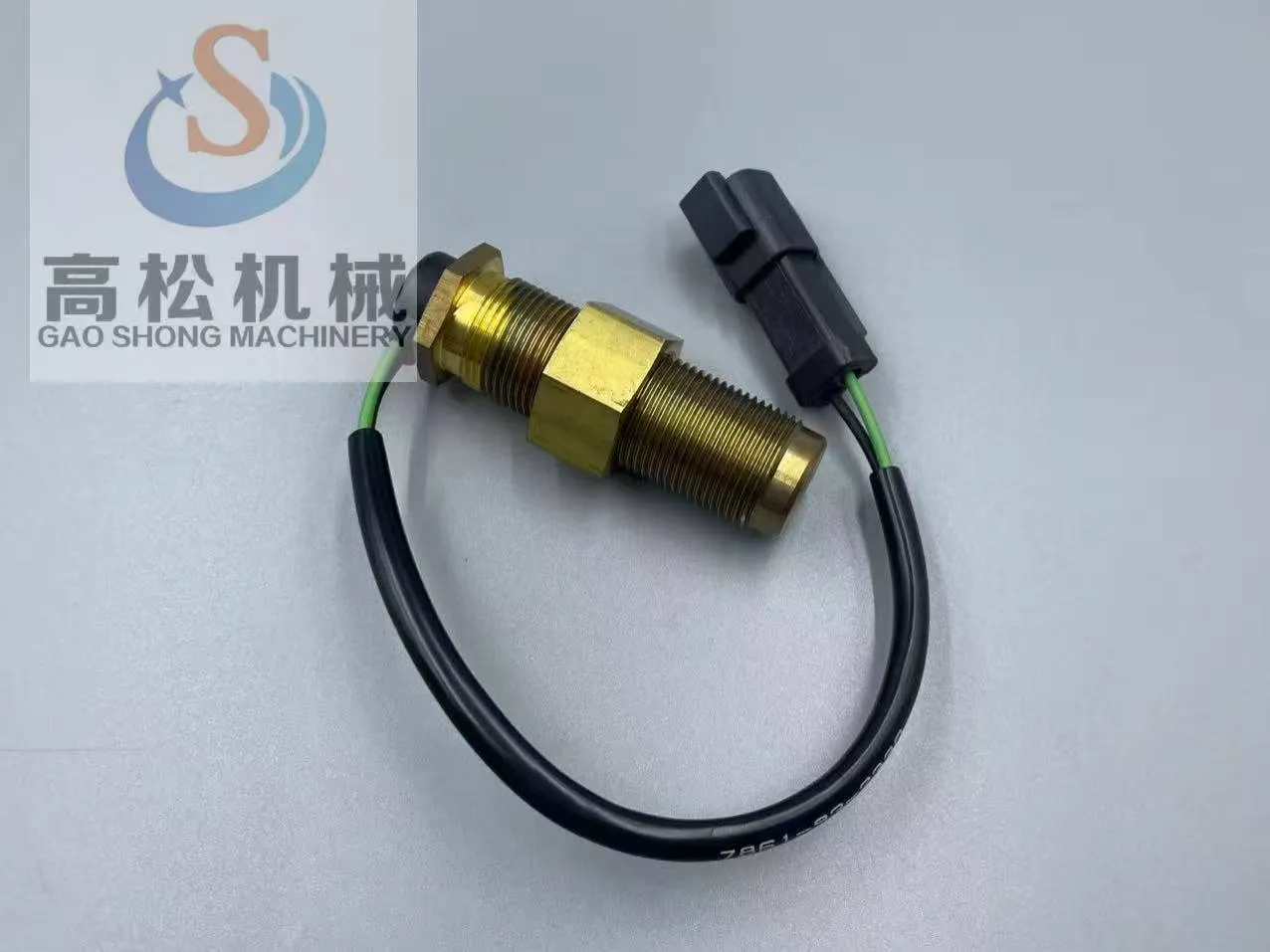 PC130-7 PC300-7 Engine Speed Sensor 7861-93-2330
 -
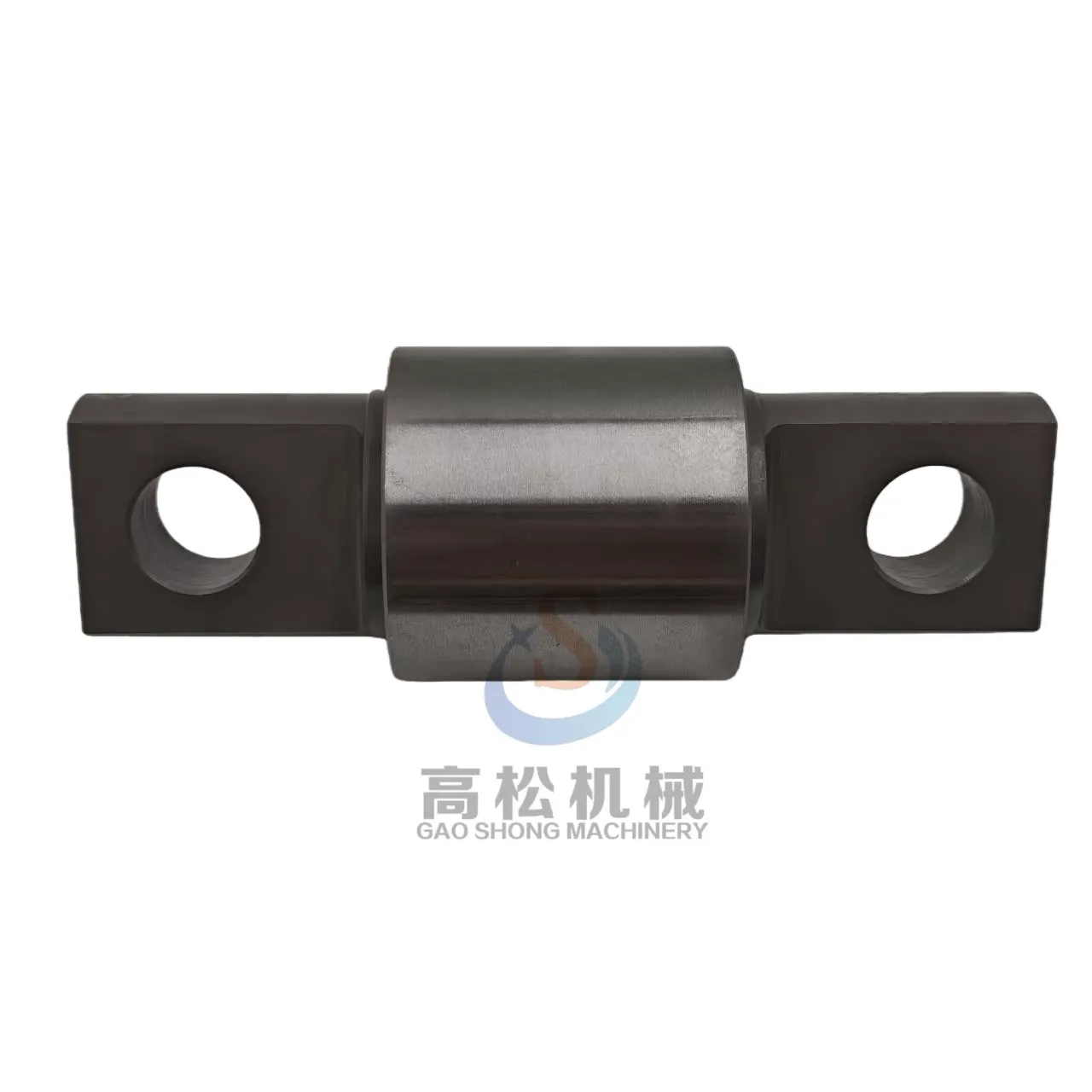 56B-16-11211 CUSHION HM350-2 HM350-2R HM400-3R HM400-2 HM400-1 FRONT DIFFERENTIAL MOUNTING
 -
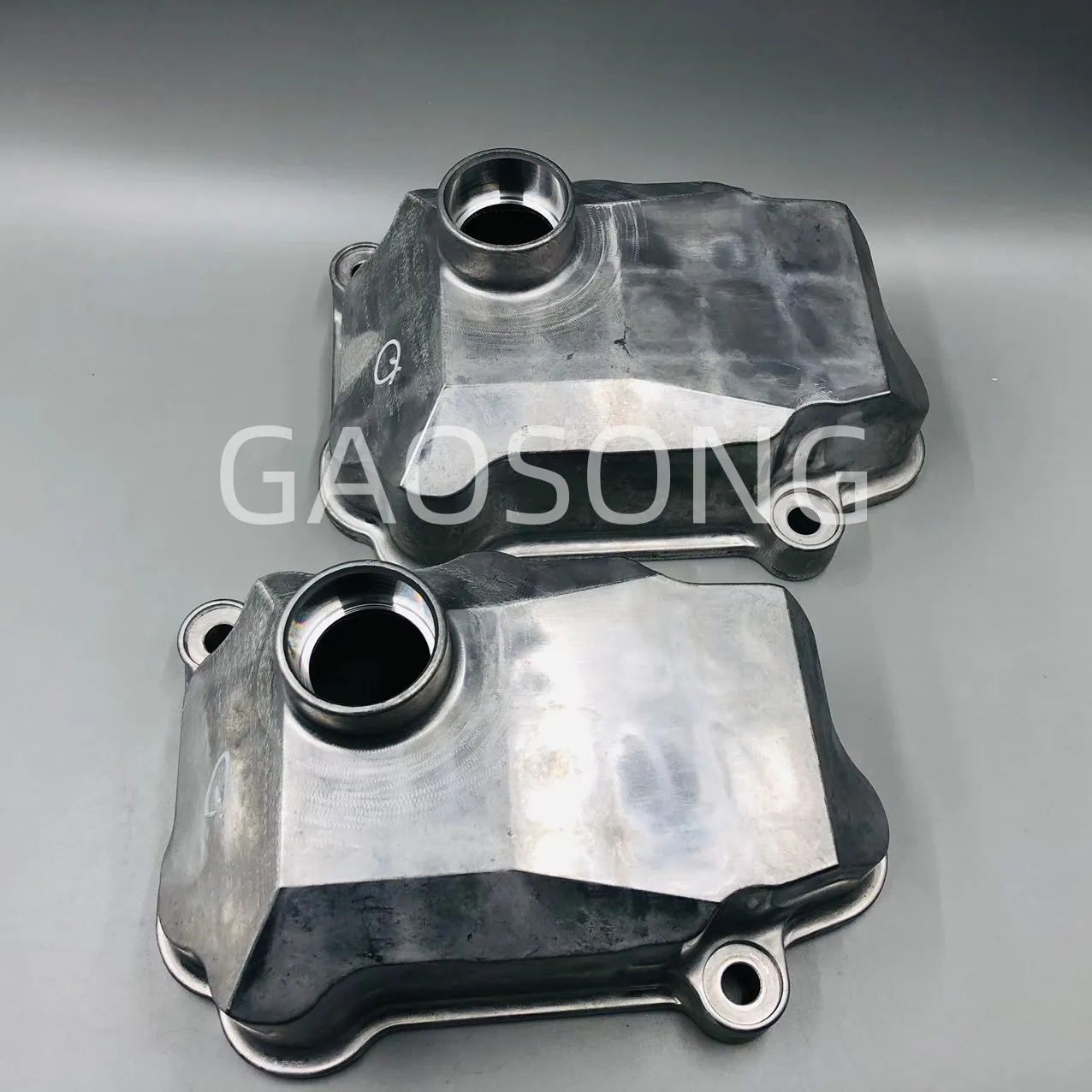 6251-11-8150 COVER, ROCKER ARM HOUSING-Komatsu Original Factory
 -
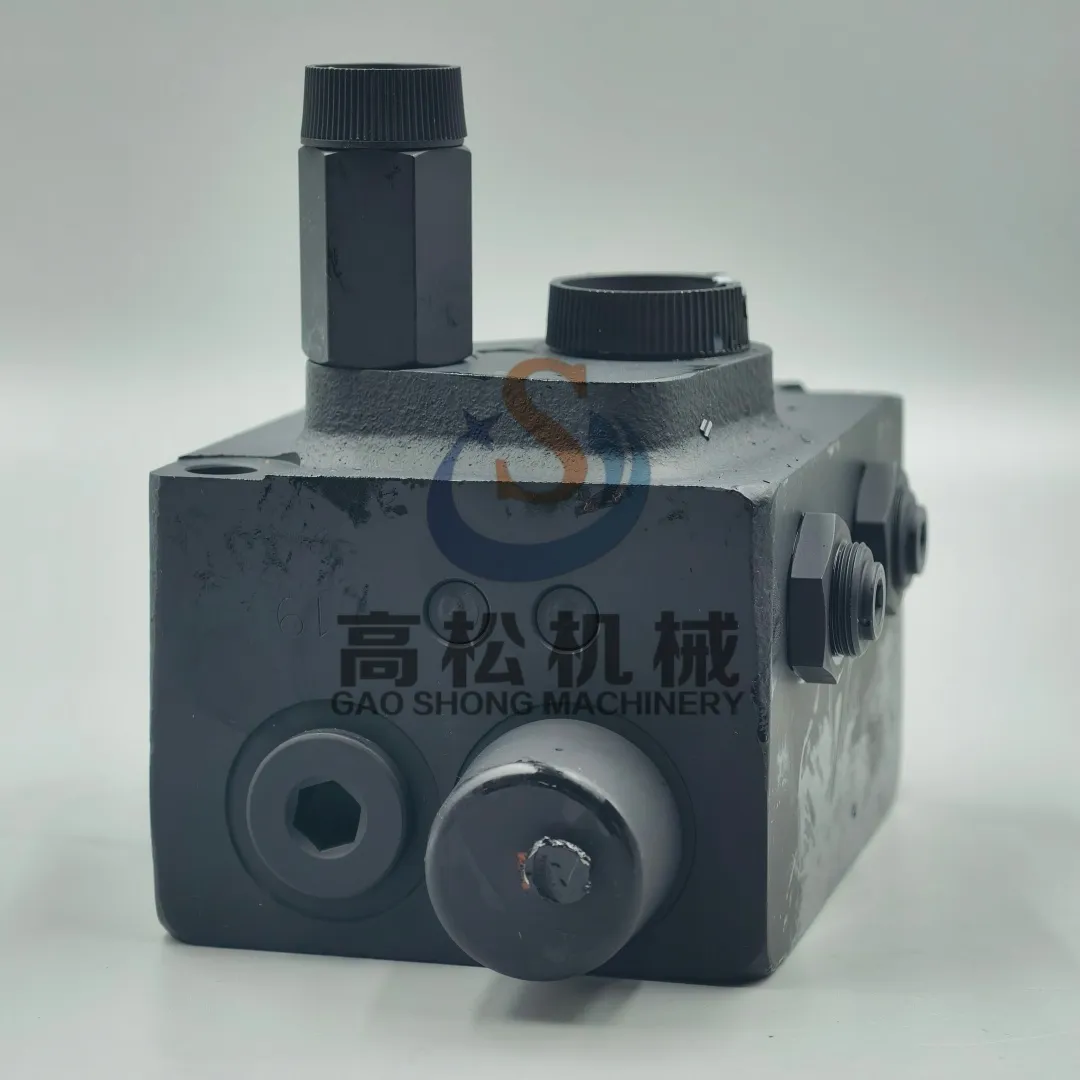 419-43-27401WA320-3 Loader Parts Charge Valve 419-43-27401
 -
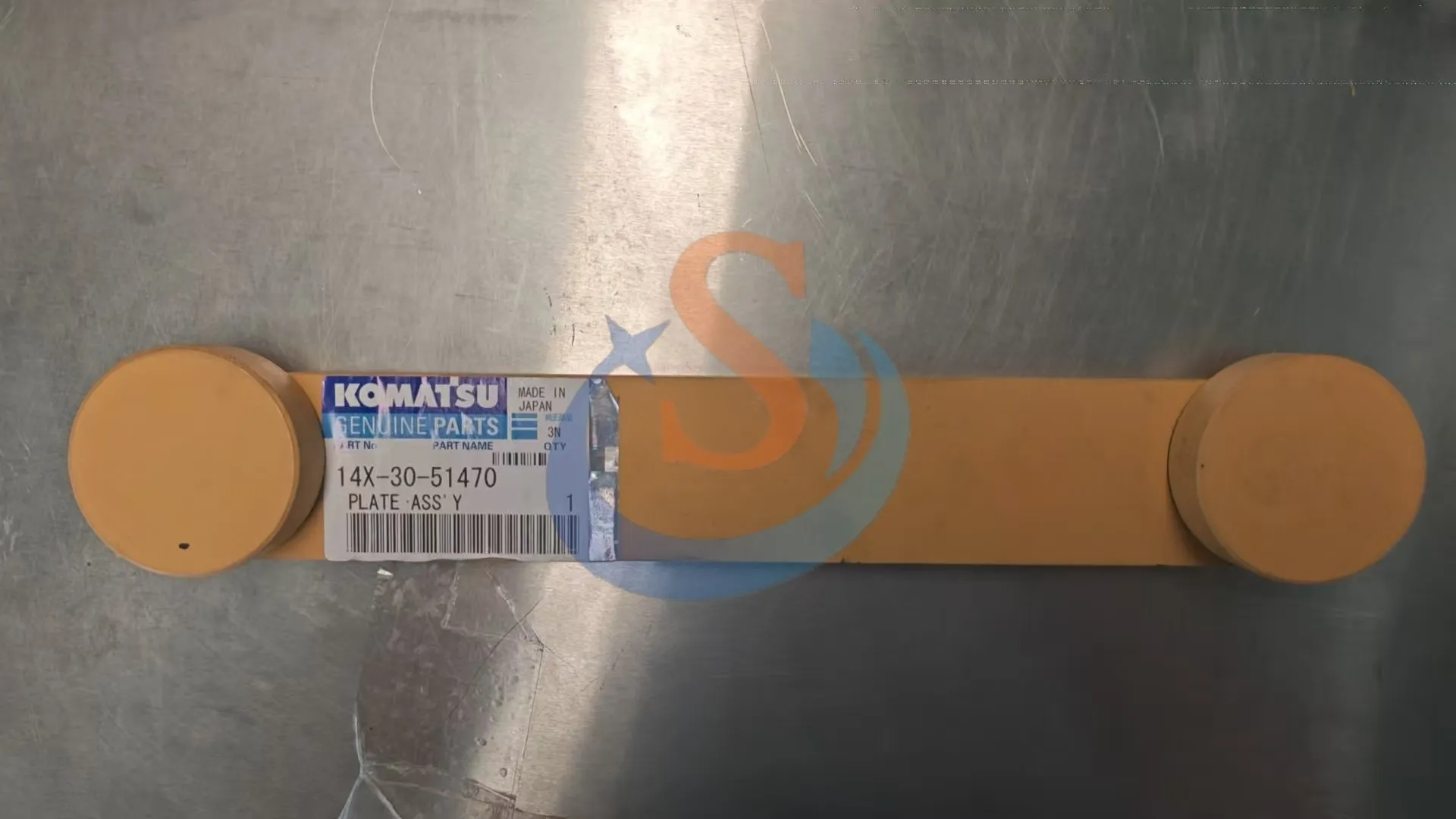 14X-30-51470,PLATE ASS’Y,D65EX,D65PX,D65WX
 -
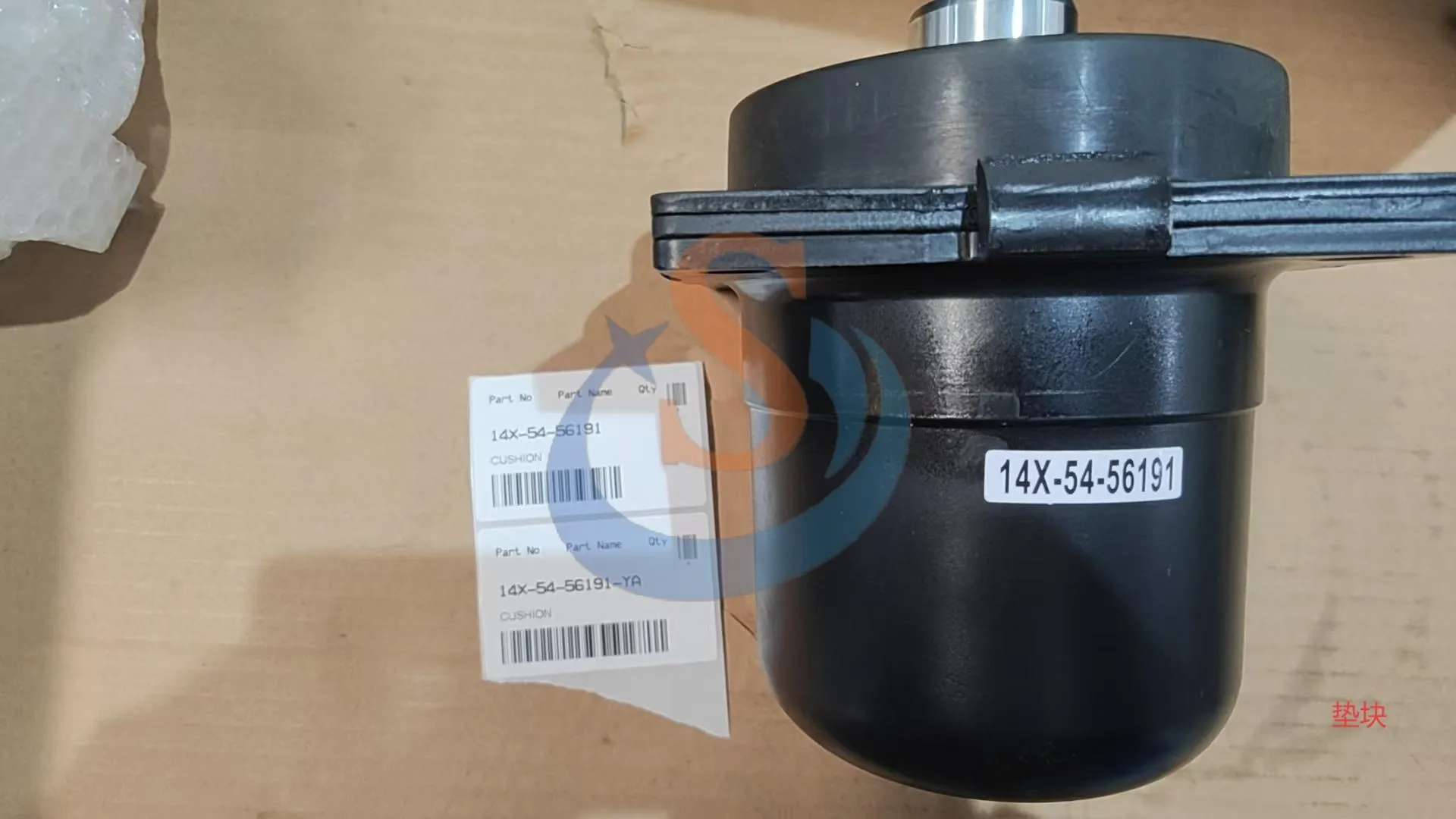 14X-54-56191,Cushion,D65PX,D65WX,D85EX
 -
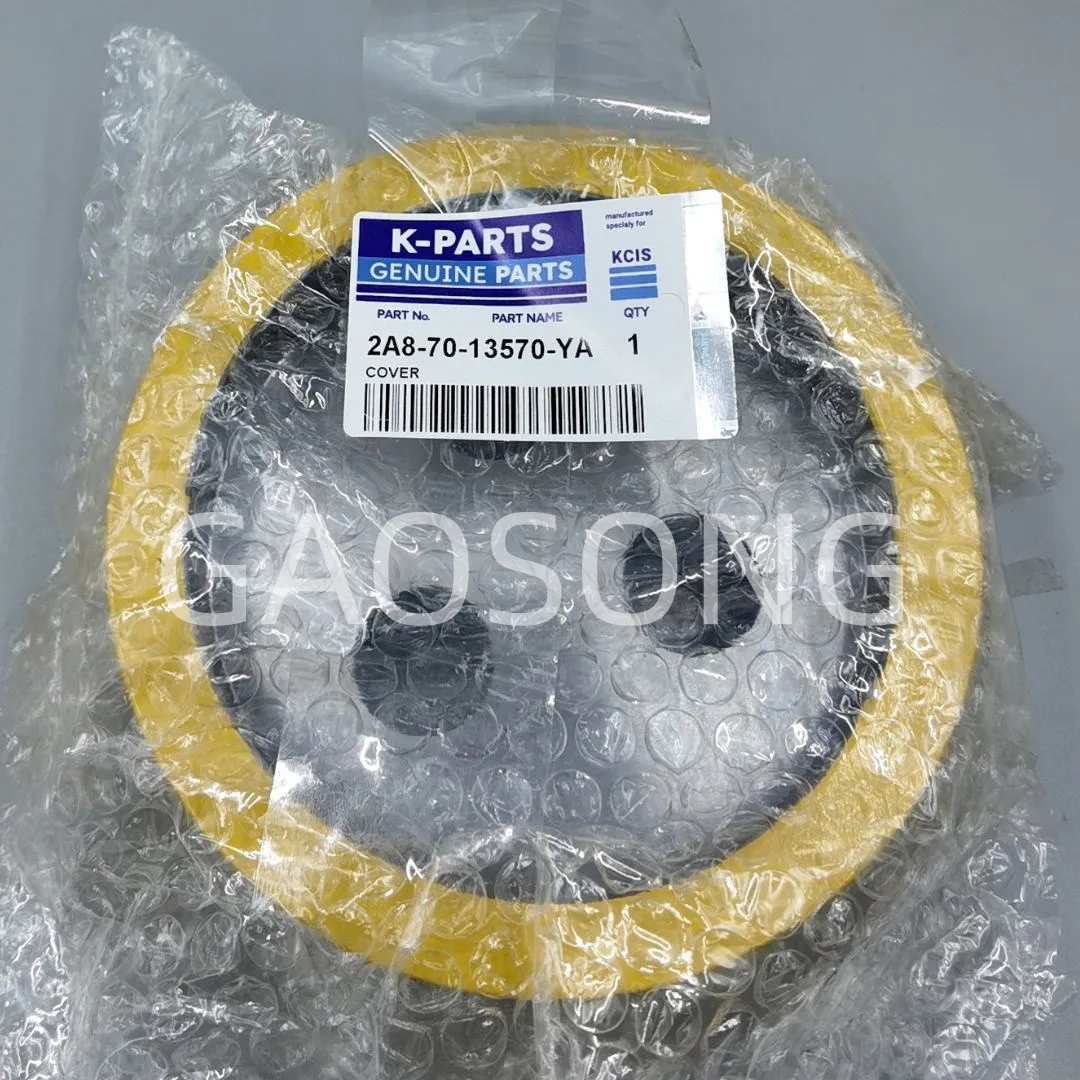 2A8-70-13570 Cover-Komatsu Original Factory
 -
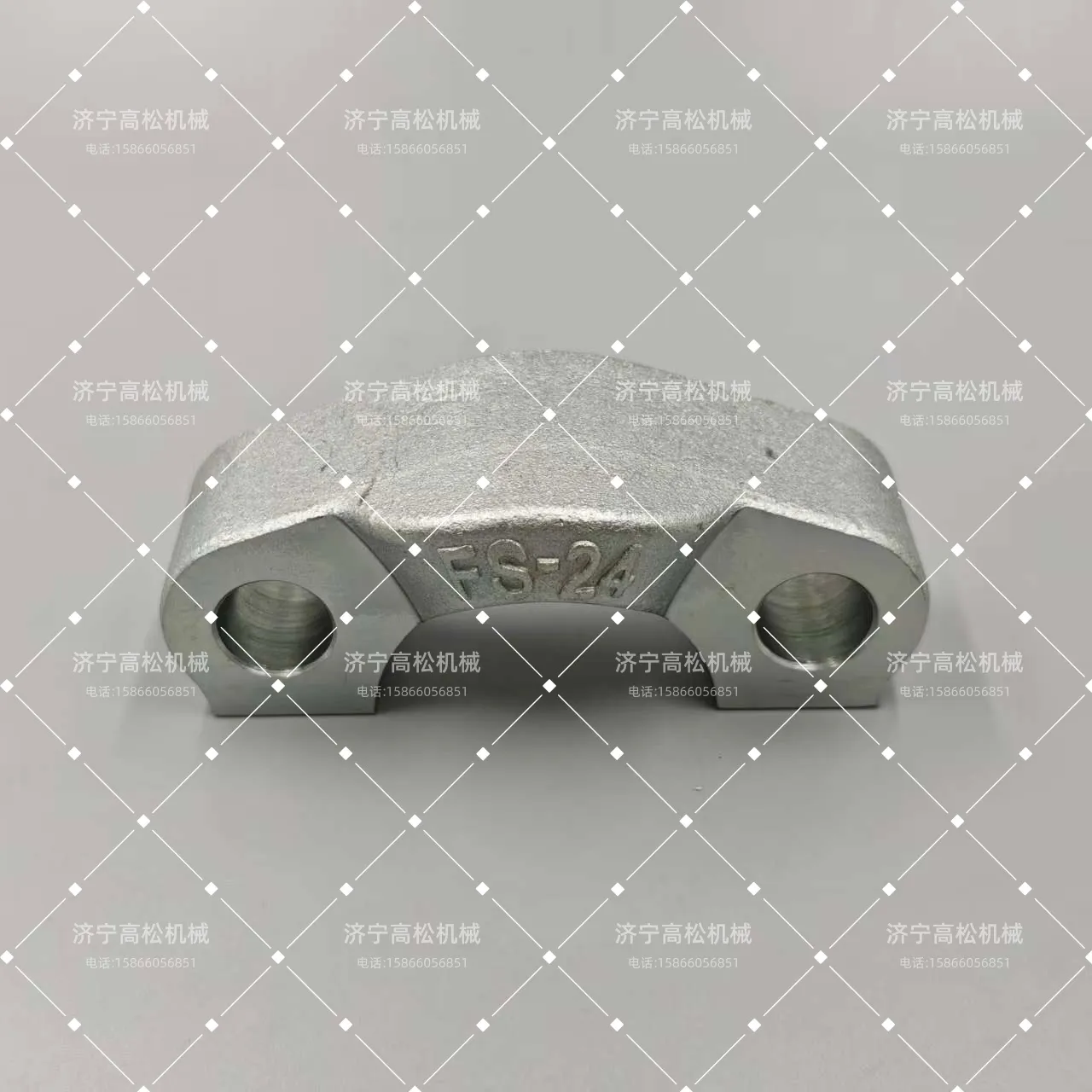 FLANGE 07371-51470 – KOMATSU Part catalog
 -
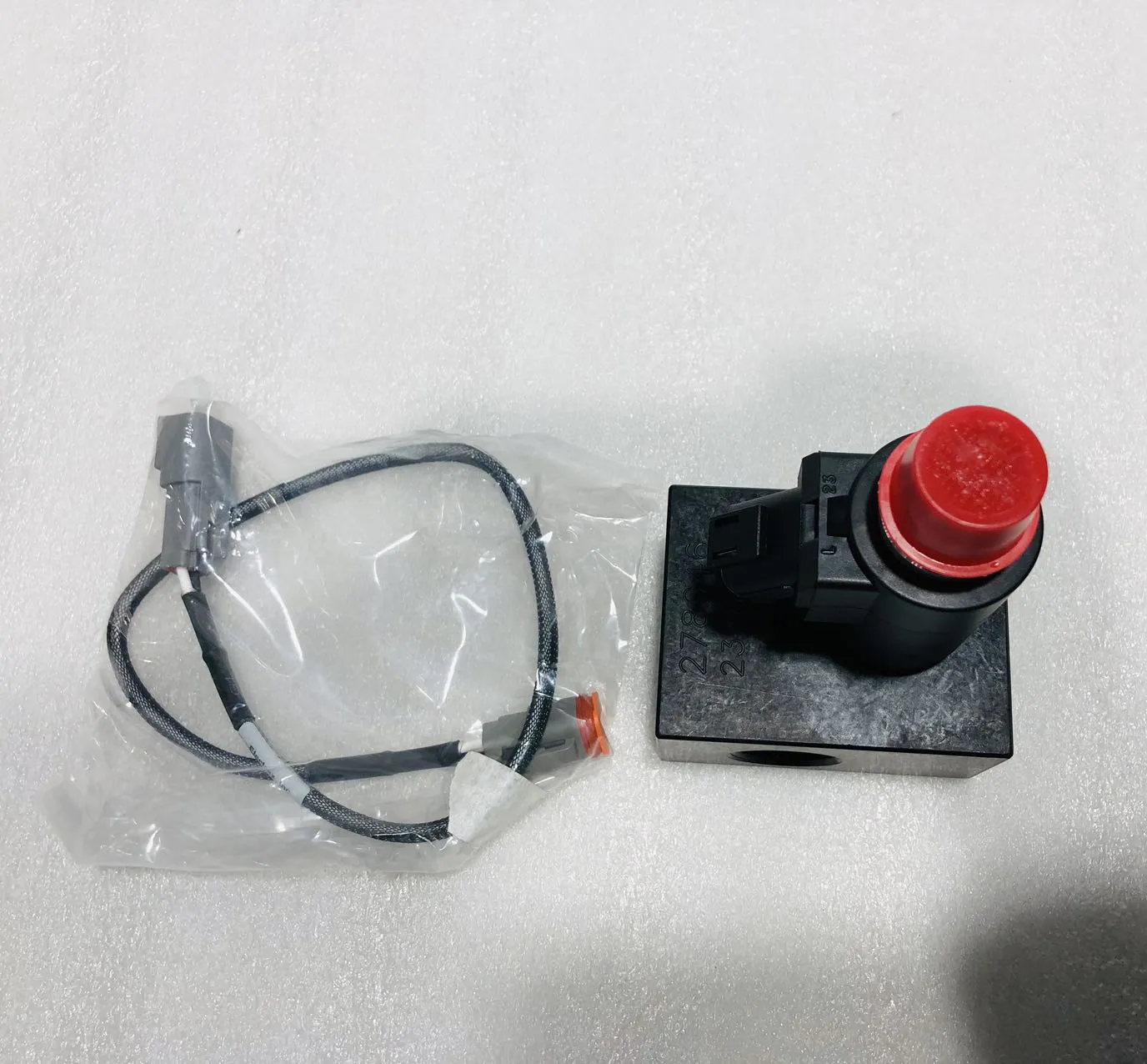 Komatsu 561-95-8A540 VALVE… — Pricing.Parts
 -
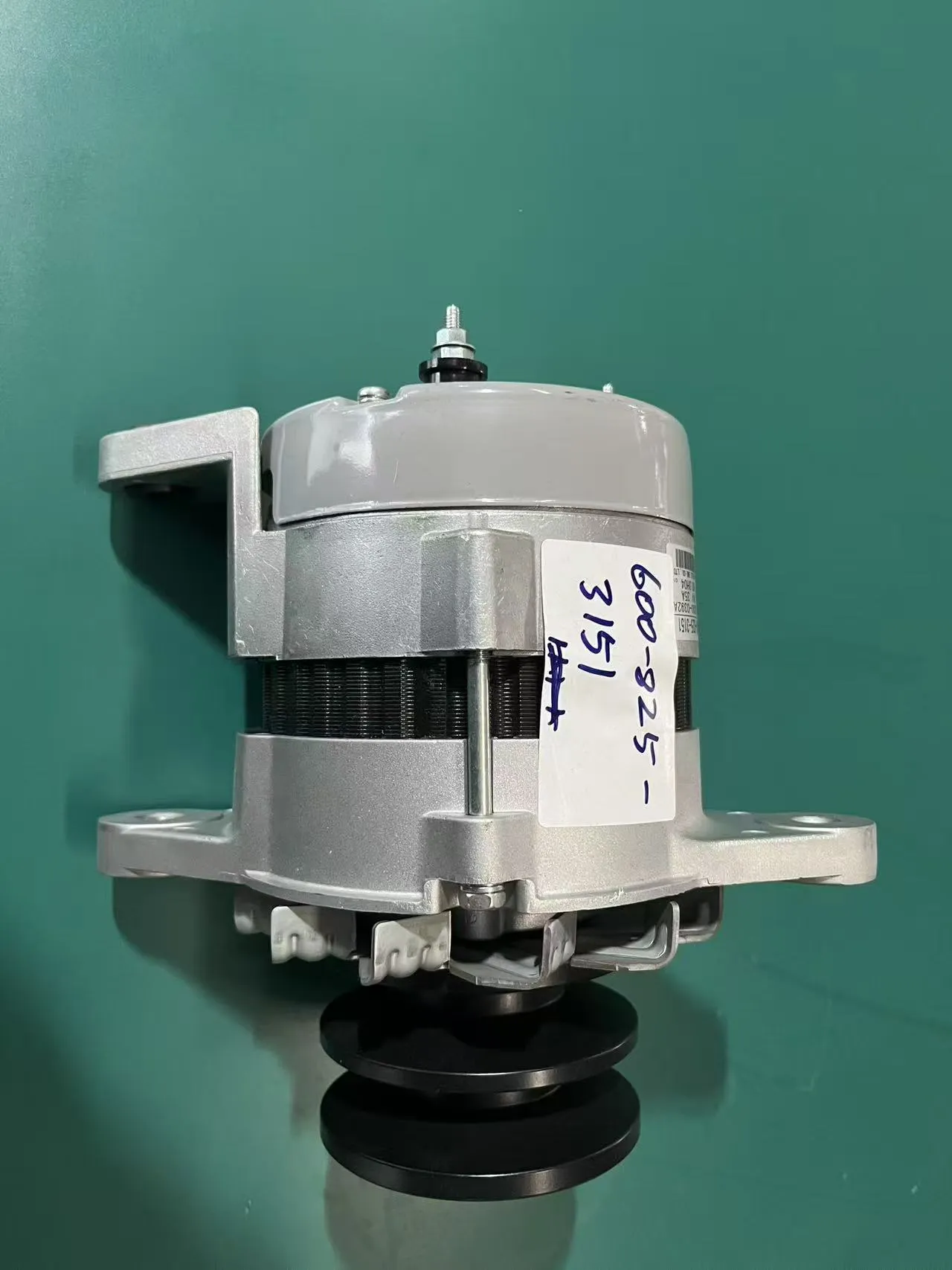 600-825-3151 komatsu:alternator
 -
 Komatsu GD405A-3 6D125E engine original factory engineering parts Indicator 08672-01000
 -
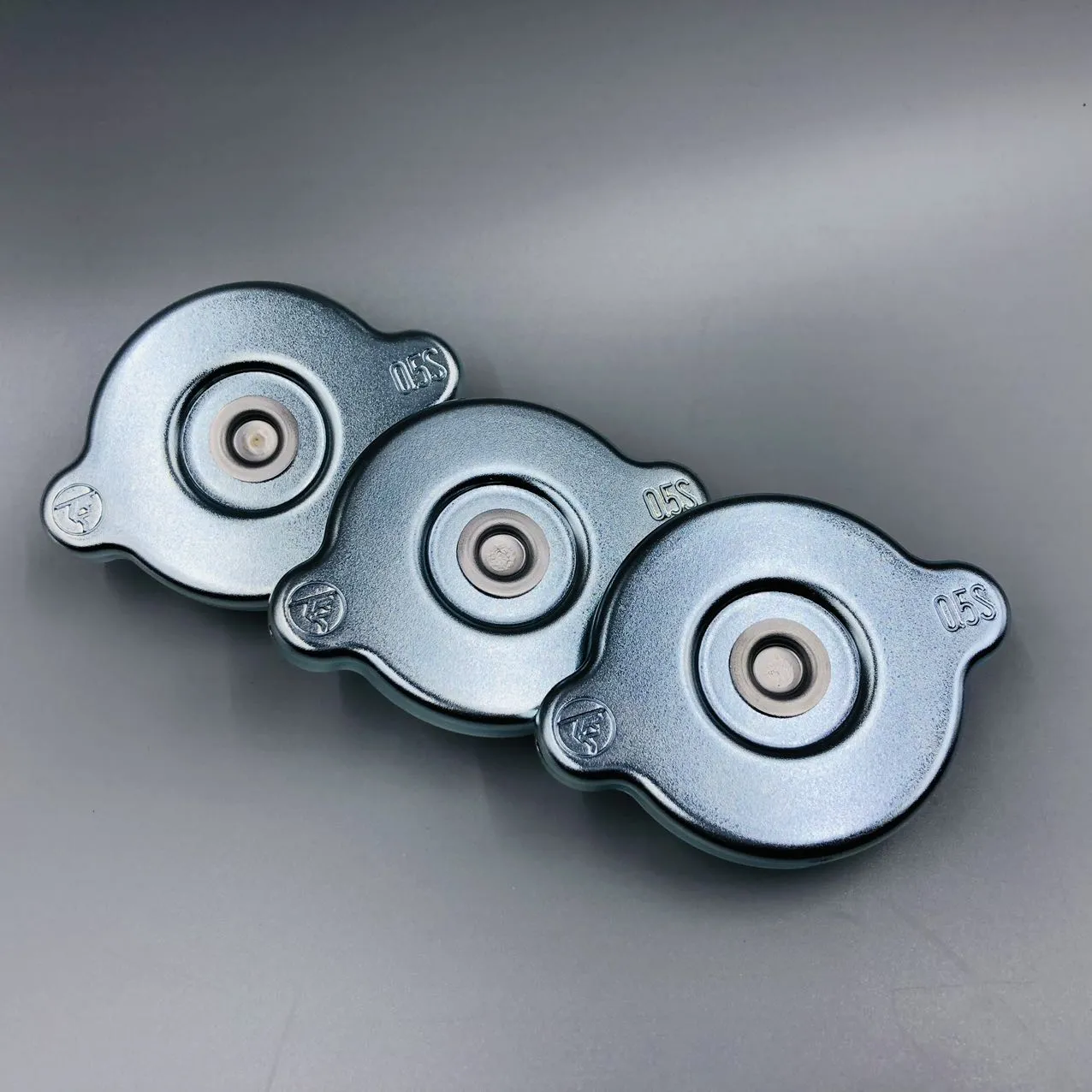 Water Tank Radiator Cap 20Y-03-22110 for Komatsu PC130-8 PC200-8 PC220-8 PC300-8 PC400-8