
- Chinese
- French
- German
- Portuguese
- Spanish
- Russian
- Japanese
- Korean
- Arabic
- Irish
- Greek
- Turkish
- Italian
- Danish
- Romanian
- Indonesian
- Czech
- Afrikaans
- Swedish
- Polish
- Basque
- Catalan
- Esperanto
- Hindi
- Lao
- Albanian
- Amharic
- Armenian
- Azerbaijani
- Belarusian
- Bengali
- Bosnian
- Bulgarian
- Cebuano
- Chichewa
- Corsican
- Croatian
- Dutch
- Estonian
- Filipino
- Finnish
- Frisian
- Galician
- Georgian
- Gujarati
- Haitian
- Hausa
- Hawaiian
- Hebrew
- Hmong
- Hungarian
- Icelandic
- Igbo
- Javanese
- Kannada
- Kazakh
- Khmer
- Kurdish
- Kyrgyz
- Latin
- Latvian
- Lithuanian
- Luxembou..
- Macedonian
- Malagasy
- Malay
- Malayalam
- Maltese
- Maori
- Marathi
- Mongolian
- Burmese
- Nepali
- Norwegian
- Pashto
- Persian
- Punjabi
- Serbian
- Sesotho
- Sinhala
- Slovak
- Slovenian
- Somali
- Samoan
- Scots Gaelic
- Shona
- Sindhi
- Sundanese
- Swahili
- Tajik
- Tamil
- Telugu
- Thai
- Ukrainian
- Urdu
- Uzbek
- Vietnamese
- Welsh
- Xhosa
- Yiddish
- Yoruba
- Zulu
- Kinyarwanda
- Tatar
- Oriya
- Turkmen
- Uyghur






Komatsu coupler
When most people hear 'Komatsu coupler', they think of that iconic orange hook system on an excavator. But if you've been in the field long enough, you know it's a whole ecosystem—and the gap between the genuine article and what gets sold as 'compatible' is where the real headaches, and sometimes opportunities, lie. A lot of folks just see a mechanical interface, but the real story is in the supply chain, the tolerances, and the aftermarket dance that keeps machines running when official channels are slow or non-existent.
The OEM Reality and the Aftermarket Gap
Officially, a Komatsu coupler is a precision-forged piece of kit. It's not just about strength; it's about the geometry that matches the hydraulic circuit and the locking mechanism of the specific machine generation. We learned this the hard way on a site in West Africa about five years back. We had a PC300-8 with a failing coupler. The local dealer's lead time was 12 weeks—unacceptable for an active mining operation. We tried a 'high-quality' third-party part from a reputable European manufacturer. It fit, sort of. But the pin bore tolerance was off by maybe half a millimeter. The result? Excessive wear on the adapter bracket within 80 hours, and a noticeable lag in the hydraulic response when switching tools. The machine could still work, but it was bleeding efficiency and risking more costly damage downstream.
That experience is precisely the niche companies like Jining Gaosong Construction Machinery operate in. They position themselves as an OEM product supplier within the Komatsu system. This phrasing is key. It doesn't always mean they forge the couplers in the same factory as Komatsu, but it often implies they produce to the original technical drawings and material specs, sometimes even on the same production lines, but for the aftermarket channel. Their value proposition is cutting that 12-week lead time down to maybe 2, without sacrificing the fit and function. Their website, takematsumachinery.com, frames their role clearly: solving parts supply challenges in certain countries. That's a diplomatic way of saying they cover regions where Komatsu's primary distribution is thin or where price sensitivity pushes customers to look beyond the dealer network.
The nuance here is in the 'third-party sales' status. They can offer the genuine part when available, but more often, they're providing an OEM-equivalent. The trust factor comes from their stated integration within the Komatsu system. It suggests a level of oversight and access to specifications that a random machine shop in another country wouldn't have. For a site manager, that's the difference between a gamble and a calculated risk.
Hydraulic Compatibility: The Silent Deal-Breaker
Beyond the pins and bushings, the real magic—and point of failure—of a Komatsu coupler is in the hydraulics. Each series, from the dash-7 to the dash-11 machines, has subtle differences in pilot pressure and flow rates for the locking mechanism. A coupler that's mechanically identical can still fail if its internal valving isn't matched. I recall a contractor who sourced a coupler for an older PC360-7. The mechanical fit was perfect, but the locking pins wouldn't fully engage under load. After days of troubleshooting, we found the issue: the replacement coupler's solenoid valve was designed for a higher pilot pressure than the older machine's circuit could provide. The solution wasn't in the coupler manual; it required splicing in a pressure reducer. Companies that understand this, like the one mentioned, don't just sell a hunk of metal. They need to provide the compatibility data—This unit is for PC300/350-8 models, not compatible with -7 due to hydraulic circuit differences. That level of detail is what separates a parts seller from a solutions provider.
This is where the practical knowledge of a supplier gets tested. A good technical salesperson from such a company won't just ask for your machine model. They'll ask for the serial number prefix or the year, and they might quiz you on whether you've had any modifications to the auxiliary hydraulic circuit. If they don't ask these questions, be wary. The coupler is the gateway to your entire attachment fleet; a mismatch here cripples productivity.
We've moved to almost exclusively requesting units that come with the full test reports—material certification, pressure cycle tests on the locking cylinders, and a dimensional inspection report. It adds cost, but it eliminates days of downtime. The suppliers who can provide that seamlessly, often by leveraging their OEM-level production protocols, become invaluable partners on complex projects.
The Adapter Plate Ecosystem
You can't talk about couplers without diving into the adapter plates. This is another area rife with confusion. A Komatsu coupler is typically welded to an adapter that's specific to the machine's stick. The aftermarket often sells these as a package. The quality of that weld and the steel grade of the adapter are critical. We once had an adapter crack at the heat-affected zone after only a month of heavy ripping. The coupler itself was fine, but the adapter was made from a lower-grade steel that couldn't handle the cyclic stress. The supplier, to their credit, replaced the entire assembly, but the downtime cost was ours. Now, we always specify the material grade for the adapter (often Hardox 450 or better) and require certification. A company like Jining Gaosong, by virtue of its stated OEM affiliation, would be expected to have strict controls on this part of the assembly as well. It's a total system.
The mounting procedure is another overlooked detail. The official Komatsu manual specifies a precise pre-heat and post-heat treatment for welding the adapter to the stick. In the field, this is often ignored. A quality supplier will include detailed, realistic welding instructions that acknowledge field conditions, not just factory-perfect scenarios. Does their documentation mention interpass temperature control? If it does, it shows a deeper understanding.
This attention to the entire interface—from the stick weld to the hydraulic hoses—is what defines a professional-grade solution. It turns a commodity purchase into a reliability investment.
Failure Modes and Field Diagnostics
Let's get practical. How do these things actually fail? The most common mode isn't catastrophic breakage; it's wear-induced slop. You start noticing a slight 'clunk' when you swing the machine with a heavy attachment. That's the pins and bushings wearing. The second is hydraulic leakage from the rotary manifold seals inside the coupler. Replacing those seals is a messy, time-consuming job that requires pulling the entire unit. A good third-party supplier will offer the seal kit as a separate item, with clear instructions. A great one will tell you the common failure interval (e.g., These seals typically need attention after 2,000-3,000 hours in high-dust environments) based on field data.
I've found that the aftermarket parts sometimes use a different seal material—maybe polyurethane instead of the OEM's nitrile. This isn't necessarily bad; it might be an improvement for certain climates. The key is transparency. When I inquire with a supplier, I want to know what they changed and why. We upgraded the main rotating seal to a Viton compound for better resistance to synthetic hydraulic fluids is a convincing answer. Silence or a generic it's the same is a red flag.
This diagnostic knowledge is part of the service. The website for Takematsu Machinery highlights their role in solving supply challenges. True problem-solving means providing not just the part, but the intelligence on how to maintain it and what to expect from it. That builds long-term trust.
The Price vs. Total Cost Equation
Finally, the eternal debate: genuine vs. OEM-system vs. generic. The initial price spread can be 1:2:4. But the total cost calculation is more nuanced. A genuine Komatsu coupler comes with a warranty and guaranteed compatibility, but at a premium and potentially long lead time. A generic one is cheap and fast, but you're conducting your own reliability trial. The OEM-system supplier, like the one profiled here, aims for the middle ground: closer to genuine quality and traceability, at a lower price, with shorter logistics.
Our company's policy now leans heavily toward this middle tier for non-critical wear items and planned replacements. For a coupler on a primary production machine, it's become the default choice. The calculus is simple: we can't afford 12-week downtimes, but we also can't afford the hidden costs of a poorly made part—the adapter wear, the hydraulic inefficiency, the potential damage to expensive attachments like pulverizers or grapples.
The value of a supplier in this space is their consistency. Can you get the same quality in the tenth order as the first? Do they stand behind it when something goes wrong? Their stated mission of being part of the Komatsu ecosystem suggests they have more to lose by selling junk—their relationship with the system itself is on the line. That's a powerful incentive for quality that a purely generic manufacturer doesn't have. In the end, the coupler is just a tool. But the supply chain behind it determines whether your machine is an asset or a liability.
Related Products
Related Products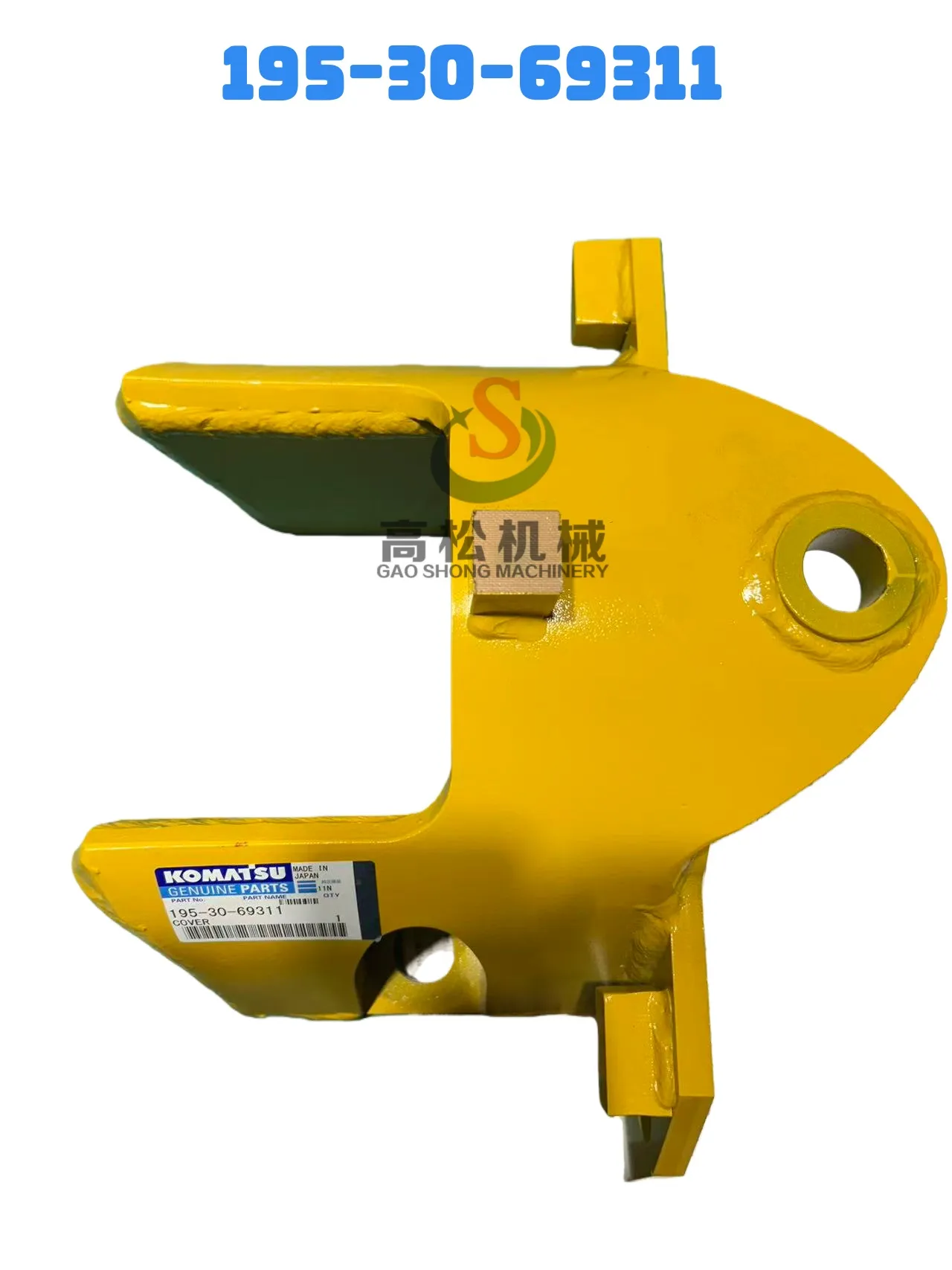
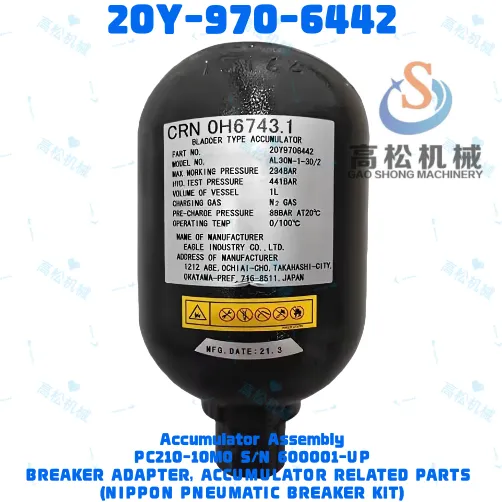
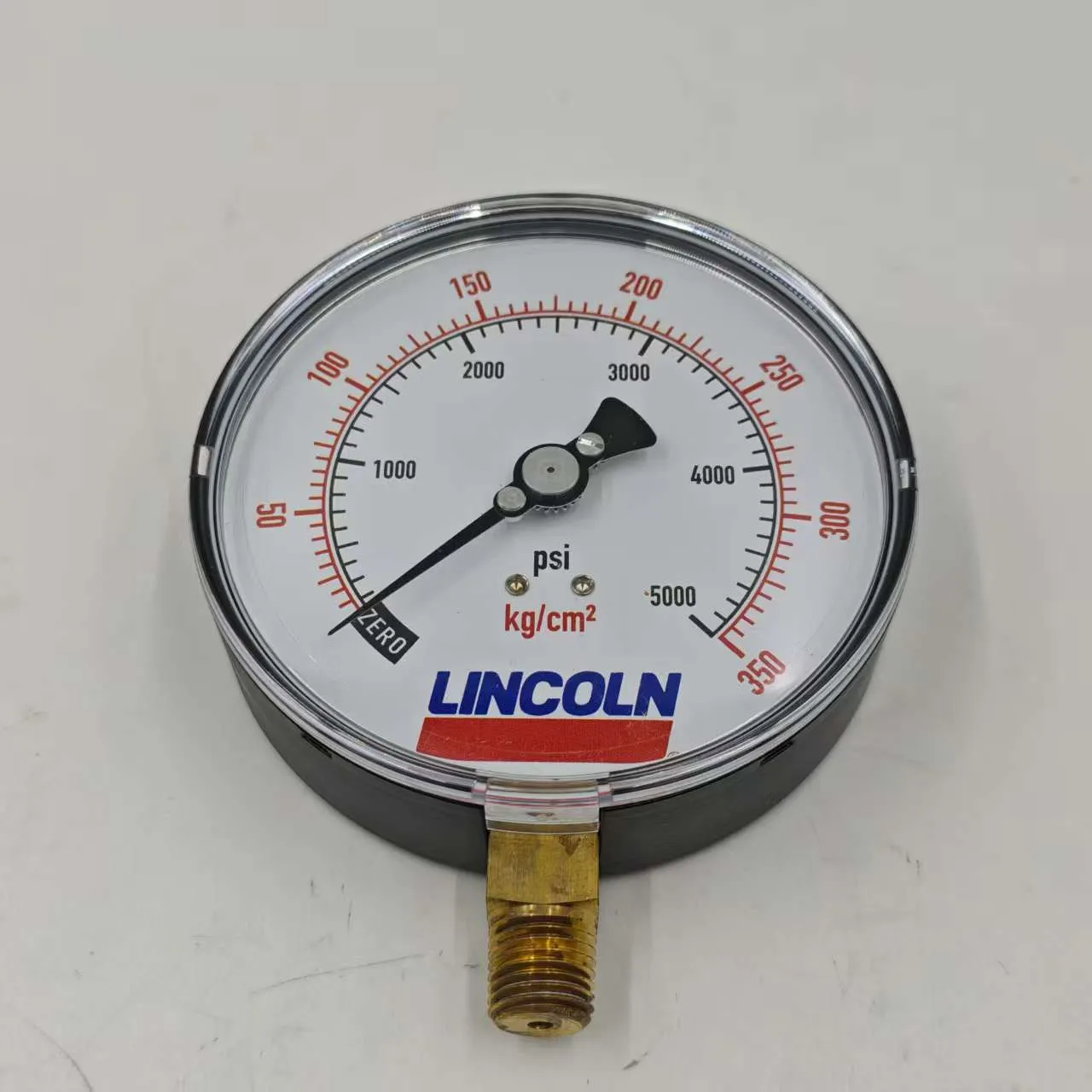
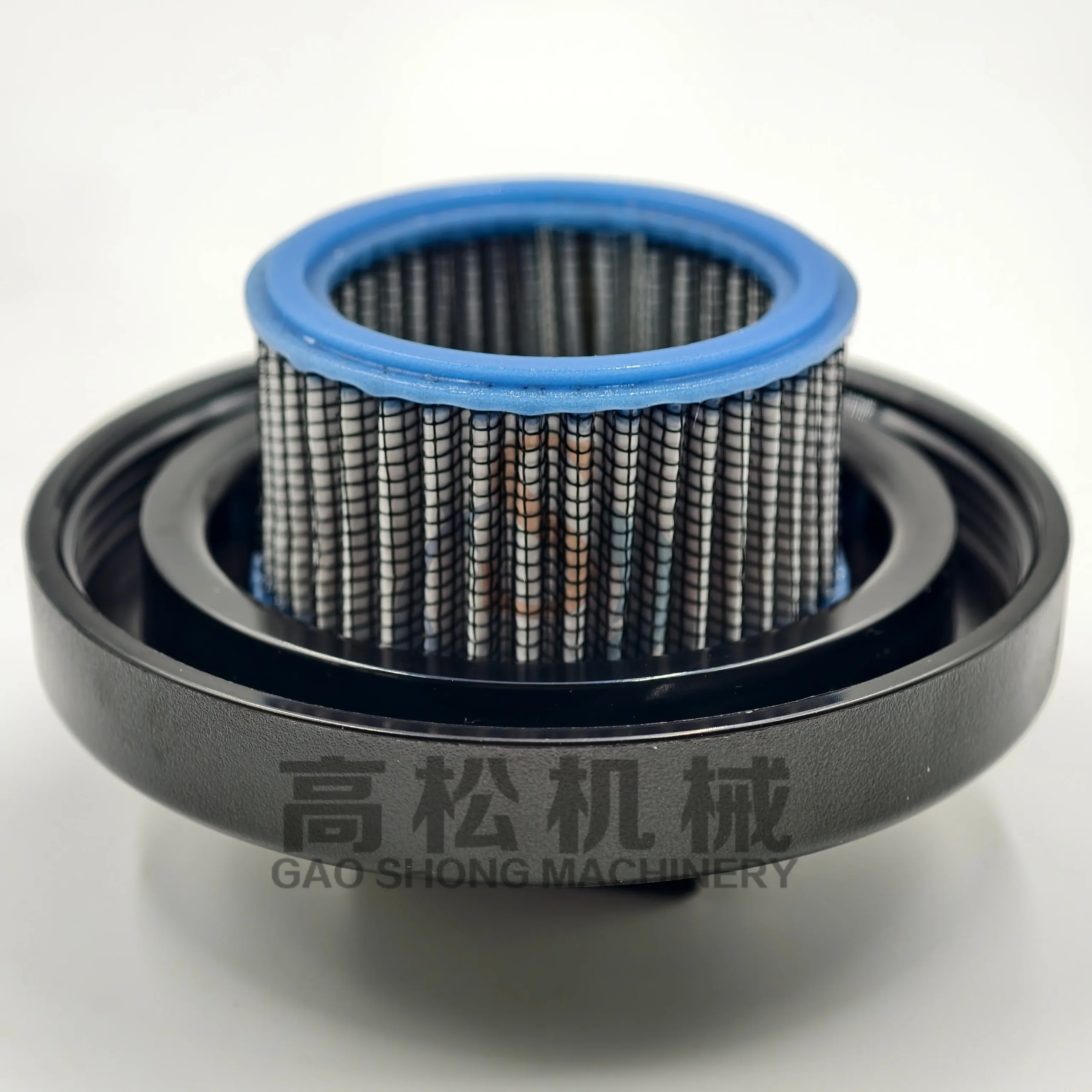

Best Selling Products
Best Selling Products-
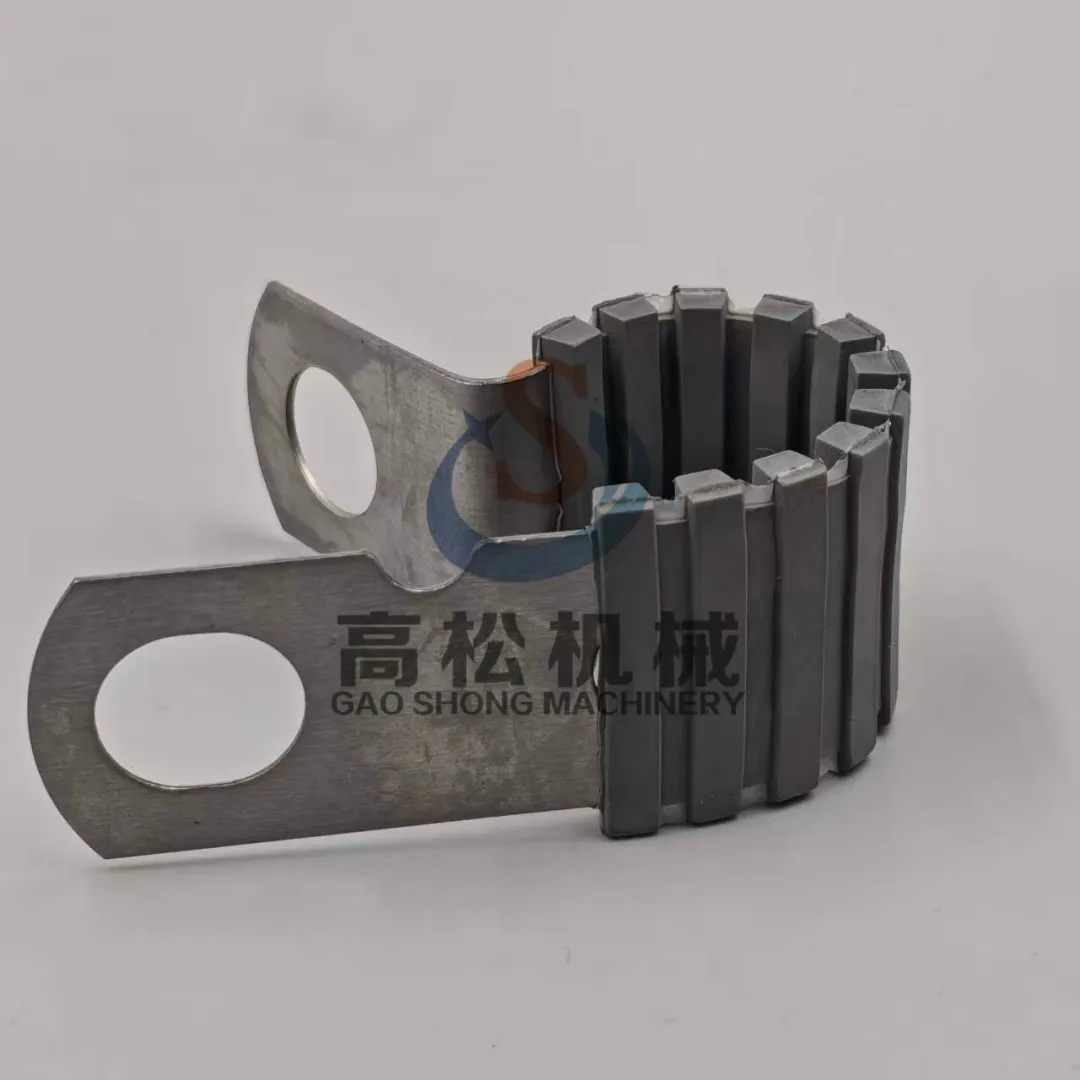 600-051-2180Spare part 600-051-2180 Clip (Komatsu)
 -
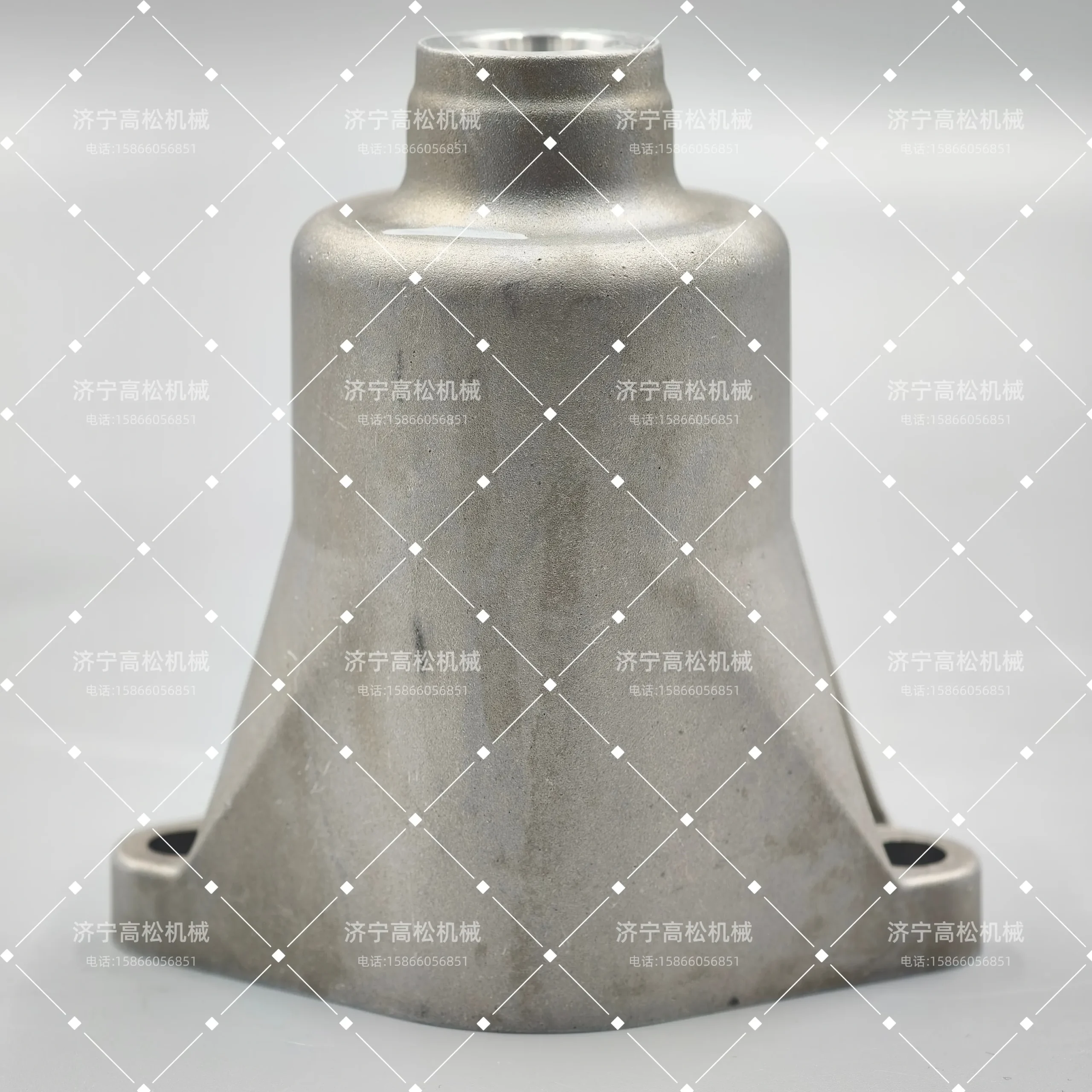 Excavator Valve Case 723-46-15111: Parts Search, High Quality…
 -
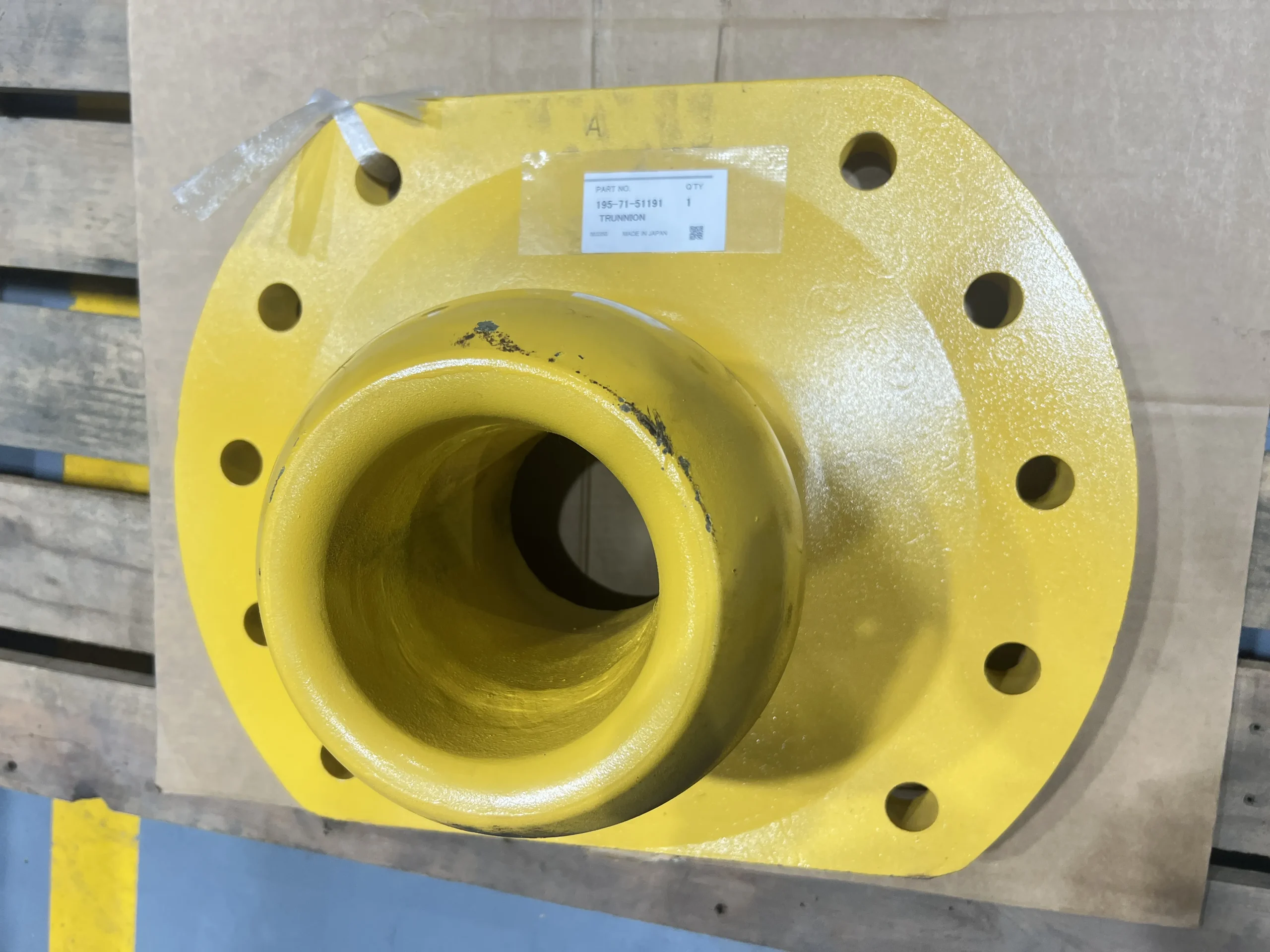 TRUNNION 195-71-51191 – KOMATSU
 -
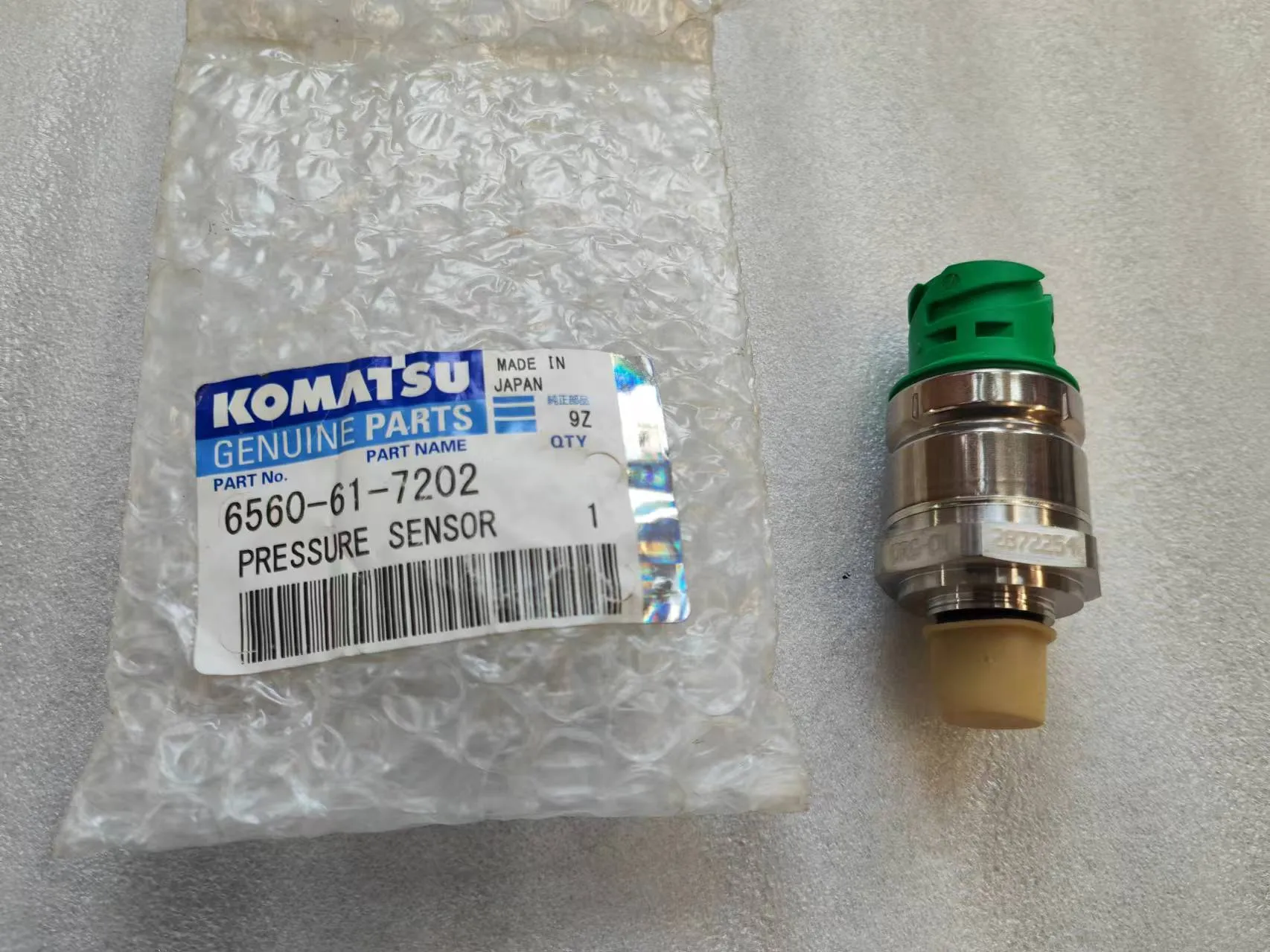 D155AX-6 Pressure Sensor 6560-61-7202
 -
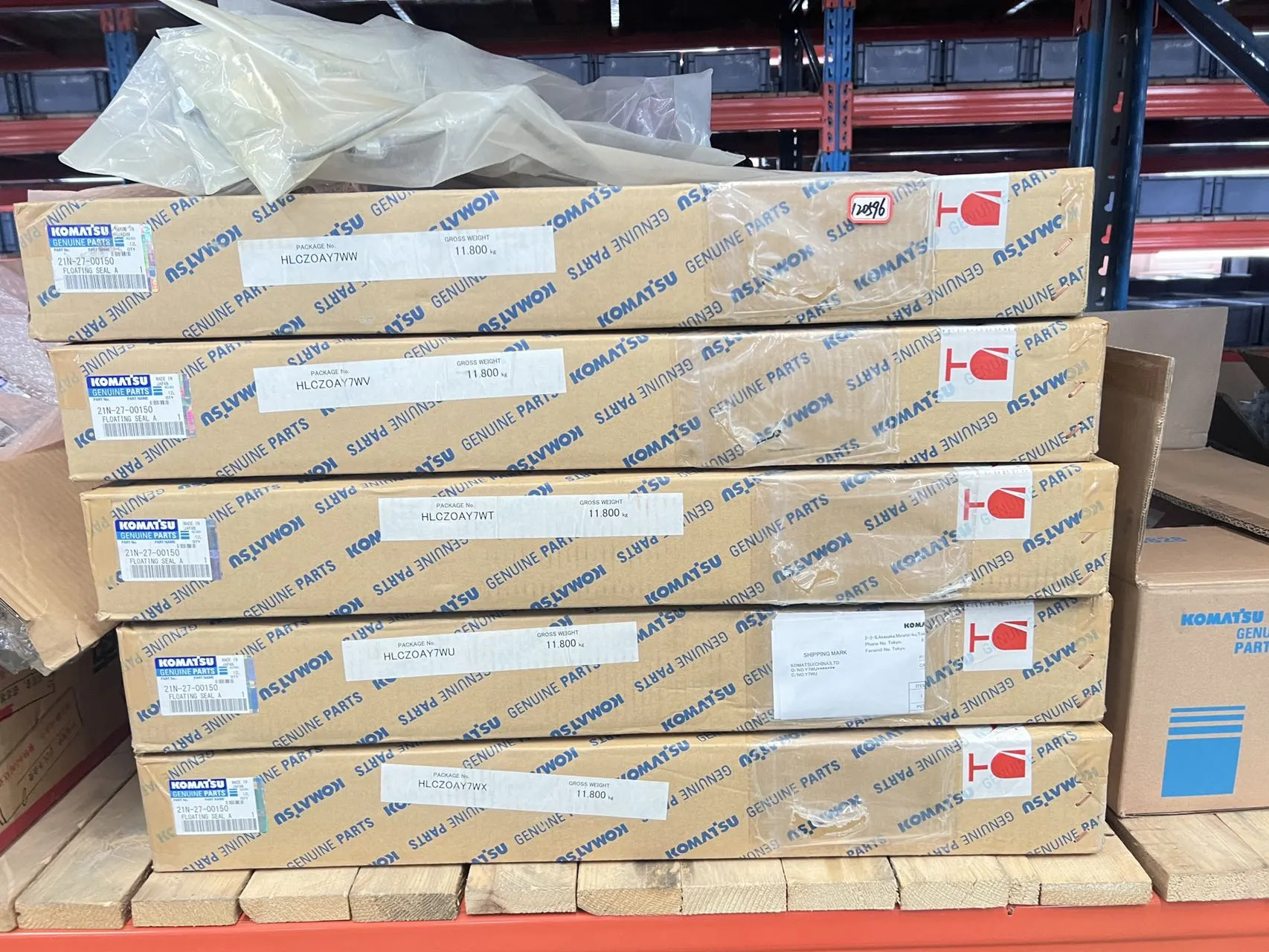 21N-27-00150 floating seal for Komastu PC1250-8 EXCAVATOR
 -
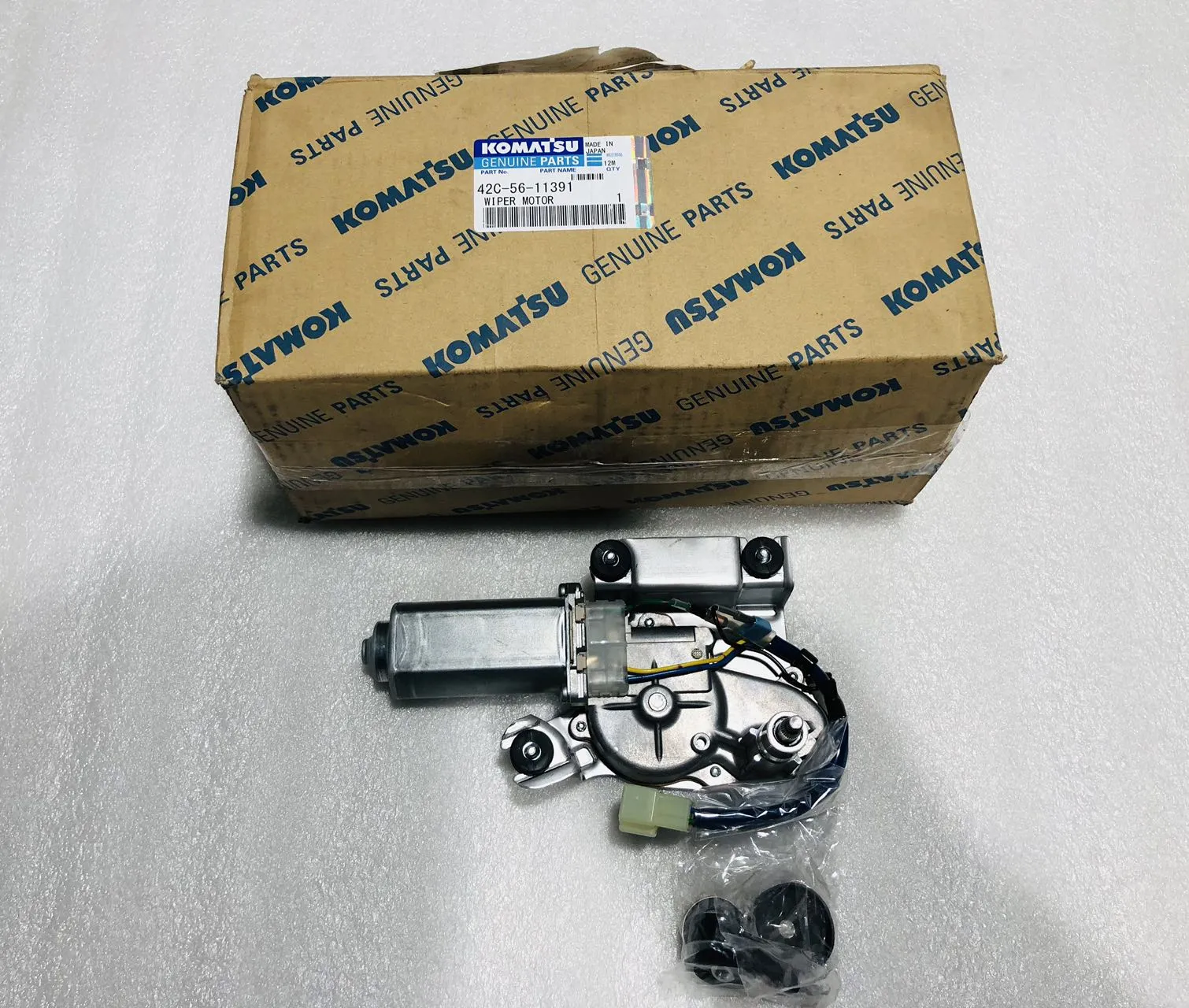 Komatsu grader GD555 wiper motor 42C-56-11391
 -
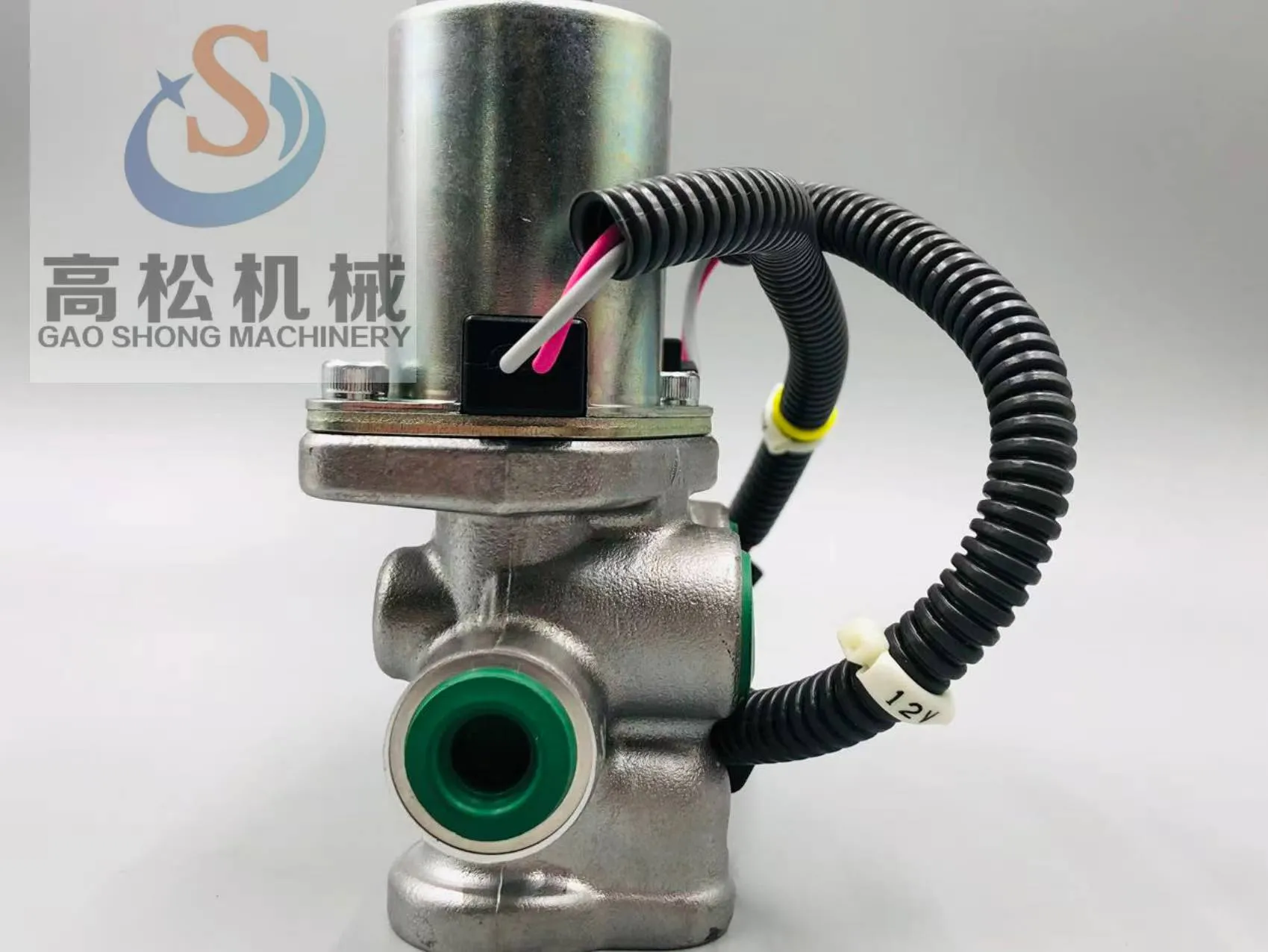 22F-60-21201 22F-60-31600 Solenoid Valve PC56-7 PC55MR-2
 -
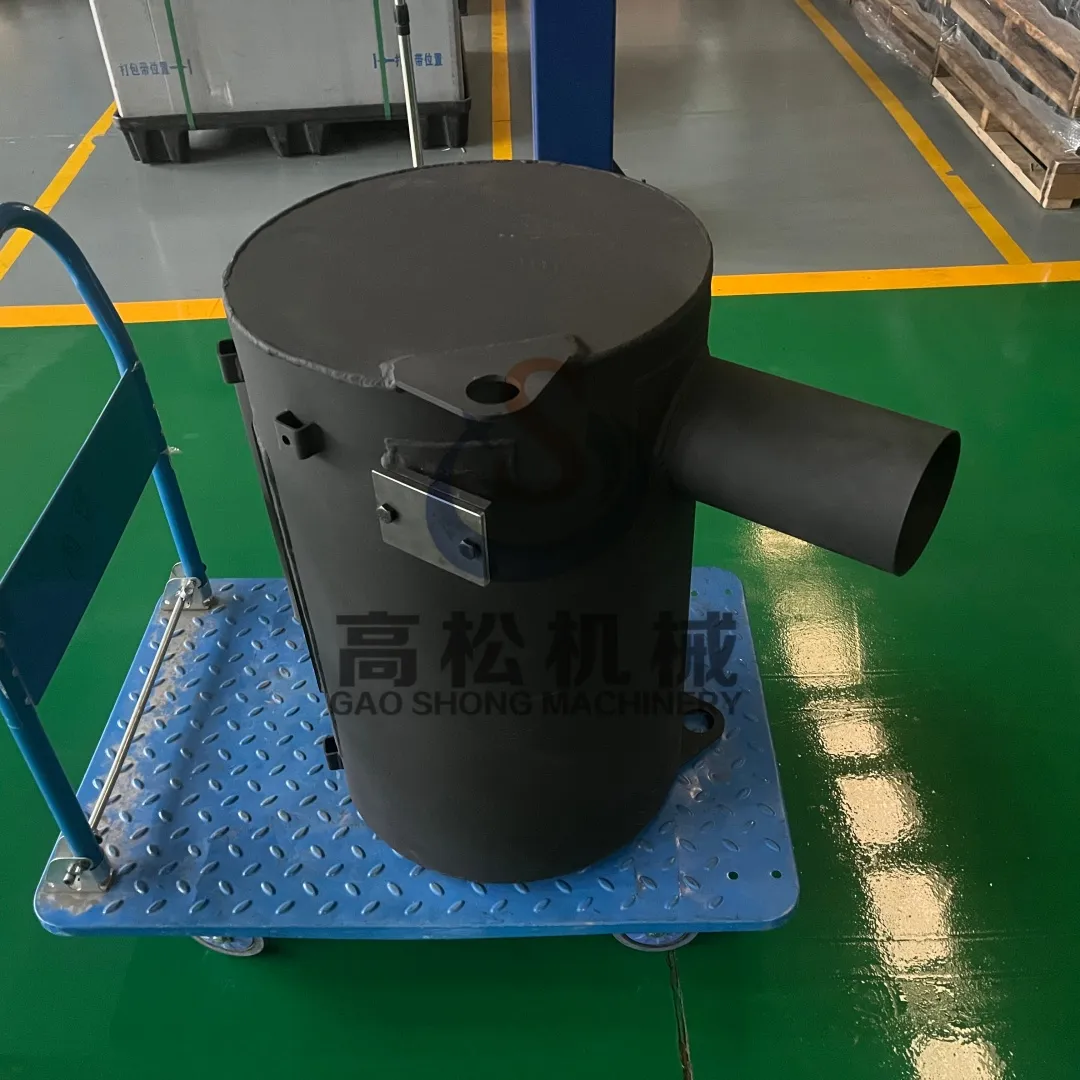 Muffler Silencer 6245-11-5500 for Komatsu Engine 6D170E-5 Excavator PC1250-8 PC1250-8R PC1250LC-8 PC1250SP-8 PC1250SP-8R
 -
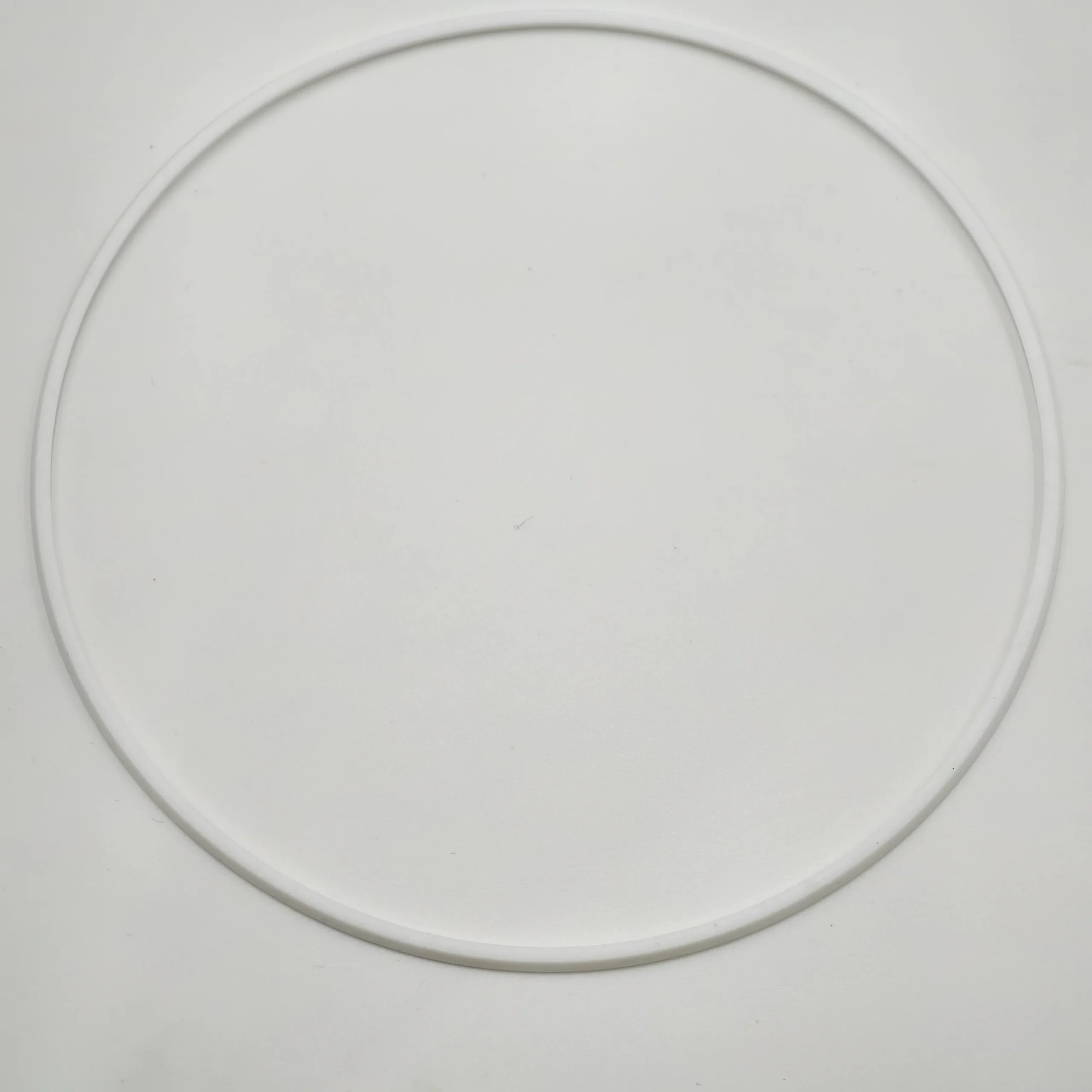 56B-15-19210 RING
 -
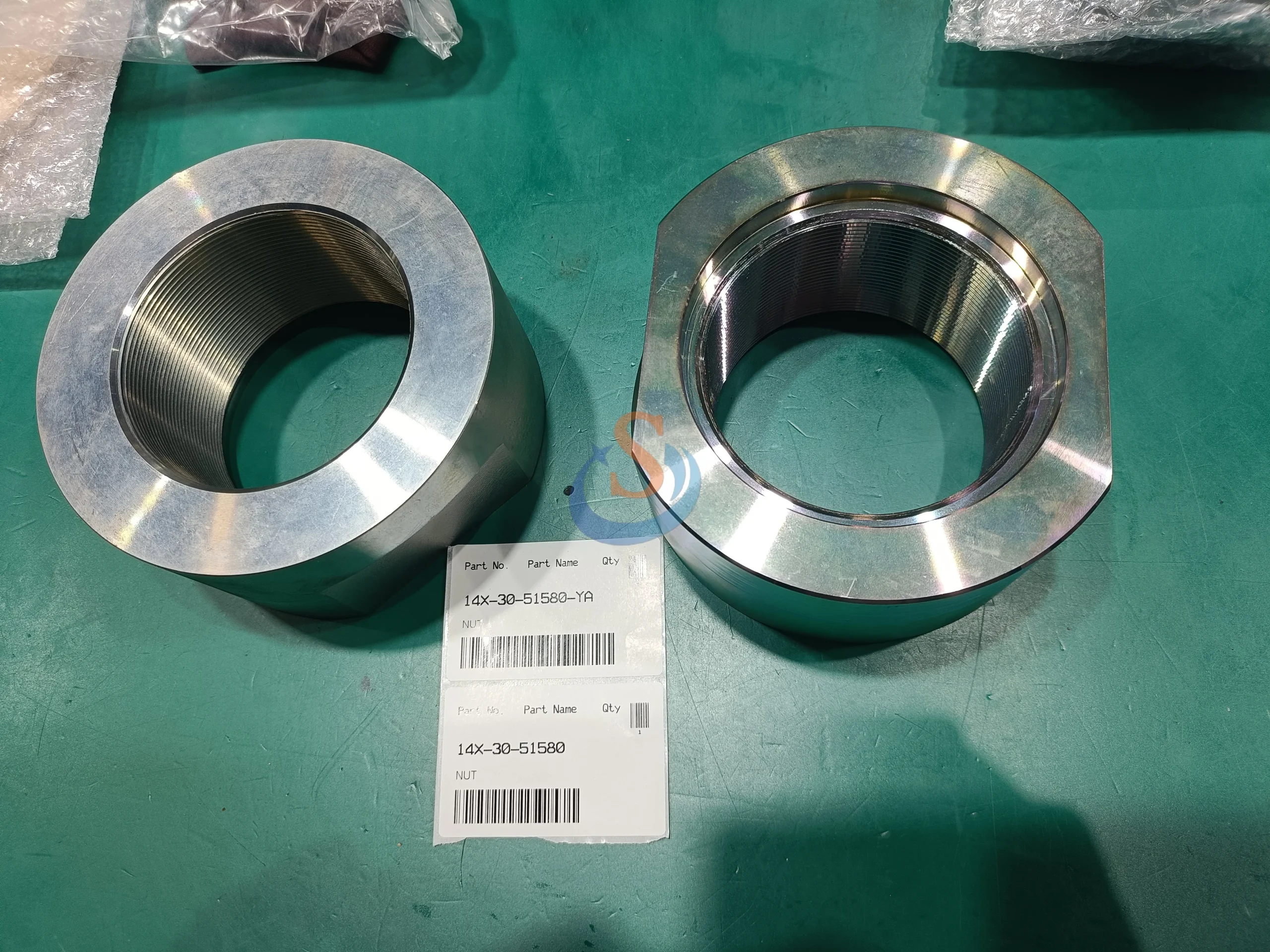 14X-30-51580,NUT,D65EX,D65PX,D65WX
 -
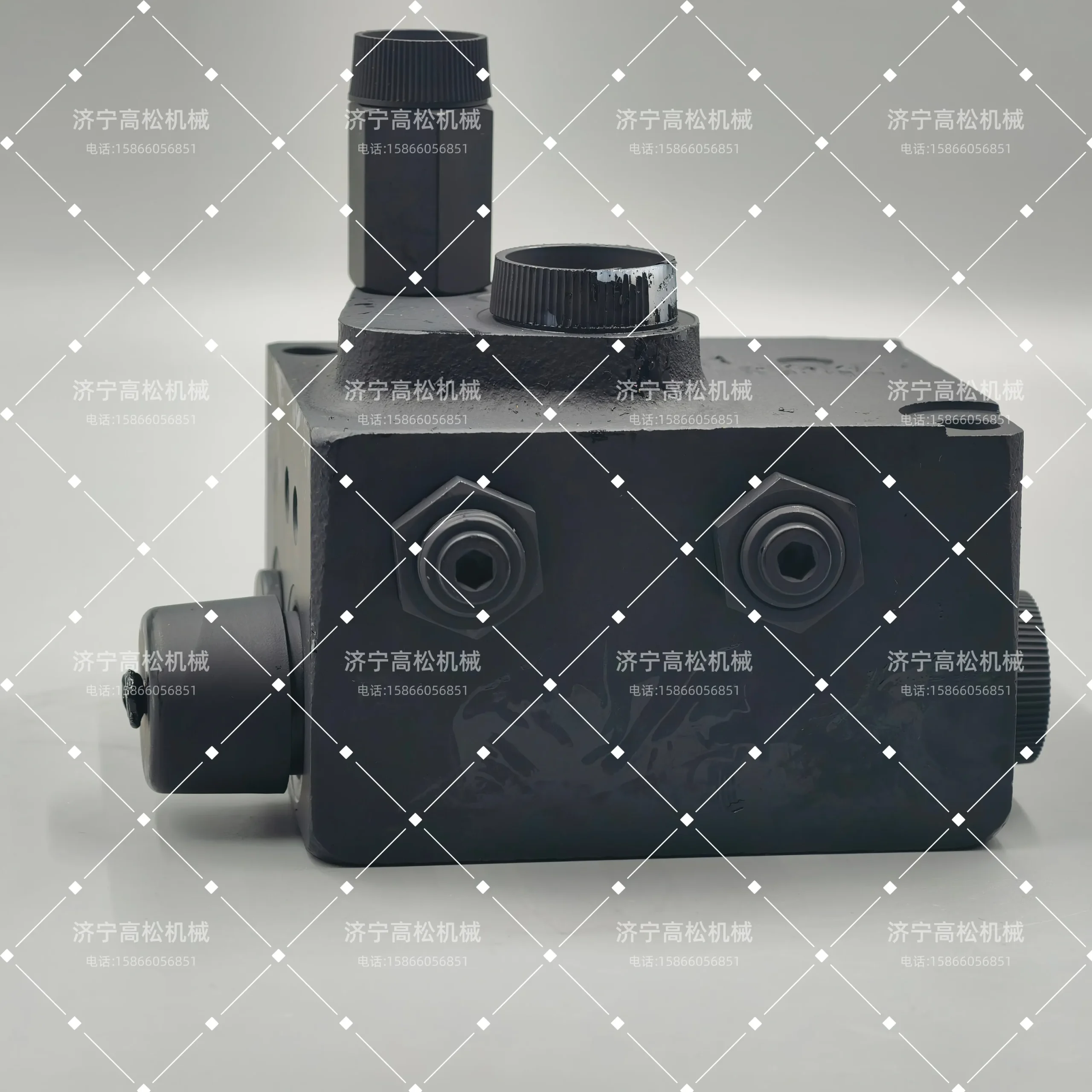 Komatsu Loader WA420-3 Charge Valve 419-43-27401 China…
 -
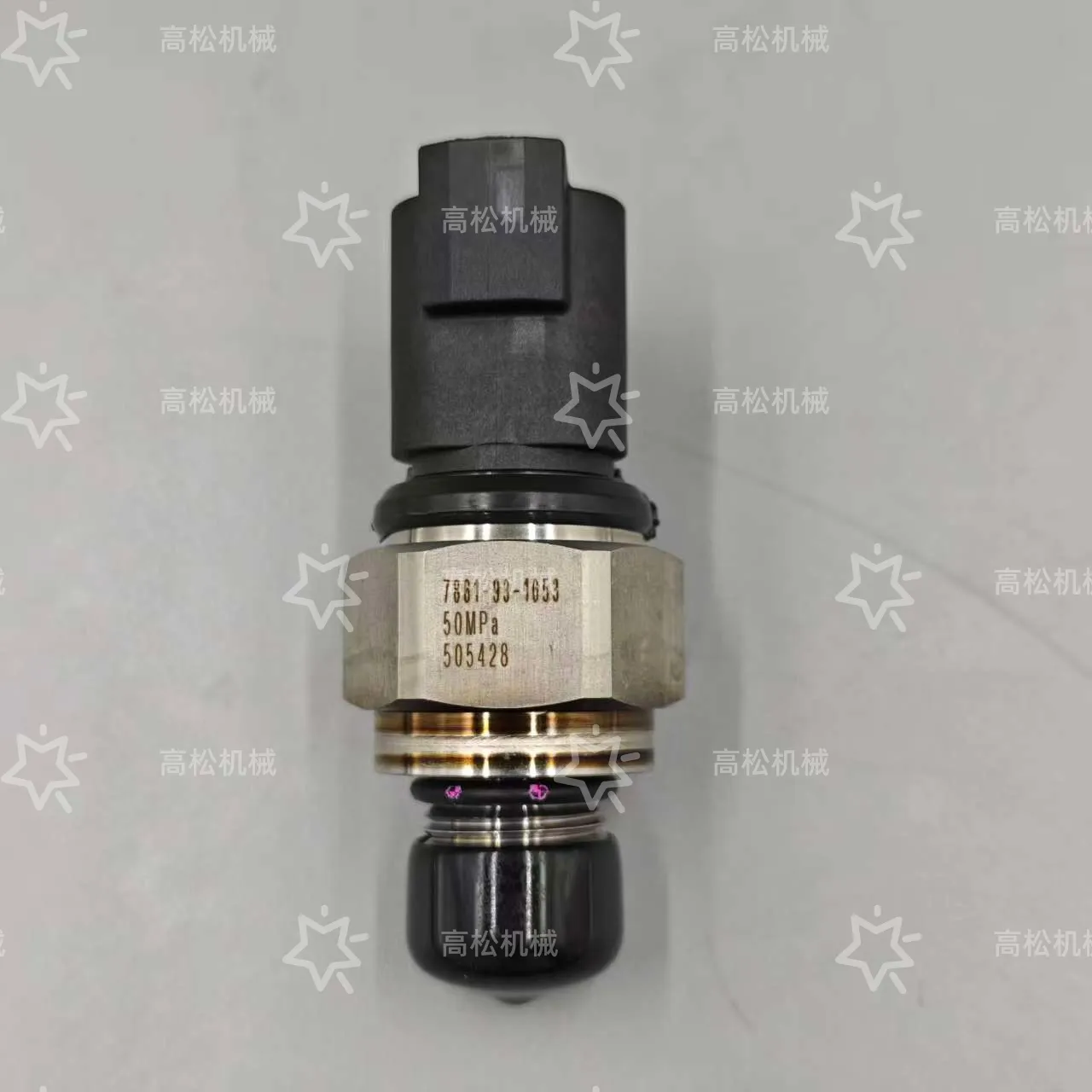 7861-93-1653 7861-93-1652 7861-93-1650 HYDRAULIC PUMP SENSOR for PC300-7