
- Chinese
- French
- German
- Portuguese
- Spanish
- Russian
- Japanese
- Korean
- Arabic
- Irish
- Greek
- Turkish
- Italian
- Danish
- Romanian
- Indonesian
- Czech
- Afrikaans
- Swedish
- Polish
- Basque
- Catalan
- Esperanto
- Hindi
- Lao
- Albanian
- Amharic
- Armenian
- Azerbaijani
- Belarusian
- Bengali
- Bosnian
- Bulgarian
- Cebuano
- Chichewa
- Corsican
- Croatian
- Dutch
- Estonian
- Filipino
- Finnish
- Frisian
- Galician
- Georgian
- Gujarati
- Haitian
- Hausa
- Hawaiian
- Hebrew
- Hmong
- Hungarian
- Icelandic
- Igbo
- Javanese
- Kannada
- Kazakh
- Khmer
- Kurdish
- Kyrgyz
- Latin
- Latvian
- Lithuanian
- Luxembou..
- Macedonian
- Malagasy
- Malay
- Malayalam
- Maltese
- Maori
- Marathi
- Mongolian
- Burmese
- Nepali
- Norwegian
- Pashto
- Persian
- Punjabi
- Serbian
- Sesotho
- Sinhala
- Slovak
- Slovenian
- Somali
- Samoan
- Scots Gaelic
- Shona
- Sindhi
- Sundanese
- Swahili
- Tajik
- Tamil
- Telugu
- Thai
- Ukrainian
- Urdu
- Uzbek
- Vietnamese
- Welsh
- Xhosa
- Yiddish
- Yoruba
- Zulu
- Kinyarwanda
- Tatar
- Oriya
- Turkmen
- Uyghur






Komatsu cooling system
When most people hear 'Komatsu cooling system,' they immediately picture the radiator. That's the first mistake. In the field, especially with the larger excavators like the PC700 or the haul trucks, the cooling system is an ecosystem. It's the radiator, sure, but it's also the fan clutch behavior, the quality of the coolant mixture, the integrity of every hose and clamp, and the often-overlooked hydraulic oil cooler. I've seen too many mechanics chase overheating by just swapping out the main radiator, only to find the problem persists because the fan wasn't engaging at the right torque or the aftermarket coolant had started degrading the seals. The real challenge isn't just knowing the parts; it's understanding how heat moves through the entire machine under load.
The Core Loop and Its Silent Partners
The engine coolant loop is the star of the show, but its supporting actors can steal it. Take the Komatsu cooling system on a Dash-8 model dozer. You've got the thermostat, water pump, radiator—standard stuff. But then there's the heat exchanger that cools the transmission fluid. If that gets partially clogged with debris or sludge, it can't shed its heat into the coolant loop effectively. The engine coolant temperature starts to creep up, but the root cause is downstream. Diagnosing that requires looking at temperature differentials across both sides of the exchanger, not just the engine gauge. It's a puzzle where the answer isn't always in the most obvious place.
Then there's the fan drive. Komatsu's variable speed fan clutches are brilliant for fuel efficiency, but they're a diagnostic headache. They're not just on or off. They respond to coolant temperature and, on some models, hydraulic oil temperature. A weak clutch might spin the fan but not provide enough airflow under high ambient temperature conditions. I remember a PC360-8 in a quarry that would overheat only in the afternoon. The radiator was clean, coolant was good. Turns out, the fan clutch solenoid valve was getting sticky when hot, not signaling for full engagement. Replaced the valve, not the whole clutch. Saved the customer a bundle.
Coolant itself is a religion. Komatsu's own Long Life Coolant (LLC) is formulated for their specific metallurgy and seal materials. We learned this the hard way early on. A client used a generic universal coolant in their PC200-7. Within a year, we started seeing weeping from the water pump seal and slight corrosion in the aluminum parts of the oil cooler. It wasn't catastrophic failure, but it was unnecessary wear. Now, we always stress using the proper coolant and mixing it with distilled water, not tap water. The mineral deposits from hard water will coat the inside of the radiator tubes like scale in a kettle, killing efficiency.
Hydraulic Heat: The Hidden Load
This is where operators and even some mechanics underestimate the cooling system. A machine working hard—constant heavy lifting, rapid cycling—generates enormous heat in the hydraulic oil. That heat has to go somewhere. It gets transferred to the hydraulic oil cooler, which is essentially another radiator, usually mounted in front of or alongside the main radiator. If the hydraulic system is compromised—say, a relief valve is stuck slightly open, causing continuous high-pressure flow—it generates excess heat. The oil cooler can't handle the overload, the hydraulic oil stays hot, and that heat soaks into the entire machine bay, raising the ambient temperature for the engine radiator. Now you've got two systems fighting each other.
I recall a case with a Komatsu WA470 wheel loader used in a port. It was overheating intermittently. The engine side checked out. We finally put temperature probes on the hydraulic tank and the inlet/outlet lines of the oil cooler. The delta-T was too small; the cooler wasn't doing its job. Upon removal, we found it was about 30% blocked internally with a weird, gummy residue. The client had been using a different brand of hydraulic oil additive. Flushed the system, cleaned the cooler, went back to standard Komatsu-recommended oil, and the problem vanished. The lesson was that the cooling system isn't isolated from the choices made elsewhere in the machine.
Airflow is the other half of the equation. These coolers need clean air. In a logging or demolition site, the radiator core and oil cooler fins get packed with dust, chaff, or plastic debris. Blowing it out from the engine side first, then from the front, is a basic but critical maintenance step. But there's more: damaged shrouds or missing seals around the coolers can cause air to take the path of least resistance, bypassing the core entirely. We've fabricated simple rubber seals for older machines to re-direct airflow properly. It's a low-tech fix for a high-impact problem.
The Parts Conundrum and Real-World Solutions
This is the practical nightmare. A Komatsu machine goes down on a remote site due to a cracked radiator tank or a failed water pump. The official dealer might be days away, or the OEM part cost is prohibitive for an older model. This is exactly the gap that companies like Jining Gaosong Construction Machinery Co., Ltd. aim to fill. As an OEM product supplier within the Komatsu system, they have access to genuine or OEM-spec parts. But more importantly, as a third-party sales company for Komatsu, they understand the urgency and the need for reliable alternatives that don't sacrifice quality.
I've sourced parts from their channel at https://www.takematsumachinery.com for projects in regions where the official supply chain was strained. The value isn't just in having the part; it's in having the right part. For example, a water pump for a Komatsu SAA6D140E engine isn't just a generic pump. The impeller design, the seal material, the bearing tolerance—it all matters. A cheap imitation might move water, but it won't move it at the correct flow rate or last 5000 hours. Gaosong's role in helping to solve parts supply challenges means they typically filter out the bottom-tier aftermarket junk. They provide options that an on-the-ground engineer can trust, which is invaluable.
We tested a replacement oil cooler from their supply for a Komatsu PC300-8. The specs matched, the dimensions were perfect, and the fin density was identical to the original. The key test was the pressure drop across the core. We hooked it up and measured—it was within 2-3% of the OEM part's specification. That's the kind of detail that matters. If the pressure drop is too high, it strains the hydraulic system; too low, and it might not have enough surface area for proper heat exchange. It worked flawlessly for over two years before I lost track of that machine. That's a real-world validation.
Failures That Teach More Than Successes
Not every story ends well. Early in my career, we dealt with a chronic overheating issue on a Komatsu D85 dozer. We replaced the thermostat, flushed the system, cleaned the radiator meticulously, even replaced the water pump. The problem seemed solved for a week, then returned. We were stumped. Finally, a senior tech asked, Did you check the pressure cap? We had, and it held pressure. But he insisted on testing it on a proper cap tester. Turns out, it was holding pressure, but the vacuum valve was faulty. It wasn't allowing coolant to return from the expansion tank properly when the engine cooled, creating a slight vacuum that could promote cavitation in the water pump and reduce flow efficiency. A $20 cap was causing thousands in downtime and labor. It was a humbling lesson in system thinking—every component, no matter how small, has a function.
Another failure was more systemic. A fleet owner decided to retrofit all his Komatsu excavators with a high-performance aftermarket cooling fan. The pitch was more airflow. What happened? The fans moved more air, but they also drew more horsepower from the engine, and the increased load on the fan drive system led to premature failures of the fan clutch hubs. The net result was less uptime and higher costs. The Komatsu cooling system is engineered as a balanced package. Arbitrarily upgrading one component can throw the whole system out of balance. Sometimes, the OEM design, for all its cost, is the most optimized for reliability and total cost of ownership.
These experiences shape a more cautious, evidence-based approach. Now, before any major cooling system intervention, we insist on a full data set: infrared gun readings of the radiator surface (looking for cold spots indicating blockage), actual coolant temperature via diagnostic port (not just the dash), fan speed data, and hydraulic oil temps. It's about building a thermal profile of the machine at work.
Wrapping It Up: A System, Not a Part
So, if you take anything away from this, let it be this: never think of the cooling system as a single component you fix when the gauge goes red. It's a dynamic, integrated thermal management network. Its health depends on preventative maintenance (proper coolant, clean cores, belt tension), accurate diagnosis (looking beyond the obvious), and using parts that respect the original engineering intent.
For those stuck in the parts dilemma, especially for older or remotely located machines, leveraging suppliers who operate within the Komatsu ecosystem but with more flexibility, like Jining Gaosong, can be a smart move. It bridges the gap between pure OEM and risky generic parts. Their model of being an OEM supplier and a third-party solver, as noted in their mission to help solve parts supply challenges in certain countries, aligns with the real needs in the field.
Ultimately, keeping a Komatsu cool is about respecting the complexity of the system. It's listening to the machine—the sound of the fan clutch engaging, the feel of the upper and lower radiator hoses, the pattern of debris on the radiator fins. It's a mix of book knowledge, good parts, and a lot of hands-on, sometimes frustrating, experience. That's what keeps these machines running when the heat is on, both literally and figuratively.
Related Products
Related Products

Best Selling Products
Best Selling Products-
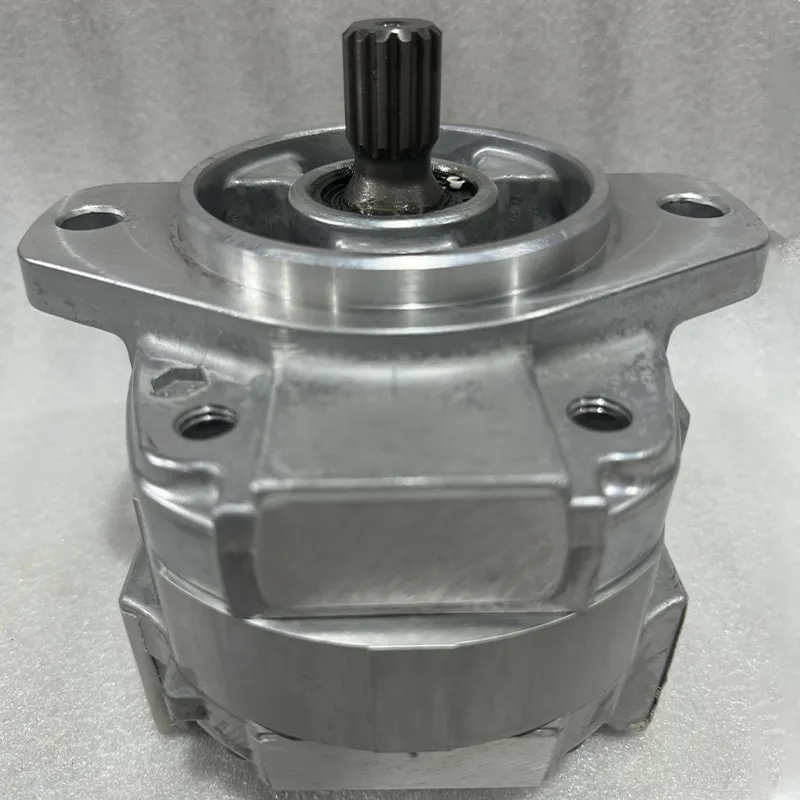 6156-71-1131 6156-71-1132Pump Compatible For 6D125 SA6D125E Engine Komatsu PC450-8 Excavator
 -
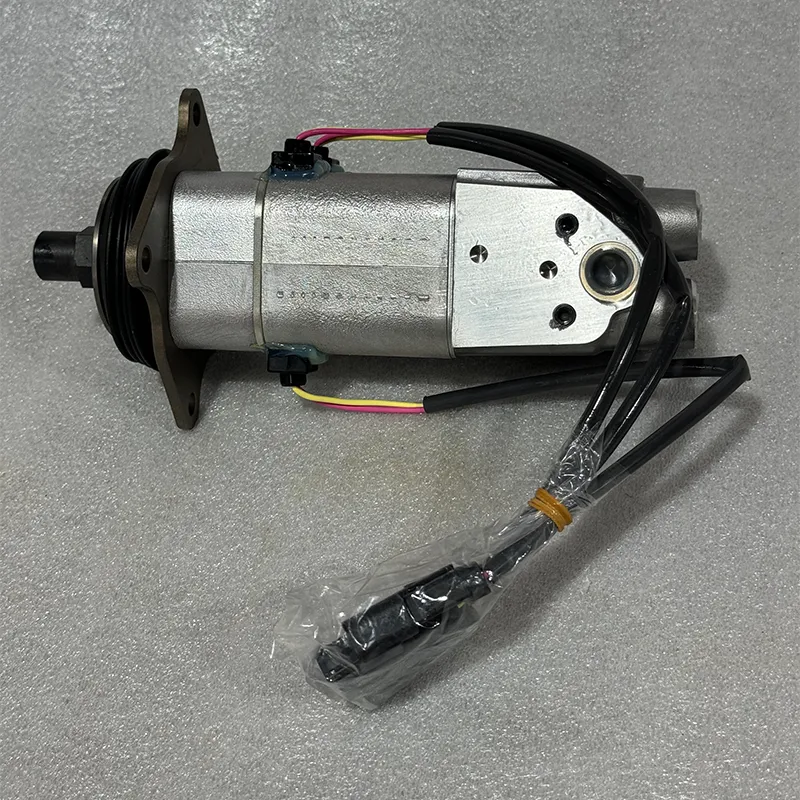 Original komatsu WA480-6 Pilot Valve 702-16-03461
 -
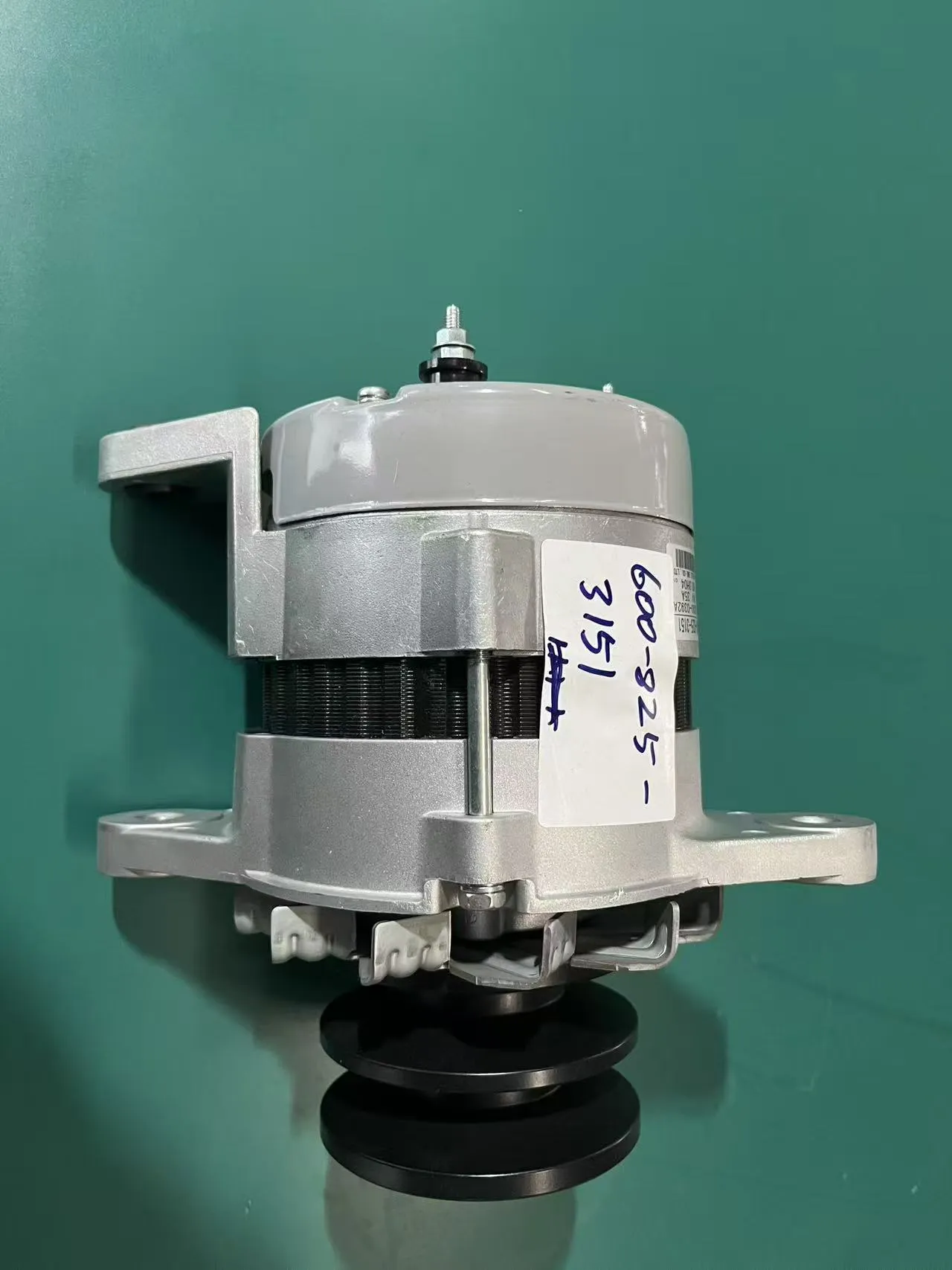 600-825-3151 komatsu:alternator
 -
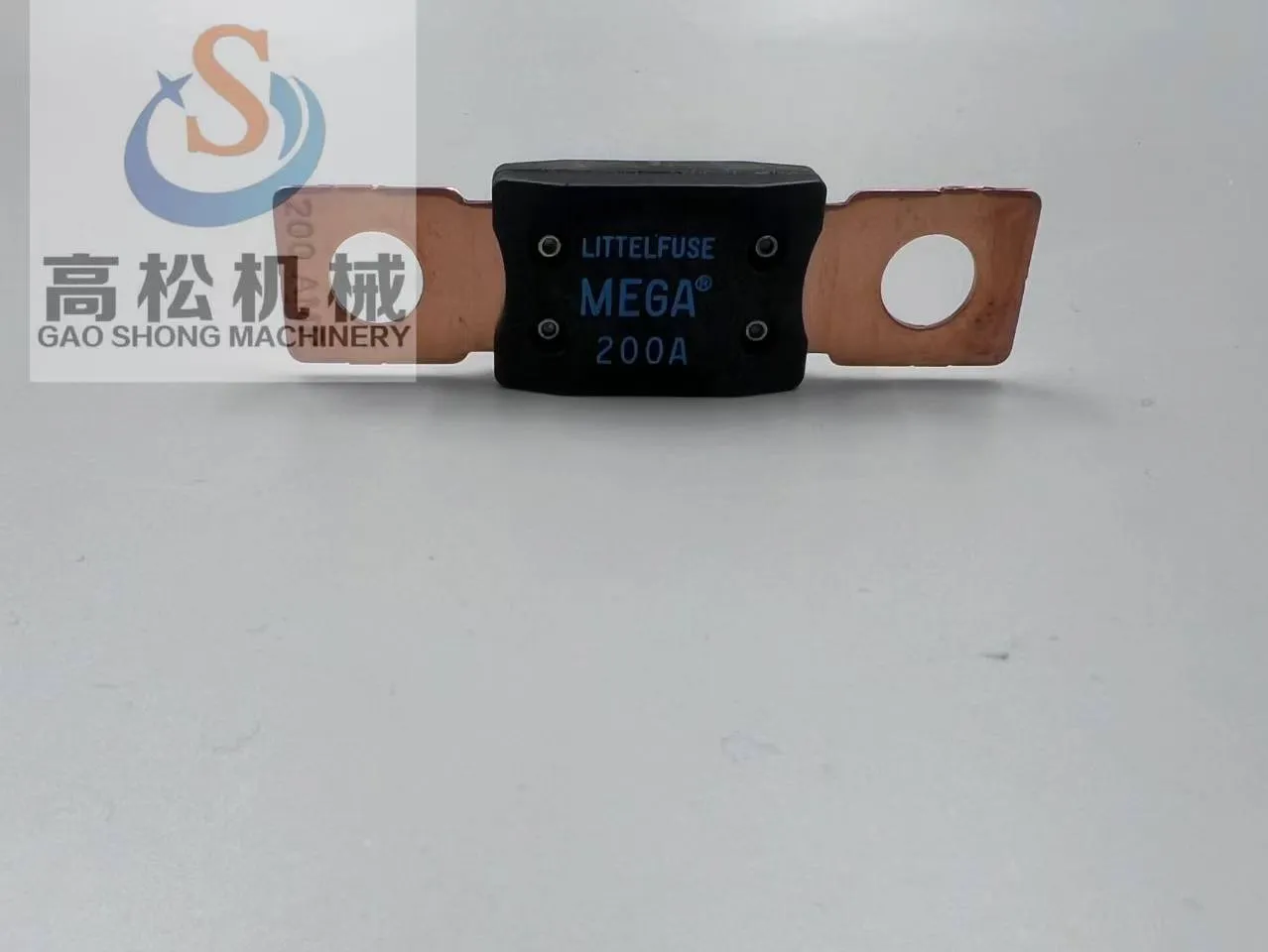 Original original fuse 561-06-81610 for hd785-7 wheel loaders wa500-6 bulldozer parts bulldozer parts ass ‘y
 -
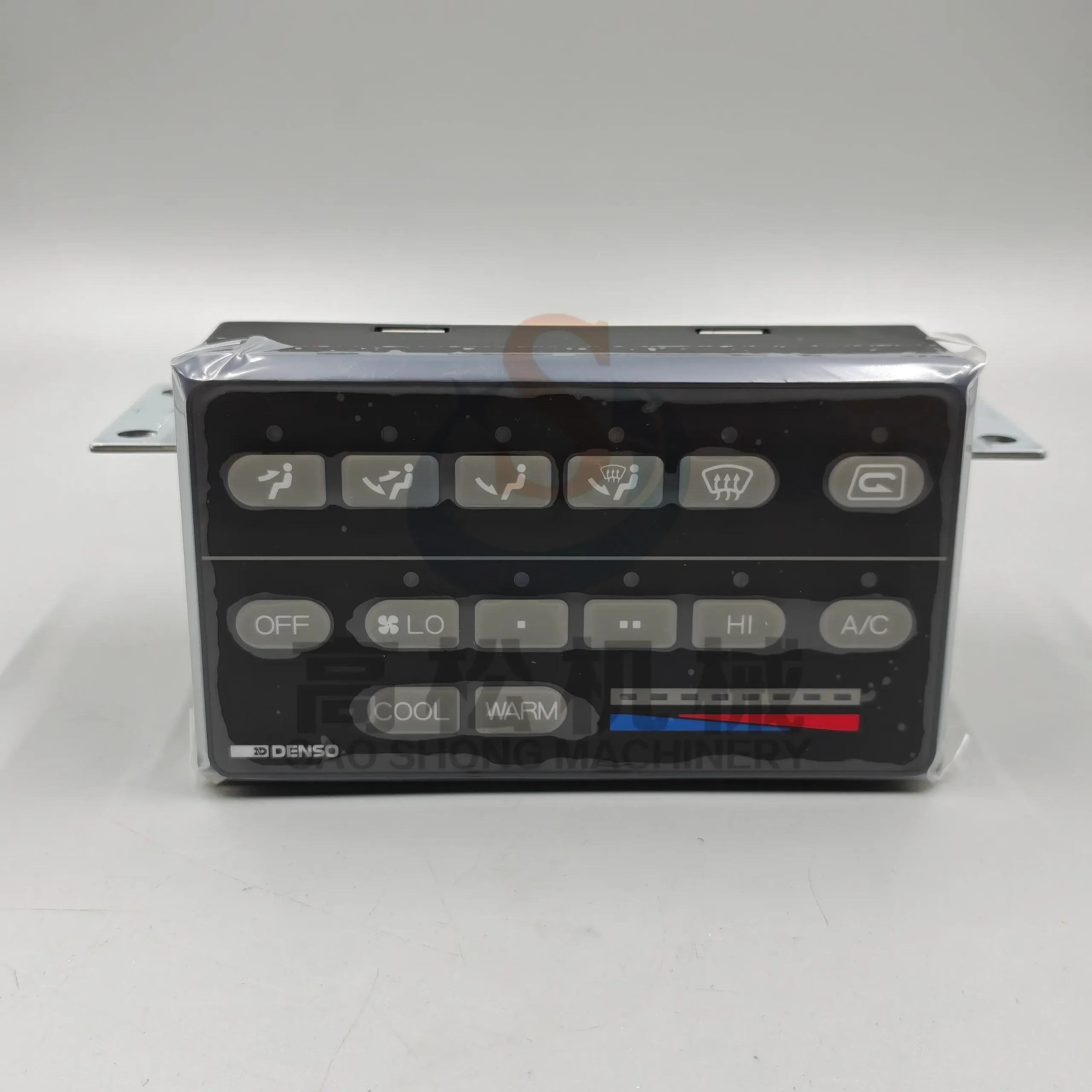 425-07-21121 Controller
 -
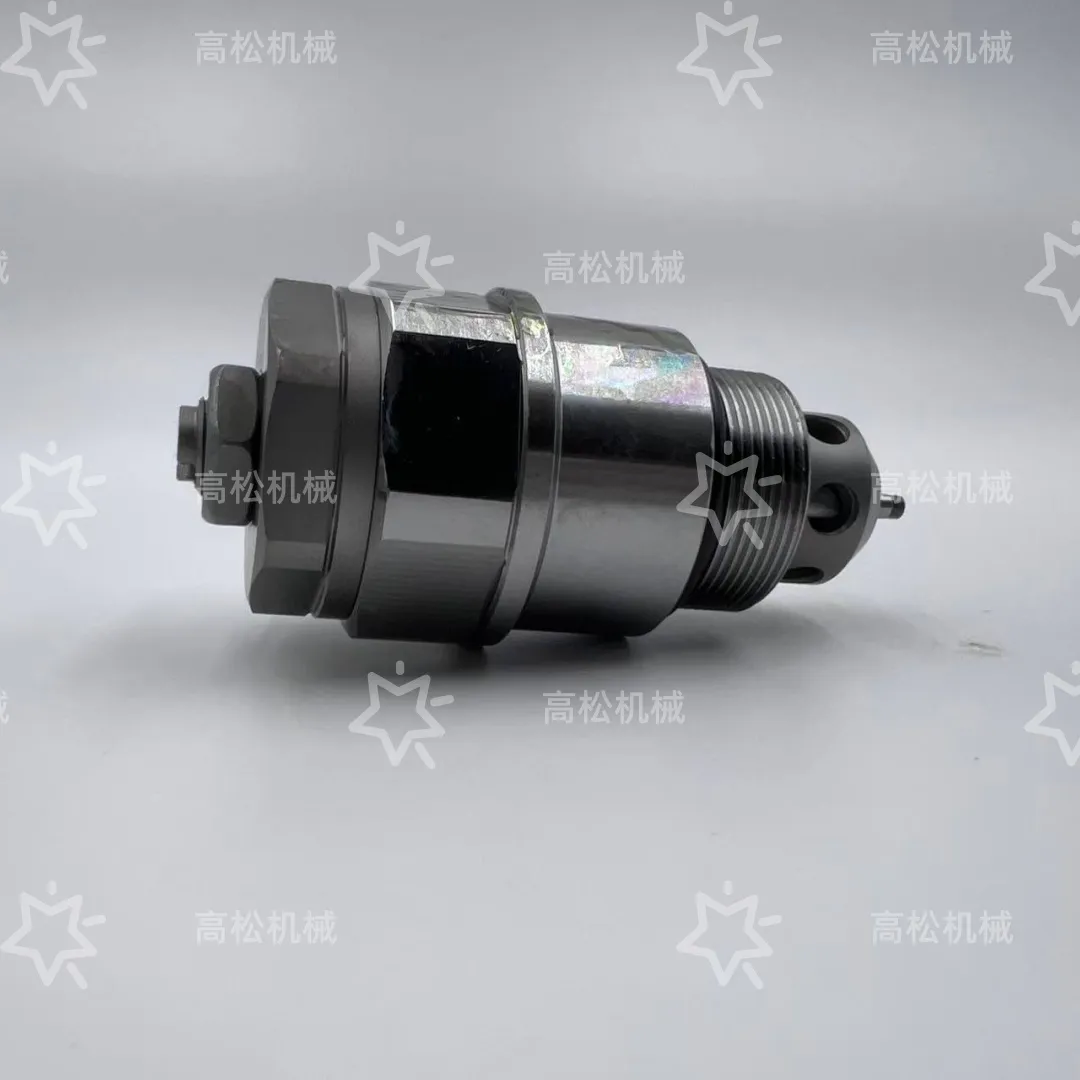 709-90-71700 Valve Assembly, Suction and Relief Komatsu
 -
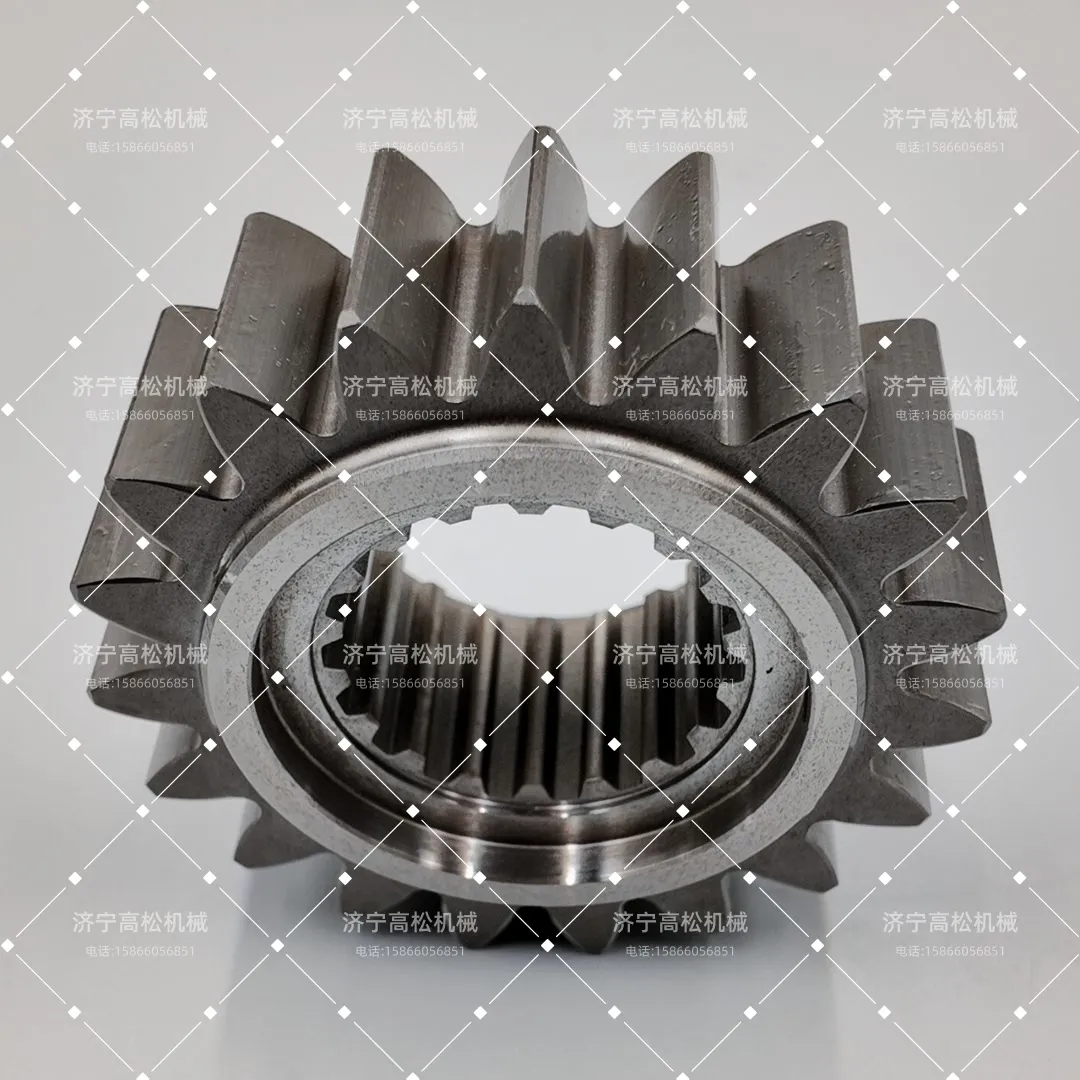 207-26-71510 Komatsu Gear
 -
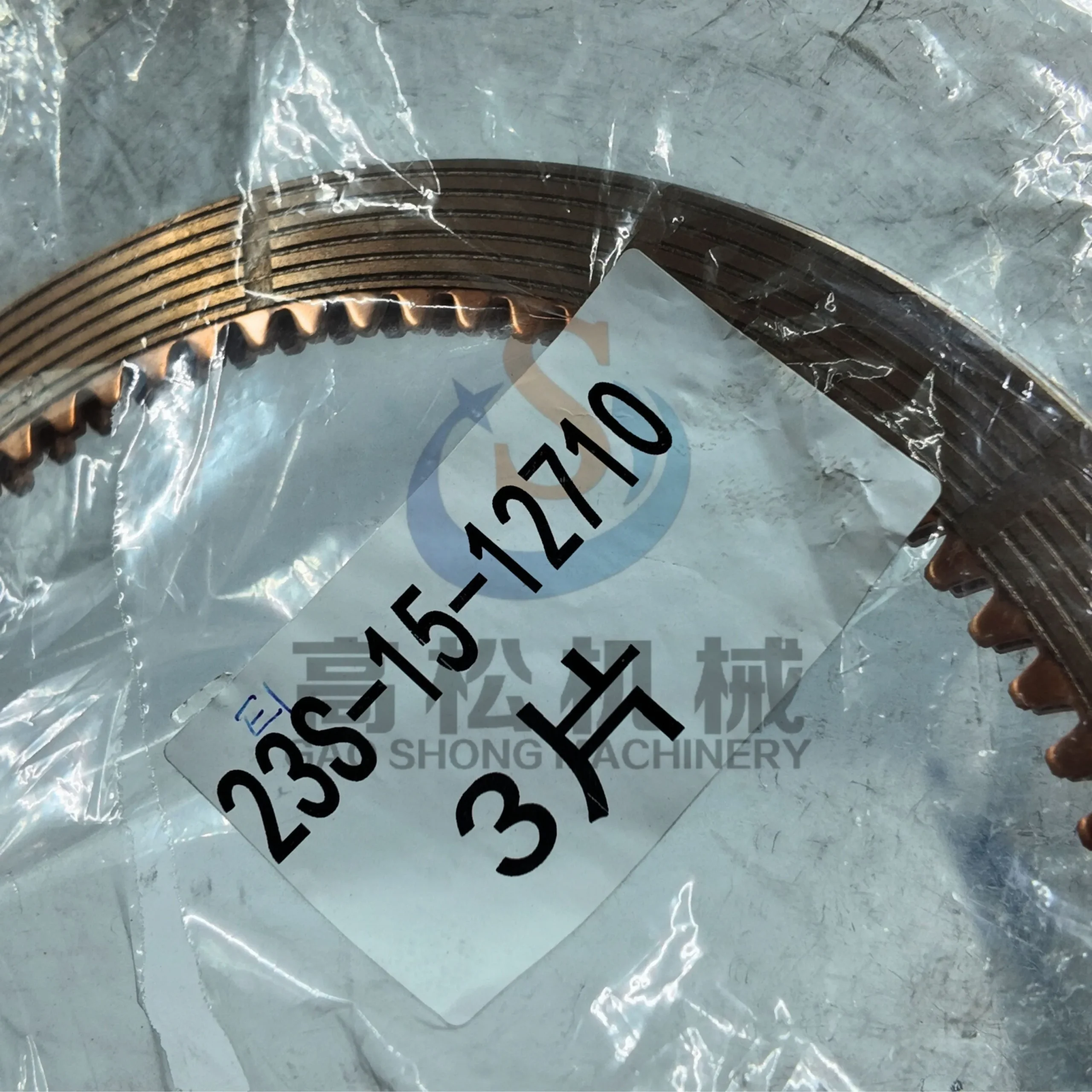 23S-15-12710 Komatsu Disc
 -
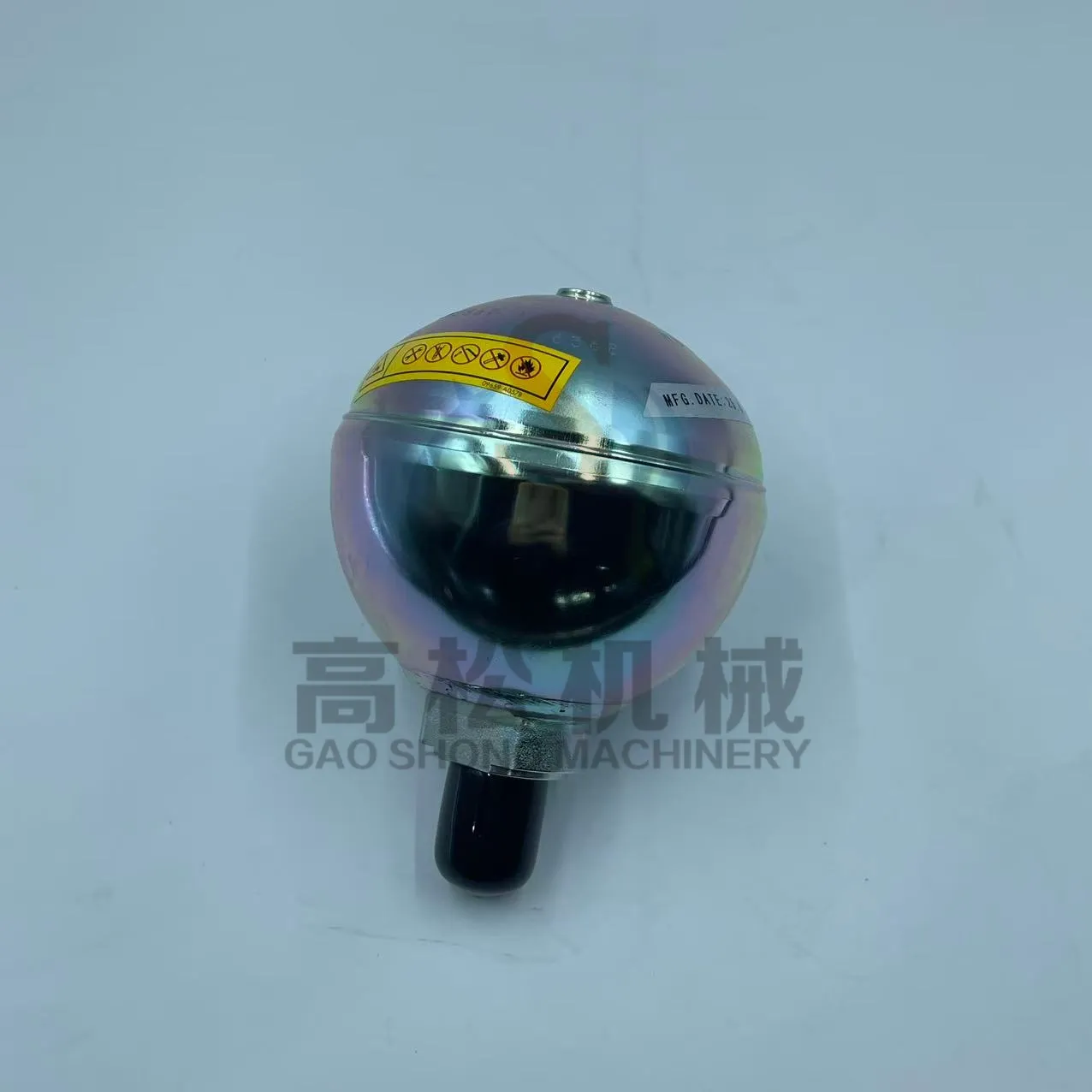 22u-60-21331 Accumulator
 -
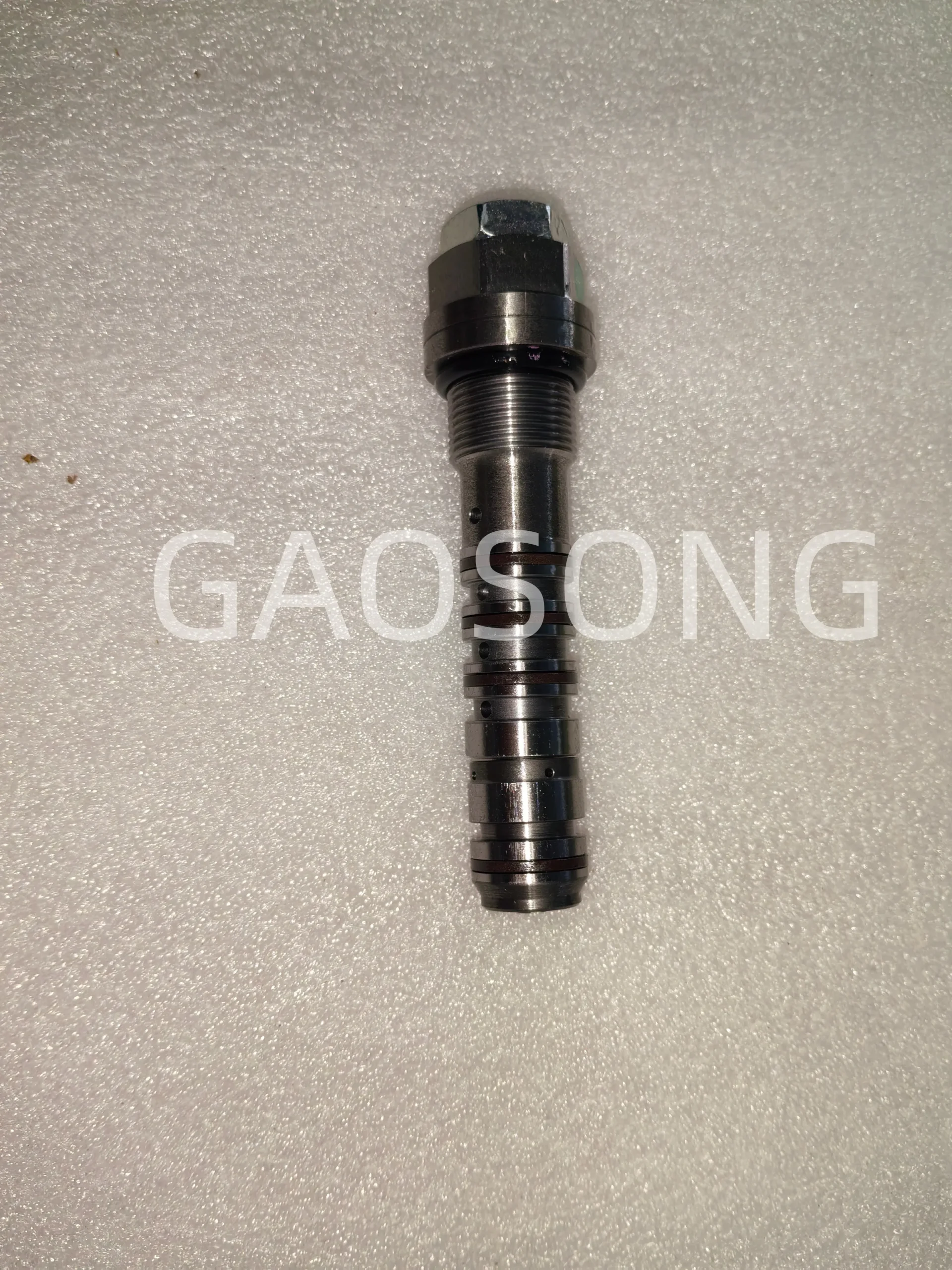 708-2G-03720 • Valve Assembly-Komatsu Original Factory
 -
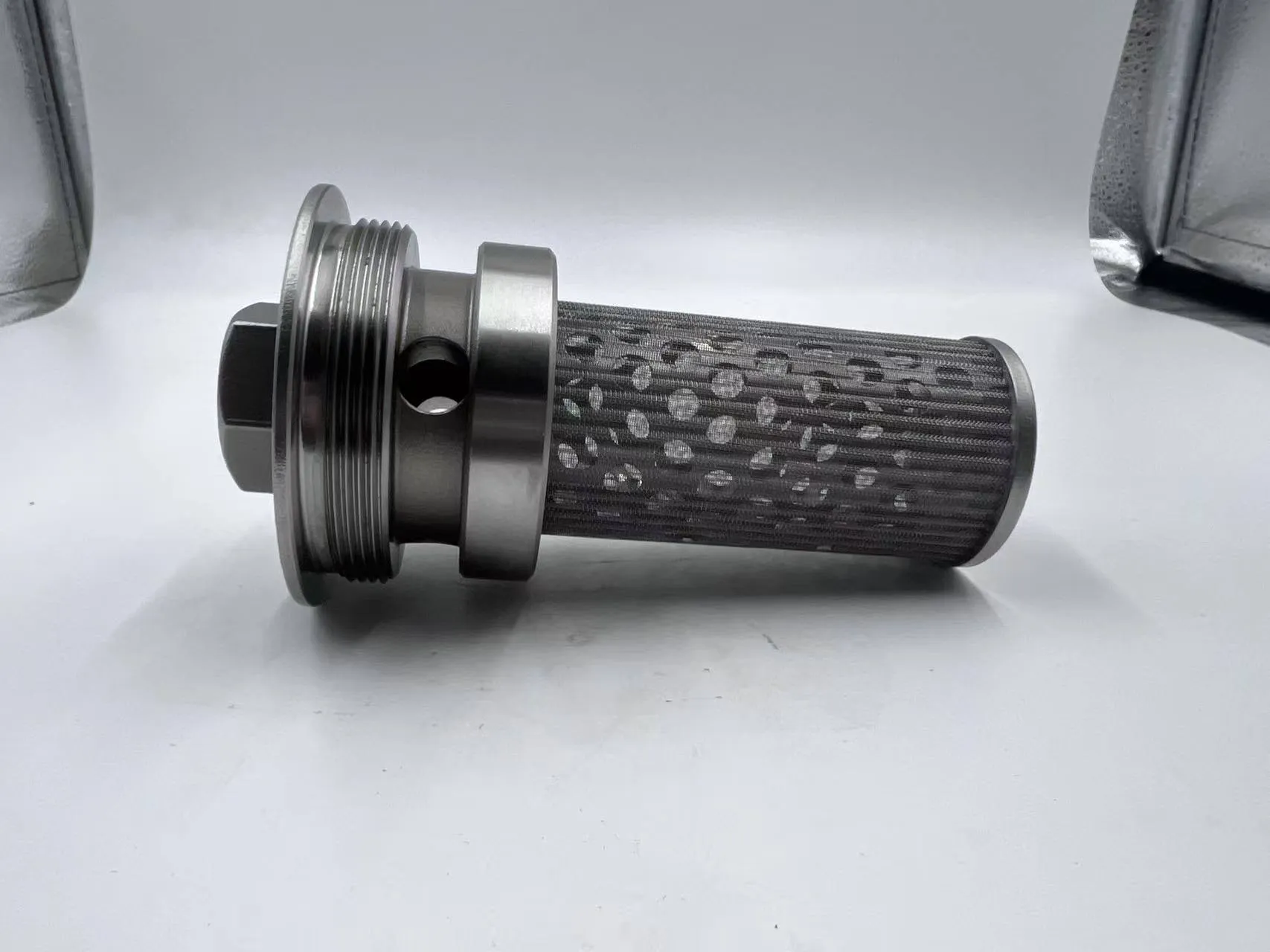 Hello friend 195-04-11150 17M-71-21530 17M-50-49290 is suitable for Komatsu Machinery
 -
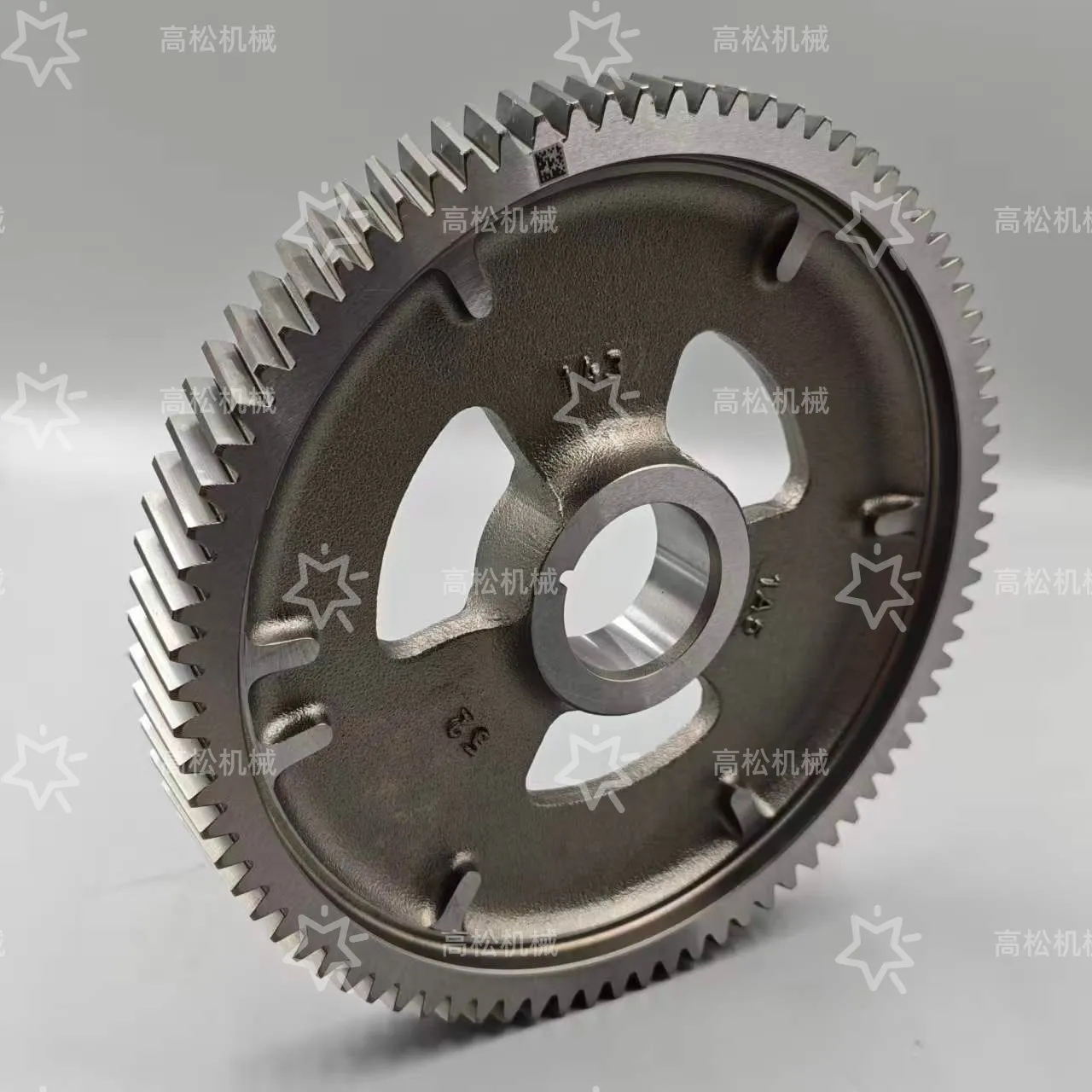 6745-41-1131 GEAR – CAMSHAFT Suitable for komatsu