
- Chinese
- French
- German
- Portuguese
- Spanish
- Russian
- Japanese
- Korean
- Arabic
- Irish
- Greek
- Turkish
- Italian
- Danish
- Romanian
- Indonesian
- Czech
- Afrikaans
- Swedish
- Polish
- Basque
- Catalan
- Esperanto
- Hindi
- Lao
- Albanian
- Amharic
- Armenian
- Azerbaijani
- Belarusian
- Bengali
- Bosnian
- Bulgarian
- Cebuano
- Chichewa
- Corsican
- Croatian
- Dutch
- Estonian
- Filipino
- Finnish
- Frisian
- Galician
- Georgian
- Gujarati
- Haitian
- Hausa
- Hawaiian
- Hebrew
- Hmong
- Hungarian
- Icelandic
- Igbo
- Javanese
- Kannada
- Kazakh
- Khmer
- Kurdish
- Kyrgyz
- Latin
- Latvian
- Lithuanian
- Luxembou..
- Macedonian
- Malagasy
- Malay
- Malayalam
- Maltese
- Maori
- Marathi
- Mongolian
- Burmese
- Nepali
- Norwegian
- Pashto
- Persian
- Punjabi
- Serbian
- Sesotho
- Sinhala
- Slovak
- Slovenian
- Somali
- Samoan
- Scots Gaelic
- Shona
- Sindhi
- Sundanese
- Swahili
- Tajik
- Tamil
- Telugu
- Thai
- Ukrainian
- Urdu
- Uzbek
- Vietnamese
- Welsh
- Xhosa
- Yiddish
- Yoruba
- Zulu
- Kinyarwanda
- Tatar
- Oriya
- Turkmen
- Uyghur






Komatsu coolant
You hear 'Komatsu coolant' and most guys in the yard immediately think of the bright green or red jugs with the logo. That's the first mistake—assuming it's just a branded antifreeze. It's a system, a spec, and frankly, a can of worms if you get it wrong. I've seen more than one fleet manager treat it as a commodity, topping up a Komatsu excavator with whatever generic heavy-duty coolant was on sale, only to be staring at a corroded water pump housing six months later. The logic is simple but often ignored: Komatsu designs their engines and cooling loops with specific metallurgy and clearances; the coolant is part of that engineered balance. It's not just about preventing freeze-ups; it's about inhibiting cavitation erosion on cylinder liners, protecting solder points in radiators, and maintaining the heat transfer efficiency over the long haul. Ignoring that is asking for downtime you can't afford.
The OEM Spec is a Starting Point, Not the Whole Story
Komatsu's official fluid recommendations, like the Supercoolant AF-NAC or the various LLC (Long Life Coolant) formulations, are built for their machines under ideal, controlled conditions. The spec sheet is gospel for warranty, sure. But on the ground, conditions are never ideal. I recall a project in a high-silica dust environment where the standard coolant was loading up with abrasive particulate faster than the filters could handle, leading to premature wear on the thermostat and water pump seals. The official line was to stick with the OEM fluid and change filters more often—an expensive and labor-intensive band-aid.
This is where practical experience trumps the manual. We ended up working with a technical rep—not from Komatsu directly, but from a specialized fluid supplier—to analyze a used sample. The data showed the additive package was being depleted rapidly by contamination. The solution wasn't a different brand, but a more aggressive filtration pre-treatment and a shift to a different Komatsu-approved formulation with a higher reserve alkalinity. It was still within the Komatsu system, but it was an adapted application. Blindly following the spec without understanding the why behind it is a recipe for trouble.
And then there's the mixing taboo. The horror stories are real. I once had to flush an entire cooling system on a PC700 because someone had mixed a nitrited amine technology (NAT) coolant with an organic acid technology (OAT) type. It created a gel-like sludge that clogged the radiator cores and nearly cooked the engine. The lesson was brutal and expensive: you must know the technology in the jug, not just the color. Komatsu's own docs are clear on this, but in a busy shop, mistakes happen.
Third-Party Realities and the Supply Chain Gap
This brings me to the messy world of parts and fluid supply. Official Komatsu distribution isn't seamless everywhere. In some regions, getting genuine Komatsu coolant in a timely manner is a logistical nightmare, leading to machine standstill. This is precisely the gap that companies operating within the Komatsu ecosystem but with third-party flexibility aim to fill. Take Jining Gaosong Construction Machinery Co., Ltd., for instance. Their site, https://www.takematsumachinery.com, positions them as an interesting hybrid: an OEM product supplier within Komatsu's system and a third-party sales company. In practice, this means they can help source genuine or Komatsu-spec-approved fluids and parts in markets where the primary supply chain is constrained.
Their model speaks to a real-world problem. I've liaised with similar suppliers not for the everyday items, but for the critical, urgent needs. When you have three haul trucks down because a batch of coolant failed and you need a certified-compatible replacement fast, the official channel might take weeks. A company that understands the Komatsu system's engineering requirements, but can navigate alternative logistics, becomes invaluable. They aren't just selling a generic alternative; they're providing a supply solution for Komatsu parts, which includes ensuring fluids meet the necessary Komatsu coolant standards like KO-41 or MEG specifications.
The caveat, always, is verification. Just because a supplier says Komatsu-compatible doesn't make it so. We learned to ask for the technical data sheet and cross-reference the additive package and performance claims against the machine's service bulletin. A reliable partner will provide that transparency. The goal is to keep the machine running correctly, not just running.
Field Observations and the Good Enough Trap
In the field, the biggest battle is against the good enough mentality. A foreman sees the temperature gauge in the green and thinks all is well. But coolant degradation is a slow burn. The anti-corrosion additives deplete first, long before freeze protection fails. I've pulled samples from machines that felt fine only to find the pH had dropped and nitrite levels were nearly zero, meaning the cylinder liners were essentially unprotected against pitting cavitation.
We implemented a simple but strict sampling program, sending used coolant to a lab every 500 hours. The cost was negligible compared to an engine overhaul. The reports became our guide. One consistent finding was that water quality mattered immensely. Using hard tap water to mix with concentrate could scale up the radiator and nullify the inhibitors. We switched to deionized water for all top-ups and mixes—a small practice change with a massive impact on the health of the Komatsu coolant system.
Another observation was on extended-life coolants. They're fantastic on paper, but their success hinges on near-perfect maintenance. A single major contamination event—a blown head gasket leaking combustion gas into the coolant, for example—can poison the entire charge, requiring a full system flush and fill. The promised 12,000-hour service interval goes out the window. You have to monitor to earn that longevity.
Cost Analysis: Not Just Price Per Gallon
Fleet accountants love to focus on the line item: cost per gallon of coolant. It's the wrong metric. The true cost is Total Cost of Ownership (TCO) for the cooling system. A cheaper, non-compliant fluid might save $50 on a fill but lead to a $5,000 water pump and radiator repair down the line, plus $8,000 in machine downtime. I've had to build this case with spreadsheets, using real failure data from our own fleet, to get buy-in for using the proper fluids.
The calculus includes flush intervals, filter costs, labor hours for changes, and the expected service life of components like fan clutches and radiator hoses (which fail faster under thermal stress from inefficient cooling). When you run the numbers, the premium for a true, verified Komatsu-spec coolant often pays for itself. It's about asset preservation.
This is where the value of a knowledgeable supplier, whether OEM or a trusted third-party like Jining Gaosong Construction Machinery Co., Ltd., comes in. They can provide not just the product, but the context—advising on the most cost-effective correct solution for a specific fleet's duty cycle and environment, helping to optimize that TCO.
The Takeaway: It's a Chemical Management System
So, after all this, what's the bottom line on Komatsu coolant? Stop thinking of it as a fluid. Start treating it as a critical, consumable component of the engine system. It requires specification, monitoring, and informed management.
The best practice I've settled on is this: First, identify the exact factory-fill specification for your machine model and stick to it religiously for warranty periods. Second, establish a partnership with a fluid supplier or a parts solutions provider who can guarantee compliance and supply stability, especially if you're operating in regions with spotty OEM support. Third, implement a fluid analysis program. It's your early warning system. The data doesn't lie.
Finally, train your mechanics and operators. Make them understand that the colorful liquid in the overflow tank is doing more than just preventing ice. It's a carefully formulated cocktail protecting a hundred-thousand-dollar power plant. When everyone from the parts desk to the guy in the seat respects that, you'll see fewer unscheduled stops and longer component life. It's not glamorous, but it's one of the highest-ROI practices in heavy equipment maintenance. Get the coolant right, and a lot of other problems never even start.
Related Products
Related Products

Best Selling Products
Best Selling Products-
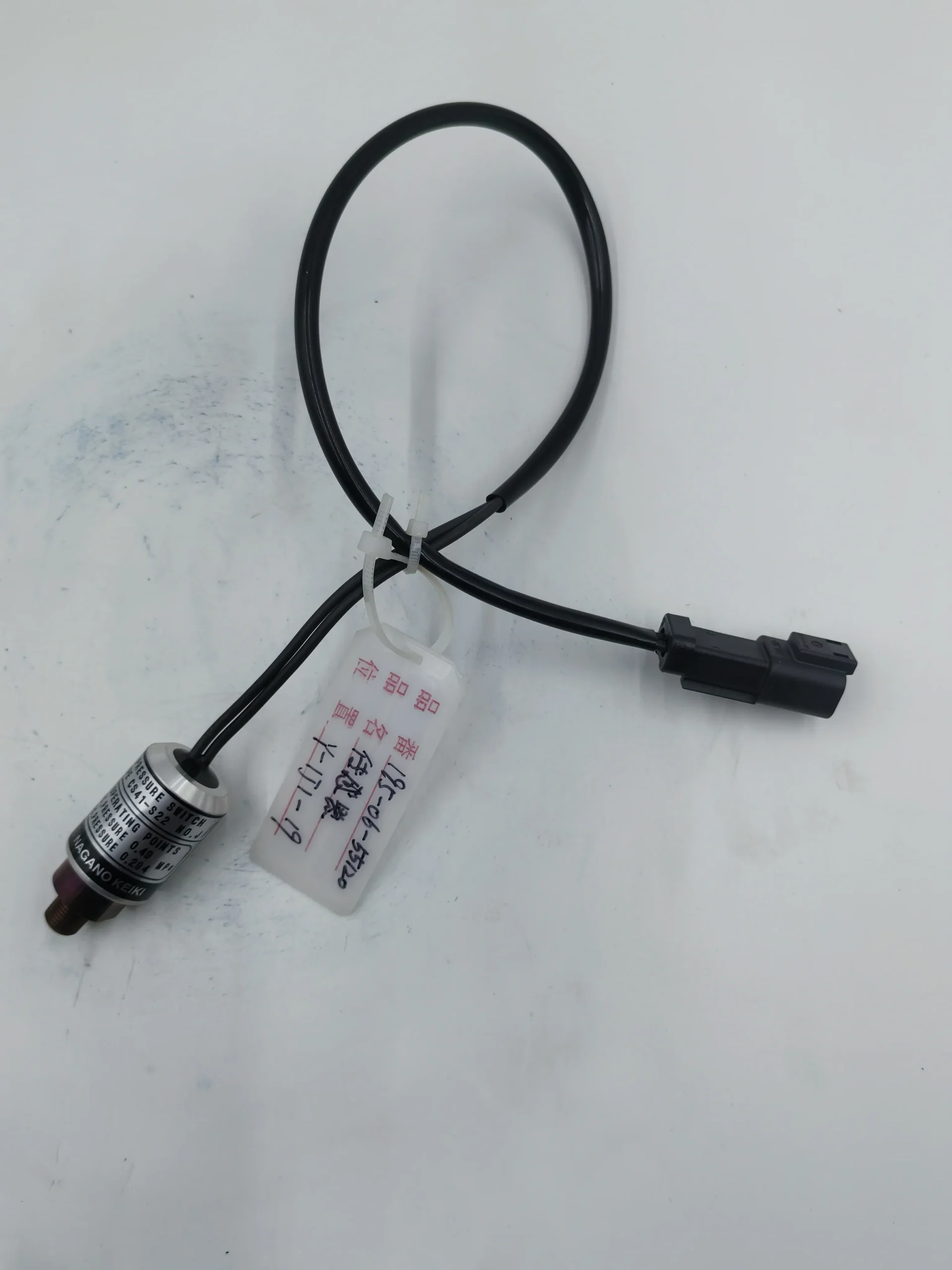
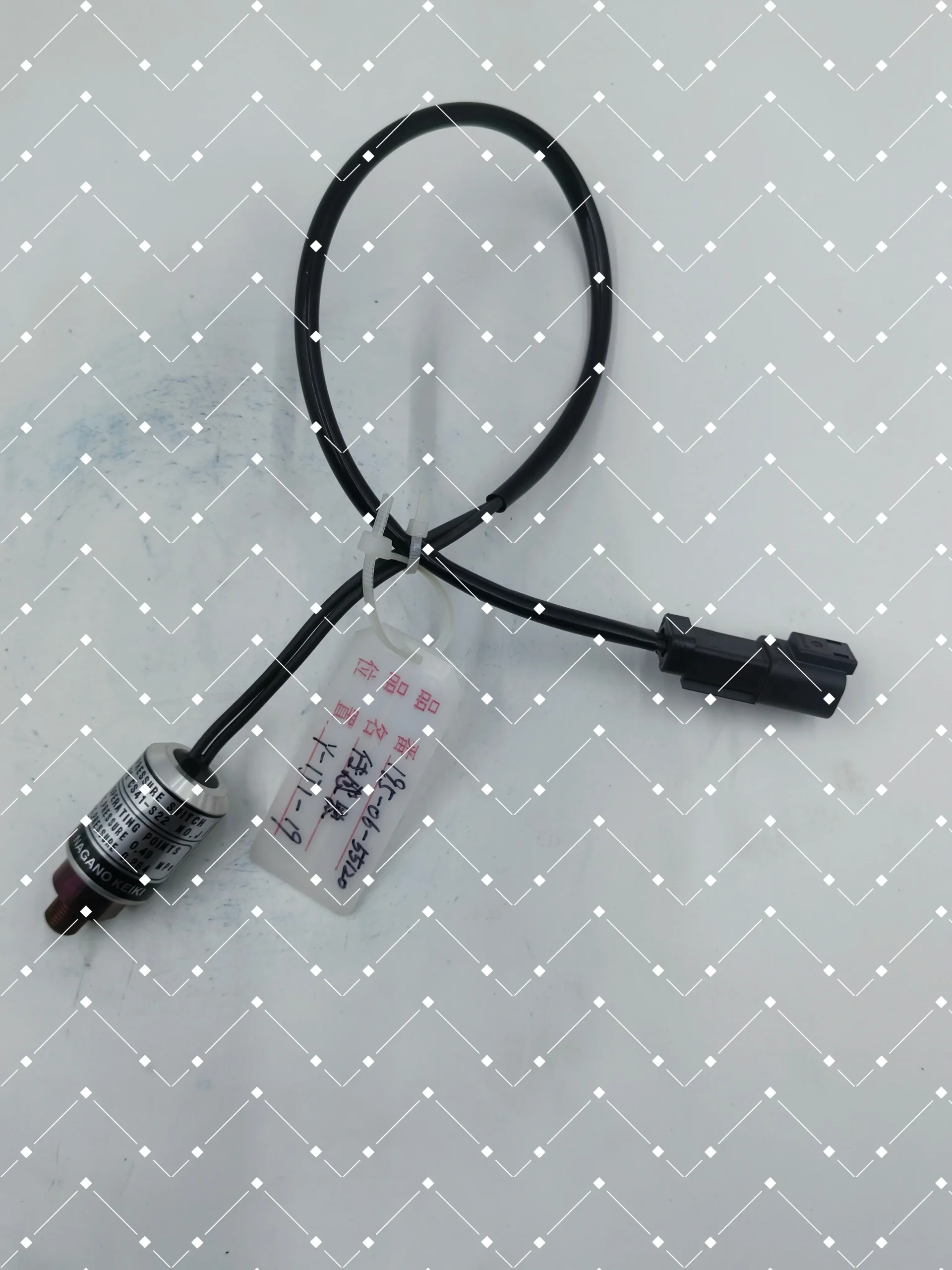 Komatsu 195-06-55120 Switch, price for original and… — Pricing.Parts
 -
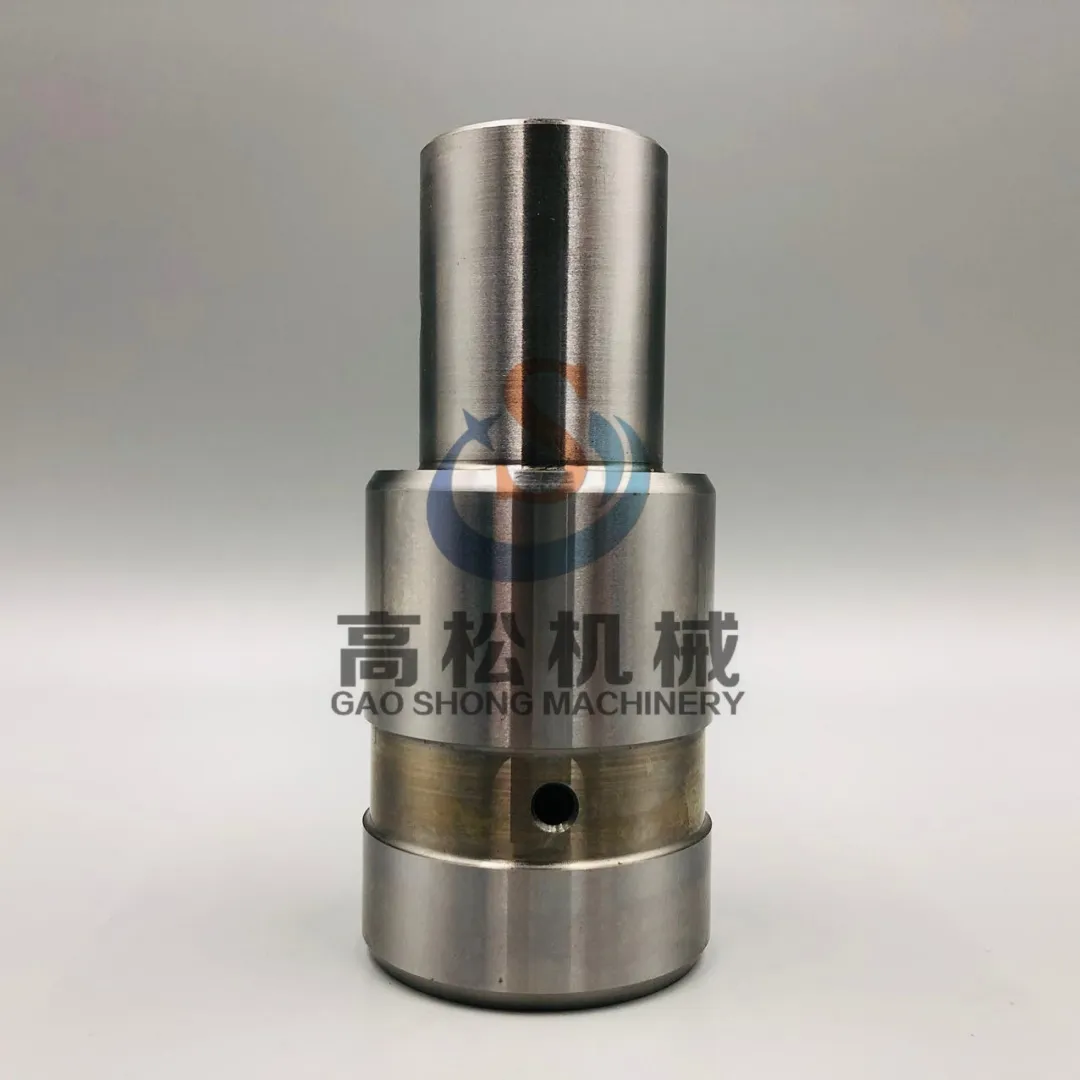
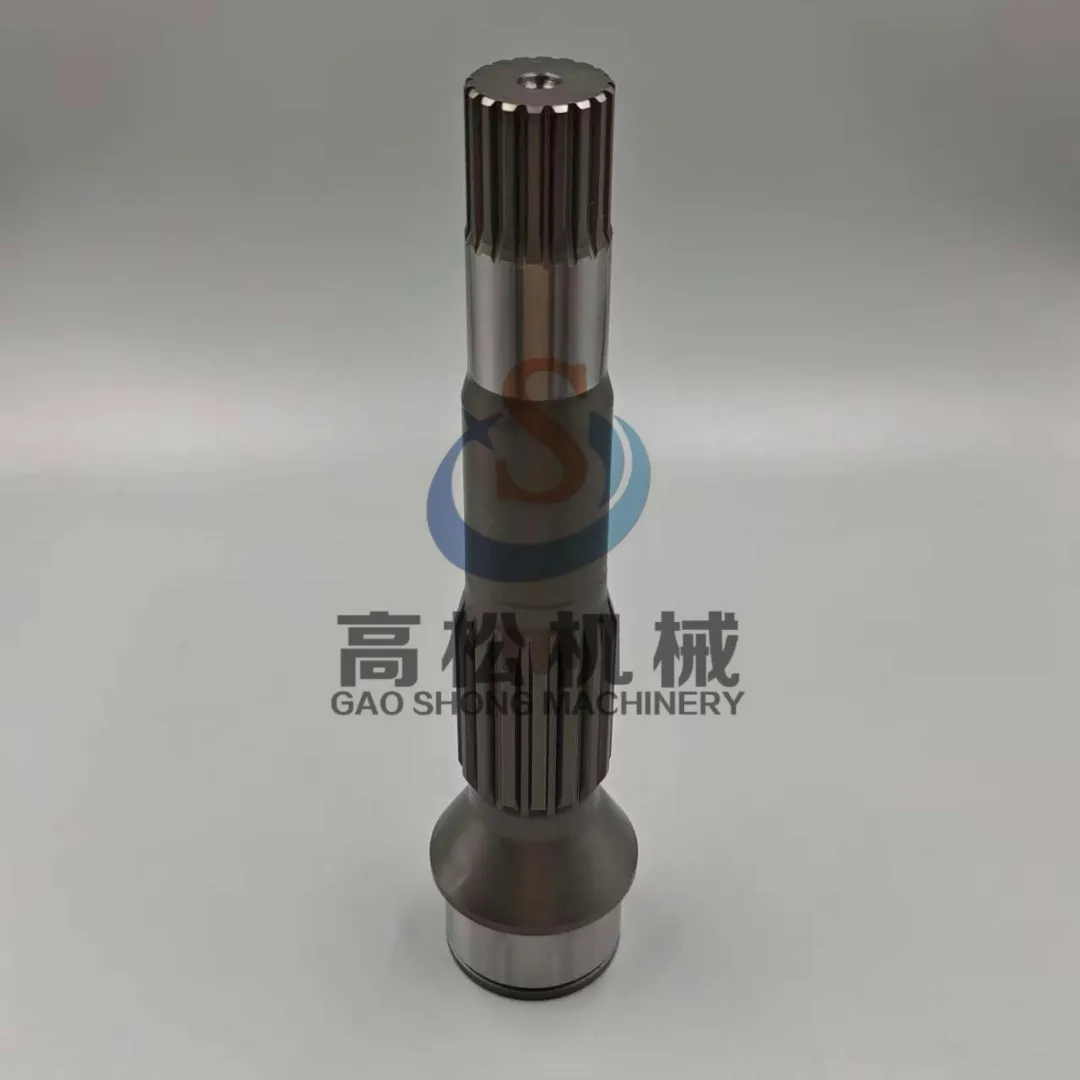 708-2G-12121 Shaft Drive L Fits Komatsu PC300-7 PC360-7 PC350-7 HPV140 Pump
 -
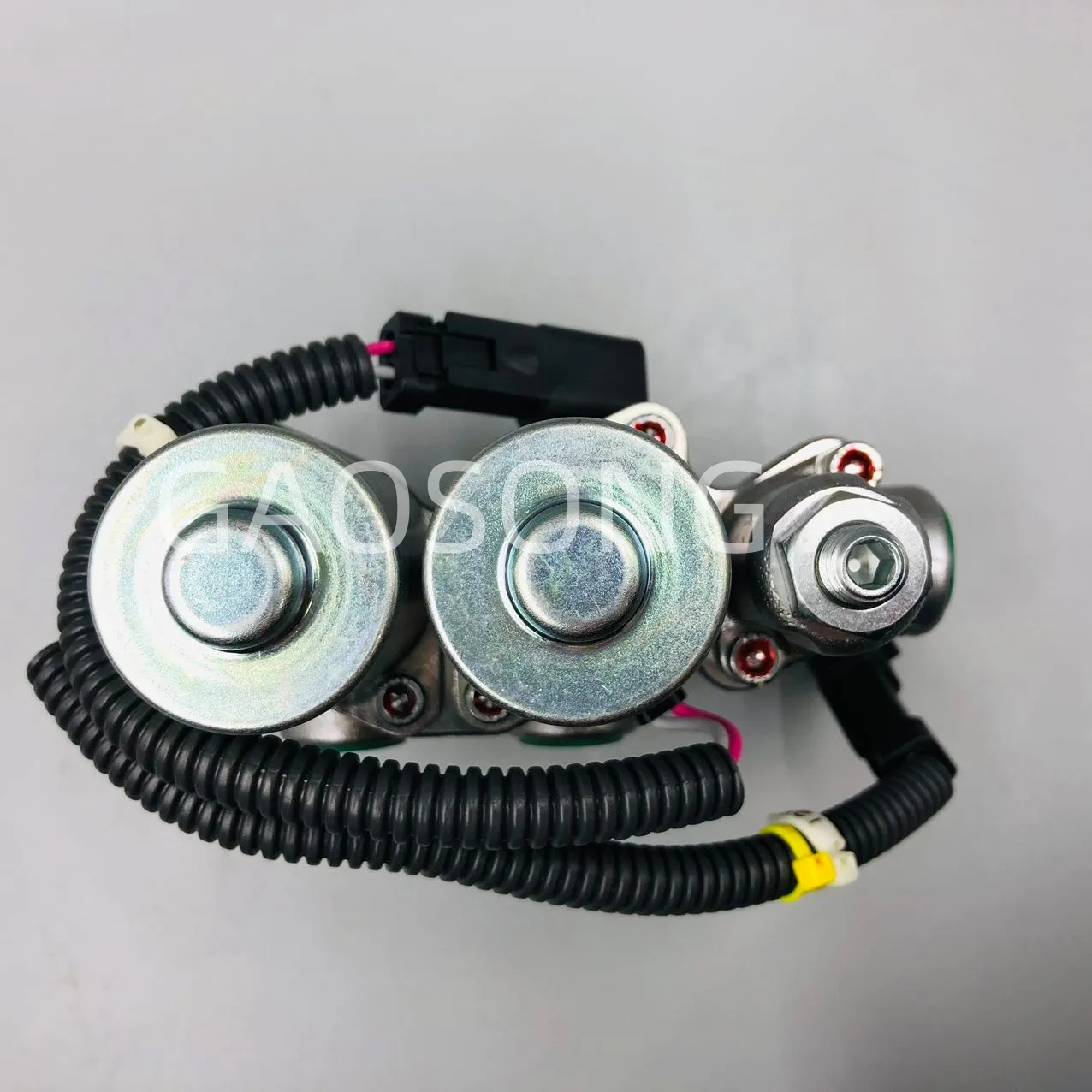 Pc45mr Pc50mr Solenoid Valve 22f-60-31600 Genuine Parts, High…
 -
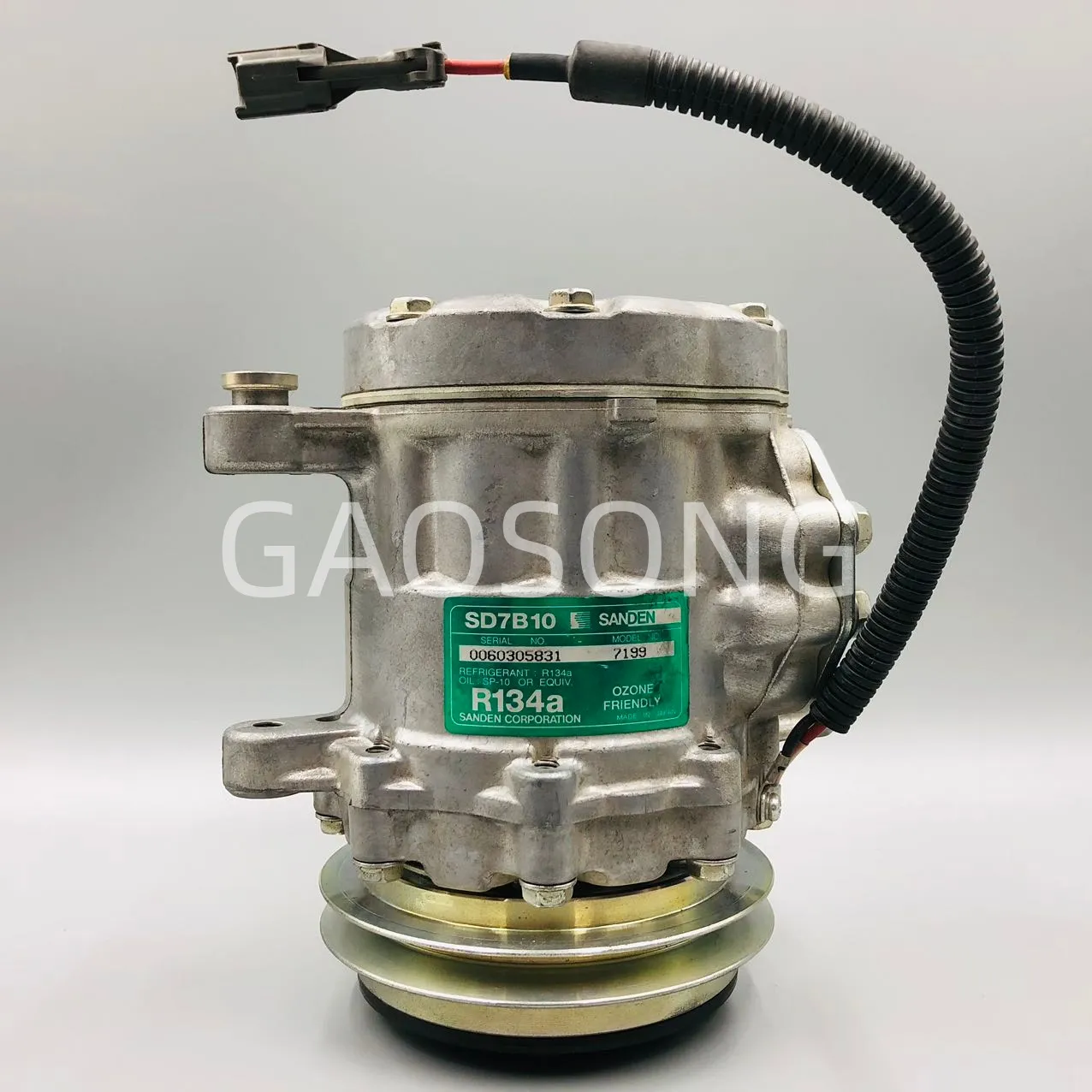 12V PC56-7 Excavator Air Conditioning Accessories 22L-979-2200
 -
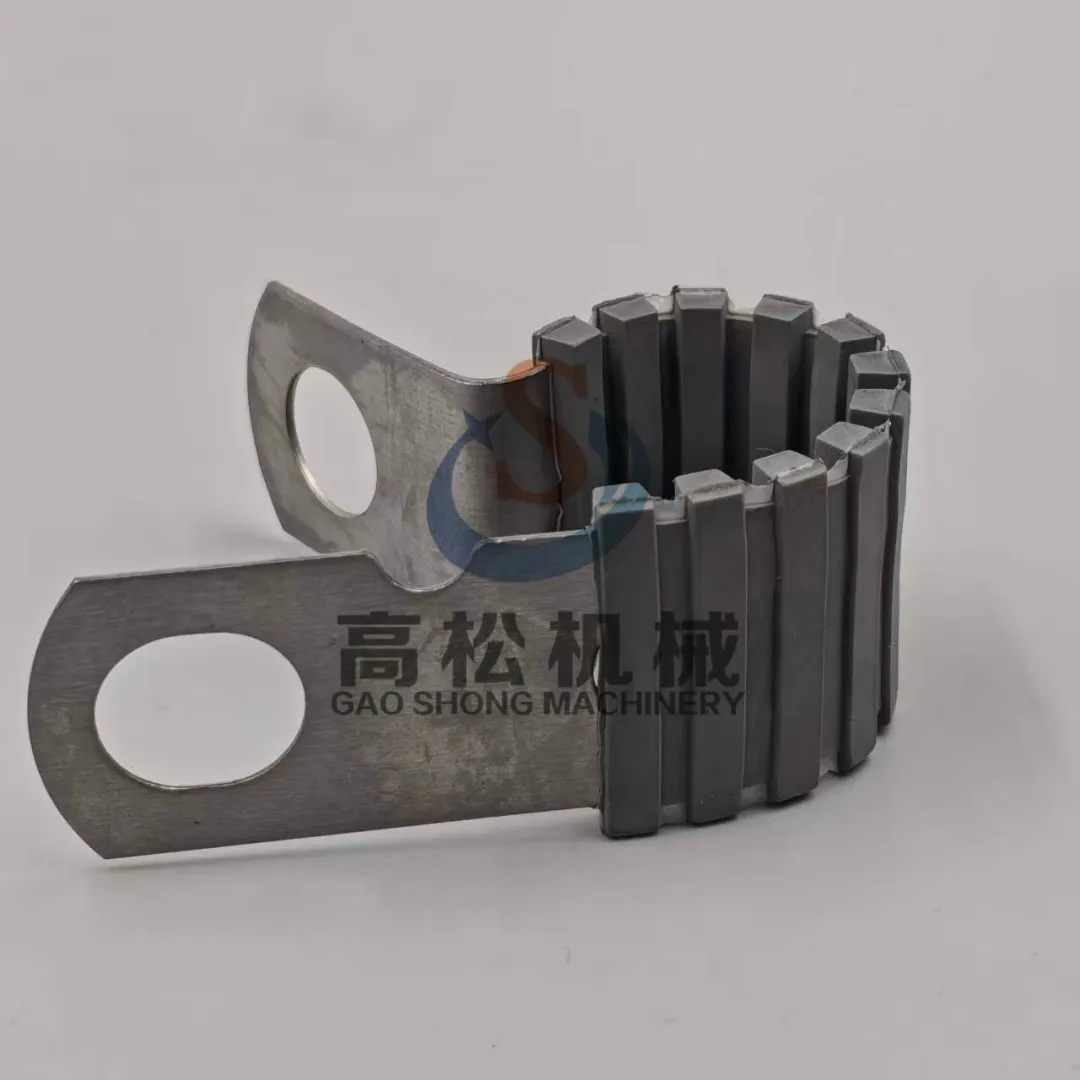 600-051-2180Spare part 600-051-2180 Clip (Komatsu)
 -
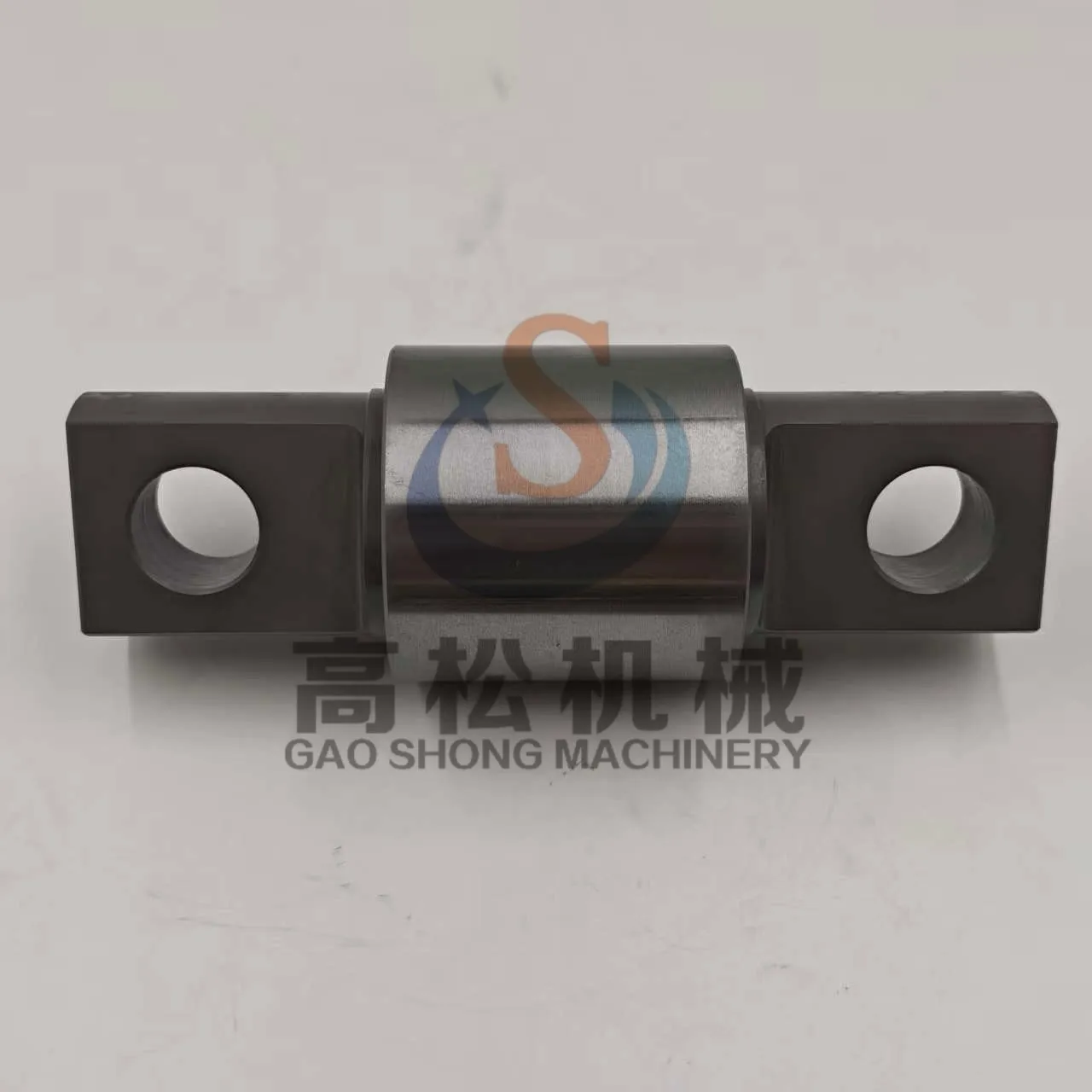 CUSHION 56B-16-11211 – KOMATSU
 -
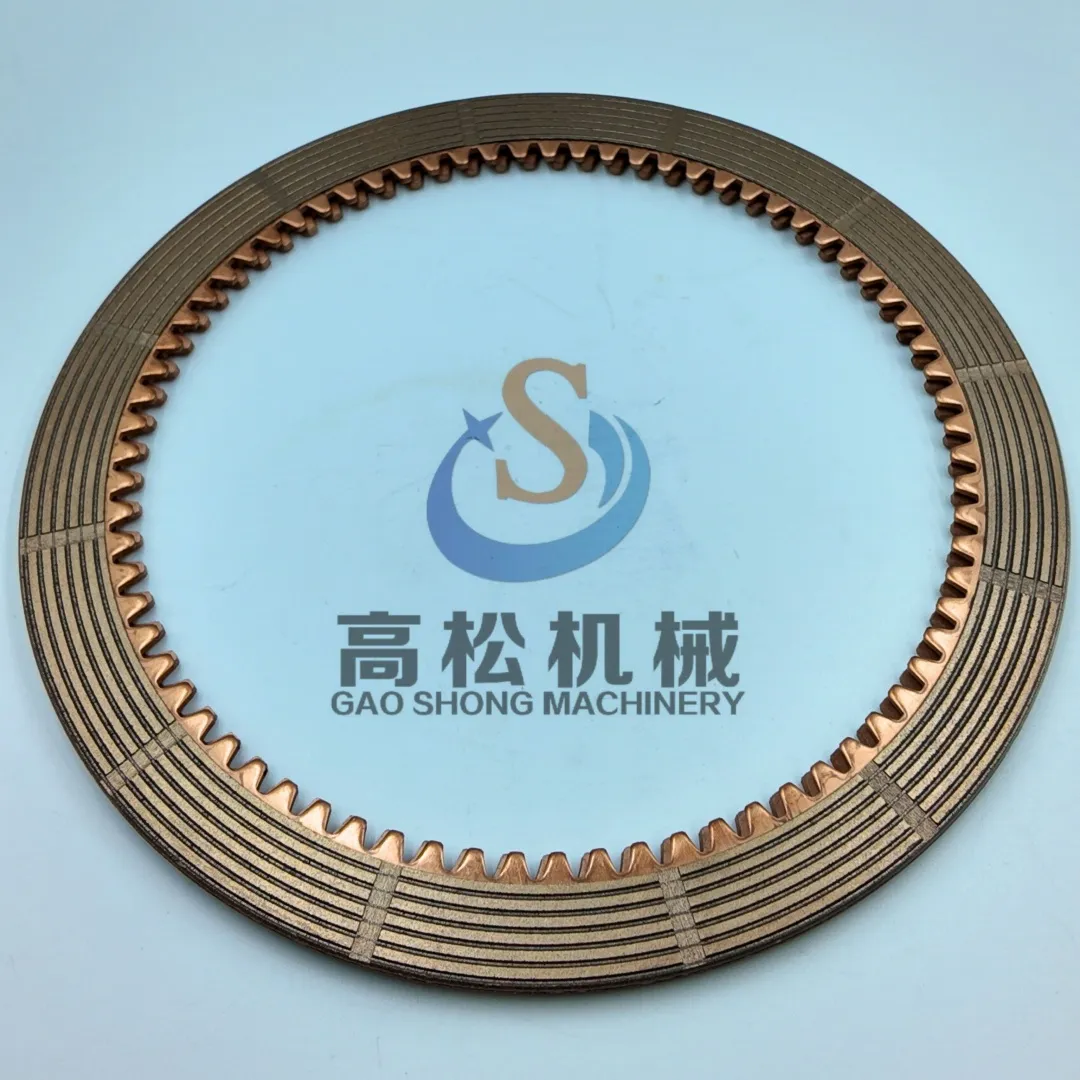 23S-15-12710 – DISC FRICTION – FITS KOMATSU
 -
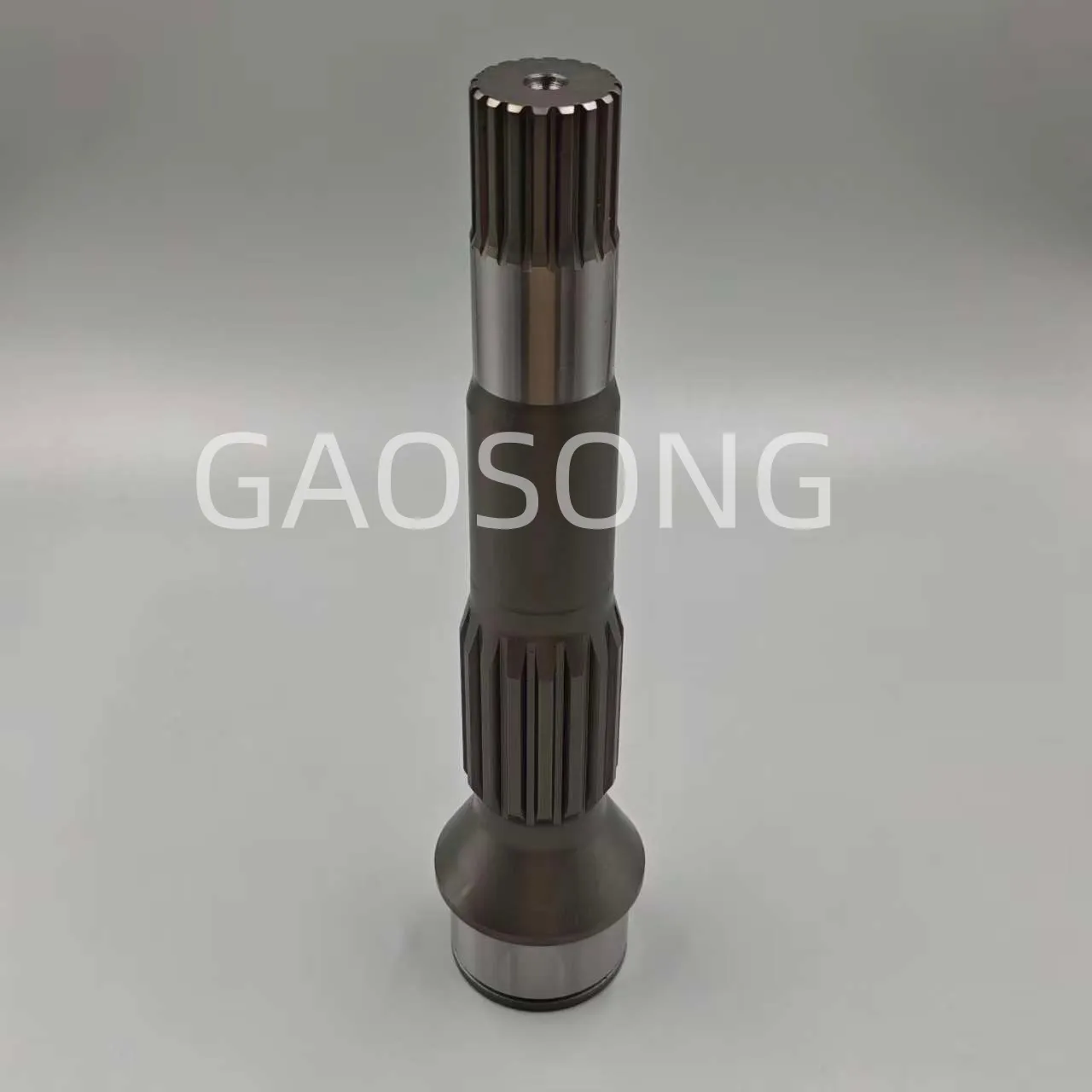 708-2G-12121 •• SHAFT-Komatsu Original Factory
 -
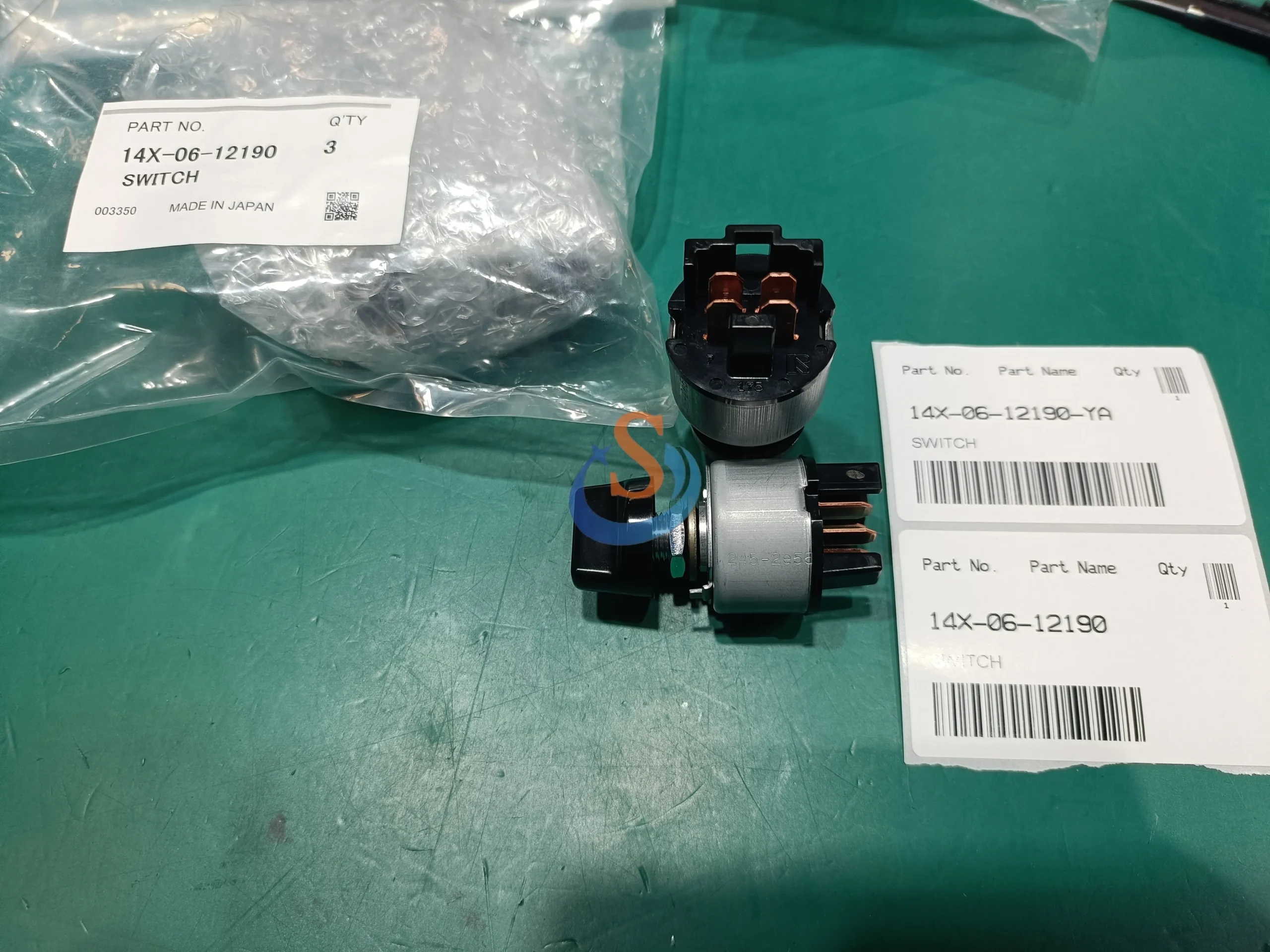 14X-06-12190 SWITCH D375A/D475A
 -
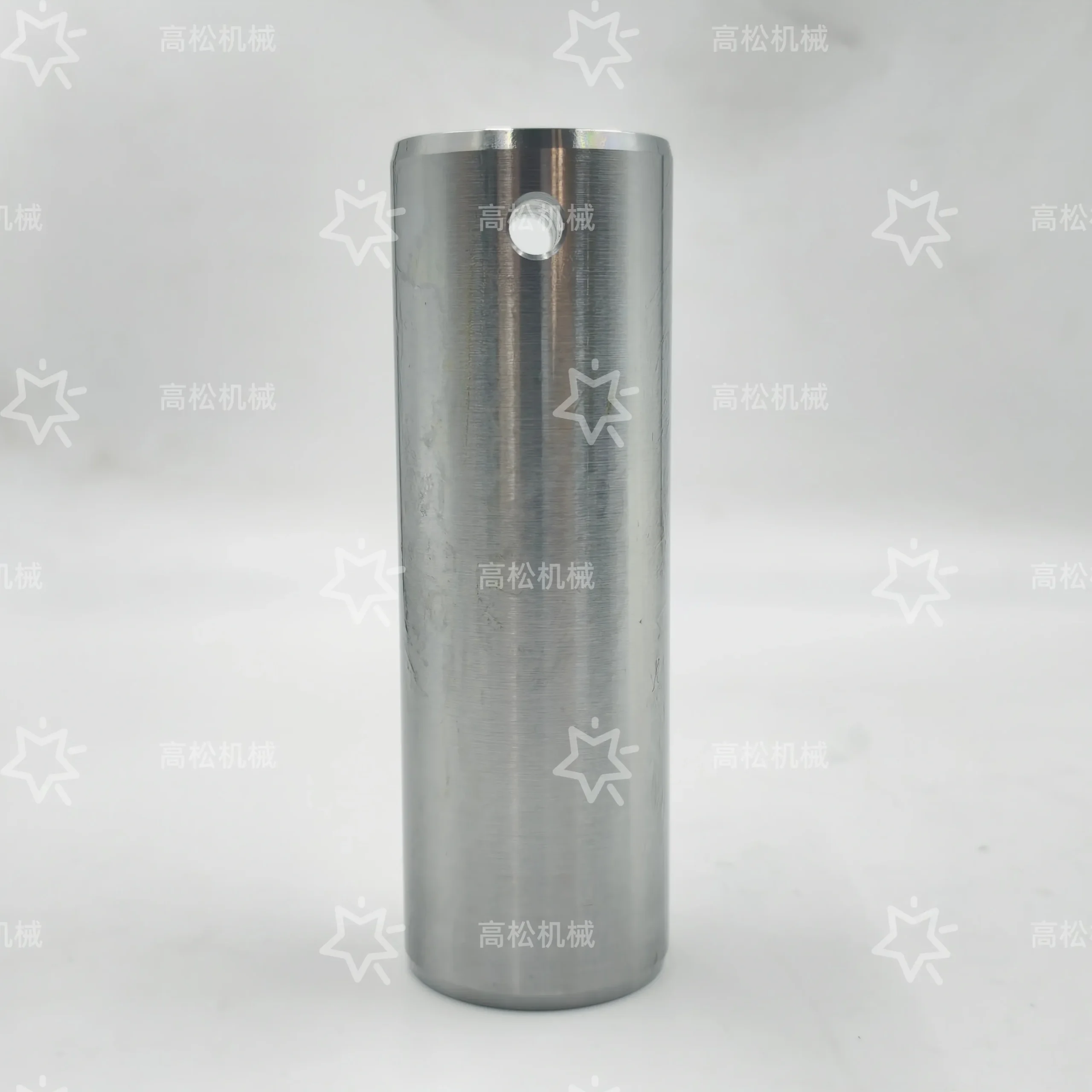 Komatsu Pin 421-22-32511 for Wheel loader WA470-6
 -
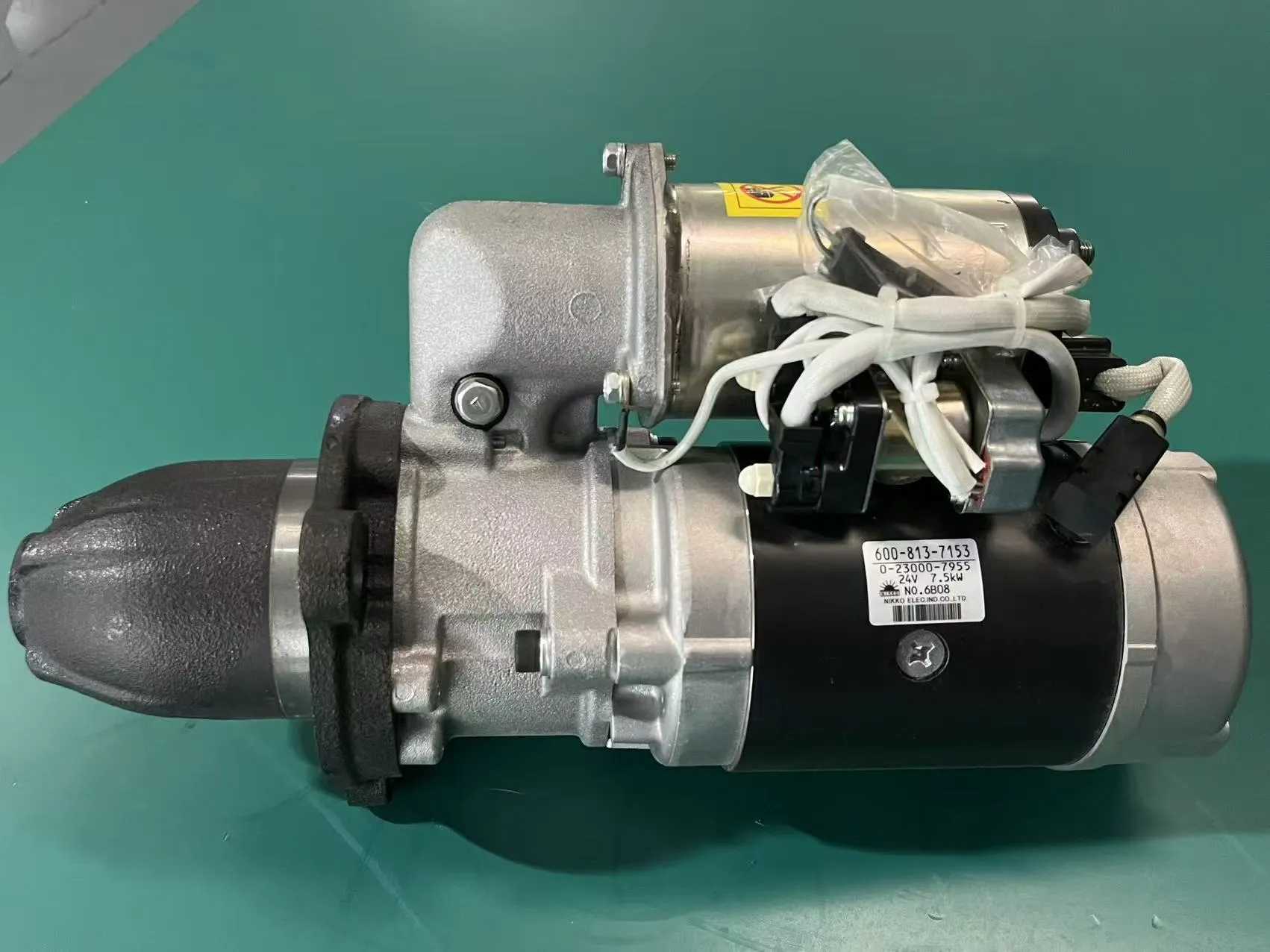 608-813-6632 #Komatsu #Komatsu Machinery Parts spot 2025
 -
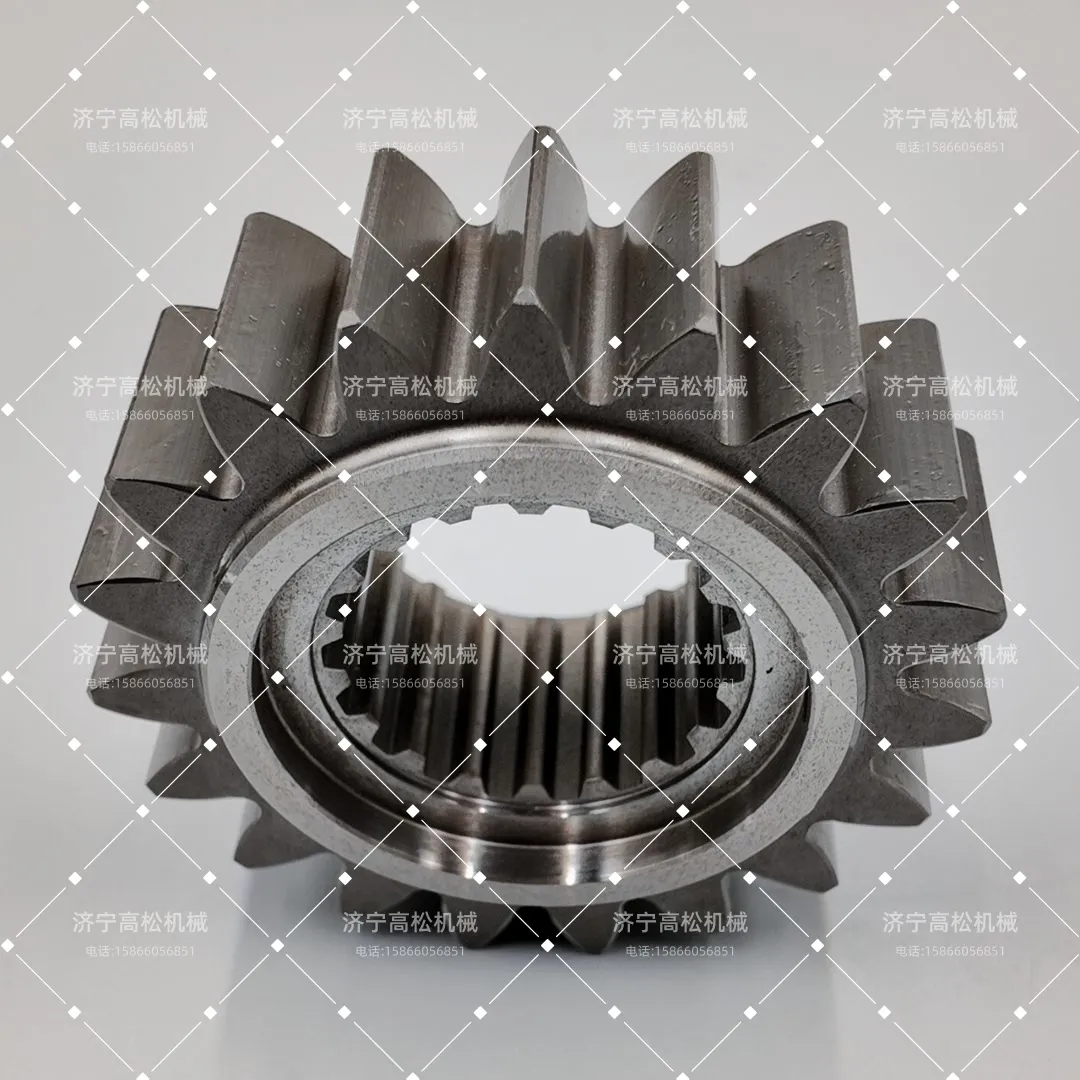 207-26-71510 Komatsu Gear