
- Chinese
- French
- German
- Portuguese
- Spanish
- Russian
- Japanese
- Korean
- Arabic
- Irish
- Greek
- Turkish
- Italian
- Danish
- Romanian
- Indonesian
- Czech
- Afrikaans
- Swedish
- Polish
- Basque
- Catalan
- Esperanto
- Hindi
- Lao
- Albanian
- Amharic
- Armenian
- Azerbaijani
- Belarusian
- Bengali
- Bosnian
- Bulgarian
- Cebuano
- Chichewa
- Corsican
- Croatian
- Dutch
- Estonian
- Filipino
- Finnish
- Frisian
- Galician
- Georgian
- Gujarati
- Haitian
- Hausa
- Hawaiian
- Hebrew
- Hmong
- Hungarian
- Icelandic
- Igbo
- Javanese
- Kannada
- Kazakh
- Khmer
- Kurdish
- Kyrgyz
- Latin
- Latvian
- Lithuanian
- Luxembou..
- Macedonian
- Malagasy
- Malay
- Malayalam
- Maltese
- Maori
- Marathi
- Mongolian
- Burmese
- Nepali
- Norwegian
- Pashto
- Persian
- Punjabi
- Serbian
- Sesotho
- Sinhala
- Slovak
- Slovenian
- Somali
- Samoan
- Scots Gaelic
- Shona
- Sindhi
- Sundanese
- Swahili
- Tajik
- Tamil
- Telugu
- Thai
- Ukrainian
- Urdu
- Uzbek
- Vietnamese
- Welsh
- Xhosa
- Yiddish
- Yoruba
- Zulu
- Kinyarwanda
- Tatar
- Oriya
- Turkmen
- Uyghur




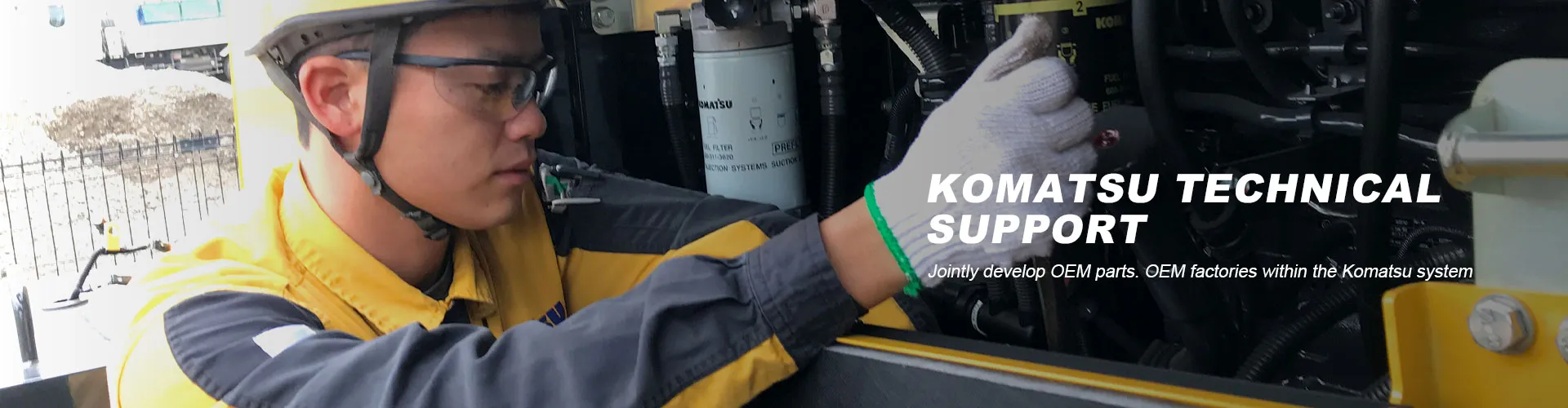
Komatsu controller
When you hear 'Komatsu controller,' most people immediately think of the main machine control unit (MCU) in an excavator or dozer. That's not wrong, but it's a starting point that misses the ecosystem. The real conversation isn't about a single black box; it's about the layered architecture—from the proprietary Komatsu controller at the heart to the third-party and aftermarket modules that have to talk to it. A lot of the frustration in the field comes from treating it as a monolithic unit when it's really a network of dependencies.
The Core: Komatsu's Proprietary Architecture
Komatsu's in-house controllers, like the ones for the -8 or -11 series excavators, are engineered for tight integration. They don't just manage engine RPM and pump flow; they're constantly balancing those against hydraulic pressure sensors, swing torque, and even the machine's inclination. The logic is deep. I've seen seasoned mechanics get tripped up because they replaced a pump pressure sensor, but the Komatsu controller was still reading a fault from the now-mismatched historical data in the CAN stream. It's not a simple plug-and-play reset; you often need the genuine Komatsu diagnostic tool, like the Comtrax service interface, to perform a full parameter reset and handshake.
This creates a bottleneck. If you're in a region where the official Komatsu dealer network is sparse or parts are on a six-month backorder, a machine can be down for ages waiting for a $15,000 controller assembly. That's where the ecosystem of specialized suppliers comes into play. Companies don't just pop up to clone these units; they emerge to solve specific access problems.
Take a company like Jining Gaosong Construction Machinery Co., Ltd.. Their position is interesting. As they note on their site https://www.takematsumachinery.com, they operate as an OEM product supplier within the Komatsu system and also as a third-party sales company. This dual role is key. It means they have legitimate access to genuine Komatsu controller modules and system schematics, but they also understand the gaps in the supply chain that they can fill with compatible, reliable alternatives. They're not just a parts shop; they're a logistics and technical bridge for markets that the primary distribution channels struggle to serve efficiently.
The Third-Party Reality and Compatibility Wars
This leads to the messy, practical world of third-party controllers and components. You have companies making display units, joystick controllers, and even full MCU replacements that claim Komatsu compatibility. The success rate is a mixed bag. I've installed aftermarket monitor panels that worked flawlessly for reading codes and basic parameters, but failed to display the fine-grained hydraulic temperature differentials the Komatsu system provides. The machine runs, but the operator loses a diagnostic layer.
The bigger challenge is communication protocols. Komatsu uses its own variant of CAN bus messaging. A third-party Komatsu controller might handle the primary J1939 CAN commands but misinterpret the proprietary Komatsu-specific PGNs (Parameter Group Numbers) for, say, the swing priority function. The result? The machine might swing smoothly but lack the fine-grained control at the edge of its performance envelope. You only find this out during a demanding grading operation, not during a yard test.
I recall a job where we tried a third-party pump controller on a PC300-8. It regulated flow adequately under normal digging, but during a simultaneous arm-in and swing maneuver, it couldn't process the complex priority commands from the main MCU fast enough. The machine would stutter. We went back to a sourced genuine unit from a supplier like Gaosong, which solved the issue. Their value is in vetting this compatibility. When they supply a third-party module, it's presumably because they've tested it against the specific machine model's bus traffic, not just because the connector fits.
Diagnostics: The Art of Reading Between the Lines
Working with these controllers is less about swapping parts and more about forensic diagnostics. The fault codes are a guide, not a gospel. A code for Pump Pressure Sensor Abnormal could be the sensor, the wiring harness, a bad ground shared with another module, or corruption in the controller's own memory. The first step is always to check the live data stream. If the sensor reading is frozen at 0 MPa or 40 MPa regardless of actual pressure, it's likely the sensor or wiring. If it's fluctuating but illogically, the controller's A/D converter or its internal reference voltage might be shot.
This is where the deep knowledge of the architecture matters. On older models, the main Komatsu controller and the monitor panel are separate computers talking to each other. I've seen a case where the monitor showed a transmission fault, but the issue was a corrupted firmware handshake between the monitor and the main controller. Resetting the monitor unit cleared it. No physical parts were changed.
Suppliers who understand this are invaluable. Their technical support isn't just reading a catalog; it's asking questions like, What's the exact code sequence? and Does the swing pressure show on the detailed monitor page? This level of support is what separates a parts vendor from a technical partner. It's the kind of practical, problem-solving approach you'd expect from a company embedded in both the OEM and aftermarket worlds, focused on solving supply and technical challenges in specific regions.
Future-Proofing and Obsolescence
A looming issue is obsolescence. Komatsu, like all manufacturers, phases out support for older controllers. Finding a replacement MCU for a 2005-era machine is becoming a treasure hunt. This is a major niche for third-party specialists. Some are now offering remanufactured units with updated internal components or even clone controllers that can be loaded with the original machine's parameter file.
The risk here is data integrity. The parameter file contains the machine's personality—its pump curves, engine derate maps, pressure settings. A poorly cloned controller can make a machine feel sluggish or, worse, operate unsafely. The process requires not just the hardware but the software tools and the know-how to transfer this data correctly. It's a delicate operation.
This is another area where the model of a company like Jining Gaosong makes sense. Their role within the Komatsu system likely grants them access to legacy parameter files and flashing procedures that a purely aftermarket player wouldn't have. They can provide a solution that is both technically sound and logistically feasible for a customer in a country where the official channel has discontinued support.
The Takeaway: It's a System, Not a Spare Part
So, the lesson learned, often the hard way, is this: never view a Komatsu controller as an isolated component. It is the central node in a complex, talking network. Replacing it, or any module that interfaces with it, requires system-level thinking. You need to consider protocol compatibility, parameter management, and the hierarchy of fault diagnosis.
The aftermarket and third-party space exists because of real-world downtime pressures. Its quality spectrum is wide. The most reliable providers are those who bridge the gap between the OEM's sealed world and the field's harsh realities. They combine official access with pragmatic supply chain solutions.
Ultimately, success comes from respecting the complexity of the system. Whether you're pulling a genuine part from Komatsu's shelf or a validated compatible unit from a specialized supplier, the goal is the same: restore the machine's network to full, intended communication. The controller is just the piece of hardware that makes that conversation possible.
Related Products
Related Products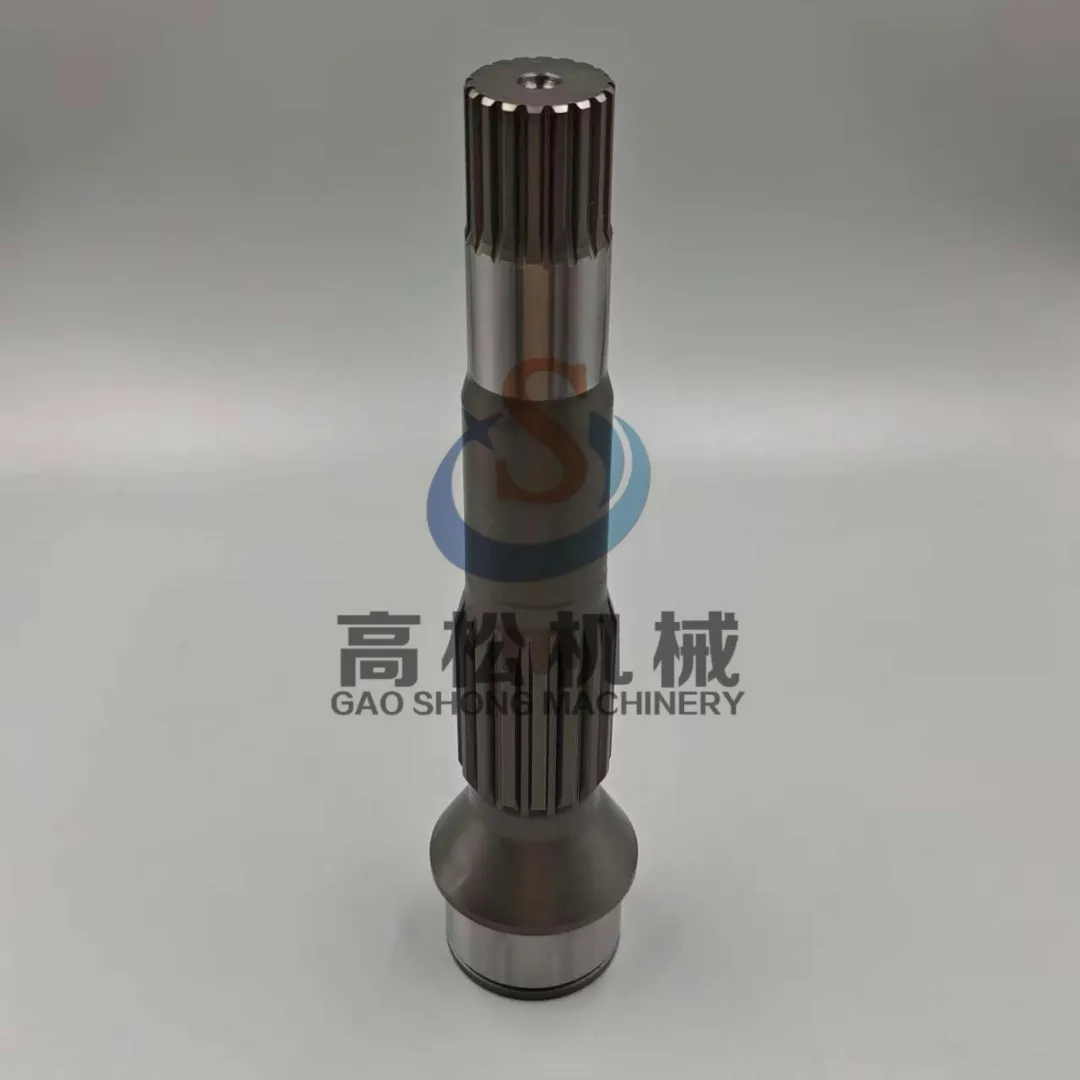
Best Selling Products
Best Selling Products-
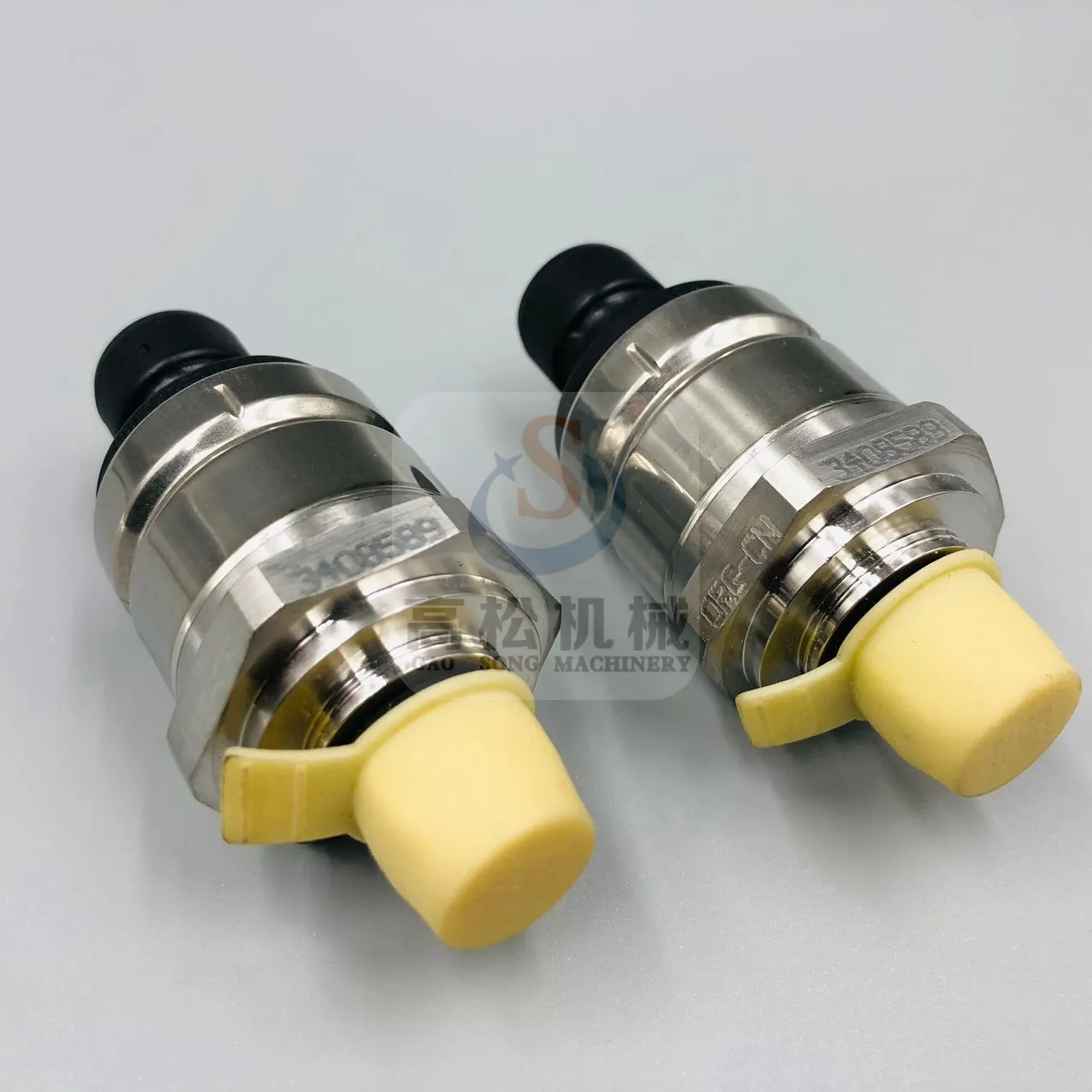 6560-61-7102 pressure sensor for Komatsu WA600-3
 -
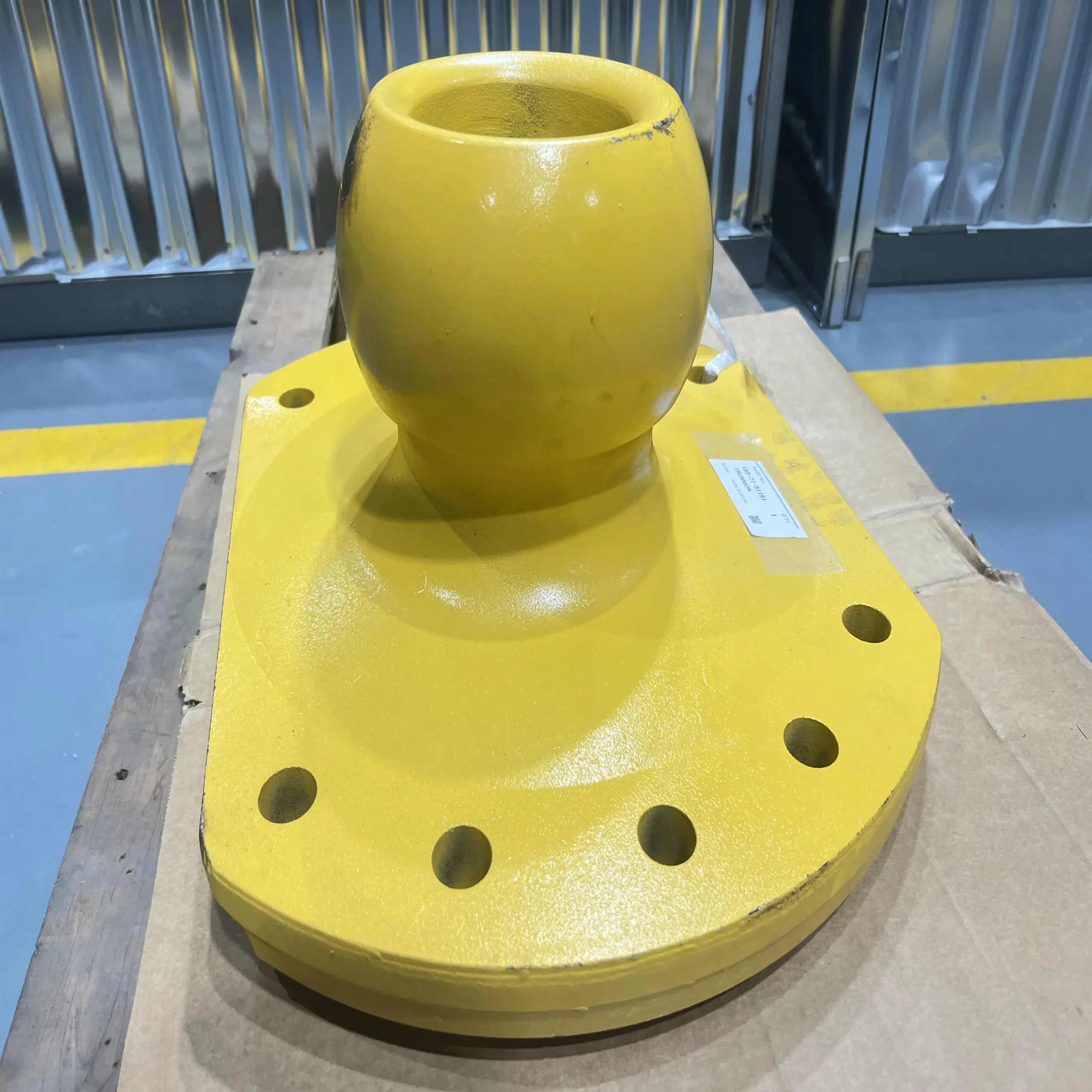 Suitable for Komatsu D375 pin/195-30-62100/195-71-51191/195-71-00342
 -
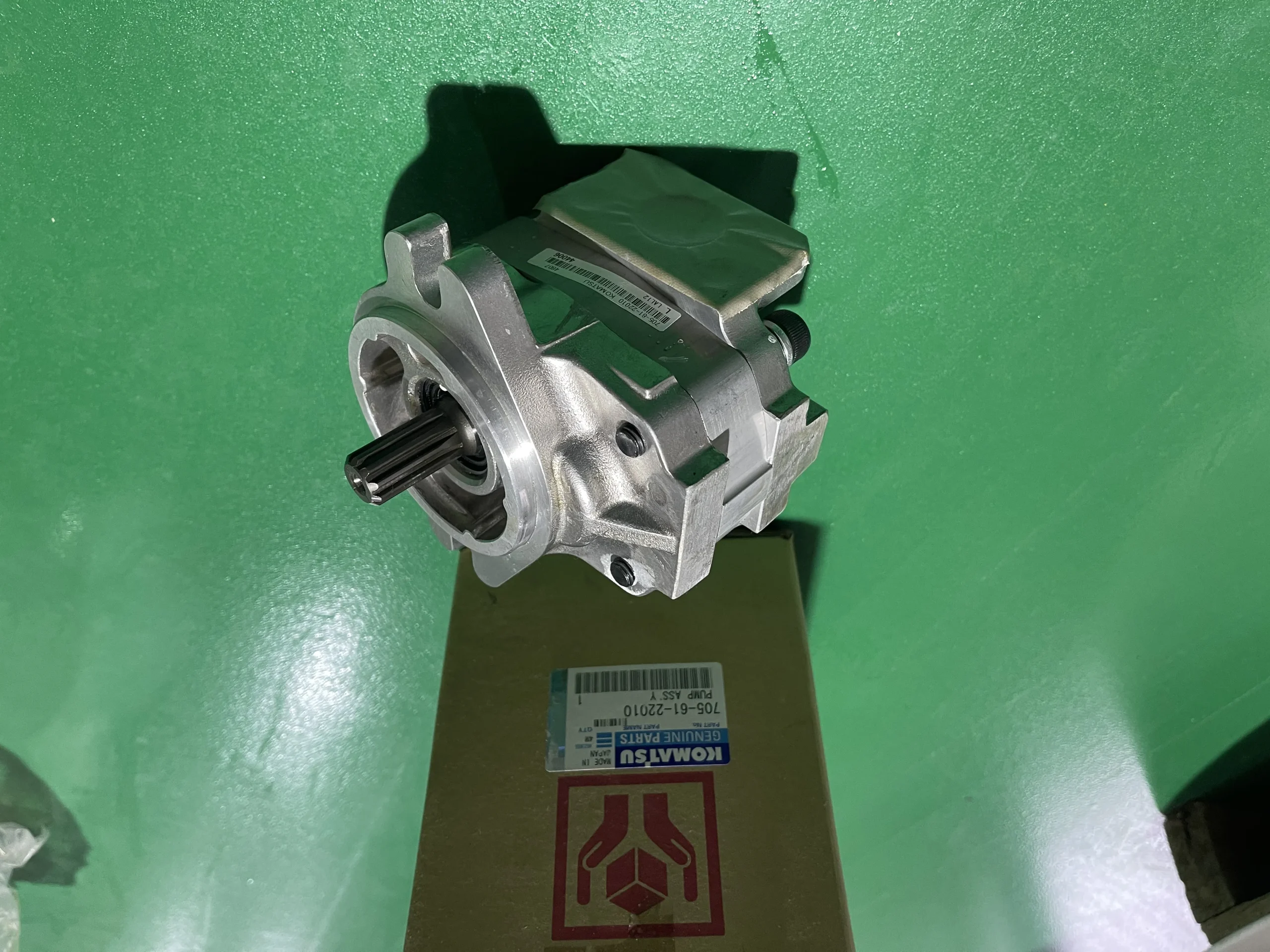
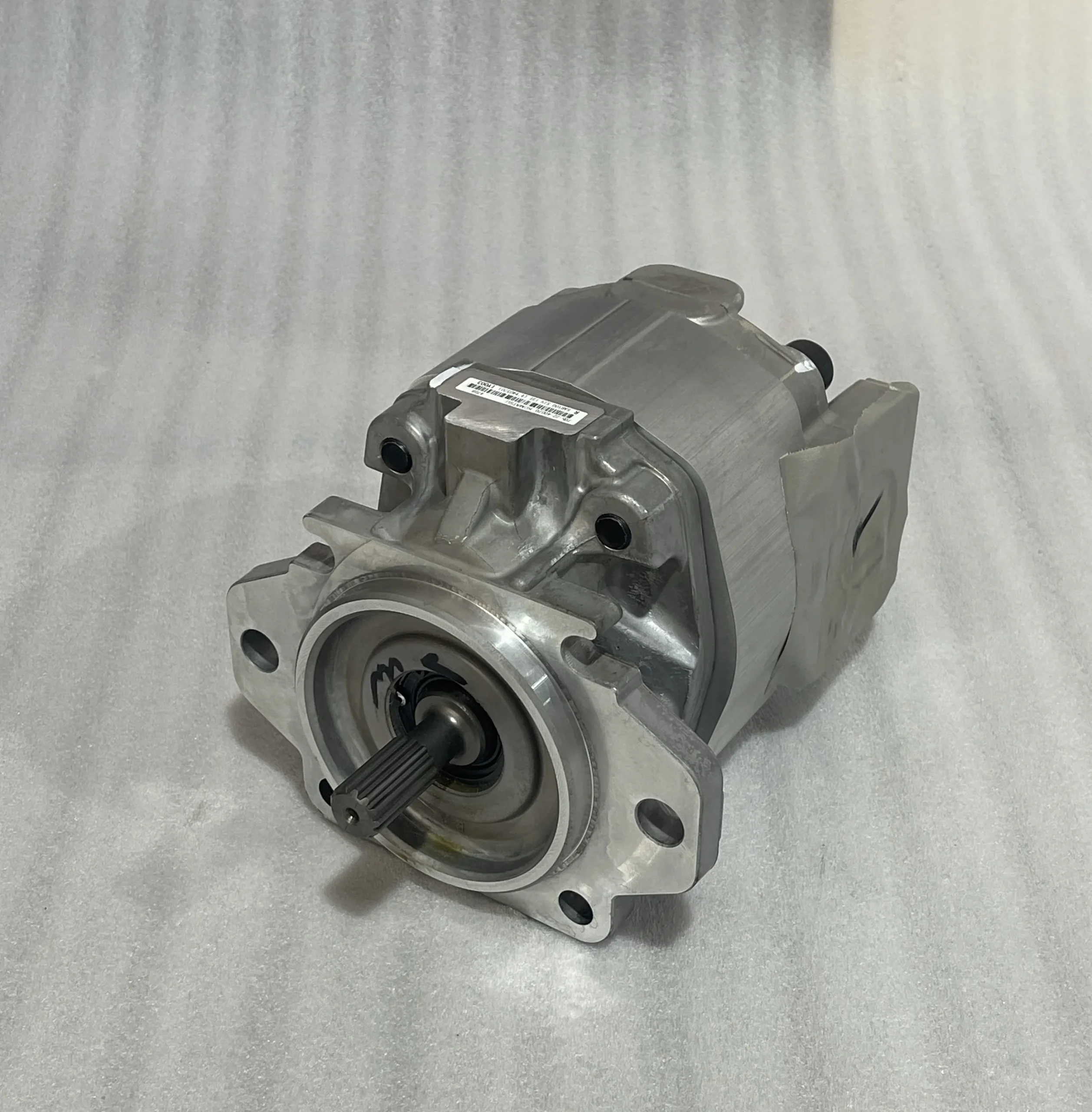 WA470-3 Gear Pump 705-22-40070
 -
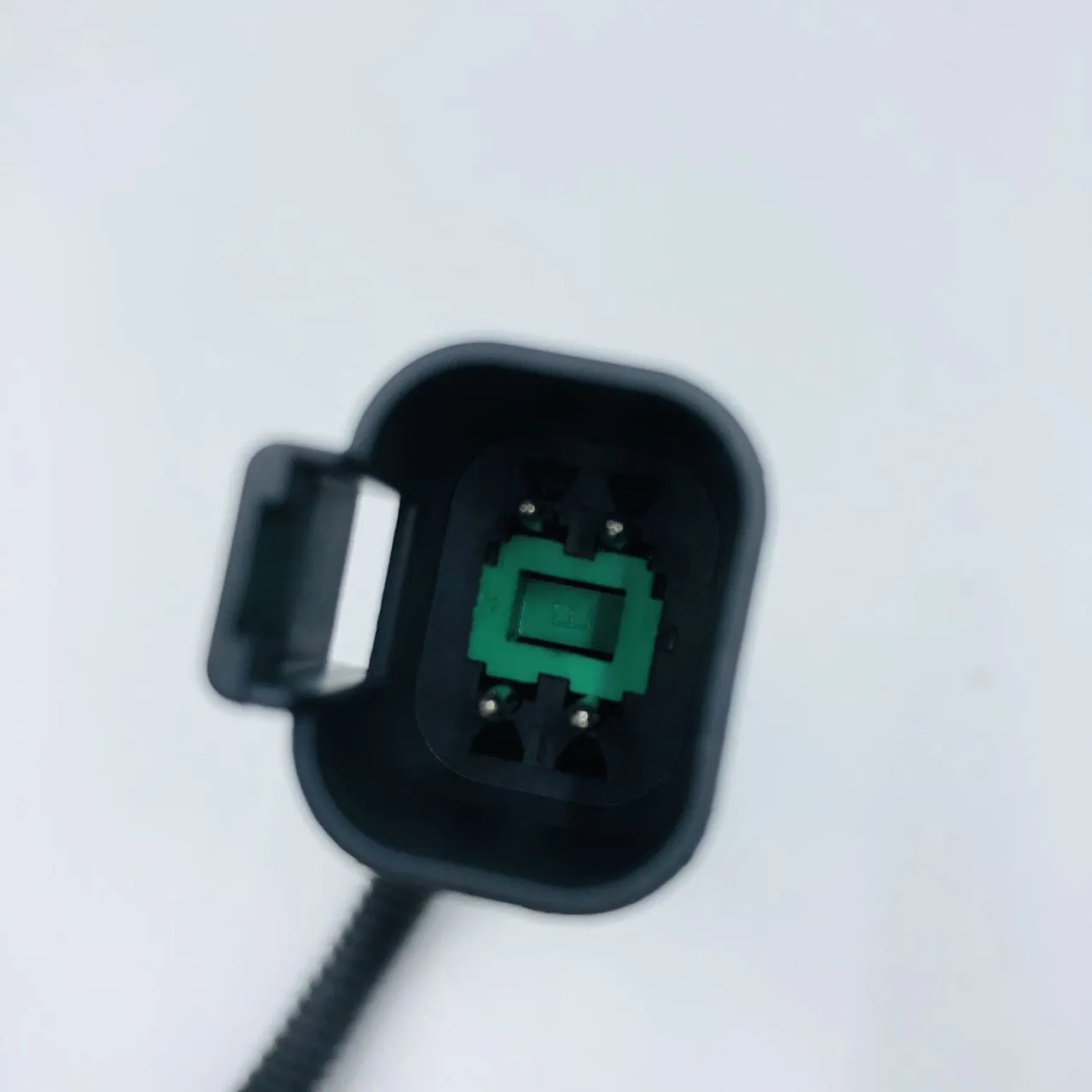 7861-93-5410-SENSOR-Komatsu Original Factory
 -
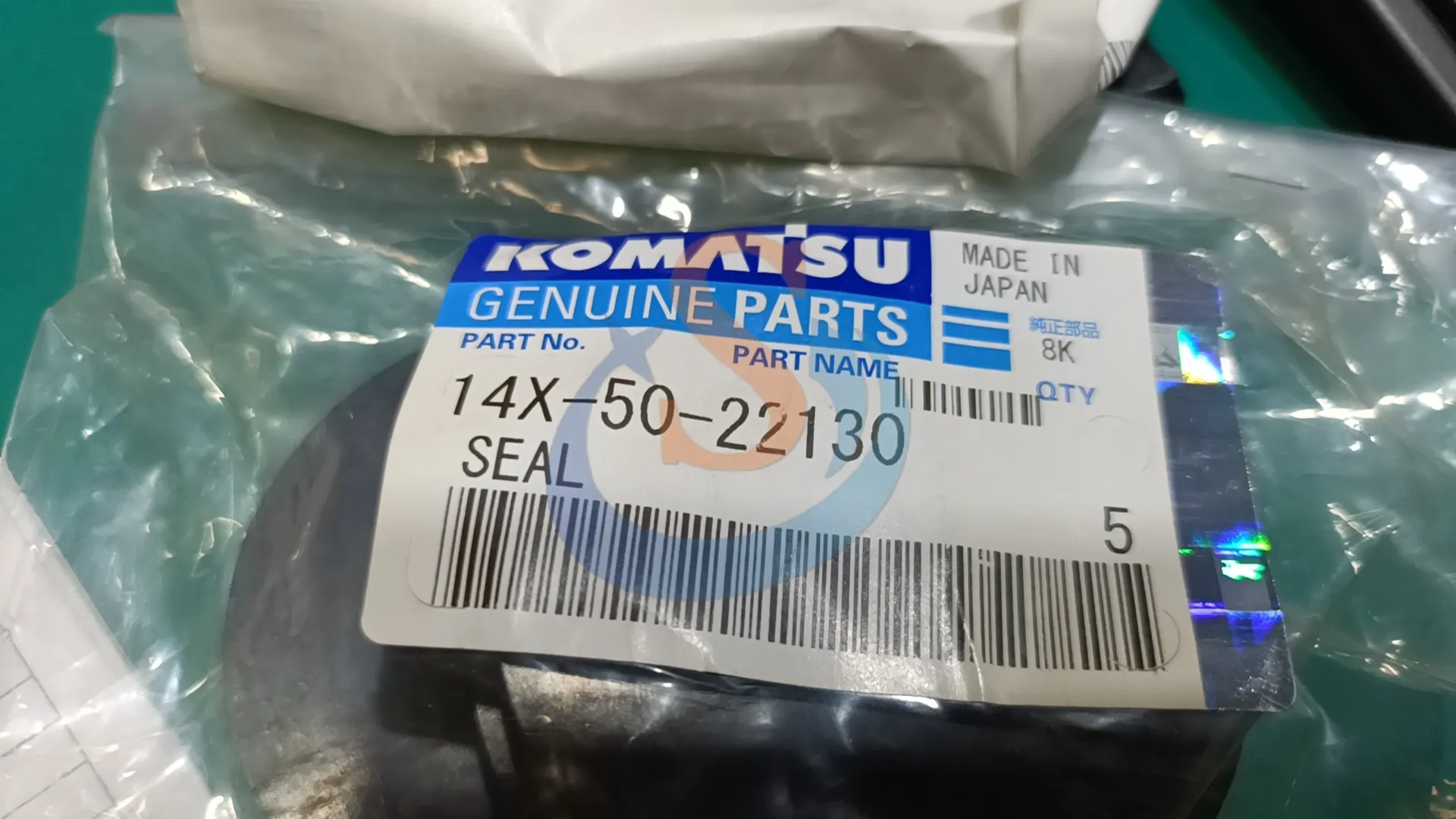 14X-50-22130,SEAL,D65PX,D65E,D85E
 -
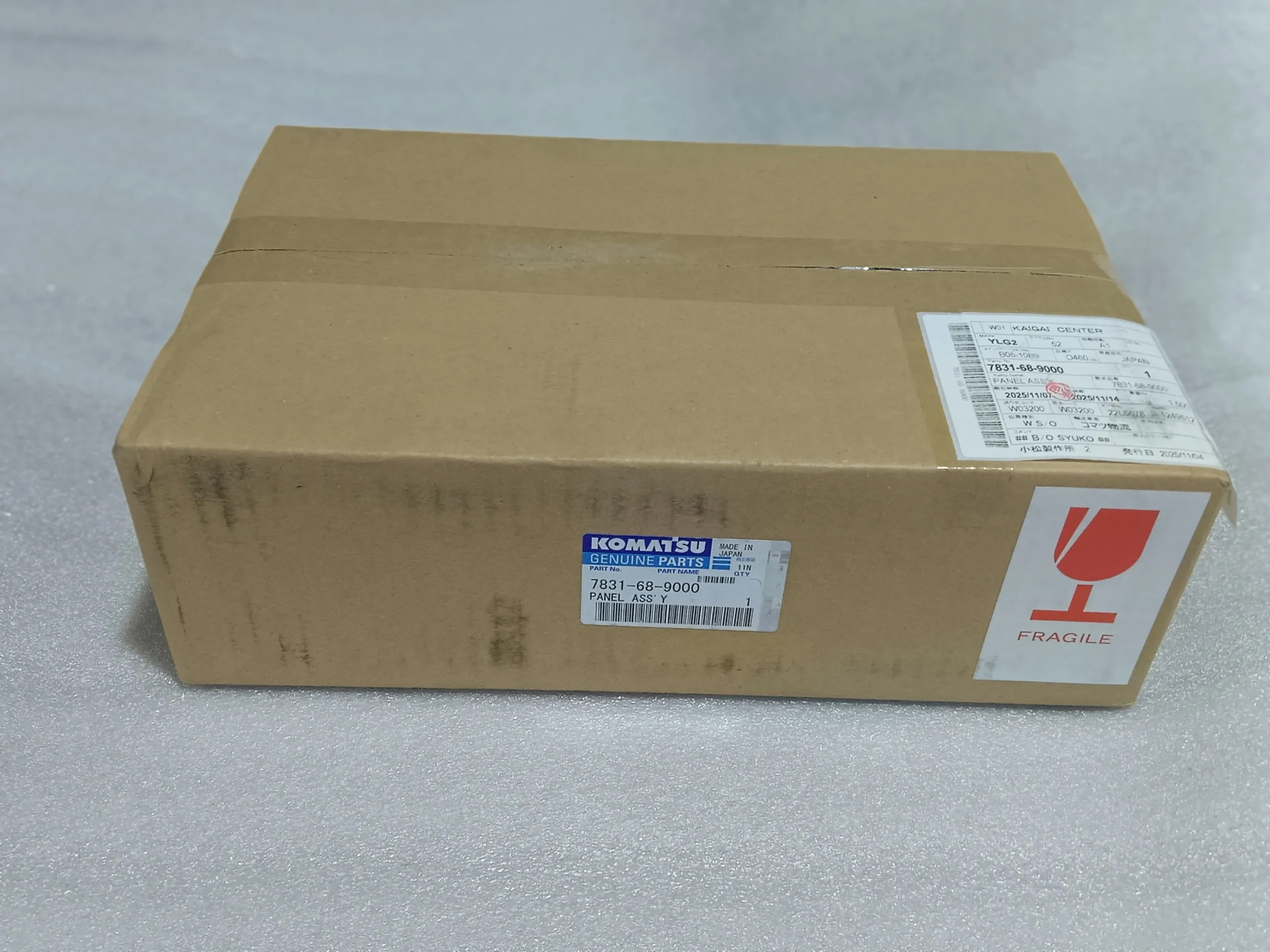 7831-68-9000 PANEL ASS’Y
 -
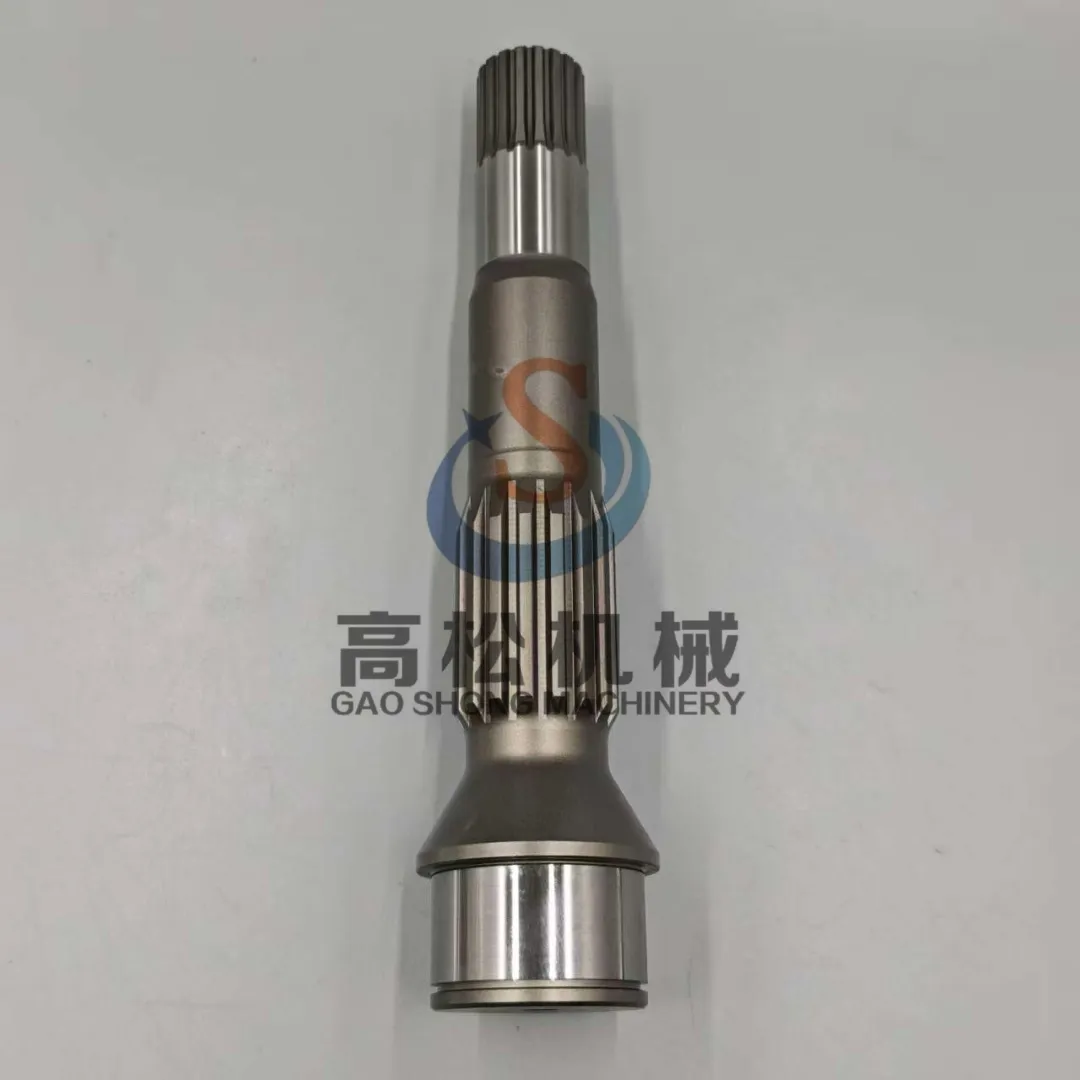 708-2G-12121 Shaft Drive L Fits Komatsu PC300-7 PC360-7 PC350-7 HPV140 Pump
 -
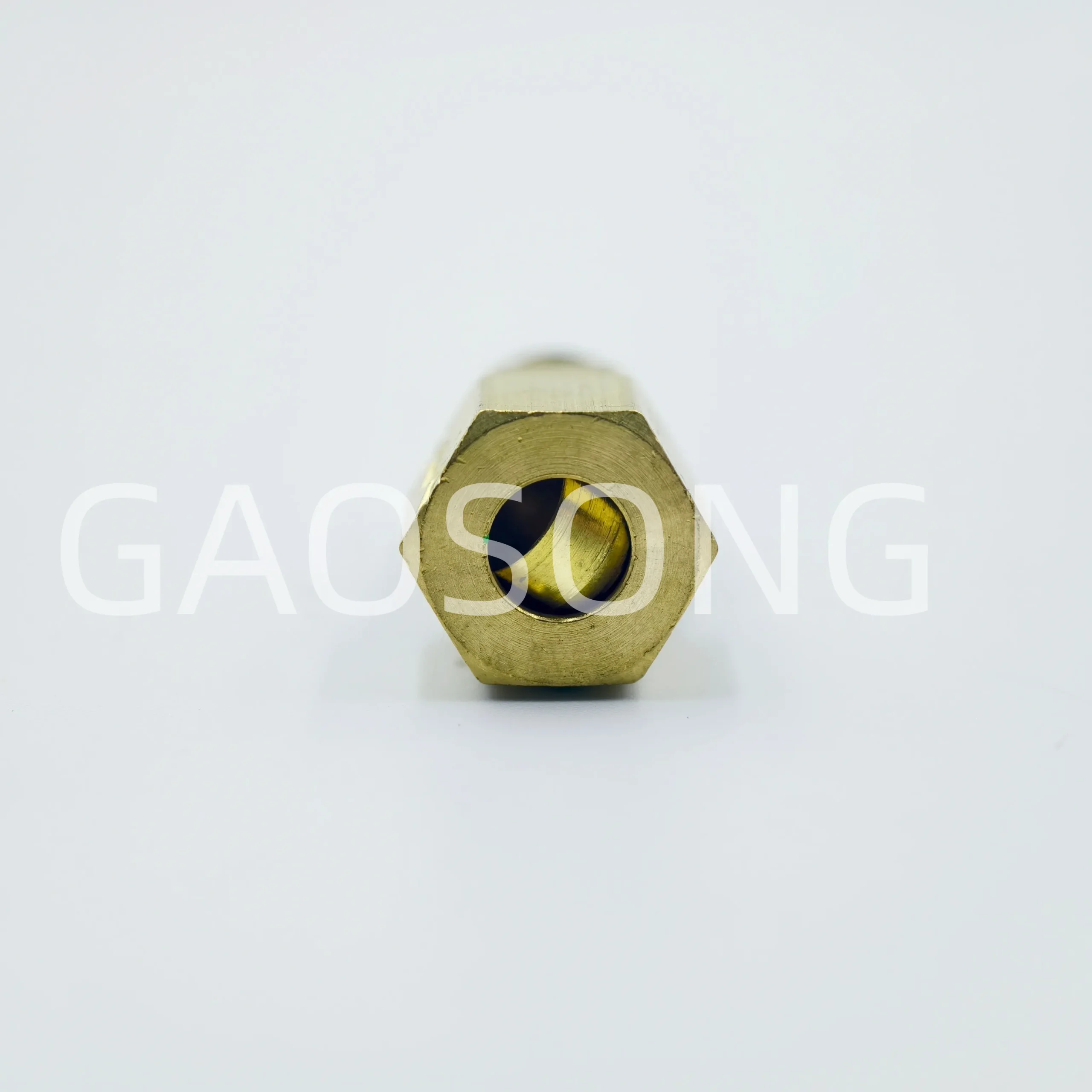 Komatsu 21N-68-32320 CONNECTOR-Komatsu Original Factory CONNECTOR PC1250SP-8R PC1800-6 PC1100SP-6 PC2000-8
 -
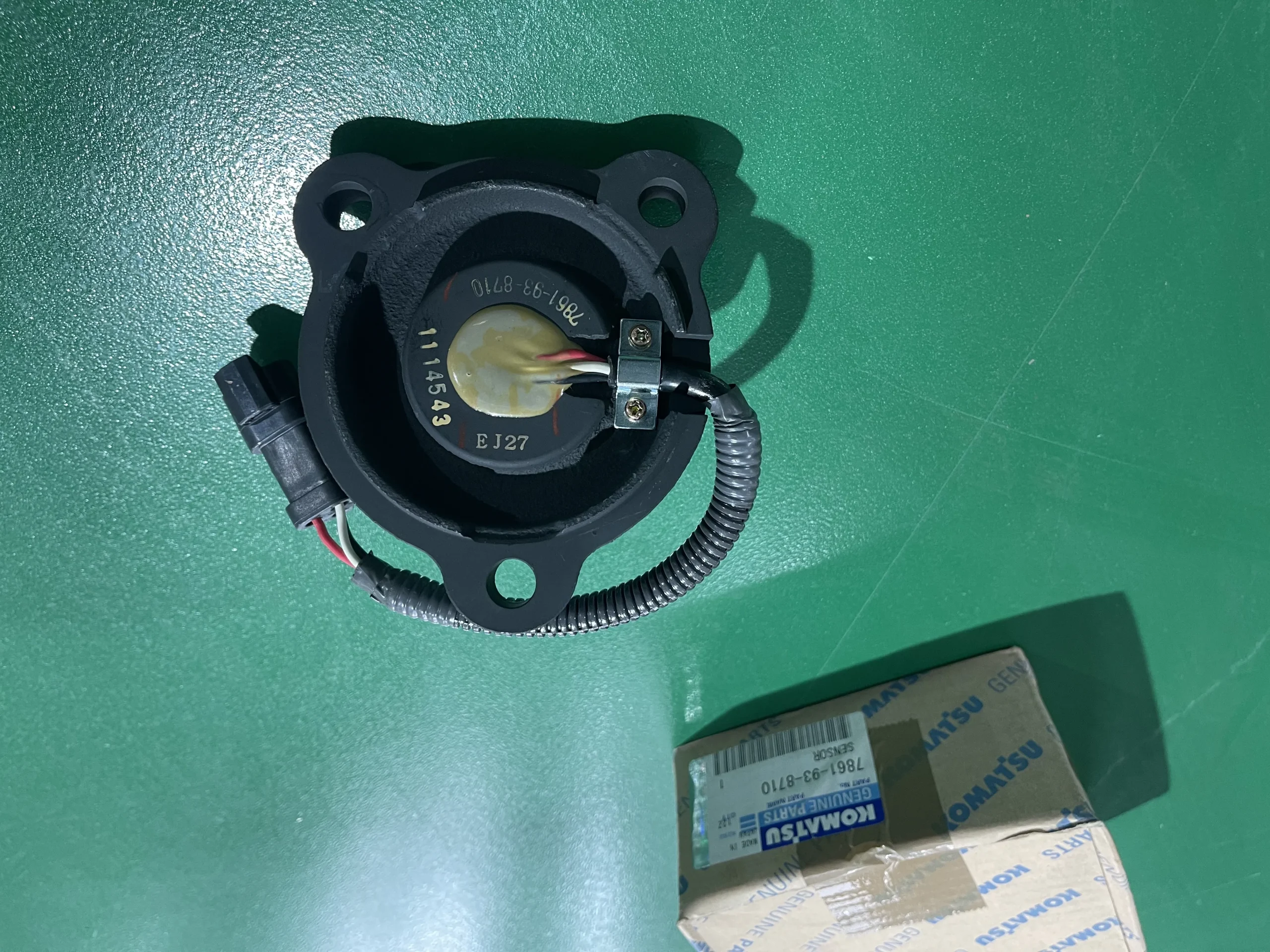 Angle Sensor 7861-93-8710 for Komatsu
 -
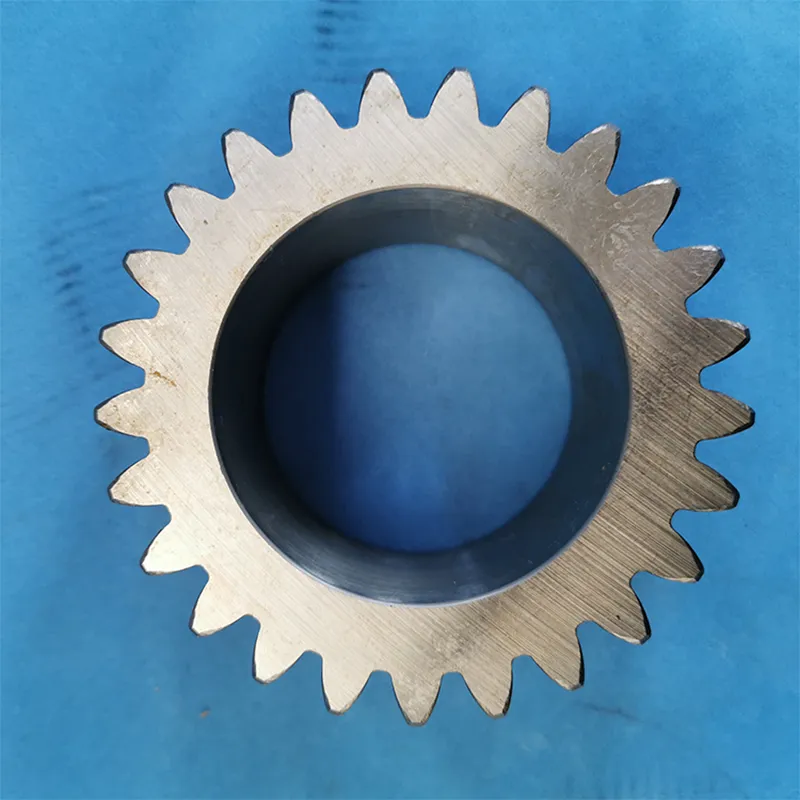 Komatsu original D155A-3 Valve Assembly 17A-49-21100
 -
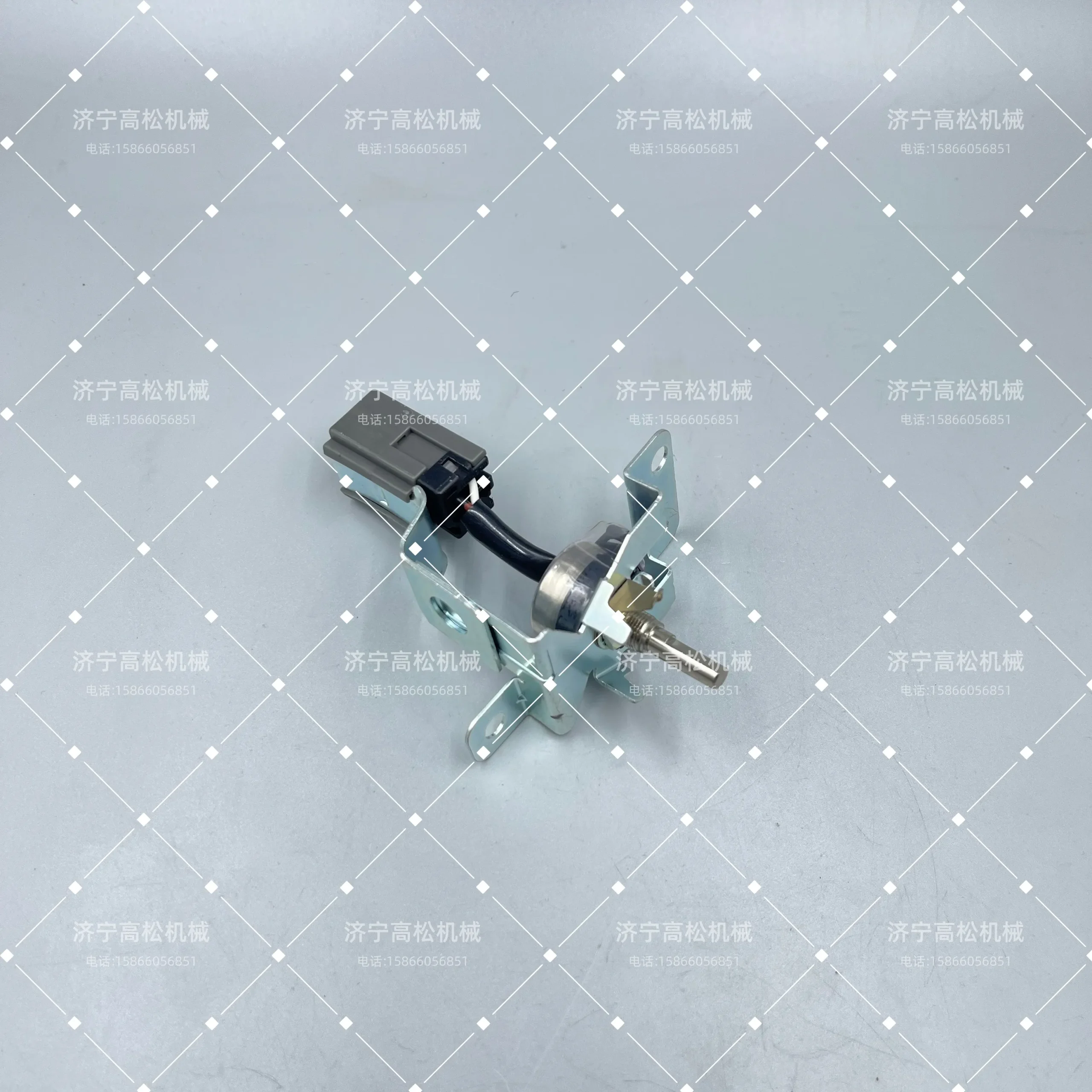 Komatsu PC200-7 PC200-8 Throttle Rotary Knob CAP 22U-06-22420
 -
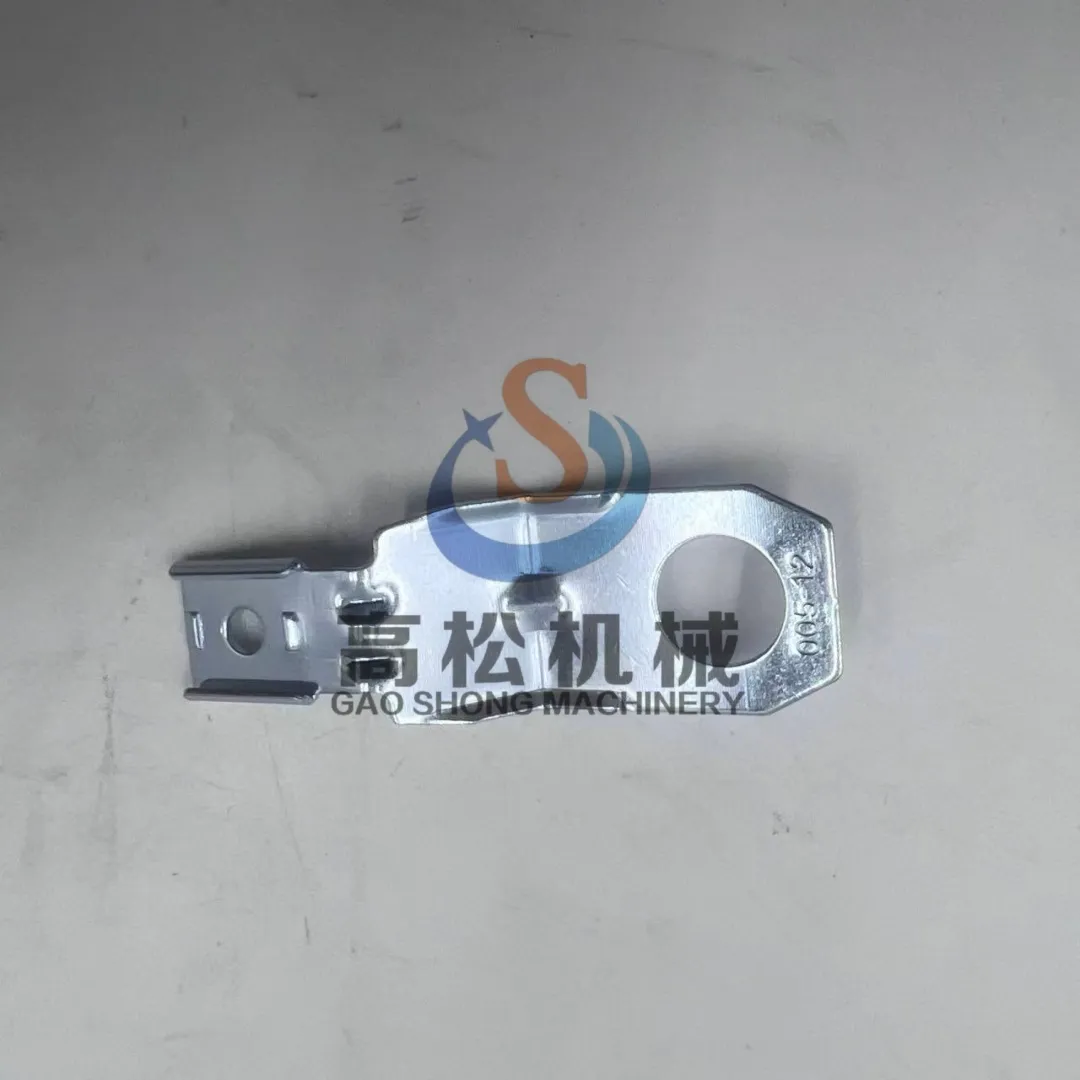 193-21012 CLIP,(WITHOUT ACCUMULATOR) – Komatsu