
- Chinese
- French
- German
- Portuguese
- Spanish
- Russian
- Japanese
- Korean
- Arabic
- Irish
- Greek
- Turkish
- Italian
- Danish
- Romanian
- Indonesian
- Czech
- Afrikaans
- Swedish
- Polish
- Basque
- Catalan
- Esperanto
- Hindi
- Lao
- Albanian
- Amharic
- Armenian
- Azerbaijani
- Belarusian
- Bengali
- Bosnian
- Bulgarian
- Cebuano
- Chichewa
- Corsican
- Croatian
- Dutch
- Estonian
- Filipino
- Finnish
- Frisian
- Galician
- Georgian
- Gujarati
- Haitian
- Hausa
- Hawaiian
- Hebrew
- Hmong
- Hungarian
- Icelandic
- Igbo
- Javanese
- Kannada
- Kazakh
- Khmer
- Kurdish
- Kyrgyz
- Latin
- Latvian
- Lithuanian
- Luxembou..
- Macedonian
- Malagasy
- Malay
- Malayalam
- Maltese
- Maori
- Marathi
- Mongolian
- Burmese
- Nepali
- Norwegian
- Pashto
- Persian
- Punjabi
- Serbian
- Sesotho
- Sinhala
- Slovak
- Slovenian
- Somali
- Samoan
- Scots Gaelic
- Shona
- Sindhi
- Sundanese
- Swahili
- Tajik
- Tamil
- Telugu
- Thai
- Ukrainian
- Urdu
- Uzbek
- Vietnamese
- Welsh
- Xhosa
- Yiddish
- Yoruba
- Zulu
- Kinyarwanda
- Tatar
- Oriya
- Turkmen
- Uyghur






Komatsu control valve
You see 'Komatsu control valve' on a parts list and it's easy to think it's just another component, a commodity. That's the first mistake a lot of people make—treating it like a generic hydraulic block. The reality is, it's the nervous system of the machine's hydraulics. I've watched too many mechanics swap in a valve, see pressure, and call it a day, only for the machine to have a sluggish swing or a jerky boom a week later. The valve isn't just about on/off; it's about the quality of the flow, the precision of the metering, and how it talks to the pump and the electronics. If you miss that, you're just patching holes.
The Core Misconception: Interchangeability and Good Enough
One of the biggest headaches, and a constant source of debate in the yard, is the idea of interchangeability. Sure, a valve from a PC200-8 might physically fit a Dash-7 model in a pinch. The ports might line up. You might even get the machine moving. But the internal spool lands, the feedback mechanisms, the pilot pressure curves—they're often subtly different. I learned this the hard way years ago on a PC300LC-6. We used a valve from a donor -5 machine. It worked, but the travel motors would overheat after two hours of steady work. Took us ages to trace it back to a slight mismatch in the Komatsu control valve's main relief characteristics, causing constant power loss and heat generation in the circuit. It was good enough to run, but it was killing the machine slowly.
This is where the value of a proper supplier becomes painfully clear. Scrambling for a cross-reference from a general parts book often leads you down this rabbit hole. You need someone who understands these generational shifts within Komatsu's own design philosophy. A supplier embedded in that system, like Jining Gaosong, knows that the valve for a Dash-10 isn't just an upgrade; it's a redesign for a different control logic. They aren't just selling a part number; they're providing the correct nervous system for that specific machine generation.
And it's not just about model numbers. Region-specific emissions standards (Tier 3, Tier 4 Final) forced huge changes in valve design to work with advanced electronic pump controls. A valve from a Tier 2 machine is a square peg for a round hole in a newer system, no matter how you hammer it. The software will throw codes, or worse, default to a limp mode that nobody can diagnose because the physical hardware seems fine.
Practical Diagnostics: Listening to the Machine
Forget the fancy analyzer for a second. The first test for a suspect Komatsu control valve is often in the seat of the machine. That feeling is real data. A slight hesitation when you first move the lever—not a dead zone, but a soft, spongy start—can point to worn or sticking main spools. A boom that drifts down fast with a load isn't always a cylinder seal issue; it's often the holding valve section within the main control block. We had a D65 dozer where the blade would jump instead of tilting smoothly. Everyone blamed the tilt cylinders. After swapping them with no change, we put gauges on the pilot lines to the valve. The pressure was clean. The problem was inside the valve body: a cracked land on the spool was letting pressure bleed across, causing the jerky, on-again-off-again movement. The machine was telling us where to look; we just had to know how to listen.
Another classic is overheating linked to the valve. If the main relief is constantly cracking, or if there's internal leakage across sections, all that lost energy turns into heat. I remember a customer complaining about a PC360-7 that would lose power after lunch on a hot day. Coolers were clean, fluid was good. We found the standby pressure at the pump was way too high for the valve's setting, forcing the main relief to open partially during neutral. The valve was doing its job, but it was fighting a pump set wrong. Adjusted the pump, the heat issue vanished. The valve was the symptom, not the cause, but you had to understand their relationship.
This is why a simple pressure test isn't enough. You need a flow meter. Seeing the flow at the valve's outlet under load tells you about internal efficiency. A drop in flow under high pressure, when the pump checks out, almost always points to excessive internal leakage in the valve sections. It's a more definitive test, but it's messy and time-consuming. Most shops skip it and just throw parts at the problem, which is how you end up with three used valves in the scrap pile and the same fault still present.
The OEM vs. Aftermarket Reality in Specific Markets
Here's the messy truth of field operations, especially in certain developing markets or places with trade restrictions: getting a genuine, boxed Komatsu valve from the official channel can be a logistical nightmare. Lead times can be months. Machines sit idle, projects stall. This is where the role of a specialized third-party supplier becomes critical. They aren't just alternative suppliers; they're often the only pragmatic solution to keep fleets running.
A company like Jining Gaosong Construction Machinery Co., Ltd. occupies a unique niche. Being an OEM product supplier within the Komatsu system means they have access to the proper specifications, engineering drawings, and sometimes even the same foundries and production lines. But by also operating as a third-party sales company, they can navigate local supply challenges and customs in ways the official distribution chain sometimes can't. They help solve parts supply challenges in certain countries. For a site manager with three excavators down, that's not a sales pitch; it's a lifeline.
But caution is still needed. OEM product supplier doesn't automatically mean every part on their shelf is identical to the one in a Komatsu box. It can mean it's built to the same print, with the same tolerances, from approved sources. The key is transparency. A good supplier will tell you if it's a genuine Komatsu part, a Komatsu-approved aftermarket, or a high-quality reverse-engineered unit. For a critical component like a control valve, you want the first or second category. The risk with a purely reverse-engineered valve, even a good one, is in the materials and the hardening processes for the spools and bores. They might wear out twice as fast.
Failure Patterns and Rebuild Considerations
Valves don't usually fail catastrophically; they degrade. The most common killer is contamination. A single particle of silica (sand) of the wrong size can score a spool or block land. Once that happens, you get internal leakage. The machine gets slower, uses more fuel, and generates heat. The fix isn't always a new valve. For older models, a skilled rebuild is a viable option, but it's an art.
You can't just hone the body and throw in new seals. The bore geometry is critical. If it's worn oval, honing it round changes the clearance and can affect metering. Sometimes, the best practice is to install a precision liner or a complete repair sleeve kit, which are often available from specialists. The spools can sometimes be re-chromed and reground, but the cost of that versus a new spool assembly needs to be weighed. I've seen rebuilds last longer than the original part because more care was taken, and I've seen them fail in 100 hours because someone used the wrong grade of O-ring that swelled in the hydraulic fluid.
A specific failure I've encountered multiple times on older Komatsu excavators (like the PC200-6 series) is cracking in the main valve body, usually near the mounting points or between high-pressure galleries. It's a fatigue issue. A weld repair is tempting but risky due to heat distortion. Often, the only safe fix is replacement. This is another area where a supplier with deep system knowledge can be invaluable—they might know of a revised, reinforced casting part number that supersedes the failure-prone original.
Integration and The Electronic Shift
The game changed completely with the introduction of electronically controlled pumps and then, later, Komatsu control valves with integrated solenoids (like in the -8 and newer series). Now, the valve isn't just a hydraulic device; it's an electro-hydraulic actuator. Troubleshooting shifts from pressure gauges to a laptop. A faulty solenoid driver on the machine's controller can mimic a stuck spool. A weak signal from the pressure sensor can make the valve behave erratically.
The new challenge is ensuring any replacement valve is properly calibrated with the machine's ECM. Sometimes, it's plug-and-play. Other times, parameters need to be input or a calibration cycle needs to be run. This is where the line between mechanic and technician blurs. You need the physical part and the digital support. Suppliers who are just moving metal are useless here. You need ones that can provide the technical bulletins, the possible software updates, or at least point you in the right direction. It's no longer just about the valve in your hands; it's about the data packet that goes with it.
Looking forward, the trend is toward more integration and less modularity. The valve, the pump, the sensors—they're all designed as a single, optimized system. Swapping one piece with an almost right part will likely degrade performance. The margin for error that existed in the pure hydraulic era is gone. Your parts strategy has to evolve with that. It means building relationships with suppliers who are technically equipped for this new reality, who understand that supplying a part now might also mean providing a snippet of firmware info or a wiring diagram snippet. That's the difference between getting a machine running and getting it running right.
Related Products
Related Products

Best Selling Products
Best Selling Products-
 HD785-7 Oil Level Sensor 7861-93-4550
 -
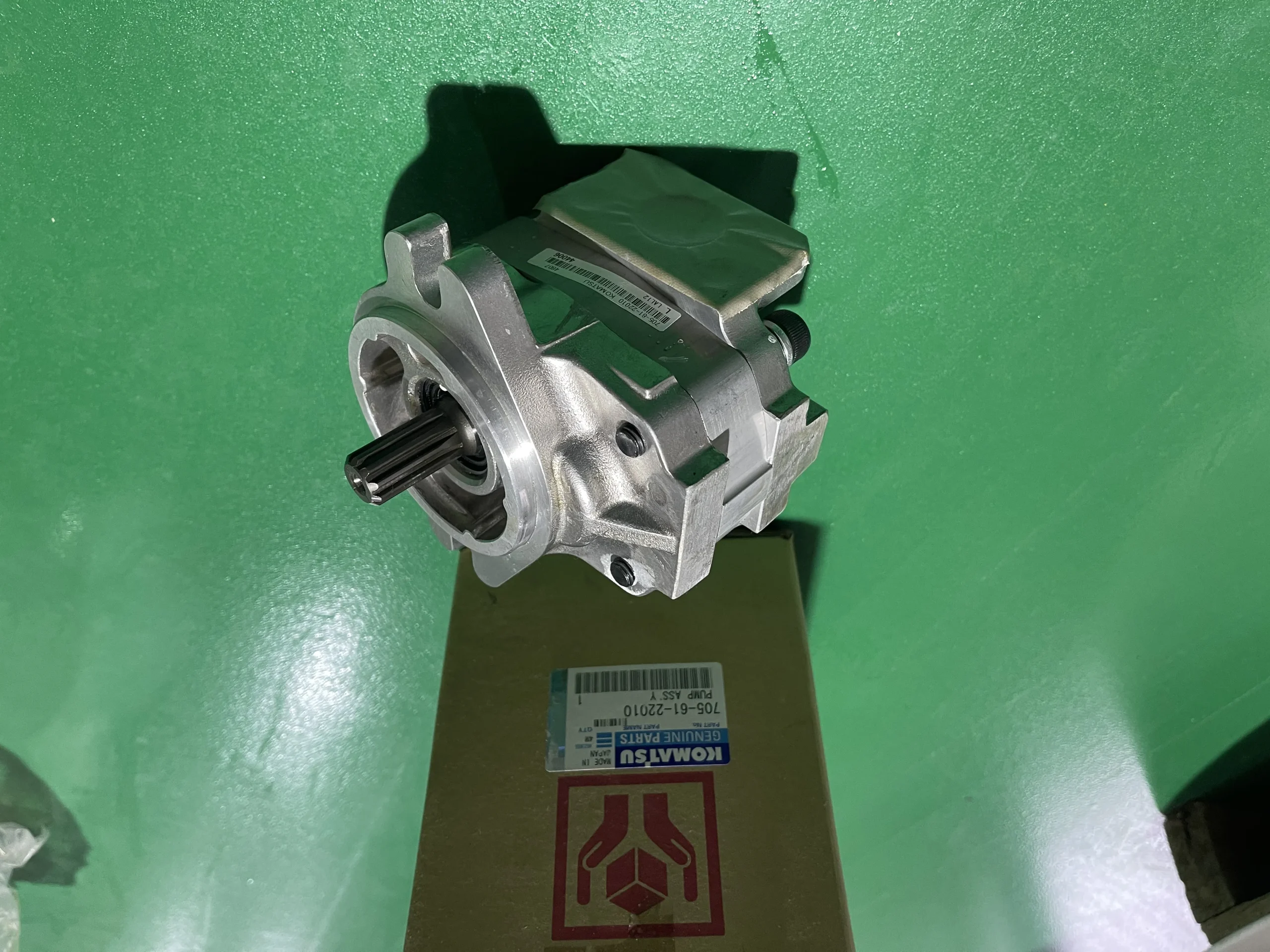 PUMP ASS’Y 705-61-22010 – KOMATSU
 -
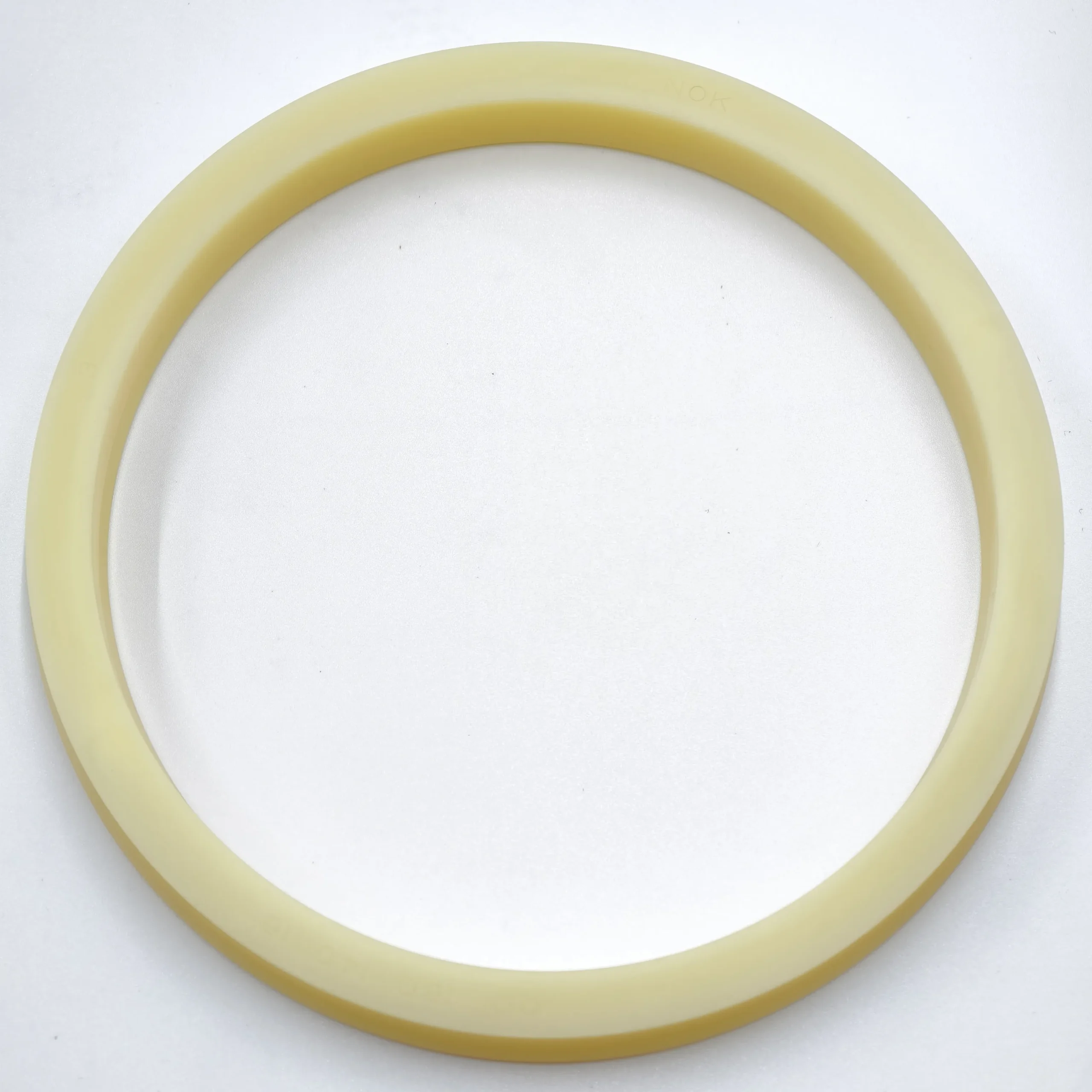 21N-30-14160 for Excavator PC1250-7 PC1100 IDLER CUSHION PACKING
 -
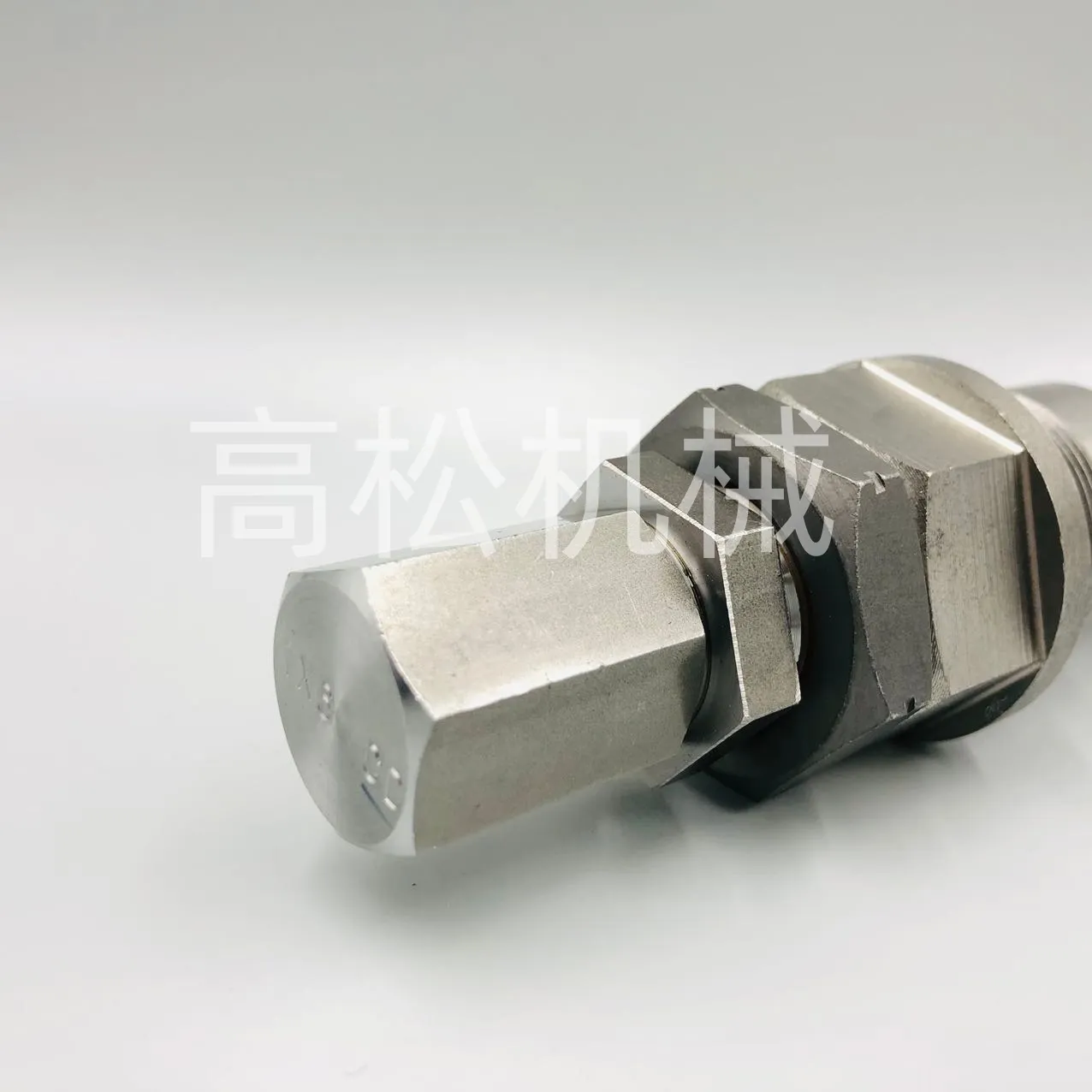 Komatsu700-89-66000 RELIEF VALVE-Komatsu Original Factory
 -
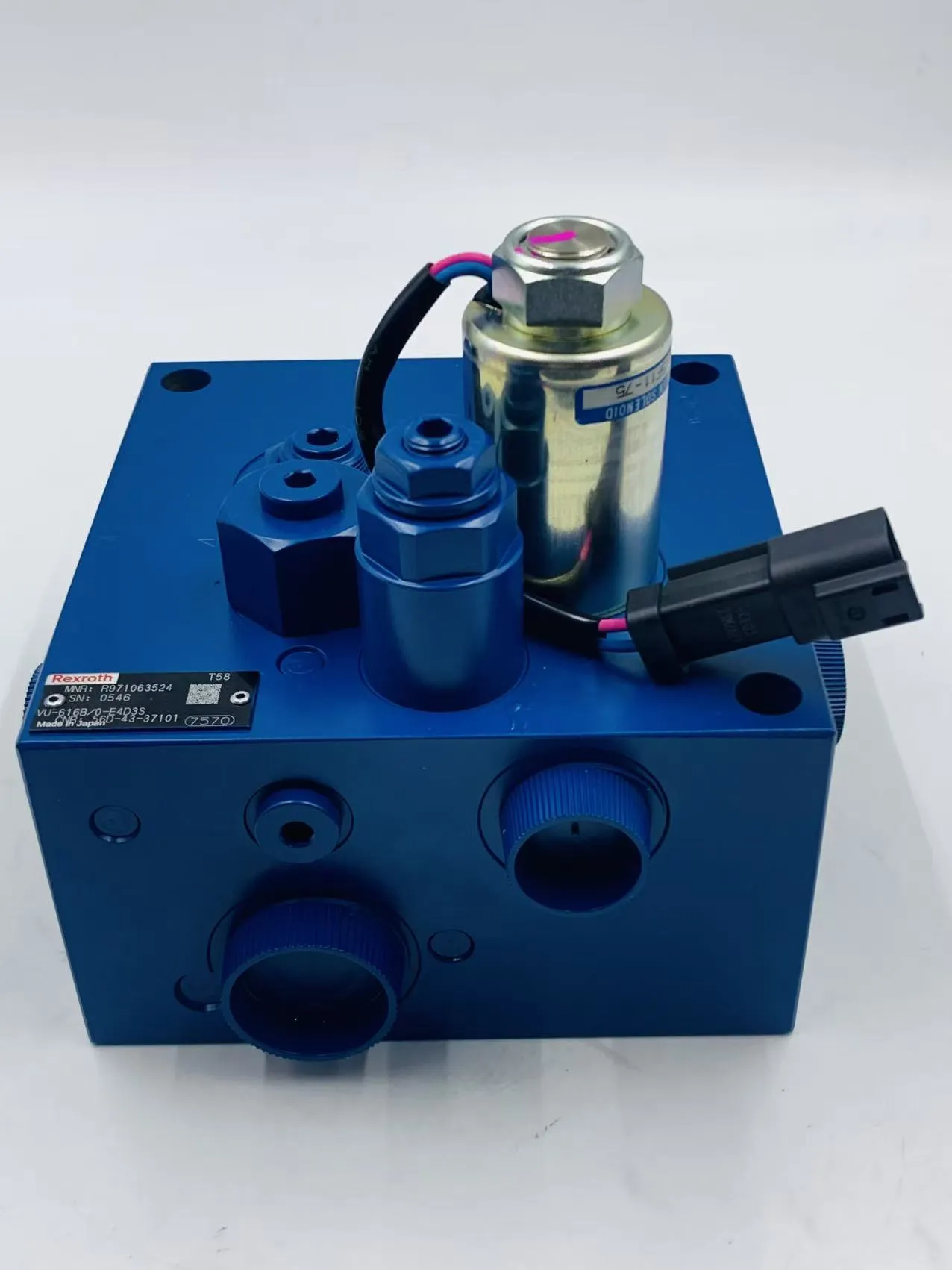 56D-43-37101 Valve Assembly, Charge for HM300 Komatsu Dump Truck Parts High Quality Original Factory
 -
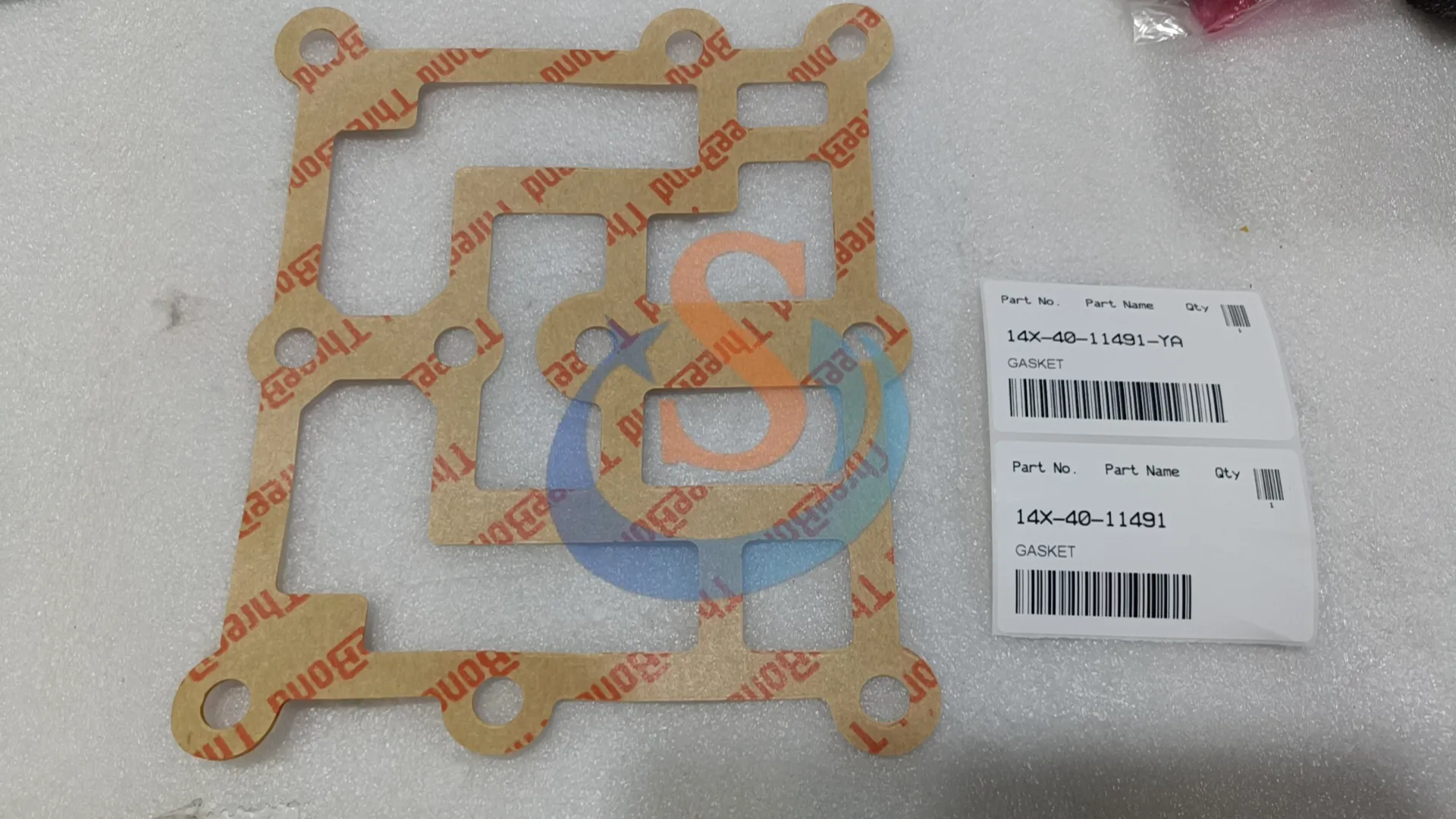 14X-40-11491,GASKET,D155A,D375A,D475A
 -
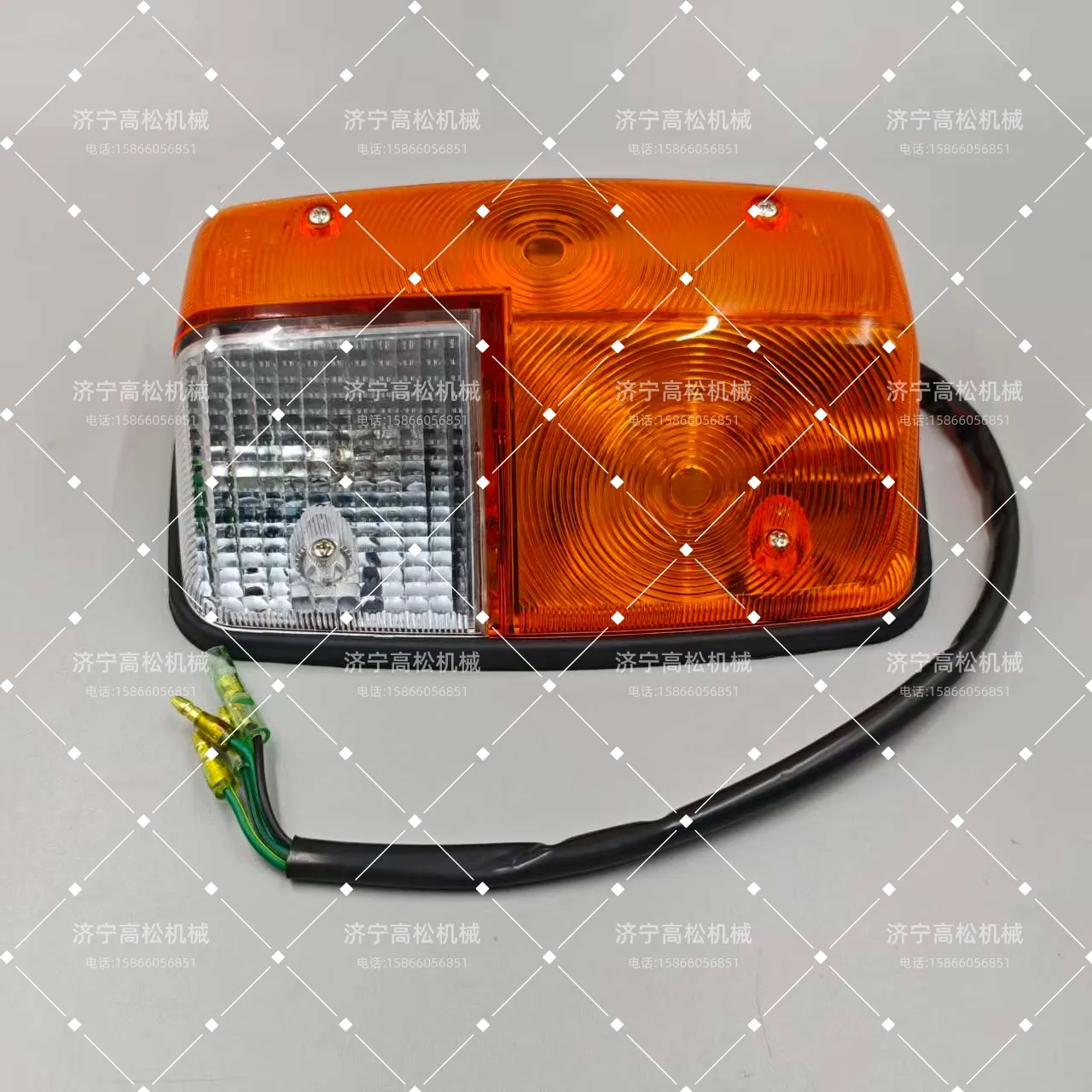 Komatsu WA380-1LC 421-06-13401 LIGHT… — Supply.Parts
 -
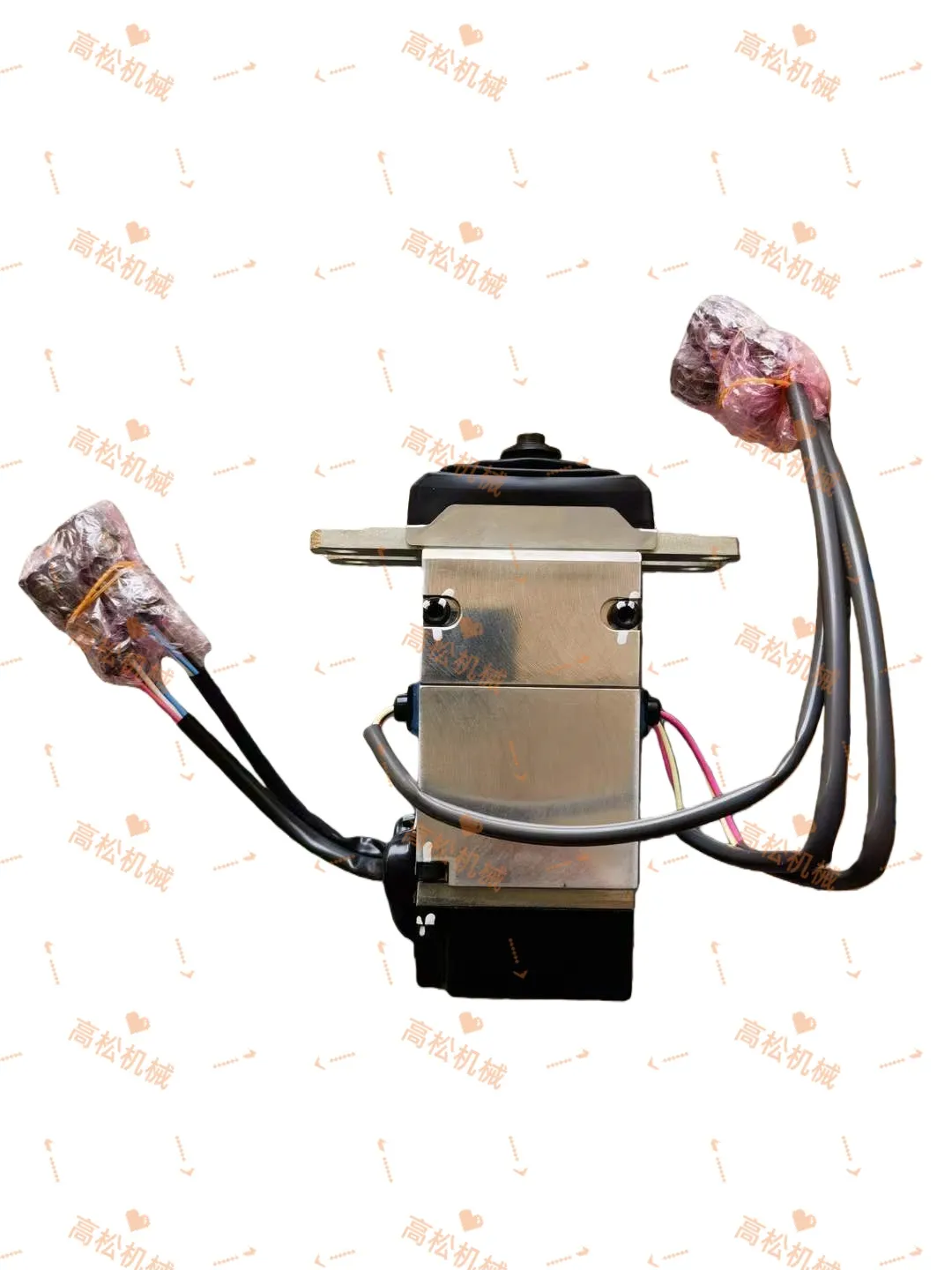 komatsu-part-702-16-02144 Lever Assembly D155A-6R D155AX-8E0 D475A-5E0 D85MS-15 D85EX-15E0 D65PX-18 D155AX-7 LEVER AND CONSOLE FLOOR FRAME TRAVEL CONTROL LEVER ROPS CAB, PCCS (PALM COMMAND CONTROL SYSTEM) LEVER
 -
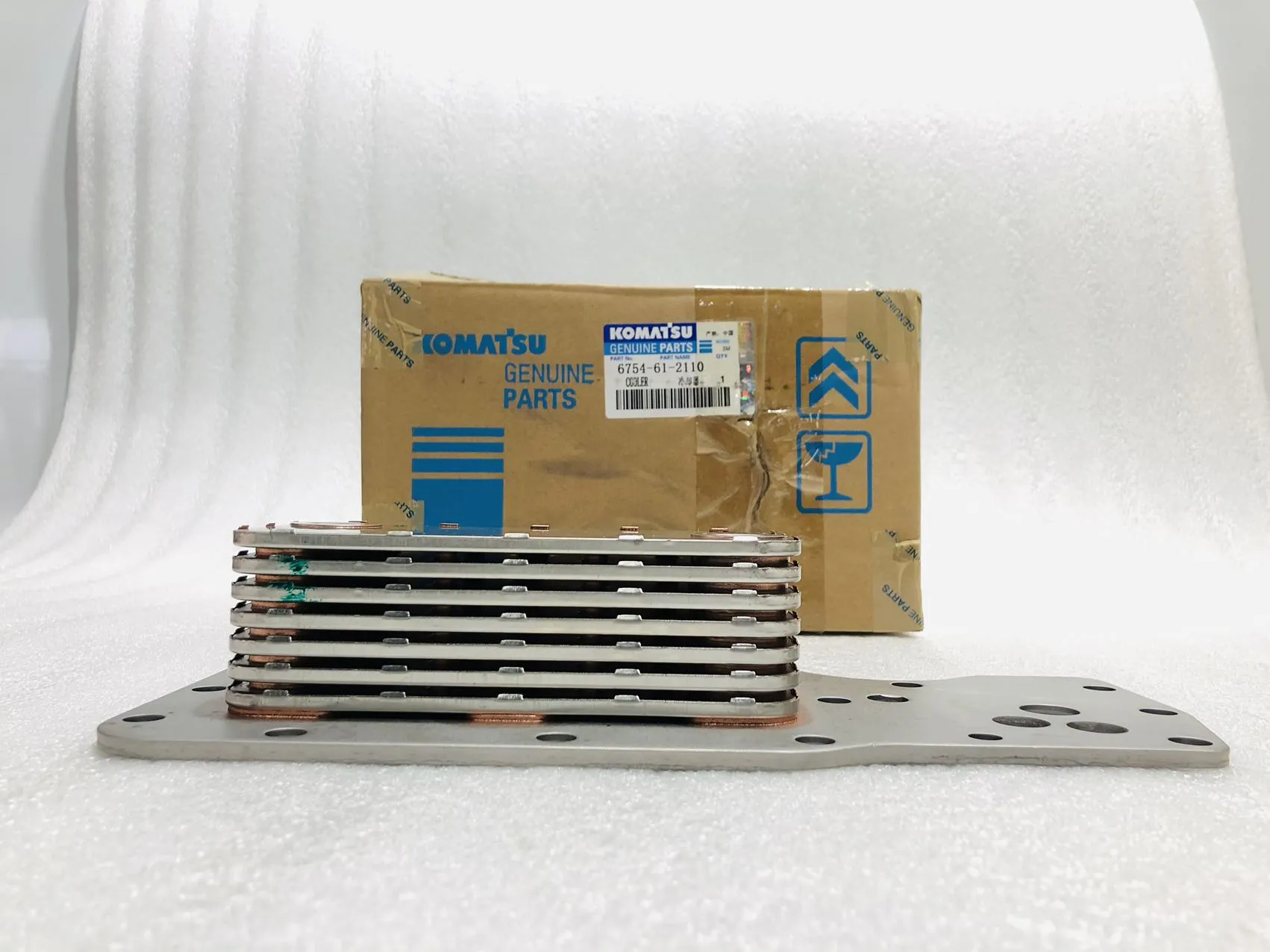 OIL COOLER 6754-61-2110 For Komatsu Engine SAA6D107E PC200-8
 -
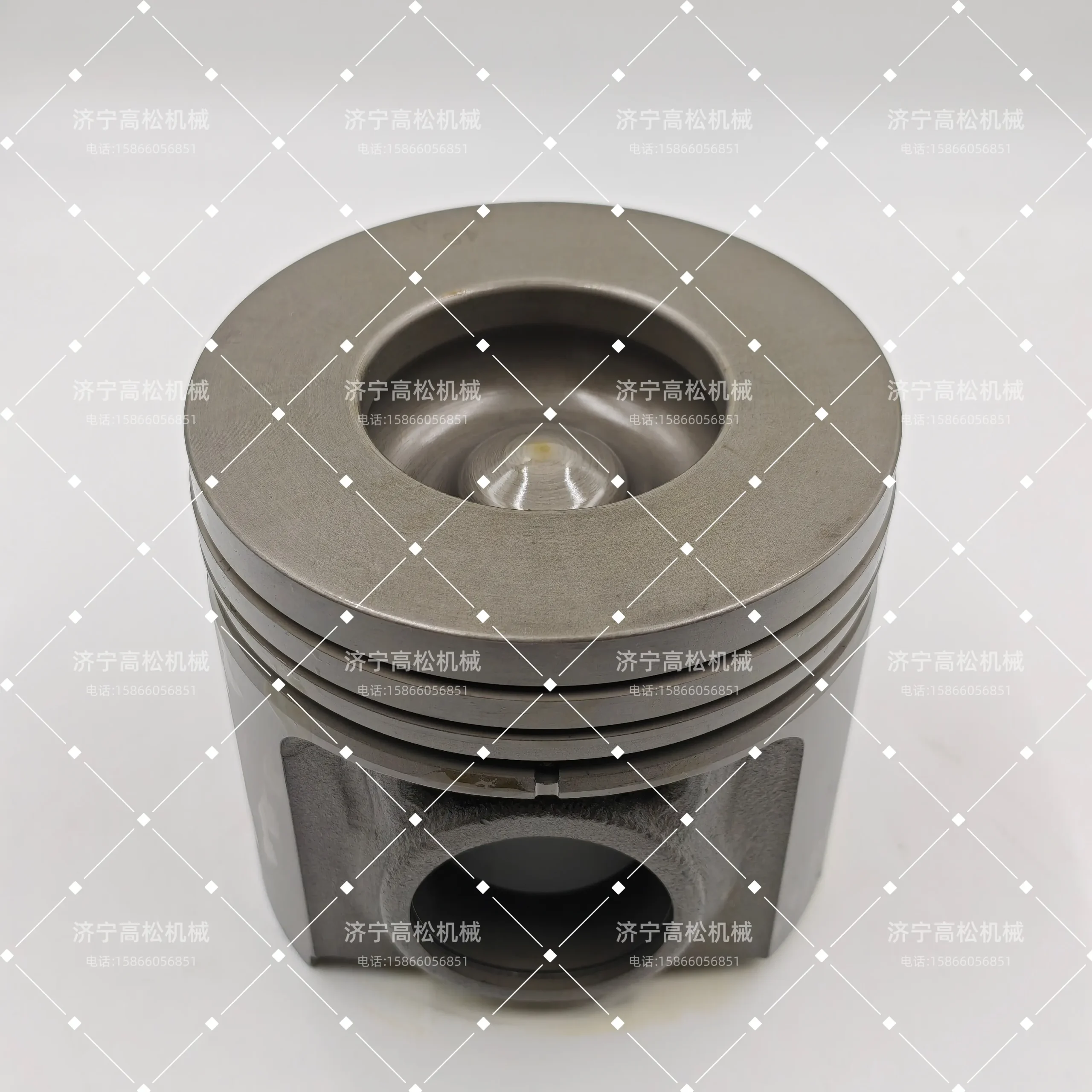 6152-32-2510 Piston for.
 -
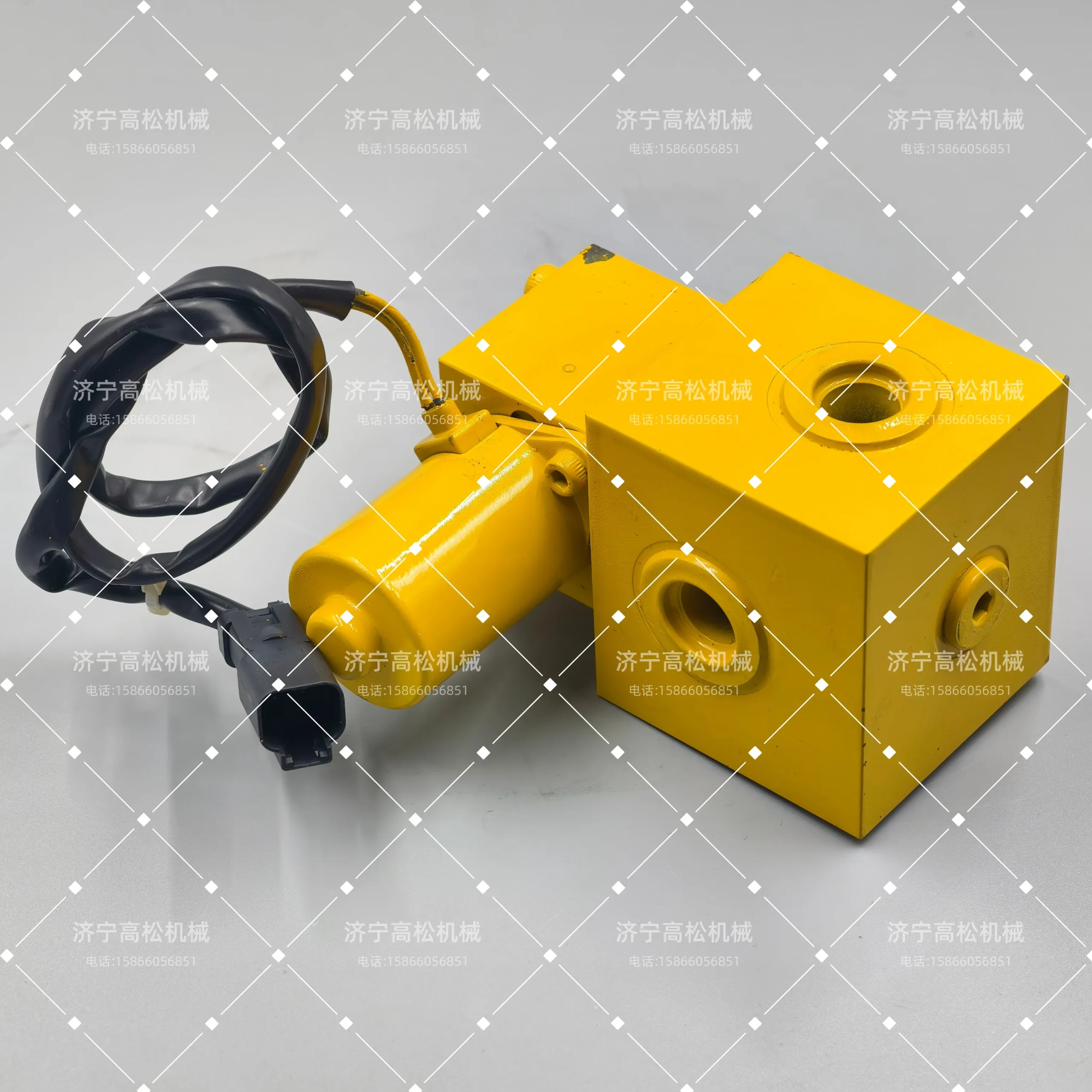 209-60-77220 Komatsu Valve Assembly
 -
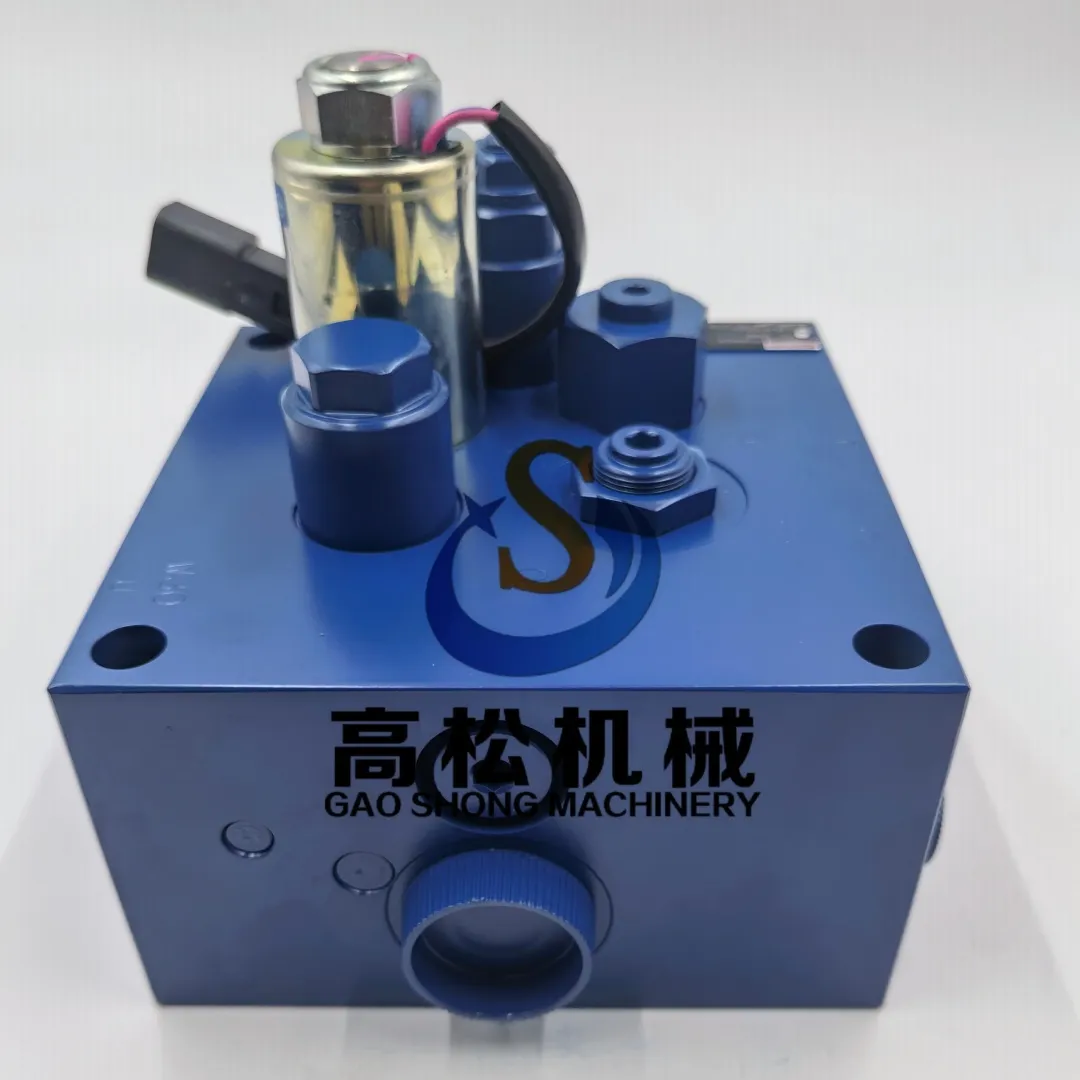 56D-43-37101Z56D-43-37101 Valve Assembly