
- Chinese
- French
- German
- Portuguese
- Spanish
- Russian
- Japanese
- Korean
- Arabic
- Irish
- Greek
- Turkish
- Italian
- Danish
- Romanian
- Indonesian
- Czech
- Afrikaans
- Swedish
- Polish
- Basque
- Catalan
- Esperanto
- Hindi
- Lao
- Albanian
- Amharic
- Armenian
- Azerbaijani
- Belarusian
- Bengali
- Bosnian
- Bulgarian
- Cebuano
- Chichewa
- Corsican
- Croatian
- Dutch
- Estonian
- Filipino
- Finnish
- Frisian
- Galician
- Georgian
- Gujarati
- Haitian
- Hausa
- Hawaiian
- Hebrew
- Hmong
- Hungarian
- Icelandic
- Igbo
- Javanese
- Kannada
- Kazakh
- Khmer
- Kurdish
- Kyrgyz
- Latin
- Latvian
- Lithuanian
- Luxembou..
- Macedonian
- Malagasy
- Malay
- Malayalam
- Maltese
- Maori
- Marathi
- Mongolian
- Burmese
- Nepali
- Norwegian
- Pashto
- Persian
- Punjabi
- Serbian
- Sesotho
- Sinhala
- Slovak
- Slovenian
- Somali
- Samoan
- Scots Gaelic
- Shona
- Sindhi
- Sundanese
- Swahili
- Tajik
- Tamil
- Telugu
- Thai
- Ukrainian
- Urdu
- Uzbek
- Vietnamese
- Welsh
- Xhosa
- Yiddish
- Yoruba
- Zulu
- Kinyarwanda
- Tatar
- Oriya
- Turkmen
- Uyghur






Komatsu connecting rod
When you hear 'Komatsu connecting rod', the immediate thought is often just a forged piece of steel, a commodity item defined by a part number like . That's the first mistake. In our line of work at Jining Gaosong, we see it not as a standalone component, but as the literal pivot point in the power train's integrity. The common misconception is that all rods are created equal if they fit, but the reality of stress cycles, material grain flow, and the precise balance of that assembly tells a different, more expensive story if ignored.
The OEM Reality and The Aftermarket Gap
Being an OEM product supplier within the Komatsu system, as we are at Jining Gaosong Construction Machinery Co., Ltd., gives you a front-row seat to the specs that matter. It’s not just about dimensions; it's about the pedigree. A genuine Komatsu connecting rod comes with a known history of metallurgy, a specific shot-peening process, and weight classification that’s matched at the factory. The failure I've seen most often stems from ignoring this ecosystem. A fleet manager gets a rod from a generic supplier, it fits, it runs... for a while. Then the premature wear on the crank pin starts, or worse, a fatigue crack develops. You’re not just replacing the rod then; you're looking at a potential total engine teardown.
This is precisely the gap our third-party sales role aims to bridge. Our work at https://www.takematsumachinery.com isn't about undercutting the genuine supply chain; it's about providing a verified, reliable alternative when the official channels are blocked, delayed, or economically unfeasible for certain markets. We help solve parts supply challenges, but the solution has to start with respecting the engineering.
I recall a case in a Southeast Asian mining operation. They were running a fleet of PC800s and had resorted to locally fabricated rods after a long wait for parts. The failure rate was staggering—three rods within six months. The issue? The local shop had matched the bolt holes and center distance perfectly but had completely overlooked the I-beam profile's thickness and the radius of the fillets where the shank meets the big end. This created a massive stress riser. We got involved, supplied rods that met the OEM material and process spec (without the genuine packaging), and the problem vanished. The lesson was clear: precision is more than just caliper measurements.
On the Bench: What You're Really Looking For
Let's get practical. When one of these rods lands on your bench, either as a replacement or from a teardown, the checklist is specific. First, magnetic particle inspection. You're looking for any hairline cracks, especially around the bolt holes and the transition areas. Polishing the shank with emery cloth can sometimes reveal tooling marks or surface imperfections that shouldn't be there—a telltale sign of a sub-par forging.
The bolt stretch method for the cap bolts is another critical point. I've seen seasoned mechanics just torque them to spec and call it a day. But the manual doesn't specify torque for nothing; it's about achieving the correct clamp load through controlled elongation of the bolt. Using the old bolts? That's a gamble I wouldn't take. Even if they're within spec, the yield point has been altered. It's a small cost for the insurance.
Then there's the bearing seat. The big end bore's out-of-round and taper must be within microns. If it's off, even with a perfect new bearing, you'll get hot spots and accelerated wear. We always advise checking this with a bore gauge, not just assuming the new rod is perfect. We've had batches, even from good suppliers, where thermal distortion from shipping or storage required a light hone. It's that attention to detail that separates a proper rebuild from a comeback job.
The Balance Act and Weight Classes
This is a detail that gets missed constantly, leading to vibrations that are hard to diagnose. Komatsu connecting rods are often supplied in weight classes. They're balanced at the factory as a set for a specific engine. If you're replacing a single rod, you must match its weight class—usually stamped or etched on the side—to the others. Swapping in a rod from a different class, even if it's the same part number, throws the rotating assembly's balance out.
I learned this the hard way early on. We had an engine with a persistent mid-range vibration after a rebuild. We checked everything: mounts, dampers, injection timing. Finally, we pulled the pan and weighed the rods. One replacement was nearly 15 grams lighter than its three siblings. The imbalance was subtle but enough to shake fittings loose over time. Now, verifying weight class is a non-negotiable step in our process.
It also speaks to the importance of sourcing. When you're pulling a part from a system like Komatsu's, you're buying into a controlled manufacturing tolerance. A random aftermarket supplier might not even be aware of these weight classifications, or they might blend them. Our role as a specialized third-party supplier is to maintain that level of specification awareness, ensuring the part we ship for a Komatsu SAA6D140 engine is the correct one in every dimension, material property, and yes, weight.
Failures That Tell a Story
A broken rod is a dramatic failure, but the mode of failure is a diagnostic goldmine. A clean, brittle fracture through the shank often points to a material defect or an over-rev event—a sudden tensile failure. More common in heavy equipment is the fatigue failure. You'll see a beach-mark pattern starting from a point, usually at a stress concentrator like a machining mark or a small nick. I've seen one that started from a tiny corrosion pit on the back of the shank.
Then there's the cap separation. This usually comes down to the bolts. Either they weren't torqued/stretched correctly, were reused past their limit, or the rod's big end bore was distorted. In one investigation for a client, the failure was traced to a batch of counterfeit cap bolts that didn't have the proper tensile strength. They yielded under load, and the cap walked free, destroying the block. The rod itself was fine. It underscores that every component in that assembly is a critical link.
These stories are why our approach at Jining Gaosong is holistic. We can't just sell a connecting rod in isolation. We need to understand the failure context, the engine model, its application (constant high-load mining vs. intermittent excavating), and even the maintenance history. It informs what we recommend and the cautions we emphasize to the customer.
The Practical Sourcing Dilemma
Here's the real-world tension. An OEM part is the benchmark, but availability and cost can be prohibitive, especially for older models or in regions with complex logistics. Generic aftermarket parts are a minefield of inconsistent quality. This is the space where a company like ours operates. We provide a third path: parts manufactured to OEM-equivalent specifications, with traceability and quality control that generic suppliers lack, but without the constraints of the official distribution network.
Our website, https://www.takematsumachinery.com, is a tool for this. But it's not an automated parts store. The real work is in the verification. Before we source or supply a rod for a Komatsu engine, we're cross-referencing engineering drawings, material certs, and often working directly with foundries and machinists who understand the difference between close enough and to spec.
It's not always smooth. We once had a shipment where the hardness testing came back slightly off on a batch. We held the entire lot, re-tested every piece, and ended up rejecting half of it. It hurt financially, but shipping them would have hurt our reputation and our customers' equipment far more. In this business, your name is only as good as the last part you supplied. So when we talk about solving supply challenges, it's with the unspoken caveat: never by compromising on the fundamentals of what makes a Komatsu rod a Komatsu rod. It's a balance of pragmatism and principle, every single time.
Related Products
Related Products

Best Selling Products
Best Selling Products-
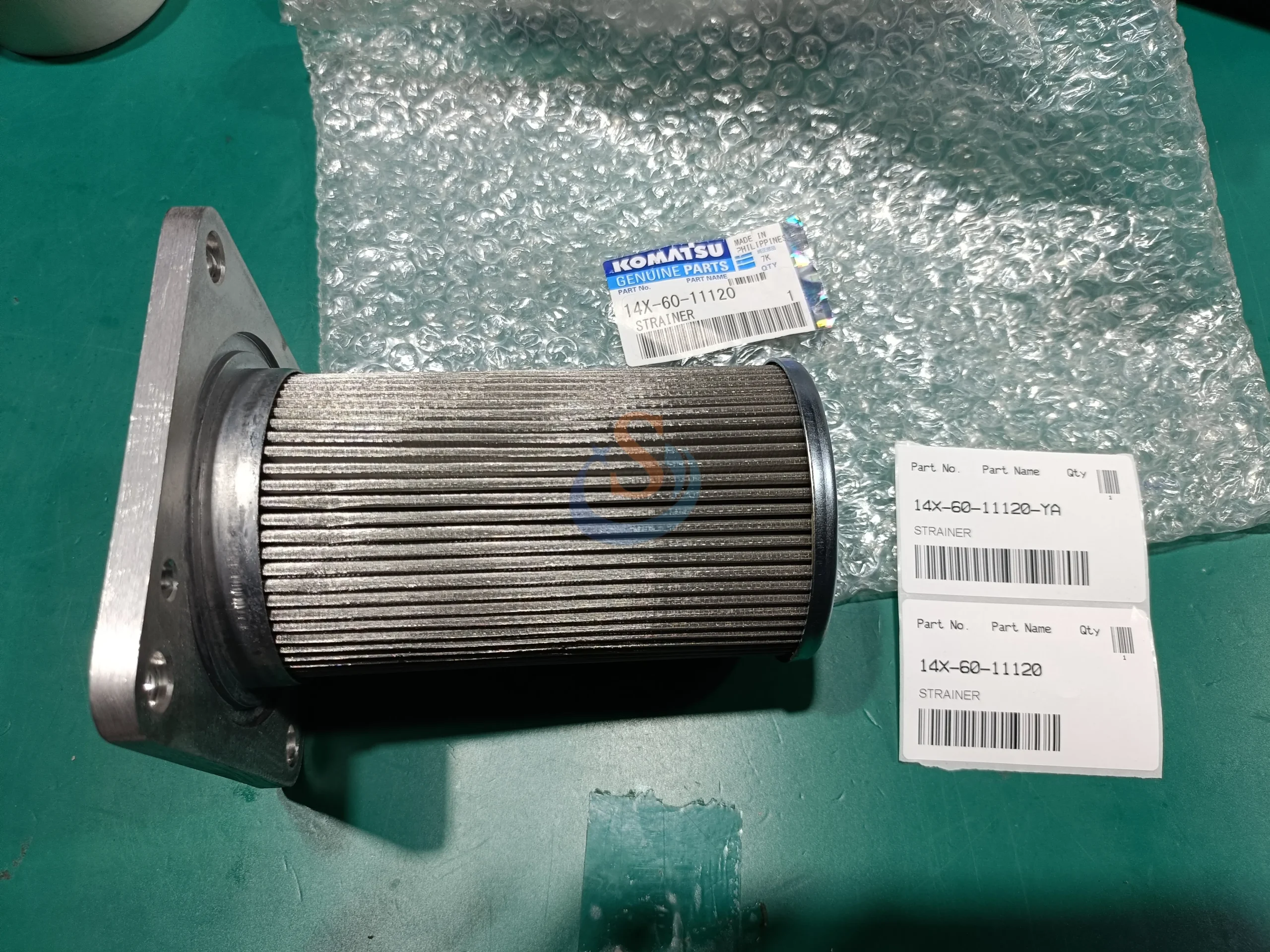 14X-60-11120,STRAINER,D31PX,D31EX,D65PX
 -
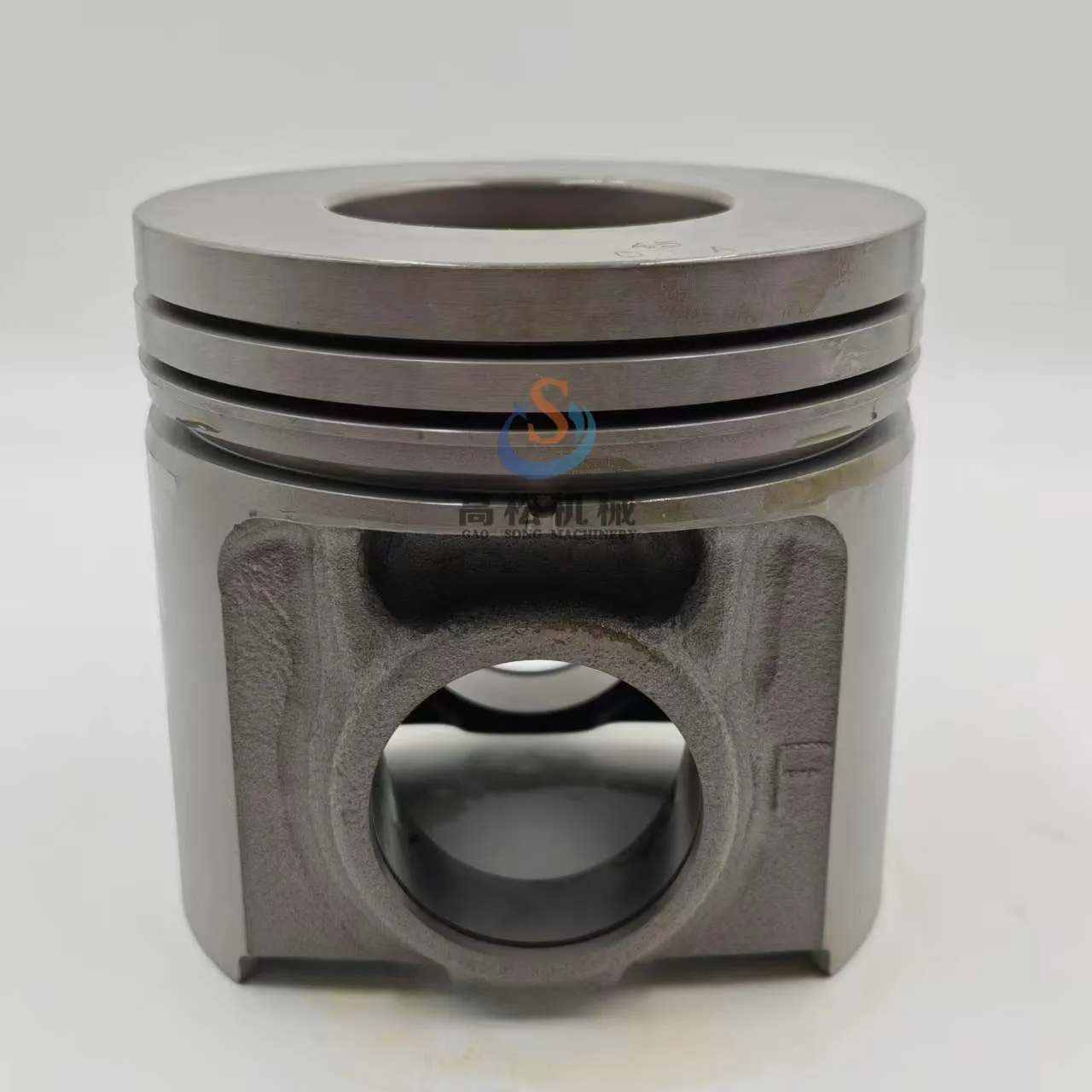 6152-32-2510 komatsu-parts piston
 -
 232-15-19220 – SEAL RIN
 -
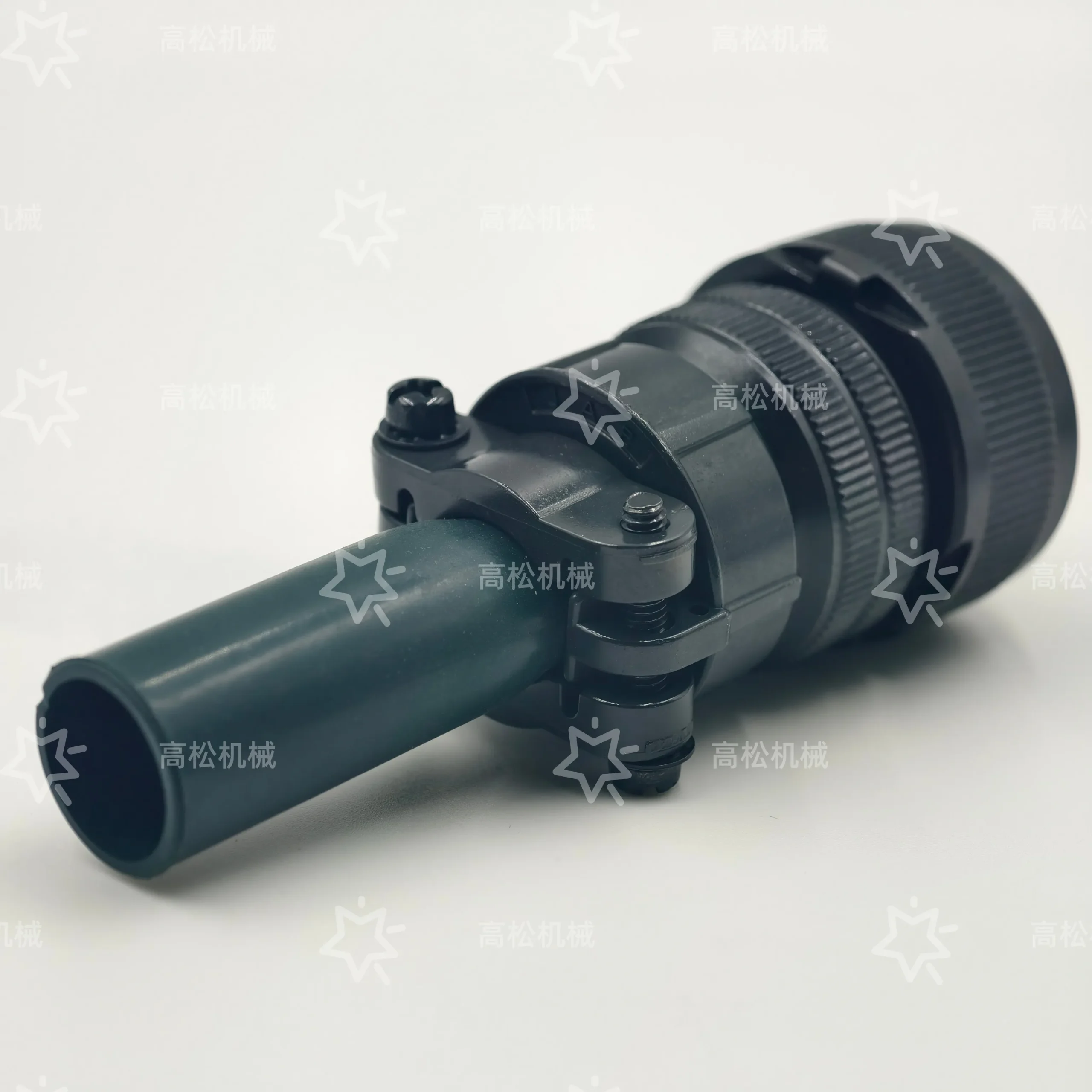 175-06-37871 Komatsu Plug
 -
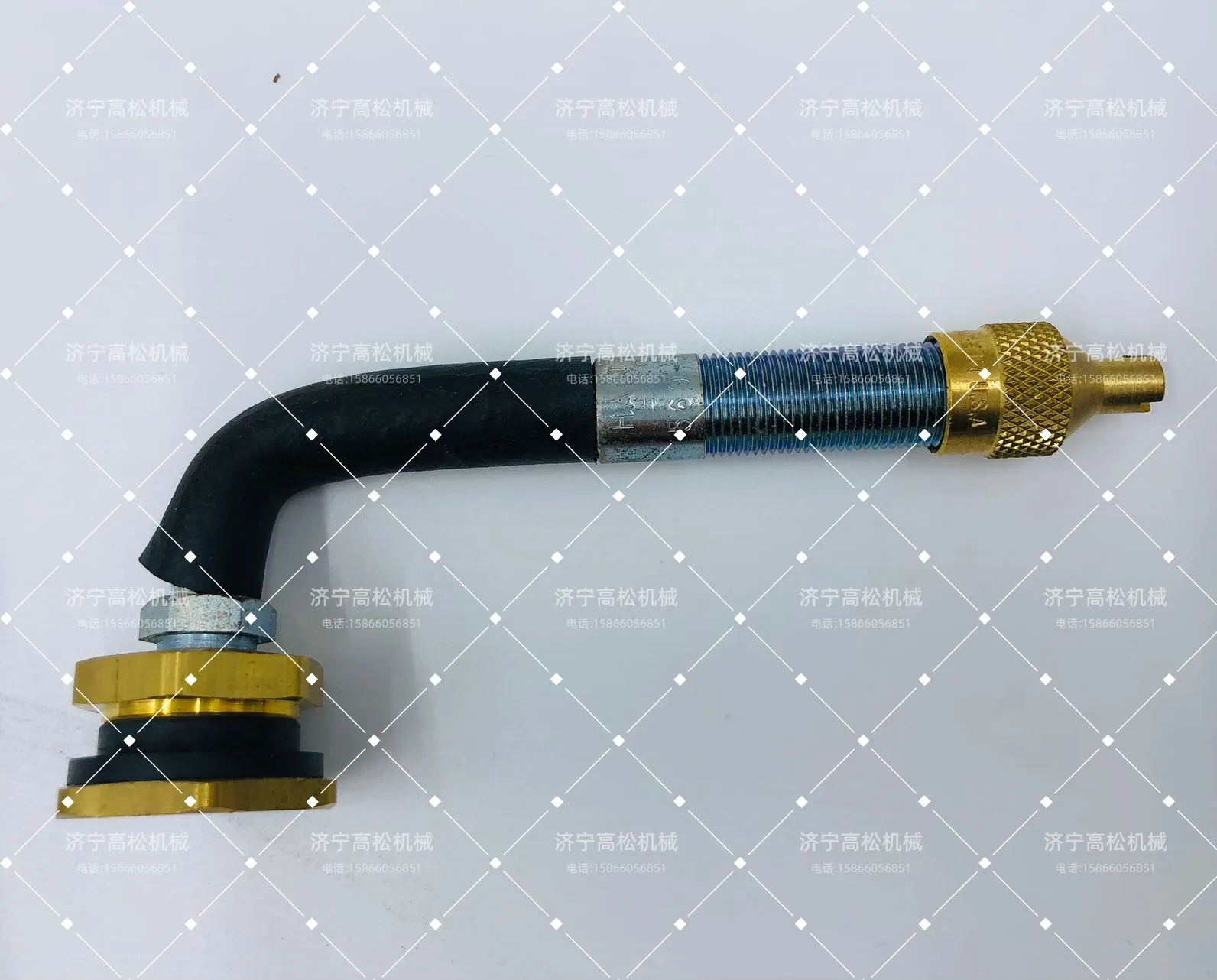 569-30-11600 Komatsu VALVE ASS’Y
 -
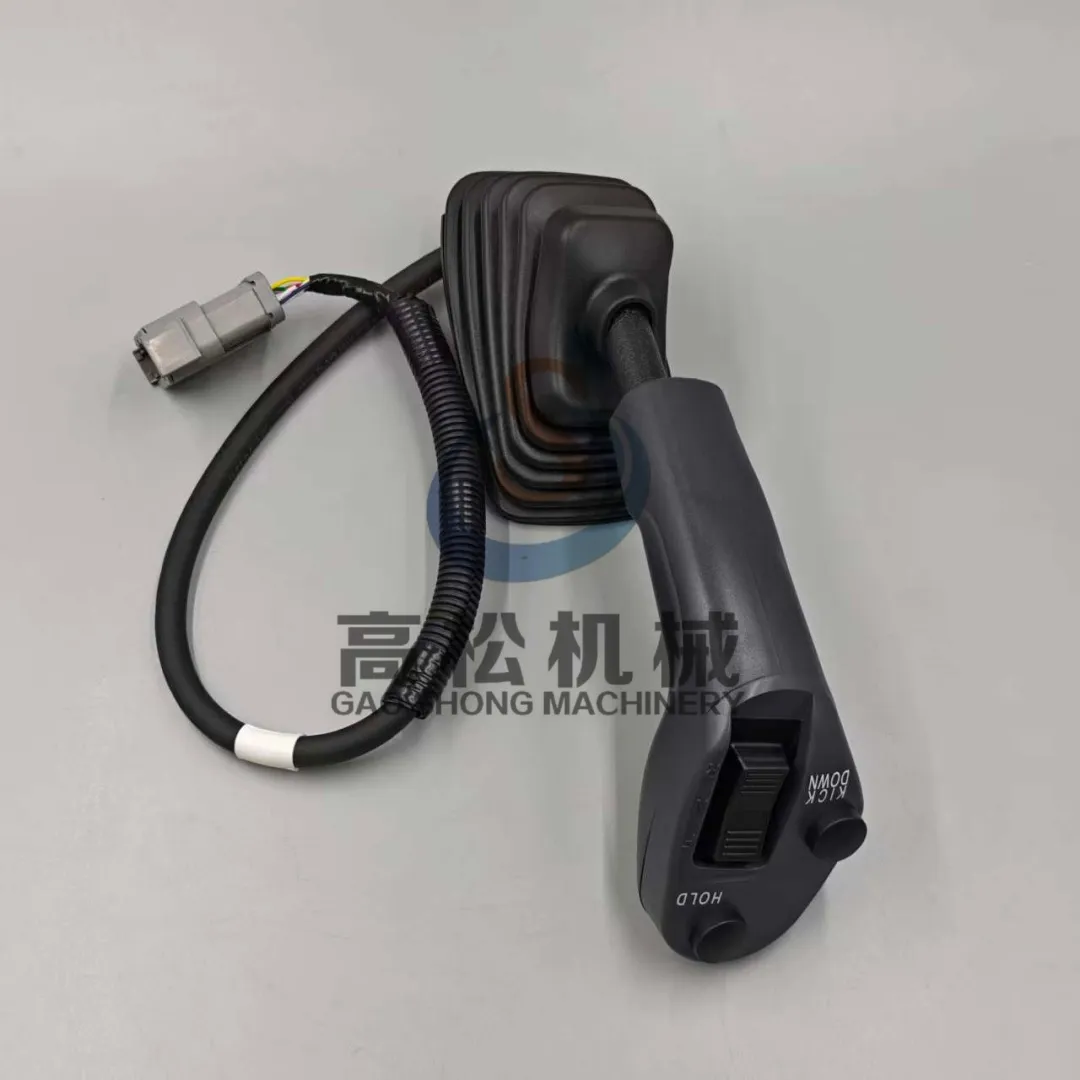 Original New Lever Assembly 423-V91-4144 Handle
 -
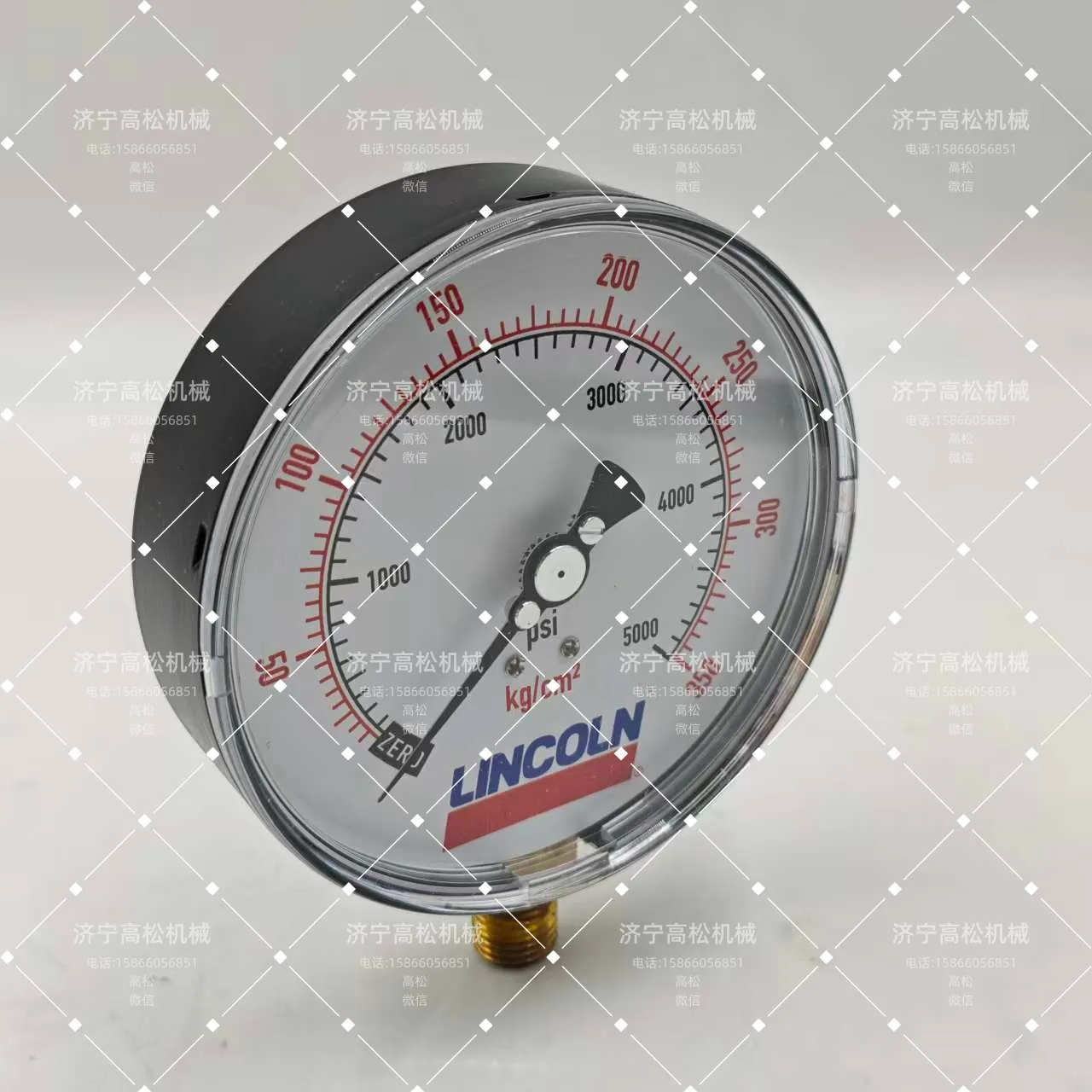 427-S95-2410 Komatsu Gauge, Pressure
 -
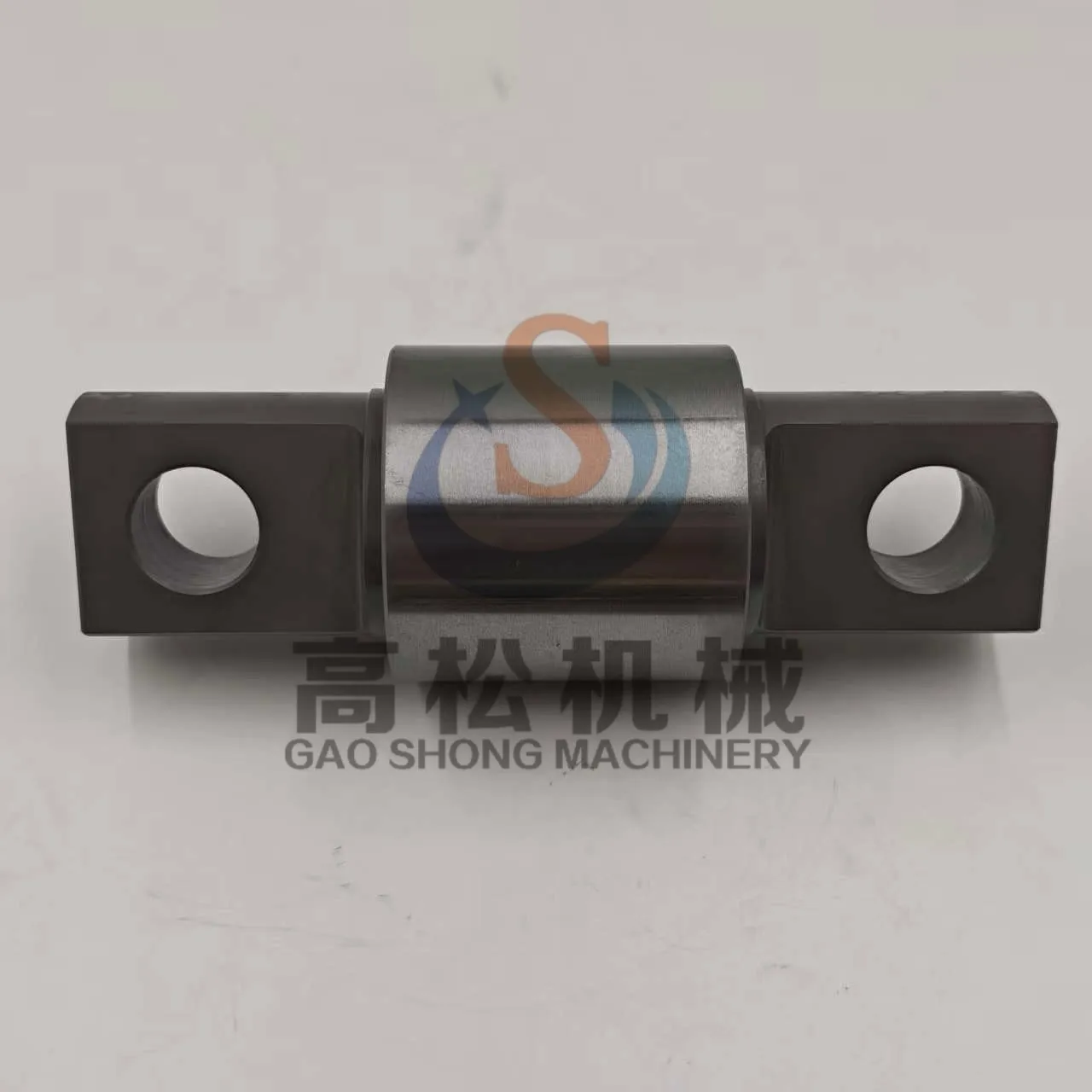 CUSHION 56B-16-11211 – KOMATSU
 -
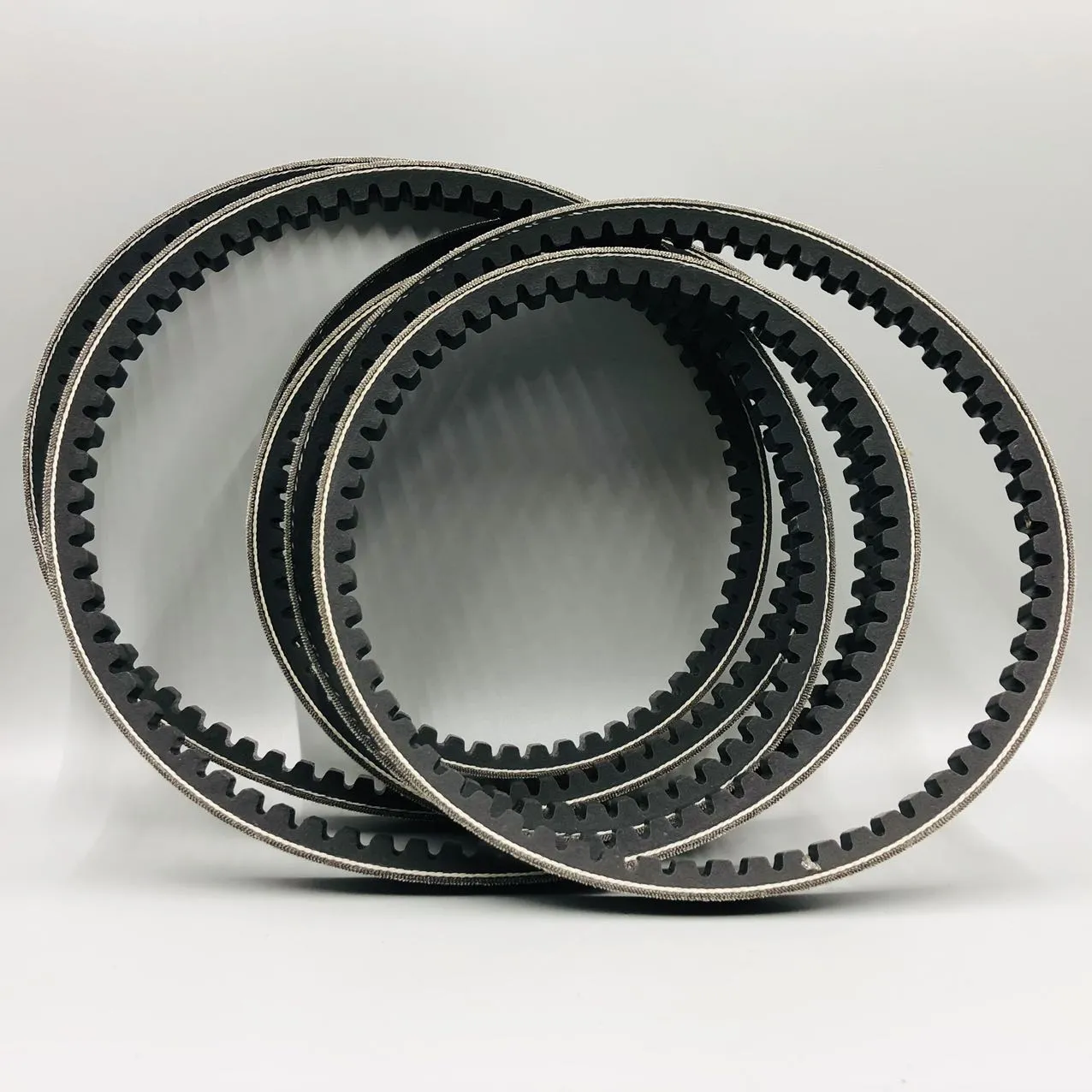 Komatsu mechanical belt6219-61-3420
 -
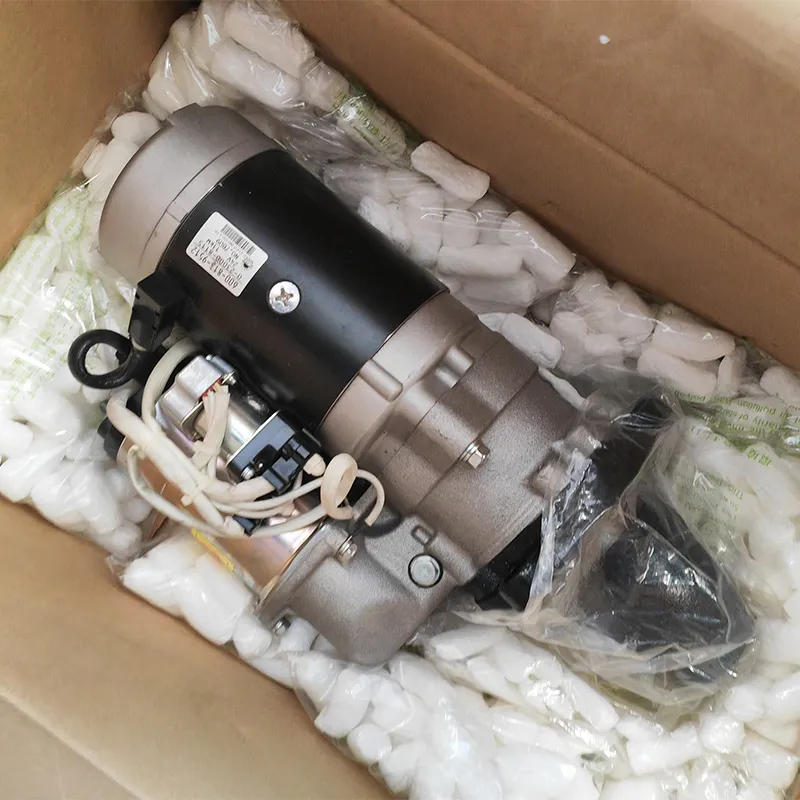 600-813-9512 Original komatsu Starter Motor for PC1250-8 D375-6 WA600-8
 -
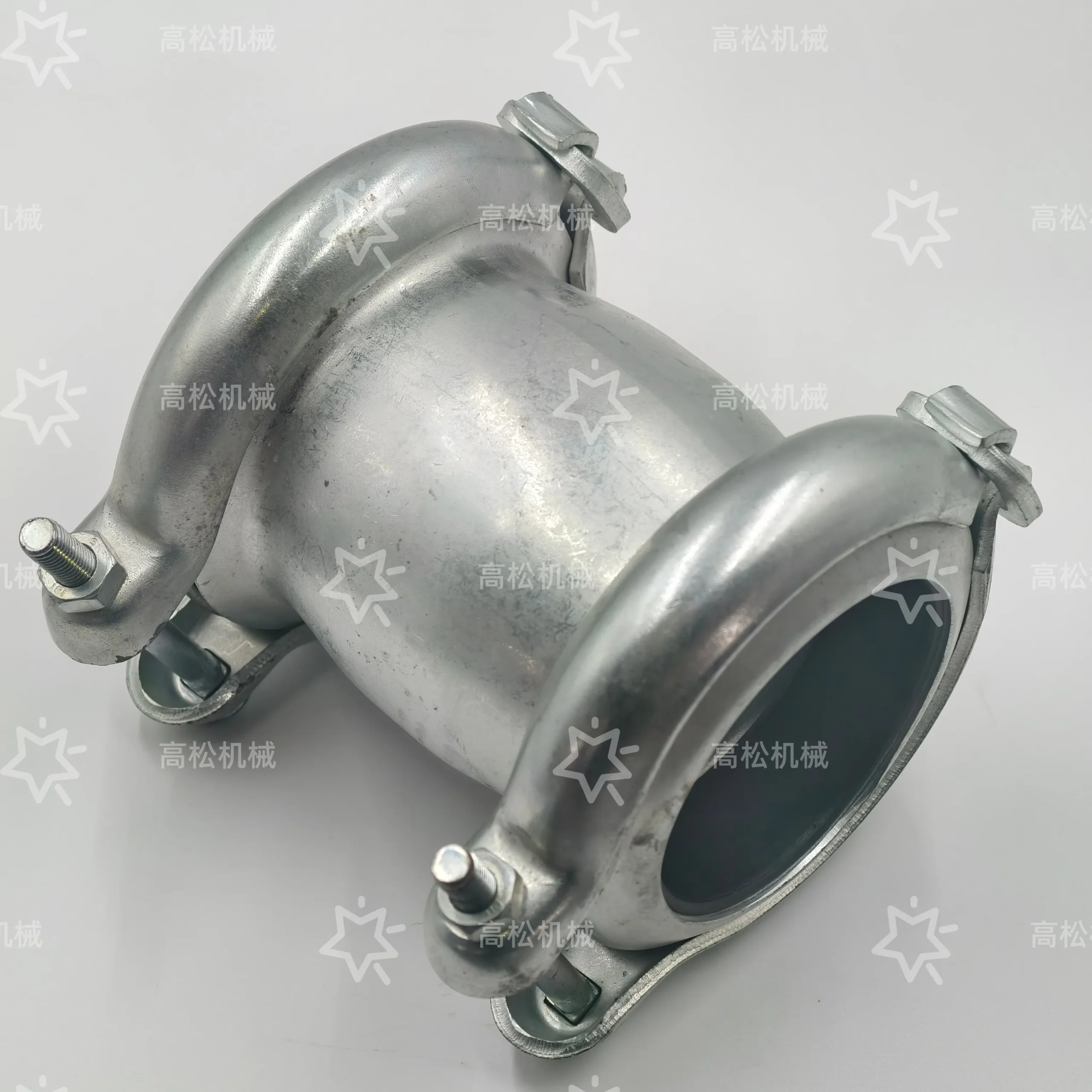 07332-03000Coupling 07332-03000 07332-63000 for Komatsu Dozer D155AX-3 D155S-1 D275A-5 D355A-3 D355A-5 D375A-3 D455A-1 D475A-5
 -
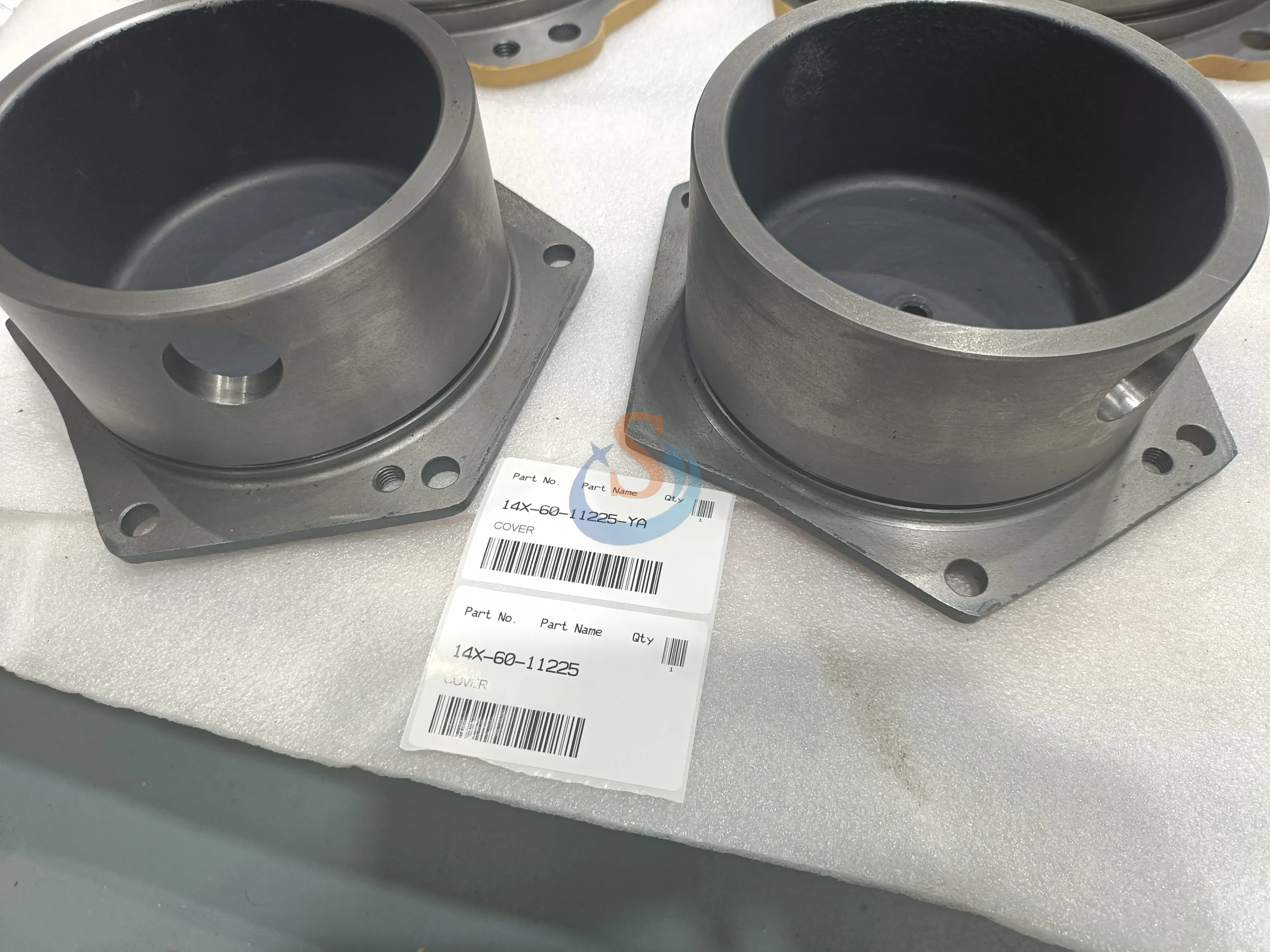 14X-60-11225,COVER,D65PX,D85ESS