
- Chinese
- French
- German
- Portuguese
- Spanish
- Russian
- Japanese
- Korean
- Arabic
- Irish
- Greek
- Turkish
- Italian
- Danish
- Romanian
- Indonesian
- Czech
- Afrikaans
- Swedish
- Polish
- Basque
- Catalan
- Esperanto
- Hindi
- Lao
- Albanian
- Amharic
- Armenian
- Azerbaijani
- Belarusian
- Bengali
- Bosnian
- Bulgarian
- Cebuano
- Chichewa
- Corsican
- Croatian
- Dutch
- Estonian
- Filipino
- Finnish
- Frisian
- Galician
- Georgian
- Gujarati
- Haitian
- Hausa
- Hawaiian
- Hebrew
- Hmong
- Hungarian
- Icelandic
- Igbo
- Javanese
- Kannada
- Kazakh
- Khmer
- Kurdish
- Kyrgyz
- Latin
- Latvian
- Lithuanian
- Luxembou..
- Macedonian
- Malagasy
- Malay
- Malayalam
- Maltese
- Maori
- Marathi
- Mongolian
- Burmese
- Nepali
- Norwegian
- Pashto
- Persian
- Punjabi
- Serbian
- Sesotho
- Sinhala
- Slovak
- Slovenian
- Somali
- Samoan
- Scots Gaelic
- Shona
- Sindhi
- Sundanese
- Swahili
- Tajik
- Tamil
- Telugu
- Thai
- Ukrainian
- Urdu
- Uzbek
- Vietnamese
- Welsh
- Xhosa
- Yiddish
- Yoruba
- Zulu
- Kinyarwanda
- Tatar
- Oriya
- Turkmen
- Uyghur






komatsu ck35 parts
When you're deep in a search for Komatsu CK35 parts, you quickly realize it's not as straightforward as pulling up a catalog and ordering a number. There's a common misconception that because it's a Komatsu, parts flow is always seamless. That's not the experience on the ground, especially with older or region-specific models like the CK35. The challenge isn't just finding a part; it's finding the right part that fits without causing two days of downtime for a one-hour job. A lot of suppliers list generic compatible parts that claim to fit, but the bolt patterns are off by a millimeter or the hydraulic port threads are different. You learn to be skeptical of listings that are too perfect.
The OEM vs. Aftermarket Dilemma in Practice
Sticking purely with OEM parts from Komatsu is the textbook answer, and for critical components like the main hydraulic pump or the controller, I wouldn't risk anything else. But for wear items—track links, rollers, even some seals—the wait time and cost from the official channel can be prohibitive on a tight project budget. I've seen projects stall for weeks waiting for a simple pin and bushing kit to arrive through official distribution.
This is where the landscape gets interesting. Companies that operate within the Komatsu system but aren't the primary distributor often have more flexibility. I'm thinking of suppliers like Jining Gaosong Construction Machinery Co., Ltd.. Their position is unique; they're an OEM product supplier within Komatsu's own system, but they also function as a third-party sales channel. In practice, this means they can often access genuine or OEM-spec parts for models like the CK35 through backchannels, helping to solve supply gaps in countries where the main distributor's network is thin.
I checked out their portal at https://www.takematsumachinery.com. It's not a flashy site, which in this business is sometimes a good sign—it suggests the work is in the warehouse, not the web design. Their stated goal of helping to solve parts supply challenges in certain countries rings true to the frustration I've faced. They're not just another aftermarket parts house; they're plugging a specific hole in the Komatsu ecosystem.
Specific CK35 Pain Points and Fitment Trials
Let's get concrete. The CK35's swing motor bearing assembly is a notorious point of failure if maintenance lags. Sourcing a replacement, you'll find maybe three different part number revisions. The earliest version has a different seal groove depth. I learned this the hard way, installing a compatible part only to have it weep fluid from day one. The issue wasn't the bearing; it was the seal sitting 0.5mm too shallow.
Another area is the undercarriage. The CK35 often came with different track shoe options. Ordering CK35 track links is a gamble. You need to know the serial number range or, better yet, have the old link in hand to count the bushings and measure the pin diameter. I've had a pallet of links show up that were for a CK35-G model, while our machine was an older CK35-2. They looked identical until we tried to press the pins in.
This is where a supplier's technical knowledge is worth more than their price list. A good one will ask for your machine's serial number before confirming the order. A great one might even call you back to say, Hey, for that S/N, there was a service bulletin on the valve block; you might want to check yours for cracking before you order the spool. I've found that the entities operating as third-party sales companies for Komatsu, like Gaosong, often have this level of granular insight because they're dealing with the real-world fallout of parts interchange issues daily.
The Reality of Genuine and OEM-Spec
Here's a nuanced point. When a company says they are an OEM product supplier within the Komatsu system, it doesn't always mean they are selling you a part in a Komatsu box. It can mean they supply components to the factories that build for Komatsu, or they are licensed to produce to the exact drawings and material specs. For a filter, a hose, or a gasket, this is often perfectly fine—sometimes it's literally the same part from the same production line, just without the Komatsu logo stamped on at the final stage.
I've compared a genuine Komatsu fuel filter for a CK35 side-by-side with one from a system supplier. The casting marks, the pleat count, the bypass valve spring—identical. The price difference was about 40%. For a fleet owner running a dozen machines, that math matters. The risk is low; the part is functionally the same.
However, for electronic components or proprietary hydraulic valves, the line is sharper. I'd be very cautious. An OEM-spec ECU might have the right connectors, but the firmware mapping could be different, leading to limp mode issues. In these cases, the value of a supplier like the one mentioned is their ability to sometimes source the actual, boxed genuine part through alternative channels when the main pipeline is dry, not just a substitute.
Logistics and the Hidden Cost of Time
Searching for Komatsu CK35 parts online is one thing. Getting them to your yard is another. A major pain point has always been international logistics for a single, urgent part. Air freight for a 50kg cylinder assembly can triple its cost. Many traditional suppliers only ship in bulk containers.
This is another area where the specialized third-party model shows its strength. Because their entire business is built on solving spot shortages, they often have consolidated shipping channels or regional warehouses. You might order a final drive seal kit from them and get it in 5 days from a stockpile in Singapore, whereas the official order would originate in Japan with a 3-week lead time. Their website, takematsumachinery.com, explicitly frames their service around solving supply challenges, which in the field translates directly to solving time challenges.
I recall a job in Malaysia where we needed a fan drive hub for a CK35. The local Komatsu dealer quoted 8 weeks. We found a supplier with a similar operational model to Gaosong, who sourced a genuine hub from a surplus stock in Thailand. It was at our site in 10 days. The part was correct, the machine was back online, and the project was saved. That's the tangible value.
Concluding Thoughts: A Pragmatic Approach
So, what's the takeaway for anyone knee-deep in a CK35 repair? Don't rely on a single source. The official Komatsu dealer is your first call for critical, serial-number-specific components. But for a vast range of wear items, mechanical components, and even some electrical parts, explore the network of system-approved OEM suppliers and third-party specialists.
Use their expertise. A good question to ask is, Can you confirm the fitment for serial number XYZ? and Is this a genuine Komatsu part or an OEM-spec from the original factory? Their answer will tell you everything about their operational depth.
Companies like Jining Gaosong Construction Machinery Co., Ltd. exist because the global parts supply chain for machinery isn't perfect. They fill the cracks. For the CK35, a model that might be out of primary production focus, leveraging such a channel isn't just a cost-saving measure; it's often the most practical way to keep the machine earning. The goal isn't to avoid genuine parts, but to get the right part, of the right quality, to your job site in the right timeframe. Sometimes that comes in a Komatsu box, and sometimes it comes from a partner who knows exactly why that specific bolt on the CK35's boom cylinder is so hard to find.
Related Products
Related Products
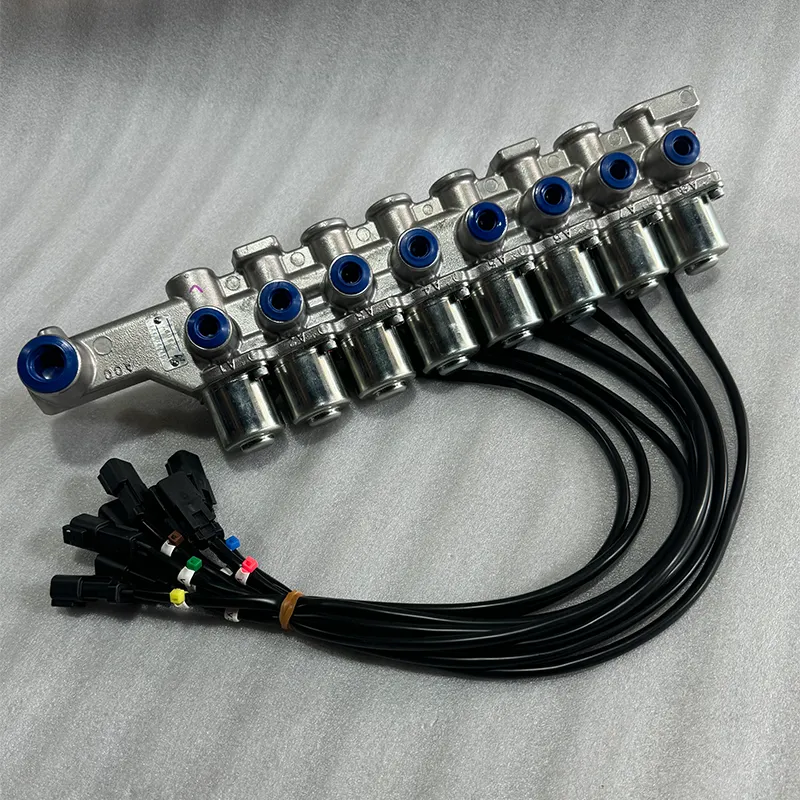
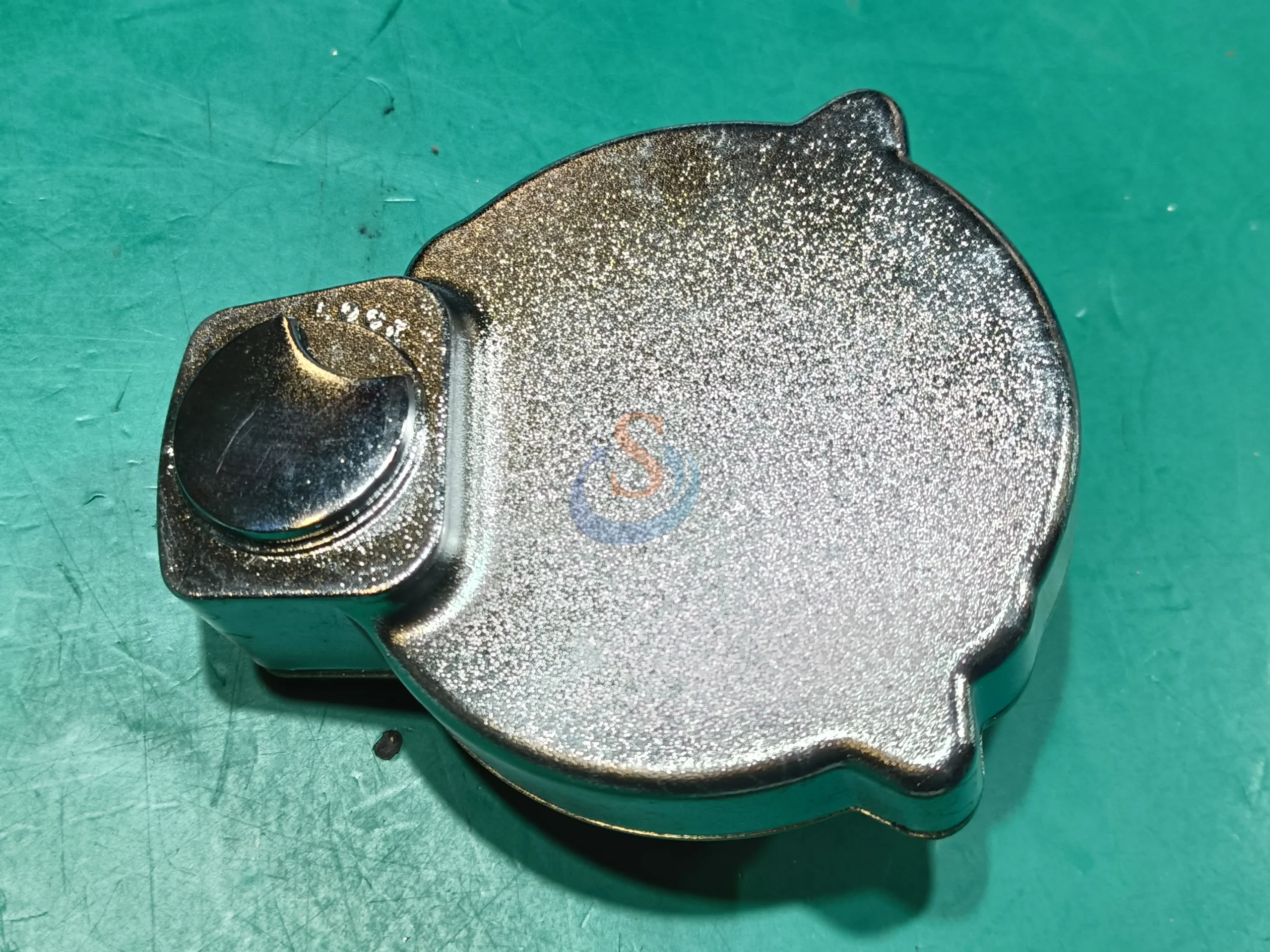
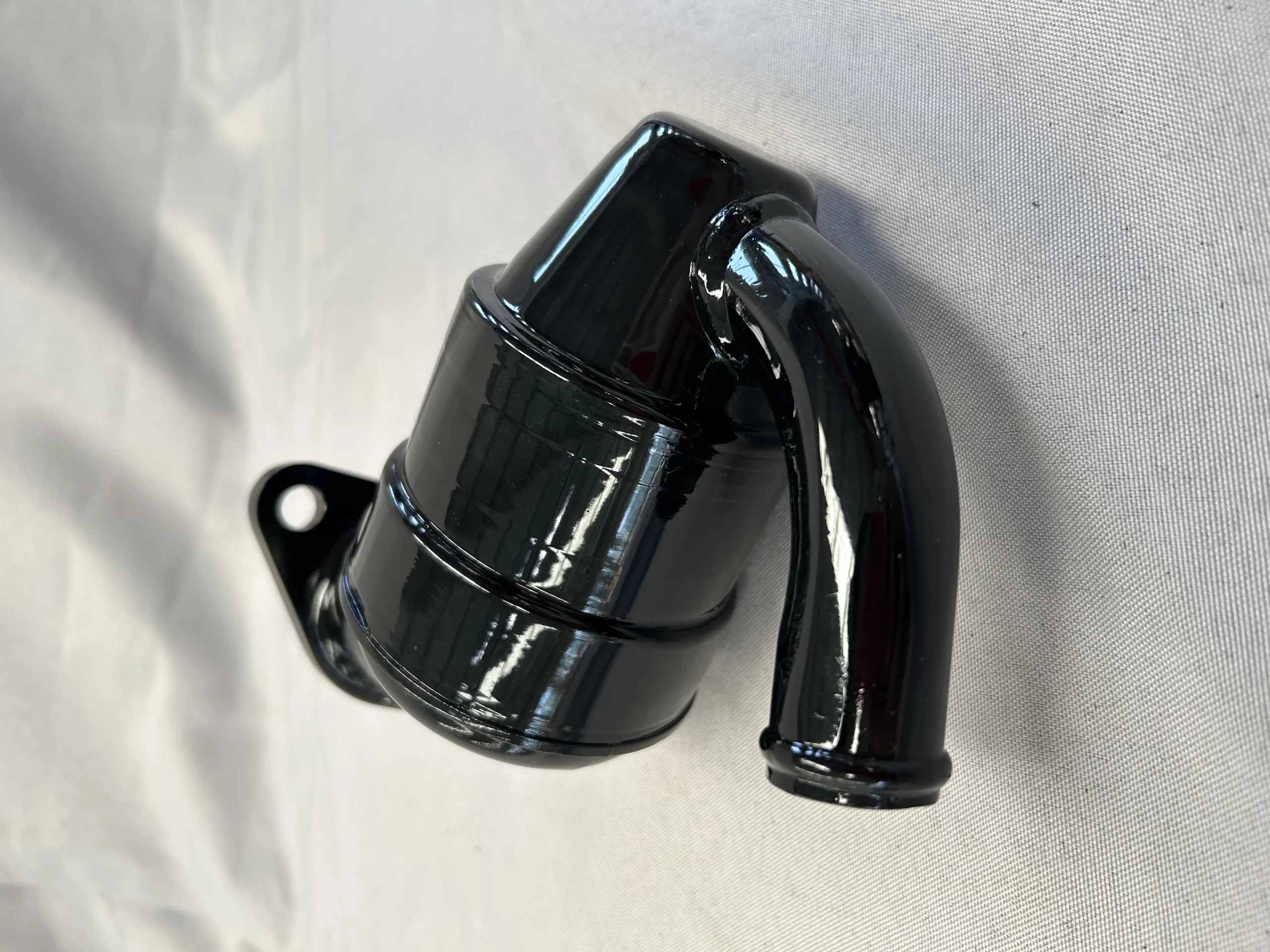

Best Selling Products
Best Selling Products-
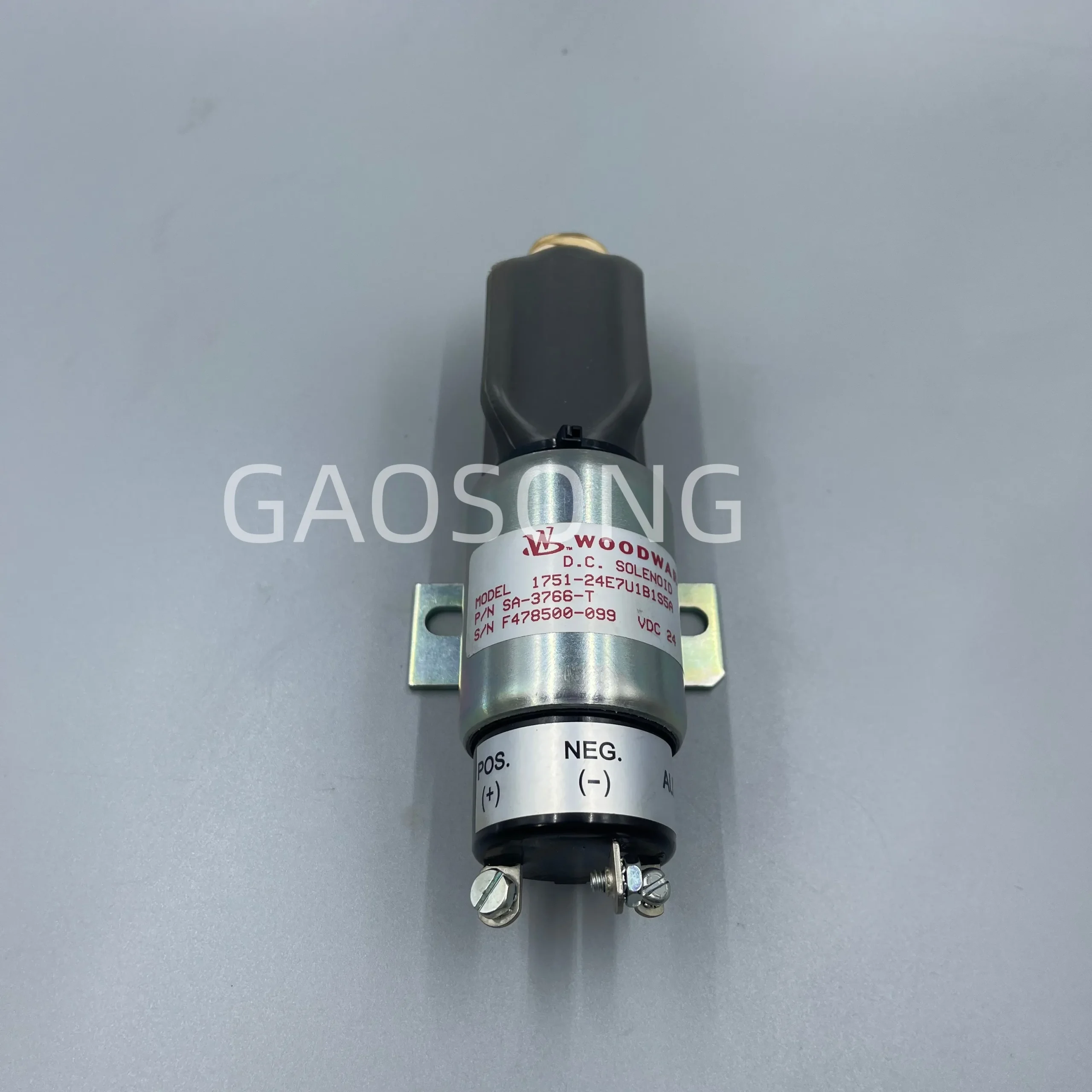 600-815-7550 SOLENOID ASS’Y–Komatsu Original Factory
 -
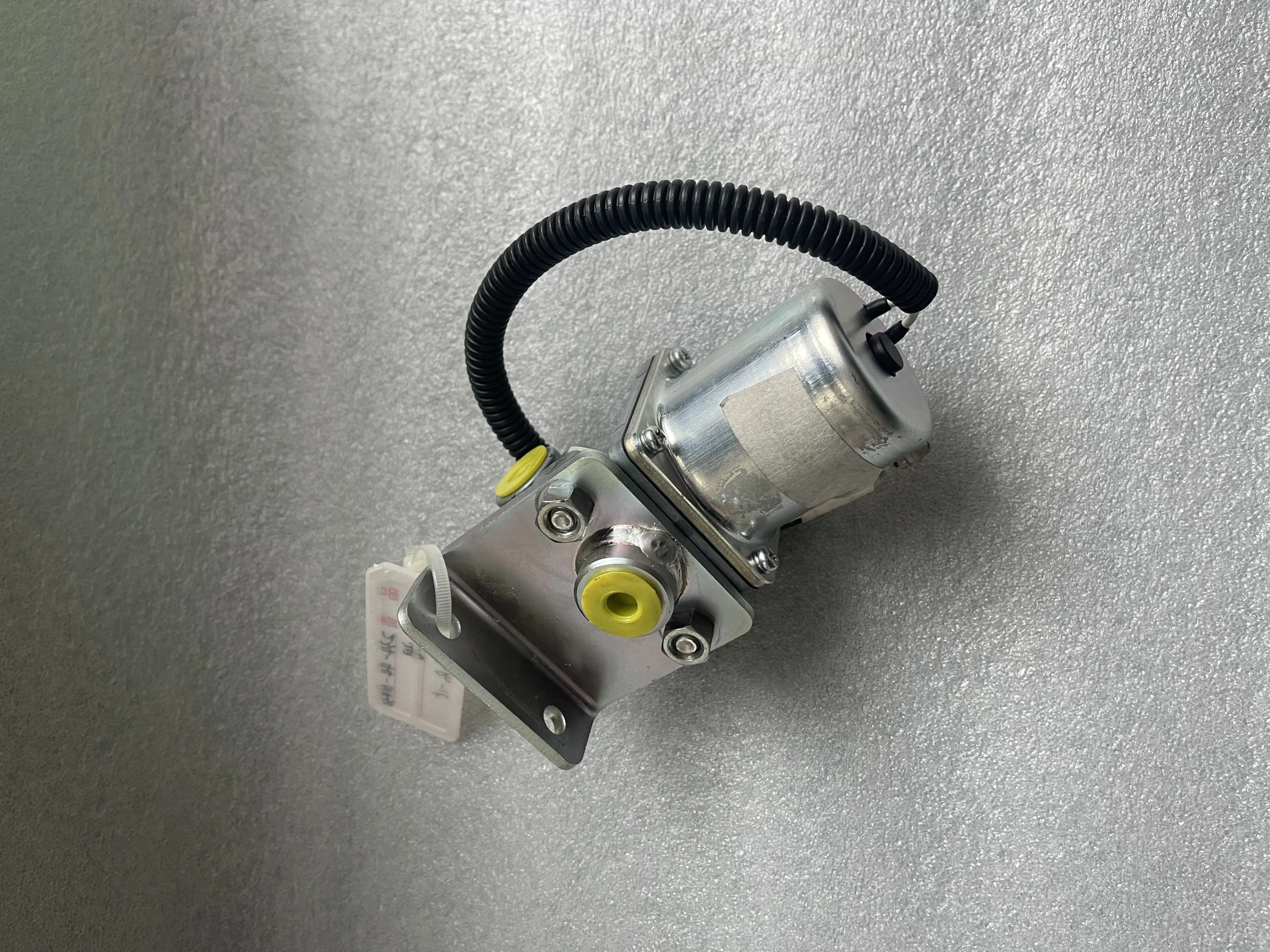 234-44-61430-VALVE Applicable: Komatsu GD825 / GD705
 -
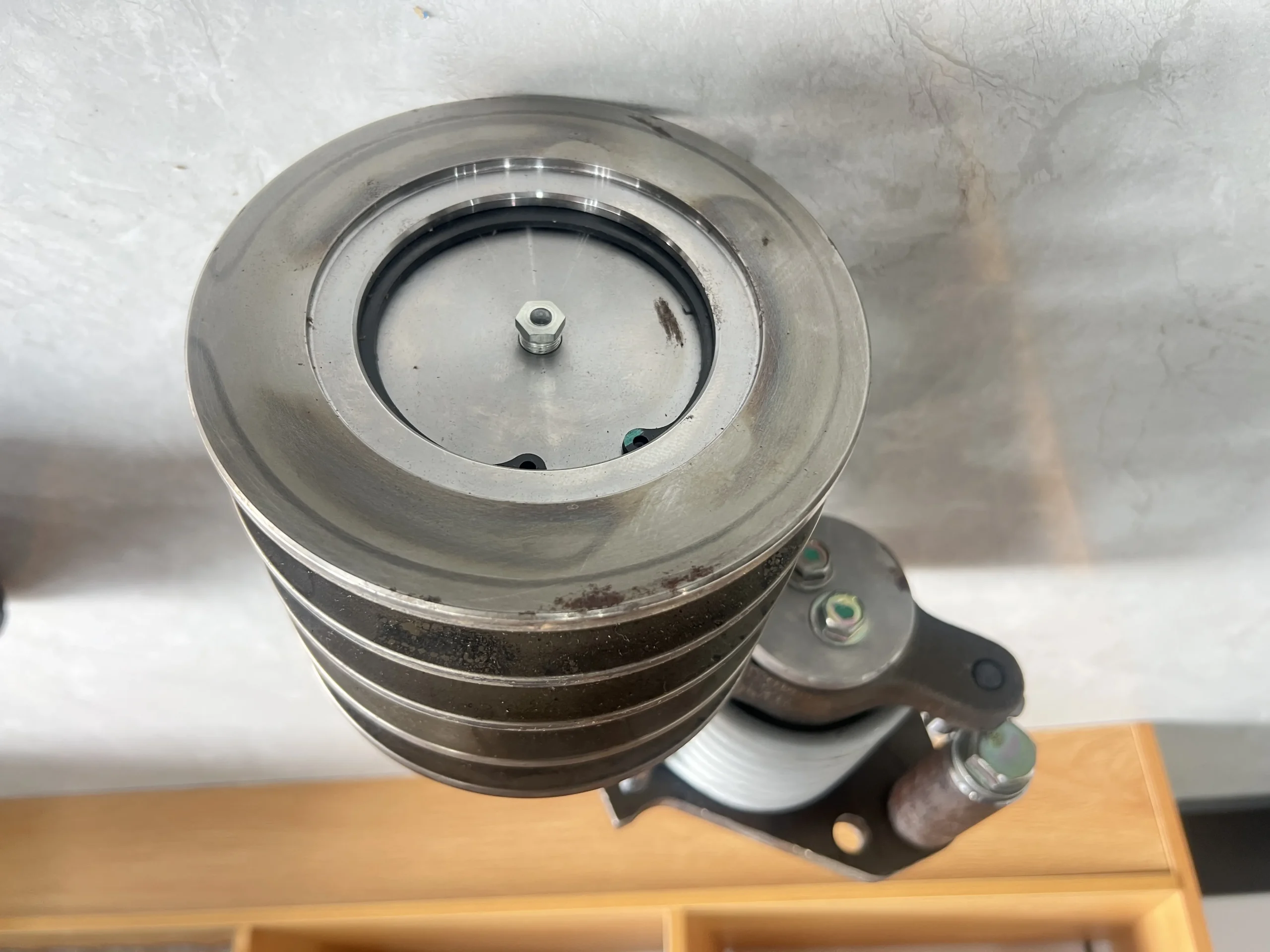 6240614500 TENSION PULLEY ASS’Y-Komatsu Original Factory
 -
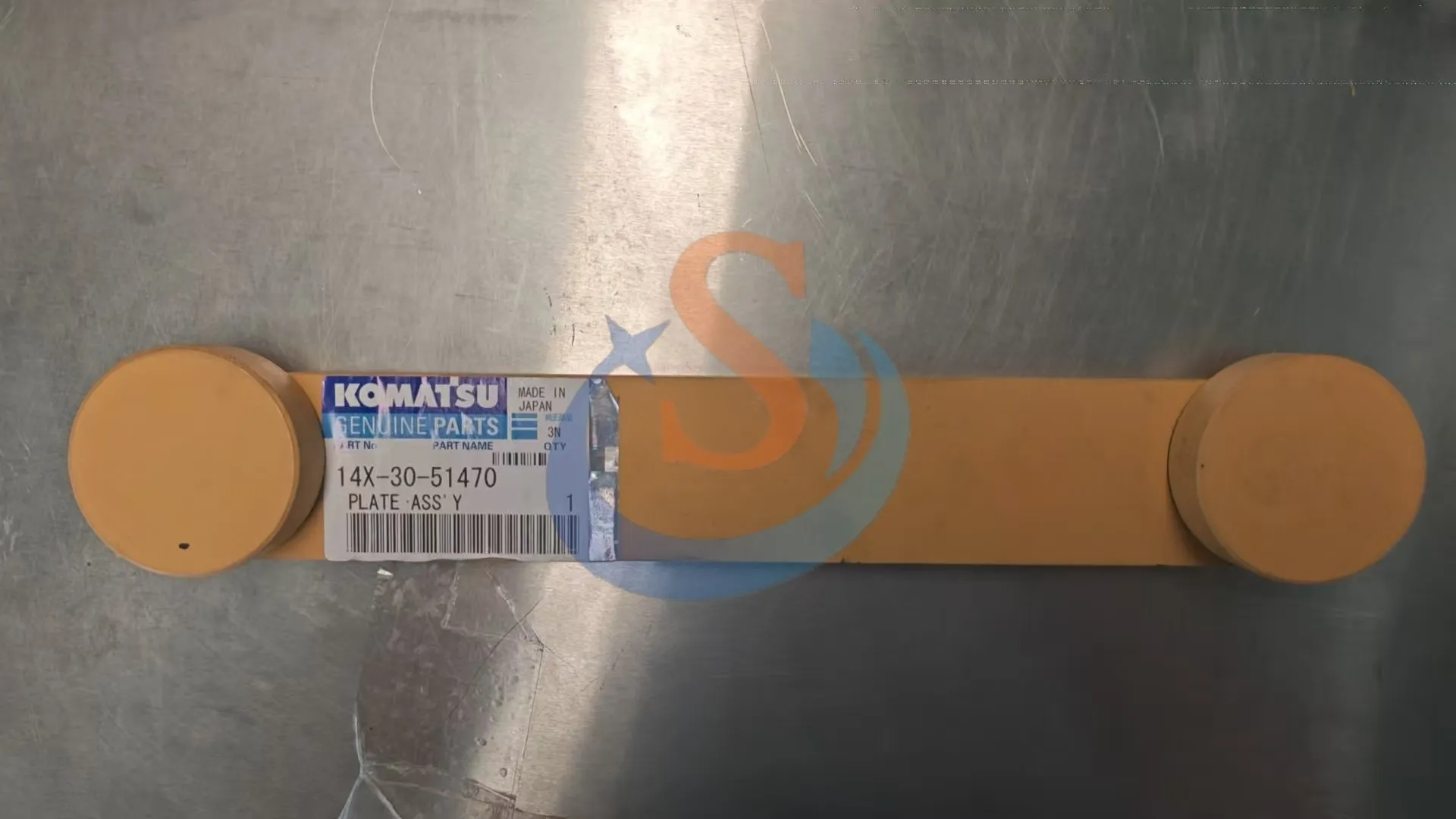 14X-30-51470,PLATE ASS’Y,D65EX,D65PX,D65WX
 -
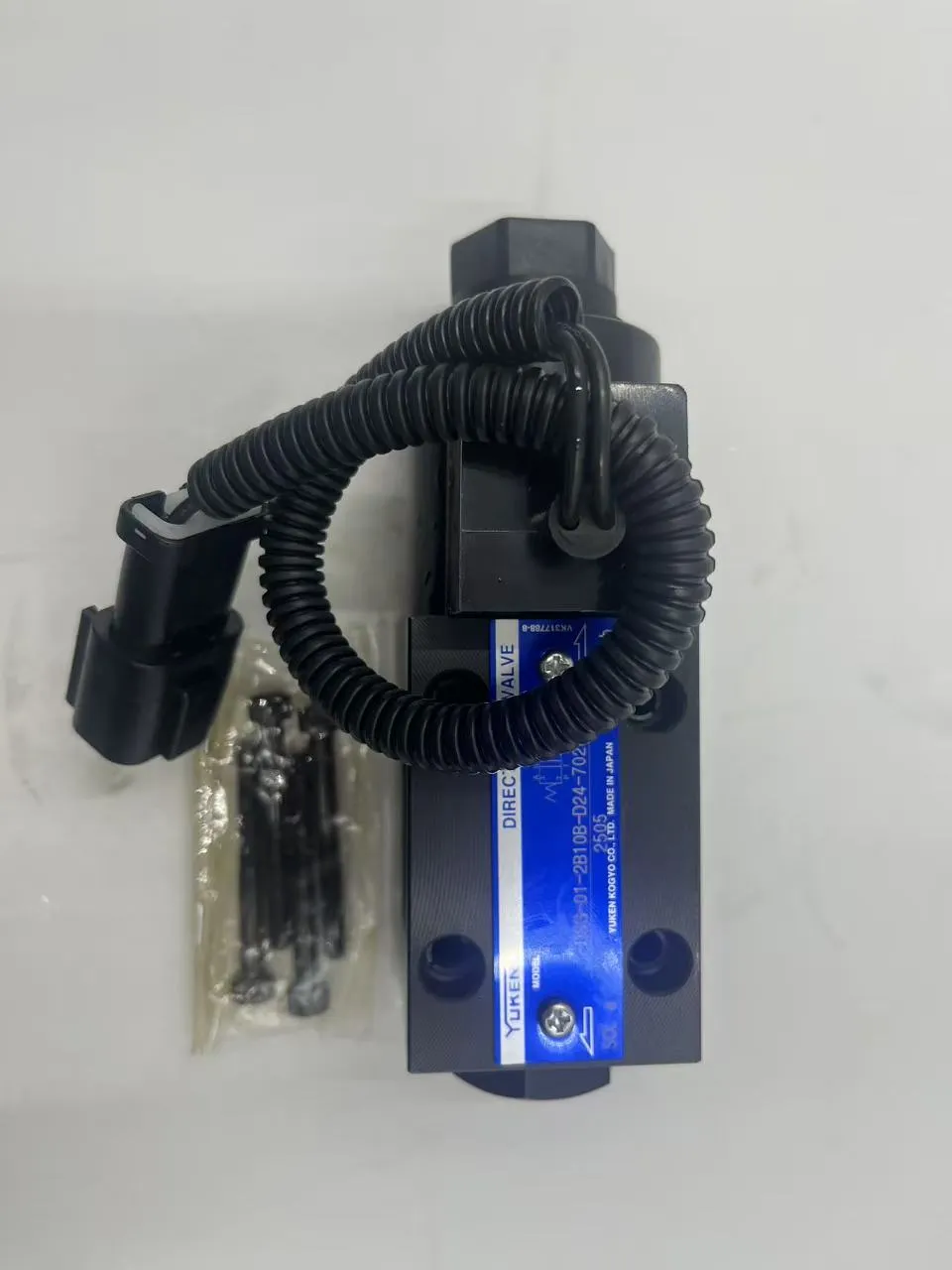 23W-60-28230 • VALVE ASS’Y-Komatsu Original Factory
 -
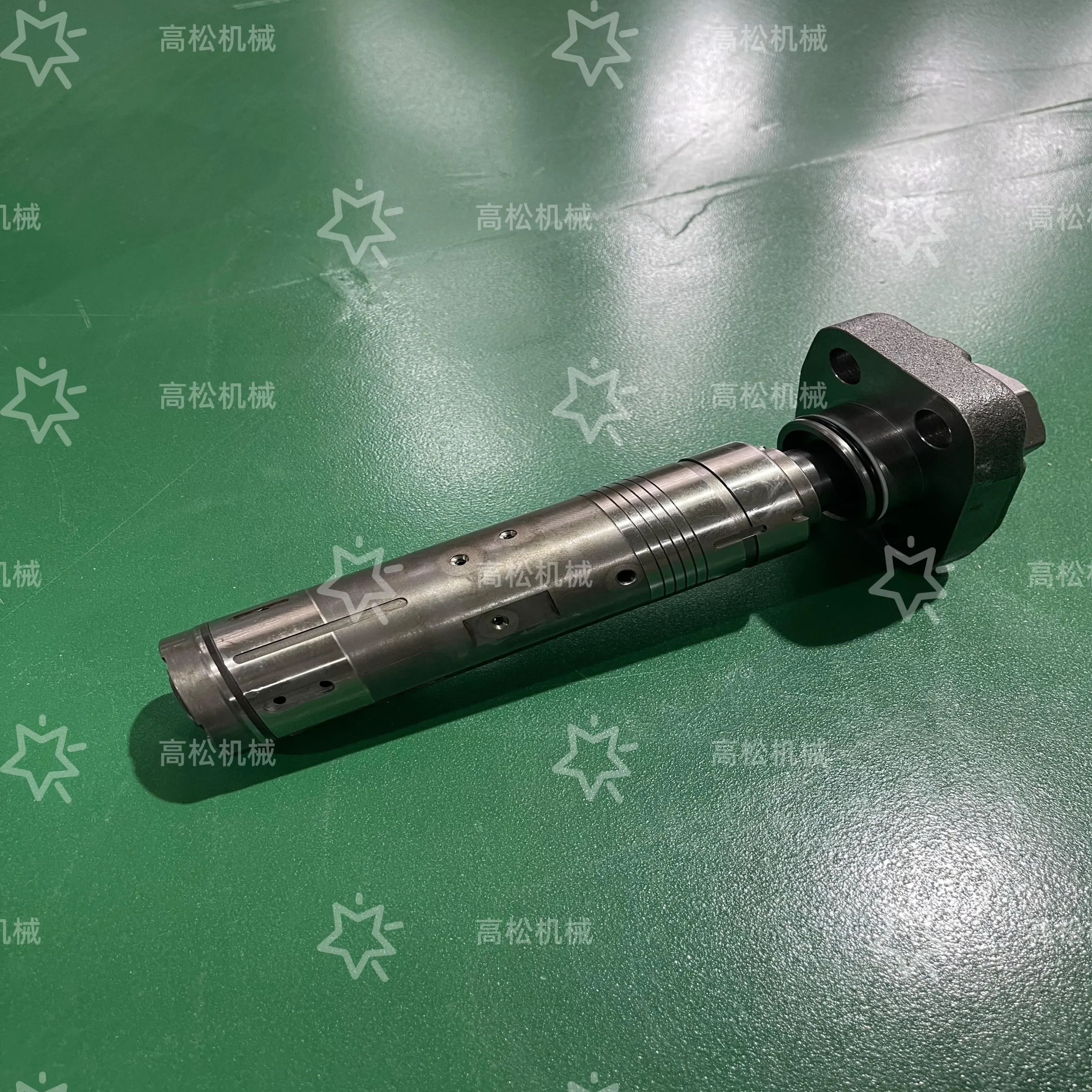 708-2H-03411valve ass’y,pc 708-2h-03411 – komatsu
 -
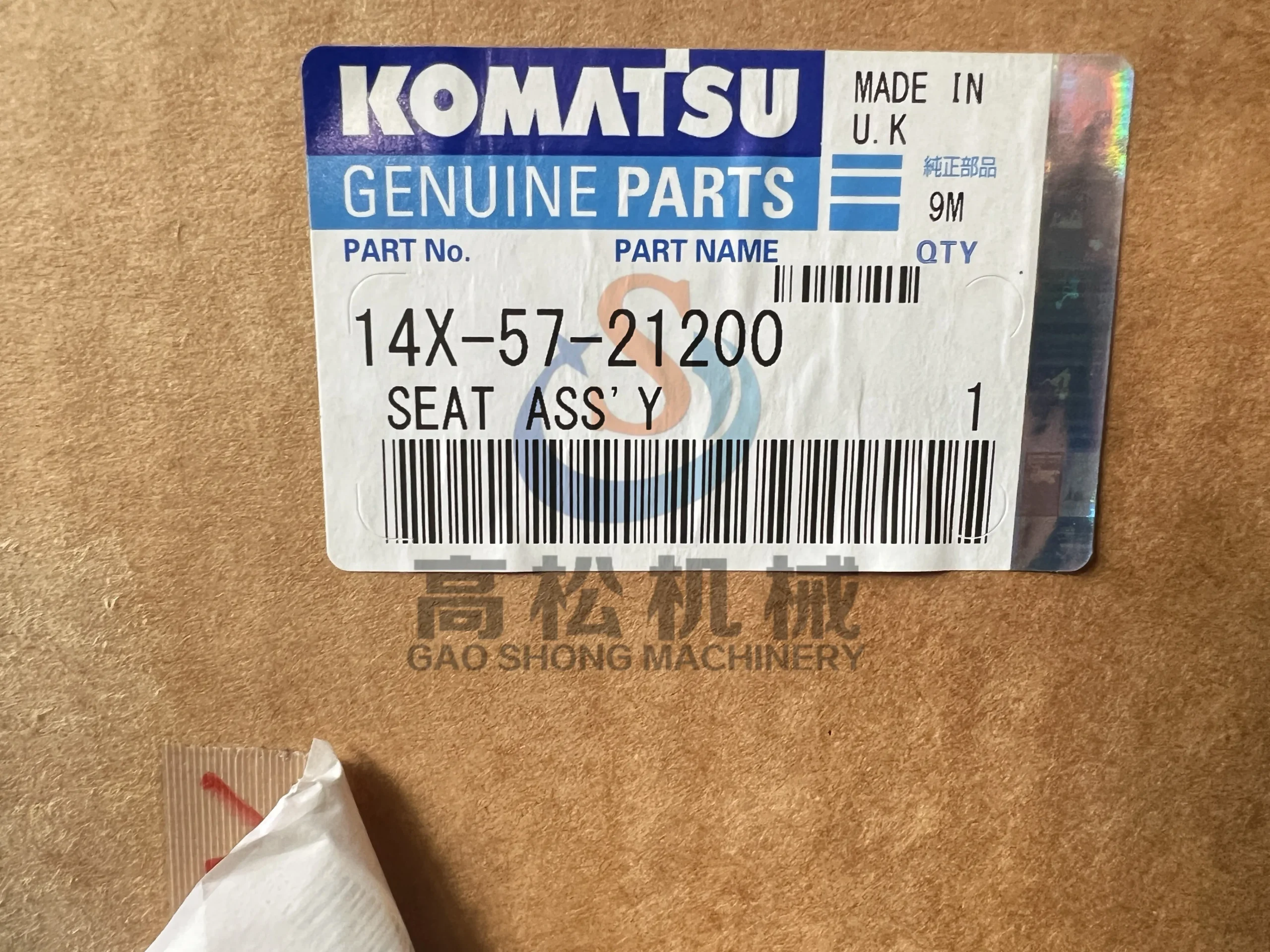 14X-57-21200 Komatsu SEAT ASS’Y,LEATHER
 -
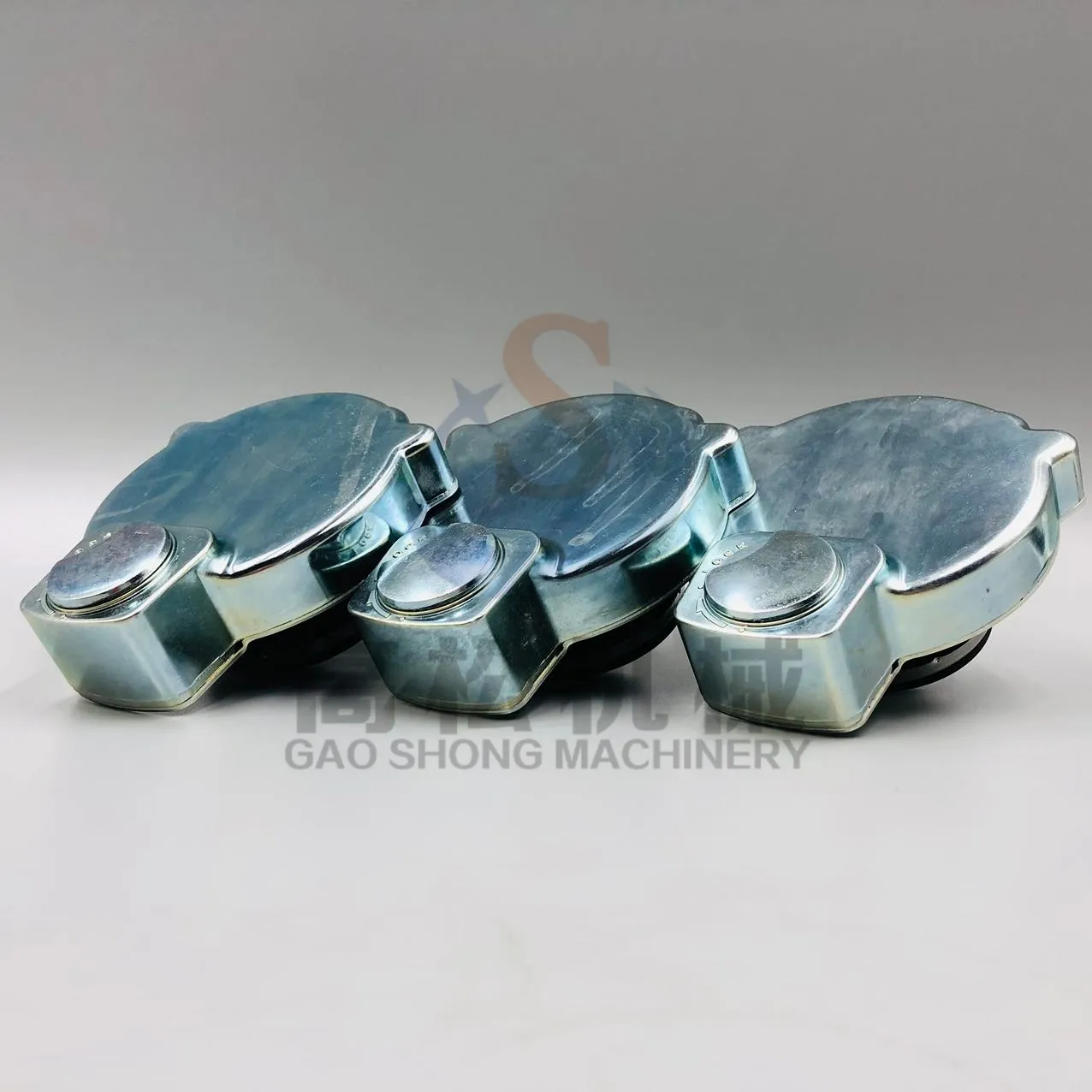 Komatsu fuel tank cap 17A-60-11310
 -
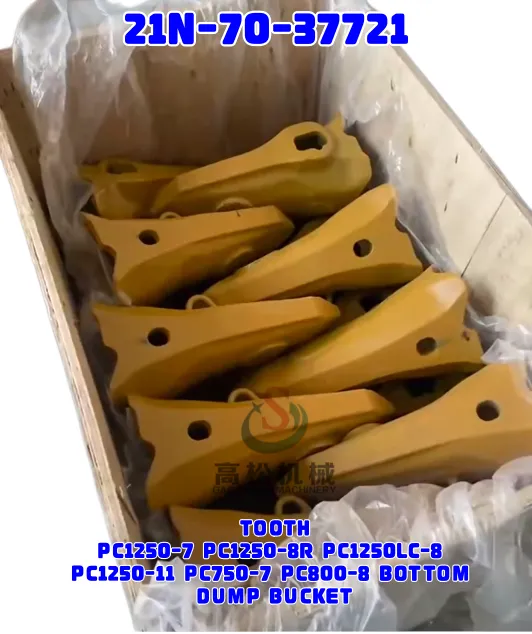 21n-70-37721 Bucket teeth, suitable for the following vehicle models. PC1250-7 PC1250-8R PC1250LC-8 PC1250-11 PC750-7 PC800-8 BOTTOM TOOTH PC1250-7 PC1250-8R PC1250LC-8 PC1250-11 PC750-7 PC800-8 BOTTOM DUMP BUCKET
 -
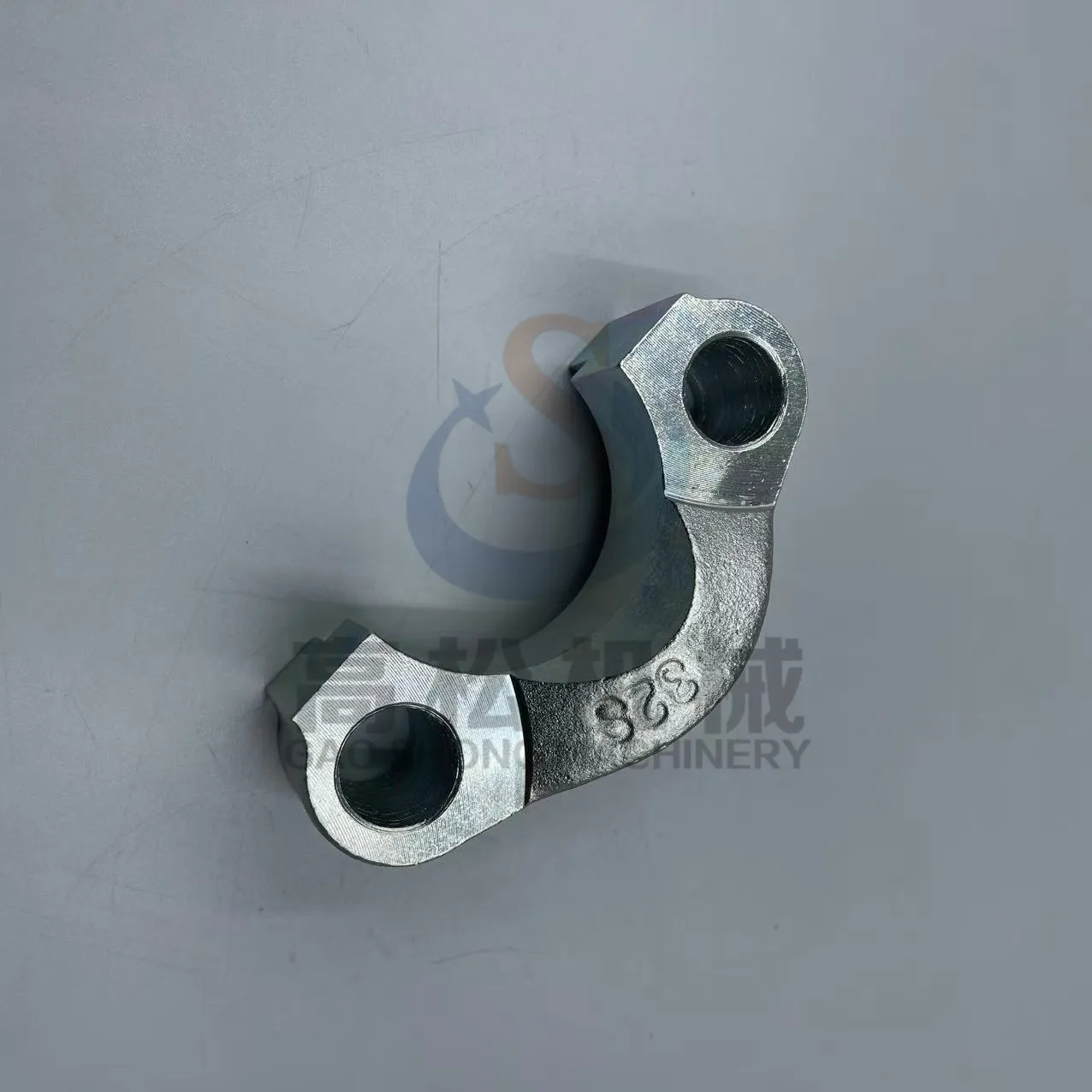 FLANGE 07371-52080 – KOMATSU
 -
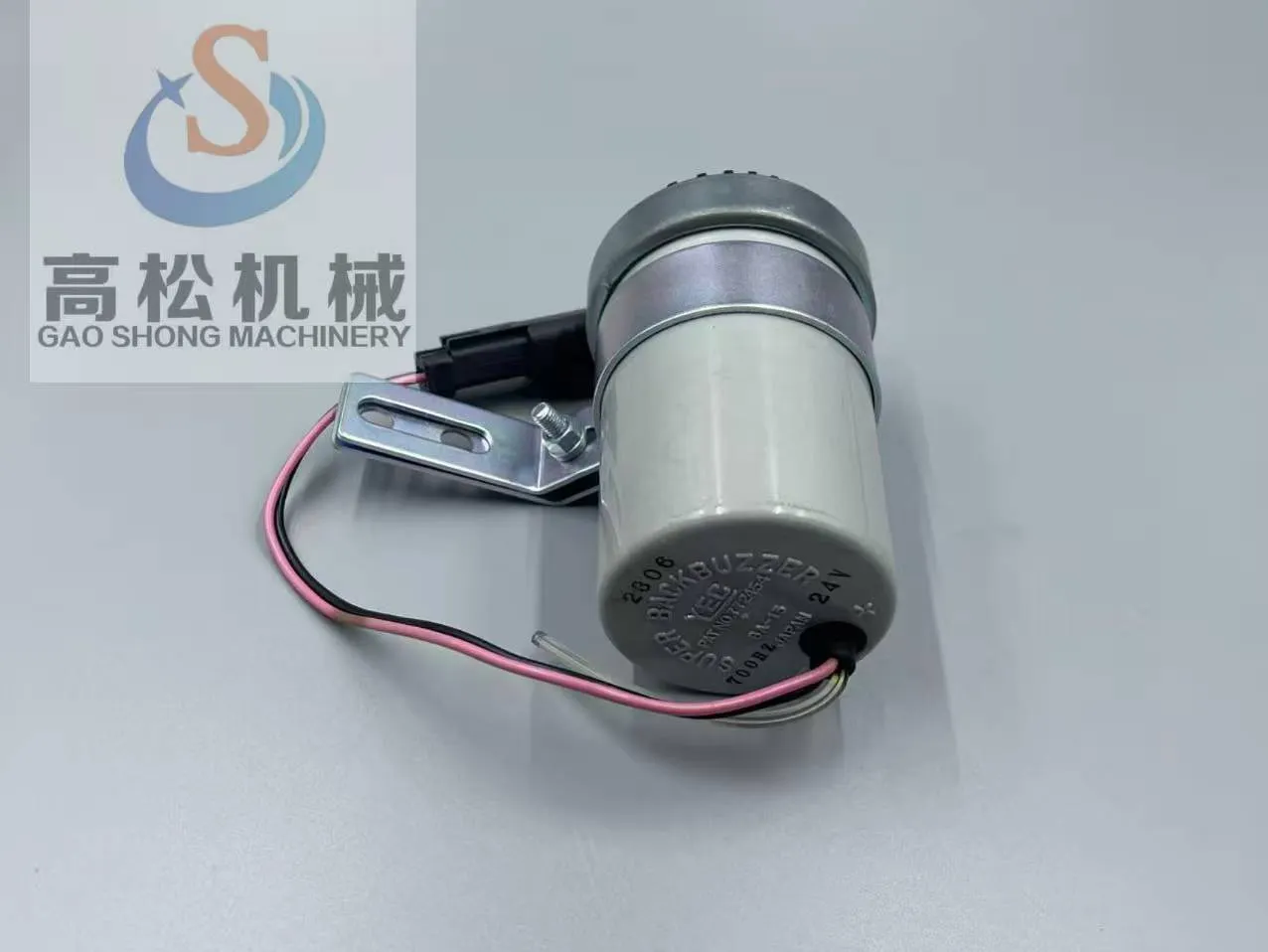 198-06-56570 1980656570 summer for bulldozer D85 D375 D275 D65
 -
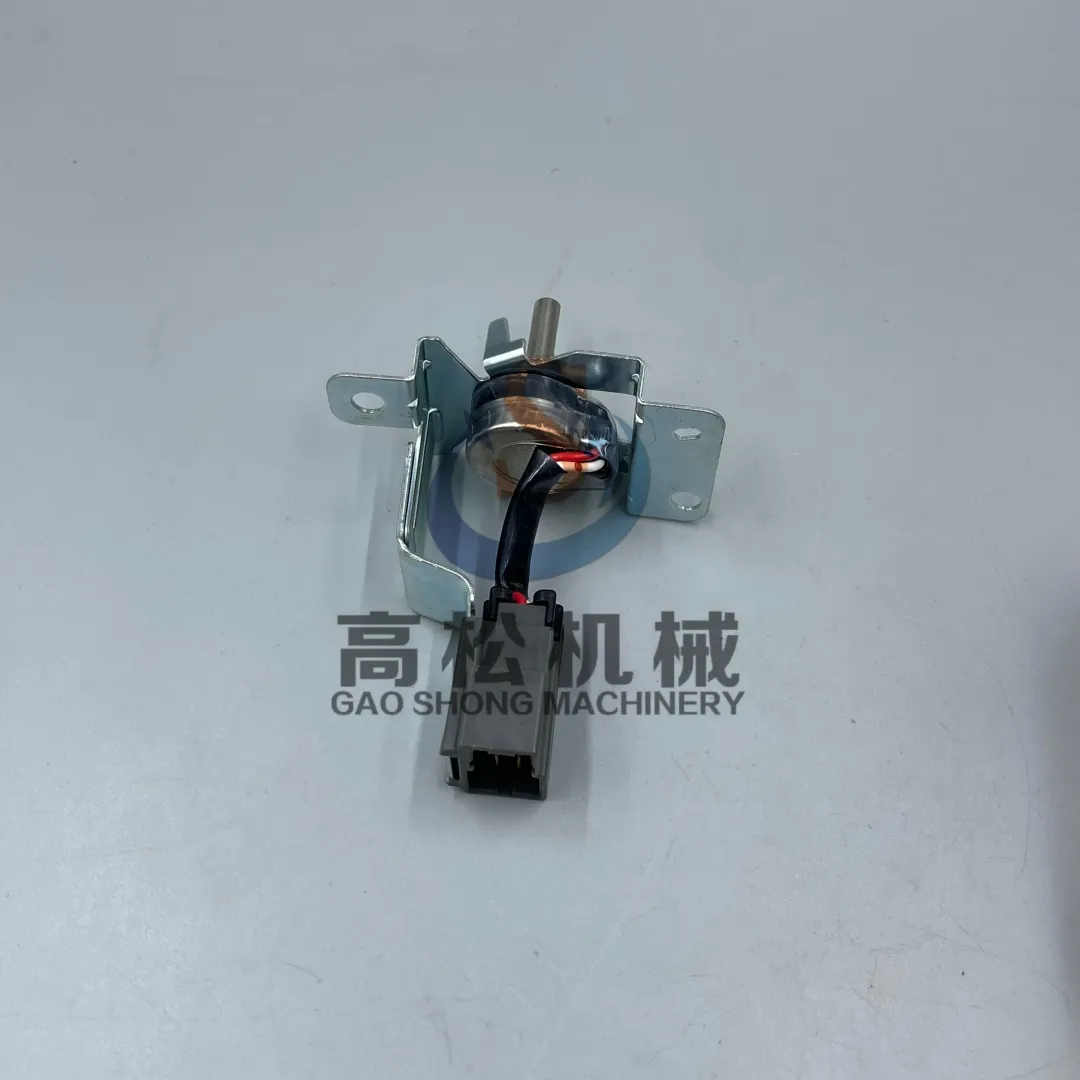 Komatsu original throttle knob 21T-26-11270 stop washer