
- Chinese
- French
- German
- Portuguese
- Spanish
- Russian
- Japanese
- Korean
- Arabic
- Irish
- Greek
- Turkish
- Italian
- Danish
- Romanian
- Indonesian
- Czech
- Afrikaans
- Swedish
- Polish
- Basque
- Catalan
- Esperanto
- Hindi
- Lao
- Albanian
- Amharic
- Armenian
- Azerbaijani
- Belarusian
- Bengali
- Bosnian
- Bulgarian
- Cebuano
- Chichewa
- Corsican
- Croatian
- Dutch
- Estonian
- Filipino
- Finnish
- Frisian
- Galician
- Georgian
- Gujarati
- Haitian
- Hausa
- Hawaiian
- Hebrew
- Hmong
- Hungarian
- Icelandic
- Igbo
- Javanese
- Kannada
- Kazakh
- Khmer
- Kurdish
- Kyrgyz
- Latin
- Latvian
- Lithuanian
- Luxembou..
- Macedonian
- Malagasy
- Malay
- Malayalam
- Maltese
- Maori
- Marathi
- Mongolian
- Burmese
- Nepali
- Norwegian
- Pashto
- Persian
- Punjabi
- Serbian
- Sesotho
- Sinhala
- Slovak
- Slovenian
- Somali
- Samoan
- Scots Gaelic
- Shona
- Sindhi
- Sundanese
- Swahili
- Tajik
- Tamil
- Telugu
- Thai
- Ukrainian
- Urdu
- Uzbek
- Vietnamese
- Welsh
- Xhosa
- Yiddish
- Yoruba
- Zulu
- Kinyarwanda
- Tatar
- Oriya
- Turkmen
- Uyghur






komatsu ck35 engine
When you hear 'Komatsu CK35 engine', most folks immediately think of the 4D95LE. That's correct, but it's also where the oversimplification starts. In the field, that engine code is just the beginning of the story. I've seen too many mechanics order parts based solely on that model designation and end up with the wrong gasket kit or a turbo that doesn't line up. The CK35, especially in its later iterations and depending on the exact machine application, had subtle but critical variations in fuel systems and auxiliary drive layouts that aren't captured in a basic web search. It's a solid, workhorse powerplant, but treating it as a single, monolithic entity is a quick path to downtime.
The Core of the Matter: 4D95LE Nuances
The heart is, of course, the 4-cylinder, 3.3-liter 4D95LE. Komatsu built these for endurance, not peak power. Where people get tripped up is assuming all 4D95LEs are identical across CK35 machines. Early models, say pre-2015, had a slightly different injection pump calibration profile compared to later ones aimed at meeting different emission guidelines. The difference isn't in the pump model number, but in the internal governor spring and anvil setting. You won't find this in the official parts catalog easily.
I recall a job where a machine, sourced through a third-party channel, was down with low power. We'd replaced filters, checked the turbo, the usual. The injection pump had been rebuilt by a general shop. It was only after comparing the pump serial to a known-good unit from a similar year machine we had in the yard that we spotted the variance. The rebuild shop had used a standard kit, not realizing the specific calibration. That's a two-day loss right there, chasing ghosts.
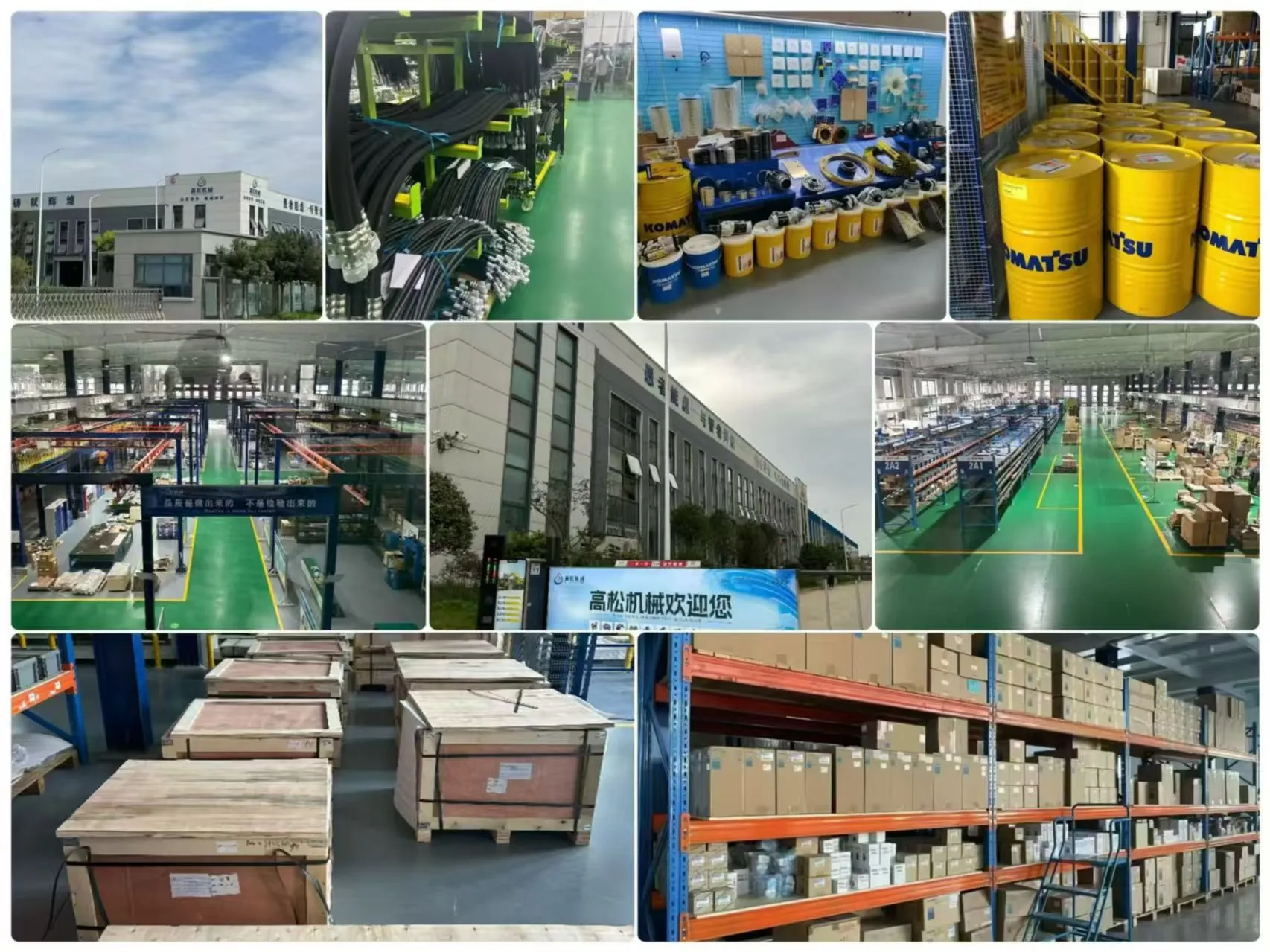
This is precisely where a specialized supplier makes a difference. A company like Jining Gaosong Construction Machinery Co., Ltd., which operates as an OEM supplier within Komatsu's system, understands these lineage details. They're not just moving boxes; they can often trace the part supersession or confirm the sub-assembly variant needed. For a mechanic on the ground, that backend knowledge is what turns a stalled repair into a fixed machine.
Common Failure Points and Misdiagnoses
Beyond the engine itself, the supporting systems in the CK35 chassis cause more headaches than the block ever will. The number one misdiagnosis I see is blaming the engine for issues originating in the hydraulic system. The CK35's hydraulic pump is gear-driven directly off the engine. A failing pump or a severe internal leak in the control valve creates an immense load, making the engine lug, overheat, and blow black smoke. I've seen two engines pulled for overhaul when the real culprit was a scored pump housing.
Then there's the cooling system. The layout is tight. Debris packs between the radiator and the hydraulic oil cooler, but from the front, it looks clear. You get a gradual creep in operating temperature that gets blamed on a 'tired' engine or a thermostat. Really, it's just a lack of airflow. You need to pull the whole stack to clean it properly, not just hose it down.
Another subtle one is the engine mounts. The CK35 is a compact machine, and the mounts take a beating. When they sag or crack, it alters the alignment of the fan drive pulley and the crankshaft pulley. This leads to premature fan belt failure and a strange harmonic vibration at certain RPMs that feels for all the world like a cylinder misfire. Check the simple stuff first.
The Parts Puzzle and Sourcing Reality
This is the real-world grind. You need a head gasket for a CK35 with a serial number in a specific range. The online megastores show one part number. Your local Komatsu dealer might show another, now obsolete, replaced by a third. Which one is actually on the shelf? This fragmentation is a major operational delay.
In certain regions, getting genuine OEM parts within a reasonable timeframe can be a genuine challenge. This is the niche where a partner like Jining Gaosong positions itself. As they note on their site https://www.takematsumachinery.com, they function both as an OEM product supplier and a third-party sales channel for Komatsu. In practice, this means they can often bridge that availability gap. They're helping to solve parts supply challenges by leveraging their position within the system to access and distribute parts that might otherwise be stuck in a long logistics chain.
It's not about being cheaper, necessarily. It's about being a reliable alternate route. When your machine is down and the main pipeline is clogged, having a verified secondary source that understands the Komatsu ecosystem is invaluable. I've used their service for a set of CK35 cylinder liners that were on global backorder. They had a genuine set, with proper traceability, sourced through their network. It saved a project from a costly standstill.
Retrofits and Uncommon Repairs
Sometimes, you have to get creative. We had an older CK35 where the original rotary-type fuel injection pump was failing. A new OEM unit was prohibitively expensive. The alternative was exploring a retrofit to a more common inline pump from a different manufacturer. It's not a plug-and-play job. It requires fabricating a new mounting bracket, adjusting the throttle linkage, and recalibrating the fuel delivery from scratch.
It worked, but it took a week of trial and error. The lesson wasn't against retrofits, but to fully respect the engineering integration. The Komatsu CK35 engine management is relatively simple, but it's a closed system. Adding a variable changes everything downstream.
Another uncommon repair is dealing with a cracked cylinder head. It's rare, but it happens, usually from a severe overheating event. The head itself is often salvageable by a skilled shop, but the real cost is in the labor to strip the engine bay. On the CK35, pulling the head means dealing with a jungle of hydraulic lines and the cab mounting frame. It's a 40-hour job for a two-man crew, easily. Always pressure test the cooling system before jumping to conclusions about head gasket failure.
Longevity and Final Thoughts
With proper care, the CK35 engine is easily a 10,000-hour powerplant. The key is addressing the peripherals. Regular, thorough cooling system cleaning. Using the exact specified oil viscosity (it matters for the hydraulic system sharing the reservoir). And most importantly, listening to it. These engines develop a specific sound when they're healthy—a distinct, even rattle under load.
When that sound changes, even slightly, it's time to investigate. Don't wait for a warning light. The diagnostics on these older machines are basic. The best sensor is an experienced operator or a mechanic who knows that particular machine's baseline.
So, the Komatsu CK35 engine. It's more than a model number. It's a system integrated into a machine, with a history of minor revisions, and a set of common failure points that are often not the engine's fault at all. Success with it comes from understanding its context, having a reliable parts strategy—where partners like Jining Gaosong Construction Machinery Co., Ltd. can be crucial—and respecting the simple maintenance that gets overlooked. It's not a fancy engine, but it's a testament to the idea that reliability is designed in, if you know where to look.
Related Products
Related Products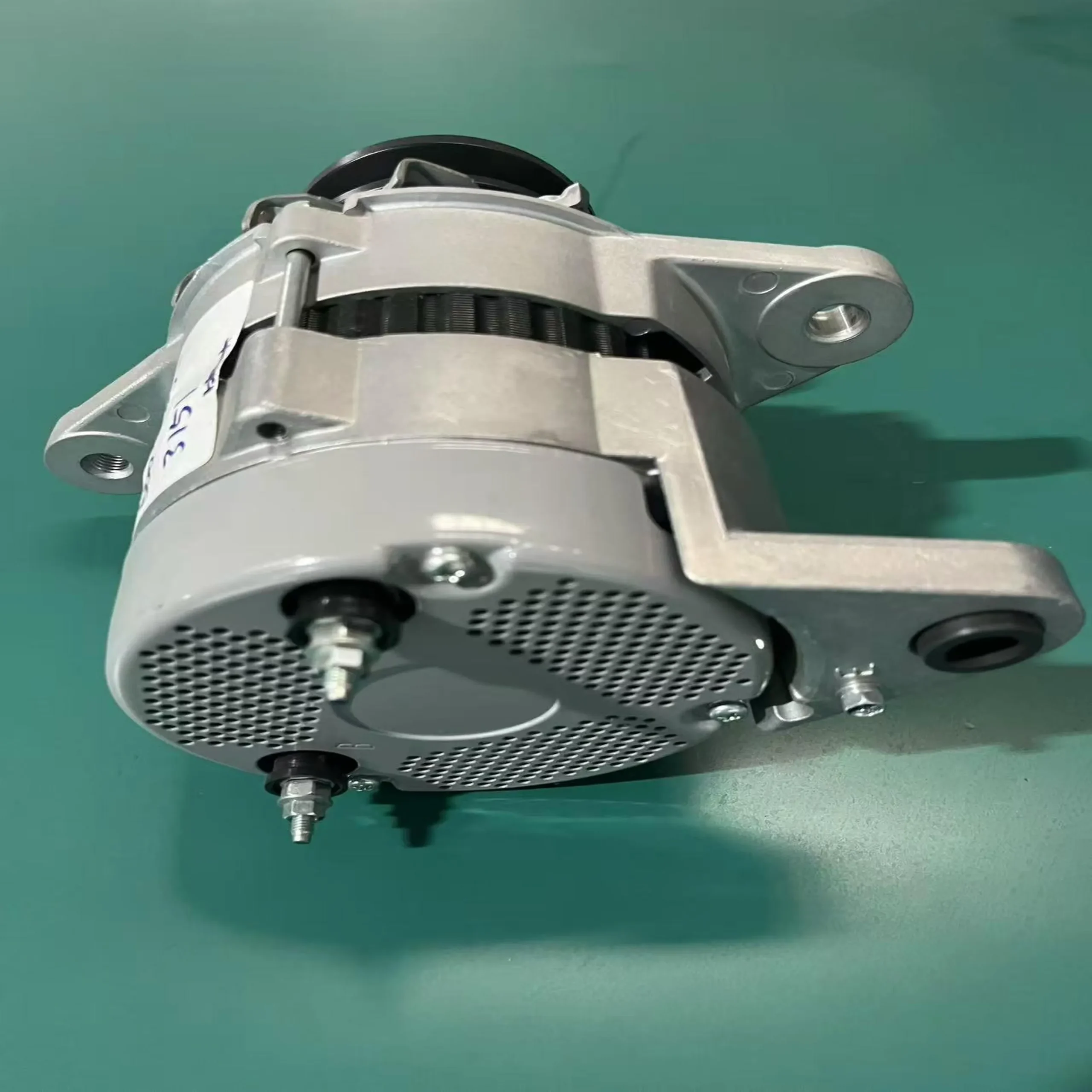
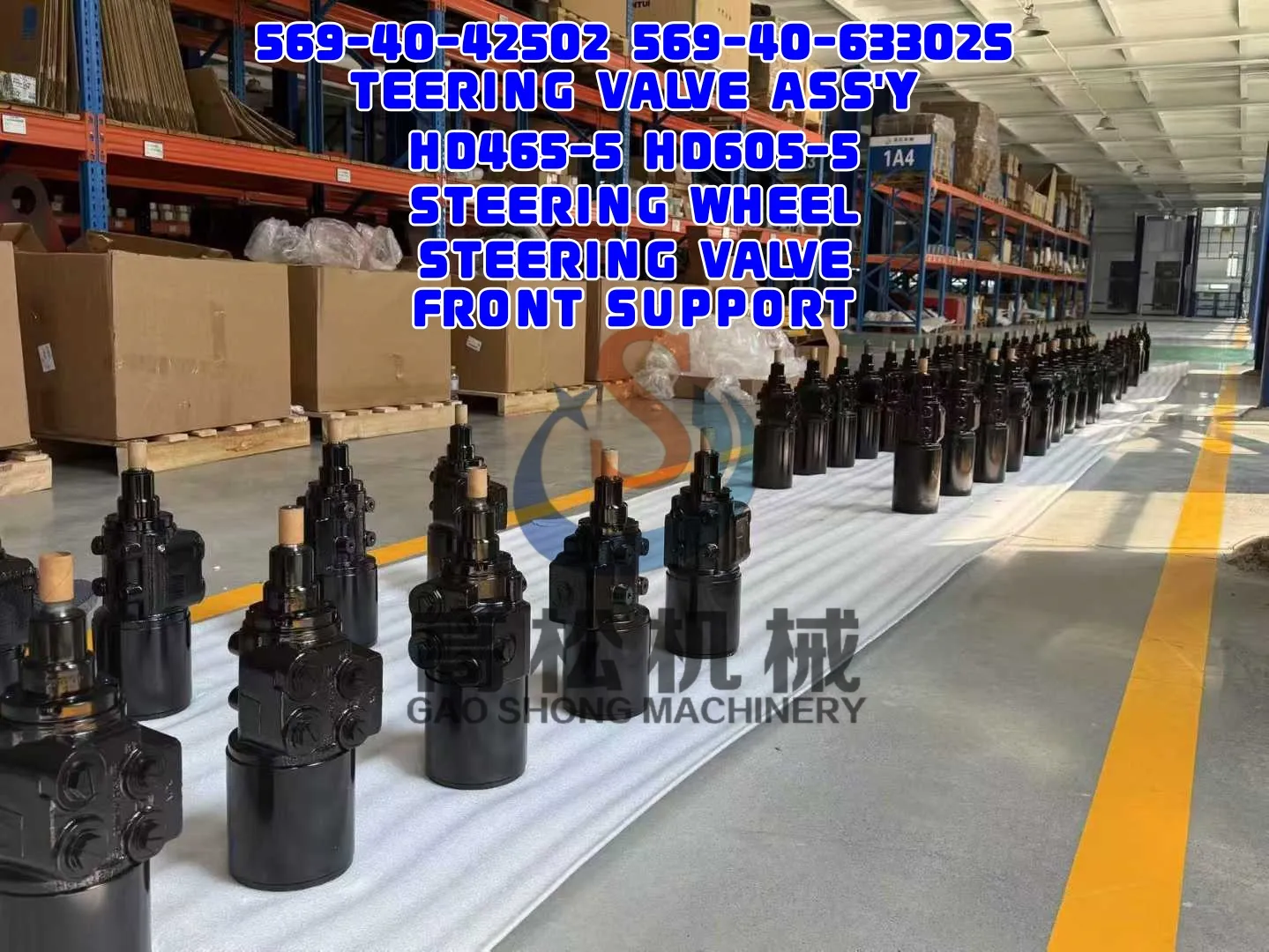
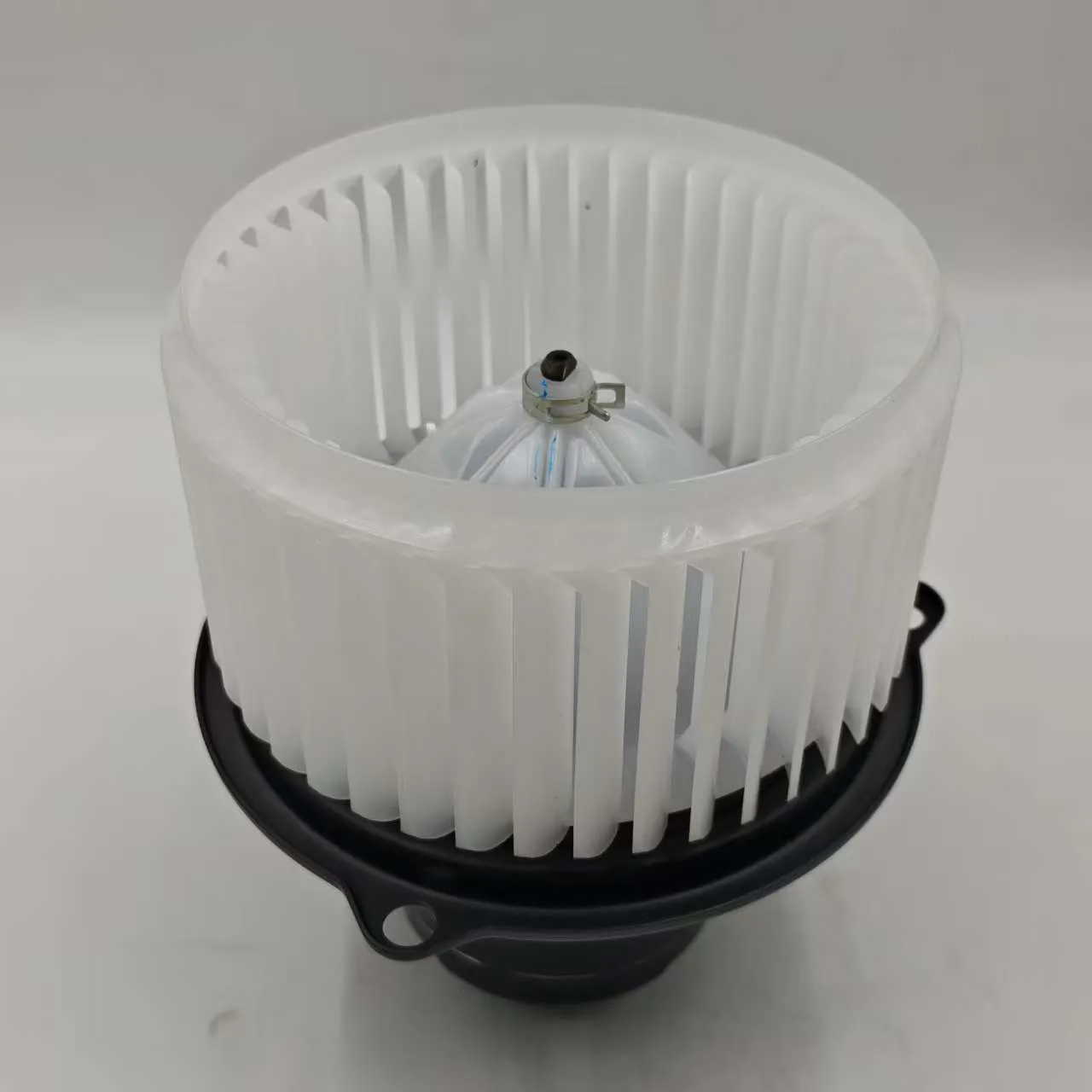
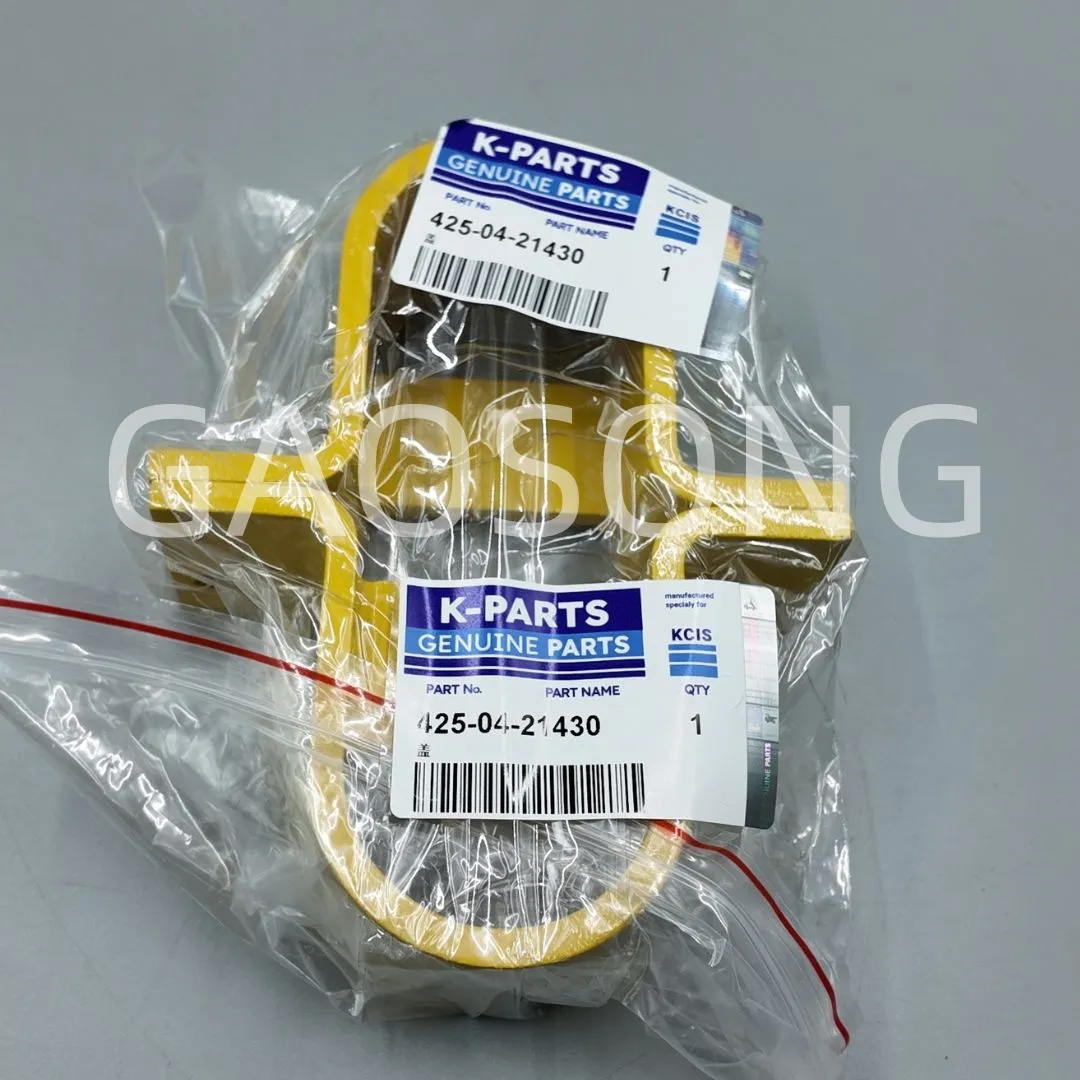

Best Selling Products
Best Selling Products-
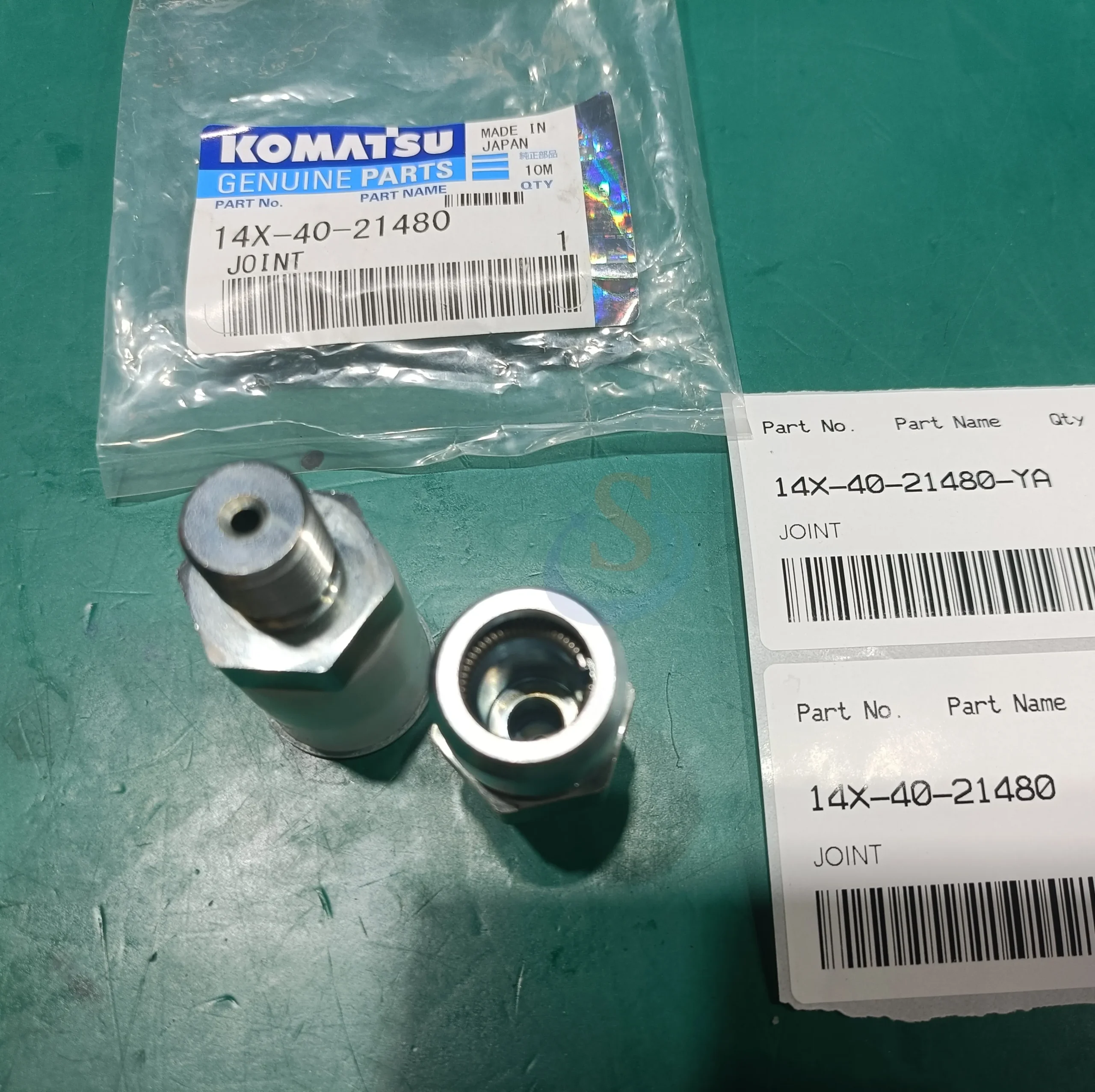 14X-40-21480,JOINT,D65P,D85E,D65E
 -
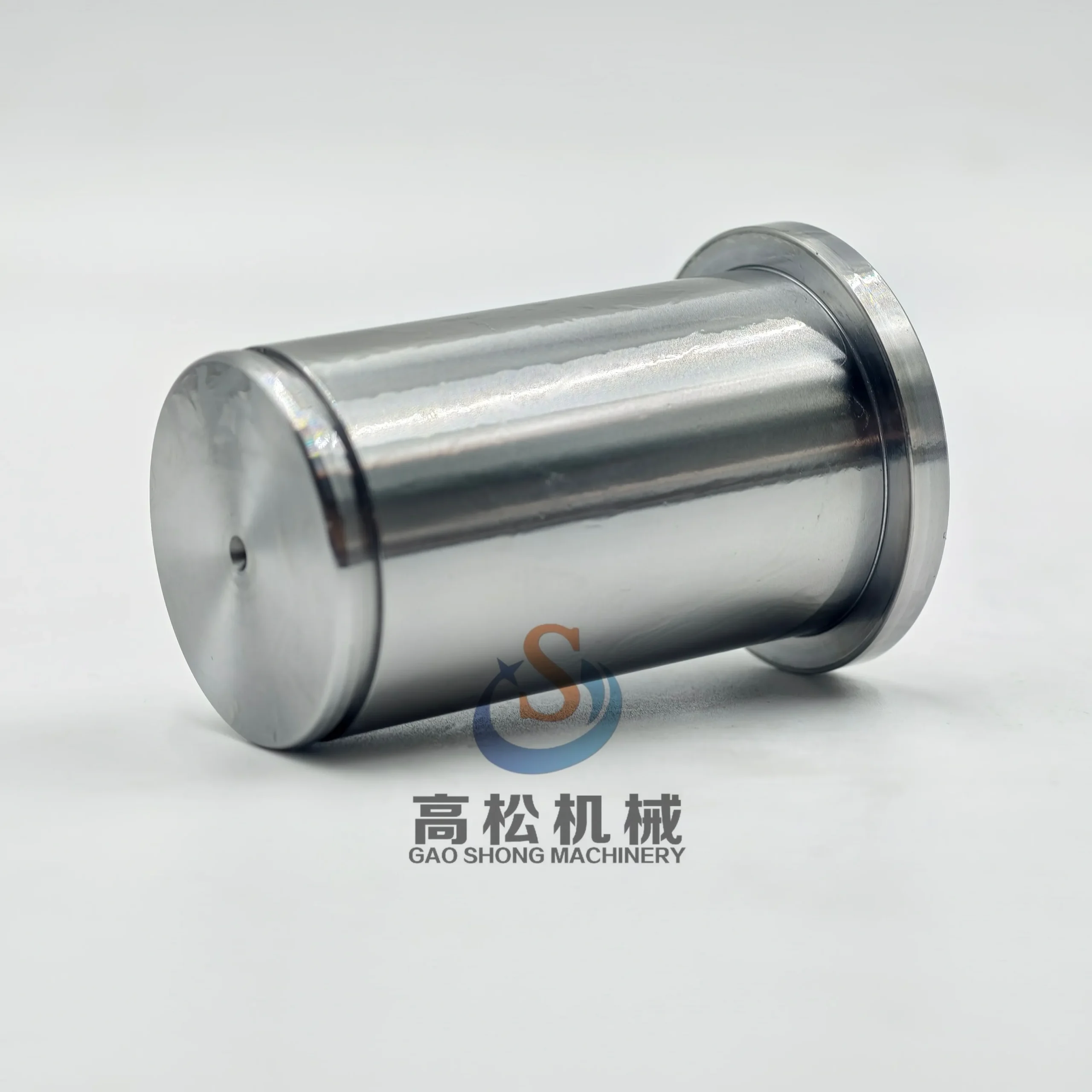 komatsu parts 21N-26-33240 Pin PC1250-11 SWING MACHINERY AND MOTOR, FRONT
 -
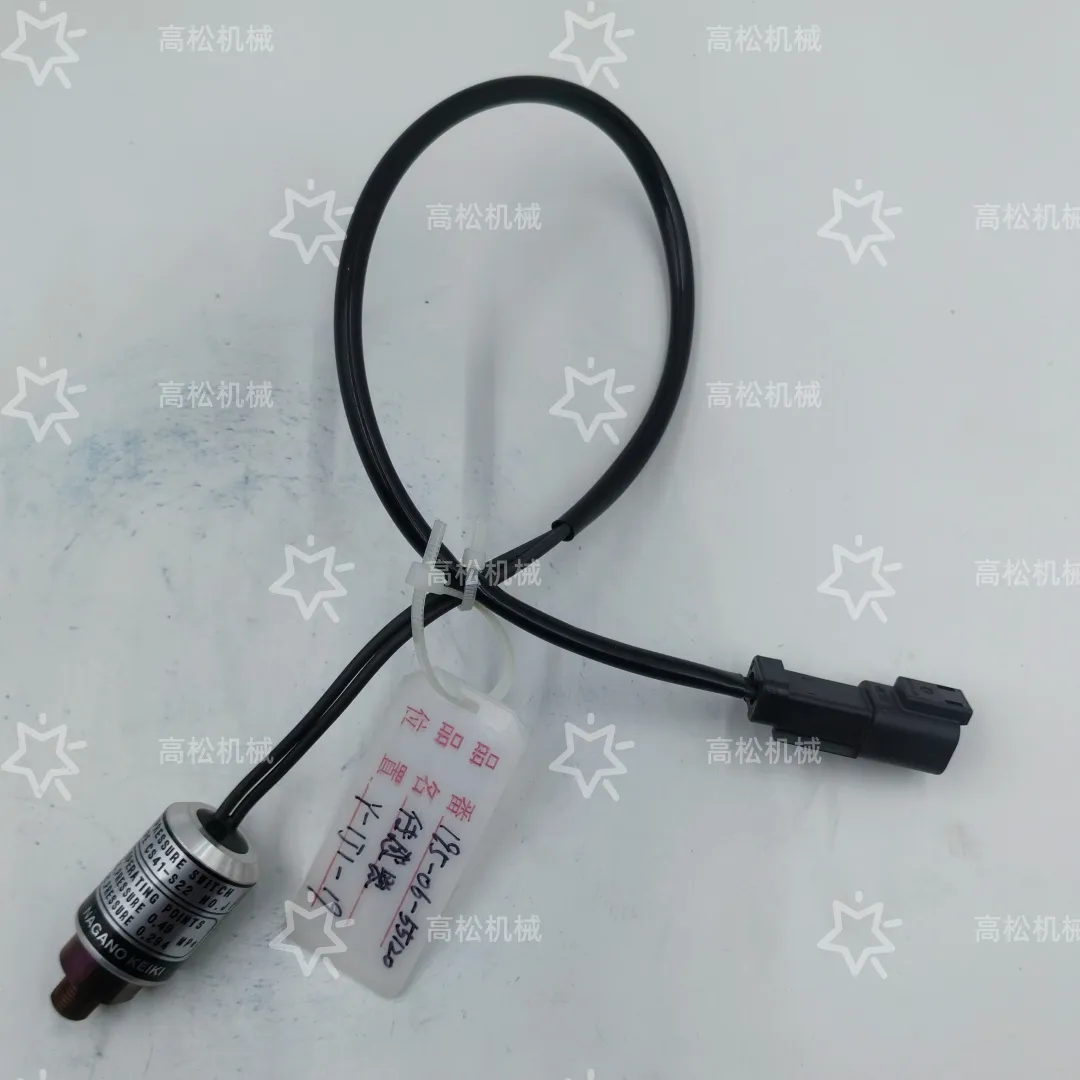 SWITCH 195-06-55120 – KOMATSU
 -
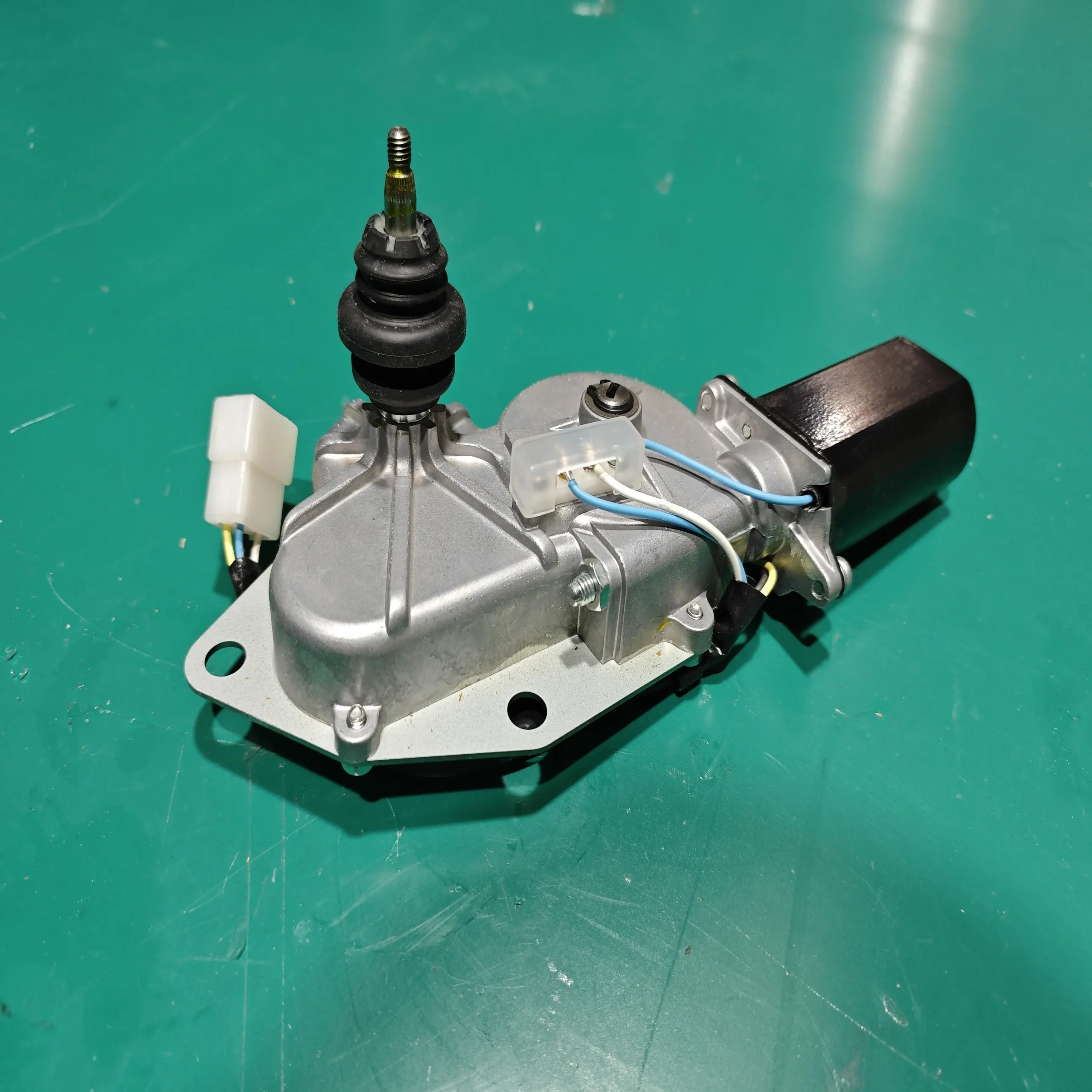 KOMATSUWIPERMOTOR23B-951-2610
 -
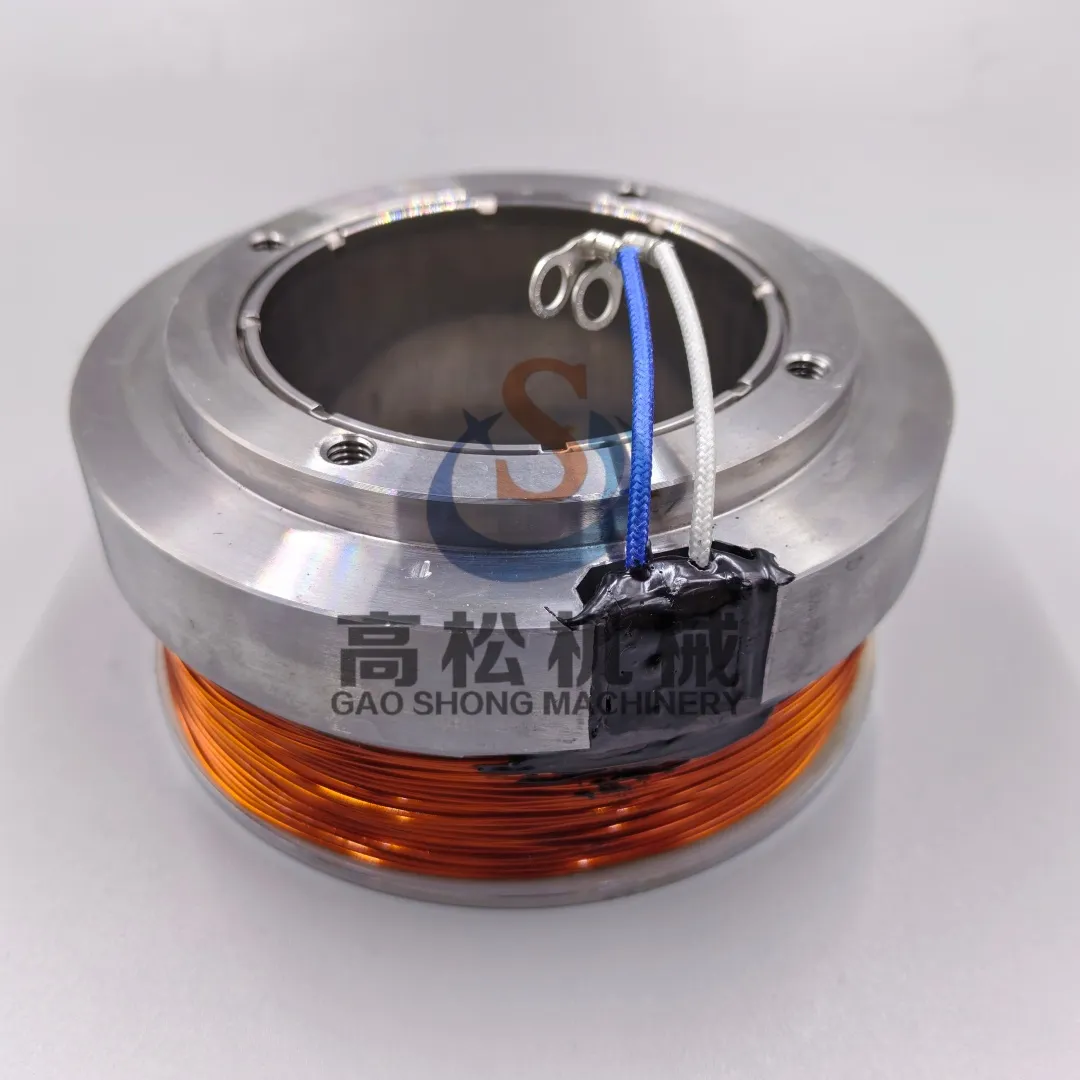 KD0-35120-0250 FIELD COIL ASS’Y (Komatsu)
 -
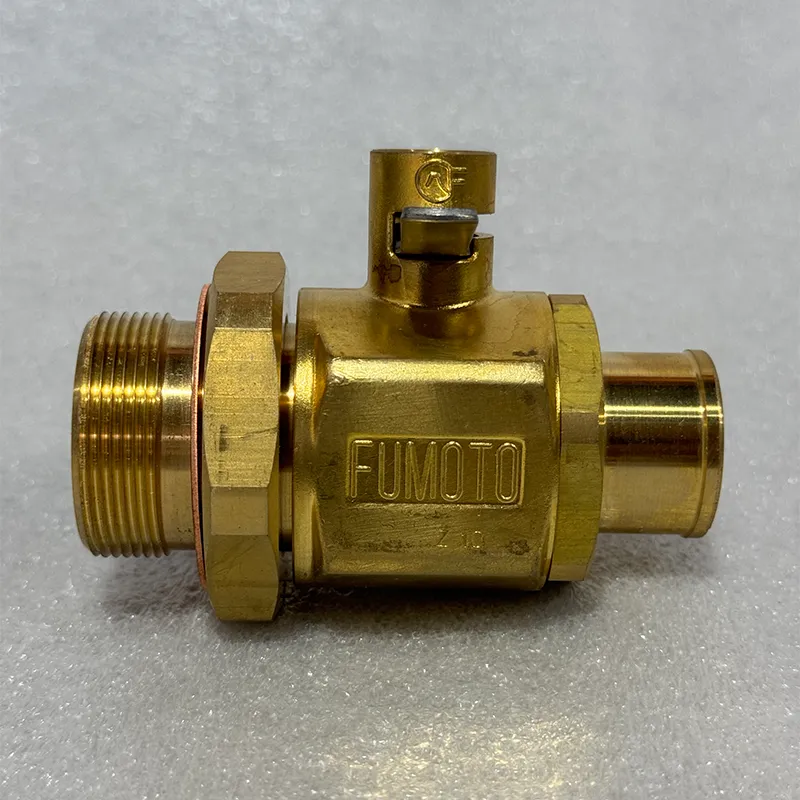 Original komatsu PC2000-8 Valve 21T-01-31490
 -
 Hot Selling at Low Prices 21P-62-K1520 21M-62-11230 21T-01-67330 21U-62-34760 Underground Facilities
 -
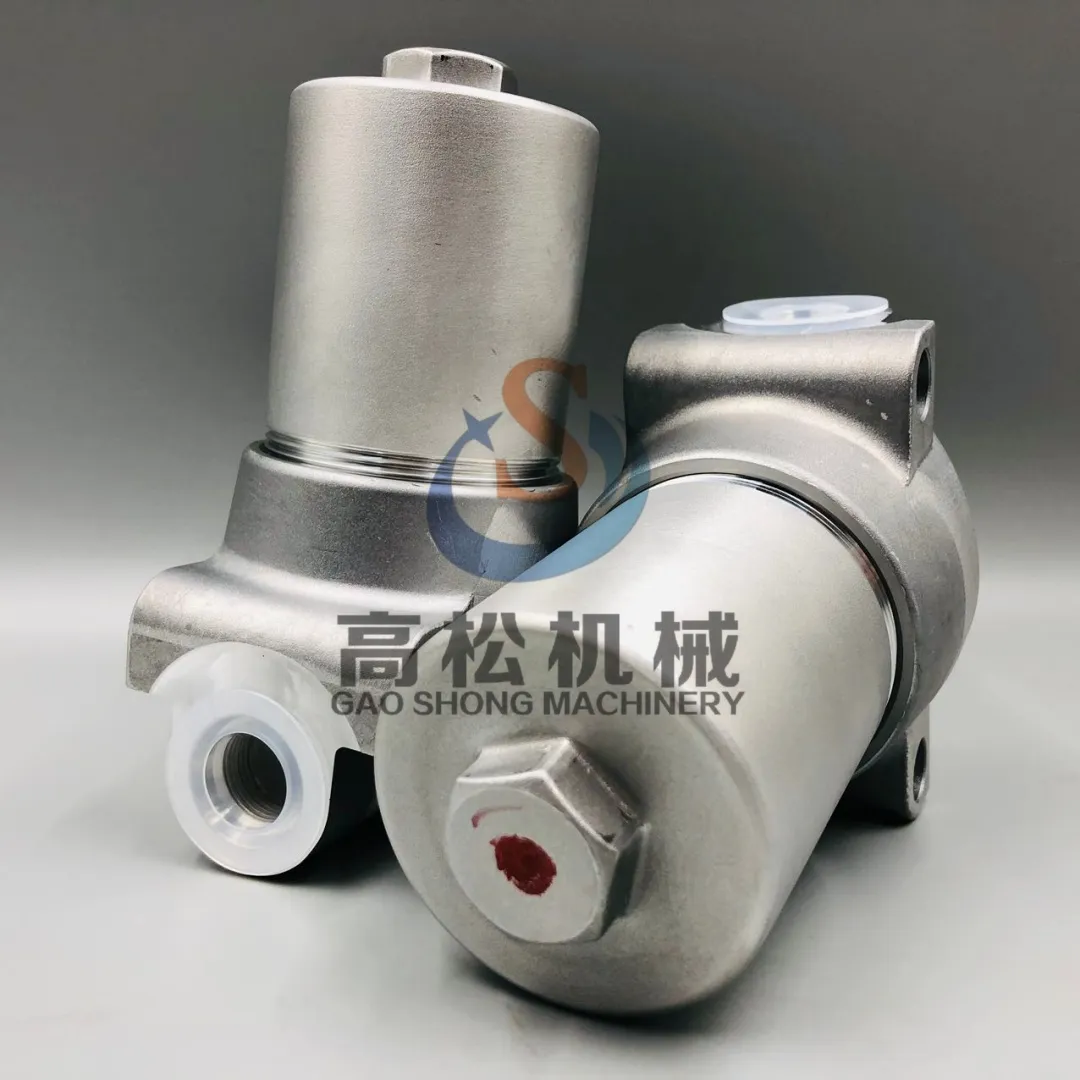 20Y-62-51681Komatsu Filter 20Y-62-51681 for Crawler excavator PC210LC-8
 -
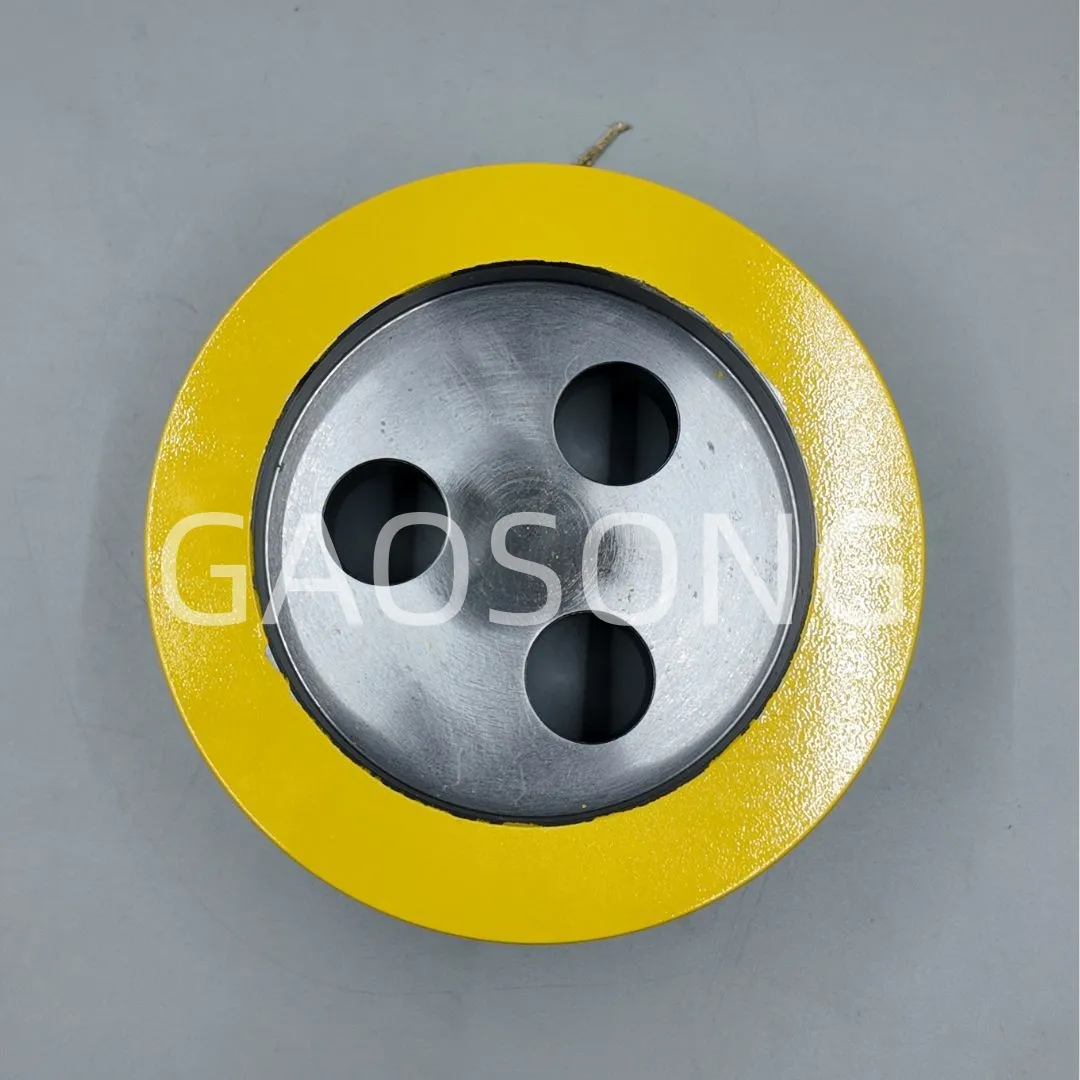 2A8-70-13570 Excavator Arm Bucket Link Cover for PC500-10 PC500-10M0
 -
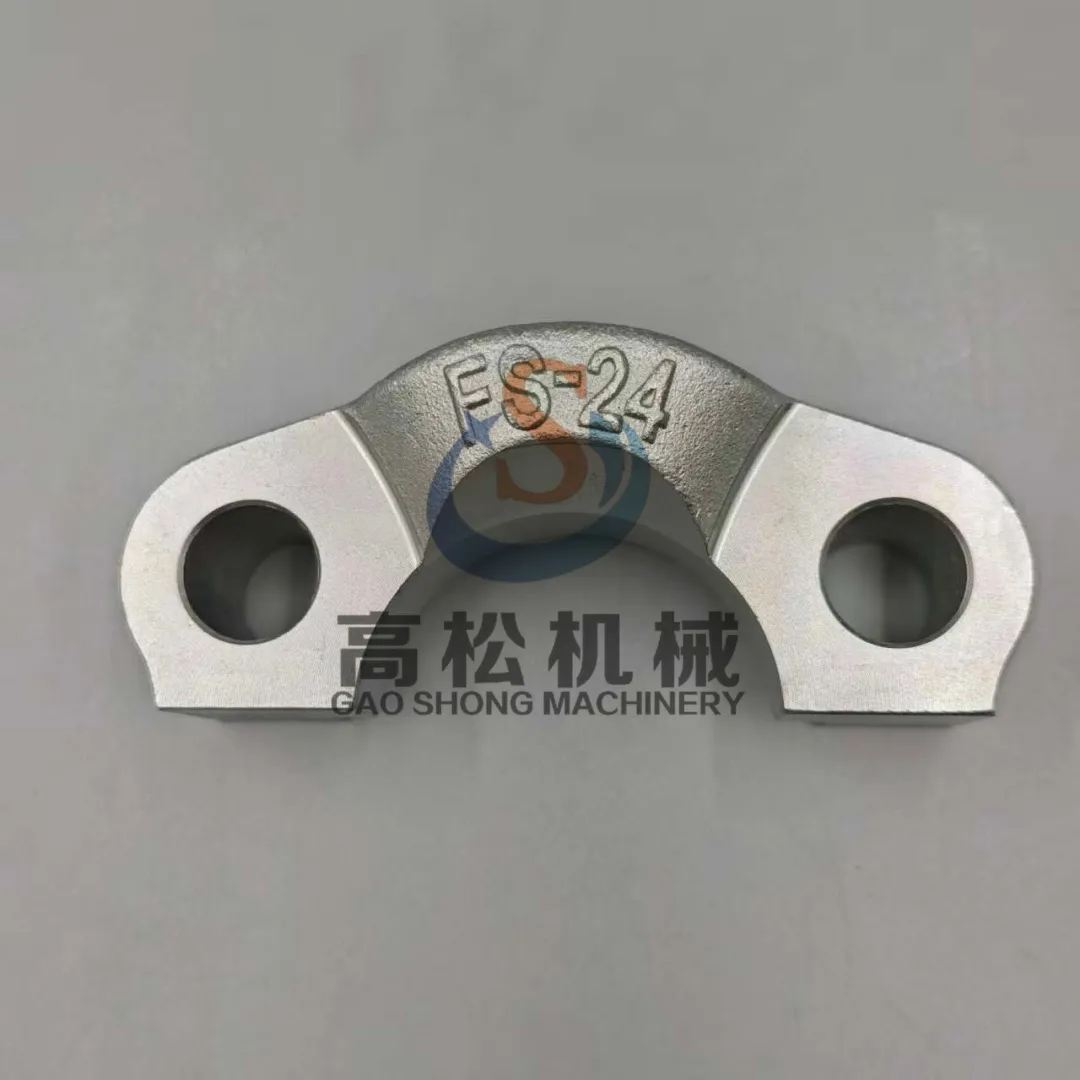 Flange 07371-51470 P60 Komatsu 7371-51470
 -
![[Hot Item] Generator Engine Part 600-825-3151 for PC400-6-7](https://www.takematsumachinery.com/wp-content/uploads/微信图片_20251224093522_43_1619-1.webp) [Hot Item] Generator Engine Part 600-825-3151 for PC400-6-7
[Hot Item] Generator Engine Part 600-825-3151 for PC400-6-7 -
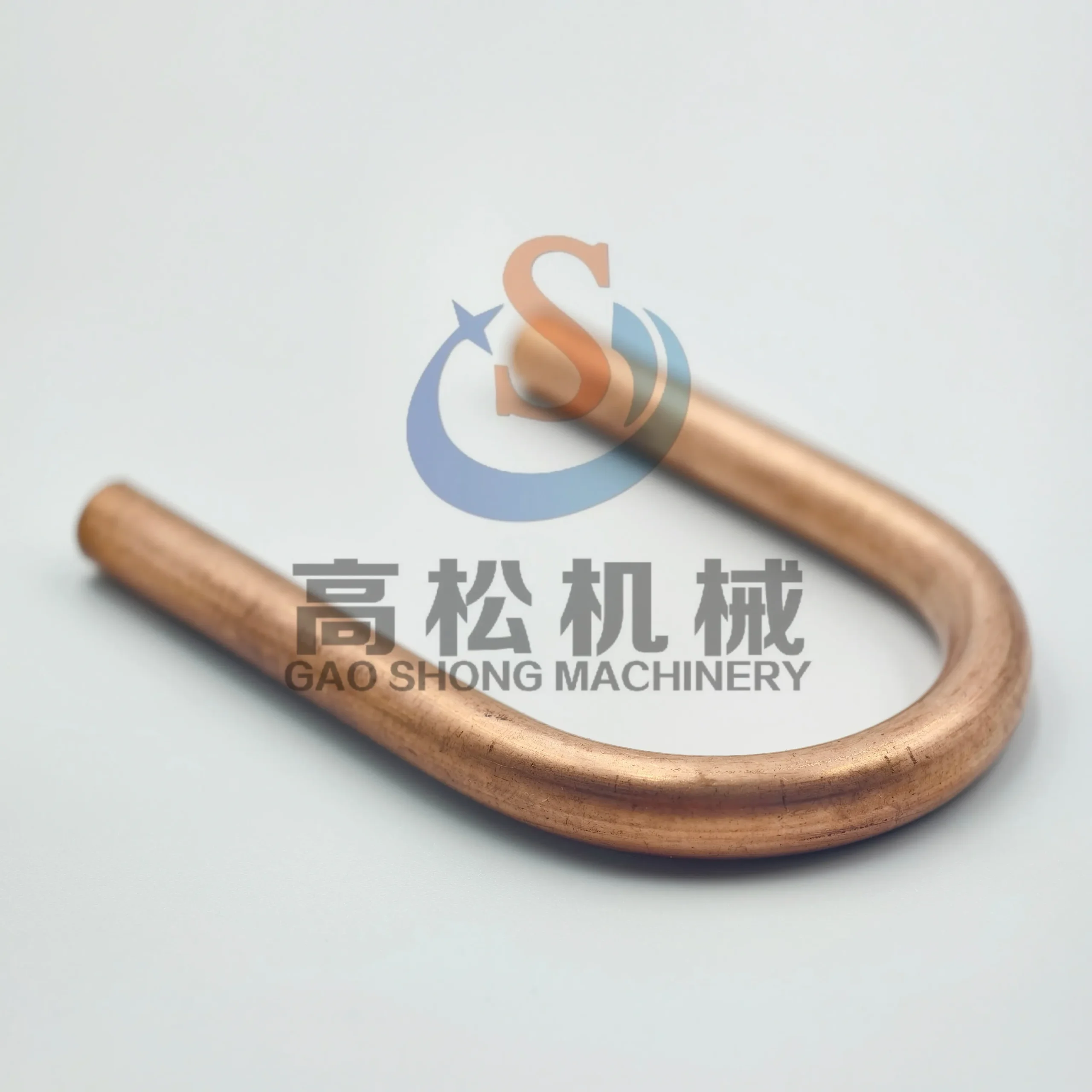 21N-68-32360 Komatsu Tube
Related Search
Related Search- OEM AND ORIGINAL KOMATSU BEARING 2A8-27-11260
- Komatsu engine parts
- komatsu pc27r 8 parts
- OEM AND ORIGINAL KOMATSU GEAR 208-27-61150
- Komatsu moldboard cutting edge
- 566-50-11280
- Komatsu relief valve
- OEM part number
- OEM AND ORIGINAL KOMATSU BEARING 06000-22324
- OEM AND ORIGINAL KOMATSU AIR CONDITIONER 561-07-61103