
- Chinese
- French
- German
- Portuguese
- Spanish
- Russian
- Japanese
- Korean
- Arabic
- Irish
- Greek
- Turkish
- Italian
- Danish
- Romanian
- Indonesian
- Czech
- Afrikaans
- Swedish
- Polish
- Basque
- Catalan
- Esperanto
- Hindi
- Lao
- Albanian
- Amharic
- Armenian
- Azerbaijani
- Belarusian
- Bengali
- Bosnian
- Bulgarian
- Cebuano
- Chichewa
- Corsican
- Croatian
- Dutch
- Estonian
- Filipino
- Finnish
- Frisian
- Galician
- Georgian
- Gujarati
- Haitian
- Hausa
- Hawaiian
- Hebrew
- Hmong
- Hungarian
- Icelandic
- Igbo
- Javanese
- Kannada
- Kazakh
- Khmer
- Kurdish
- Kyrgyz
- Latin
- Latvian
- Lithuanian
- Luxembou..
- Macedonian
- Malagasy
- Malay
- Malayalam
- Maltese
- Maori
- Marathi
- Mongolian
- Burmese
- Nepali
- Norwegian
- Pashto
- Persian
- Punjabi
- Serbian
- Sesotho
- Sinhala
- Slovak
- Slovenian
- Somali
- Samoan
- Scots Gaelic
- Shona
- Sindhi
- Sundanese
- Swahili
- Tajik
- Tamil
- Telugu
- Thai
- Ukrainian
- Urdu
- Uzbek
- Vietnamese
- Welsh
- Xhosa
- Yiddish
- Yoruba
- Zulu
- Kinyarwanda
- Tatar
- Oriya
- Turkmen
- Uyghur






komatsu ck30 parts
When you start digging into Komatsu CK30 parts, there's an immediate assumption many make – that it's just another small dozer, so parts must be easy. That's where the first pitfall is. The CK30, while part of Komatsu's legacy, operates in a specific niche. It's not like sourcing for a D61 or a PC200 where the aftermarket is flooded. You're dealing with a machine that has its own quirks, and the supply chain for its components, especially genuine or reliable alternatives, isn't always straightforward. I've seen too many guys order a universal track roller or a seal kit only to find the tolerances are just slightly off, leading to premature wear. It's these nuances that separate a quick fix from a proper, lasting repair.
The OEM vs. Aftermarket Dilemma in Practice
This is the eternal debate. With Komatsu, the OEM route guarantees fit and a certain longevity, but the cost and lead time, depending on your region, can be prohibitive. For the CK30, certain wear items like undercarriage parts – pins, bushings, sprocket segments – are where I almost always lean towards quality aftermarket if the machine isn't on a critical job. But quality is the key. There's a sea of junk out there. A sprocket that's case-hardened only on the surface might last 800 hours instead of the 2000 you'd expect from a proper forged part. You learn to check the grain of the metal, the welding on a rebuilt final drive housing... it becomes tactile.
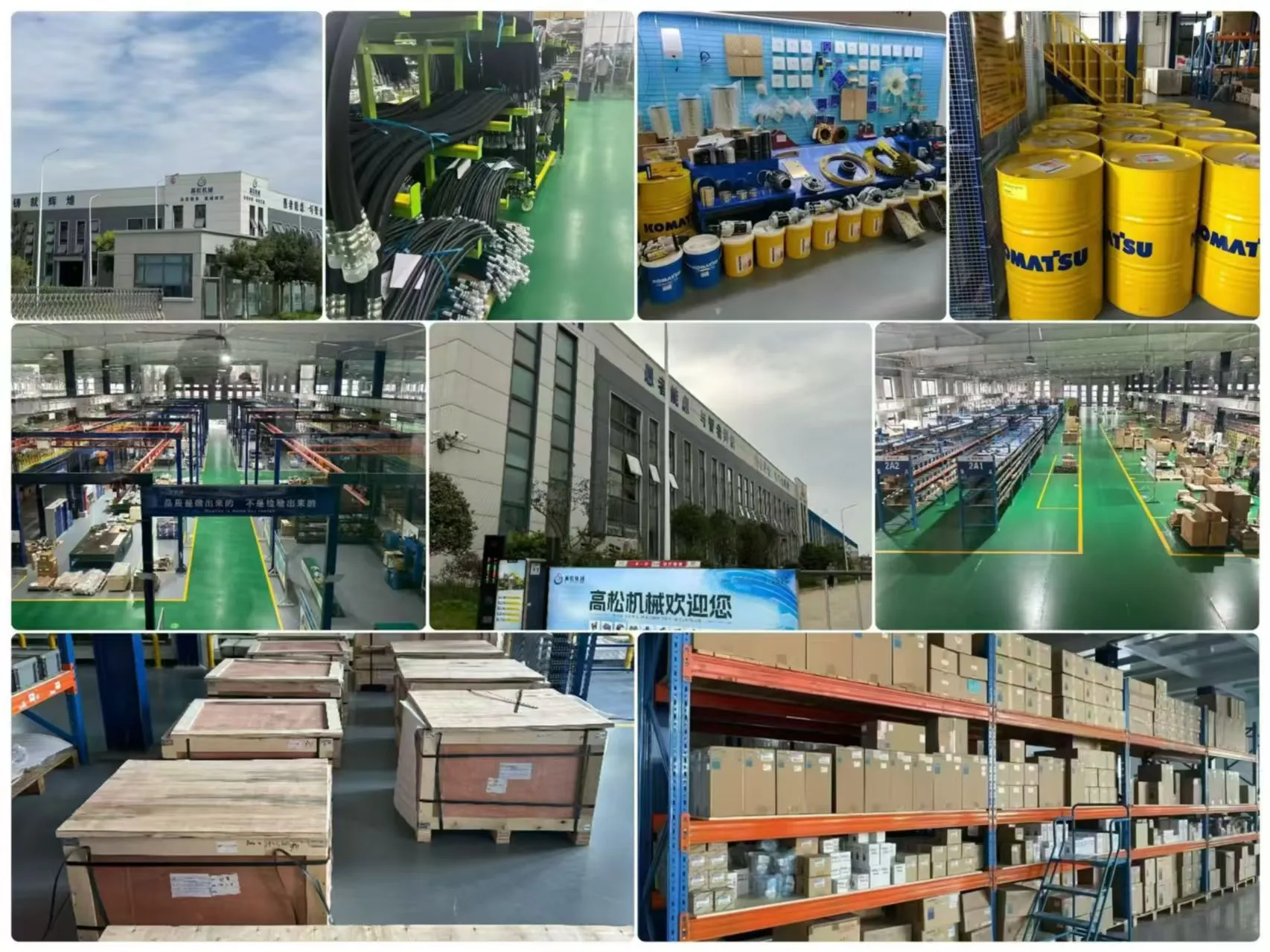
This is where a supplier's position within the ecosystem matters. A company like Jining Gaosong Construction Machinery Co., Ltd. presents an interesting hybrid model. Being an OEM product supplier within the Komatsu system gives them access to that genuine pipeline, which is crucial for engine components like the 4D95 injectors or the main hydraulic pump parts for the CK30. But their role as a third-party sales company is what actually solves problems on the ground. They aren't bound by the same regional restrictions, which is often the main bottleneck. I've used their platform, takematsumachinery.com, to source a steering clutch pack for a CK30 in a Southeast Asian market where the local Komatsu dealer had a 3-month backorder. They bridged that gap by sourcing from another region's inventory. That's the practical value.
Their stated goal of solving parts supply challenges in certain countries isn't just marketing copy. It directly addresses the reality for many CK30 owners operating in remote mining or agricultural development sites. You're not just buying a part; you're buying a logistics solution. However, the caveat is always verification. Even with such suppliers, you need to specify the exact serial number range. The CK30 had subtle changes over its production run, and a later-model swing cylinder might not bolt directly onto an early machine's tower.
Specific Pain Points: Where the CK30 Bites Back
Let's get into the gritty details. The blade lift cylinders. The seals there seem to be a constant headache, especially if the machine is used in abrasive conditions. The OEM seal kits are excellent, but if you're in a pinch, not every aftermarket kit accounts for the specific wear pattern on the gland nut. I learned the hard way to always measure the gland bore for scoring before ordering. A simple seal replacement turned into a cylinder rebuild because I assumed the kit was comprehensive.
Another classic is the track tensioning system. The CK30 uses a grease gun system to adjust the front idler. It's simple, until the check valve in the tensioning cylinder fails. You pump grease in, it just leaks right back out. The part itself is small and inexpensive, but diagnosing it requires getting dirty and knowing the system's behavior. Sourcing that specific check valve as a standalone part can be a hunt. Sometimes you have to buy the whole tensioning cylinder assembly, which is a cost hit. A specialist supplier who understands these sub-components is worth their weight in gold.
Electrical components are their own special world. The starter motors and alternators are fairly standard, but the safety relay modules and the controllers for the early warning system (if equipped) are pure Komatsu. When one fails, the machine might just be dead in the water with a cryptic blink code. For these, I never mess with aftermarket. The risk of cascading electrical issues is too high. This is a clear case for using an OEM-linked channel, even if it means waiting a week.
The Importance of Serial Number Archaeology
This cannot be overstated. Komatsu CK30 parts is not a single bin. The serial number is your Rosetta Stone. I once ordered a set of master pin links for a CK30, assuming they were all the same. They arrived, looked perfect, but the pitch was off by maybe 2 millimeters. The machine had an early serial number with a slightly different track chain specification. Two millimeters meant every link was under stress, and it would have destroyed the sprockets in short order. The supplier, to their credit, caught it when I provided the full S/N for the return, but it was a lesson in assumed compatibility.
This serial number dictates everything: the exact engine sub-model, the final drive ratio, the type of brake band material. A good parts specialist, like the ones you'd hope to find at a company that deals directly with the OEM system, will ask for this first thing. If they don't, it's a red flag. Their website should have a clear field for it in the inquiry form. It shows they're thinking like mechanics, not just warehouse clerks.
This depth of detail is what separates a generic machinery parts website from a focused resource. When you're dealing with an older machine like the CK30, this precision is what keeps it running reliably. It's the difference between a 24-hour downtime and a 3-day parts-return nightmare.
Cost Management Without Compromising Integrity
Nobody has an unlimited budget. The economics of keeping a CK30 running have to make sense. My strategy is tiered. For core, high-stress components – the final drive planetary gears, the main transmission shafts, the hydraulic control valves – I will source genuine or certified remanufactured parts. The cost of failure here is a total machine breakdown.
For wear items, I become more flexible. Track shoes, cutting edges, bucket teeth (if it's a CK30 with a loader attachment), roller flanges, even some hose assemblies can be sourced from high-quality third-party manufacturers. The savings here can be 30-50%, which directly impacts the job's profitability. The role of a third-party sales company like Jining Gaosong is critical here. They can often offer these alternative lines alongside the genuine parts, giving you a choice. It's about having options with a known provenance.
Then there's the salvage option. For a non-structural part like an operator seat frame, a fender, or a gauge cluster housing, a good used part from a salvage yard is a perfectly sensible choice. The key is knowing which parts are dumb metal and which are precision-matched. I'd never buy a used hydraulic piston pump for a CK30, but a used ROPS canopy? Absolutely.
Looking Ahead: The Future of Supporting the CK30
The Komatsu CK30 isn't getting any younger. As the population of these machines ages, the official OEM support will inevitably narrow, focusing on only the highest-demand parts. This is where the third-party and aftermarket ecosystem needs to step up. The challenge will be maintaining quality as production runs for specific components end.
Companies that are embedded in the system, like the mentioned supplier, have a head start. They see the demand patterns and can commission production runs of key components before they completely disappear from the genuine network. For an owner, building a relationship with such a supplier now is an investment. It means you might have a source for that obscure steering clutch lever or a reproduction wiring harness in five years when no one else does.
Ultimately, managing Komatsu CK30 parts is an exercise in proactive maintenance and smart sourcing. It's about knowing your machine's serial number better than your own phone number, understanding which parts are critical to its heartbeat, and building a network of suppliers you can trust for different categories of need. It's not just about buying a part; it's about sustaining a piece of equipment that, with the right care, still has a lot of dirt left to move.
Related Products
Related Products

Best Selling Products
Best Selling Products-
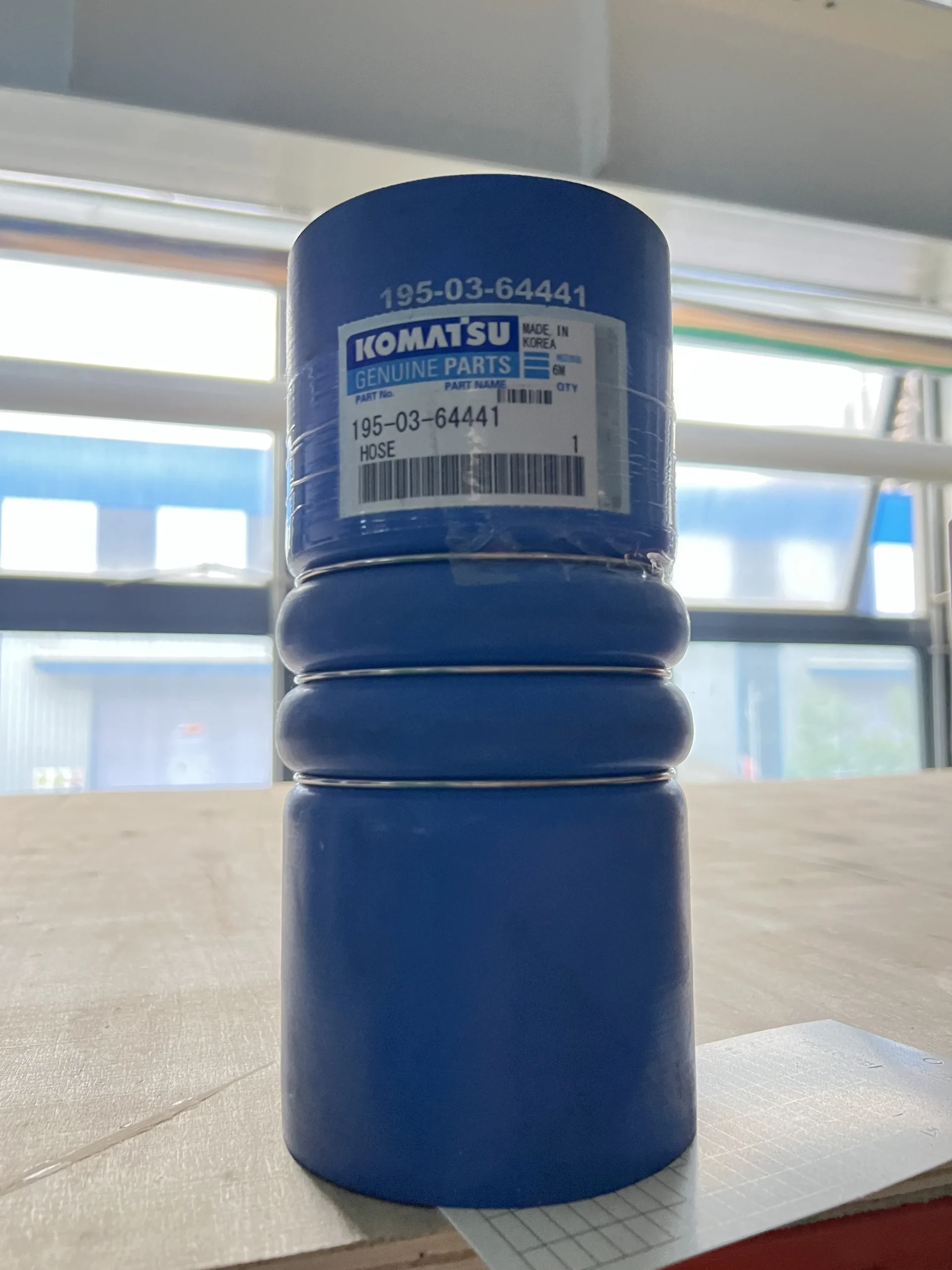 Intercooler Air Hose 195-03-64441 for Komatsu D375A-5
 -
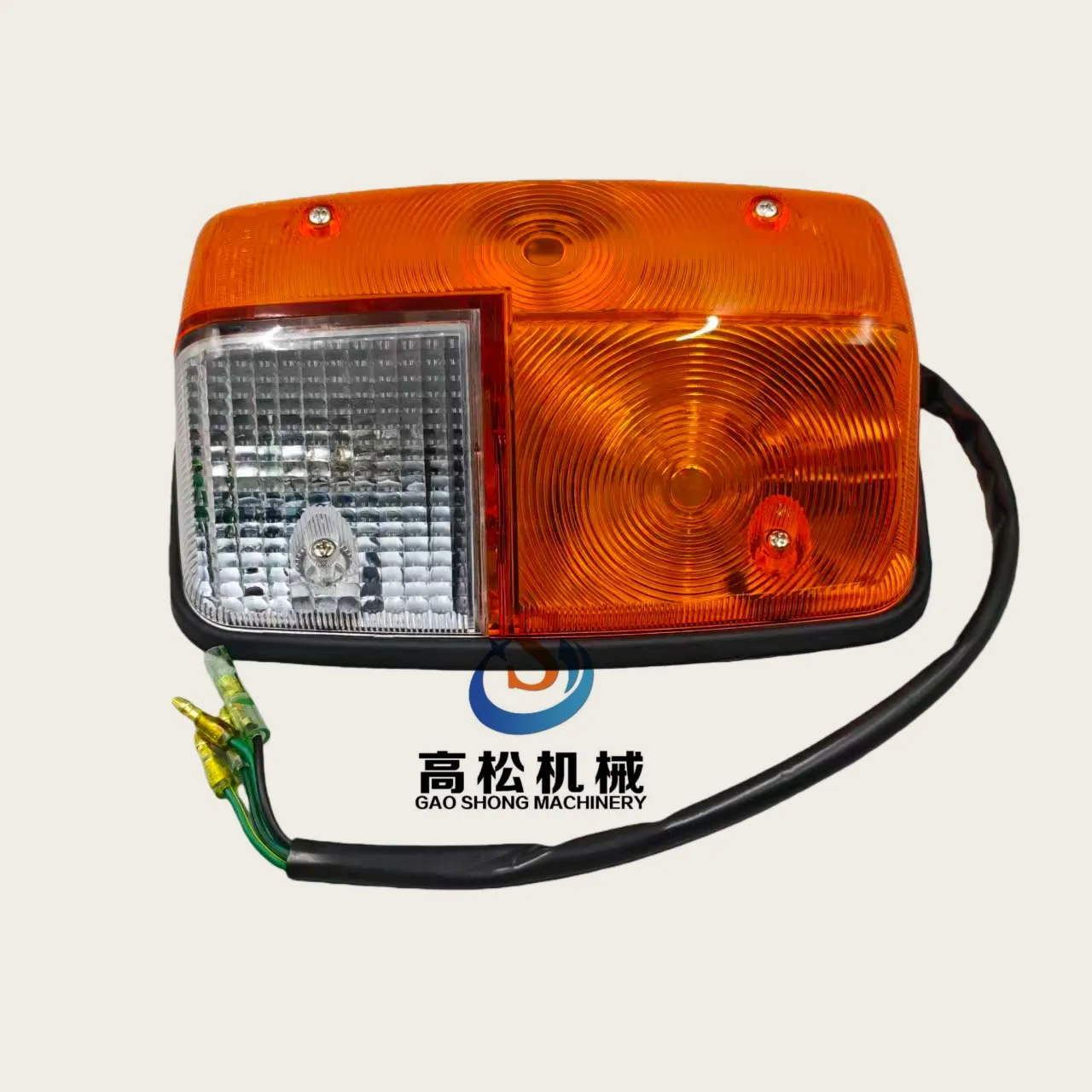 421-06-13401 Komatsu TURN SIGNAL AND PARKING
 -
 Komatsu KD0-23700-0130 REAR BRACKET… — Pricing.Parts
 -
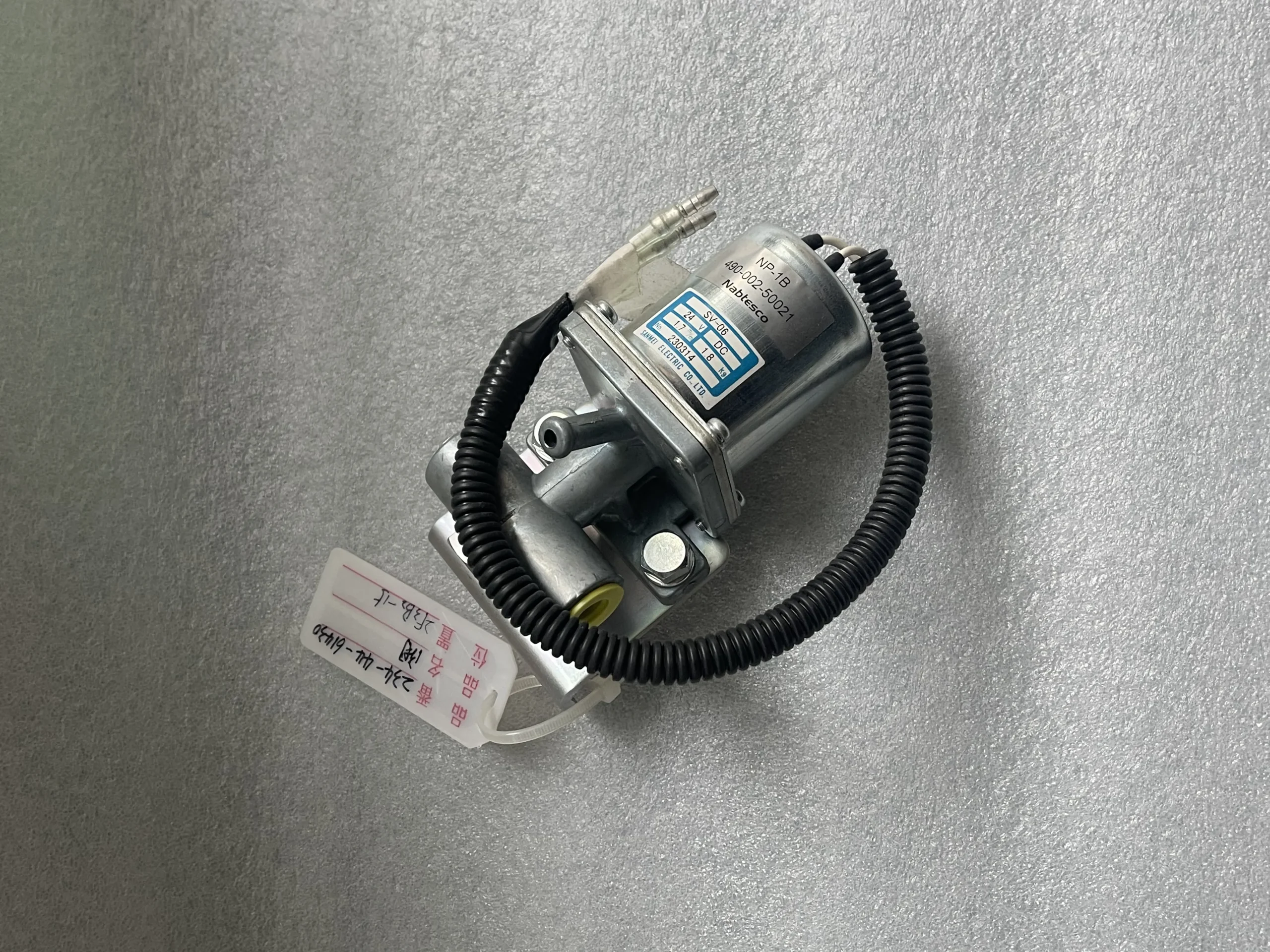 SOLENOID VALVE 234-44-61430 for GD705/825
 -
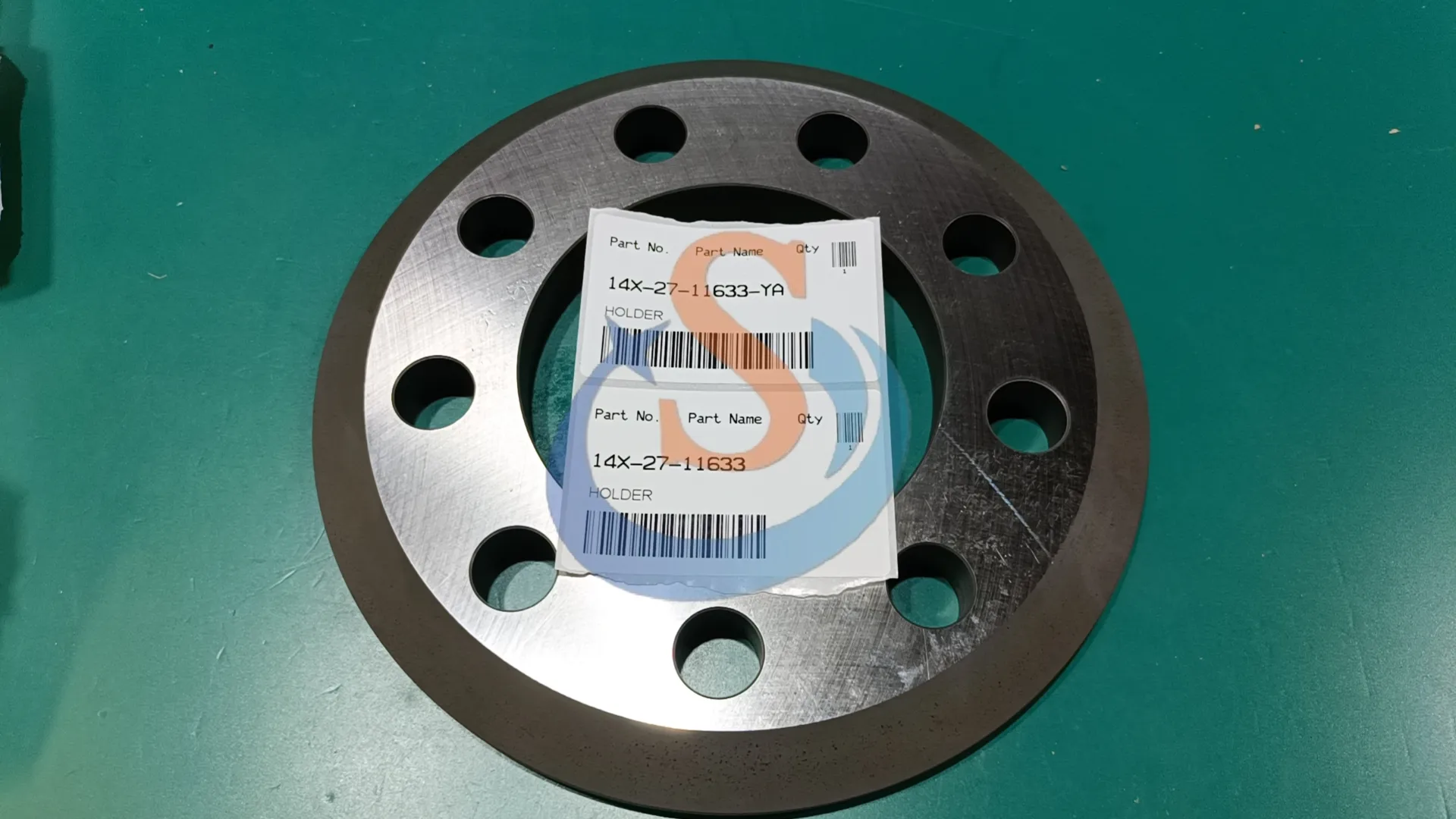 14X-27-11633,HOLDER,D65EX,D65WX,D85E
 -
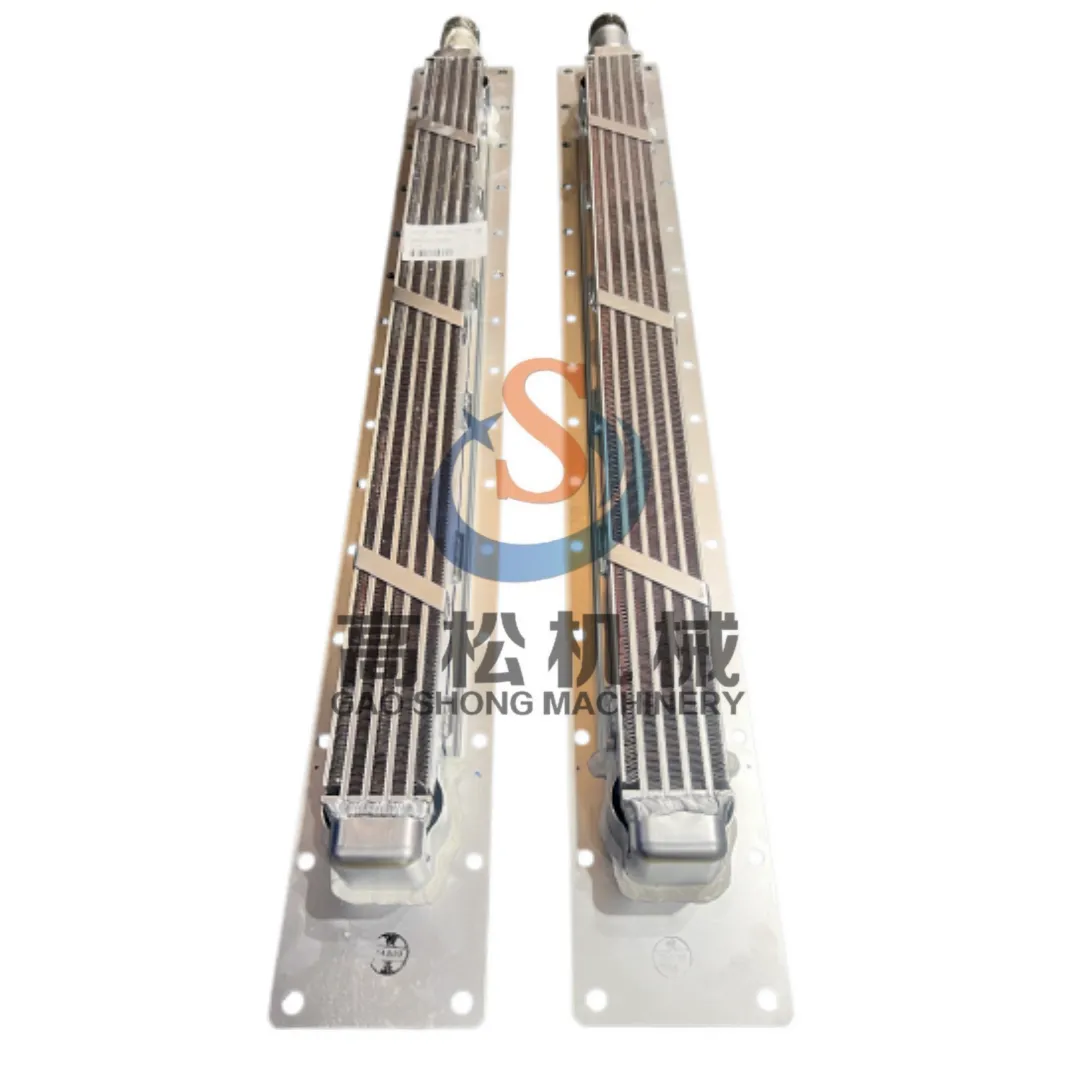 Original Stock Engine Parts Core 6212-61-6121 Is Suitable for Komatsu SA6D140-1 Engine – Image 2 Original Stock Engine Parts Core 6212-61-6121 Is Suitable for Komatsu SA6D140-1 Engine – Image 3 Original Stock Engine Parts Core 6212-61-6121 Is Suitable for Komatsu SA6D140-1 Engine – Image 4 Original Stock Engine Parts Core 6212-61-6121 Is Suitable for Komatsu SA6D140-1 Engine – Image 5 Original Stock Engine Parts Core 6212-61-6121 Is Suitable for Komatsu SA6D140-1 Engine – Image 6 Original Stock Engine Parts Core 6212-61-6121 Is Suitable for Komatsu SA6D140-1 Engine
 -
 Original New PC400-7 Excavator Parts – Control Valve 708-2H-03411
 -
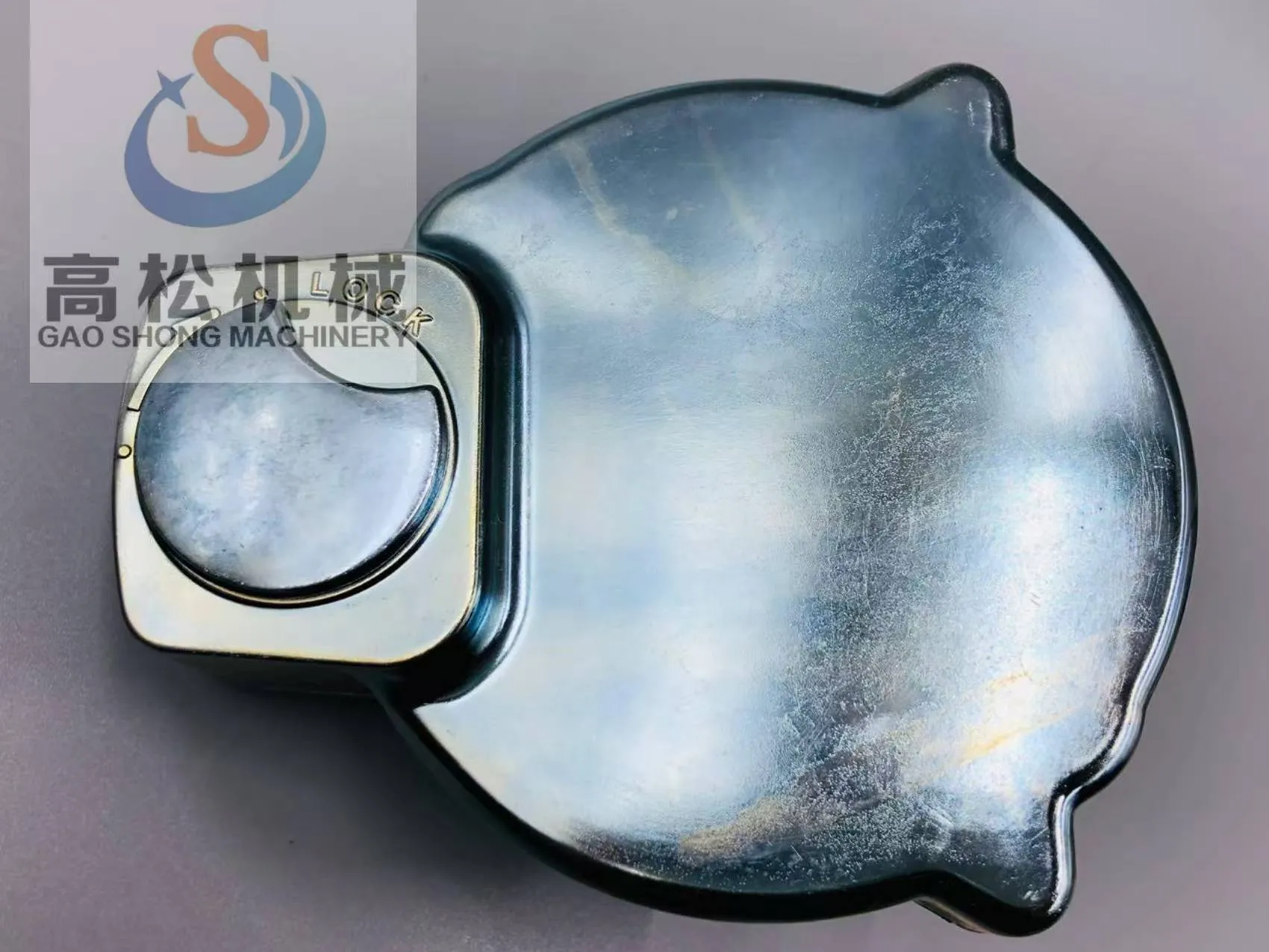 17a-60-11310 hydraulic excavator tank cap compatible with p300-8 and p350-8 construction equipment
 -
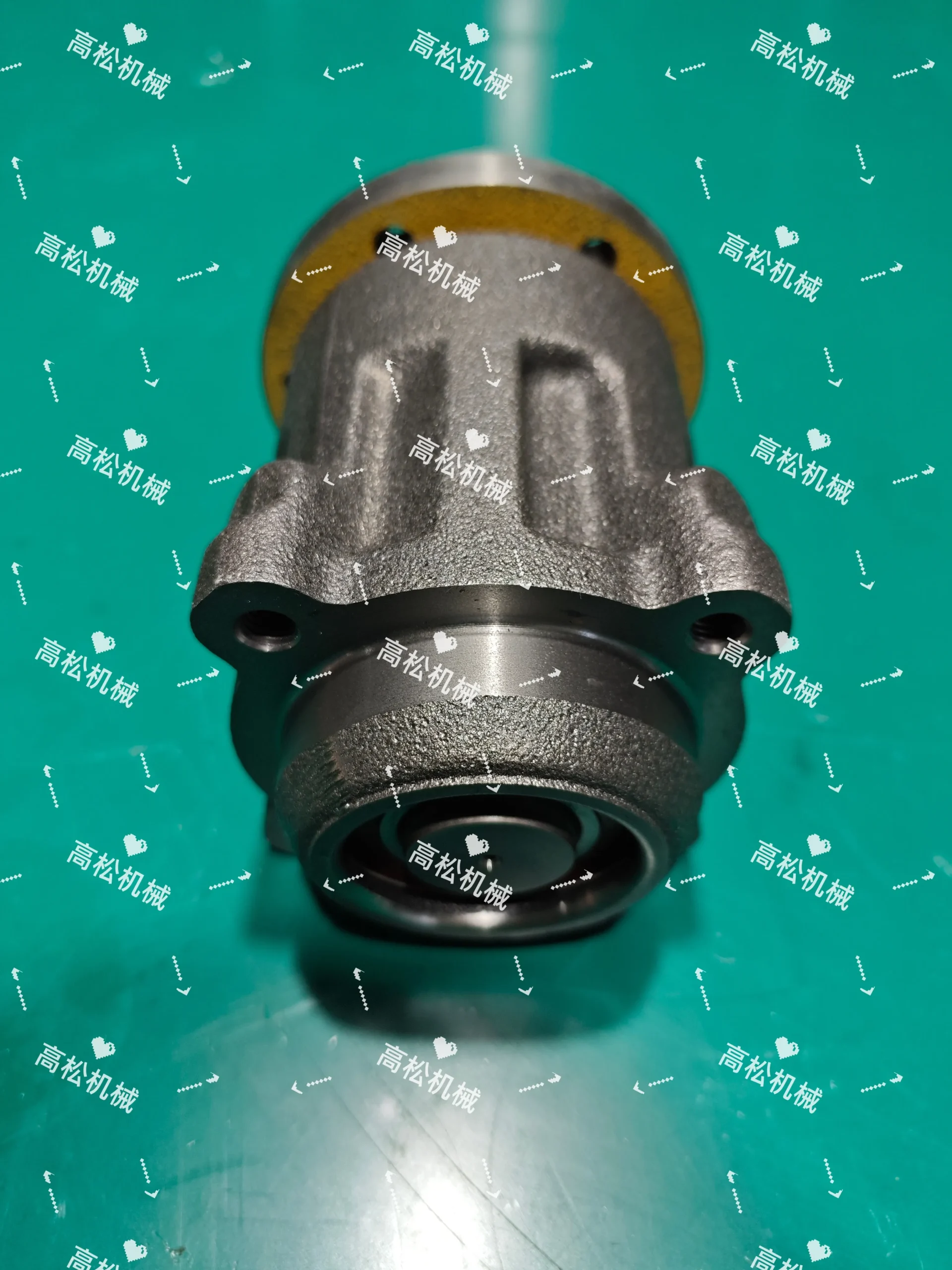 Fan Clutch 20Y-01-56130 for Komatsu PC210-10MO Excavator
 -
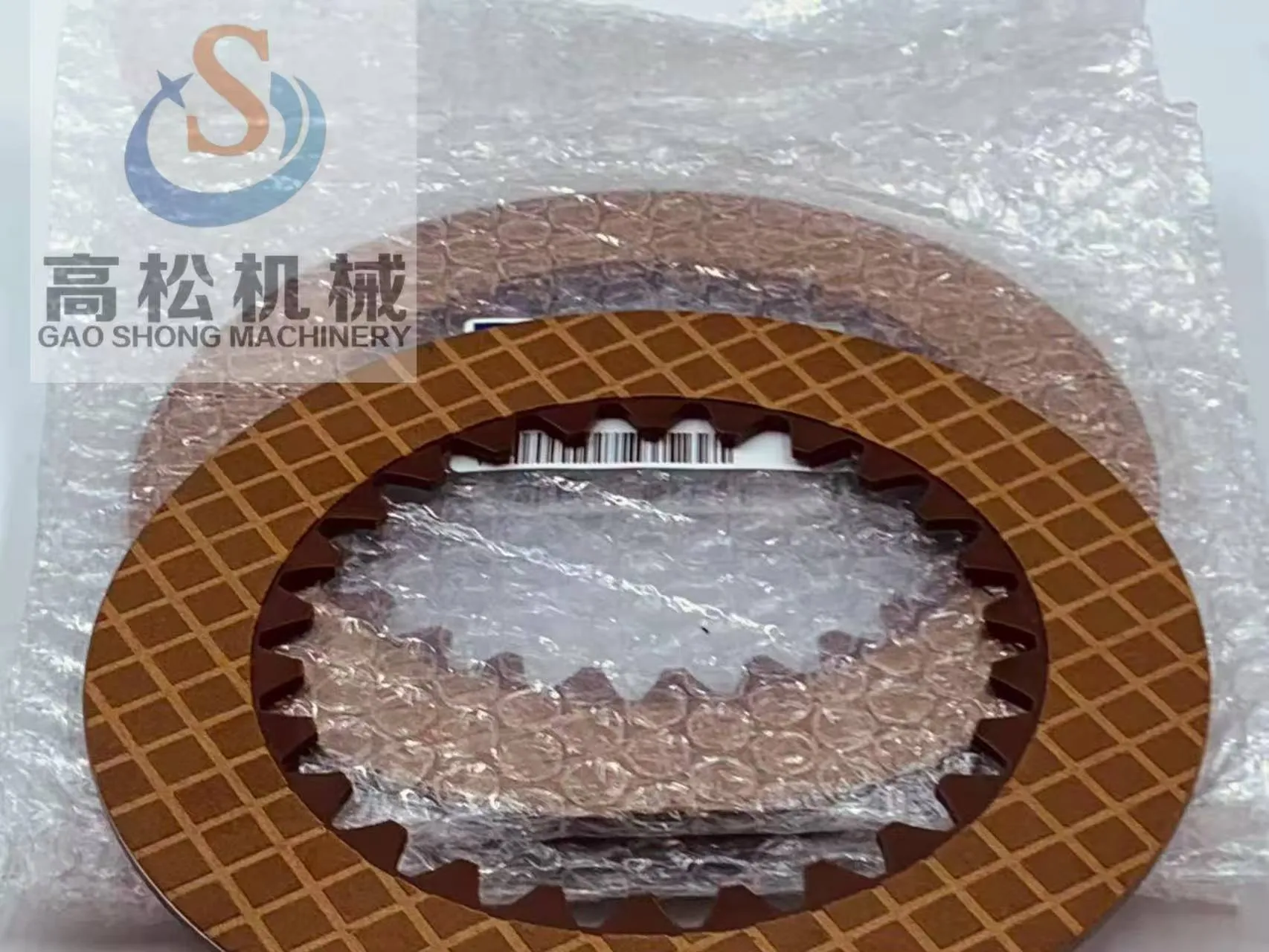 14-07-40010 714-07-48540 421-62-45450 spare parts for front loader wa470-6 hydraulic transformer and coupling transmission 714-07-49731
 -
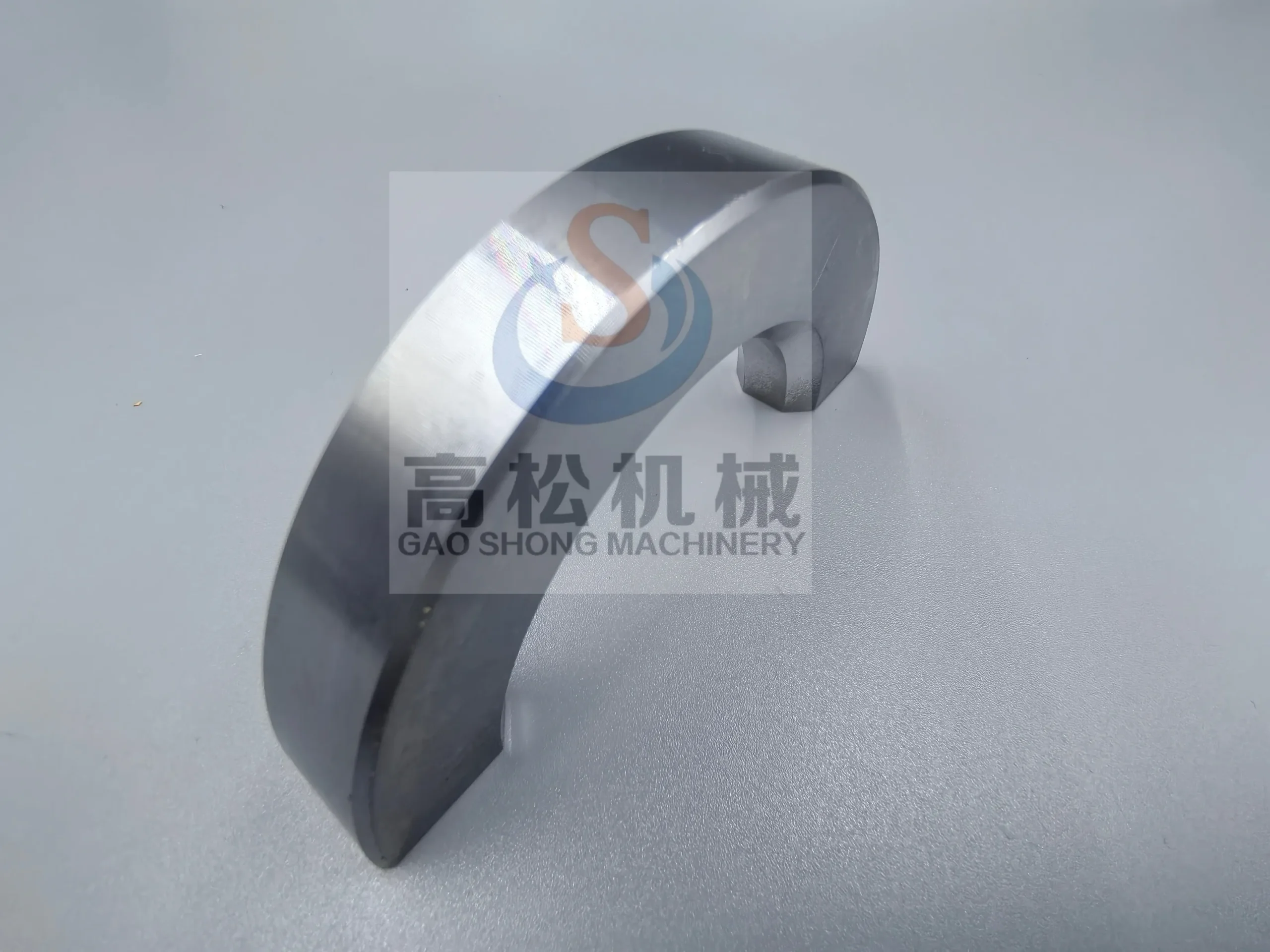 Komatsu bulldozer D65P-12 gasket 14X-30-13241 14X-30-13240
 -
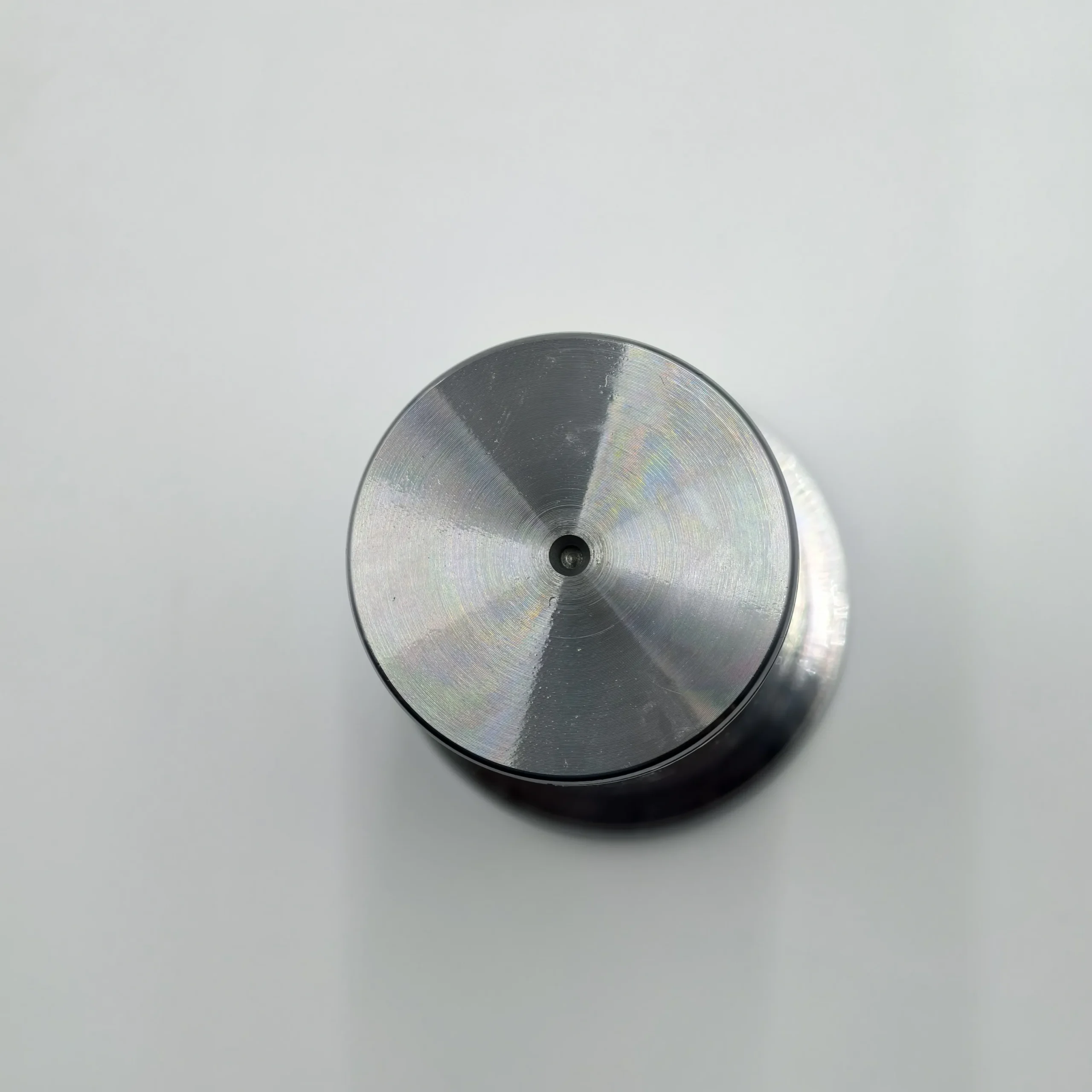 PIN – 21N-26-33240