
- Chinese
- French
- German
- Portuguese
- Spanish
- Russian
- Japanese
- Korean
- Arabic
- Irish
- Greek
- Turkish
- Italian
- Danish
- Romanian
- Indonesian
- Czech
- Afrikaans
- Swedish
- Polish
- Basque
- Catalan
- Esperanto
- Hindi
- Lao
- Albanian
- Amharic
- Armenian
- Azerbaijani
- Belarusian
- Bengali
- Bosnian
- Bulgarian
- Cebuano
- Chichewa
- Corsican
- Croatian
- Dutch
- Estonian
- Filipino
- Finnish
- Frisian
- Galician
- Georgian
- Gujarati
- Haitian
- Hausa
- Hawaiian
- Hebrew
- Hmong
- Hungarian
- Icelandic
- Igbo
- Javanese
- Kannada
- Kazakh
- Khmer
- Kurdish
- Kyrgyz
- Latin
- Latvian
- Lithuanian
- Luxembou..
- Macedonian
- Malagasy
- Malay
- Malayalam
- Maltese
- Maori
- Marathi
- Mongolian
- Burmese
- Nepali
- Norwegian
- Pashto
- Persian
- Punjabi
- Serbian
- Sesotho
- Sinhala
- Slovak
- Slovenian
- Somali
- Samoan
- Scots Gaelic
- Shona
- Sindhi
- Sundanese
- Swahili
- Tajik
- Tamil
- Telugu
- Thai
- Ukrainian
- Urdu
- Uzbek
- Vietnamese
- Welsh
- Xhosa
- Yiddish
- Yoruba
- Zulu
- Kinyarwanda
- Tatar
- Oriya
- Turkmen
- Uyghur






komatsu ck30 hydraulic pump
When you hear 'Komatsu CK30 hydraulic pump', the immediate thought is often just a replacement part, a commodity. That's the first mistake. In my experience, it's never that simple. The CK30, a solid mid-size machine, relies heavily on its hydraulic system's integrity. The pump isn't just an item you swap; its performance dictates the machine's personality—the speed of the blade, the force of the dig, the overall feel. I've seen too many guys just chase the lowest price on a pump, only to face premature failure, weird system chatter, or a machine that just feels sluggish. The real conversation starts when you look past the part number and into the sourcing, the specs, and the actual compatibility on the ground.
The Core of the Matter: More Than Just a Pump
Let's be clear: the hydraulic pump on a CK30 is its heart. It's a variable displacement piston pump, and its health directly impacts every other component—valves, cylinders, the main control block. A failing pump doesn't just stop; it sends metal debris through the entire circuit. I remember a job where a client installed a cheap aftermarket unit. It ran, sure, but the machine lost its 'snap'. The swing was lazy, and the arm crowd power was down maybe 15%. He thought he saved money, but the cost in lost productivity was far greater. That's the hidden tax of a subpar part.
Genuine Komatsu pumps are engineered to specific tolerances and flow rates that match the machine's original design parameters. But here's the practical dilemma: genuine parts can be prohibitively expensive or have long lead times in certain regions. This is where the landscape gets interesting. You need a source that understands both the OEM specifications and the reality of keeping machines running in the field. This isn't about compromising quality; it's about finding a parallel supply chain that respects the engineering.
I've dealt with suppliers who just sell a pump that 'fits'. Then you get into issues with port sizes being slightly off, or the control pressure not being calibrated correctly for the Komatsu system. It creates a cascade of adjustments. You start shimming, tweaking the regulator, and before you know it, you're deep into a diagnostic rabbit hole that started with the wrong core component. The goal is a drop-in solution that behaves like the original.
The Sourcing Puzzle and a Practical Path
This is where companies operating within the Komatsu ecosystem, but with a flexible approach, become crucial. Take Jining Gaosong Construction Machinery Co., Ltd., for instance. Their model is relevant here. They position themselves as both an OEM product supplier within the Komatsu system and a third-party sales company. In plain terms, this means they have access to the proper channels and specifications, but they're also structured to address the supply gaps that inevitably happen in various markets.
Their site, https://www.takematsumachinery.com, frames it as helping to solve parts supply challenges in certain countries. That's not just marketing speak; that's the daily reality for many equipment managers. When you need a CK30 hydraulic pump and the main distributor is quoting an 8-week lead time, your site is down and losing money. A supplier that can provide a functionally equivalent, reliable pump in two weeks is not just a vendor; they're a partner in crisis management.
The key is their dual role. As an OEM supplier, they presumably understand the technical blueprints and quality thresholds. As a third-party seller, they're forced to be pragmatic and solution-oriented. For a component as critical as the main hydraulic pump, this combination is valuable. You're not getting a generic part; you're getting a part vetted for a specific Komatsu application, sourced through a parallel but knowledgeable pipeline.
Field Realities and Installation Pitfalls
Okay, let's say you've sourced a good pump. The job isn't over. Installing a hydraulic pump on a CK30 isn't a simple R&R. The system needs to be impeccably clean. Any contamination introduced during installation is a death sentence. I always insist on a full system flush if the old pump failed catastrophically. Just dropping in a new unit on old, dirty oil is a guaranteed repeat failure. The suction line O-rings, the alignment of the drive splines—these are small details that cause big headaches.
Then there's the break-in. After installation, you need to run the machine at low to medium load, cycling the functions to allow the pump to settle and to purge air from the system. I've seen mechanics fire it up and immediately start digging at full power. That can cause instant damage to the newly fitted pump plates and pistons. The machine needs to be 're-taught' its hydraulic personality gently.
Another practical note: always check the pilot pressure and main relief valve settings after a pump replacement. A new pump might deliver flow at a slightly different characteristic, and the system pressures need to be verified and adjusted back to Komatsu's spec. This step is often skipped, leading to complaints that the new pump doesn't perform right. Sometimes, it's not the pump; it's the system tuning that was forgotten.
When Equivalent Doesn't Mean Equal
The market is flooded with rebuilds and so-called 'compatible' pumps. Some are fine for a machine on its last legs. But for a CK30 you plan to keep running, you need to be discerning. A proper rebuild should include new pistons, swash plates, and bearings—not just a clean-up and new seals. The cost difference between a proper rebuild and a cheap one is real, but so is the lifespan.
This circles back to the value of a supplier like Jining Gaosong. Their position within the Komatsu system suggests they're likely sourcing or producing to a known standard, not just slapping a Komatsu part number on a generic assembly. For a critical component, that provenance matters. It's the difference between a part that lasts 5,000 hours and one that gives up at 1,500, taking your main hydraulic valves with it.
I recall a situation where a fleet manager opted for a low-cost alternative for three CK30 pumps. Two failed within a year. The downtime costs, the extra labor, the fluid and filter changes—it utterly erased the upfront savings and then some. The third pump was replaced preemptively with a unit from a more technically-aligned supplier, and it's still running. The lesson was expensive but clear: critical path components are not the place for bargain hunting.
Wrapping It Up: A Matter of Philosophy
So, dealing with a Komatsu CK30 hydraulic pump issue is less about the part itself and more about your approach to machine maintenance. It's a symptom of a larger philosophy. Do you view repairs as a transactional cost, or as an investment in the machine's future productivity? The pump sits at the center of that question.
Finding a supply partner that bridges the OEM world and on-the-ground urgency is a huge advantage. It removes a layer of risk. You're not just buying a pump; you're buying the assurance that the component was selected with an understanding of what it needs to do inside a specific Komatsu machine. That's what their stated mission of solving parts supply challenges should translate to in practice: providing viable, reliable solutions without the dogma or the delay of a purely traditional channel.
In the end, keep the machine running smoothly and profitably. That's the goal. And it starts with recognizing that the heart of the hydraulics deserves more than just a passing glance at a price tag. It demands a bit of research, a trusted source, and careful hands during installation. Get those right, and the CK30 will reward you with years of solid service.
Related Products
Related Products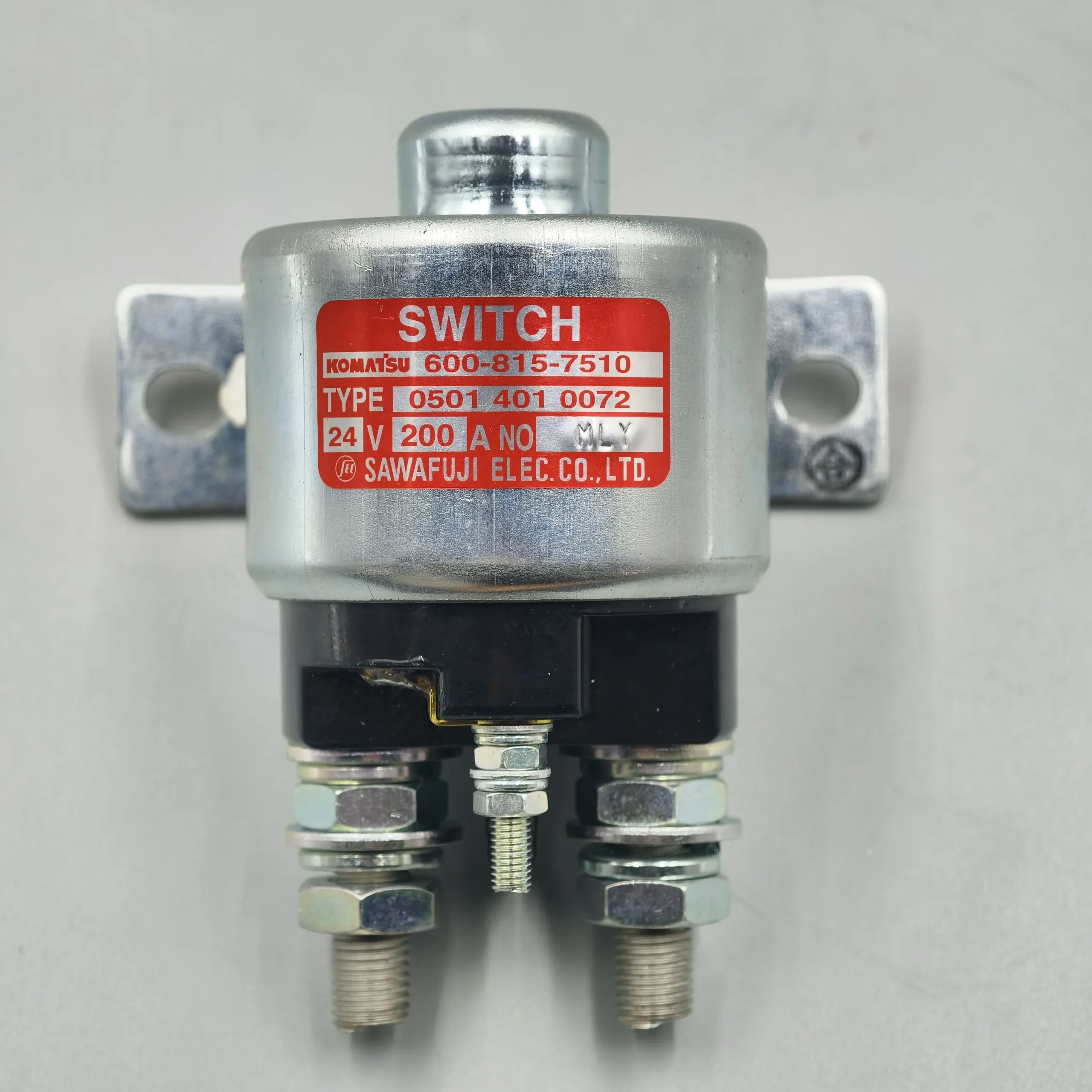
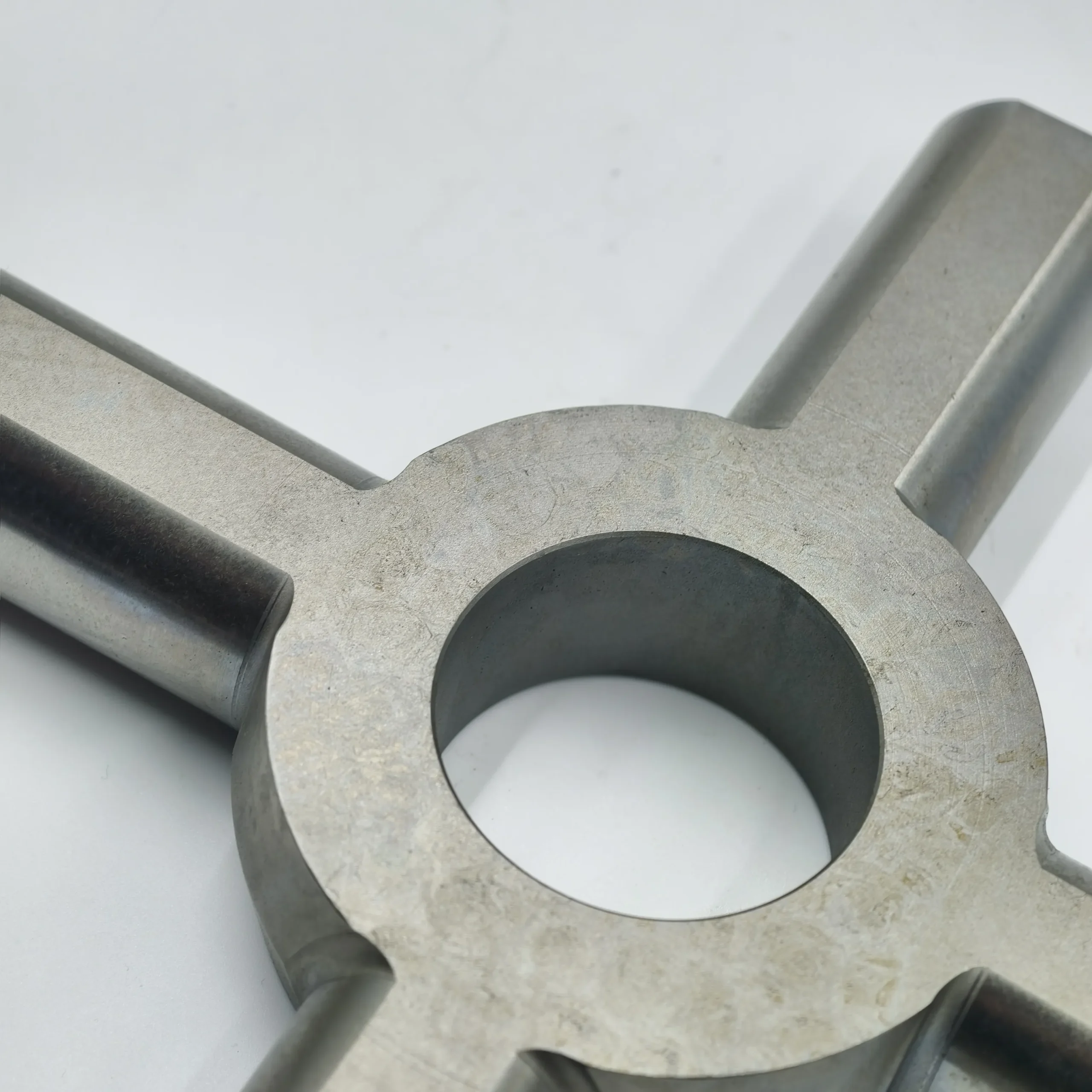
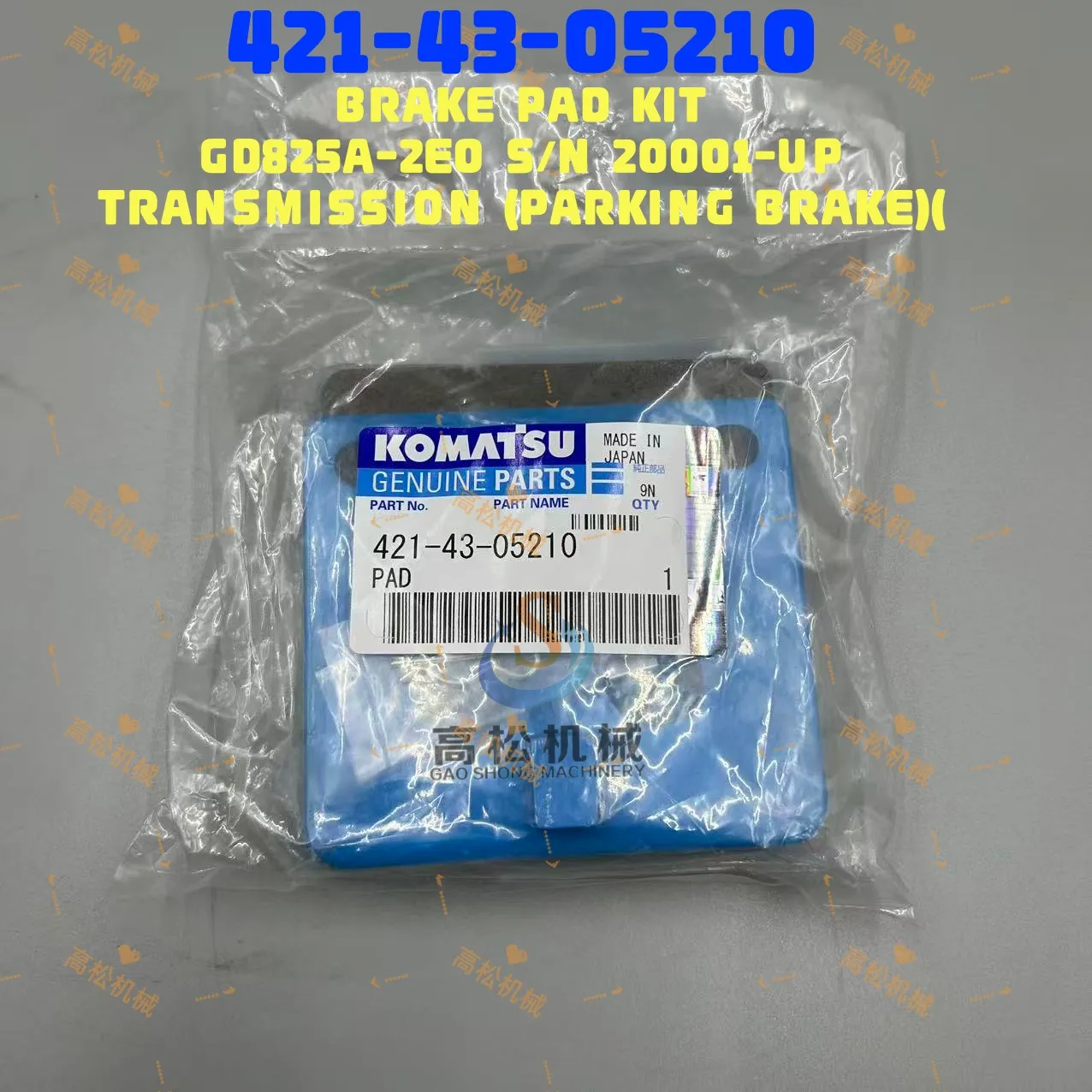

Best Selling Products
Best Selling Products-
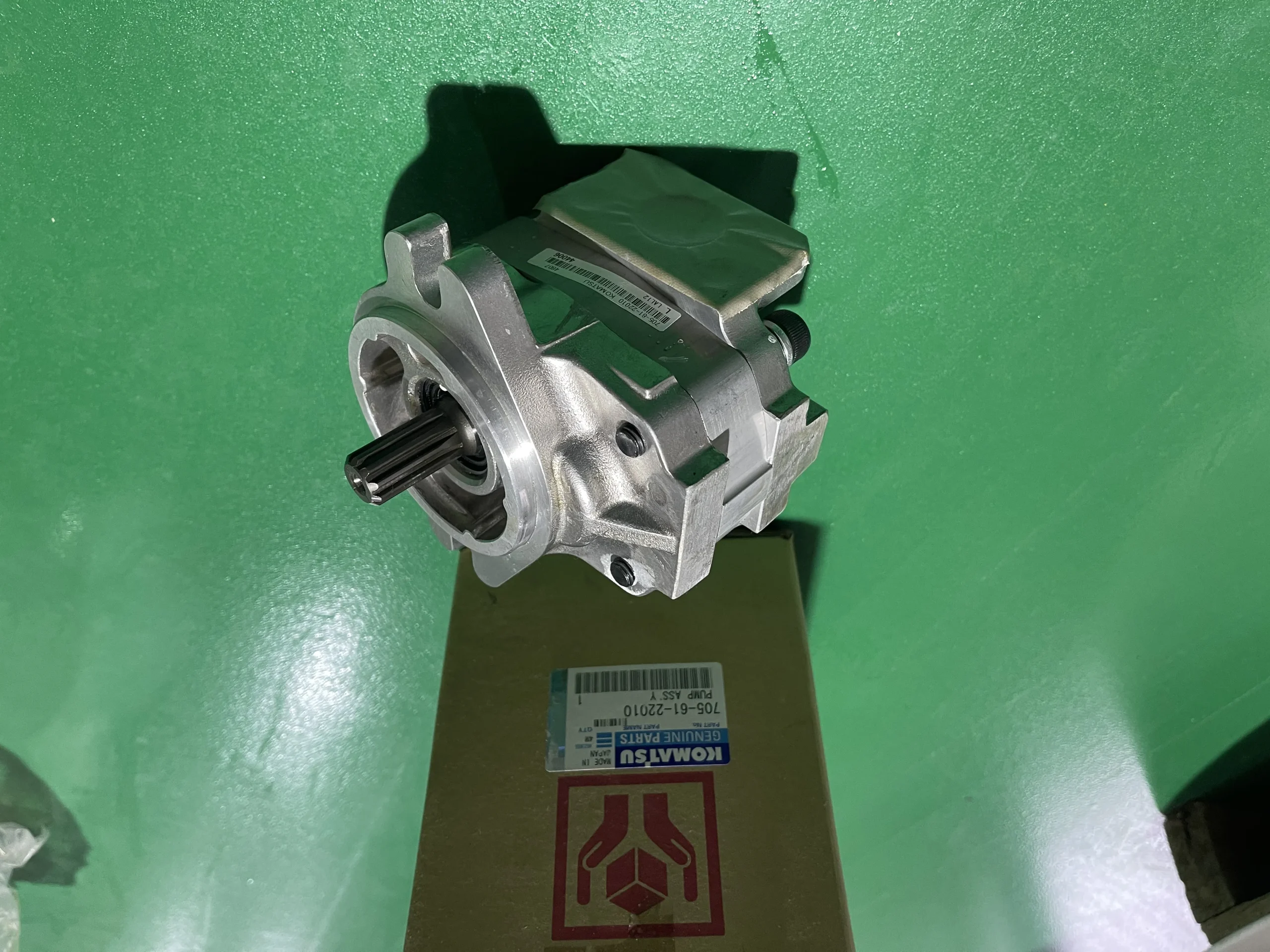 PUMP ASS’Y 705-61-22010 – KOMATSU
 -
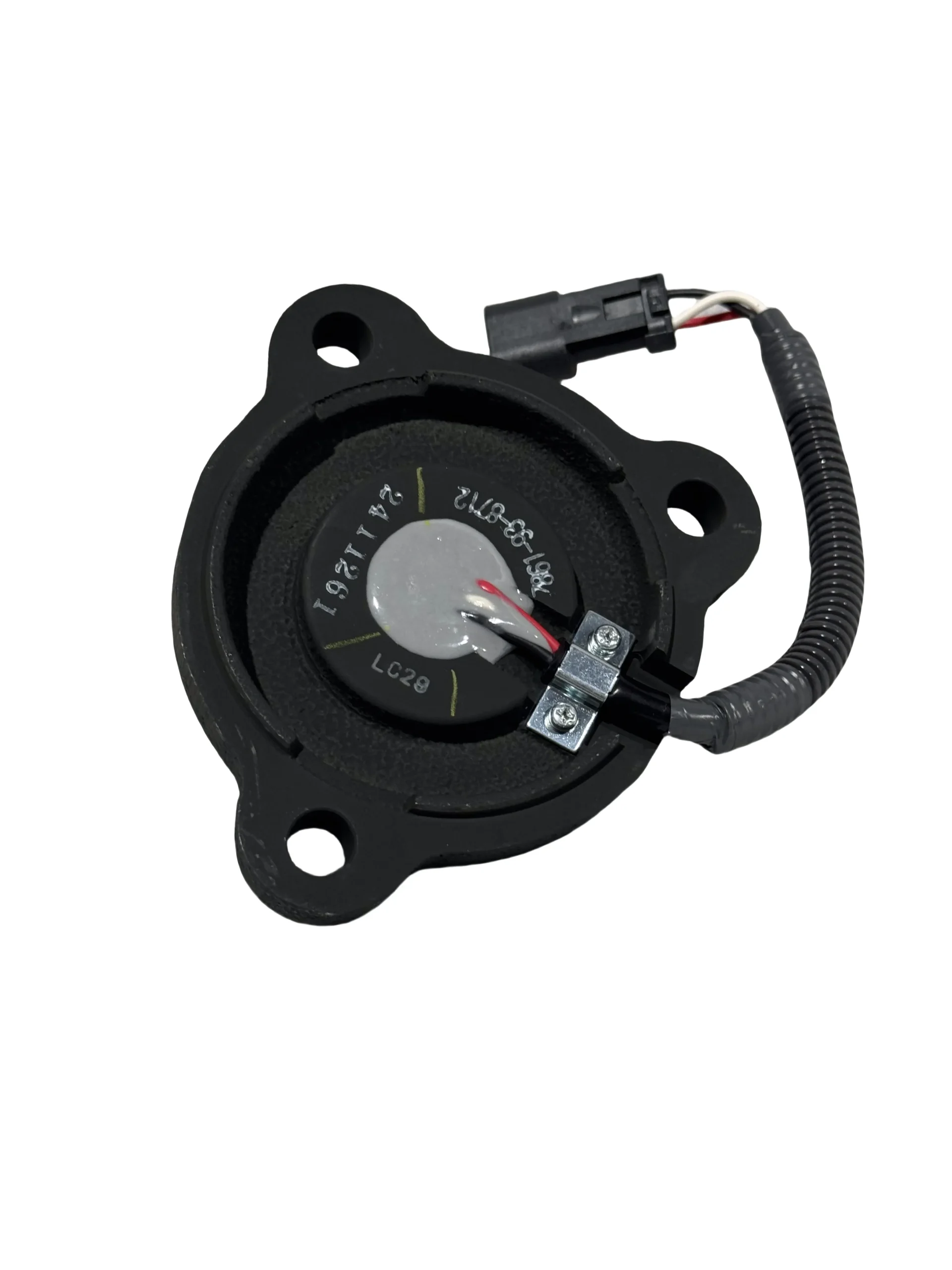 7861-93-8711 Steering Sensor for Komatsu HD785-7
 -
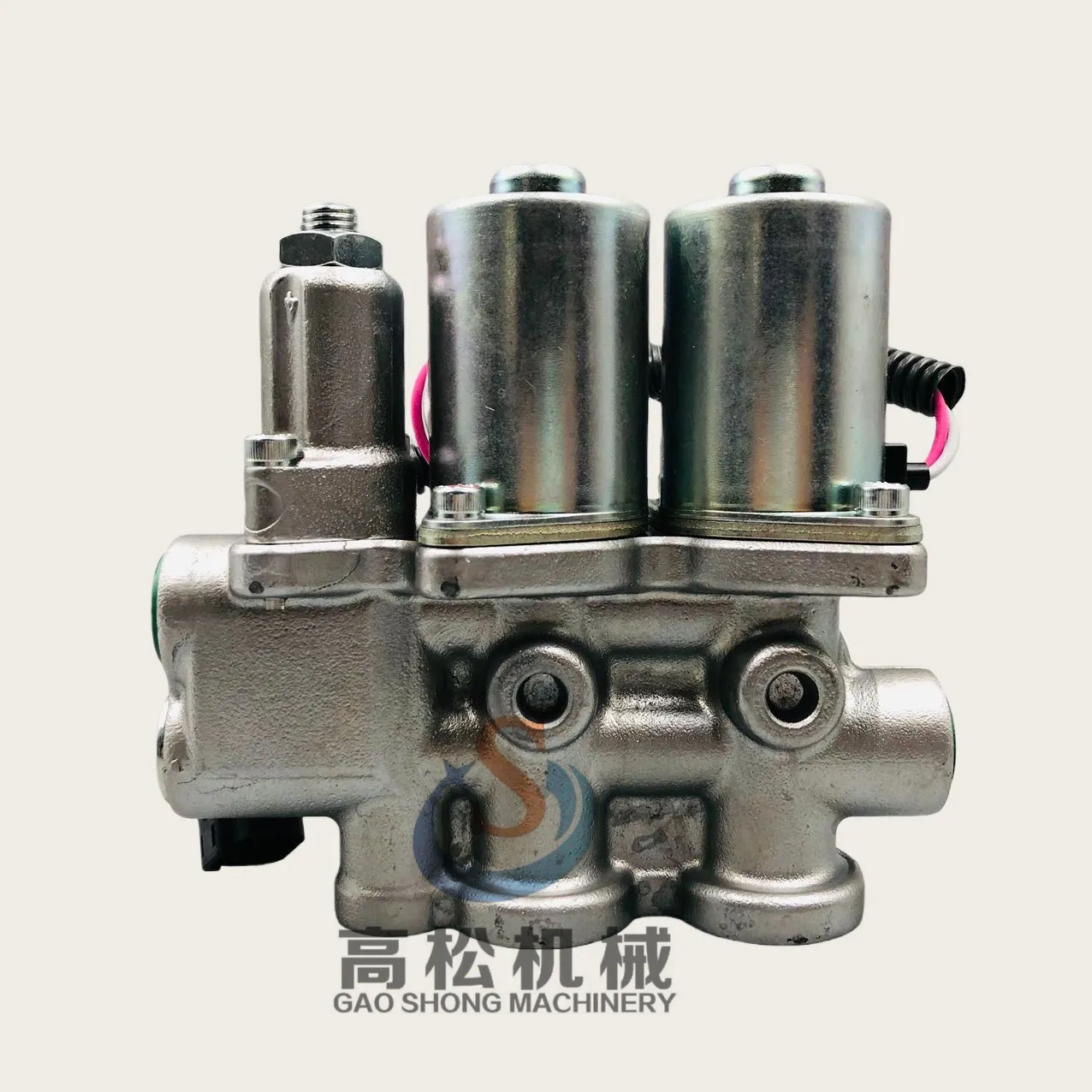 Solenoid Valve Assy 22F-60-31600
 -
 High-Quality Komatsu Spare Parts 421-06-11440 BREAKER for…
 -
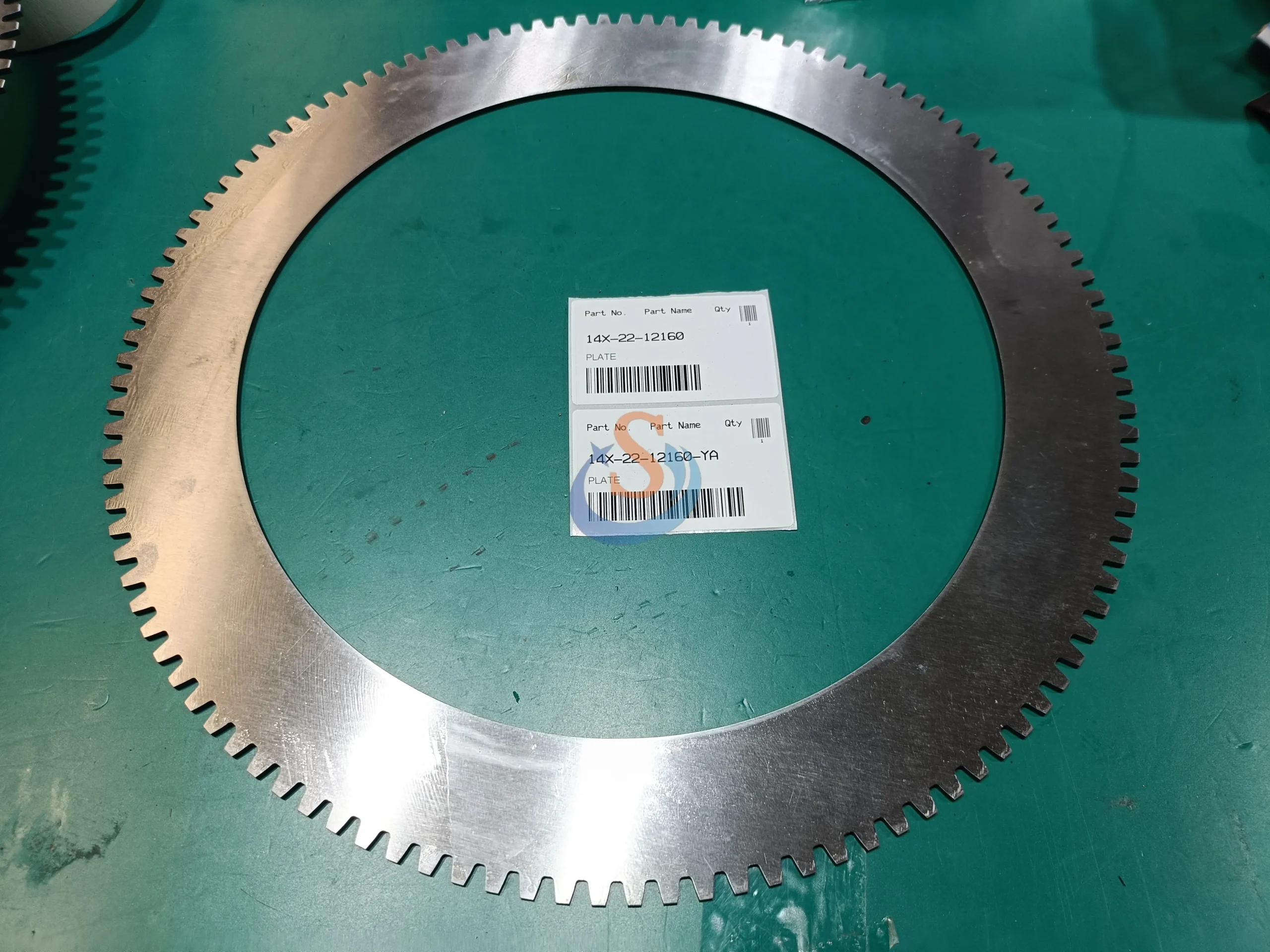 14X-22-12160,PLATE,D275A,D85ESS,D65E
 -
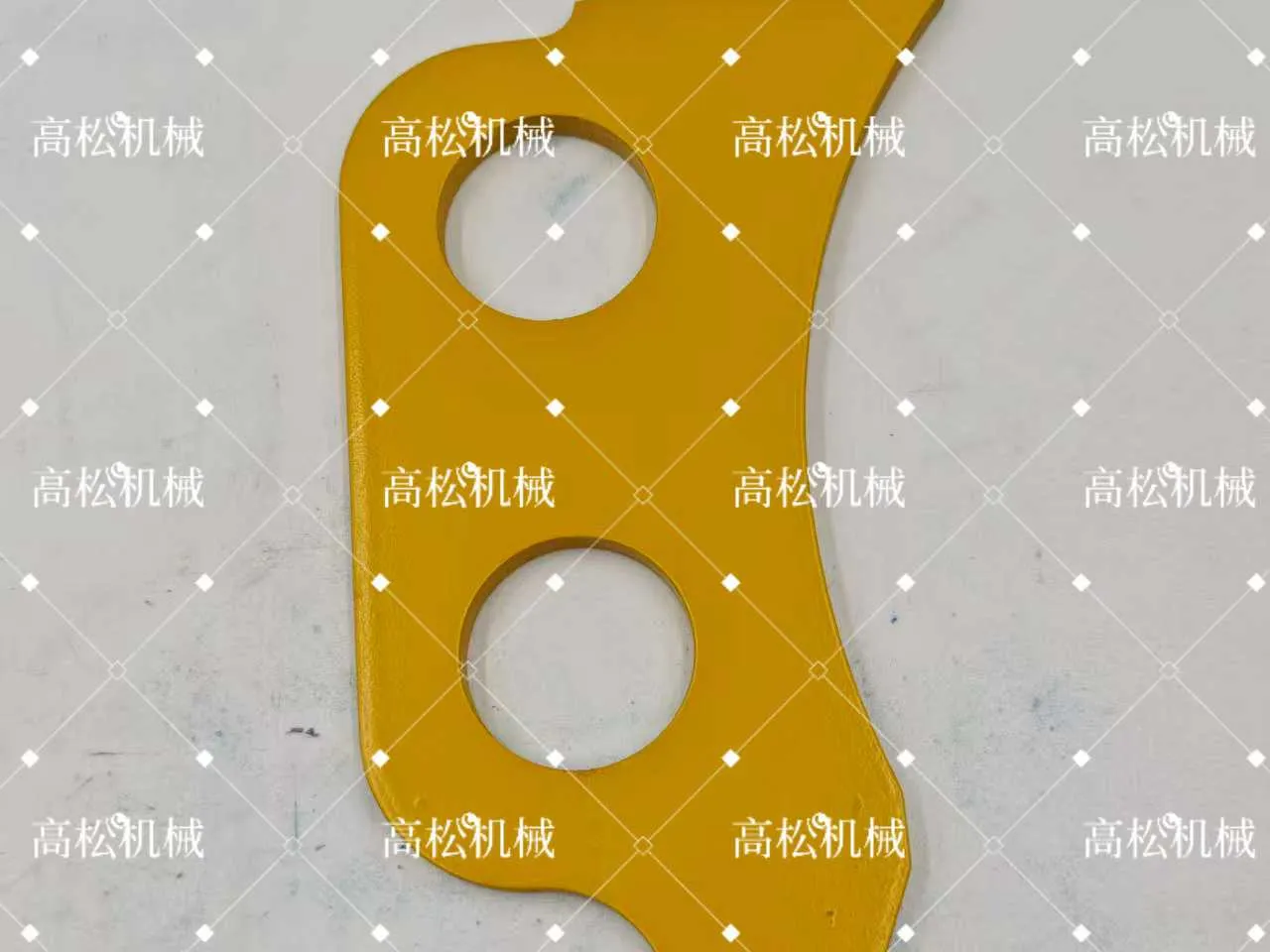 Komatsu Part No. 195-71-74260, Applicable Model: D375A-5, Genuine Komatsu Part
 -
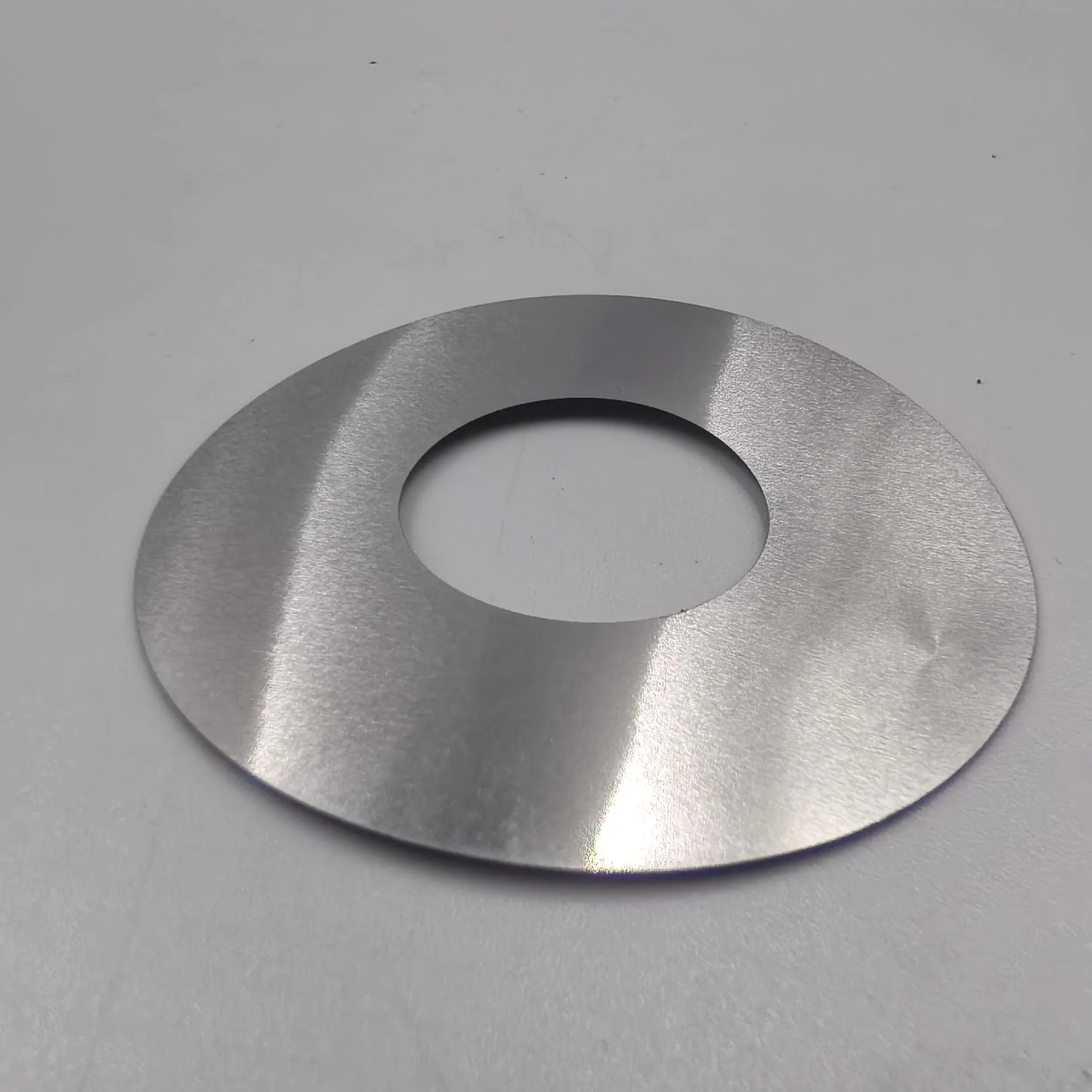 23W-22-21560 is suitable for Komatsu HM350/HM400
 -
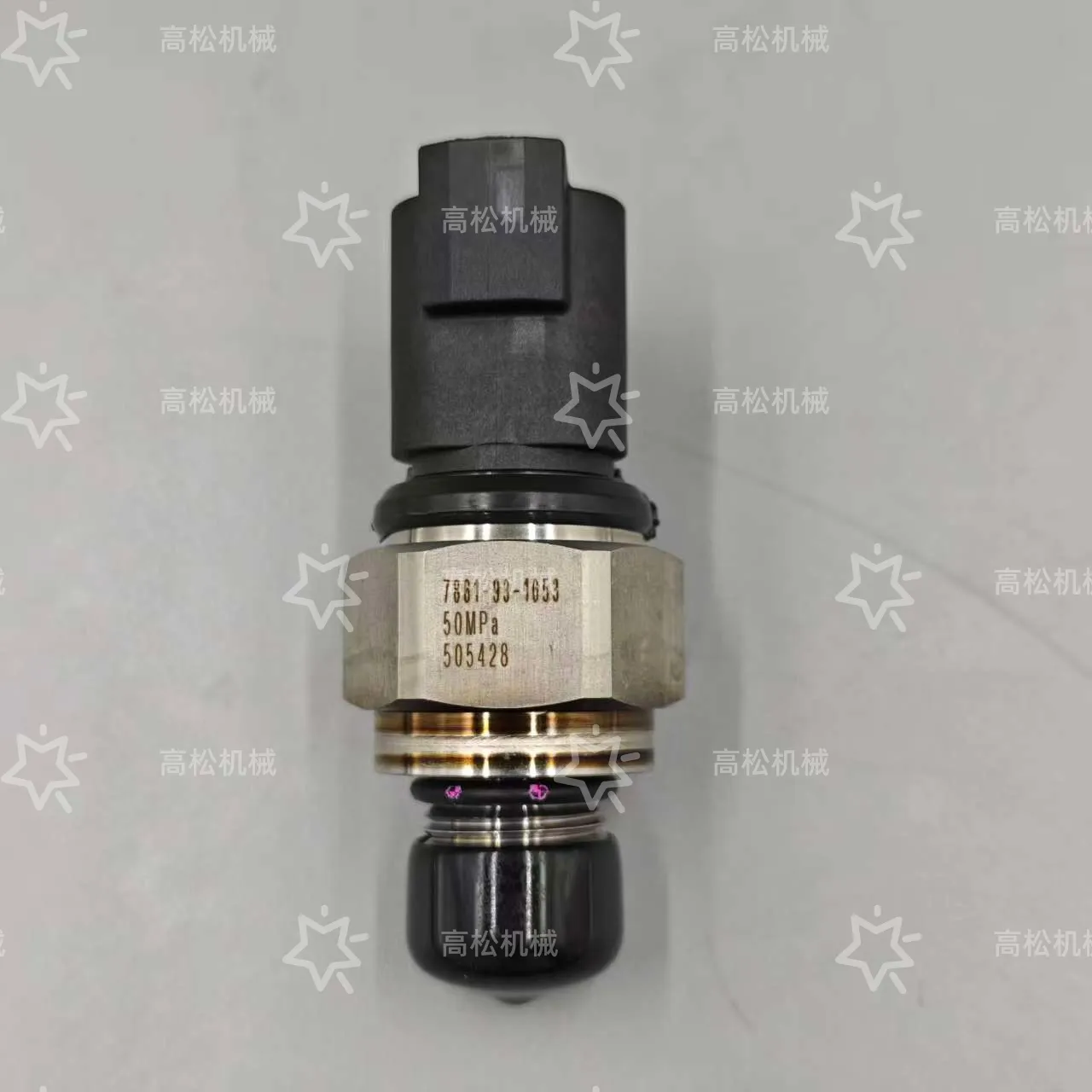 7861-93-1653 7861-93-1652 7861-93-1650 HYDRAULIC PUMP SENSOR for PC300-7
 -
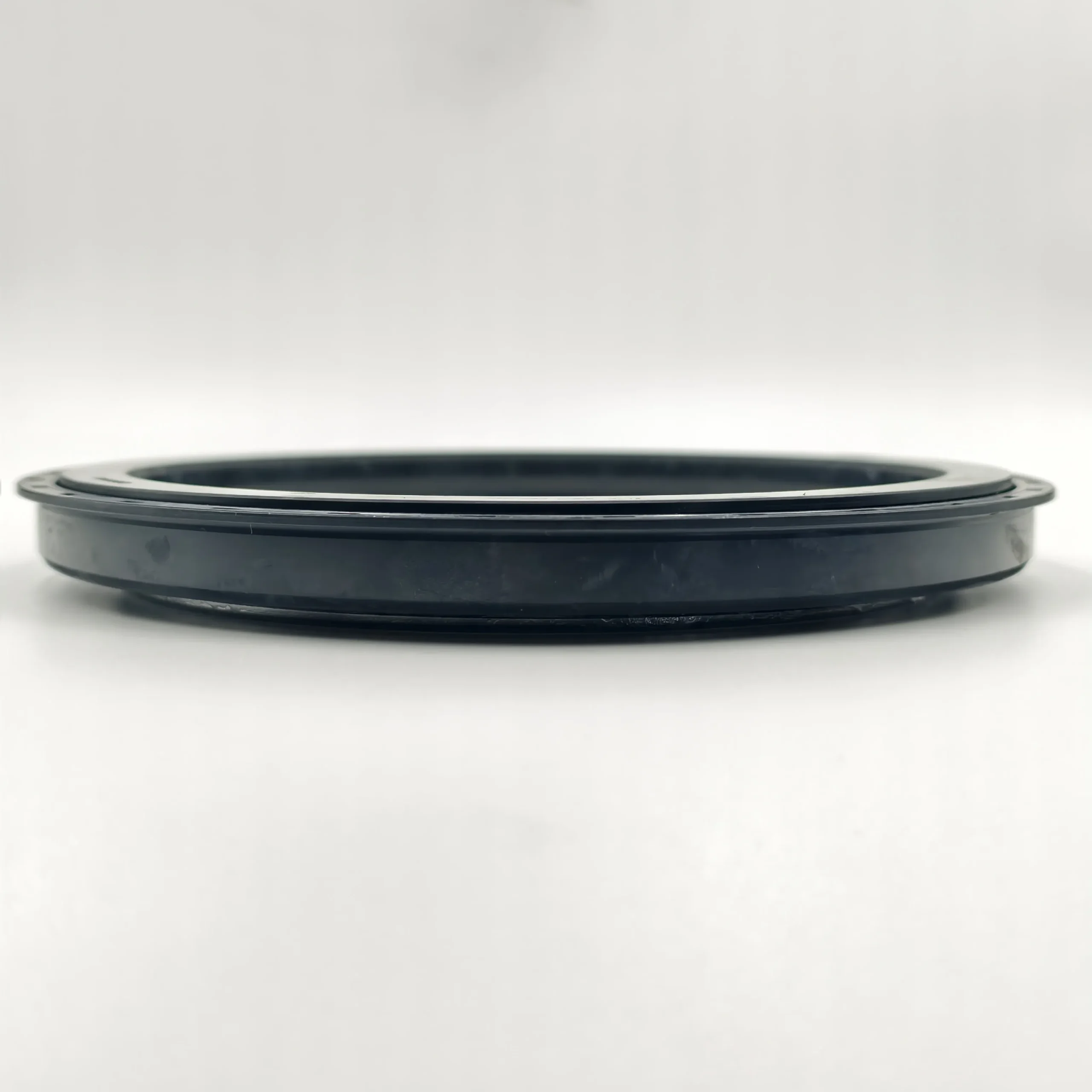 SEAL,OIL 235-25-11310 – KOMATSU
 -
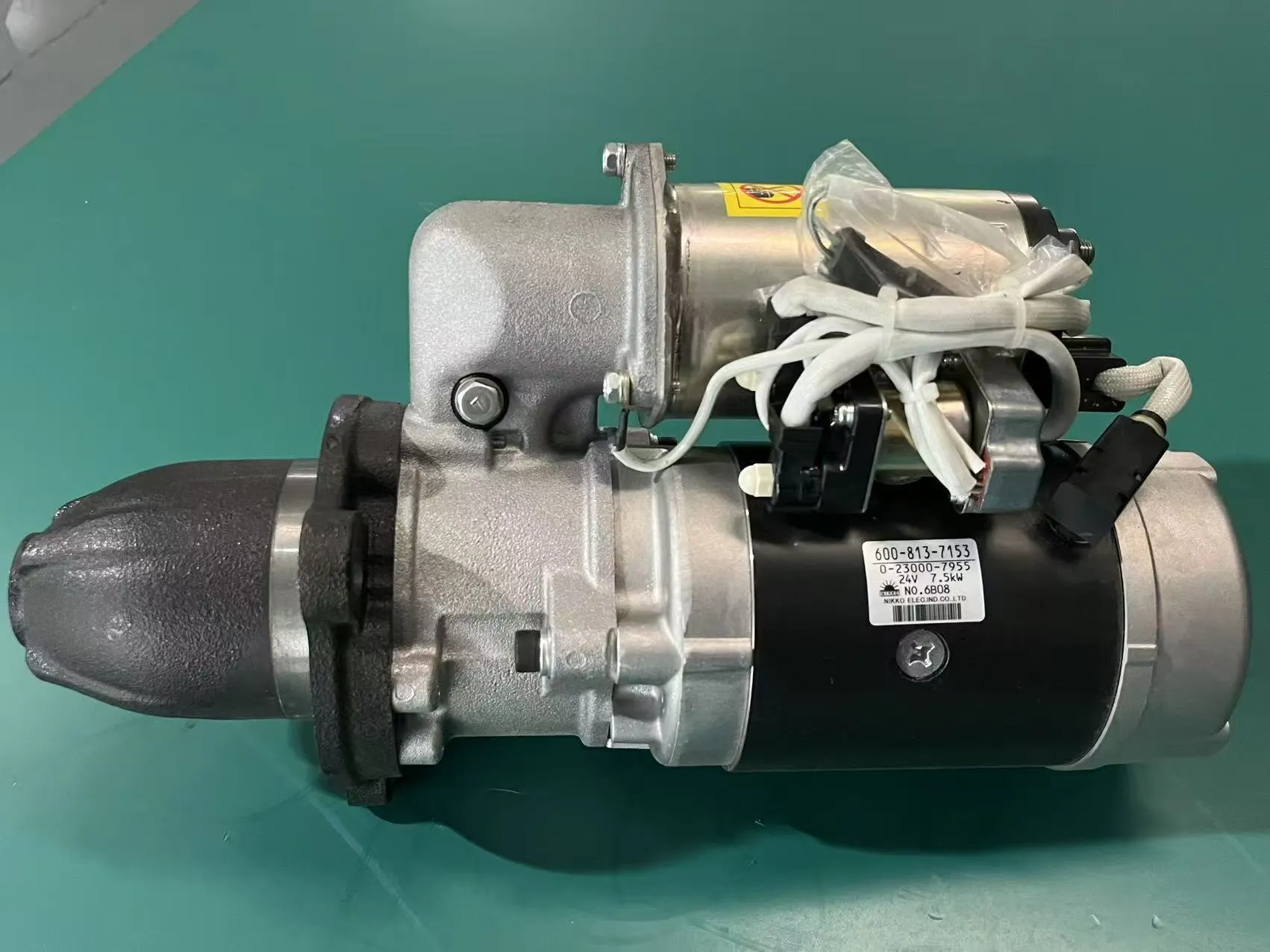 Starting Motor 7.5kw 600-813-7153
 -
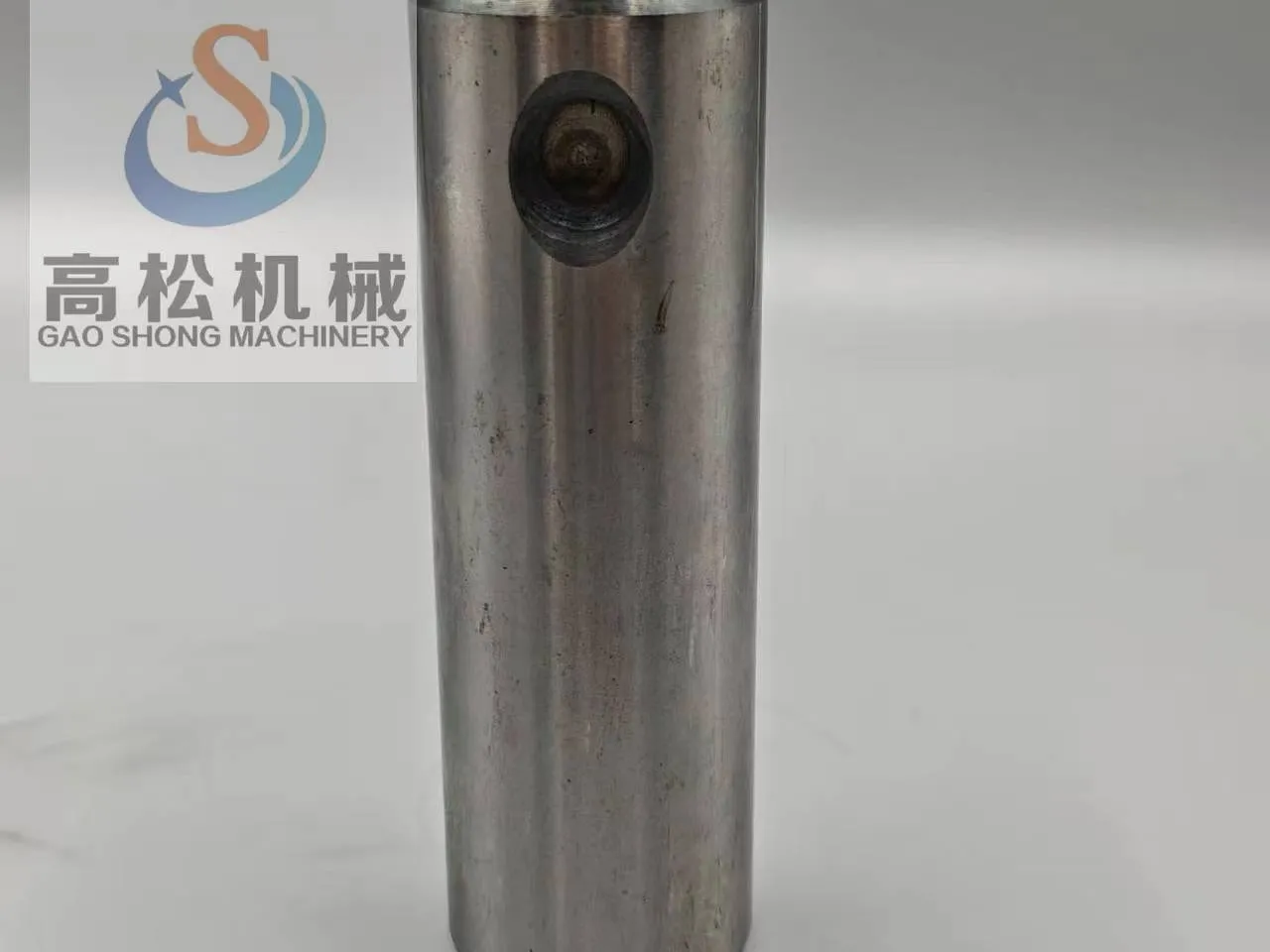 Komatsu Pin, 20Y-27-31160 Komatsu Sales, 20Y-27-31160
 -
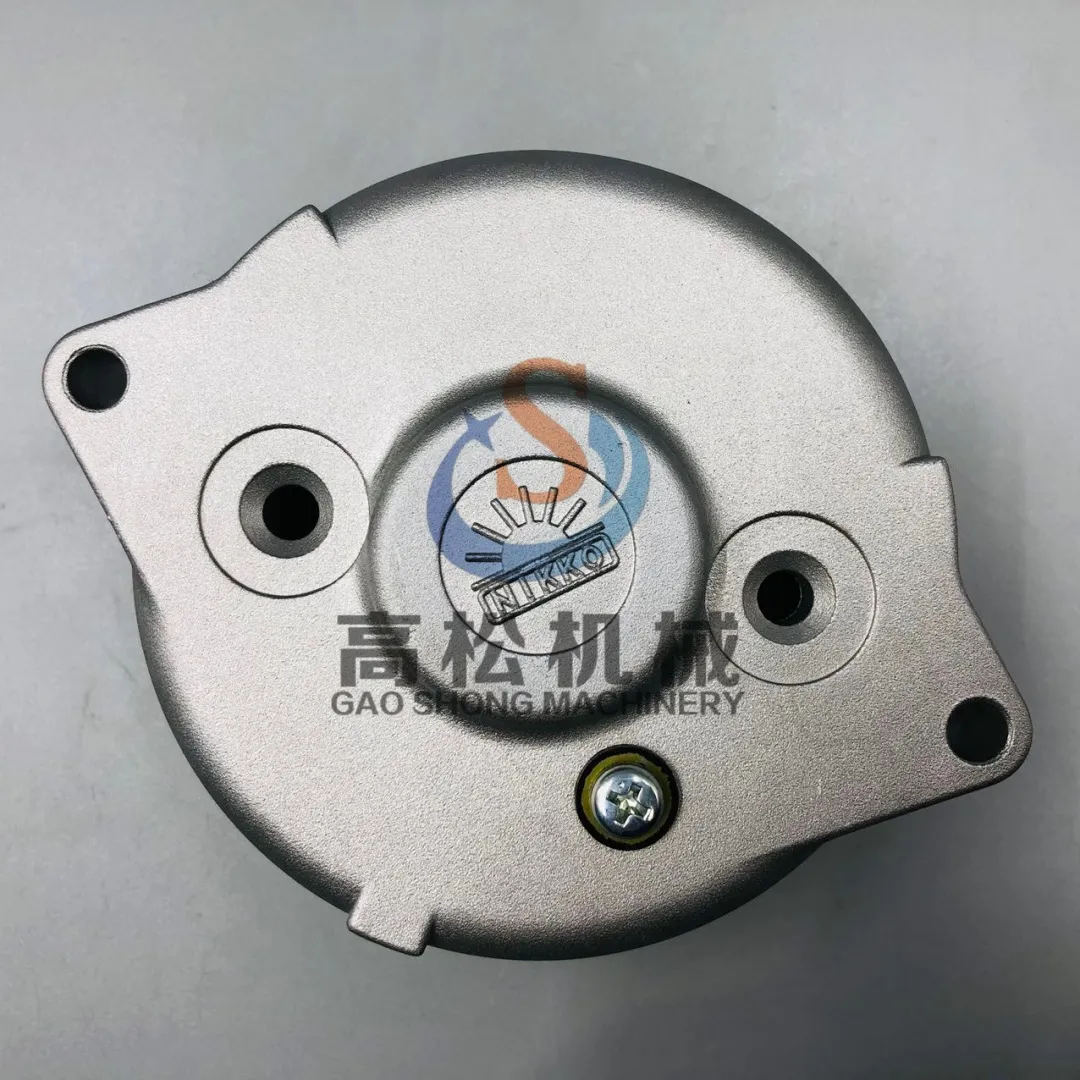 KD0-23700-0130 REAR BRACKET ASS’Y,REAR (Komatsu)