
- Chinese
- French
- German
- Portuguese
- Spanish
- Russian
- Japanese
- Korean
- Arabic
- Irish
- Greek
- Turkish
- Italian
- Danish
- Romanian
- Indonesian
- Czech
- Afrikaans
- Swedish
- Polish
- Basque
- Catalan
- Esperanto
- Hindi
- Lao
- Albanian
- Amharic
- Armenian
- Azerbaijani
- Belarusian
- Bengali
- Bosnian
- Bulgarian
- Cebuano
- Chichewa
- Corsican
- Croatian
- Dutch
- Estonian
- Filipino
- Finnish
- Frisian
- Galician
- Georgian
- Gujarati
- Haitian
- Hausa
- Hawaiian
- Hebrew
- Hmong
- Hungarian
- Icelandic
- Igbo
- Javanese
- Kannada
- Kazakh
- Khmer
- Kurdish
- Kyrgyz
- Latin
- Latvian
- Lithuanian
- Luxembou..
- Macedonian
- Malagasy
- Malay
- Malayalam
- Maltese
- Maori
- Marathi
- Mongolian
- Burmese
- Nepali
- Norwegian
- Pashto
- Persian
- Punjabi
- Serbian
- Sesotho
- Sinhala
- Slovak
- Slovenian
- Somali
- Samoan
- Scots Gaelic
- Shona
- Sindhi
- Sundanese
- Swahili
- Tajik
- Tamil
- Telugu
- Thai
- Ukrainian
- Urdu
- Uzbek
- Vietnamese
- Welsh
- Xhosa
- Yiddish
- Yoruba
- Zulu
- Kinyarwanda
- Tatar
- Oriya
- Turkmen
- Uyghur






Komatsu circle gear
When you hear 'Komatsu circle gear,' most people immediately think of the final drive assembly in excavators like the PC200 or PC300. That's not wrong, but it's a starting point that often misses the nuance. In my years dealing with Komatsu parts, especially through channels like Jining Gaosong Construction Machinery Co., Ltd., I've seen the term cause more confusion than clarity. It's not a single, universal component; it's a system. The confusion usually starts when someone needs a replacement and just throws the machine model at a supplier. You might get a gear, but will it match the specific S/N range or the iteration of the drive housing? Probably not, and that's where downtime starts.
The Anatomy of a Circle and Why It's Critical
Let's break it down. The 'circle' refers to the rotating platform—the slew ring. The 'gear' is the massive internal or external spur gear that the slew motor pinion engages with to make the house swing. The failure point is rarely the gear teeth shearing off cleanly. It's almost always about the bearing raceways integrated into the assembly. Pitting, spalling, brinelling—these are the real killers. I've pulled apart units where the gear teeth looked pristine, but the bearing tracks were shot, causing massive lash and a dangerous, jerky swing.
This is where the OEM vs. aftermarket debate gets real. A genuine Komatsu circle gear assembly is engineered as a unit. The gear and the bearing races are heat-treated to work in harmony, with precise hardness differentials. I've seen third-party gears that claimed to meet spec, but the core hardness was off. They'd mesh fine for a few hundred hours, then the bearing race would deform under load, preloading the balls or rollers incorrectly. Next thing you know, you're replacing the entire assembly again, plus the slew motor pinion it wrecked.
That's the value of a supplier who understands the system, not just the catalog. A company like Jining Gaosong, operating as a third-party sales channel within the Komatsu ecosystem, fills a specific gap. They're not just selling a boxed part; they're often solving a supply chain puzzle for a PC220-8 in a remote location, ensuring the gear set matches not just the model, but the machine's build date and prior service history. It's contextual.
Field Realities and Common Missteps
Here's a practical headache: installation preload. The manual gives you a torque sequence and a spec. But on a 10-year-old machine, the mounting surface on the carbody can have wear or minor distortion. If you just bolt down a new circle gear to an imperfect surface, you induce stress. I learned this the hard way early on. We installed a new assembly on an older PC300LC-6, followed the manual to the letter. Within 500 hours, there was a pronounced growl in the swing. Tore it down, found premature spalling on one side of the bearing race. The cause? We didn't check the carbody flange for flatness. A .005 shim in the right spot would have saved us $15k.
Another trap is ignoring the seal mating surface. The circle gear has a large diameter where the face seal rides. If that surface gets gouged during removal or from debris, a new seal will leak immediately. I always tell crews to tape up that surface the moment the old gear is out. It seems trivial, but a leak here lets in abrasive grit, which is a death sentence for the bearing. It's not a 'gear' problem; it's a 'system integrity' problem.
Lubrication is another chapter. Using the wrong grease—something too soft that channels away, or too hard that doesn't flow—will starve the bearing. Komatsu specifies a particular lithium complex grease for a reason. I've seen mines try to cut costs with a generic EP grease. The result was increased torque resistance and overheating during continuous swing operations, which likely accelerated fatigue in the gear's substrate.
The Supplier's Role: Beyond the Transaction
This is where the model of a company like Jining Gaosong Construction Machinery Co., Ltd. makes sense. Their site, https://www.takematsumachinery.com, positions them as an OEM product supplier within Komatsu's system and a third-party solver for parts challenges. For a component as critical as the circle gear, that dual role is key. They can often source the genuine Komatsu assembly when that's the absolute requirement. But perhaps more importantly, they can provide the technical cross-reference and validation for high-quality, compatible alternatives when logistics or budget demand it, preventing a machine from sitting dead for months.
I recall a situation in a Southeast Asian port. A PC400-6 needed a circle gear. The local Komatsu dealer quoted a 4-month lead time. The port couldn't wait. We worked with a supplier in this mold who identified a compatible OEM-spec assembly from a certified foundry, but it was for a later dash number. They provided the detailed fitment modification sheet—minor machining on the mounting bolt holes and a different seal kit. It wasn't a straight drop-in, but it was a viable, engineered solution that got the machine running in two weeks. That's 'solving parts supply challenges.'
It's not about undercutting the OEM. It's about understanding the spectrum of need. For a machine under warranty or in a critical, high-production application, you go genuine. For an older machine in a cost-sensitive environment, a verified, high-quality alternative with full transparency on its provenance and limitations is a responsible business decision. A good supplier gives you both options and the data to choose.
Lessons from the Field: Diagnosis Before Disassembly
Never order a circle gear based on symptoms alone. Excessive swing lash or noise could be the gear bearing, yes. But it could also be a worn slew motor, a failing swing reduction gearbox, or even loose mounting bolts. The diagnostic step many skip is a thorough inspection of the gear teeth through the inspection port. Use a borescope. Look for uneven wear patterns. If the wear is concentrated on one side of the teeth, your problem might be a misaligned or bent slew motor mount, not the circle gear itself. Replacing the gear without fixing the root cause will just ruin the new one.
We had a PC200-7 with a reported grinding in the swing. The local mechanic was sure it was the circle gear. Before committing to the massive job of pulling the house, we checked the swing gearbox oil. It was metallic, but the magnetic plug had chunks, not just fines. That pointed to the planetary set in the reduction box. Replaced that, problem solved. The circle gear was fine. The lesson? The most expensive part isn't always the culprit. Systematic diagnosis saves the cost of the part and the 30+ hours of labor to install it unnecessarily.
Also, always check the pinion. If you do replace the circle gear, you must replace the slew motor pinion as a set. They wear in together. A new gear meshing with an old, worn pinion will have improper contact and fail prematurely. It's a non-negotiable practice. I keep a matched pinion in stock whenever I order a circle gear assembly, even if the customer initially balks at the extra cost. It's cheaper than doing the job twice.
Wrapping It Up: A Matter of Perspective
So, the Komatsu circle gear is more than a spare part line item. It's a precision mechanical system that demands respect for its engineering, careful diagnosis, and meticulous installation. Its procurement isn't just a purchase order; it's a technical decision that weighs machine condition, application, and operational urgency.
Working with knowledgeable intermediaries in the supply chain, entities that have one foot in the OEM world and another in practical field solutions, is often the difference between a quick recovery and a prolonged, costly downtime. They provide the crucial link between the parts catalog and the dirty, imperfect reality of a machine sitting in a field somewhere. It's this perspective—seeing the gear not in a crate, but as the central component in a failing swing system—that defines a professional approach.
In the end, it comes down to treating it as a system, not a commodity. Whether you source it directly, through the dealer, or through a specialized channel like Jining Gaosong, the questions you ask should be the same: What's the full history? What else needs to be replaced with it? And what are we doing to ensure it lasts its full design life? Get those answers right, and the circle gear becomes a reliable, long-term fix, not just the next item on the repair invoice.
Related Products
Related Products

Best Selling Products
Best Selling Products-
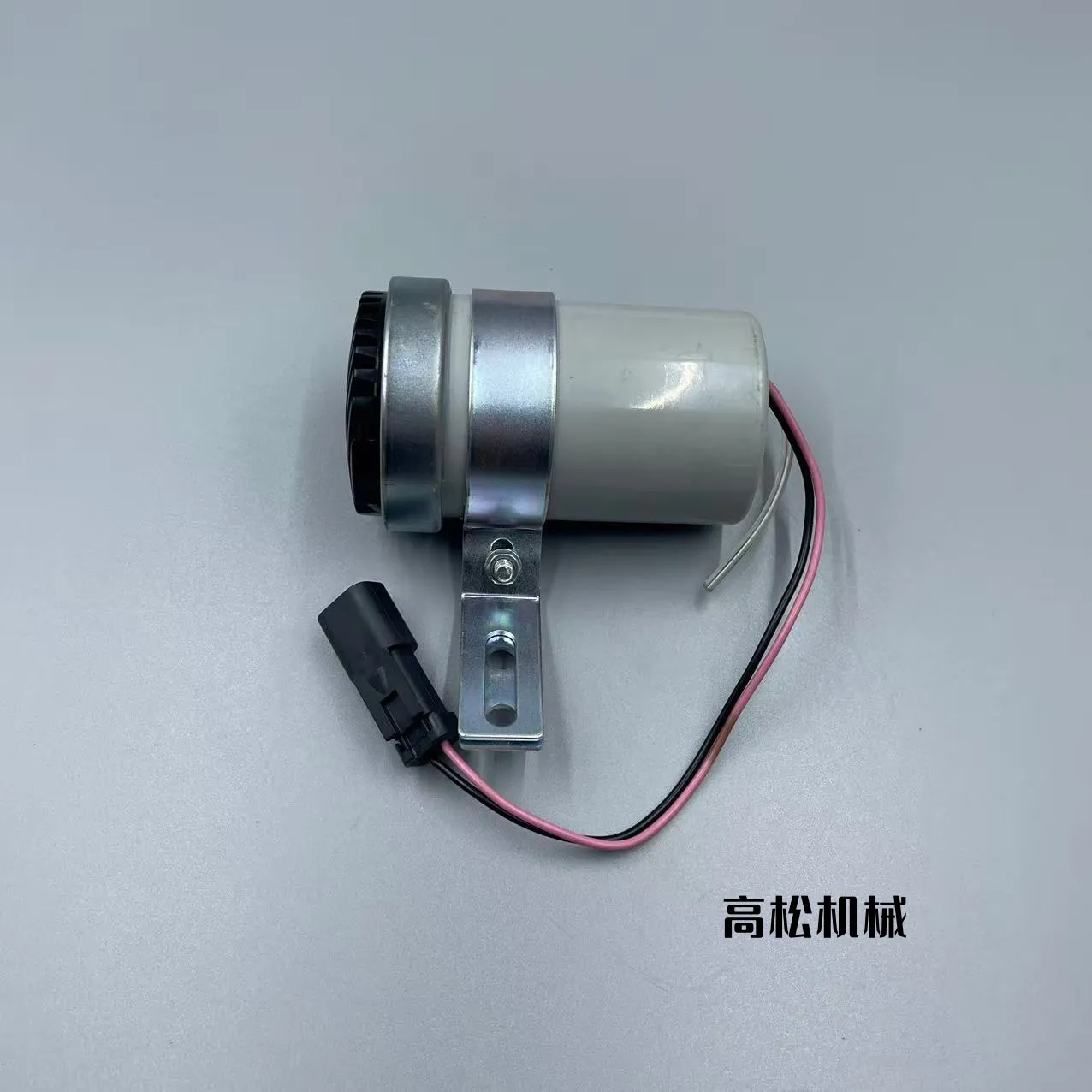 198-06-56570-BUZZER-Komatsu Original Factory
 -
 HD785-7 Oil Level Sensor 7861-93-4550
 -
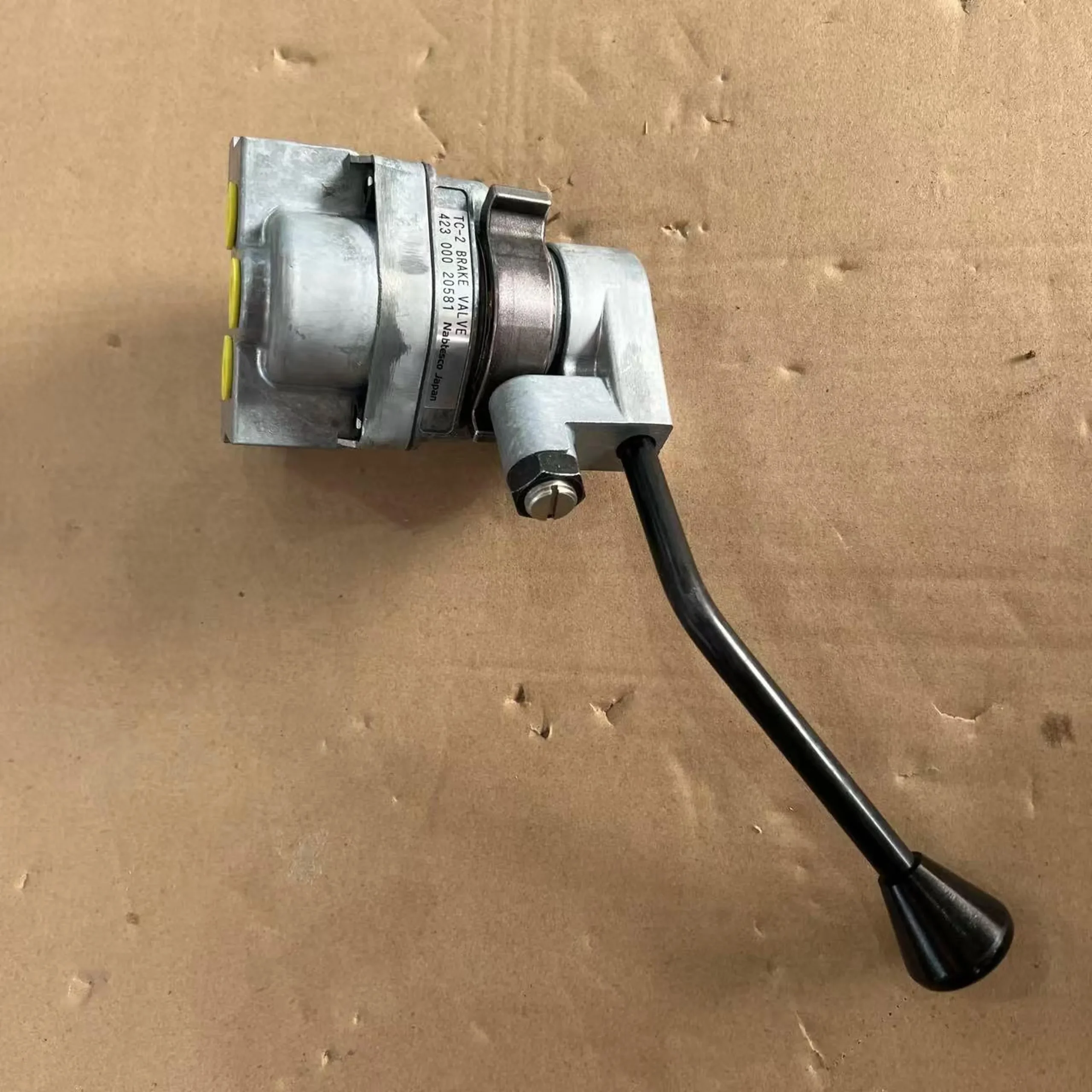 Brand New and Original RETARDER VALVE ASS’Y 561-35-62203 Valve Assembly for komatsu HD605-5 HD465-5 HD405-6 Dump Trucks
 -
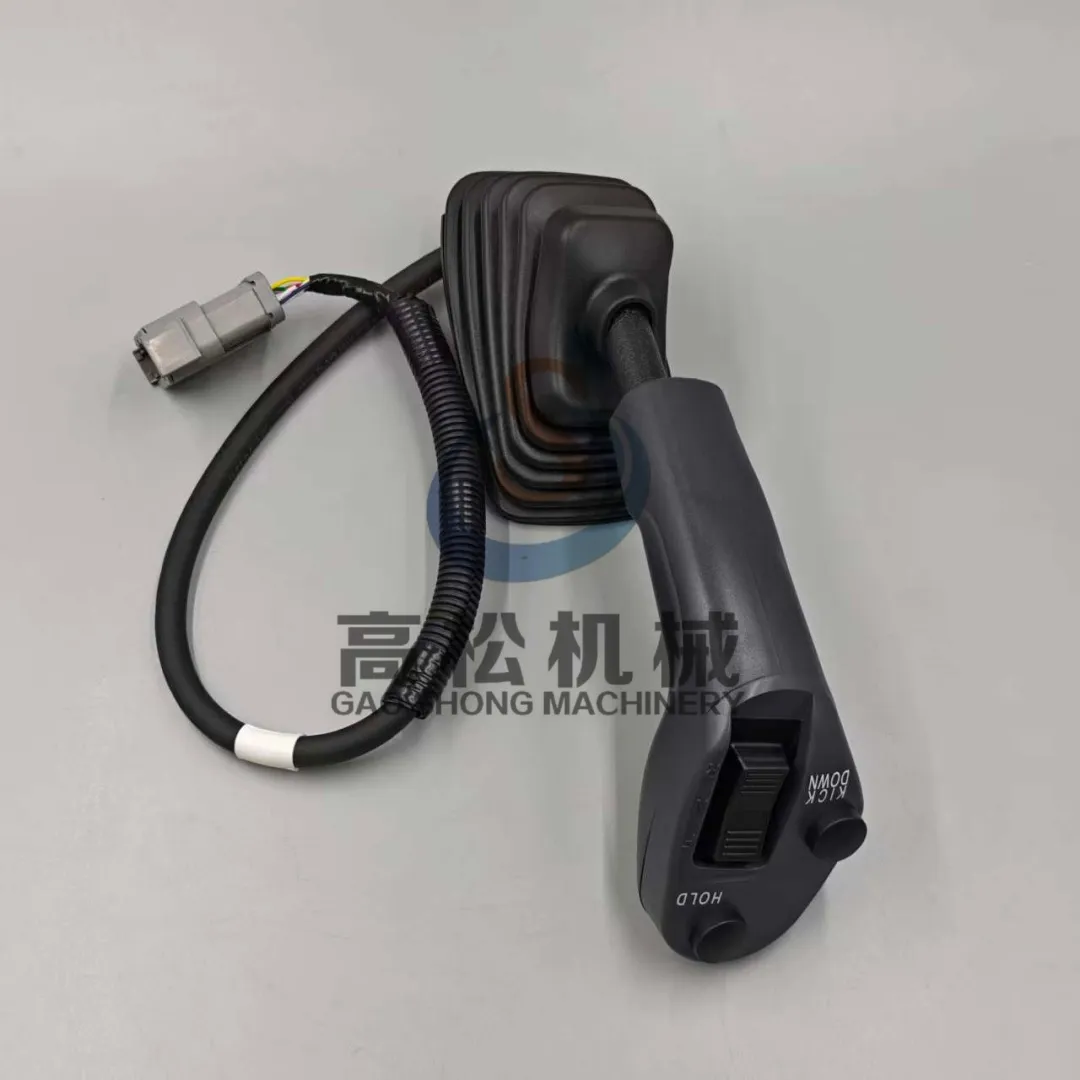 Original New Lever Assembly 423-V91-4144 Handle
 -
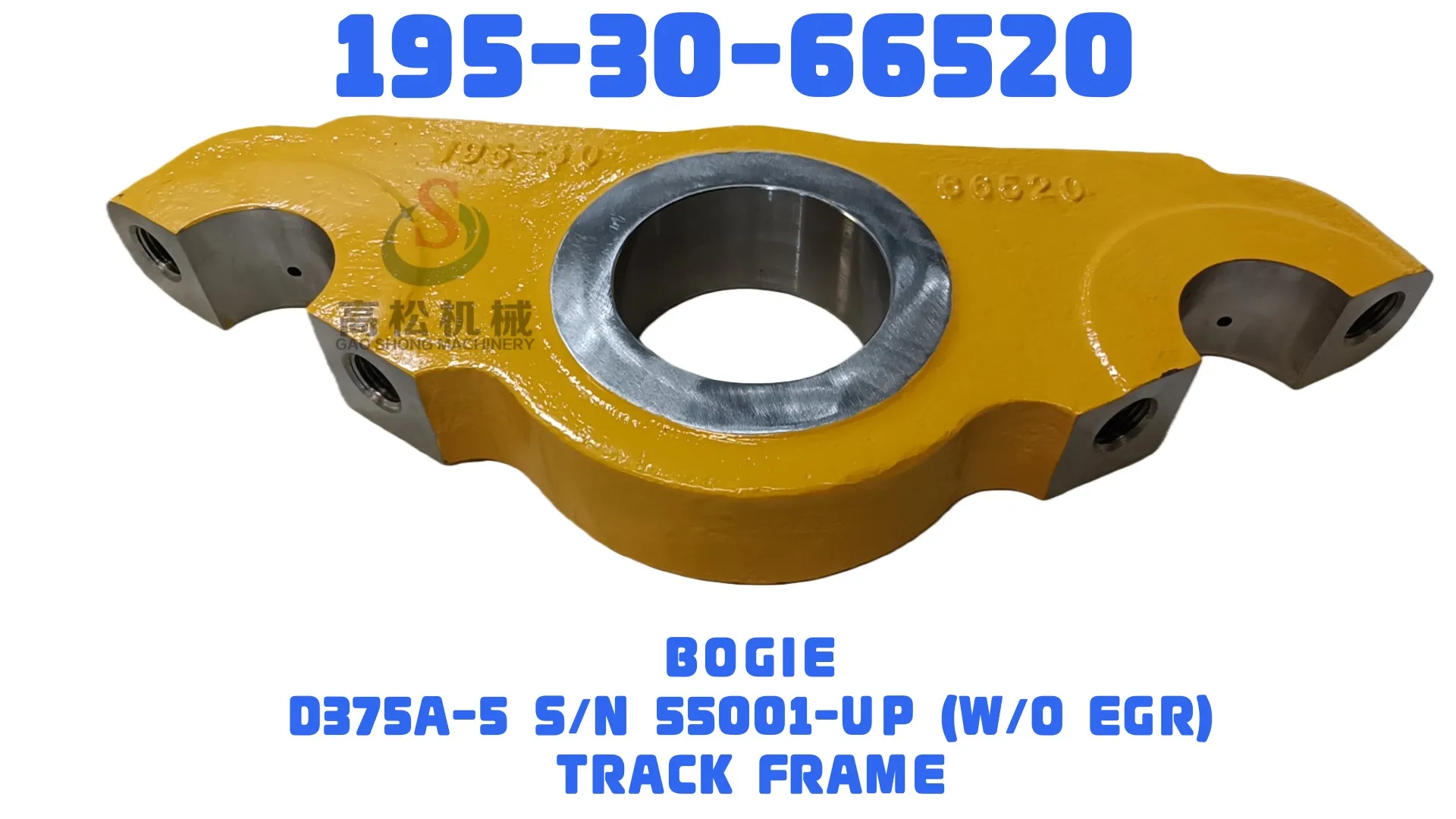 komatsu-part-195-30-66520 17M-30-66122 BOGIE D375A-5 D375A-6 D375A-6R TRACK FRAME (L.H.) BOGIE (L.H.) (FIRST) (FOR FULL ROLLER GUARD) TRACK FRAME, BOGIE, 2ND AND 3RD, L.H.
 -
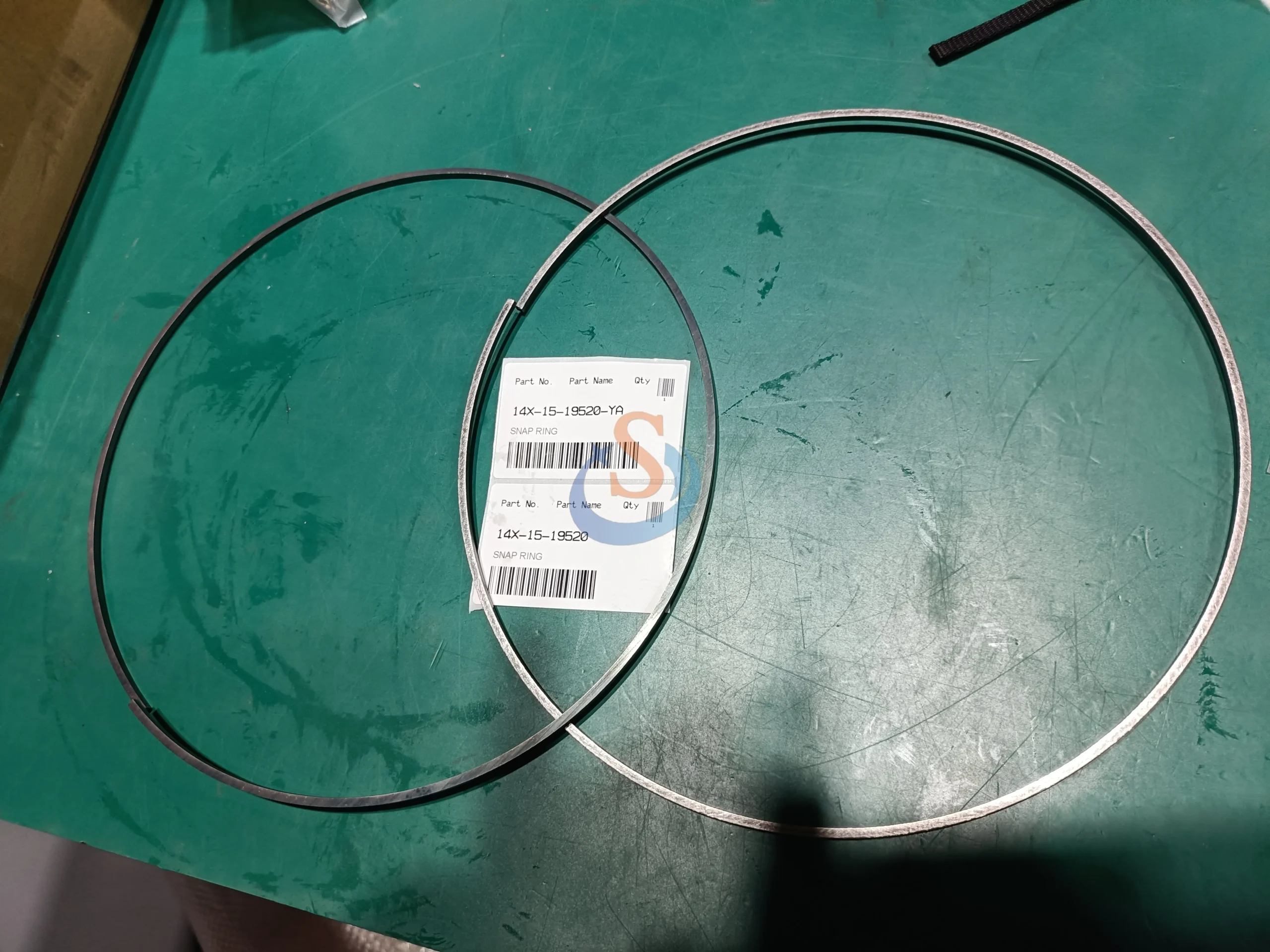 14X-15-19520 RING,SNAP D68ESS,D85PX,WA500
 -
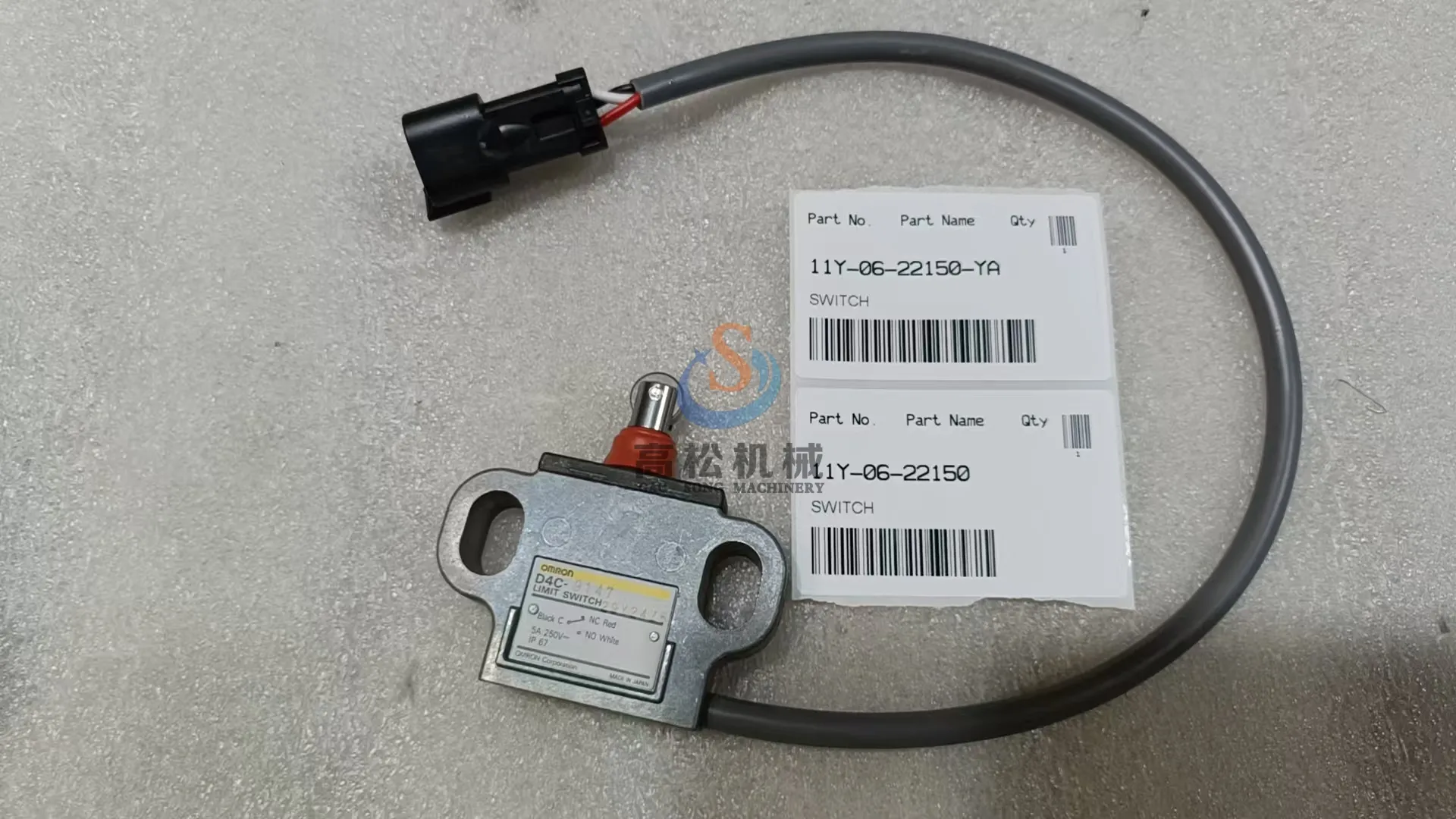 11Y-06-22150 komatsu SWITCH-D155/D275A
 -
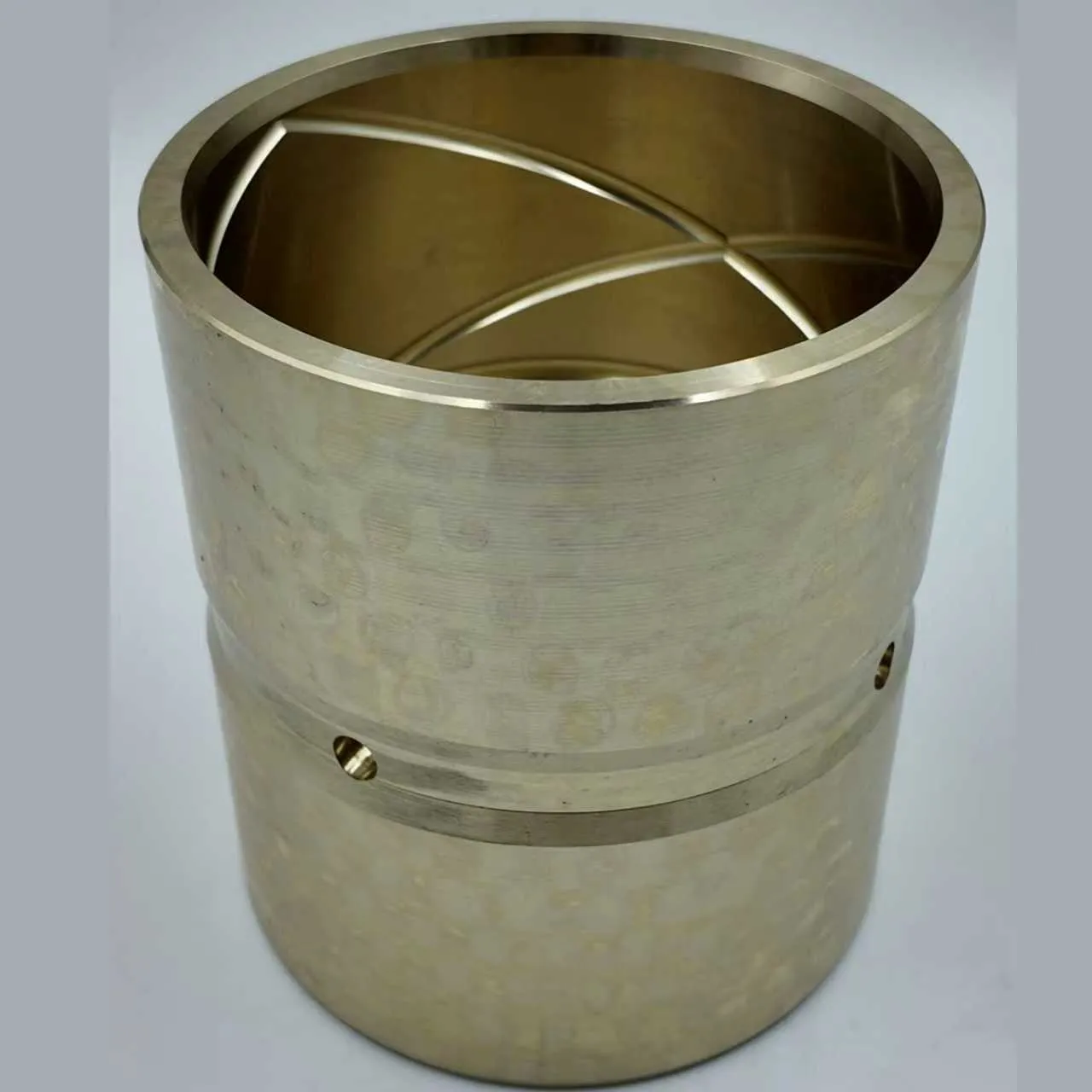 Bushing 207-70-61610 for Komatsu PC350-7 PC300LC-7 PC300-8 PC300LC-7L PC300-7
 -
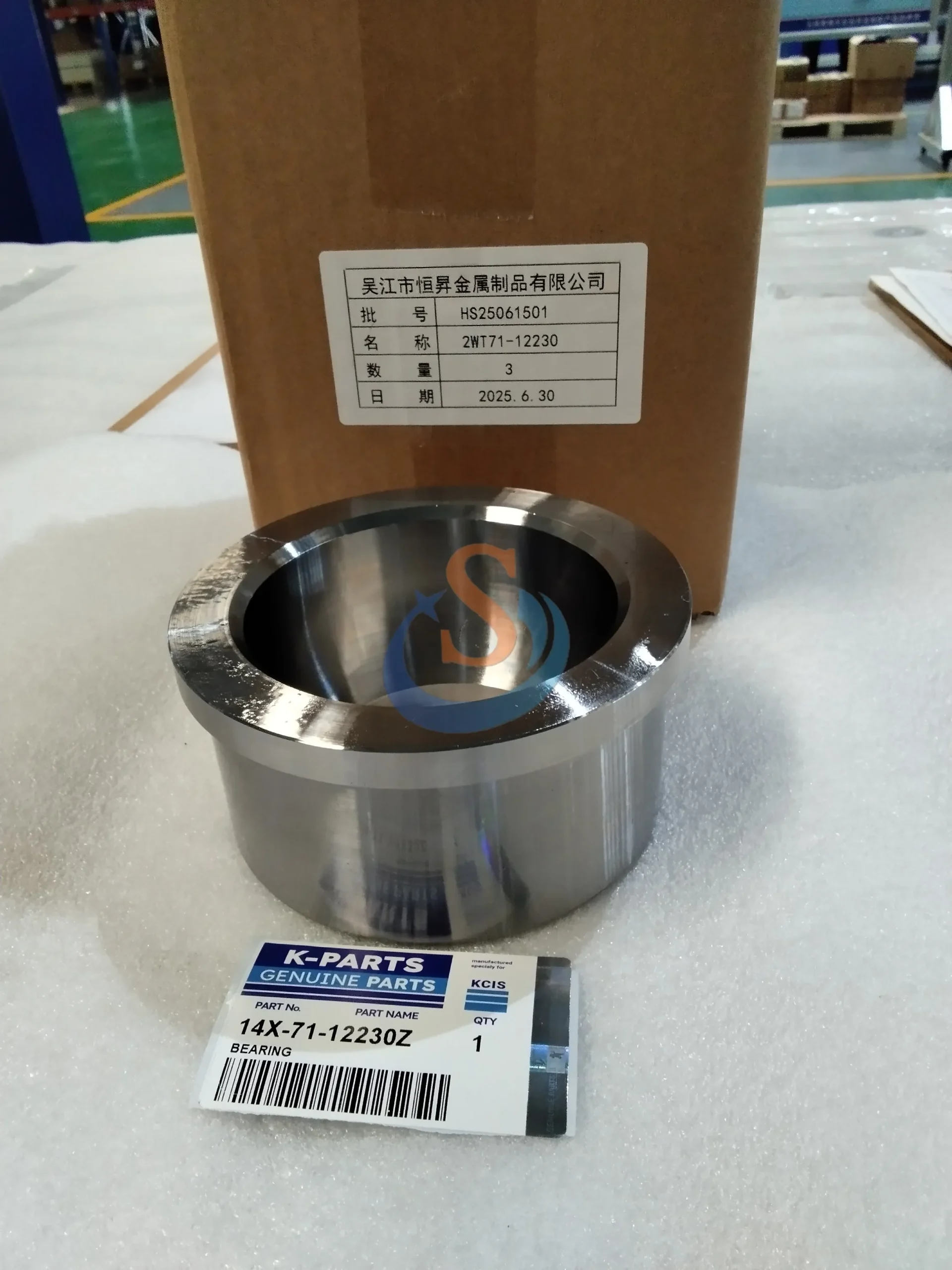 14X-71-12230,BEARING,D65WX,D65PX,D85ESS
 -
 14Y-62-31411 BRACKET made to fit KOMATSU
 -
 KD0-23700-0130 •• REAR BRACKET A-Komatsu Original Factory
 -
 203-54-14330 COLLAR-Komatsu Original Factory