
- Chinese
- French
- German
- Portuguese
- Spanish
- Russian
- Japanese
- Korean
- Arabic
- Irish
- Greek
- Turkish
- Italian
- Danish
- Romanian
- Indonesian
- Czech
- Afrikaans
- Swedish
- Polish
- Basque
- Catalan
- Esperanto
- Hindi
- Lao
- Albanian
- Amharic
- Armenian
- Azerbaijani
- Belarusian
- Bengali
- Bosnian
- Bulgarian
- Cebuano
- Chichewa
- Corsican
- Croatian
- Dutch
- Estonian
- Filipino
- Finnish
- Frisian
- Galician
- Georgian
- Gujarati
- Haitian
- Hausa
- Hawaiian
- Hebrew
- Hmong
- Hungarian
- Icelandic
- Igbo
- Javanese
- Kannada
- Kazakh
- Khmer
- Kurdish
- Kyrgyz
- Latin
- Latvian
- Lithuanian
- Luxembou..
- Macedonian
- Malagasy
- Malay
- Malayalam
- Maltese
- Maori
- Marathi
- Mongolian
- Burmese
- Nepali
- Norwegian
- Pashto
- Persian
- Punjabi
- Serbian
- Sesotho
- Sinhala
- Slovak
- Slovenian
- Somali
- Samoan
- Scots Gaelic
- Shona
- Sindhi
- Sundanese
- Swahili
- Tajik
- Tamil
- Telugu
- Thai
- Ukrainian
- Urdu
- Uzbek
- Vietnamese
- Welsh
- Xhosa
- Yiddish
- Yoruba
- Zulu
- Kinyarwanda
- Tatar
- Oriya
- Turkmen
- Uyghur






Komatsu circle drive
When you hear 'Komatsu circle drive', most people immediately picture that massive, grooved steel ring sitting under an excavator's house. That's not wrong, but it's a surface-level view. The real story is in the interface, the load path, and the sheer engineering tolerance it has to maintain while being pounded by 40-ton swings on a daily basis. I've seen too many failures blamed on 'bad steel' when the issue was a micron-level mismatch in the mounting surface or improper bolt sequencing during installation. It's a component that demands respect, not just a replacement.
The Core Function and Common Misconceptions
Let's get this straight: the circle drive isn't just for rotation. It's the primary structural connection between the upper and lower frames, transmitting all the operational loads—digging forces, swing torque, machine weight. People fixate on the gear teeth or the ball race, but the integrity of the Komatsu circle drive mounting flange is often the make-or-break point. If that deck isn't flat within spec, you're introducing a bending moment the bearings were never designed to handle.
I recall a PC800-6 where the customer complained of persistent 'clunking' during swing and had replaced the swing bearing twice. Everyone went for the obvious suspect. Finally, after hours of inspection with a straight edge and feeler gauges, we found a localized depression on the carrier frame's mounting surface, likely from a past structural weld repair. The Komatsu circle drive itself was perfect; the foundation was failing it. That was a costly lesson in diagnosis sequence.
Another misconception is treating all circle drives as commodities. A Komatsu OEM unit, a so-called 'compatible' aftermarket part, and a genuine remanufactured one are worlds apart. The difference isn't just in the hardness of the raceway but in the precision of the gear tooth profile and the quality of the seal integration. A slight deviation in tooth geometry will eat up your pinion in a few hundred hours, a failure that's rarely attributed back to the root cause.
Sourcing Real Parts: The OEM and Third-Party Landscape
This is where the rubber meets the road. Getting a genuine Komatsu part, especially for older models or in regions with supply chain bottlenecks, can be a nightmare of lead times and cost. This is precisely the gap that legitimate third-party suppliers aim to fill. They aren't all back-alley counterfeiters. Some, like Jining Gaosong Construction Machinery Co., Ltd., operate with a clear model: they are an OEM product supplier within the Komatsu system. That phrasing is key.
What does that mean in practice? It often means they produce or source components to Komatsu's engineering drawings and quality protocols, sometimes for the aftermarket channel that Komatsu itself supports. They can also act as a third-party sales company for Komatsu, which is crucial for markets where the official distribution is thin. Their stated goal of helping to solve parts supply challenges in certain countries isn't just marketing speak; it's a daily reality for fleet managers in remote mining or infrastructure projects.
Dealing with a company like this requires a different vetting process. You're not just checking a price. You're asking for traceability: heat lot codes for the forged rings, certification for the gear hobbing process, and most importantly, the sealing kit specification. The seal is the lifeblood of the circle drive. A subpar seal package will let in abrasive dust and kill the bearing, regardless of how good the steel is.
Installation Pitfalls and Field Observations
Even with a perfect part, the installation is a high-stakes procedure. The manual gives you the torque values, but it doesn't fully convey the consequence of skipping steps. Cleaning the mounting surfaces isn't just about wiping off dirt; it's about removing all old sealant, paint, and burrs. I've seen technicians use a grinder to 'clean' a surface, instantly creating low spots that guarantee premature failure.
The bolt tightening sequence is non-negotiable. It's a cross-torquing pattern that ensures the Komatsu circle drive is pulled down evenly, without distorting the ring. You need a calibrated torque wrench and a methodical approach. The temptation to use an impact wrench for the final 'snug' is huge, but that's how you stretch bolts and create uneven preload. I'll admit, on a tight deadline in a muddy pit, I've felt that temptation. The few times we cut corners, it came back to haunt us with uneven wear patterns within 2000 hours.
Then there's alignment. After bolting down the circle drive, you must check the pinion mesh. The backlash spec is tight, often between 0.2 to 0.5mm. This isn't a guess. You use a dial indicator. An overly tight mesh will overheat and spall; too loose will cause hammering and tooth fracture. It's a simple check that is so often rushed or ignored entirely.
Failure Analysis and What the Wreckage Tells You
When a circle drive fails, it's a forensic exercise. The pattern of damage is a direct report card on what went wrong. Spalling or brinelling on the raceway? That's usually contamination from failed seals or improper lubrication. Localized plastic deformation or cracking on the mounting flange? That's a sure sign of a poor mounting surface or insufficient bolt preload.
One of the most telling failures is gear tooth pitting or breakage. If it's at the root, look at shock loads or an under-spec component. If it's on the flank, the culprit is almost always incorrect backlash or misalignment. I remember pulling a unit from a PC360-8 where every third tooth on the pinion was sheared clean off. The initial diagnosis was 'defective gear.' However, the circle drive gear showed corresponding damage only on one side of its teeth. That pointed to a parallel misalignment issue—the swing motor mount was likely out of plane, forcing a skewed engagement. The replacement part wasn't the solution; correcting the structural alignment was.
This is why sourcing from a technically competent supplier matters. A company that understands these failure modes, like the one mentioned earlier, can often provide more than just a part. They can offer installation guidance or even point out common pitfalls for specific machine models. That technical backup is what separates a parts vendor from a solutions partner.
The Long-Term View: Maintenance and Lifecycle Cost
Thinking of the Komatsu circle drive as a 'lifetime' component is a mistake. It's a wear item, but its lifespan is directly proportional to care. The grease is its life support. You must use the specified extreme-pressure, high-adhesion grease. Standard lithium grease will channel and leave the raceways unprotected. The interval is critical too—it's not just about adding grease, but about purging out the old, contaminated grease and the microscopic wear particles.
We started implementing a simple but effective practice on our fleet: during every major service, we'd take a grease sample from the purge port of the circle drive. Not for fancy oil analysis, but to visually check for metal flakes or a gritty texture. It's a low-tech, high-value check that gave us early warning more than once.
Ultimately, the cost of a circle drive isn't just its purchase price. It's the downtime for replacement, the cost of the installation labor (and potential for error), and the risk of collateral damage to the pinion and swing motor. Investing in a correctly sourced, properly installed, and meticulously maintained unit isn't an expense; it's the cheapest option over the machine's lifecycle. It comes down to treating it as the precision, mission-critical component it is, not just a big bearing. That mindset shift is what separates a running machine from a reliable asset.
Related Products
Related Products

Best Selling Products
Best Selling Products-
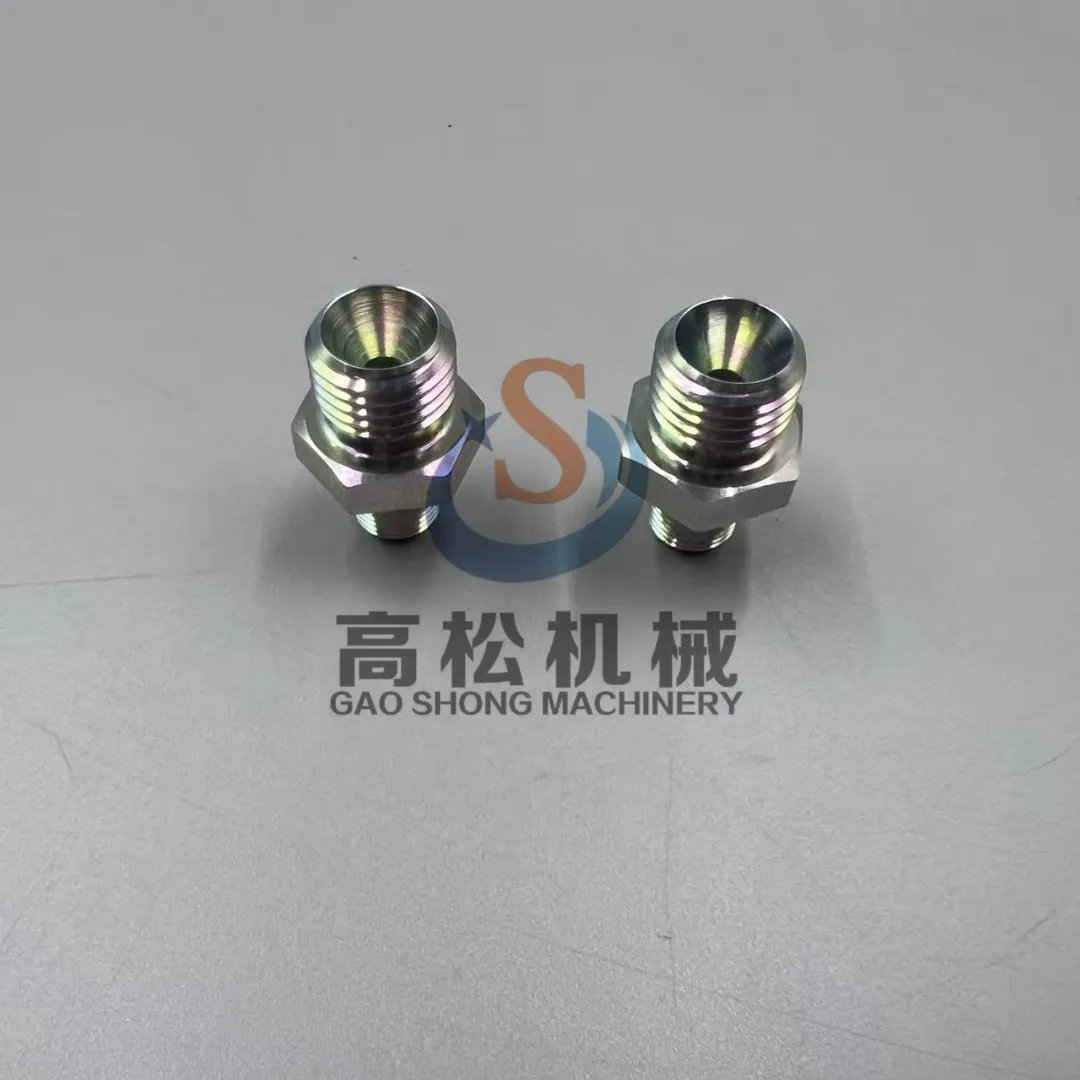 07213-50710 Connector for Komat Su D275A/D375A/D475A/PC600/PC1250
 -
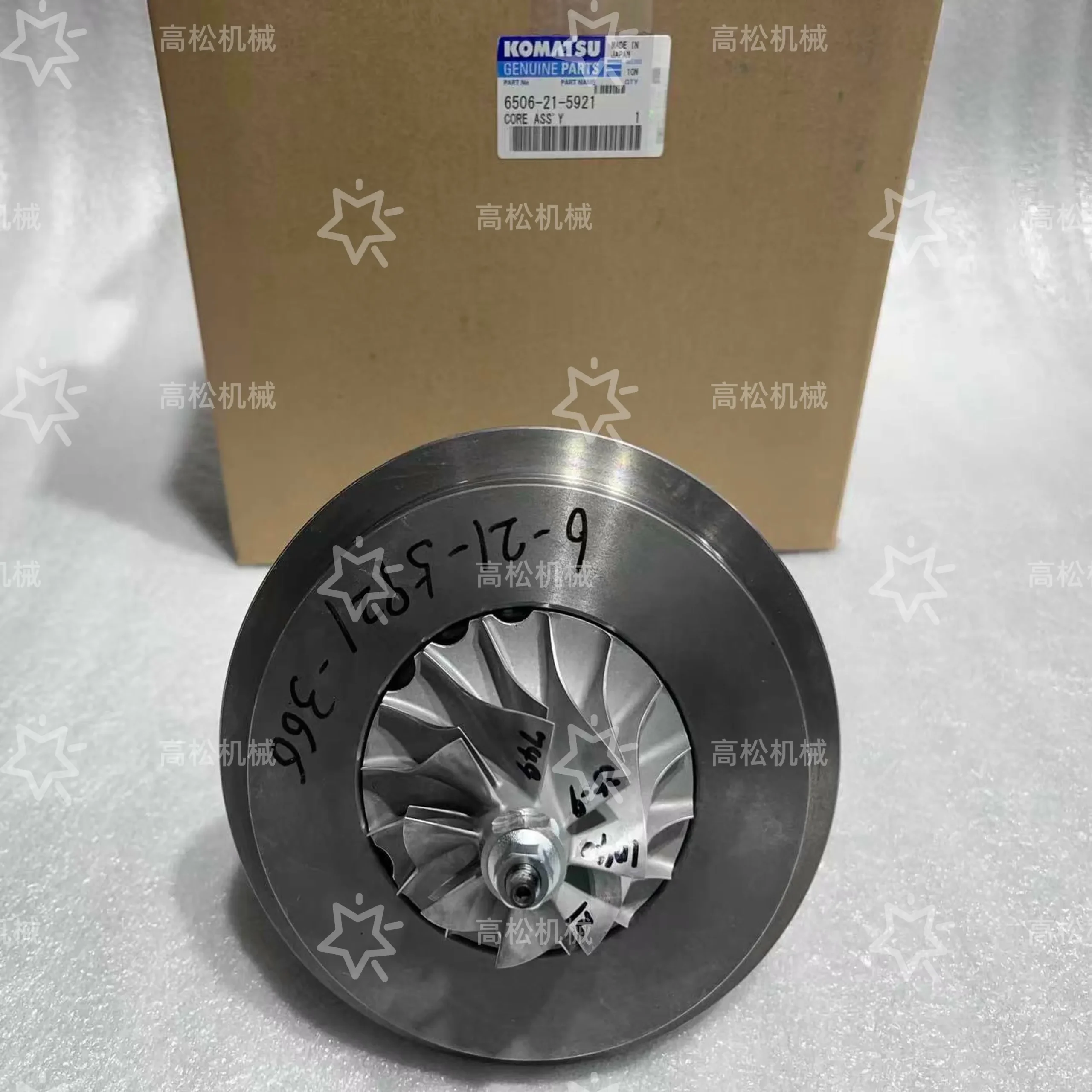 6506-21-5921 Komatsu Core Assembly
 -
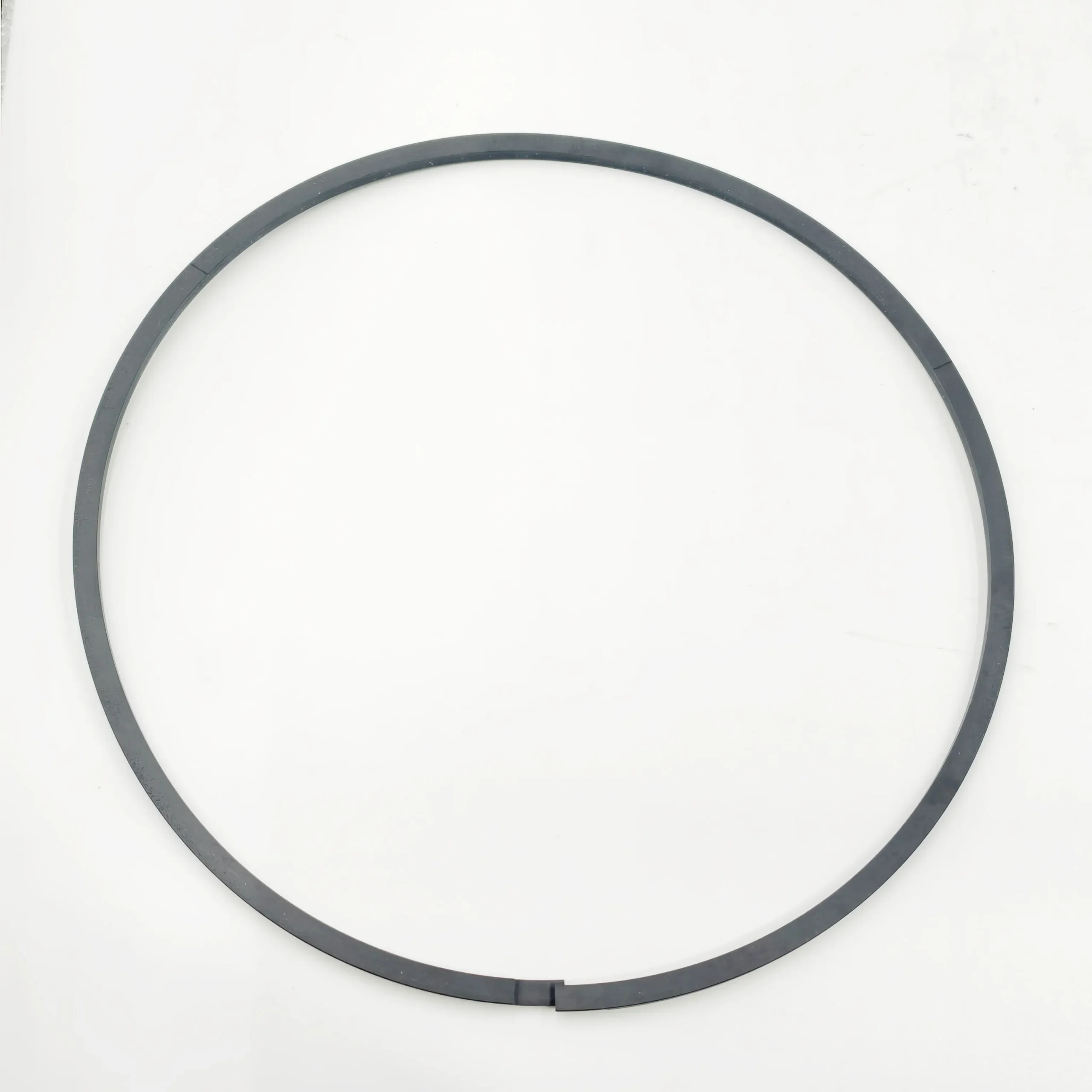 KOMATSU-SEAL RING 14X-15-19210
 -
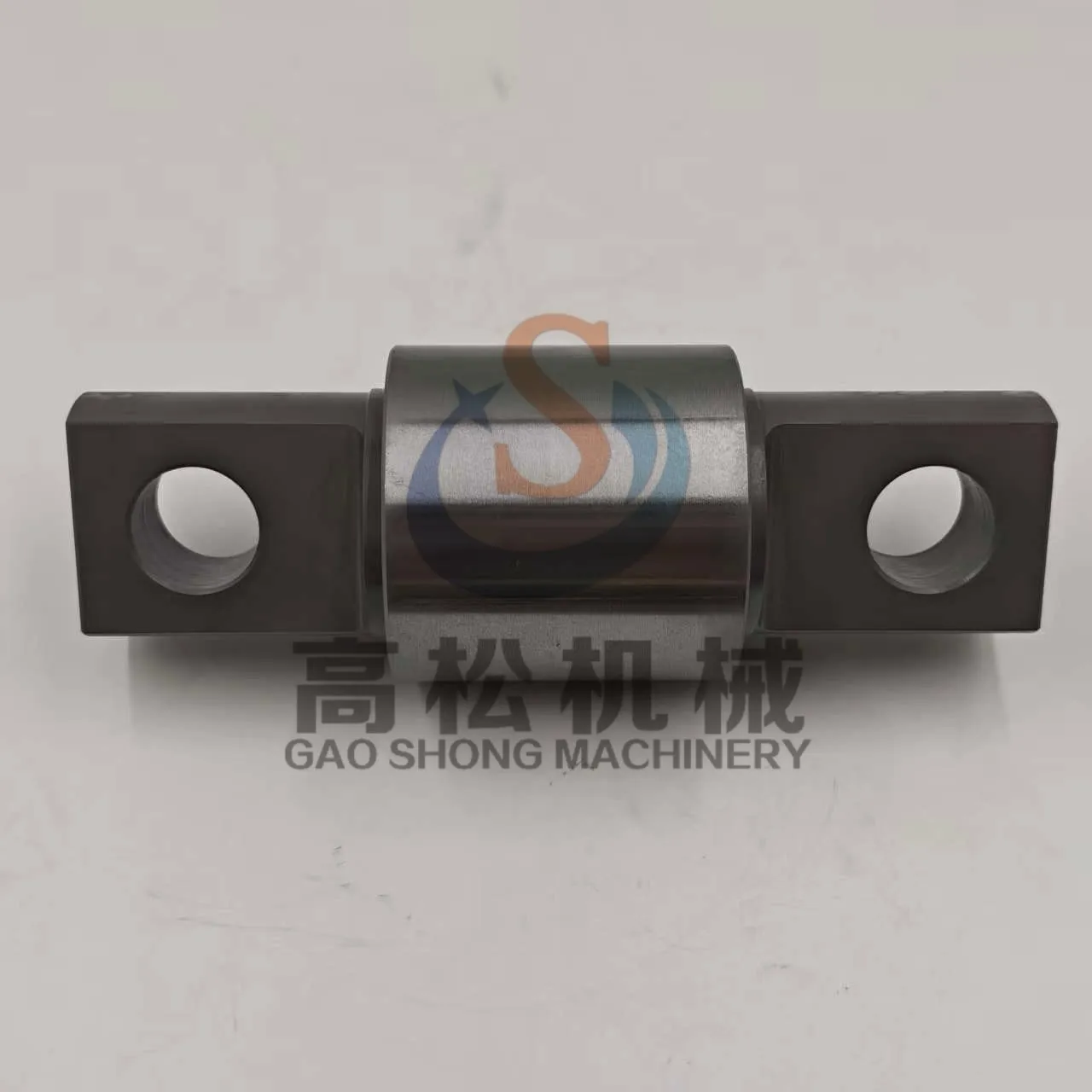 CUSHION 56B-16-11211 – KOMATSU
 -
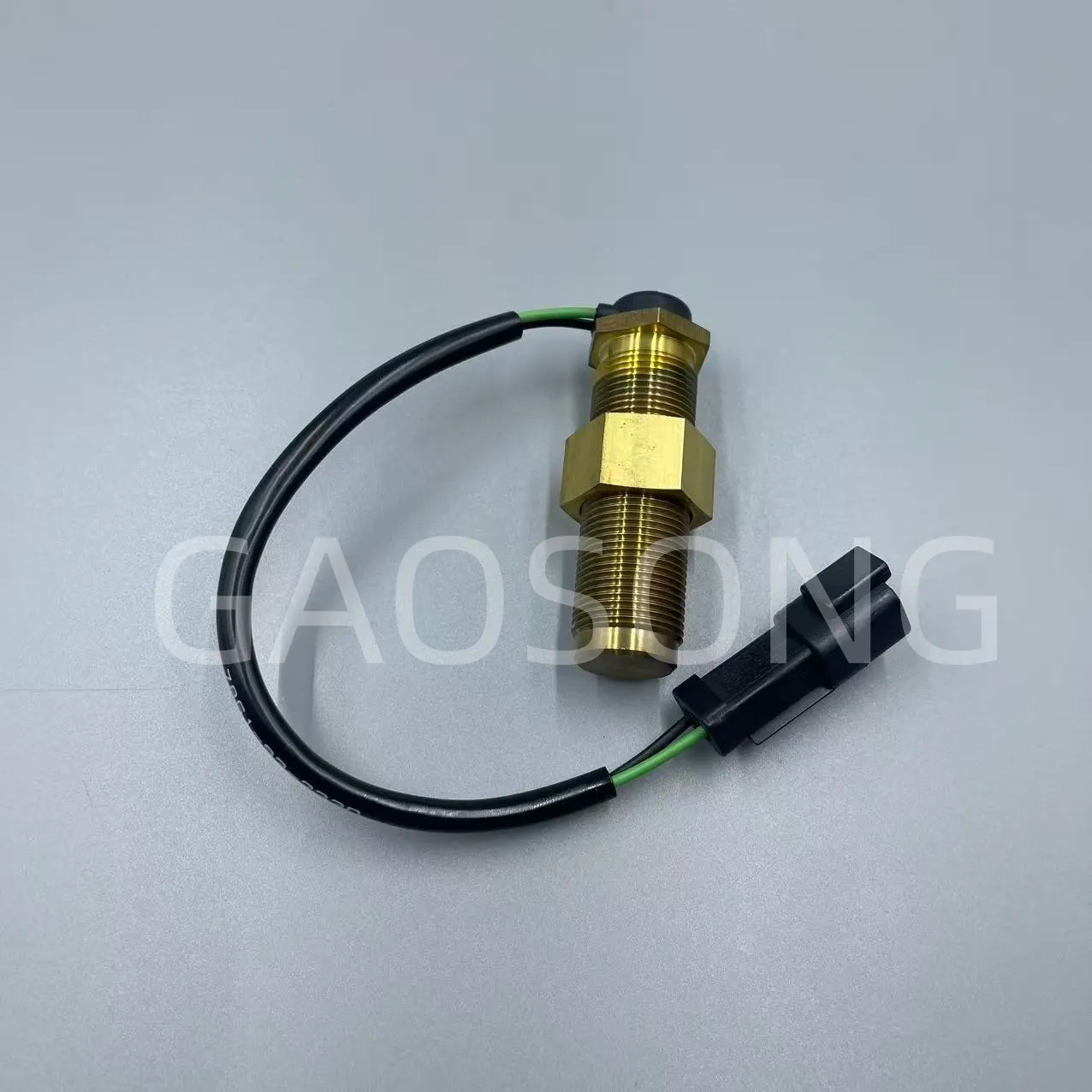 7861-93-2330 SENSOR,REVOLTION–Komatsu Original Factory
 -
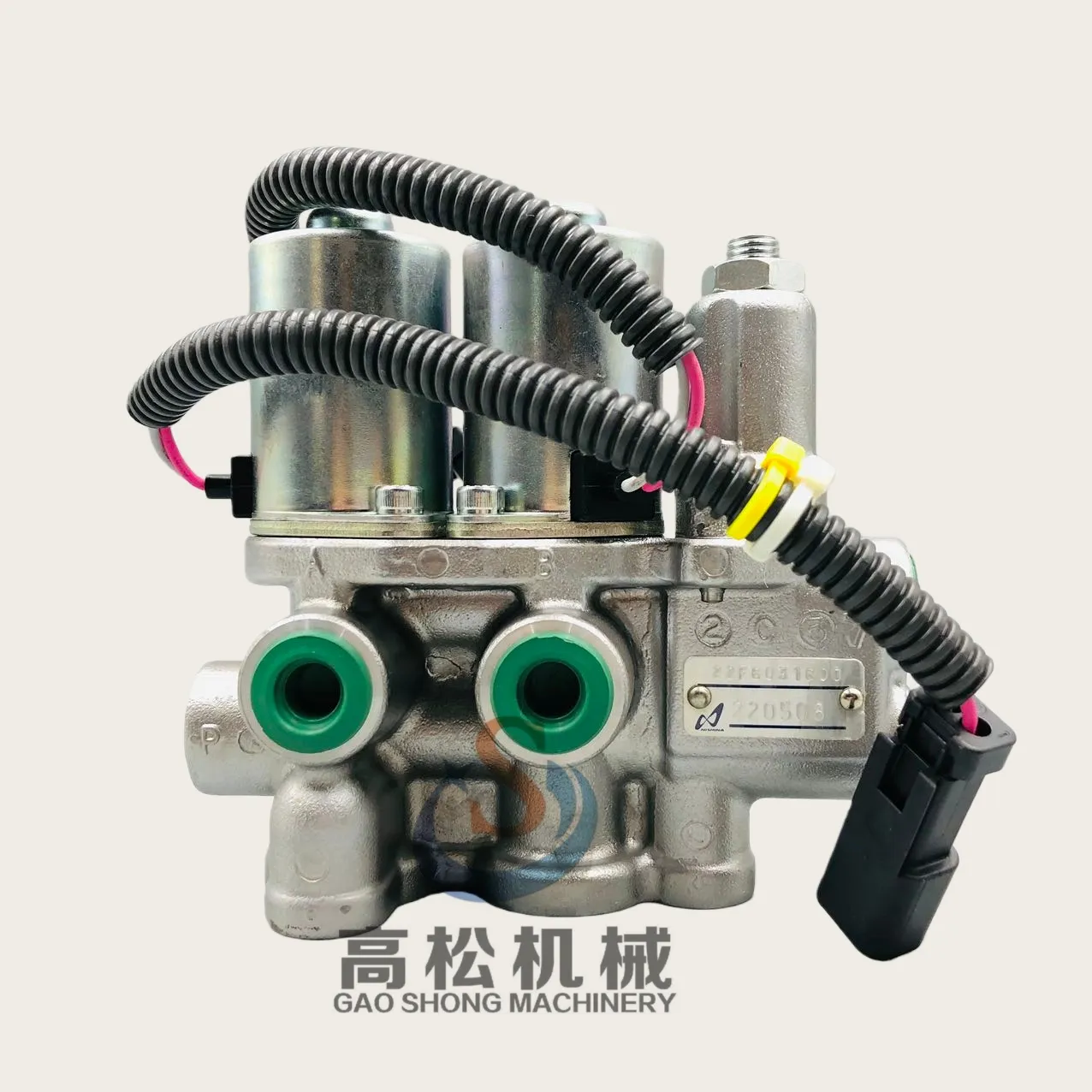 komatsu 22F-60-31600 VALVE ASS’Y PC18MR-3 PC35MR-3 PC45MR-3 PC55MR-3 MAIN VALVE
 -
 569-40-83470komatsu HD405-7 HD325-7 HD605-7R HD465-7E0 HD785-7
 -
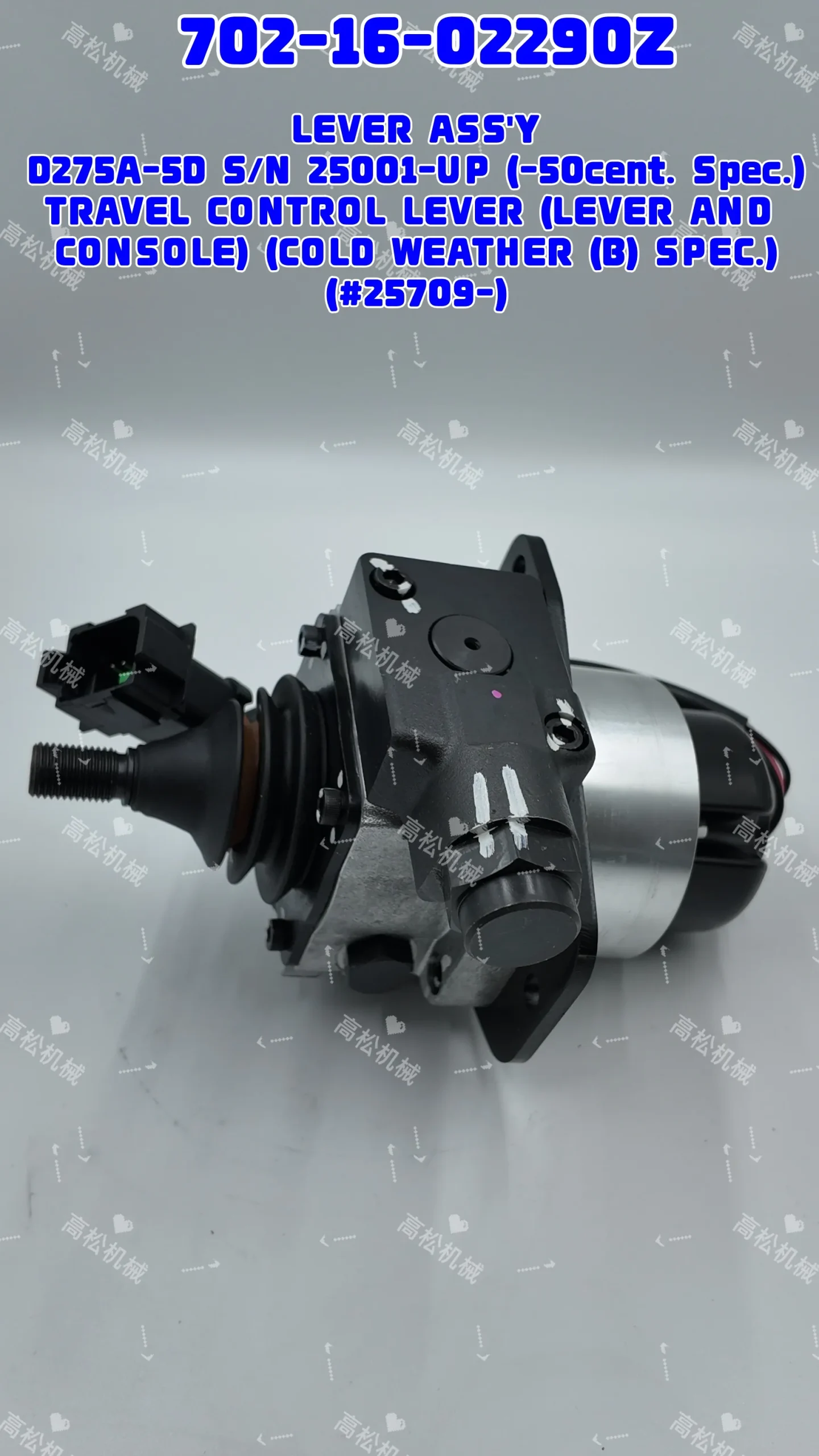 komatsu-part-702-16-02290 Lever Assembly D65WX-17 D65PX-18 D65WX-18E0 D85MS-15 D85EX-15R D155AX-6 D155AX-7 D475A-5E0 D475ASD-5E0 FLOOR FRAME, LEVE CONTROL UNIT, PCCS (PALM COMMAND CONTROL SYSTEM) LEVER ROPS CAB, PCCS (PALM COMMAND CONTROL SYSTEM) LEVER CONTROL UNIT, PCCS (PALM COMMAND CONTROL SYSTEM) LEVER
 -
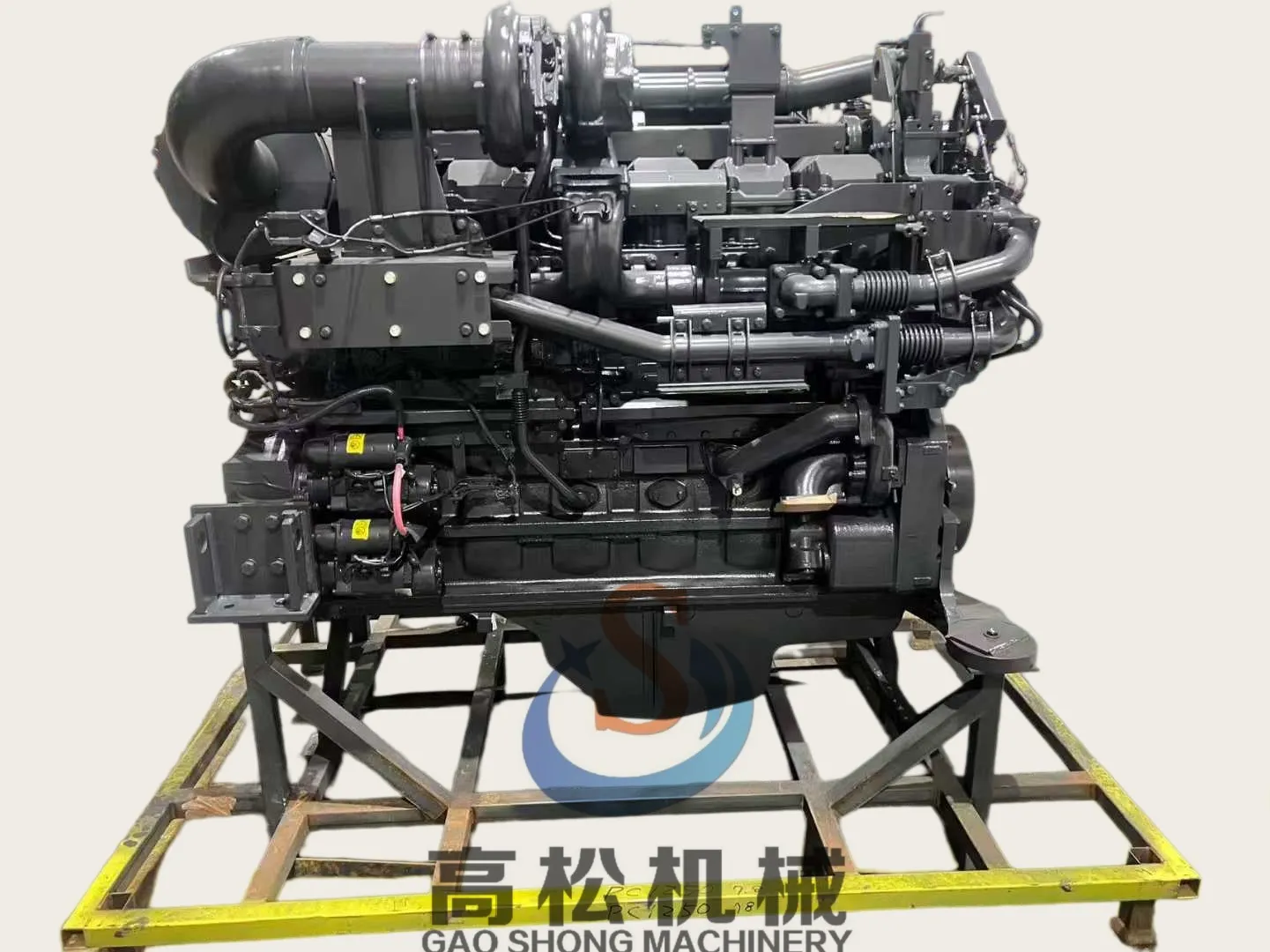 Diesel Engine Motor Engine Assembly Engine Assembly 6D170e-5 PC1250-7 PC1250-8 Complete Engine Assy Parts SAA12/140-3 SAA6D170E-5 SAA6D107E-1 SAA6D114E-3 SAA6D140E-5 SAA6D140E-5 SAA12/140-3
 -
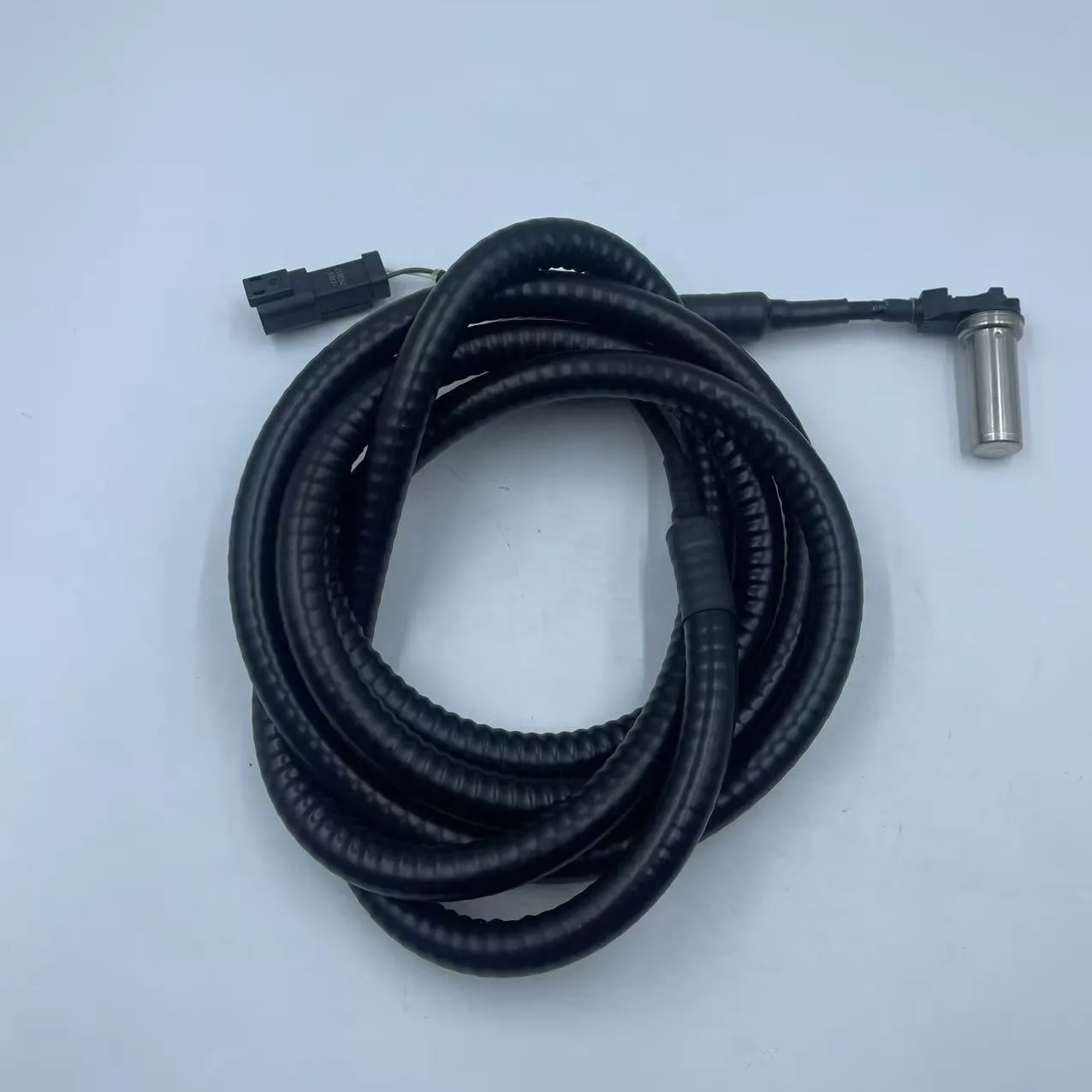 ZGZJYBL Sensor for Komatsu HD785-7 Dump Truck 566-88-66143 5668866143
 -
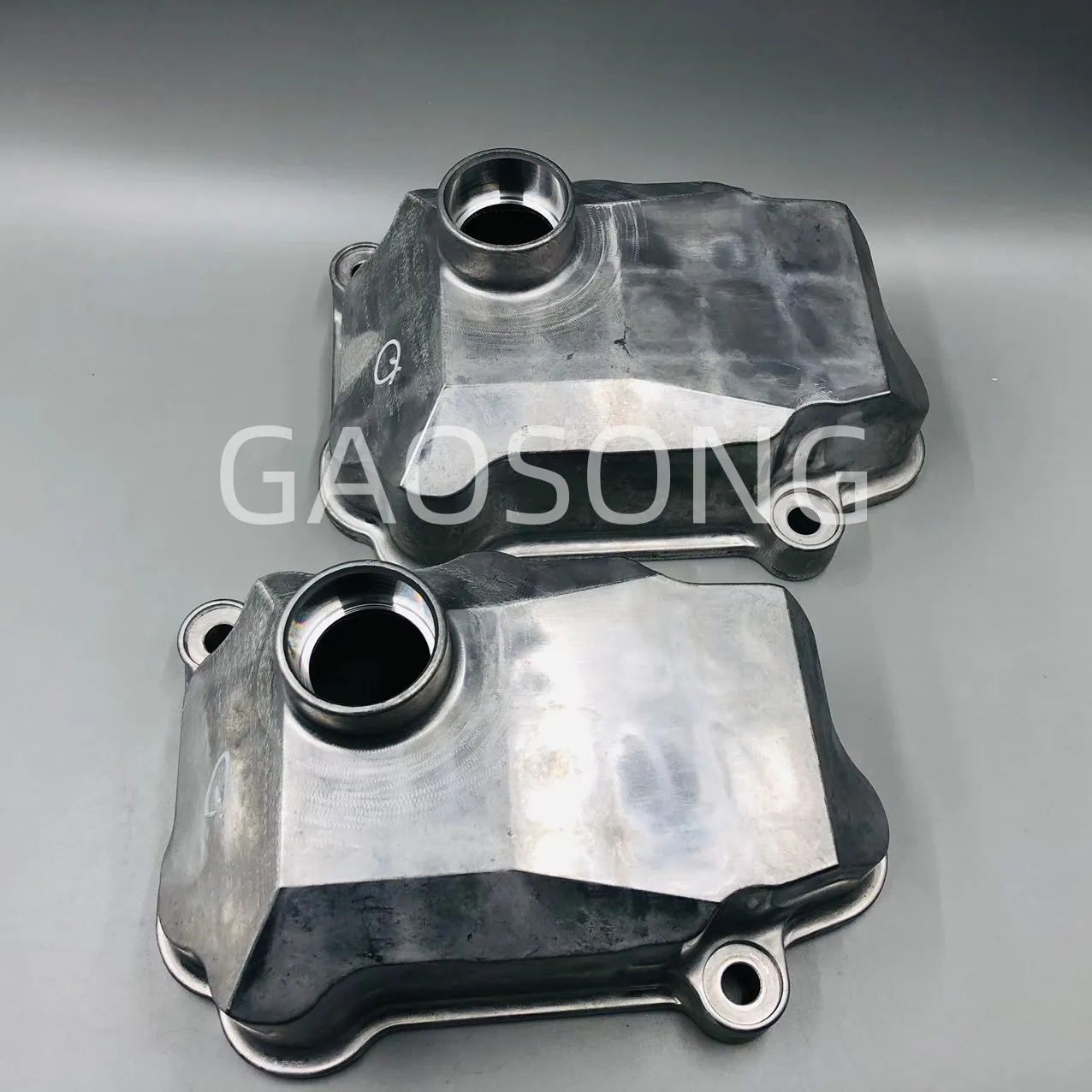 6251-11-8150 COVER, ROCKER ARM HOUSING-Komatsu Original Factory
 -
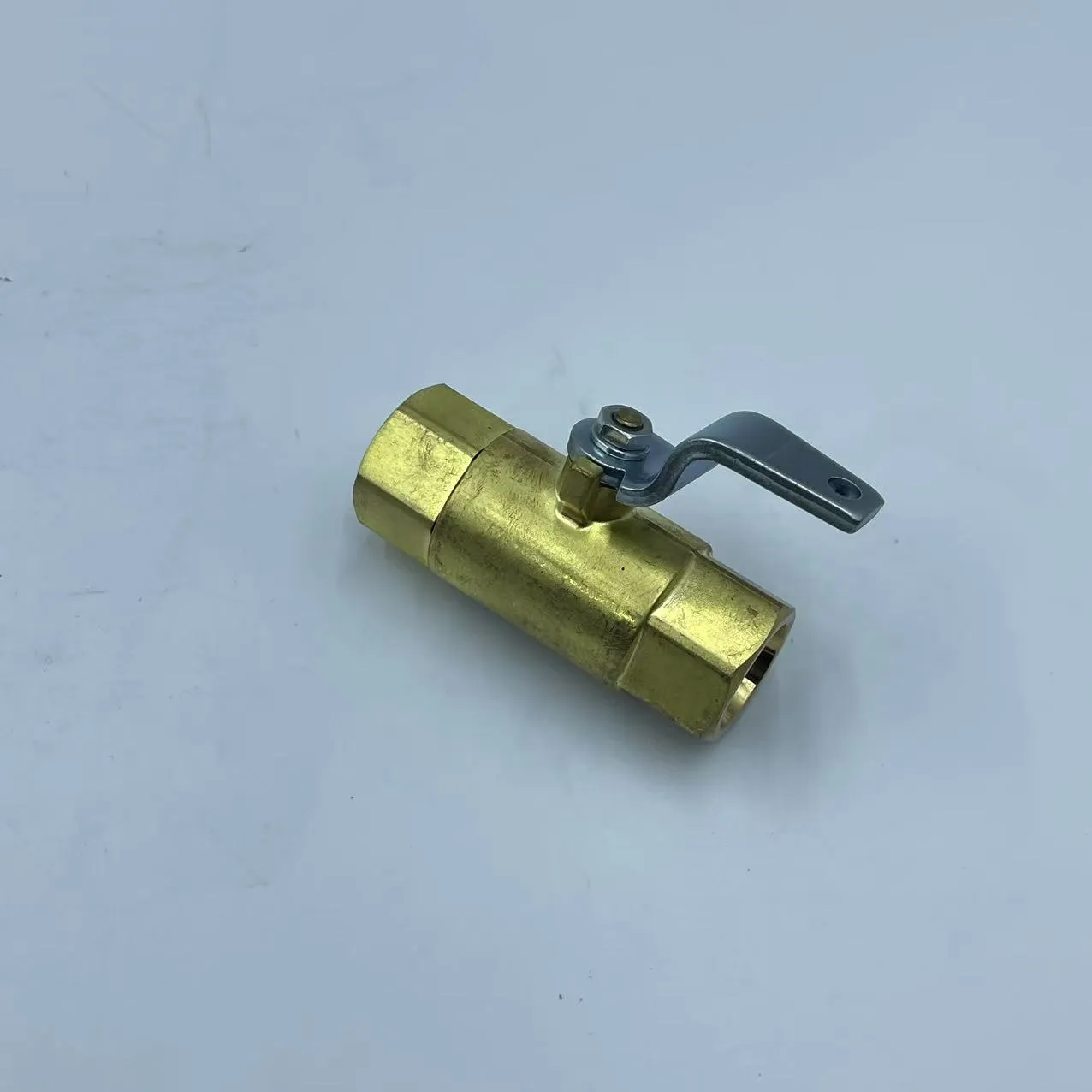 VALVE 20Y-62-15651 – KOMATSUBATTERY, D275A, D375A, FRONT, WA150, WA200, WA320
Related Search
Related Search- komatsu mini digger parts
- komatsu pc35mr 2 parts
- 235-46-11460
- OEM AND ORIGINAL KOMATSU PIN 426-46-11411
- OEM AND ORIGINAL KOMATSU BRACKET 17M-71-41951
- komatsu pc200 hydraulic pump
- OEM AND ORIGINAL KOMATSU BUSHING 427-70-11824
- Komatsu air filter
- OEM AND ORIGINAL KOMATSU SHAFT 235-70-45170
- komatsu 6d125 engine for sale