
- Chinese
- French
- German
- Portuguese
- Spanish
- Russian
- Japanese
- Korean
- Arabic
- Irish
- Greek
- Turkish
- Italian
- Danish
- Romanian
- Indonesian
- Czech
- Afrikaans
- Swedish
- Polish
- Basque
- Catalan
- Esperanto
- Hindi
- Lao
- Albanian
- Amharic
- Armenian
- Azerbaijani
- Belarusian
- Bengali
- Bosnian
- Bulgarian
- Cebuano
- Chichewa
- Corsican
- Croatian
- Dutch
- Estonian
- Filipino
- Finnish
- Frisian
- Galician
- Georgian
- Gujarati
- Haitian
- Hausa
- Hawaiian
- Hebrew
- Hmong
- Hungarian
- Icelandic
- Igbo
- Javanese
- Kannada
- Kazakh
- Khmer
- Kurdish
- Kyrgyz
- Latin
- Latvian
- Lithuanian
- Luxembou..
- Macedonian
- Malagasy
- Malay
- Malayalam
- Maltese
- Maori
- Marathi
- Mongolian
- Burmese
- Nepali
- Norwegian
- Pashto
- Persian
- Punjabi
- Serbian
- Sesotho
- Sinhala
- Slovak
- Slovenian
- Somali
- Samoan
- Scots Gaelic
- Shona
- Sindhi
- Sundanese
- Swahili
- Tajik
- Tamil
- Telugu
- Thai
- Ukrainian
- Urdu
- Uzbek
- Vietnamese
- Welsh
- Xhosa
- Yiddish
- Yoruba
- Zulu
- Kinyarwanda
- Tatar
- Oriya
- Turkmen
- Uyghur





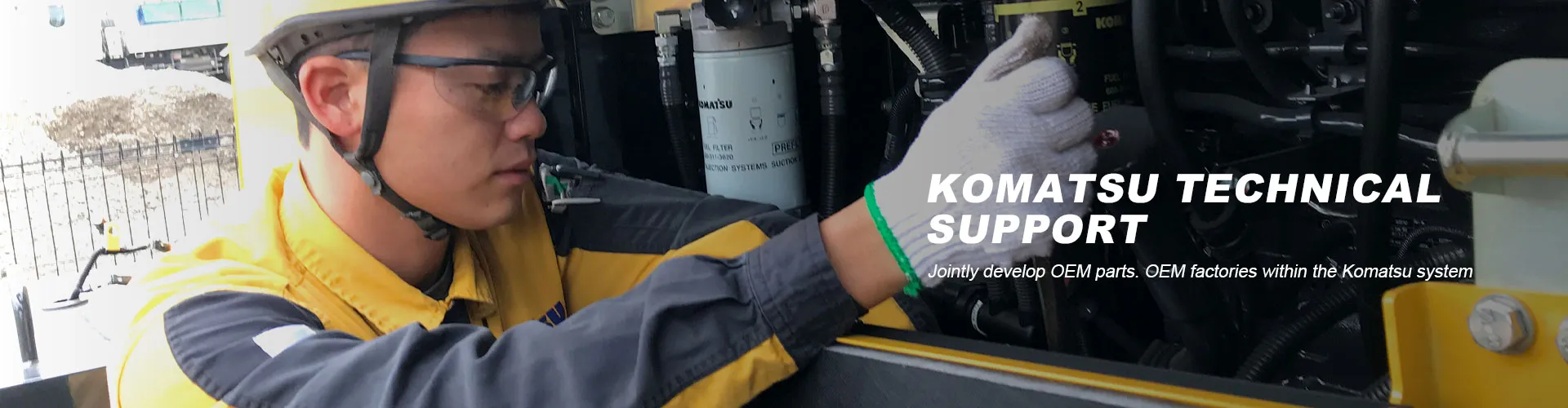
Komatsu cabin filter
When most folks hear 'Komatsu cabin filter,' they think it's just a simple screen to keep dust out of the operator's air. That's the biggest misconception. In reality, it's a critical component for operator health, equipment longevity, and even sensor protection in newer models. I've seen too many filters changed too late, leading to clogged evaporators and complaints of weak A/C, which mechanics then misdiagnose as a refrigerant issue. It's not just about air quality; it's about system integrity.
The Real Function and Common Oversights
Let's be clear: the primary job is protecting the person in the seat. In high-dust environments—think demolition, mining, or dry earthmoving—the particulate load is insane. A saturated filter doesn't just stop working; it becomes a source of resistance. The blower motor strains, airflow drops, and the operator cranks the fan to max, creating a vicious cycle. I recall a D61EXi-23 where the operator complained of headaches and fatigue. Everyone looked at fuel quality and hydraulics. Turns out, the cabin air was so stale and under-pressurized that CO and dust seepage was the culprit. A Komatsu cabin filter, changed on schedule, fixed it.
But here's the nuance many miss: the filter media isn't universal. For Komatsu, especially from the Dash-8 series onward, many filters incorporate an activated charcoal layer. This isn't for dust; it's for gaseous pollutants and odors. If you're working near landfills or chemical sites, this layer is exhausted long before the particulate side is clogged. Just looking at the filter won't tell you that. You need to go by hours and environment. A pure particulate filter might look dirty but still functional; a combo filter might look clean but be chemically spent.
Then there's the fit. Aftermarket panels are notorious here. The filter might be the right dimensions on paper, but the gasket seal is often softer or the frame less rigid. In a Komatsu cab, the filter housing is designed for a specific compression. A poorly fitting filter allows bypass—dust takes the path of least resistance, flowing around the media, not through it. You get a false sense of security. I always stress using OEM-spec parts for this reason. It's not about brand snobbery; it's about geometry and seal integrity.
Sourcing Challenges and the OEM Link
This is where the real-world headache begins. For dealers in well-supported regions, getting a genuine Komatsu cabin filter is straightforward. But in emerging markets or for older, still-operational machines, the official supply chain can freeze up. You're left waiting for parts, or worse, using makeshift solutions. I've seen operators try to clean filters with compressed air, which destroys the media's fiber structure, or even wash them, which ruins any charcoal layer and promotes mold. Desperation moves.
This gap is exactly where companies with a foot in both the OEM and third-party world become invaluable. Take Jining Gaosong Construction Machinery Co., Ltd., for instance. Their model is instructive. As an OEM product supplier within the Komatsu system, they have the pipeline and specifications for genuine-grade parts. But their role as a third-party sales company for Komatsu allows them to navigate the logistical hurdles in certain countries. When a mine in a remote location can't get a filter for a PC7000, they help solve that parts supply challenge. It's not just about selling a box; it's about understanding the machine application and ensuring the part meets the spec. You can check their approach at their portal, https://www.takematsumachinery.com.
The key is traceability. A filter from a reputable supplier in this space should have a clear lineage. Is the media supplier the same one Komatsu uses? Is the pleat count and depth identical? I've compared side-by-side: a genuine filter versus a compatible one from a generic brand. The weight difference was noticeable—the genuine one was heavier, indicating more media and adhesive. The cheap one used a weaker frame that warped under humidity. For a part that costs a fraction of a downtime hour, the risk isn't worth it.
Practical Checks and a Costly Lesson
Field maintenance for these is often too simplistic: change every 500 hours. That's a starting point, not a rule. I now recommend a visual and airflow check at every 250-hour service interval in severe dust. Pull the filter, hold it up to a strong light. If you can't see light through a significant portion of it, it's done. Don't tap it out; that just drives fine particles deeper into the media.
Here's a case that stuck with me. A contractor running a fleet of WA380 loaders was burning through blower motor resistors. They'd replace them, and they'd fail again in a few weeks. They blamed electrical issues. After the third failure, someone finally checked the cabin filter. It was a non-OEM part that had collapsed inward, partially blocking the intake plenum. The blower was pulling against a huge restriction, overheating the resistor bank constantly. The fix? A proper Komatsu cabin filter and a cleaning of the evaporator core, which was coated in the dust that had bypassed the failed filter. The cost of three resistors and labor far exceeded a decade's supply of proper filters.
The lesson is systemic thinking. The cabin air system is a closed loop. The filter is its kidney. Fail it, and you poison the whole system—operator comfort, electrical components, and HVAC performance. It's a small part with a massive duty.
Future Considerations and Final Take
With newer Komatsu machines featuring advanced climate control and air quality sensors, the filter's role is expanding. Some models monitor pressure drop across the filter and will trigger a warning on the monitor. Using a sub-par filter with higher initial resistance can trigger false alarms. The system is getting smarter, and the parts need to keep up.
So, what's the bottom-line judgment? Never treat the cabin filter as a commodity. It's a precision wear item. Source it with the same diligence you would a hydraulic filter. Prioritize suppliers who understand the OEM specifications and the operational realities, like those who explicitly focus on solving supply challenges. The goal is clean, ample airflow for the duration of the service interval. Anything less is compromising the machine's operation and, more importantly, the operator's well-being.
In the end, it's a simple choice. You can pay a little more for the right part now, or you can pay a lot more later in compounded failures and lost productivity. In this business, the right filter is never the place to cut a corner.
Related Products
Related Products
Best Selling Products
Best Selling Products-
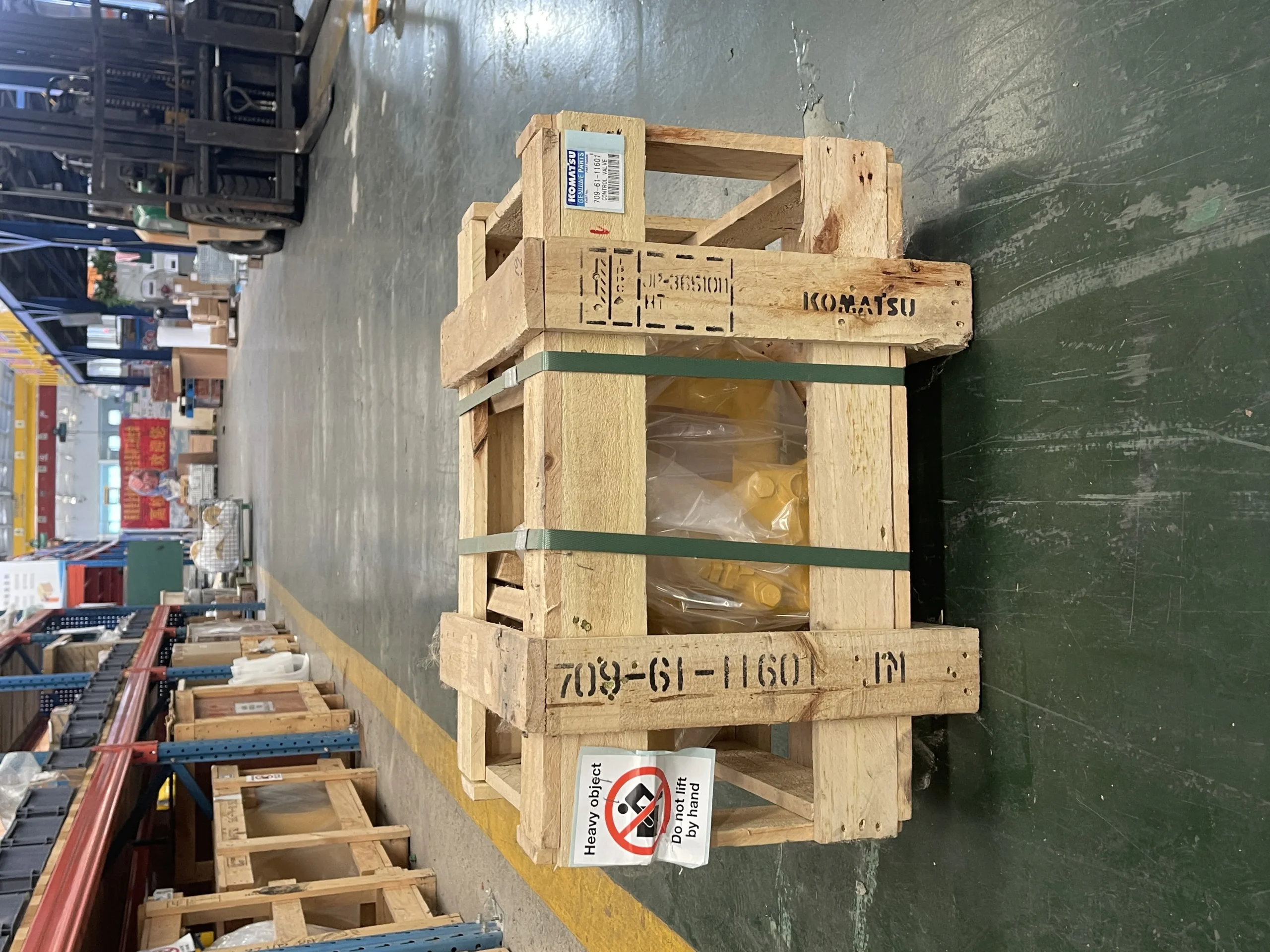 709-61-11601 Valve Assembly for Komatsu D375A-5
 -
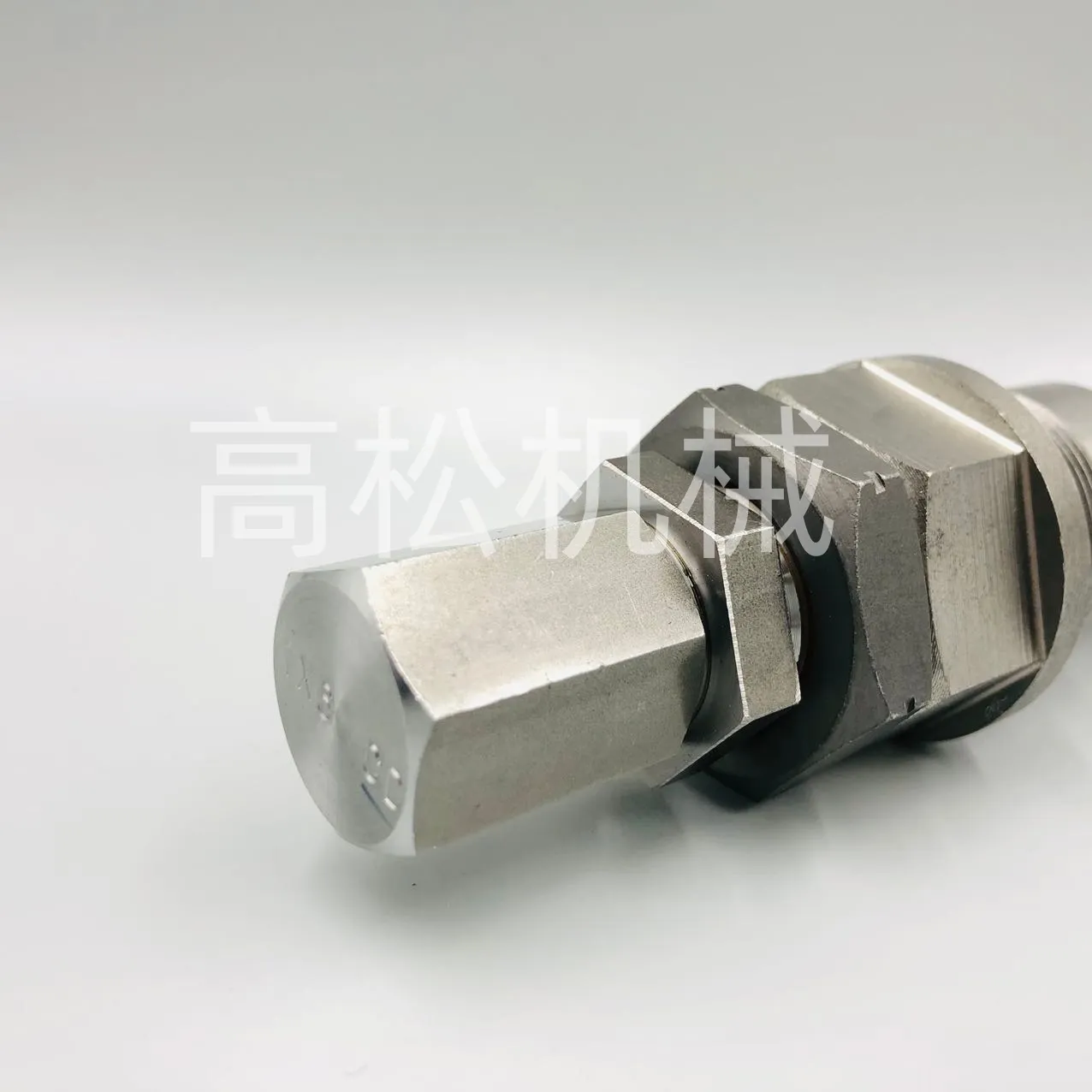 Komatsu700-89-66000 RELIEF VALVE-Komatsu Original Factory
 -
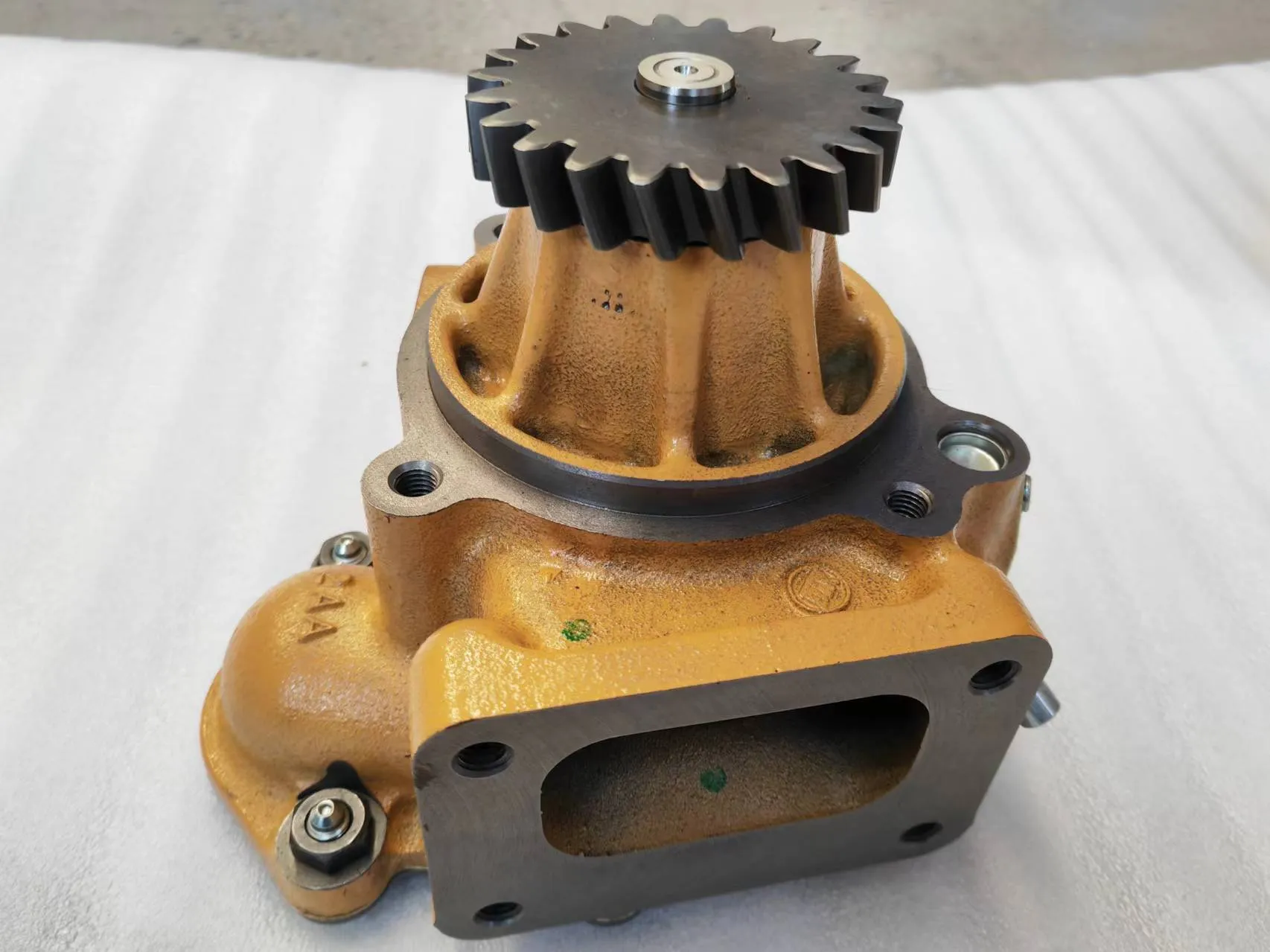 WA480-6 engine water pump 6251-61-1101
 -
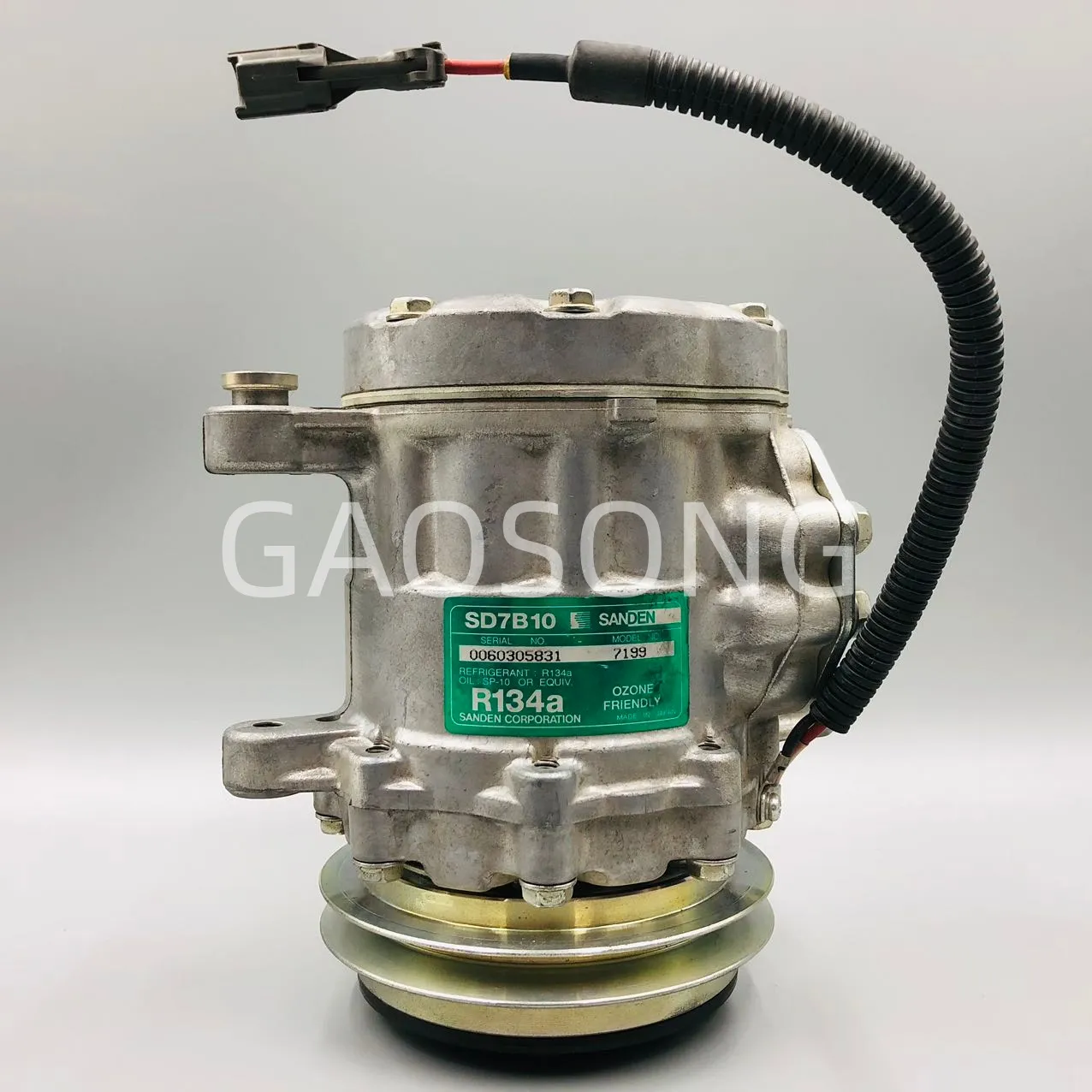 12V PC56-7 Excavator Air Conditioning Accessories 22L-979-2200
 -
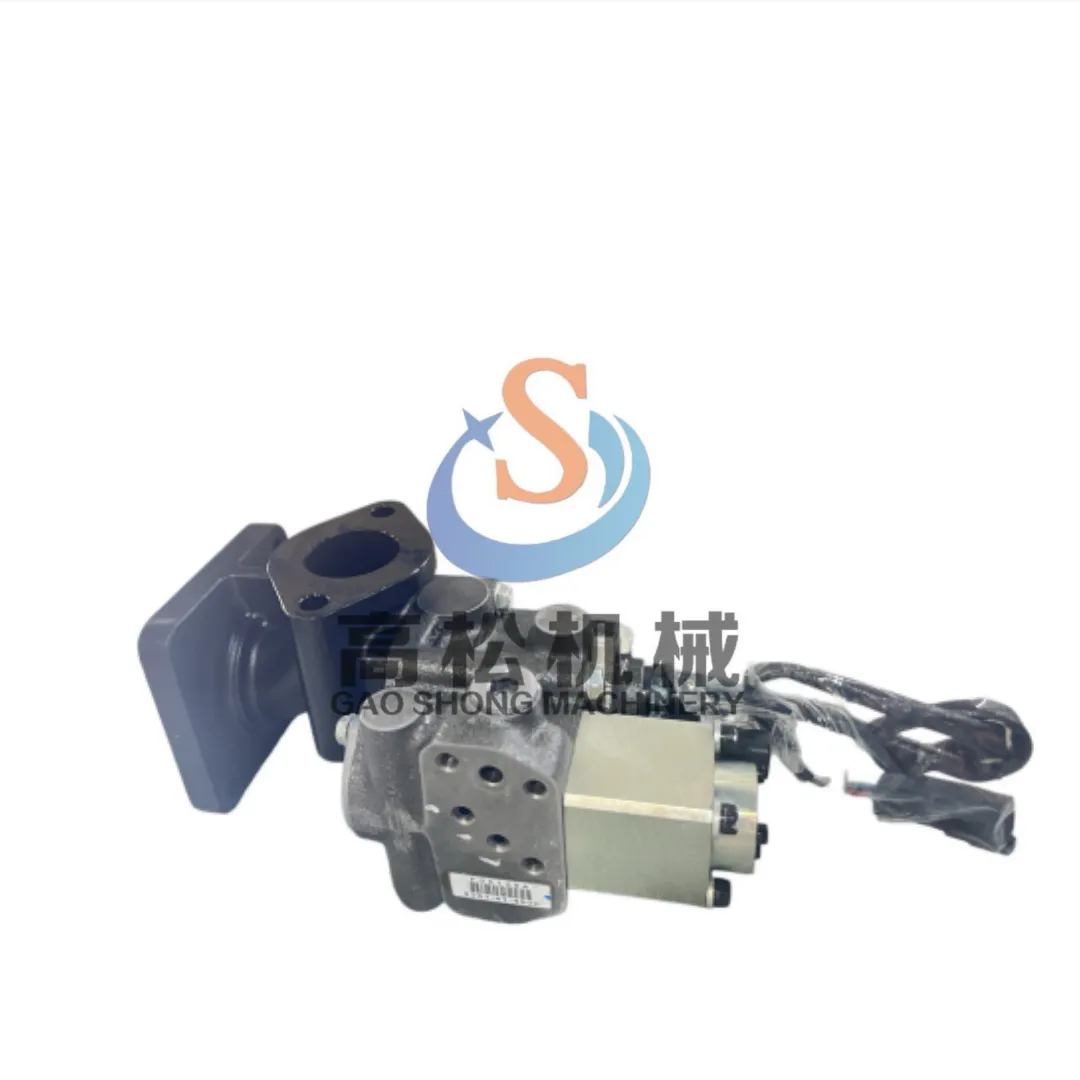 Excavator For Komatsu PC400-7 PC450-7 Control Solenoid Valve 6261-41-4900
 -
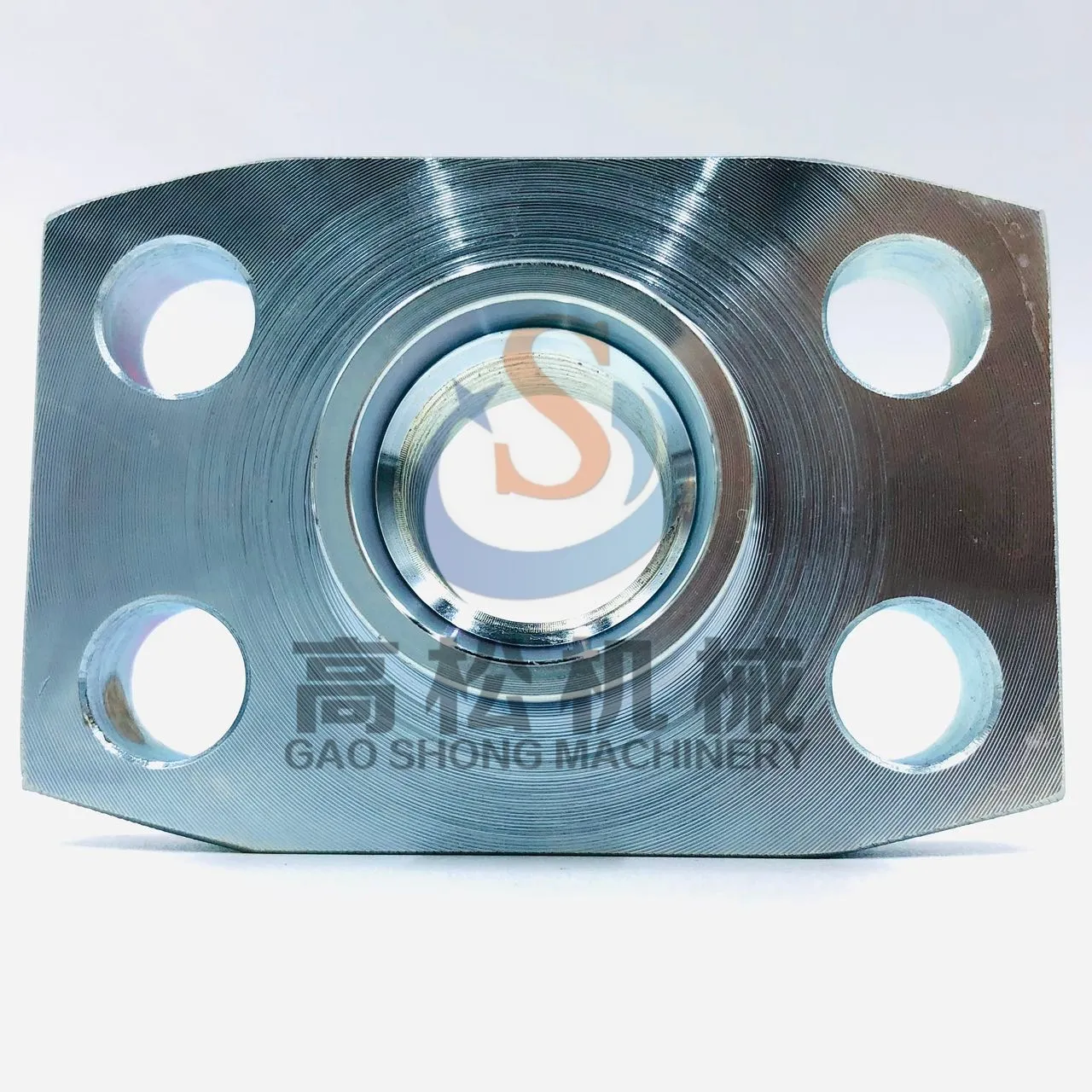 Komatsu excavator PC1250 flange 21N-38-12310
 -
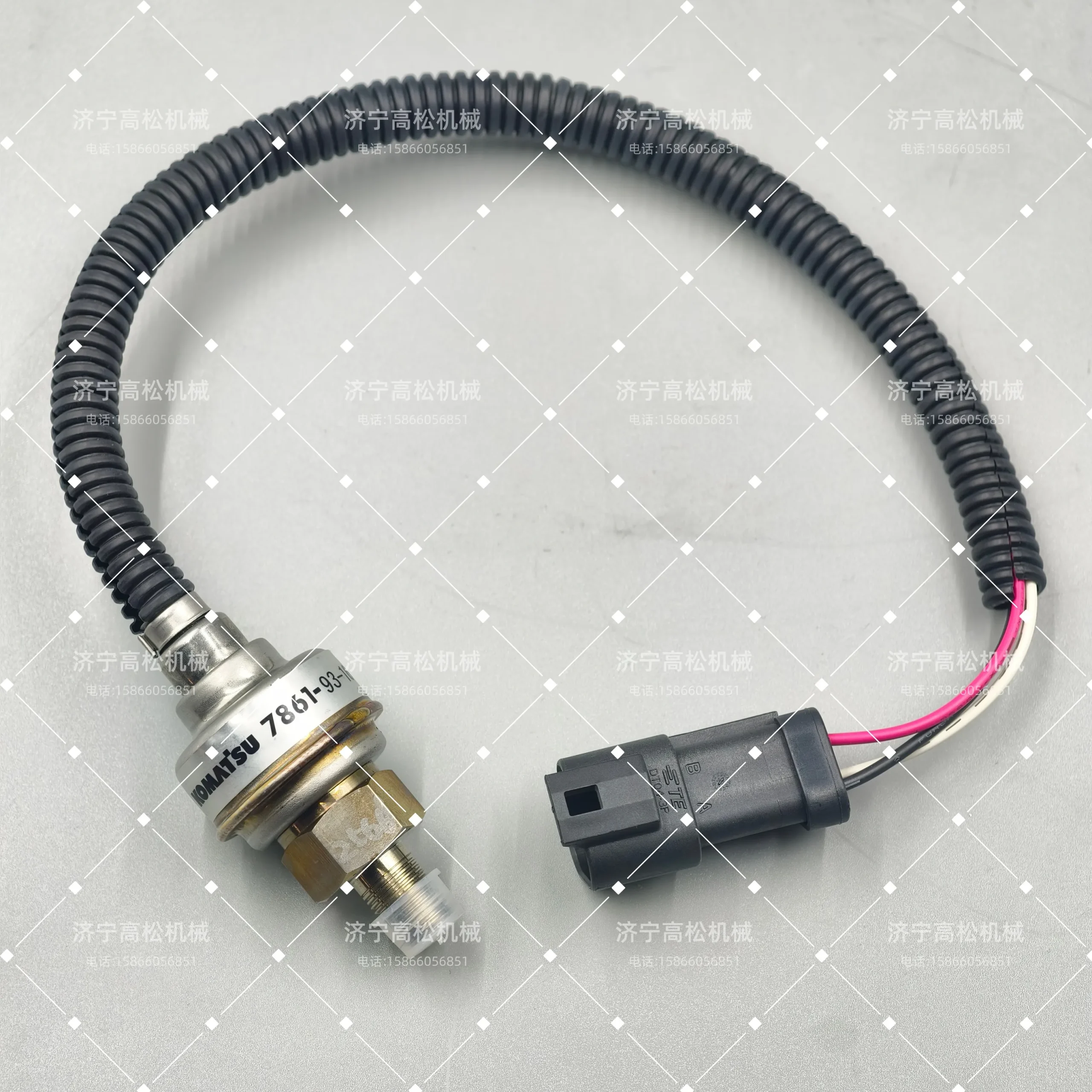 Construction Machinery Parts 7861-93-1670 for Komatsu Excavator…
 -
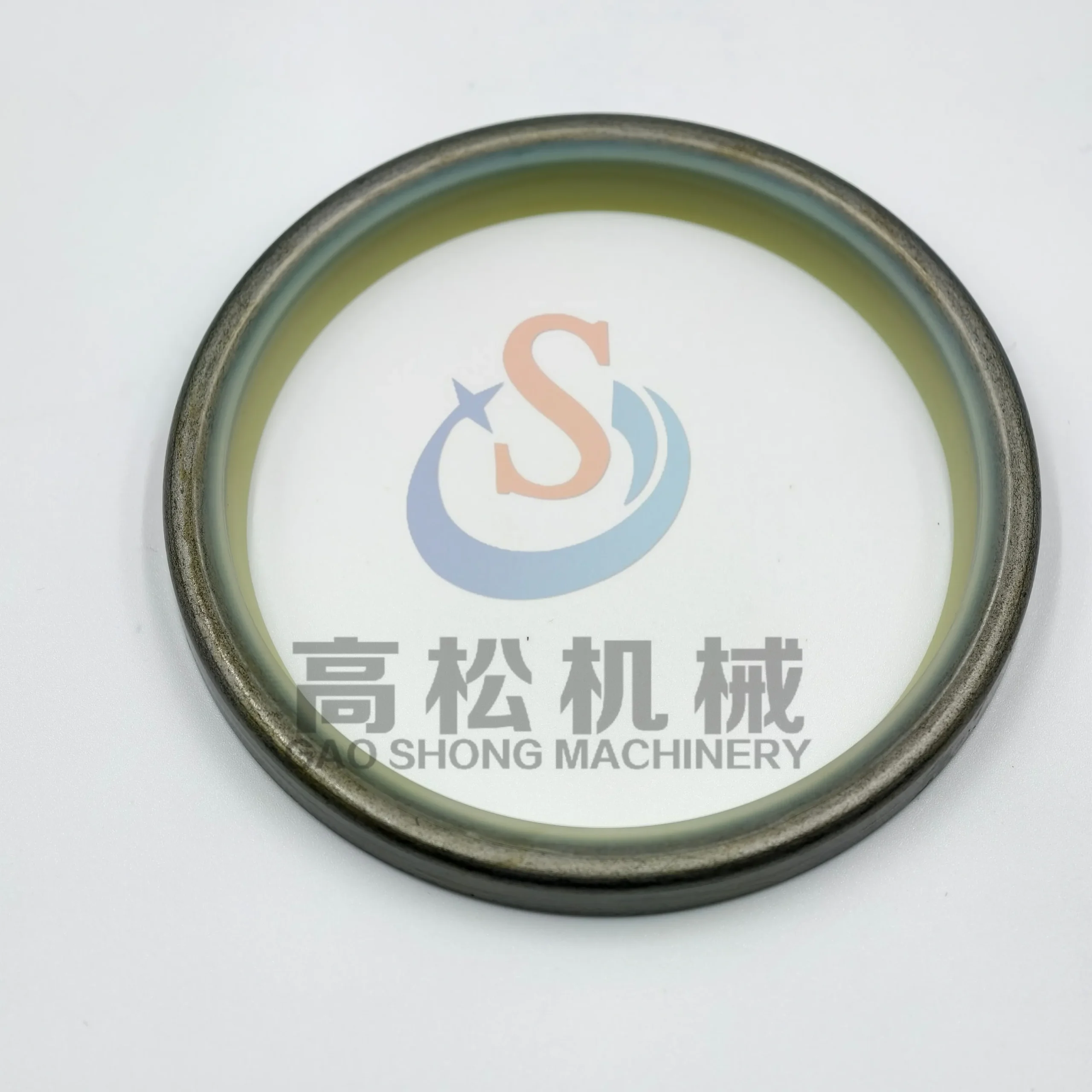 17M-50-24360 Seal (Komatsu)
 -
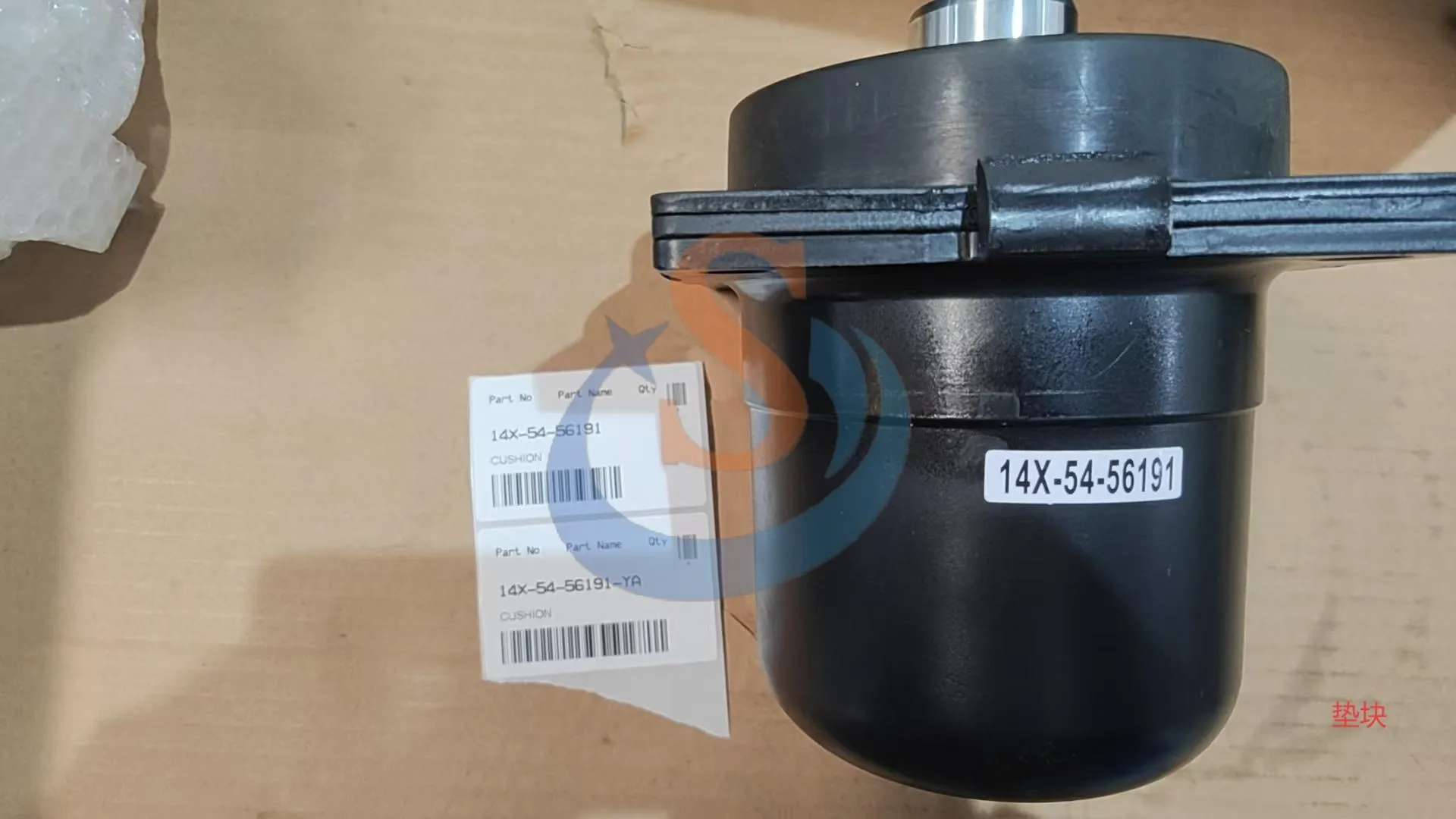 14X-54-56191,Cushion,D65PX,D65WX,D85EX
 -
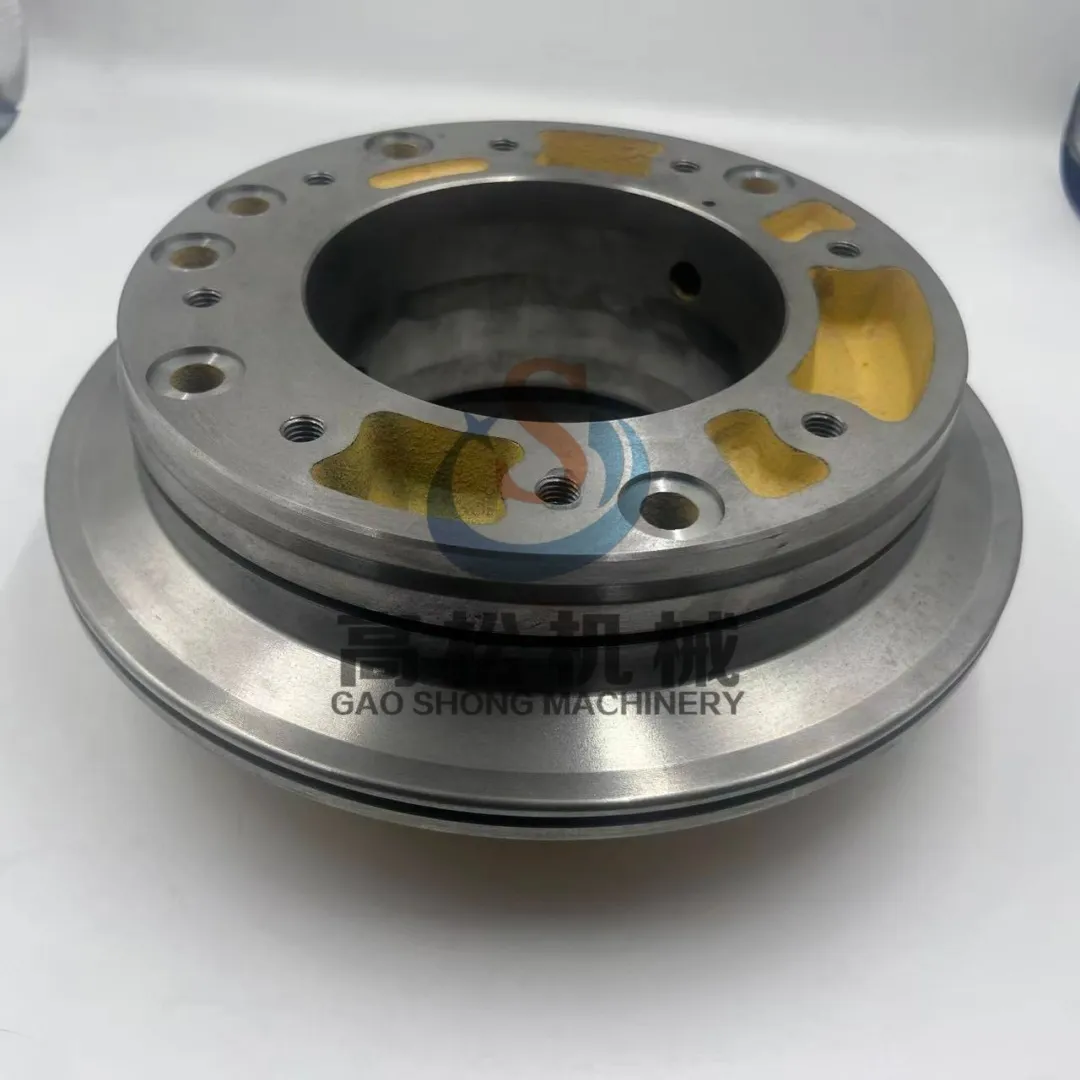 17A-22-11132 Cylinder (Komatsu)
 -
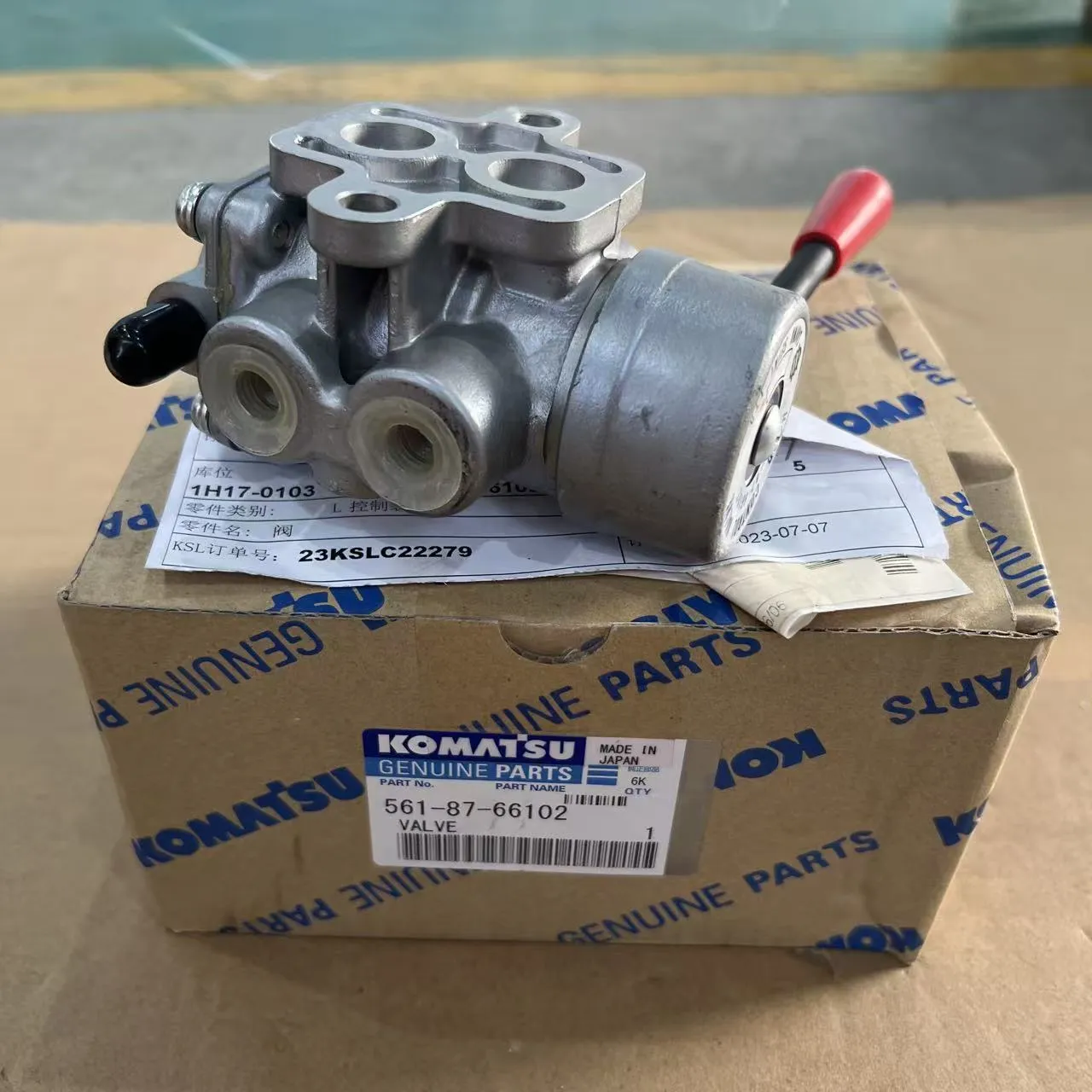 VALVE ASS’Y 561-87-66102 – KOMATSU
 -
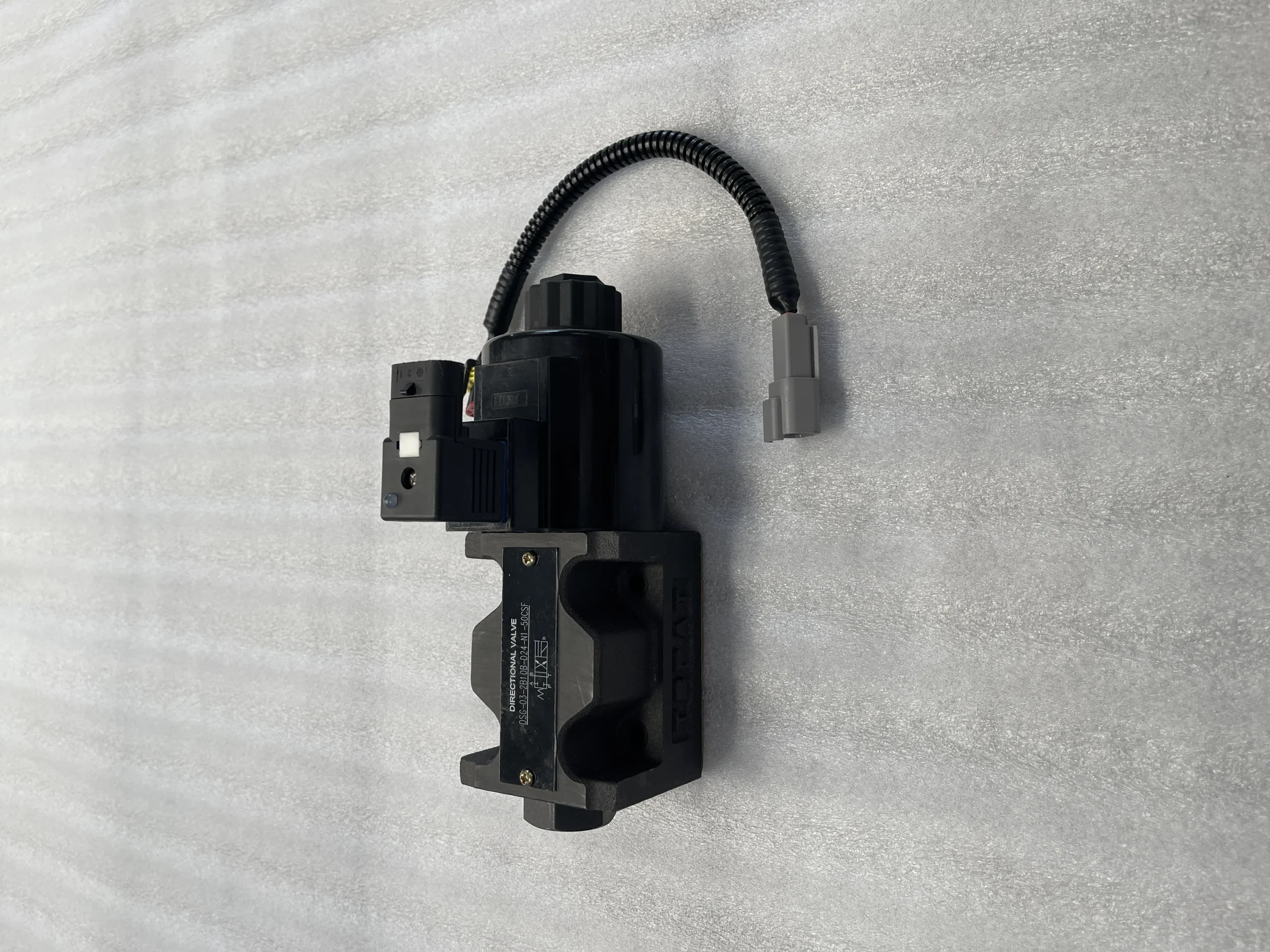 HD785-7 Electromagnetic Valve 561-43-8A881