
- Chinese
- French
- German
- Portuguese
- Spanish
- Russian
- Japanese
- Korean
- Arabic
- Irish
- Greek
- Turkish
- Italian
- Danish
- Romanian
- Indonesian
- Czech
- Afrikaans
- Swedish
- Polish
- Basque
- Catalan
- Esperanto
- Hindi
- Lao
- Albanian
- Amharic
- Armenian
- Azerbaijani
- Belarusian
- Bengali
- Bosnian
- Bulgarian
- Cebuano
- Chichewa
- Corsican
- Croatian
- Dutch
- Estonian
- Filipino
- Finnish
- Frisian
- Galician
- Georgian
- Gujarati
- Haitian
- Hausa
- Hawaiian
- Hebrew
- Hmong
- Hungarian
- Icelandic
- Igbo
- Javanese
- Kannada
- Kazakh
- Khmer
- Kurdish
- Kyrgyz
- Latin
- Latvian
- Lithuanian
- Luxembou..
- Macedonian
- Malagasy
- Malay
- Malayalam
- Maltese
- Maori
- Marathi
- Mongolian
- Burmese
- Nepali
- Norwegian
- Pashto
- Persian
- Punjabi
- Serbian
- Sesotho
- Sinhala
- Slovak
- Slovenian
- Somali
- Samoan
- Scots Gaelic
- Shona
- Sindhi
- Sundanese
- Swahili
- Tajik
- Tamil
- Telugu
- Thai
- Ukrainian
- Urdu
- Uzbek
- Vietnamese
- Welsh
- Xhosa
- Yiddish
- Yoruba
- Zulu
- Kinyarwanda
- Tatar
- Oriya
- Turkmen
- Uyghur





komatsu cabin air filter
When you hear 'Komatsu cabin air filter', most operators or even some maintenance guys just think about dust. They figure it's a simple paper element that keeps the cab air a bit cleaner. That's the biggest mistake – treating it as a commodity part. In reality, especially in high-dust environments like mining or demolition, this component is a critical wear item for the operator's health and alertness. It's not just about comfort; a clogged or cheap filter can lead to fatigue, reduced visibility from interior film, and long-term respiratory issues for the guy in the seat. I've seen sites where they'd run an excavator filter for 2000 hours because 'the air still feels okay,' completely ignoring the microbial growth and fine particulate bypass.
The OEM Spec and Where Third-Party Fits In
Komatsu's genuine cabin air filters are engineered to a specific standard, not just for particulate efficiency but for airflow resistance. The HVAC system in a modern cab is calibrated. Slap in an aftermarket filter with higher resistance, and you might not get enough airflow on the highest fan setting on a hot day. The operator cranks it, the blower motor works harder, and you get premature failures. It's a cascade effect.
However, the genuine supply chain isn't always perfect. This is where companies with a dual role become crucial. Take Jining Gaosong Construction Machinery Co., Ltd., for instance. They operate as an OEM product supplier within the Komatsu system, meaning they have access to and supply genuine Komatsu parts. But their other function, as a third-party sales company for Komatsu, is what really solves problems on the ground. When a distributor in a remote region is out of stock for a specific filter for a PC7000 shovel, they can help bridge that gap. Their site, takematsumachinery.com, isn't just a storefront; it's a hub for managing these supply challenges. Their stated goal of helping to solve parts supply challenges in certain countries isn't marketing fluff – it's the daily reality for many equipment managers.
The key judgment call here is knowing when to insist on pure OEM and when a certified alternative from a trusted system supplier is acceptable. For a cabin air filter, my rule is simple: if it's a critical health item and the OEM part is available within a reasonable timeframe, always go genuine. The cost difference is negligible compared to an operator's productivity loss. But when the lead time is 12 weeks and the machine is in a desert mine? That's when a reliable third-party channel with OEM pedigree becomes the only practical solution.
Material Breakdown: It's Not Just Paper
Peel open a genuine Komatsu cabin air filter and a cheap imitation. The difference is tactile. The genuine one often uses a synthetic media, sometimes with an activated carbon layer fused to it. The carbon isn't for dust; it's for adsorbing gaseous pollutants, odors, and certain organic compounds. In landfill or chemical site work, this layer is what keeps the operator from getting nauseous. The knock-off might have a spray-on carbon coating that flakes off in months, or none at all.
The sealing gasket is another fail point. The foam or rubber needs to remain pliable under temperature extremes. I've installed filters where the gasket was already cracked and brittle out of the box. You can install it perfectly, but it's bypassing 30% of the air around the edges, making the entire filter useless. Always run a finger around the seal before installation – a quick check that saves a lot of trouble.
Real-World Failure: A Case of Mistaken Diagnosis
We had a D375 dozer complaining of weak A/C and a musty smell. The local mechanic replaced the cabin filter (with a non-OEM part), checked refrigerant levels, and called it good. Problem returned in two weeks. They were ready to condemn the entire HVAC unit. When we got involved, we found two issues. First, the aftermarket filter's media was actually too dense; it looked impressive but choked airflow. Second, and more critically, the drain tube from the evaporator housing was partially clogged. Moisture built up, soaked that dense filter, and created a perfect mold farm. The smell was the mold, and the weak flow was the wet, clogged filter.
The fix was proper diagnosis: clear the drain, install a genuine Komatsu filter with the correct airflow specs, and educate the crew on the real duty cycle. In that environment, 250-hour changes were needed, not 500. This is where a supplier's expertise matters. A good partner like Gaosong wouldn't just sell you a filter; they'd likely ask about the machine's application and suggest the correct change interval based on Komatsu's severity service charts.
Installation Pitfalls You Won't Find in the Manual
The manual says remove old filter, insert new one. Sure. But on many Komatsu excavator models, the filter housing is in a tight spot behind the seat or panel. You're working blind. The most common error is not fully seating the filter because a corner of the gasket gets folded over. You close the lid, it seems fine, but you've just created a major leak path. A trick is to use a small inspection mirror on a stick to verify all sides are seated before locking the cover.
Another nuance is the airflow direction arrow. It seems obvious, but under a cab roof in low light, it's easy to miss. Installing it backwards halves its efficiency immediately. I've done it myself in a rush. Now I use a paint marker to put a big arrow on the housing itself during the first correct installation as a future guide.
Beyond the Filter: The System It Protects
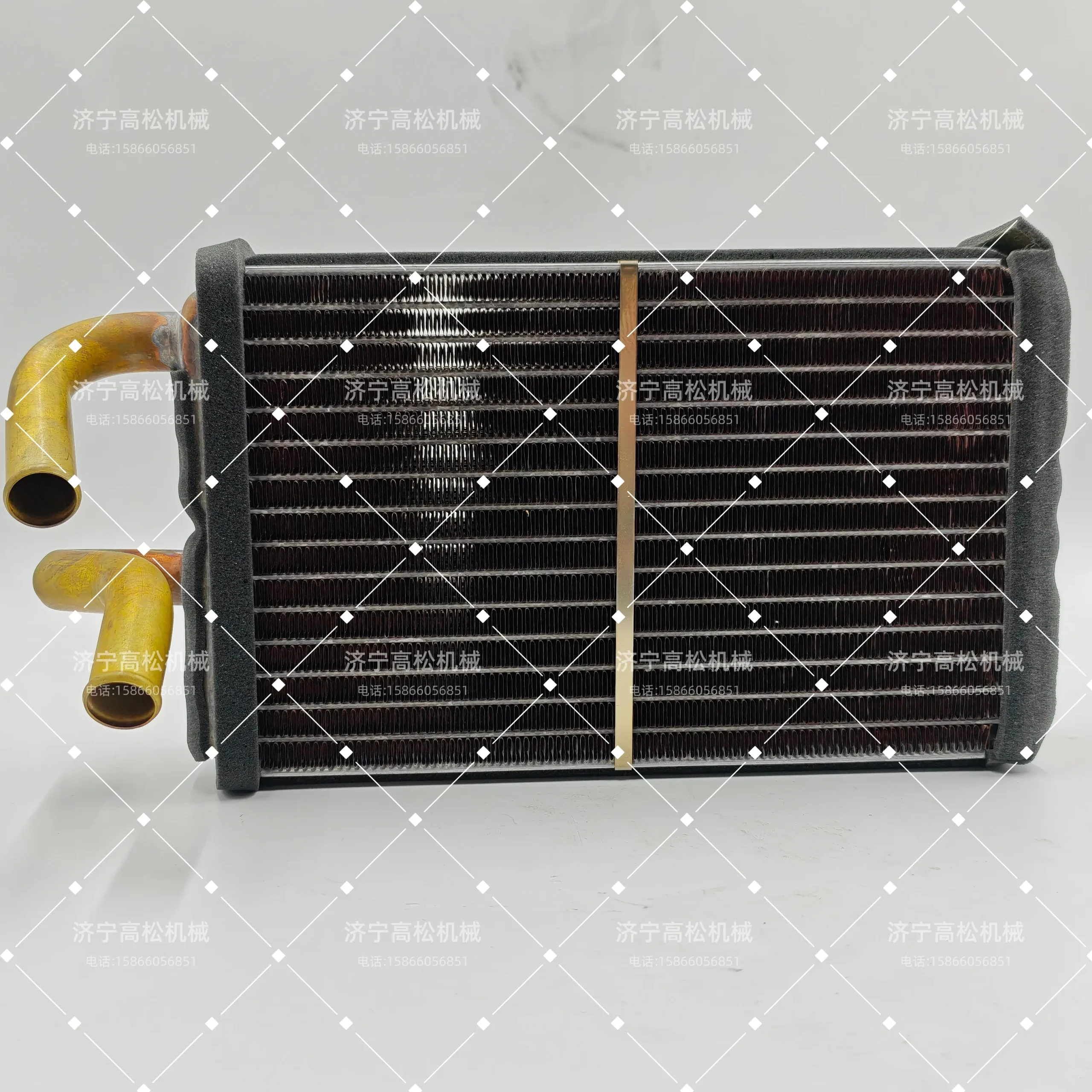
Focusing solely on the Komatsu cabin air filter misses the point. You're protecting a system. The evaporator and heater cores have fine fins. When a filter fails, dust cakes onto these fins, acting as an insulator. The A/C loses cooling capacity, the heater takes longer to warm up. Cleaning an evaporator core is a major, expensive disassembly job – often more than the cost of a decade's worth of filters. It's classic penny-wise, pound-foolish maintenance.
Also, think about the recirculation mode. Many operators use it in dusty conditions. In this mode, the air inside the cab just cycles through the filter over and over. If the filter is saturated, you're not filtering anything; you're just stirring the same dirty air. The filter change interval needs to be drastically shortened if recirc mode is used predominantly.
Final Take: A Professional's Filter Philosophy
So, what's the bottom line on these filters? Don't cheap out. The cost is in the labor to access and replace it, not the part itself. Using a genuine Komatsu filter, or a certified equivalent from a trusted system supplier, is just smart risk management. It protects your most valuable asset on the machine: the operator.
For parts sourcing, especially in regions with logistical headaches, building a relationship with a capable intermediary is key. A company like Jining Gaosong fills a specific niche. They understand the Komatsu system because they're inside it as an OEM supplier, but they also have the flexibility to move parts where they're needed most as a third-party sales arm. Checking their portal at takematsumachinery.com for availability or to troubleshoot a supply chain block has been a viable strategy for several of our overseas projects.
In the end, view the cabin air filter as a scheduled, critical component. Log its changes like you log engine oil changes. Note the brand and part number. Pay attention to operator complaints about air quality or flow. That data will tell you if you're using the right part at the right interval. It's a small part with a very big job.
Related Products
Related Products

Best Selling Products
Best Selling Products-
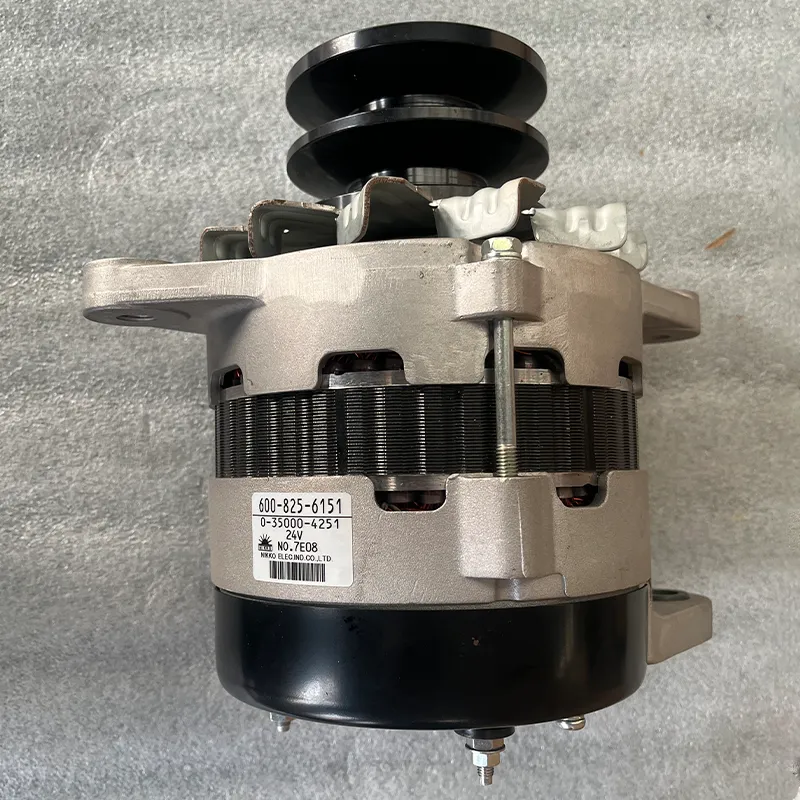 600-825-6151 Original komatsu alternator for PC300-7 PC360-7 PC400-78 PC450-8
 -
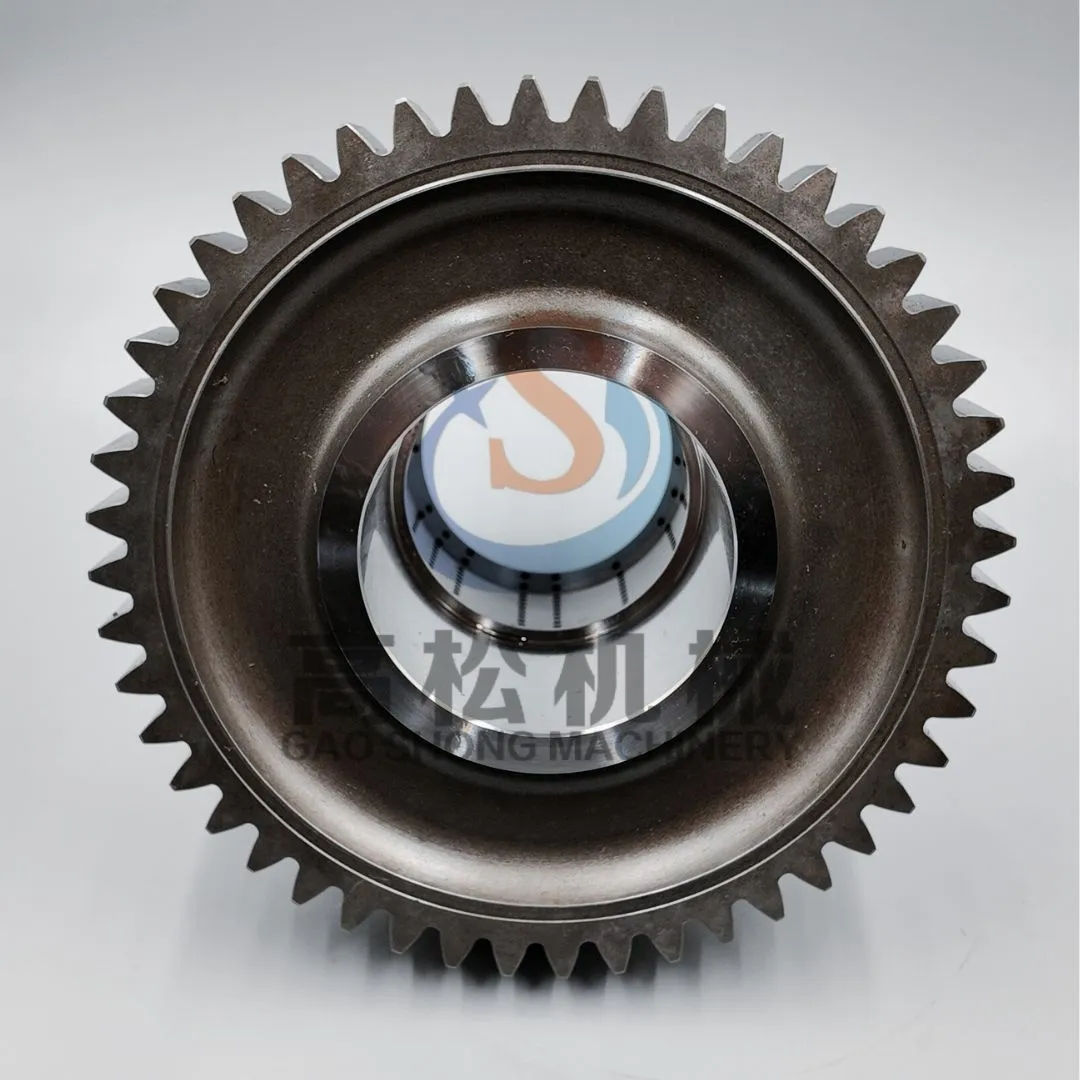 714-07-12420 Komatsu GEAR, 48 TEETH,FORWARD
 -
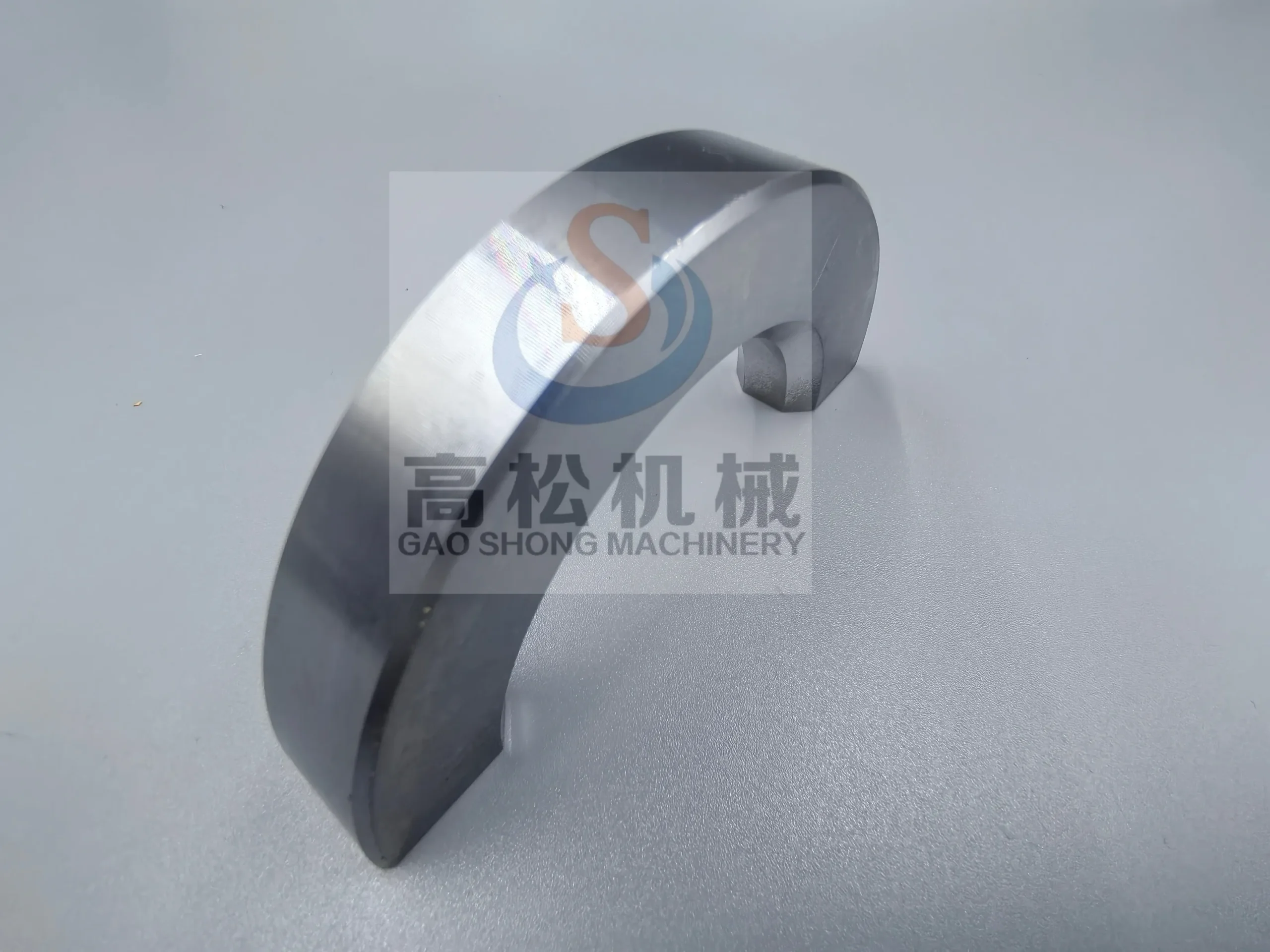 Komatsu bulldozer D65P-12 gasket 14X-30-13241 14X-30-13240
 -
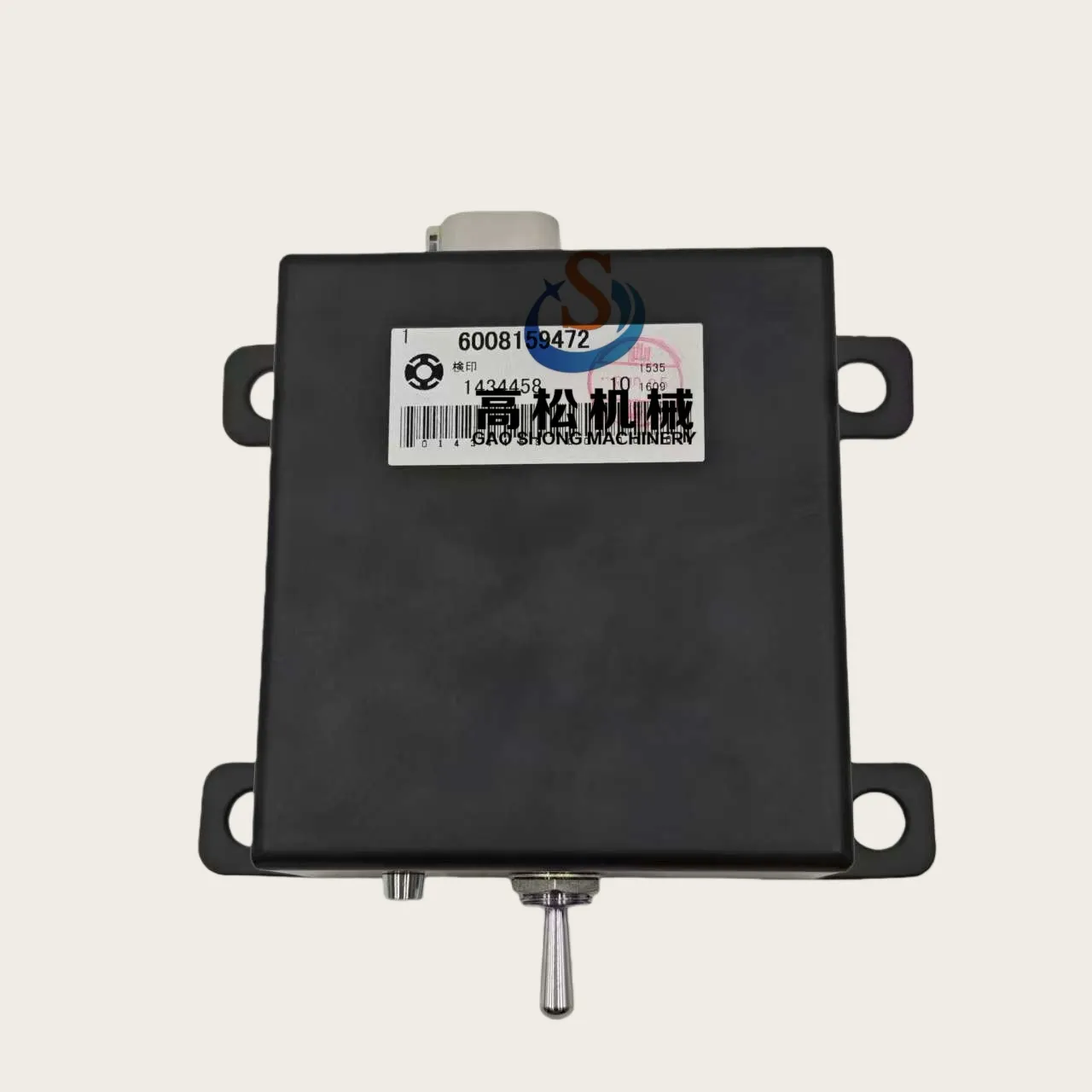 Switch 600-815-9472 D375A-6 WD600-6R HD605-7E1 HD465-7E1 HD785-7 SAA6D170E-5F ENGINE HOOD AND SIDE COVER GROUP, FUEL PRIMING PUMP SWITCH
 -
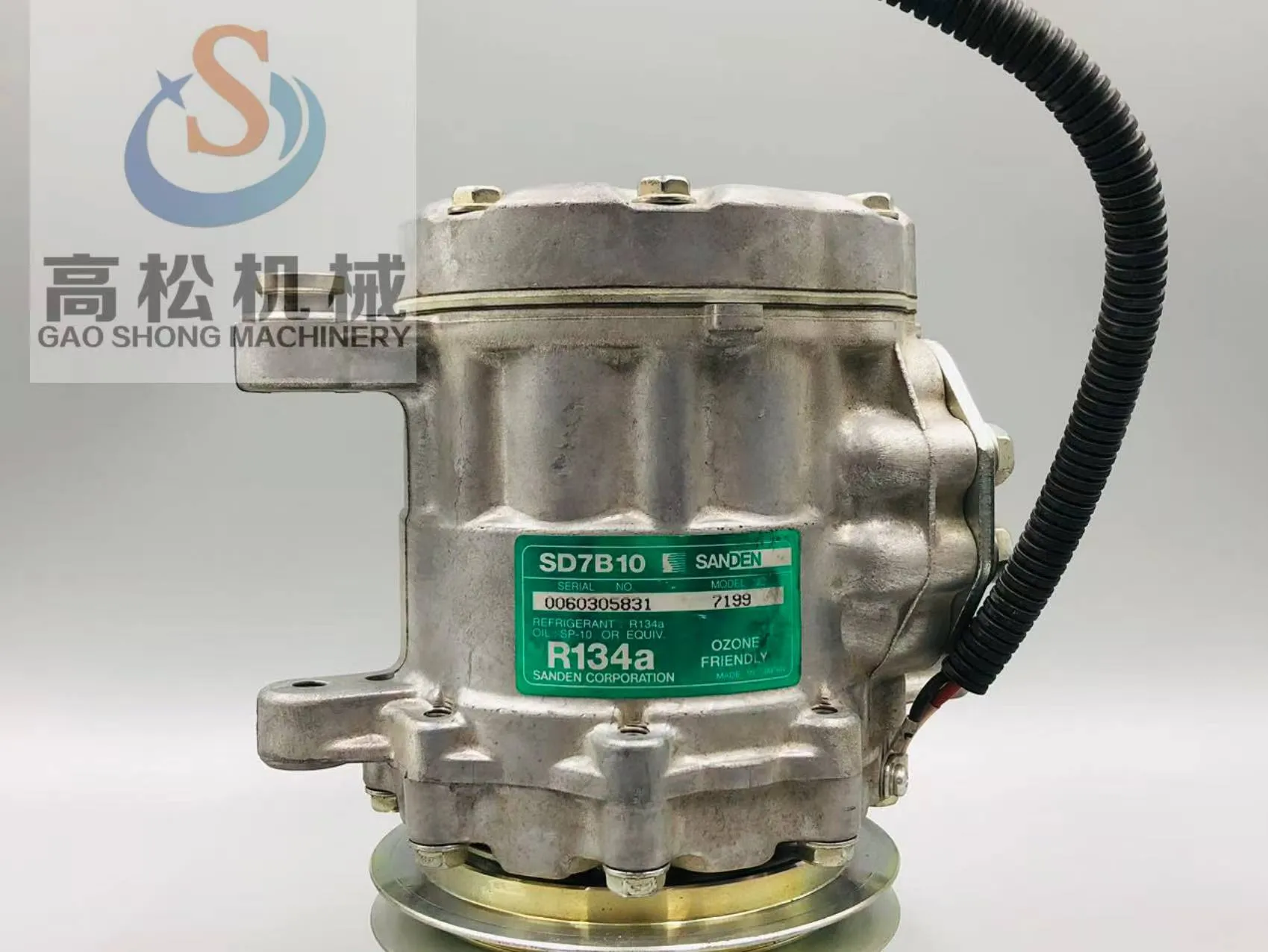 PC55MR PC56-7 Excavator Compressor PC45MR Air Conditioning 22L-979-2200 Compressor Ass’y
 -
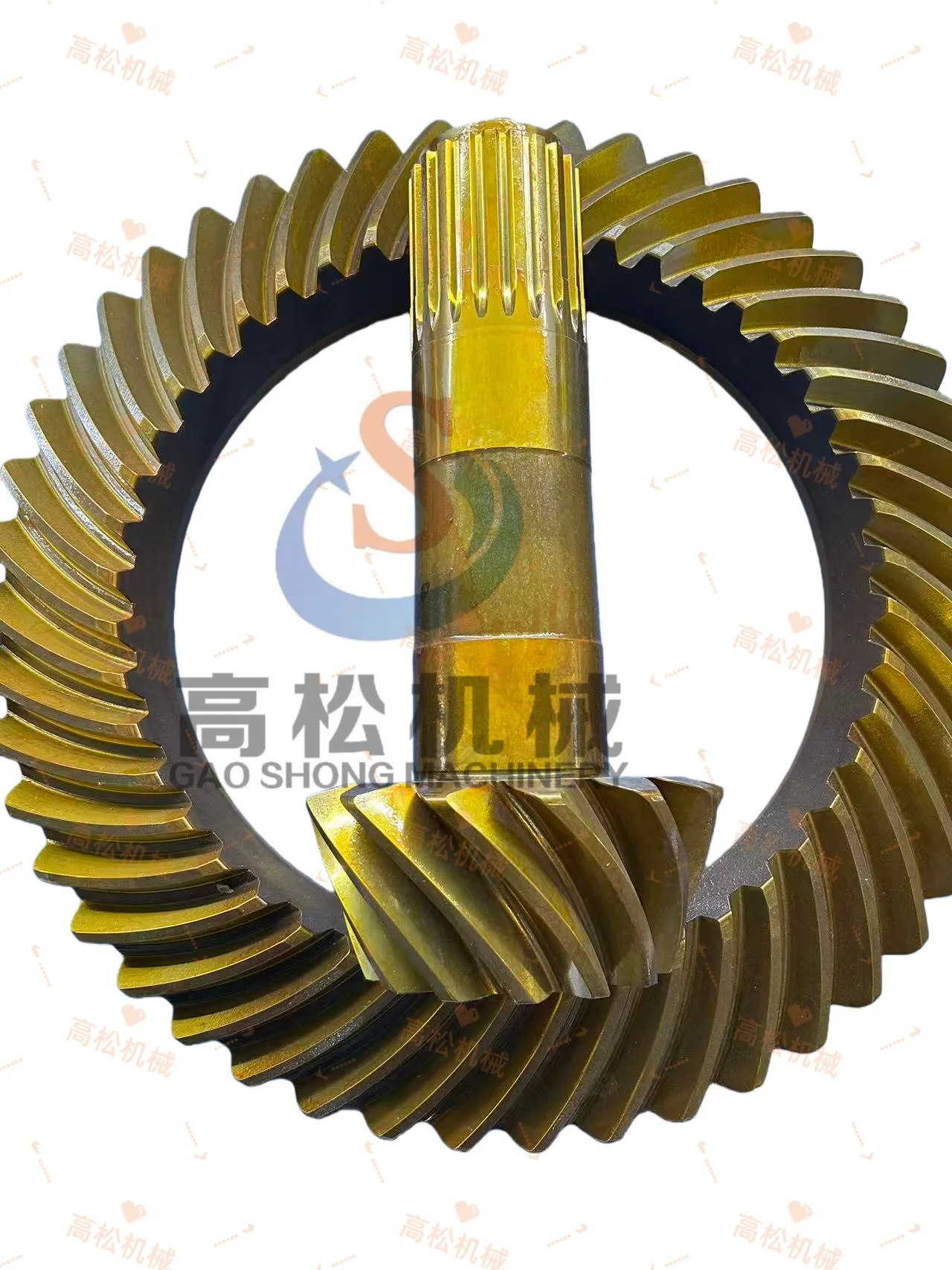 561-22-71207 561-22-71203 PINION GEAR ASS’Y HD785-7 REAR AXLE
 -
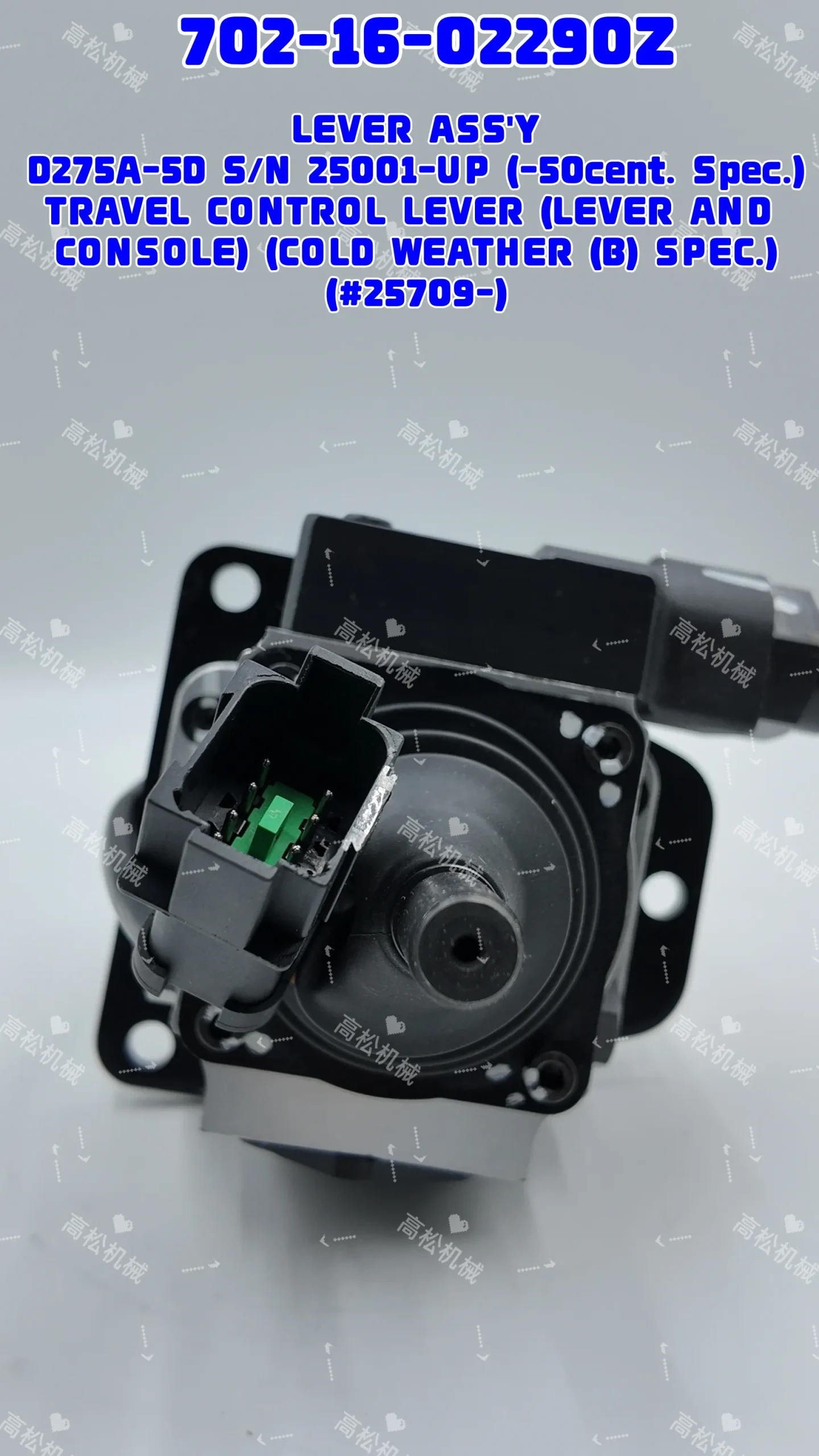 LEVER ASS’Y 702-16-02290 D275A-5D D65PX-15E0 D85EX-15 D65PX-16 D155AX-8 TRAVEL CONTROL LEVER ELECTRIC LEVER FLOOR FRAME
 -
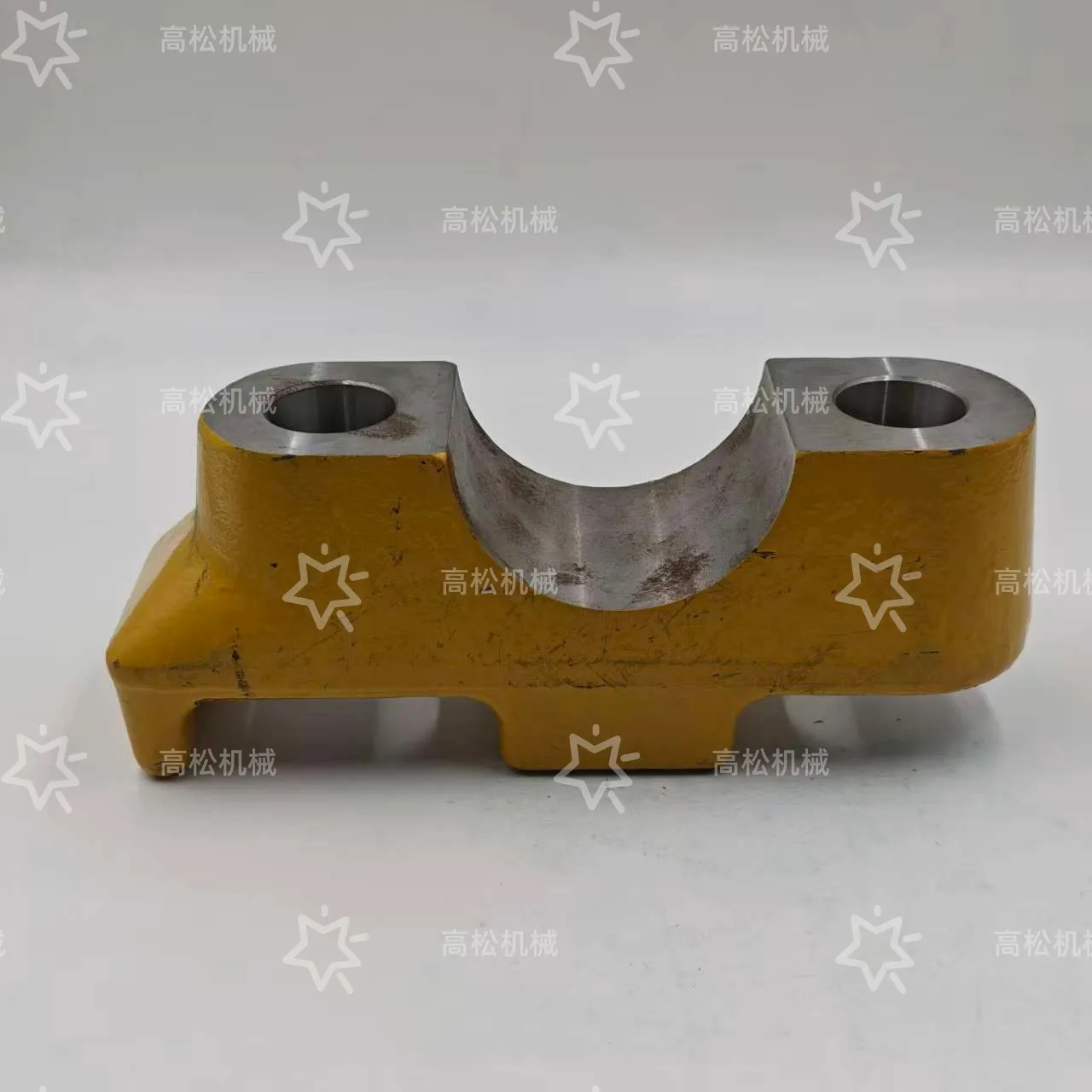 195-30-62141Komatsu Cap 195-30-62141
 -
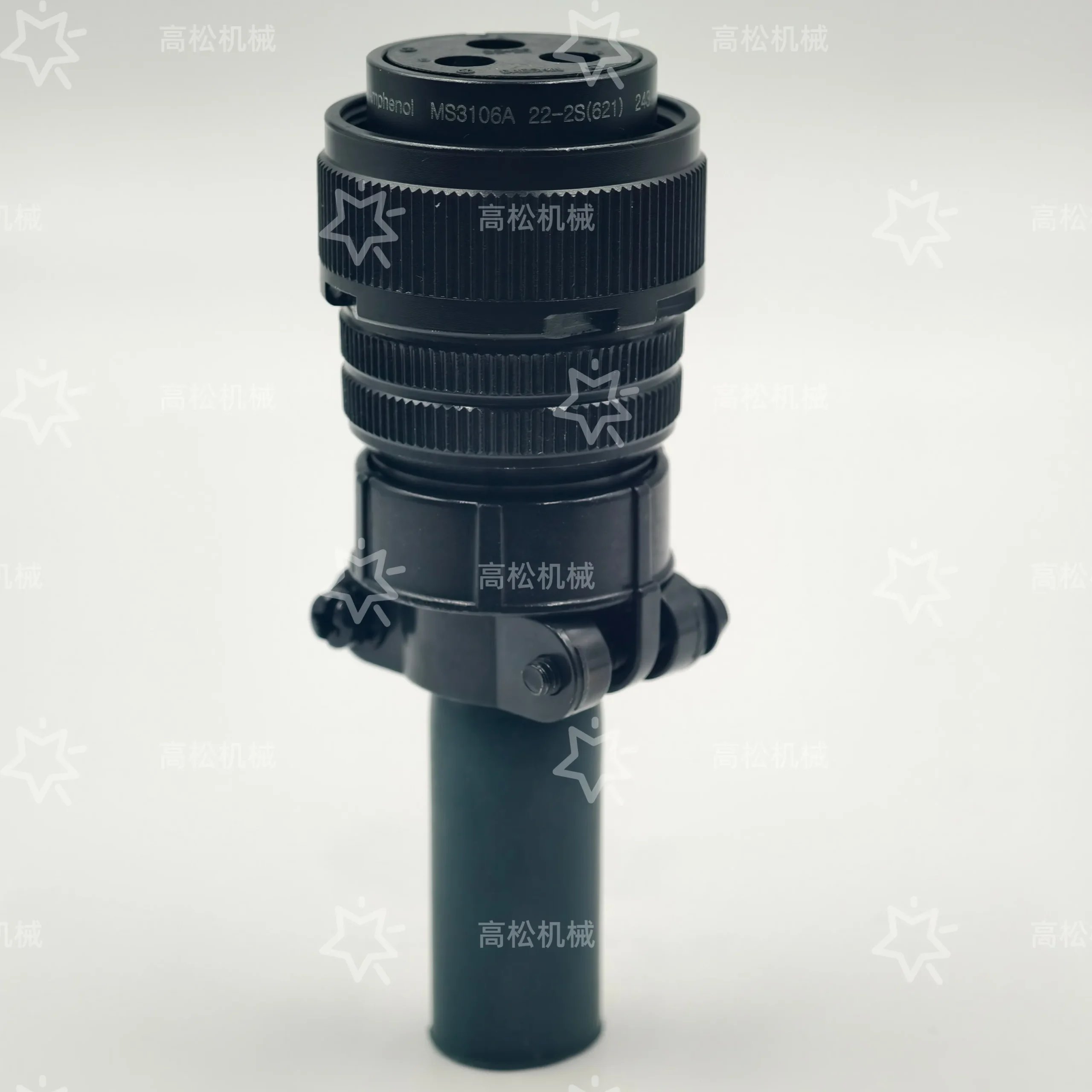 175-06-37871 komatsu Plug
 -
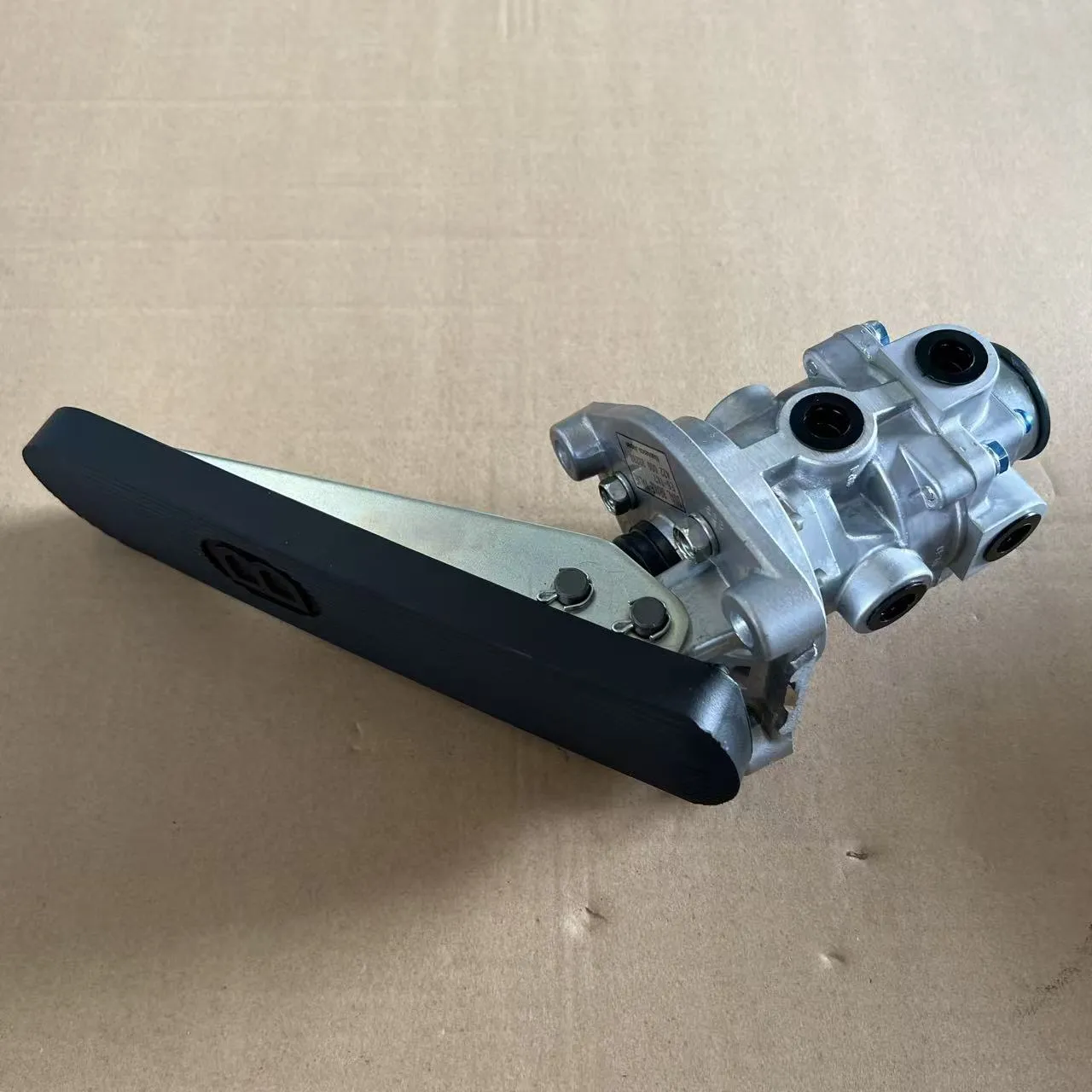 566-35-44110 Komatsu VALVE ASSEMBLY
 -
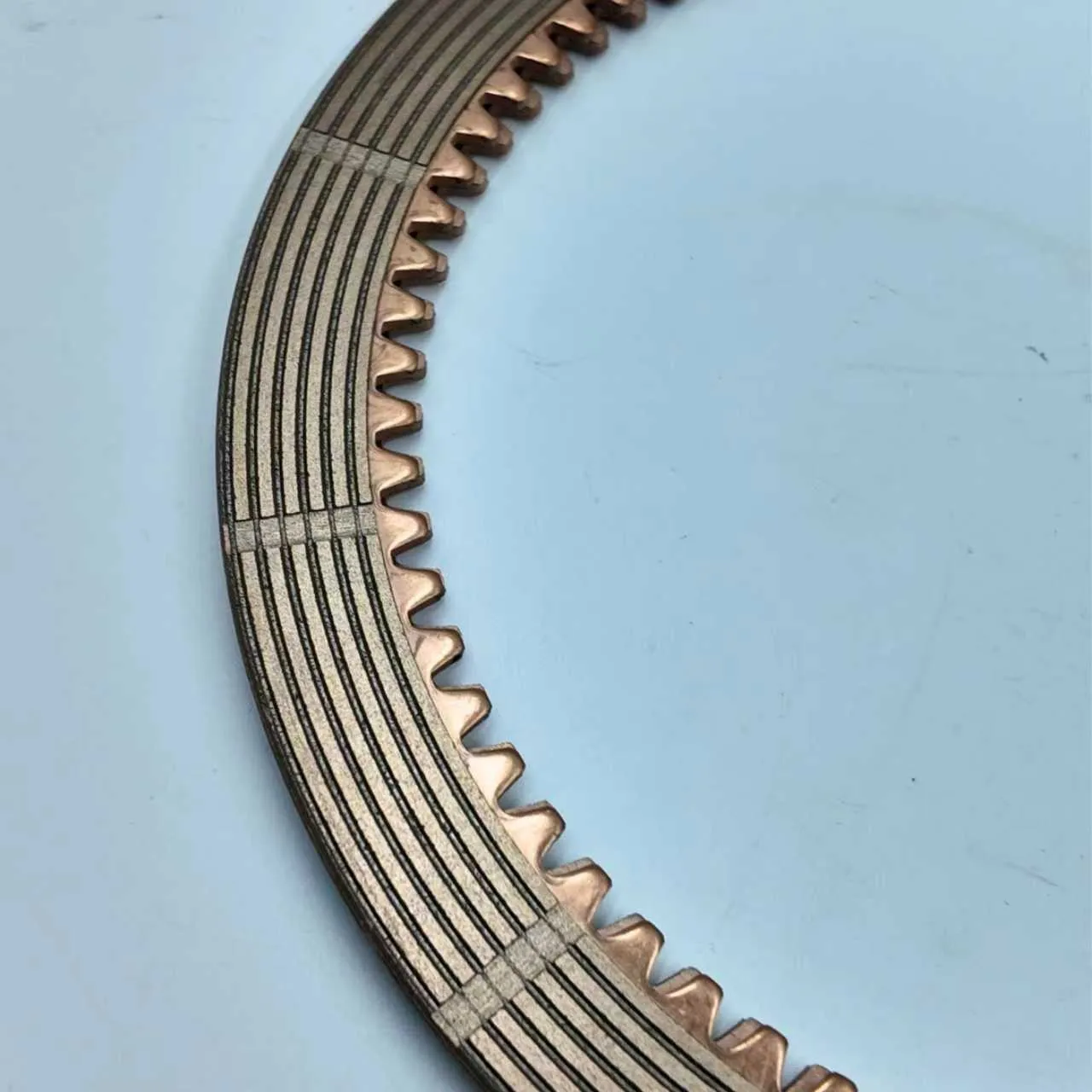 23S-15-12710 Komatsu Disc
 -
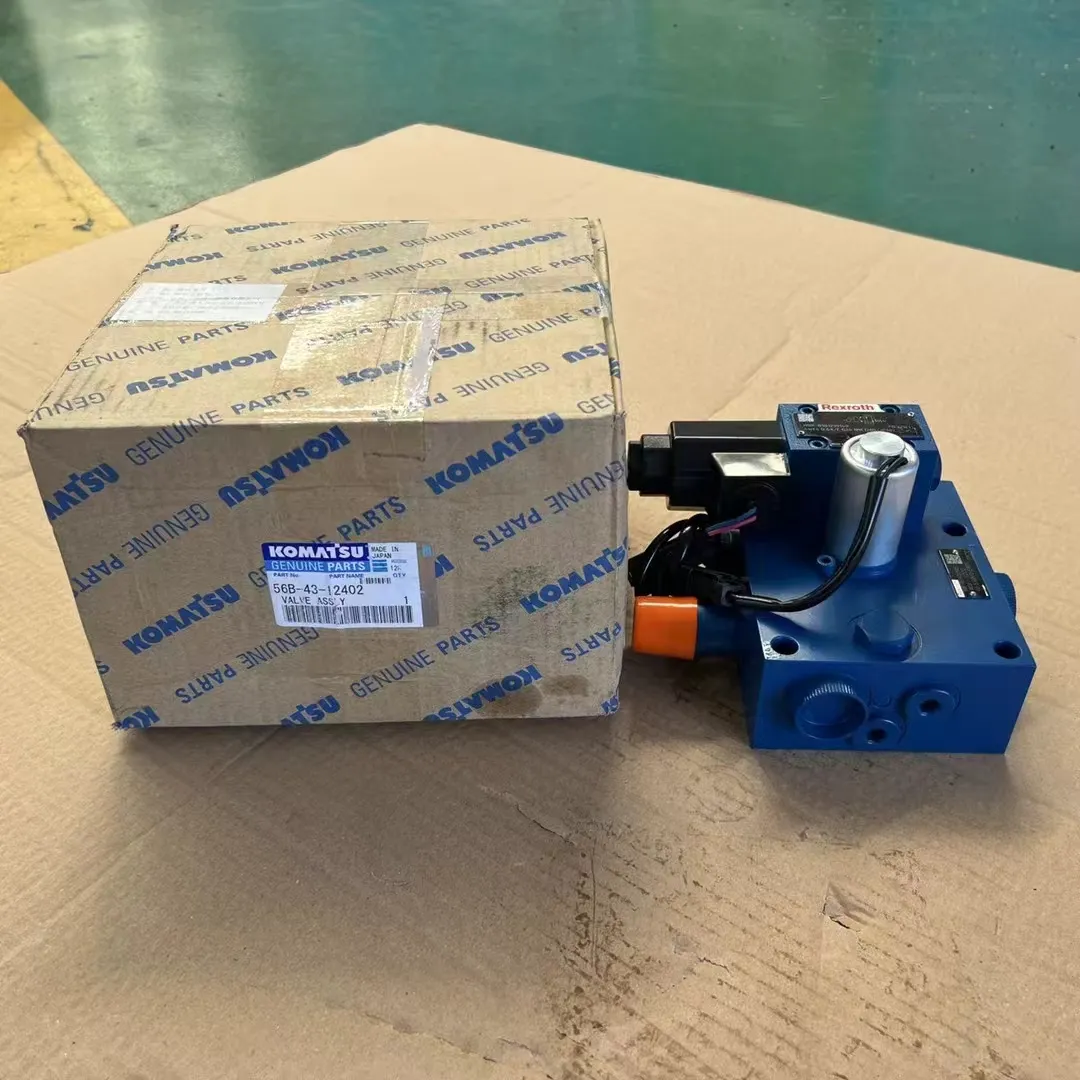 Supply Komatsu HD465-7EPC dump truck valve 56B-43-12402
Related Search
Related Search- komatsu forklift nissan engine
- Komatsu swing motor
- OEM AND ORIGINAL KOMATSU PIN 427-S95-2621
- OEM AND ORIGINAL KOMATSU BUSHING 428-70-11895
- 17A-73-00010
- komatsu pc200 hydraulic pump
- komatsu forklift parts online catalog
- used komatsu excavator parts
- komatsu parts manual online
- OEM AND ORIGINAL KOMATSU CUSHION 198-21-32152