
- Chinese
- French
- German
- Portuguese
- Spanish
- Russian
- Japanese
- Korean
- Arabic
- Irish
- Greek
- Turkish
- Italian
- Danish
- Romanian
- Indonesian
- Czech
- Afrikaans
- Swedish
- Polish
- Basque
- Catalan
- Esperanto
- Hindi
- Lao
- Albanian
- Amharic
- Armenian
- Azerbaijani
- Belarusian
- Bengali
- Bosnian
- Bulgarian
- Cebuano
- Chichewa
- Corsican
- Croatian
- Dutch
- Estonian
- Filipino
- Finnish
- Frisian
- Galician
- Georgian
- Gujarati
- Haitian
- Hausa
- Hawaiian
- Hebrew
- Hmong
- Hungarian
- Icelandic
- Igbo
- Javanese
- Kannada
- Kazakh
- Khmer
- Kurdish
- Kyrgyz
- Latin
- Latvian
- Lithuanian
- Luxembou..
- Macedonian
- Malagasy
- Malay
- Malayalam
- Maltese
- Maori
- Marathi
- Mongolian
- Burmese
- Nepali
- Norwegian
- Pashto
- Persian
- Punjabi
- Serbian
- Sesotho
- Sinhala
- Slovak
- Slovenian
- Somali
- Samoan
- Scots Gaelic
- Shona
- Sindhi
- Sundanese
- Swahili
- Tajik
- Tamil
- Telugu
- Thai
- Ukrainian
- Urdu
- Uzbek
- Vietnamese
- Welsh
- Xhosa
- Yiddish
- Yoruba
- Zulu
- Kinyarwanda
- Tatar
- Oriya
- Turkmen
- Uyghur





Komatsu cab parts
When most people hear 'Komatsu cab parts', they think of the big, visible stuff: the door, the glass, maybe the seat. That's the surface level. The real story, and where the headaches and costs hide, is in the integrated systems—the wiring harnesses routed through the A-pillar, the controller for the HVAC unit buried behind the dashboard, the seals for the joystick ports on the floor mat. Sourcing these isn't just about finding a shape that fits; it's about finding the exact material grade, the right connector series, and the specific production batch that matches the machine's year. A lot of third-party sellers miss this depth, selling what I call 'silhouette parts'—they look right from ten feet away but cause fitment issues or, worse, electrical faults. That gap between a part and a functioning component is where the actual business is.
The OEM Blueprint vs. Aftermarket Reality
Working within the Komatsu system, you get a clear view of the design intent. Take a simple cab mount. The OEM spec isn't just about vibration damping; it's about a specific harmonic frequency to reduce operator fatigue over a 12-hour shift. An aftermarket part might use a rubber compound that's 10% harder. It'll bolt on, and the machine will run, but long-term, you might see increased micro-cracks in the cab frame or more complaints about operator discomfort. This is the kind of detail you only learn by having access to the technical bulletins and failure mode analyses that companies like Jining Gaosong, as an OEM product supplier, have to work with. Their role isn't just to sell a part; it's to provide the part that Komatsu engineers originally specified.
This gets critical with electronics. I remember a case with a PC300-8 model where machines in a high-humidity region were having random monitor blackouts. The issue was traced to a batch of cab roof wiring harness connectors that didn't have the full environmental sealing specified by Komatsu. The aftermarket harness looked identical, even had the same part number stamped, but the O-ring material was subpar. The fix wasn't a new monitor; it was sourcing the correct harness from a supplier embedded in the system, which stopped the problem at the root. It's these nuances that separate a parts seller from a solutions provider.
So, the common mistake is equating availability with compatibility. Just because a control lever for a Komatsu cab is listed as fitting a Dash-6 series doesn't mean its potentiometer outputs the exact voltage range the machine's computer expects. The deviation might be slight, causing intermittent creep or uncommanded movement that's a nightmare to diagnose. You need suppliers who understand these thresholds, not just catalog cross-references.
On-the-Ground Supply Chain Puzzles
The theory of global parts supply meets reality in places like remote mining sites or specific countries with import complexities. This is where the third-party sales function of a company becomes vital. The official channel might be logistically frozen for a particular region, but the machines are still working and breaking down. The challenge is to bridge that gap without compromising on the part's core integrity.
I've been involved in scenarios where a mining operation needed a complete cab assembly for a D375A dozer after a rollover. The lead time through standard channels was prohibitive. The solution involved a partner like Takematsu Machinery (Jining Gaosong's platform) who could leverage their dual role: they accessed the OEM-grade structural components and the certified welding procedures, but handled the logistics and customs as a third party, cutting the downtime from months to weeks. The key was they didn't substitute the critical stressed members with generic steel; they kept the OEM-spec material. That's a professional judgement call.
Another puzzle is the orphaned part—a component for a model that's been phased out, but hundreds of units are still in operation. The official warehouse stops stocking it. Here, a dedicated supplier's network shines. They often have leads on remaining stock in other markets or, crucially, have the technical drawings to have a limited batch manufactured to the original spec. This isn't reverse engineering; it's working from the original blueprint. For instance, finding a replacement seal for the older cab door on a Komatsu HD785-5 truck is a classic example. The wrong seal leads to dust ingress that ruins the entire interior climate system.
Failures That Teach More Than Successes
Not every sourcing attempt is a clean win. Early on, I learned the hard way about cab parts that are close enough. We needed a replacement blower motor resistor for a fleet of WA500 loaders. Found a cheaper alternative that matched the pin configuration and resistance values on paper. Installed them, and they worked—for about 40 hours. Then they started failing. The issue? The OEM resistor was designed to handle the current surge when the fan starts on its highest setting in a high-ambient-temperature environment (like inside a sun-baked cab). The cheaper part used a thinner winding that overheated and cracked. The cost saved on the part was obliterated by the downtime and repeated labor. It was a textbook lesson in understanding not just the spec, but the operational envelope.
Another failure was assuming all fasteners are equal. Replacing a cab floor plate on a PC360, we used generic metric bolts. They sheared under the combined vibration and operator weight shift within a month. The OEM bolts had a higher tensile strength and a specific thread-locking patch. It seemed trivial, but it caused a safety hazard. Now, for any load-bearing or safety-critical fastener in the Komatsu cab structure, we insist on the coded OEM part or a verified equivalent from a trusted supplier. It's a small line item with massive consequences.
The Detail That Makes the Difference
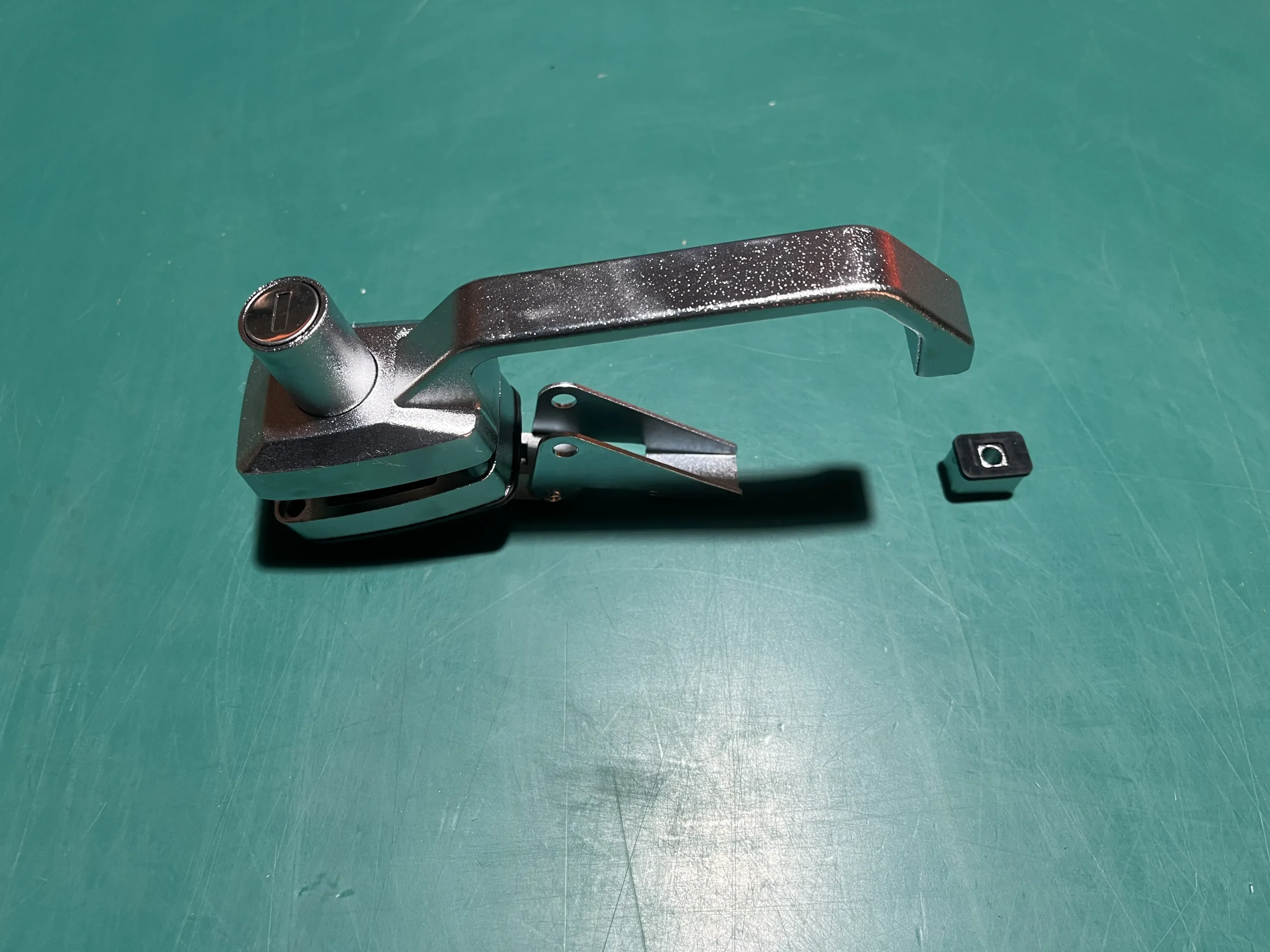
Let's get granular. Take a cab door handle. It's not just a piece of plastic. On a modern Komatsu excavator, it often integrates a micro-switch that tells the machine's security system the door is closed. If that switch isn't precisely aligned, you get a false door open warning that can disable certain functions. A quality supplier will provide the handle with the switch pre-installed and pre-adjusted, or at least with the exact shims needed for calibration. A poor one sends you the plastic shell and a bag of hardware, leaving you to figure out why the alarm won't clear.
Or consider sound insulation. Aftermarket foam might dampen noise initially, but will it resist degradation from diesel fumes, hydraulic oil mist, and constant temperature swings? The OEM material is tested for this environment. Using the wrong foam can lead to it breaking down into particles that clog cab air filters or, in a worst case, become a fire risk. When a company's introduction states they help solve parts supply challenges, solving this kind of challenge is what they mean—providing the part that performs as designed, not just fills a hole.
This attention to detail extends to labeling and packaging. It might sound minor, but receiving a part with the correct Komatsu part number, batch code, and storage instructions on the box is a sign of provenance. It tells you the part has traveled through a controlled supply chain. It makes inventory management and warranty tracing possible. It's a hallmark of a professional OEM product supplier.
Wrapping It Up: The Practical Sourcing Mindset
So, when you're looking for Komatsu cab parts, the question shouldn't just be Do you have it? It should be What is the source, and what are the exact specifications? The cab is the operator's environment and the nerve center for many machine controls. Compromising on its components is a direct hit on productivity and safety.
Companies that operate in the space between the official OEM system and the open market, like Jining Gaosong through their Takematsu Machinery site, fill a crucial niche. They're not for every single bolt—sometimes the local dealer is the fastest route. But for complex components, for supply chain workarounds in tricky regions, or for technical guidance on integrated systems, that's where their model proves its worth. They provide the authenticity of the OEM part with the agility of a third-party.
In the end, it comes down to risk management. A cab part failure rarely happens in the shop. It happens on a slope, in a downpour, or in the middle of a production target. The extra diligence in sourcing, the preference for suppliers with direct system knowledge, and the avoidance of good enough are all cheap insurance against that moment. The cab keeps the operator productive and protected; the right parts keep the cab functioning as an integral system, not just a metal shell.
Related Products
Related Products

Best Selling Products
Best Selling Products-
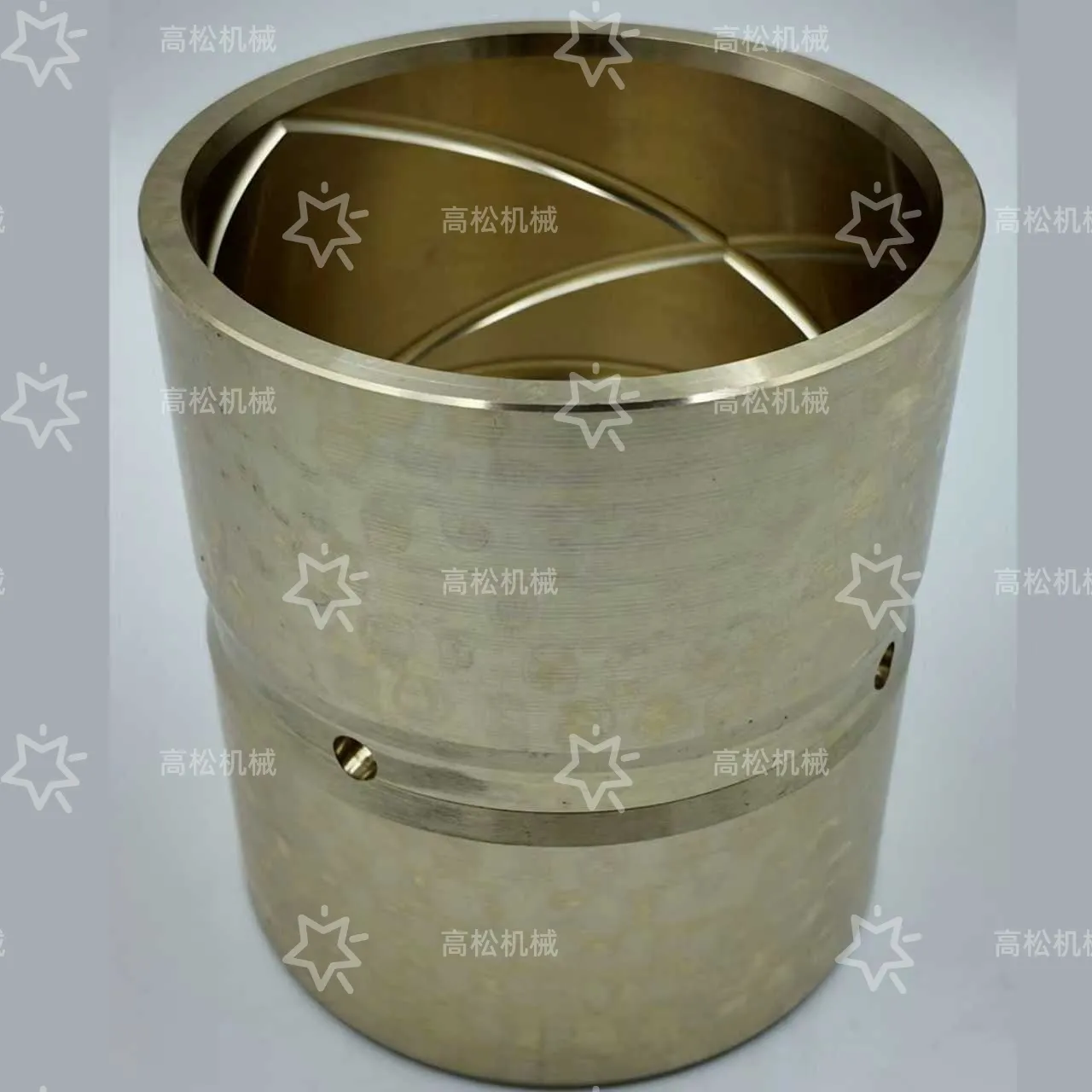 BUSHING 207-70-61610 for KOMATSU PC350-7 PC300LC-7 PC300-8 PC300LC-7L PC300-7
 -
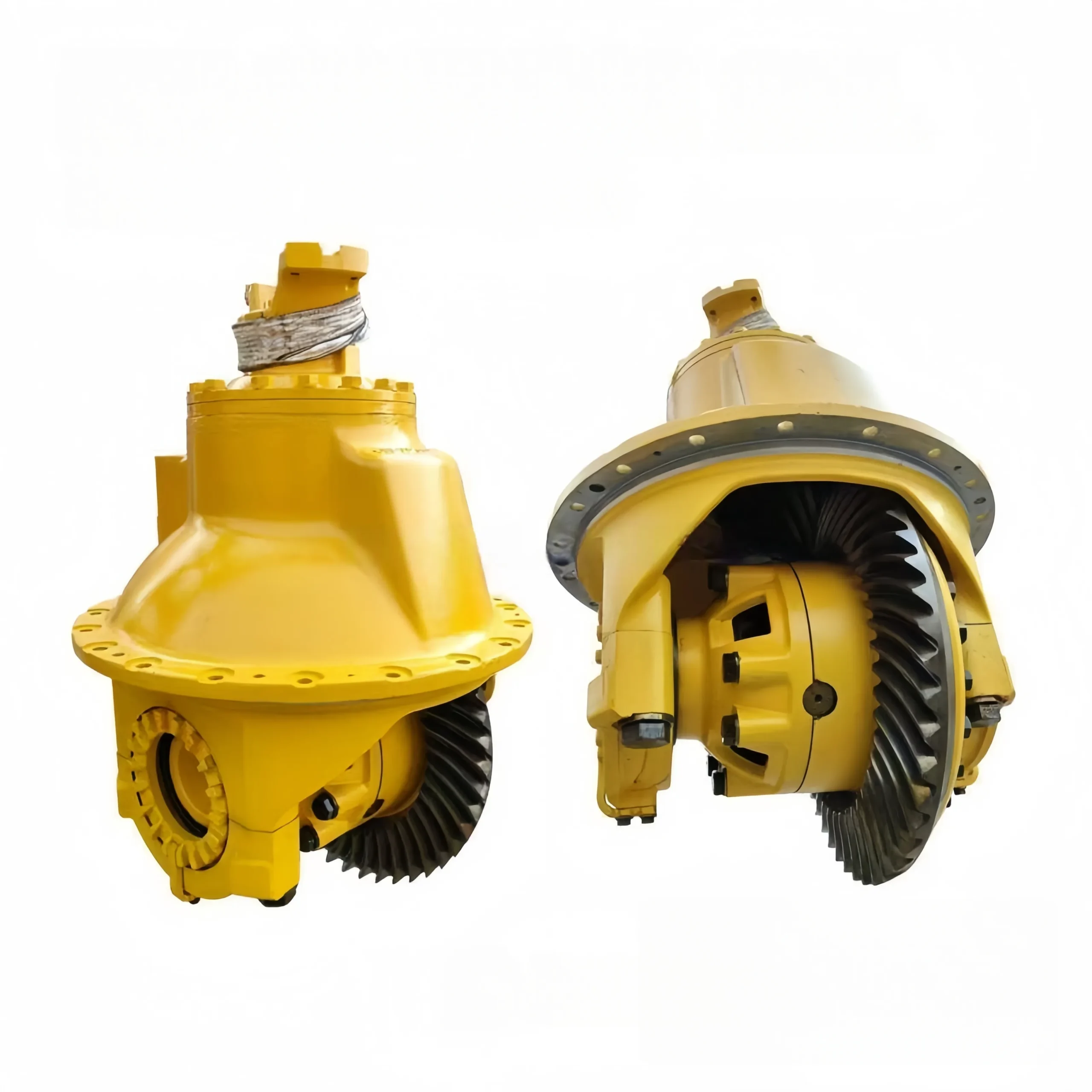 komatsu-part-569-22-71002 RM569-22-71002 569-22-71001 DIFFERENTIAL ASS’Y HD465-7 HD605-7 REAR AXLE (REAR DIFFERENTIAL)
 -
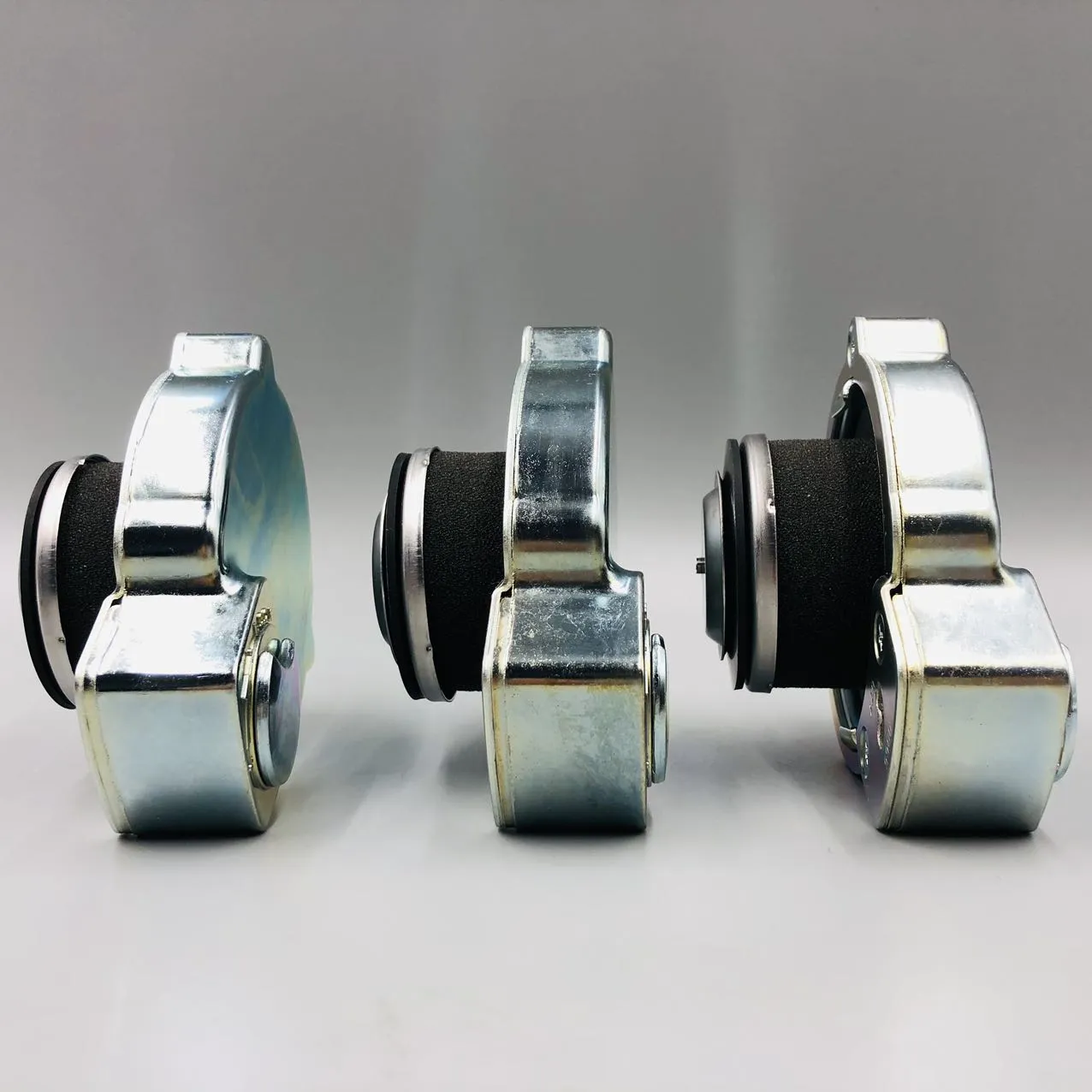 17A-60-11310Hydraulic oil cap assembly
 -
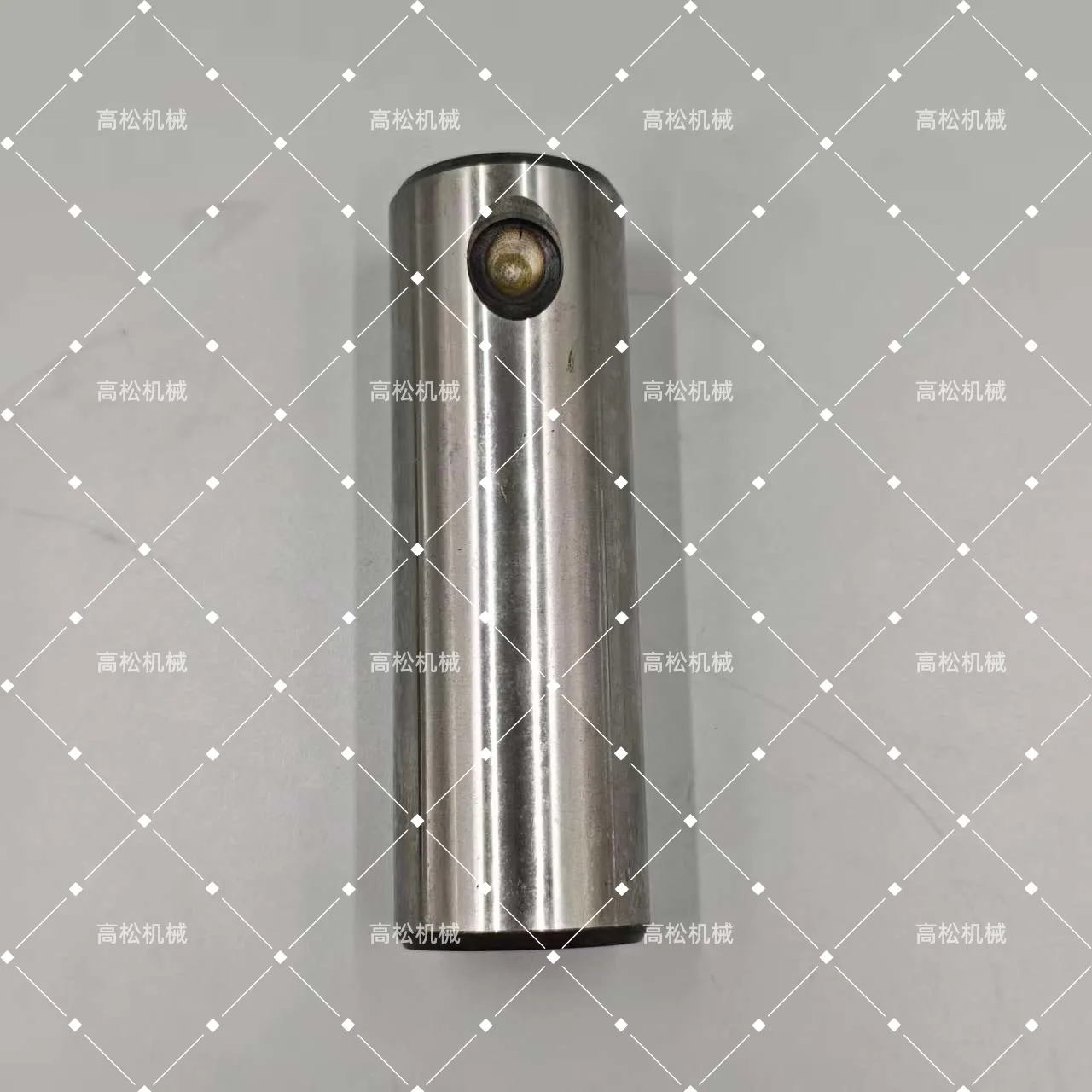 424-22-12510 •• PIN-Komatsu Original Factory
 -
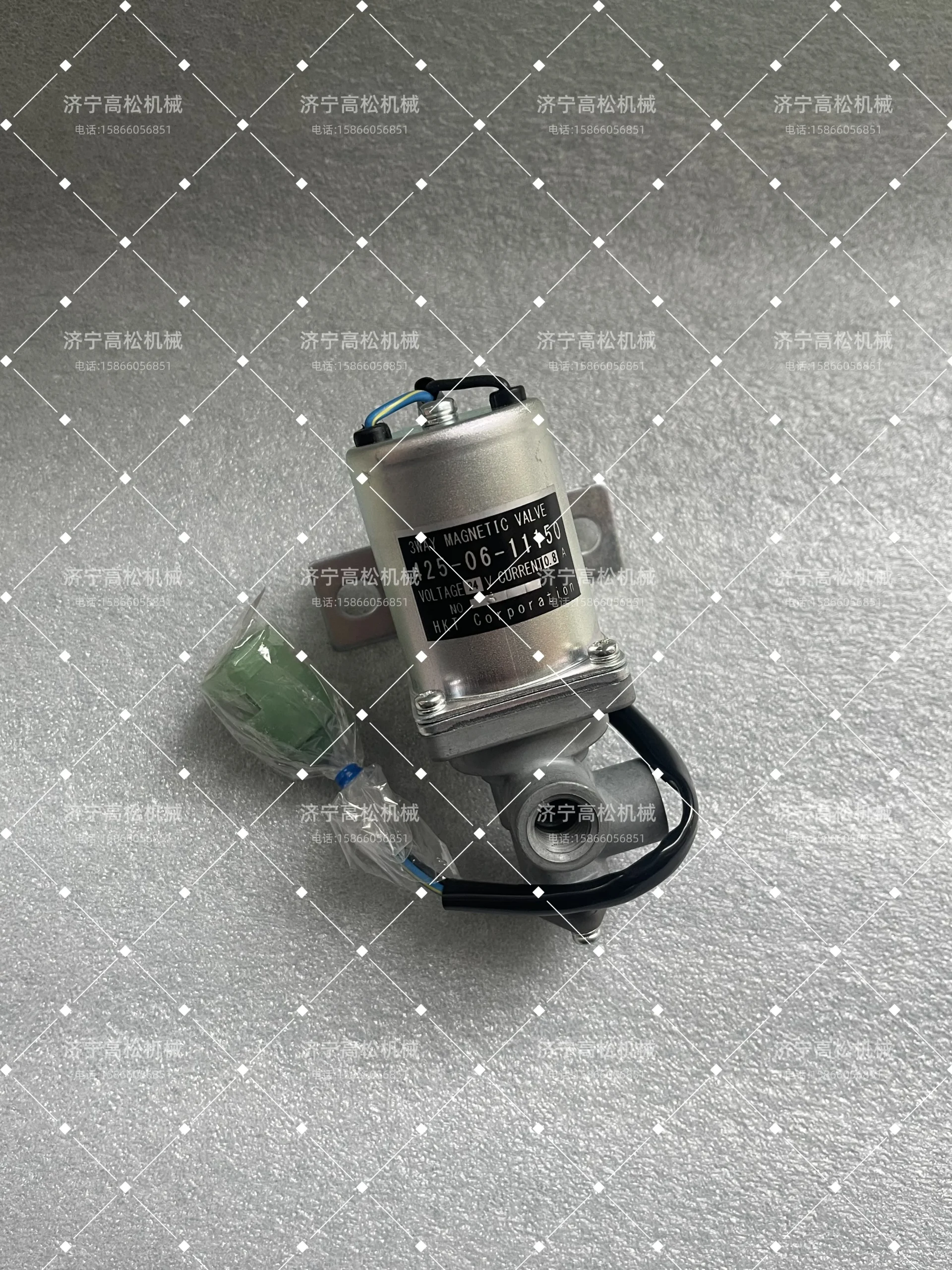 Reliable Cost-Effective Original New 425-06-11150 VALVE for…
 -
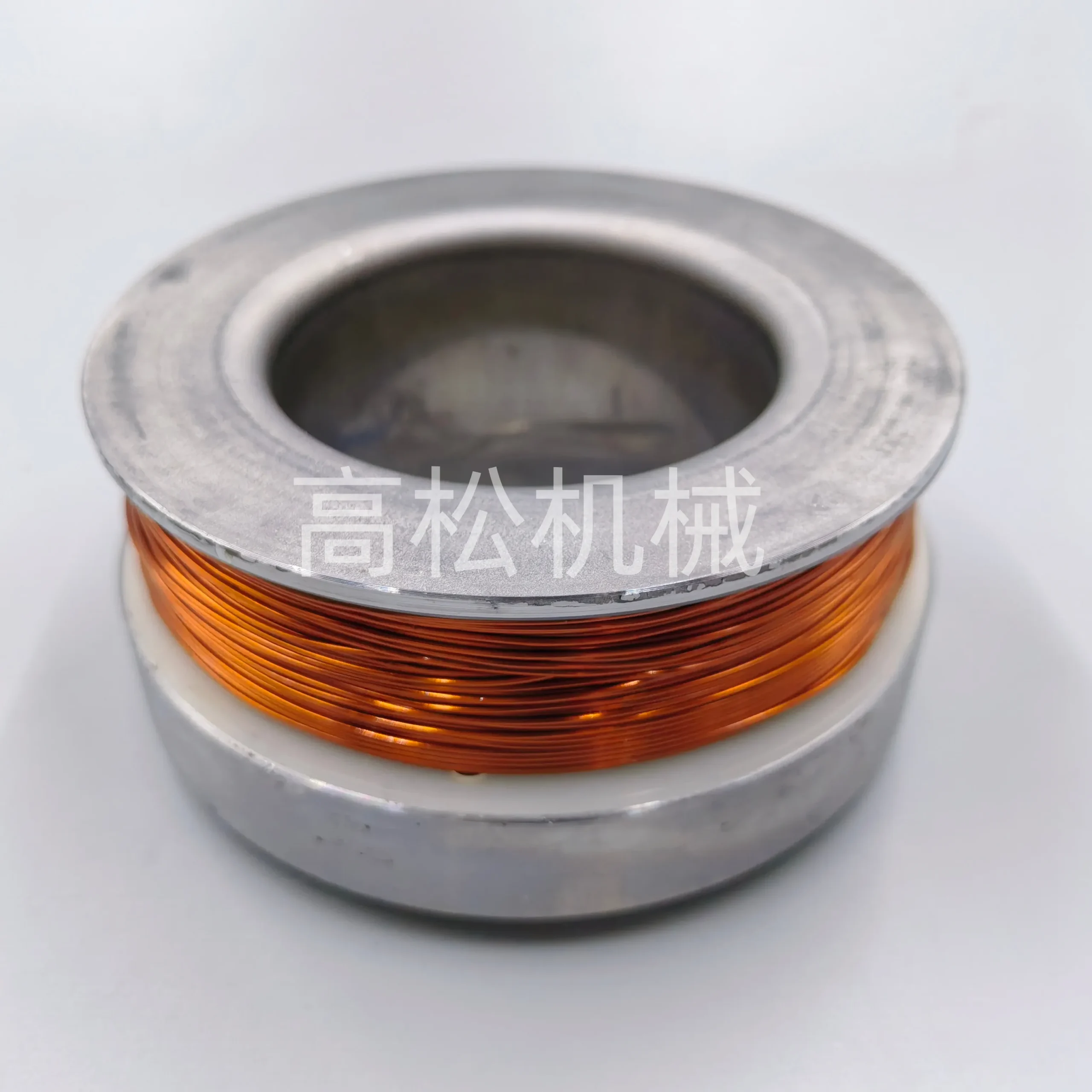 Komatsu KD0-35120-0250 FIELD COIL ASS’Y, price… — Pricing.Parts
 -
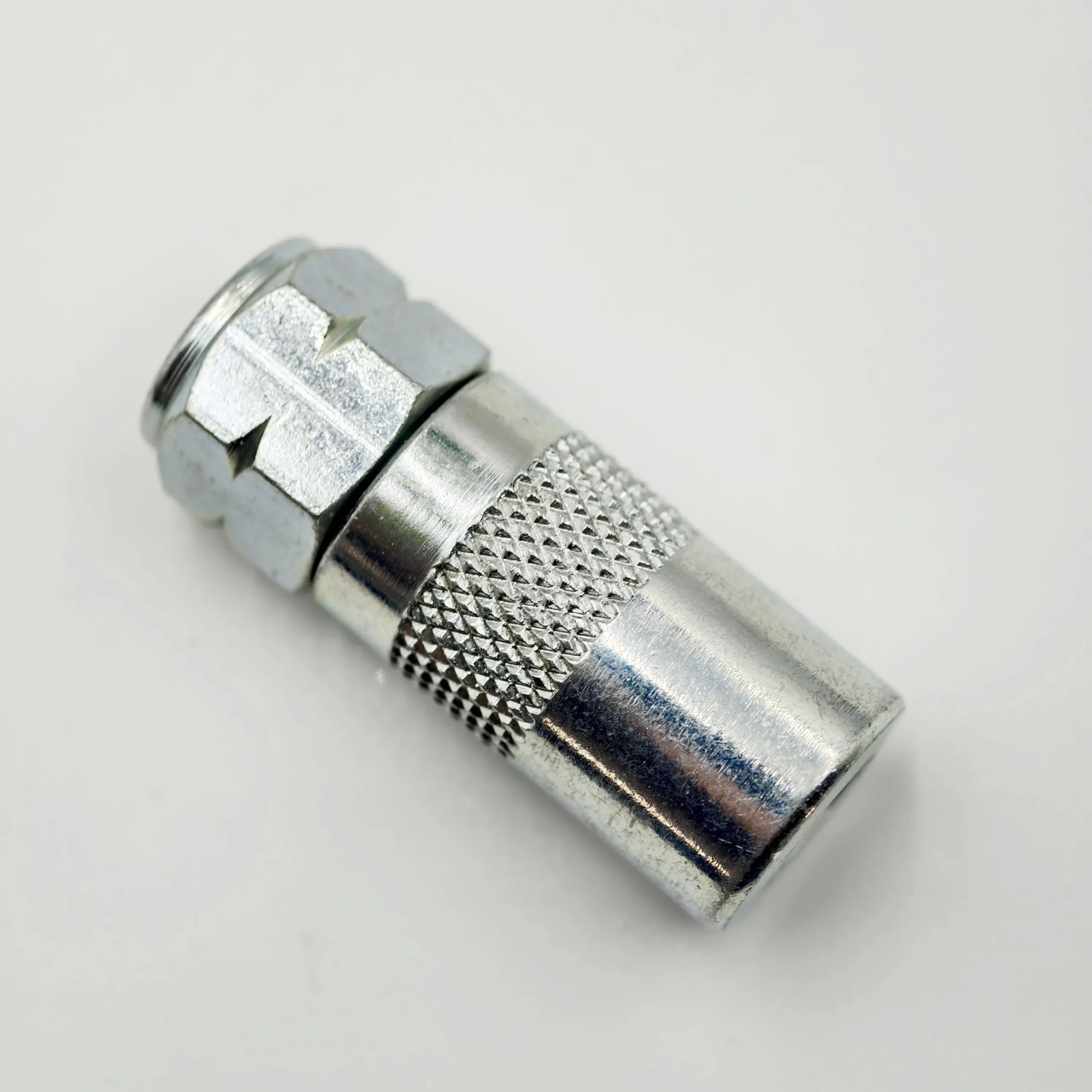
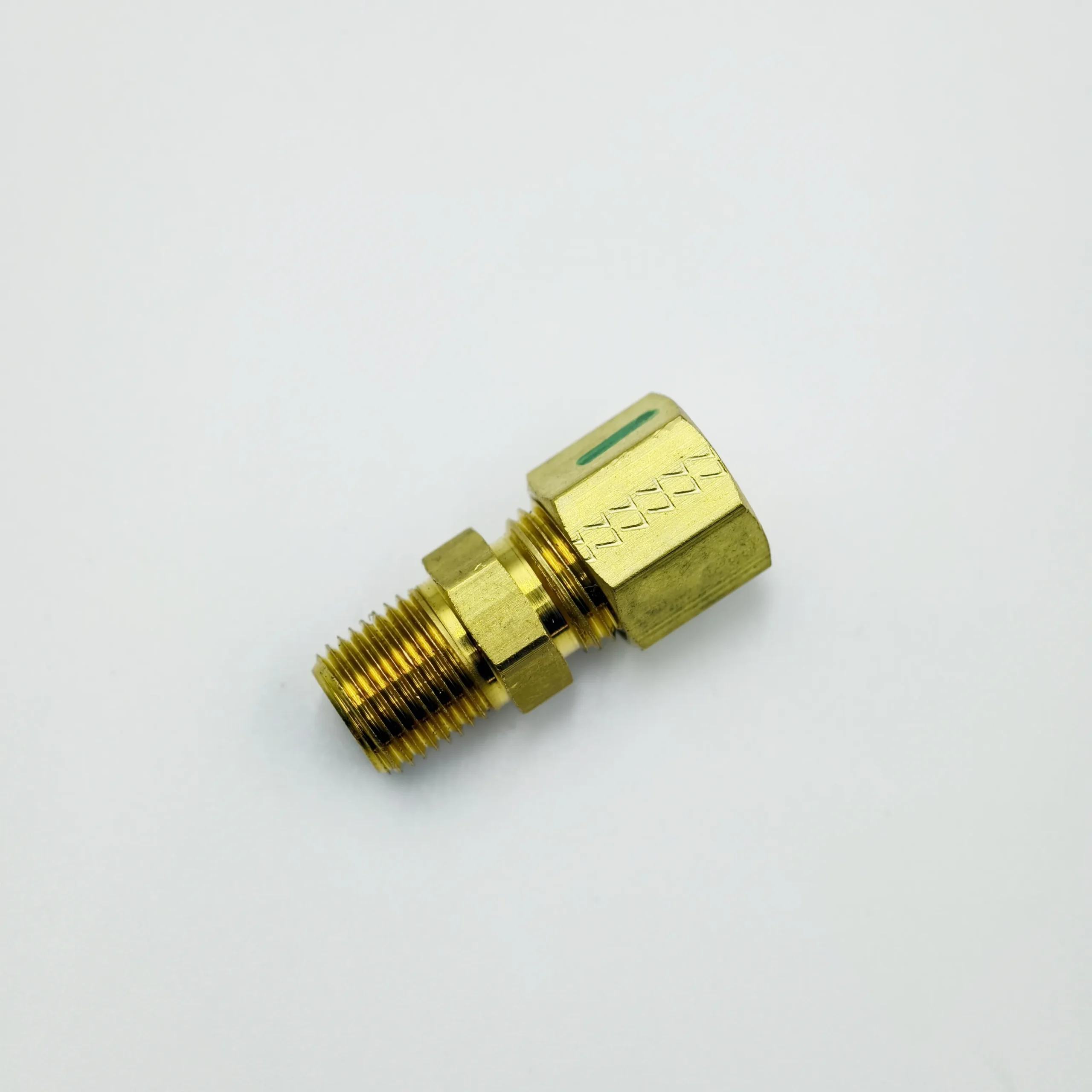 The PC1250SP-8 connector 21N-68-32320 is used for automotive grease in various countries ..
 -
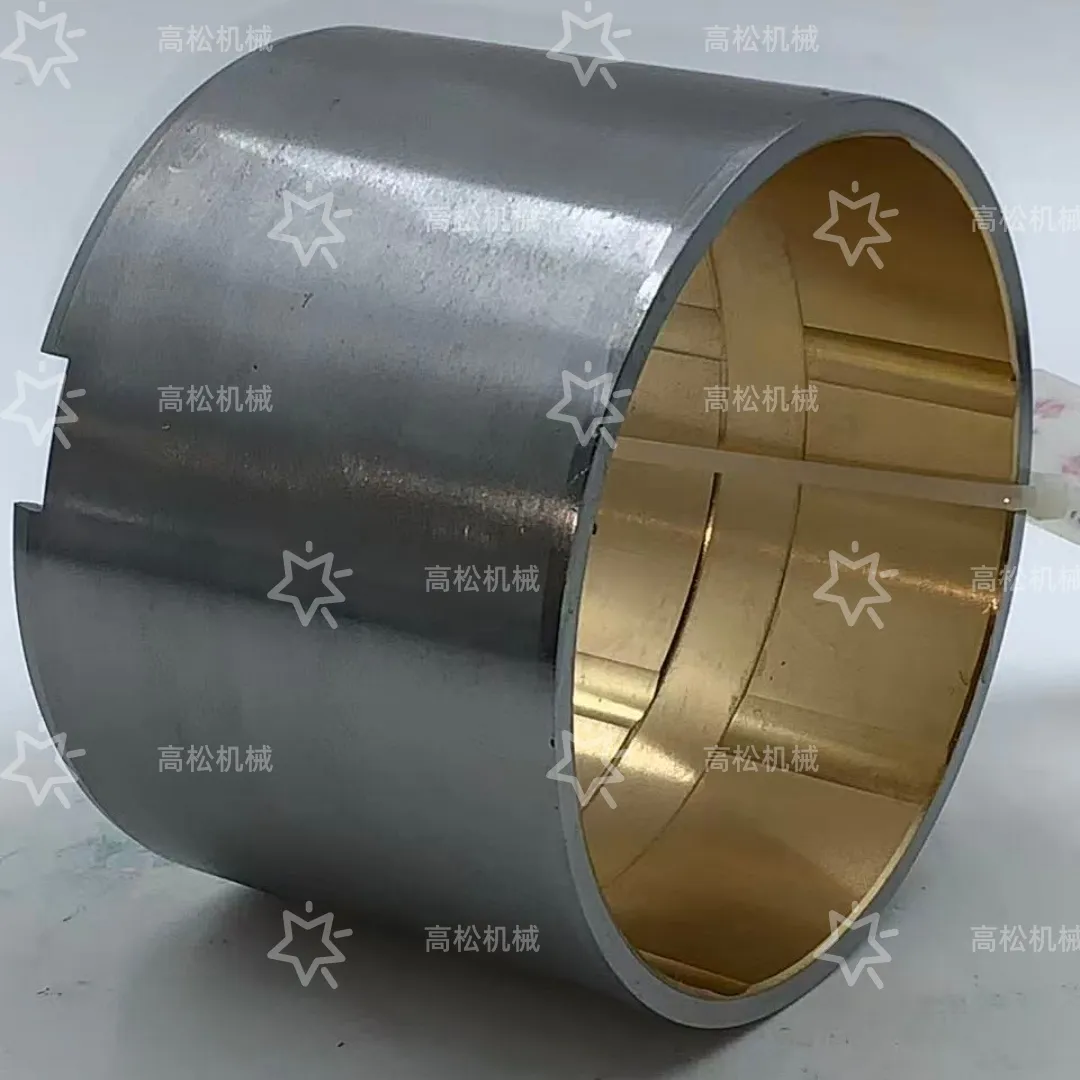 BUSHING 195-61-41160, myKomatsu – Buy Komatsu Parts
 -
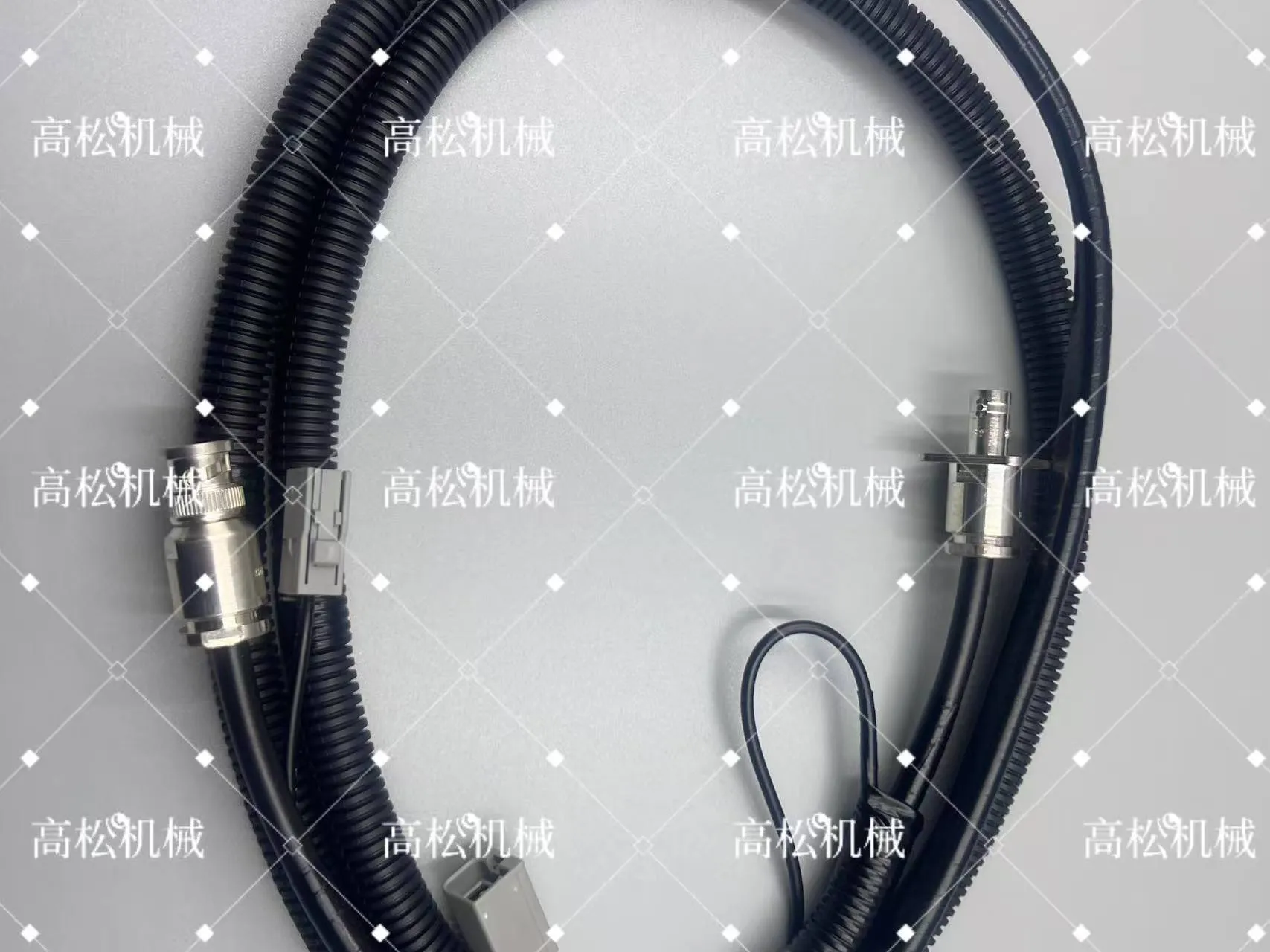 426-06-33750 Komatsu Wiring Harness Parts WA600, WD600
 -
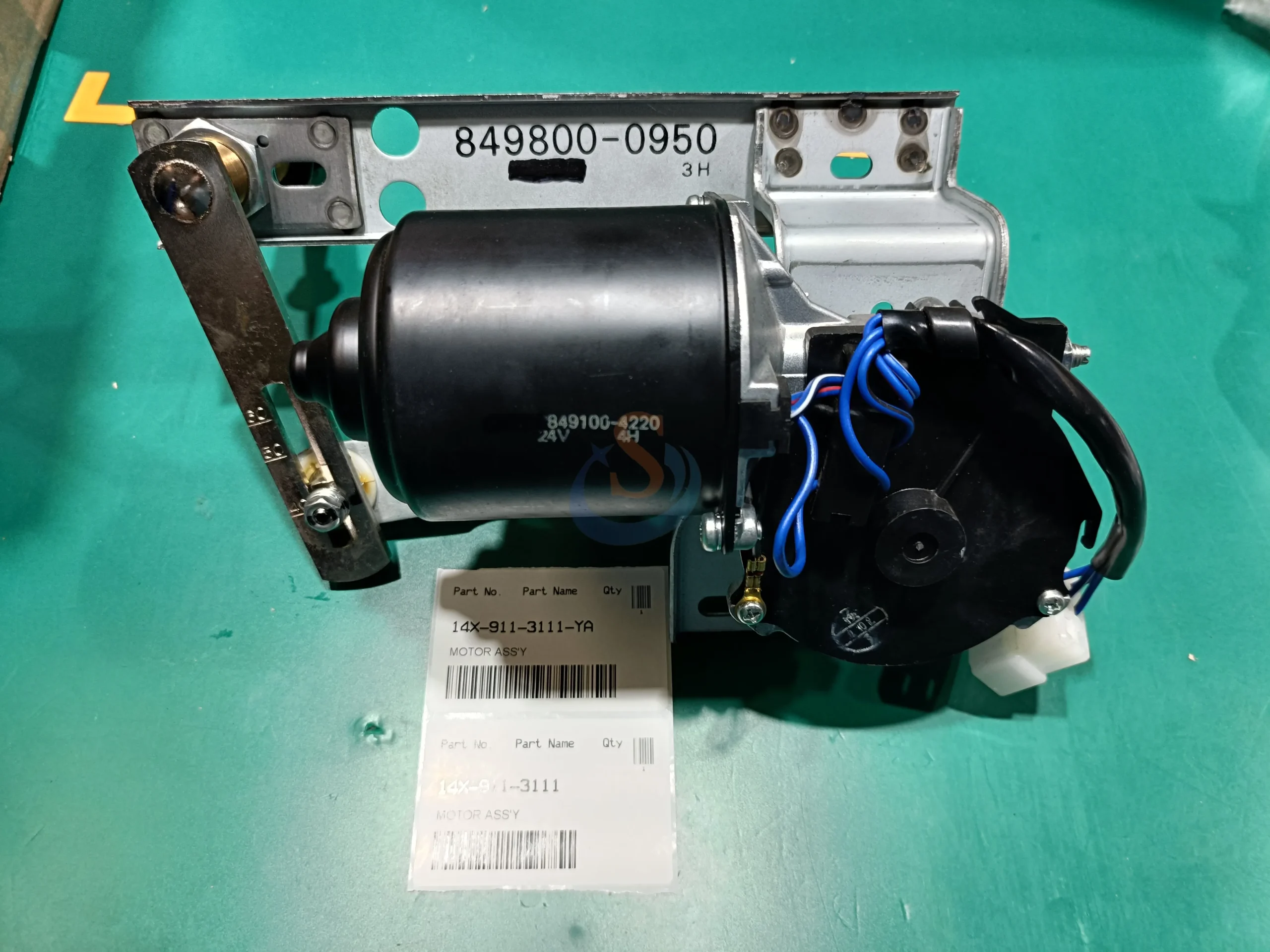 14X-911-3111,WIPER MOTOR ASS’Y,D155A,D275A,D375A
 -
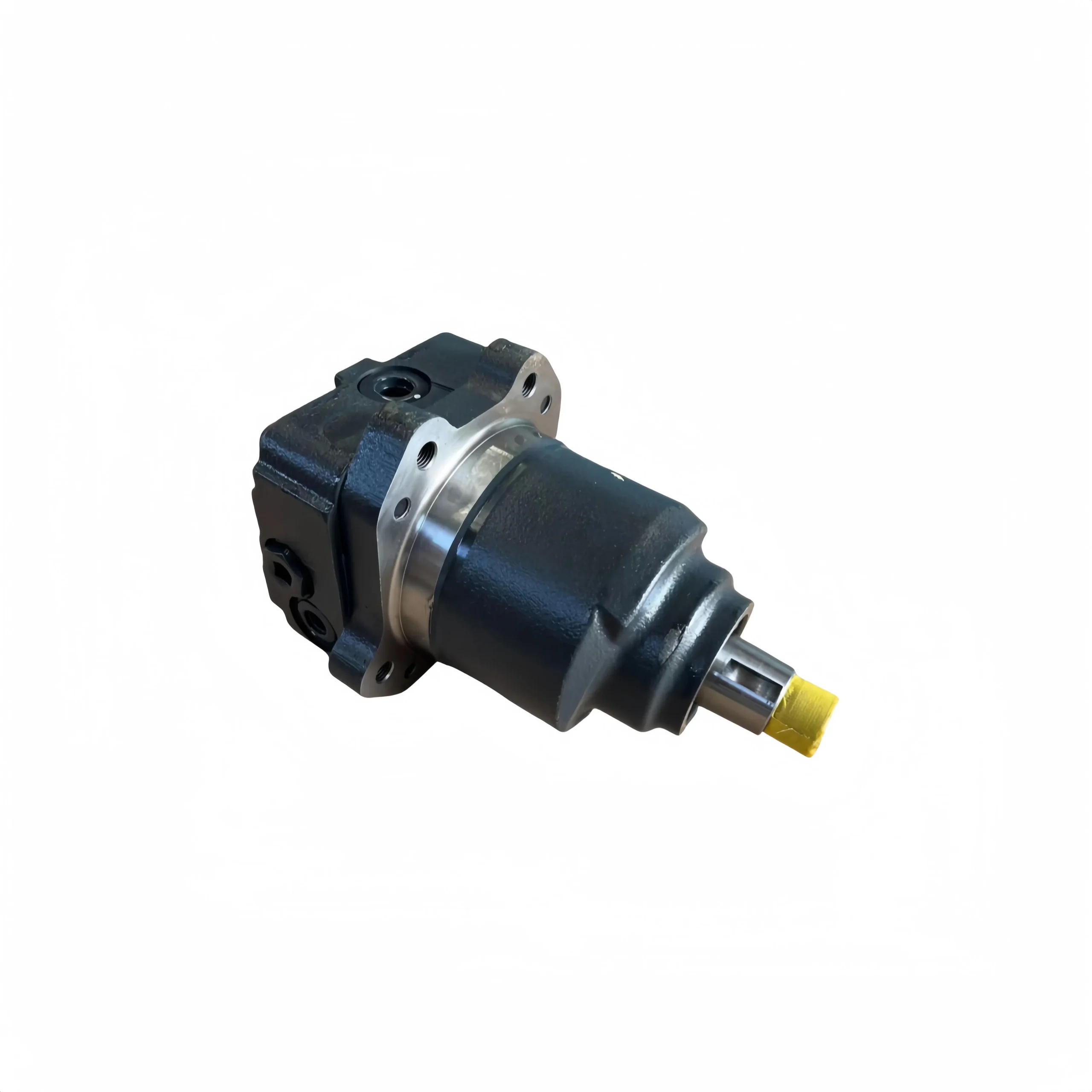 708-7W-00021 Fan Motor for Komatsu D275A-5D
 -
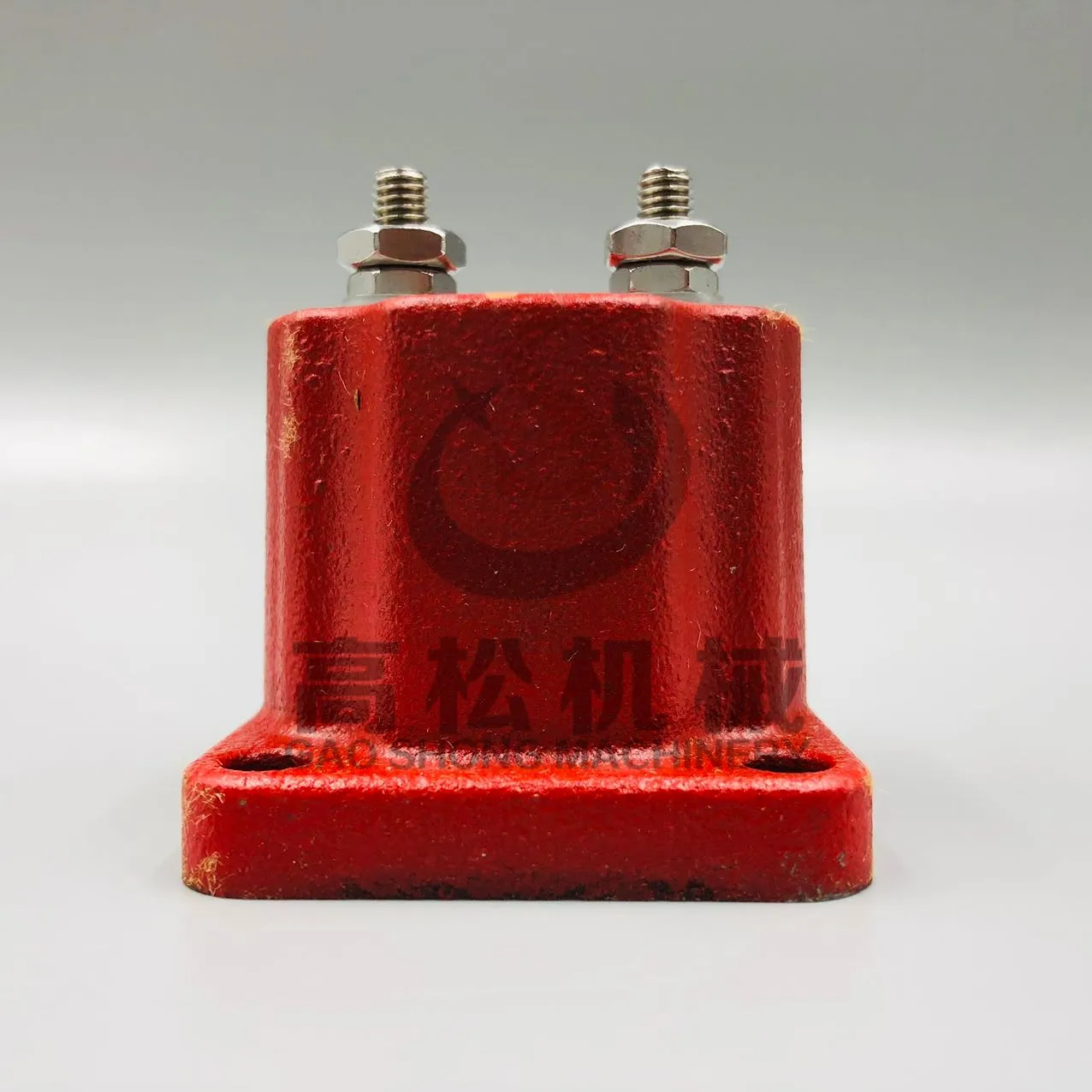 6560-51-1510 SOLENOID (Komatsu)