
- Chinese
- French
- German
- Portuguese
- Spanish
- Russian
- Japanese
- Korean
- Arabic
- Irish
- Greek
- Turkish
- Italian
- Danish
- Romanian
- Indonesian
- Czech
- Afrikaans
- Swedish
- Polish
- Basque
- Catalan
- Esperanto
- Hindi
- Lao
- Albanian
- Amharic
- Armenian
- Azerbaijani
- Belarusian
- Bengali
- Bosnian
- Bulgarian
- Cebuano
- Chichewa
- Corsican
- Croatian
- Dutch
- Estonian
- Filipino
- Finnish
- Frisian
- Galician
- Georgian
- Gujarati
- Haitian
- Hausa
- Hawaiian
- Hebrew
- Hmong
- Hungarian
- Icelandic
- Igbo
- Javanese
- Kannada
- Kazakh
- Khmer
- Kurdish
- Kyrgyz
- Latin
- Latvian
- Lithuanian
- Luxembou..
- Macedonian
- Malagasy
- Malay
- Malayalam
- Maltese
- Maori
- Marathi
- Mongolian
- Burmese
- Nepali
- Norwegian
- Pashto
- Persian
- Punjabi
- Serbian
- Sesotho
- Sinhala
- Slovak
- Slovenian
- Somali
- Samoan
- Scots Gaelic
- Shona
- Sindhi
- Sundanese
- Swahili
- Tajik
- Tamil
- Telugu
- Thai
- Ukrainian
- Urdu
- Uzbek
- Vietnamese
- Welsh
- Xhosa
- Yiddish
- Yoruba
- Zulu
- Kinyarwanda
- Tatar
- Oriya
- Turkmen
- Uyghur






Komatsu bushing
You know, when most people think about Komatsu parts, they're picturing the big stuff—pumps, cylinders, maybe a final drive. The Komatsu bushing gets overlooked. It's just a sleeve of metal, right? That's the first mistake. In my years dealing with parts supply, especially in regions where genuine channels are strained, I've seen more machines sidelined by a failed bushing than by a catastrophic engine blow. It's the quintessential small part, big problem scenario. And the supply chain for these? It's a whole other story, which is where outfits like Jining Gaosong come into play. They operate in that crucial space—OEM within the system, but also a third-party solver for markets that the main pipeline doesn't always reach efficiently.
The Reality of Wear and Genuine
Let's talk about what a bushing actually does. It's not just a spacer. On a Komatsu excavator swing circle, for instance, that bushing is taking immense radial loads and constant oscillation. The tolerance is everything. A few microns of extra wear and you start getting lash, then impact, then damage to the gear teeth or the housing itself. The failure is rarely sudden; it's a slow degradation of performance that operators often miss until there's a costly secondary failure.
This is where the definition of genuine gets fuzzy for end-users. A part from Komatsu's direct factory line is the gold standard, sure. But what about a part produced by an approved OEM supplier like Jining Gaosong Construction Machinery Co., Ltd.? In practice, it's the same spec, often from the same forging and machining lines. The difference is the route to market. For a customer in a country with import hurdles or limited official distributor stock, accessing these OEM-quality parts through a third-party sales channel isn't a compromise—it's a necessity to keep the machine running.
I recall a contractor running a PC360 in a remote mining operation. They had a persistent, greasy leak around the boom foot. They kept replacing seals, but it came back. Turns out, the pin was fine, but the Komatsu bushing had worn unevenly, creating a path for grease to escape. They'd used a locally machined bushing twice because the lead time for an official part was 12 weeks. The third time, they sourced an OEM-spec part through a third-party supplier (one like the mentioned https://www.takematsumachinery.com), and the problem stopped. The lesson wasn't about brand loyalty, but about specification integrity.
Supply Chain Gaps and Practical Solutions
The official Komatsu system is robust, but it's not omnipresent. In certain countries, logistics, tariffs, or simply low inventory for older models create real challenges. A company positioned as both an OEM producer and an independent seller fills a critical void. They aren't selling counterfeit parts; they're providing the same OEM-produced components through a parallel, often more agile, supply route. This is crucial for wear items like bushings, which are high-consumption.
We tried once, years ago, to standardize on only direct-distributor parts for a fleet. The theory was perfect. The practice was a budgeting and downtime nightmare. For a fleet of twenty machines, we'd be waiting on bushings and pins for months, cannibalizing newer machines to keep older ones running. It was unsustainable. Introducing a qualified third-party source for these specific wear items changed the game. The key was qualification—verifying metallurgy, hardening process (case hardening depth is critical), and dimensional tolerances.
Jining Gaosong's model, as I understand it, embodies this. Being an OEM product supplier within the Komatsu system means they know the prints and the material certs. Their role in helping to solve parts supply challenges in certain countries isn't marketing fluff; it's the daily reality of keeping iron moving. You don't call them for a new controller; you call them for the bucket hinge Komatsu bushing kit you need by next Thursday.
On-Site Judgement Calls and Failures
Here's a gritty detail you only learn in the field: installation lube. Sounds simple. But I've seen a brand-new, perfectly in-spec bushing gall and seize because the crew used standard grease instead of the proper moly-based assembly paste. The initial friction during first rotation scored it. By the time the central greaser pushed grease through, the damage was done. The part was blamed, but the failure was procedural.
Another hard lesson: not all wear is equal. A bushing in the travel motor linkage wears differently than one in the stick. The travel one sees more constant, lubricated rotation. The stick bushing sees shock loads and partial rotation. You can sometimes get away with a slightly softer spec on the travel side in a pinch, but never on the stick. We learned this after a premature failure on a PC200-8. We used a compatible bushing rated for the load but not the impact fatigue. It cracked within 400 hours. The comeback was brutal.
This is why provenance matters. When you get a part from a source that understands the system, like an integrated OEM/third-party supplier, there's an implicit understanding of these applications. They're less likely to sell you a generic excavator bushing and more likely to ask for the machine SN and the specific location. That question alone separates part peddlers from solution providers.
Cost of Downtime vs. Part Price
The eternal calculation. A genuine Komatsu bushing from the distributor might cost X. An OEM-spec one from a third-party channel might be 0.7X. A local machine shop copy might be 0.3X. The naive view looks only at the part cost. The operational view adds the downtime cost. If the OEM-spec part gets there in 2 days and the genuine part in 6 weeks, the math flips entirely, even if the prices were equal.
I worked on a port project where a mid-sized Komatsu dozer was critical for clearing material. The radius rod Komatsu bushing failed. The port had a standing PO with the local Komatsu dealer. Part was on backorder, ETA 8 weeks. Machine rate was astronomical. They found the part through a third-party international supplier with OEM links—the part was shipped in 48 hours, air freight. Was it the exact same part number? No, it was the OEM supplier's number. But it bolted up, fit perfectly, and the machine ran for the next 5000 hours without issue. The premium for air freight was trivial compared to the alternative.
This is the niche. It's not about undercutting the official network everywhere. It's about providing a functionally identical solution where the official network has gaps, speed is critical, and the buyer has the knowledge to verify quality. Companies operating like Jining Gaosong are effective because they bridge the two worlds—they have the OEM manufacturing pedigree to ensure the part is right, and the third-party agility to get it where it needs to go.
Final Thoughts on Spec and Survival
So, what's the takeaway on something as mundane as a bushing? First, respect it. It's a precision wear component, not a commodity. Second, understand your supply options. The genuine ecosystem is more layered than just the dealer invoice. Approved OEM suppliers are part of that ecosystem, even if their sales path is different.
For maintenance managers in tough markets, developing a relationship with a reliable, knowledgeable supplier who understands both the Komatsu specification and the urgency of field operations is as valuable as any tool in the shop. It's about risk management. A failed Komatsu bushing can lead to a failed pin, a cracked ear, a ruined assembly. The repair bill multiplies.
In the end, keeping machines running is the goal. Sometimes that means the part comes in a Komatsu box from the local dealer. Sometimes it means it comes in a plain box from an OEM supplier's international warehouse. The smart operator knows how to tell the difference between a shortcut and a smart alternative. The bushings, quietly, will tell you if you chose right.
Related Products
Related Products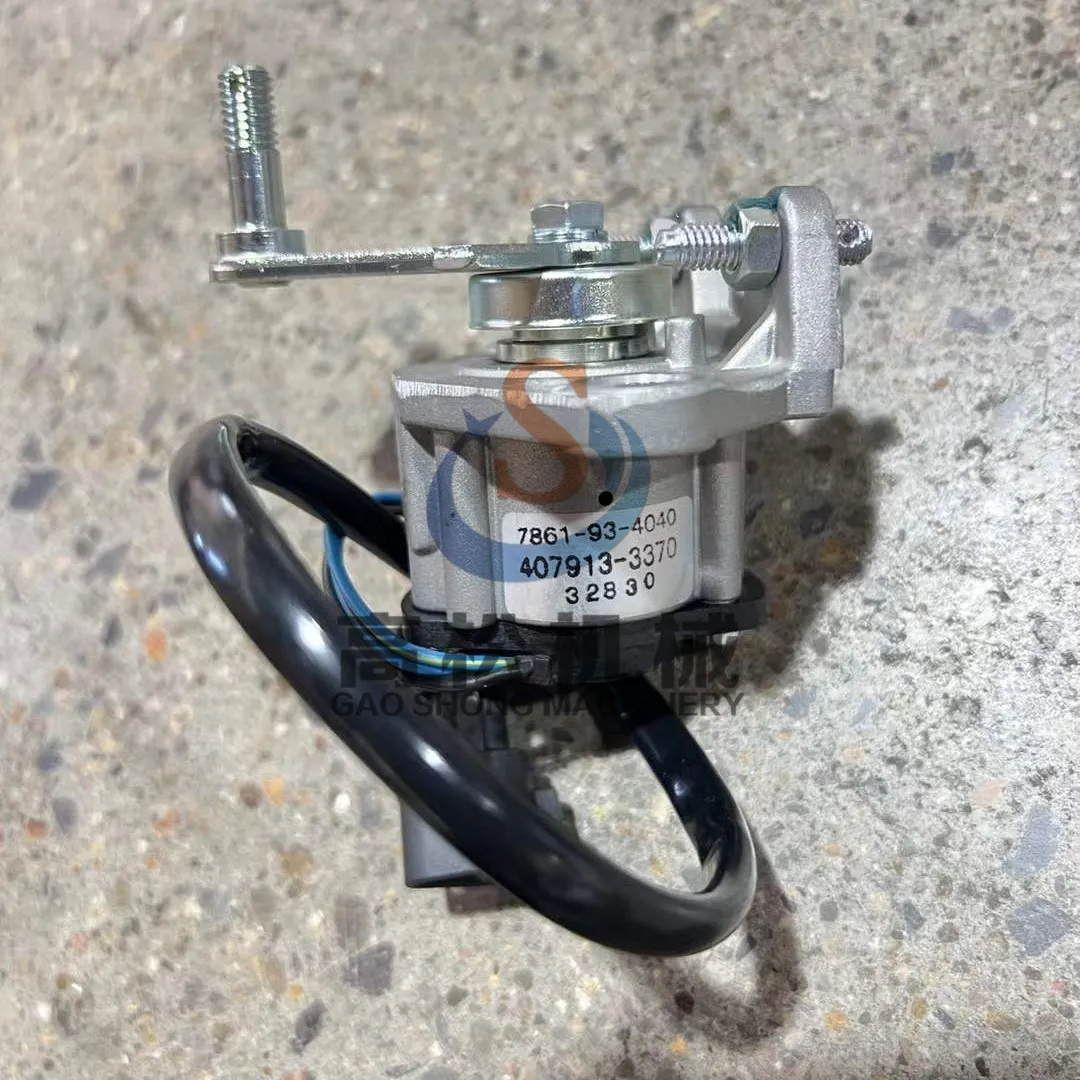
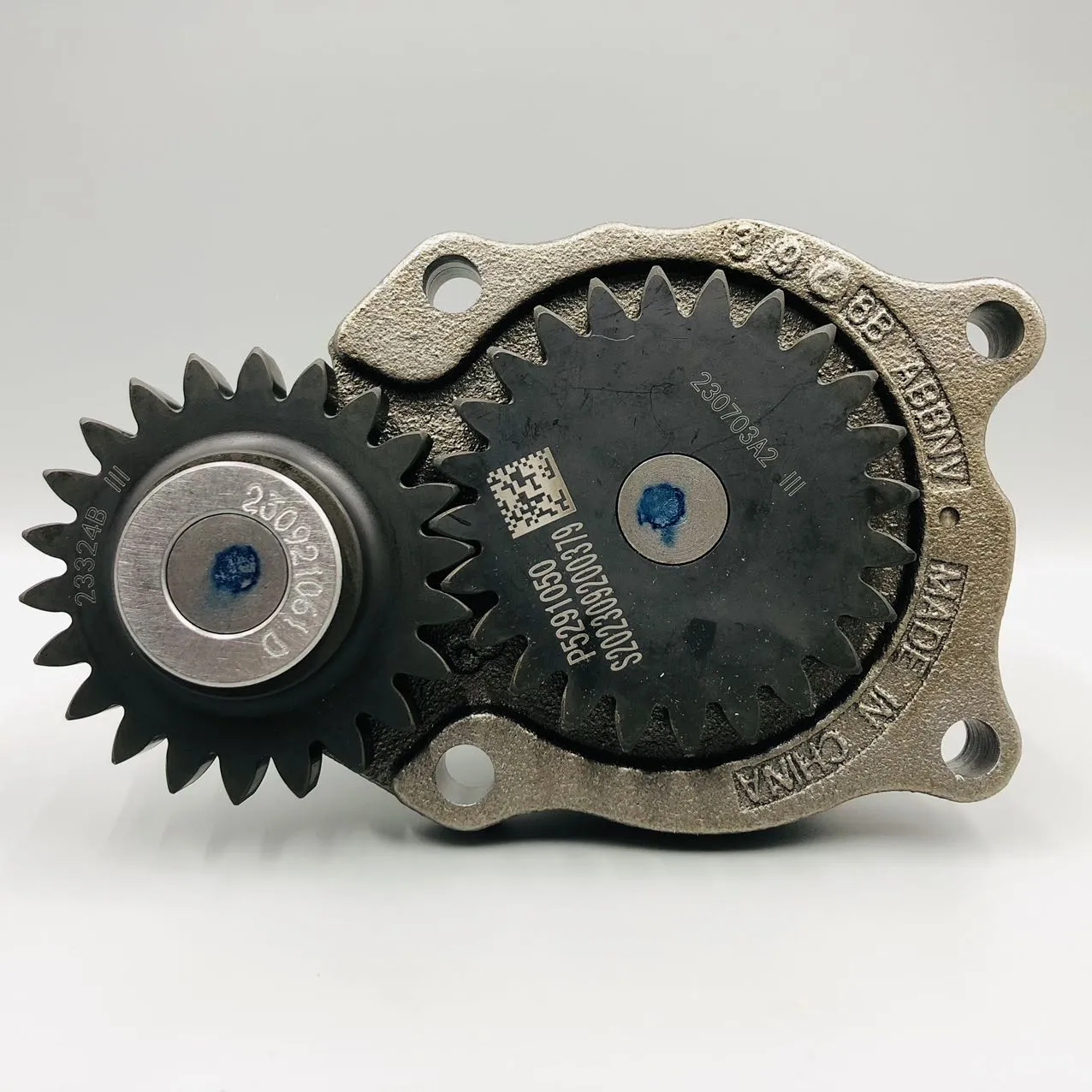
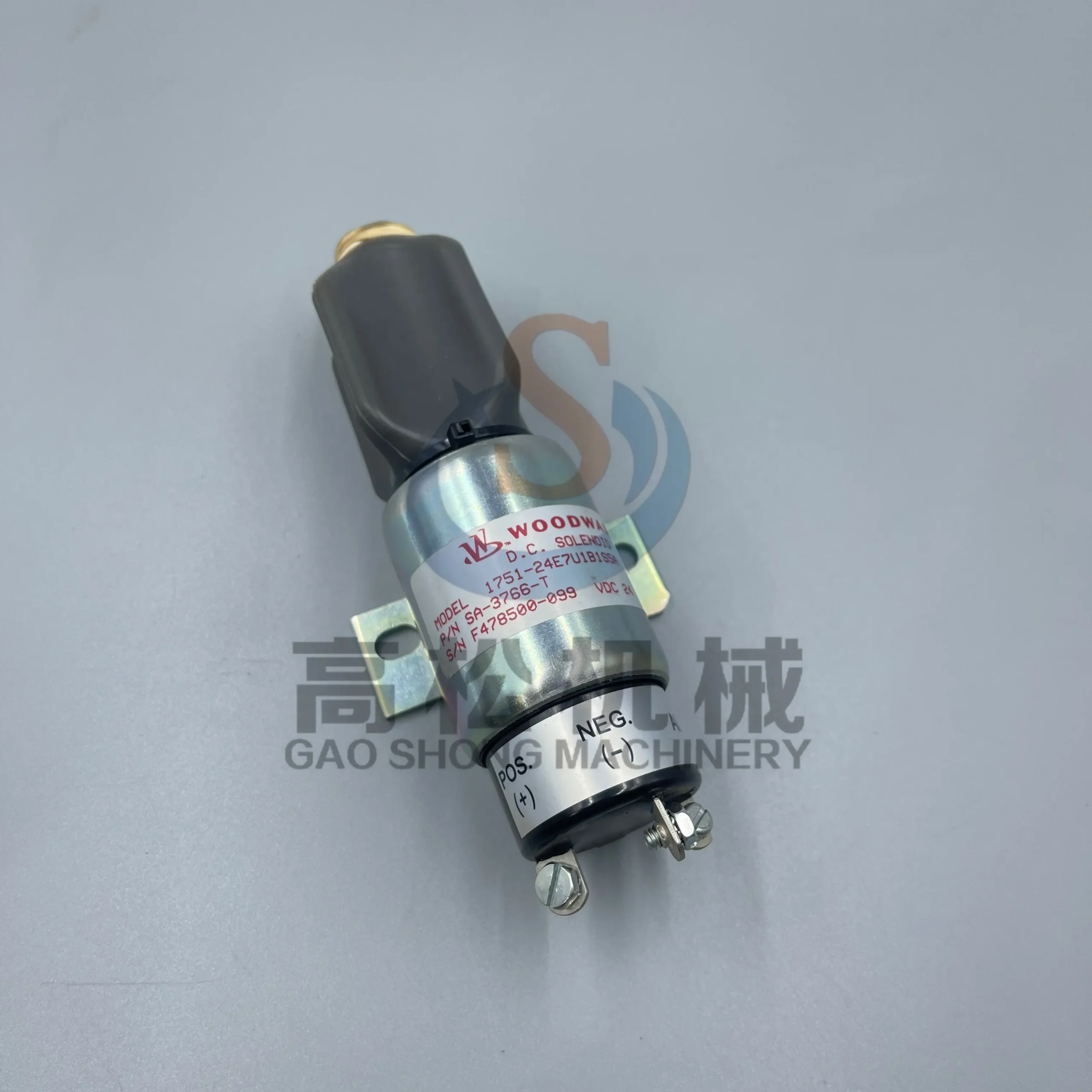
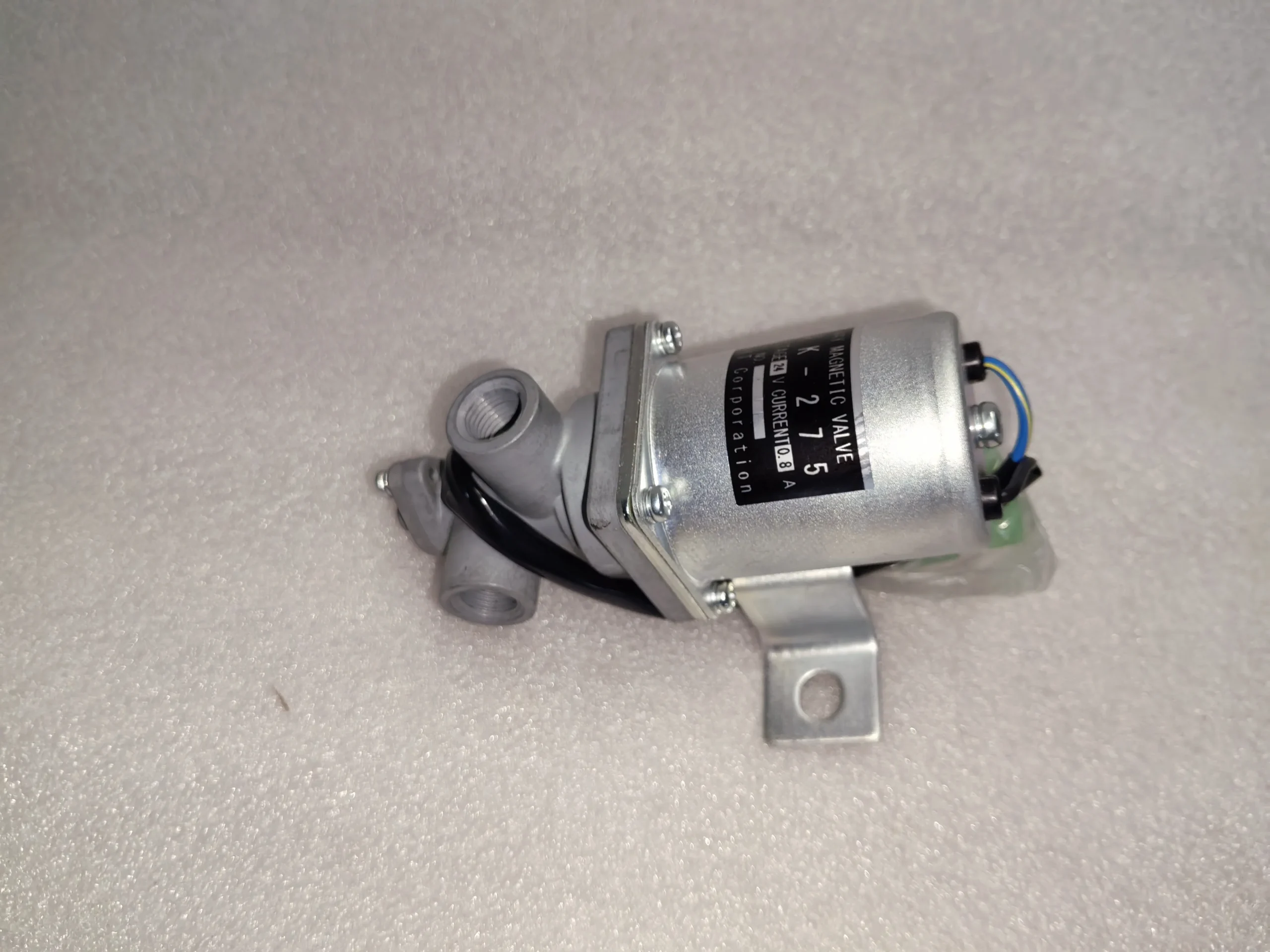

Best Selling Products
Best Selling Products-
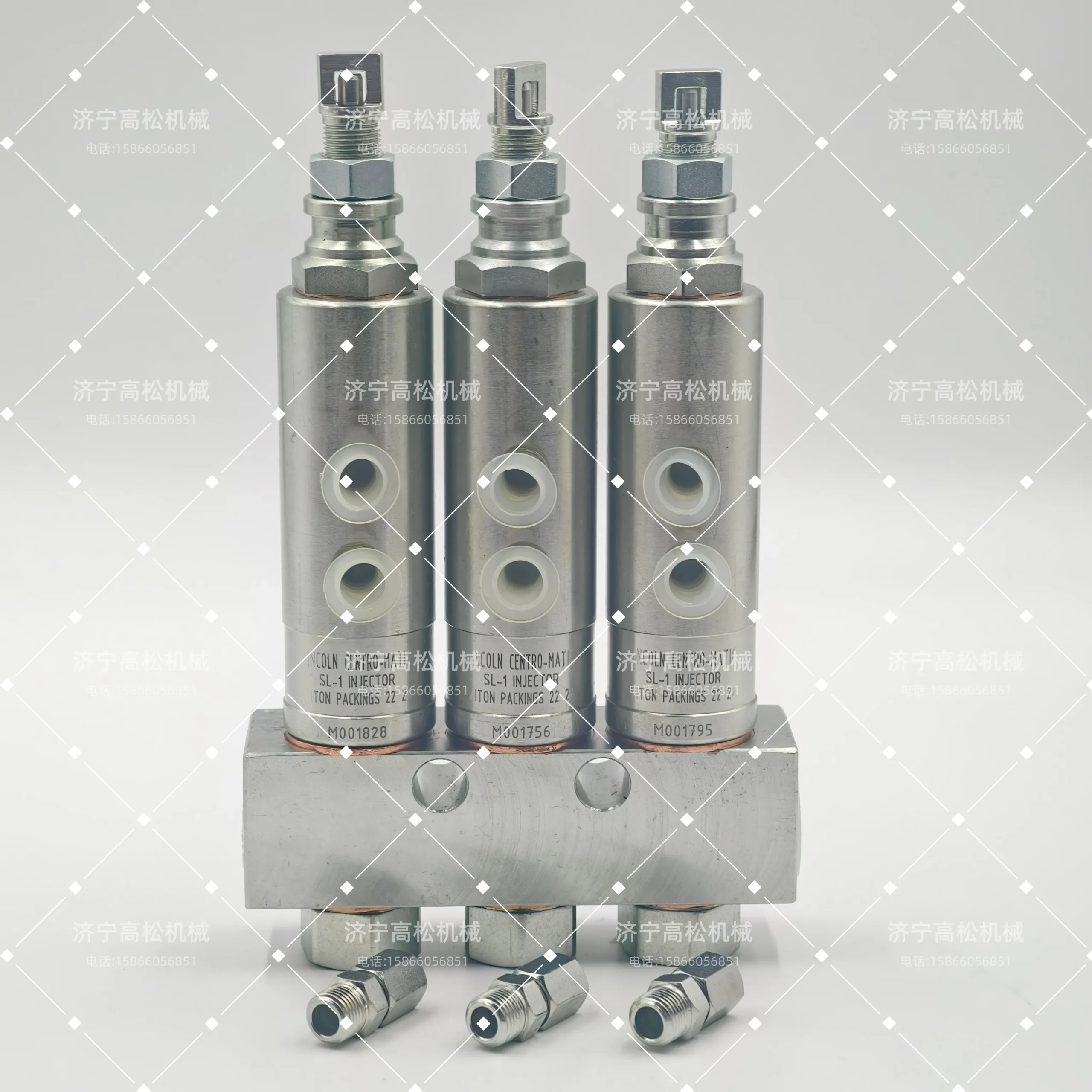 Ekskavatör PC1250-7 PC1250-8 enjektör 581-96-19520…
 -
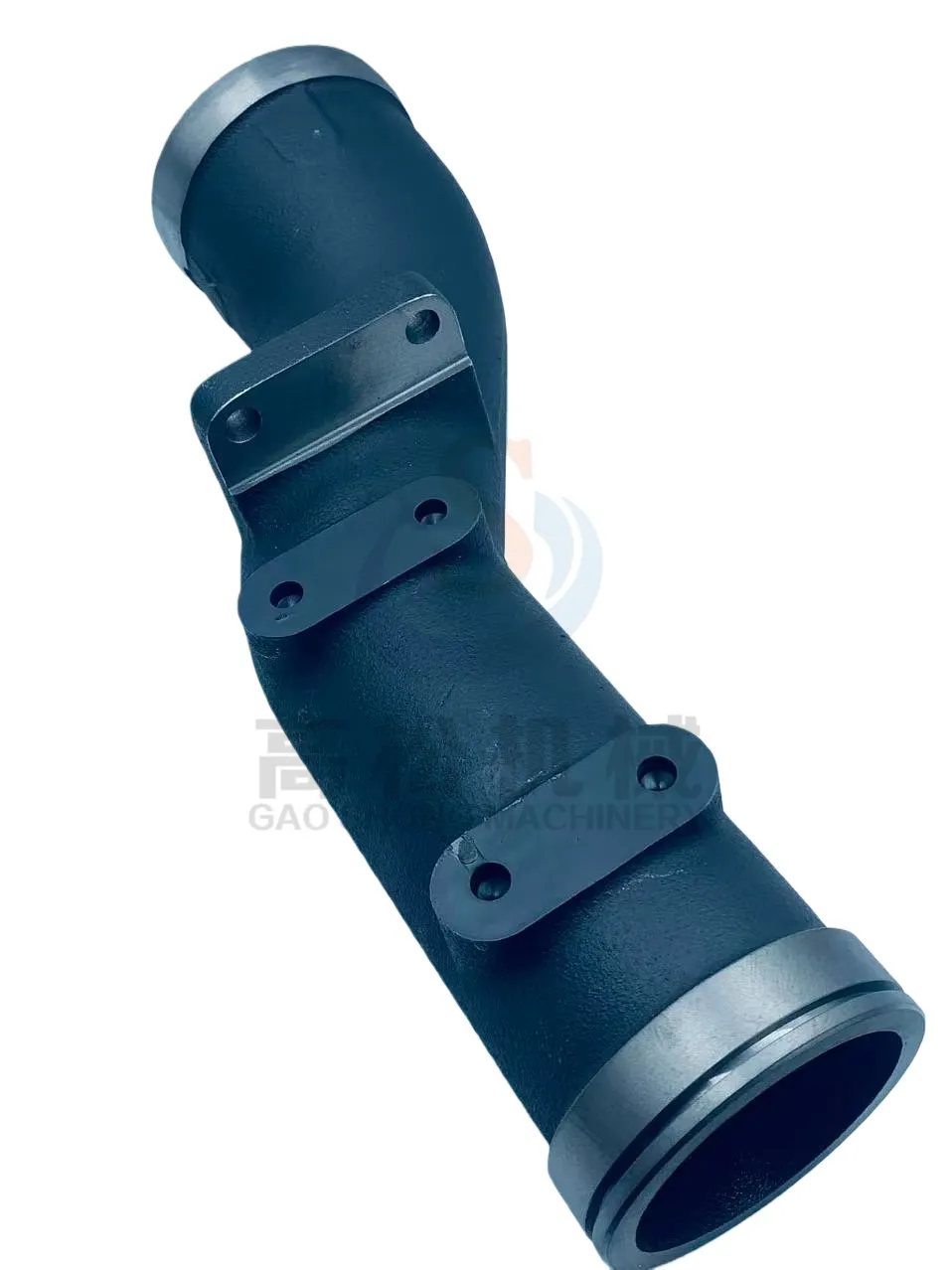 KOMATSU CONNECTOR 6156-11-5521 PC400-7 MUFFLER CONNECTOR SAA6D125E-3K-8W MUFFLER
 -
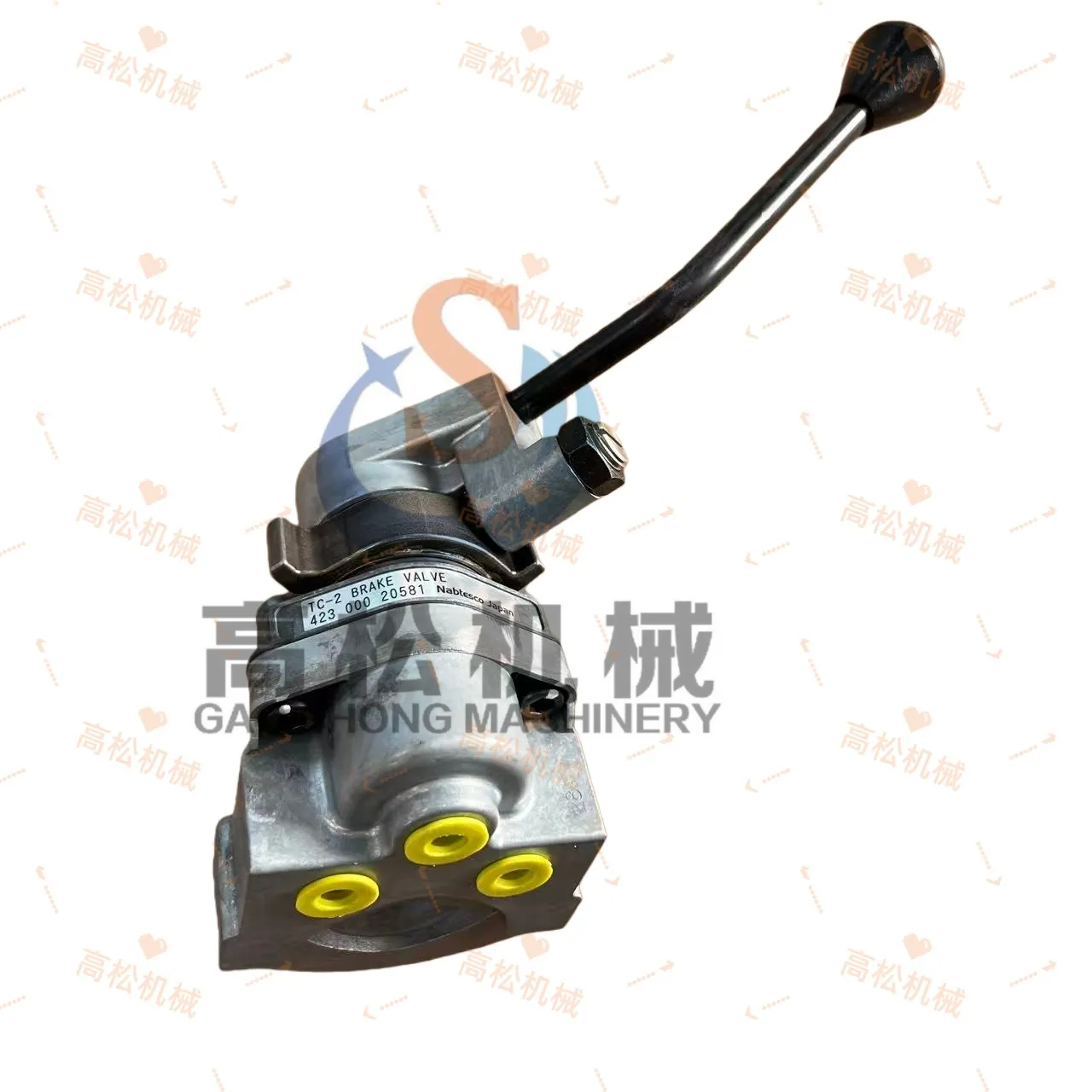 RETARDER VALVE ASS’Y HD785-5 RETARDER VALVE ASS’Y HD985-5 RETARDER VALVE ASS’Y HD255-5
 -
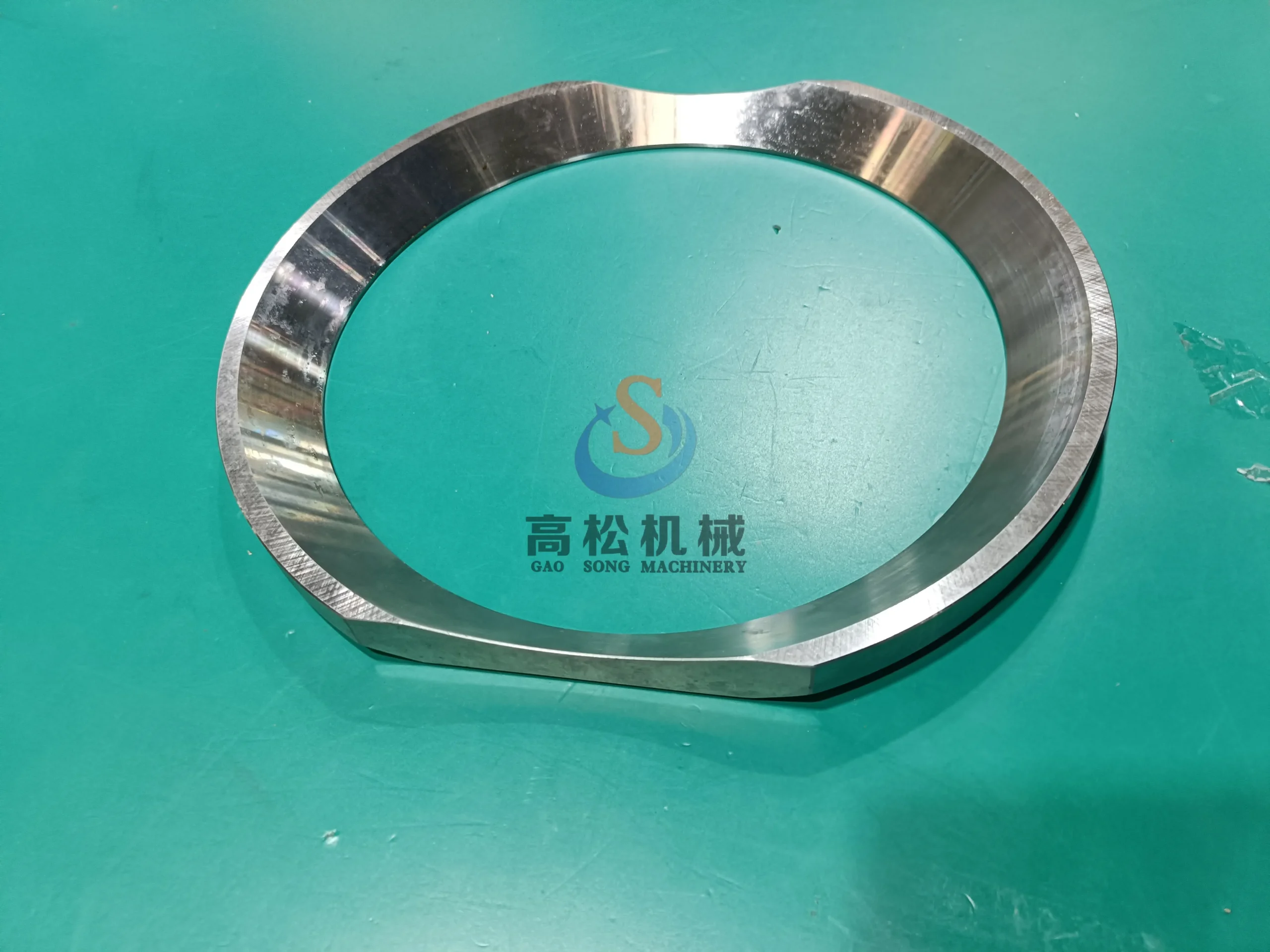 154-27-72350 komatsu COLLAR-D85
 -
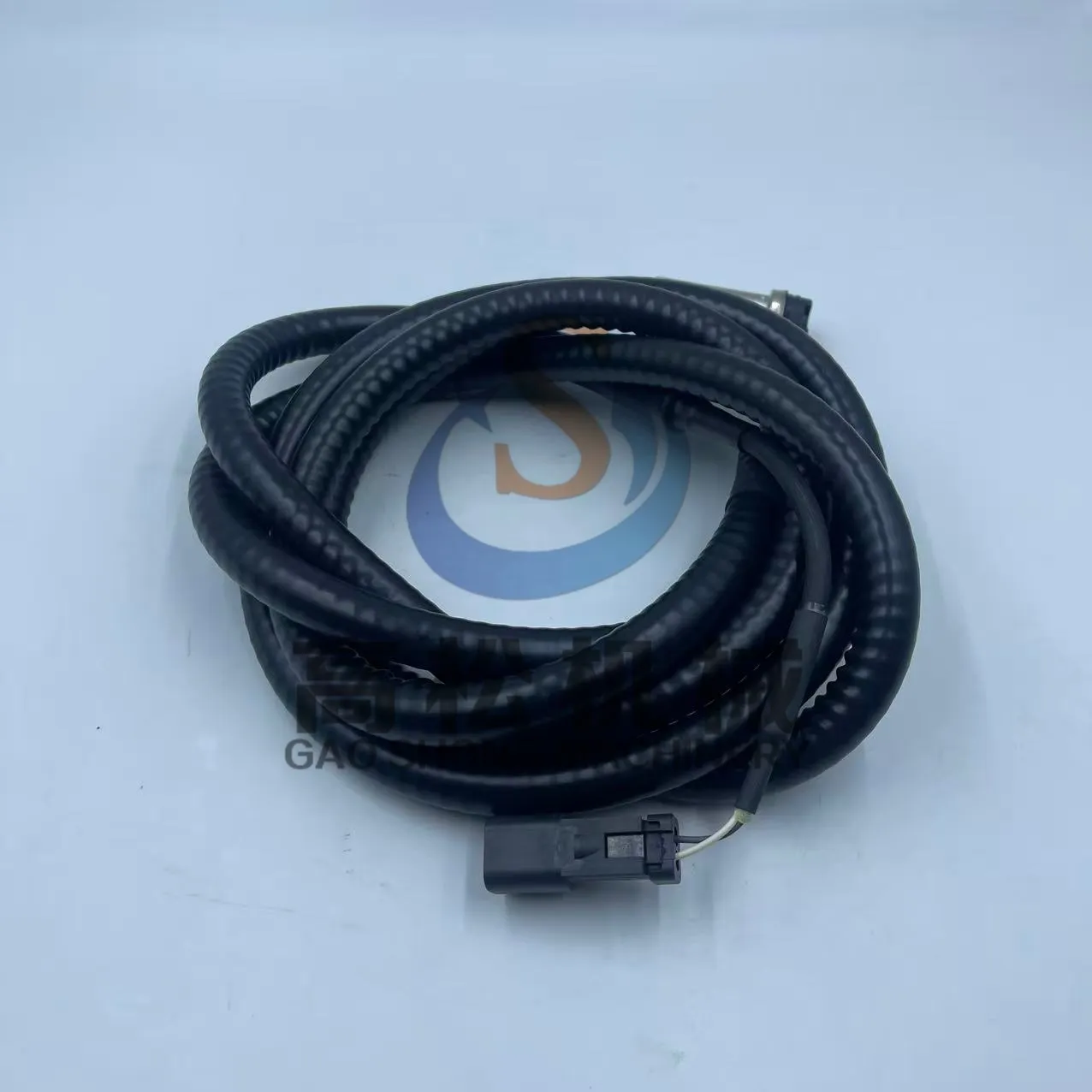 566-88-66143 – KOMATSU SENSOR
 -
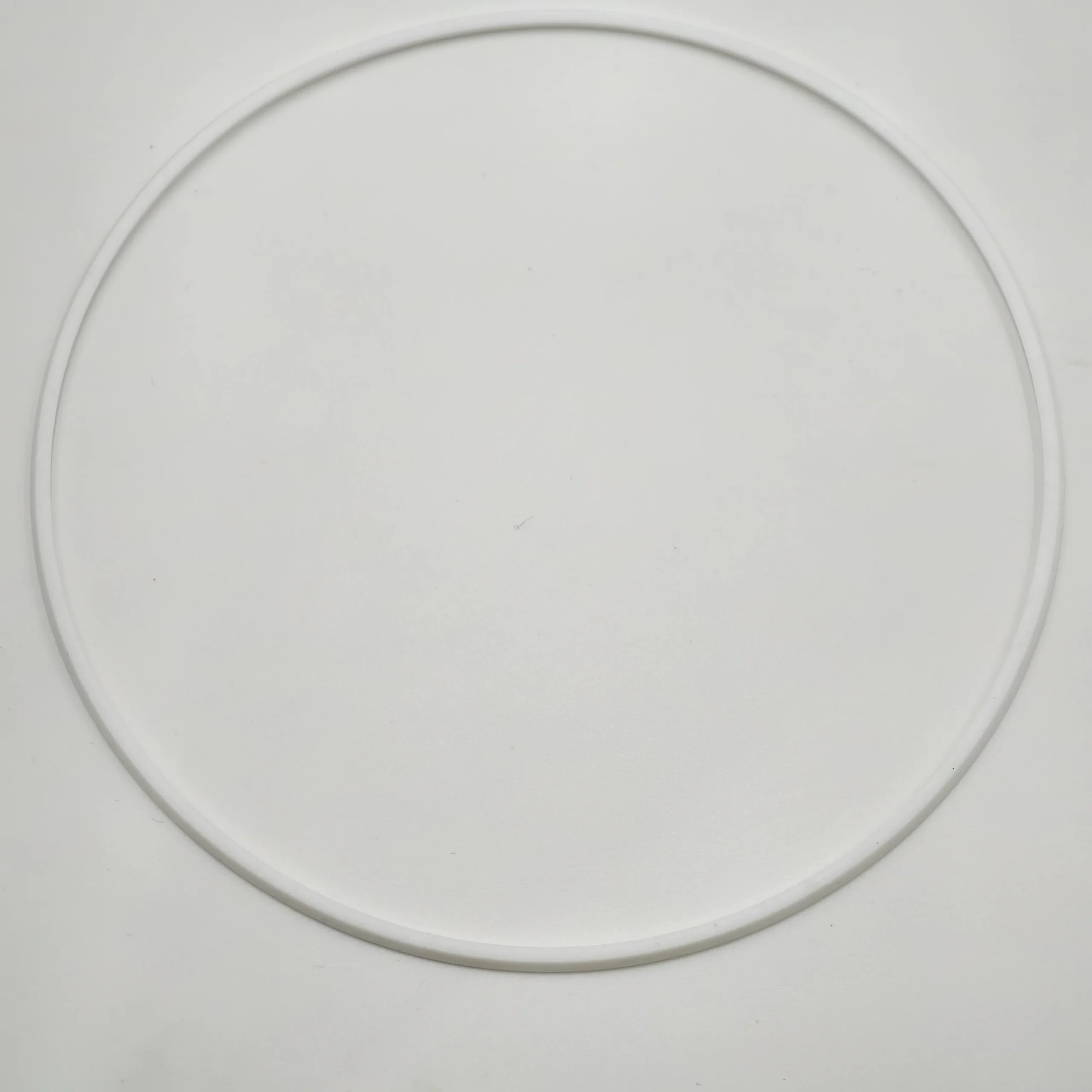 56B-15-19210 RING
 -
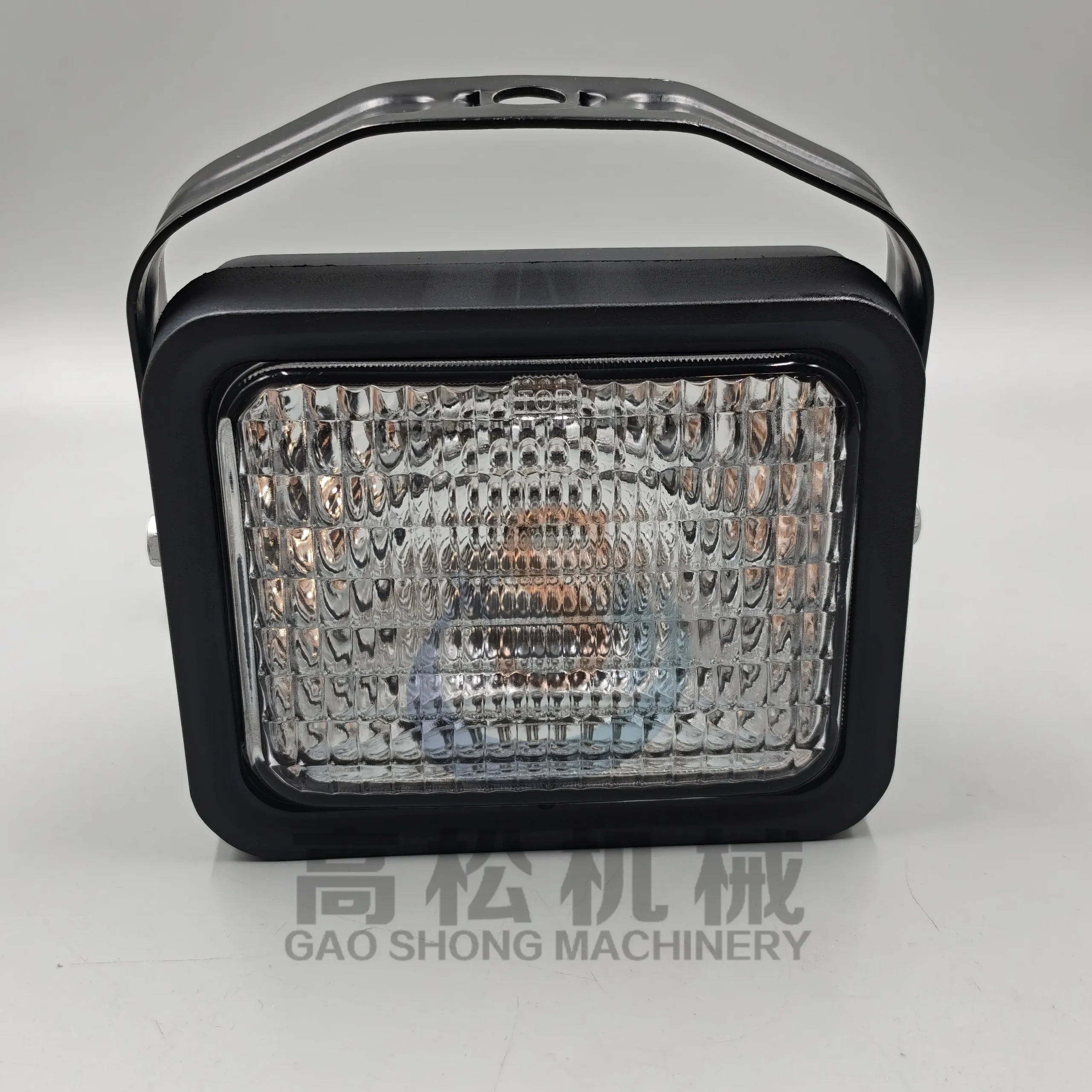 Lamp 421-06-23310 426-56-23360 Compatible for Komatsu WA500-3 WA800-3 WA420-3L HD785-7 HD325-7 HM250-2
 -
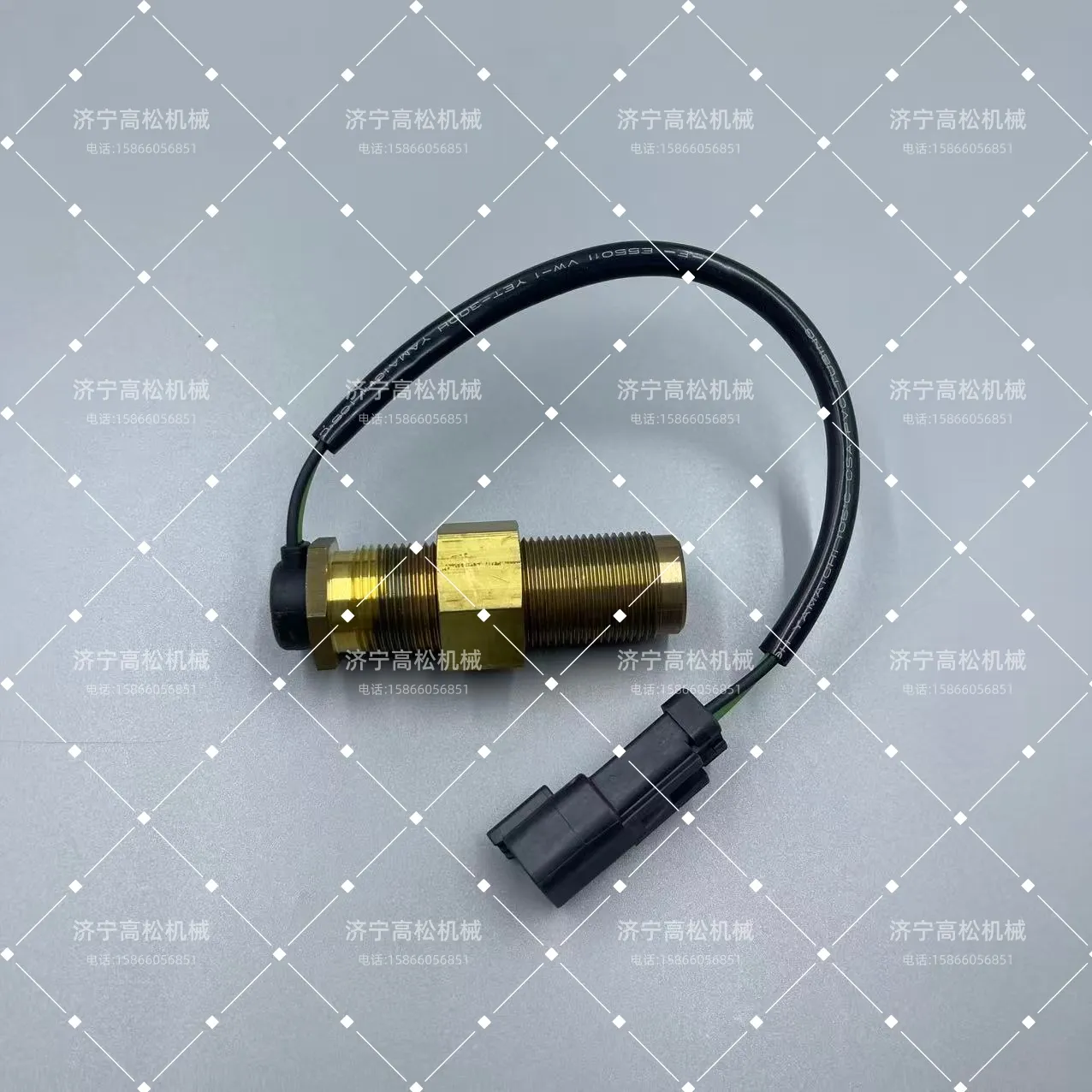 Revolution Sensor 7861-93-2330 for Bulldozer D85EX-15
 -
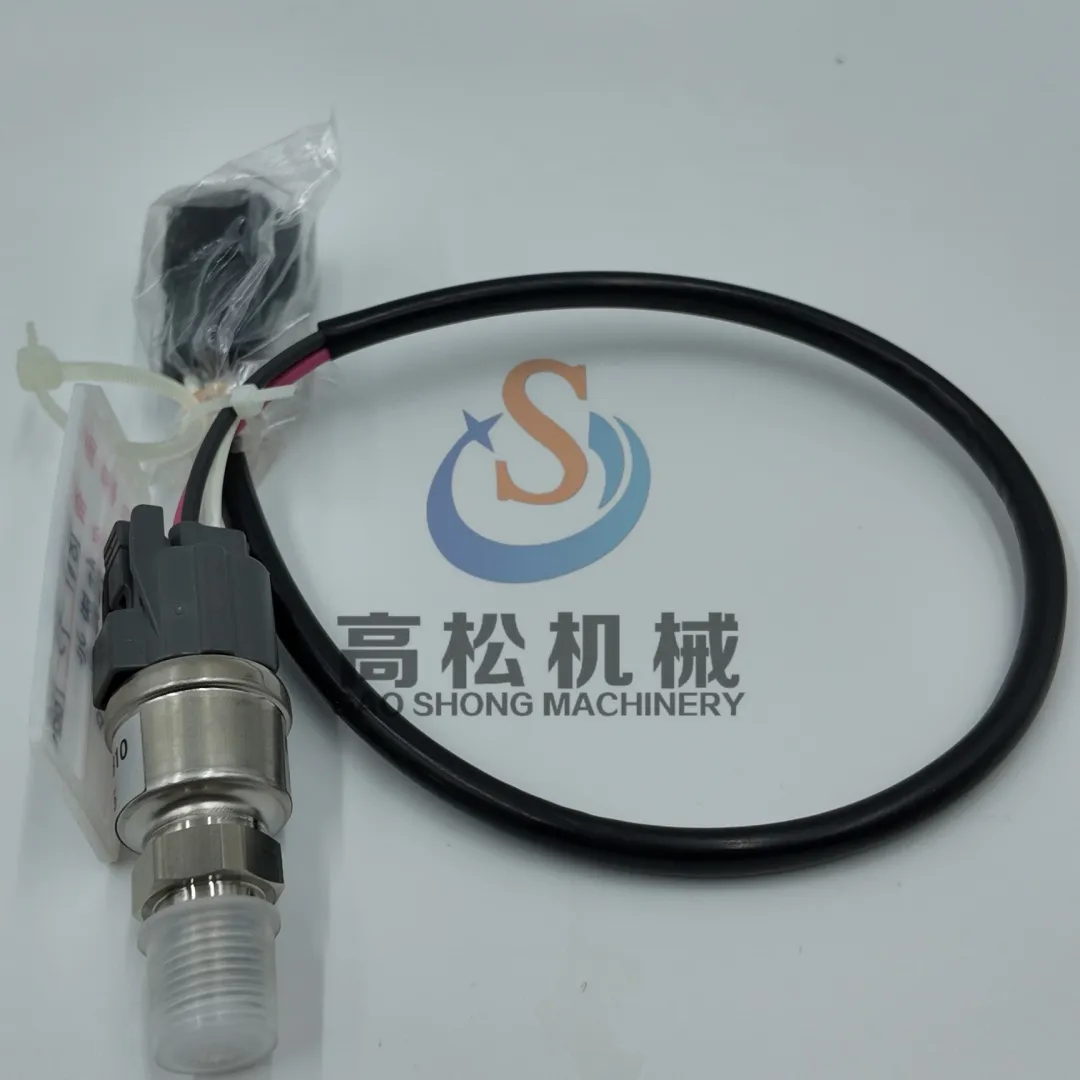 7861-93-1680 Pressure Sensor For Komatsu WA1200 SDA12V140E
 -
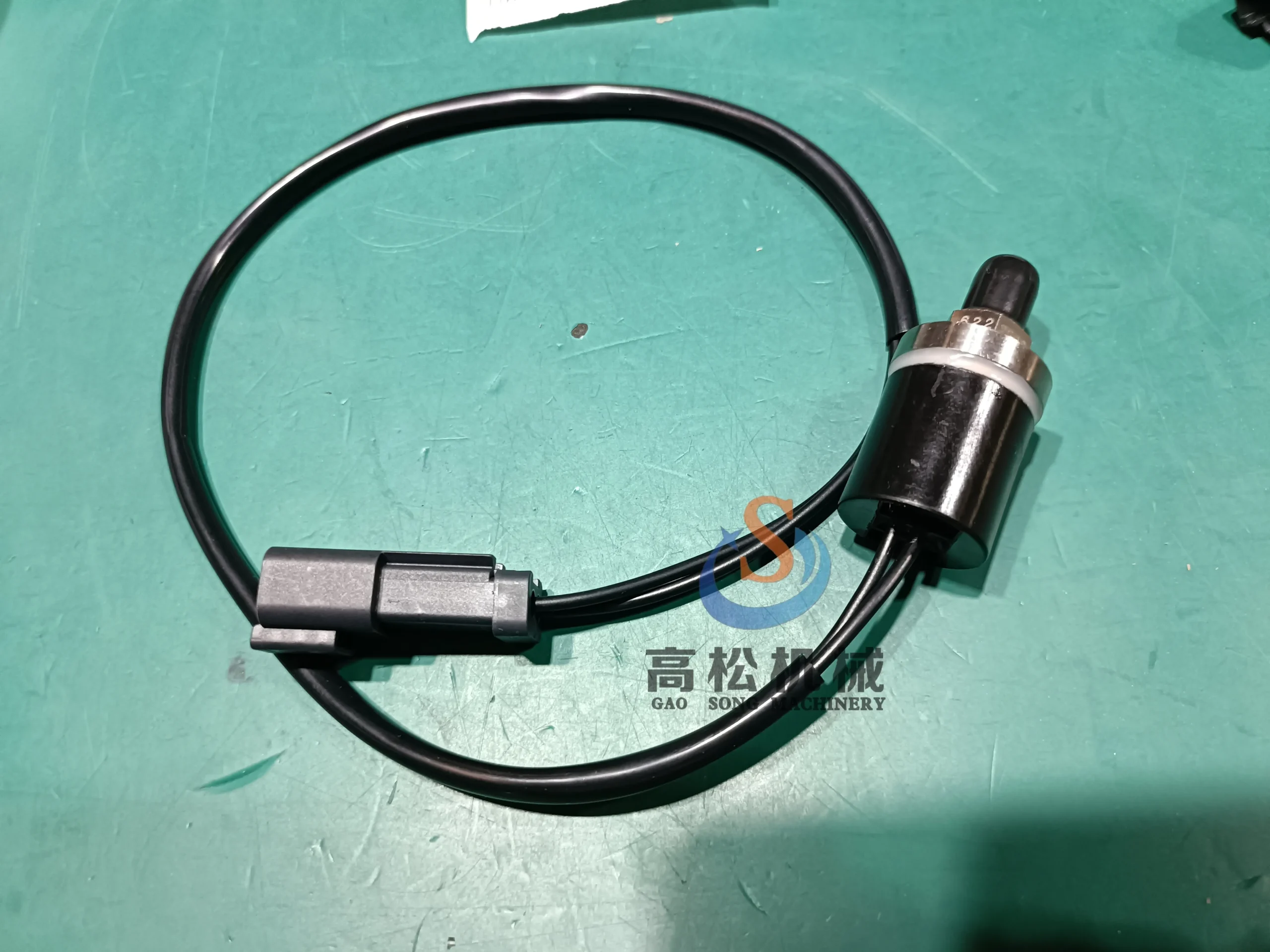 42C-06-15121 komatsu SWITCH-WA380/WA400/WA900
 -
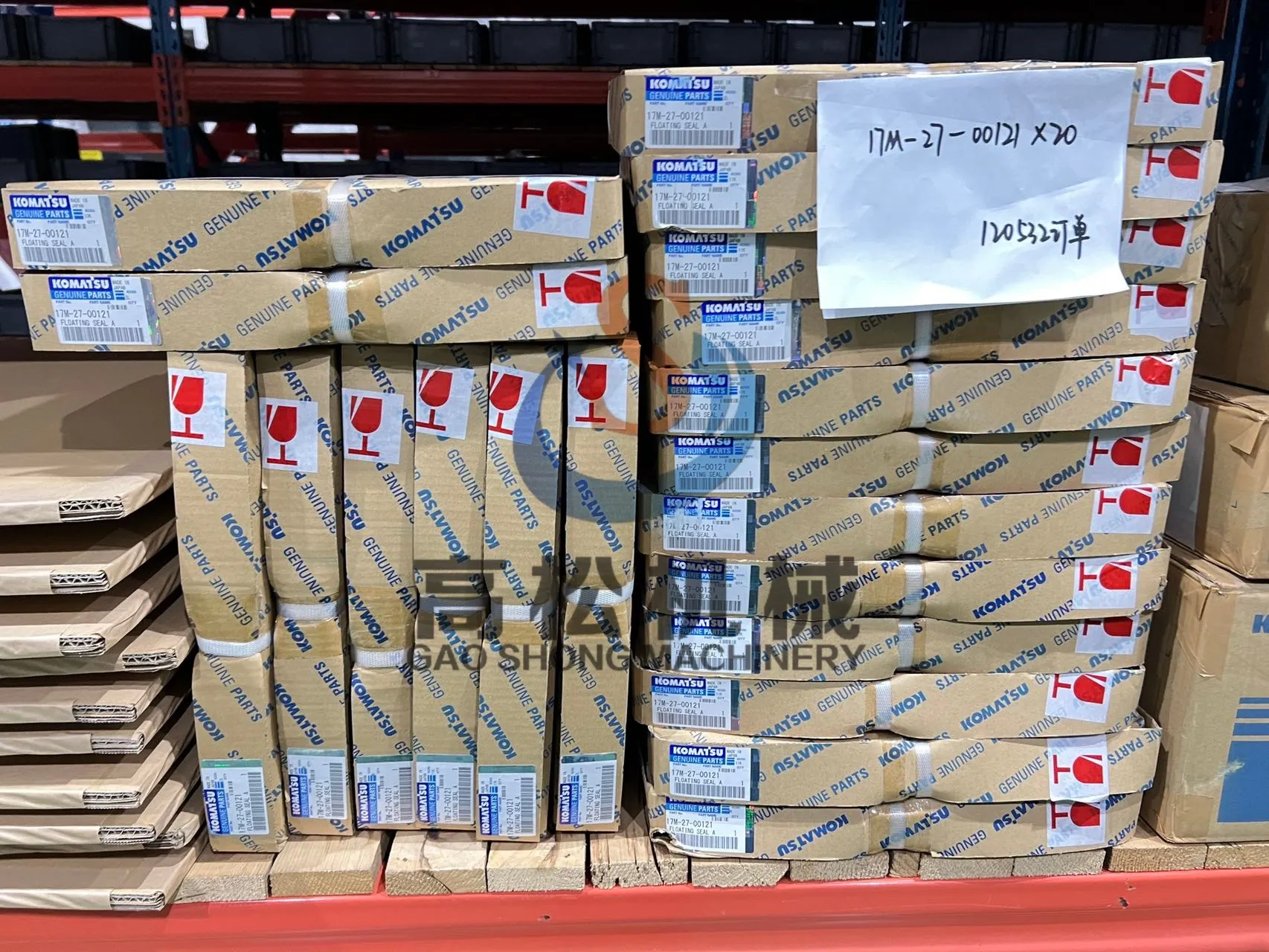 17M-27-00121 FLOATING SEAL ASSY
 -
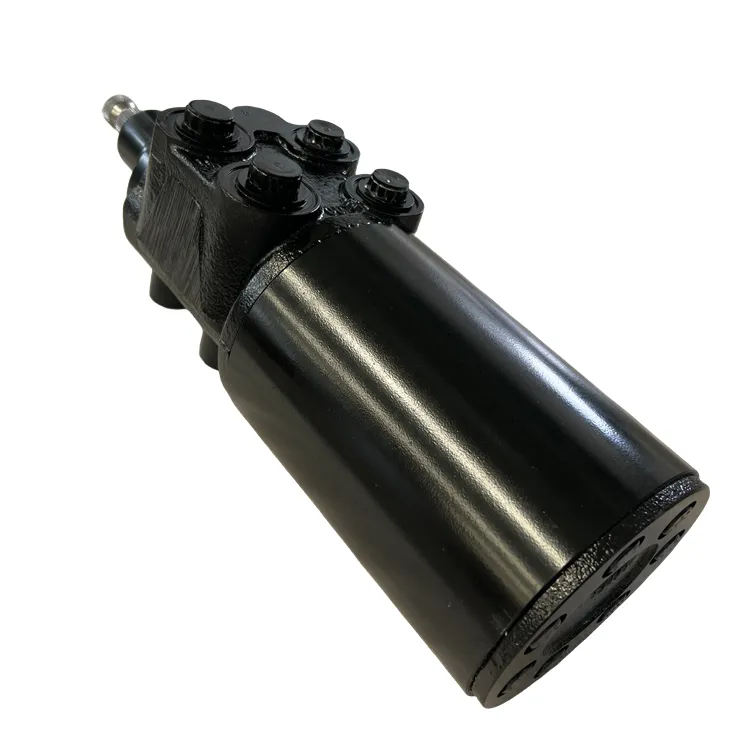 Hydraulic Steering Valve 561-40-83300 569-40-63302 for Komatsu HD785-7 HD465-7R Dump Trucks