
- Chinese
- French
- German
- Portuguese
- Spanish
- Russian
- Japanese
- Korean
- Arabic
- Irish
- Greek
- Turkish
- Italian
- Danish
- Romanian
- Indonesian
- Czech
- Afrikaans
- Swedish
- Polish
- Basque
- Catalan
- Esperanto
- Hindi
- Lao
- Albanian
- Amharic
- Armenian
- Azerbaijani
- Belarusian
- Bengali
- Bosnian
- Bulgarian
- Cebuano
- Chichewa
- Corsican
- Croatian
- Dutch
- Estonian
- Filipino
- Finnish
- Frisian
- Galician
- Georgian
- Gujarati
- Haitian
- Hausa
- Hawaiian
- Hebrew
- Hmong
- Hungarian
- Icelandic
- Igbo
- Javanese
- Kannada
- Kazakh
- Khmer
- Kurdish
- Kyrgyz
- Latin
- Latvian
- Lithuanian
- Luxembou..
- Macedonian
- Malagasy
- Malay
- Malayalam
- Maltese
- Maori
- Marathi
- Mongolian
- Burmese
- Nepali
- Norwegian
- Pashto
- Persian
- Punjabi
- Serbian
- Sesotho
- Sinhala
- Slovak
- Slovenian
- Somali
- Samoan
- Scots Gaelic
- Shona
- Sindhi
- Sundanese
- Swahili
- Tajik
- Tamil
- Telugu
- Thai
- Ukrainian
- Urdu
- Uzbek
- Vietnamese
- Welsh
- Xhosa
- Yiddish
- Yoruba
- Zulu
- Kinyarwanda
- Tatar
- Oriya
- Turkmen
- Uyghur






Komatsu bulldozer parts
When someone types in 'Komatsu bulldozer parts', they're usually looking for one of two things: the genuine article from Komatsu, or a cheaper alternative. The reality in the field is messier. There's a vast middle ground of parts that aren't 'OEM' in the traditional sense but are absolutely integral to keeping machines like the D61, D65, or D85 running, especially in markets where the official supply chain stutters. A lot of folks immediately distrust anything not in a Komatsu box, but that's a quick way to rack up downtime. The key isn't just the label; it's understanding the provenance and the specific failure points the part needs to withstand.
The OEM System and Its Gaps
Being an OEM supplier within the Komatsu system is a specific thing. It means your factory's production lines, quality audits, and material specs are approved by Komatsu. The parts you make get packaged in Komatsu boxes and shipped through their network. Companies like Jining Gaosong Construction Machinery Co., Ltd. operate in this space. You can find their profile at https://www.takematsumachinery.com, where they note they are an OEM product supplier within the Komatsu system. This isn't marketing fluff; it's a certified manufacturing relationship.
But here's the catch that creates the whole market for companies like Gaosong: the official Komatsu distribution system isn't omnipresent. For a contractor in, say, a remote part of Africa or Southeast Asia, waiting 12 weeks for a genuine Komatsu bulldozer final drive seal kit from an official distributor is a financial disaster. The machine is just a massive paperweight. This is the parts supply challenges in certain countries they mention. The OEM system produces the parts, but the official sales and logistics channels can't always deliver them efficiently or affordably everywhere.
That's where the dual role comes in. As a third-party sales company, they can take those same OEM-quality parts—or parts from the same approved production lines—and route them through different, often more agile, supply chains directly to the end user or local dealers. You're not getting a 'grey market' part; you're often getting the same physical component, just without the branded packaging and the associated markup for the global logistics. The trade-off is warranty coverage, which usually falls on the third-party seller, not Komatsu directly.
Where the Rubber Meets the Road: Undercarriage Specifics
Let's get concrete. The most brutal wear items on any dozer are undercarriage parts. Talking about Komatsu bulldozer parts abstractly is useless. You have to talk about segment groups for the D155, or the bolt patterns on D65EX-18 roller frames. I've seen so-called compatible rollers fail because the hardening depth was off by a millimeter, leading to premature spalling under high impact loads. It's a slow death for the track chain.
An OEM-system supplier knows the exact metallurgy and heat treatment protocols Komatsu specifies. When a company like Gaosong supplies a third-party roller, the question isn't is it identical?—it's does it meet the OEM performance specification for dynamic load and abrasion resistance? If it does, and it arrives in 10 days instead of 70, the choice is clear for anyone who needs to move dirt tomorrow. I've personally run such parts on a D85 for over 3000 hours with wear rates within 10% of the genuine item, at a 40% cost saving. That's the value proposition.
The real test is in the seals. A final drive or track motor rebuild lives or dies by the seal kit. A cheap kit will have inferior rubber compounds that degrade quickly with heat and contamination, leading to a catastrophic oil leak and a five-figure repair bill. An OEM-system kit uses the same Nitrile or Polyacrylate compounds as the original. You can feel the difference in the lip seal tension. This is an area where you never, ever gamble. If a third-party seller can't trace the seal kit back to an approved factory, walk away.
Hydraulics and the Myth of Exact Copying
Hydraulic components are another beast. For a pump or valve bank on a Komatsu dozer, an exact dimensional copy is only 30% of the battle. The other 70% is in the tolerances, the surface finish of the bores, and the quality of the spool plating. I learned this the hard way years ago with a main control valve for a D61PX. We installed a perfectly measured replica. It fit, but the machine was sluggish, with weird pressure spikes.
Upon tear-down, we found the problem: the micro-finish inside the valve body was too rough, creating turbulence and affecting the precise flow characteristics. The OEM-spec part has a honed finish to a specific Ra value. A proper supplier in the Komatsu ecosystem understands these critical-to-function parameters, not just the blueprint dimensions. They're not just machining metal; they're replicating a performance profile. This is where the deep technical collaboration of being an OEM supplier matters immensely.
Now, for simpler parts—like hydraulic hose assemblies, filter heads, or gauge fittings—the tolerance for variance is higher. Here, sourcing from a reliable third-party with good material certifications (think JIS standards) makes perfect economic sense. Stocking up on these common Komatsu bulldozer parts through a channel that bypasses traditional bottlenecks is just smart inventory management.
Navigating the Sourcing Dilemma
So how do you, as a fleet manager or owner-operator, navigate this? First, identify the part's criticality. Is it a structural pin, a gear, a main bearing? For these, lean towards the OEM-system or genuine route, even if it comes via a third-party logistics facilitator. Check the supplier's credentials. Do they openly state their OEM relationship, like Gaosong does? Can they provide material certificates or batch testing reports? A reputable one will.
For wear items like cutting edges, bucket teeth, or even some pins and bushings on less critical linkages, a high-quality aftermarket part from a proven foundry is often sufficient. The savings are real. The mistake is treating all parts with the same sourcing strategy. You need a tiered approach: Tier 1 (mission-critical, OEM-spec), Tier 2 (high-wear, quality aftermarket), Tier 3 (non-critical consumables).
Always, always ask for a sample or a first small-batch order before committing to a large purchase. Inspect the finish, the casting marks, the packaging of seals. Compare it side-by-side with a worn-out genuine part. The devil is in the details—the chamfer on a pin hole, the stamping on a sprocket segment. This hands-on vetting is what separates a real procurement process from just ordering from a catalog.
The Future: Traceability and Trust
The landscape is shifting. It's becoming less about genuine vs. aftermarket and more about verifiable quality and traceability. A company's role as both an OEM supplier and a third-party seller positions it uniquely. They can offer the assurance of OEM manufacturing standards with the flexibility of independent supply. Their website, takematsumachinery.com, frames it as helping to solve parts supply challenges. That's accurate. It's about solving the last-mile problem for reliability.
In the end, managing Komatsu bulldozer parts isn't a purity test. It's a practical exercise in risk management, cost control, and machine availability. The best in the business don't swear blind allegiance to one channel. They build a network of trusted sources—official distributors for some things, specialized OEM-system exporters for others, and solid aftermarket partners for the rest. They know that sometimes, the part that keeps the machine earning money comes in a plain brown box from a factory that also supplies Komatsu, delivered by a company whose main job is to bridge the gap between the production line and the jobsite.
The goal is uptime. And more often than not, achieving that requires looking beyond the simple keyword search and understanding the complex, layered world behind it.
Related Products
Related Products

Best Selling Products
Best Selling Products-
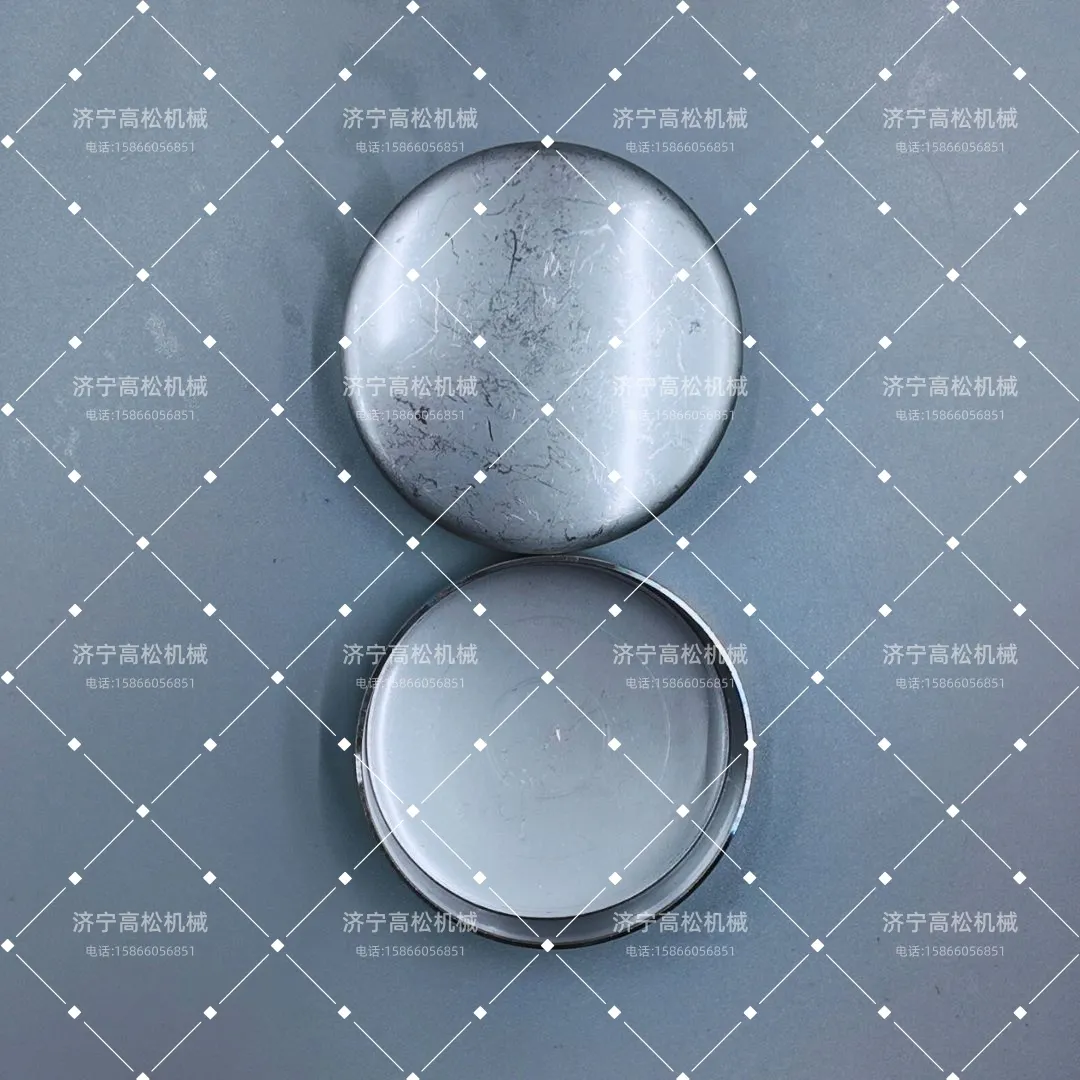 195-49-75280 Komatsu O-ring
 -
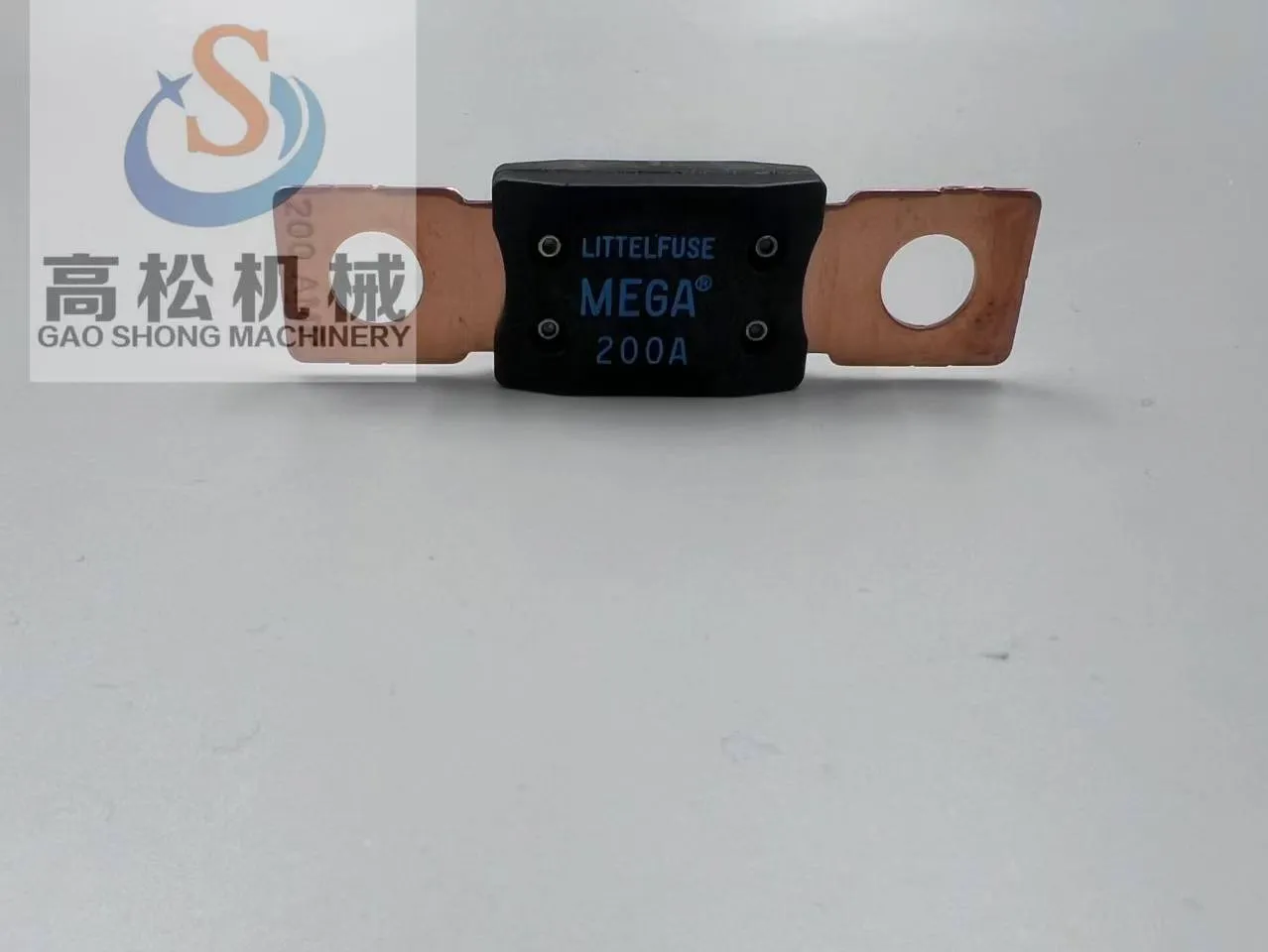 Original original fuse 561-06-81610 for hd785-7 wheel loaders wa500-6 bulldozer parts bulldozer parts ass ‘y
 -
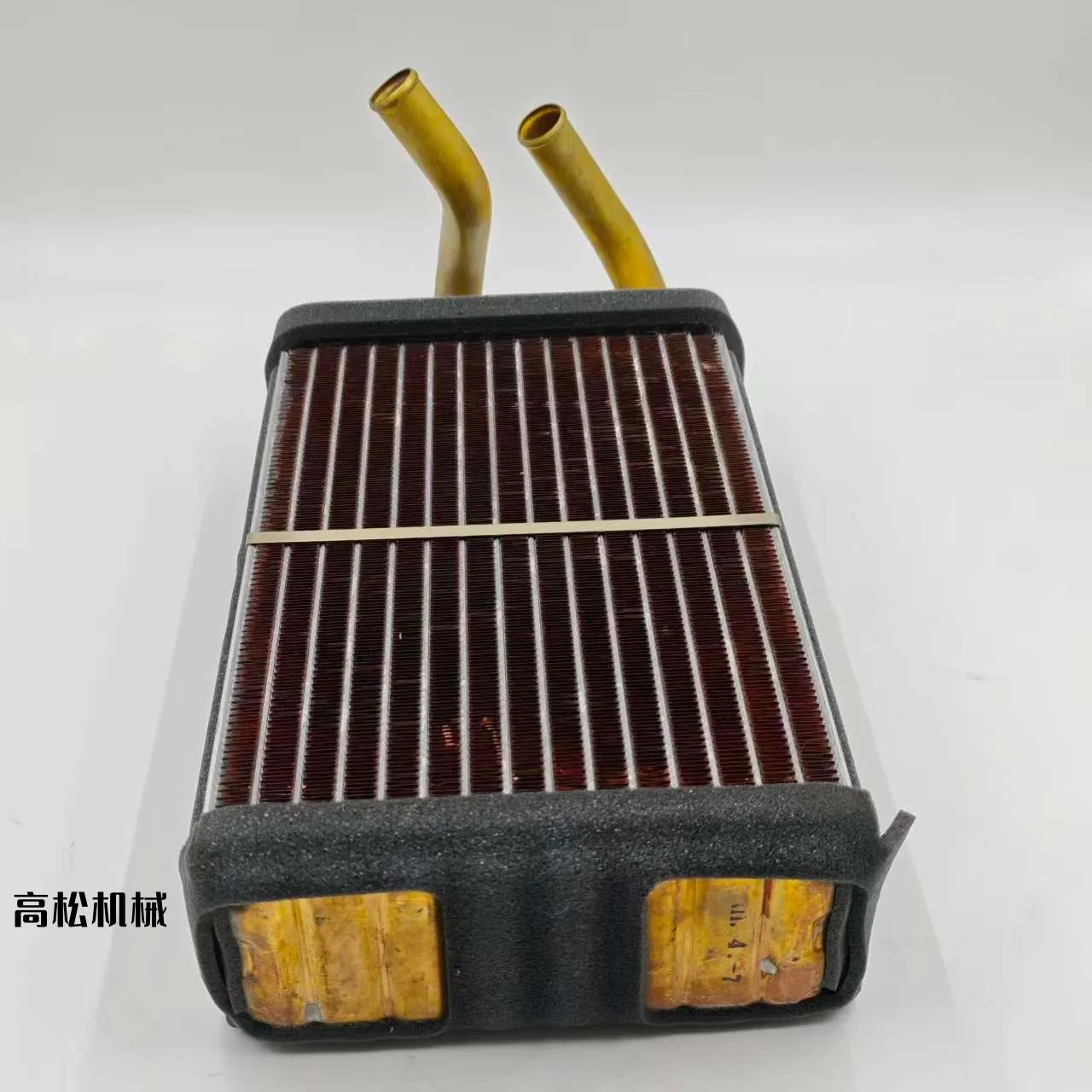 ND116410-9681 •• UNIT SUB ASS’Y-Komatsu Original Factory
 -
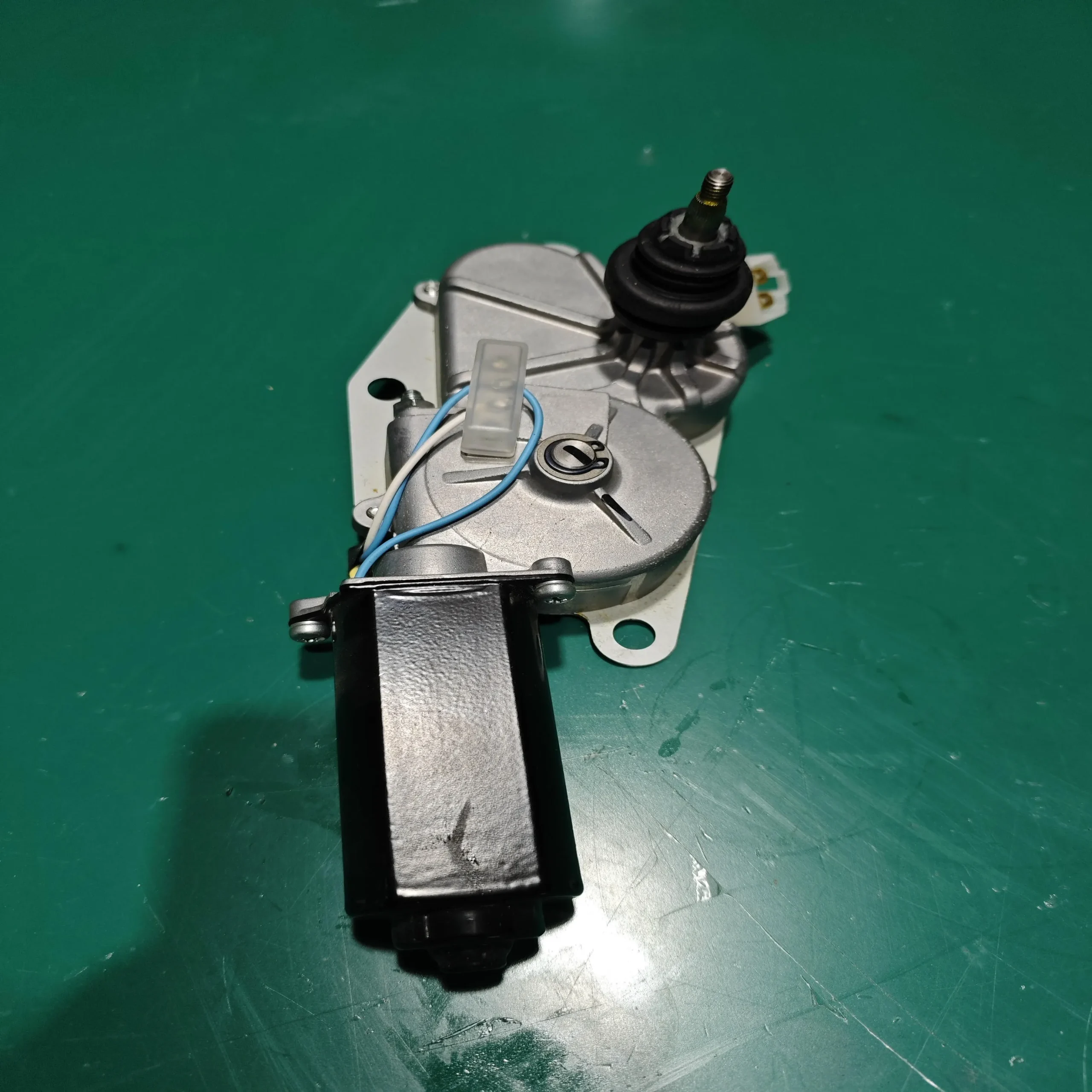 Komatsu Construction Machinery Full Series Accessories 23B-951-2610 Loader Parts
 -
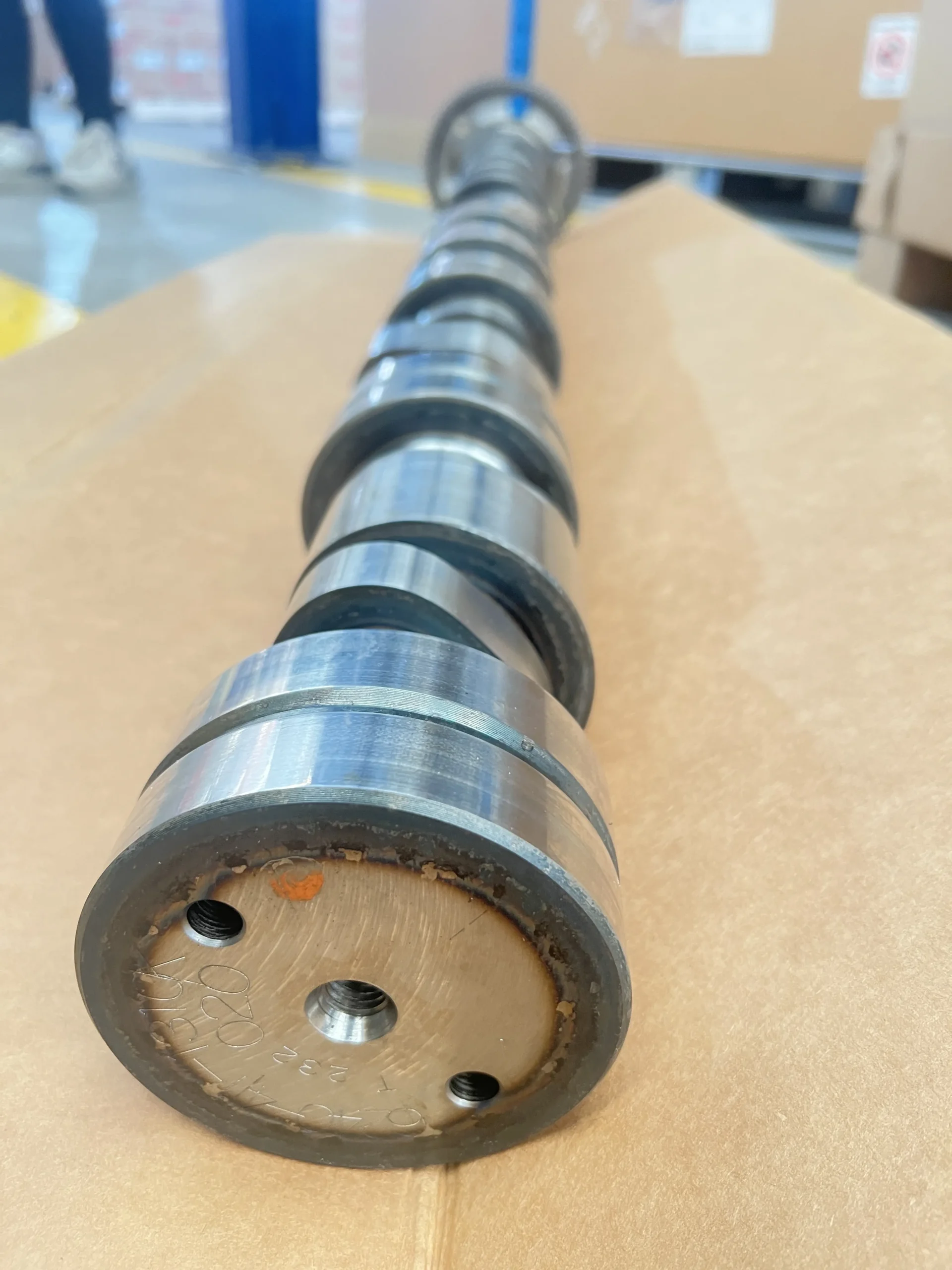 SAA6D170E-3F-8 Camshaft Assembly 6240-41-1300
 -
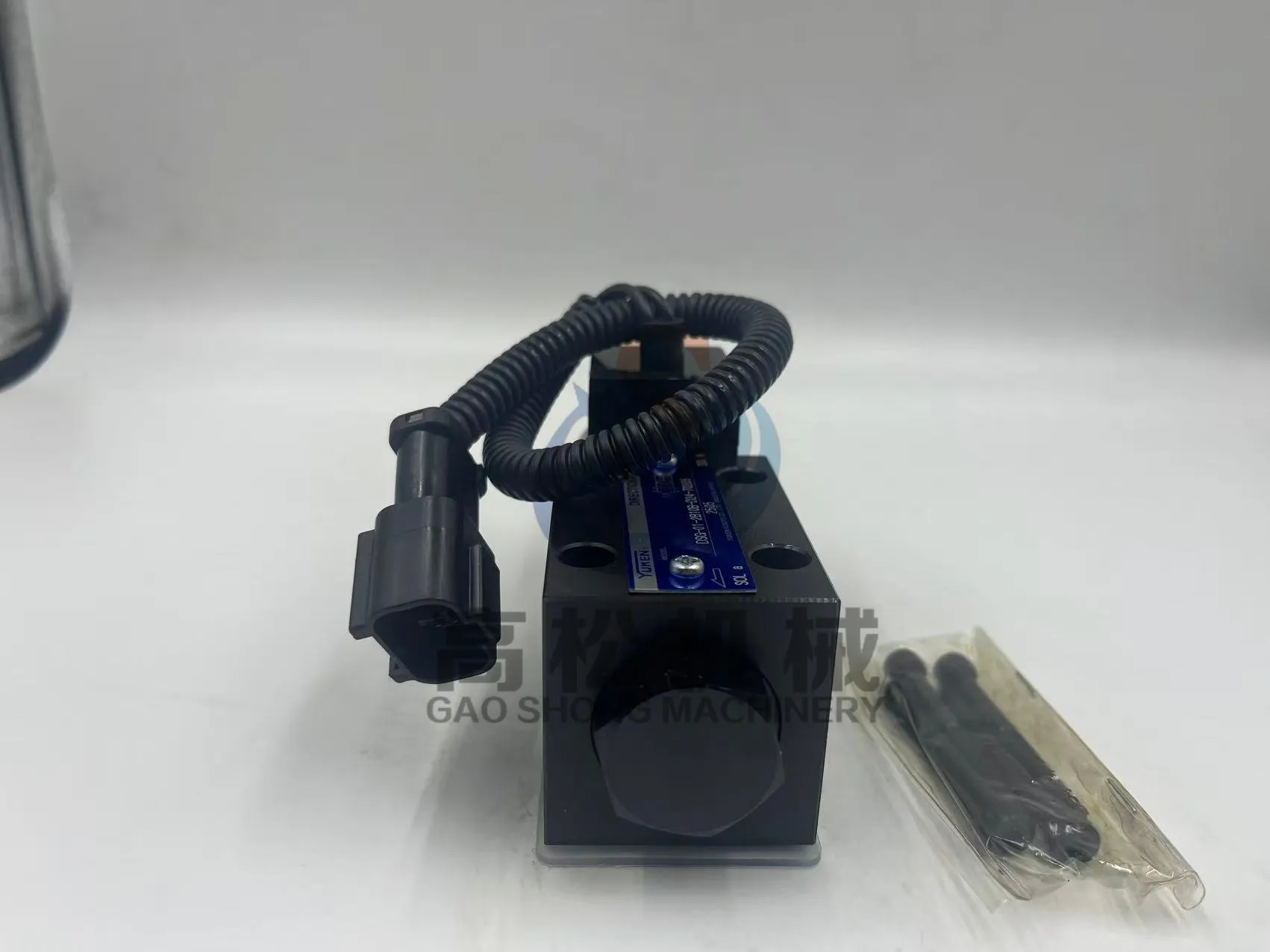 VALVE ASS’Y 23W-60-28230 – KOMATSU
 -
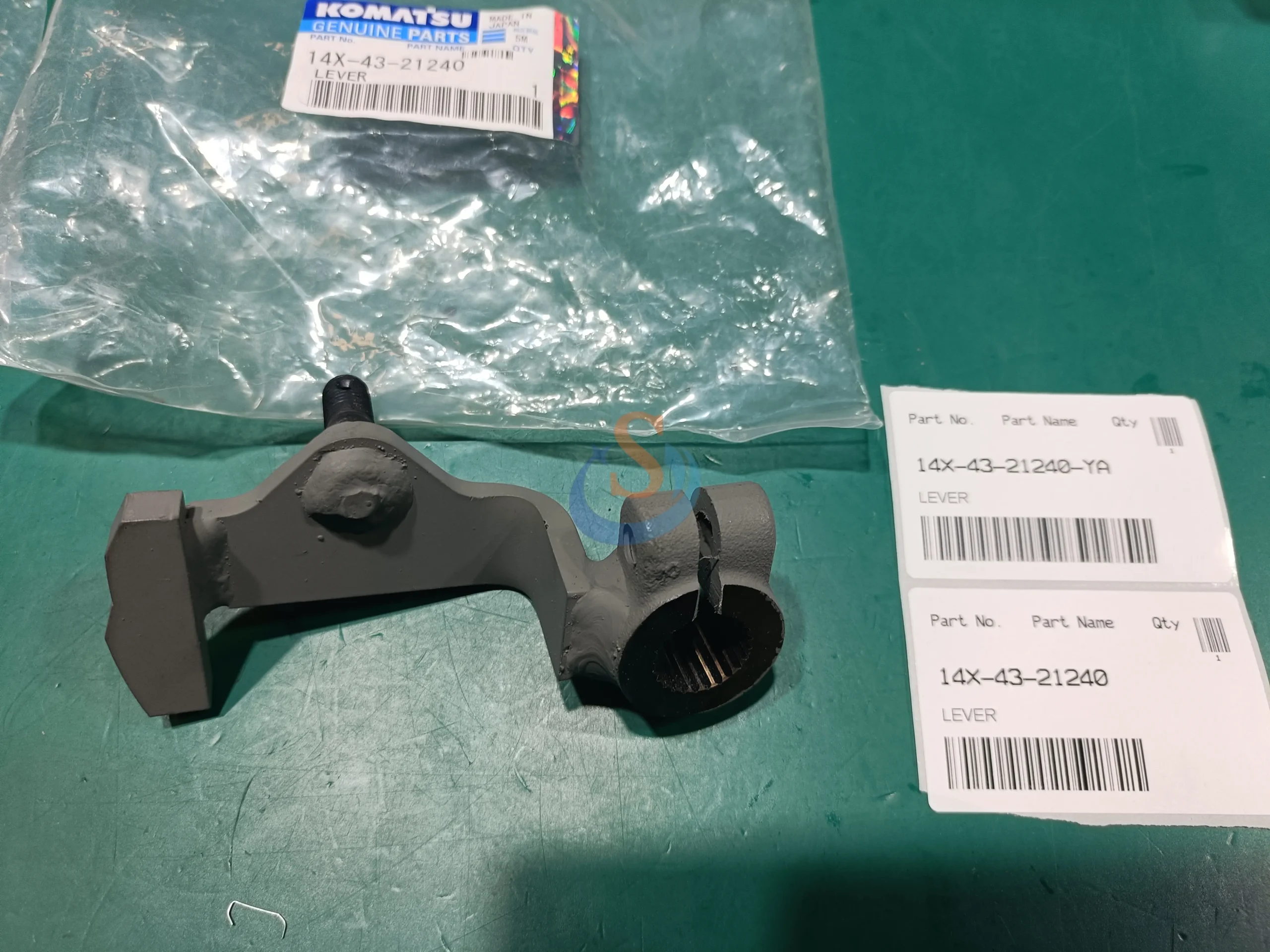 14X-43-21240,LEVER,D65P,D65E,D85E
 -
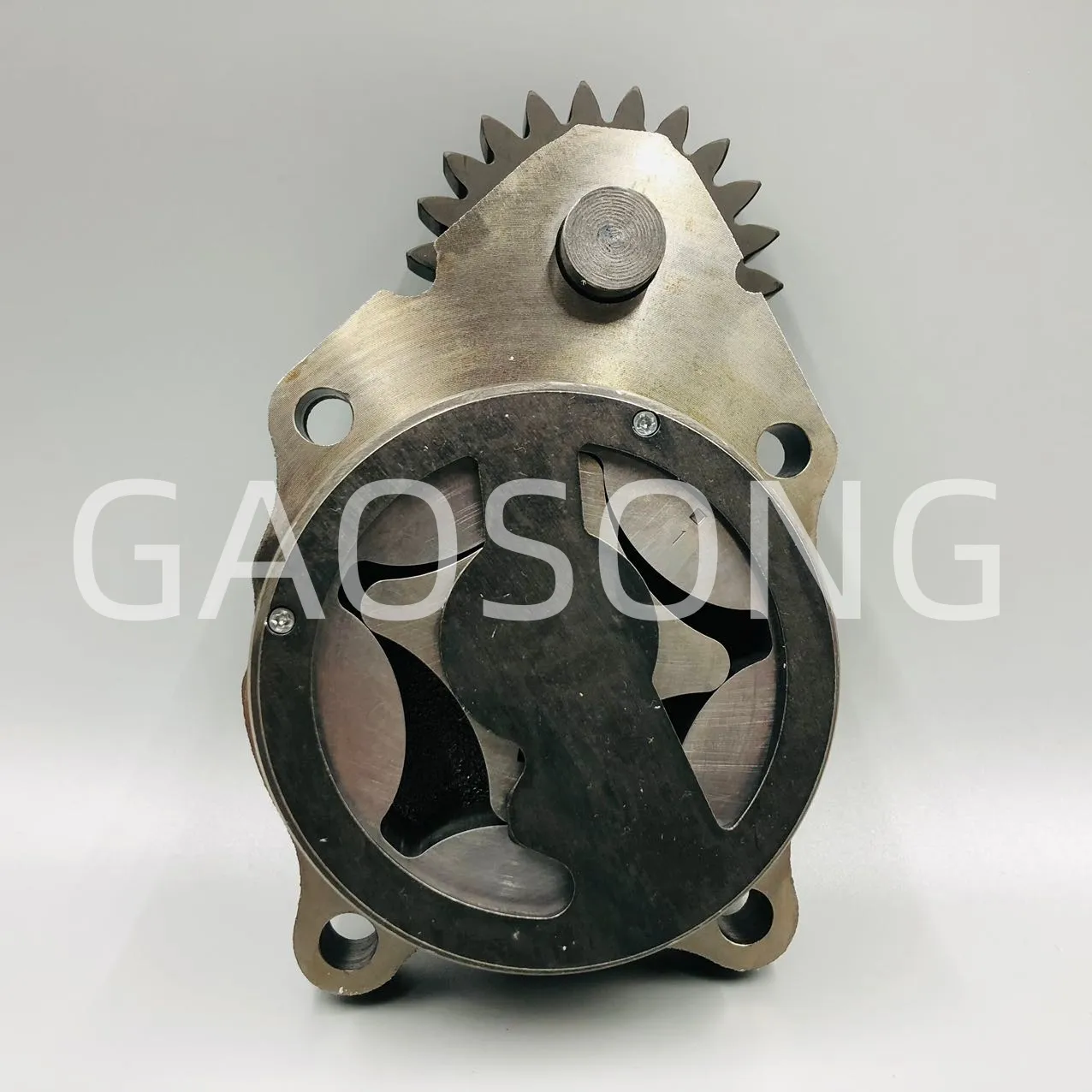 6754-51-1111 Pump Assembly
 -
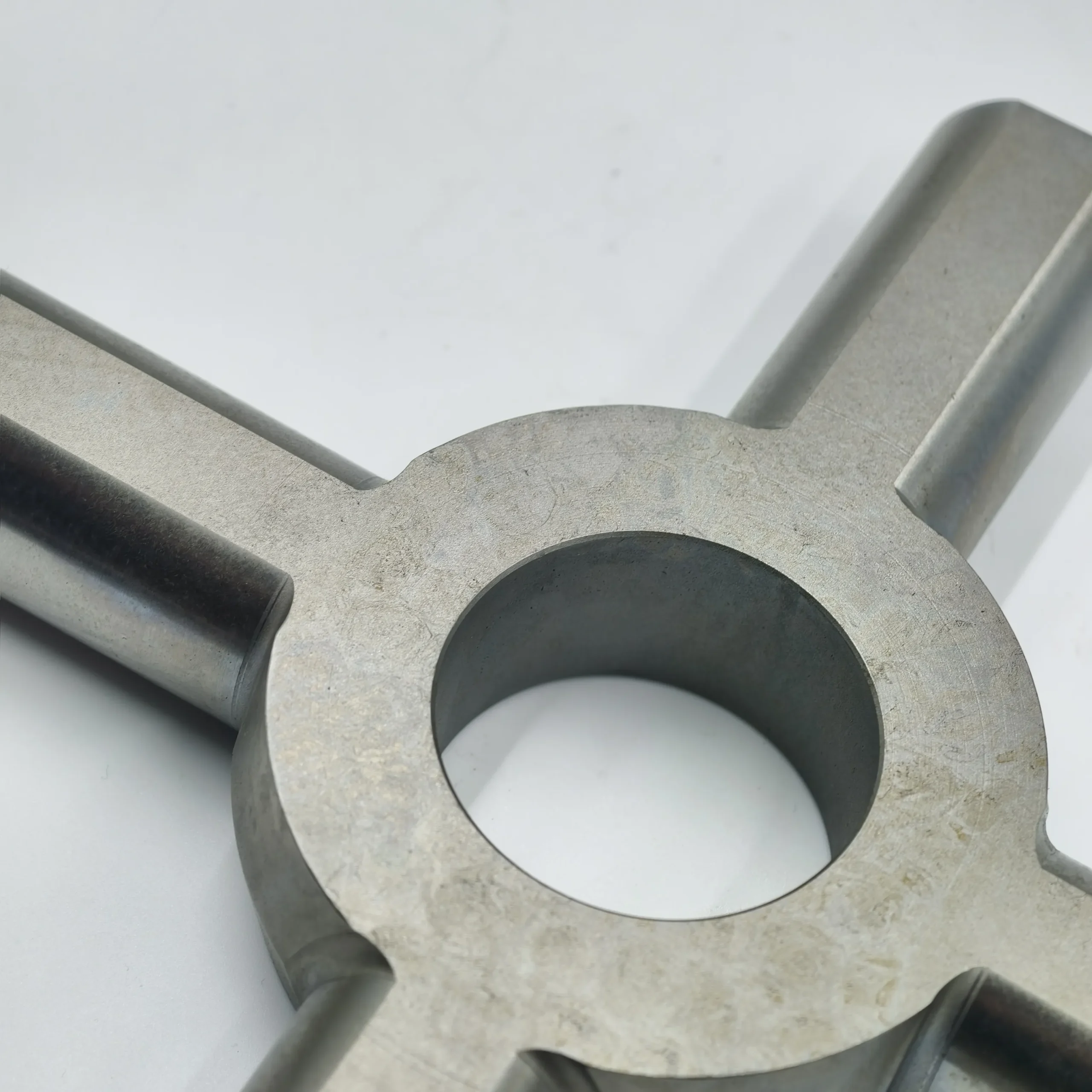 Komatsu Construction Machinery Full Series Accessories 421-22-11440 Loading Parts
 -
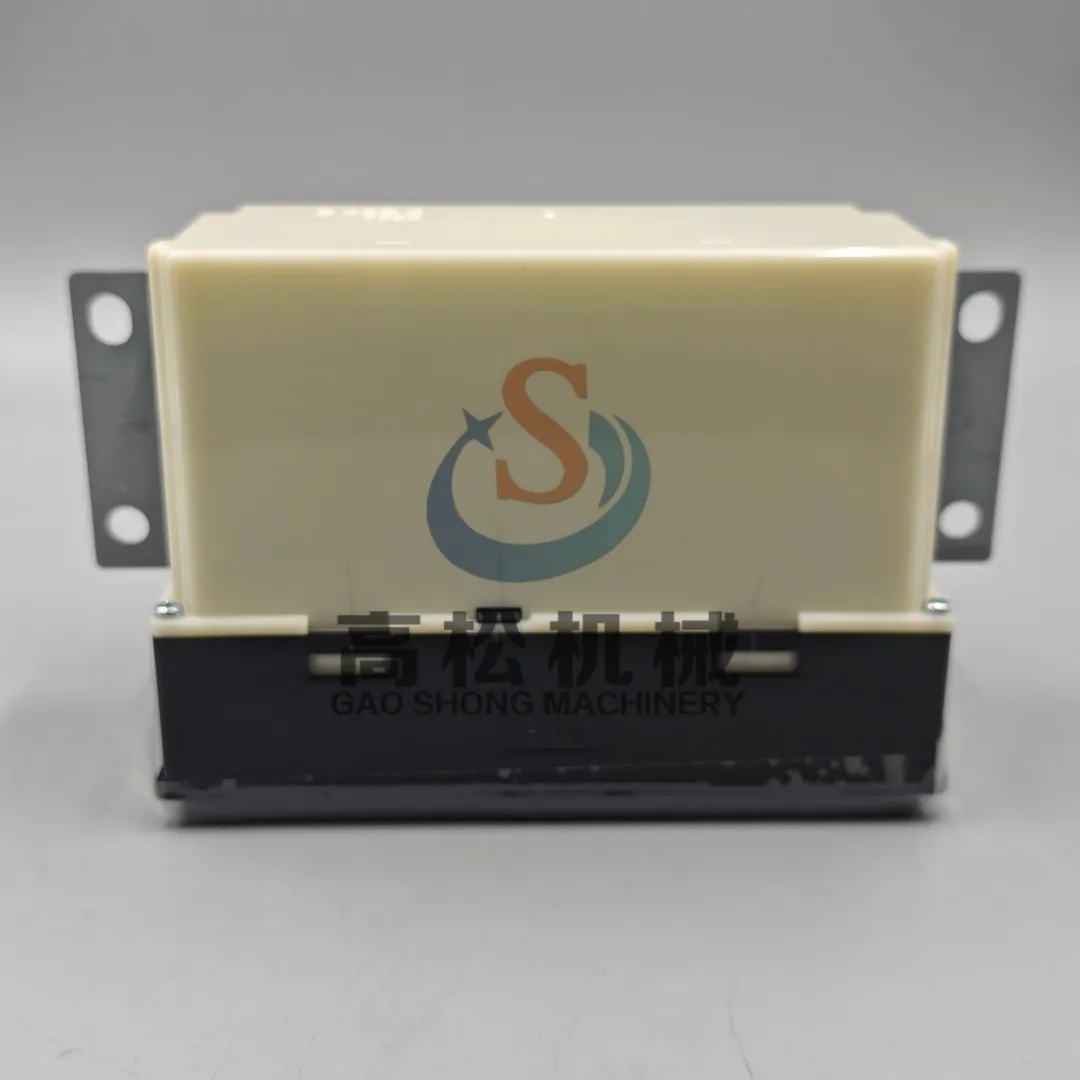 used Komatsu Controller 425-07-21121 for WA500-3H
 -
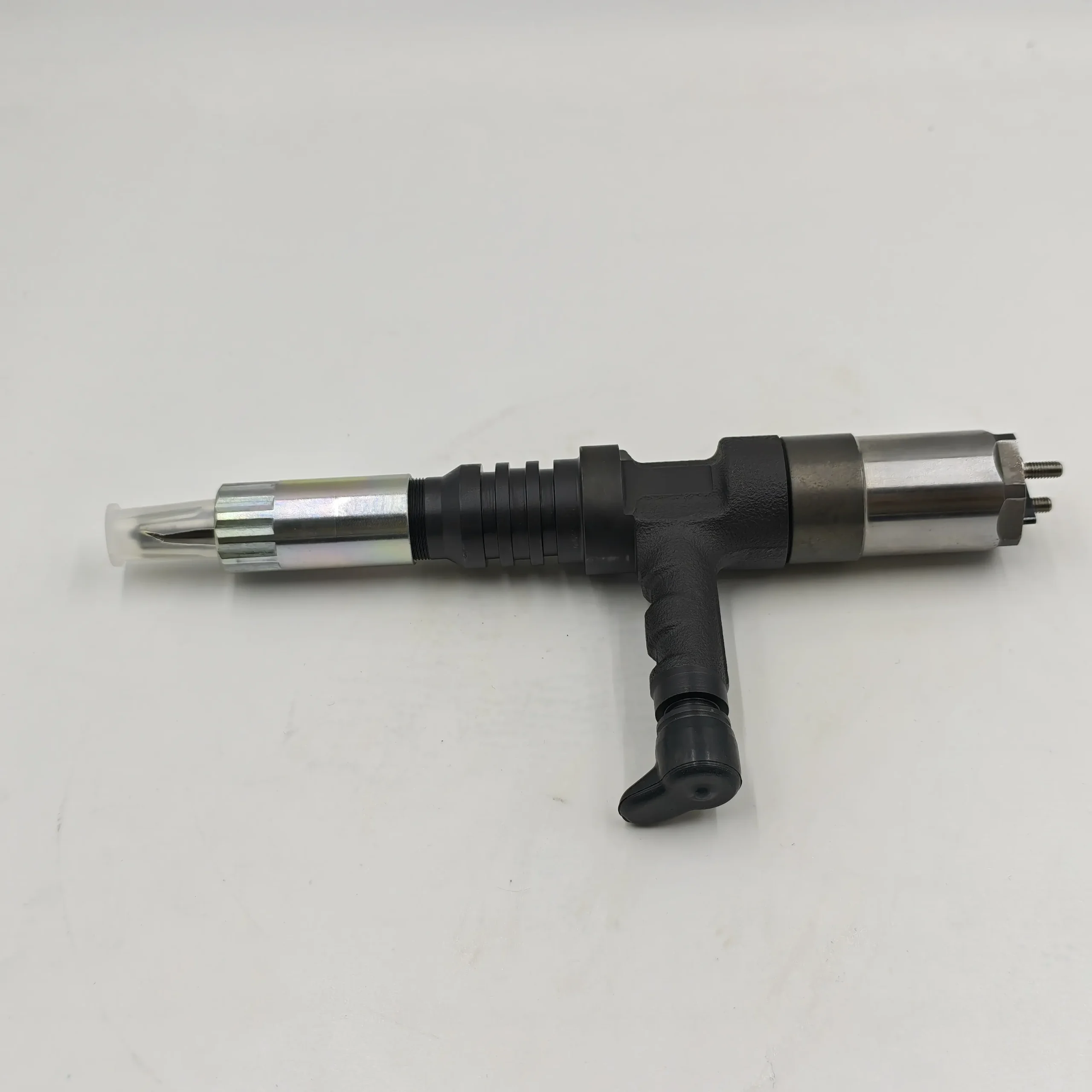 6218-11-3101 INJECTOR ASS’Y-Komatsu Original Factory
 -
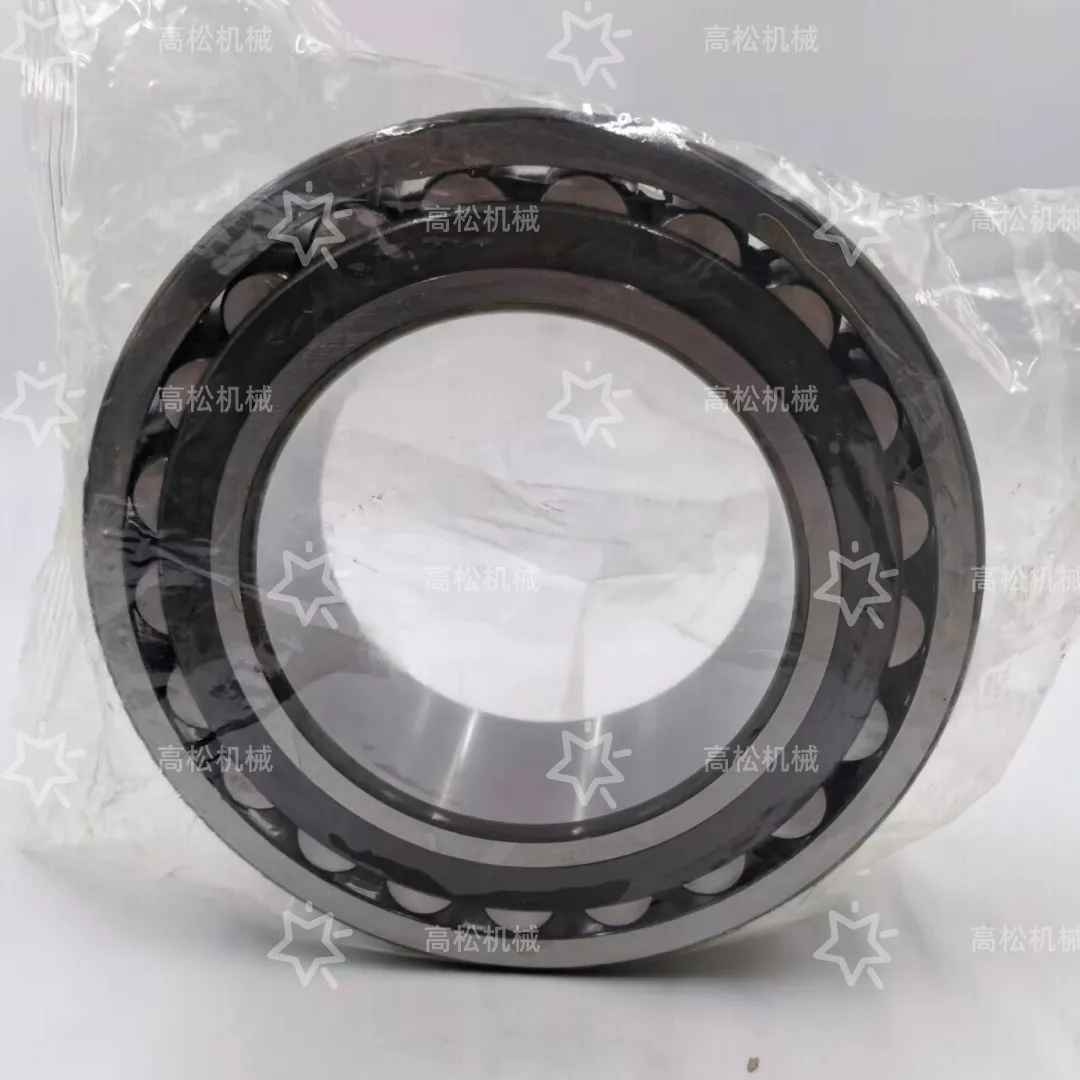 208-26-71530 2082671530 Bearing for Komatsu PC450 PC460 PC500 Excavator Swing Drive Bearing Reducer Bearing