
- Chinese
- French
- German
- Portuguese
- Spanish
- Russian
- Japanese
- Korean
- Arabic
- Irish
- Greek
- Turkish
- Italian
- Danish
- Romanian
- Indonesian
- Czech
- Afrikaans
- Swedish
- Polish
- Basque
- Catalan
- Esperanto
- Hindi
- Lao
- Albanian
- Amharic
- Armenian
- Azerbaijani
- Belarusian
- Bengali
- Bosnian
- Bulgarian
- Cebuano
- Chichewa
- Corsican
- Croatian
- Dutch
- Estonian
- Filipino
- Finnish
- Frisian
- Galician
- Georgian
- Gujarati
- Haitian
- Hausa
- Hawaiian
- Hebrew
- Hmong
- Hungarian
- Icelandic
- Igbo
- Javanese
- Kannada
- Kazakh
- Khmer
- Kurdish
- Kyrgyz
- Latin
- Latvian
- Lithuanian
- Luxembou..
- Macedonian
- Malagasy
- Malay
- Malayalam
- Maltese
- Maori
- Marathi
- Mongolian
- Burmese
- Nepali
- Norwegian
- Pashto
- Persian
- Punjabi
- Serbian
- Sesotho
- Sinhala
- Slovak
- Slovenian
- Somali
- Samoan
- Scots Gaelic
- Shona
- Sindhi
- Sundanese
- Swahili
- Tajik
- Tamil
- Telugu
- Thai
- Ukrainian
- Urdu
- Uzbek
- Vietnamese
- Welsh
- Xhosa
- Yiddish
- Yoruba
- Zulu
- Kinyarwanda
- Tatar
- Oriya
- Turkmen
- Uyghur






Komatsu bucket teeth
If you're just looking at hardness ratings and material grades for Komatsu bucket teeth, you're already missing half the story. The real test isn't in the lab report; it's in the first 50 hours of trenching in mixed abrasive soil, or the sound it makes when it finally snaps. Too many procurement guys think a tooth is just a consumable, a number on a parts list. They'll chase after the cheapest OEM-equivalent option, not realizing that the true cost is buried in machine downtime and reduced digging efficiency. I've seen it too often.
The OEM Reality and the Aftermarket Illusion
Working with genuine Komatsu parts, you develop a feel for the consistency. The heat treatment on a genuine Komatsu tooth like for a PC360 or PC800 isn't just about being hard; it's about the precise gradient from the tough, wear-resistant tip back to the more ductile base that absorbs impact without catastrophic failure. The aftermarket loves to tout superior hardness, but that often just gives you a brittle tooth that shatters on the first big rock. It's a classic trade-off.
This is where the role of a company like Jining Gaosong Construction Machinery Co., Ltd. gets interesting. They position themselves as an OEM product supplier within the Komatsu system. In practice, what that often means is they are producing to Komatsu's engineering and material specifications, sometimes for specific regional markets or to supplement the official supply chain. It's a different proposition from a generic third-party manufacturer. You can check their approach on their site, https://www.takematsumachinery.com. Their stated goal of solving parts supply challenges in certain countries rings true—I've been in places where waiting for a direct shipment from the central warehouse would idle a fleet for weeks.
The pitfall, however, is assuming all OEM-system parts are created equal. Even within that framework, subtle variations in forging dies, alloy batch quality, or quenching processes can lead to noticeable differences in field life. I've had batches from such suppliers that performed nearly identically to the parts in Komatsu boxes, and others where the wear pattern was just... off. It taught me to validate each source, not just the category.
Field Failures: What Breaks and Why
Catastrophic breakage at the adapter nose is usually a material or heat treatment flaw. But the more common, slow-motion failure is uneven wear. You'll see one side of the tooth worn down to the nub while the other side looks okay. Nine times out of ten, that's not a tooth problem—it's an adapter problem. A worn or out-of-spec adapter doesn't hold the tooth square to the material flow, causing asymmetric loading. Replacing teeth without checking the adapter is just burning money.
Another subtle killer is the lock system. Komatsu's pin-and-retainer system is robust, but if the tolerances on the tooth's locking holes are even slightly loose, you get micro-movement. That movement accelerates wear on both the tooth and the adapter, and it's the source of that annoying, persistent rattle. A good tooth should seat with a solid, dull thud, not have any perceptible play.
I recall a job on a demolition site where we were going through teeth on a PC228 like crazy. We blamed the material. Finally, we stopped and measured the adapters. They were all slightly bell-mouthed from previous cycles of ill-fitting aftermarket teeth. Switching to a properly sourced tooth, even from a third-party supplier within the Komatsu ecosystem, didn't solve it until we replaced the adapters too. The fix was a system fix, not a component fix.
The Economics of Value Supply
Jining Gaosong's model as a third-party sales company for Komatsu parts highlights a crucial market niche. For many operations, especially in remote regions or with older machines no longer prioritized by the primary dealer network, access is the primary constraint. Their model can provide a legitimate alternative to outright counterfeit parts. The key for the end user is transparency. Is the part produced under Komatsu's direct quality oversight (OEM supplier), or is it a licensed, approved alternative? The performance and warranty implications are different.
From a cost perspective, a part from such a channel often sits in the middle: more expensive than the dubious no-name brands, but potentially less than walking into a major metropolitan Komatsu dealer. The value isn't just in the price point, but in the reduced logistics friction. When a machine is down, the right now part is often more valuable than the perfect part that arrives in two months.
However, this requires a trusted relationship. You're relying on the supplier's integrity to not mix genuine, OEM-system, and lower-tier parts in the same inventory. I've learned to ask for specific manufacturing origin codes and to start with small test batches. Their company intro, stating they help solve supply challenges, is exactly the pain point they address. The trust is built when the teeth in the first batch last the expected 80% of genuine life at a fair price, not when they make the loudest claim.
Material & Design Nuances Most Miss
Everyone talks about the steel, but the casting or forging design is critical. The webbing inside the tooth cavity, the thickness transitions, the placement of wear patterns—these are all optimized in Komatsu's original design to manage stress. Knock-offs sometimes get the external shape right but simplify the internal geometry to save on tooling, creating weak points. Under heavy side-loading, like when prying or raking, that's where they split.
The alloy composition is another minefield. High Carbon is meaningless. It's the specific blend of chromium, molybdenum, boron, and other trace elements that dictates the performance. Komatsu's specs for different applications (e.g., rock, trenching, rehandling) tweak these balances. A supplier like Gaosong, operating within the OEM system, should have access to these application-specific specs. A generic rock tooth from a catalog might not be the right one for your specific rock.
A practical tip: look at the wear pattern in the first 24 hours. A well-designed tooth will show a smooth, polished wear surface developing evenly. If you see deep, jagged scoring or spalling (small flakes breaking off), the material microstructure is wrong for the application. Don't wait for it to fail; that tooth is already costing you in reduced penetration and higher fuel use.
Operational Verdict and Final Thoughts
So, what's the takeaway? Komatsu bucket teeth are a system component, not a commodity. The choice between genuine, OEM-system (like from a supplier such as Jining Gaosong), and generic aftermarket is a risk-calculation based on your machine's criticality, your operational environment, and your downtime cost.
For critical, high-production machines, I still lean toward genuine parts. The predictability is worth the premium. For supporting fleets, older units, or in supply-constrained regions, a verified OEM-system supplier becomes a very viable option. Their value proposition, as seen on https://www.takematsumachinery.com, is real. The absolute avoid is the unverified aftermarket part that looks right but has none of the engineering.
In the end, it's about total cost per operating hour, not price per tooth. Track your tooth life and related adapter wear meticulously. That data will tell you more about your supplier's quality than any sales brochure. Sometimes the right part isn't the one with the official logo, but it's never the one that just happens to be the cheapest on the shelf that week. The bucket teeth are the interface between your machine's power and the bank; that's not the place to gamble.
Related Products
Related Products

Best Selling Products
Best Selling Products-
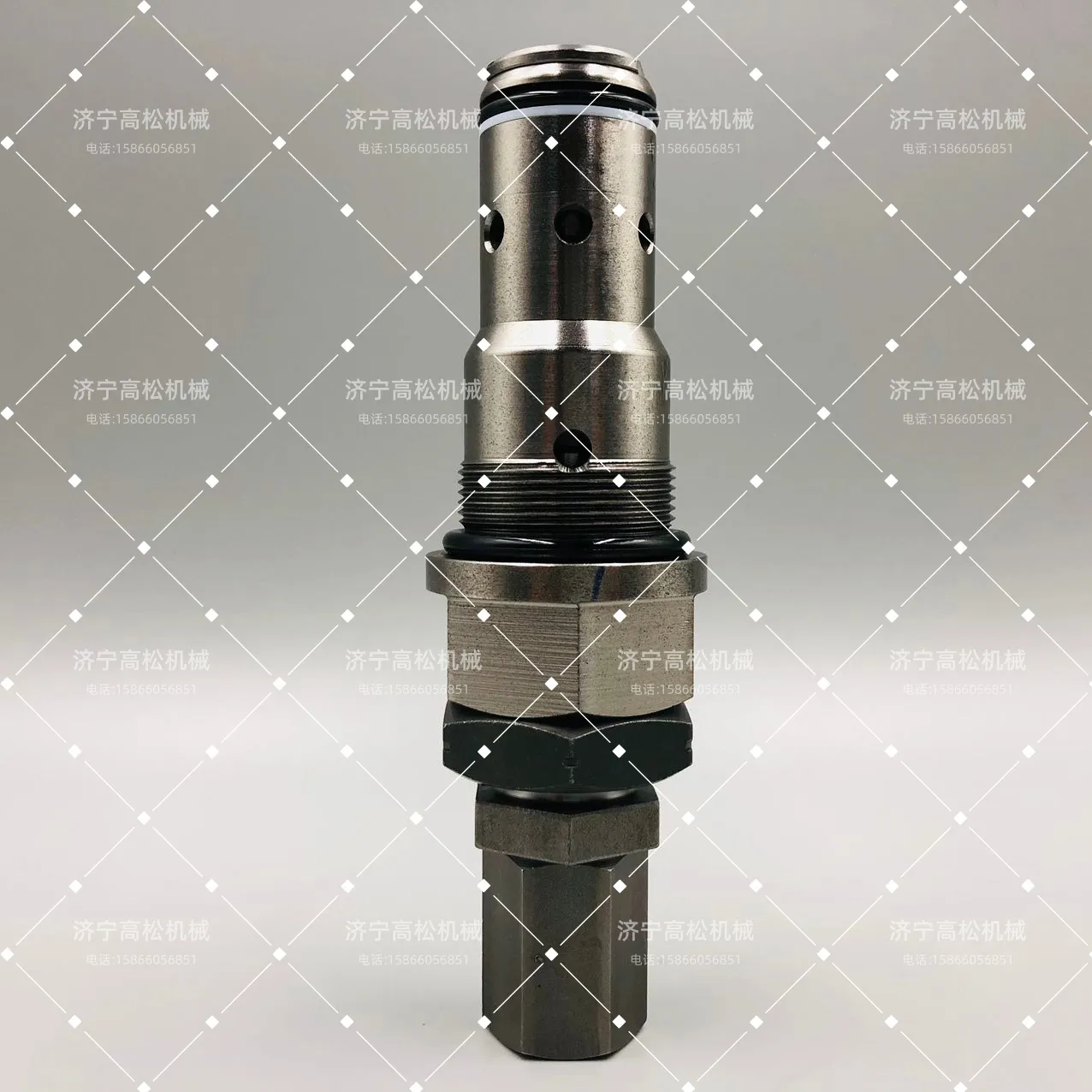 RELIEF VALVE 700-89-66000 – KOMATSU Part catalog
 -
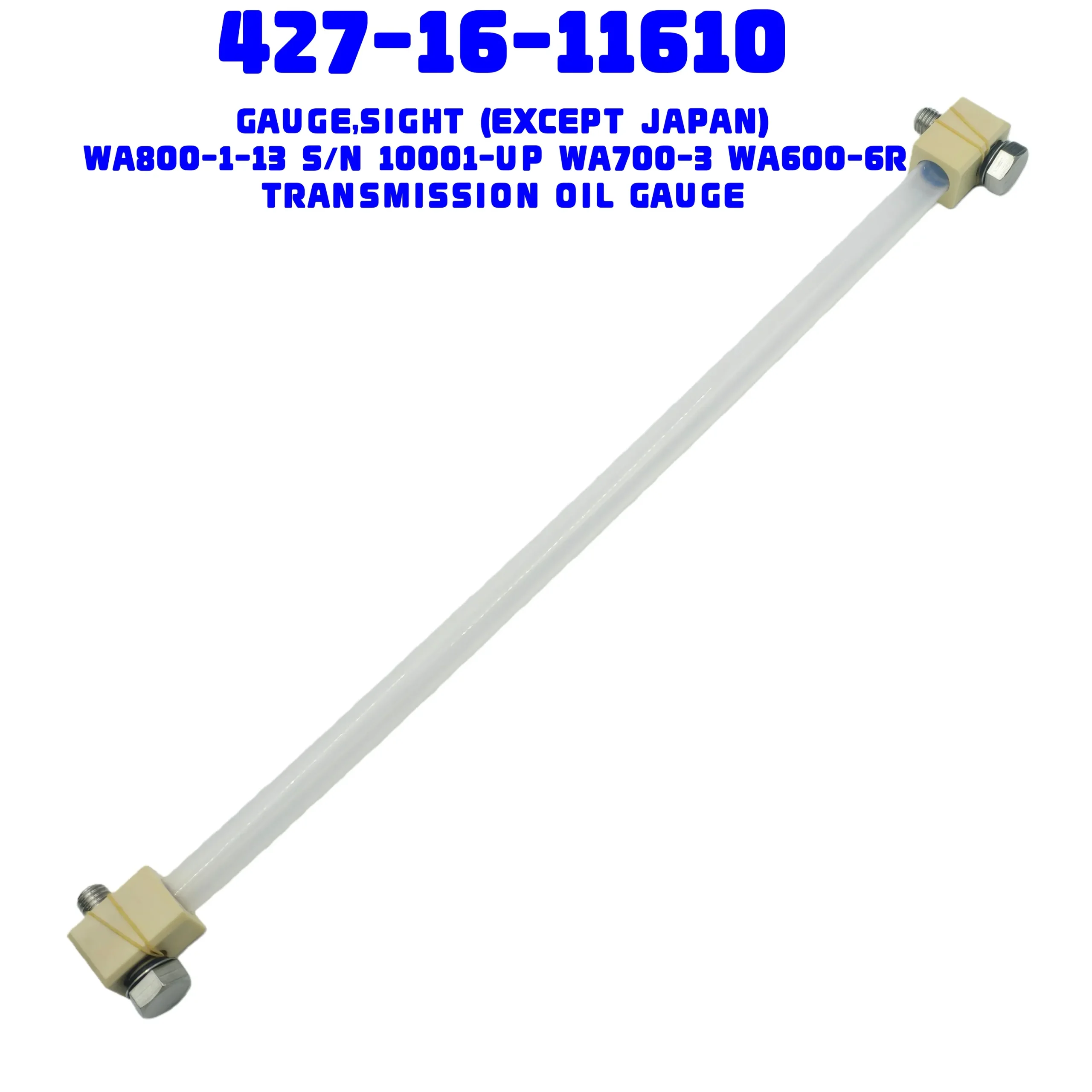 komatsu parts427-16-11610 GAUGE,SIGHT (EXCEPT JAPAN) WA800-1-13 S/N 10001-UP TRANSMISSION OIL GAUGE427-16-11610 GAUGE,SIGHT KOMATSU parts WA1200, WA600, WA700, WA800, WA800L, WA900, WA900L, WD600, WD900
 -
 561-27-61960 for Komatsu HD785-5LC HD985-5
 -
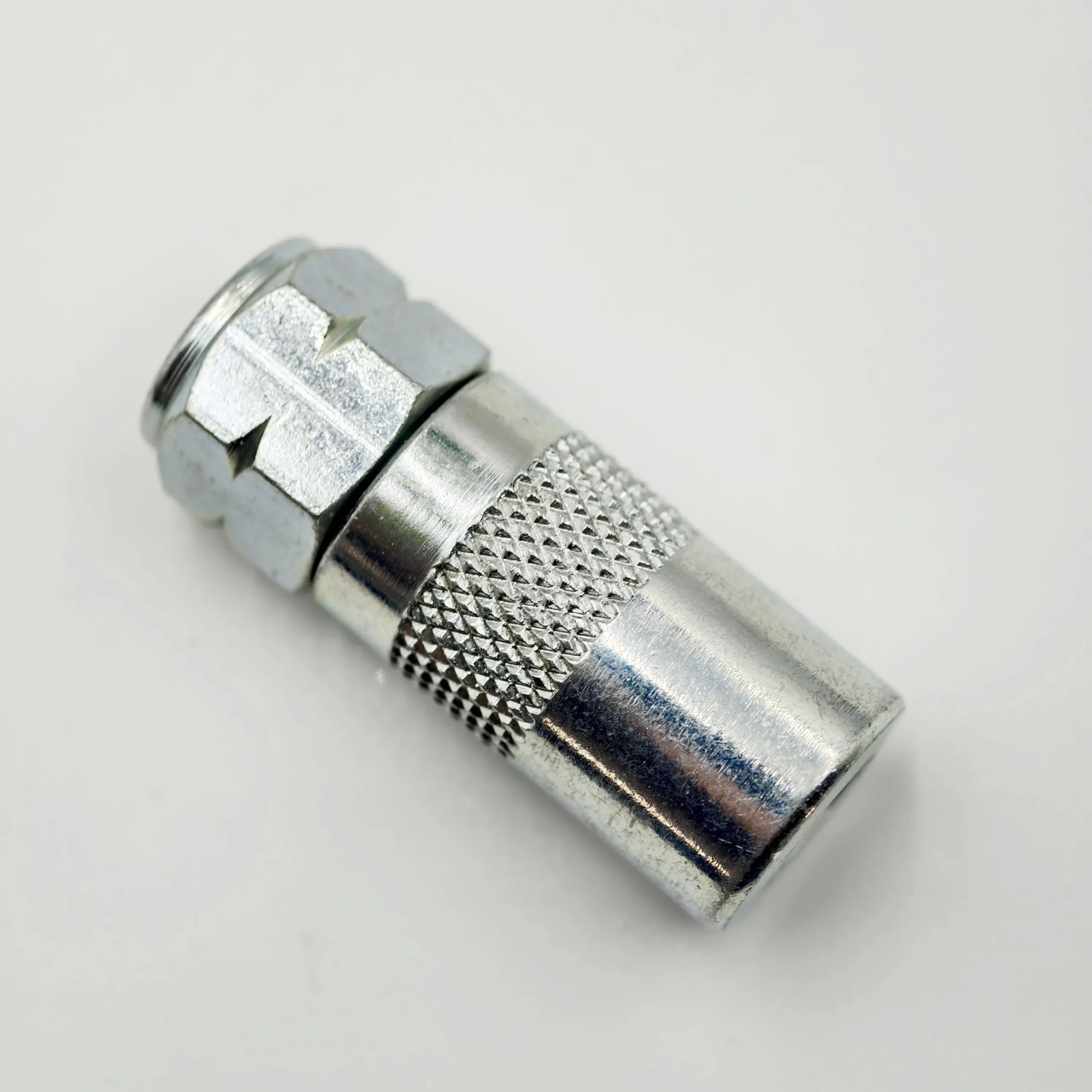 PC600-8/PC2000-8 Coupler 209-68-11640
 -
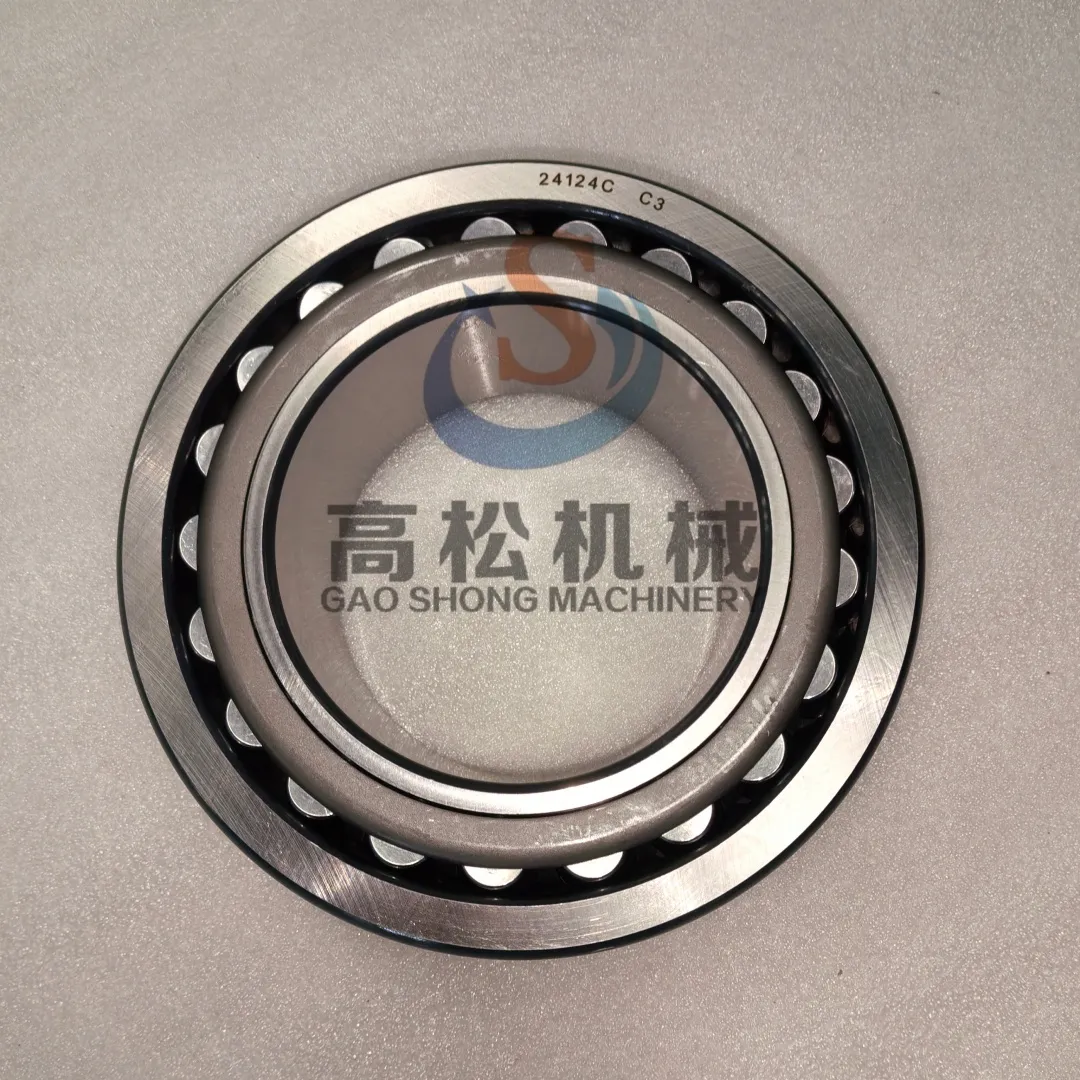 170-09-13250 Bearing for komatsu Dozer D85P-21 D85P-18 D85E-21 D85A-21
 -
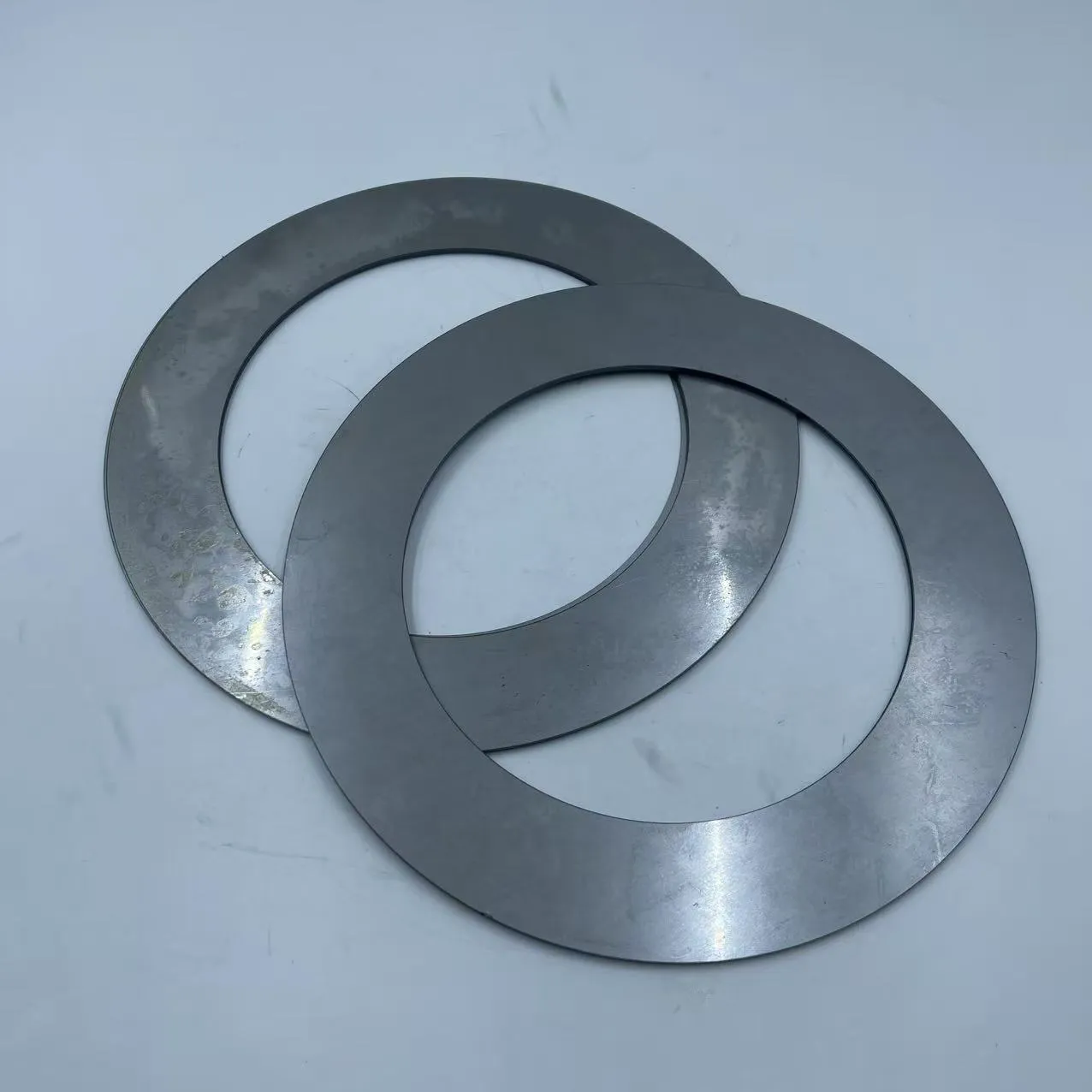 209-939-0070 Komatsu Shim Assembly PC800SE-8EO PC850SE-8EO
 -
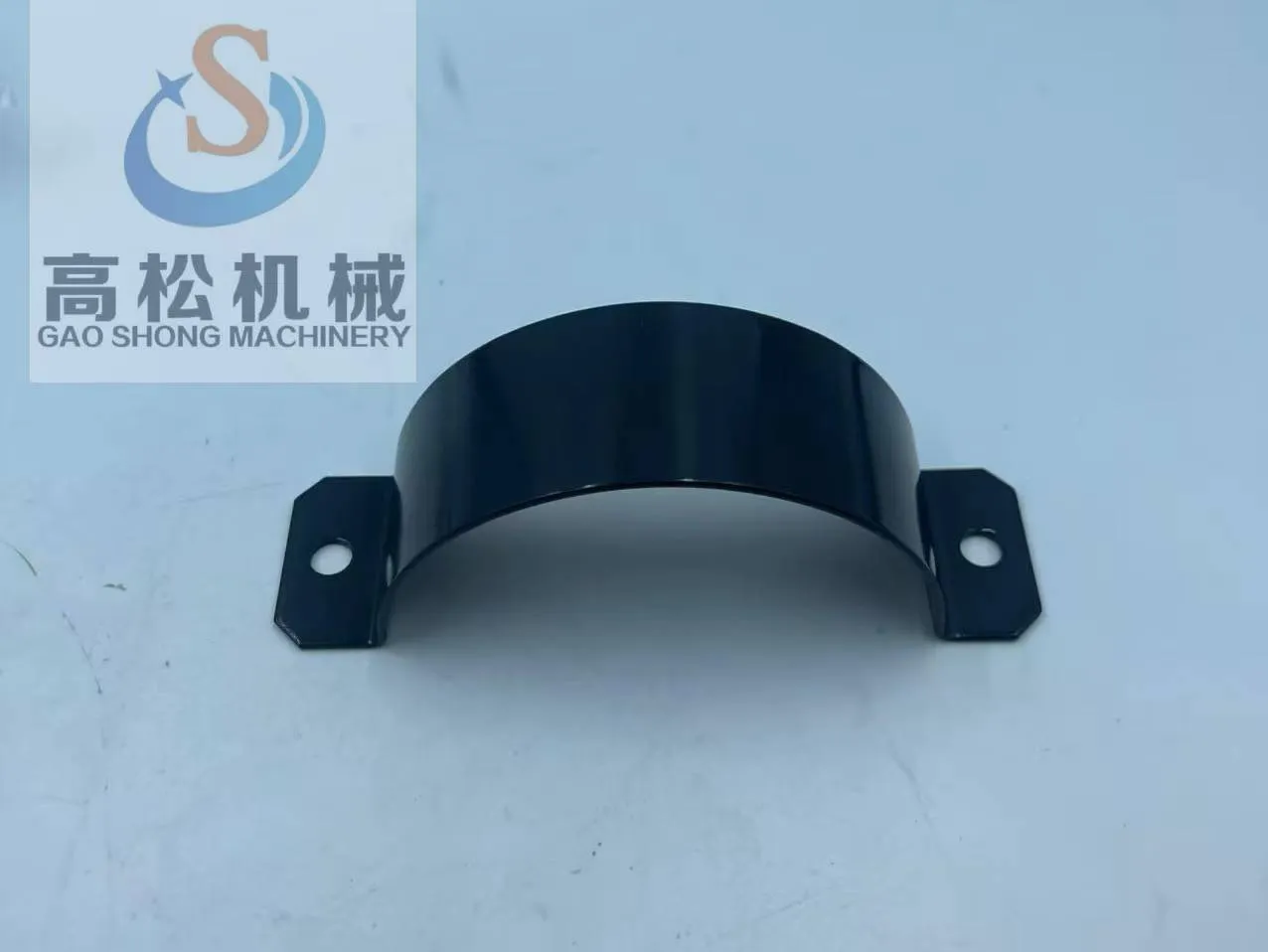 569-40-83470 Komatsu Genuine Bracket, Applicable Model: HD405-7, In-stock Promotional Price
 -
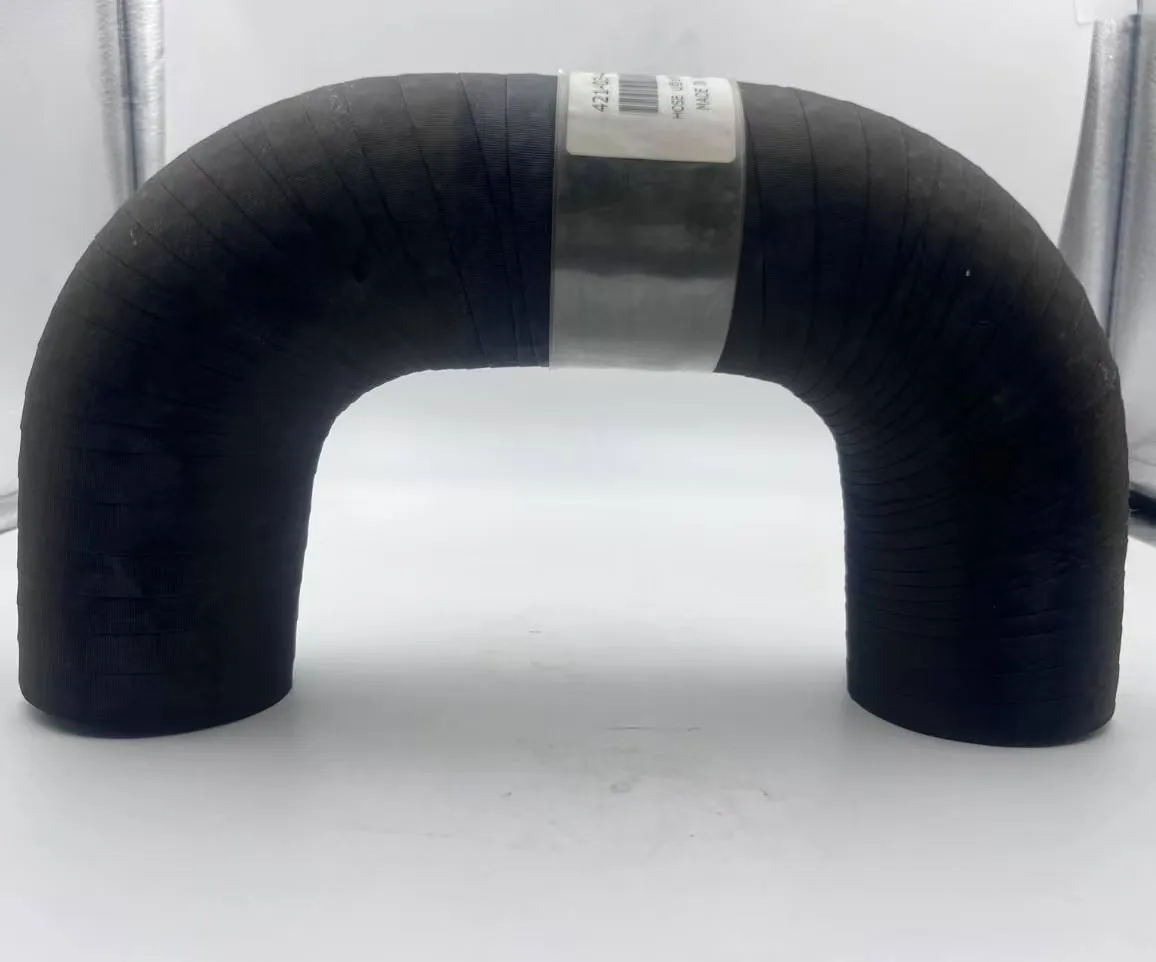 421-03-44430 HOSE for WA450-6 WA380-7-8 WA470-6-7-8 WA480-6-8 Wheel Loader RADIATOR 1
 -
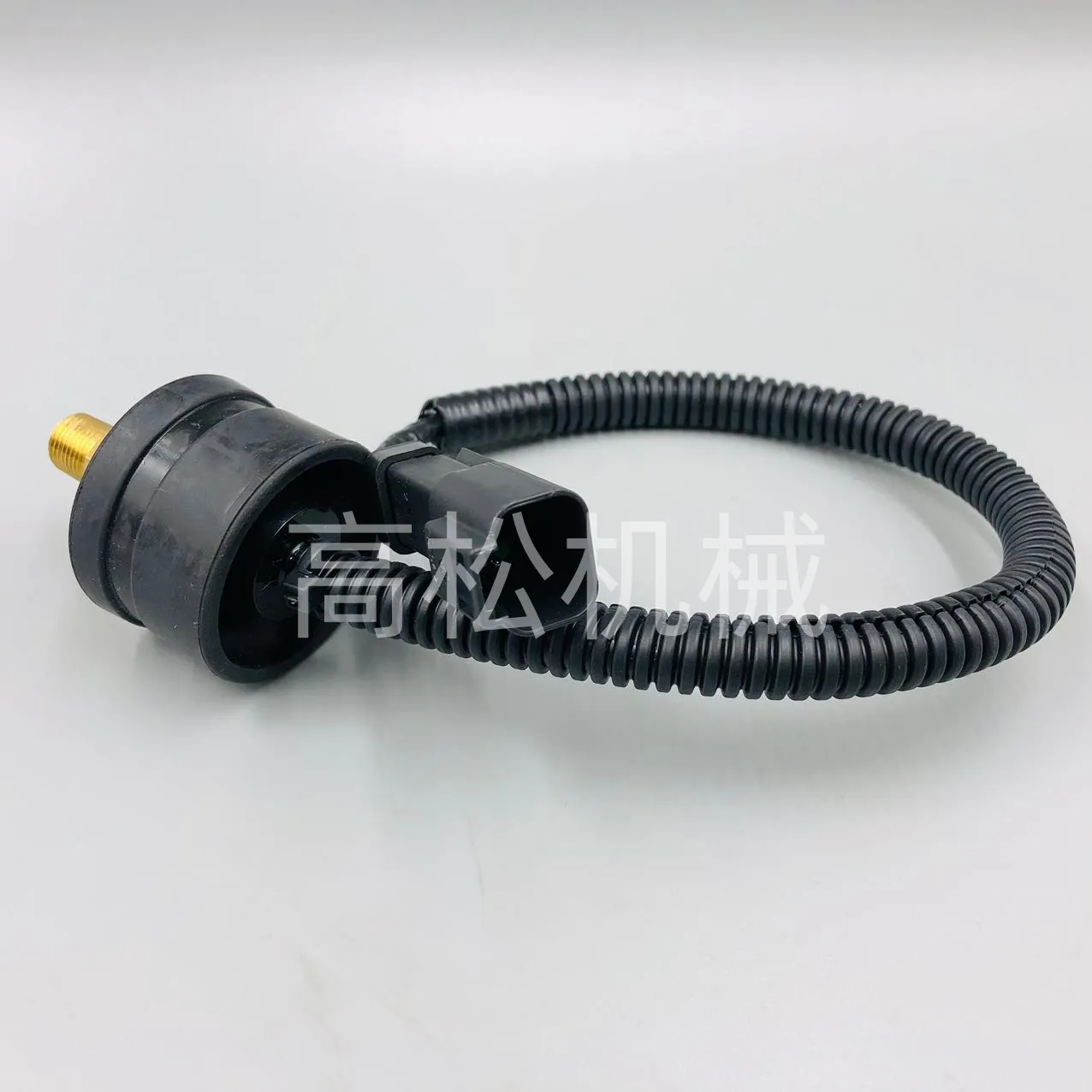 7861-93-1430 SENSOR,SWITCH-Komatsu Original Factory
 -
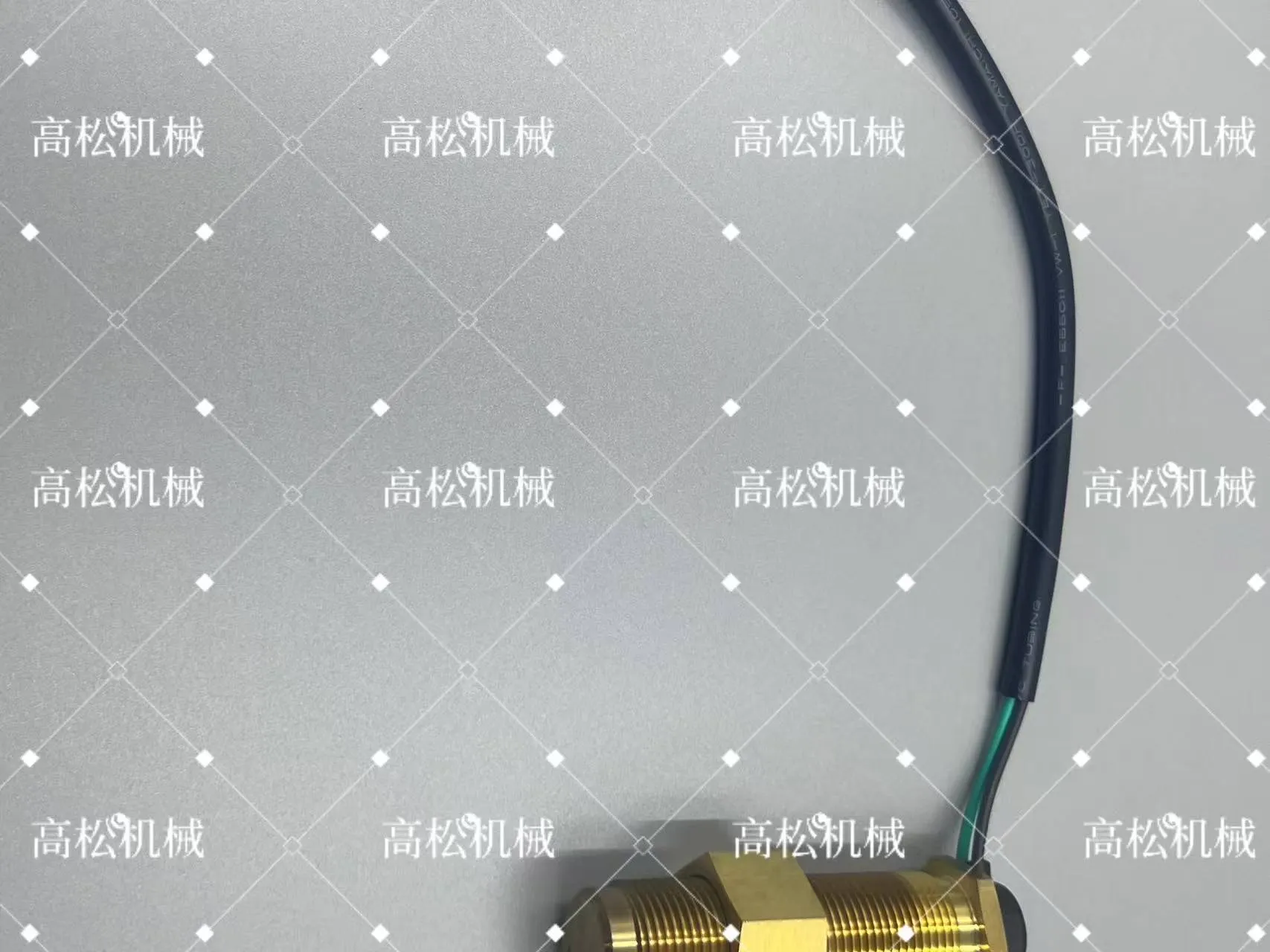 The PC300-6 tachometer sensor 7861-93-2330 is suitable for Komatsu parts
 -
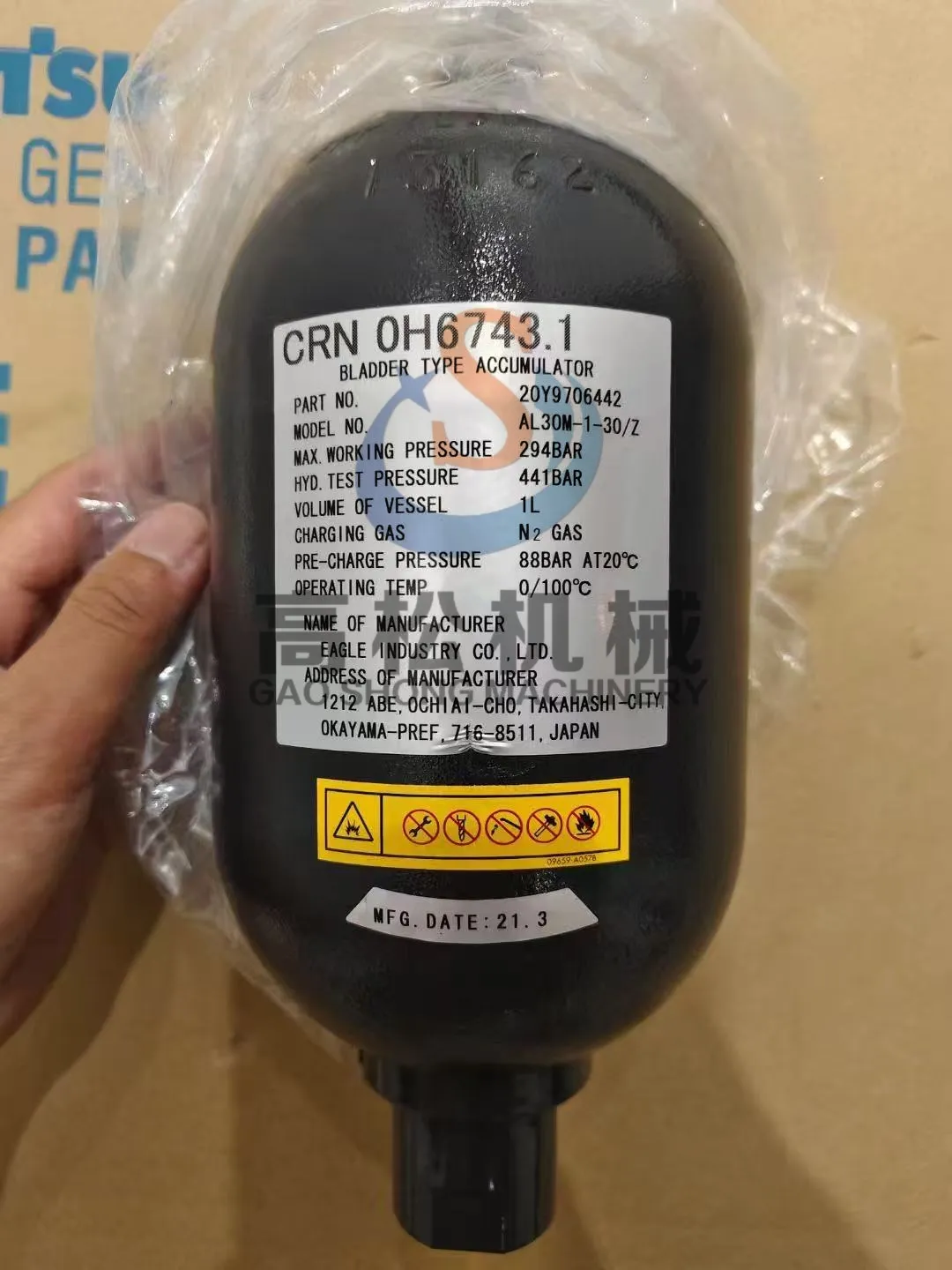 20Y-970-6442 Komatsu Accumulator Assembly
 -
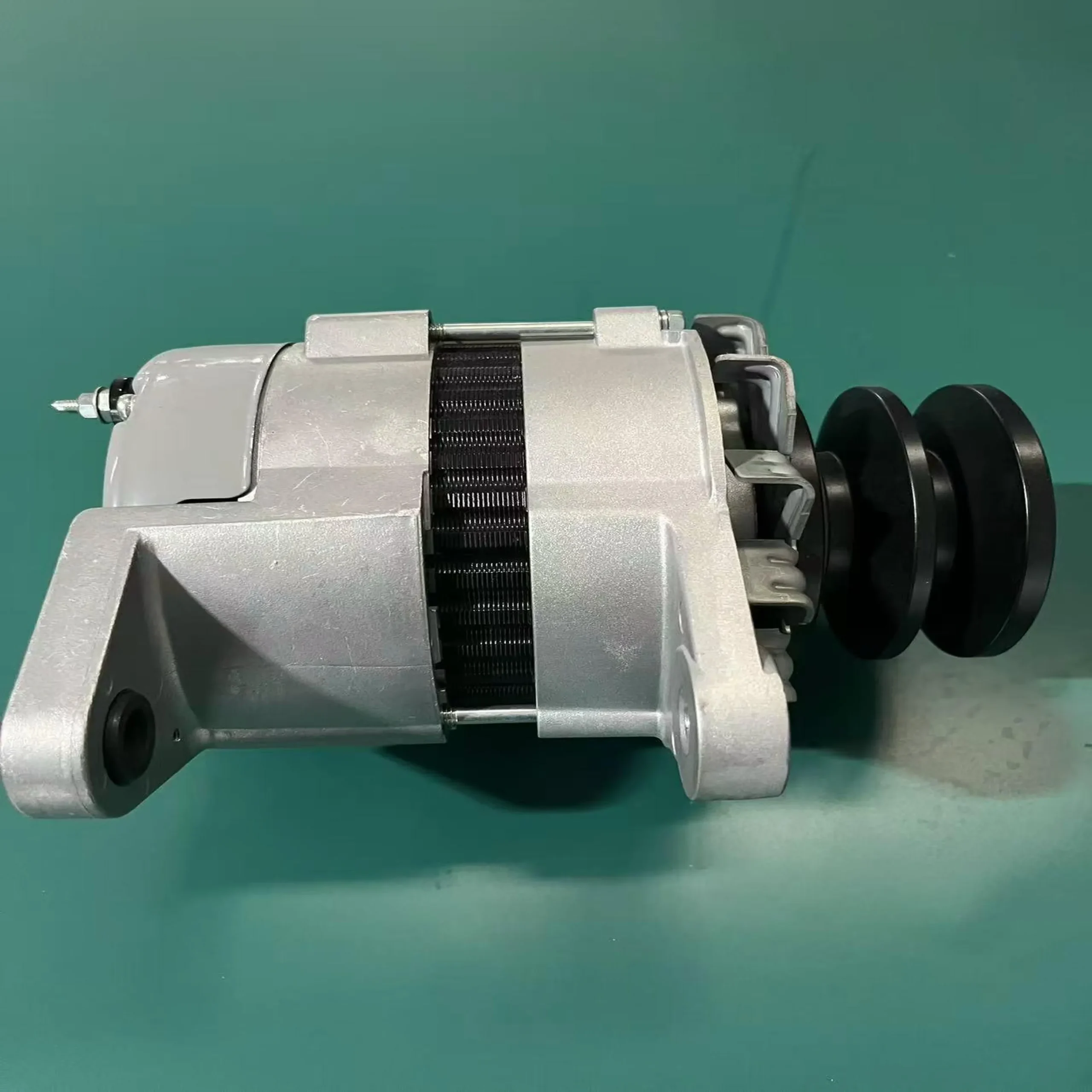 600-825-3151OEG Parts New Alternator Compatible With KOMATSU D65E Crawler & PC130 PC400 EXCAVATOR WA320 LOADER 6008253120, 6008253150, 6008253151, 6008253160, 6008253161, ANK0005, 40050015