
- Chinese
- French
- German
- Portuguese
- Spanish
- Russian
- Japanese
- Korean
- Arabic
- Irish
- Greek
- Turkish
- Italian
- Danish
- Romanian
- Indonesian
- Czech
- Afrikaans
- Swedish
- Polish
- Basque
- Catalan
- Esperanto
- Hindi
- Lao
- Albanian
- Amharic
- Armenian
- Azerbaijani
- Belarusian
- Bengali
- Bosnian
- Bulgarian
- Cebuano
- Chichewa
- Corsican
- Croatian
- Dutch
- Estonian
- Filipino
- Finnish
- Frisian
- Galician
- Georgian
- Gujarati
- Haitian
- Hausa
- Hawaiian
- Hebrew
- Hmong
- Hungarian
- Icelandic
- Igbo
- Javanese
- Kannada
- Kazakh
- Khmer
- Kurdish
- Kyrgyz
- Latin
- Latvian
- Lithuanian
- Luxembou..
- Macedonian
- Malagasy
- Malay
- Malayalam
- Maltese
- Maori
- Marathi
- Mongolian
- Burmese
- Nepali
- Norwegian
- Pashto
- Persian
- Punjabi
- Serbian
- Sesotho
- Sinhala
- Slovak
- Slovenian
- Somali
- Samoan
- Scots Gaelic
- Shona
- Sindhi
- Sundanese
- Swahili
- Tajik
- Tamil
- Telugu
- Thai
- Ukrainian
- Urdu
- Uzbek
- Vietnamese
- Welsh
- Xhosa
- Yiddish
- Yoruba
- Zulu
- Kinyarwanda
- Tatar
- Oriya
- Turkmen
- Uyghur





Komatsu bucket edge
When most people hear 'Komatsu bucket edge,' they picture a simple, replaceable strip of steel. That's the first mistake. In the field, that edge isn't just a part; it's the primary interface between the machine's intent and the ground's resistance. I've seen too many sites treat it as a consumable, swapping it out when it's visibly gone, without realizing how its condition, long before failure, silently bleeds productivity and fuel. The real conversation isn't about the edge itself, but about the system it's part of—the adapter, the teeth, the bucket's base metal—and the operating logic it forces you into.
The OEM Spec Myth and On-Ground Reality
There's a pervasive belief that an OEM-spec edge, like those from within the Komatsu system, is the undisputed gold standard. And for core components, that's often true. But with a bucket edge, the calculus gets muddy. The official part is engineered for a global average of conditions, but no two mining sites or demolition yards are the same. I recall a quarry project in limestone where the OEM edge was wearing out in 400 hours. The material wasn't even that abrasive, but the fragmentation size was all wrong, leading to massive point-load impacts rather than even abrasion.
We had to look beyond the standard catalog. This is where a specialized supplier's role becomes critical. A company like Jining Gaosong Construction Machinery Co., Ltd., which operates as both an OEM supplier within the Komatsu network and a third-party solutions provider, understands this dichotomy. Their position is unique: they know the original engineering specs cold, but their third-party work exposes them to the brutal realities of localized failure modes that standard parts aren't always optimized for.
The solution there wasn't a harder steel. It was a redesign of the edge profile—slightly thicker at the center, with a more pronounced bevel—to change how the material flowed onto the cutting edge. It pushed wear life to nearly 700 hours. The lesson? The spec sheet is a starting point, not a bible. Blind adherence can be expensive.
Material Science Isn't Just a Brochure Word
Everyone throws around terms like AR450 or Hardox 500. But the metallurgy behind a high-performance Komatsu bucket edge is about the balance of hardness and toughness. Too hard, and it becomes brittle, prone to chipping or catastrophic cracking under impact, especially in colder climates. Too tough, and it deforms or wears too quickly under constant abrasion. I've made the mistake of sourcing a super hard edge for a coal handling application, only to see it spider-web with cracks within a week because the impact from frozen chunks of coal and rock was the dominant force, not sliding abrasion.
The heat treatment process is where the magic—or the disaster—happens. It's not just about the initial quench; it's the tempering cycle that sets the final properties. A quality manufacturer controls this religiously. You can sometimes spot a sub-par edge not in its first 100 hours, but in its wear pattern after that. It starts wearing unevenly, developing deep grooves, because the hardness isn't consistent through its depth. This is where the OEM pedigree from a supplier like the one behind https://www.takematsumachinery.com provides a baseline of trust. Their role as an OEM product supplier means their processes are audited against Komatsu's stringent quality gates, which are unforgiving on material traceability and batch consistency.
Yet, their parallel role as a third-party seller gives them the flexibility to sometimes offer alternative material grades for specific, validated use cases—something a pure OEM channel might not entertain. It's this dual capability that helps solve real parts supply challenges on the ground, offering not just a part, but a material solution.
Installation and the Hidden Cost of Downtime
This might be the most overlooked aspect. A perfect edge, poorly installed, is a liability. The procedure seems straightforward: line it up, weld it on. But the devil is in the pre-heat, the interpass temperature control, and the electrode selection. Welding a high-hardness edge directly onto a lower-carbon bucket plate without proper pre-heat is a guaranteed way to create a heat-affected zone (HAZ) that's brittle as glass. I've seen buckets crack right along the weld line, a repair far more costly than the edge itself.
The correct method involves a buffer. Sometimes, it's a softer, more weldable backing bar or intermediate plate that takes the weld stress. Other times, it's about using a specific sequence to manage thermal stress. The best suppliers provide not just the part, but clear, practical welding instructions that acknowledge real-world field conditions, not just a perfect shop environment. A quality edge will often come with bevels pre-cut to guide weld penetration without overheating the parent material.
Downtime for edge replacement is a massive cost multiplier. The goal isn't maximum possible life if it takes 16 hours of torch-and-grinder work to remove the old, fully worn edge. A good design considers replaceability. Some newer, bolt-on edge systems are gaining traction for this reason, though they come with their own trade-offs in initial cost and potential for bolt shear. The economic calculation always circles back to total cost per operating hour, not just the price tag of the component.
The Adapter and Tooth Ecosystem
You cannot talk about the edge in isolation. The bucket edge is the foundation for the entire front-end wear assembly. The adapters are welded onto it, and the teeth slide onto the adapters. If the edge wears too thin or deforms, it compromises the seat for the adapter. A loose adapter wobbles, accelerating wear on the pin and the tooth itself, and can even tear out, taking a chunk of the bucket with it. It's a cascading failure.
I've inspected buckets where the crew kept replacing teeth at an alarming rate, blaming the tooth quality, when the root cause was a worn-out edge that had allowed the adapters to sink and tilt. Replacing the teeth was just treating a symptom. The fix was a full edge-and-adapter rebuild. A coherent system, where the edge, adapters, and teeth are designed to work together (often from the same source, like a comprehensive offering from a supplier with Komatsu system expertise), pays dividends in predictable wear and reduced surprise failures.
This systemic view is what separates parts changers from maintenance planners. It's also where a supplier's broader portfolio matters. Can they provide the compatible, quality adapters and teeth that match the edge's performance profile? Or are you forced to mix and match, hoping for compatibility?
Failures as Lessons: When the Edge Isn't the Problem
Sometimes, the fastest-wearing component points to a problem elsewhere. A classic example is an excavator used for loading shot rock. The edges on the center of the bucket were fine, but the corners were wearing to a knife-edge in 200 hours. The initial reaction was to upgrade the corner section material. The real problem was the operator's technique—consentially dragging the bucket sideways to gather material, putting all the abrasive action on the corner. No edge material could withstand that.
The solution was two-fold: operator coaching on proper straight-pull technique, and, pragmatically, specifying a bucket with a more robust corner design and a reinforced bucket edge wrap-around. This is the kind of practical problem-solving that goes beyond the catalog. It requires a supplier who's seen enough field applications to ask the right questions: What are you loading? How is the operator attacking the pile? What's the particle size? Their value isn't just in the warehouse, but in this diagnostic experience.
This aligns with the mission of companies positioned like Jining Gaosong. By helping to solve parts supply challenges, they're often forced into these diagnostic conversations. They're not just shipping a box; they're often troubleshooting a symptom reported from a remote site. Their dual identity means they can recommend the genuine Komatsu edge if that's truly the best fit, or a tailored third-party solution if the application demands a deviation from the standard. The end goal is machine uptime, not just part sales.
So, the next time you look at a Komatsu bucket edge, see it as a sensor. Its wear pattern tells a story about your material, your machine's health, and your operation's efficiency. Choosing it is not a simple procurement task; it's a technical decision with ripple effects across your cost sheet. And having a knowledgeable partner who understands both the OEM blueprint and the dirt-under-the-fingernails reality of the jobsite is no longer a luxury—it's a operational necessity.
Related Products
Related Products
Best Selling Products
Best Selling Products-
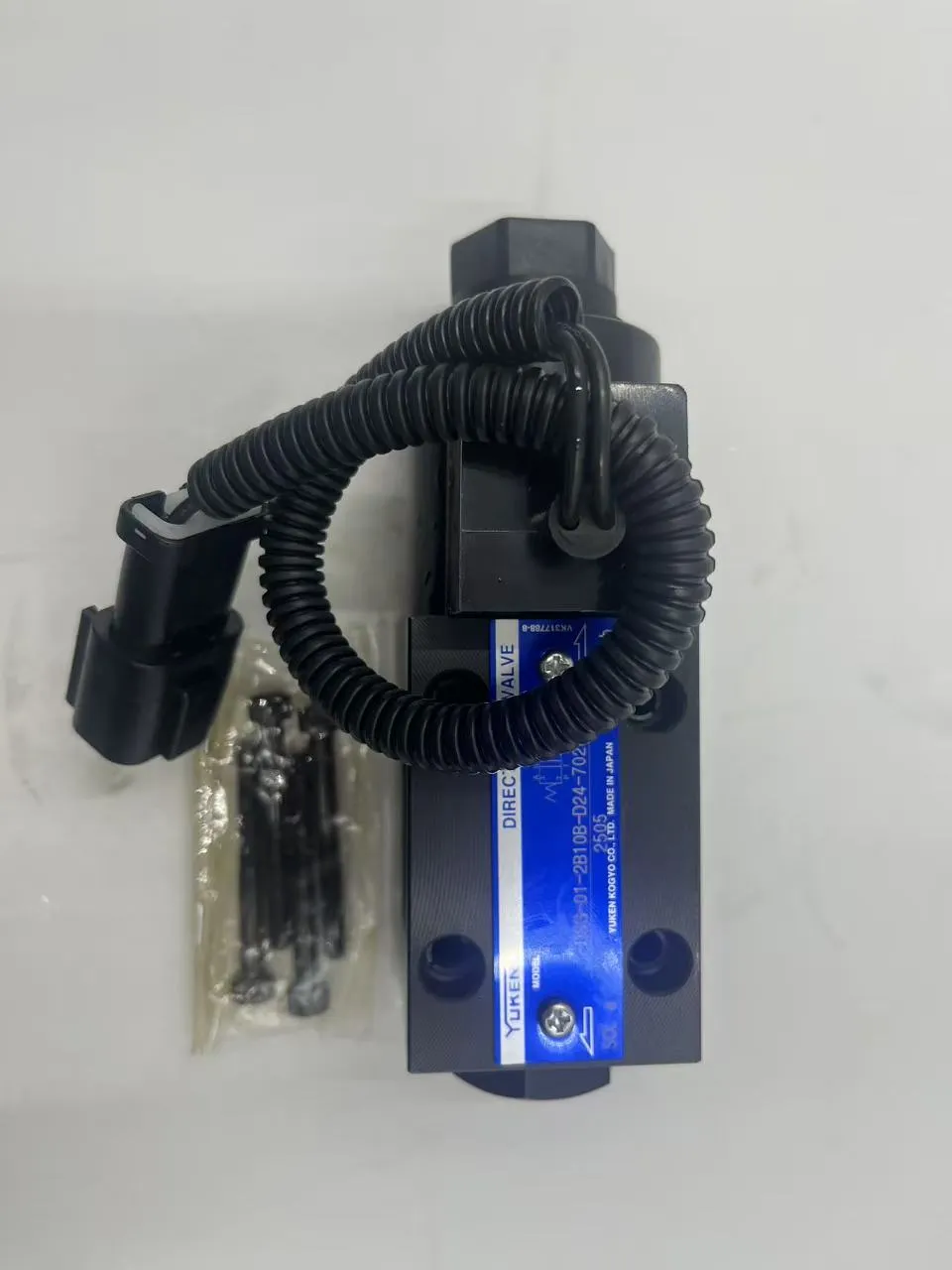 VALVE ASS’Y 23W-60-28230 KOMATSU
 -
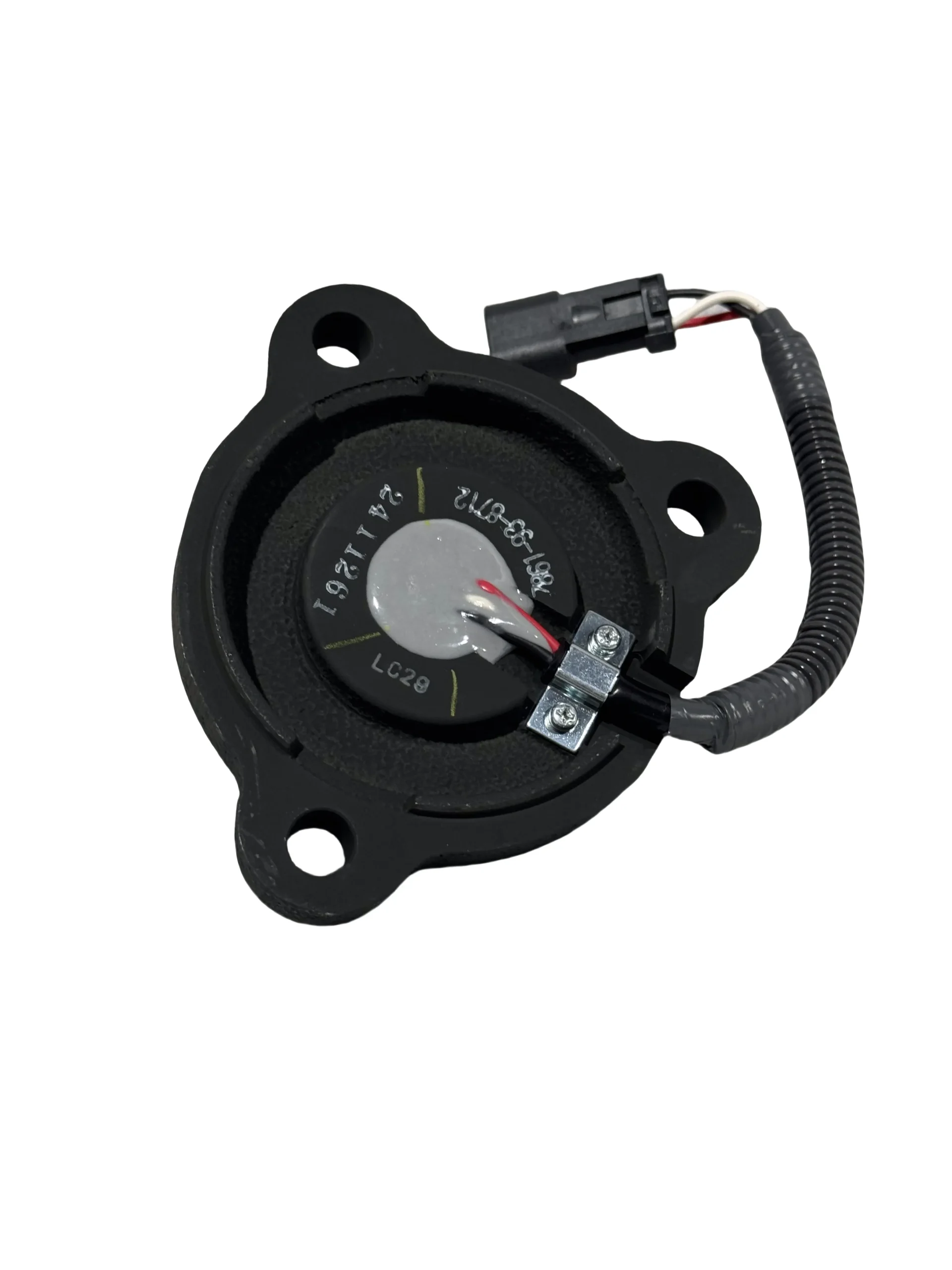 7861-93-8711 Steering Sensor for Komatsu HD785-7
 -
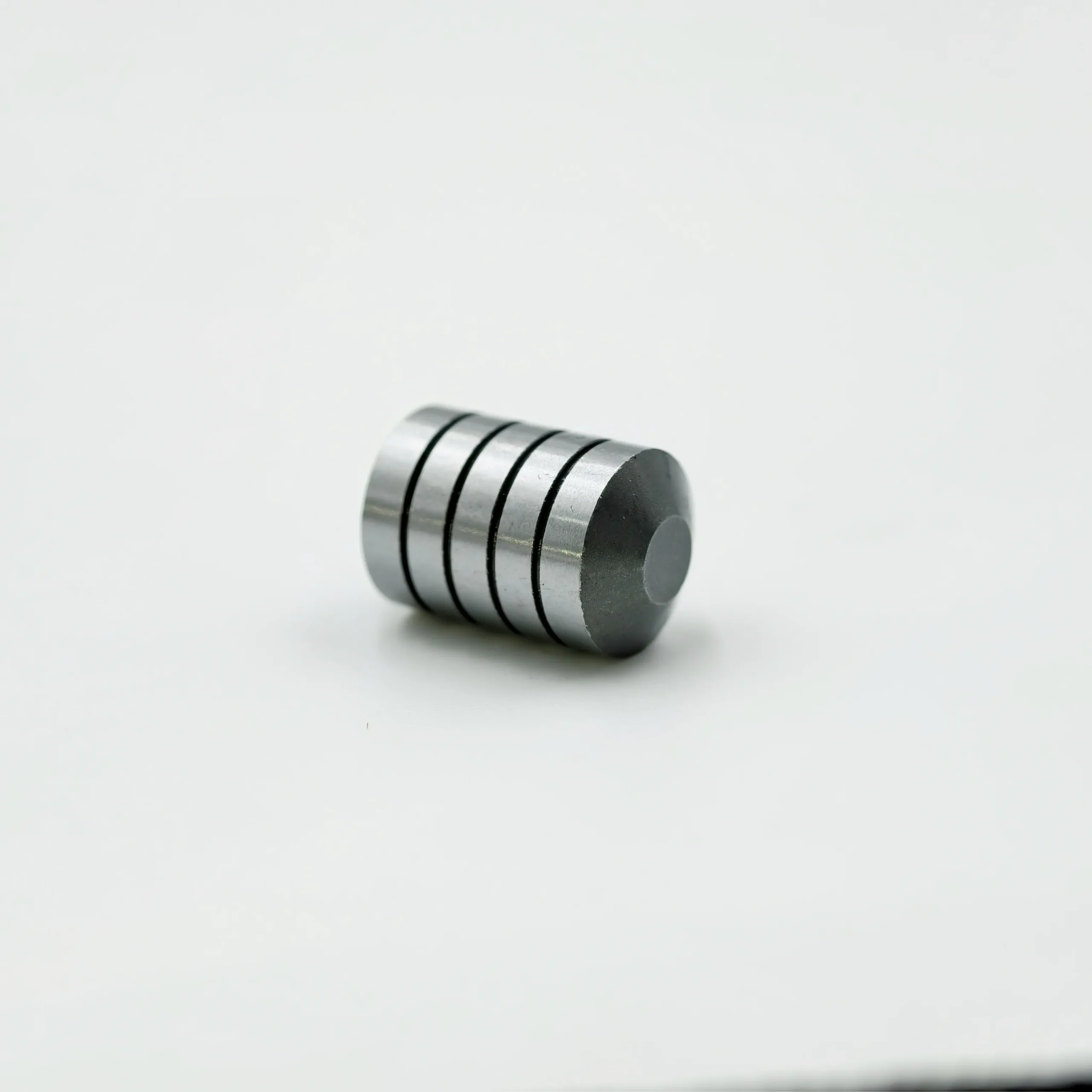 PISTON – 287-15-15360
 -
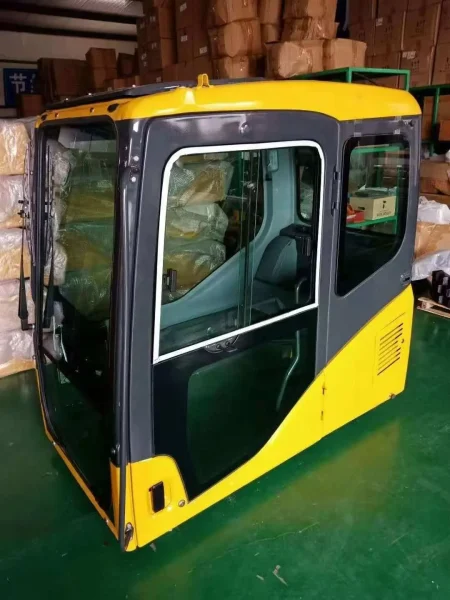 21T-54-00303 21T-54-00302 CAB ASS’Y FOR PC2000-8
 -
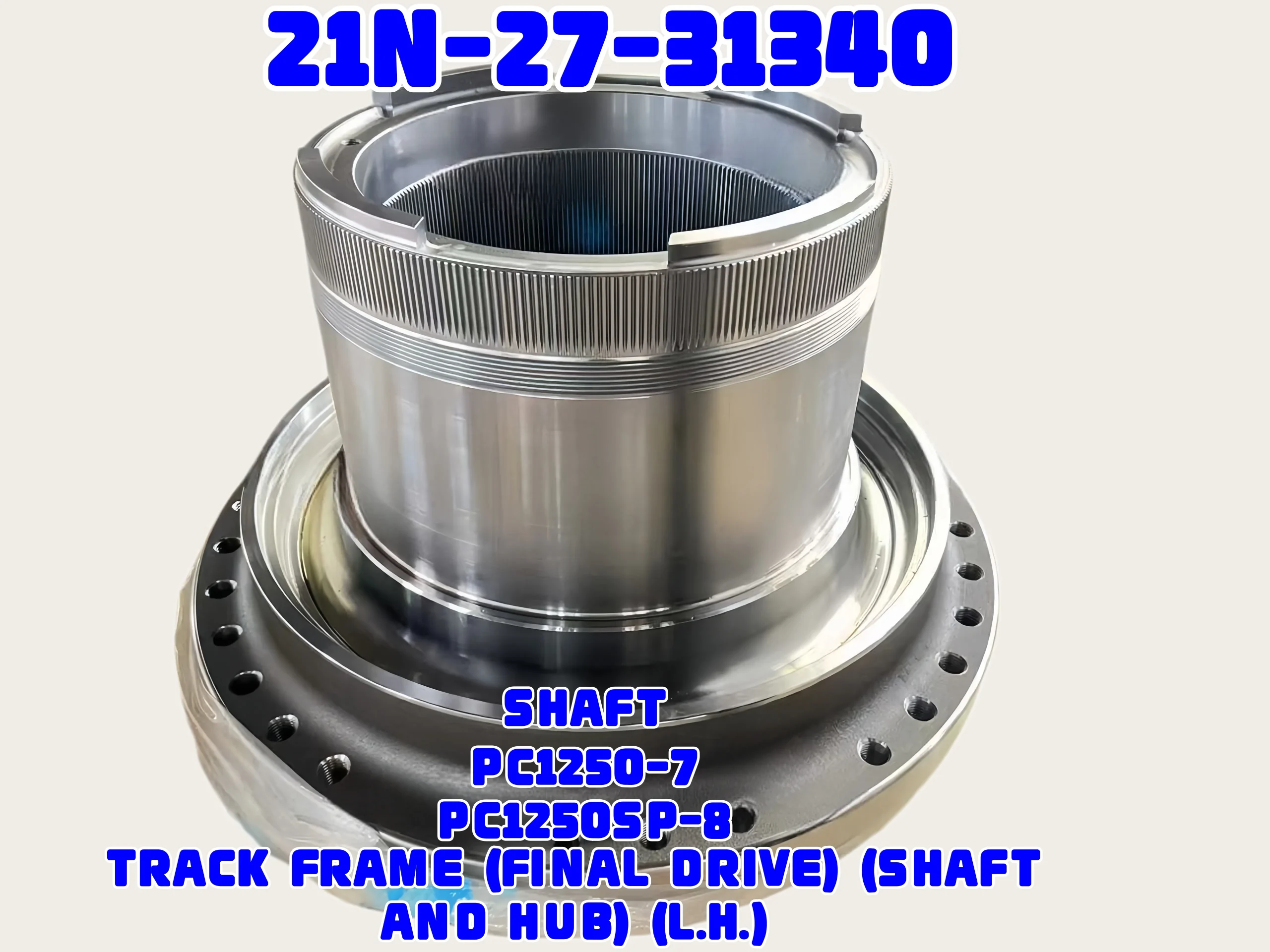 SHAFT 21N-27-31340 PC1250-7 PC1250-8 PC1250-8R TRACK FRAME (FINAL DRIVE) (SHAFT AND HUB) (L.H.) FINAL DRIVE
 -
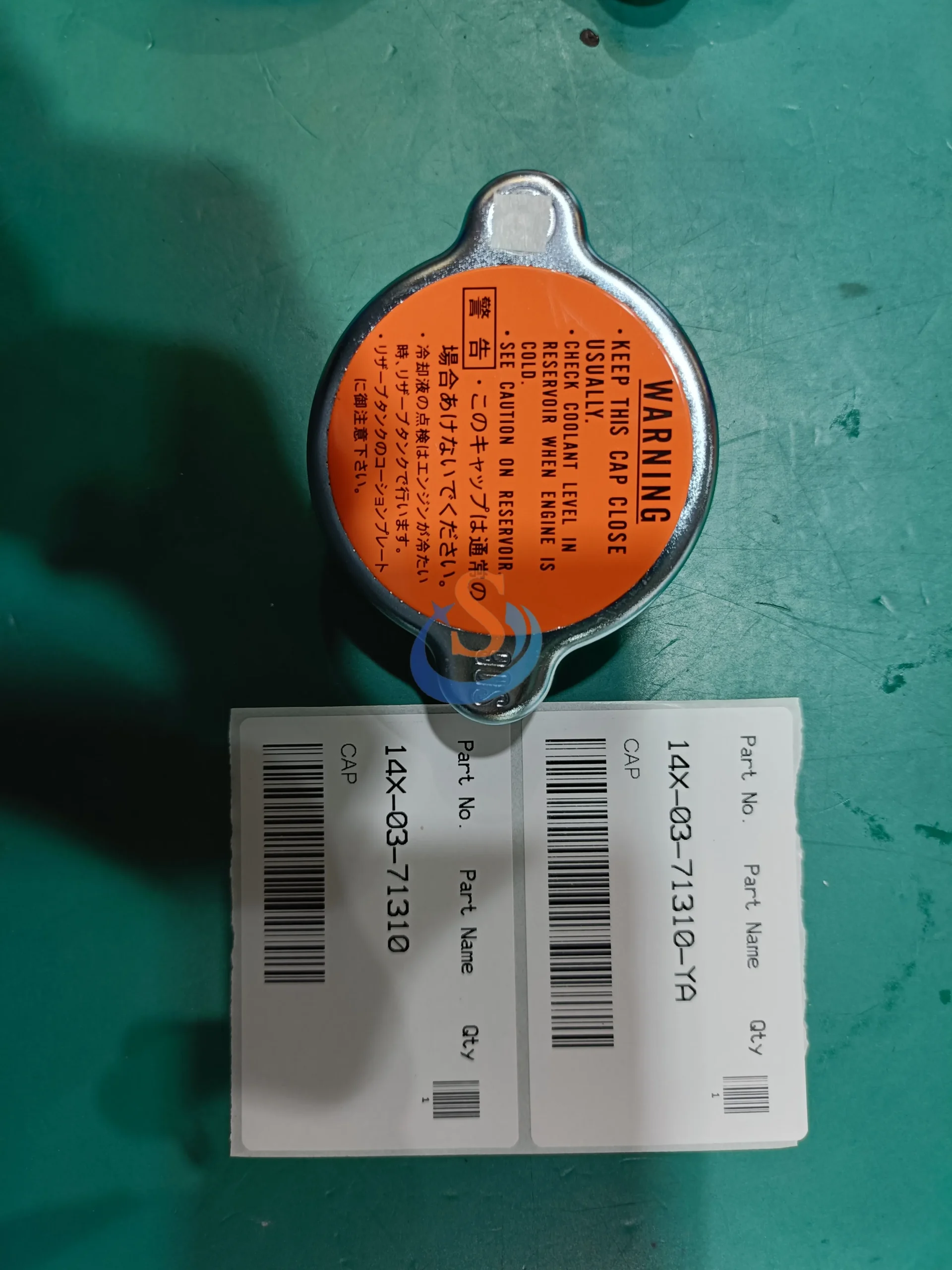 14X-03-71310 CAP HM300/WA470
 -
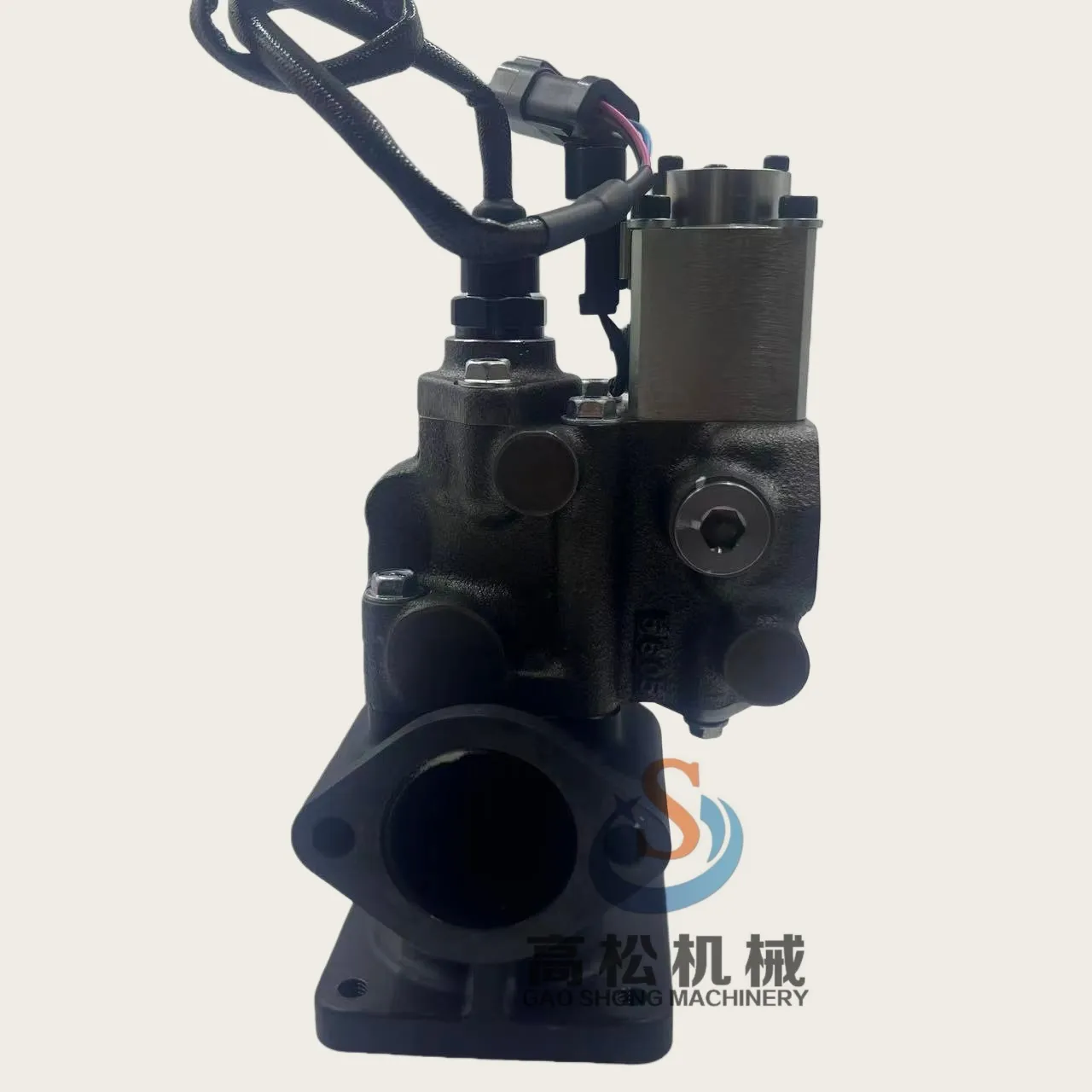 VALVE ASS’Y BYPASS 6261-41-9500 SAA6D140E-5C-01 SAA6D170E-5C EXHAUST GAS RECIRCULATION VALVE HM400-2 HM350-2 WA500-6
 -
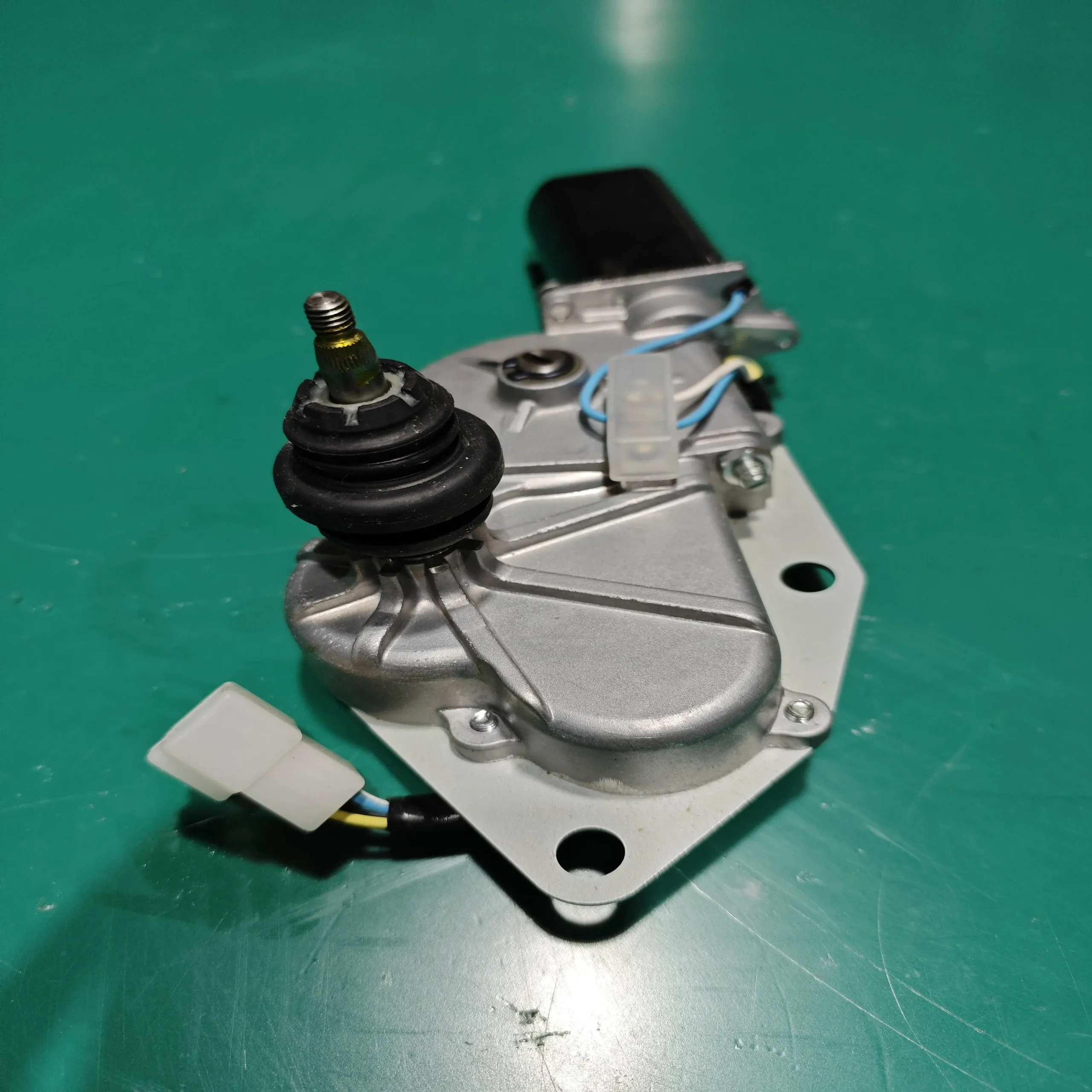 23B-951-2610 Komatsu WIPER MOTOR
 -
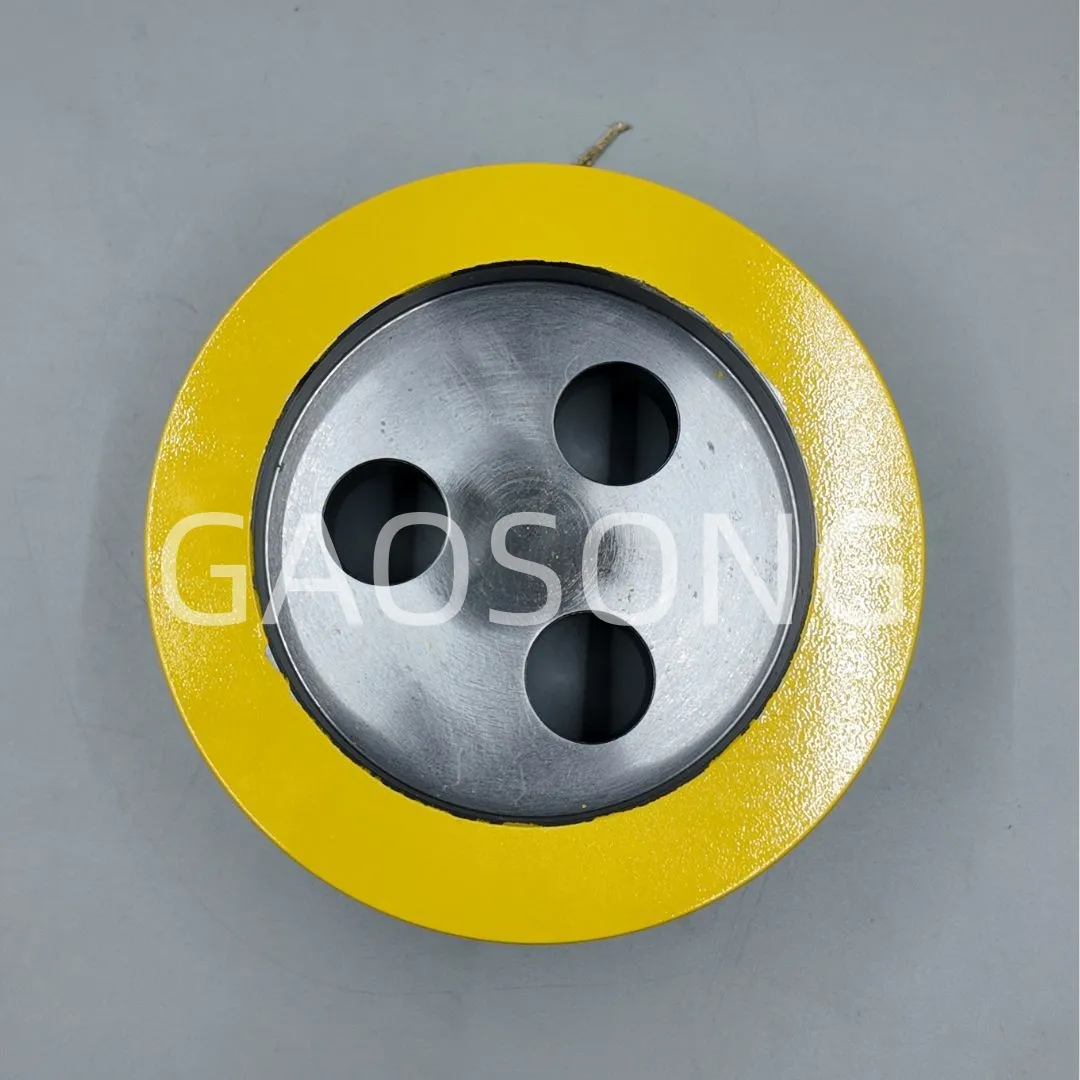 2A8-70-13570 Excavator Arm Bucket Link Cover for PC500-10 PC500-10M0
 -
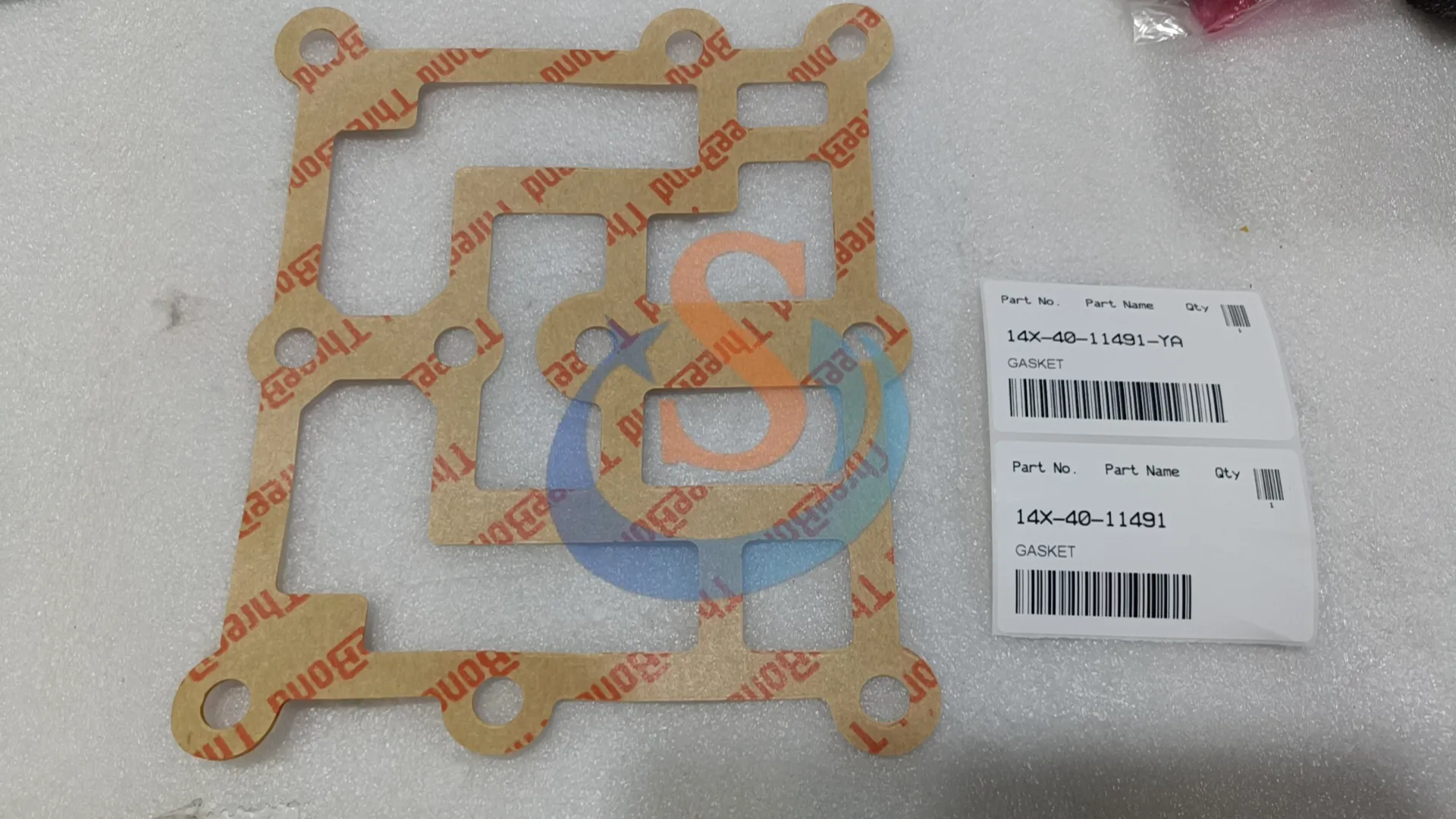 14X-40-11491,GASKET,D155A,D375A,D475A
 -
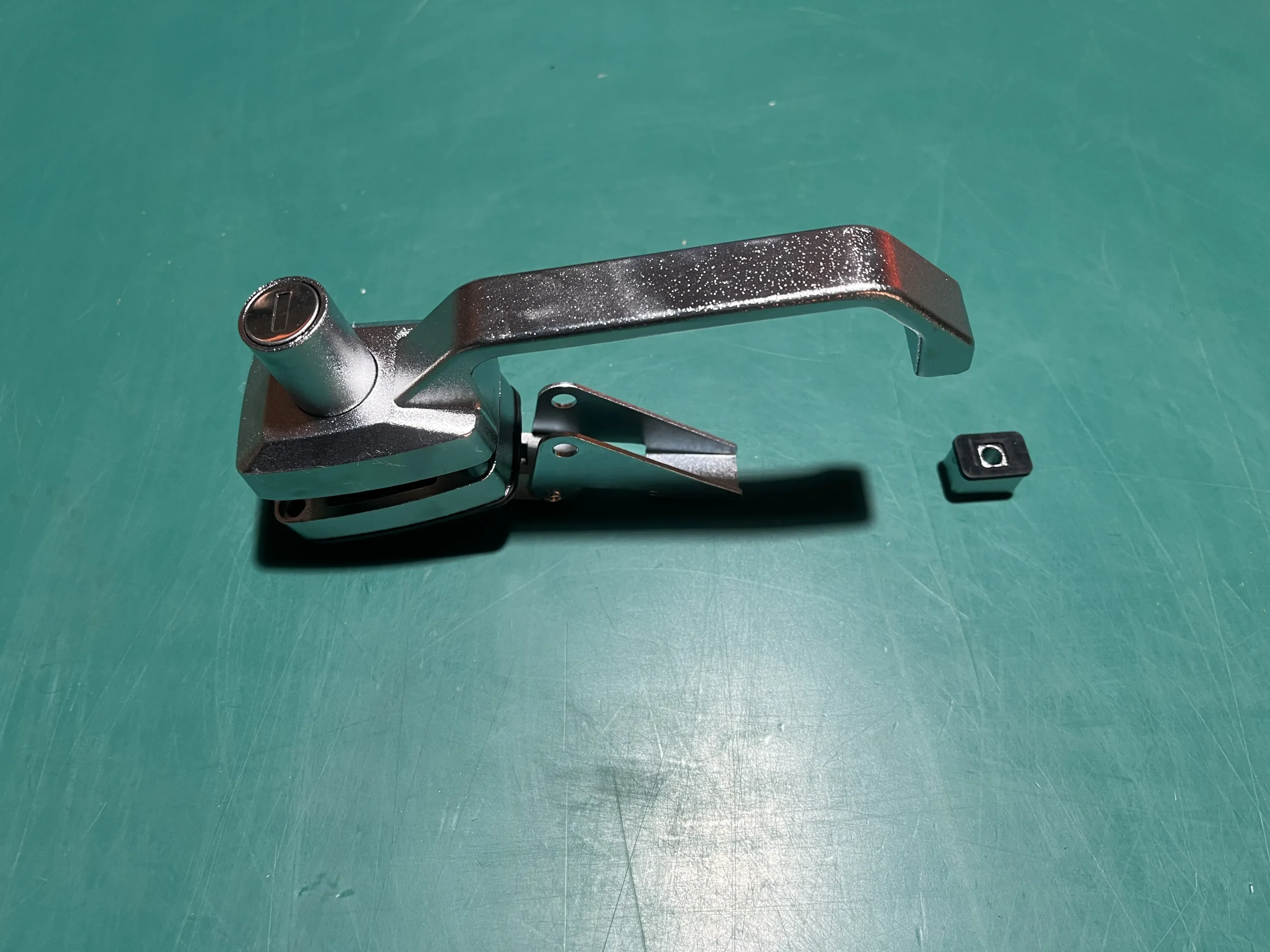 Komatsu Locks 198-Z11-3710 for Bulldozer D65EX-12
 -
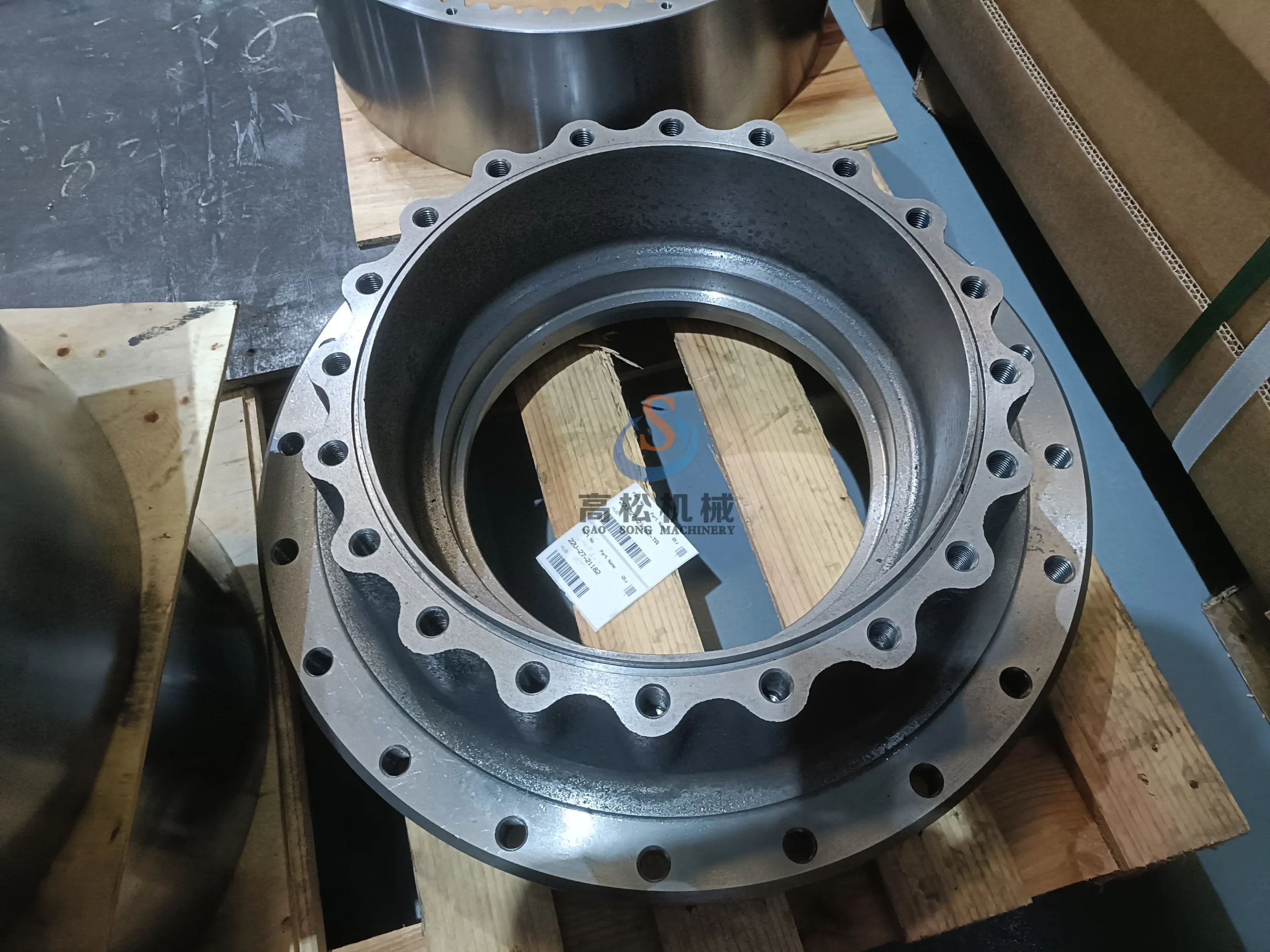 22U-27-21182 komatsu HUB-PC200/PC220/PC228