
- Chinese
- French
- German
- Portuguese
- Spanish
- Russian
- Japanese
- Korean
- Arabic
- Irish
- Greek
- Turkish
- Italian
- Danish
- Romanian
- Indonesian
- Czech
- Afrikaans
- Swedish
- Polish
- Basque
- Catalan
- Esperanto
- Hindi
- Lao
- Albanian
- Amharic
- Armenian
- Azerbaijani
- Belarusian
- Bengali
- Bosnian
- Bulgarian
- Cebuano
- Chichewa
- Corsican
- Croatian
- Dutch
- Estonian
- Filipino
- Finnish
- Frisian
- Galician
- Georgian
- Gujarati
- Haitian
- Hausa
- Hawaiian
- Hebrew
- Hmong
- Hungarian
- Icelandic
- Igbo
- Javanese
- Kannada
- Kazakh
- Khmer
- Kurdish
- Kyrgyz
- Latin
- Latvian
- Lithuanian
- Luxembou..
- Macedonian
- Malagasy
- Malay
- Malayalam
- Maltese
- Maori
- Marathi
- Mongolian
- Burmese
- Nepali
- Norwegian
- Pashto
- Persian
- Punjabi
- Serbian
- Sesotho
- Sinhala
- Slovak
- Slovenian
- Somali
- Samoan
- Scots Gaelic
- Shona
- Sindhi
- Sundanese
- Swahili
- Tajik
- Tamil
- Telugu
- Thai
- Ukrainian
- Urdu
- Uzbek
- Vietnamese
- Welsh
- Xhosa
- Yiddish
- Yoruba
- Zulu
- Kinyarwanda
- Tatar
- Oriya
- Turkmen
- Uyghur






Komatsu bucket
When most people hear 'Komatsu bucket', they picture the big, shiny steel thing on the front of an excavator. That's not wrong, but it's a surface-level view that misses the nuance. In the field, the bucket is the critical interface between the machine's power and the material. It's where theory meets the often-unforgiving reality of dirt, rock, and debris. A common mistake is treating all buckets as interchangeable, focusing only on width or teeth. The real story is in the geometry, the steel grade, the weld quality, and how it's matched to a specific machine model and job. I've seen too many projects bleed money from premature wear or poor efficiency because someone grabbed the 'cheapest' or 'most available' bucket without understanding its pedigree or fit.
The Anatomy of a Real Komatsu Bucket
Let's get specific. An OEM Komatsu bucket, the kind that comes with a new PC360 or a 400, isn't just a welded box. The curvature of the back, the angle of the side cutters, the reinforcement patterns around the linkage points – it's all calculated. They use specific high-tensile, abrasion-resistant steel that has a certain 'give' to avoid catastrophic cracking under shock loads, but enough hardness to resist wear. The difference is in the hours. A genuine bucket on a hard rock site might show wear patterns after 800 hours where a generic one is already needing major plate replacement at 500.
The mounting system is another overlooked detail. Komatsu designs their linkage and pin bosses with precise tolerances. A non-OEM bucket might have slightly misaligned bushings, leading to accelerated wear on the machine's stick and the bucket pins themselves. You don't notice it day-to-day, but over a year, the slop develops, the efficiency drops, and you're looking at a much bigger repair bill than the savings on the bucket. It's a classic false economy.
I remember a contractor who insisted on using a locally fabricated bucket on a Komatsu PC300 for a demolition job. It looked robust, heavy even. But within weeks, the stress concentrated at the corner where the side cutter met the back plate, and a crack spiderwebbed out. The steel was too brittle. The repair was a patch job that never really held. The downtime and repeated fixes cost more than an OEM bucket would have from the start. That's the lesson: you're not just buying a shape, you're buying an engineered stress-management system.
The Gray Market and the Parts Puzzle
This is where the real-world supply chain gets messy. In many regions, getting a genuine, serial-number-matched Komatsu bucket or its critical wear parts like adapters and side cutters can be a logistical nightmare. Lead times from official channels can stretch for months, which is a non-starter when your machine is down. This gap creates a thriving market for aftermarket parts, with wildly varying quality.
Some third-party suppliers are excellent, reverse-engineering the specs with good materials. Many are not. The challenge for an equipment manager is telling the difference. This is where a specialized supplier that understands the OEM system becomes invaluable. A company like Jining Gaosong Construction Machinery Co., Ltd. operates in this space. As they note on their site https://www.takematsumachinery.com, they are an OEM product supplier within the Komatsu system and also act as a third-party sales channel. In practice, this often means they can source or produce components that meet Komatsu's functional specifications to solve acute supply challenges, without the official branding and its associated cost and delay.
Their role is pragmatic. They're not selling a mystery box. A reliable supplier in this mold will tell you exactly what steel grade they're using, show you their weld procedures, and be upfront about what is a direct-OEM substitute versus a compatible pattern part. For a worn-out bucket on a critical job, having this alternative pipeline—one that still respects the original engineering intent—can keep a fleet moving. It's a necessary layer in the global equipment ecosystem.
Failure Points and Field Observations
You learn more from failures than from successes. The most telling spot on any Komatsu bucket is the bottom corner, right behind the heel of the end teeth. That's a high-stress, high-abrasion zone. On a well-made bucket, you'll see wear, but it will be even. On a poor one, it'll wear through quickly or even deform inward. Another checkpoint is the weld seam along the top of the back plate. If you see a perfectly smooth, almost polished-looking weld bead, be suspicious. Proper penetration on thick, hard steel leaves a certain texture; an overly pretty weld might be shallow and prone to cracking.
Then there's the issue of application mismatch. Komatsu offers different bucket profiles: rock, heavy-duty, rehandling, etc. Using a general-purpose bucket for sustained rock digging is asking for trouble. The leading edge and corners aren't reinforced enough. I've advised sites to have at least two buckets for a key machine: a heavy-duty or rock bucket for the main material, and a lighter, wider one for cleanup and final grading. It seems like an extra cost, but swapping them extends the life of both dramatically.
A subtle point is the adapter-to-tooth interface. Komatsu's own systems, like the Komatsu V-type, are designed for secure locking and easy change. Using off-brand teeth that don't seat perfectly can lead to premature adapter wear or even lost teeth. It sounds minor, but losing a few teeth in a day on a big machine means you're essentially scraping the ground with the adapter, ruining it. The cost of a set of good teeth is always less than the cost of replacing the adapters.
The Practical Economics of Bucket Life
It's never just the purchase price. The total cost includes downtime for replacement/repair, fuel efficiency (a worn, misshapen bucket requires more power to fill), and impact on the machine. A bucket that's severely out of balance or has excessive play puts cyclical stress on the stick cylinders and the main pivot. I've traced unexplained hydraulic cylinder seal failures on the stick back to a badly worn bucket linkage that was causing constant, minor shock loads.
Rebuilding is a valid option, but it's an art. Simply welding new plate over old doesn't work; you need to cut out the fatigued metal and rebuild the geometry correctly. A shop like what Jining Gaosong might offer can be a good middle ground—taking a worn OEM core and rebuilding it to spec with proper materials, often at a fraction of a new bucket's cost. The key is whether they understand the original load paths. A good rebuild will last 70-80% of a new bucket's life. A bad one will fail at the first major load.
In the end, specifying a bucket comes down to a simple question: What is the cost of this machine not working? If the answer is high, then the investment in a properly sourced, application-correct bucket, whether through official OEM channels or a trusted technical supplier, is just insurance. The bucket is the part that does the work. Everything else on the excavator just exists to move it.
Looking Beyond the Iron
The conversation around attachments like the Komatsu bucket is shifting. It's not just about brute strength anymore. Efficiency metrics are becoming crucial. A bucket with a better fill factor (how full it gets per pass) directly reduces cycle times and fuel burn. Some of the newer designs focus on that—optimizing the curve to let material flow in more easily and stay in during the swing. This is where the OEM's R&D has value; they're testing these shapes in simulations and real dirt.
For a company operating as a third-party supplier within this sphere, the challenge is to keep pace with these design evolutions, not just replicate old patterns. It's about providing solutions that address the core need: productivity. When I look at a supplier's offering now, I'm looking for evidence of that understanding. Do they offer different profiles? Can they explain why one shape is better for clay versus gravel?
It circles back to the start. The bucket is the business end. Whether you source it directly from Komatsu, through their network, or from a specialized intermediary like the one mentioned, the decision must be technical first. The brand on the side matters less than the engineering in the steel. The goal is always the same: to move material reliably, efficiently, and without causing collateral damage to the machine it's attached to. Everything else is just noise.
Related Products
Related Products


Best Selling Products
Best Selling Products-
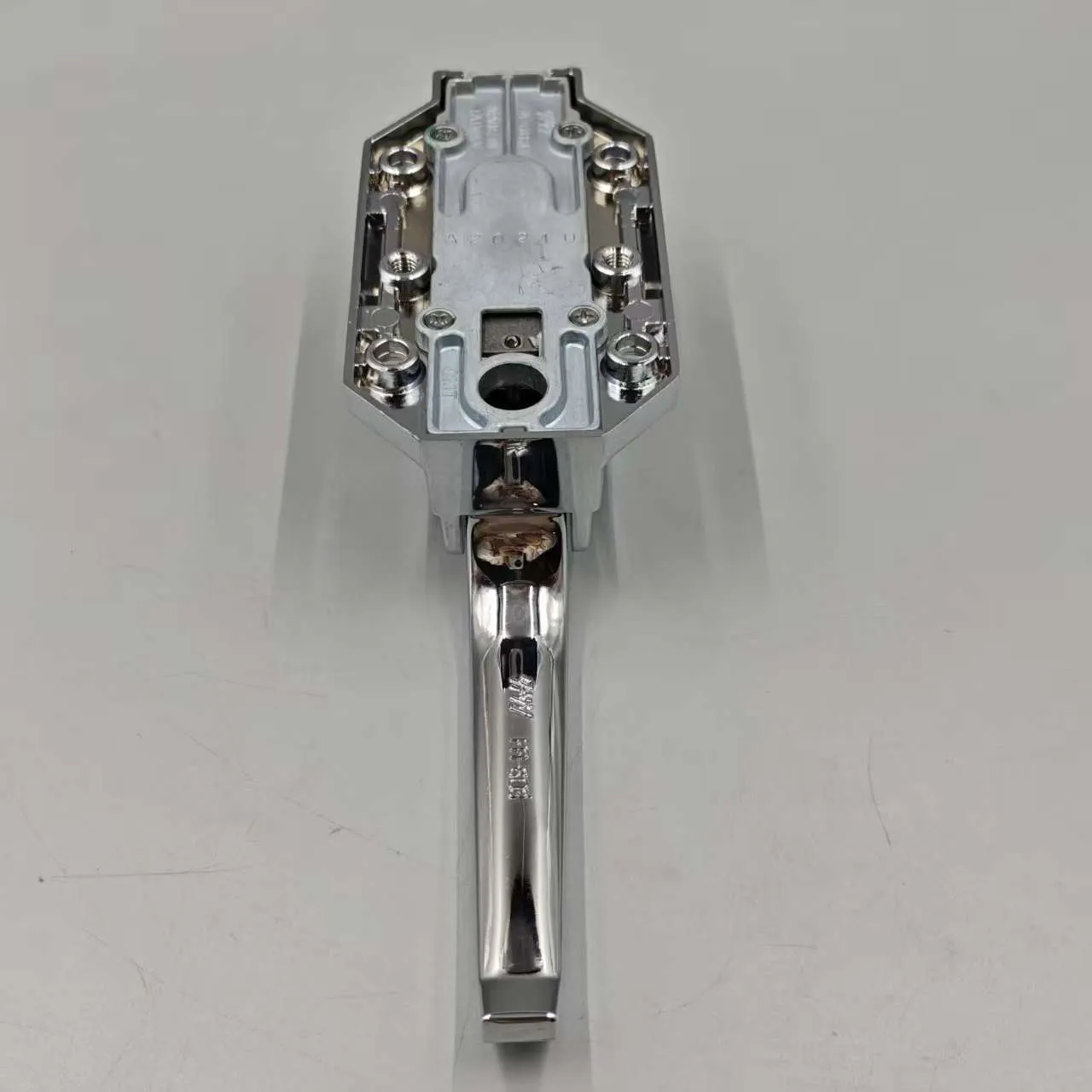 21T-54-35421 Komatsu Handle
 -
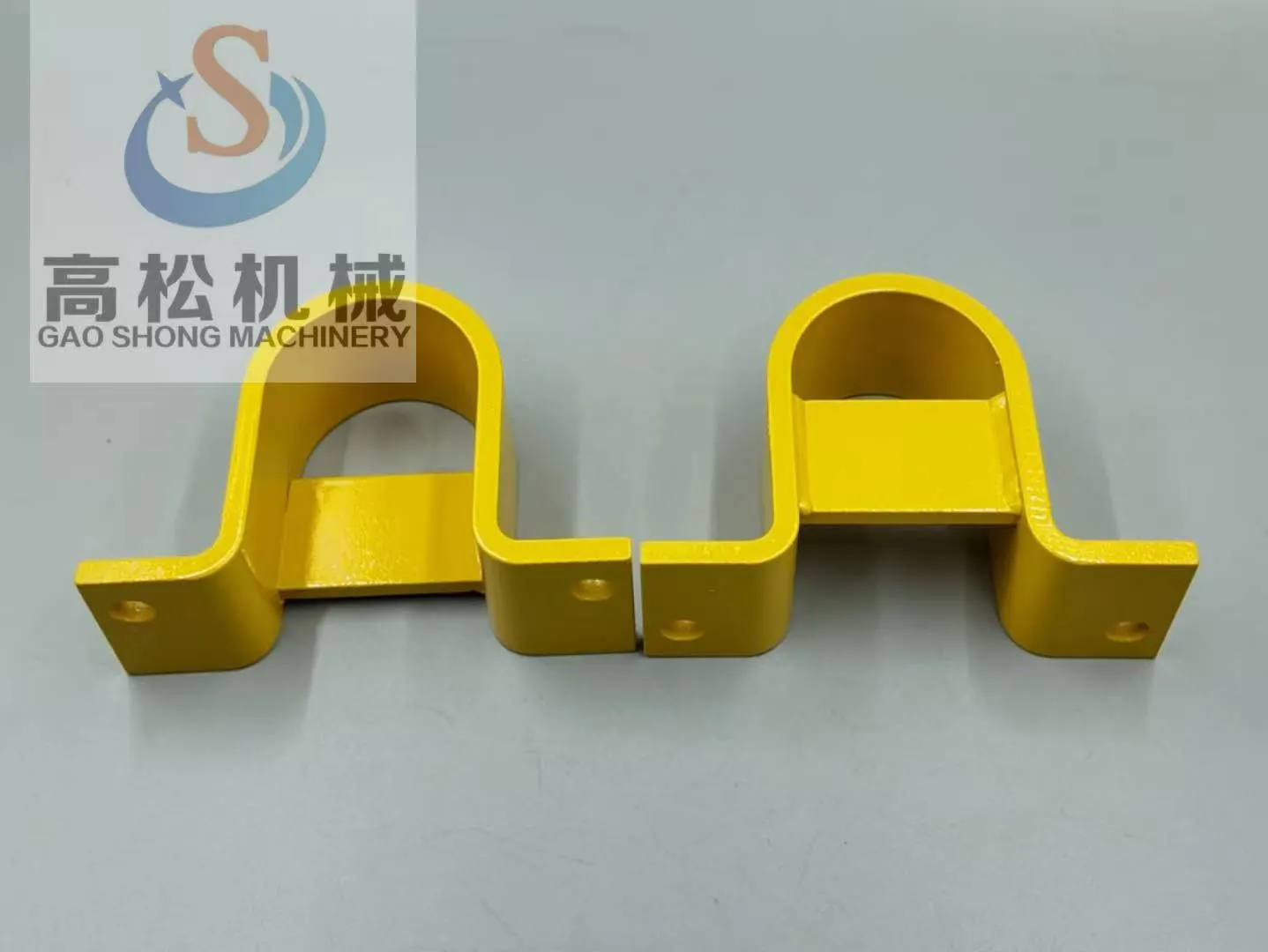 425-04-21430 Compatible models: WA500 Komatsu cover. Large inventory, current spot pricing advantages.
 -
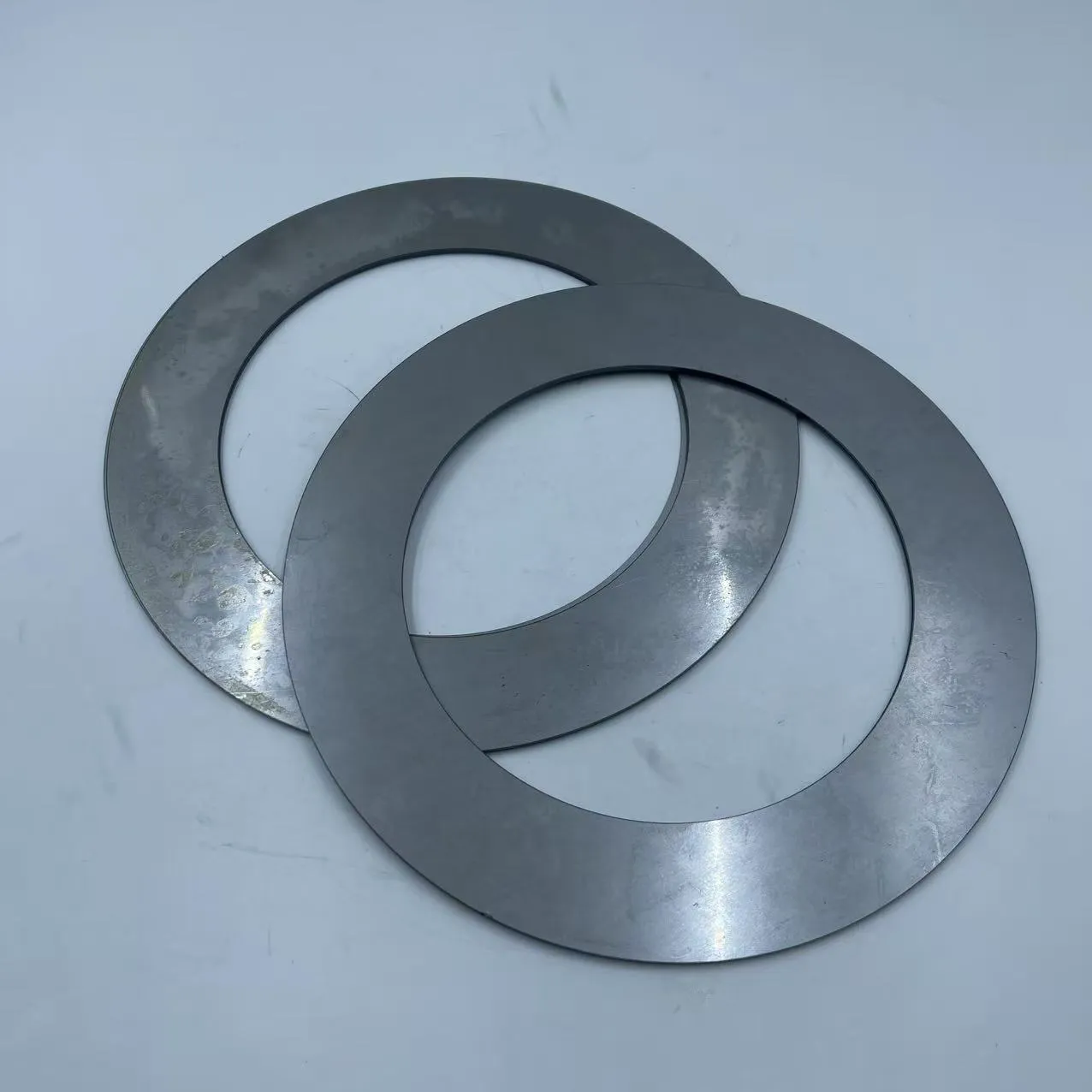 209-939-0070 Komatsu Shim Assembly PC800SE-8EO PC850SE-8EO
 -
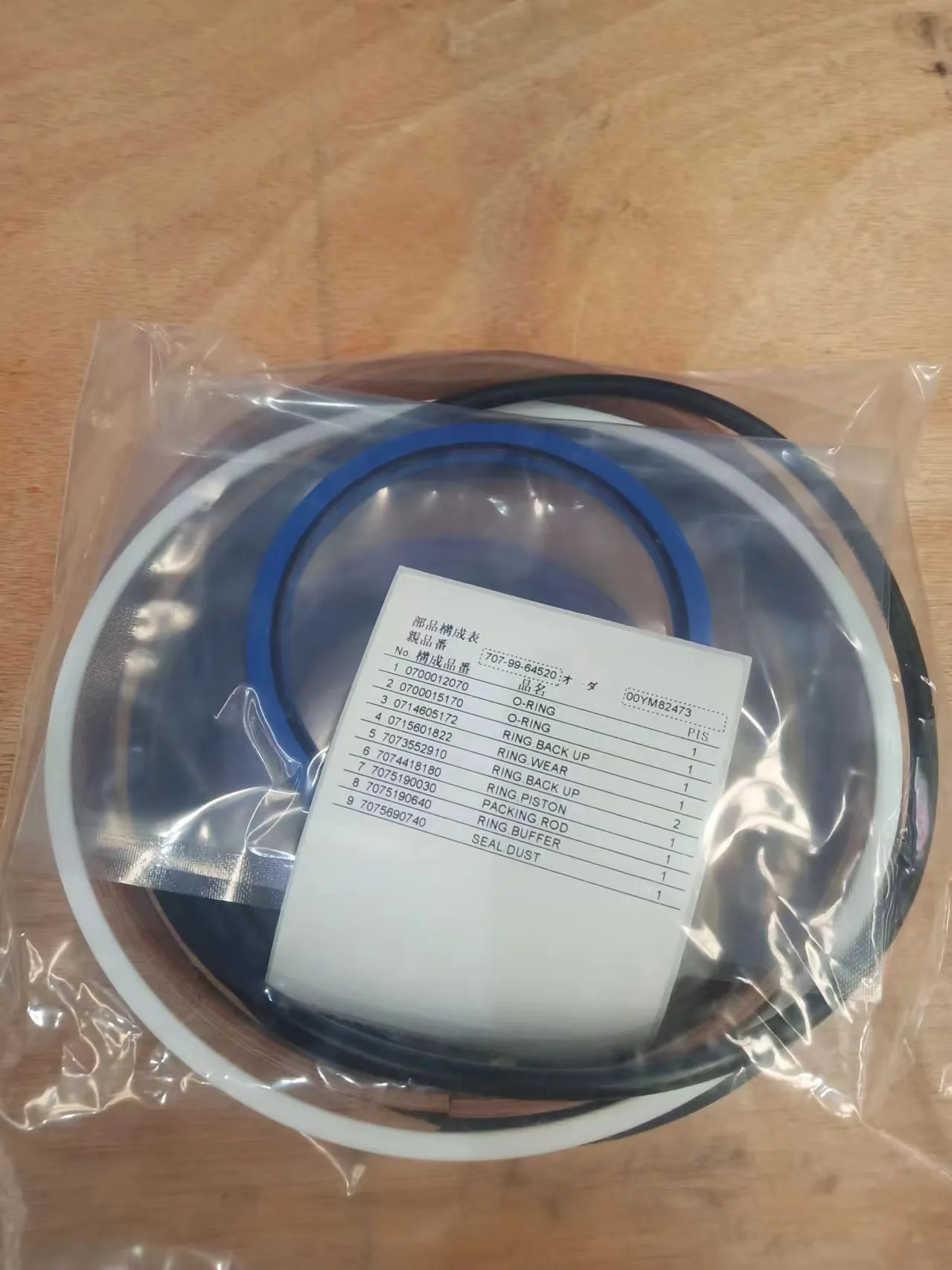 WA380-3 Repair Kit 707-99-64520
 -
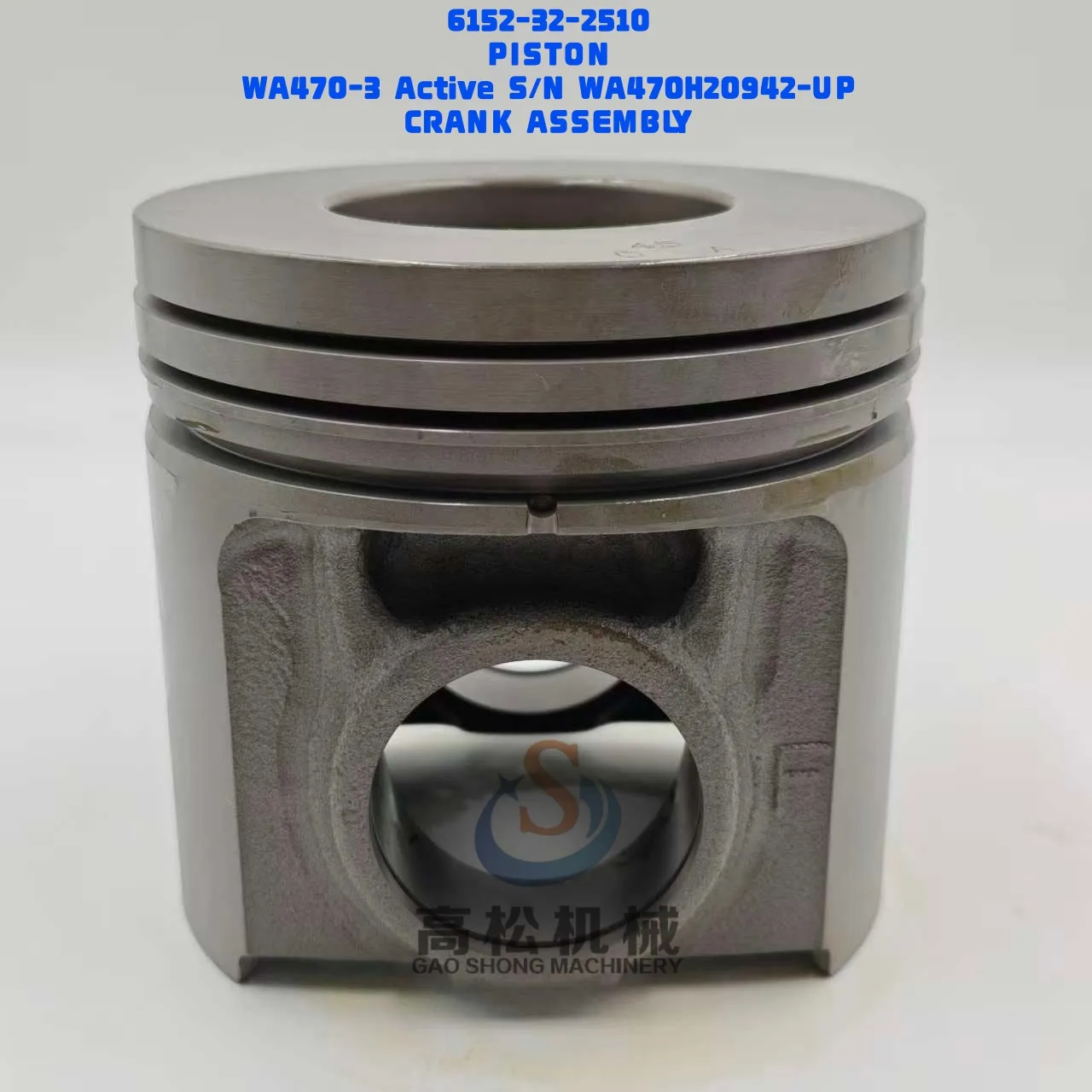 6152-32-2510 PISTON KOMATSU parts D87E, D87P, DCA, EGS360,380, PC400, PW400MH, S6D125E, SA6D125E, SAA6D125E, WA450, WA470, WA480
 -
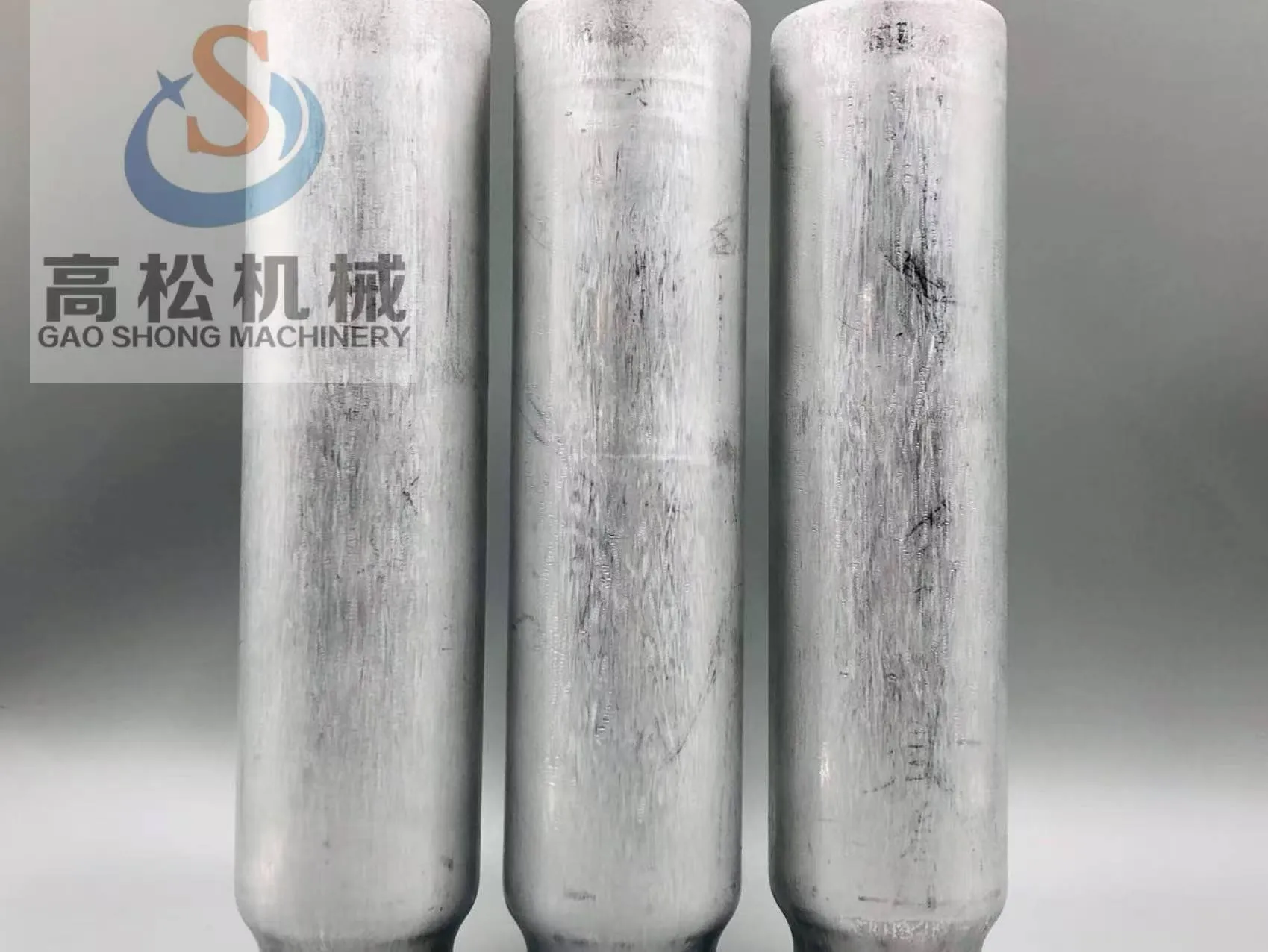 Air conditioning receiver dryer 20Y-979-3120 suitable for Komatsu
 -
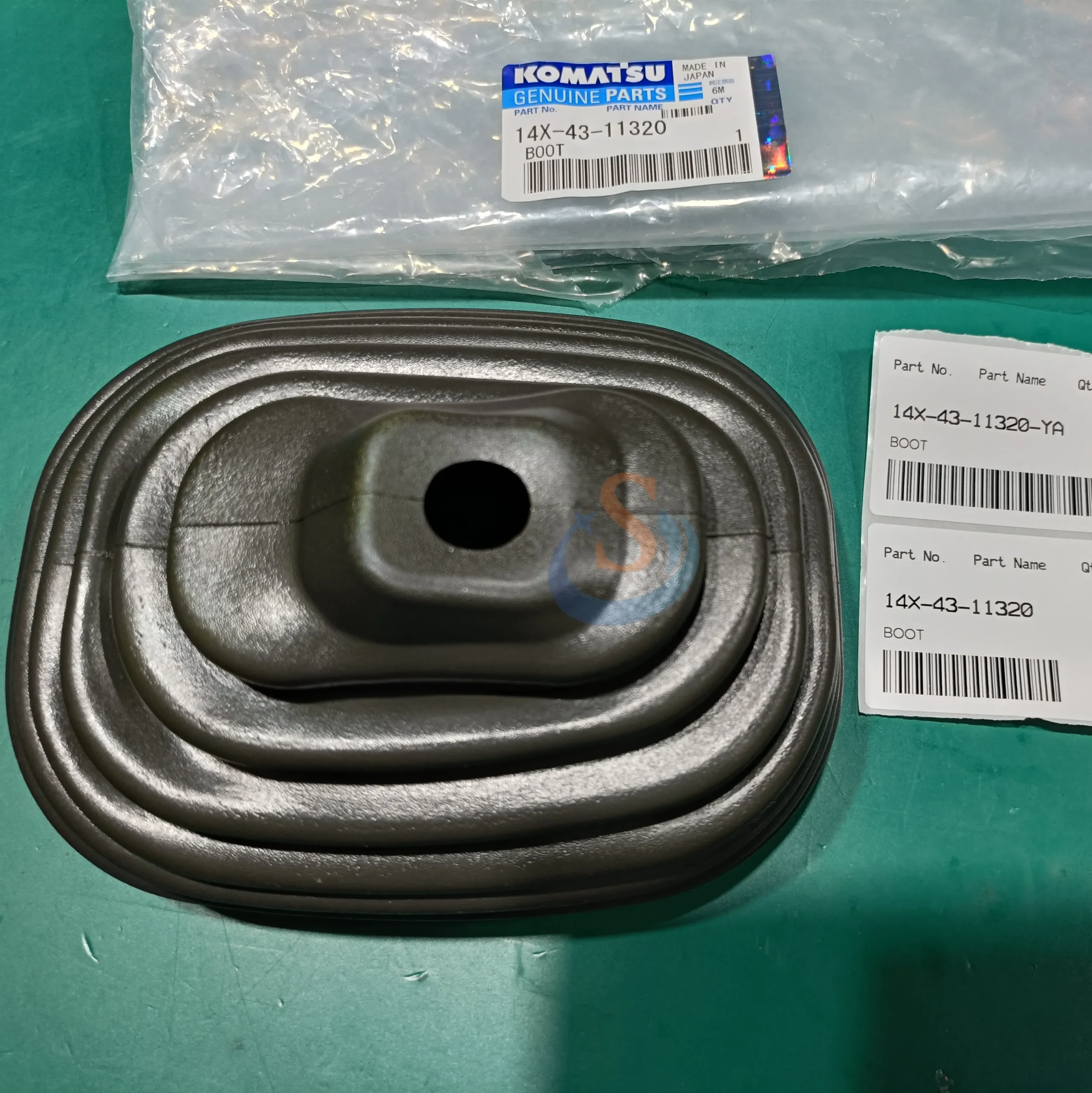 14X-43-11320,BOOT,D65PX,D85E,D155A
 -
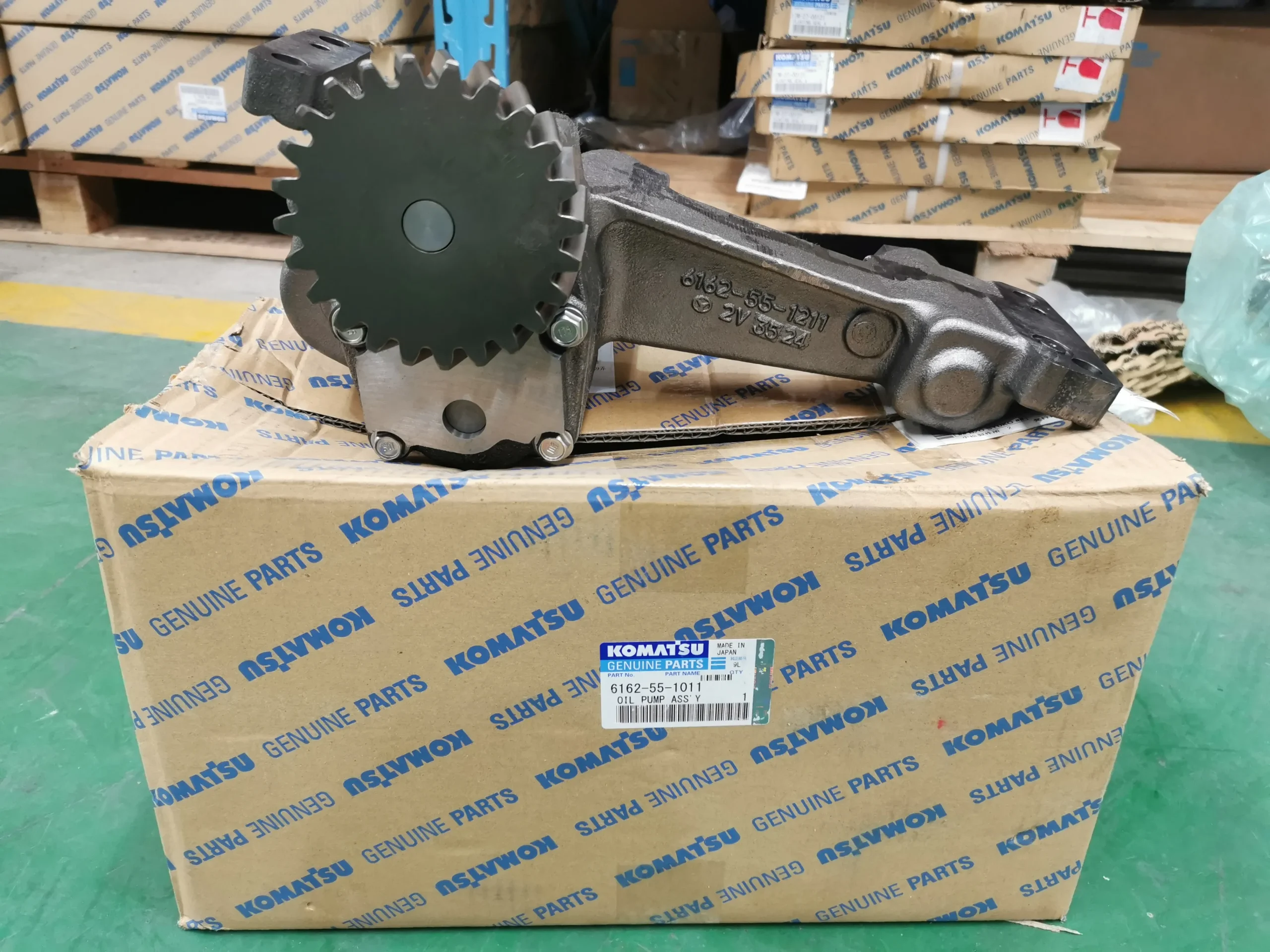 S6D170E-2A Oil Pump 6162-55-1011
 -
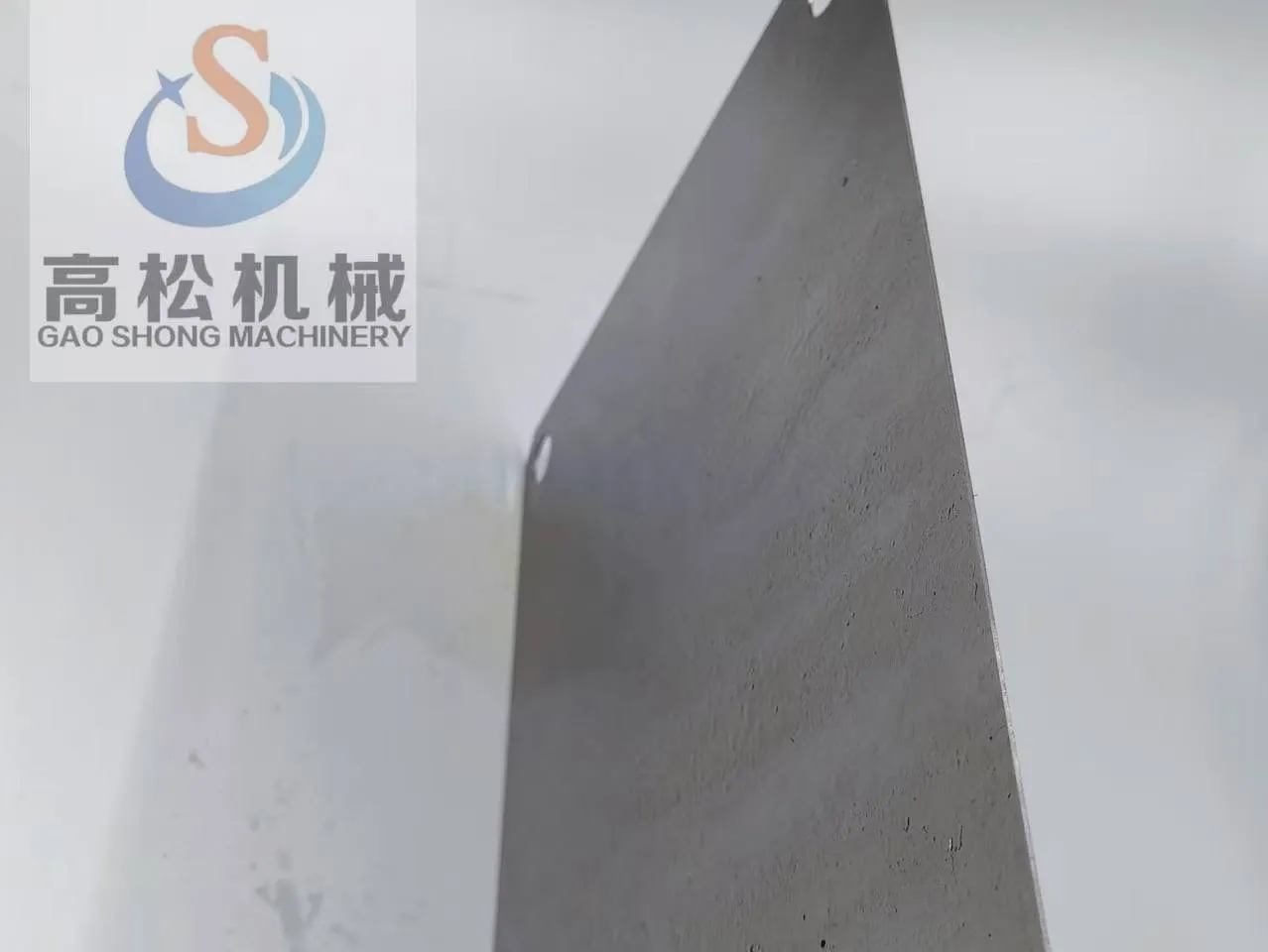 561-74-61540 Komatsu Shim Compatible Model: HD985. Available for immediate shipment.
 -
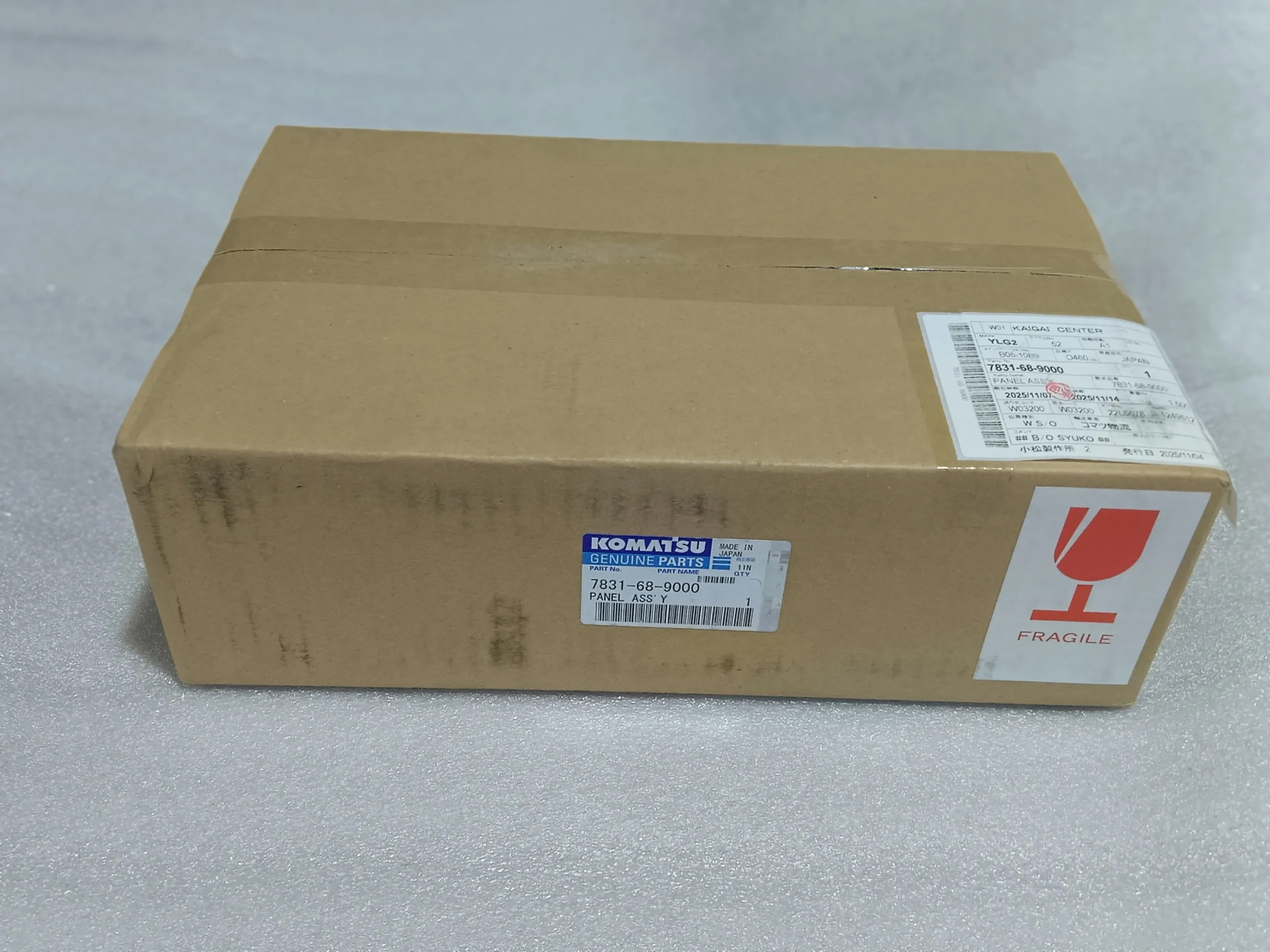 7831-68-9000 PANEL ASS’Y
 -
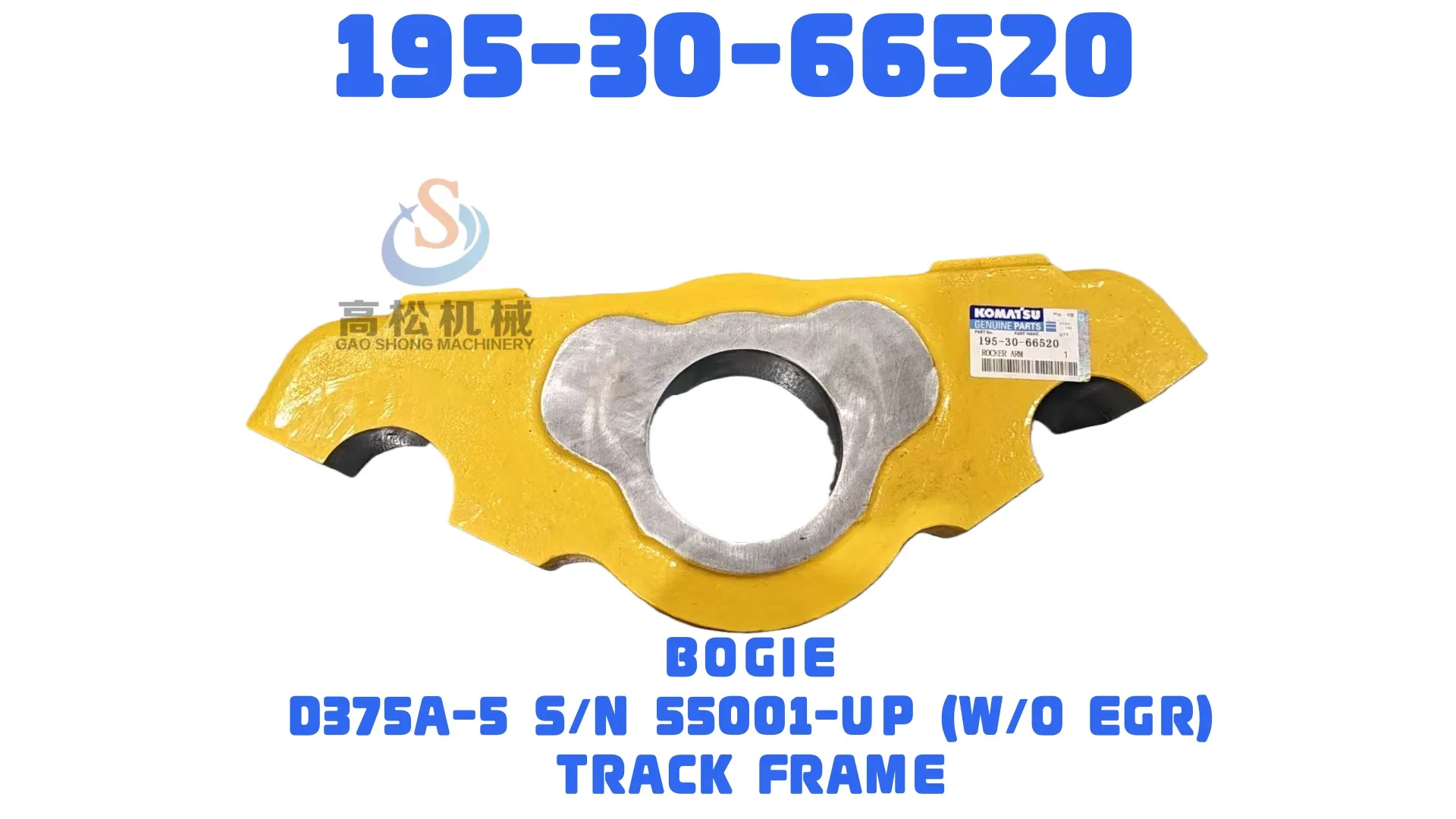
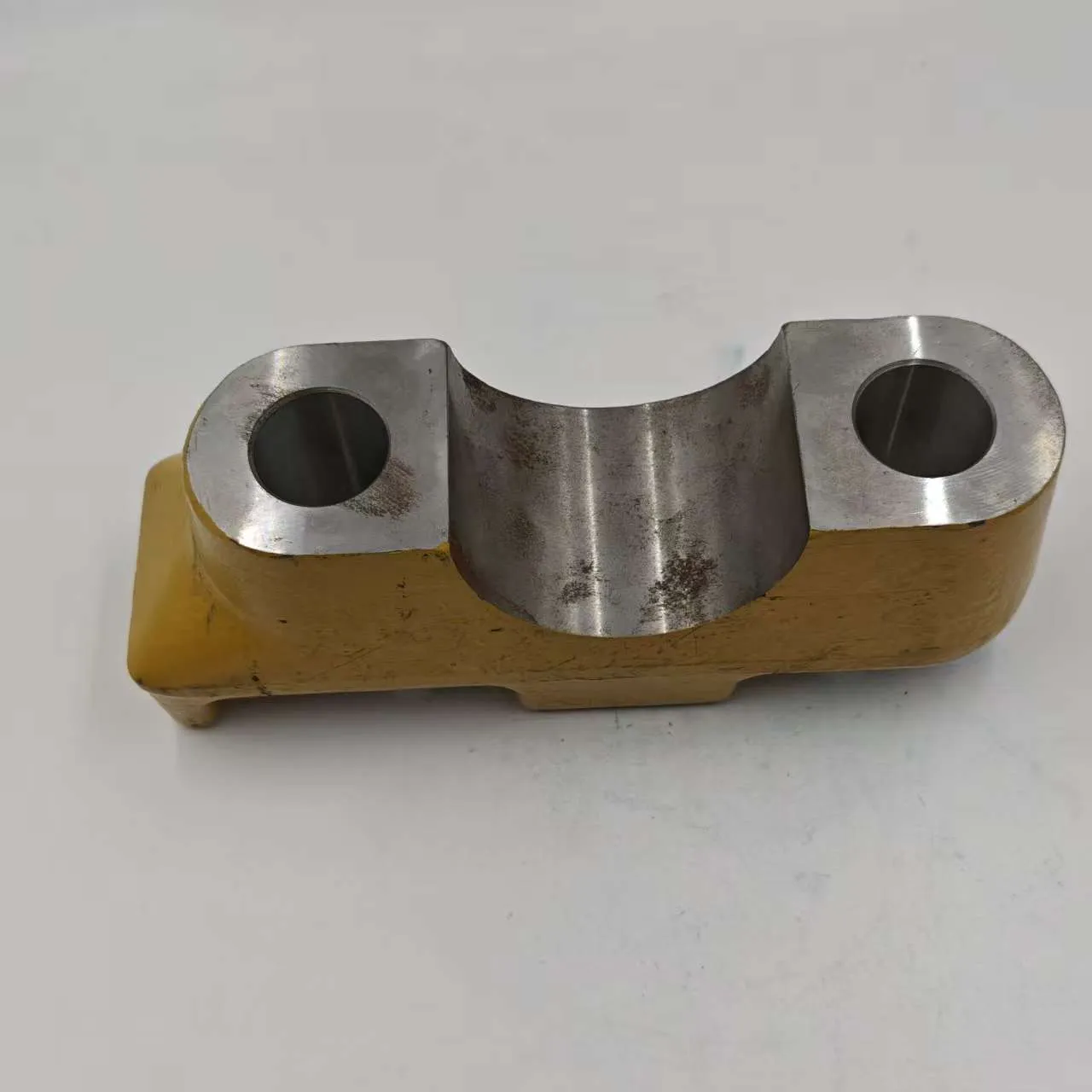 Cap 195-30-62141 for Komats Dozer D375A
 -
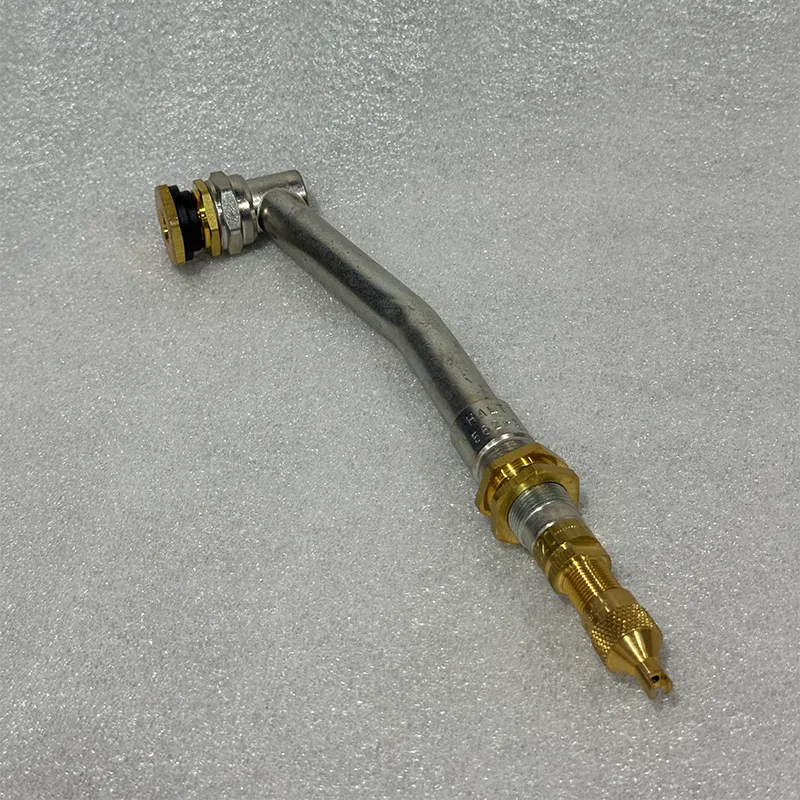 Original komatsu HD1500-8 Valve 562-30-3A210
Related Search
Related Search- OEM AND ORIGINAL KOMATSU PLANETARY GEAR 195-27-31313
- komatsu air conditioning parts
- OEM AND ORIGINAL KOMATSU PIN 427-S95-2621
- komatsu forklift engine parts
- OEM AND ORIGINAL KOMATSU VALVE ASSY 709-61-11701
- Komatsu D375 parts
- 195-13-11005
- zenoah komatsu goped engine
- parts book komatsu pc200 7
- Komatsu relief valve