
- Chinese
- French
- German
- Portuguese
- Spanish
- Russian
- Japanese
- Korean
- Arabic
- Irish
- Greek
- Turkish
- Italian
- Danish
- Romanian
- Indonesian
- Czech
- Afrikaans
- Swedish
- Polish
- Basque
- Catalan
- Esperanto
- Hindi
- Lao
- Albanian
- Amharic
- Armenian
- Azerbaijani
- Belarusian
- Bengali
- Bosnian
- Bulgarian
- Cebuano
- Chichewa
- Corsican
- Croatian
- Dutch
- Estonian
- Filipino
- Finnish
- Frisian
- Galician
- Georgian
- Gujarati
- Haitian
- Hausa
- Hawaiian
- Hebrew
- Hmong
- Hungarian
- Icelandic
- Igbo
- Javanese
- Kannada
- Kazakh
- Khmer
- Kurdish
- Kyrgyz
- Latin
- Latvian
- Lithuanian
- Luxembou..
- Macedonian
- Malagasy
- Malay
- Malayalam
- Maltese
- Maori
- Marathi
- Mongolian
- Burmese
- Nepali
- Norwegian
- Pashto
- Persian
- Punjabi
- Serbian
- Sesotho
- Sinhala
- Slovak
- Slovenian
- Somali
- Samoan
- Scots Gaelic
- Shona
- Sindhi
- Sundanese
- Swahili
- Tajik
- Tamil
- Telugu
- Thai
- Ukrainian
- Urdu
- Uzbek
- Vietnamese
- Welsh
- Xhosa
- Yiddish
- Yoruba
- Zulu
- Kinyarwanda
- Tatar
- Oriya
- Turkmen
- Uyghur






Komatsu brake parts
When you hear 'Komatsu brake parts', most people immediately think of pads, rotors, maybe the caliper assembly. That's the surface level. The real conversation, the one that happens in the yard at 7 AM or over a grainy photo texted from a site, is about the interplay between those parts and the specific machine model, the operating environment, and frankly, the supply chain mess that can bring a multi-million dollar project to its knees. It's not just a component; it's a critical path item.
The OEM Promise vs. On-Ground Reality
There's a pervasive belief that if it's in a Komatsu box, it's the only option. And for the core system, the hydraulic controls and the ECMs, that's largely true. But with wear parts like brakes, the landscape is more nuanced. The official OEM channels are impeccable for quality, but they're built for predictable demand in major markets. When a fleet of D375 dozers is working a remote mining operation in a region with complex import duties or limited official distributor support, waiting six weeks for a set of Komatsu brake parts isn't a maintenance delay; it's a financial disaster.
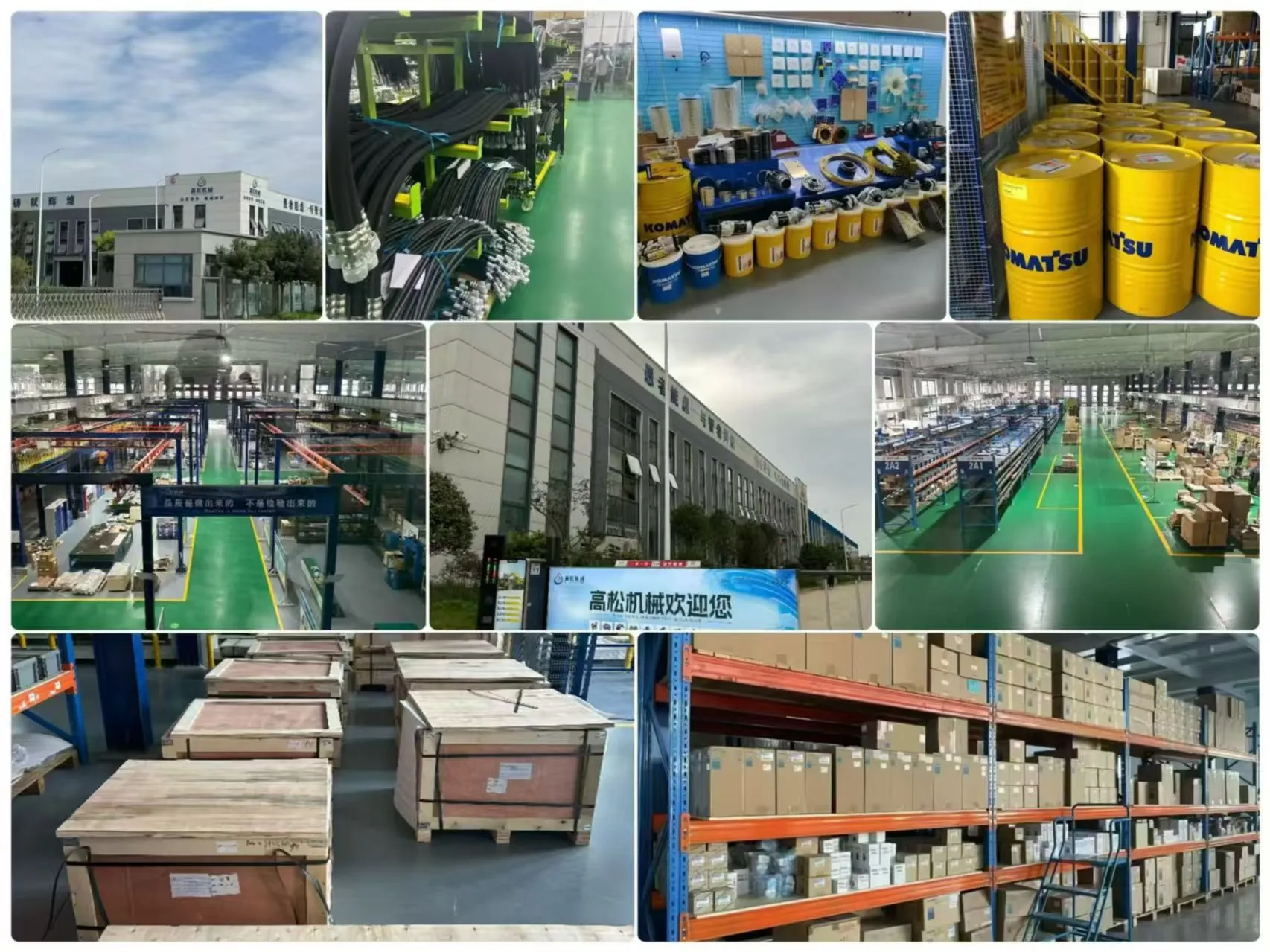
This is where the understanding of the Komatsu system gets interesting. Being an OEM product supplier within that system, like Jining Gaosong Construction Machinery positions itself, means you're producing to the exact material and engineering specifications. The parts are functionally identical. But their role as a third-party sales company addresses the other half of the equation: logistics and accessibility. They're not just selling a part; they're selling a solution to the supply challenge, which is often the real problem.
I recall a situation with a PC700 excavator. The brake pads wore down faster than anticipated due to abrasive, sandy soil. The local Komatsu dealer had the pads, but the matching rotors were on backorder. The site manager faced a choice: idle the machine or mix and match. We sourced a full set of OEM-spec rotors and pads through a third-party supplier in the system, like the one mentioned on takematsumachinery.com. The key was the documentation proving the OEM pedigree. It wasn't an alternative; it was the same part, just a different route to the end user.
Decoding the Failure: It's Rarely Just the Pad
A common pitfall is diagnosing brake issues in isolation. A mechanic swaps out the squealing pads, but the shudder comes back in 200 hours. The immediate conclusion? Bad aftermarket parts. Sometimes that's true. But often, you're looking at a warped rotor that wasn't measured for run-out, or a caliper slide pin that's seized, causing uneven wear. The Komatsu brake parts ecosystem includes these often-overlooked components: the shims, the springs, the pins. Neglecting them turns a routine pad swap into a recurring problem.
The torque specs matter immensely here. Komatsu service manuals are bibles for a reason. Over-torquing the caliper mounting bolts can induce stress and warp. Under-torquing leads to vibration and premature loosening. It sounds basic, but on a hectic site, with impact wrenches flying, protocol gets shortcut. I've seen brand-new, genuine rotors fail prematurely because the installation was rushed. The part was perfect; the process wasn't.
Then there's the fluid. It's not a brake part per se, but it's the lifeblood of the system. Using the wrong grade or contaminated hydraulic fluid will degrade the performance of even the best-calibrated brake assembly. It's a systems check. You can't just throw new parts at a system with old, degraded fluid and expect OEM performance. The flush procedure is non-negotiable.
Sourcing and Verification: Trust but Verify
This is where experience talks. The market is flooded with clones that look right until you put them under a microscope—or under load. The metallurgy of a Komatsu brake rotor is specific; it's a balance between heat dissipation, wear resistance, and machinability. Inferior copies run hotter, wear faster, and can even crack under high-cycle, high-load conditions like in a HD785 truck.
Working with a supplier that is transparent about its position in the supply chain is crucial. A company stating it is an OEM product supplier within the Komatsu system is making a specific claim. It implies access to technical drawings, material specs, and quality control protocols that mirror the primary manufacturer's. The verification is in the details: the part numbering, the packaging (though often unbranded for third-party sales), the material certificates. A legitimate supplier like Jining Gaosong Construction Machinery Co., Ltd. won't hesitate to provide traceability.
I've been burned before. Early in my career, we bought OEM-equivalent pads for a fleet of wheel loaders. They fit, they worked... for about 60% of the service life. The cost savings were obliterated by the doubled downtime and labor. The failure mode was interesting: the bonding between the friction material and the backing plate failed under thermal cycling. It wasn't a sudden failure; it was a gradual loss of efficiency that masked itself as normal wear until we did a comparative teardown. Lesson learned: equivalence isn't just about dimensions.
The Application Specifics: Mining vs. Quarry vs. General Construction
A Komatsu dozer working a coal mine's reclamation area faces a completely different braking profile than one doing fine grading on a highway project. In mining, it's often about sustained, moderate pressure during long reverse travel on declines. In quarry work, it's more about frequent, sharp stops and starts while positioning near crushers. The Komatsu brake parts themselves might share a part number, but their wear life won't.
For the mining application, heat management is the silent killer. We started implementing thermal imaging checks during routine maintenance to spot calipers or rotors running abnormally hot, which often predates a measurable wear issue. It allowed us to schedule proactive replacements during planned service, not emergency downtime.
In contrast, for a quarry excavator constantly swinging and repositioning, the issue is often contamination. Dust, fine stone powder, and water are brutal on the sliding mechanisms of the caliper. Here, the maintenance frequency on the supporting hardware—cleaning and greasing the pins, checking the dust boots—becomes more critical than the pad wear itself. You might replace the pads three times before the rotor needs changing, but if you let the slides seize, you'll trash both in one go.
Integrating the Solution: Parts as a Service
The endgame for professionals isn't just buying a part. It's ensuring machine availability. This is where the model of a company that both manufactures within spec and solves supply chain gaps becomes relevant. It's a holistic view. They're not just a warehouse; they are a node in the operational continuity plan.
For instance, their role in helping to solve parts supply challenges in certain countries isn't marketing fluff. It means they understand customs clearance, local certification requirements, and can often consolidate shipments of critical wear items like brakes with other filters and seals to make the logistics cost-effective for the end user. You're buying predictability.
Ultimately, managing Komatsu brake parts effectively is a blend of technical knowledge and logistical savvy. It's knowing that the part number 20M-30-11210 is right for your model, but also knowing that you need to order it 8 weeks ahead from the official channel, or 2 weeks ahead from a validated third-party supplier in the system if you're in a pinch. It's about having the relationship with a supplier who understands that distinction and can act accordingly. The goal is to keep the iron moving, and that depends as much on the supply chain as it does on the steel in the parts.
Related Products
Related Products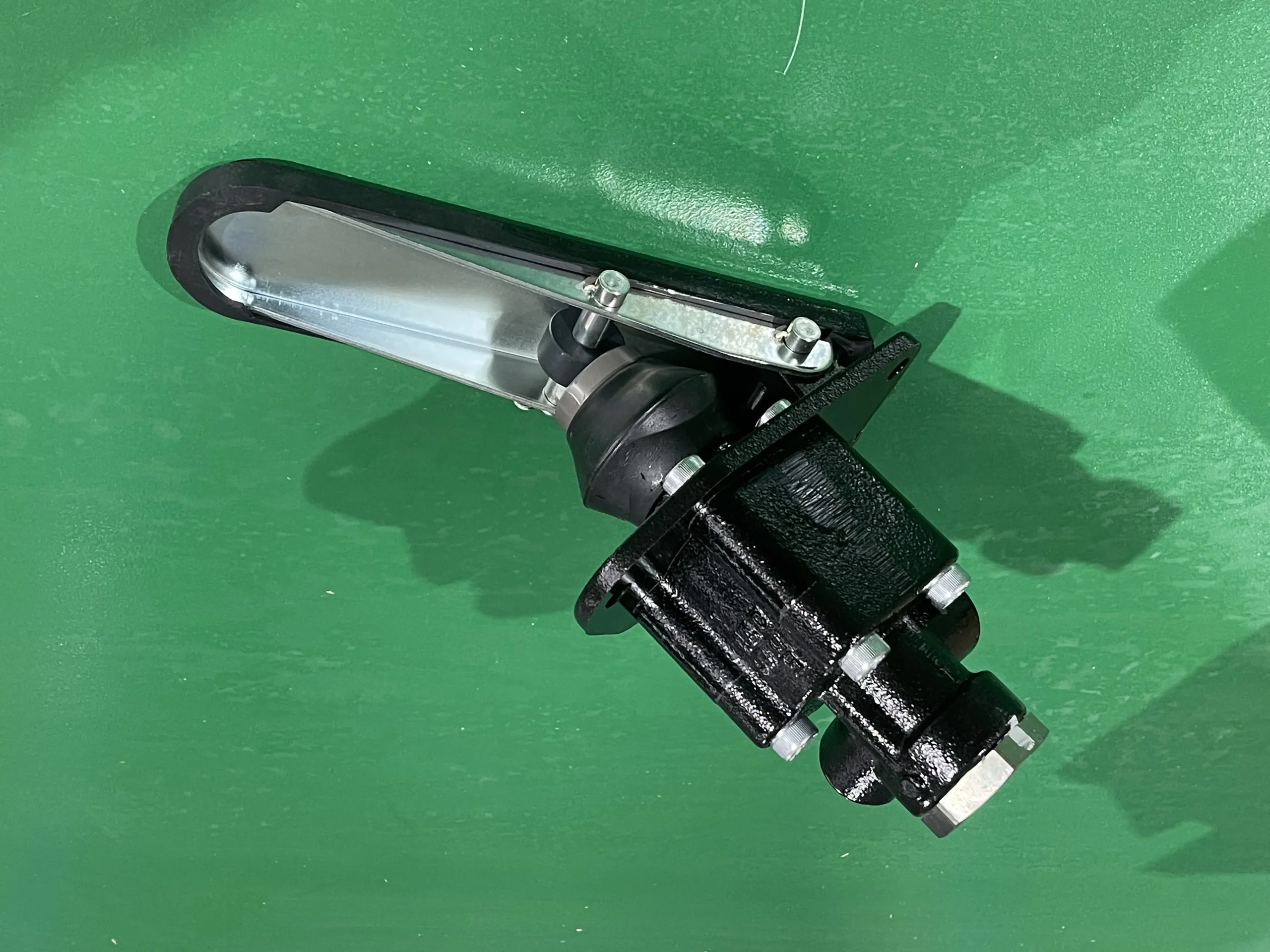
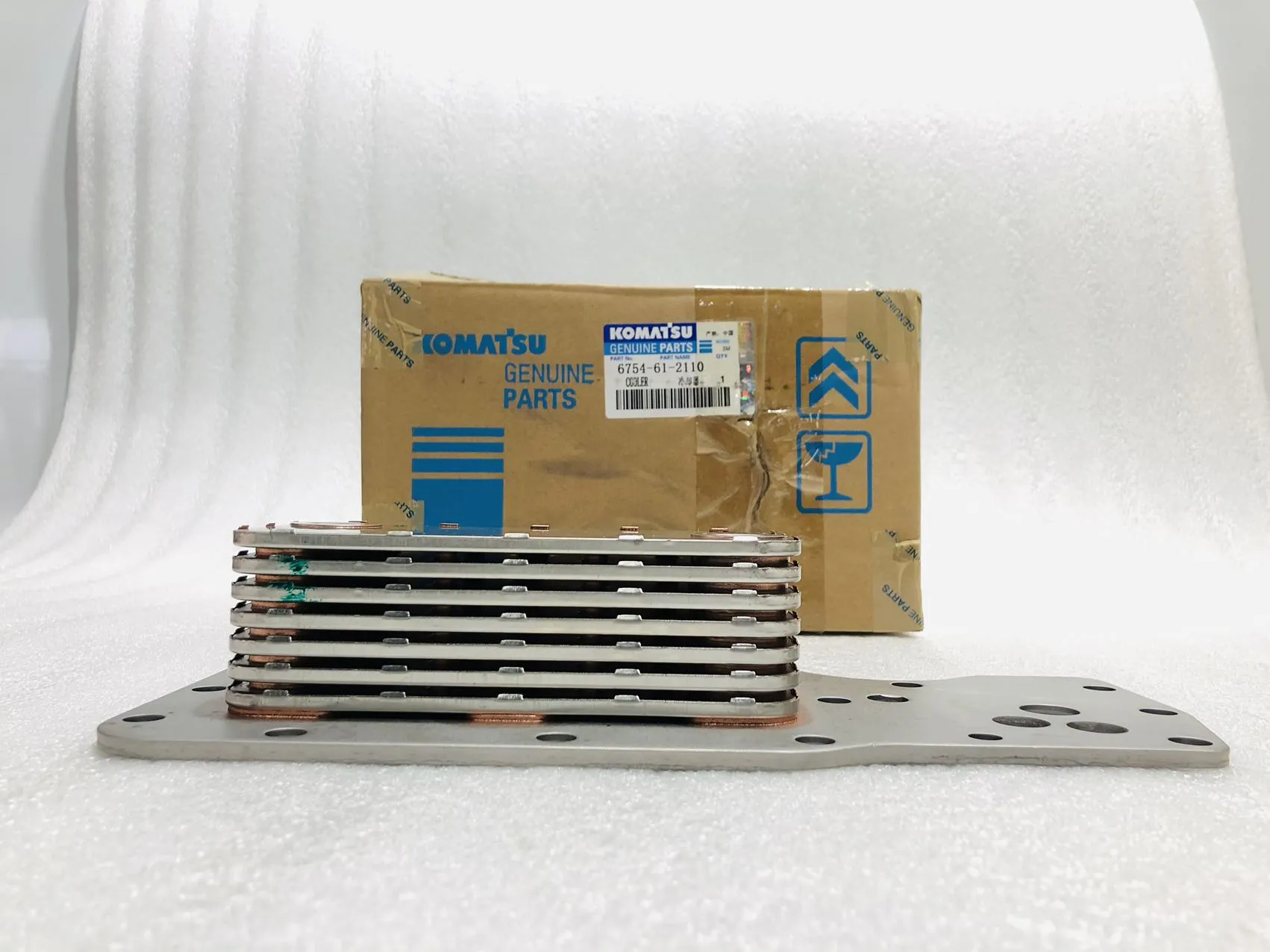

Best Selling Products
Best Selling Products-
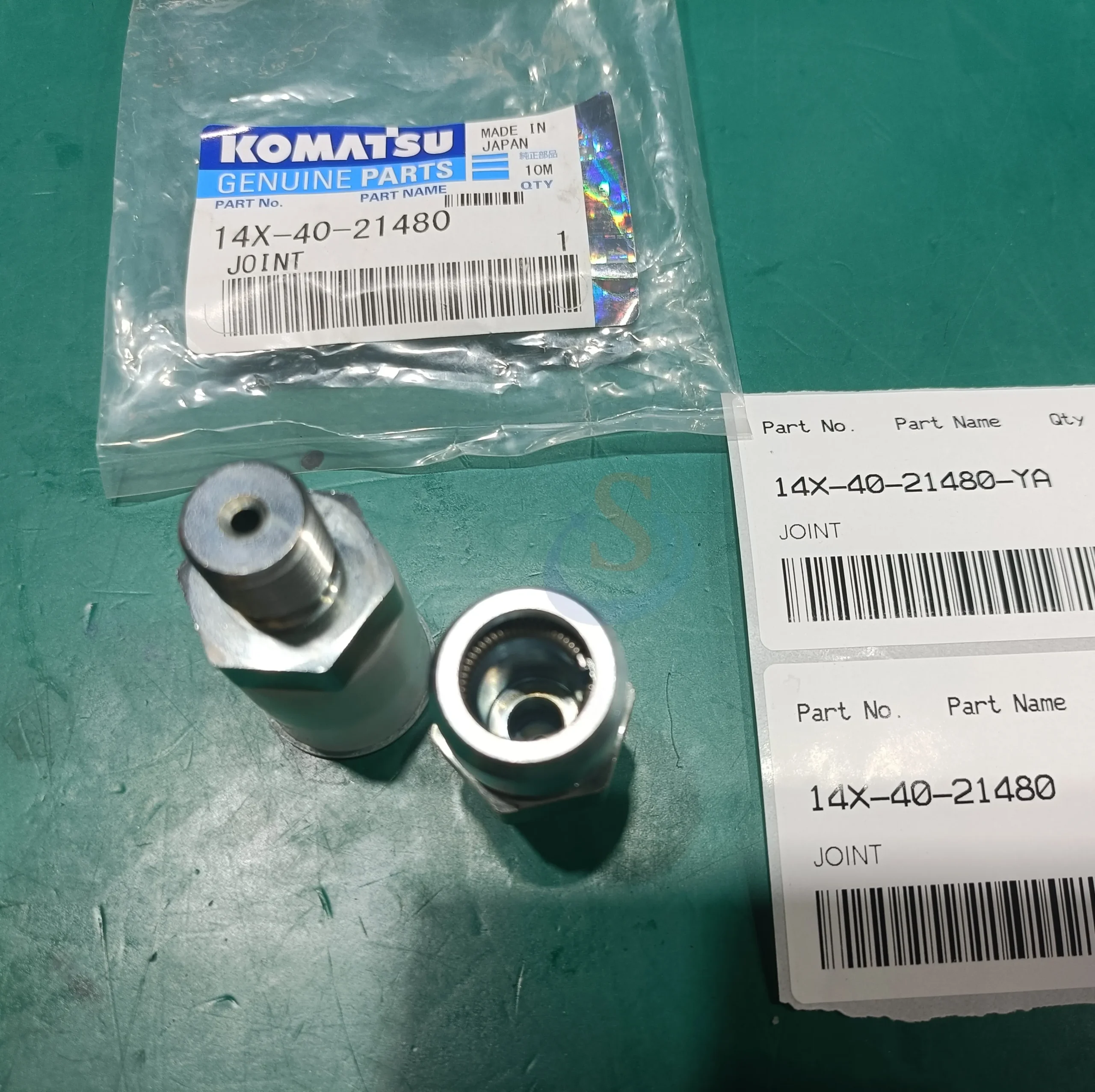 14X-40-21480,JOINT,D65P,D85E,D65E
 -
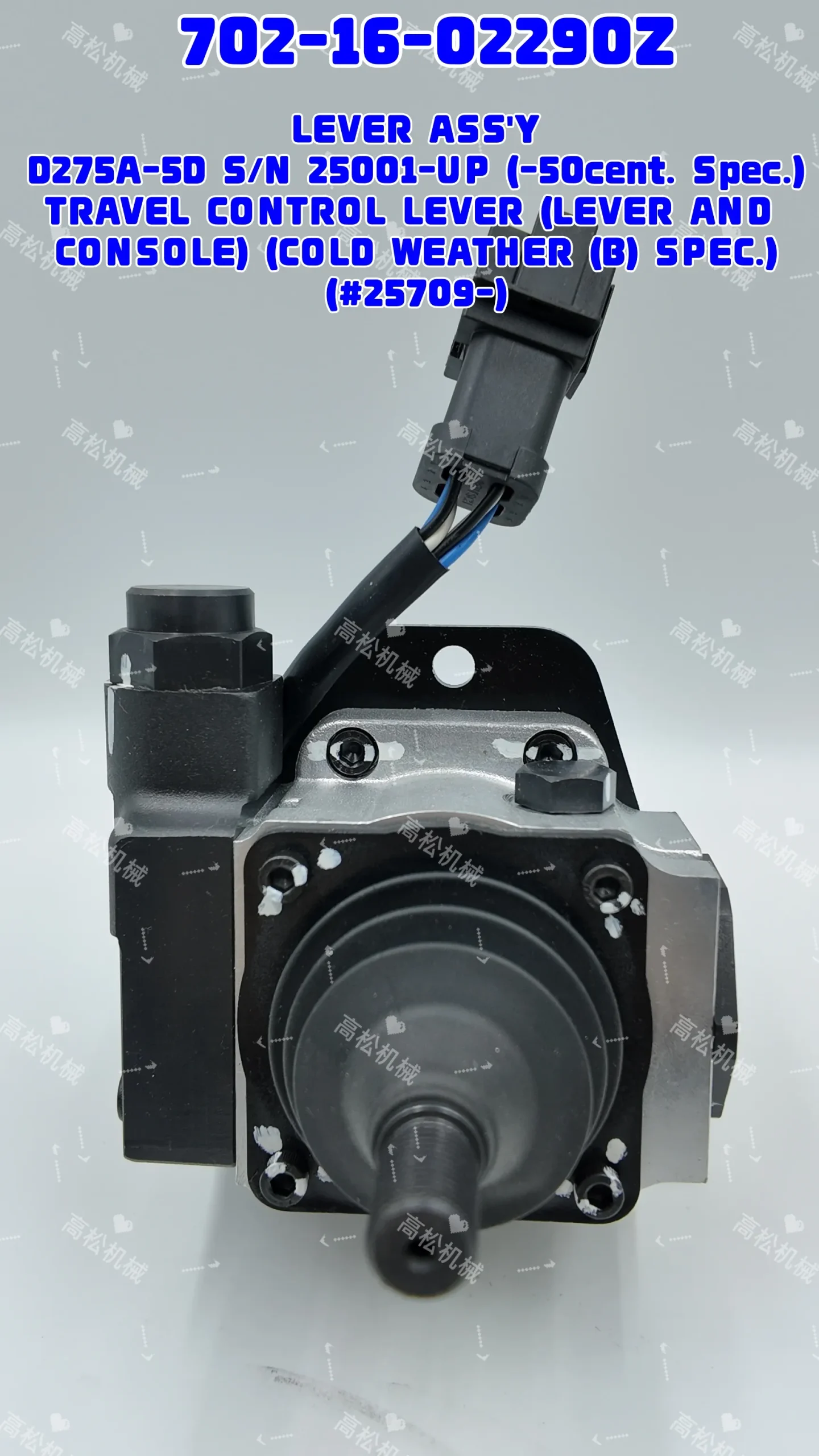 komatsu-part-702-16-02290 LEVER ASS’Y D65PX-15E0 D155AX-6 D155AX-8 D275A-5R D85EXI-18 FLOOR FRAME, TRAVEL CONTROL LEVER FLOOR FRAME, LEVER ROPS CAB, PCCS (PALM COMMAND CONTROL SYSTEM) LEVER
 -
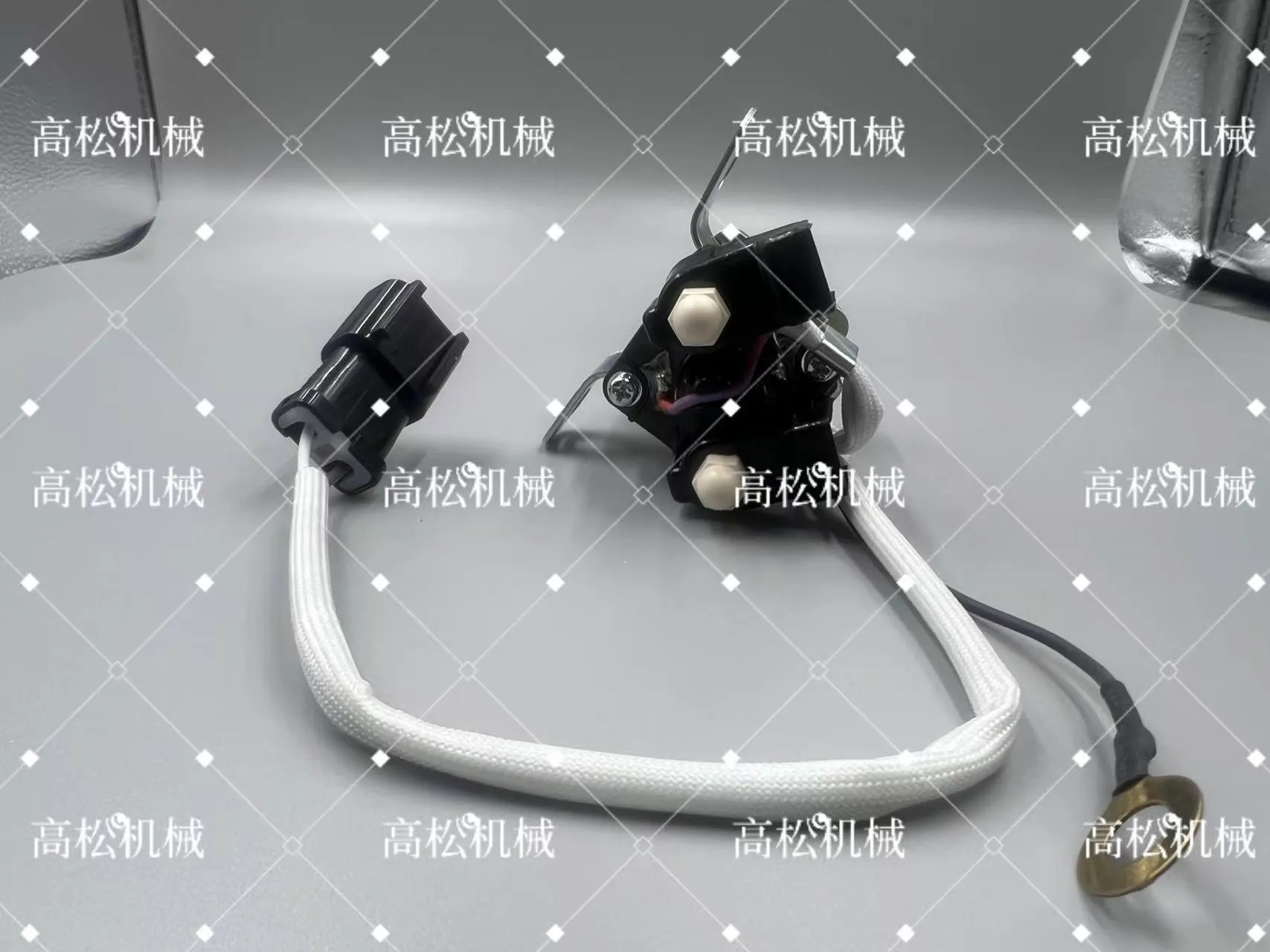 600-815-8941 Safety Relay for Komatsu PC60-7 PC200-6 PC200-8 PC138US-8 PC130-7
 -
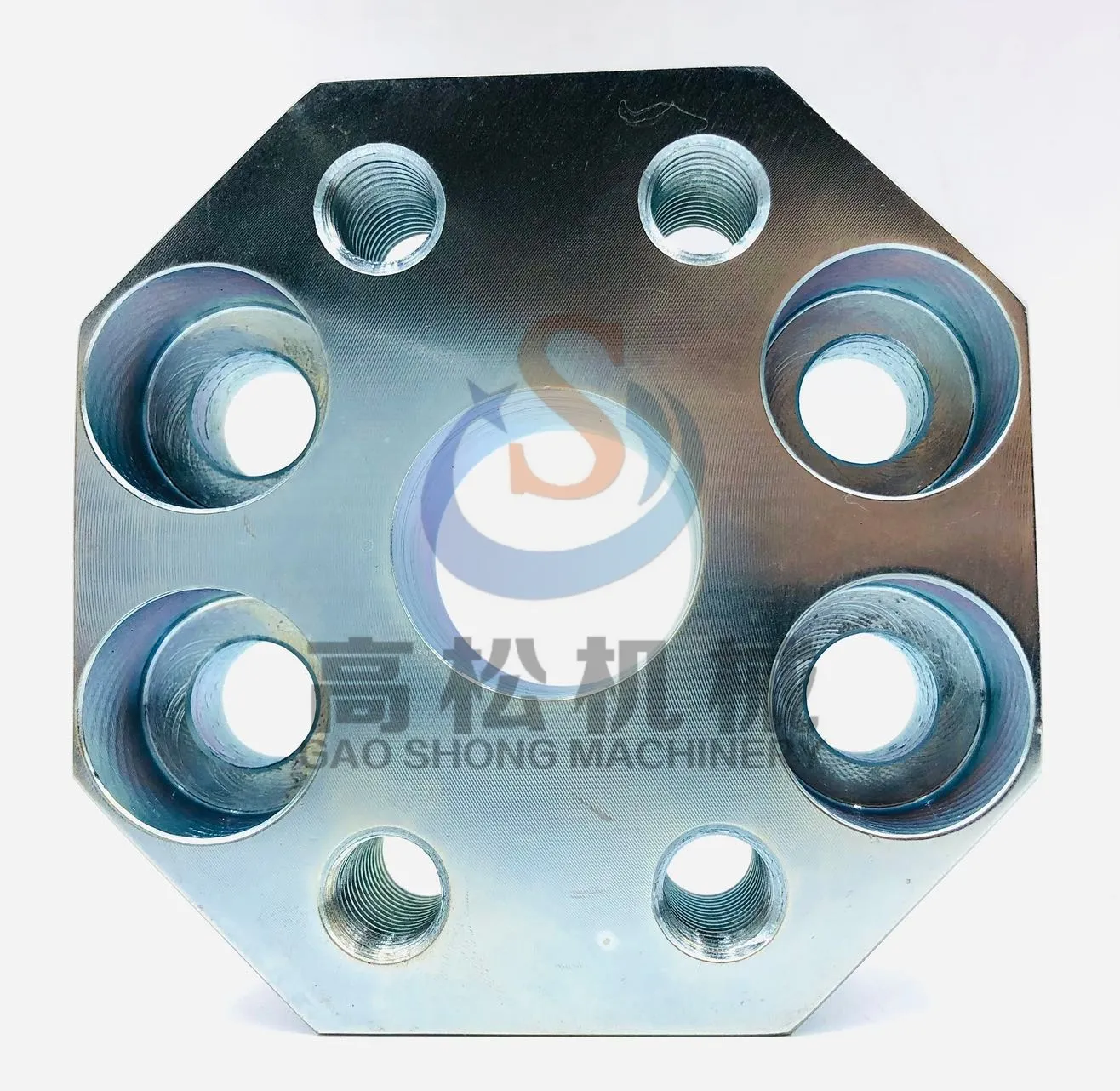 Komatsu excavator PC1250 flange 21N-62-11361
 -
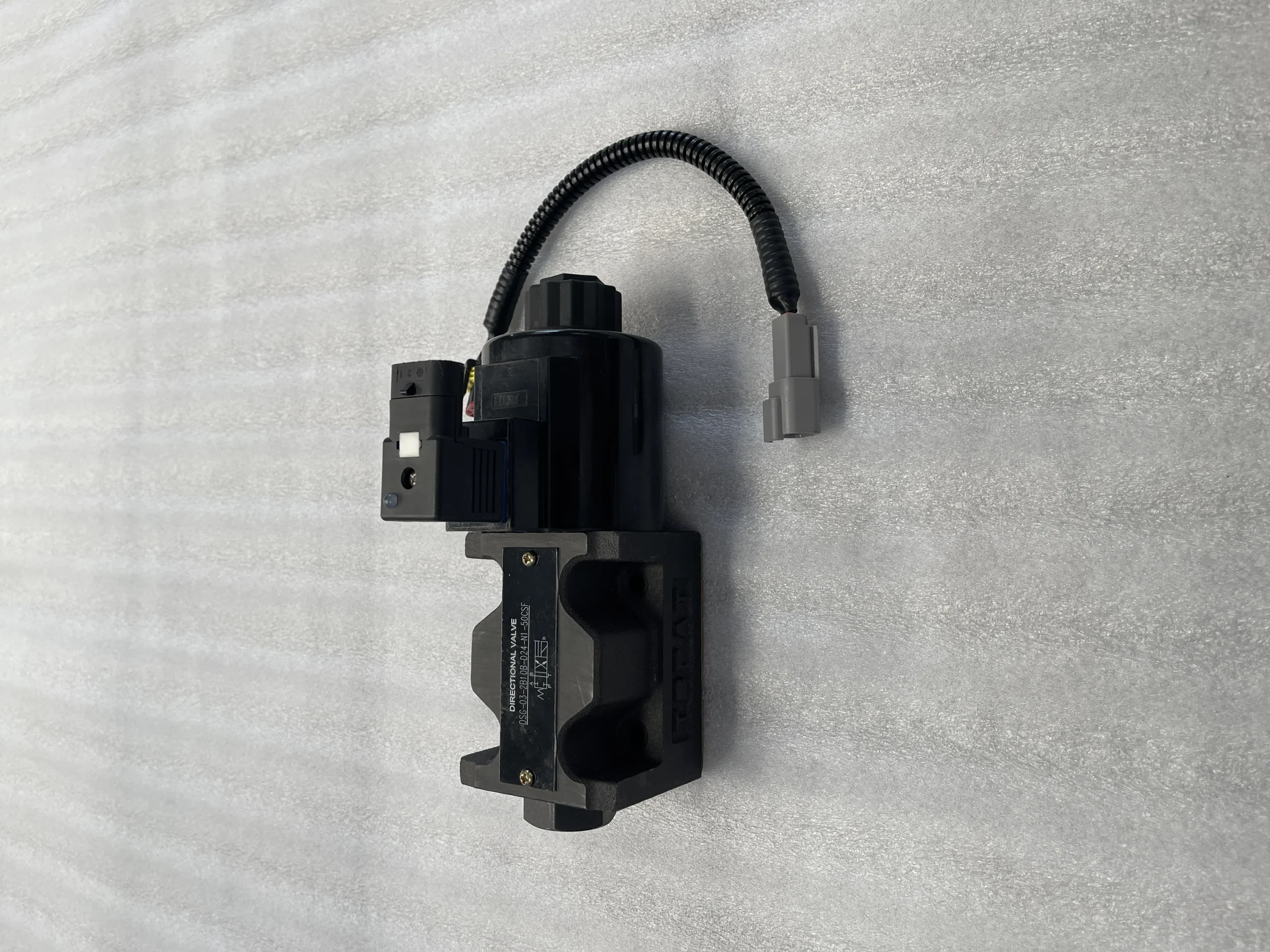 HD785-7 Electromagnetic Valve 561-43-8A881
 -
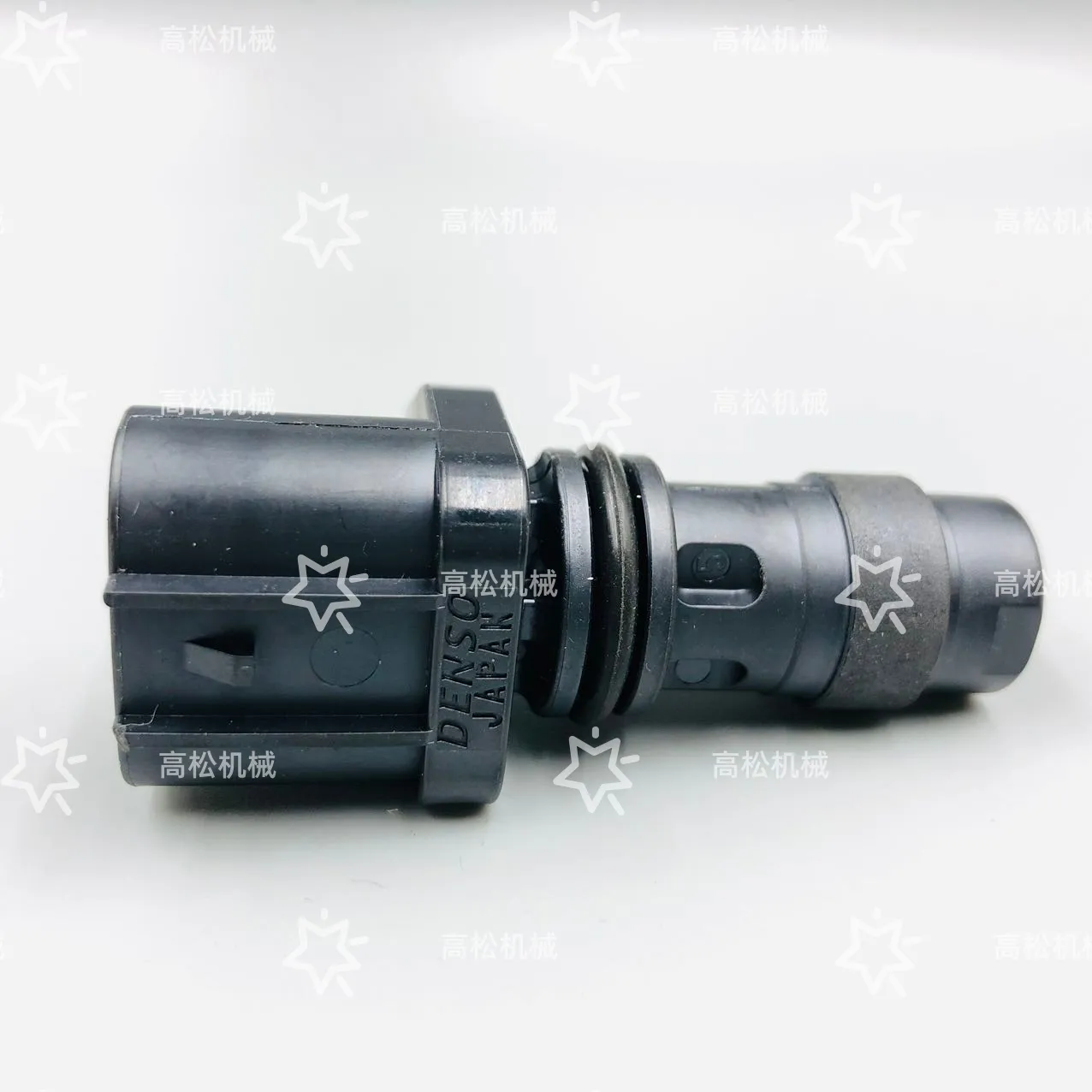 ND949979-1300 Camshaft Position Sensor for Komatsu Excavator PC400-8 PC450-8
 -
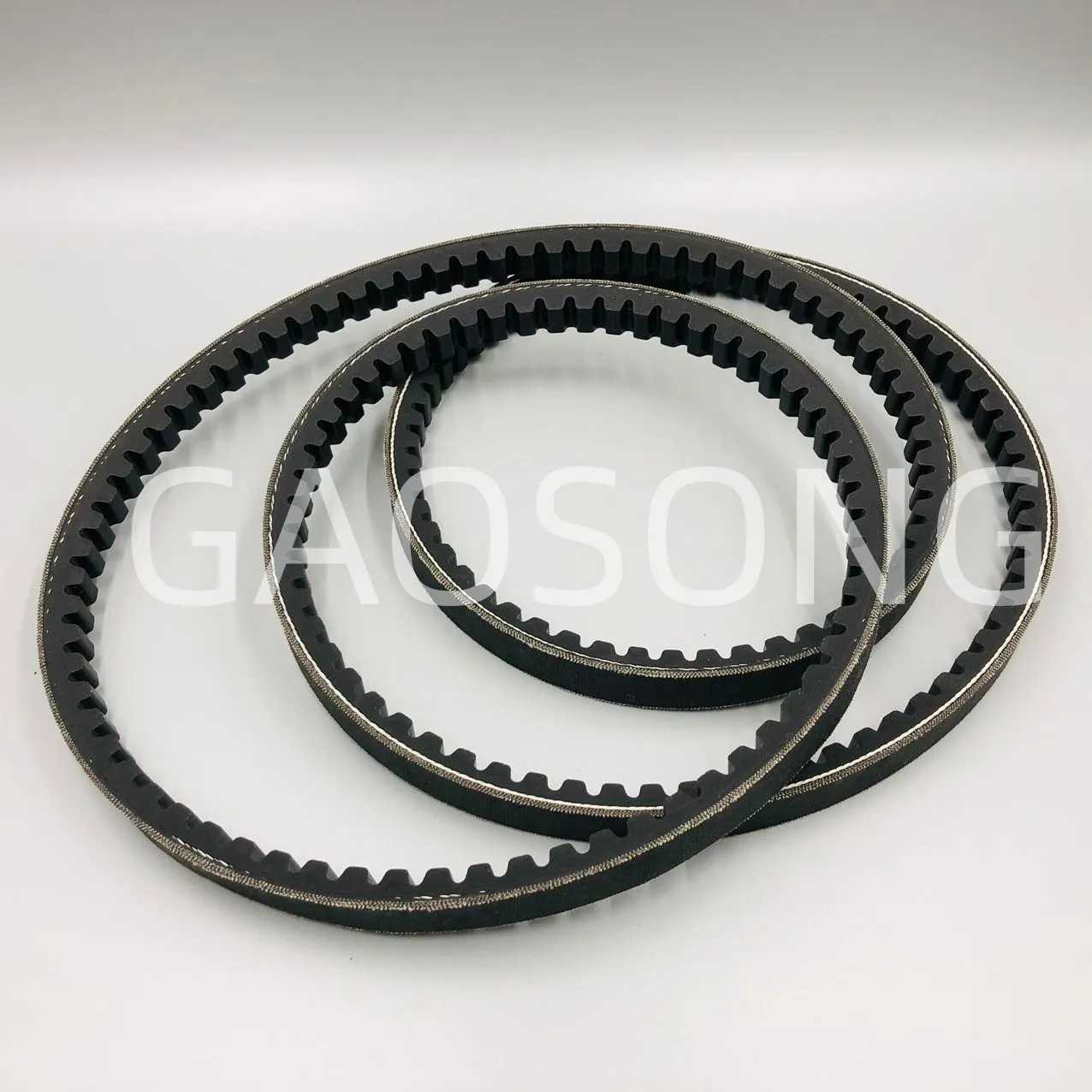 6219- 61- 3420 Komatsu factory belt
 -
 104-15-25480• VALVE Komatsu Original Factory
 -
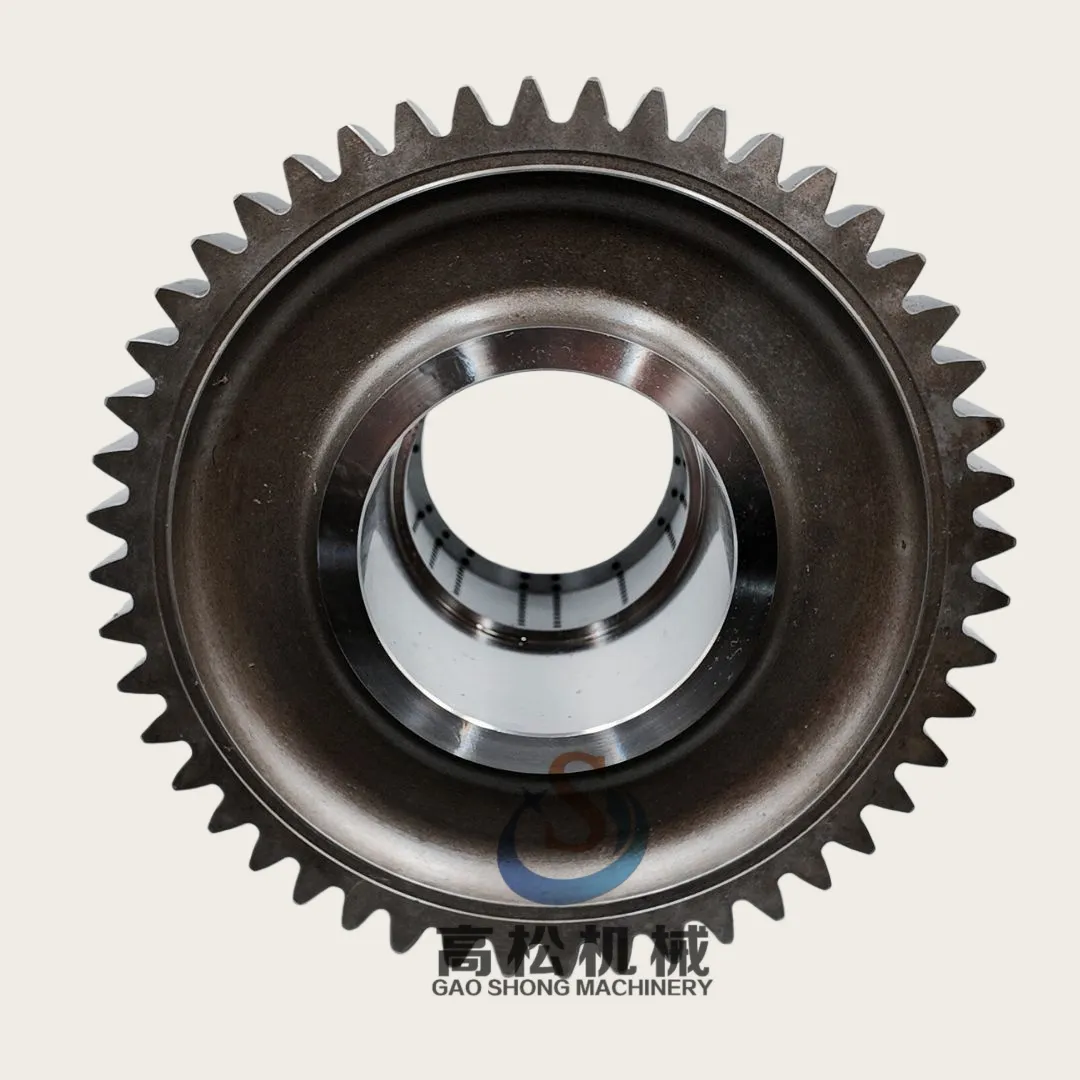 GEAR, 48 TEETH,FORWARD WA470-3 714-07-12420 GEAR, 48 TEETH,FORWARD WA450-3 S/N 53001-UP (For Taiwan / Tunnel Spec.) TRANSMISSION (FORWARD AND 1ST CLUTCH) (FOR EMERGENCY STEERING)
 -
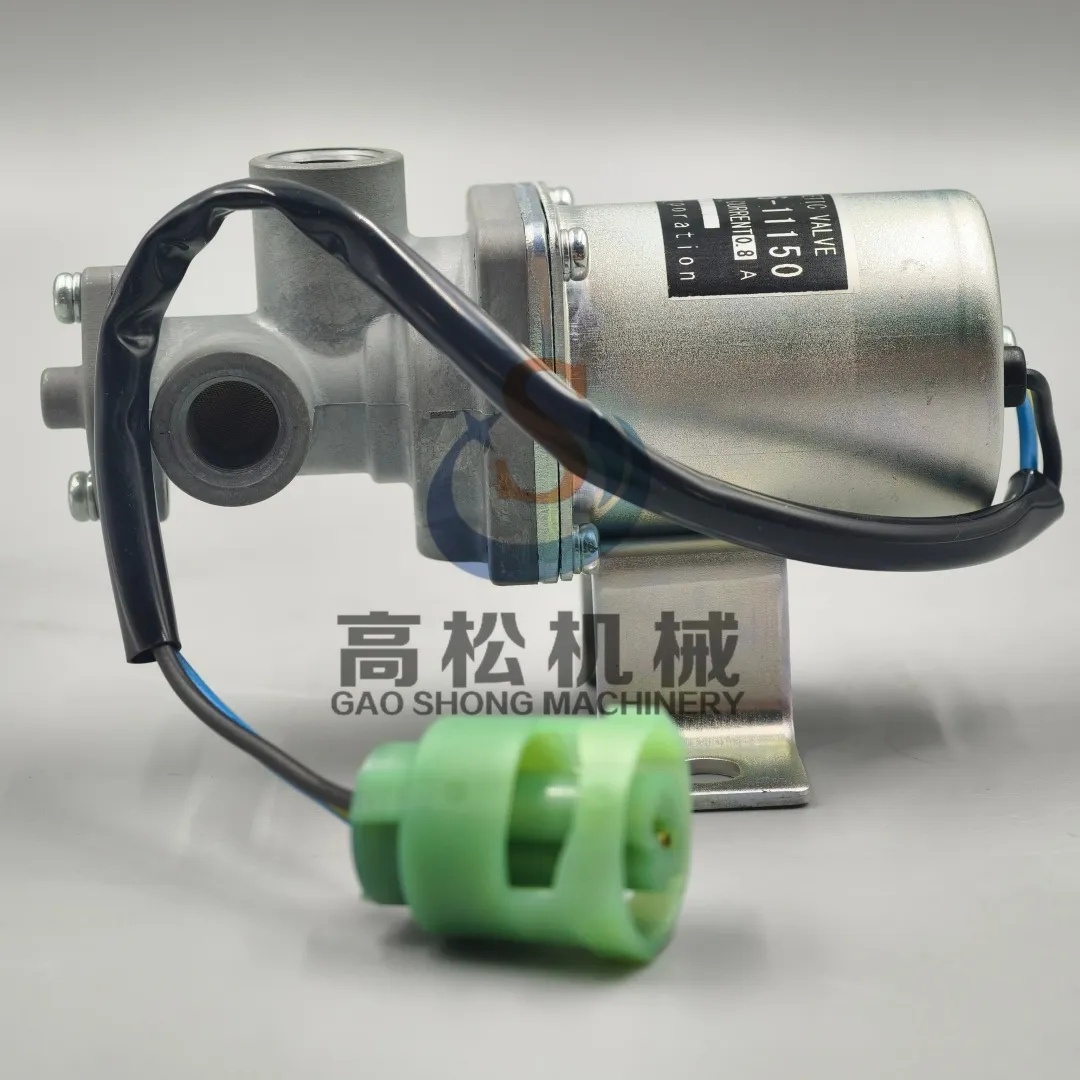 Komatsu Relay 425-06-11150 for Wheel loader WA600-1
 -
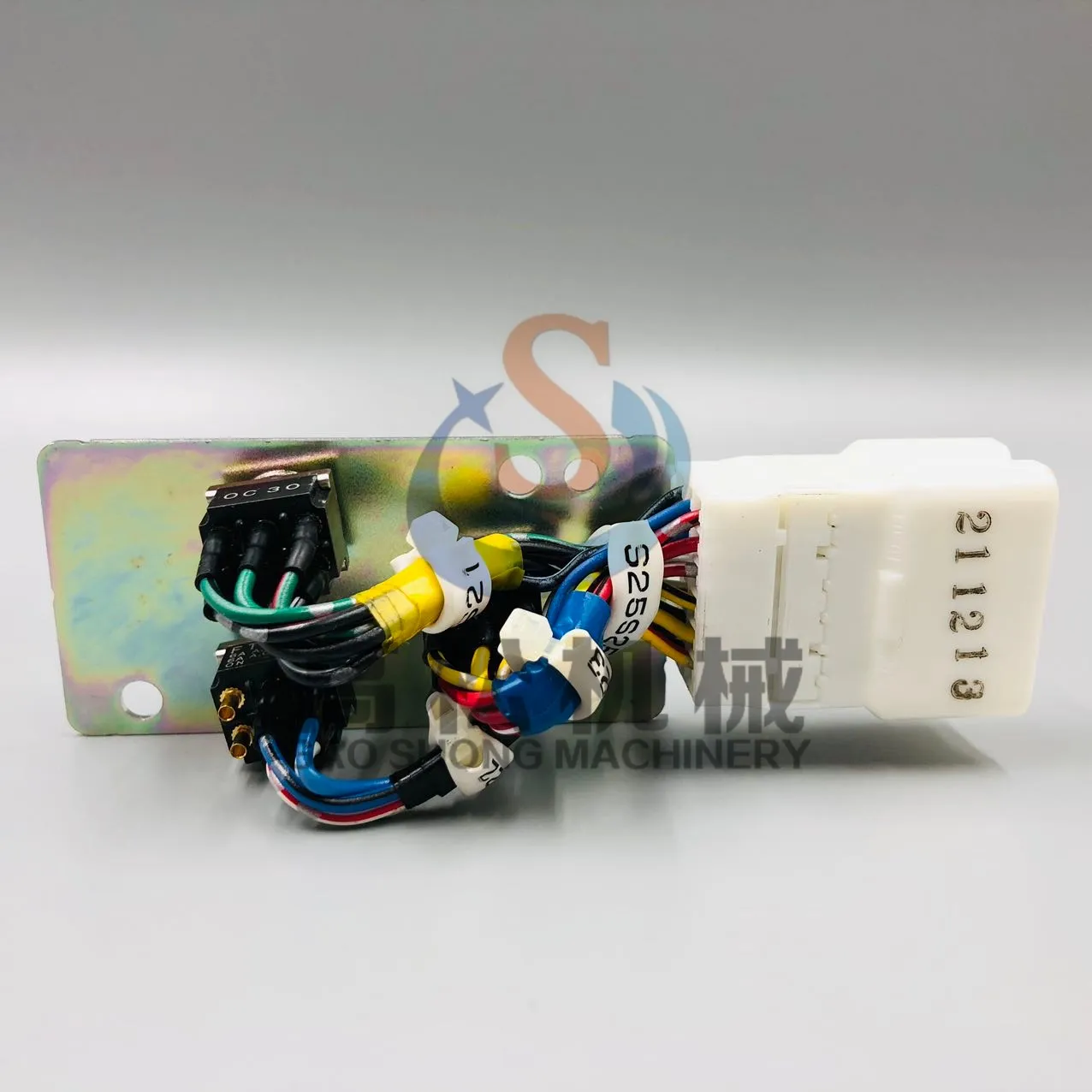 SWITCH ASS’Y 22U-06-22370 – KOMATSU
 -
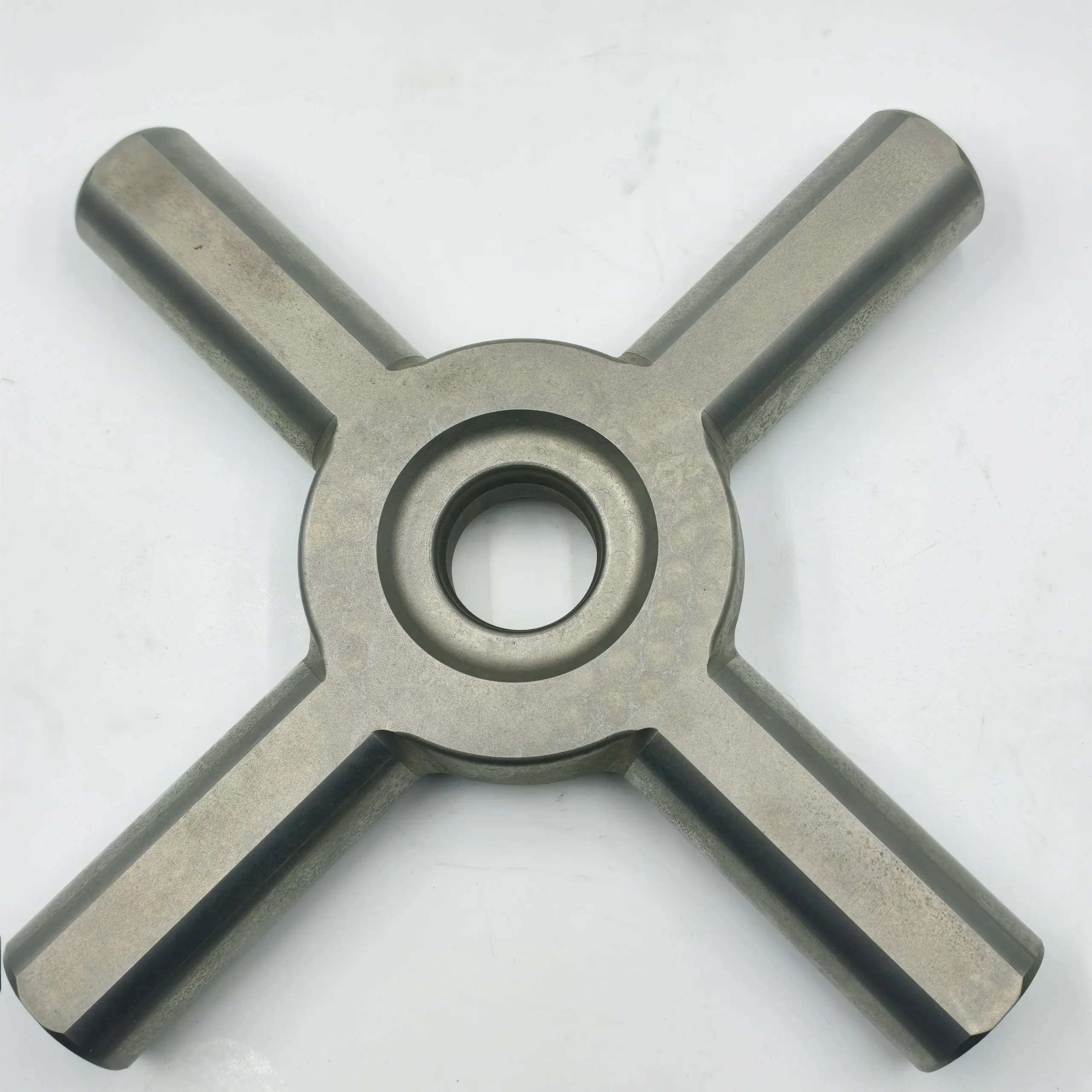 Komatsu Shaft 426-22-21410 for WA600-3 WF650T-3