
- Chinese
- French
- German
- Portuguese
- Spanish
- Russian
- Japanese
- Korean
- Arabic
- Irish
- Greek
- Turkish
- Italian
- Danish
- Romanian
- Indonesian
- Czech
- Afrikaans
- Swedish
- Polish
- Basque
- Catalan
- Esperanto
- Hindi
- Lao
- Albanian
- Amharic
- Armenian
- Azerbaijani
- Belarusian
- Bengali
- Bosnian
- Bulgarian
- Cebuano
- Chichewa
- Corsican
- Croatian
- Dutch
- Estonian
- Filipino
- Finnish
- Frisian
- Galician
- Georgian
- Gujarati
- Haitian
- Hausa
- Hawaiian
- Hebrew
- Hmong
- Hungarian
- Icelandic
- Igbo
- Javanese
- Kannada
- Kazakh
- Khmer
- Kurdish
- Kyrgyz
- Latin
- Latvian
- Lithuanian
- Luxembou..
- Macedonian
- Malagasy
- Malay
- Malayalam
- Maltese
- Maori
- Marathi
- Mongolian
- Burmese
- Nepali
- Norwegian
- Pashto
- Persian
- Punjabi
- Serbian
- Sesotho
- Sinhala
- Slovak
- Slovenian
- Somali
- Samoan
- Scots Gaelic
- Shona
- Sindhi
- Sundanese
- Swahili
- Tajik
- Tamil
- Telugu
- Thai
- Ukrainian
- Urdu
- Uzbek
- Vietnamese
- Welsh
- Xhosa
- Yiddish
- Yoruba
- Zulu
- Kinyarwanda
- Tatar
- Oriya
- Turkmen
- Uyghur






Komatsu brake pads
Look, when most people hear 'Komatsu brake pads,' they immediately think of the genuine parts from Komatsu itself. That's the first mistake. In the real world, especially in markets with supply chain hiccups, what you're dealing with is a whole ecosystem. There's the pure OEM stuff, and then there's the system of suppliers who operate within Komatsu's approval framework. I've seen too many guys order what they think is a genuine part, only to get a sub-par imitation that wears out in half the time on a 930E. The key isn't just the brand name; it's understanding the provenance and the specific friction material for your application—whether it's a wheel loader doing short cycles or an excavator on a steep grade. It's never just a 'pad.'
The OEM Supplier Reality vs. The Aftermarket Noise
This is where it gets practical. A company like Jining Gaosong Construction Machinery Co., Ltd. sits in a interesting niche. They're not just a random parts reseller. Their pitch is being an OEM product supplier within the Komatsu system. In my experience, that phrasing matters. It typically means they manufacture or supply components that meet Komatsu's engineering specs and are used in the initial assembly or authorized replacement channels. This is different from the flood of 'Komatsu-compatible' parts you find everywhere.
I remember a project in South America where the official parts pipeline was choked for months. We turned to a third-party supplier with similar OEM-system credentials. The brake pads we got for a fleet of PC400 excavators weren't in Komatsu-branded boxes, but the casting marks and the fade characteristics under heavy, continuous braking matched what we were used to. The tell was often in the documentation and the material data sheet that came with it—something most aftermarket sellers can't or won't provide. The site https://www.takematsumachinery.com positions itself in this space, explicitly mentioning they help solve parts supply challenges in certain countries. That's a real, tangible pain point they're addressing.
The nuance here is trust but verify. Just because a supplier says they're in the system doesn't mean every part in their warehouse is. You have to get specific. Ask for the part number lineage, the compound code (like is it a GG or HF rating?), and maybe even a sample to compare against a known-good, worn-out pad from your machine. The backing plate thickness and the chamfer on the pad edges are often dead giveaways of quality.
Material Matters: Beyond the Heavy-Duty Label
Everyone slaps 'heavy-duty' on their brake pads. It's meaningless. For Komatsu equipment, you're usually looking at semi-metallic or ceramic/organic compounds. The choice isn't about price first; it's about duty cycle and rotor health. We learned this the hard way on a quarry site running Komatsu HD785 trucks.
We tried a set of very aggressive, high-metal content pads from a non-system supplier because they promised longer life. They did last longer, but they absolutely chewed through the expensive rotors at twice the normal rate. The total cost of ownership was a disaster. The OEM-spec pads from a system supplier wore faster but were much kinder to the discs. The lesson was that the system-approved parts are engineered as a balanced system—pad, rotor, caliper. Straying from that balance to optimize one variable often punishes another.
For smaller machines like the Komatsu PC78 or WA320, the thermal capacity is different. A pad that works on a haul truck would never get up to operating temperature on a wheel loader, leading to glazing and terrible performance. A reliable supplier in the Komatsu ecosystem should be asking you these questions: machine model, application, and even average load weight. If they're just selling you a part number, that's a red flag.
The On-Ground Challenge: Sourcing and Verification
This is the gritty part the brochures don't talk about. Say you're in a region where Jining Gaosong Construction Machinery operates, helping to solve parts supply challenges. Getting the parts is one hurdle. Verifying them on receipt is the next critical step. I've had shipments where the box said one thing, and the pads inside were clearly different—different color, different weight, wrong shim configuration.
The first thing we do now is a visual and physical check against a reference, which we keep a worn but intact set of critical parts like Komatsu brake pads for exactly this purpose. Check for the presence of anti-noise shims or paste, the quality of the abutment clips, and the stamping on the backing plate. A legitimate OEM-system part will have consistent, clean markings. Fakes often have blurred or shallow stamps.
Then there's the install. Even the right pad can fail if the caliper slides aren't serviced or the rotor isn't measured for runout and thickness. I've seen mechanics blame the new 'OEM' pads for a pulsation issue that was actually a warped disc they didn't check. The supplier gets a bad rap for something that wasn't their fault. A good technical partner will have support to troubleshoot these things, not just process an order.
Cost vs. Value: The Real Calculation
Let's talk money, because that's why people sometimes shy away from OEM-system parts. Yes, the upfront cost is higher than the cheapest aftermarket alternative. But the calculation is all wrong if you stop there. For a critical safety component like brakes, you have to factor in machine downtime, rotor life, and performance predictability.
On a Komatsu dozer like a D65 or D85, a brake job means the machine is down for half a day at least. If the pads wear out 30% faster, you're doing that job more often, losing production time, and paying for labor again. If the pads have poor modulation, the operator can't fine-control the machine, leading to jerky work and extra wear on the powertrain. The value of a known-quality part from a verified supplier in the Komatsu network is in reduced variability and risk.
Companies that position as third-party sales companies for Komatsu, like the one mentioned, are essentially selling this reduced risk. They're offering a alternative to the official channel that still aims to maintain a standard, not just move boxes. You're paying for the curation and the technical lineage, not just the physical pad.
Final Thoughts: Navigating the Gray Zone
So, what's the takeaway? 'Komatsu brake pads' exist in a spectrum. At one end is the pure, boxed Komatsu part. At the other is the generic copy. In the middle is this crucial gray zone of OEM-system suppliers and authorized third-party distributors. For most fleets outside of major dealer networks, this middle ground is where operational reality lives.
The goal is to get as close to the genuine performance and reliability as possible, without the logistical or cost barriers. It requires more diligence—asking for specs, checking parts physically, understanding your machine's specific needs, and building a relationship with a supplier who demonstrates technical knowledge, not just a catalog.
It's not perfect. Sometimes you'll get a batch that seems off, or a delivery is delayed. But in my experience, aligning with a supplier that has a stated mission like helping solve parts supply challenges in certain countries, and who claims OEM-system status, gives you a much better fighting chance than rolling the dice on the open market. You're not just buying a friction material; you're buying into a supply chain strategy that keeps your iron moving.
Related Products
Related Products

Best Selling Products
Best Selling Products-
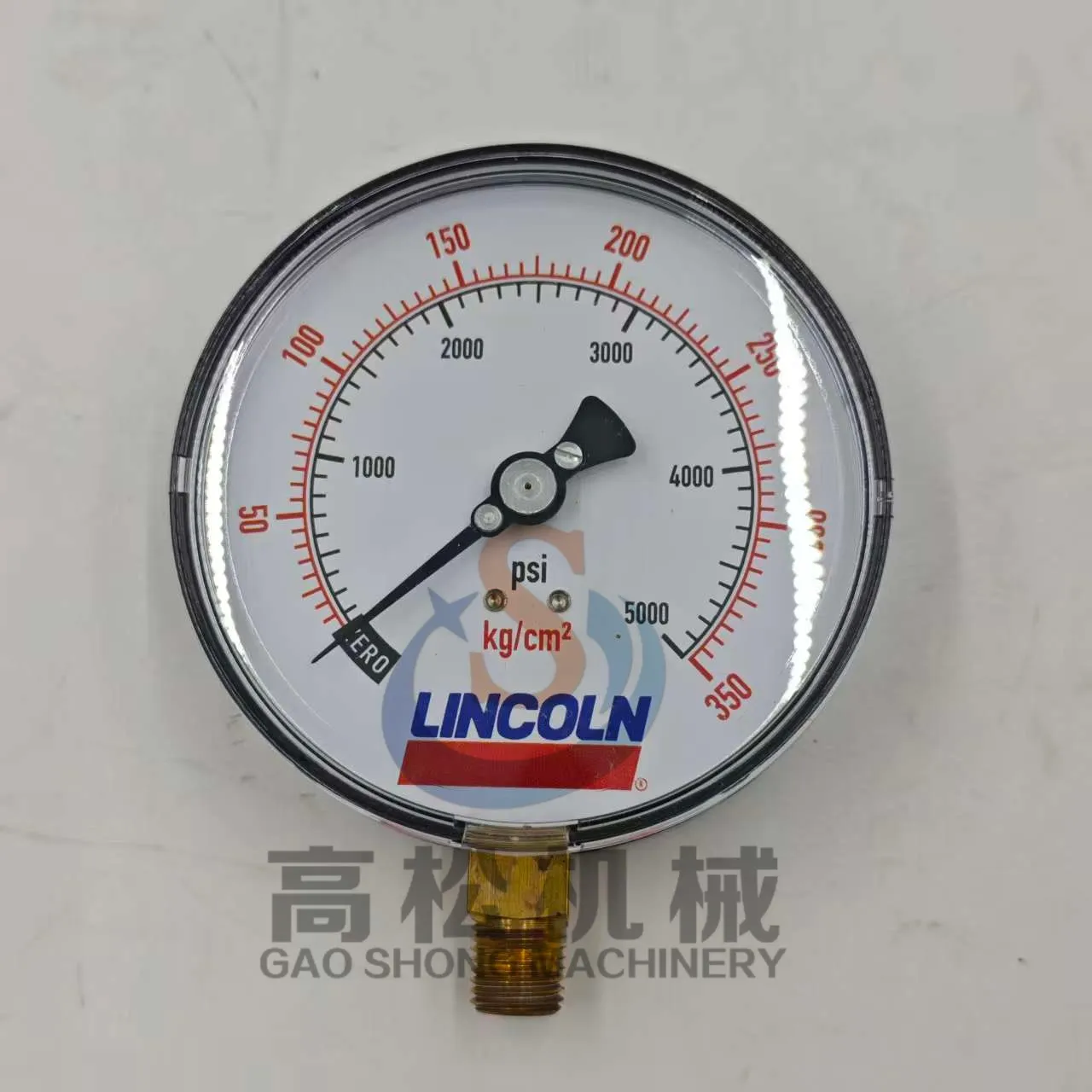 427-S95-2410 Komatsu Gauge, Pressure
 -
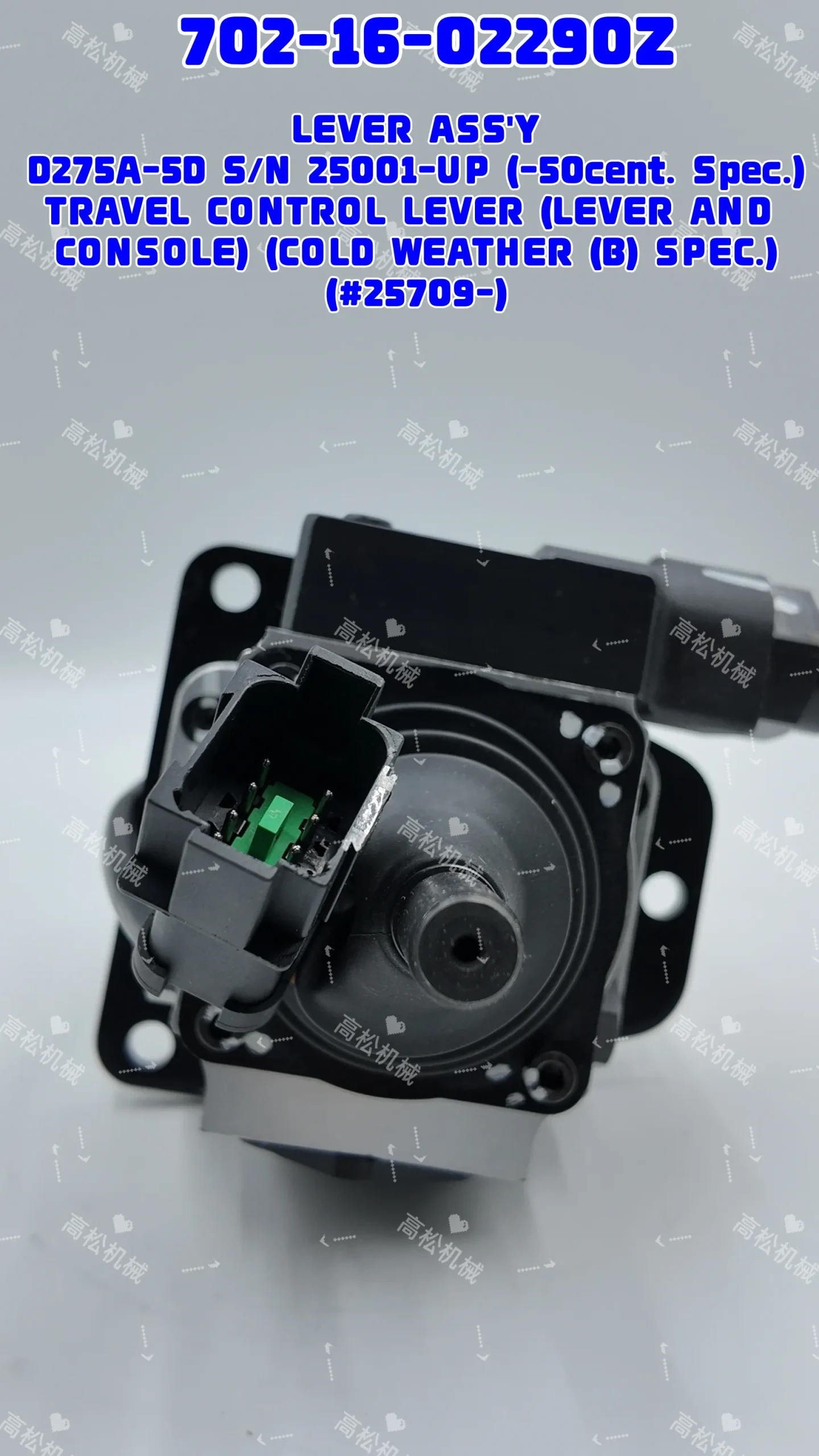 LEVER ASS’Y 702-16-02290 D275A-5D D65PX-15E0 D85EX-15 D65PX-16 D155AX-8 TRAVEL CONTROL LEVER ELECTRIC LEVER FLOOR FRAME
 -
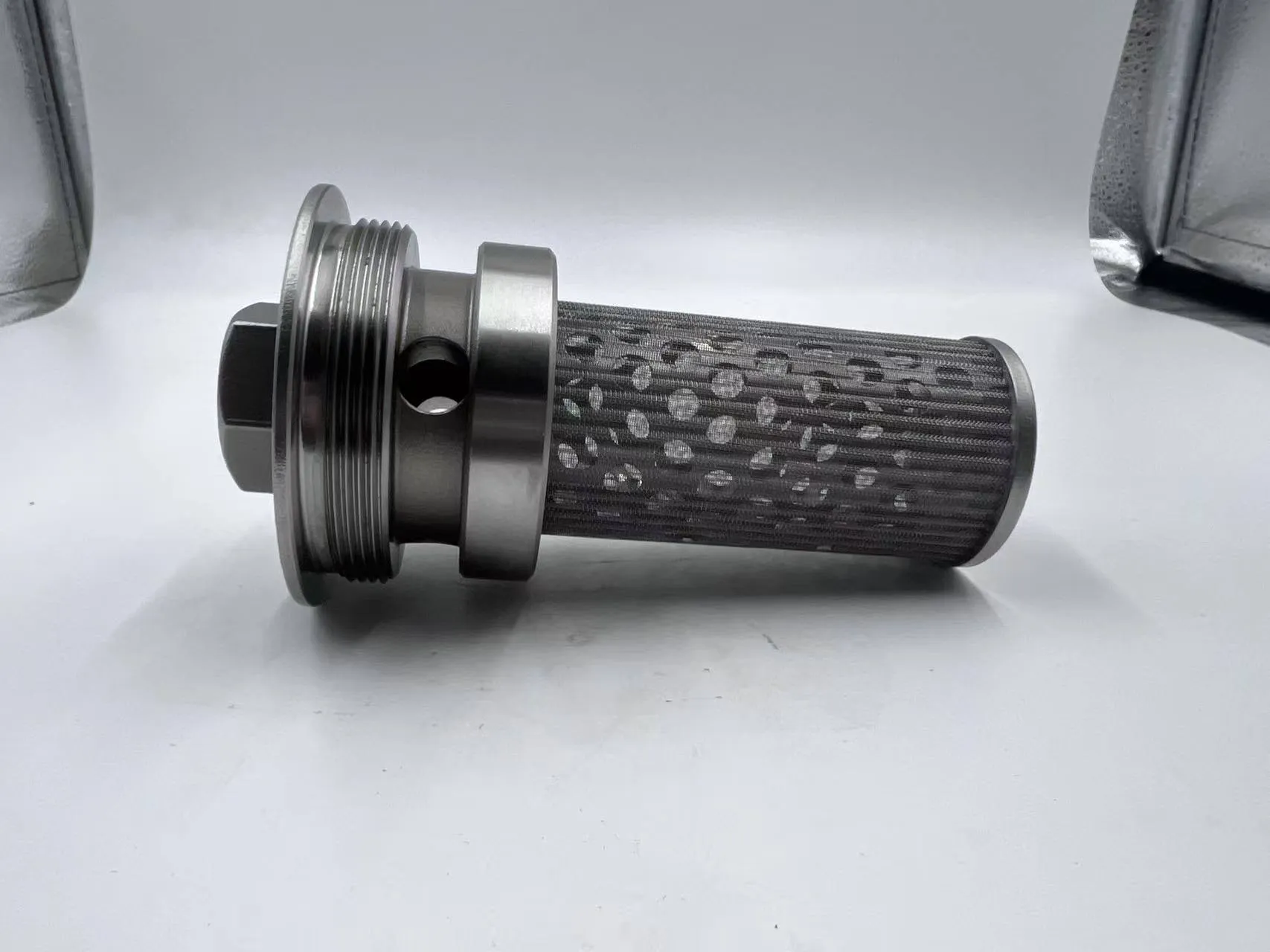 Hello friend 195-04-11150 17M-71-21530 17M-50-49290 is suitable for Komatsu Machinery
 -
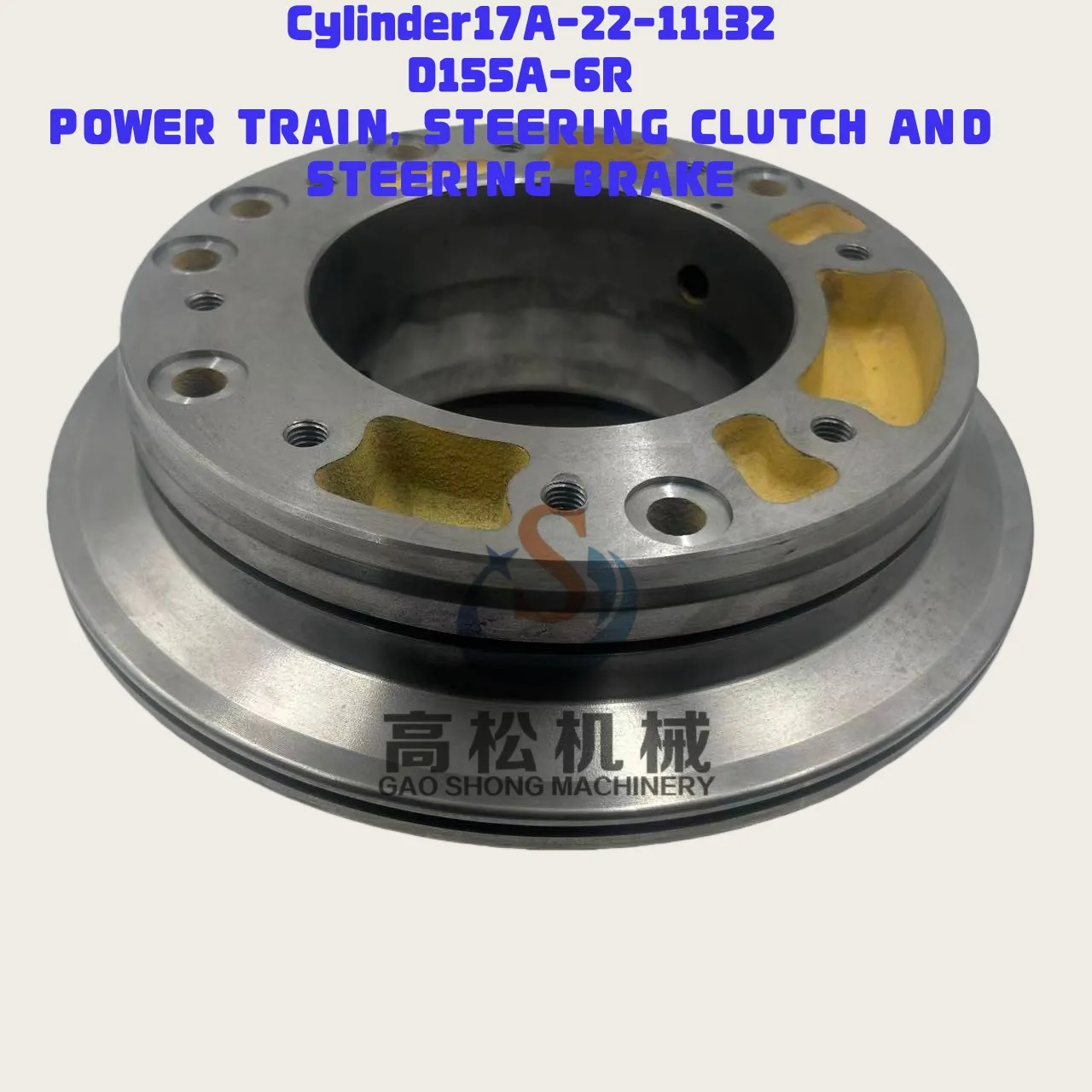 CYLINDER 17A-22-11132 D155A-6 D155A-3 D155A-5 D155A-6R STEERING CLUTCH AND BRAKE
 -
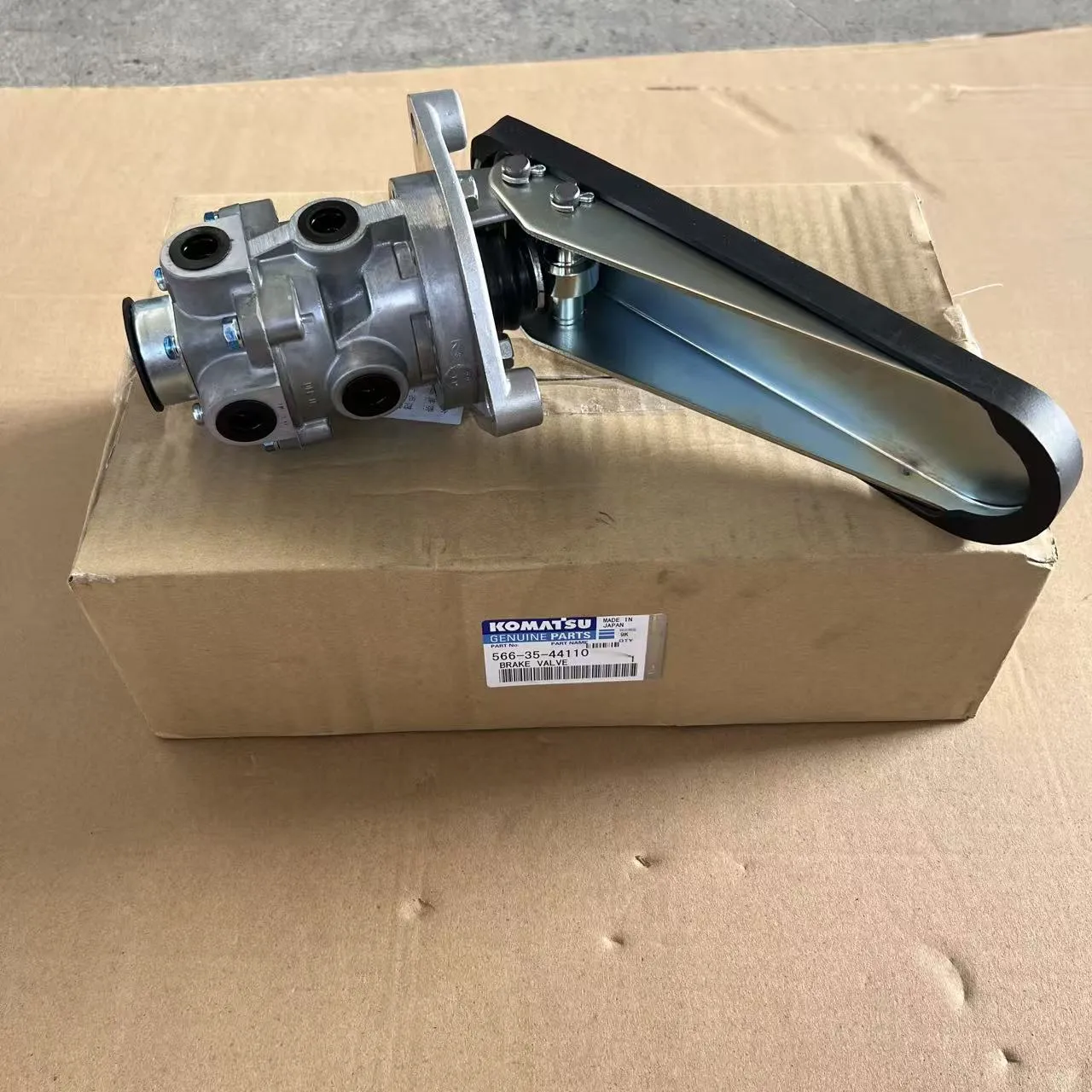 Komatsu Dump Truck Original HD785-5 Brake Valve 566-35-44110
 -
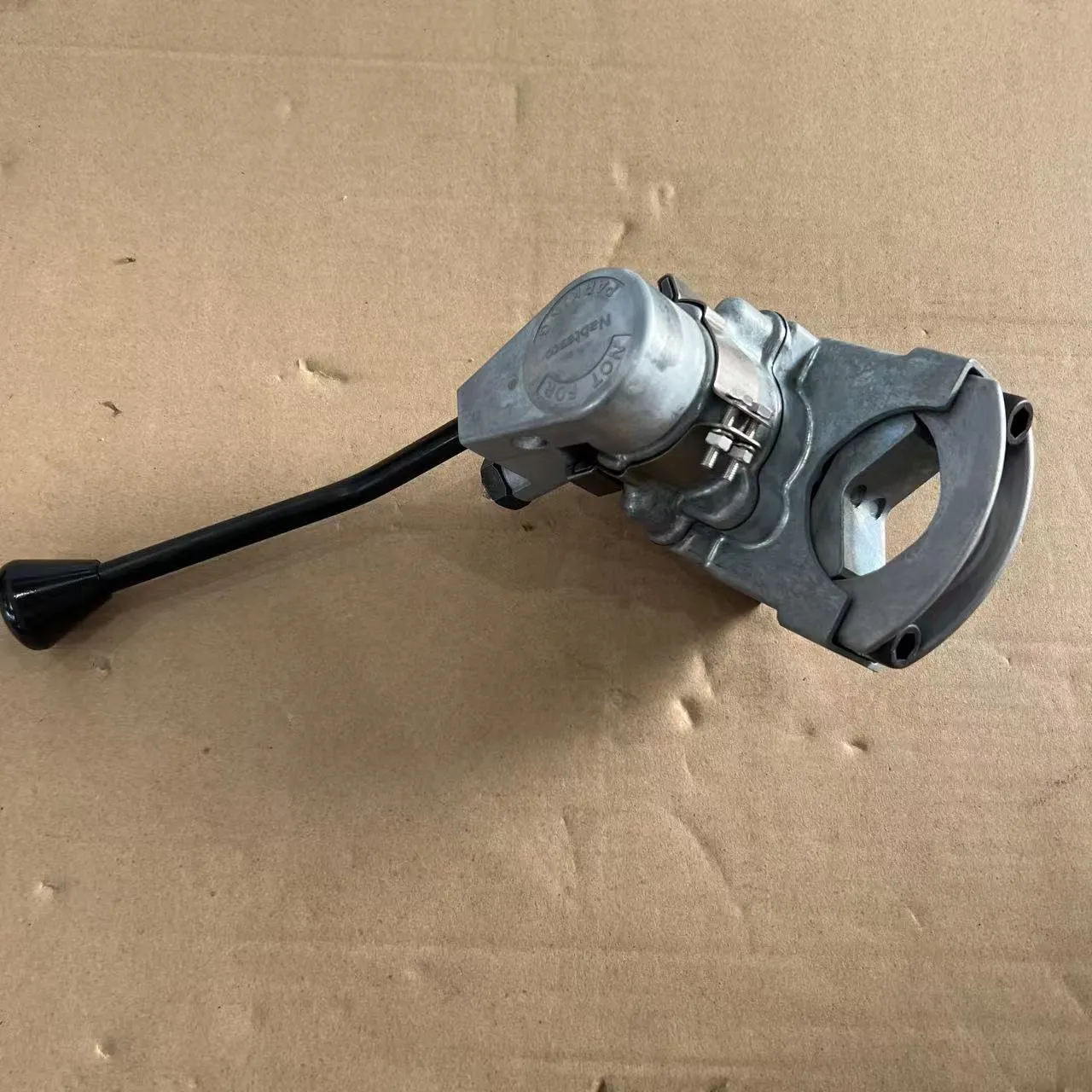 Hd785-5 Retarder 561-35-62203 For Dump Truck Original Parts, High…
 -
 KD0-23500-1024 Komatsu Clutch Assembly
 -
 KD0-23700-0130 REAR BRACKET ASS’Y,REAR (Komatsu)
 -
 561-27-61960 for Komatsu HD785-5LC HD985-5
 -
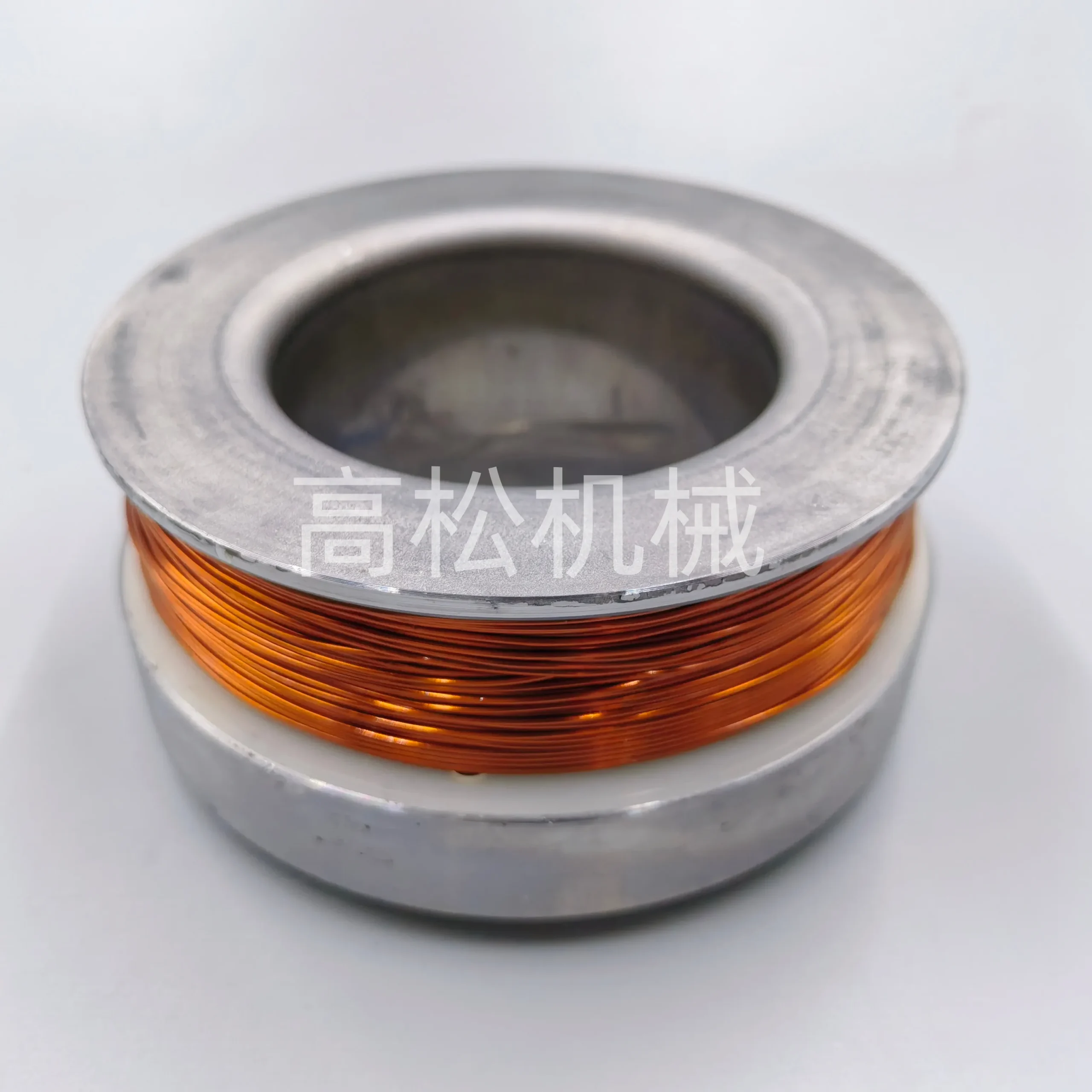 Komatsu KD0-35120-0250 FIELD COIL ASS’Y, price… — Pricing.Parts
 -
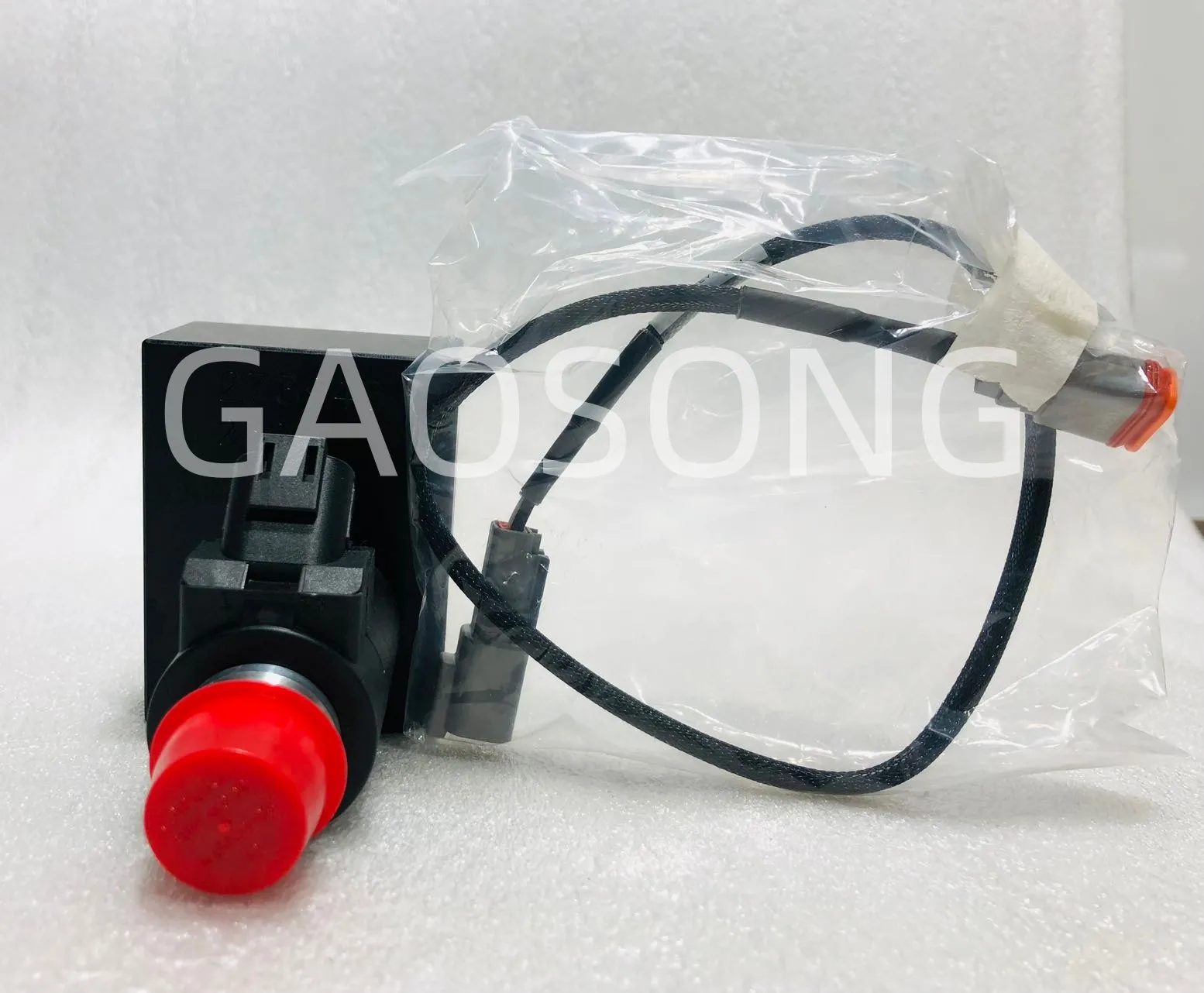 561-95-8A540 • VALVE ASSEMBLY,VENT-Komatsu Original Factory
 -
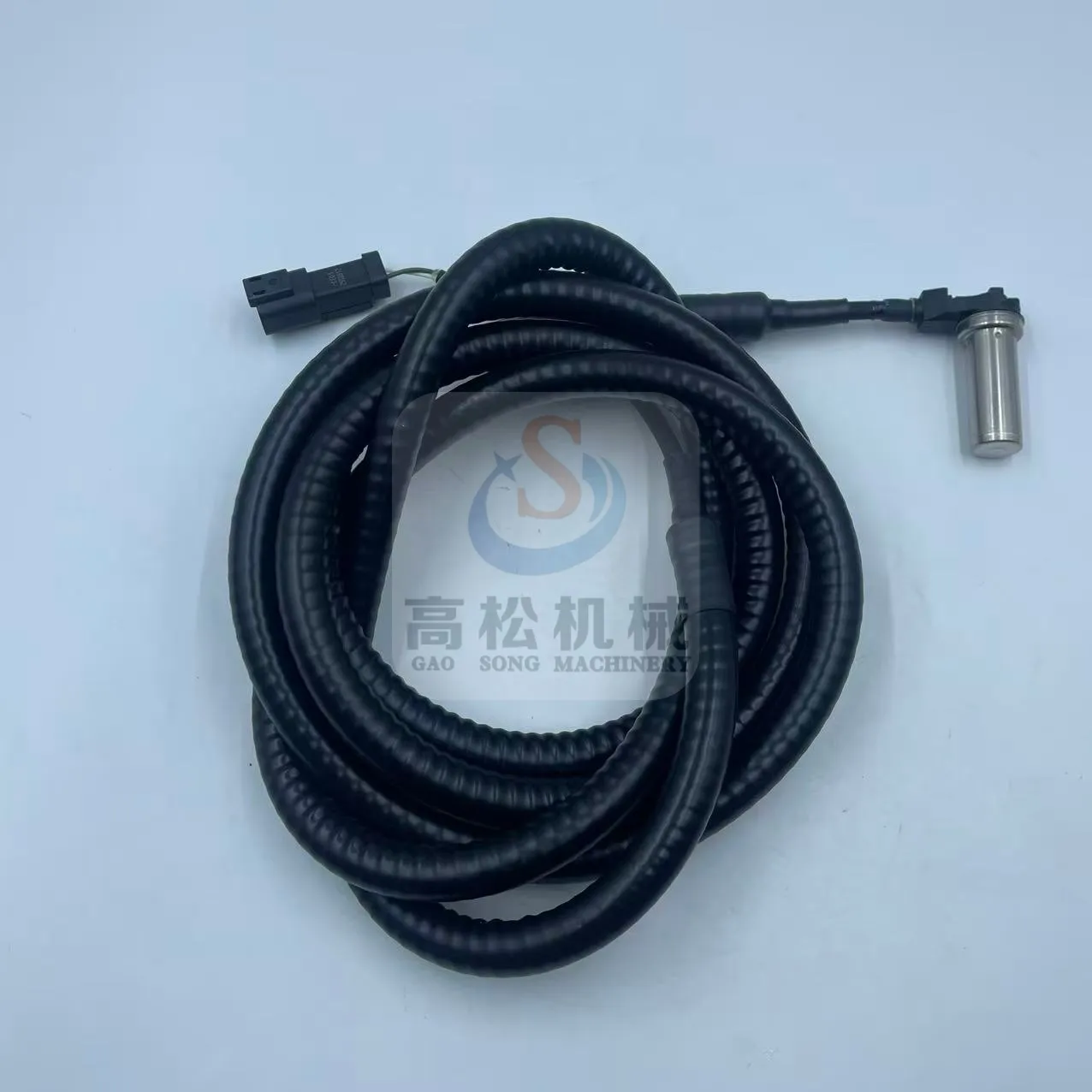 566-88-66143 sensor for Komatsu HD465-7