
- Chinese
- French
- German
- Portuguese
- Spanish
- Russian
- Japanese
- Korean
- Arabic
- Irish
- Greek
- Turkish
- Italian
- Danish
- Romanian
- Indonesian
- Czech
- Afrikaans
- Swedish
- Polish
- Basque
- Catalan
- Esperanto
- Hindi
- Lao
- Albanian
- Amharic
- Armenian
- Azerbaijani
- Belarusian
- Bengali
- Bosnian
- Bulgarian
- Cebuano
- Chichewa
- Corsican
- Croatian
- Dutch
- Estonian
- Filipino
- Finnish
- Frisian
- Galician
- Georgian
- Gujarati
- Haitian
- Hausa
- Hawaiian
- Hebrew
- Hmong
- Hungarian
- Icelandic
- Igbo
- Javanese
- Kannada
- Kazakh
- Khmer
- Kurdish
- Kyrgyz
- Latin
- Latvian
- Lithuanian
- Luxembou..
- Macedonian
- Malagasy
- Malay
- Malayalam
- Maltese
- Maori
- Marathi
- Mongolian
- Burmese
- Nepali
- Norwegian
- Pashto
- Persian
- Punjabi
- Serbian
- Sesotho
- Sinhala
- Slovak
- Slovenian
- Somali
- Samoan
- Scots Gaelic
- Shona
- Sindhi
- Sundanese
- Swahili
- Tajik
- Tamil
- Telugu
- Thai
- Ukrainian
- Urdu
- Uzbek
- Vietnamese
- Welsh
- Xhosa
- Yiddish
- Yoruba
- Zulu
- Kinyarwanda
- Tatar
- Oriya
- Turkmen
- Uyghur






Komatsu brake pad
When you hear 'Komatsu brake pad,' most guys immediately think of that one specific part number for their PC200 or HD785. That's the first trap. It's not just a slab of friction material; it's a system component, and the real understanding starts when you stop treating it as a simple consumable. I've seen too many failures blamed on 'bad pads' that were actually about compatibility, bedding-in procedures, or just plain wrong application. The OEM stamp doesn't magically solve everything, especially in the aftermarket and cross-border supply chaos we deal with daily.
The OEM Illusion and On-Ground Reality
Working with an OEM product supplier within the Komatsu network, like Jining Gaosong, gives you a front-row seat to this gap. Their role at https://www.takematsumachinery.com isn't just moving boxes. It's about bridging that gap between the pristine OEM spec and the muddy, unpredictable reality of a mine site in a region where the official distribution chain is thin. The pad that left the Komatsu factory is the same, but the machine's history, the operator's habits, and the local climate aren't. We supplied a set for a D375 dozer working in high-altitude, wet conditions. The official spec pad wore out in half the expected time. Why? The friction formulation was optimized for a different temperature range. The lesson wasn't to blame the pad, but to understand that 'OEM' needs context.
This is where the 'third-party sales' function they mention becomes critical. It's not about selling alternatives, but about providing access and solutions when the official channel is blocked, delayed, or prohibitively expensive. You get the genuine Komatsu part, but through a logistical and knowledge framework that understands the on-ground challenges. I recall a contractor in Southeast Asia waiting 12 weeks for a set of 830E truck pads through standard channels. The downtime cost was insane. A partner like this can often navigate that, because their entire operation is built to solve these specific parts supply challenges.
The nuance is in the selection. Even within Komatsu's own range, there are different compounds for different applications. The pad for a wheel loader doing cyclic, high-impact braking is different from one for a haul truck on long, sustained descent. I've made the mistake of not digging into that detail early on, assuming 'Komatsu approved' was enough. It led to excessive rotor scoring on a 960E truck—the pads were technically correct but too aggressive for that specific duty cycle. The operator was riding the brakes too much, and the pad compound couldn't handle it. You need to ask: what is the machine actually doing?
Bedding-In: The Most Skipped Critical Step
This is probably the biggest practical failure point I encounter. A crew installs brand new, perfect Komatsu brake pads, then puts the machine straight back into full production. The result? Glazing, vibration, reduced stopping power, and premature wear. The bedding-in process—transferring an even layer of pad material onto the rotor—is non-negotiable. It's not in the big manual; it's a technician's hands-on knowledge. The procedure varies: for a large hydraulic excavator, it might involve a series of moderate stops from low travel speeds, allowing cooling intervals. For a grader, it's different.
I learned this the hard way on a PC4000 shovel project. We installed new pads, the electrician signed off, and operations ramped up immediately. Within 48 hours, there was a shudder in the swing brake. We pulled the pads, and they had a glassy, shiny patch right in the center. The material hadn't transferred evenly. The fix was a pain—pulling the rotors for a light re-face and starting the bedding process from scratch, with me watching the crew like a hawk. The downtime for a simple re-bed was longer than the initial install. Now, we make it a checklist item: pads installed, hydraulic check done, bedding-in procedure performed and documented. It saves money every single time.
The takeaway is that the pad's performance is only 50% about its manufacture. The other 50% is its proper introduction to the rotor. Ignoring this is like not breaking in a new engine. It'll run, but it'll never reach its potential lifespan or efficiency. This is a key piece of advice we stress when supporting through partners—the product is only as good as its installation protocol.
Material Nuances and the Genuine Debate
Let's talk material. Komatsu's OEM pads are a proprietary mix, a balance of wear resistance, heat dissipation, and rotor friendliness. The aftermarket is flooded with copies that claim 'meets or exceeds' specs. Some do, for a while. But the failure mode is often different. A non-genuine pad might wear well initially but then start contaminating the brake fluid with excessive dust, or it might have a higher metal content that eats into the rotor. I've measured rotor wear rates side-by-side. A good aftermarket pad might give you 80% of the life but cause 120% more rotor wear, making the total cost of ownership higher.
This is the value of a supplier embedded in the Komatsu system. They aren't pushing the cheapest option; they're providing the correct OEM part with the traceability and performance data behind it. For instance, the shift to more copper-free formulations in recent years for environmental reasons changed performance characteristics. A supplier who is just moving generic stock might not even know that, leading to compatibility issues with newer rotor designs.
However, being pragmatic, sometimes the genuine part is stuck in customs, or the budget is tight for an older machine. In those cases, a reliable third-party supplier's role is to provide honest guidance. Is there a reputable aftermarket brand that's been validated for this specific model in similar conditions? Sometimes the answer is yes, for certain non-critical applications. The key is transparency—knowing what you're getting and what the trade-offs are. Blindly insisting on 'only genuine' isn't always practical, but blindly buying the cheapest is always a gamble.
Diagnosing Failures: It's Rarely Just the Pad
A worn-out pad is a symptom. The real art is in reading that symptom. Even wear across the pad? That's good maintenance. Tapered wear? Often a stuck or sluggish caliper slide pin. A pad worn down to the backing plate on one side only? That points to a hydraulic issue in that specific caliper piston. I keep a gallery of failed pad photos—they tell clearer stories than any diagnostic code sometimes.
One case involved a Komatsu WA600 loader where the inner pads were wearing three times faster than the outer pads. The initial reaction was 'bad batch of pads.' But after tracing it back, we found a slightly collapsed brake hose acting as a one-way valve. It allowed pressure to apply the brake but restricted the return, keeping the inner pad slightly engaged. Replacing the pads alone would have just repeated the cycle. The pads were the victim, not the cause.
This diagnostic mindset is what separates parts changers from technicians. When you source through a knowledgeable channel, you're not just buying a part; you're tapping into a reservoir of these failure pattern experiences. You can call and say, 'Seeing uneven wear on the leading edge of a PC300 pad,' and they might immediately ask about the condition of the rotor hat mounting surface or the wheel bearing preload. That support is invaluable.
The Logistics Lifeline in Certain Markets
The website intro mentions solving supply challenges in certain countries. This isn't marketing fluff; it's the core of the daily grind. 'Certain countries' often means places with complex import regulations, volatile currencies, or weak infrastructure. Having a partner who has navigated these waters before is a lifeline. They know which paperwork causes delays, how to handle certifications, and what shipping routes are reliable. It turns a potential 3-month nightmare into a 2-week delivery.
I've worked on a project in Africa where a container of critical parts, including Komatsu brake pads for a fleet of haul trucks, sat in a port for weeks due to a missing, obscure documentation stamp. The local dealer was powerless. A specialized third-party supplier with a global logistics network had a local agent who could physically go to the port, understand the issue, and resolve it in days. That's the difference between a parked fleet and a running one.
This capability makes entities like Jining Gaosong more than a vendor. They become a strategic partner for operations in challenging regions. Their value isn't just in the product in the box, but in their ability to get that specific, correct product to your maintenance bay predictably. In our world, predictability is worth more than a slight discount. A machine down for lack of a $500 brake pad set loses $5000 an hour. The math is brutal and simple.
So, when you next order a set of Komatsu brake pads, think beyond the number. Consider the application, respect the bedding-in, plan the diagnosis, and choose a supply chain that understands the whole picture, not just the inventory. That's how you get true cost-per-hour performance, not just a part that fits.
Related Products
Related Products

Best Selling Products
Best Selling Products-
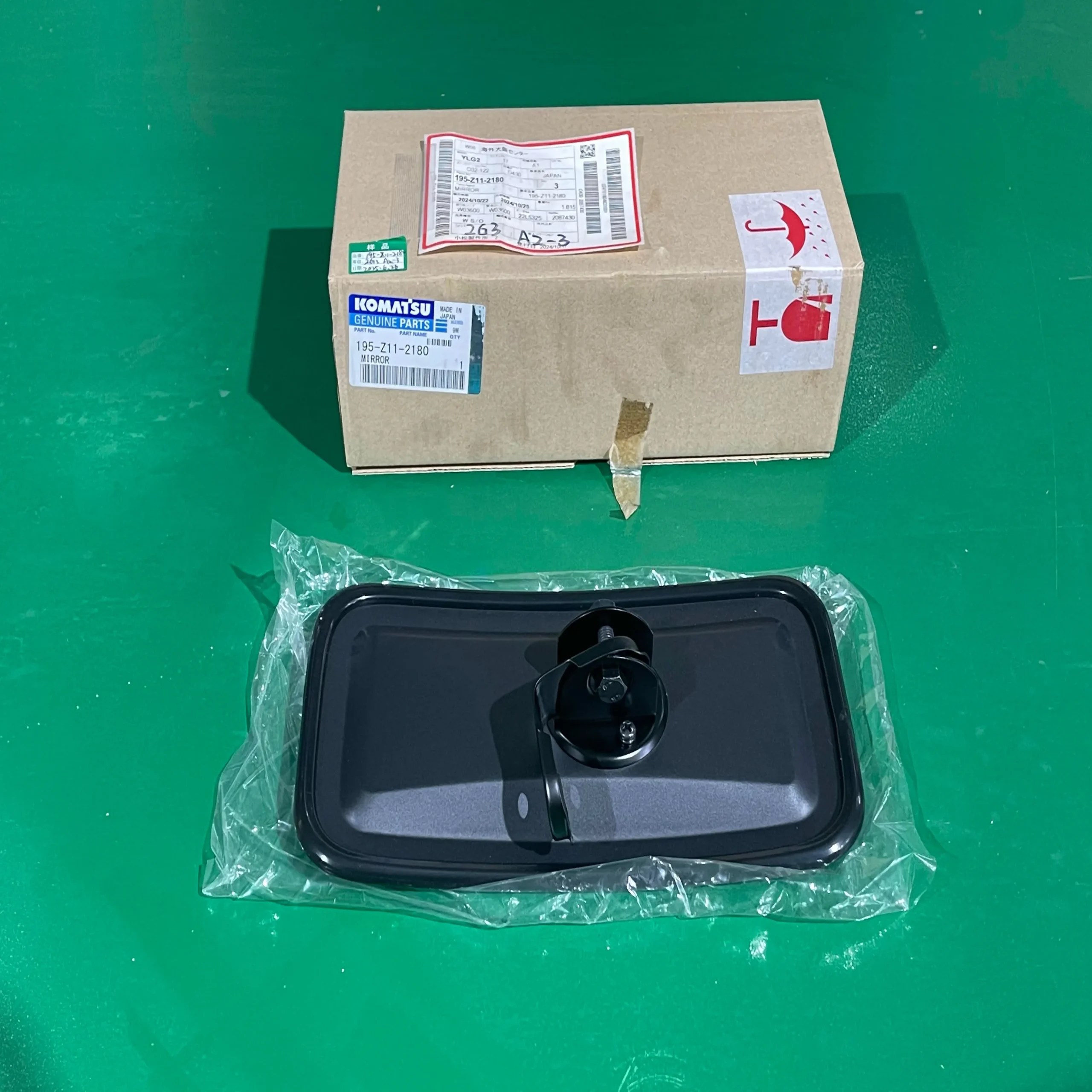 195-Z11-2180Fits Komatsu 195-Z11-2180 Dozer Replacement Mirror
 -
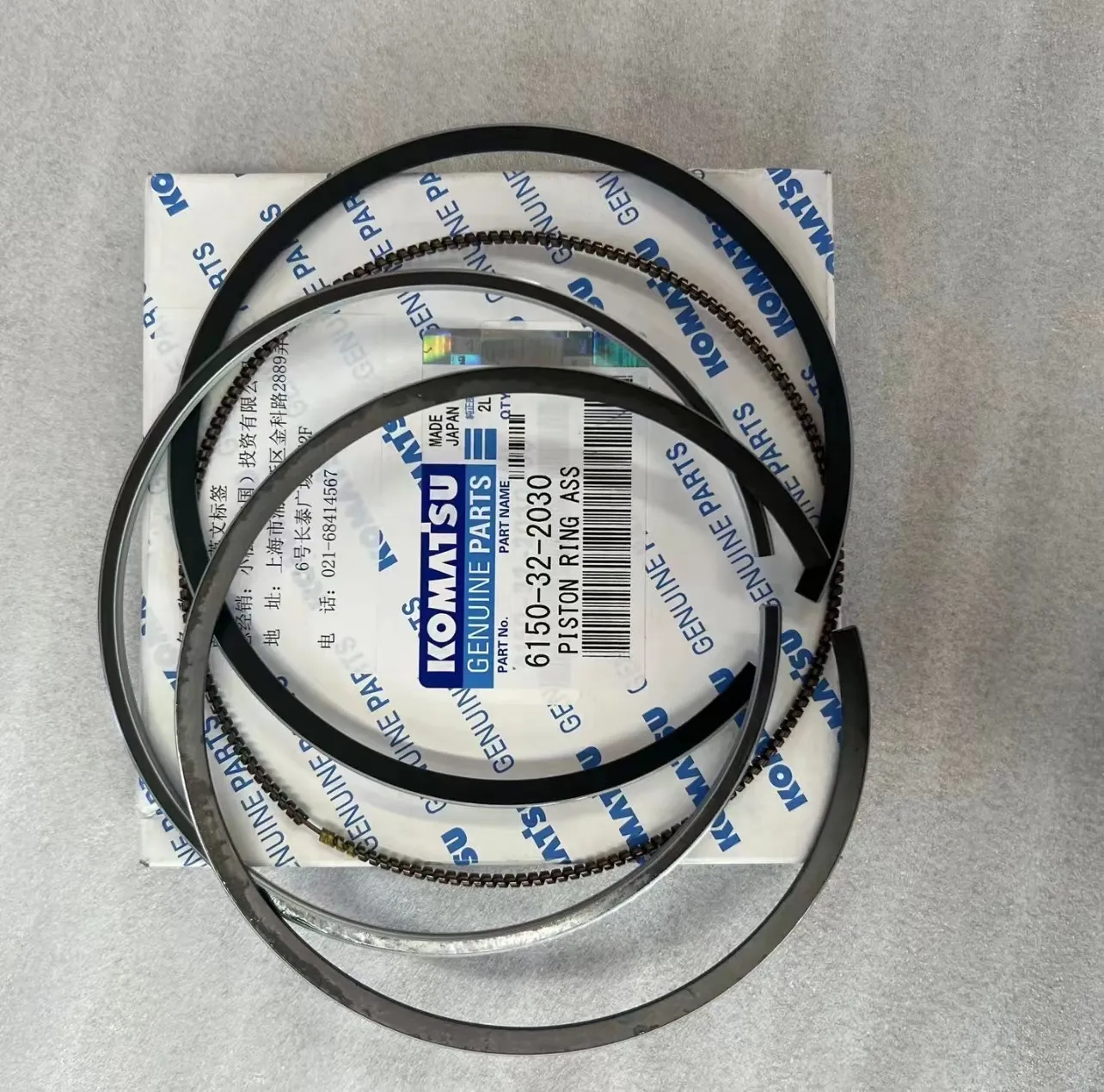 WA470-3 Piston Ring 6150-32-2030
 -
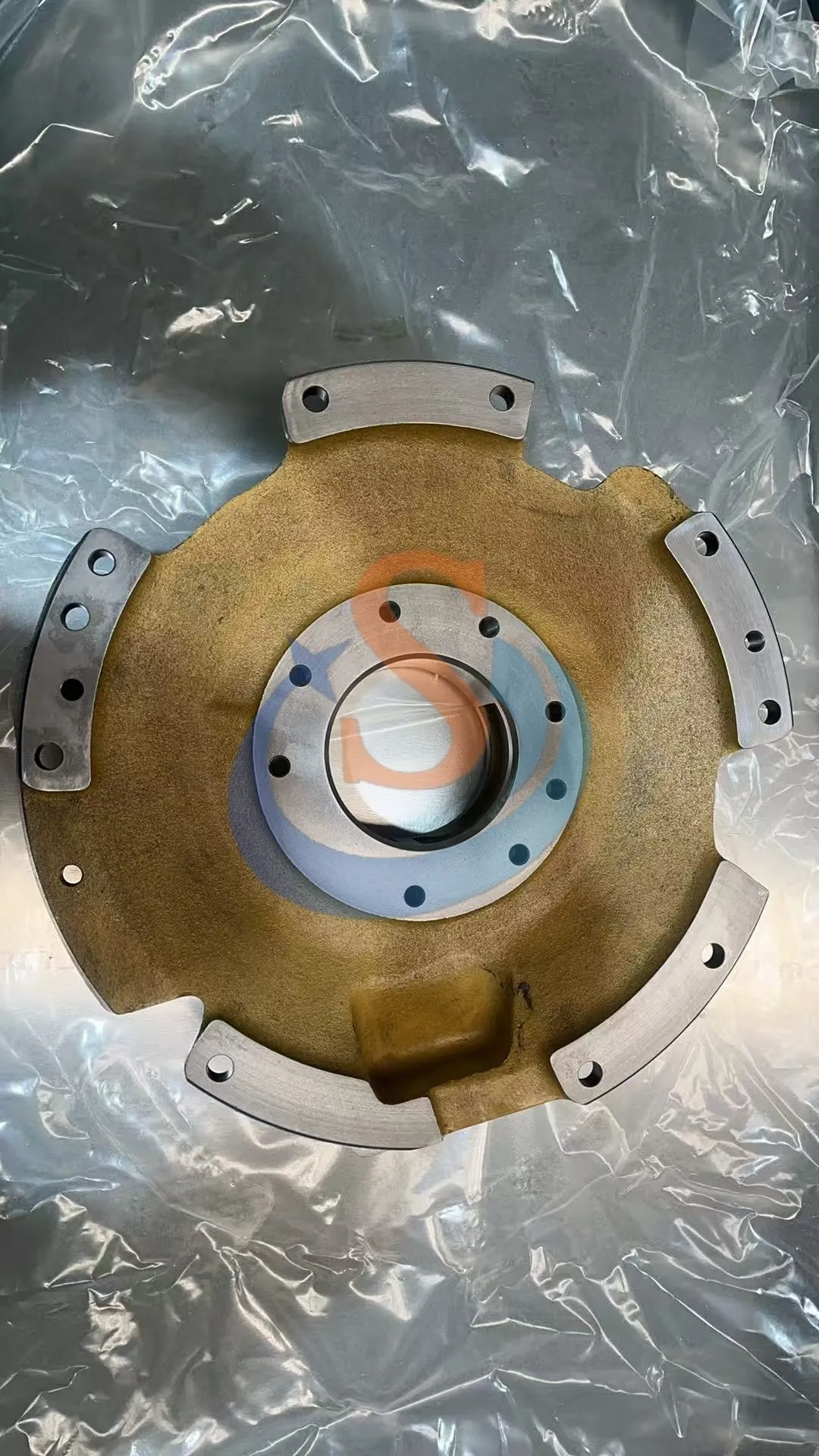 14X-13-54411 Housing D65PX/D65WX/D65EX
 -
707-56-14740 Komatsu D155-3/-5
-
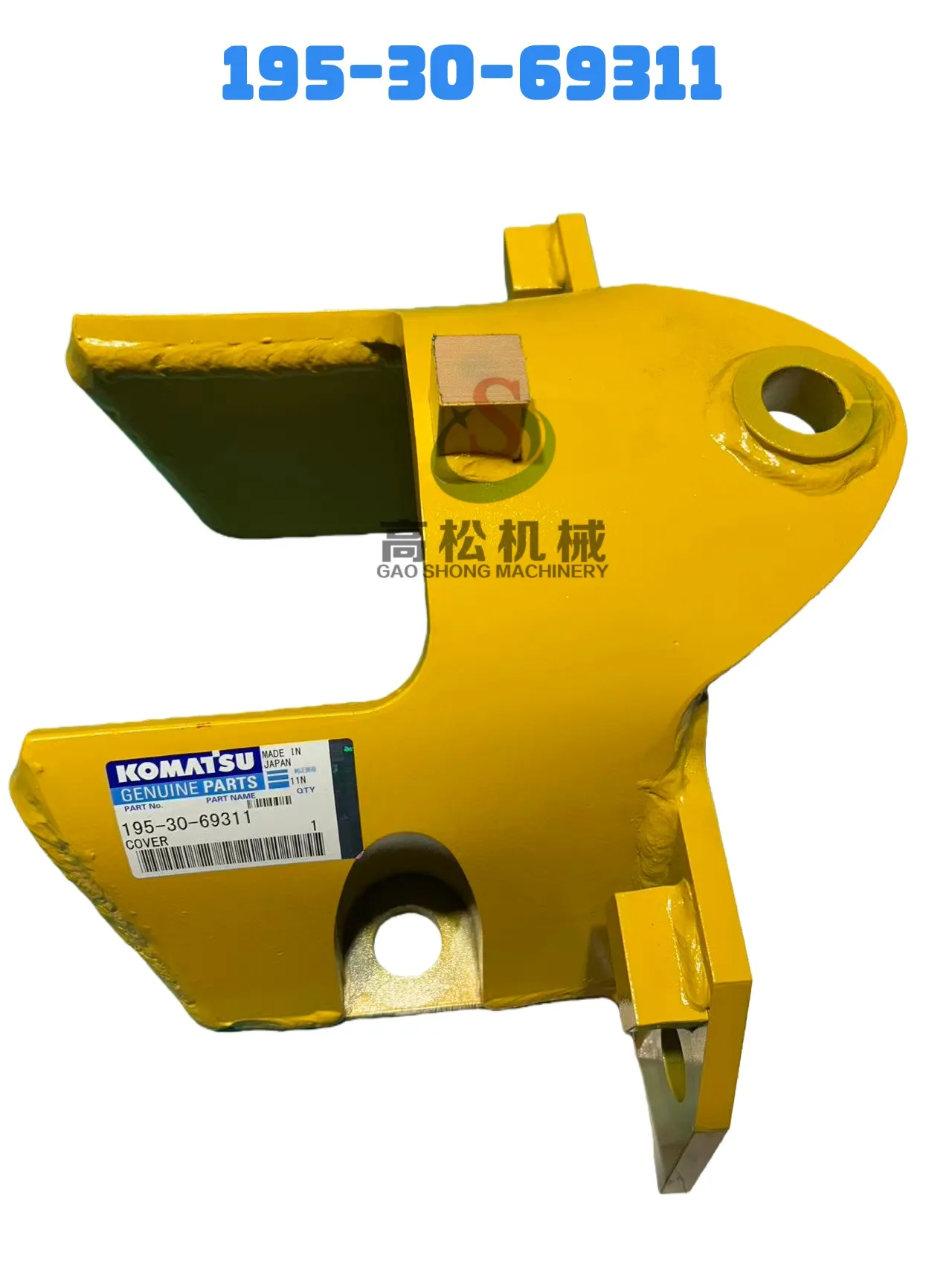 komatsu parts195-30-69311 COVER D375A-5 D375A-6 D375AI-8 D375A-8E0 TRACK FRAME
 -
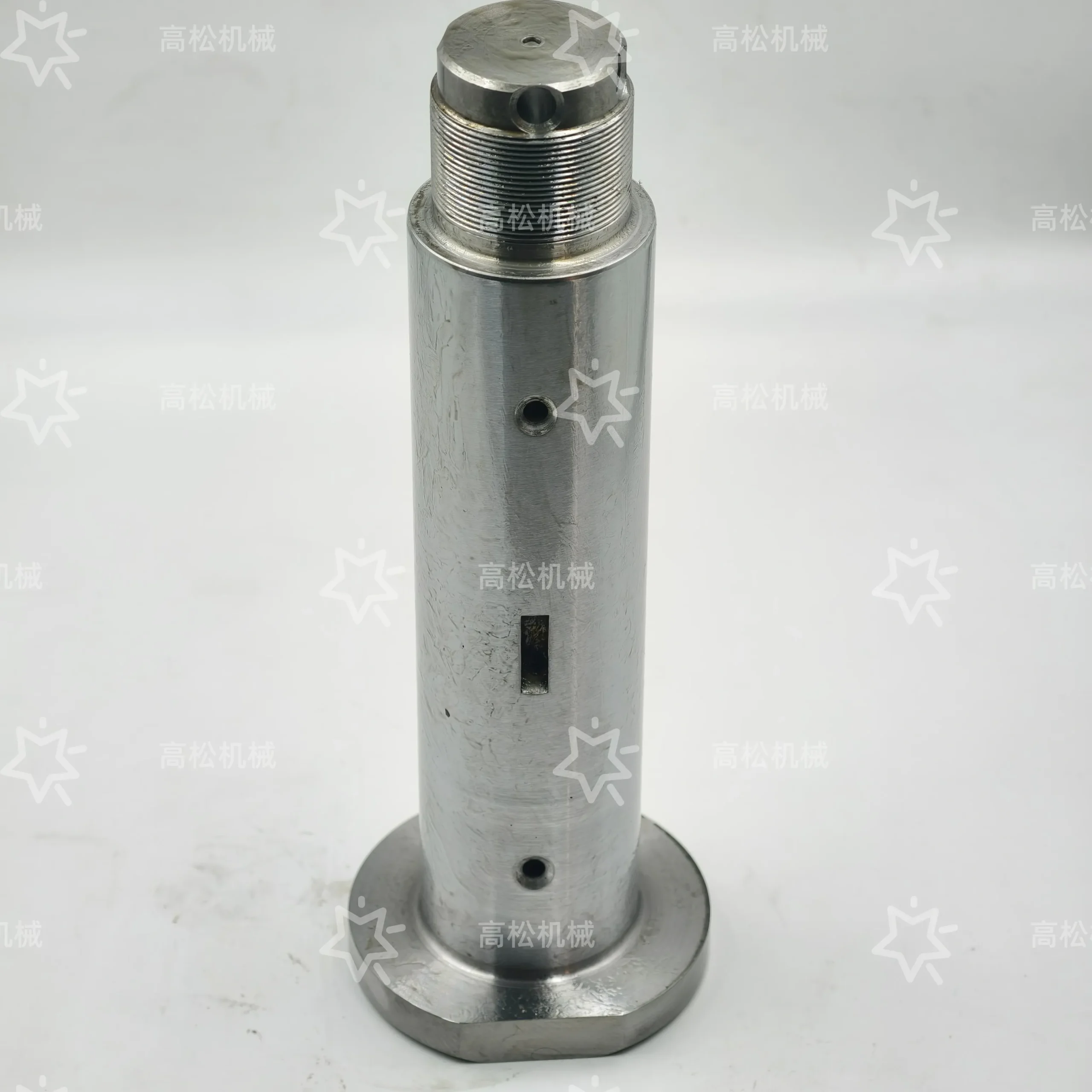 235-27-31330Grader Gd825A-2 Pin 235-27-31330 2352731330
 -
 195-49-75280 Komatsu O-ring
 -
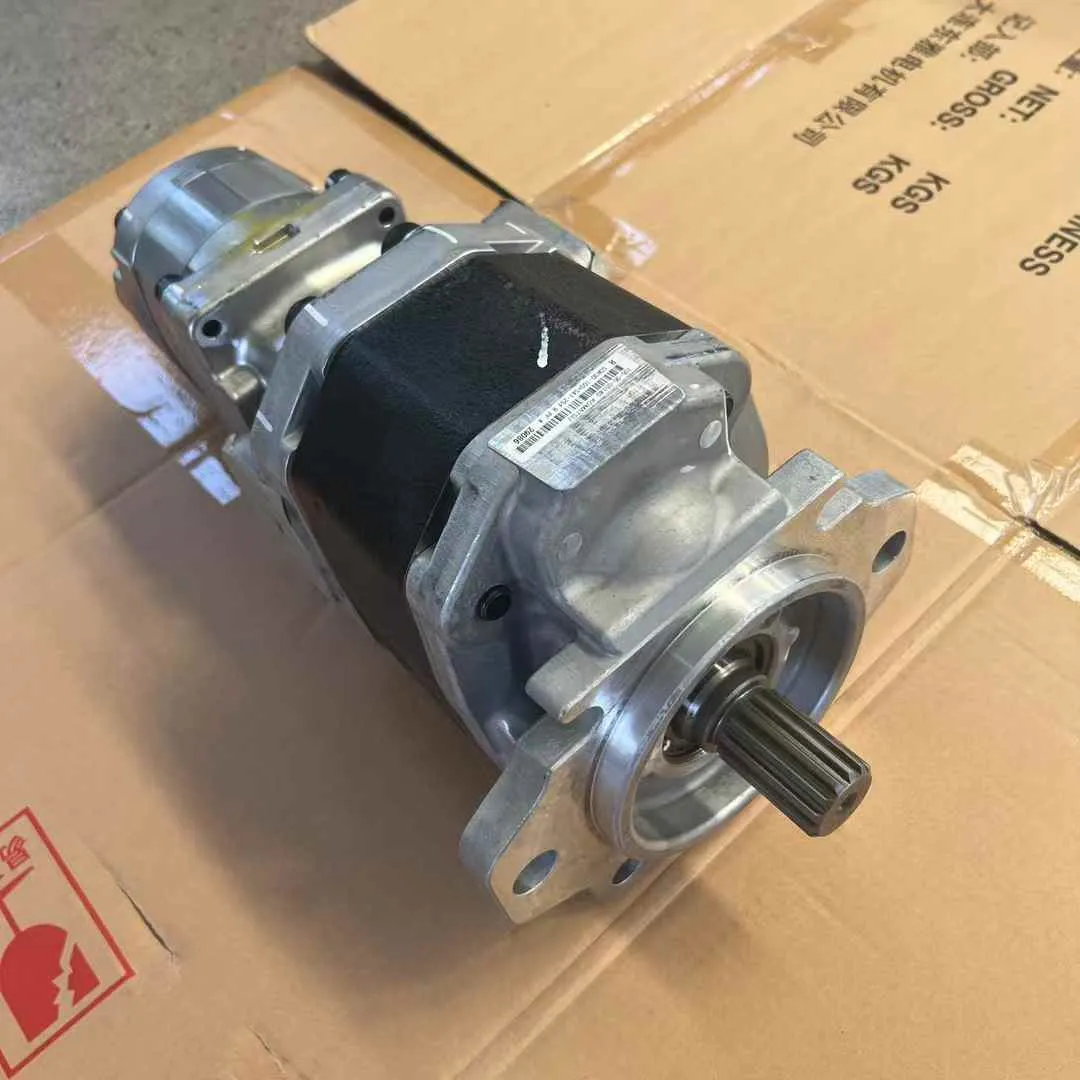 705-95-05140 HydraulicPump
 -
 23C02-15720komatsu parts
 -
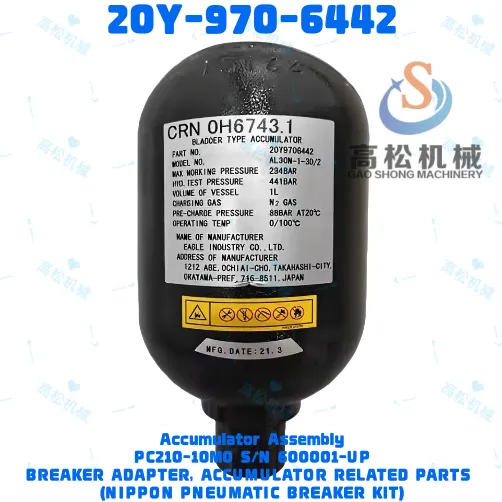 20Y-970-6442 Accumulator Assembly PC210-10M0 BREAKER ADAPTER, ACCUMULATOR RELATED PARTS (NIPPON PNEUMATIC BREAKER KIT) PC500LC-10M0 PC500LC-10R
 -
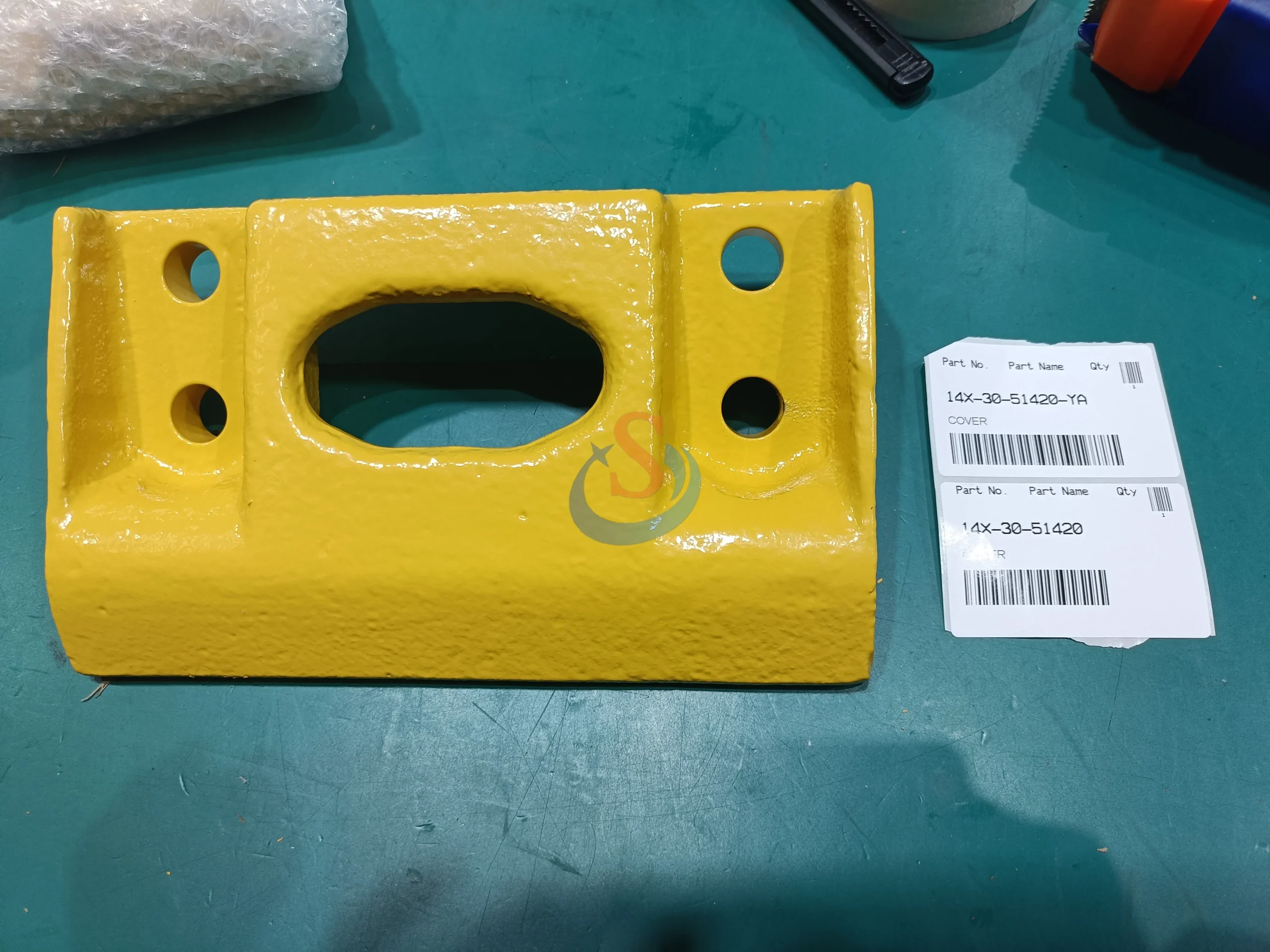 14X-30-51420,Cover,D65PX,D65WX,D65EX
 -
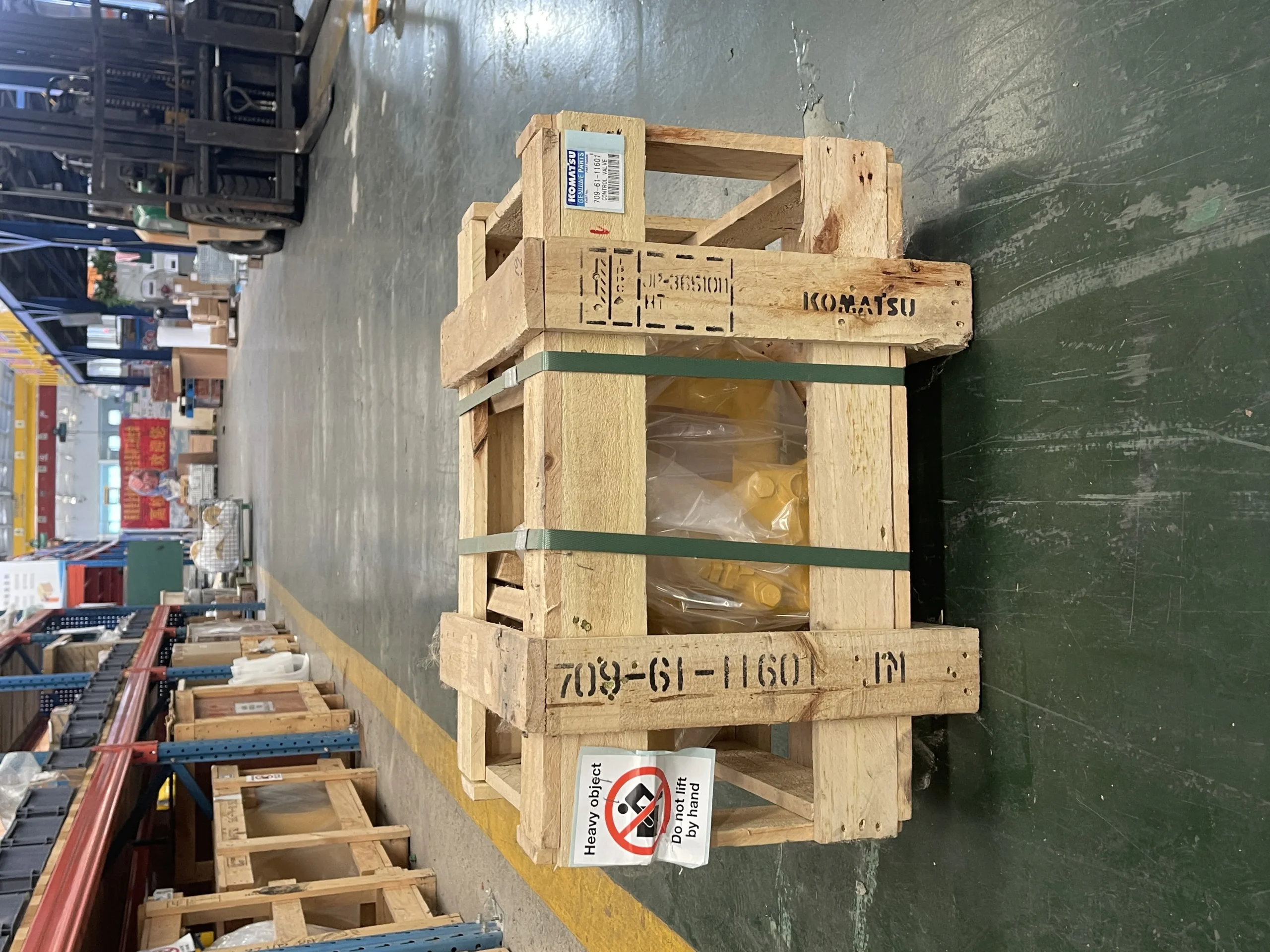 709-61-11601 Valve Assembly for Komatsu D375A-5