
- Chinese
- French
- German
- Portuguese
- Spanish
- Russian
- Japanese
- Korean
- Arabic
- Irish
- Greek
- Turkish
- Italian
- Danish
- Romanian
- Indonesian
- Czech
- Afrikaans
- Swedish
- Polish
- Basque
- Catalan
- Esperanto
- Hindi
- Lao
- Albanian
- Amharic
- Armenian
- Azerbaijani
- Belarusian
- Bengali
- Bosnian
- Bulgarian
- Cebuano
- Chichewa
- Corsican
- Croatian
- Dutch
- Estonian
- Filipino
- Finnish
- Frisian
- Galician
- Georgian
- Gujarati
- Haitian
- Hausa
- Hawaiian
- Hebrew
- Hmong
- Hungarian
- Icelandic
- Igbo
- Javanese
- Kannada
- Kazakh
- Khmer
- Kurdish
- Kyrgyz
- Latin
- Latvian
- Lithuanian
- Luxembou..
- Macedonian
- Malagasy
- Malay
- Malayalam
- Maltese
- Maori
- Marathi
- Mongolian
- Burmese
- Nepali
- Norwegian
- Pashto
- Persian
- Punjabi
- Serbian
- Sesotho
- Sinhala
- Slovak
- Slovenian
- Somali
- Samoan
- Scots Gaelic
- Shona
- Sindhi
- Sundanese
- Swahili
- Tajik
- Tamil
- Telugu
- Thai
- Ukrainian
- Urdu
- Uzbek
- Vietnamese
- Welsh
- Xhosa
- Yiddish
- Yoruba
- Zulu
- Kinyarwanda
- Tatar
- Oriya
- Turkmen
- Uyghur






Komatsu brake disc
When you hear 'Komatsu brake disc', most guys immediately think of the OEM part number, maybe the machine model, and that's about it. The assumption is it's just a chunk of cast iron or steel, a commodity. That's where the first mistake happens. Having sourced and tested these for years, I can tell you the variance between a disc that just fits and one that actually performs—and lasts—under real site conditions is massive. It's not just about dimensions; it's about the metallurgy, the heat dissipation design, and crucially, the supply chain behind it. A lot of so-called 'genuine' channels in certain markets are murky at best, leading to premature wear, vibration, and costly downtime. That's where the real conversation should start.
The OEM Spec Illusion and On-Ground Reality
Komatsu's engineering specs are a baseline, a theoretical ideal. The problem is, machines don't work in a lab. I've seen discs that met every OEM dimensional check fail within months on a 930E haul truck operating in a high-altitude, dusty copper mine. The issue? The thermal cycling was more aggressive than the standard grade material could handle. It wasn't a 'bad' part; it was just the wrong specification for that specific duty cycle. This is where the pure parts-number mindset falls apart. You need to understand the application's brutality.
We learned this the hard way early on. Supplied a batch of front discs for a fleet of PC360 excavators in a demolition yard. The parts were technically correct, sourced from a Komatsu-affiliated network. But the constant, high-frequency braking from precise positioning work, combined with abrasive concrete dust, caused rapid, uneven wear. The discs scored badly, but the pads wore out even faster. The failure wasn't catastrophic, but it was expensive in lost productivity and secondary parts. The lesson? The environment eats the spec sheet.
That's a key reason outfits like Jining Gaosong Construction Machinery Co., Ltd. have a role. Being an OEM product supplier within the Komatsu system gives them access to the core engineering and material specs. But their practical experience as a third-party sales company, which they mention on their site https://www.takematsumachinery.com, means they've likely seen these failures in the field. They're not just moving boxes; they're positioned to understand the mismatch between catalog parts and real-world punishment, helping to solve those parts supply challenges they note.
Metallurgy Isn't Just a Fancy Word
Let's get specific. A high-quality Komatsu brake disc isn't just iron. It's often a high-carbon grey iron or a specialized alloyed cast iron. The graphite flake structure, the pearlite content, the chilling process during casting—these dictate its thermal conductivity, wear resistance, and its ability to resist thermal cracking (heat checking). A cheaper disc might use a lower-grade iron with higher phosphorous content. It'll machine nicely and look fine, but under load, it'll develop hard spots, leading to judder and noisy operation.
I recall a contractor who bought OEM-equivalent discs for his D155 dozers from a local vendor. The price was 40% lower. They installed fine. But after about 300 hours of push-loading, the operators started complaining about a pulsation in the brake pedal during high-load reverses. Inspection showed severe, spider-web-like heat checks radiating from the center. The discs hadn't worn thin, but they were structurally compromised. The replacement cost doubled when you factored in the labor and downtime. The false economy was obvious.
This is the nuance. A supplier embedded in the system, like Gaosong, knows which foundries produce to which standard. They might not control the pour, but they can trace it. For a fleet manager in a region with supply issues, that traceability and technical awareness is more valuable than a cheap price list. It prevents the fit-but-fail scenario.
The Installation & Bed-In Ritual
Here's another practical hole in the process: installation. Even a perfect disc can be ruined in an afternoon. The cleaning procedure is critical. Any oil, grease, or even fingerprints from handling can create a transfer layer on the disc surface during the first few heat cycles, leading to permanent brake judder. I've witnessed mechanics wipe down a disc with a shop rag that had hydraulic fluid on it. The result was a low-frequency vibration that required a full teardown to fix.
The bed-in procedure is often ignored in the manual or done wrong. It's not about slamming the brakes. It's a series of moderate, decelerating stops to gradually transfer a uniform layer of pad material onto the disc. This creates the optimal working friction surface. We once had a customer complain of poor initial braking performance on a newly rebuilt axle. Turns out, the operator had just gone straight back to full-tilt loading. The discs developed hot spots immediately. We had to pull them, re-machine the surface, and start over with a strict bed-in protocol.
This is the kind of granular, hands-on detail that separates a parts seller from a solutions provider. When a company's brief is to solve parts supply challenges, it implies a deeper engagement than just logistics. It suggests they might actually provide the ancillary support info—the installation cautions, the bed-in specs—that turns a part into a working component.
When Genuine Gets Complicated
The term genuine Komatsu parts is a minefield in certain countries. Parallel imports, diverted shipments, and outright counterfeits flood markets where official distribution is weak or expensive. I've seen packaging so convincing it would fool most warehouse managers. But the parts inside? The casting flashes were rough, the balance marks were painted on haphazardly, and the material sounded wrong when tapped—a dull thud versus a sharper ring.
This chaos creates an opportunity for a legitimate intermediary. A company operating as a third-party sales company within the Komatsu ecosystem, which is essentially what Jining Gaosong describes itself as, can cut through that noise. They can leverage their OEM supplier status to access authentic parts pipelines and then distribute them into challenging markets. Their value isn't just in having the part; it's in providing the assurance of provenance. For a critical wear-and-safety item like a brake disc, that assurance is everything. It prevents catastrophic failure.
Think about it from a mine manager's perspective in a remote location. A failed, counterfeit brake disc on a haul truck isn't an inconvenience; it's a potential disaster. Having a reliable, technically-competent supply channel that understands both the Komatsu system and the local market's pitfalls is a strategic asset. It's about risk mitigation.
The Long View: Total Cost, Not Unit Price
So, where does this leave us on Komatsu brake discs? You have to stop buying them as a line item and start thinking of them as a system component with a total lifecycle cost. The cheapest disc increases pad wear, risks damage to the hydraulic actuation system from constant pulsation, and guarantees more frequent downtime for changes. The math is never in its favor on a high-utilization machine.
The goal is to match the disc's capability to the machine's mission. Sometimes, the standard OEM part is perfect. Sometimes, you might even need an upgraded aftermarket solution for extreme applications. The key is having a supplier who can have that conversation, who understands the engineering enough to advise, not just take an order. That's the hallmark of a professional in this space.
It circles back to the core issue of reliable supply and technical integrity. In fragmented markets, a partner that combines OEM sourcing with practical distribution, like the model hinted at by Jining Gaosong Construction Machinery, addresses the two biggest pain points: getting the right part, and getting a part that's right. For something as deceptively simple as a brake disc, that combination is what keeps equipment—and projects—moving.
Related Products
Related Products

Best Selling Products
Best Selling Products-
 Excavator Gear Pump 705-95-05140 Stainless Steel Vertical…
 -
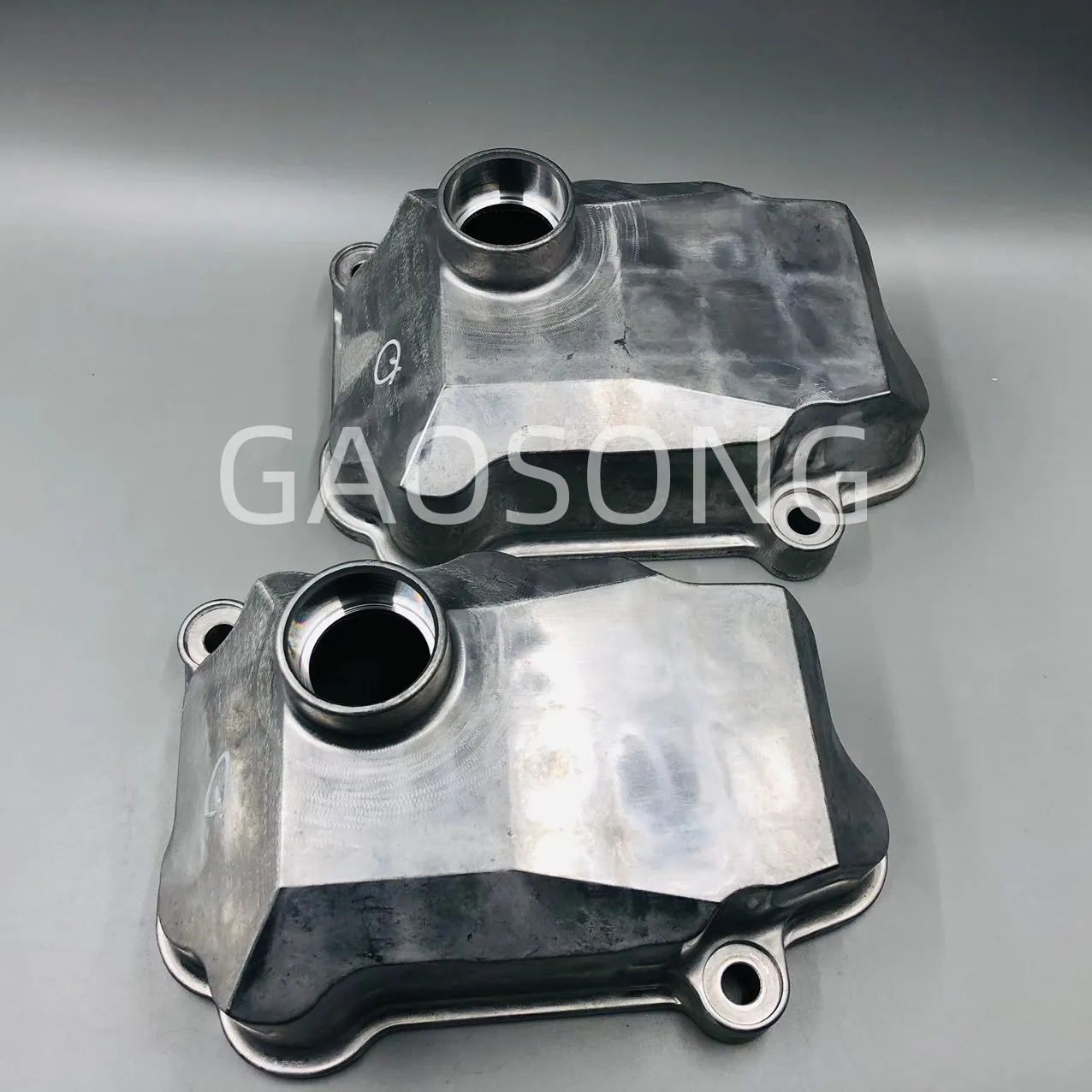 6251-11-8150 COVER, ROCKER ARM HOUSING-Komatsu Original Factory
 -
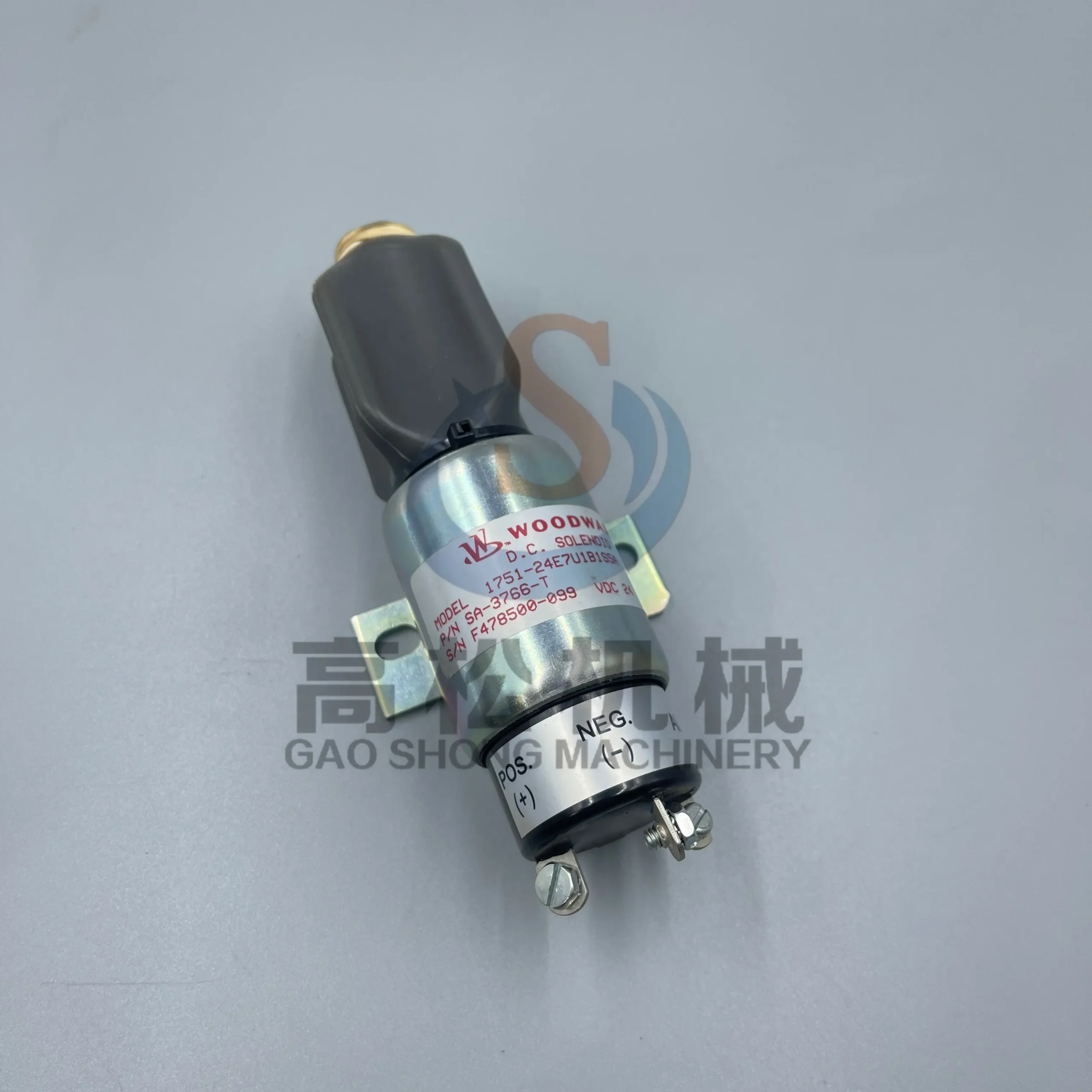 Stop Solenoid 600-815-7550
 -
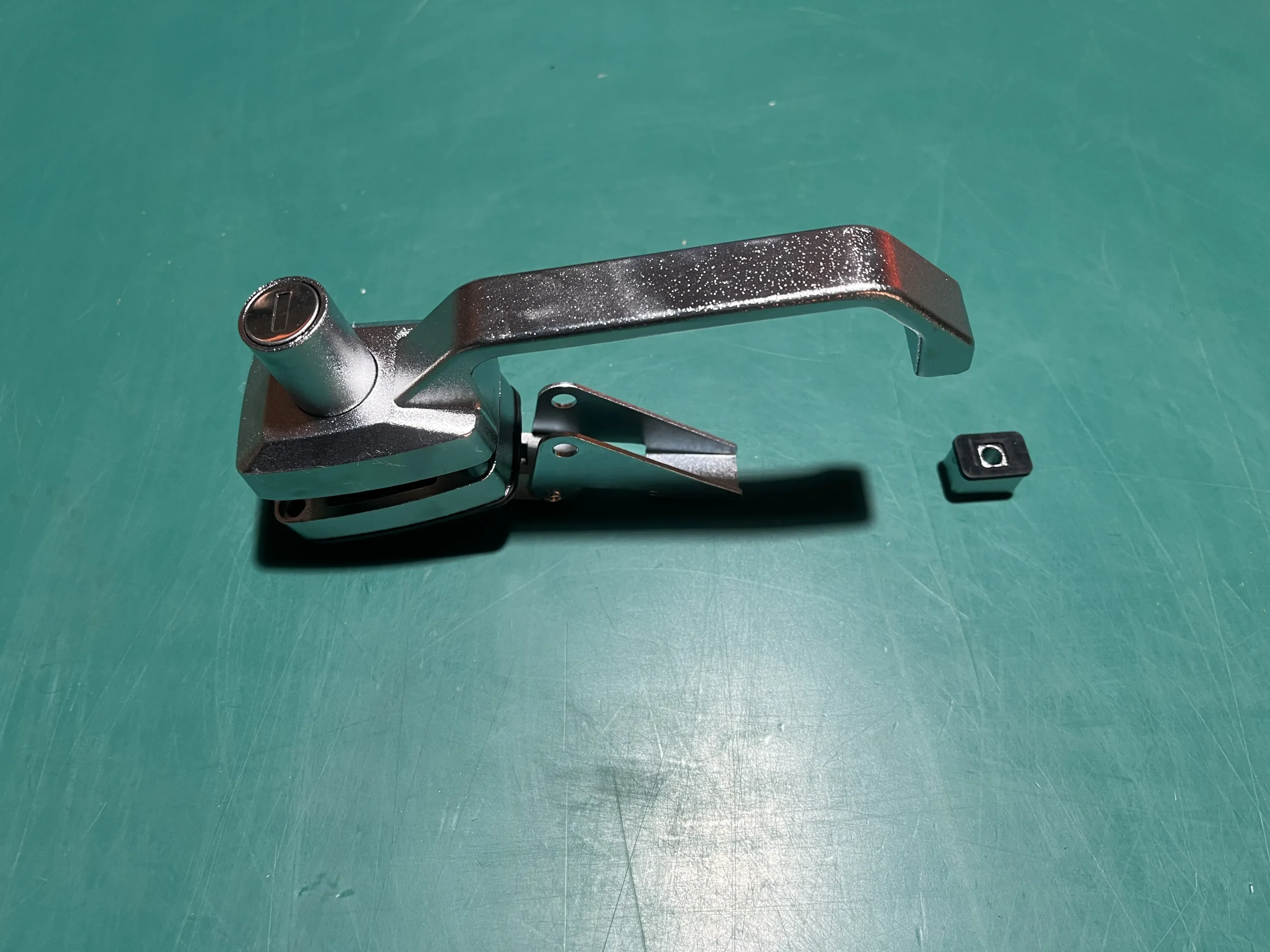 Komatsu Locks 198-Z11-3710 for Bulldozer D65EX-12
 -
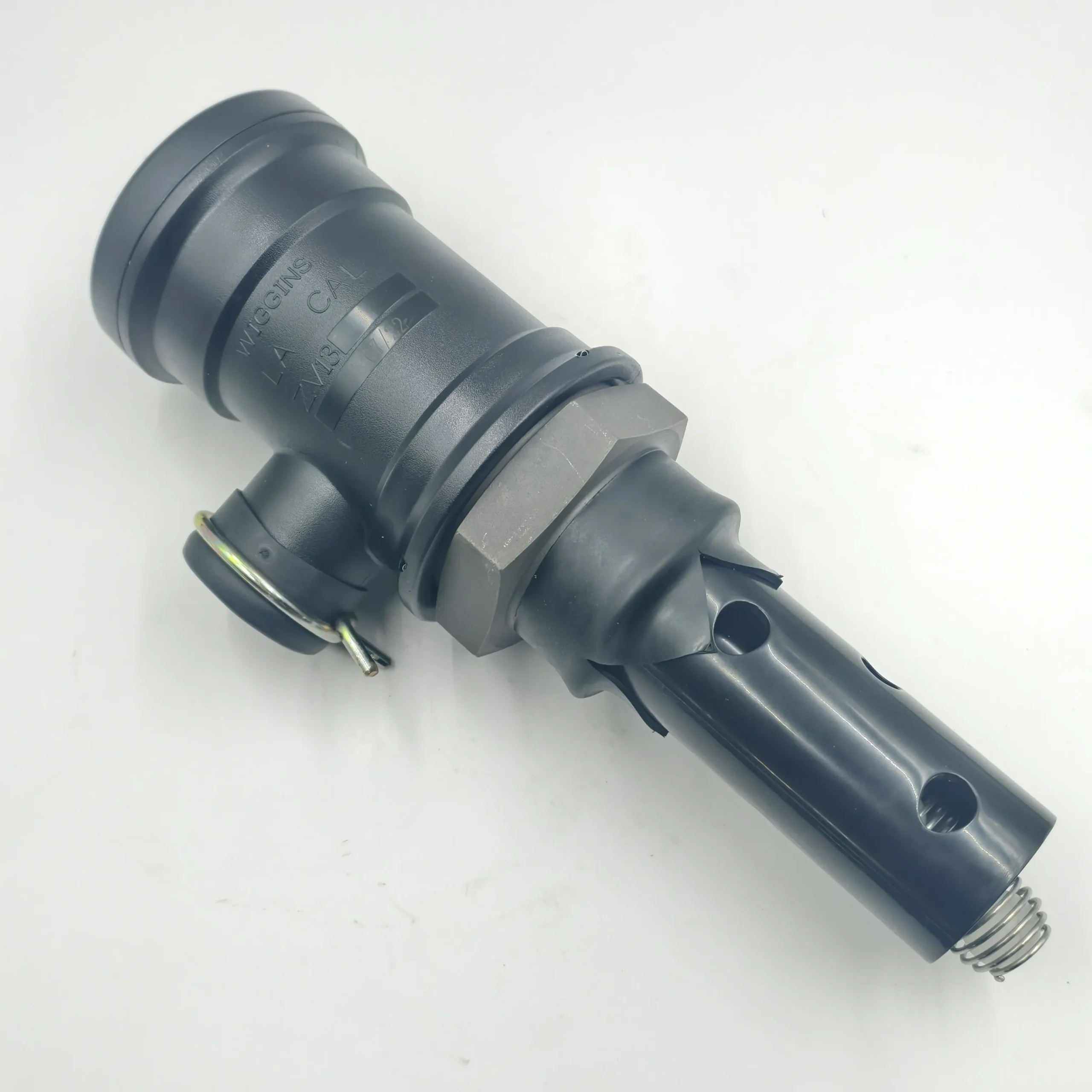 Vent 21T-04-31130
 -
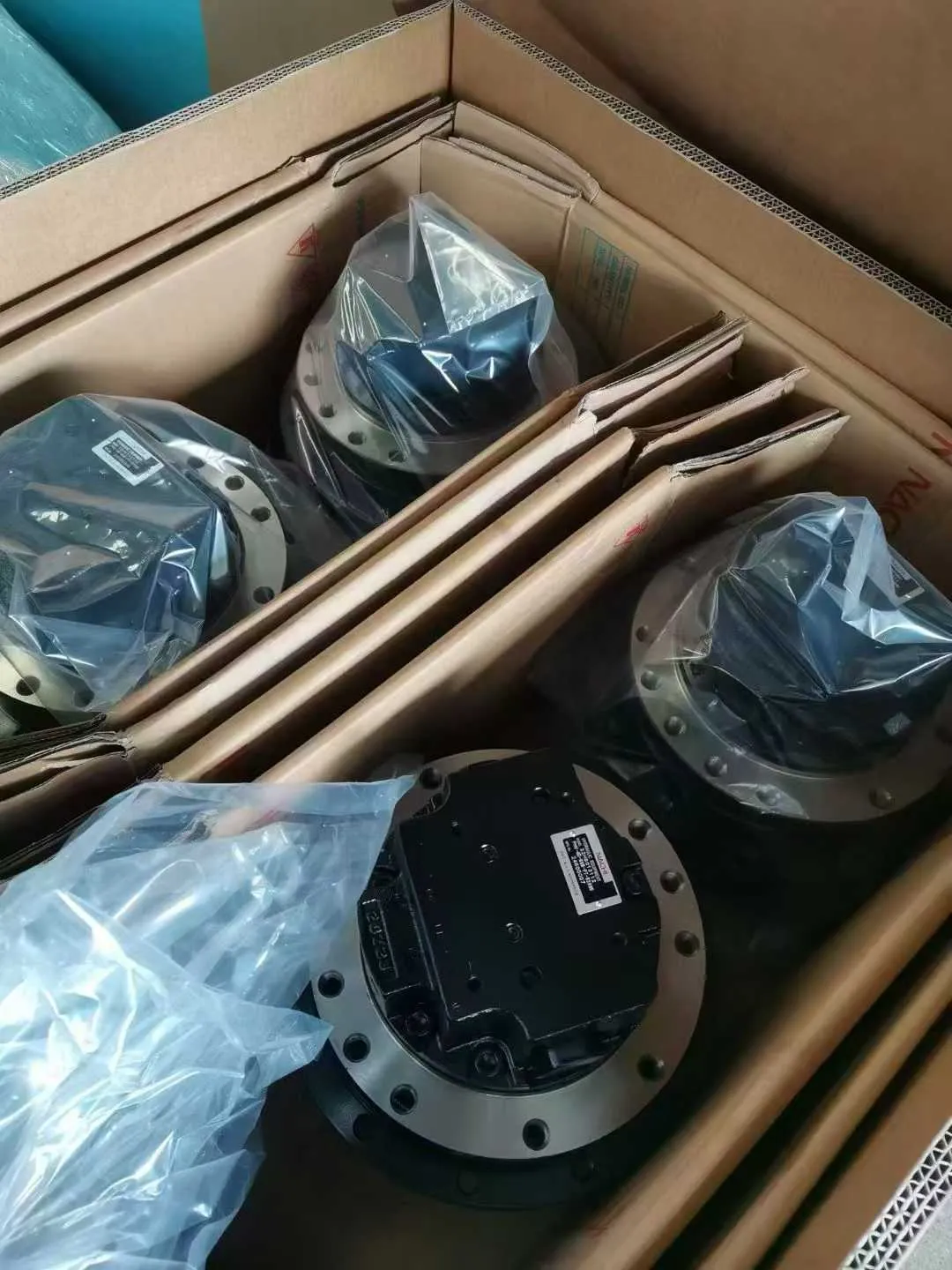 PC57-7 traveling motor assembly 22H-60-13112 in stock for sale #komatsu #komatsuparts #komatsuexcavator #pc57-7 #22H6013112
 -
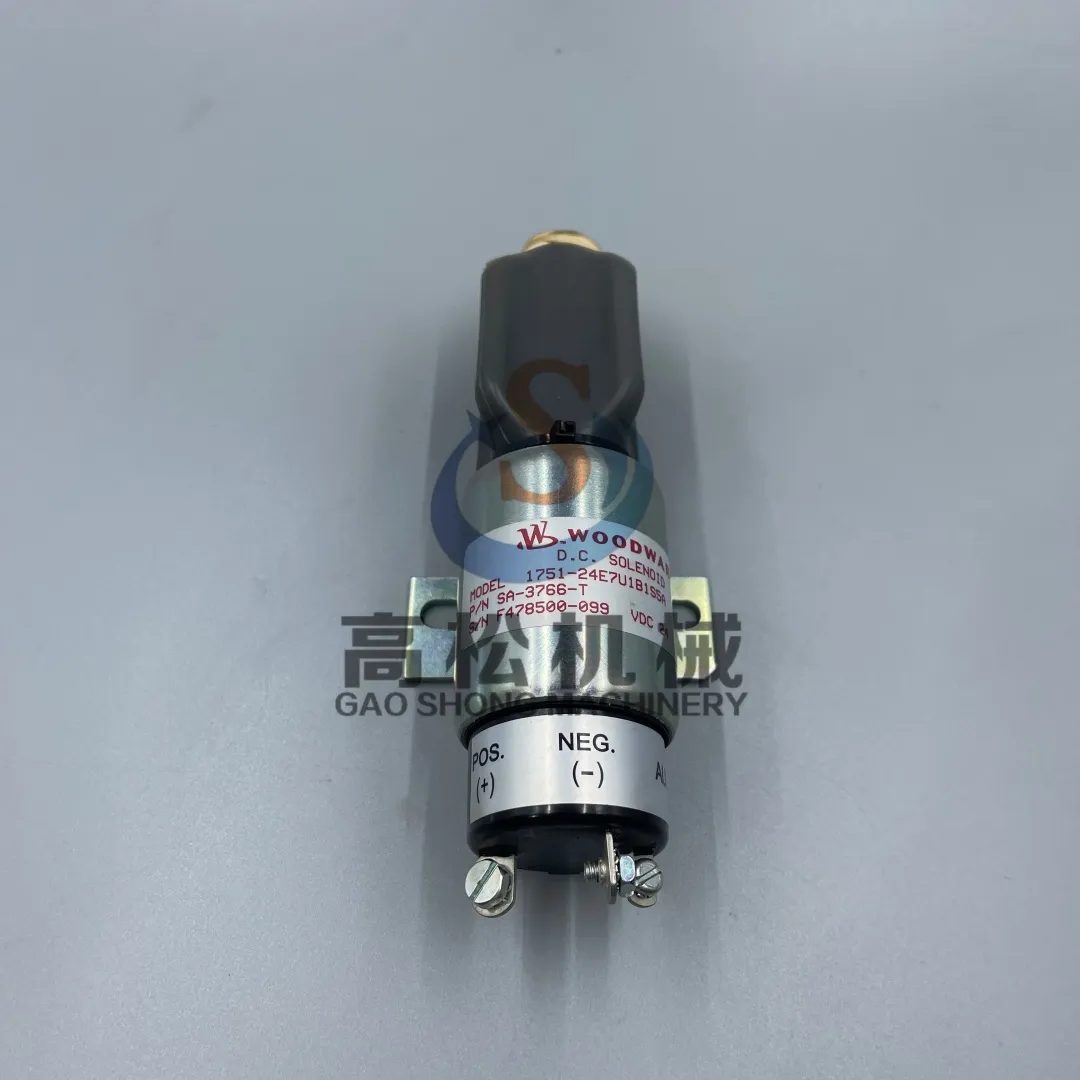 600-815-7550 Fuel Stop Solenoid Valve For Komatsu PC75UU-3 PC200LC-6 PC228UU-1
 -
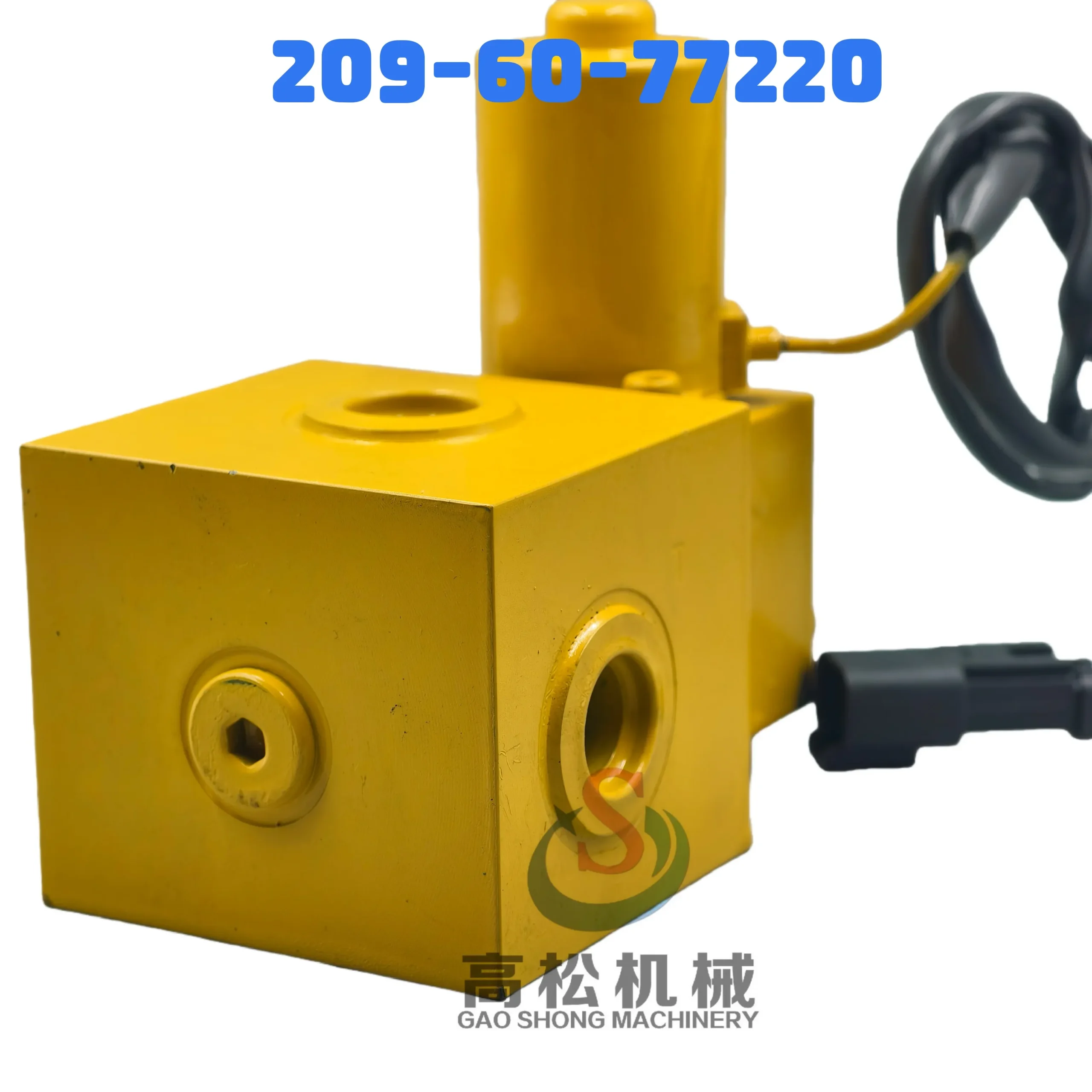 Valve 209-60-77220 for Komatsu
 -
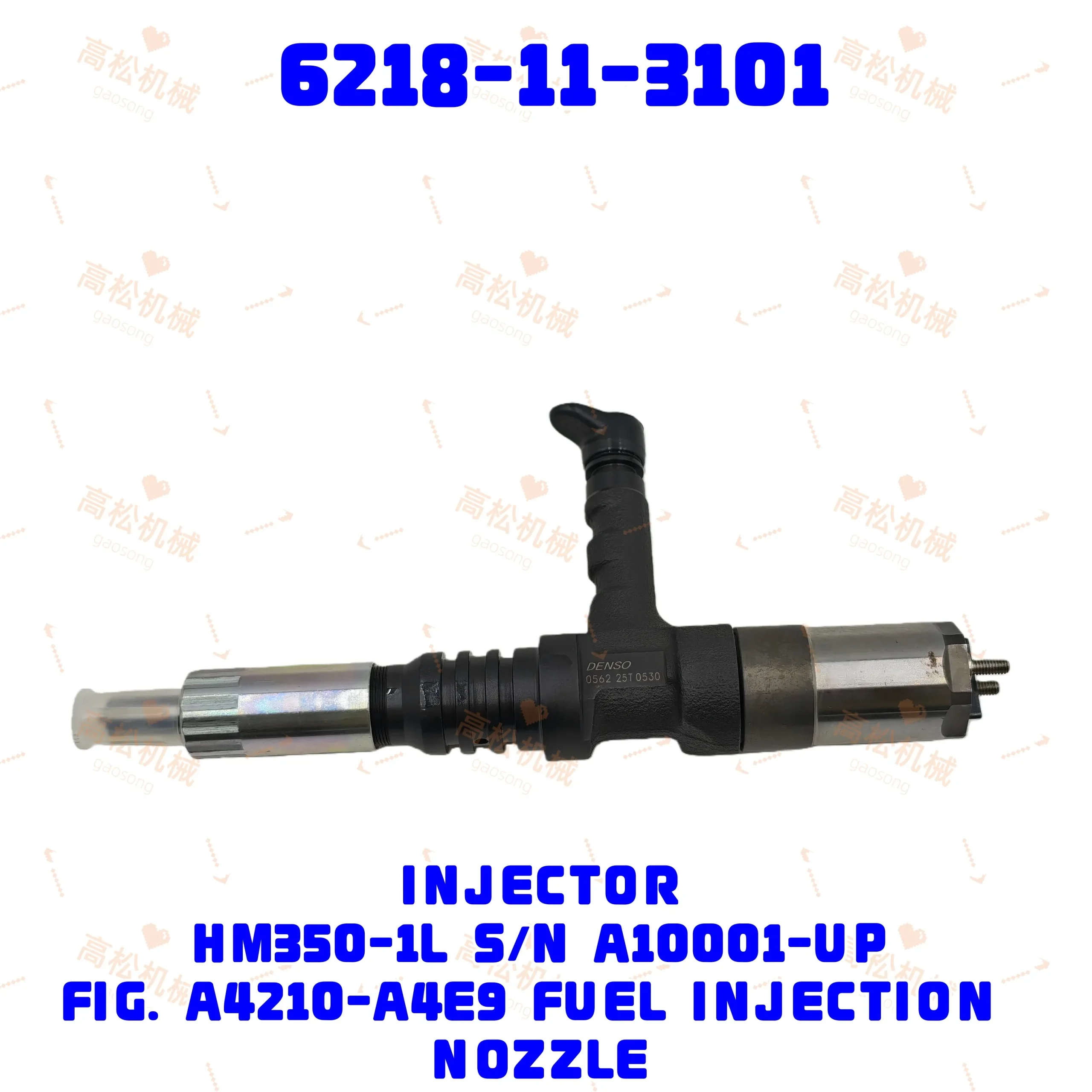 komatsu-part-6218-11-3101 6127-11-3104 6734-11-3110 6732-11-3300 6738-11-3090 6209-11-3100 6743-11-3320 6215-11-3620 6211-12-3520 6211-12-3500 INJECTOR ASS’Y SA6D140E-3J-7 SA6D140E-3CM-7 SA6D140E-3H-7 SA6D140E-3G-7 HM350-1L FUEL INJECTOR FUEL INJECTOR
 -
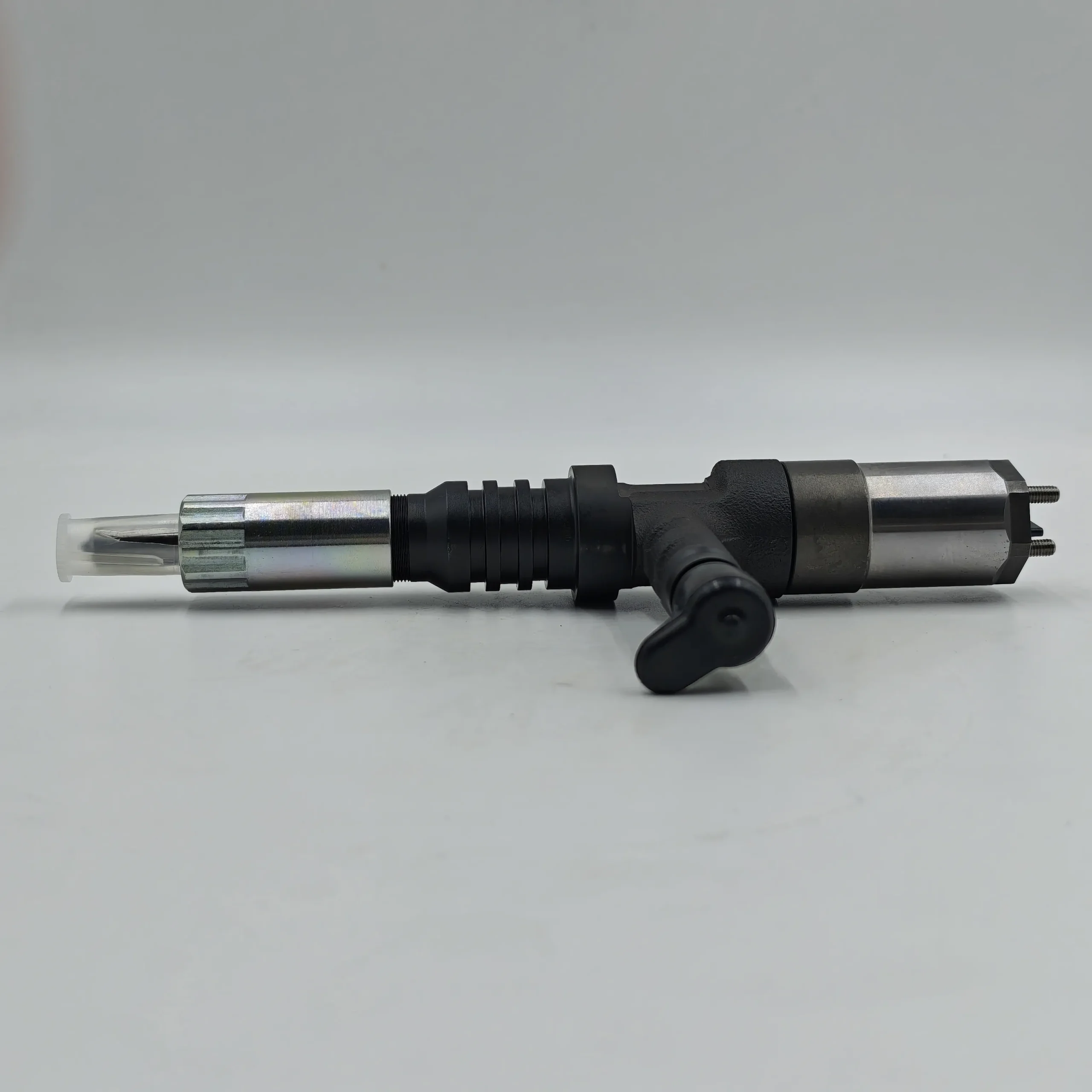 095000-0560 095000-0562 6218-11-3100 6218-11-3101 Diesel Fuel Injector 6PCS for Komatsu SA6D140E-3 Engine PC600-6 PC600-8 PC450-8 WA500-3 WA500-6 D275-A D155-AX5 HM350-1 DCA-400SSK2
 -
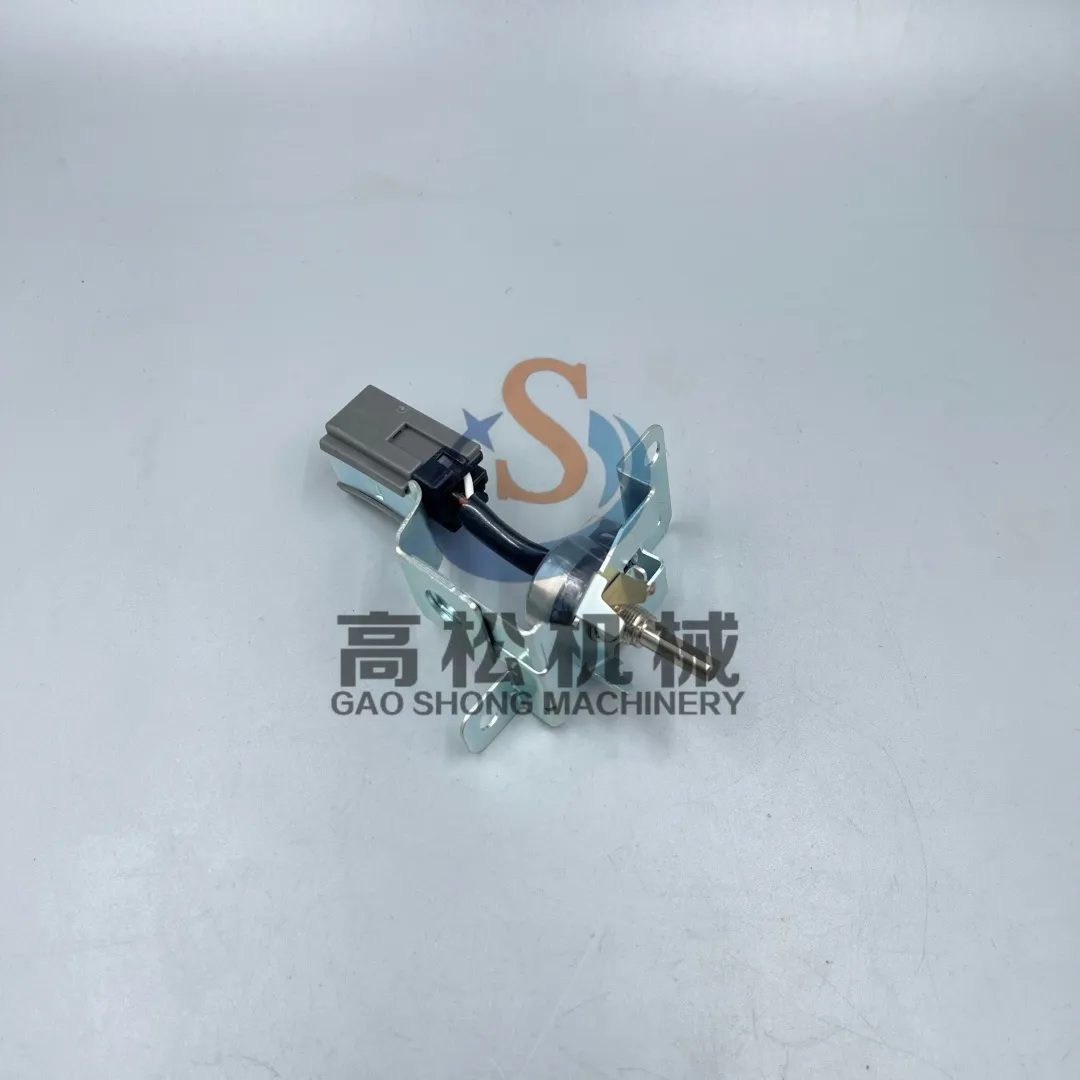 22U-06-22420 Komatsu Potentiometer Assembly
 -
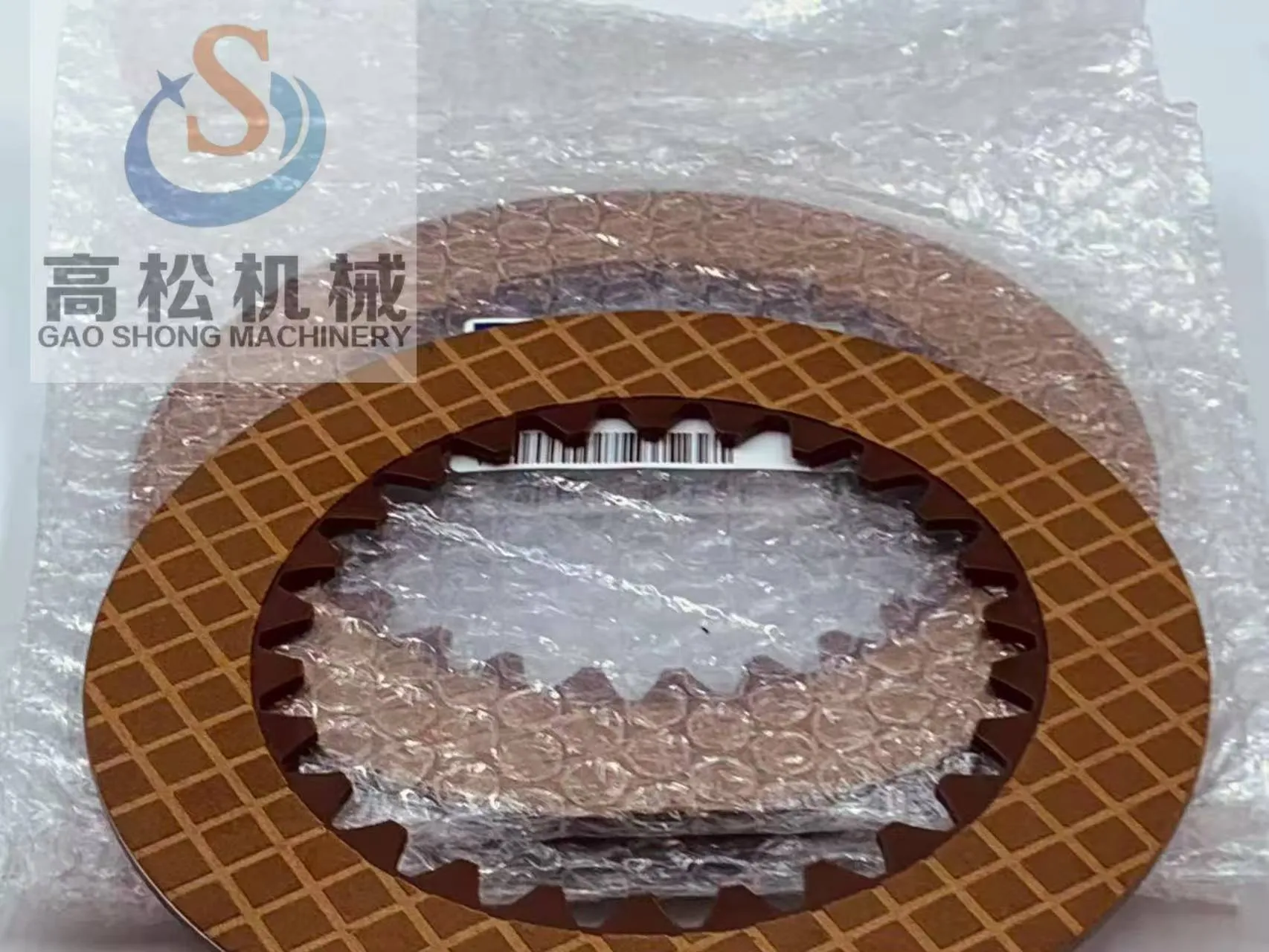 14-07-40010 714-07-48540 421-62-45450 spare parts for front loader wa470-6 hydraulic transformer and coupling transmission 714-07-49731