
- Chinese
- French
- German
- Portuguese
- Spanish
- Russian
- Japanese
- Korean
- Arabic
- Irish
- Greek
- Turkish
- Italian
- Danish
- Romanian
- Indonesian
- Czech
- Afrikaans
- Swedish
- Polish
- Basque
- Catalan
- Esperanto
- Hindi
- Lao
- Albanian
- Amharic
- Armenian
- Azerbaijani
- Belarusian
- Bengali
- Bosnian
- Bulgarian
- Cebuano
- Chichewa
- Corsican
- Croatian
- Dutch
- Estonian
- Filipino
- Finnish
- Frisian
- Galician
- Georgian
- Gujarati
- Haitian
- Hausa
- Hawaiian
- Hebrew
- Hmong
- Hungarian
- Icelandic
- Igbo
- Javanese
- Kannada
- Kazakh
- Khmer
- Kurdish
- Kyrgyz
- Latin
- Latvian
- Lithuanian
- Luxembou..
- Macedonian
- Malagasy
- Malay
- Malayalam
- Maltese
- Maori
- Marathi
- Mongolian
- Burmese
- Nepali
- Norwegian
- Pashto
- Persian
- Punjabi
- Serbian
- Sesotho
- Sinhala
- Slovak
- Slovenian
- Somali
- Samoan
- Scots Gaelic
- Shona
- Sindhi
- Sundanese
- Swahili
- Tajik
- Tamil
- Telugu
- Thai
- Ukrainian
- Urdu
- Uzbek
- Vietnamese
- Welsh
- Xhosa
- Yiddish
- Yoruba
- Zulu
- Kinyarwanda
- Tatar
- Oriya
- Turkmen
- Uyghur





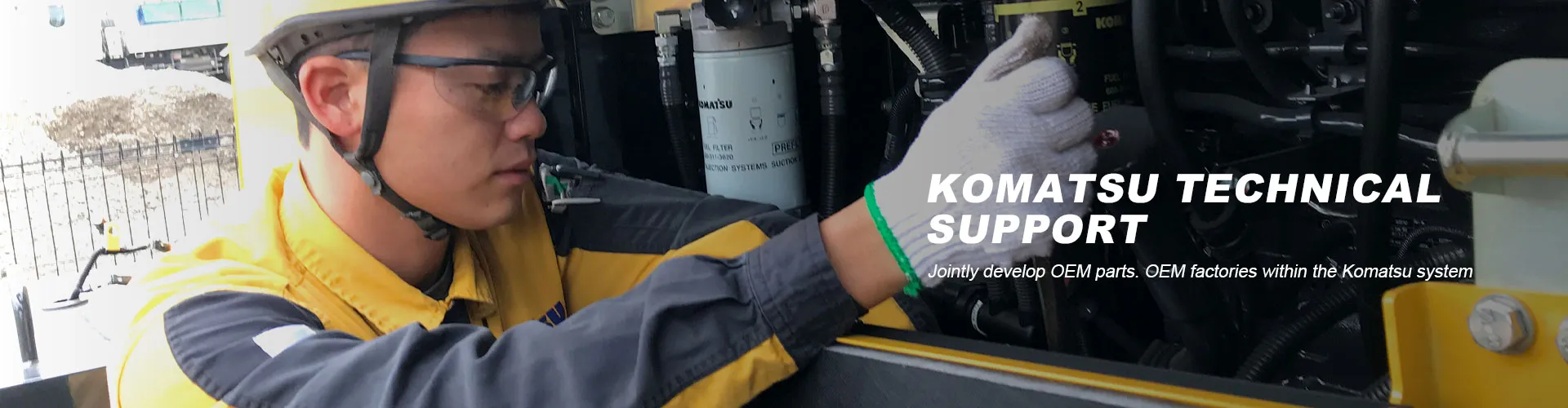
Komatsu boom
When people in the industry talk about the 'Komatsu boom', most immediately think of surging sales figures or market share graphs. That's the surface. The real story, the one that matters on the ground, is about a systemic shift in how equipment availability, parts logistics, and even machine identity are managed globally. It's less about a simple sales spike and more about the complex ecosystem that had to evolve—or be created—to support it. A lot of outsiders miss that nuance, focusing on the headline numbers while the real mechanics happen in the parts warehouses and dealer backchannels.
The Anatomy of a Boom: Supply Chains and Shadow Systems
The term 'boom' implies something explosive and temporary. But with Komatsu, especially for older models still forming the backbone of fleets in developing regions, the boom was sustained by a persistent gap. Official channels, for various geopolitical or logistical reasons, couldn't always reach every corner where a Komatsu excavator was digging. That's where the parallel ecosystem flourished. Companies positioned within the Komatsu orbit but operating with the flexibility of third-party suppliers became critical. They weren't just selling parts; they were solving a chronic availability problem.
I remember a specific case around the PC200-6 and PC300-6 models—legends in their own right. Getting a genuine swing bearing or a final drive motor through standard channels to certain parts of Southeast Asia could mean months of downtime. The official Komatsu boom in new machine sales in one region often exacerbated the parts drought for these legacy workhorses elsewhere. The real 'boom' activity was in mapping which unofficial suppliers had stock that matched OEM specs, or who could reverse-engineer a critical component without compromising the machine's integrity. It was a constant evaluation: Is this part good enough to keep the asset running, or are we risking a catastrophic failure?
This is where entities like Jining Gaosong Construction Machinery Co., Ltd. carve out their role. Describing themselves as an OEM product supplier within the Komatsu system and a third-party sales company, that dual identity is key. It means they navigate the formal supply chain but are also empowered to operate outside it to solve parts supply challenges in certain countries, as their site states. This isn't a gray market operation; it's a necessary lubrication for the global machinery market. Their existence is a direct symptom and solution of the broader Komatsu boom dynamics.
On-the-Ground Realities: When Genuine Isn't an Option
You learn quickly that purism doesn't pay the bills when a machine is down. The theoretical debate about 100% genuine parts falls apart when the client's project has liquidated damages attached to every day of delay. The practical judgment call becomes: what is the functional equivalent? Suppliers that understand the Komatsu engineering ethos, perhaps through their OEM affiliation, and can apply that to aftermarket or compatible part production are worth their weight in gold.
We tried, early on, to stick exclusively to fully certified channels. It was the right thing to do. And we failed projects because of it. The lead time killed us. The shift was towards technical validation—not just paperwork validation. Does this pump meet the pressure and flow specs? Is this metallurgy report credible? This operational mindset is what separates the paper-pushers from the problem-solvers in this industry. The Komatsu boom wasn't just fed by new machines rolling off ships; it was sustained by these intricate, trust-based networks that kept existing machines alive.
I'd often cross-reference the parts numbers and technical drawings from a supplier's site, like the one from Jining Gaosong, with service manuals. The value isn't in them claiming to be official, but in them having the correct schematic for a Komatsu D61EXi blade cylinder or the right seal kit for a vintage WA500 loader. That specificity signals real operational knowledge. It shows they're in the weeds, not just slapping a Komatsu label on a generic component.
The Blurred Line: OEM, Third-Party, and Machine Identity
This gets into philosophic territory for mechanics. If a Komatsu excavator has its entire undercarriage replaced with high-spec, non-OEM but perfectly compatible track links, rollers, and sprockets made by a supplier deep within the Komatsu ecosystem, is it still a pure Komatsu? In the field, the question is irrelevant. What matters is uptime. The Komatsu boom effectively forced a redefinition of machine identity from a pedigree-based concept to a performance-based one.
The role of a third-party sales company embedded in the system is to manage this identity crisis. They provide a continuity of support that the primary network sometimes can't. They help preserve the core value of the Komatsu asset—its reliability and productivity—even when the path to maintaining that value diverges from the official manual. This isn't counter to the brand; it's arguably in its deepest service, protecting the brand's reputation for durability on the front lines where it matters most.
You see this in their offerings. It's not just about selling a alternator; it's about knowing which alternator fits the specific voltage regulator system on a Generation-3 Dash-8 truck. That level of detail doesn't come from a general parts catalog; it comes from hands-on experience and a deep, almost intimate, familiarity with the product lineage. That's the kind of detail you find when digging through the resources of a company that lives in this space.
Failures and Lessons: The Cost of Getting it Wrong
Not every adaptation works. I recall a batch of OEM-equivalent main hydraulic valves for a PC360-7. They looked perfect on paper, sourced from a seemingly reputable intermediary. But the tolerances on the spool were just a micron off, leading to a slow, insidious internal leakage that killed efficiency and generated excess heat. It took weeks to diagnose because the symptoms were subtle. The failure wasn't catastrophic, but it was expensive in lost fuel and productivity. The lesson was brutal: compatibility isn't just dimensional, it's hydraulic, it's about material wear properties, it's about system integration.
This experience made us radically more diligent. It moved our vetting process from do you have this part number? to can you walk me through your quality control on this specific casting process? It elevated the importance of suppliers who could have that conversation, who understood the engineering, not just the logistics. The sustainable part of the Komatsu boom is supported by those who pass this test.
It's why the model of a company that is both an OEM supplier and a third-party seller is so telling. It suggests they have to maintain quality standards that would satisfy the OEM framework, but apply that rigor to a broader, more challenging parts universe. Their survival depends on not making the kind of mistake I described. That alignment of interests is powerful.
Looking Beyond the Boom: The Lasting Infrastructure
The market will cool. Sales cycles will normalize. But what the Komatsu boom has permanently altered is the global support infrastructure. It has proven the necessity of a multi-layered, resilient parts and support network. The companies that emerged or evolved to fill these gaps, like specialized third-party sales entities operating with OEM-level knowledge, are now a permanent fixture. They've become the shock absorbers for the global equipment market.
The real legacy of this period won't be the sales charts from the late 2010s. It will be the established, technically proficient alternative supply channels that ensure a Komatsu machine bought today, anywhere in the world, has a credible path to being supported for its entire 20-year lifespan, regardless of political or supply chain disruptions. That's the true, enduring outcome of the boom.
When you look at a supplier's portal now, the useful ones aren't just listing parts. They're providing cross-references, application notes, and sometimes even technical bulletins. They're acting as de facto technical support. That level of service, which companies like Jining Gaosong implicitly offer by positioning themselves as problem-solvers, is the new baseline expectation. The boom created the demand, but the operational grit of these intermediaries is what fulfilled it and built something lasting.
Related Products
Related Products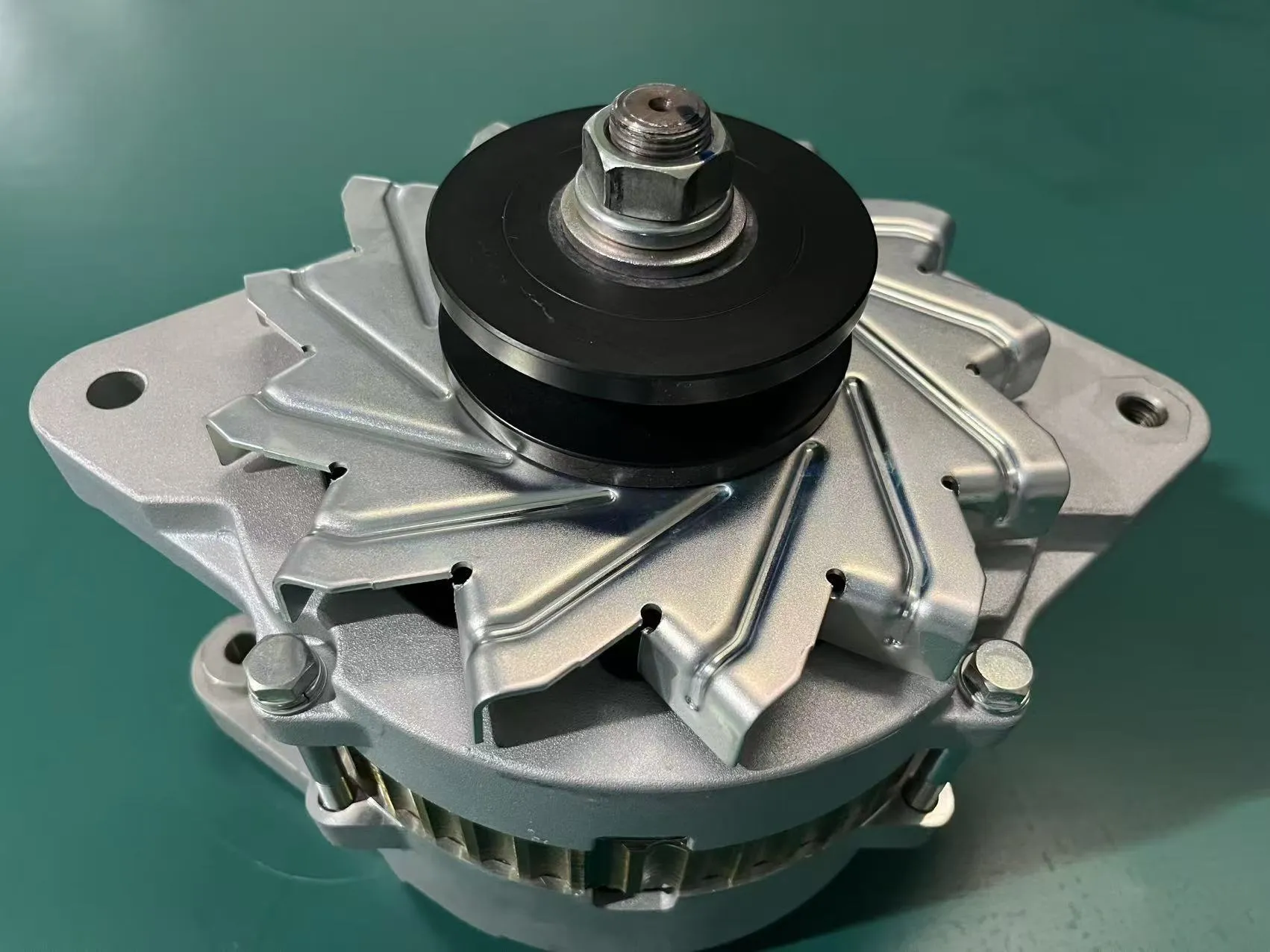
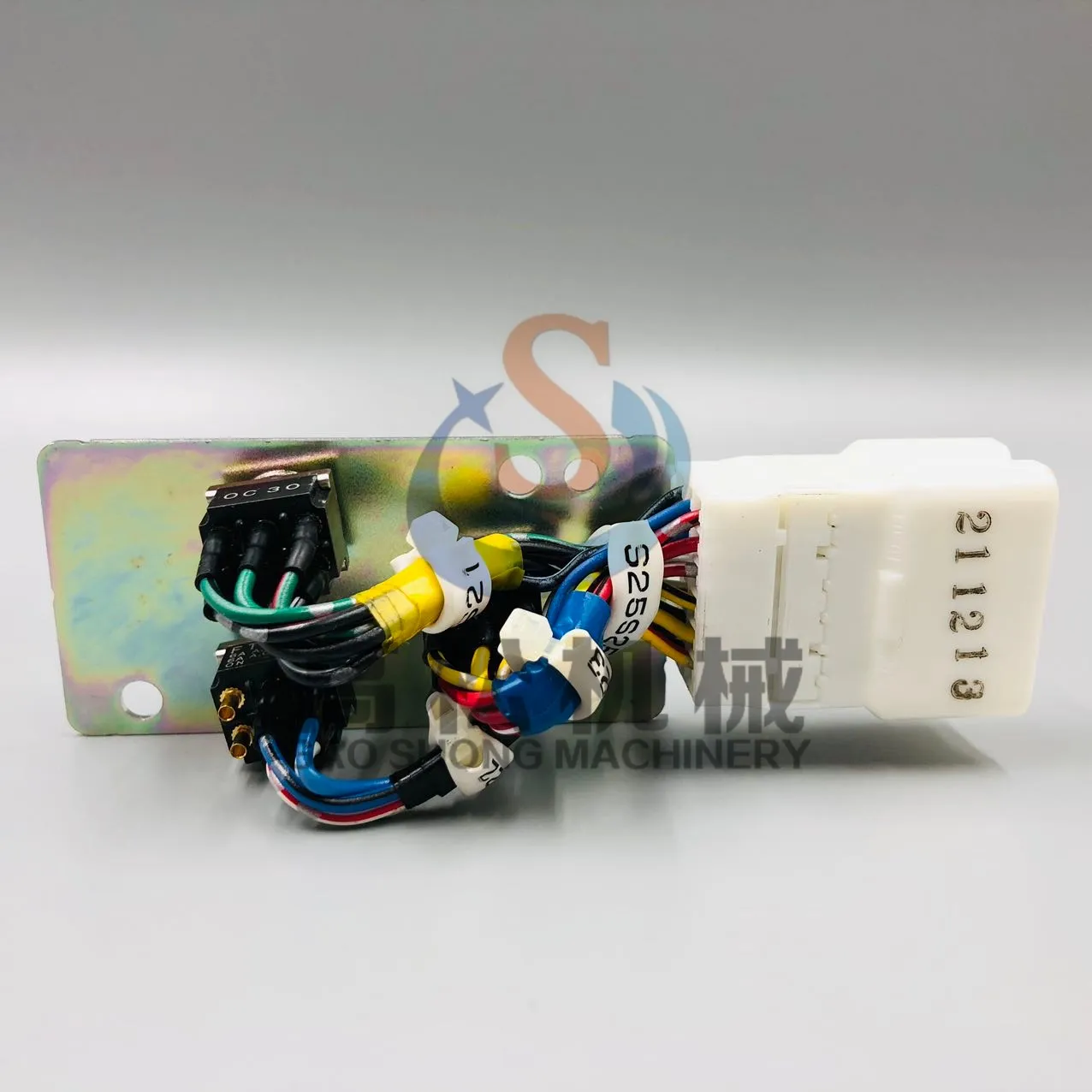
Best Selling Products
Best Selling Products-
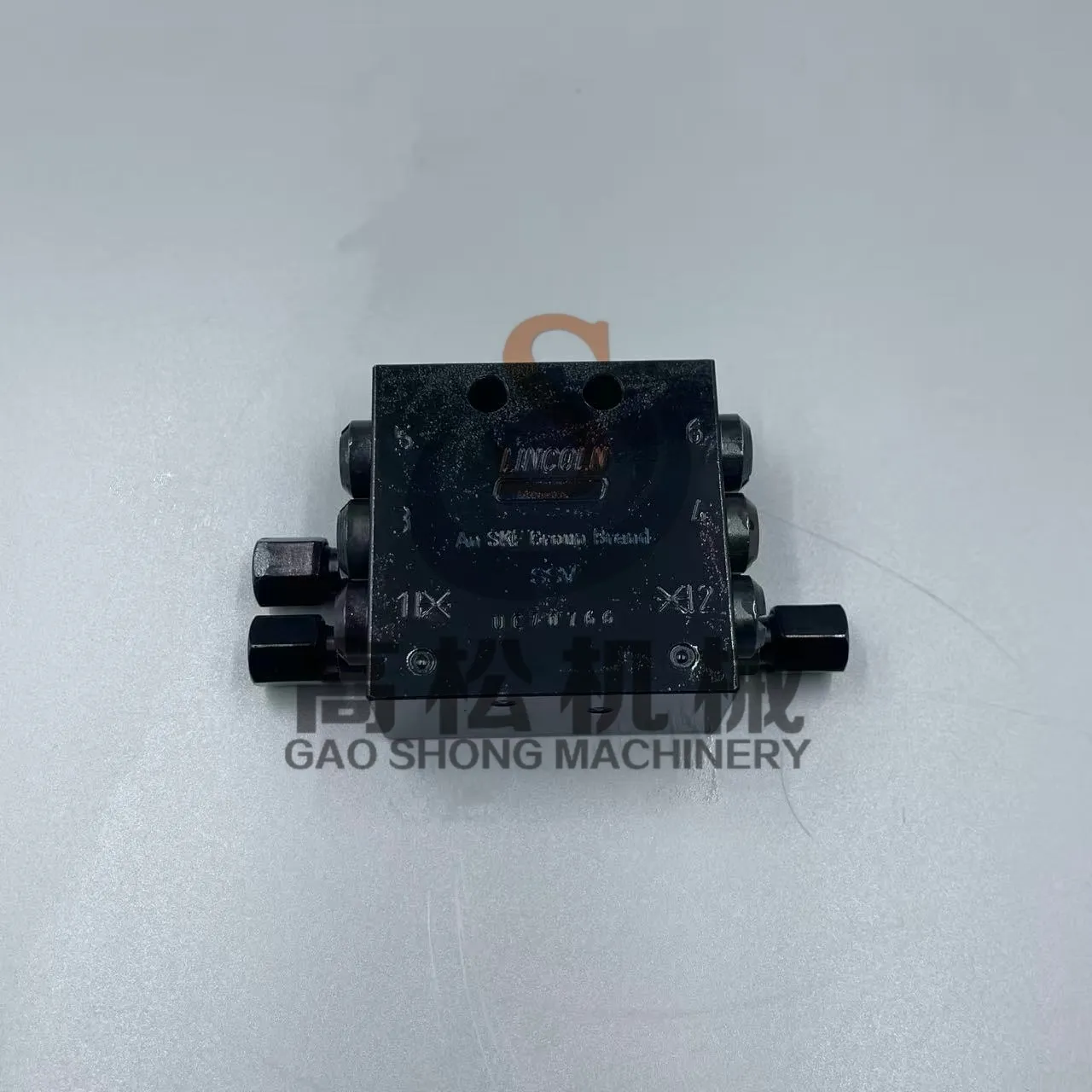 VALVE ASS’Y21T-68-67940
 -
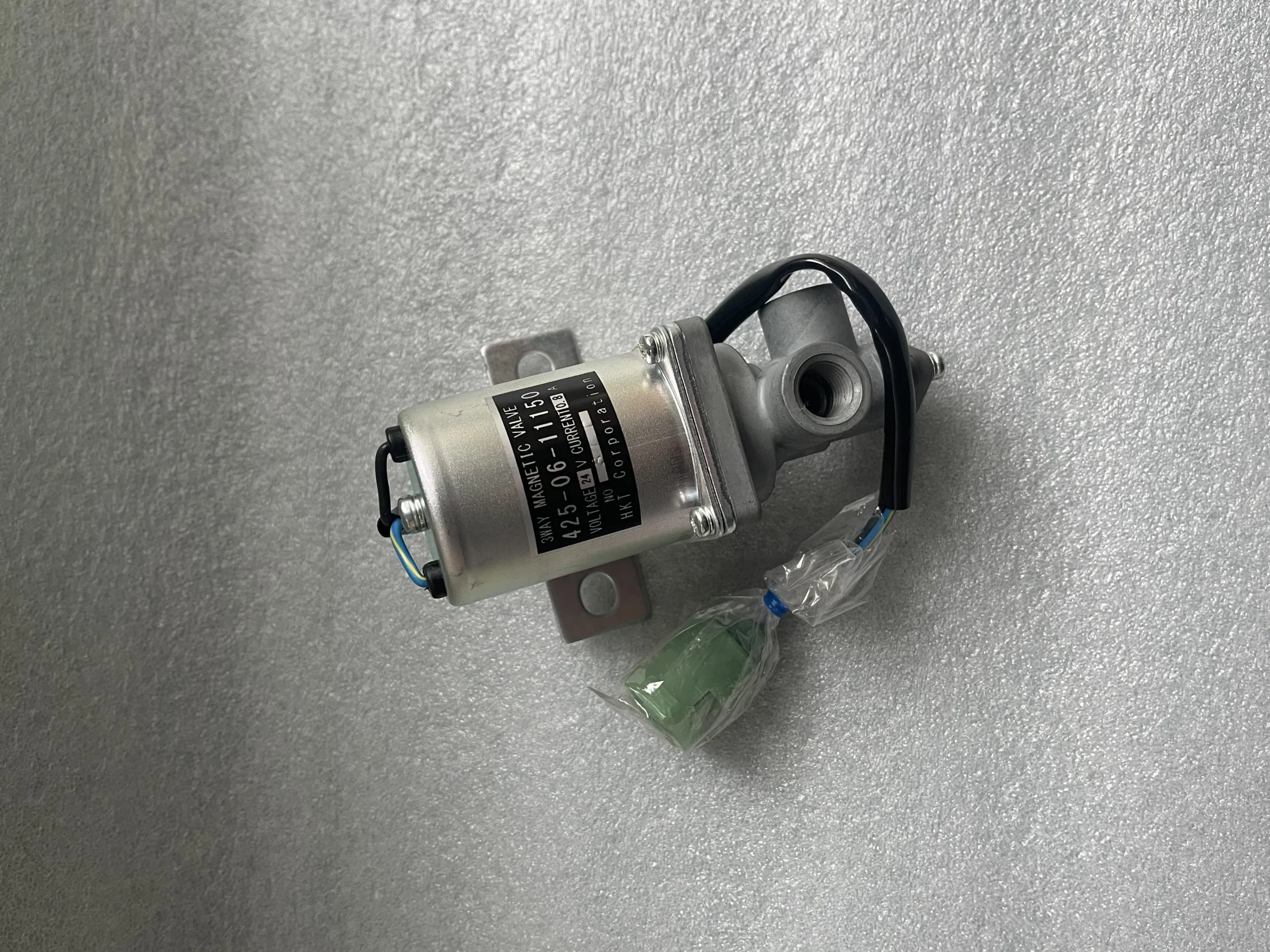 Valve,Parking brake425-06-11150
 -
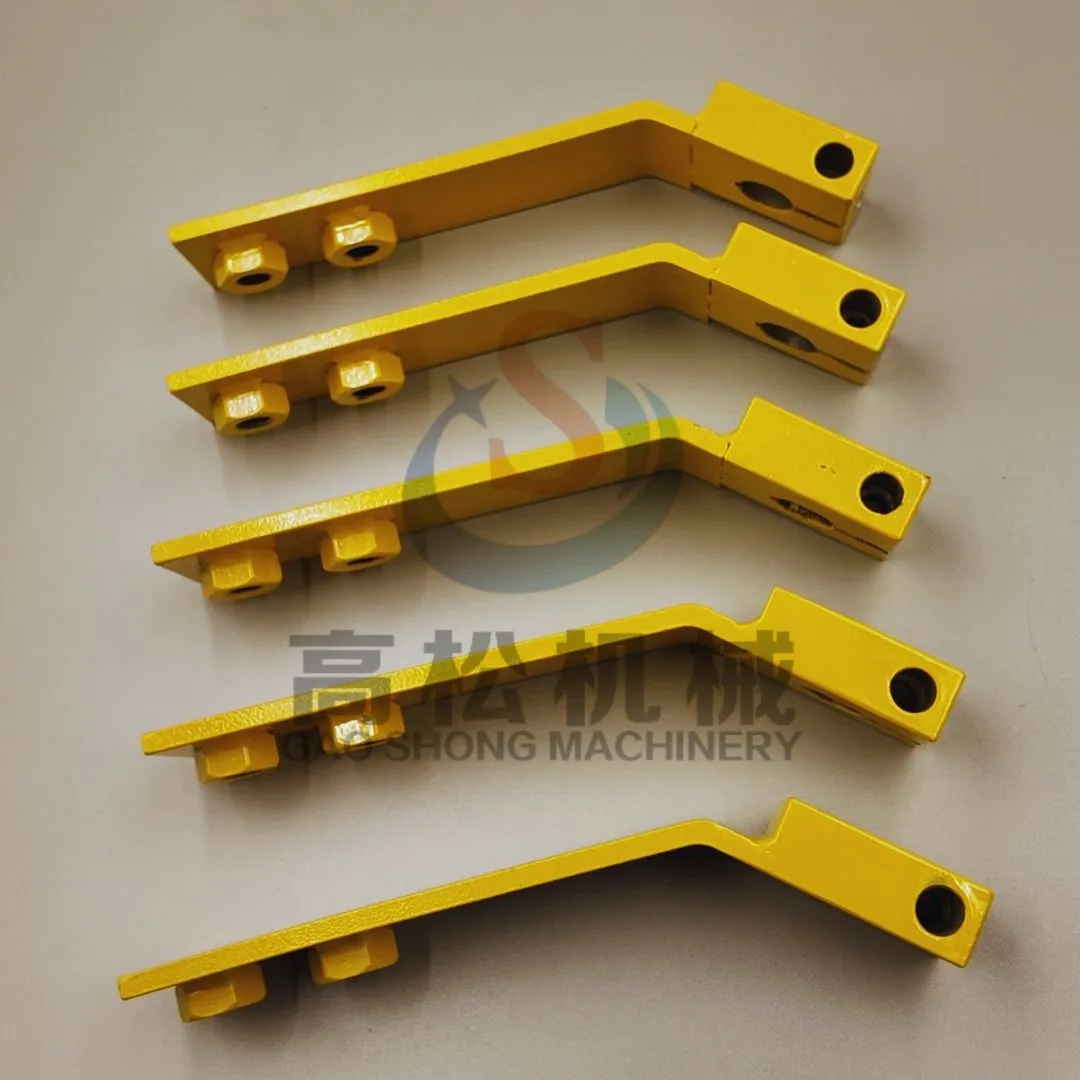 KOMATSU 566-86-6K430 BRACKET
 -
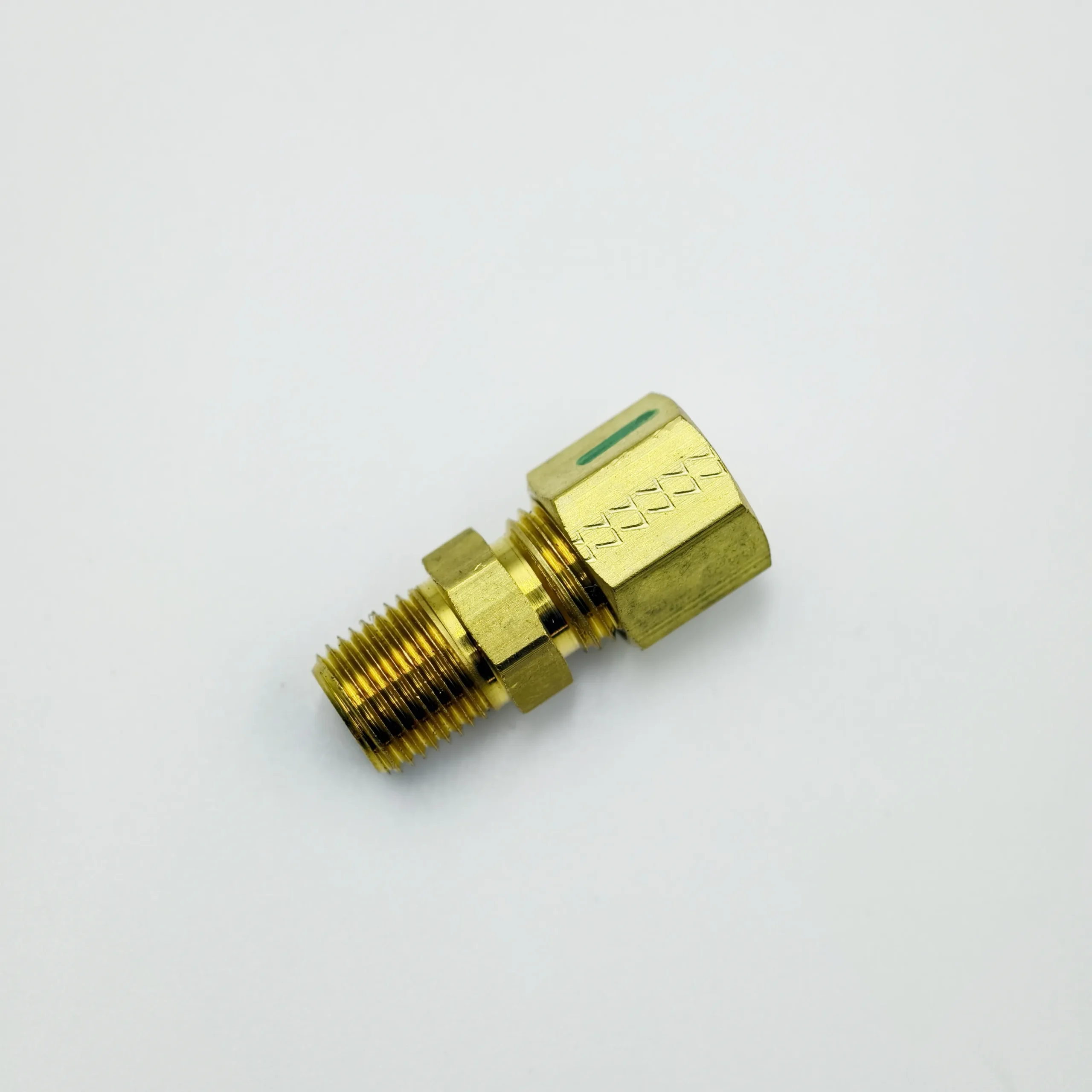 21N-68-32320 Komatsu Connector
 -
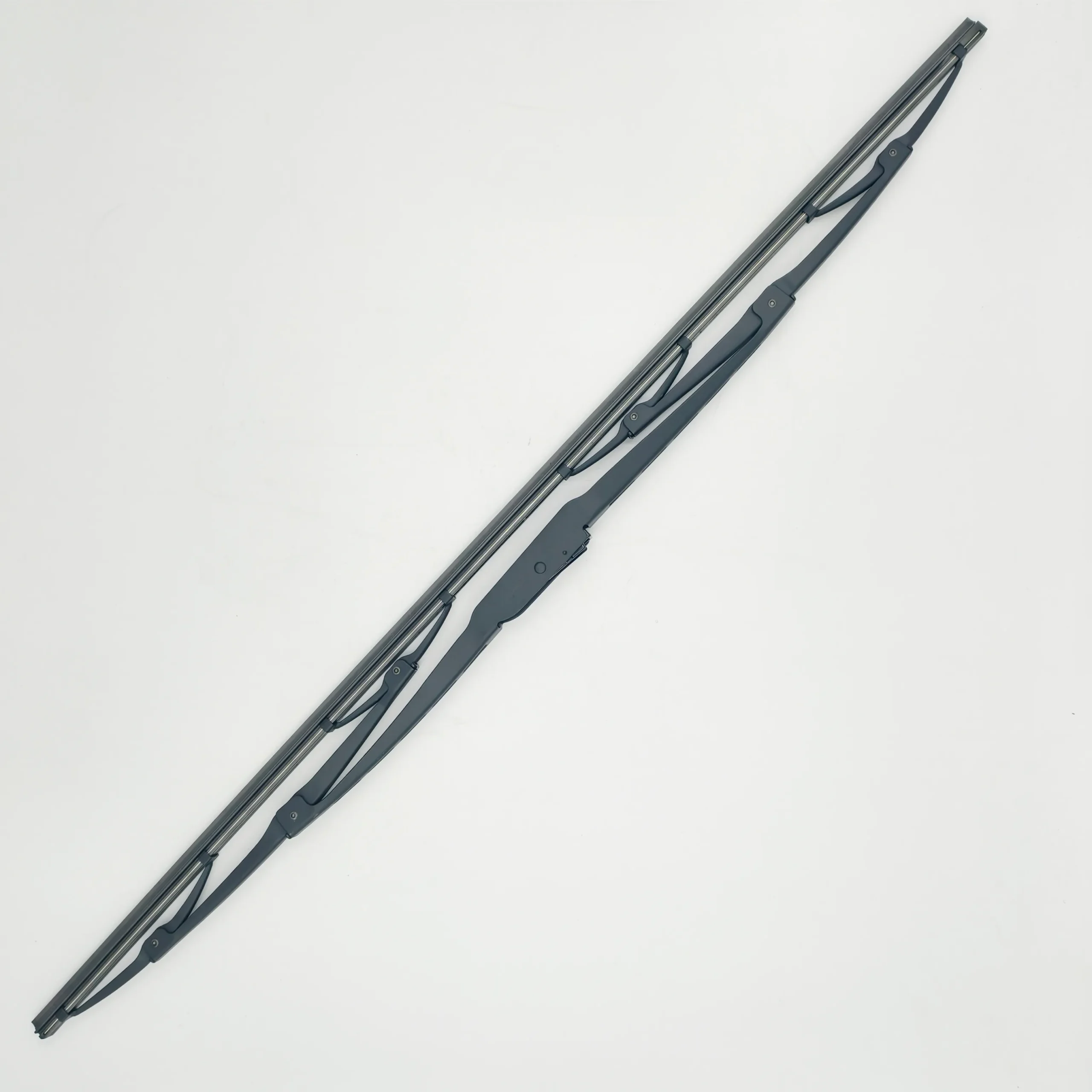 56B-54-13240 BLADE, WIPER
 -
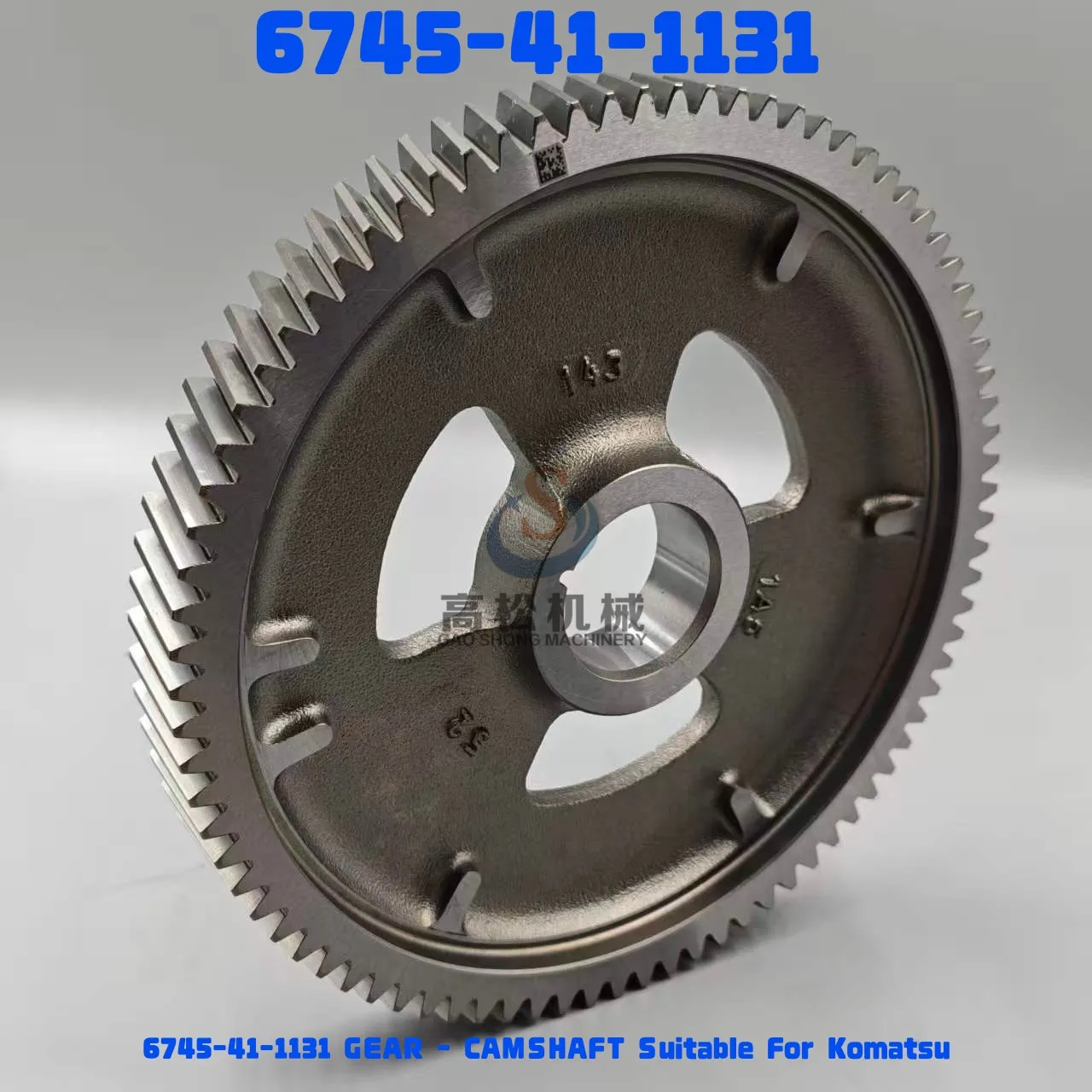 6745-41-1131 GEAR – CAMSHAFT Suitable For Komatsu 6745411131Compatible Models: SAA6D114E-3B-WT (BUILD 9K), SAA6D114E-3E (BUILD 9L), SAA6D114E-6A & SAA6D114E-6B (BUILD 9J)
 -
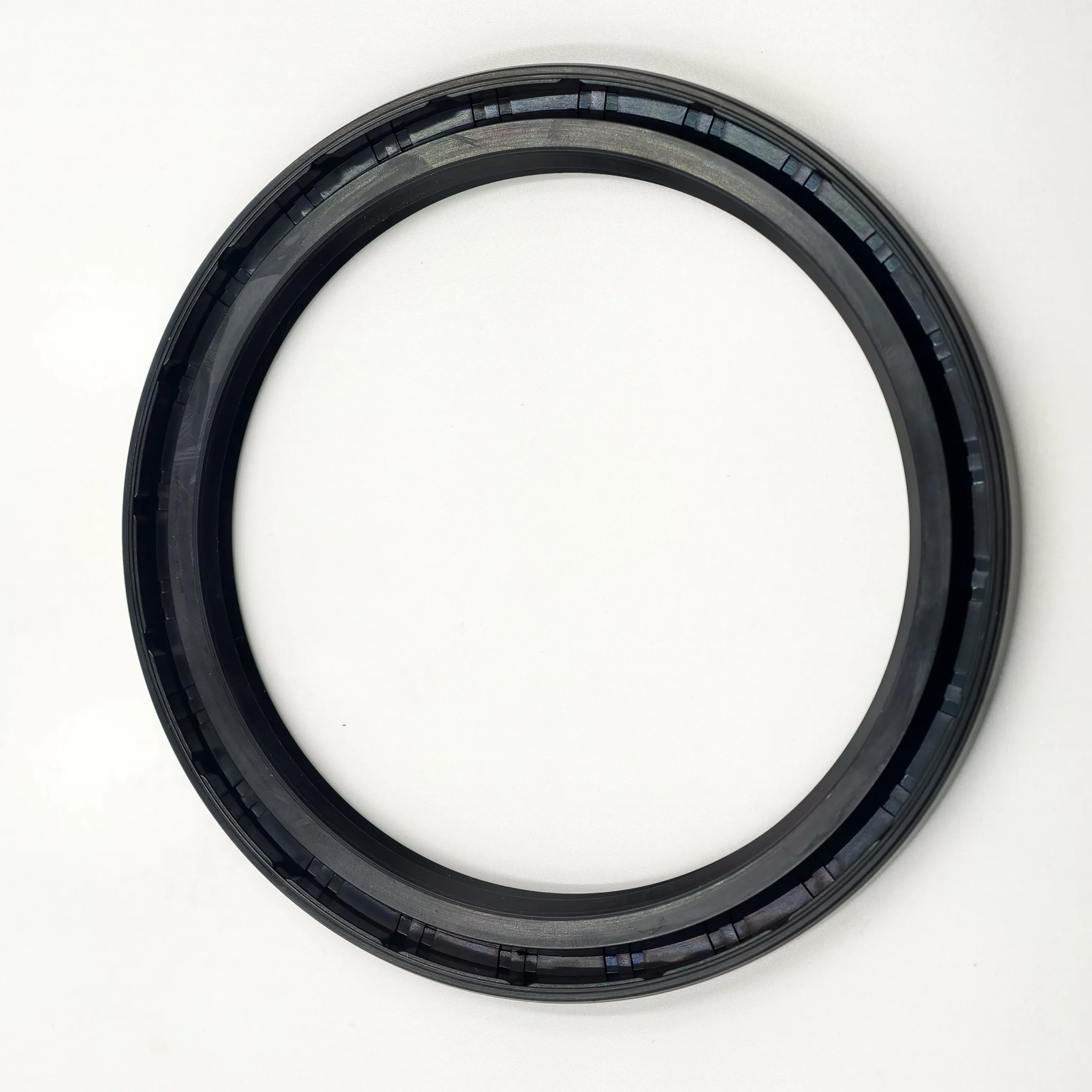 Komatsu56D-15-19810 Seal, Dust
 -
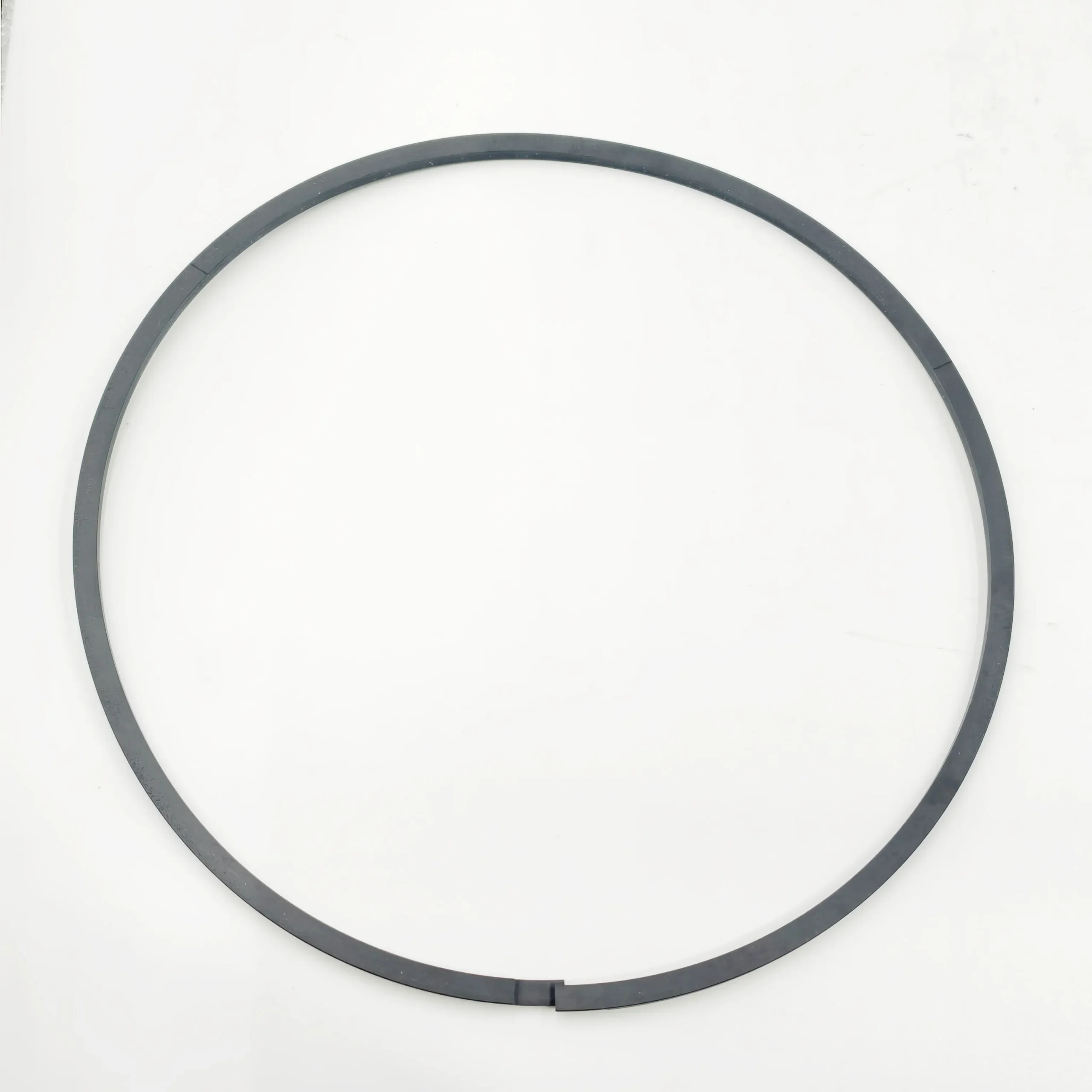 KOMATSU-SEAL RING 14X-15-19210
 -
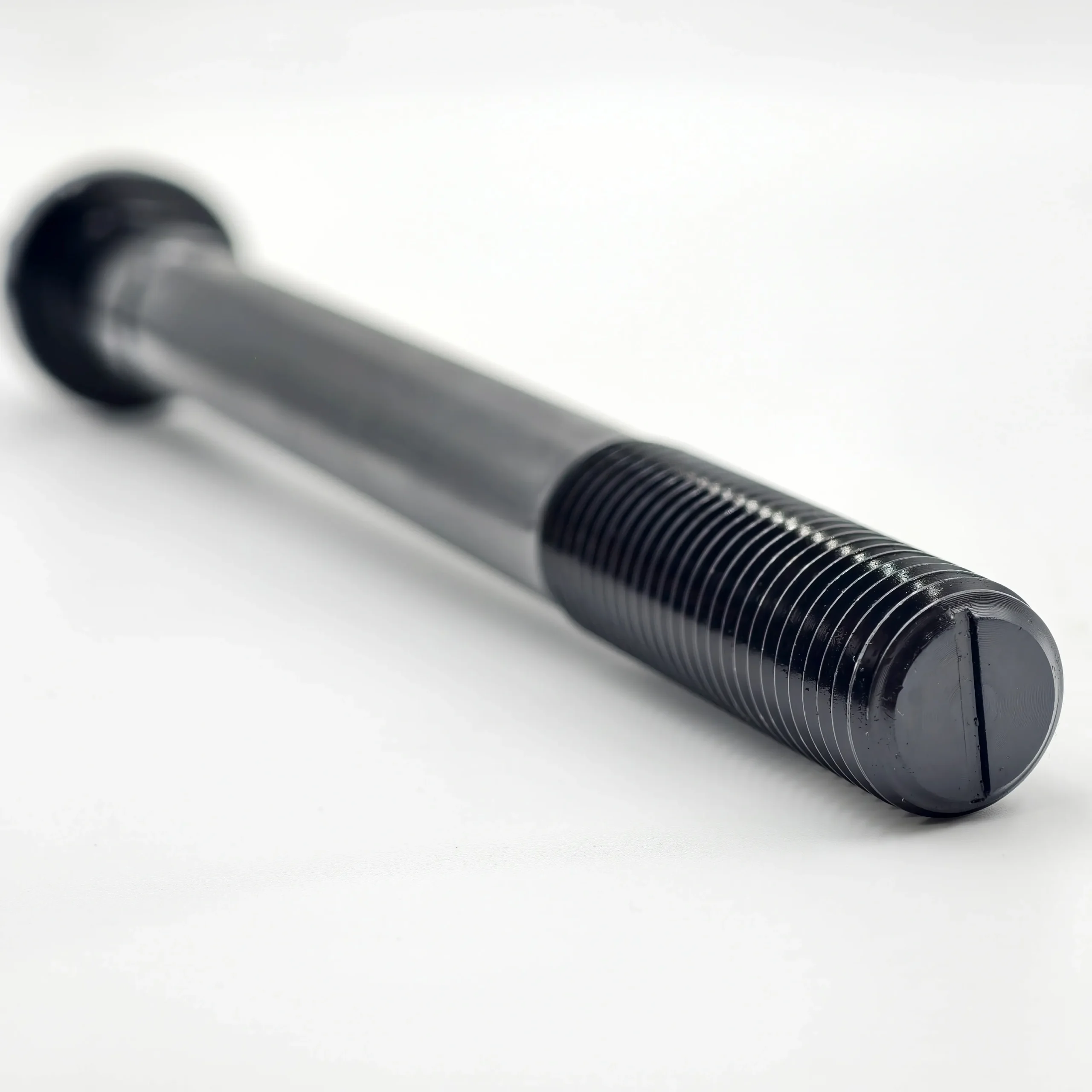 6217-11-1610-BOLT,HEAD- Komatsu Original Factory
 -
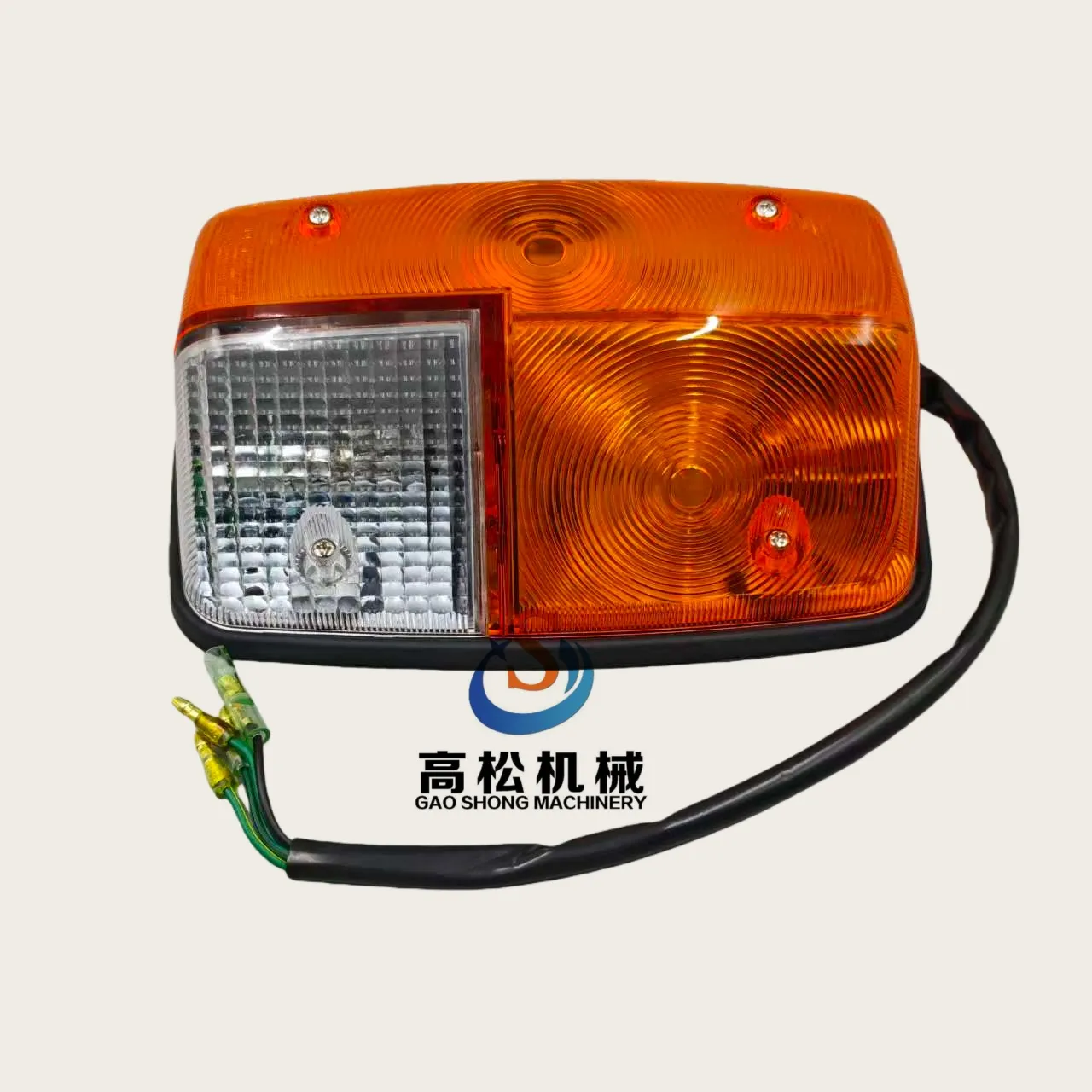 komatsu-part-421-06-13401 LAMP ASS’Y,R.H. HD255-5 HD255-5EO GS360-2 GD305A-1 GD355A-1 GD405A-2 GC380F-1 GD605A-5 HD325-6W HD605-5 HD605-7 HD465-7 HD465-5 HD785-3 HD985-5 WA100-1 WA120-1 WA150-1 WA100SS-1 WA350-1 WA420-1 WA600-1 WA470-1 WA450-1 WA500-1LC 330M LAMP AND FUSE ELECTRICAL SYSTEM (FRONT LAMP)
 -
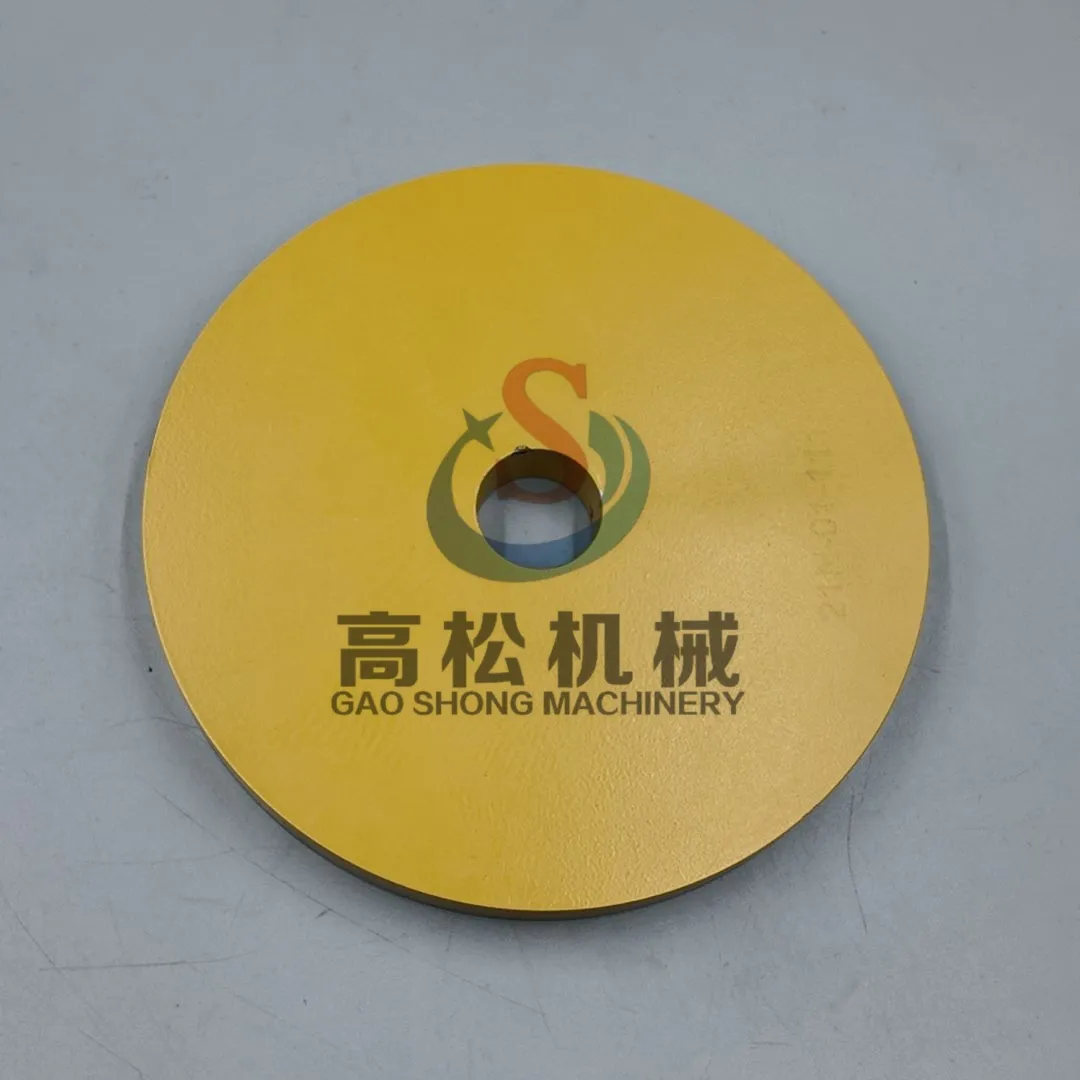 21T-01-11150 21N-01-11120 Cushion KOMATSU Excavator Spare Parts For PC800LC-8E0 PC850-8E0
 -
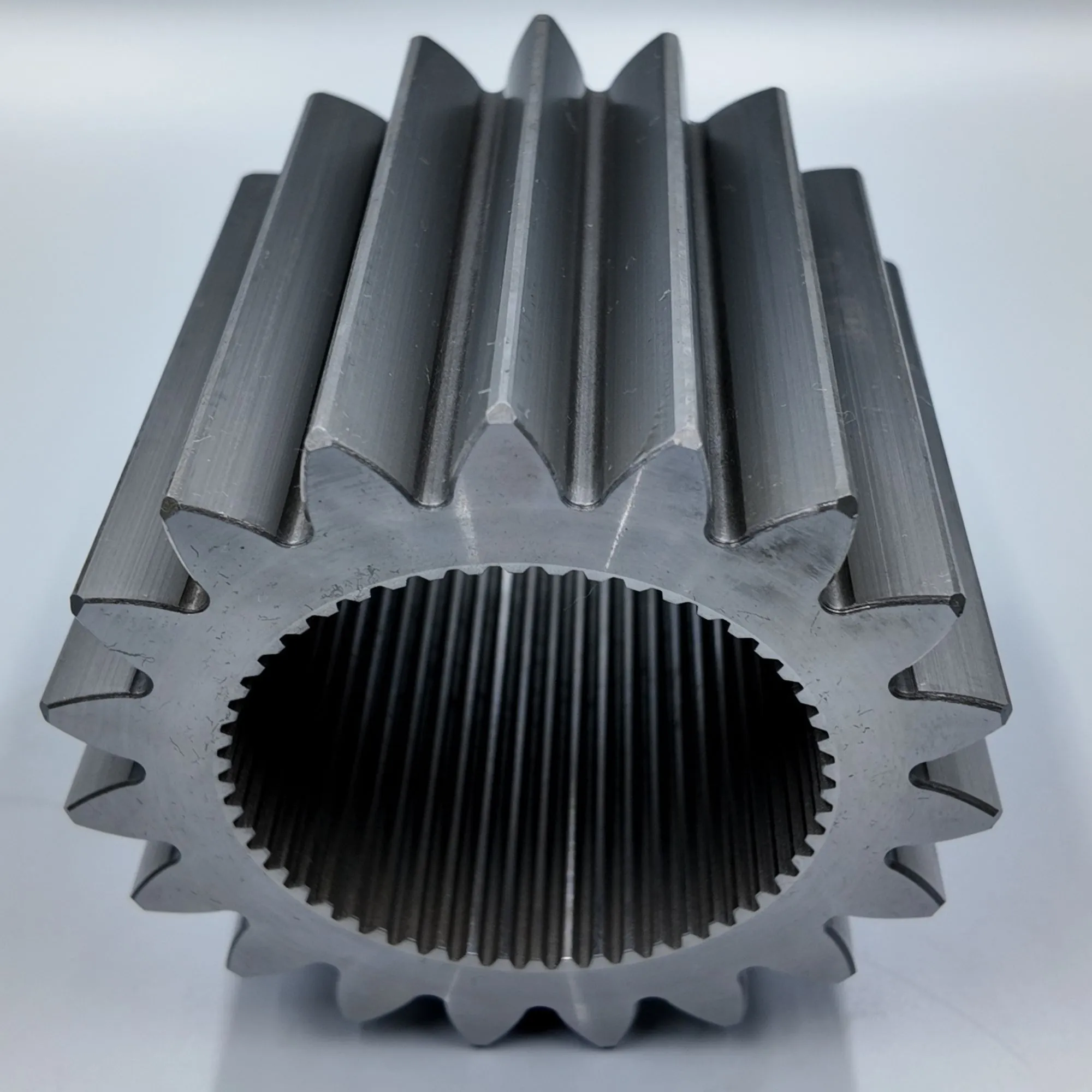 426-22-12421 •• GEAR-Komatsu Original Factory