
- Chinese
- French
- German
- Portuguese
- Spanish
- Russian
- Japanese
- Korean
- Arabic
- Irish
- Greek
- Turkish
- Italian
- Danish
- Romanian
- Indonesian
- Czech
- Afrikaans
- Swedish
- Polish
- Basque
- Catalan
- Esperanto
- Hindi
- Lao
- Albanian
- Amharic
- Armenian
- Azerbaijani
- Belarusian
- Bengali
- Bosnian
- Bulgarian
- Cebuano
- Chichewa
- Corsican
- Croatian
- Dutch
- Estonian
- Filipino
- Finnish
- Frisian
- Galician
- Georgian
- Gujarati
- Haitian
- Hausa
- Hawaiian
- Hebrew
- Hmong
- Hungarian
- Icelandic
- Igbo
- Javanese
- Kannada
- Kazakh
- Khmer
- Kurdish
- Kyrgyz
- Latin
- Latvian
- Lithuanian
- Luxembou..
- Macedonian
- Malagasy
- Malay
- Malayalam
- Maltese
- Maori
- Marathi
- Mongolian
- Burmese
- Nepali
- Norwegian
- Pashto
- Persian
- Punjabi
- Serbian
- Sesotho
- Sinhala
- Slovak
- Slovenian
- Somali
- Samoan
- Scots Gaelic
- Shona
- Sindhi
- Sundanese
- Swahili
- Tajik
- Tamil
- Telugu
- Thai
- Ukrainian
- Urdu
- Uzbek
- Vietnamese
- Welsh
- Xhosa
- Yiddish
- Yoruba
- Zulu
- Kinyarwanda
- Tatar
- Oriya
- Turkmen
- Uyghur






komatsu book parts
When you hear 'Komatsu book parts,' what comes to mind? For a lot of folks outside the day-to-day grind, it's just the official catalog, the bible from the manufacturer. But in the real world, especially in markets with supply chain gaps, that 'book' is more of a starting point than a final answer. The real challenge isn't knowing the part number—it's getting the genuine component, on time, without the premium that sometimes feels like a penalty for operating yellow iron. I've seen too many projects stall because someone took the book at absolute face value, not realizing the logistical dance that happens after you close it.
The Illusion of Complete Availability
Here's the thing Komatsu's system is incredibly robust, but it's not omnipresent. The official distribution network has its limits, particularly in certain developing regions or for older, phased-out models. The catalog, the famed 'book,' lists everything, but availability is a different beast. You can look up a final drive seal for a PC200-6, get the exact Komatsu part number, and then hit a wall. The regional warehouse might be out of stock, with a lead time quoted in months, not weeks. That's where the theory of the book meets the pavement of reality.
This gap is precisely what creates the ecosystem for specialized suppliers. They aren't just resellers; they're problem-solvers. A company like Jining Gaosong Construction Machinery Co., Ltd. operates in this space. From my dealings, their role is dual-faceted. As they state, they're an OEM product supplier within the Komatsu system, which means they have access to genuine pipelines. But crucially, they also act as a third-party sales company, essentially bridging the availability chasm for markets that the primary network struggles to serve efficiently. Their site, https://www.takematsumachinery.com, becomes a practical tool beyond the official portals.
The misconception is that going outside the direct dealer is always a risk. Sometimes, it's the only rational move. I recall a situation needing a hydraulic pump assembly for a relatively old Dash-3 model. The dealer channel came back with a prohibitive cost and a 16-week lead time. We turned to a third-party solution that sourced genuine Komatsu components through alternative channels. The part arrived in three weeks, with proper documentation. It wasn't about circumventing the system but navigating its realities.
Genuine vs. Genuine-Source: A Critical Distinction
This leads to the murkiest water: part provenance. When a supplier says they have a 'Komatsu book part,' what does that mean? Is it a part in Komatsu packaging from a Komatsu factory? Or is it a part made to the exact same specifications, perhaps even in a facility that once supplied Komatsu? The difference is massive for machine health and warranty.
A legitimate supplier like the one mentioned clarifies this. Being an OEM product supplier within the Komatsu system implies a formal relationship. They can often provide traceability. The third-party sales role, however, requires intense vetting. A good partner won't blur these lines. They'll tell you, This is genuine, sourced from a Komatsu depot in Japan, or This is a high-quality aftermarket alternative that matches the book spec. The worst experiences I've had were with vendors who claimed the former but delivered the latter without transparency.
I learned this through a costly mistake early on. We ordered a set of track rollers, quoted as OEM. They arrived in plain boxes, looked right, and even had casting marks that seemed legitimate. But within 800 hours, seals failed and bushings wore prematurely. The failure wasn't catastrophic, but the downtime and rework cost eroded any savings. The supplier vanished. Now, we demand chain-of-custody paperwork or only work with established entities that stake their reputation on it, much like how Jining Gaosong positions itself as a solution for parts supply challenges.
The Practicalities of Sourcing and Verification
So, how do you operate day-to-day? The book is step one. You get the exact number. Step two is checking the usual dealer channels for price and availability. Step three, if there's a disconnect, is where companies like Gaosong come in. You're not just shopping for a part; you're shopping for a logistics and verification service.
The process often involves sending the part number and serial number. A competent supplier will cross-reference, sometimes suggesting superseded numbers or kit assemblies that are more cost-effective. They might say, That valve block is on backorder, but we have an equivalent assembly from a compatible model that can be adapted with this bracket. That's value-add. It's practical, field-level knowledge you won't get from a static catalog.
Verification upon receipt is non-negotiable. Check packaging, part numbers etched or stamped on the component itself, and material certificates if applicable. For critical components, I've even matched micro-finishes on sealing surfaces against the old part. It sounds obsessive, but it prevents comebacks. A reliable supplier expects and facilitates this. Their website should be a resource, not just a storefront. It should help you solve parts supply challenges, not just list inventory.
When Book Spec Isn't Enough: Field Adaptations
Sometimes, the perfect Komatsu book part is the enemy of a good machine that's running. This is especially true for legacy equipment still earning its keep. The official part might have been discontinued, or the design might have a known flaw that was later revised.
In these cases, a savvy supplier network can offer rebuilt/exchange units or aftermarket solutions that incorporate the improvements. For instance, the early design of a certain Komatsu travel motor had a weakness in its spline coupling. The official book would just list the original part. A specialist might offer a rebuilt unit with an upgraded coupling material. You're no longer buying just a part; you're buying an evolution.
We had a fleet of older loaders where the original steering linkage joints were a chronic failure point. The book parts kept failing on the same schedule. A technical partner suggested a modified joint from a different application with a higher load rating. It required a minor machining adjustment on our end, but it extended service life by 300%. That solution didn't come from the book; it came from experience in the field and a supplier willing to share that practical knowledge.
The Future: Beyond the Physical Book
The concept of the 'book' is already archaic. It's all digital now, but the fundamental issue remains: information versus fulfillment. The future is in integrated platforms that merge the official technical data with real-time global inventory, sourcing options, and compatibility intelligence.
Suppliers who will thrive are those who seamlessly connect these dots. It's not just about having a website like https://www.takematsumachinery.com; it's about what happens behind it. Can they see global stock across different warehouses? Can they provide technical support for installation quirks? Their stated mission of helping to solve parts supply challenges in certain countries is exactly this—a recognition that the digital catalog is universal, but the physical part's journey to your shop floor is anything but.
The trust is built when they can tell you, That part is scarce, but we have two in our bonded warehouse in Singapore, and here's the air freight cost, or Consider this alternative, here's the performance data comparison. That transforms them from a vendor into a partner. The goal is to make the machine earn, and sometimes, the most faithful adherence to the 'book' can keep it from doing just that. The real expertise lies in knowing when to follow it to the letter and when to write a footnote based on what works on the ground.
Related Products
Related Products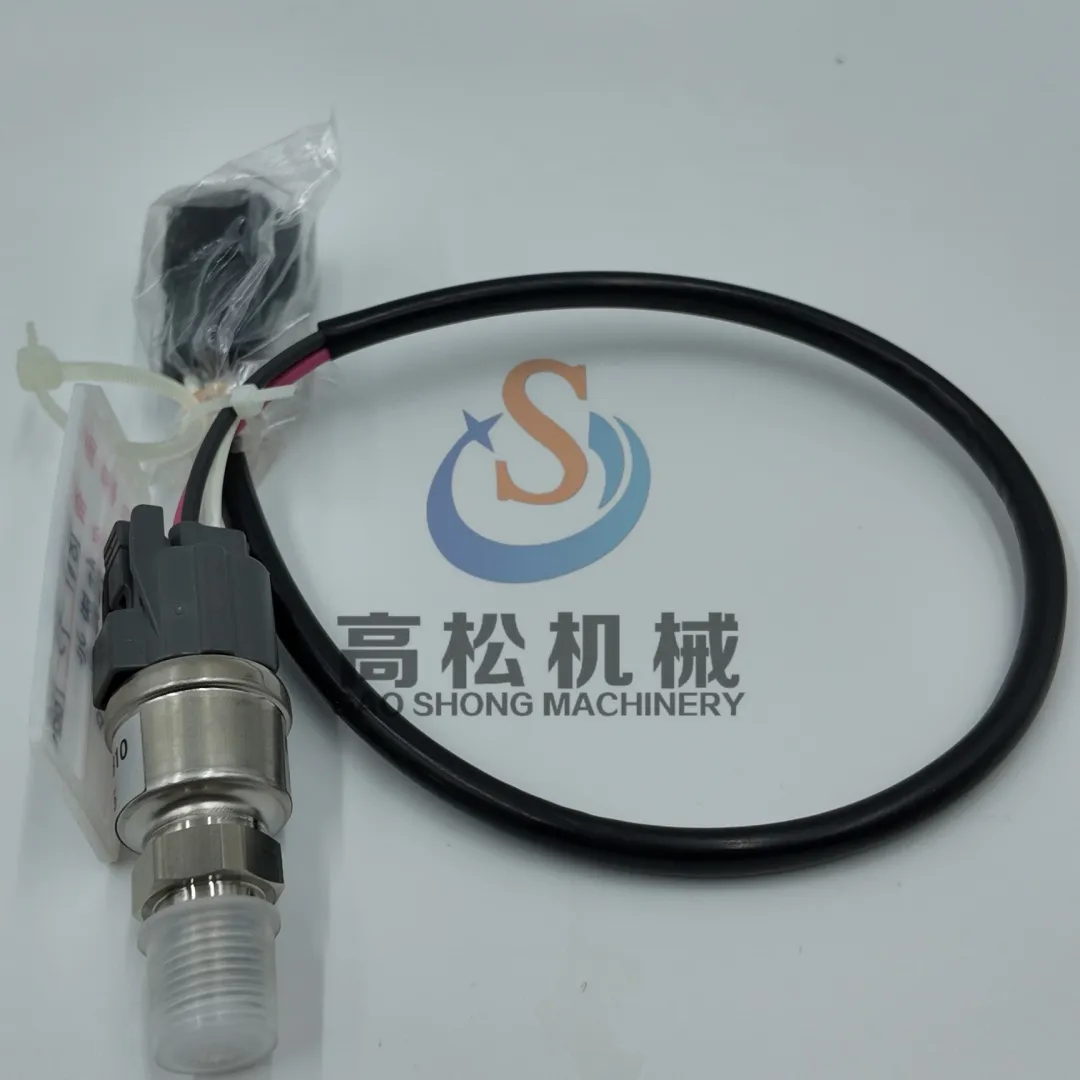
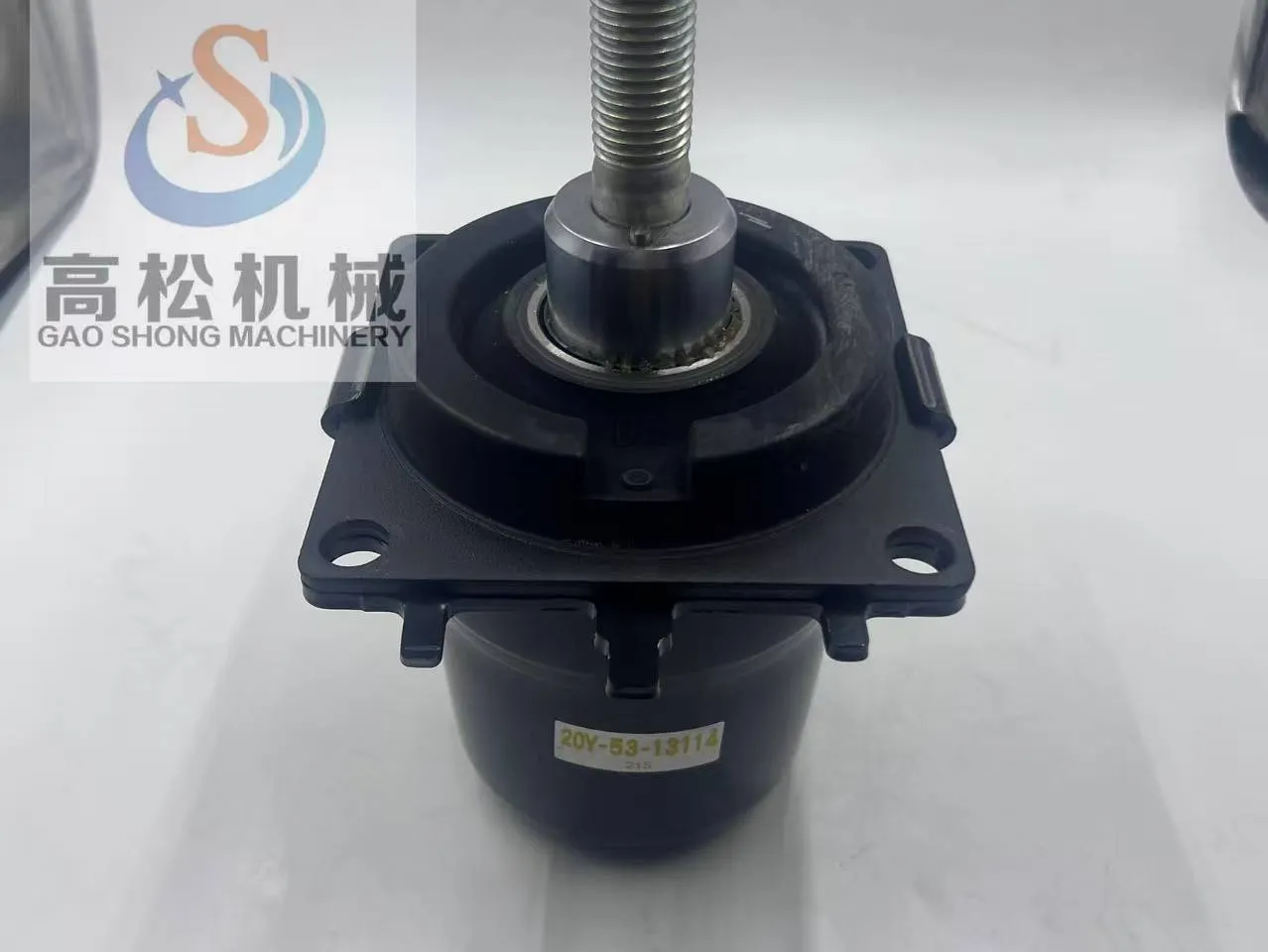
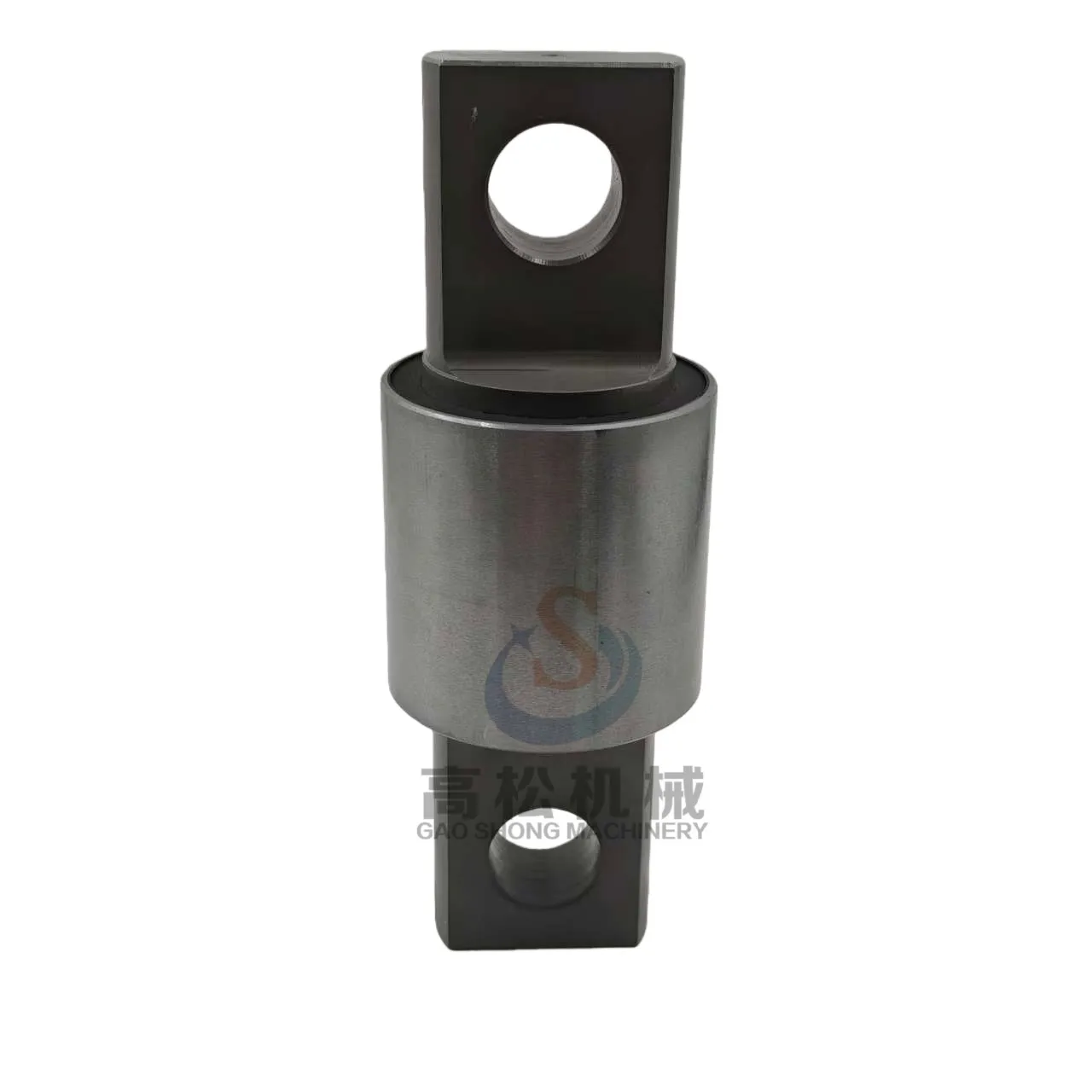
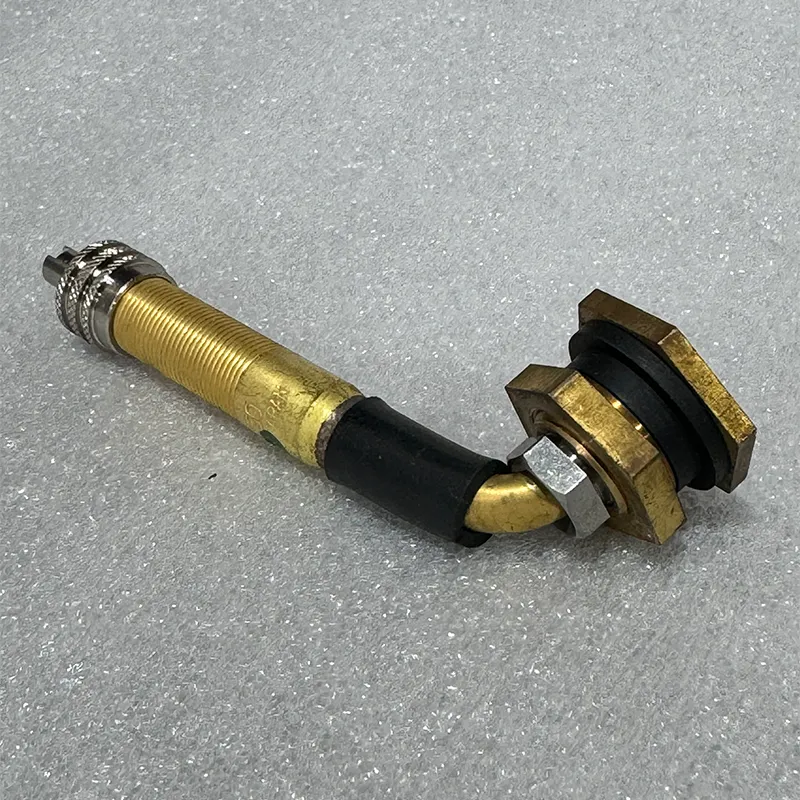
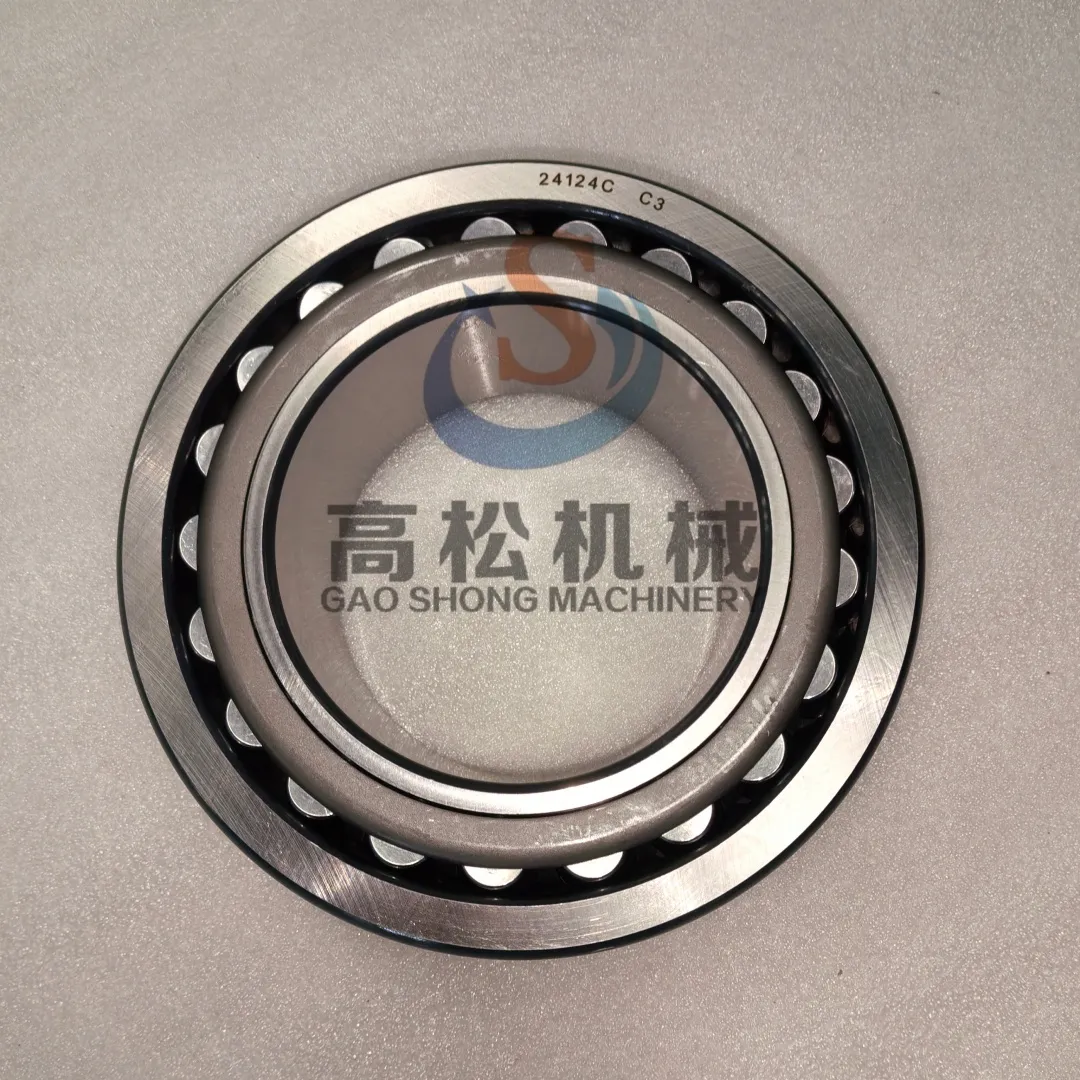
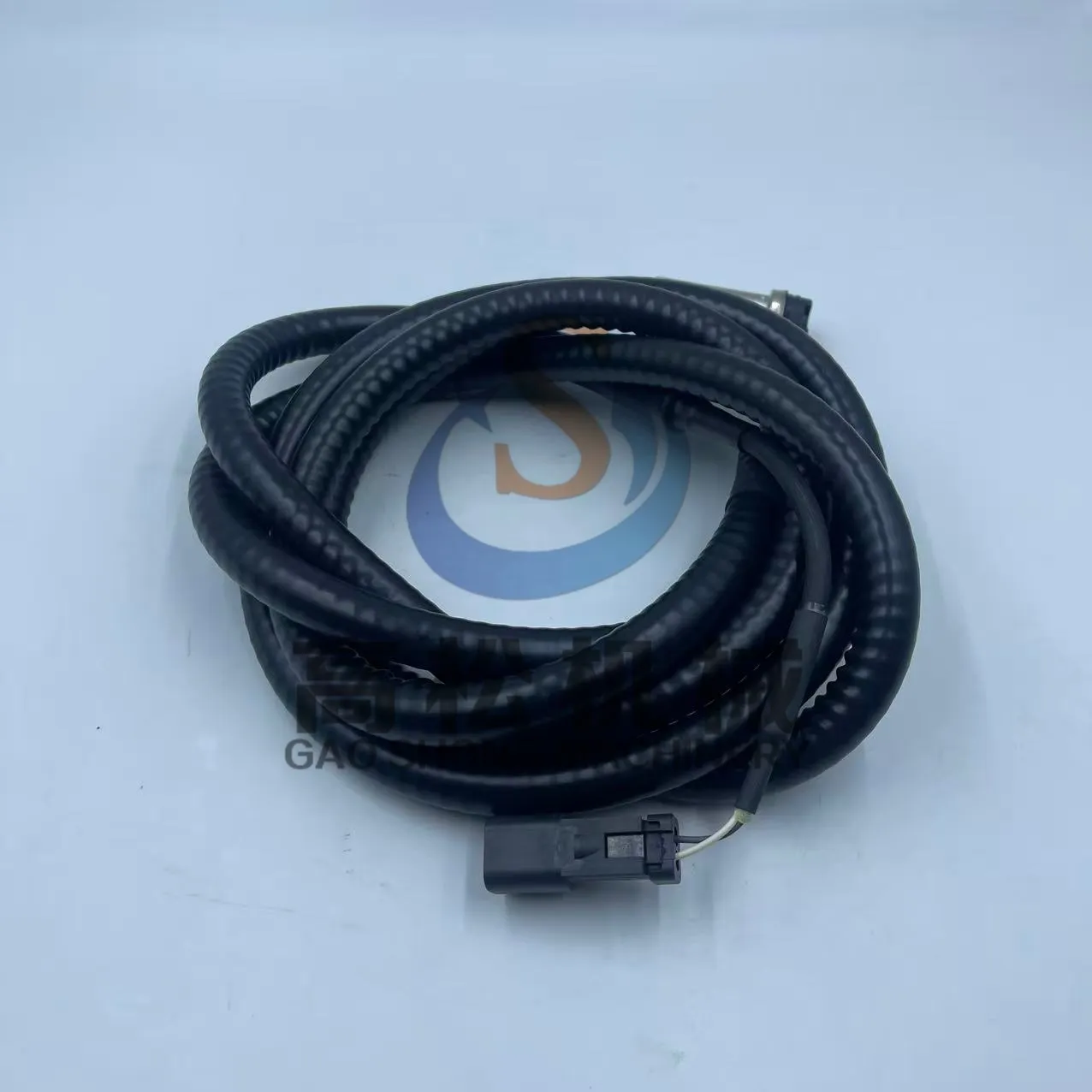
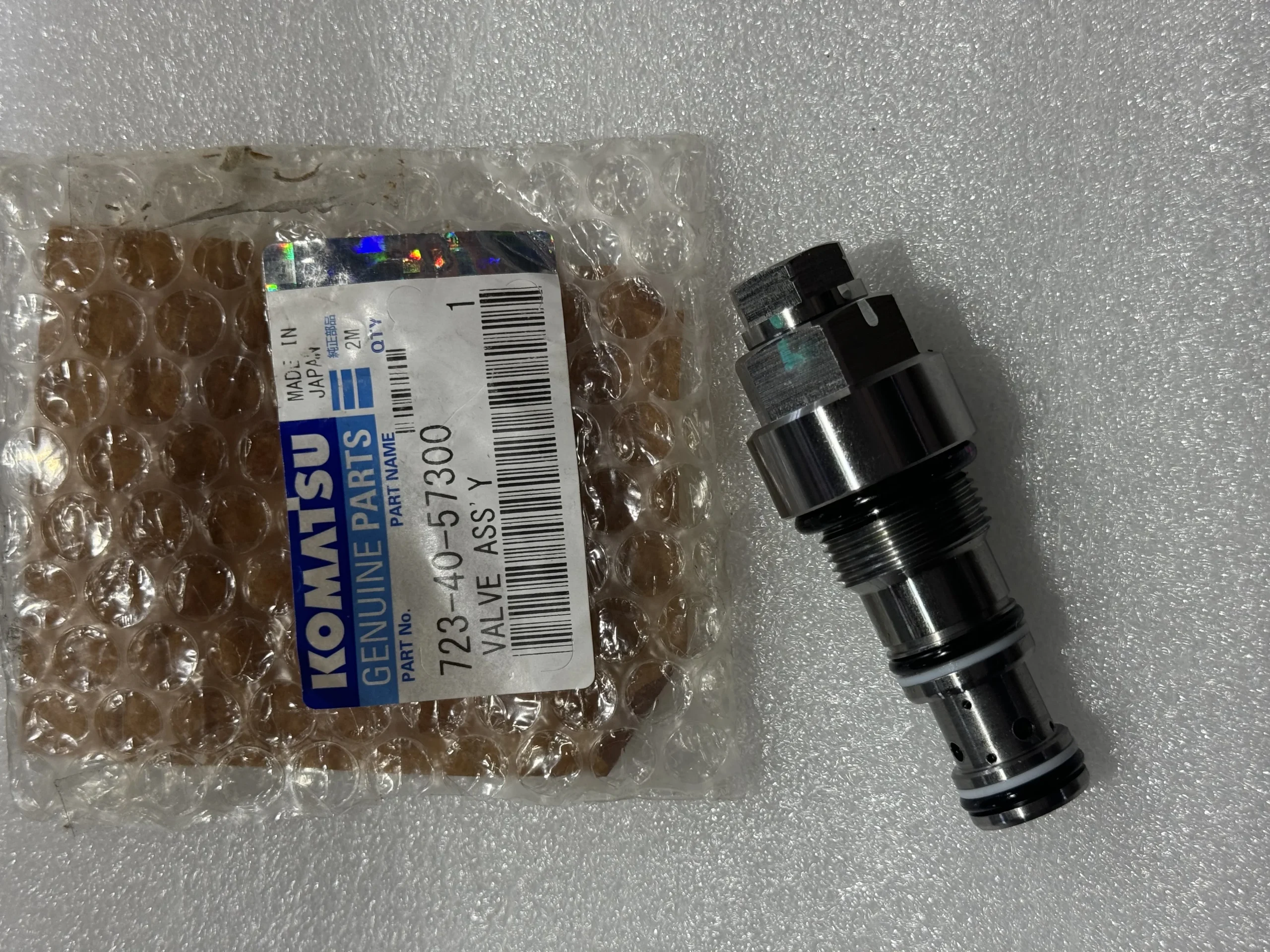

Best Selling Products
Best Selling Products-
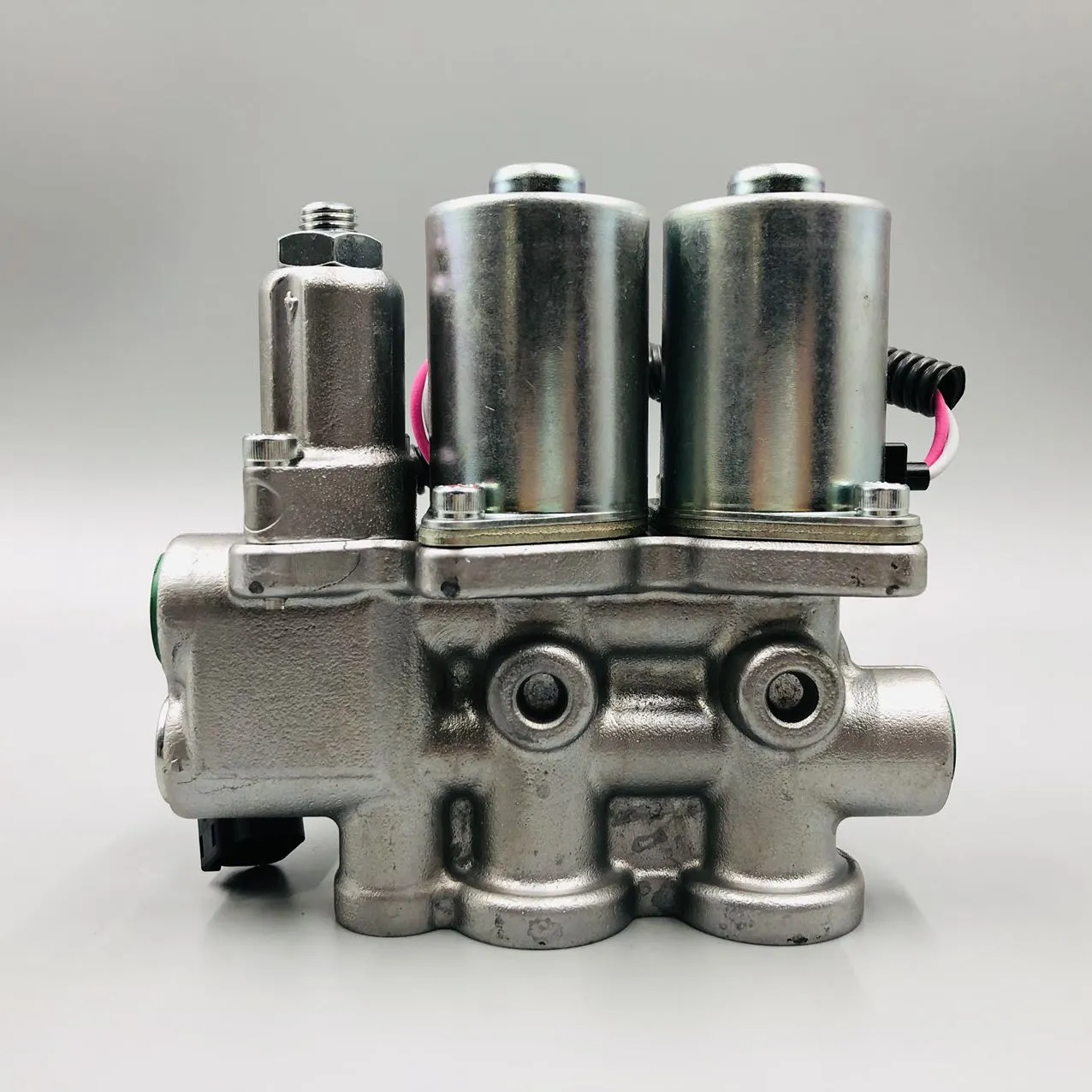 Valve Assembly22F-60-31600
 -
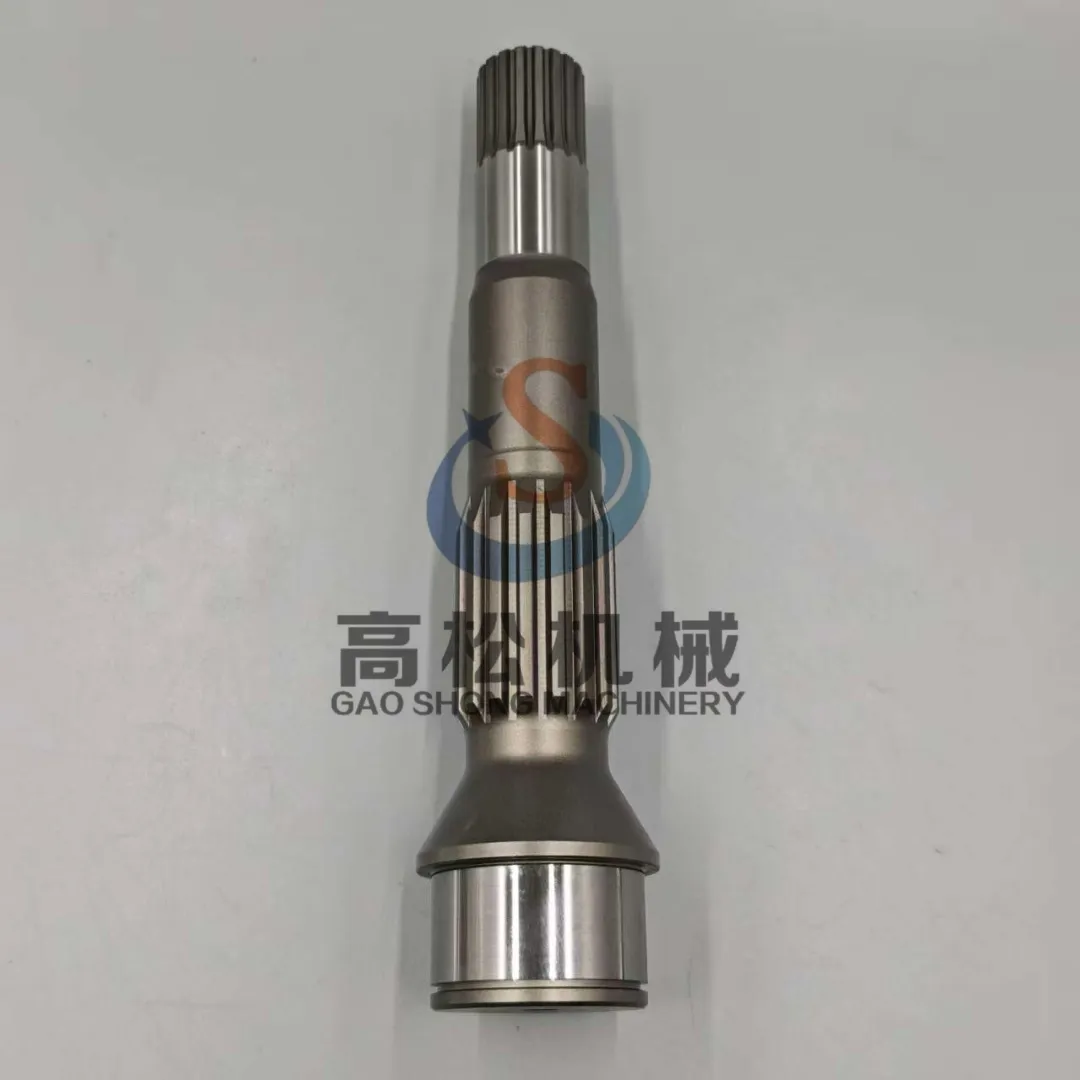 708-2G-12121 Shaft Drive L Fits Komatsu PC300-7 PC360-7 PC350-7 HPV140 Pump
 -
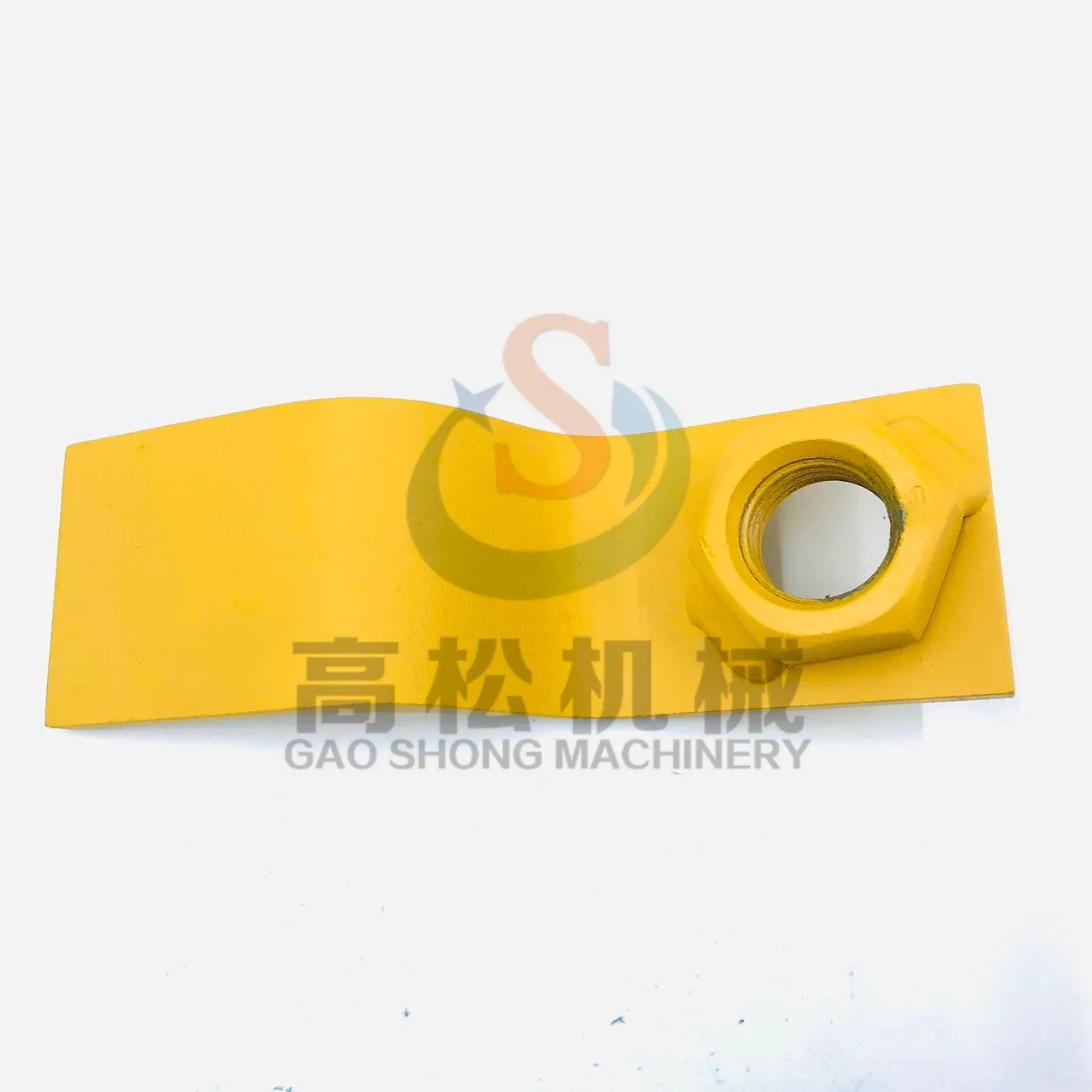 21T-00-67330 Plate (Komatsu)
 -
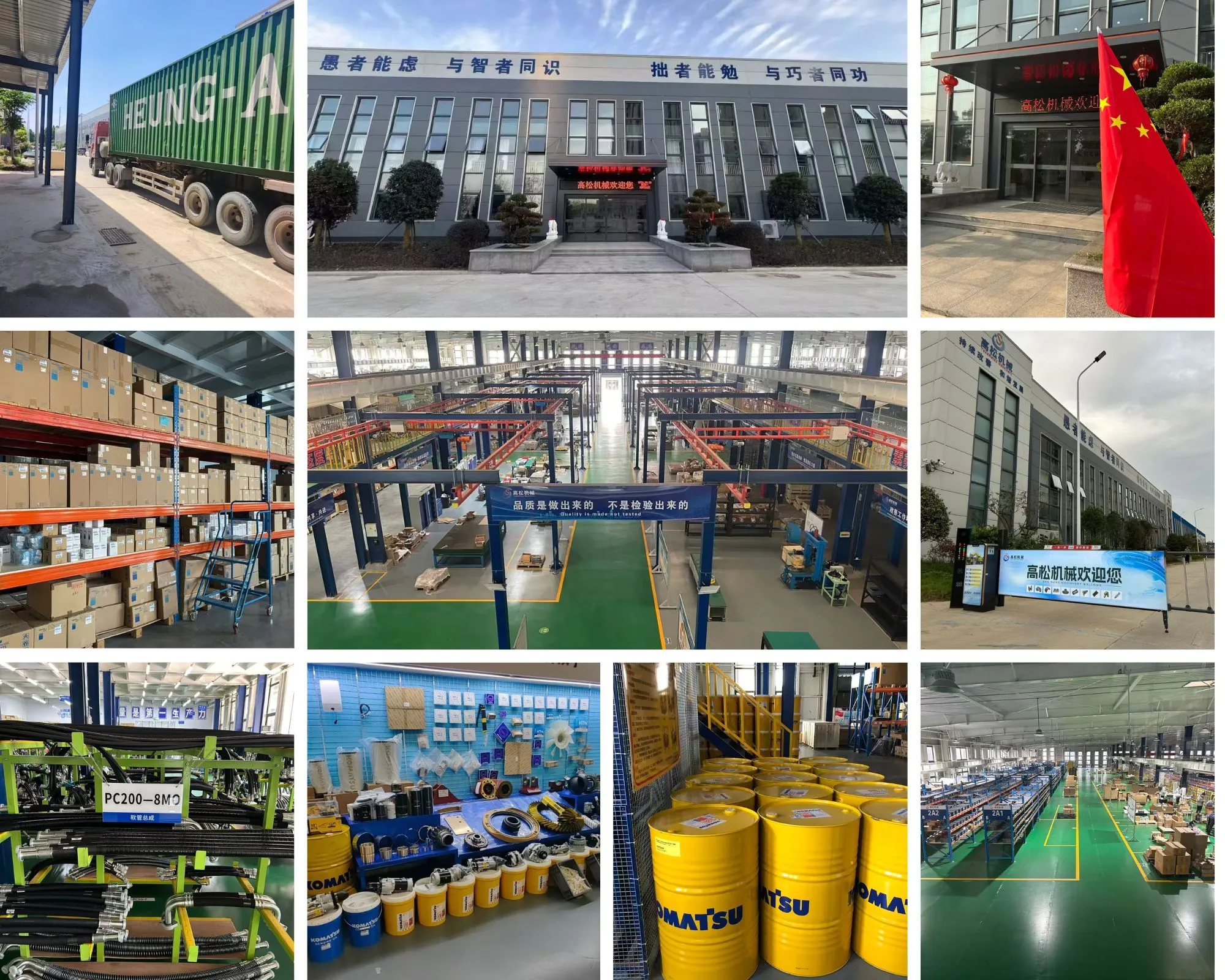 6693-22-5600 Komatsu Valve Assembly
 -
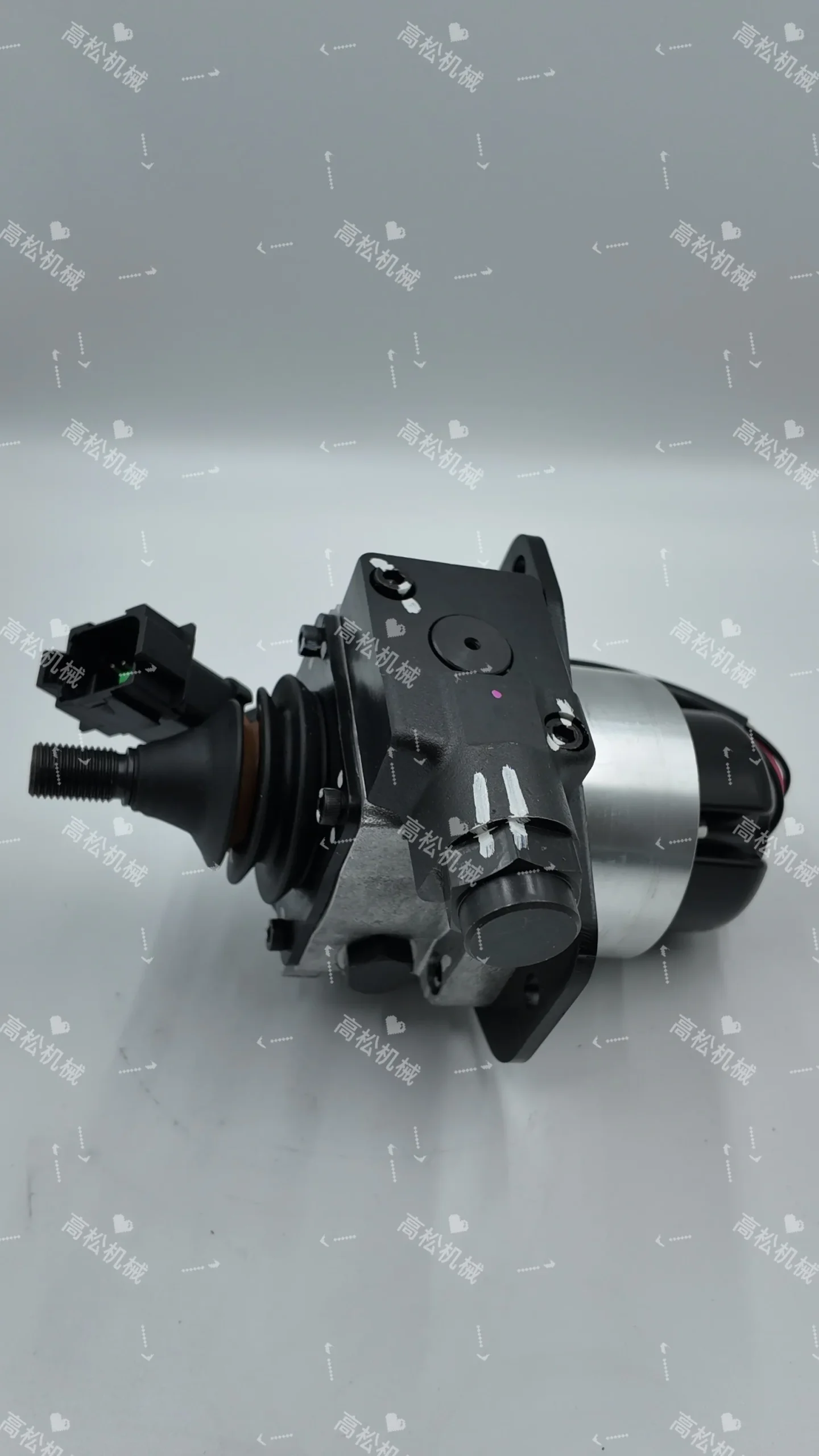 IMIFAFTAbT 702-16-02290 702-16-02210 Lever Assembly Fits for Komatsu D65EX-16 D65PX-16 D65WX-16 D275A-5R D155AX-6 Bulldozer
 -
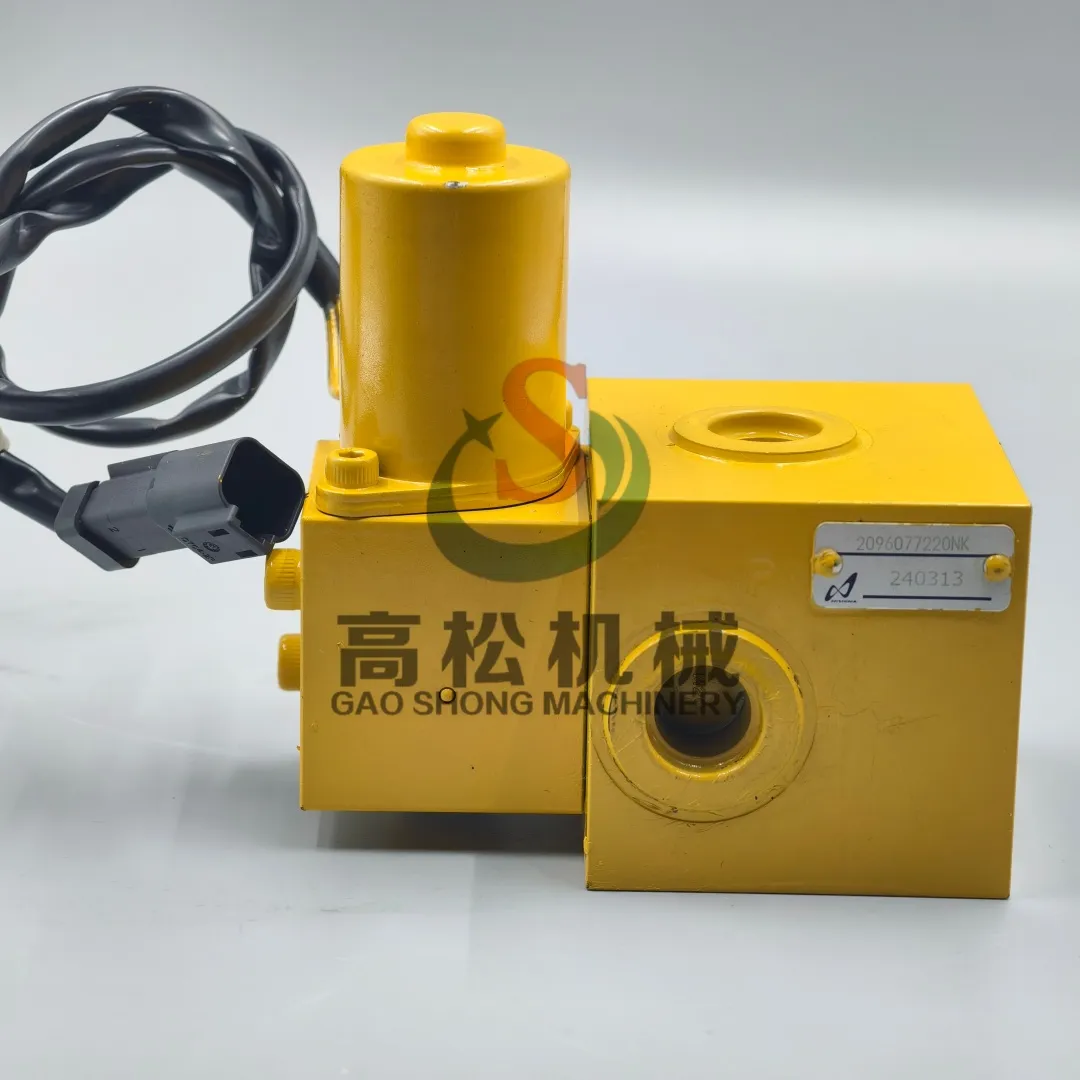 Solenoid Valve 209-60-77220 for PC1250-8 PC800-8 PC600-8 Excavator
 -
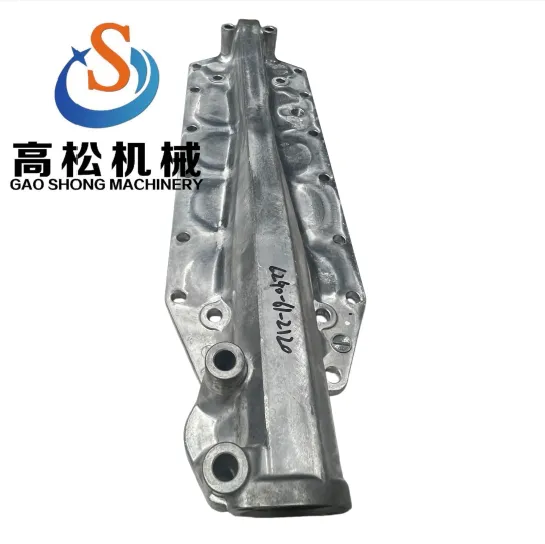 Engine Oil Cooler Cover for Cummins QSK23 SA6D170 Engine 4096006 6240-61-2120 Oil Cooler Cover 6240612120
 -
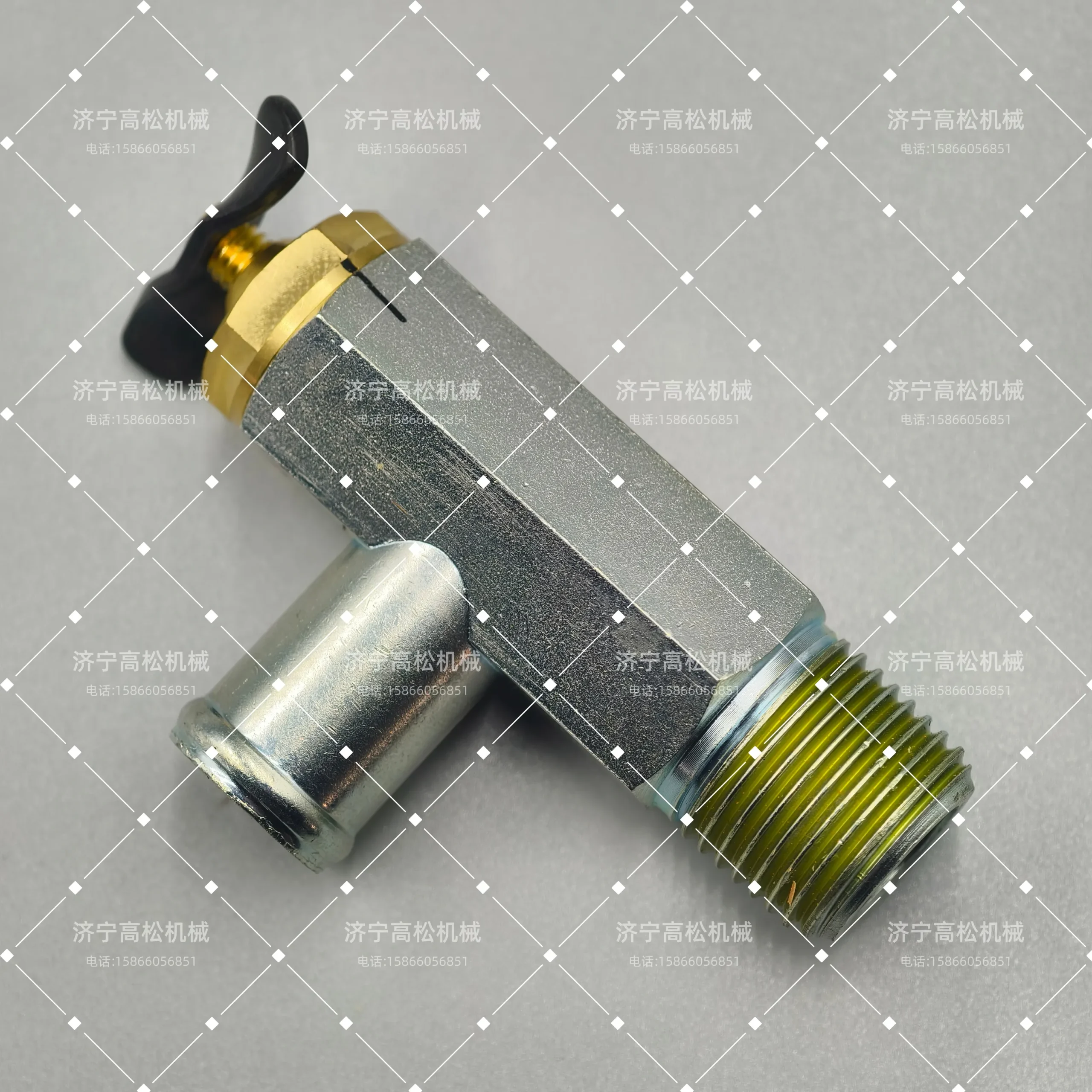 Komatsu 09482-10000 VALVE, HOSE, price for… — Pricing.Parts
 -
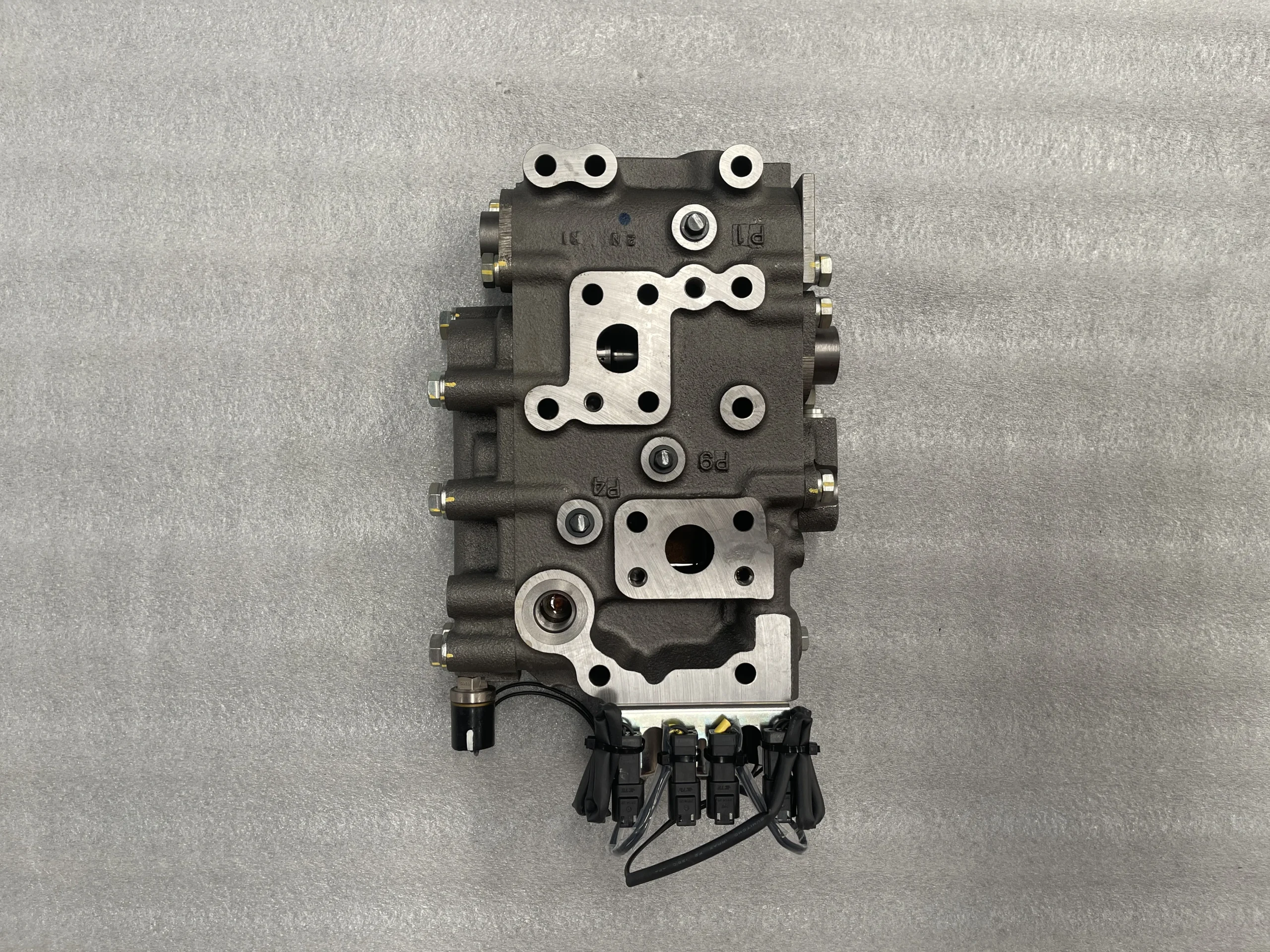 7830-62-2007 Komatsu Controller for Komatsu D85
 -
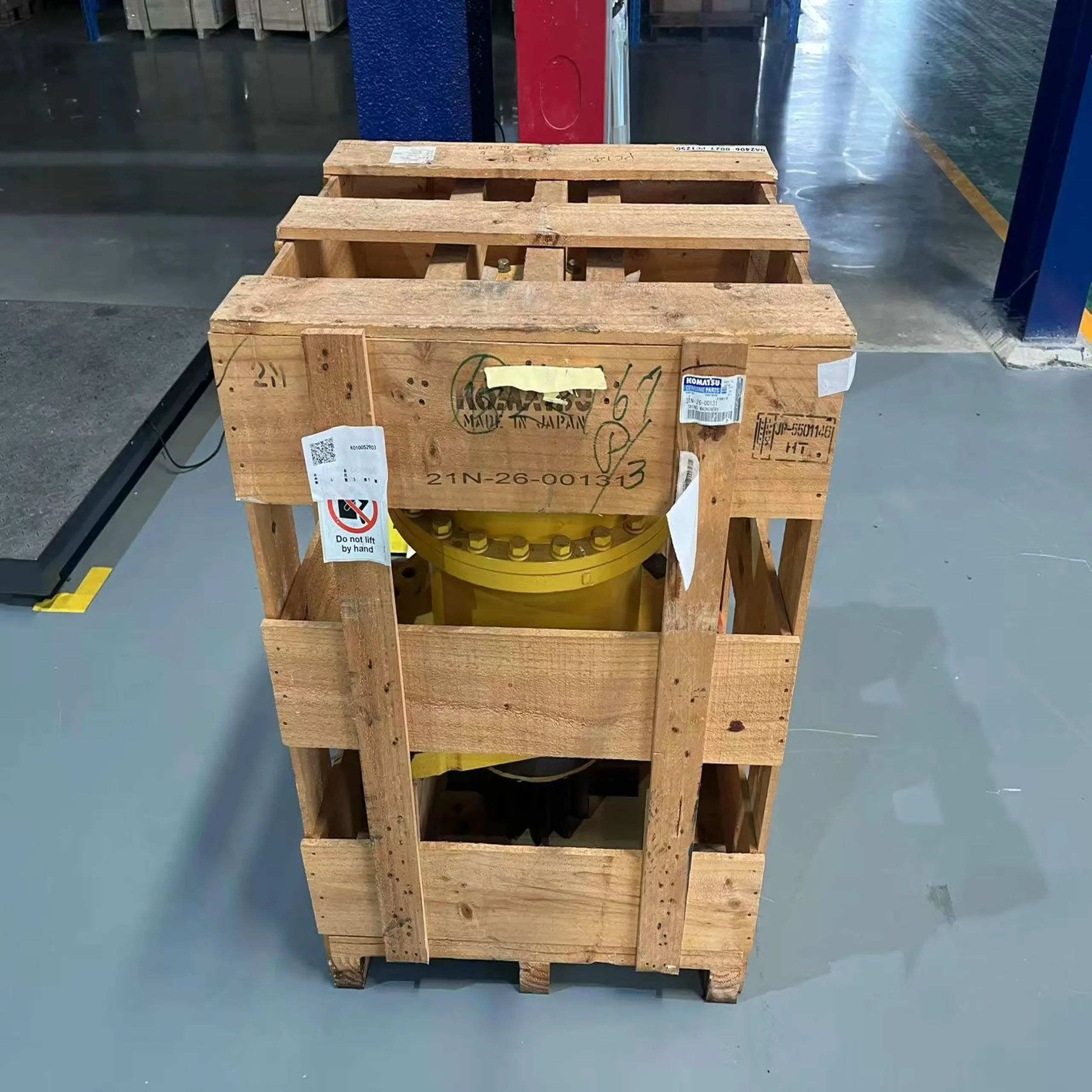 21N-26-00131 Rotary reducer, suitable for PC1250-11 #komatsu #komatsuparts #PC1250 #komatsurotaryreducer
 -
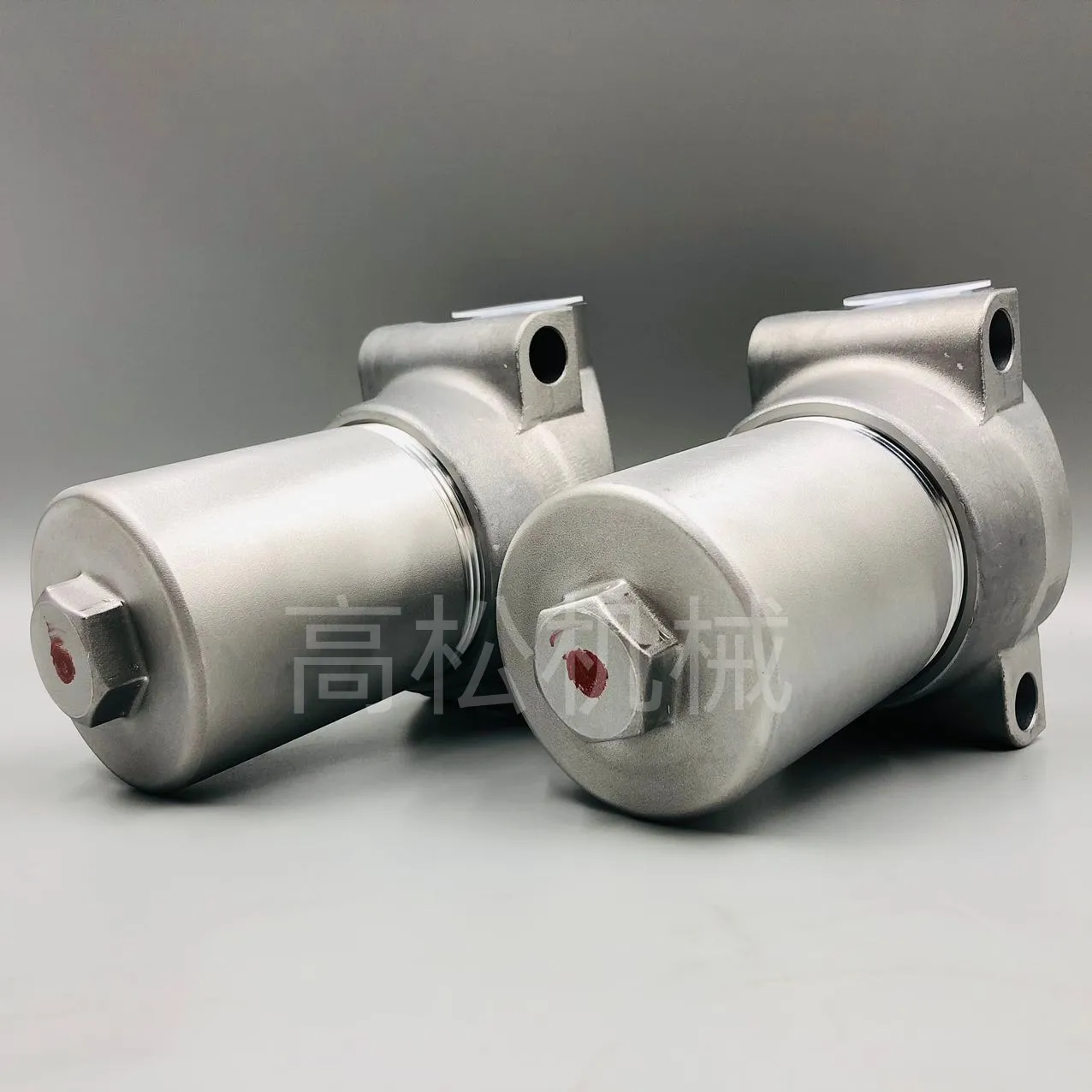 20Y-62-51681 FILTER ASS’Y-Komatsu Original Factory
 -
HD785-7 converter valve 561-13-76700