
- Chinese
- French
- German
- Portuguese
- Spanish
- Russian
- Japanese
- Korean
- Arabic
- Irish
- Greek
- Turkish
- Italian
- Danish
- Romanian
- Indonesian
- Czech
- Afrikaans
- Swedish
- Polish
- Basque
- Catalan
- Esperanto
- Hindi
- Lao
- Albanian
- Amharic
- Armenian
- Azerbaijani
- Belarusian
- Bengali
- Bosnian
- Bulgarian
- Cebuano
- Chichewa
- Corsican
- Croatian
- Dutch
- Estonian
- Filipino
- Finnish
- Frisian
- Galician
- Georgian
- Gujarati
- Haitian
- Hausa
- Hawaiian
- Hebrew
- Hmong
- Hungarian
- Icelandic
- Igbo
- Javanese
- Kannada
- Kazakh
- Khmer
- Kurdish
- Kyrgyz
- Latin
- Latvian
- Lithuanian
- Luxembou..
- Macedonian
- Malagasy
- Malay
- Malayalam
- Maltese
- Maori
- Marathi
- Mongolian
- Burmese
- Nepali
- Norwegian
- Pashto
- Persian
- Punjabi
- Serbian
- Sesotho
- Sinhala
- Slovak
- Slovenian
- Somali
- Samoan
- Scots Gaelic
- Shona
- Sindhi
- Sundanese
- Swahili
- Tajik
- Tamil
- Telugu
- Thai
- Ukrainian
- Urdu
- Uzbek
- Vietnamese
- Welsh
- Xhosa
- Yiddish
- Yoruba
- Zulu
- Kinyarwanda
- Tatar
- Oriya
- Turkmen
- Uyghur






Komatsu blade
When you hear 'Komatsu blade,' most guys immediately picture that heavy, curved piece of steel bolted to the front of a dozer. That's not wrong, but it's a starting point that misses the nuance. The real story isn't just the blade itself; it's about the entire assembly—the C-frame, the tilt cylinders, the hydraulic system that gives it life—and how it interacts with the machine and the ground. I've seen too many projects where a crew specs a general-purpose blade for severe service because they think 'a Komatsu blade is a Komatsu blade,' only to watch it wear out prematurely or fail to get the right cut. It's a tool, and like any tool, its effectiveness is dictated by choosing the right one for the job.
The Anatomy of a Workhorse
Let's break it down practically. A Komatsu straight blade (S-blade) isn't just a flat plate. The moldboard's curvature, the angle of the cutting edge, even the material grade of the end bits—they're all calculated. Komatsu uses specific high-tensile steel formulations that resist abrasion but also have a degree of flexibility to avoid catastrophic cracking under shock loads. I remember a site in a rocky area where we were using a competitor's aftermarket blade; the edge shattered on a buried ledge. Switched to a genuine Komatsu assembly, and while it still took a beating, it deformed and wore rather than snapping. That's a material science difference you can't see on a spec sheet.
The mounting system is another unsung hero. The way the blade connects to the C-frame via a massive pin and bushing setup allows for that crucial pitch and tilt movement. If that interface wears—and it will, especially in sandy conditions—your blade control gets sloppy. You start losing efficiency because you're constantly correcting the cut. I've spent hours with a laser level and a wrench readjusting tilt rams because the wear on the pivot points was throwing the geometry off by a few degrees. It feels minor until you're trying to grade a foundation pad to precise tolerances.
Then there's the hydraulic side. The blade is just the output. The real intelligence is in the Komatsu machine's control valve and pumps, which provide the precise, powerful flow to those lift and tilt cylinders. An aftermarket blade might physically fit, but if the cylinder stroke lengths or rod diameters aren't perfectly matched to the machine's hydraulic profile, you'll get laggy, weak, or uneven movement. It's like putting cheap shocks on a performance car—it fits, but the handling is gone.
OEM vs. The Aftermarket Maze
This is where it gets real for parts managers and owners. The official Komatsu supply chain is robust, but in certain regions or for older models, lead times can be a killer. That's where the role of a specialized third-party supplier becomes critical. A company like Jining Gaosong Construction Machinery Co., Ltd. operates in that space. As they note on their site https://www.takematsumachinery.com, they're an OEM product supplier within the Komatsu system and also a third-party sales company. In practice, what that means is they can help bridge the gap—providing genuine or OEM-spec parts where the main channel is constrained.
I've worked with similar suppliers. The value isn't just in having a blade in stock. It's in having the right blade, or more importantly, the right components. Maybe you don't need a full Komatsu blade assembly; maybe you just need the cutting edge, the end bits, and the hardware kit. A supplier that understands the system can break it down. I recall a D65 where we cracked a C-frame. The lead time for a complete OEM assembly was 12 weeks. A technical supplier sourced a certified welded repair kit and the specific wear plates, got us back running in 10 days. That's solving a supply challenge.
The caution, of course, is quality stratification. Not all 'OEM-spec' is created equal. A good supplier will be transparent about origin. Is it from Komatsu's own forging line? Is it from a certified secondary foundry using Komatsu's material specs and drawings? Or is it a generic reverse-engineered part? The price and performance curve is steep. For a non-critical, short-term job, a tier-2 part might be economical. For a major excavation where downtime costs thousands per hour, you want the pedigree. A reliable partner helps you make that call, not just sells you a part.
Failures and Field Fixes
You learn more from a broken part than a working one. One common failure point on heavy-duty blade applications is the weld between the end bit and the cutting edge. It's a high-stress concentration area. I've seen welds fail not because of poor workmanship, but because the wrong grade of welding rod was used during a field repair, creating a brittle joint. The proper repair procedure involves pre-heating the massive steel assembly—a step often skipped in the field due to time or lack of equipment—leading to a repeat failure.
Another subtle issue is bolt fatigue. Those massive bolts holding the cutting edge seem indestructible. But they work in cyclic loading, constantly in tension and compression. Over-torquing them during a change-out can stretch them, leading to a failure weeks later that looks sudden but was pre-determined. The torque specs and sequences in the manual are there for a reason. I learned that the hard way early on, losing a full cutting edge on a slope. A messy, dangerous recovery.
Then there's operator-induced wear. A common habit is using one corner of the blade, usually the operator's side, to make the initial bite or for fine grading. This leads to massively asymmetric wear on the end bits and cutting edge. You end up with a blade that can't sit flat, affecting your grade. Good operators are taught to alternate, but in the heat of production, old habits die hard. It turns a wear part into a geometry problem.
The Right Blade for the Dirt
Selecting a blade goes beyond machine model. It's about material. A semi-U blade (SU-blade) with its greater curvature and higher wings is fantastic for moving loose stockpile material or coal. But try using that same blade to rip out compacted clay or shot rock, and you'll struggle. The material doesn't roll efficiently; it gets stuck in the wings. For that, you want a straight blade or a power-angle-tilt (PAT) configuration to get that aggressive, direct attack angle.
We had a landfill cell project where the material was a mix of sandy soil and demolition debris. Started with an S-blade, but the smaller debris kept spilling over the sides. Switched to a Komatsu SU-blade, and the production rate jumped because we were carrying full, clean loads. The machine was the same; the tool was different. The cost of the wrong tool was measured in extra fuel, cycle time, and operator fatigue.
Even within a type, options matter. Bolt-on reversible cutting edges double the life, yes, but they also change the leading edge geometry slightly. For fine grading, some operators swear by a single-piece edge for a perfectly consistent line. It's a trade-off. Do you want maximum uptime or the absolute best finish? You can't always have both.
Integration and the Future Bit
Looking forward, the blade isn't getting dumber. On newer Komatsu machines with intelligent Machine Control, the blade is the end-effector of a robotic system. The wear on that cutting edge isn't just a maintenance issue anymore; it's a data point. A worn edge changes the effective position of the blade tip relative to the machine's GNSS system, potentially throwing off grade accuracy by centimeters. The next wave is likely wear sensors or even automated edge adjustment to compensate.
This makes the quality and consistency of the blade assembly even more critical. An aftermarket part with slight dimensional variances might work manually, but it could confuse an automated system. The integration between the iron, the hydraulics, and the computer is tightening. Suppliers who want to play in this space, like Jining Gaosong, will need to provide parts that meet not just physical specs but digital compatibility—assuring that their components don't disrupt the machine's intelligence.
For now, though, it still comes down to dirt, steel, and pressure. The goal is to match them efficiently. Whether you source a complete Komatsu blade directly, work through a global network, or rely on a specialized third-party to keep an older fleet running, the principles are the same. Understand the application, respect the engineering in the assembly, and don't underestimate the cost of the wrong part. It's never just a blade. It's the primary interface between your machine's power and the work that needs to be done.
Related Products
Related Products

Best Selling Products
Best Selling Products-
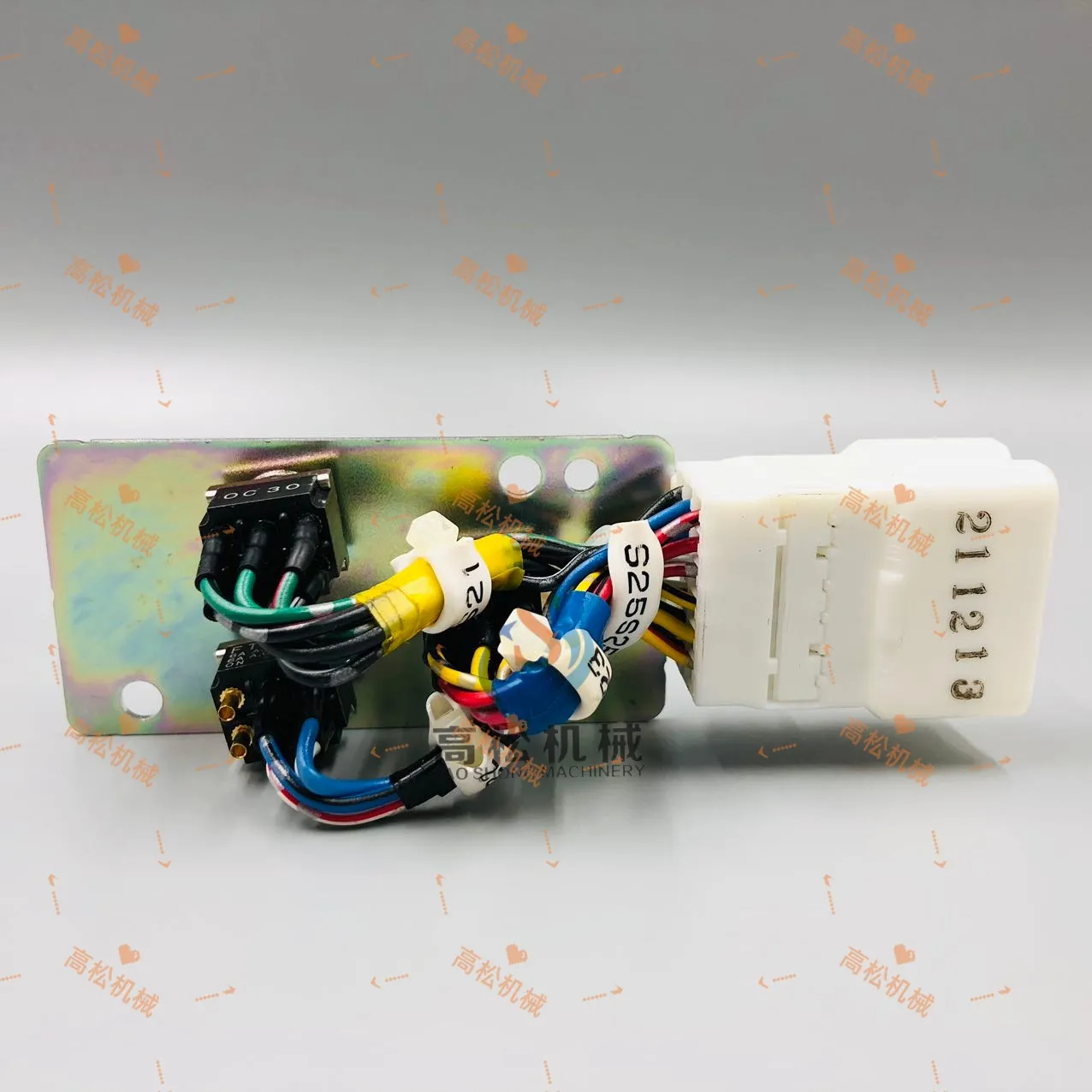 22u-06-22370 Komatsu PC228us-3 SWITCH ASS’Y submit for PC200LL, PC220LL, PC228, PC228US, PC270, PC270LL, PC300, PC300HD, PC300L, PC340, PC350, PC380
 -
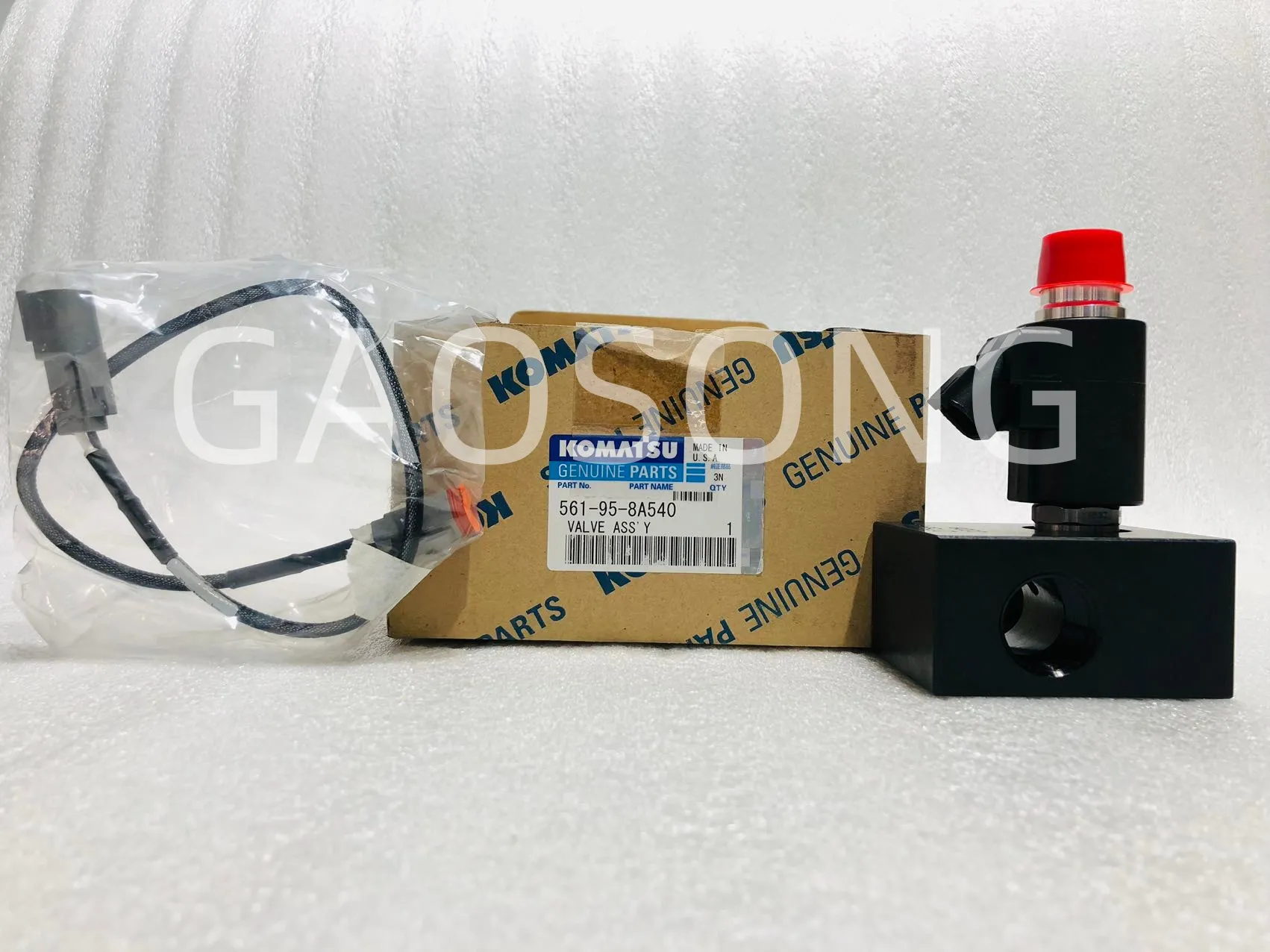 561-95-8A530 • PUMP ASSEMBLY-Komatsu Original Factory
 -
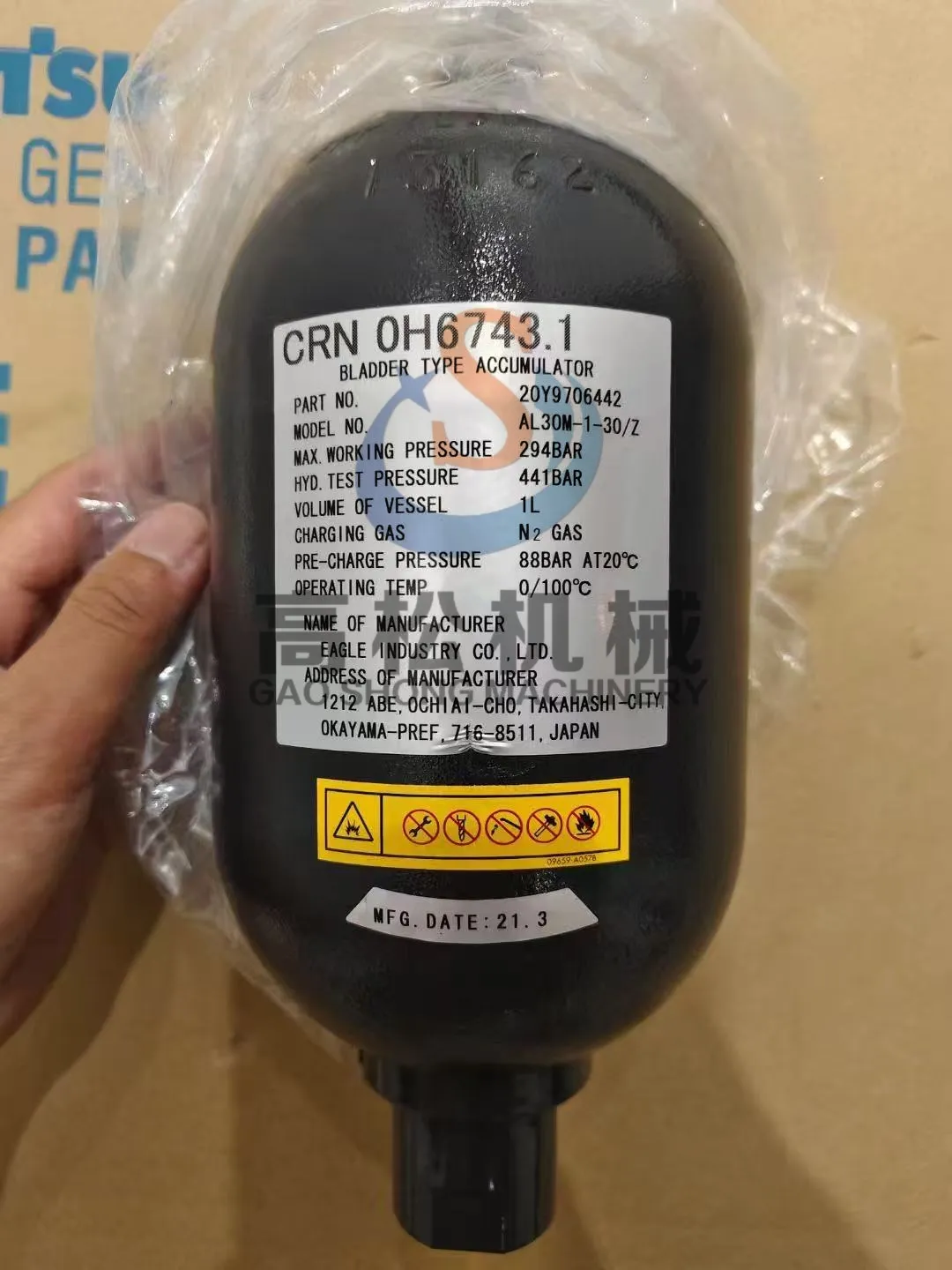 20Y-970-6442 Komatsu Accumulator Assembly
 -
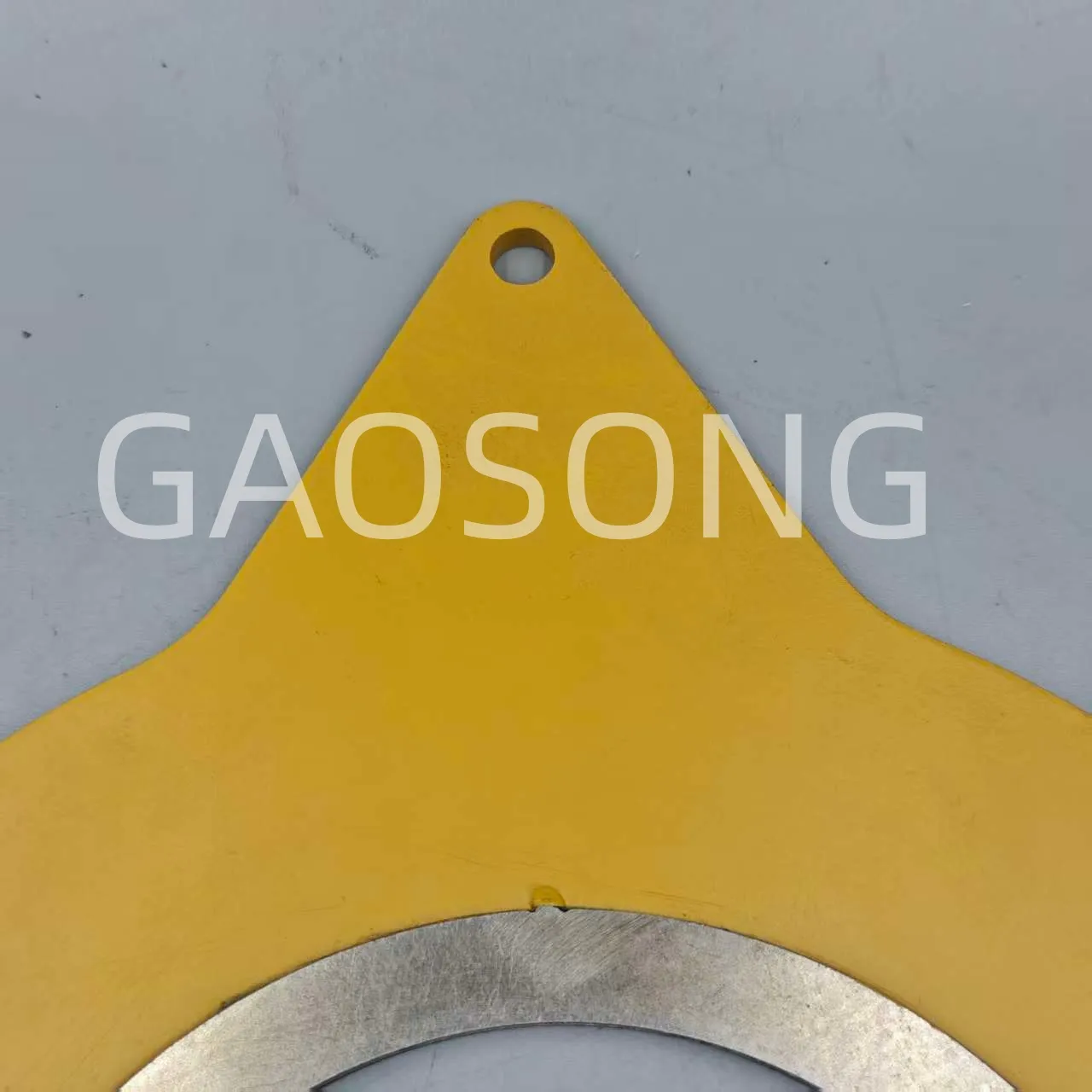 21T-70-12181-Komatsu Original Factory
 -
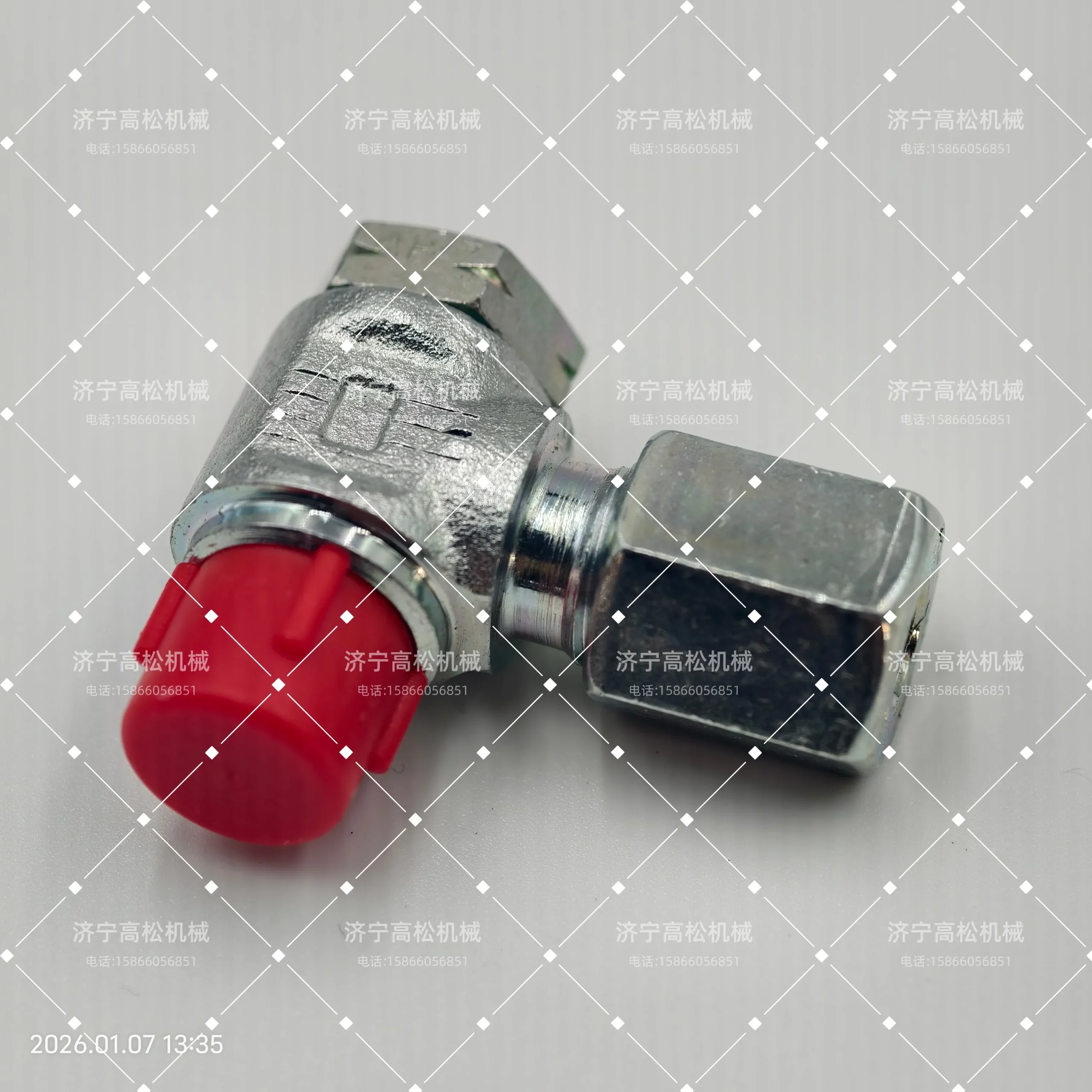 569-95-63520 – Connector fits KOMATSU
 -
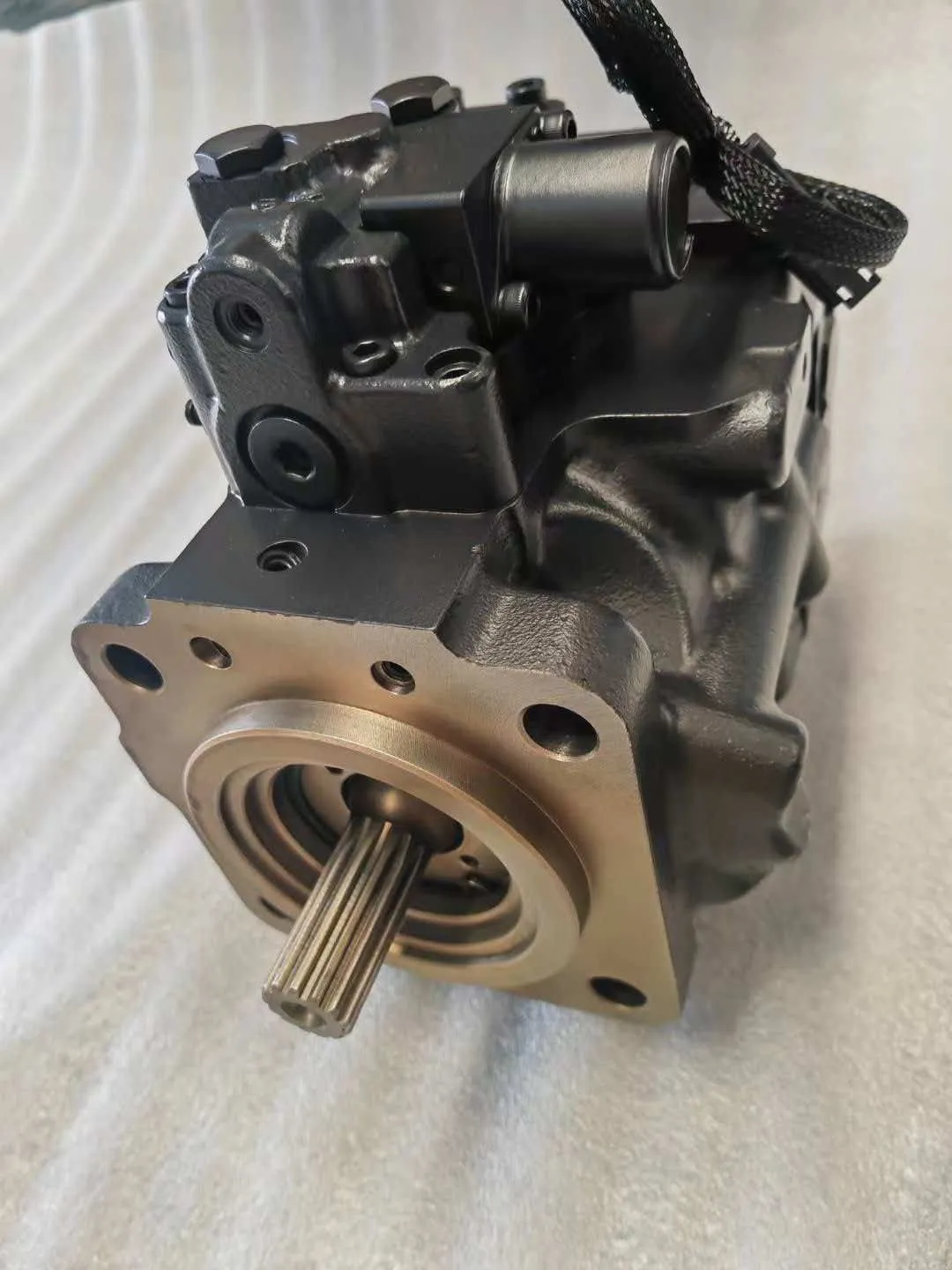 Compatible for Komatsu D61EX-16 D61PX-16 D65PX-17 D65EX-17 GD755-5R Bulldozer Fan Pump 708-1S-00460
 -
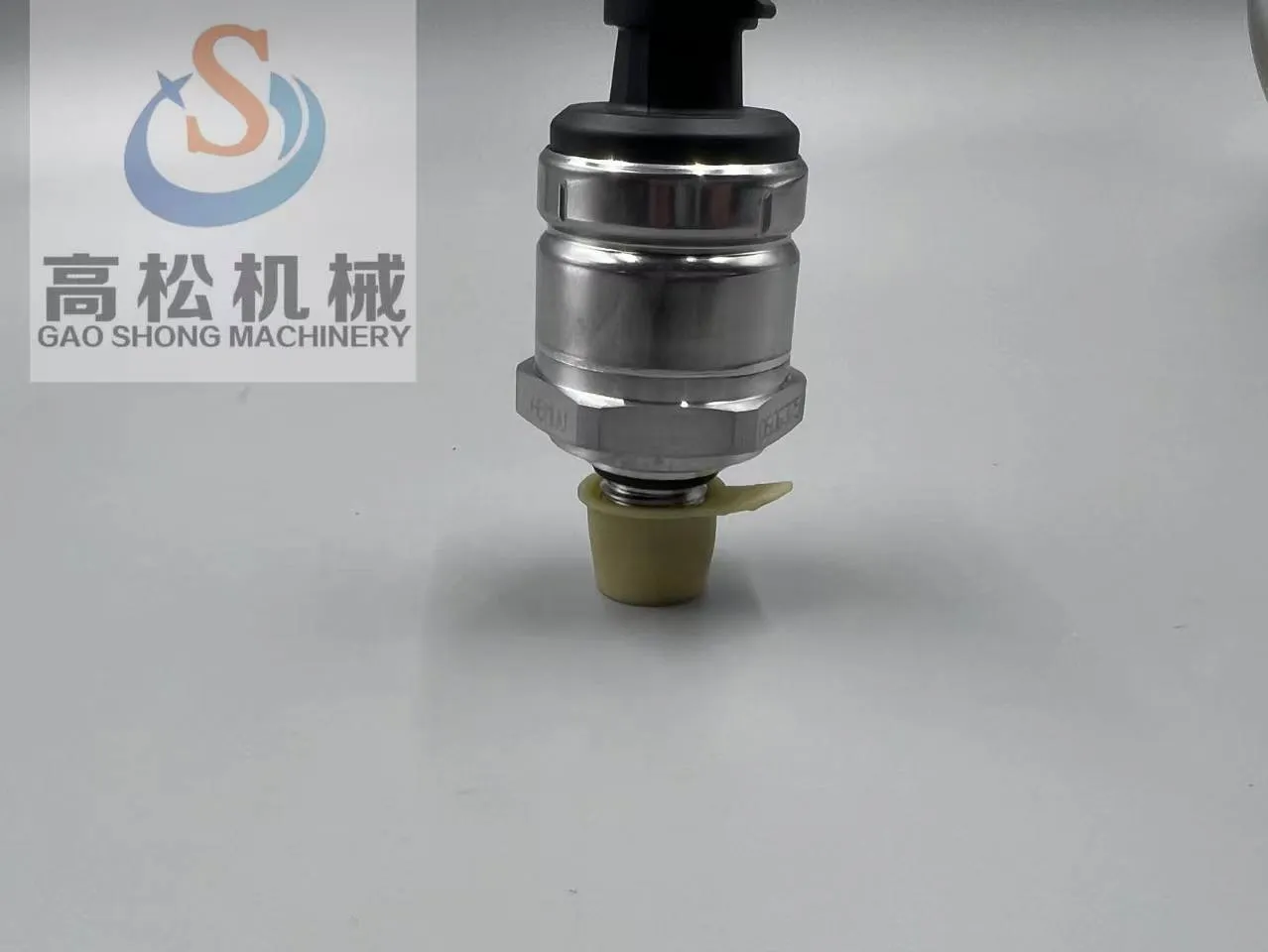 New fuel adjustment sensor sa6d170e-3 6560-51-6201 for komatsu heavy machinery spare parts
 -
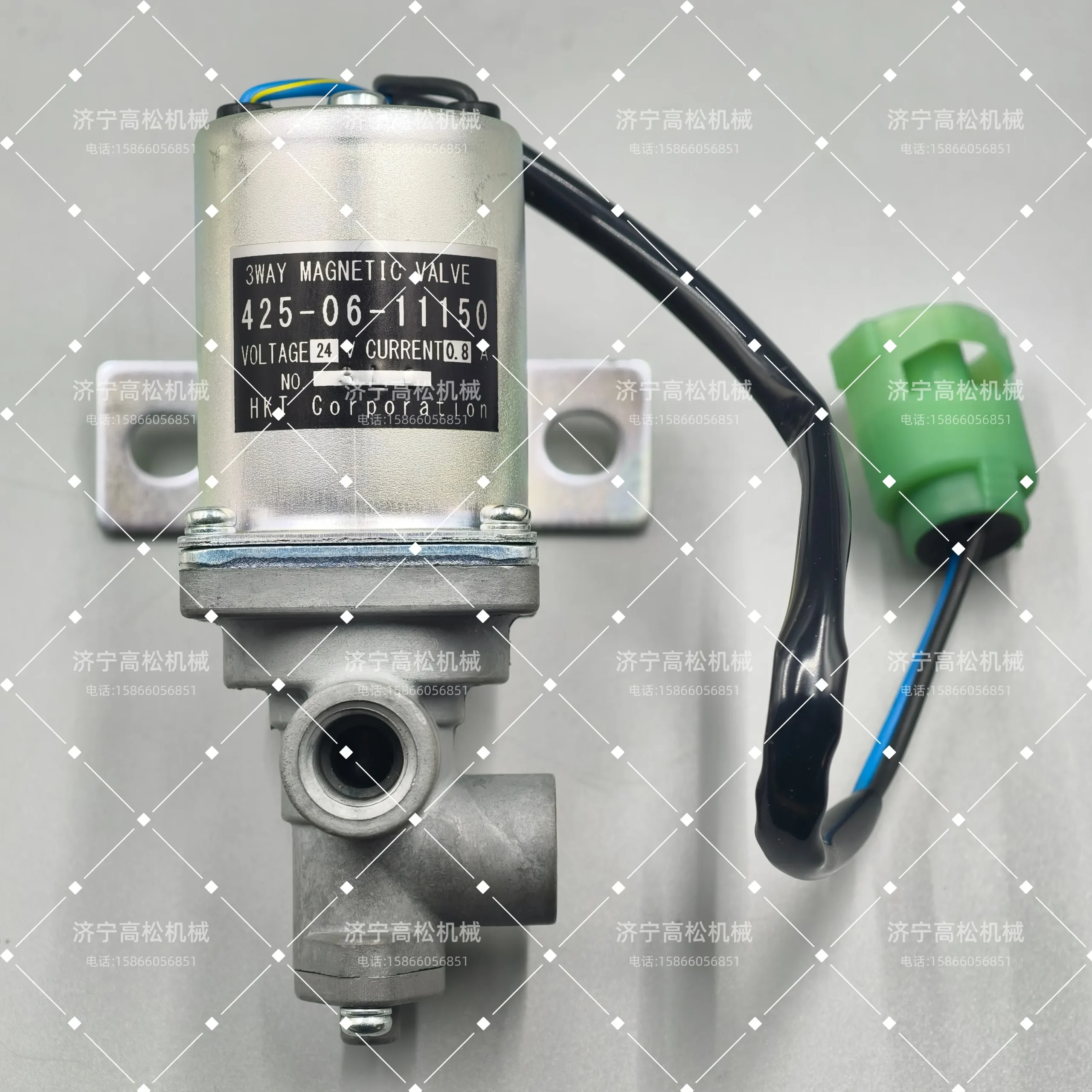 425-06-11150 Komatsu VALVE, PARKING BRAKE
 -
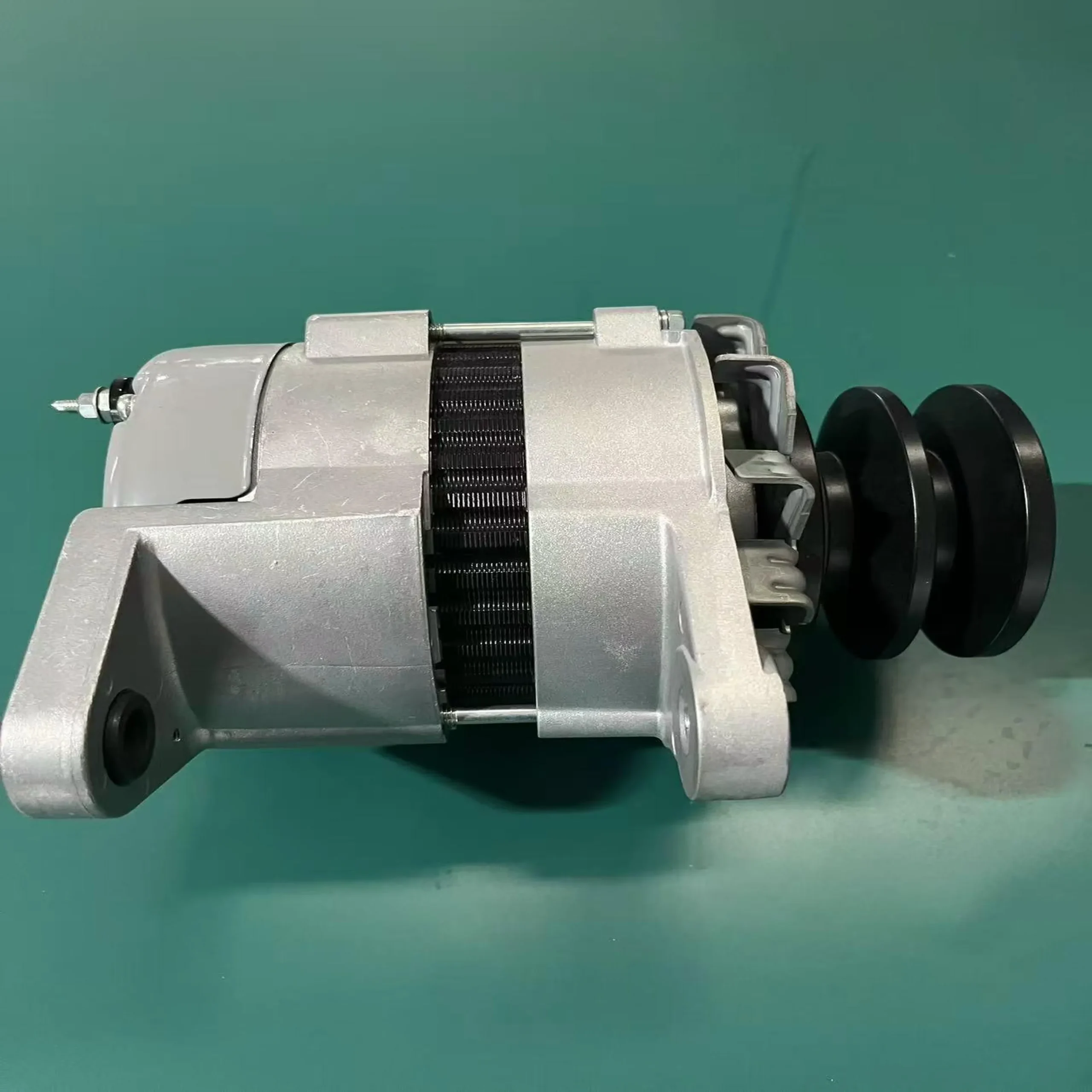 600-825-3151OEG Parts New Alternator Compatible With KOMATSU D65E Crawler & PC130 PC400 EXCAVATOR WA320 LOADER 6008253120, 6008253150, 6008253151, 6008253160, 6008253161, ANK0005, 40050015
 -
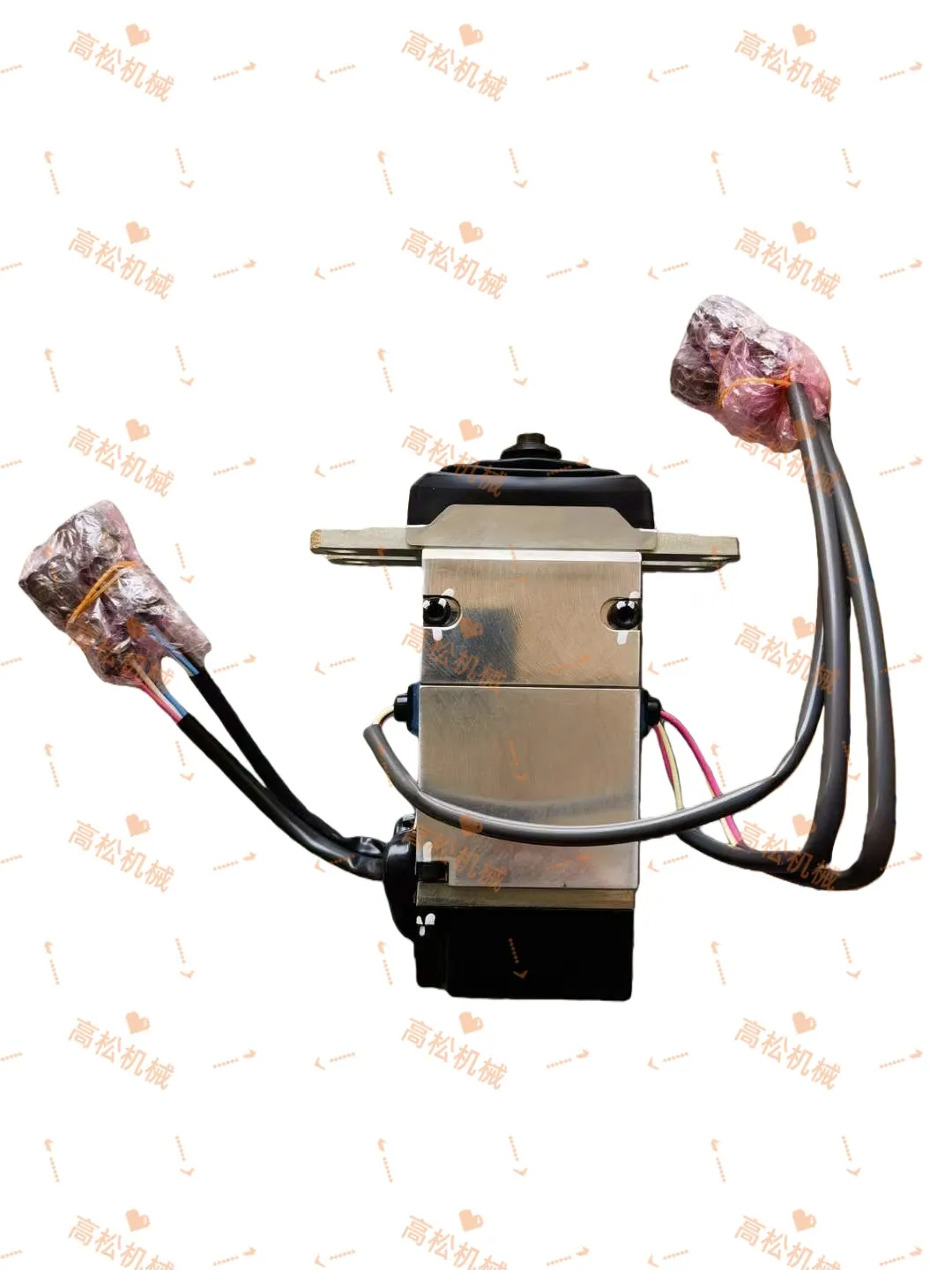 Komatsu Control lever 702-16-02144 for Wheel loader WA480-5H
 -
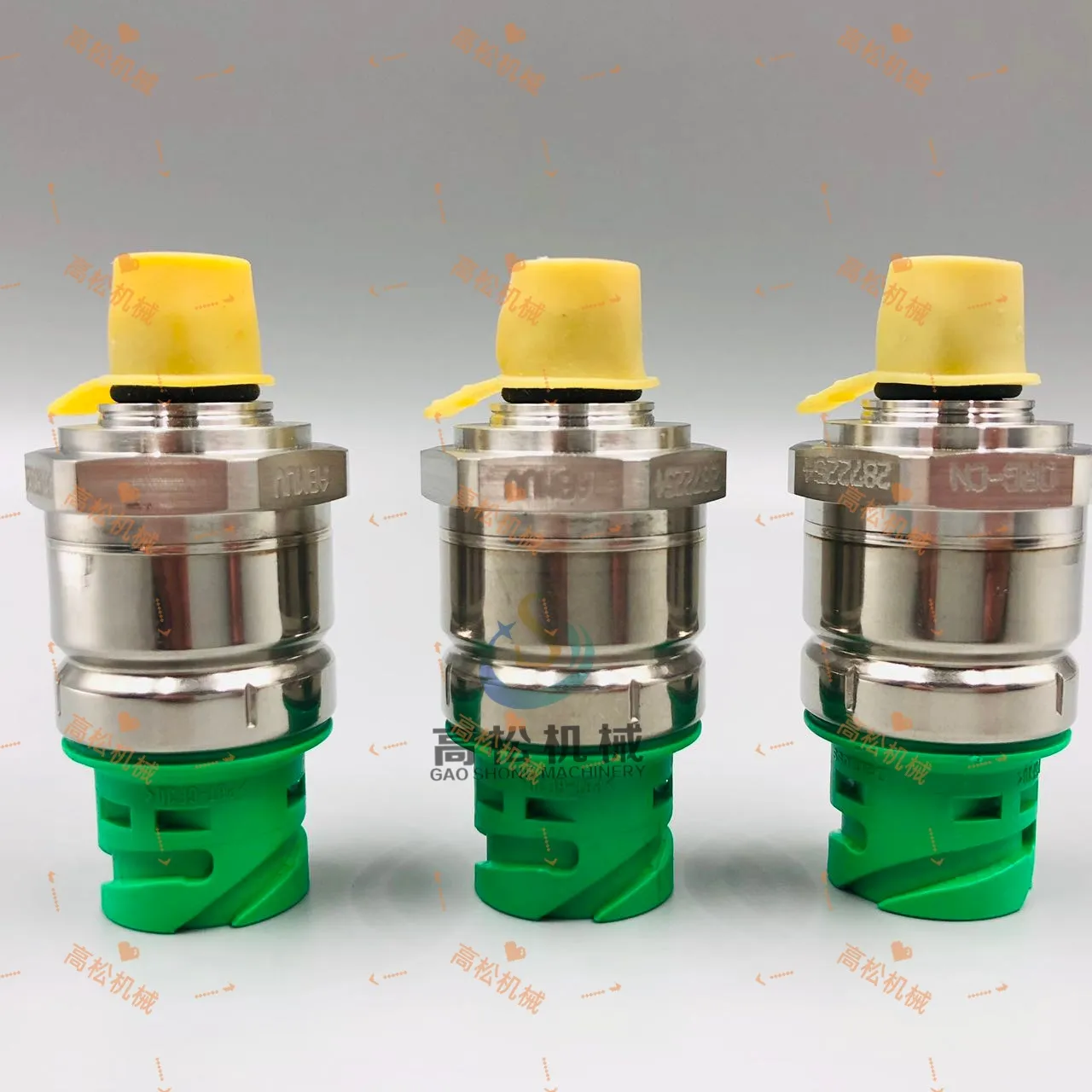 Komatsu, Sensor 6560-61-7202 Komatsu HM400 SAA6D140E WA500
 -
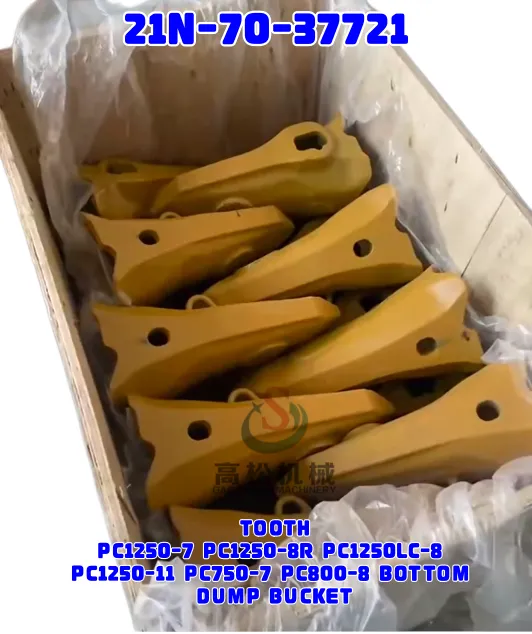
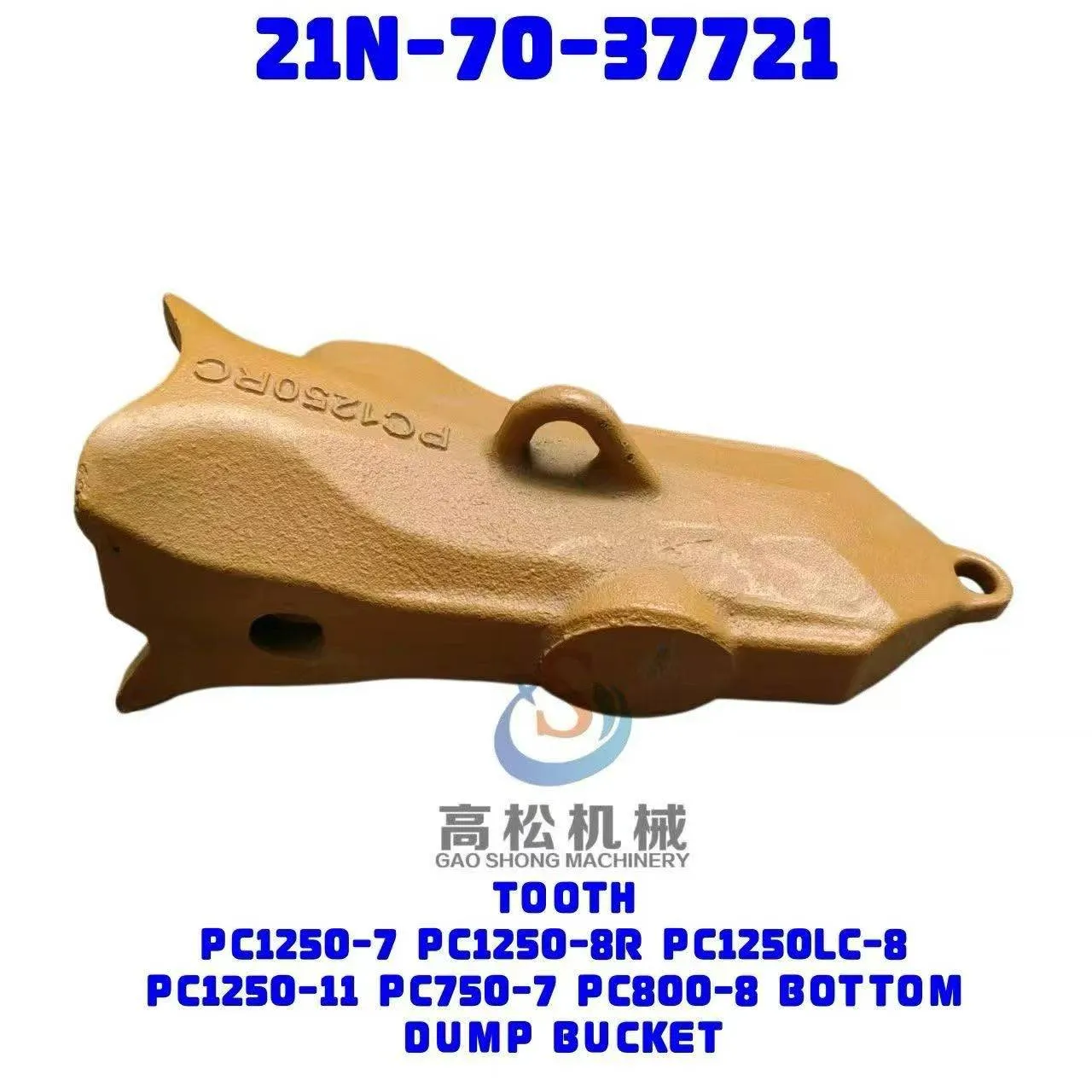 21n-70-37721 Bucket teeth, suitable for the following vehicle models. PC1250-7 PC1250-8R PC1250LC-8 PC1250-11 PC750-7 PC800-8 BOTTOM TOOTH PC1250-7 PC1250-8R PC1250LC-8 PC1250-11 PC750-7 PC800-8 BOTTOM DUMP BUCKET