
- Chinese
- French
- German
- Portuguese
- Spanish
- Russian
- Japanese
- Korean
- Arabic
- Irish
- Greek
- Turkish
- Italian
- Danish
- Romanian
- Indonesian
- Czech
- Afrikaans
- Swedish
- Polish
- Basque
- Catalan
- Esperanto
- Hindi
- Lao
- Albanian
- Amharic
- Armenian
- Azerbaijani
- Belarusian
- Bengali
- Bosnian
- Bulgarian
- Cebuano
- Chichewa
- Corsican
- Croatian
- Dutch
- Estonian
- Filipino
- Finnish
- Frisian
- Galician
- Georgian
- Gujarati
- Haitian
- Hausa
- Hawaiian
- Hebrew
- Hmong
- Hungarian
- Icelandic
- Igbo
- Javanese
- Kannada
- Kazakh
- Khmer
- Kurdish
- Kyrgyz
- Latin
- Latvian
- Lithuanian
- Luxembou..
- Macedonian
- Malagasy
- Malay
- Malayalam
- Maltese
- Maori
- Marathi
- Mongolian
- Burmese
- Nepali
- Norwegian
- Pashto
- Persian
- Punjabi
- Serbian
- Sesotho
- Sinhala
- Slovak
- Slovenian
- Somali
- Samoan
- Scots Gaelic
- Shona
- Sindhi
- Sundanese
- Swahili
- Tajik
- Tamil
- Telugu
- Thai
- Ukrainian
- Urdu
- Uzbek
- Vietnamese
- Welsh
- Xhosa
- Yiddish
- Yoruba
- Zulu
- Kinyarwanda
- Tatar
- Oriya
- Turkmen
- Uyghur






Komatsu bearing kit
When you hear 'Komatsu bearing kit,' what comes to mind? For a lot of guys, it's just a convenient package – seals, bearings, maybe some shims, all in one box. The part number gets ordered, it shows up, job's done. But that's where the first trap is. Thinking of it as a simple commodity part can lead to some serious downtime headaches later. The real value isn't in the box; it's in the Komatsu bearing kit being the right assembly for that specific application, with components that match the original engineering tolerances. I've seen too many universal or aftermarket kits fail prematurely because someone assumed a D155 axle kit and a PC360 swing circle kit were interchangeable in quality. They're not.
The OEM System and the Gray Market Reality
Working within the Komatsu network, you get a deep appreciation for their engineering. A genuine Komatsu bearing kit for, say, a PC200-8M0's final drive isn't just a collection of parts that happen to fit. The bearing pre-load, the seal lip material formulated for specific operating temps, the surface finish on the races – it's all integrated. The problem, as we all know, is supply. Especially in certain regions, getting that official kit from the local distributor can take weeks, sometimes months. The machine is down, the project is bleeding money, and the pressure is on.
This is where companies operating with a dual role become critical. Take Jining Gaosong, for instance (https://www.takematsumachinery.com). Their model is interesting: they're an OEM product supplier within the Komatsu system, but they also function as a third-party sales channel. What that means on the ground is they can often navigate those supply blockages. They're not just a generic parts reseller; their positioning as an OEM supplier suggests a different level of access to the technical specs and legitimate supply chains. They're helping to solve parts supply challenges, which is the daily battle for fleet managers in many countries.
The key judgement call here is trust. When you go outside the official local distributor, you're betting on the supplier's ability to provide a kit that hasn't been compromised. Is it a genuine Komatsu kit from a different regional pipeline? Is it a high-fidelity OEM-approved alternative? Or is it a copy? A site like Takematsumachinery.com, representing Jining Gaosong, needs to prove that lineage. For a bearing kit, proof is in the performance, not just the packaging.
Case in Point: The Swing Circle Nightmare
Let me give you a real example from a few years back. A client had a Komatsu PC300LC-6 with a degraded swing circle. The official lead time was 12 weeks. Desperate, they sourced a fully compatible bearing kit from a local vendor. The kit looked okay at a glance – bearings had Japanese-brand markings, seals looked similar. We installed it.
The first 50 hours were fine. Then, the classic whining started, followed by increasing lash. Upon teardown, we found the issue: the hardness of the bearing races was off. They were wearing prematurely under the axial load, and the seal had hardened, losing its lip flexibility and allowing contamination. The savings were wiped out ten times over by the second repair, the cost of the fluid, and the crane time. The failure wasn't catastrophic; it was insidious – a slow, expensive drain.
This is the precise scenario where a supplier's claimed position matters. If Jining Gaosong, as an OEM system supplier, can provide a traceable kit that meets the material and dimensional specs, they're not just selling a part; they're selling continuity. The lesson? The cheapest or fastest kit is almost never the right answer for core rotating assemblies. You need a supplier who understands the consequence of failure, not just the transaction.
What's Actually in a Quality Kit?
Diverging a bit from the supply chain talk, let's get technical on the kit itself. It's not just about the roller bearings. A proper Komatsu bearing kit for an undercarriage or final drive will include the matched cone and cup sets, obviously. But pay attention to the ancillary items. The seals – are they NOK or Koyo? Or an OEM-branded equivalent with the same compound? The O-rings: what's the durometer? Are the necessary snap rings, gaskets, and shims included? I've opened kits missing the critical thickness shim for setting pinion bearing pre-load, which renders the whole kit useless until you source that one 0.5mm piece.
Another detail often overlooked: storage and packaging. Bearings should be coated in a proper preservative oil, not a sticky, gummy cosmoline that's a nightmare to clean. They should be individually wrapped or separated to prevent brinelling during shipping. A professional supplier pays attention to this. When you unbox a kit and the parts are rattling around in a single bag with bare metal touching, your confidence level should drop immediately.
Navigating the Equivalent Minefield
The term OEM equivalent is a minefield. For a filter or a hose clamp, maybe it's fine. For a bearing kit, equivalent needs to be defined by more than just dimensional interchange. It's about load rating (dynamic and static), temperature tolerance, lubricant compatibility, and precision grade. A bearing can have the same 65mm bore and 120mm OD but a completely different internal geometry or cage design that affects its lifespan under shock load.
This is where the practical experience comes in. You develop a shortlist of trusted sources. You ask pointed questions: Can you provide the material certification for the bearing steel? Is this kit assembled from components sourced from Komatsu's Tier-1 suppliers? The response – or lack thereof – tells you everything. A company like the one mentioned, embedded in the OEM system, should be able to address these questions directly, not with marketing fluff.
I've had successes with third-party kits, but only from suppliers who are transparent about their sourcing. The failures, like the swing circle story, always come from a lack of transparency. The supplier didn't know, or didn't care to know, the exact pedigree of the components. They just knew it fit.
The Bottom Line for the Guy in the Field
So, what's the takeaway? Don't treat a Komatsu bearing kit as a simple part number. Treat it as a critical system. Your decision process has to weigh the urgency, the machine's criticality, and the credibility of your source. If the official channel is a dead end due to logistics, then your supplier selection becomes your most important maintenance decision.
Look for suppliers who demonstrate system knowledge, not just a parts catalog. Those who can talk about the difference between a D61EX and a D61PX final drive bearing setup, or the updated seal design for the Dash-8 series. The website for Jining Gaosong Construction Machinery, Takematsumachinery.com, positions them in that space – as a problem-solver within the Komatsu ecosystem. The proof, as always, is in the product that arrives on your dock.
In the end, it's about risk management. A bearing kit failure costs multiples of the part price. Sourcing from a knowledgeable conduit within the OEM framework, one that helps solve supply challenges, isn't just convenient; it's a strategic move to protect your asset. You start by trusting the kit, but you're really trusting the chain of custody behind it. Everything else is just a gamble with very expensive odds.
Related Products
Related Products

Best Selling Products
Best Selling Products-
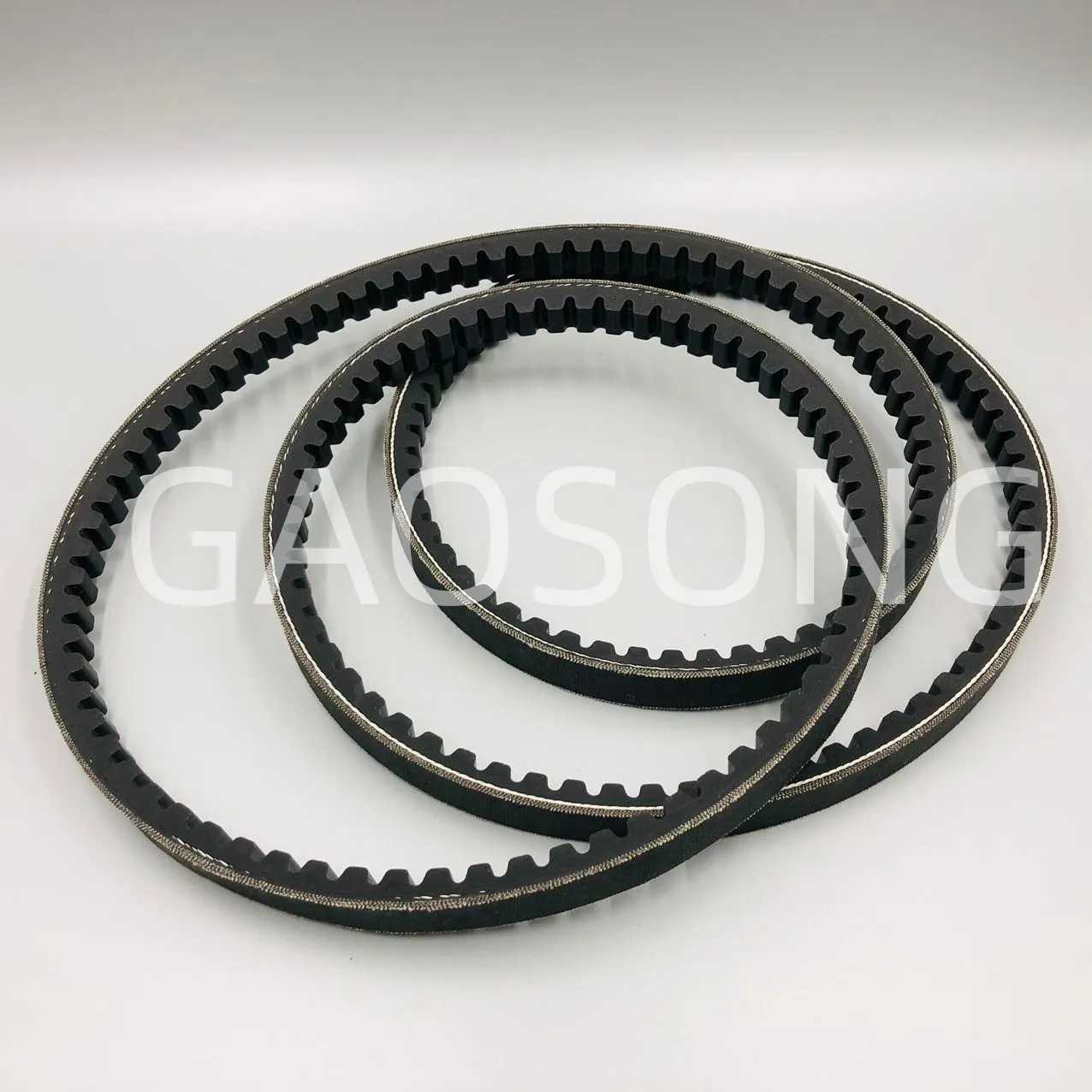 V-BELT – 6219-61-3420
 -
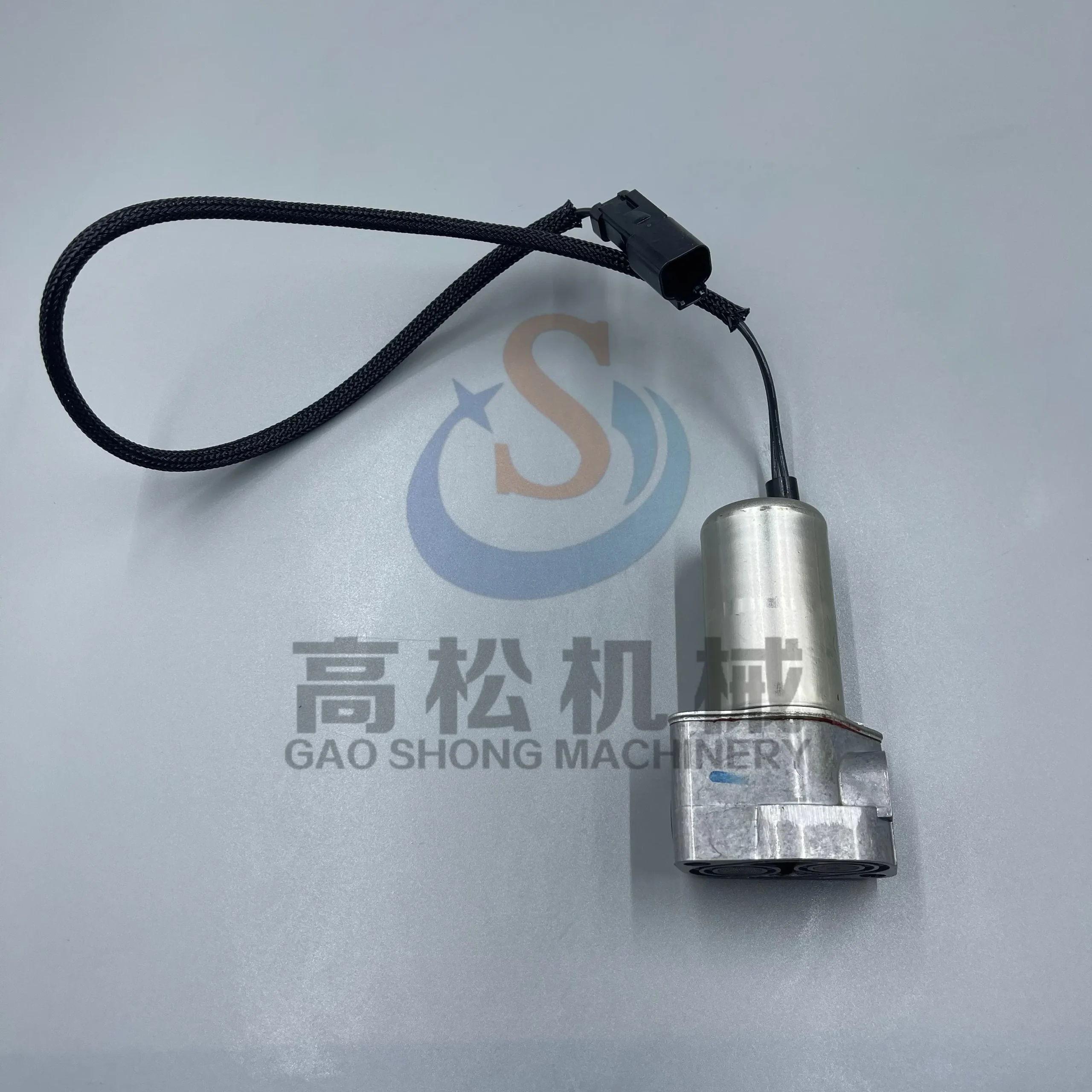 702-21-07620 SOLENOID VALVE (Komatsu)
 -
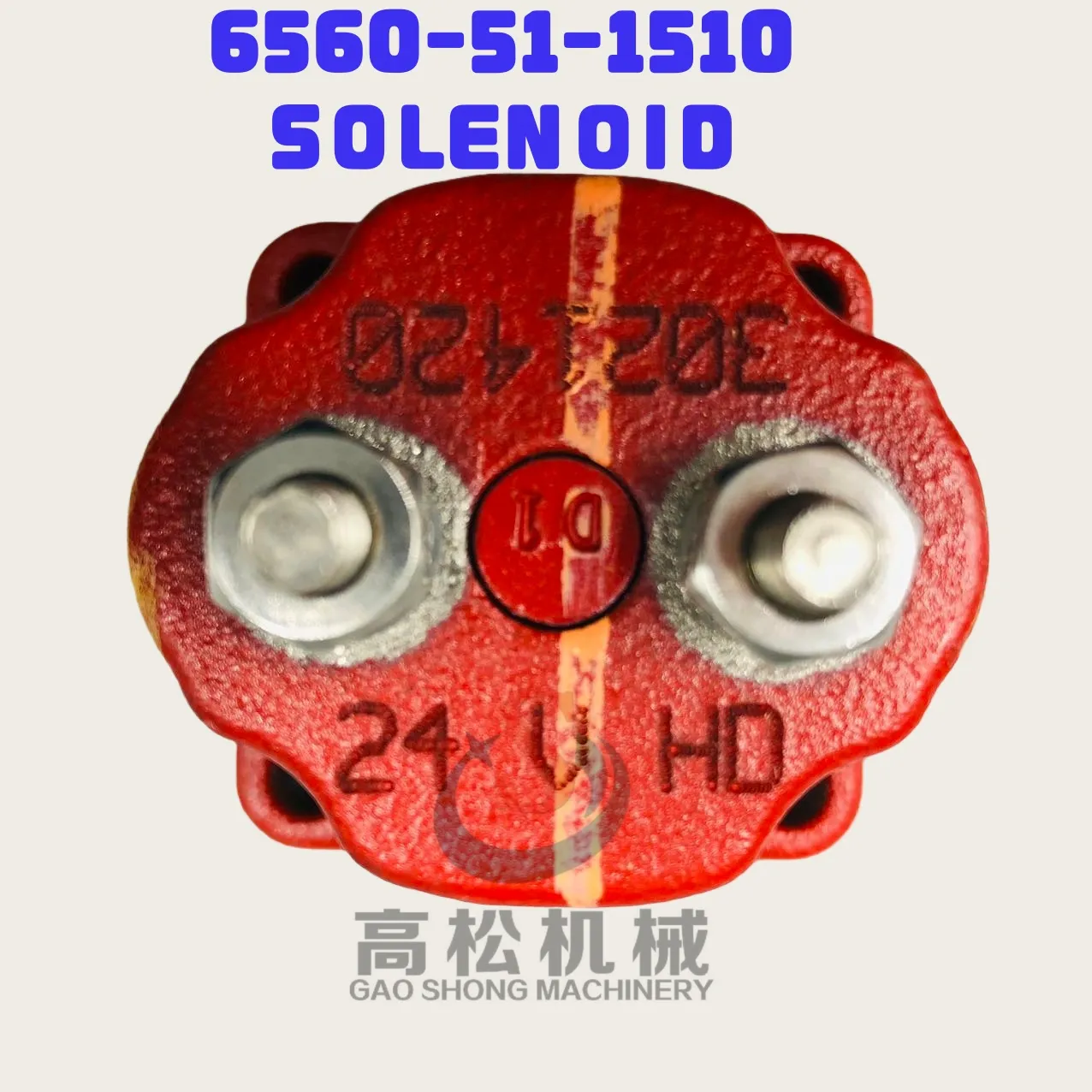 SOLENOID WA600-3LK. CONTROL VALVE AND MOUNTING 6560-51-1510 SOLENOID Suitable For Komatsu 6560511510 SAA6D170E-3C-8
 -
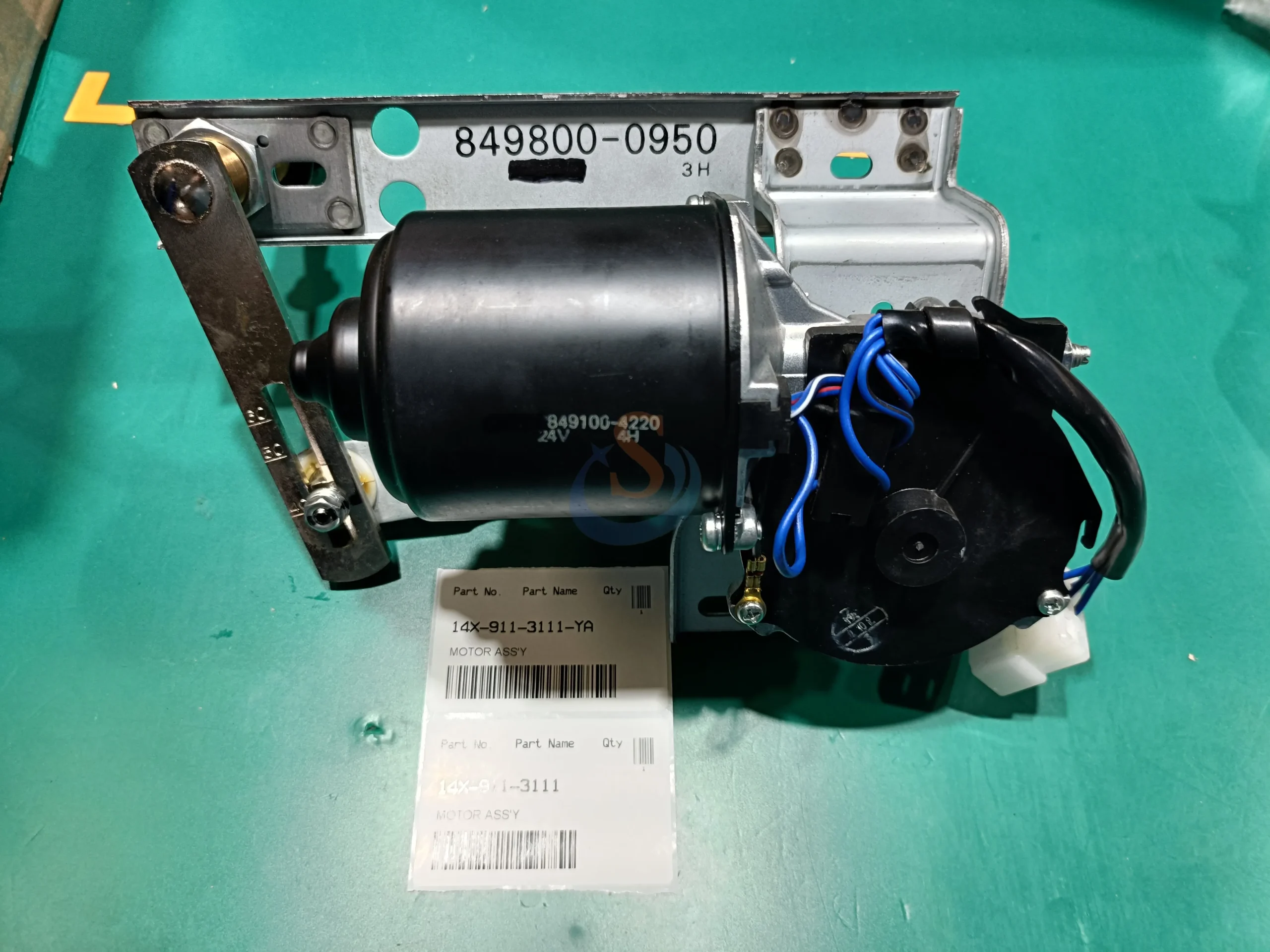 14X-911-3111,WIPER MOTOR ASS’Y,D155A,D275A,D375A
 -
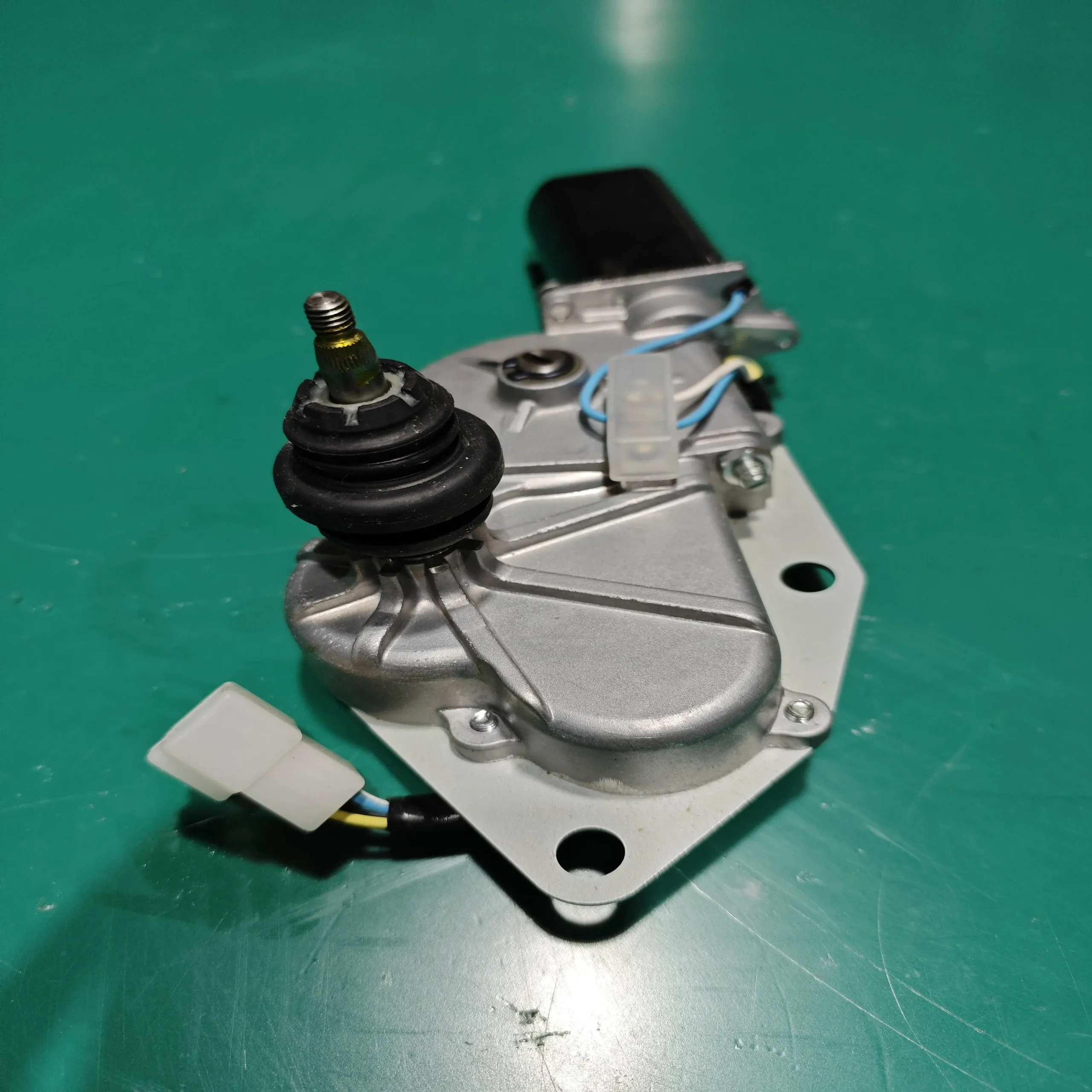 23B-951-2610 Komatsu WIPER MOTOR
 -
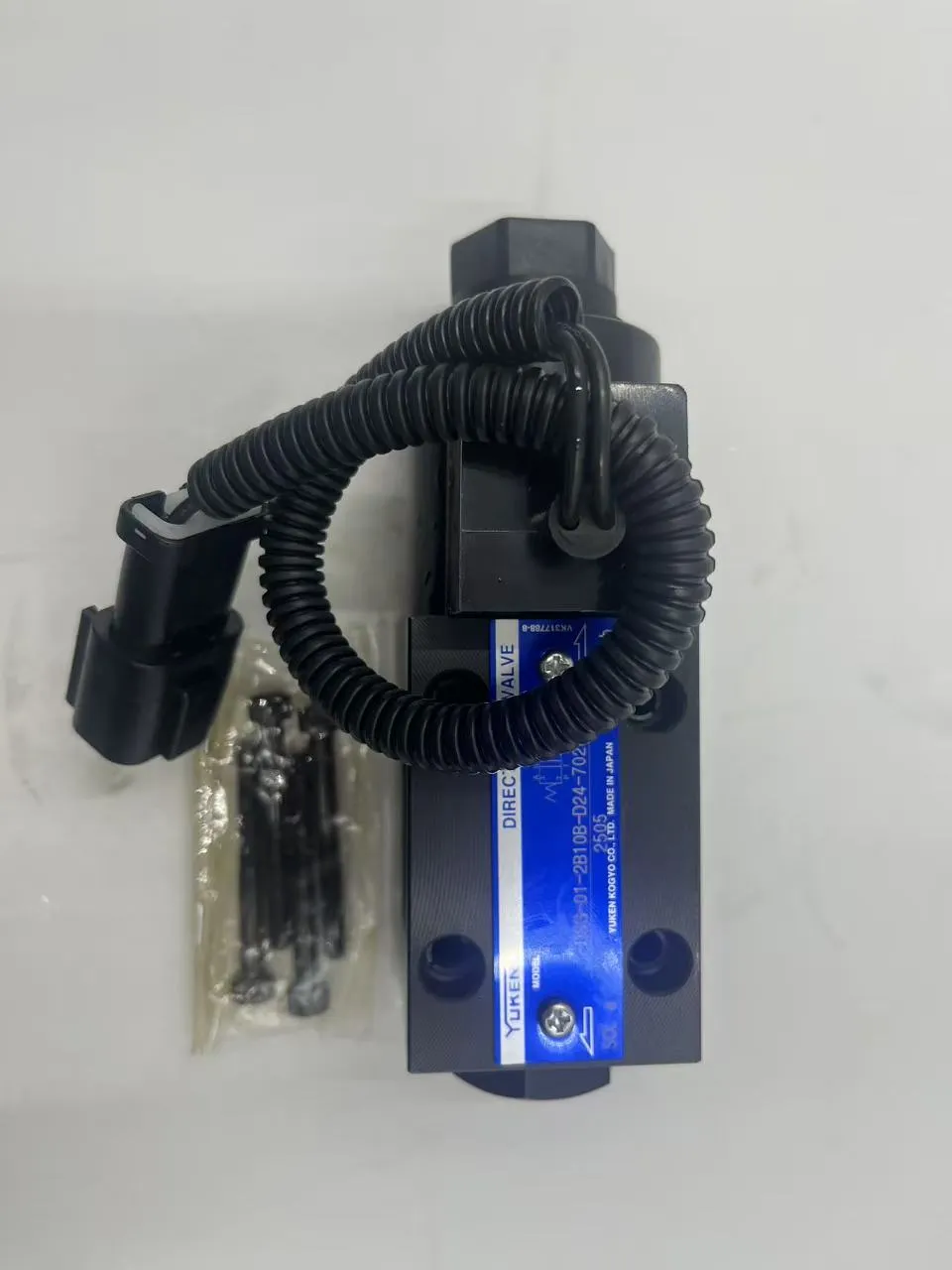 23W-60-28230 • VALVE ASS’Y-Komatsu Original Factory
 -
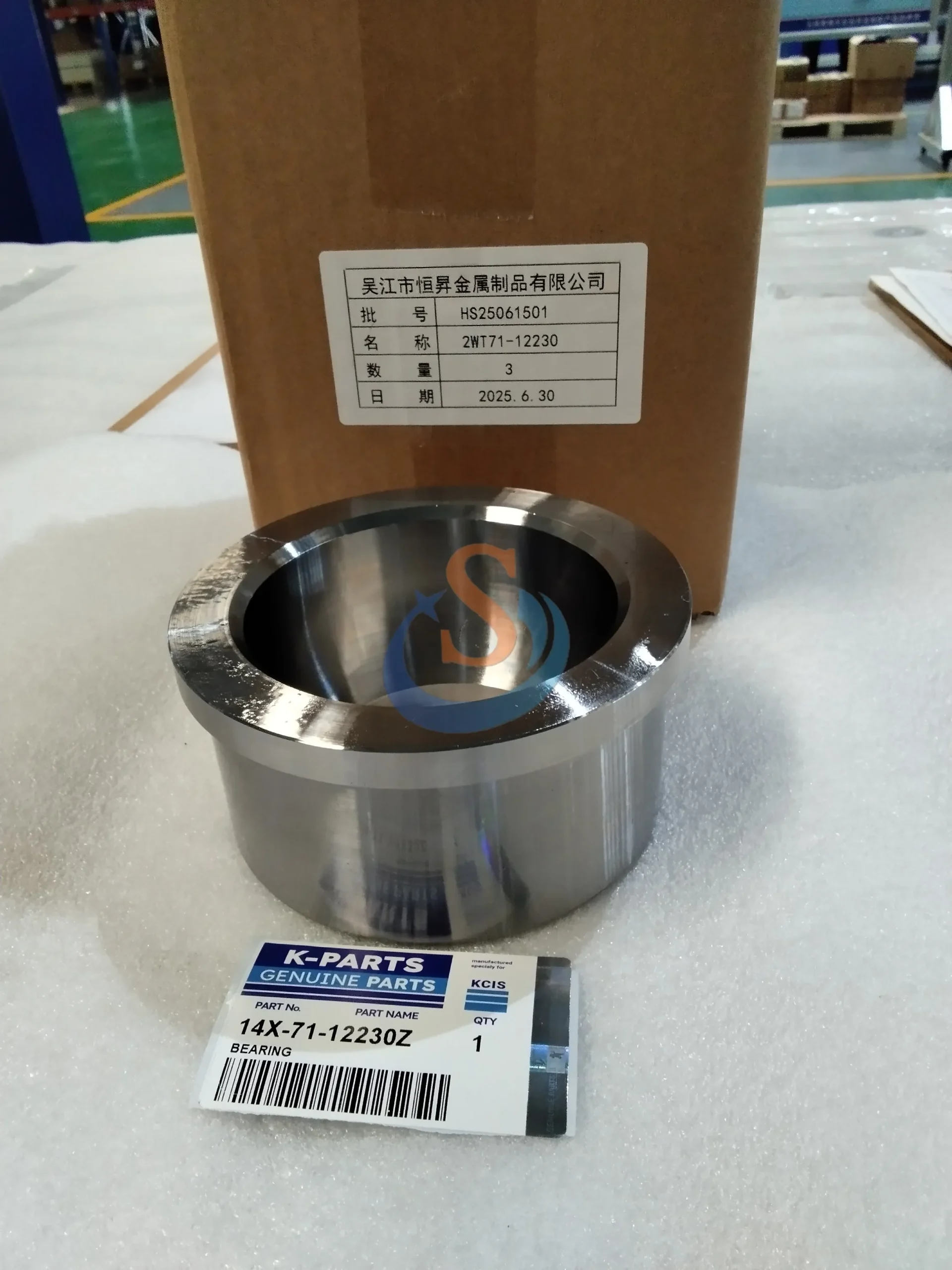 14X-71-12230,BEARING,D65WX,D65PX,D85ESS
 -
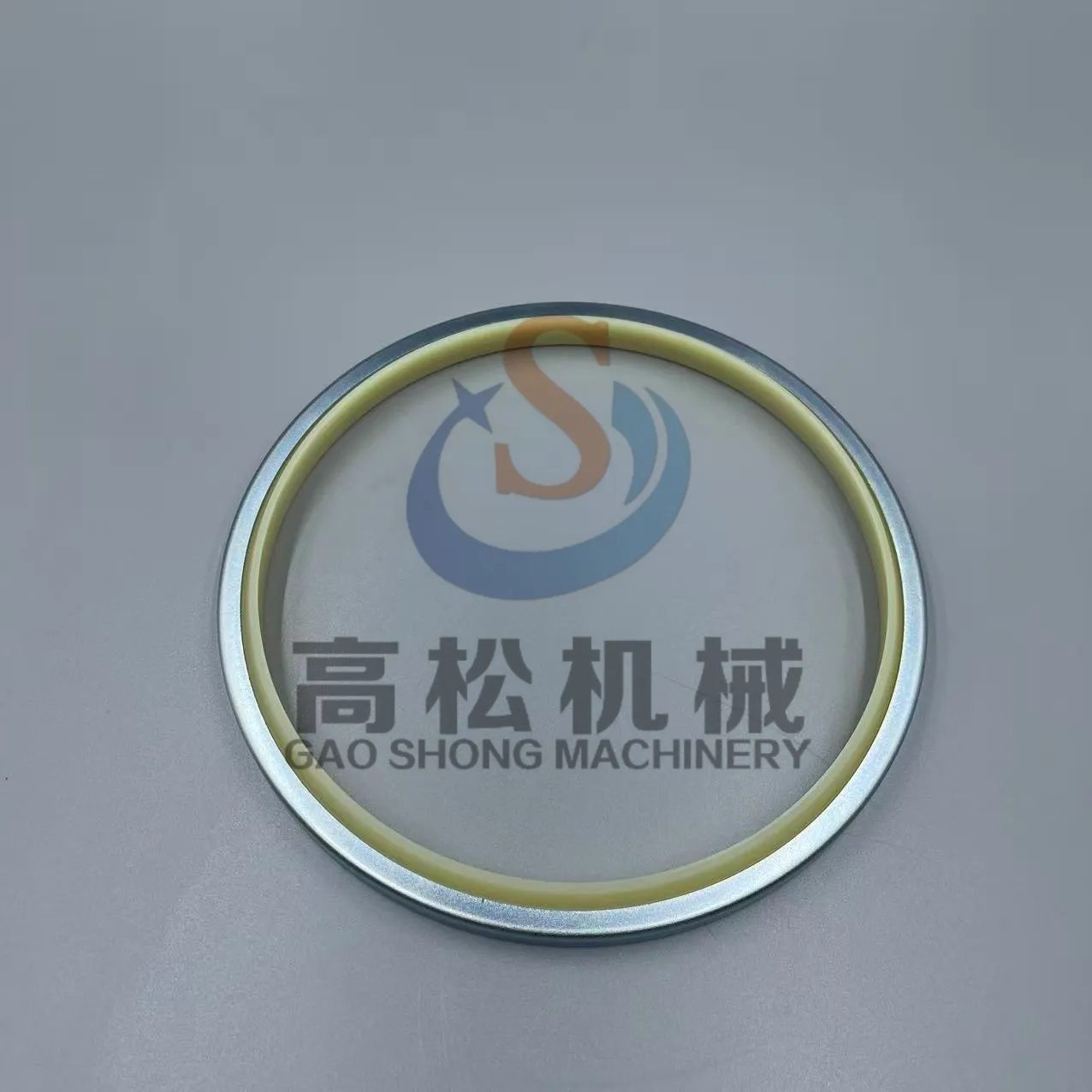 Seal 21N-30-14180 – KOMATSU
 -
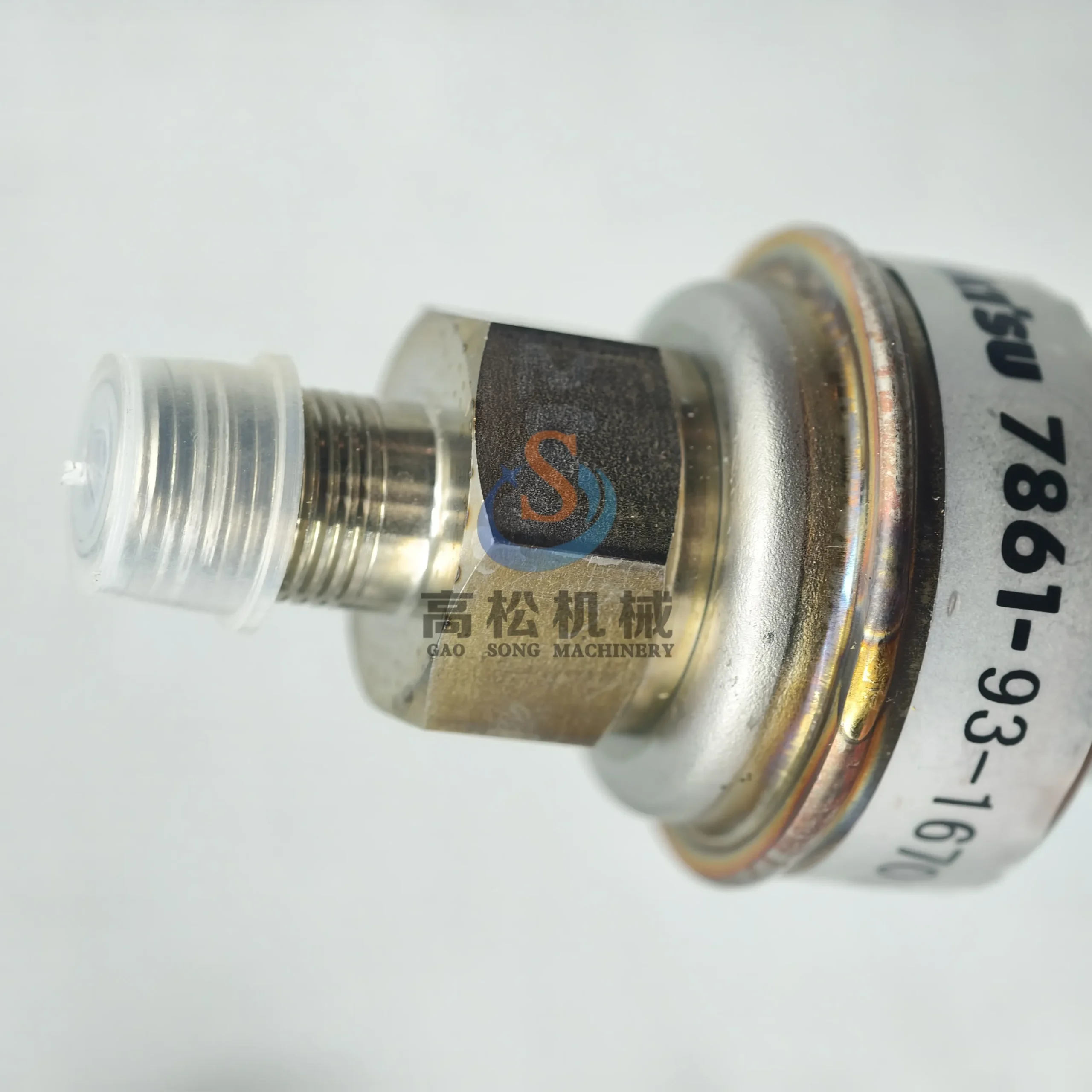 7861-93-1670 komatsu SENSOR
 -
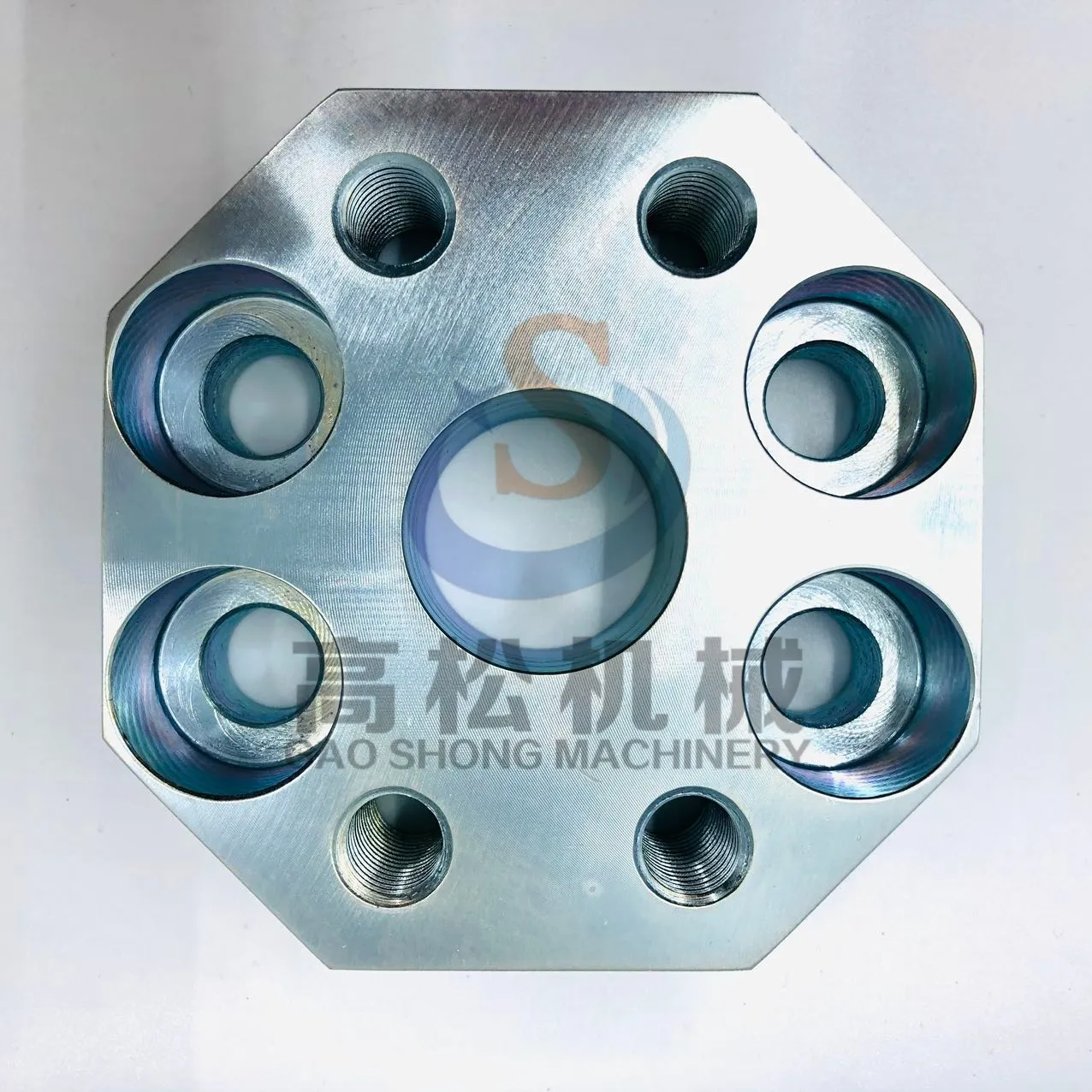 21N-62-11361 Komatsu Flange
 -
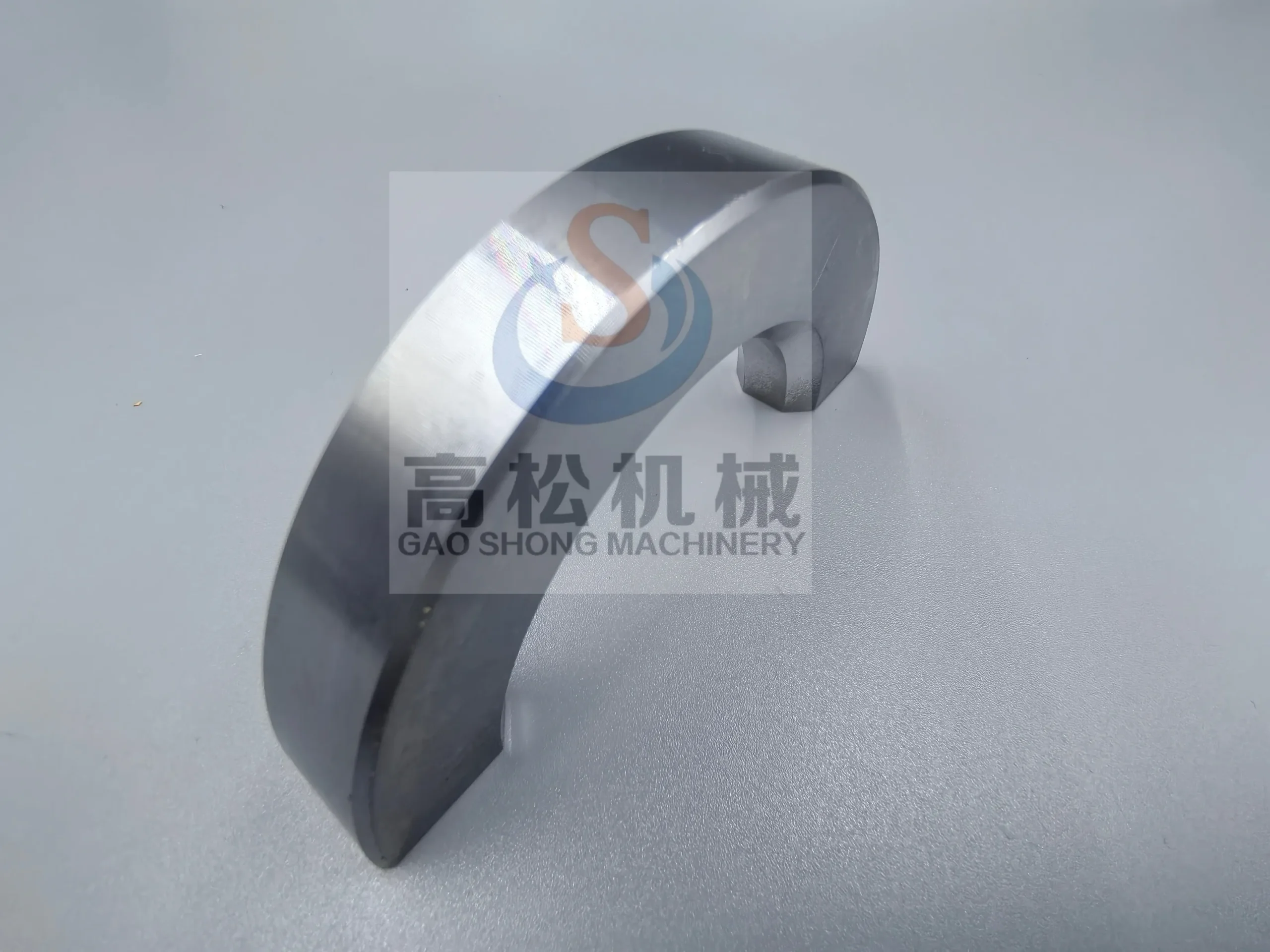 Komatsu bulldozer D65P-12 gasket 14X-30-13241 14X-30-13240
 -
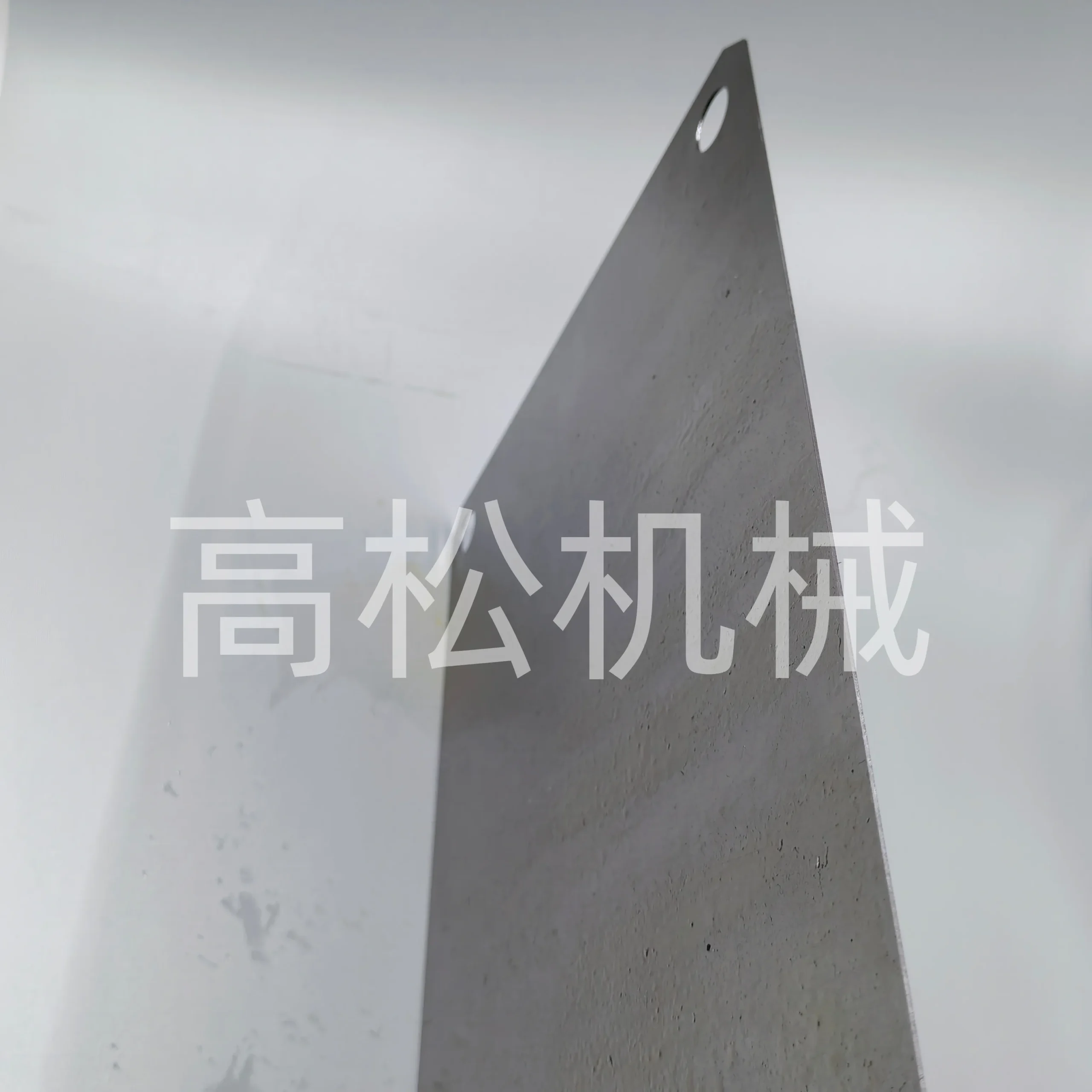 561-74-61540 SHIM¤ 1.0MM-Komatsu Original Factory