
- Chinese
- French
- German
- Portuguese
- Spanish
- Russian
- Japanese
- Korean
- Arabic
- Irish
- Greek
- Turkish
- Italian
- Danish
- Romanian
- Indonesian
- Czech
- Afrikaans
- Swedish
- Polish
- Basque
- Catalan
- Esperanto
- Hindi
- Lao
- Albanian
- Amharic
- Armenian
- Azerbaijani
- Belarusian
- Bengali
- Bosnian
- Bulgarian
- Cebuano
- Chichewa
- Corsican
- Croatian
- Dutch
- Estonian
- Filipino
- Finnish
- Frisian
- Galician
- Georgian
- Gujarati
- Haitian
- Hausa
- Hawaiian
- Hebrew
- Hmong
- Hungarian
- Icelandic
- Igbo
- Javanese
- Kannada
- Kazakh
- Khmer
- Kurdish
- Kyrgyz
- Latin
- Latvian
- Lithuanian
- Luxembou..
- Macedonian
- Malagasy
- Malay
- Malayalam
- Maltese
- Maori
- Marathi
- Mongolian
- Burmese
- Nepali
- Norwegian
- Pashto
- Persian
- Punjabi
- Serbian
- Sesotho
- Sinhala
- Slovak
- Slovenian
- Somali
- Samoan
- Scots Gaelic
- Shona
- Sindhi
- Sundanese
- Swahili
- Tajik
- Tamil
- Telugu
- Thai
- Ukrainian
- Urdu
- Uzbek
- Vietnamese
- Welsh
- Xhosa
- Yiddish
- Yoruba
- Zulu
- Kinyarwanda
- Tatar
- Oriya
- Turkmen
- Uyghur






Komatsu bearing
When you hear 'Komatsu bearing', most folks immediately picture that shiny, branded box. That's the first trap. In the field, it's rarely about the logo on the packaging; it's about the specific load, the heat cycle, and the sheer punishment it'll face inside a 300-ton excavator's swing circle. The assumption that all bearings under the Komatsu name are created equal is a costly one. I've seen too many machines down for weeks because someone chased a cheaper 'OEM-equivalent' that couldn't handle the axial thrust in a PC7000's final drive. The real conversation starts when you stop looking at it as just a 'Komatsu part' and start seeing it as a precision component with a very specific job in a brutal environment.
The OEM Reality and the Aftermarket Gap
Working with entities like Jining Gaosong Construction Machinery Co., Ltd. clarifies the landscape. They operate within the Komatsu system as an OEM product supplier, which is different from just being a reseller. This means certain components, including critical bearings for models like the D375 dozer or the HD785 truck, come through channels that adhere to Komatsu's manufacturing specs. The nuance here is crucial. It's not always about supplying the primary market; it's about filling the void in regions where the official supply chain stutters. Their role, as highlighted on their portal https://www.takematsumachinery.com, is to solve parts supply challenges. For a site manager in a remote mining operation, this isn't a convenience—it's what keeps the fleet moving.
But here's the practical judgment call: when do you insist on the OEM-channel bearing, and when can you consider a verified alternative? For high-stress, high-rotation applications—think the slewing bearing on a large mining shovel—the tolerance stack-up is everything. A deviation of a few microns in raceway hardness can lead to premature spalling. I recall a case where a non-OEM supplier provided a bearing for a PC8000 pump drive. It fit, it ran, but within 400 hours, the unusual noise started. Post-failure analysis showed the cage material couldn't withstand the torsional vibration. The downtime cost dwarfed the initial 'savings'.
This is where the third-party sales function of a company like Gaosong becomes relevant. They aren't just moving boxes; they're often the ones who've seen the failure modes firsthand. A conversation with their techs might reveal that for a specific Komatsu wheel loader model, the aftermarket bearing from a particular Japanese foundry has a proven track record, while for another, you're gambling. This on-the-ground intelligence is what you're really paying for.
Decoding the Numbers and the Nuances
You can't talk bearings without getting into the numbering. A Komatsu part number like 20Y-63-11120 might seem arbitrary, but it's a map. The prefix often ties to the machine family. The mistake is assuming cross-referencing by dimension alone is sufficient. I learned this the hard way early on. We sourced a tapered roller bearing for a Komatsu excavator's idler wheel based purely on inner/outer diameter and width. It physically installed, but the internal clearance (C3 vs. CN) was wrong for the application. The result was excessive heat buildup and seizure under full load. The machine was out for two days. The lesson? The Komatsu engineering spec baked into their part number accounts for that precise clearance, material grade, and often, a specific lubrication groove design.
Material is another silent differentiator. A standard bearing steel versus the carburized steel used in a genuine Komatsu planetary carrier bearing for a hydraulic drive is a world apart. The latter has a tough, ductile core and a hard, wear-resistant surface. In the field, you see the difference when you cut a failed one open. The non-genuine part often shows brittle fracture; the genuine one shows gradual fatigue. It tells a story of the load it was meant for versus the load it actually saw.
Then there's sealing. This is a detail that gets overlooked until a bearing fails from contamination. A Komatsu-designed bearing for a wet, muddy environment, like in a forestry application, will have a multi-labyrinth seal with specific grease purging channels. An aftermarket 'equivalent' might have a simple contact seal that looks similar but fails to keep abrasive particles out. I've spent hours pressure-washing final drives only to find the new bearing packed with silt because the seal geometry was off by a millimeter.
The Logistics of Failure and the Right Source
Supply chain is where theory meets the mud. You have a Komatsu D155 dozer down on a Friday afternoon with a blown final drive bearing. The official distributor is out of stock, with a lead time of six weeks from Japan. What do you do? This is the exact challenge companies like Jining Gaosong address. As a supplier within the Komatsu ecosystem, they might have access to that OEM component through parallel channels or have vetted an alternative that can get you running in 72 hours. Their company profile isn't marketing fluff; it's a description of a critical niche. They help solve parts supply challenges in certain countries, which often means they've built relationships and logistics to move critical parts where the standard pipeline is clogged.
But relying on this model requires trust built on transparency. A good supplier will tell you, This is the Komatsu OEM box, same as from the depot, or This is a Koyo bearing made to the same drawing, but it's not in Komatsu packaging. The red flag is when every part is vaguely labeled as OEM quality. I prefer the straight talk. Once, sourcing a bearing for an older Komatsu grader, the supplier explicitly said, The original manufacturer stopped this line. Here are two options: a Korean make that's decent for light duty, or we can remanufacture your old core with new races and rollers. That level of detail allows for a professional risk assessment.
The cost of expediency is another calculation. Air freighting a 200kg swing bearing from an overseas warehouse is a massive expense. Sometimes, if the machine is auxiliary equipment, it's more economical to wait for sea freight and manage the production schedule around it. Other times, like with your primary loading shovel, every hour of downtime costs thousands. The value of a supplier with a global network isn't just in having the part, but in having multiple logistics solutions to get it to your site gate.
Installation: Where Good Bearings Go to Die
All this sourcing effort is wasted if the installation is botched. The number one killer of a new Komatsu bearing is improper fitting. I've witnessed technicians using a sledgehammer and a piece of pipe to seat a bearing on a shaft, completely ignoring the press-fit specifications. The resulting brinelling creates stress points that lead to early failure. The correct tools—induction heaters, hydraulic presses, proper mandrels—are non-negotiable. The Komatsu service manual doesn't specify those procedures for fun; they're the result of their engineers seeing what works over decades.
Pre-lubrication is another critical step that's often rushed. A bearing needs the right grease, packed correctly, before it's sealed up. For a large spherical roller bearing in a conveyor drive, this means hand-packing the rollers and raceways, not just squirting grease into the cavity. The wrong grease type—mixing polyurea and lithium complex, for instance—can cause a chemical breakdown that turns the lubricant into a abrasive paste. I've pulled apart 'failed' bearings that were just starved or poisoned from day one.
Alignment. It sounds basic, but misalignment is a silent bearing assassin. When replacing a pump drive bearing on a Komatsu hydraulic system, ensuring the coupling alignment is within spec after the new bearing is installed is paramount. Even a slight angular misalignment creates cyclic stress that the bearing was never designed to handle. We once had a series of premature failures on a generator set. After the third bearing change, we finally did a laser alignment check and found the foundation had settled. The bearing wasn't the problem; it was the symptom.
Beyond the Replacement: The Observational Loop
The job isn't done when the machine is back online. The real professional insight comes from monitoring that new bearing. Using a simple infrared thermometer to track its operating temperature during the first 50 hours can reveal installation issues. Is it running hotter than the identical bearing on the other side of the machine? That's data. Listening for changes in sound with a mechanic's stethoscope, checking for any grease seepage or discoloration around the seals—these are the habits that turn a parts changer into a technician.
This observational loop is where you start to build your own trusted database. You note that the Komatsu bearing from a certain production batch for the PC360 excavator's travel motor consistently lasts 10,000 hours in sandy conditions, while another design for the same machine but in a rock quarry might only see 7,000. You learn that a particular supplier's packaging is consistently damaged in transit, so you know to inspect those deliveries with extra care. This isn't knowledge you get from a catalog; it's earned through attention and, frankly, through a few expensive mistakes.
Ultimately, dealing with Komatsu bearings is a practice in applied skepticism and diligent detail. It's understanding that the part is a link in a chain that includes sourcing, specification, logistics, installation, and follow-up. It's recognizing the value of a supplier who operates with clarity within the Komatsu orbit, like Jining Gaosong Construction Machinery Co., Ltd., not just as a vendor, but as a node in a global network that keeps iron moving. The goal isn't to just change a bearing; it's to restore a system to its designed integrity, one precise component at a time. And sometimes, that means knowing when the name on the box is the most critical spec of all.
Related Products
Related Products

Best Selling Products
Best Selling Products-
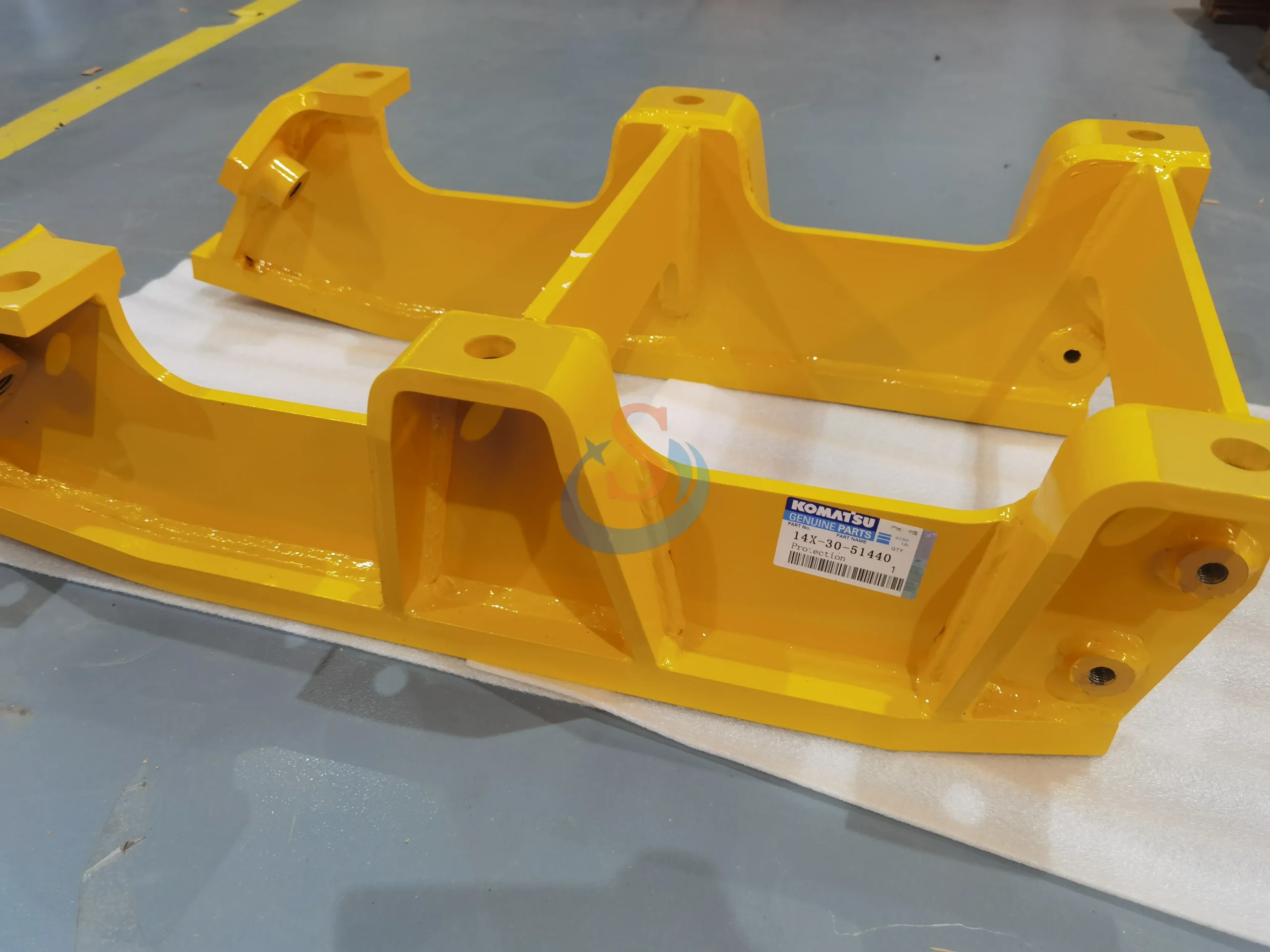 14X-30-51440,Guard,D65PX,D65EX,D65WX
 -
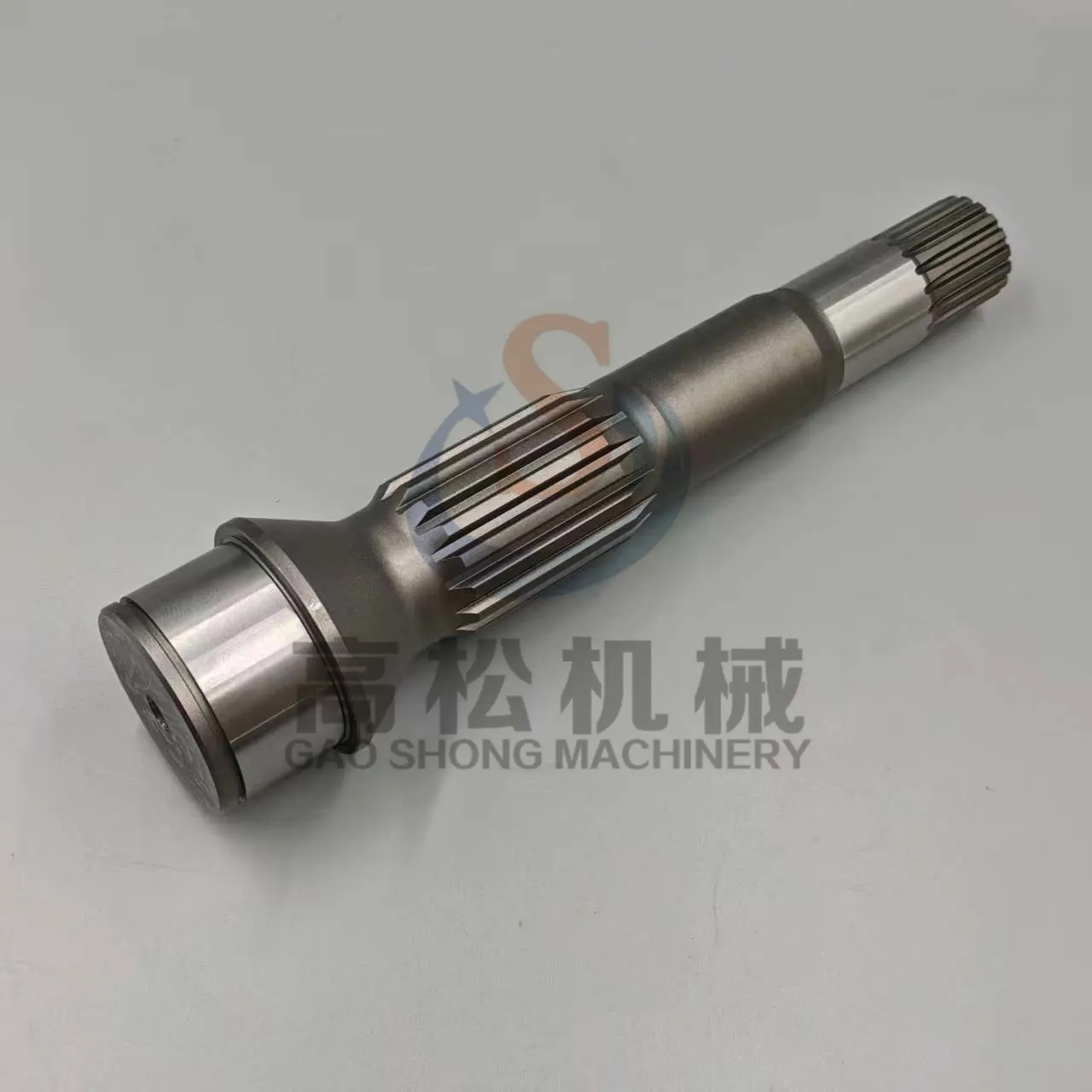 SHAFT 708-2G-12121 – KOMATSU
 -
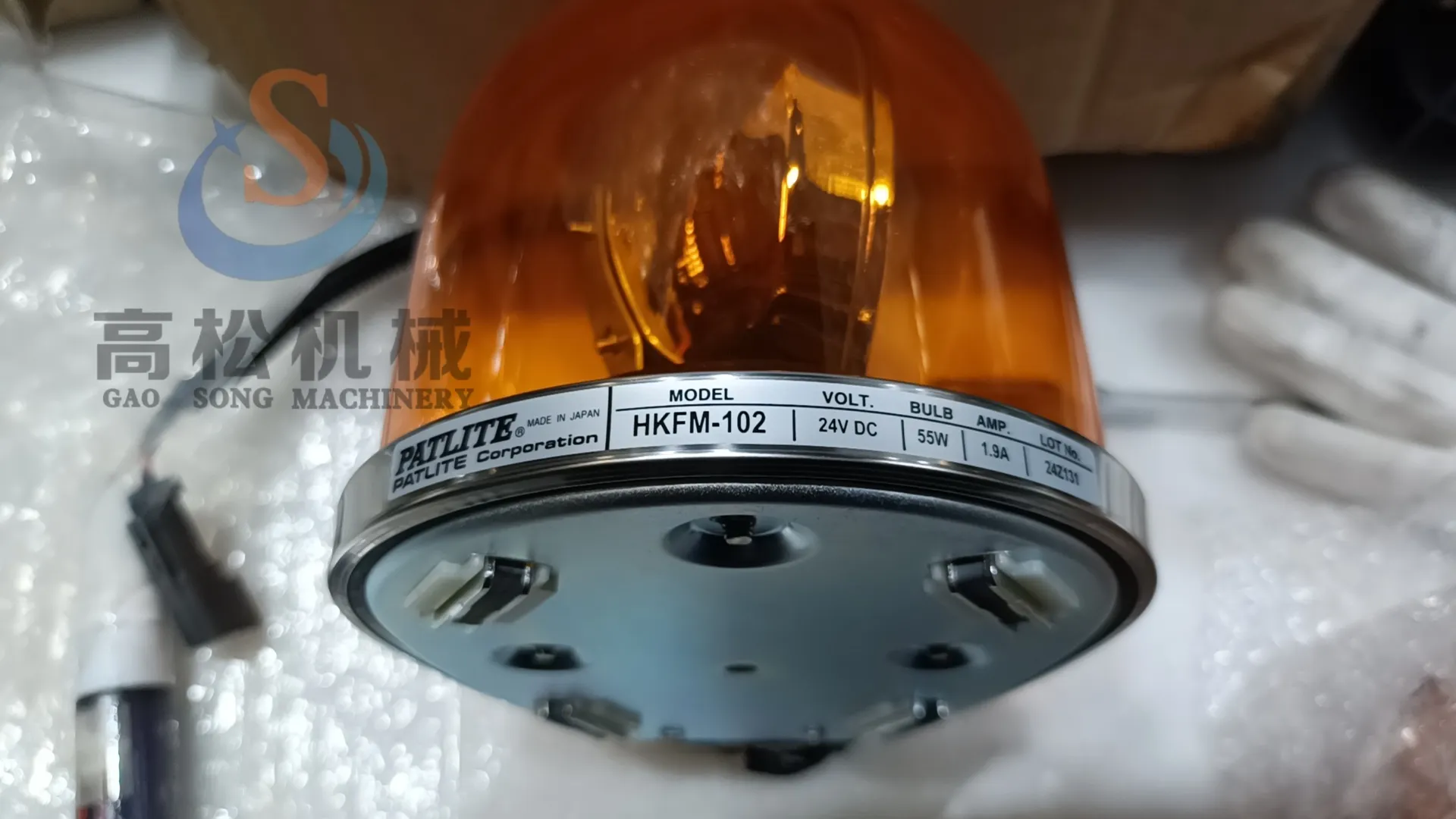 22B-54-17612 komatsu LAMP-PC200/PC300/PC400
 -
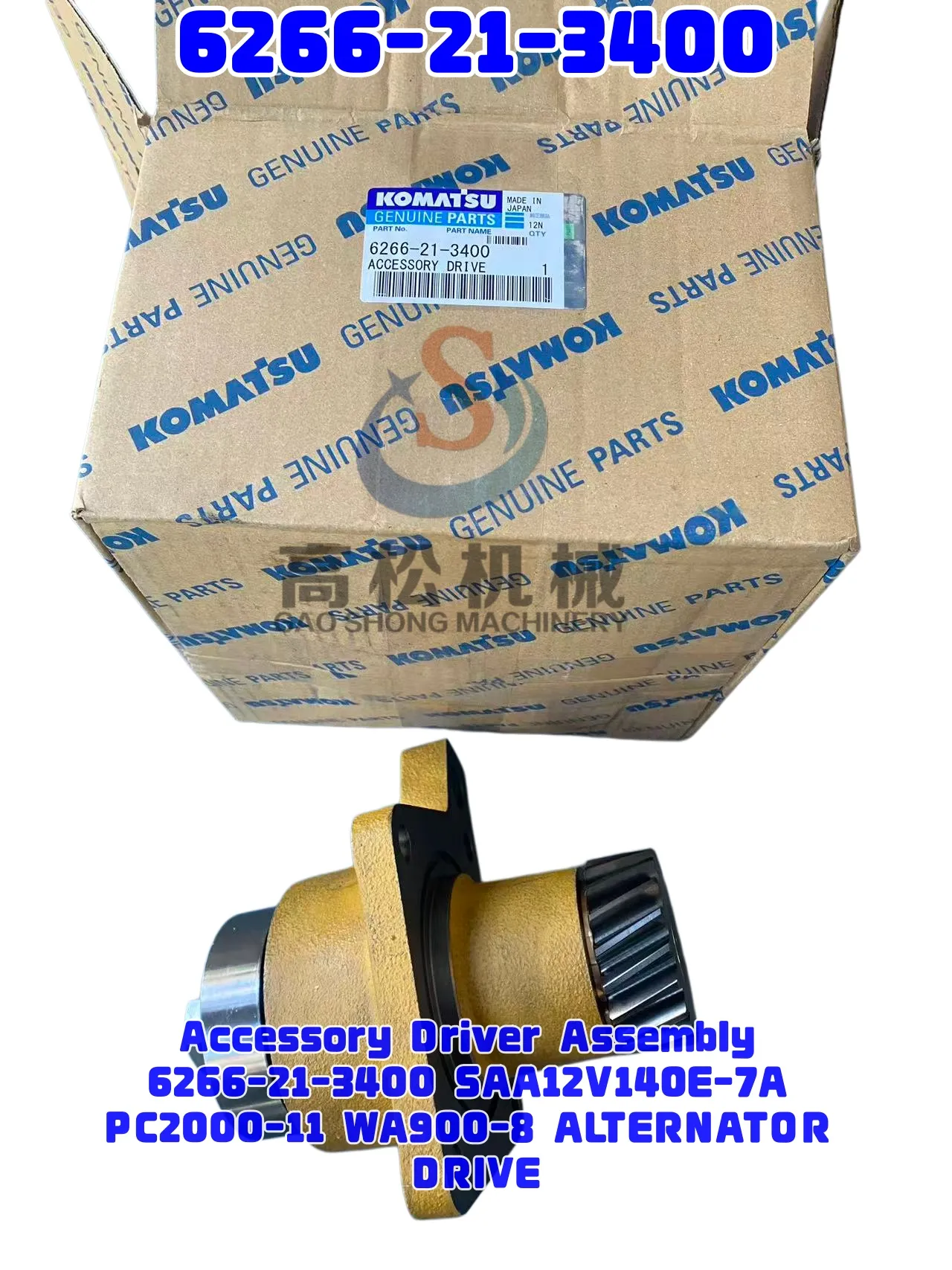 komatsu-part-6266-21-3400 Accessory Driver Assembly SAA12V140E-7A S/N 800001-UP (For PC2000-11) ALTERNATOR DRIVE Accessory Driver Assembly SAA12V140E-7 S/N 800004-UP (For WA900-8) ALTERNATOR DRIVE (#800004-)
 -
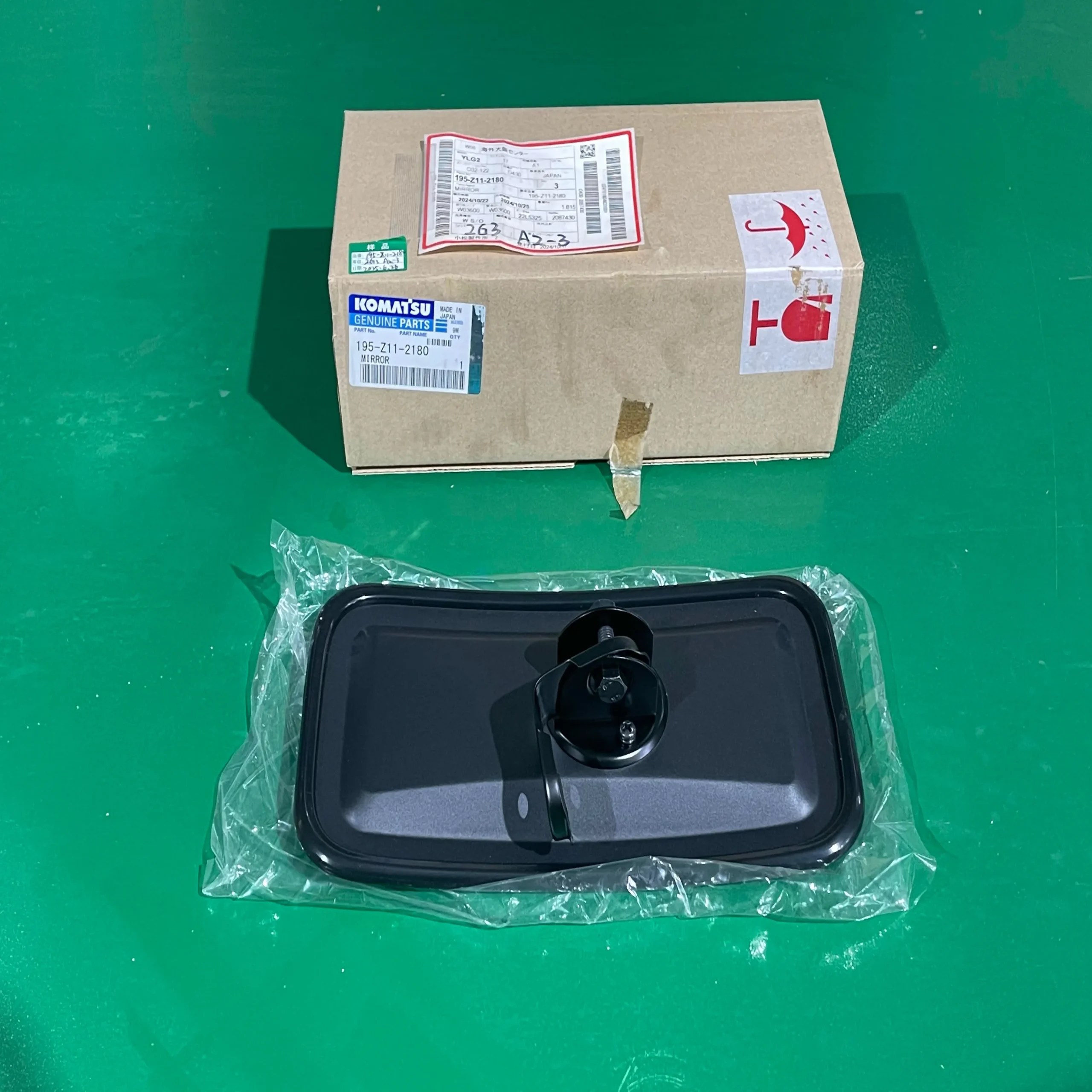 Komatsu bulldozer rearview mirror 195-Z11-2180
 -
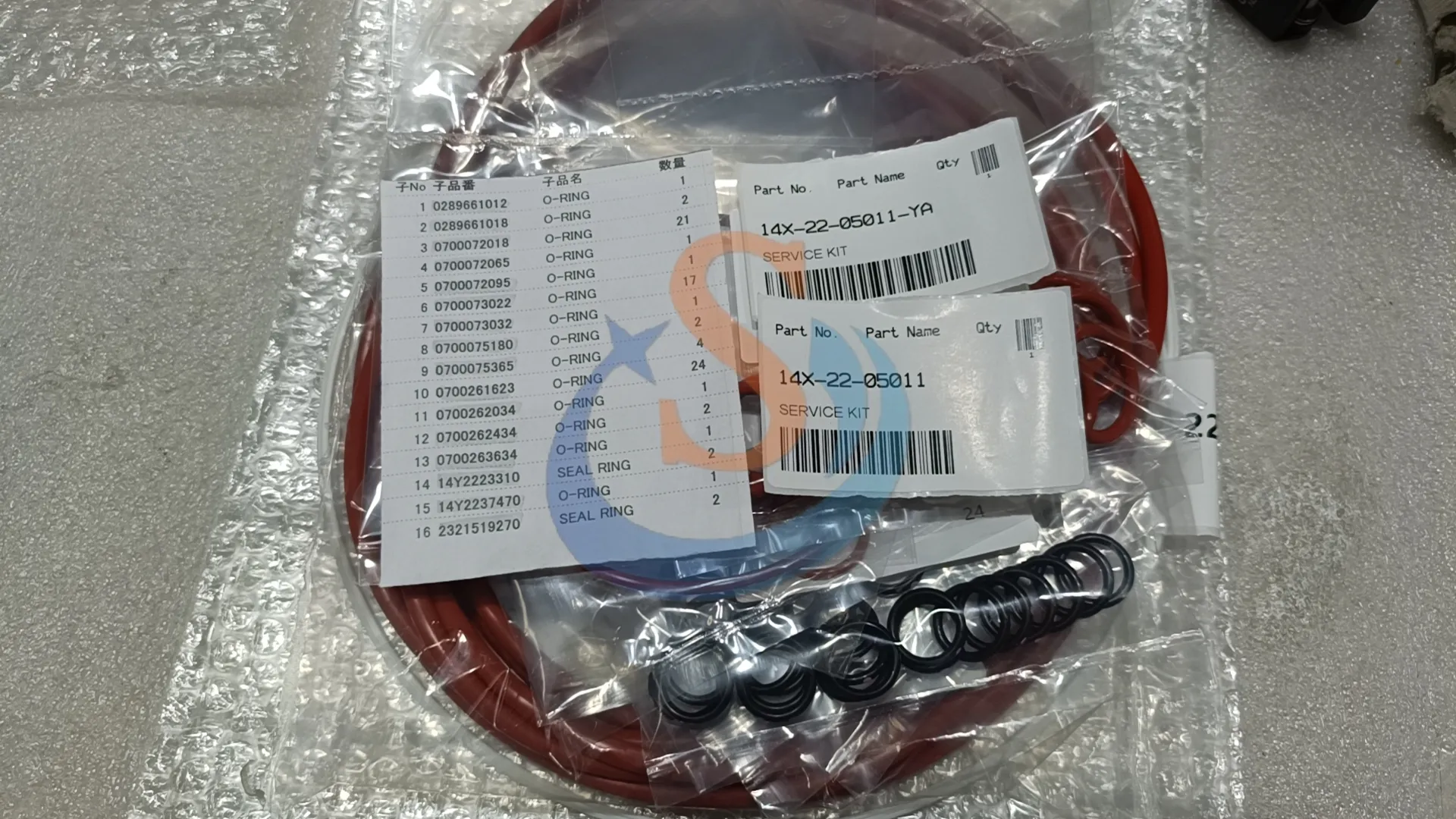 14X-22-05011,SERVICE KIT,D65PX,D65EX,D65WX
 -
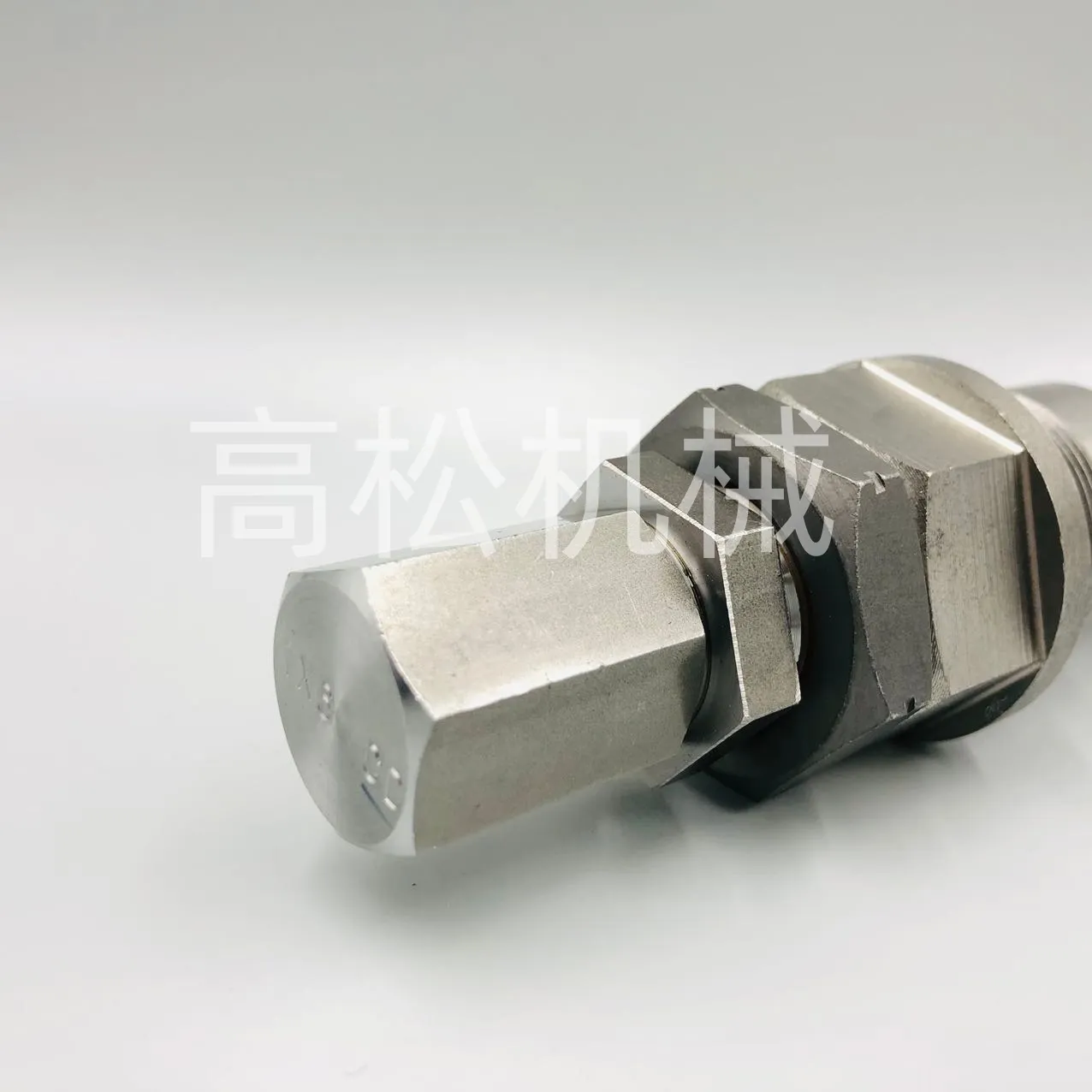 Komatsu700-89-66000 RELIEF VALVE-Komatsu Original Factory
 -
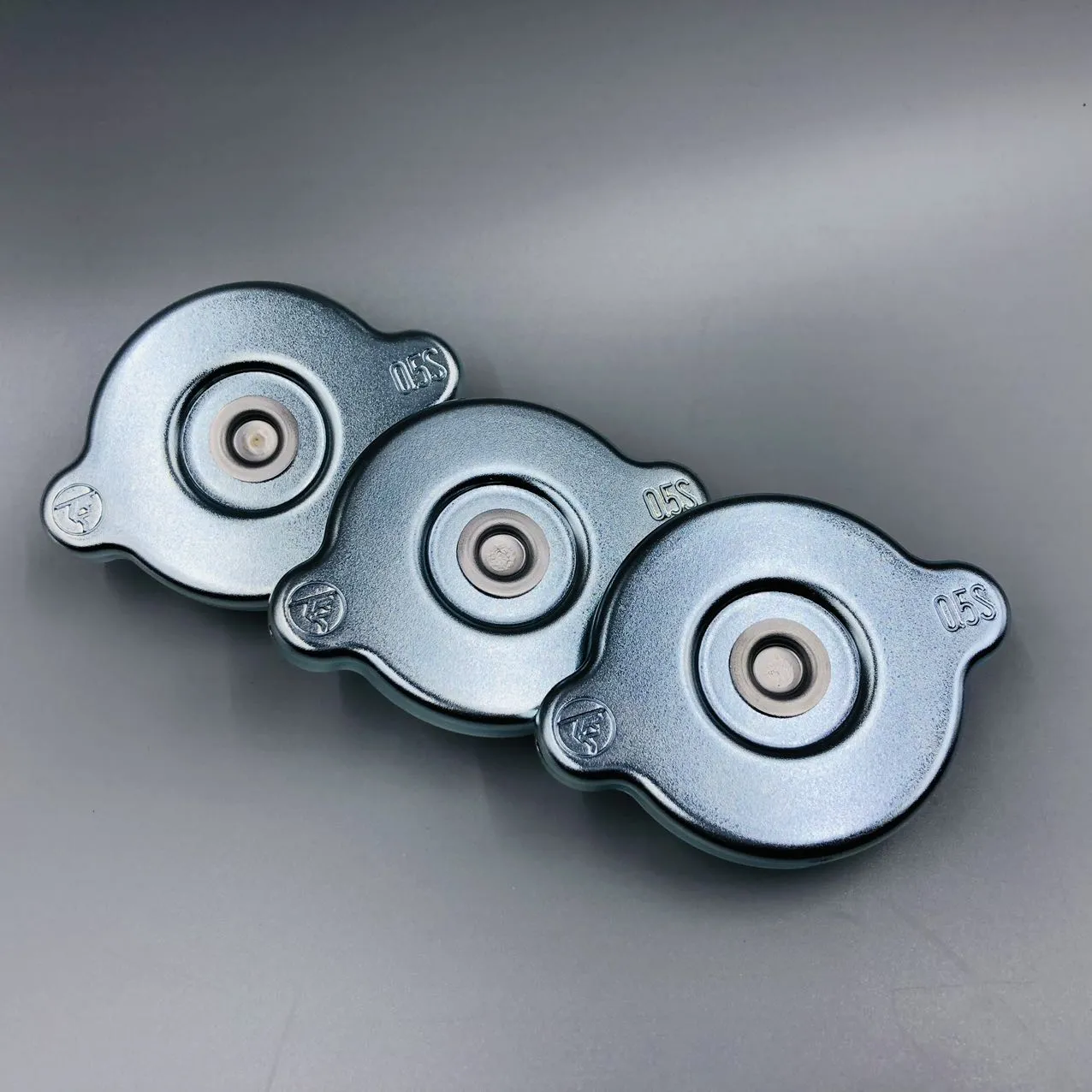 Water Tank Radiator Cap 20Y-03-22110 for Komatsu PC130-8 PC200-8 PC220-8 PC300-8 PC400-8
 -
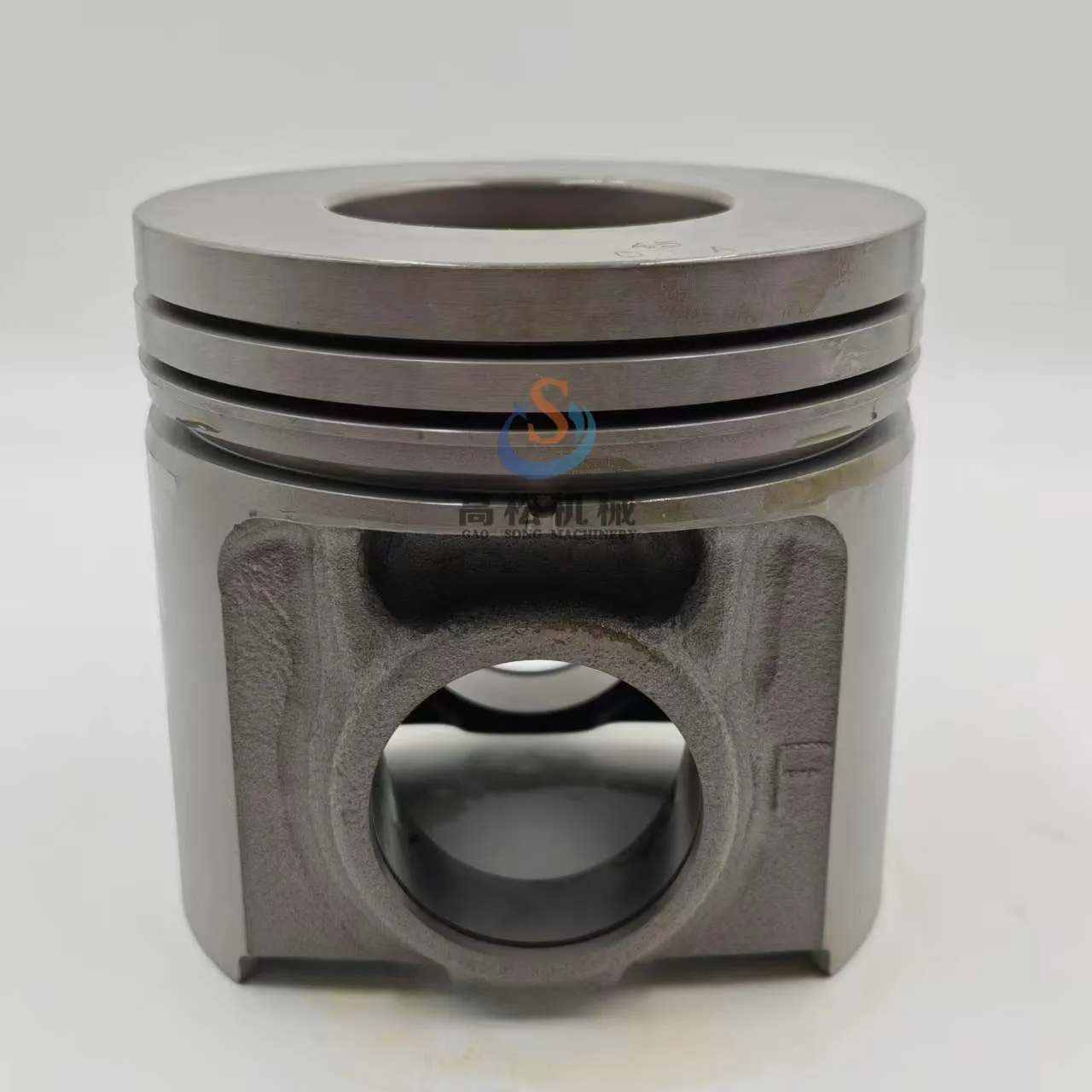 6152-32-2510 komatsu-parts piston
 -
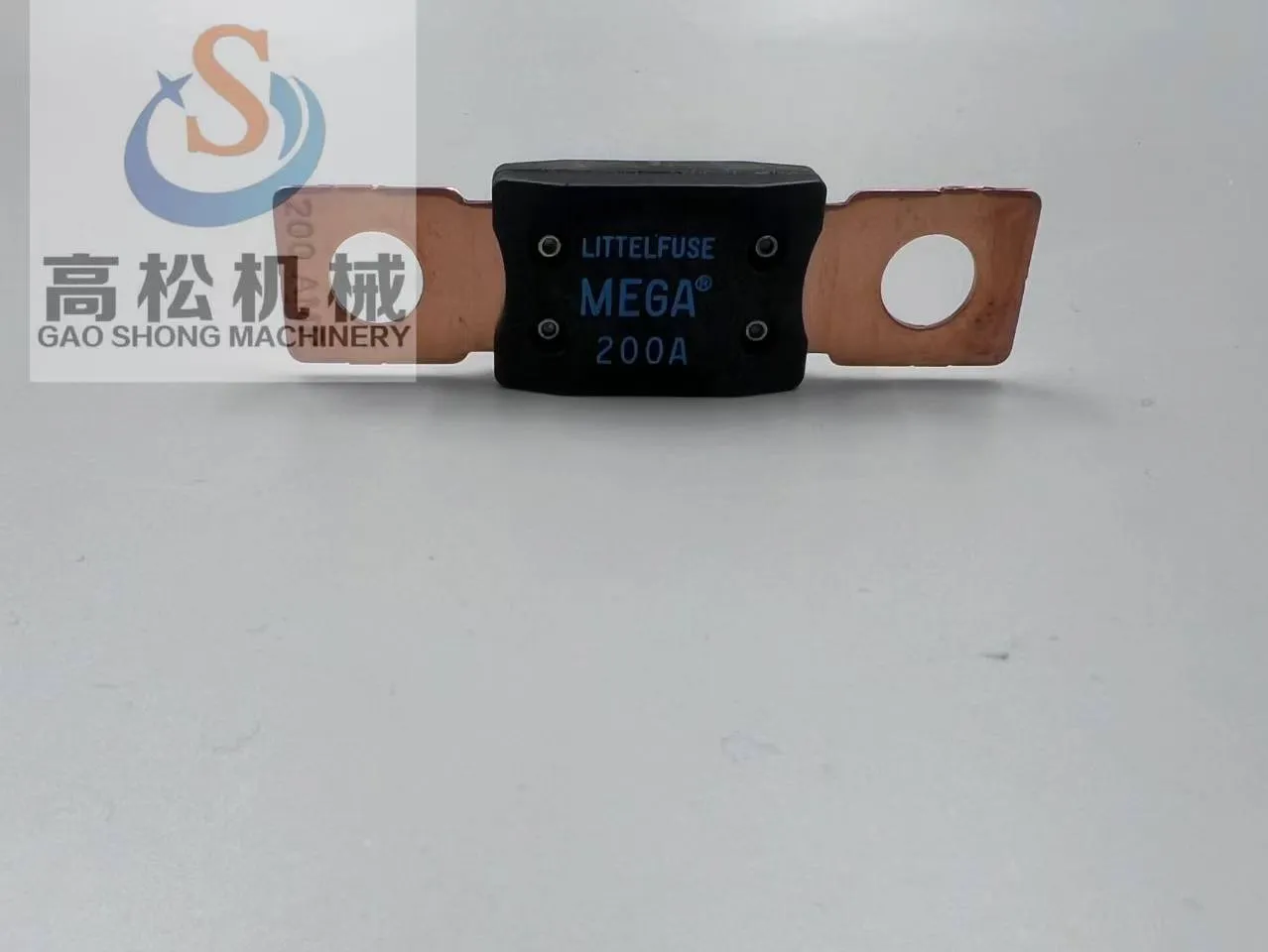 Original original fuse 561-06-81610 for hd785-7 wheel loaders wa500-6 bulldozer parts bulldozer parts ass ‘y
 -
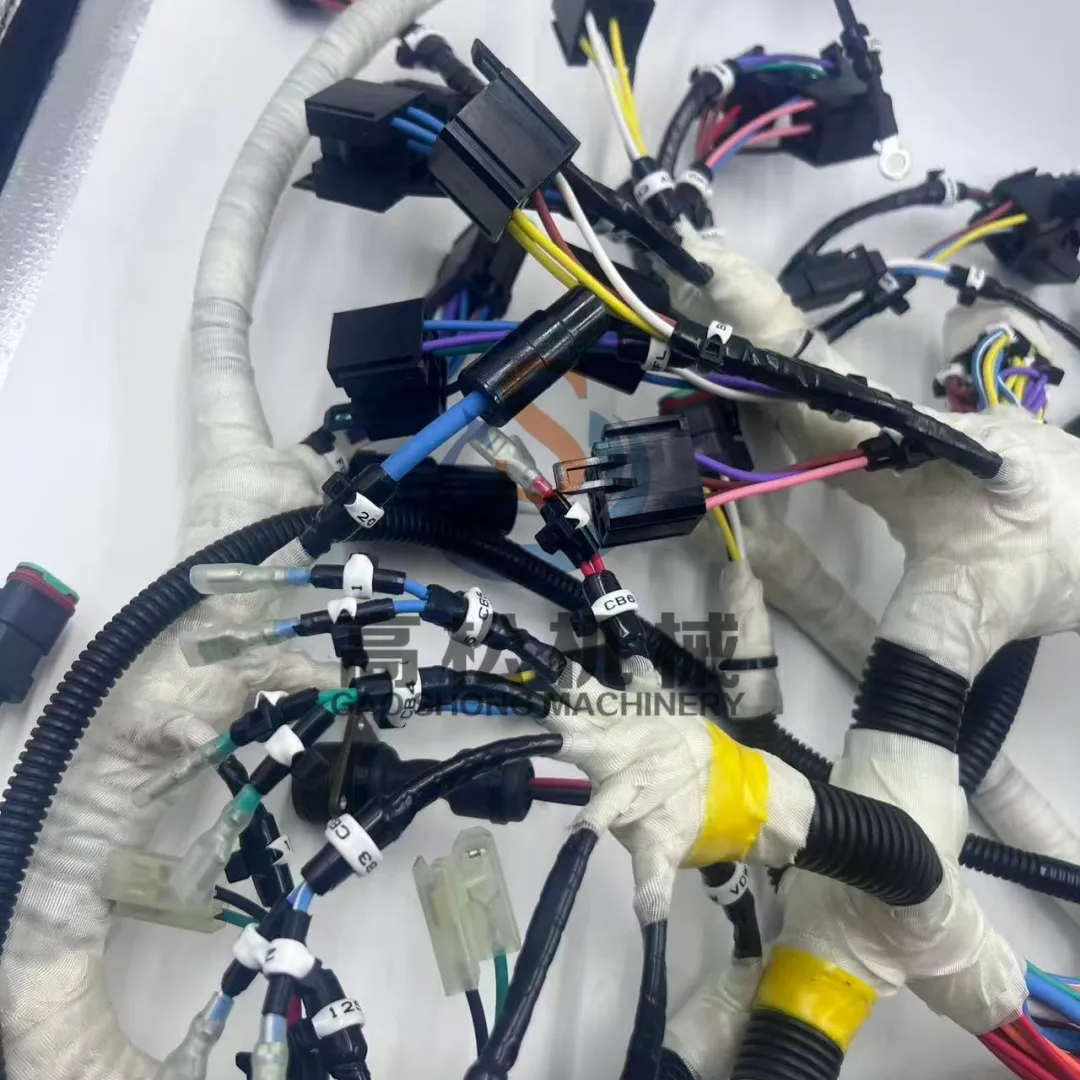 195-06-84471 Komatsu Wiring Harness
 -
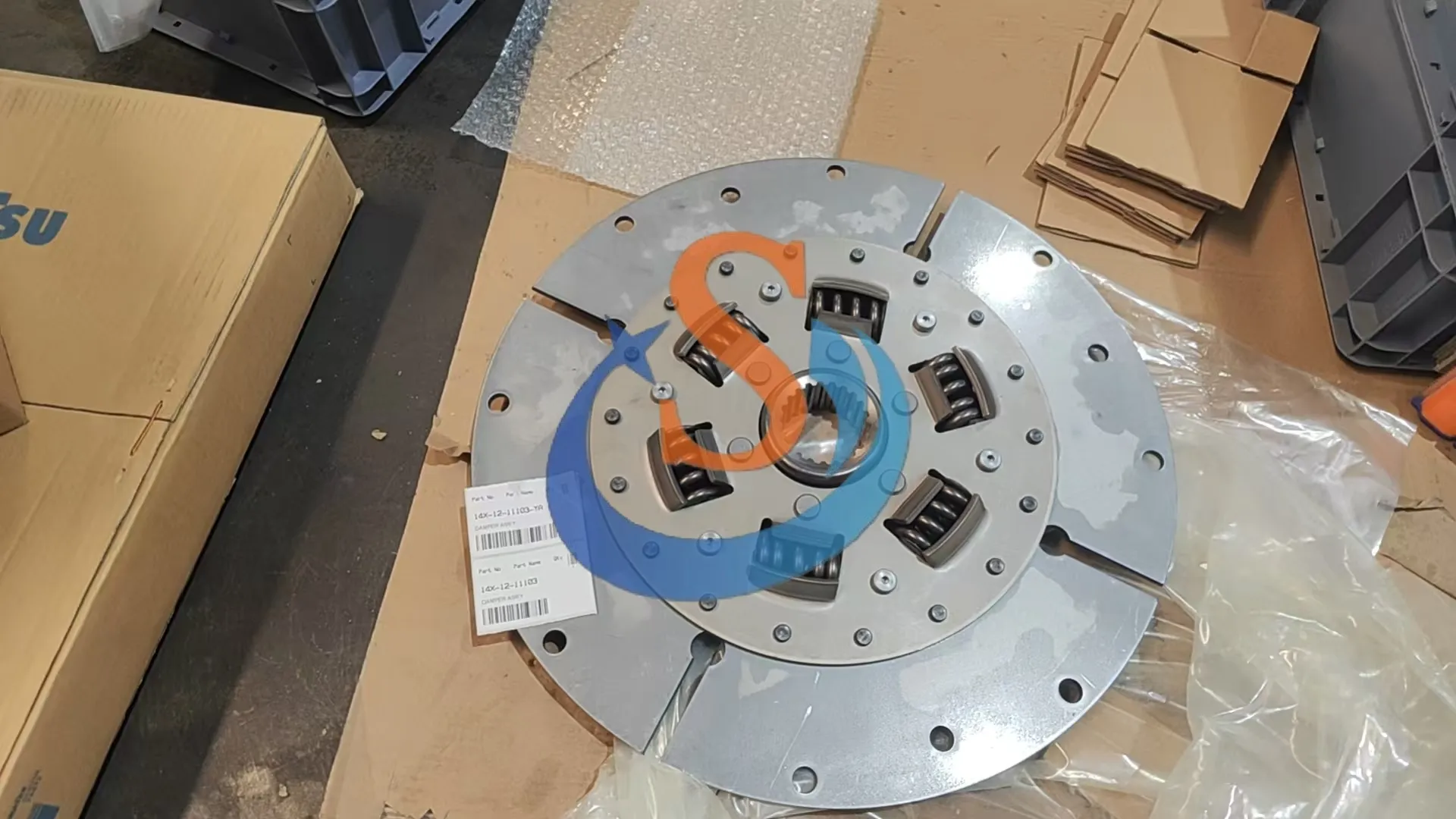 14X-12-11103 Damper Disc ASS’Y D65/D85