
- Chinese
- French
- German
- Portuguese
- Spanish
- Russian
- Japanese
- Korean
- Arabic
- Irish
- Greek
- Turkish
- Italian
- Danish
- Romanian
- Indonesian
- Czech
- Afrikaans
- Swedish
- Polish
- Basque
- Catalan
- Esperanto
- Hindi
- Lao
- Albanian
- Amharic
- Armenian
- Azerbaijani
- Belarusian
- Bengali
- Bosnian
- Bulgarian
- Cebuano
- Chichewa
- Corsican
- Croatian
- Dutch
- Estonian
- Filipino
- Finnish
- Frisian
- Galician
- Georgian
- Gujarati
- Haitian
- Hausa
- Hawaiian
- Hebrew
- Hmong
- Hungarian
- Icelandic
- Igbo
- Javanese
- Kannada
- Kazakh
- Khmer
- Kurdish
- Kyrgyz
- Latin
- Latvian
- Lithuanian
- Luxembou..
- Macedonian
- Malagasy
- Malay
- Malayalam
- Maltese
- Maori
- Marathi
- Mongolian
- Burmese
- Nepali
- Norwegian
- Pashto
- Persian
- Punjabi
- Serbian
- Sesotho
- Sinhala
- Slovak
- Slovenian
- Somali
- Samoan
- Scots Gaelic
- Shona
- Sindhi
- Sundanese
- Swahili
- Tajik
- Tamil
- Telugu
- Thai
- Ukrainian
- Urdu
- Uzbek
- Vietnamese
- Welsh
- Xhosa
- Yiddish
- Yoruba
- Zulu
- Kinyarwanda
- Tatar
- Oriya
- Turkmen
- Uyghur






Komatsu battery
When most people hear 'Komatsu battery', they think of a simple box you swap out when the machine won't start. That's the first mistake. In our line of work, supplying parts and solutions within the Komatsu ecosystem, we've learned it's a core system component, not a commodity. The real conversation starts when you look past the label and into the specs, the application, and frankly, the supply chain headaches that come with it.
The OEM Spec vs. Aftermarket Reality
Komatsu doesn't manufacture its own batteries. They source them, specify them, and stamp them. The OEM part number, say for a PC200-8 or a D65EX, isn't just about dimensions; it's about cold cranking amps (CCA), reserve capacity, and vibration resistance tailored for that specific model's electrical system and duty cycle. I've seen operations try to save a few bucks with a generic battery that 'fits'. It might work for a month, but in a mining application with constant vibration, the plates shake loose. You're not just buying a battery; you're buying the engineering that ensures it survives in that machine.
This is where our role gets specific. As an OEM product supplier within the Komatsu system, we bridge the gap between the official spec and the practical availability. For a customer in a region where the official Komatsu parts distribution is thin, getting the exact OEM-spec battery can mean weeks of downtime. We don't just sell a battery; we cross-reference the Komatsu part number to a high-fidelity equivalent from a tier-one manufacturer like Panasonic or GS Yuasa that meets or exceeds the original spec. It's not about bypassing the system; it's about solving the supply challenge with a technically sound alternative.
There's a judgment call here. For a machine in a mild climate doing light grading, the CCA tolerance might be wider. For a rock truck in northern Canada, you cannot compromise. We had a case for a client in West Africa with a fleet of Dash-8 excavators. The local humidity and heat were killing standard batteries. The solution wasn't just a higher CCA rating; it was sourcing a specific absorbed glass mat (AGM) battery with better heat tolerance. It cost 30% more upfront, but it doubled the service life, which is the kind of calculation we have to walk customers through.
Third-Party Logistics and the Grey Market Misconception
Our company, Jining Gaosong Construction Machinery Co., Ltd., operates as a third-party sales company for Komatsu parts. The term 'third-party' sometimes gets a bad rap, associated with grey market or counterfeit goods. That's a dangerous oversimplification. Our work, visible through our portal at takematsumachinery.com, is fundamentally about logistics and verification. We help solve parts supply challenges in certain countries by creating a reliable channel for genuine or genuine-equivalent components.
The process isn't just warehousing and shipping. It involves deep technical catalogs, understanding manufacturing date codes on batteries (critical for warranty), and knowing which batch codes from battery factories were supplied to Komatsu in a given year. A 'new' battery sitting on a shelf for three years in a hot warehouse has lost a significant portion of its life. We've built checks for that. It's these granular details that separate a parts seller from a solutions provider.
I recall a failed attempt early on. A customer needed a battery for an older model, a Komatsu HD325 dump truck. We sourced what the system said was correct. It physically fit, but the charging profile of the machine's alternator was incompatible with the newer battery technology we supplied. It led to chronic undercharging and premature failure. We ate the cost, of course. But the lesson was indelible: the part number is step one. You must understand the machine's generation and its electrical system behavior. Now, our process includes a checklist: machine model, serial number prefix, year, and primary application. It adds steps, but it prevents those costly errors.
Beyond Cranking: The System Integration Point
A modern Komatsu battery isn't an island. It's integrated with the monitor system. Low voltage can trigger fault codes, derate engine performance, or cause erratic behavior in the electronic control modules (ECMs). We've seen mechanics chase ghost ECU problems for days, only to find a battery with a weak cell that showed 12.4 volts at rest but collapsed under load. A proper load test is now the first thing we advise, before any complex diagnostics.
This integration makes the choice of a Komatsu battery or its approved equivalent even more critical. The machine's software expects a certain voltage stability. An inferior battery with higher internal resistance can cause voltage dips that the system logs as intermittent faults. These logs are a nightmare to diagnose. So, when we supply, we're also implicitly supplying system stability. It's a point of responsibility we take seriously.
Another practical detail: terminal type and polarity. Seems trivial, right? But on some Komatsu models, the positive cable is just a few centimeters shorter than the negative. Installing a battery with reversed terminal orientation means you're stretching that positive cable, leading to stress and potential breakage. It's a five-minute mistake that causes a five-day downtime. Our packing lists and spec sheets now highlight terminal orientation for this exact reason.
The Economics of Total Cost vs. Purchase Price
This is the core of every conversation. The cheapest battery on the market might be 60% of the cost of an OEM-spec unit. But if it fails in 8 months instead of 36, and causes 2 days of downtime for a machine that earns $500 an hour, the math is brutal. We show customers that calculus. Downtime cost + service truck call-out + mechanic labor + repeat purchase = often 3x the cost of doing it right the first time.
Our position as a supplier within the Komatsu ecosystem allows us to be agnostic in this advice. Sometimes, the genuine Komatsu box is the absolute right choice, especially for newer machines under warranty or in extreme applications. Other times, a verified equivalent from a major manufacturer like Exide or CAT (who also sources from tier-one makers) is the smarter economic and logistical play. Our job is to present both paths with transparent data—expected cycle life, warranty terms, and our own failure rate tracking from the field.
We've started collecting this field data informally. For instance, for the Komatsu WA320 loader in port material handling, we've seen a consistent 20-25% longer life from specific AGM batteries versus standard flooded types, due to constant short-cycle operation. This isn't from a brochure; it's from talking to fleet managers and tracking the serial numbers we ship. This real-world feedback loop is what shapes our inventory and recommendations.
Looking Ahead: Lithium and the Compatibility Question
The buzz is around lithium-ion. Lighter, more power-dense, longer life. But for existing Komatsu fleets, it's not a simple drop-in. The charging systems on most diesel equipment are designed for lead-acid profiles. A lithium battery requires a compatible battery management system (BMS) and often a charger retrofit. We're approached about this weekly.
Our current stance is cautious. For a full fleet renewal where you can spec new machines with factory lithium options, it's worth exploring. For retrofitting an existing Komatsu fleet, the cost and complexity are often prohibitive unless the operational payoff (e.g., extreme weight savings for an aerial platform) is crystal clear. We're monitoring the aftermarket BMS kits, but we won't recommend them until we see multi-year field reliability data. Another lesson learned: don't be the first to test unproven tech on a customer's critical asset.
That said, the core principle remains. Whether it's lead-acid or the future shift to lithium, the key is treating the Komatsu battery as a system-critical component. It demands proper specification, quality sourcing, and an understanding of the machine it serves. The goal, whether you're an OEM, a third-party supplier like us at Jining Gaosong, or a fleet manager, is the same: maximize uptime. And that almost never starts with the cheapest option on the shelf.
Related Products
Related Products

Best Selling Products
Best Selling Products-
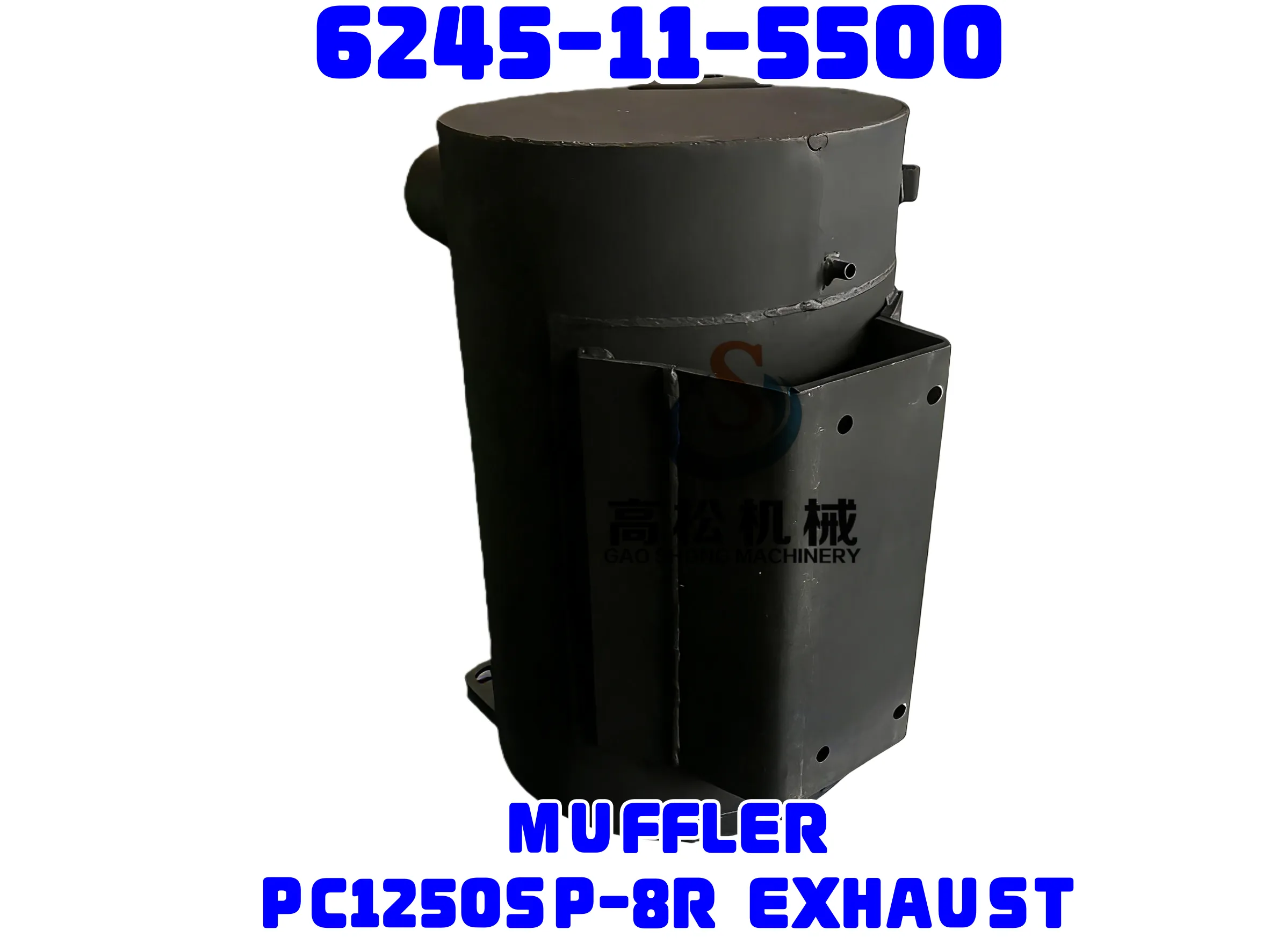 Muffler Silencer 6245-11-5500
 -
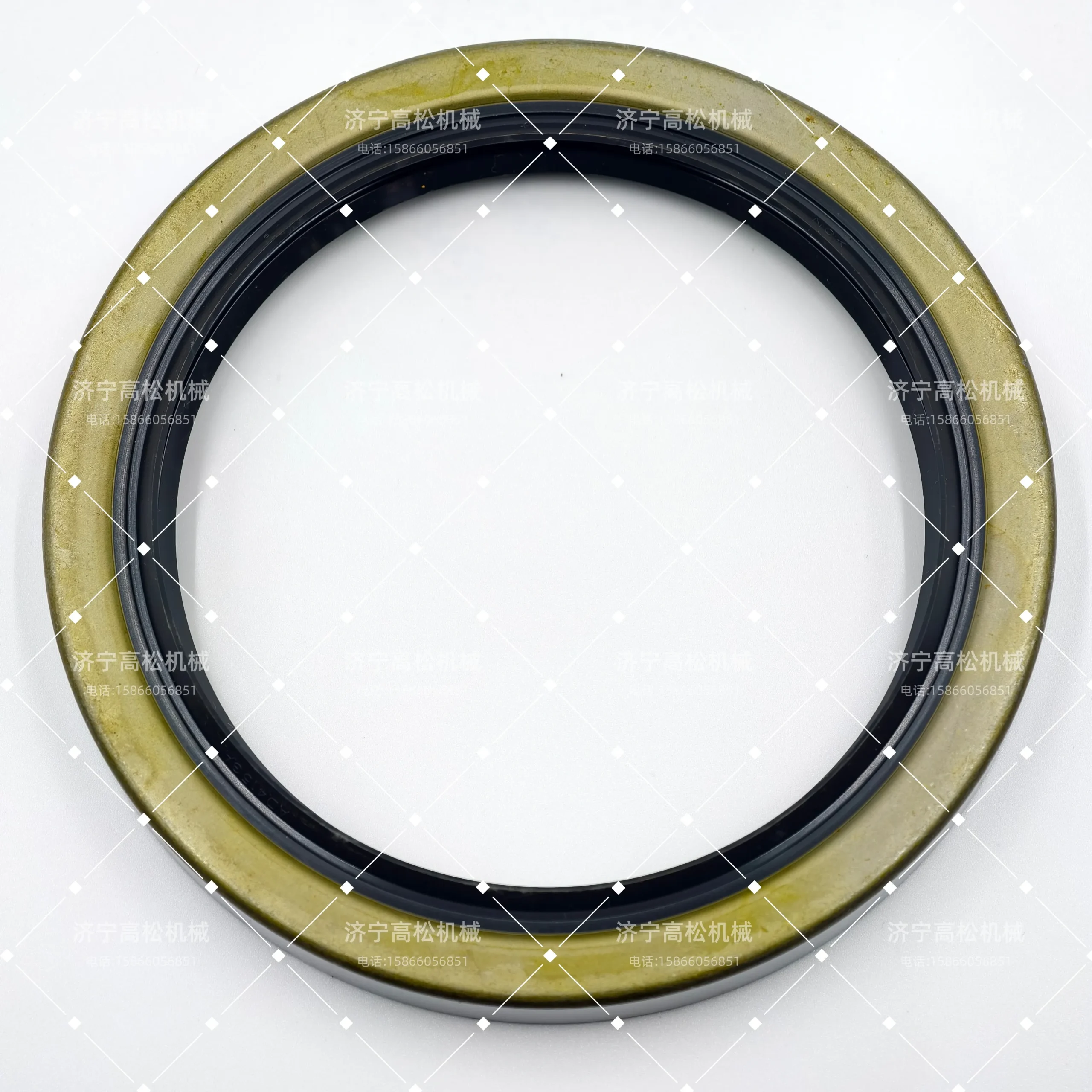 WA500-3 Oil Seal 425-20-15740 China Manufacturers Suppliers…
 -
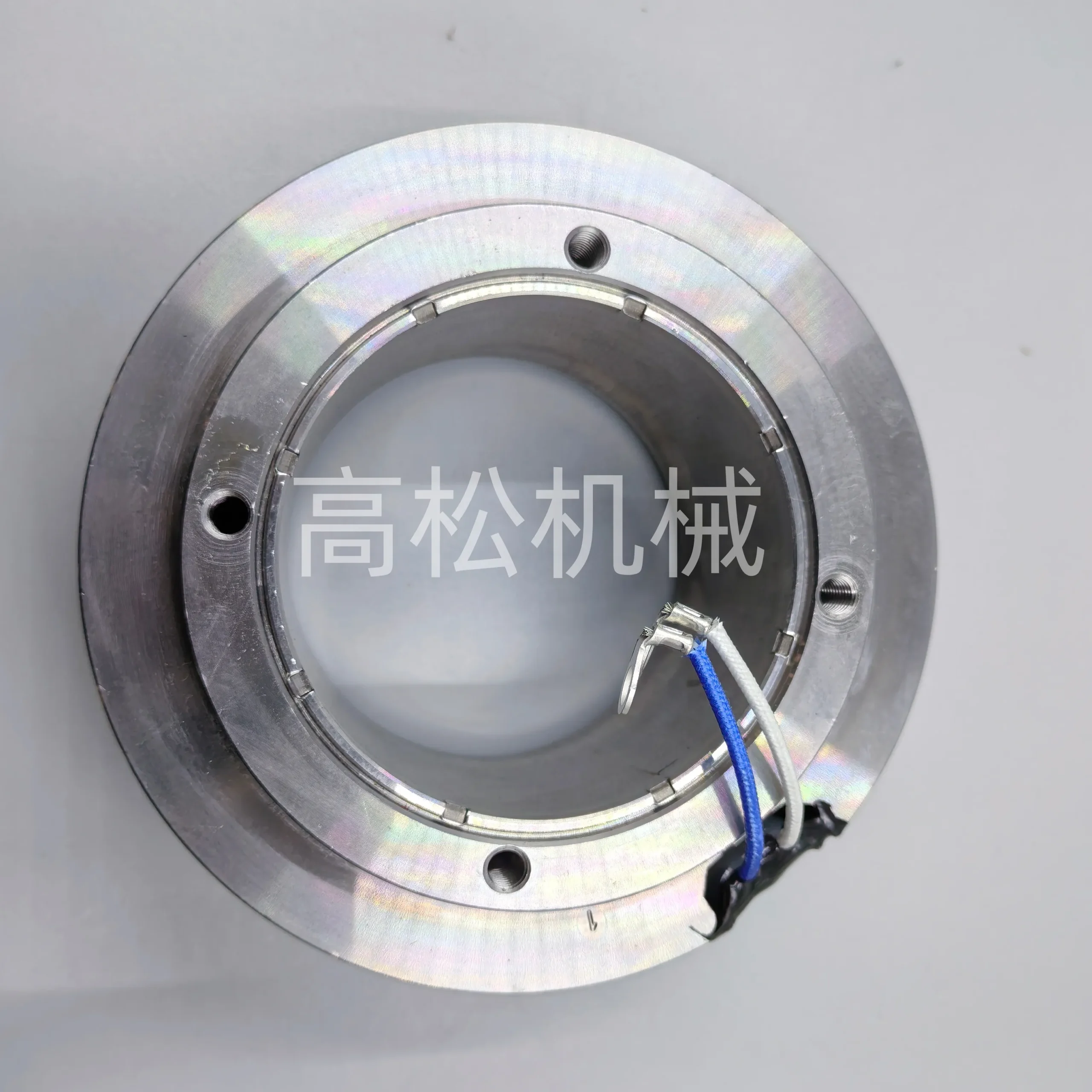 KD0-35120-0250 • FIELD COIL ASS’Y-Komatsu Original Factory
 -
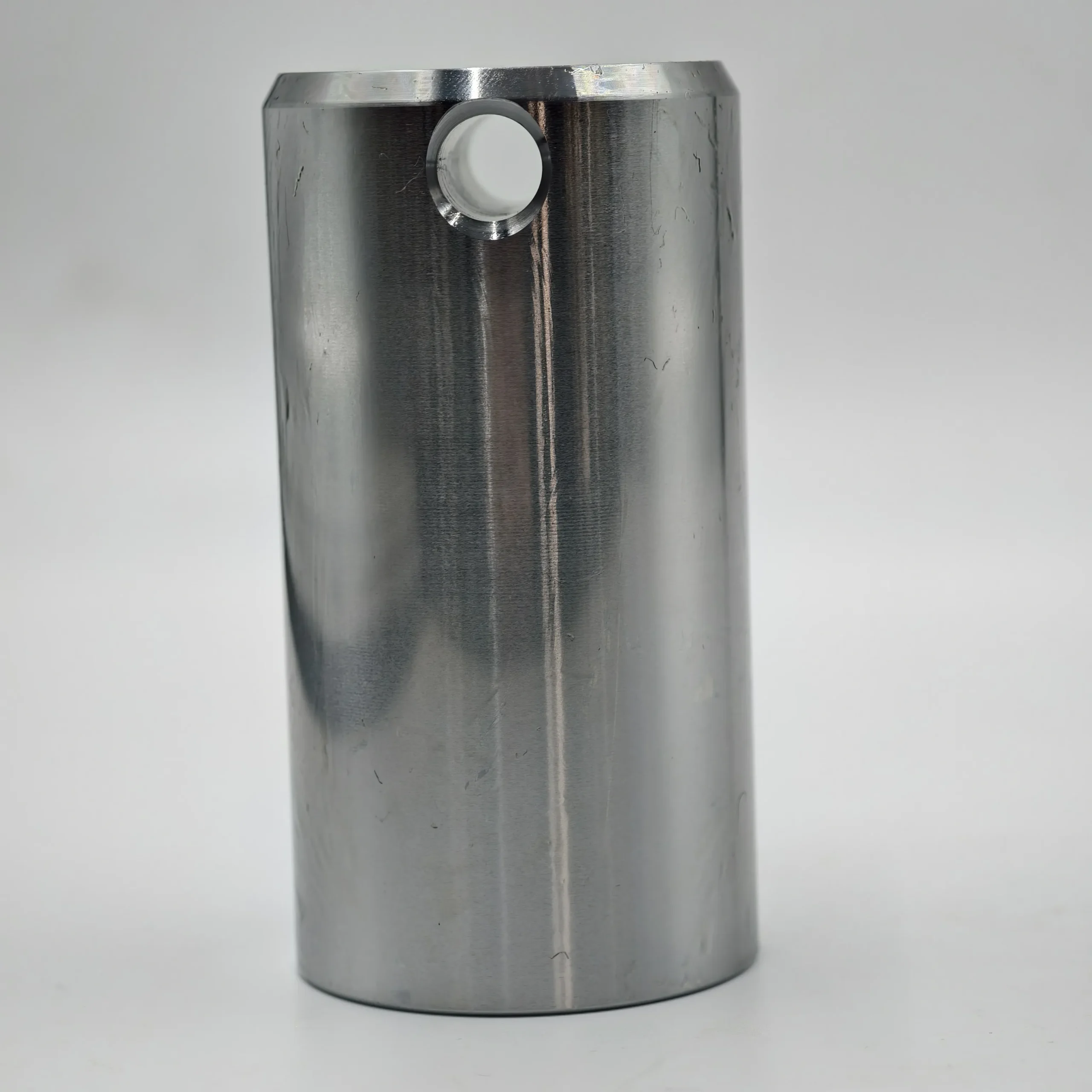 Komatsu Pin, 20Y-27-31160-We carry an extensive line of hardware for your machine. We offer bolts, nuts, washers, pins, snap rings, cap screws, keys and more.
 -
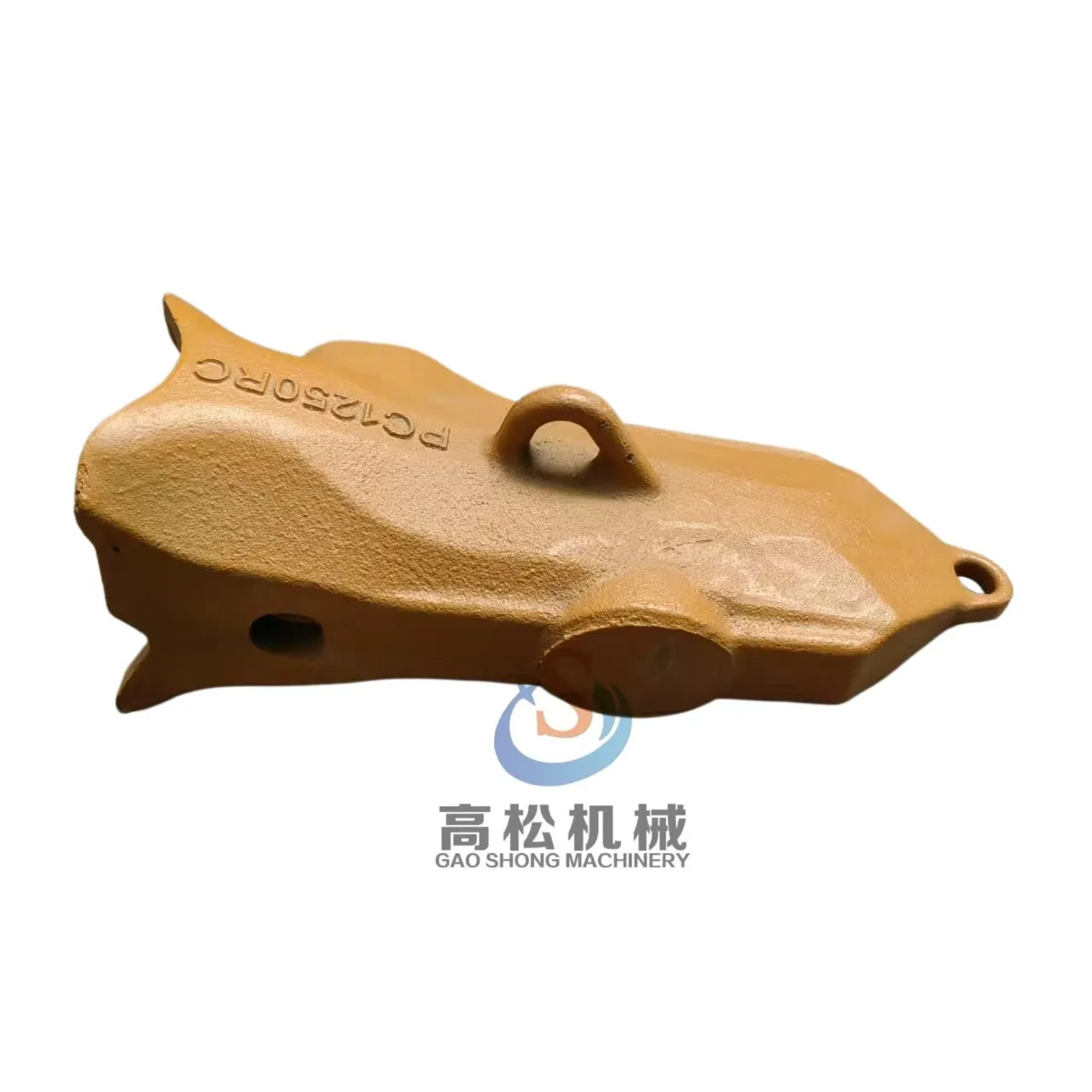 PC1250-8 Bucket Tooth 21N-70-37721 XS115RC
 -
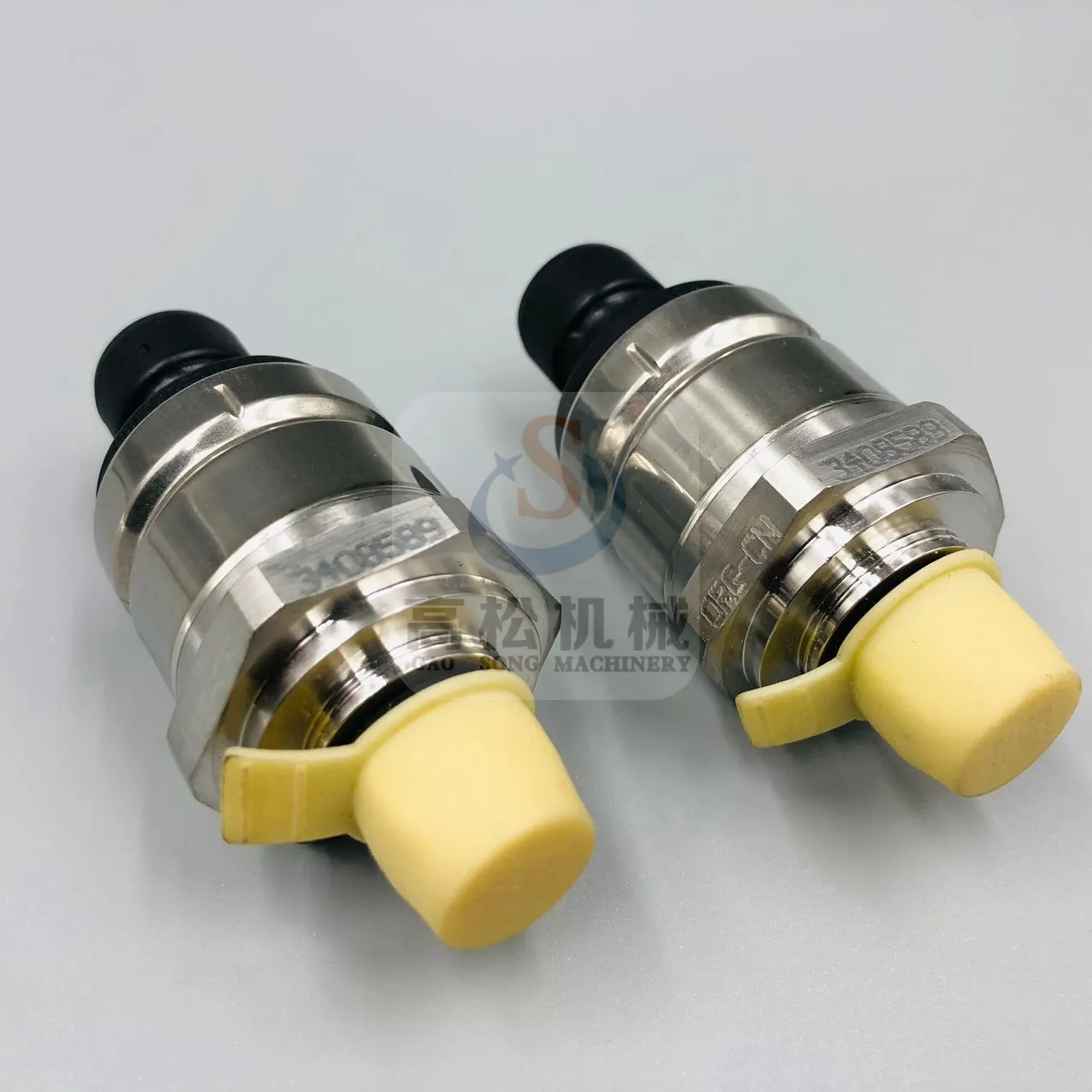 6560-61-7102 pressure sensor for Komatsu WA600-3
 -
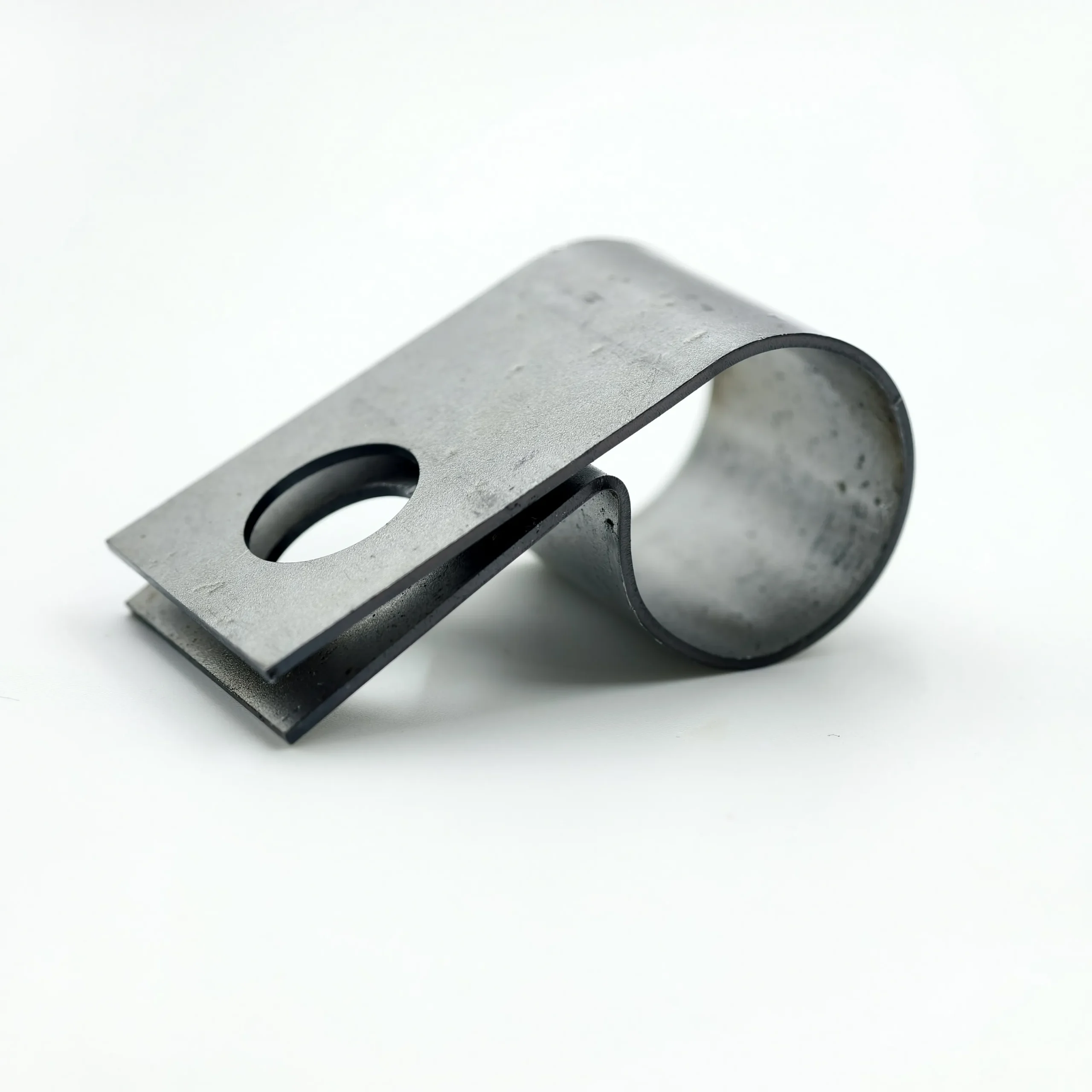 112-946-4170 Komatsu Clip
 -
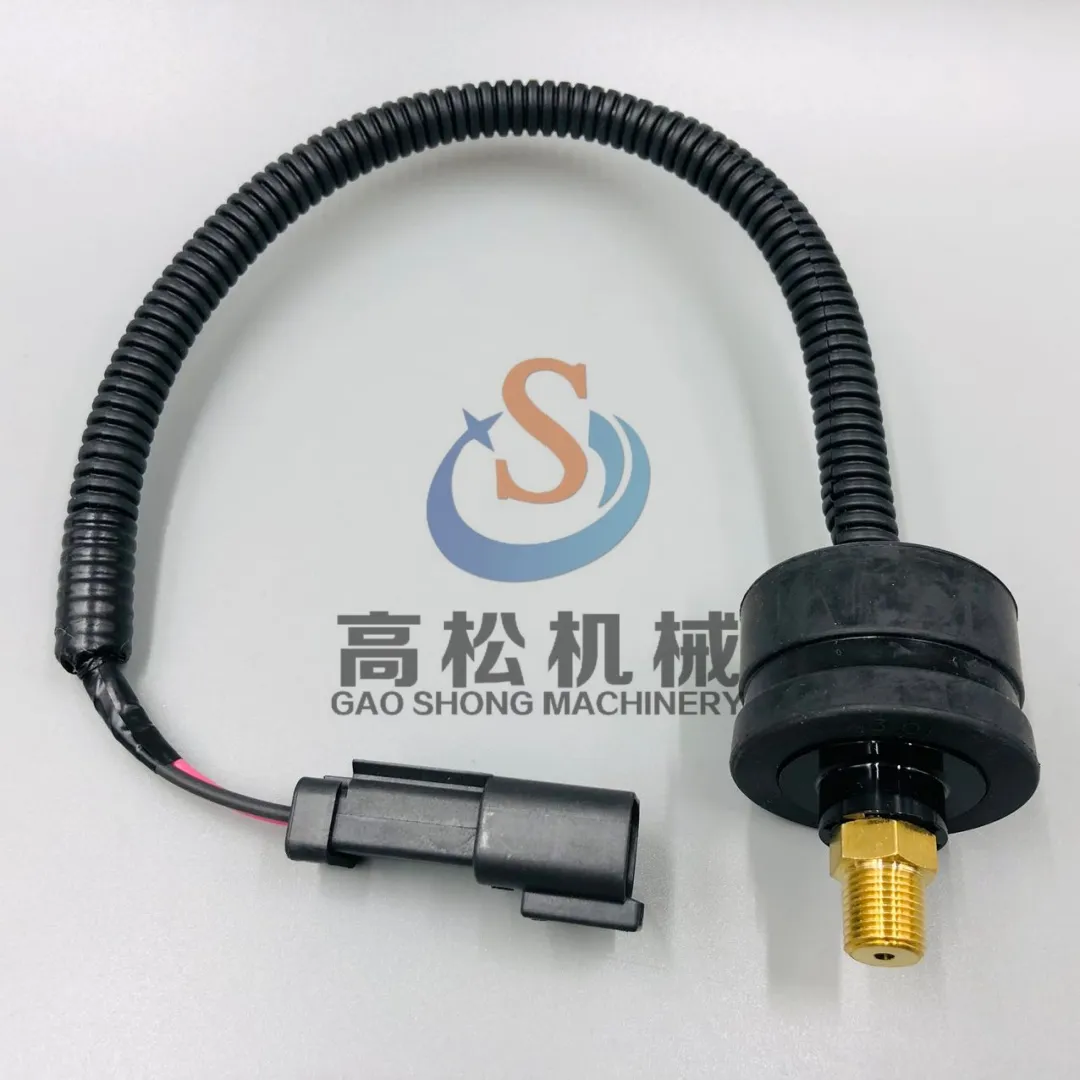 For Komatsu PC200 210 PC300 PC130-8 PC-8 air filter Pressure sensor 7861-93-1430
 -
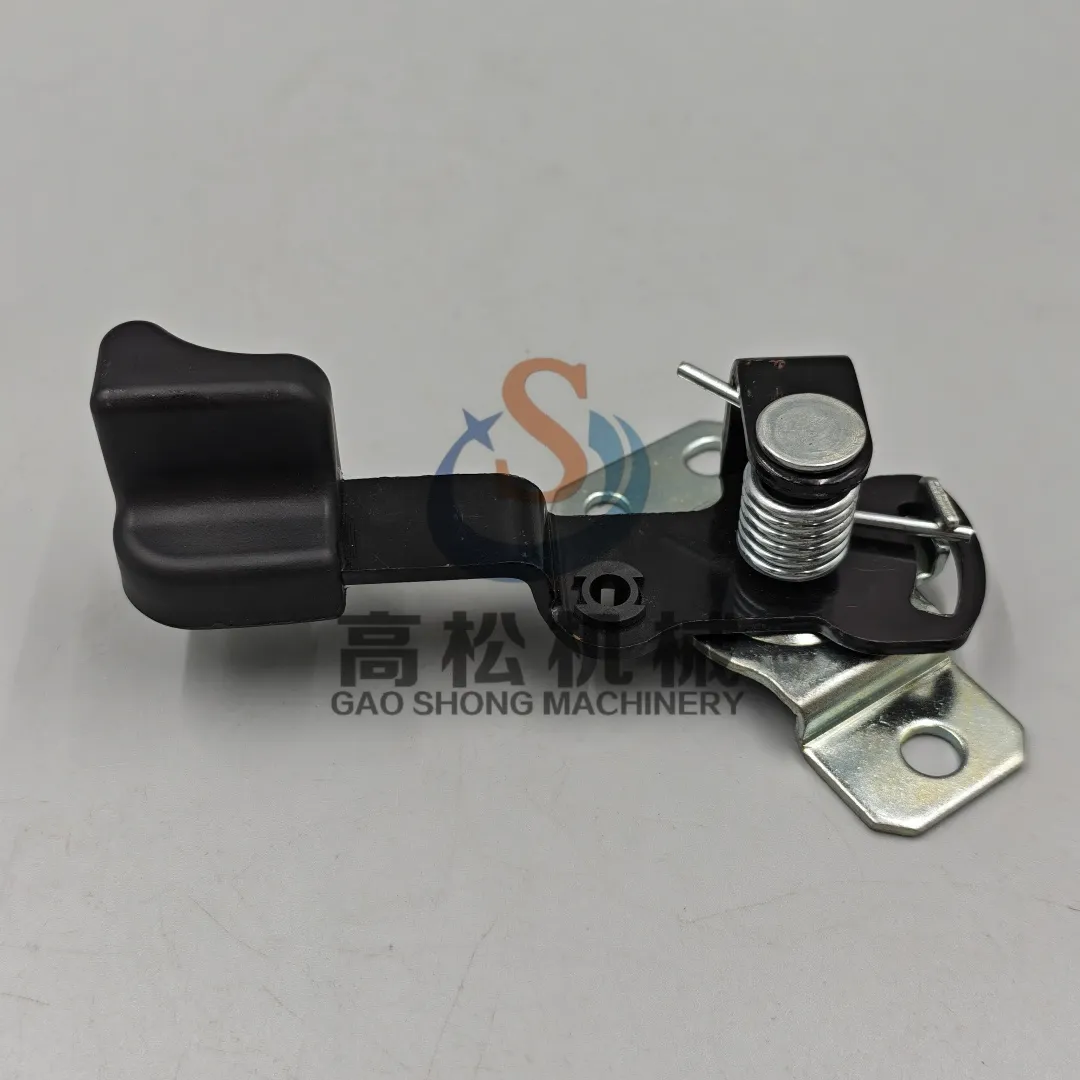 Door Lock Assembly 20Y-54-52820 Latch 20Y-53-12201 Handle Ass’s 20Y-54-52300 for Komatsu PC220-8
 -
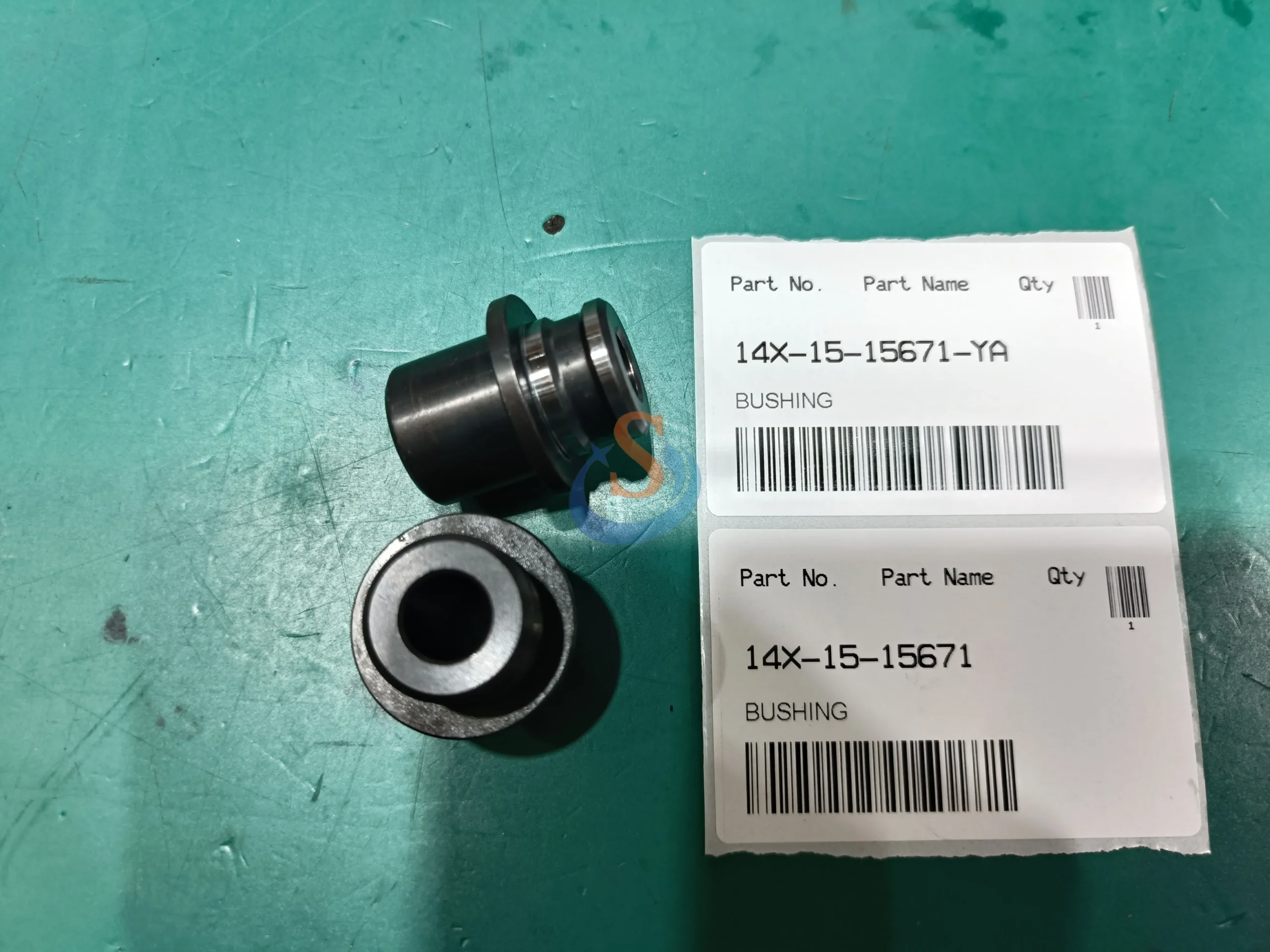 14X-15-15671 komatsu BUSHING D155A/D65EX
 -
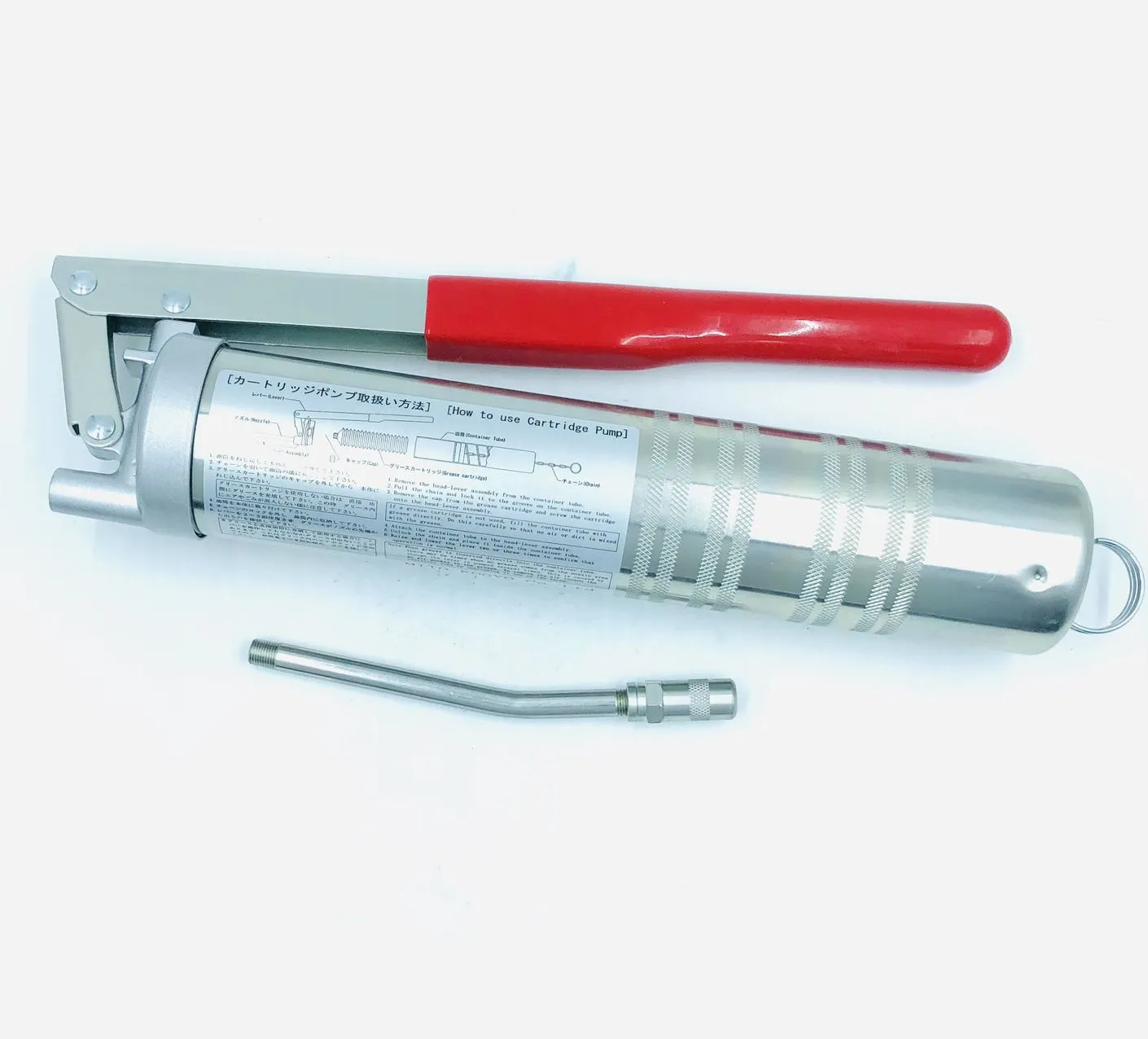 07952-70014- Pump Assembly-Komatsu Original Factory
 -
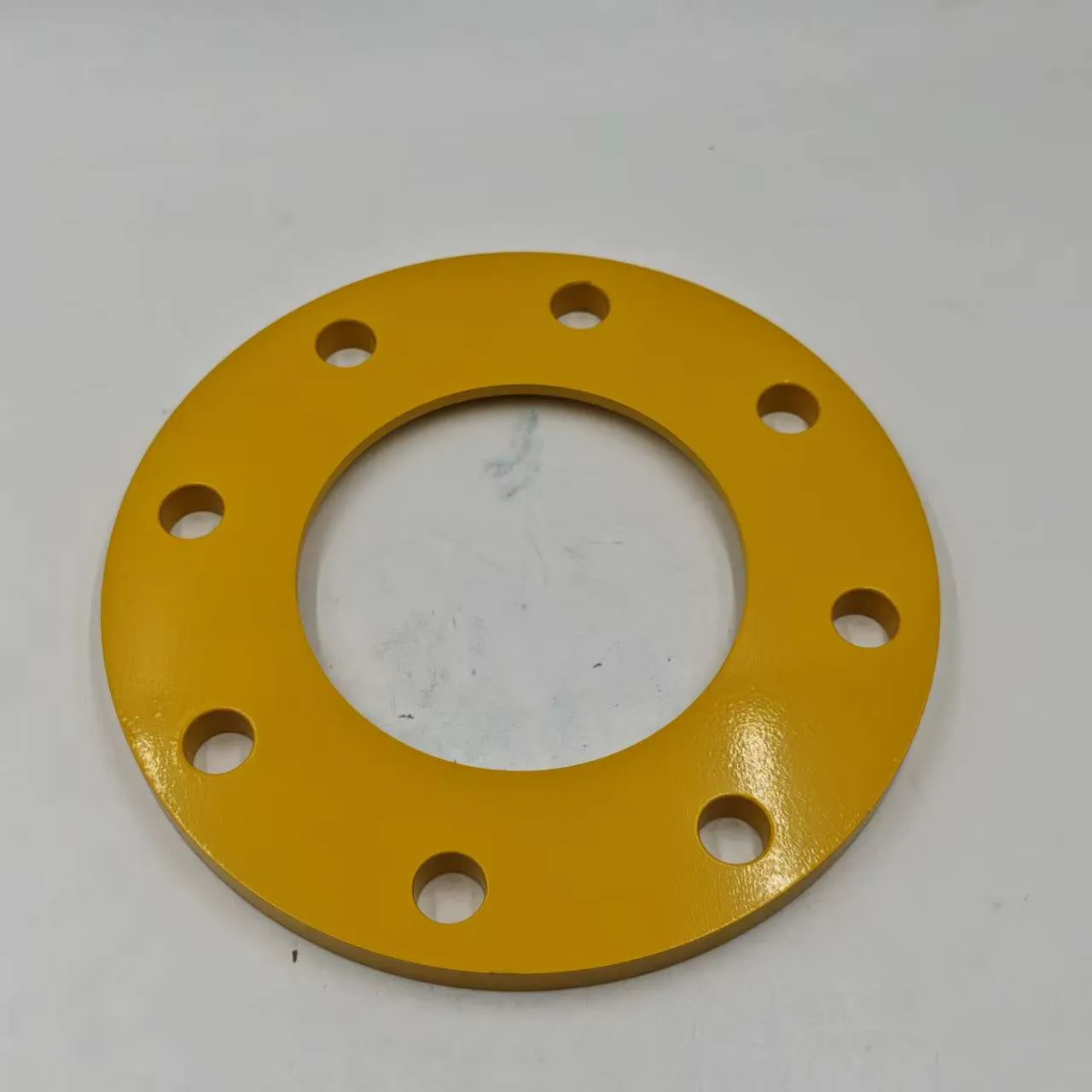 Komatsu 41E-70-15461 Plate