
- Chinese
- French
- German
- Portuguese
- Spanish
- Russian
- Japanese
- Korean
- Arabic
- Irish
- Greek
- Turkish
- Italian
- Danish
- Romanian
- Indonesian
- Czech
- Afrikaans
- Swedish
- Polish
- Basque
- Catalan
- Esperanto
- Hindi
- Lao
- Albanian
- Amharic
- Armenian
- Azerbaijani
- Belarusian
- Bengali
- Bosnian
- Bulgarian
- Cebuano
- Chichewa
- Corsican
- Croatian
- Dutch
- Estonian
- Filipino
- Finnish
- Frisian
- Galician
- Georgian
- Gujarati
- Haitian
- Hausa
- Hawaiian
- Hebrew
- Hmong
- Hungarian
- Icelandic
- Igbo
- Javanese
- Kannada
- Kazakh
- Khmer
- Kurdish
- Kyrgyz
- Latin
- Latvian
- Lithuanian
- Luxembou..
- Macedonian
- Malagasy
- Malay
- Malayalam
- Maltese
- Maori
- Marathi
- Mongolian
- Burmese
- Nepali
- Norwegian
- Pashto
- Persian
- Punjabi
- Serbian
- Sesotho
- Sinhala
- Slovak
- Slovenian
- Somali
- Samoan
- Scots Gaelic
- Shona
- Sindhi
- Sundanese
- Swahili
- Tajik
- Tamil
- Telugu
- Thai
- Ukrainian
- Urdu
- Uzbek
- Vietnamese
- Welsh
- Xhosa
- Yiddish
- Yoruba
- Zulu
- Kinyarwanda
- Tatar
- Oriya
- Turkmen
- Uyghur






komatsu backhoe parts
When you're talking about Komatsu backhoe parts, the first thing that comes to mind for a lot of guys is just heading to the official dealer. That's the standard play, but it's not always the whole game. There's this assumption that if it's not in a Komatsu box, it's inferior or won't fit right. I've seen that mindset cost operations time and money, waiting weeks for a simple pin or bushing to ship cross-country when a perfectly machined alternative was sitting in a local supplier's warehouse. The reality is more nuanced, especially when you're dealing with older models or working in regions where the official distribution network is thin. The challenge isn't just finding a part; it's finding the right part that meets the spec without causing downtime.
The OEM vs. Aftermarket Conundrum
Let's be clear: for critical components like hydraulic pumps, main control valves, or the swing circle, I lean heavily toward genuine OEM. The precision and heat treatment in those parts are non-negotiable. A failure there can cascade into a five-figure repair bill. I learned that the hard way years ago on a PC200-8. We tried a rebuilt main valve from a generally reputable third-party shop. It worked, but never quite matched the machine's original digging rhythm; there was a slight lag in the compound movement that the operator always complained about. We eventually swapped it out for a genuine unit, and the difference was immediate. It wasn't just about durability, but about the machine's character.
However, the story changes for what I call consumable or non-safety-critical parts. Bucket teeth, cutting edges, linkage pins, bushings, seals, and even some hoses. For these, the aftermarket has caught up tremendously. The key is the supplier's pedigree. You need a source that isn't just stamping out generic shapes, but one that understands Komatsu's engineering tolerances. I've had good luck with suppliers who are transparent about their manufacturing process and, crucially, who provide clear metallurgical reports. A komatsu backhoe puts immense stress on its linkage; a pin that's a few Rockwell points too soft will wear out in a quarter of the time.
This is where a company's stated role becomes critical. Take a supplier like Jining Gaosong Construction Machinery Co., Ltd.. Their position is interesting. They state they are an OEM product supplier within the Komatsu system and a third-party sales company. In practice, what that often means is they have access to genuine lines for some components and have developed their own certified lines for others. For a site manager, that dual role can be a lifeline. Instead of hitting a dead end at the official channel for a discontinued part for, say, an older WB140, you might find they have a direct-fit alternative that's been validated. Their website, https://www.takematsumachinery.com, frames it as solving parts supply challenges in certain countries, which is the polite industry way of saying they fill the gaps where logistics or local dealer stock fails.
Practical Sourcing and Fitment Trials
You develop a ritual for testing new parts sources. It never starts with a critical component. My go-to test order is a set of bucket linkage pins and bushings for a common model like a PC138. They're relatively inexpensive, easy to install, and their wear rate tells you everything about the material quality. If those pins show abnormal wear or the bushings develop play within 500 hours, that supplier's catalog goes in the bin. But if they match the OEM service life at 70% of the cost, you've just built a valuable relationship.
The fit is the other silent killer. It's not just about diameter and length. It's about the chamfer on the end of a pin, the placement of grease grooves, the thread pitch on a cylinder rod end. I recall a batch of swing cylinder rod ends we got for a PC78. They threaded on fine, but the jam nut sat about 2mm proud, which altered the cylinder's stroke at full retraction. It was a tiny detail missed in the reverse-engineering process. We had to machine them down on-site. A good supplier will have caught that in their prototyping phase. When I look at a supplier's site now, I look for engineering drawings or detailed spec sheets, not just glossy photos. It shows they're thinking about the mechanics, not just the sale.
This is where the OEM product supplier claim from a company like Jining Gaosong becomes relevant. If they are truly embedded in the system, their technical documentation for their own-brand parts should reflect that depth of knowledge. It's the difference between a part that is for Komatsu and a part that is for Komatsu, accounting for the 2012 design revision on the boom foot pin. That level of detail is what builds trust.
Managing Downtime and Inventory
Your parts strategy is fundamentally a downtime management strategy. For a fleet of komatsu backhoe parts loaders, you can't stock everything. The art is knowing what to stock genuine, what to source locally as needed, and what to have a reliable, fast-channel supplier for. I always keep genuine filters, engine sensors, and final drive seals on the shelf. For things like boom cylinders, I'll have a trusted rebuild kit on hand, but I'll source the actual barrel or rod from a specialized supplier only when needed, because the lead time is predictable.
The real value of a third-party sales company that focuses on supply challenges is in compressing that lead time. If their business model is built on holding strategic stock for slow-moving or region-specific parts, they can turn a 6-week wait into a 3-day shipping time. That's a game-changer. I've used their service to source a steering metering unit for an old WB91R that was simply unavailable through normal channels. It wasn't a Komatsu-branded box, but the unit was a direct bolt-on, and the machine is still running it today. The alternative was cannibalizing another machine.
This approach requires a shift in mindset. Instead of having one parts book (the genuine one), you effectively curate two: the official one and a parallel one from your vetted alternative suppliers. For each major component, you note the genuine part number, the cross-reference from your trusted aftermarket source, the price delta, and the observed performance note. It's a living document.
The Cost-Benefit Analysis Beyond Price
It's tempting to just look at the price tag. A genuine Komatsu pin might be $180, and an alternative is $65. The math seems simple. But the real calculation is Total Cost of Ownership for that part: purchase price + installation labor (including downtime) + expected service life + risk of collateral damage. If that $65 pin wears out twice as fast and requires two extra change-outs, you've lost on labor and downtime. If it fails catastrophically and damages the boom ear, you're in a world of hurt.
Therefore, my rule is this: if the alternative part offers at least 80% of the OEM service life for 60% or less of the cost, and carries no significant risk of catastrophic failure, it's a viable option. For a company positioning itself as a problem-solver for parts supply, their entire value proposition hinges on meeting or exceeding that 80% benchmark. They're not selling on price alone; they're selling on reliability and availability. Their company intro about solving challenges isn't marketing fluff—it's the core requirement for their survival in this niche.
I've had mixed results. Some third-party pins and bushings hit that 80% mark easily. Others, especially for complex castings like a swing yoke or an axle housing, have been inconsistent. The takeaway is that you must segment parts by risk and function, and choose your supplier accordingly. Blindly going all-genuine is financially unsustainable for many operations. Blindly going all-aftermarket is a reliability gamble. The smart path is a hybrid, data-driven one.
Building a Reliable Supply Chain
Ultimately, managing komatsu backhoe parts is about building a small, resilient network of suppliers. Your official dealer is the anchor. But you need one or two specialized technical partners like Jining Gaosong who understand the specifics of the brand and can act when the anchor can't. You test them slowly, with low-risk parts. You communicate failures openly—a good supplier wants that feedback. You share machine serial numbers and specific build dates because nuances matter.
The goal is never to replace the OEM, but to complement it. The ideal third-party supplier fills the logistical and economic gaps without compromising the machine's integrity. When you find one that can consistently provide parts that fit right, last long, and arrive quickly, you treat that relationship like gold. You stop thinking of them as just an aftermarket option and start thinking of them as an extension of your own maintenance department. That's when you've truly solved your parts supply challenge.
So, the next time you're looking at a parts diagram for your Komatsu machine, remember the decision isn't just genuine or not. It's a more practical question: What is the best available solution to get this machine back to work, reliably and cost-effectively, given my location and timeline? The answer often involves having more than one name on your speed dial.
Related Products
Related Products
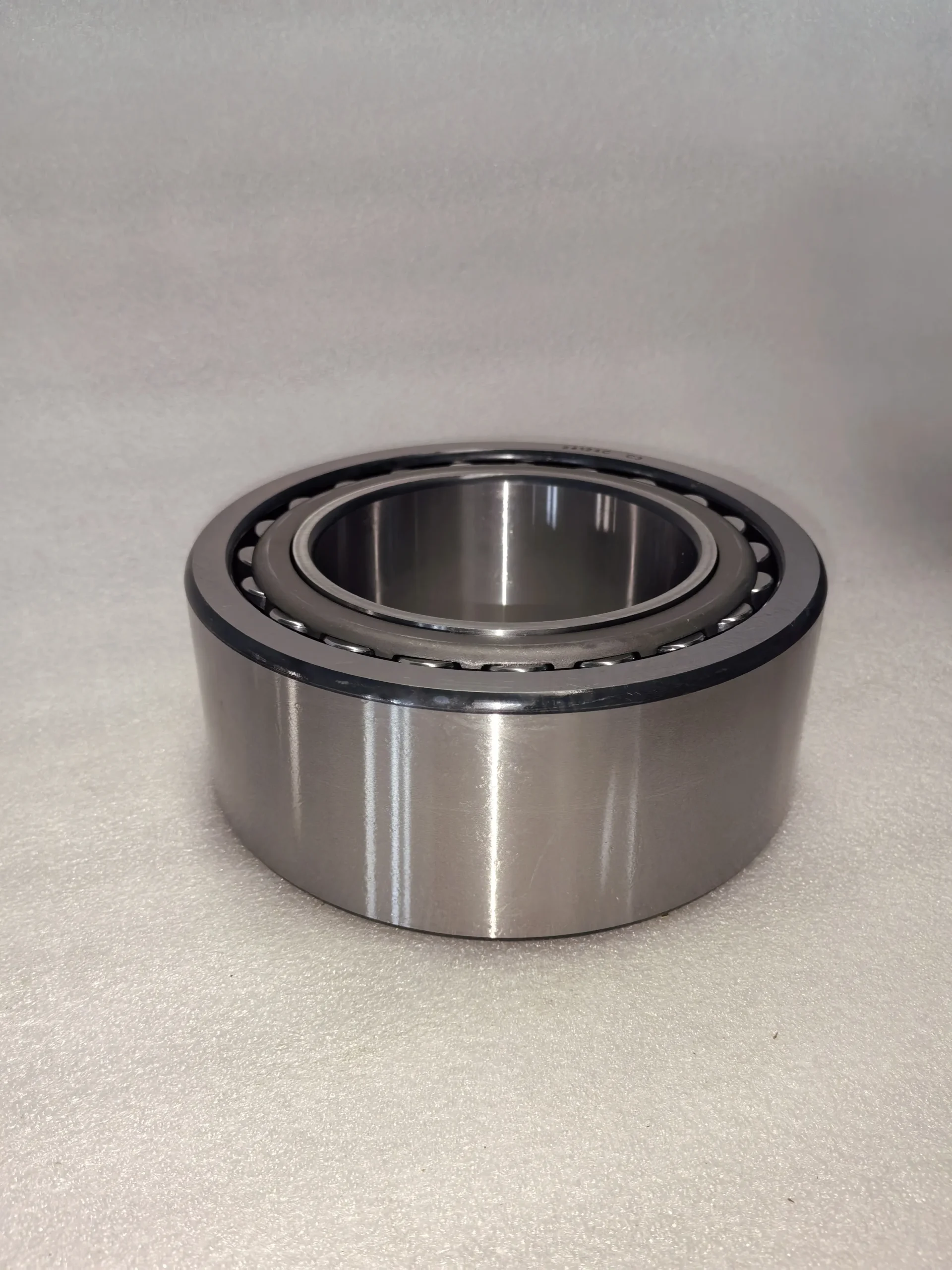
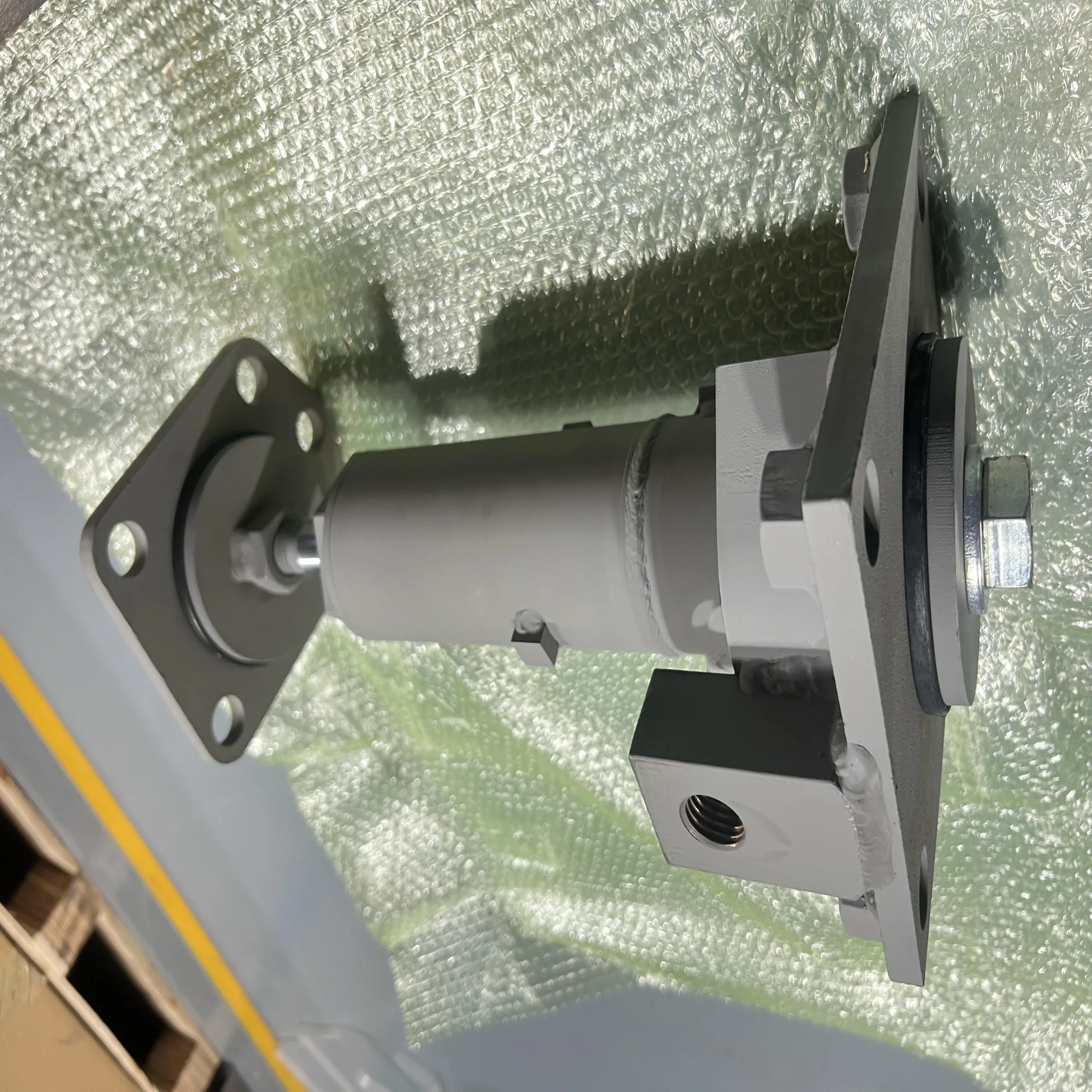
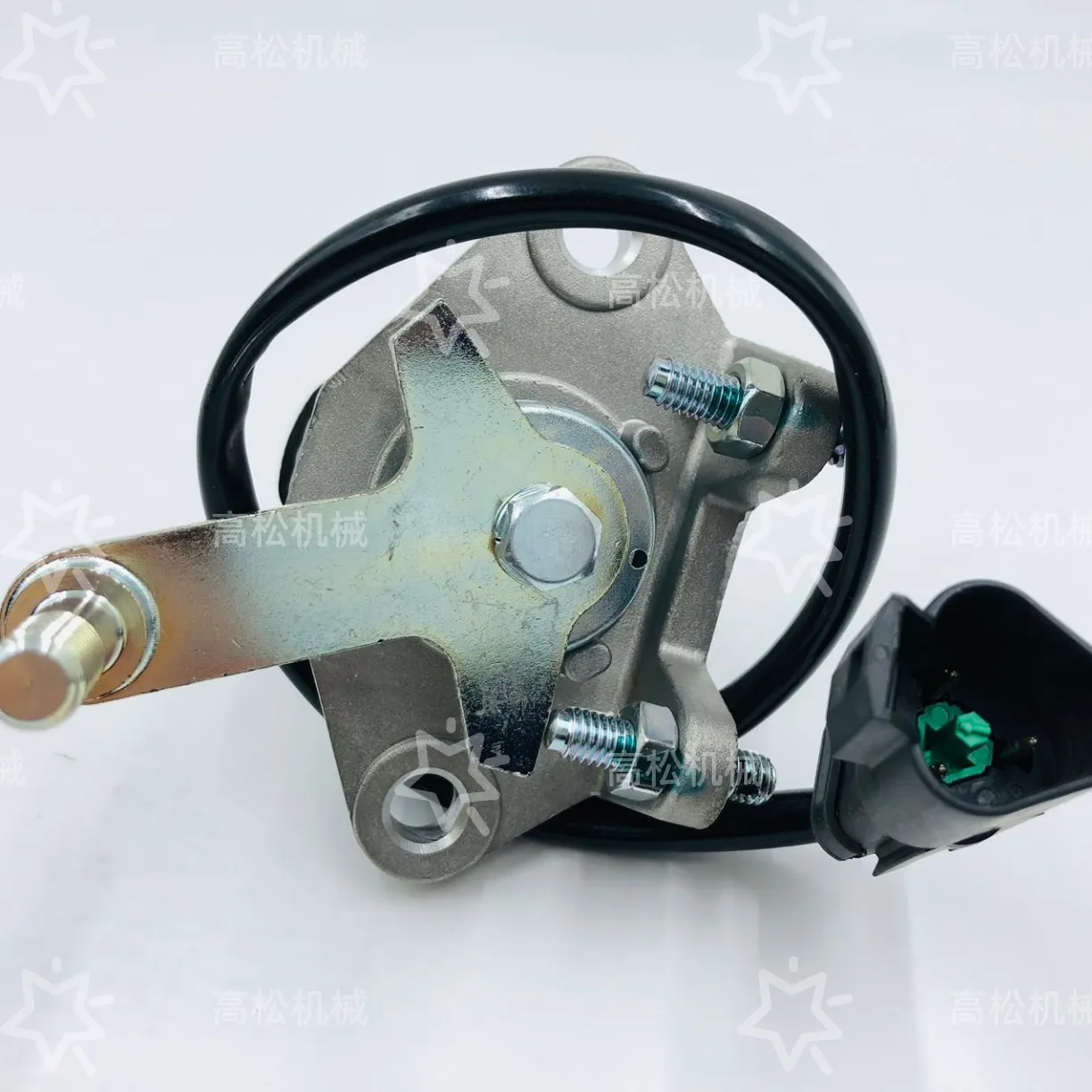

Best Selling Products
Best Selling Products-
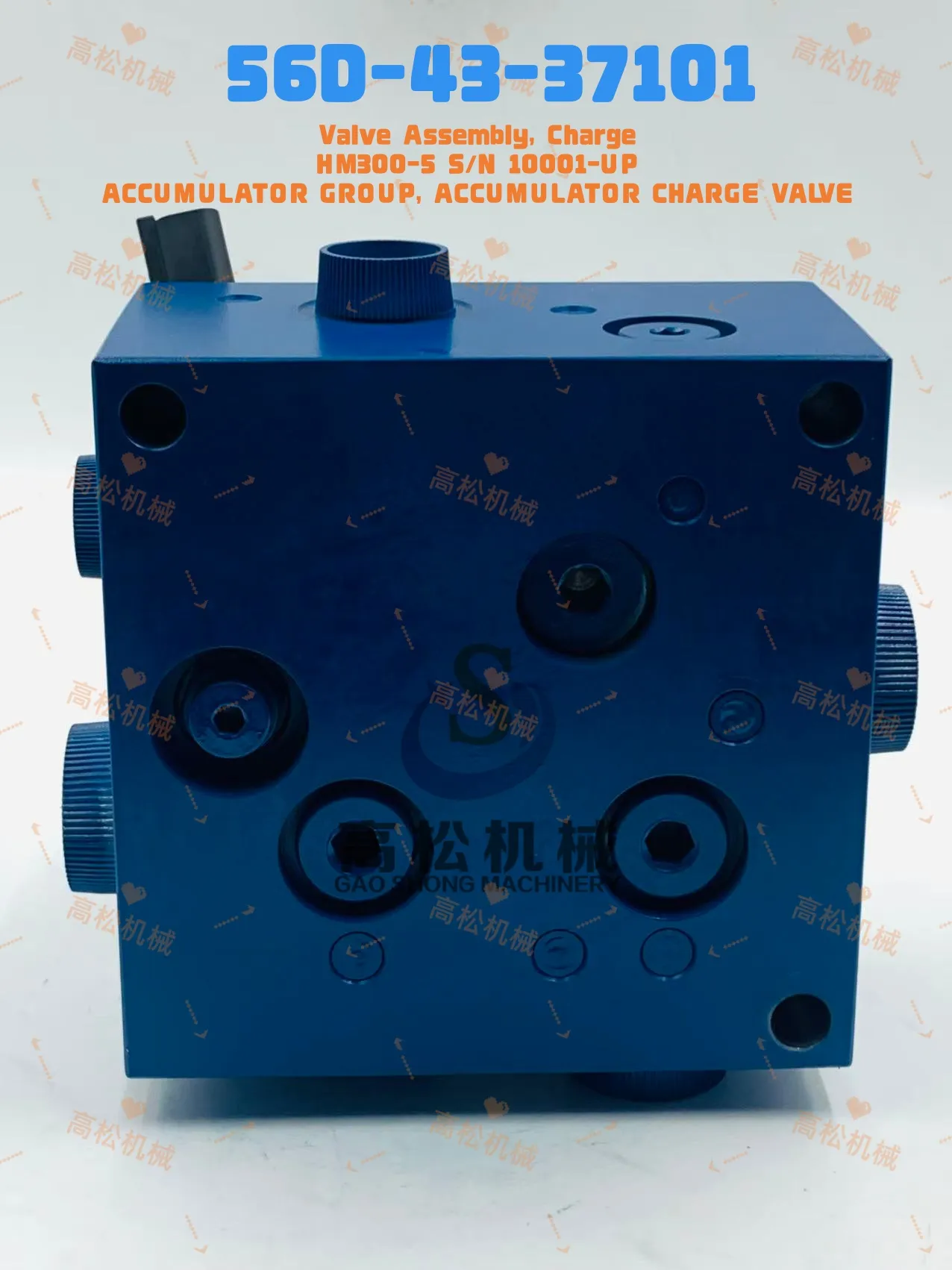 56D-43-37101 Valve Assembly, Charge for HM300 Komatsu Dump Truck Parts High Quality
 -
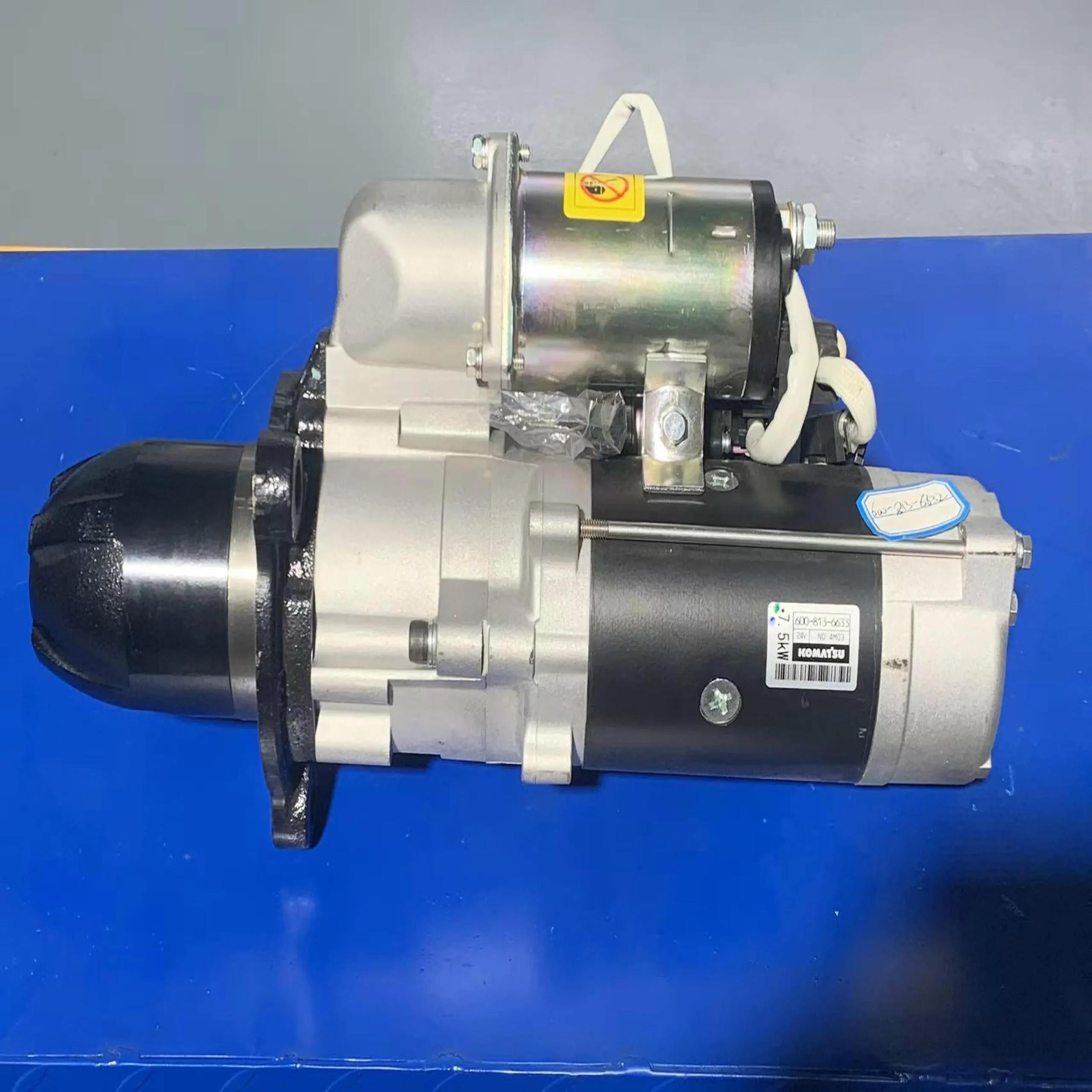 600-813-6632 PC400-8 Start Motor
 -
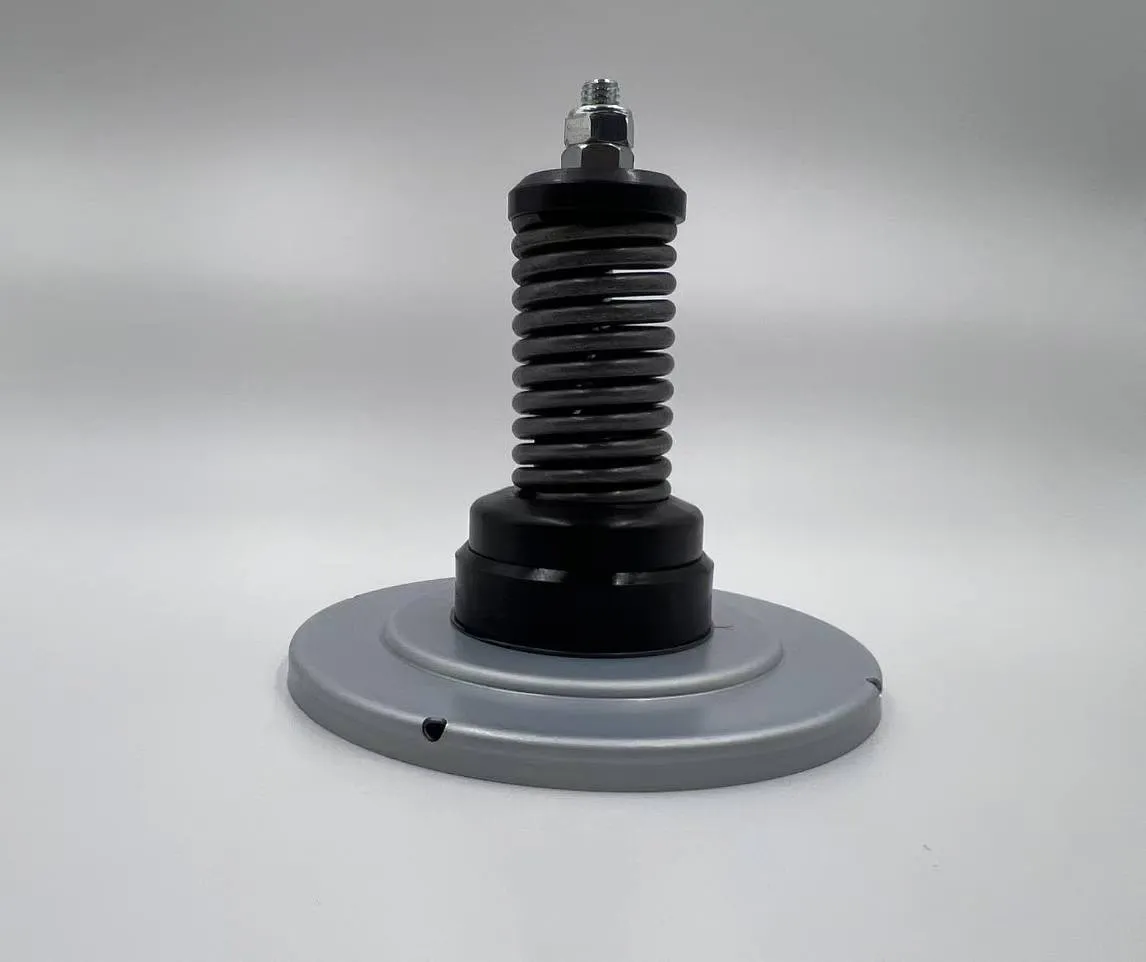 Valve Assembly 20Y-60-31450 – KOMATSU
 -
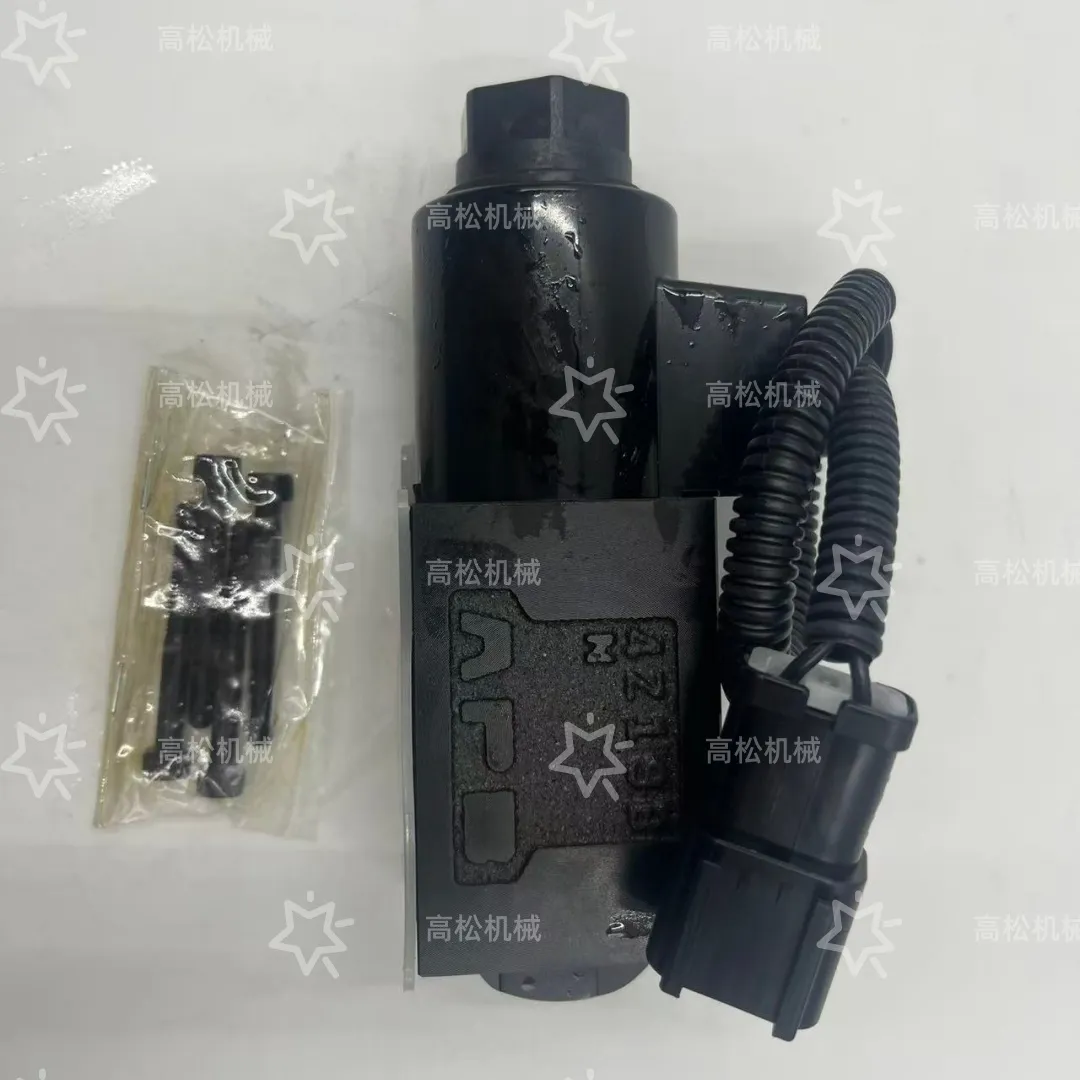 23W-60-28230 VALVE ASSEMBLY,SOLENOID – Komatsu
 -
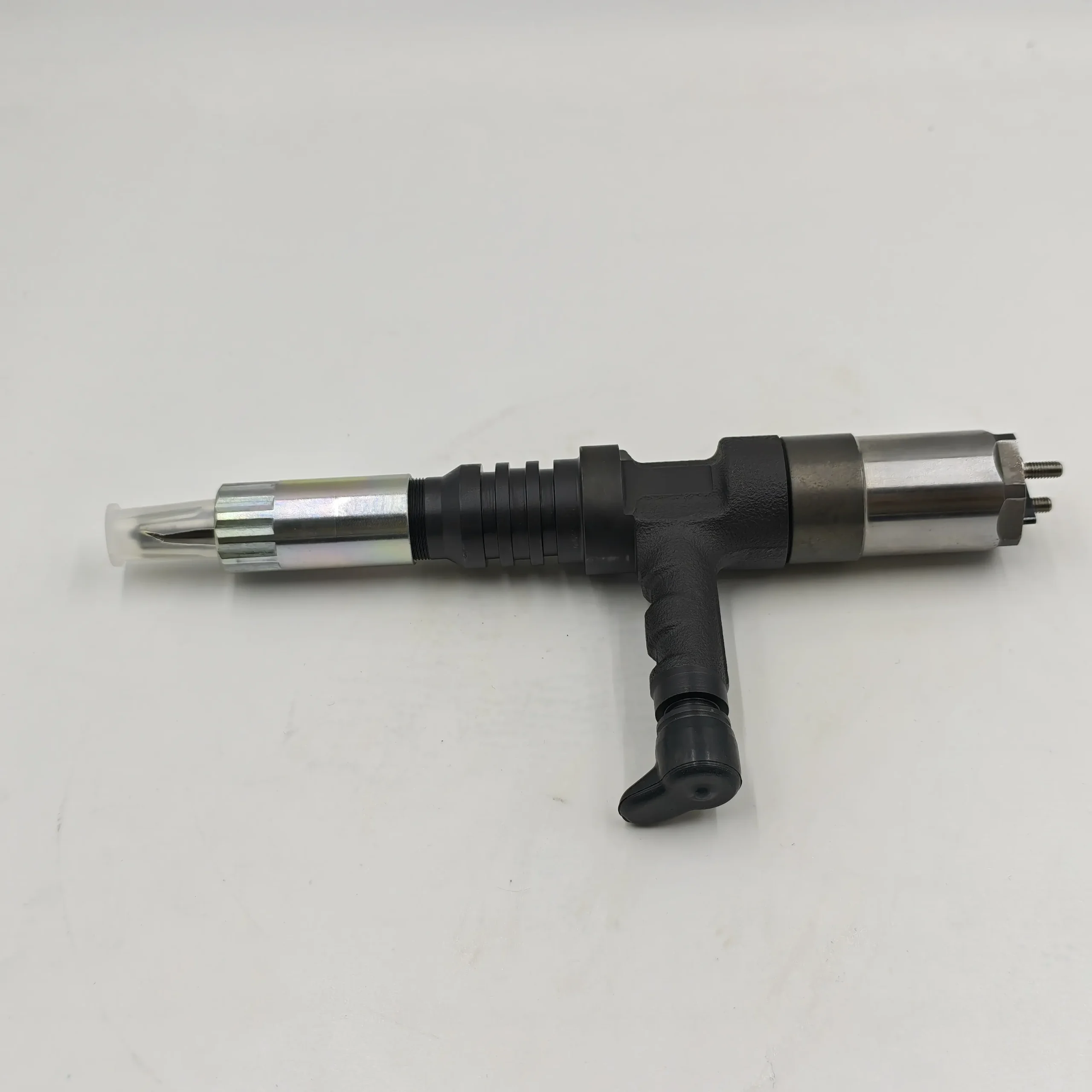 6218-11-3101 INJECTOR ASS’Y-Komatsu Original Factory
 -
608-813-6632 Starter Motor for Komatsu Construction Parts
-
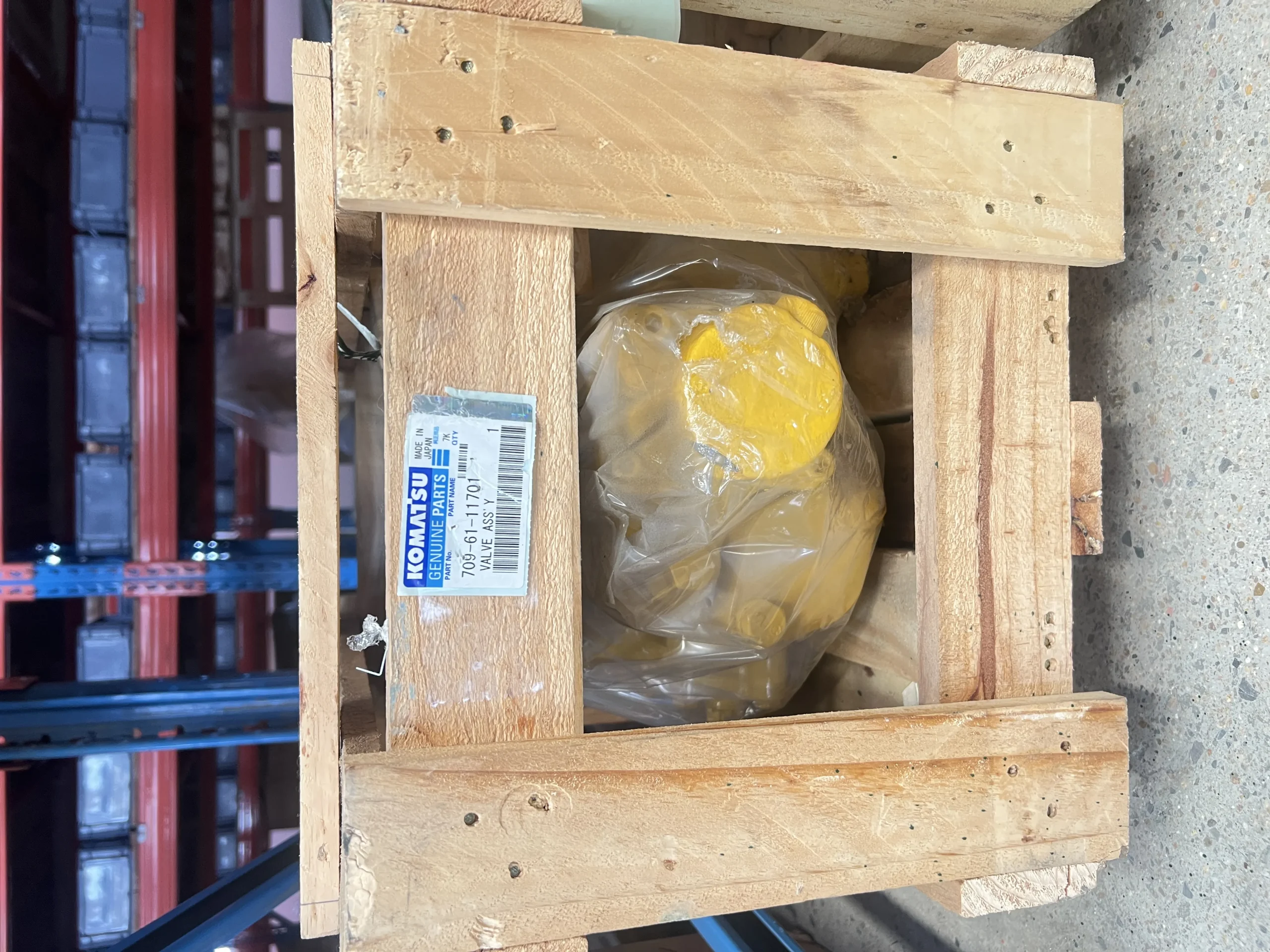 709-61-11701 Valve Assembly for Komatsu D375A-5D
 -
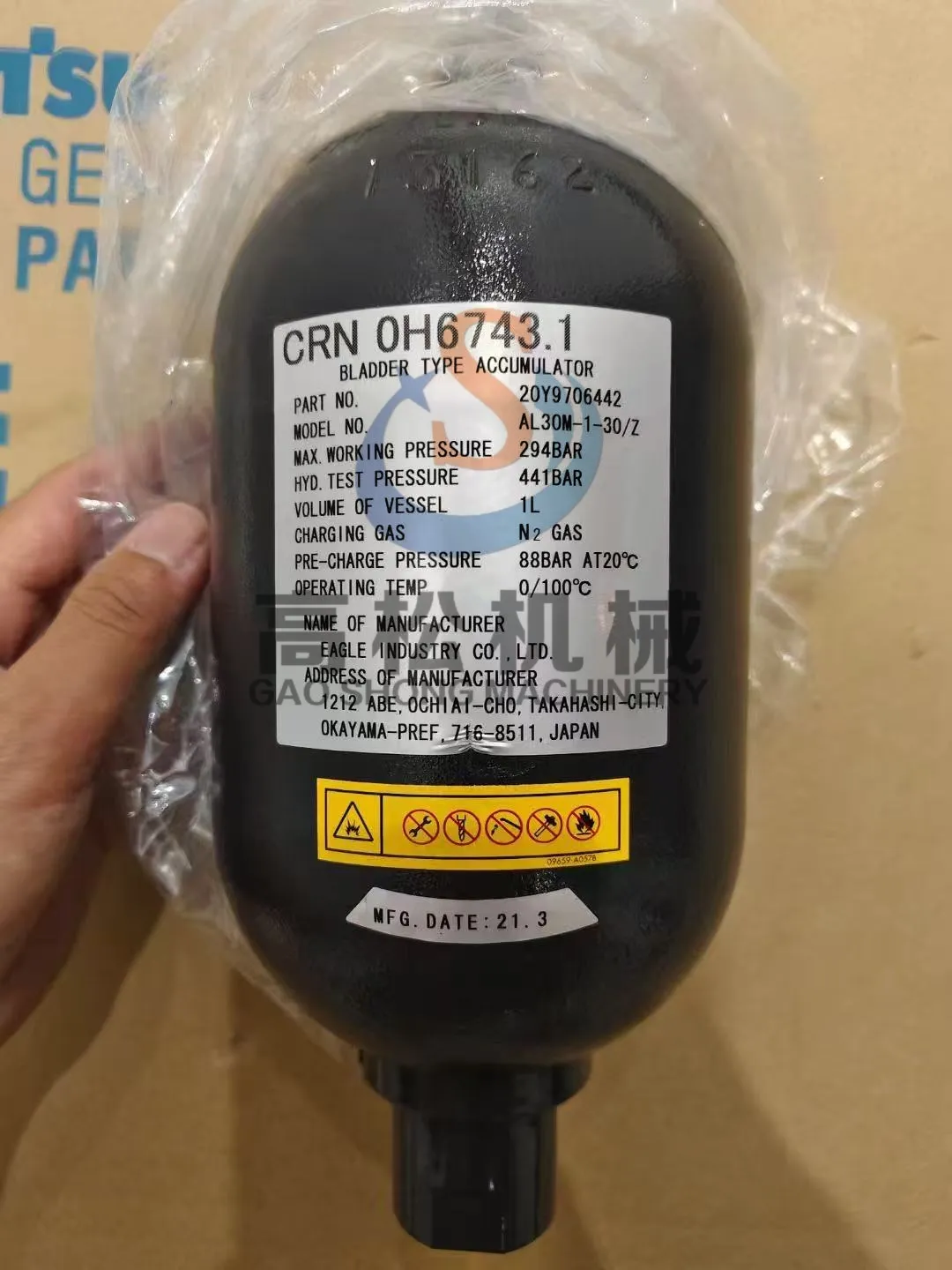 20Y-970-6442 Komatsu Accumulator Assembly
 -
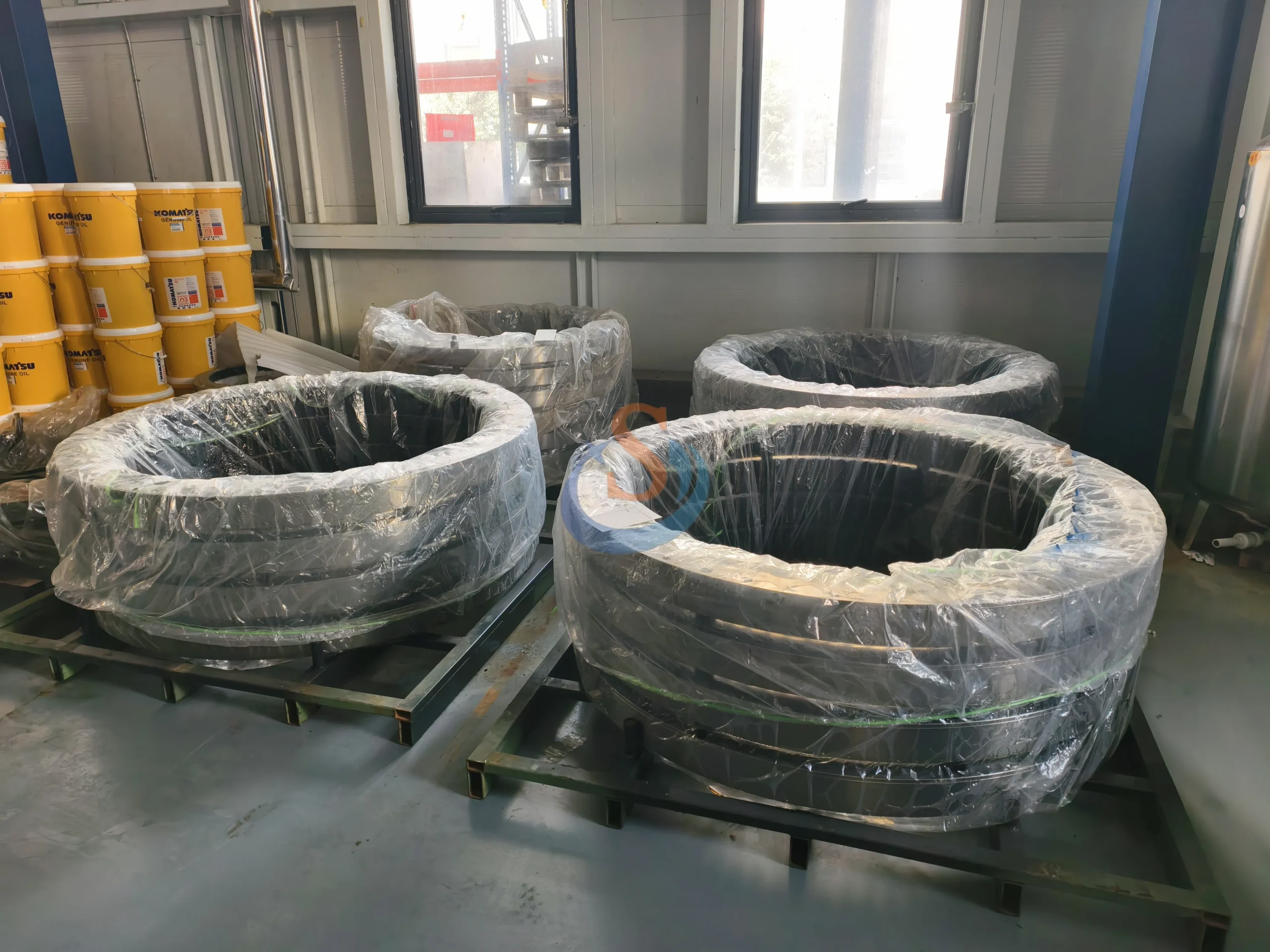 207-25-61100, SWING CIRCLE ASS’Y,PC300,PC360,PC350
 -
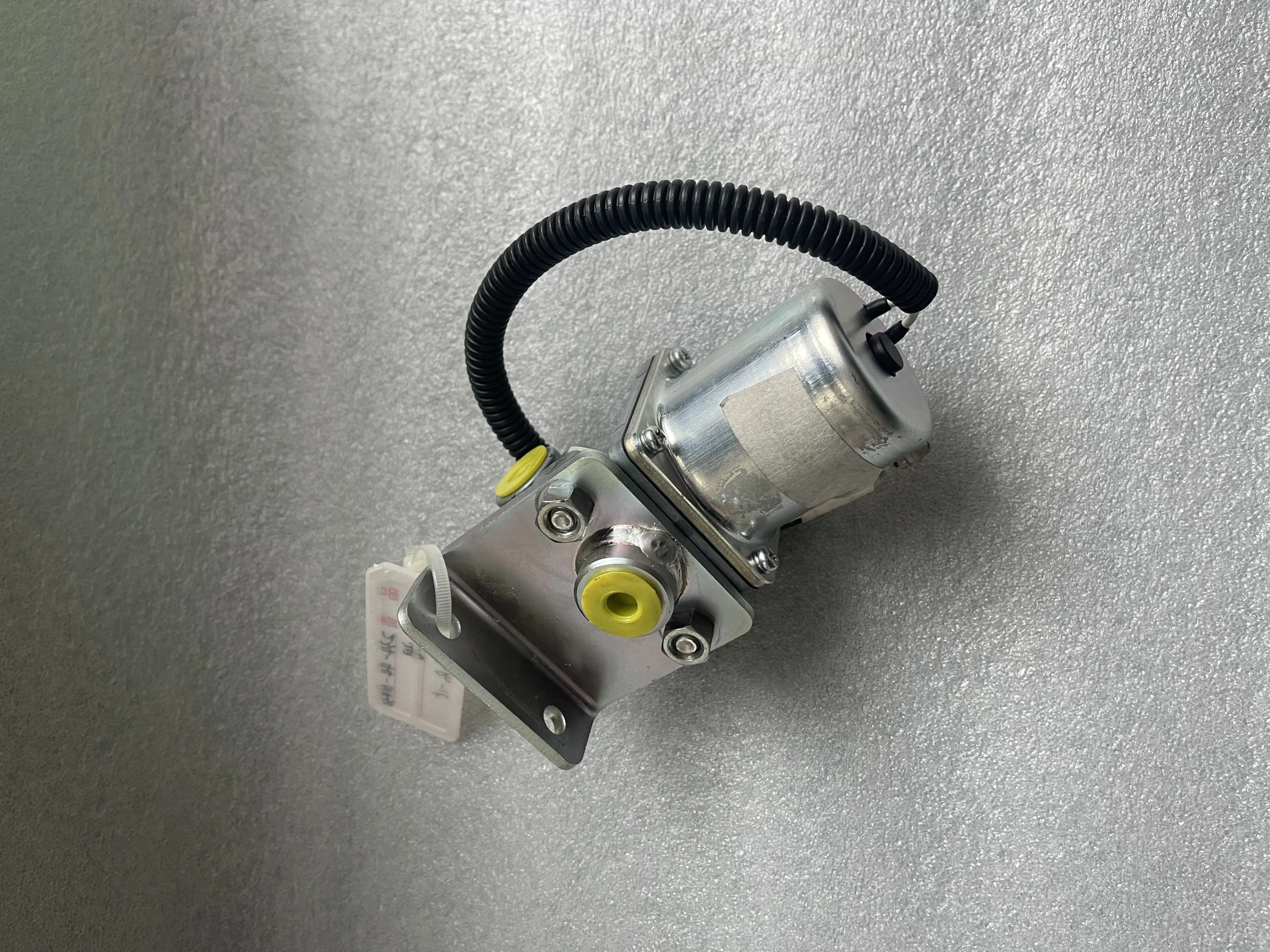 234-44-61430-VALVE Applicable: Komatsu GD825 / GD705
 -
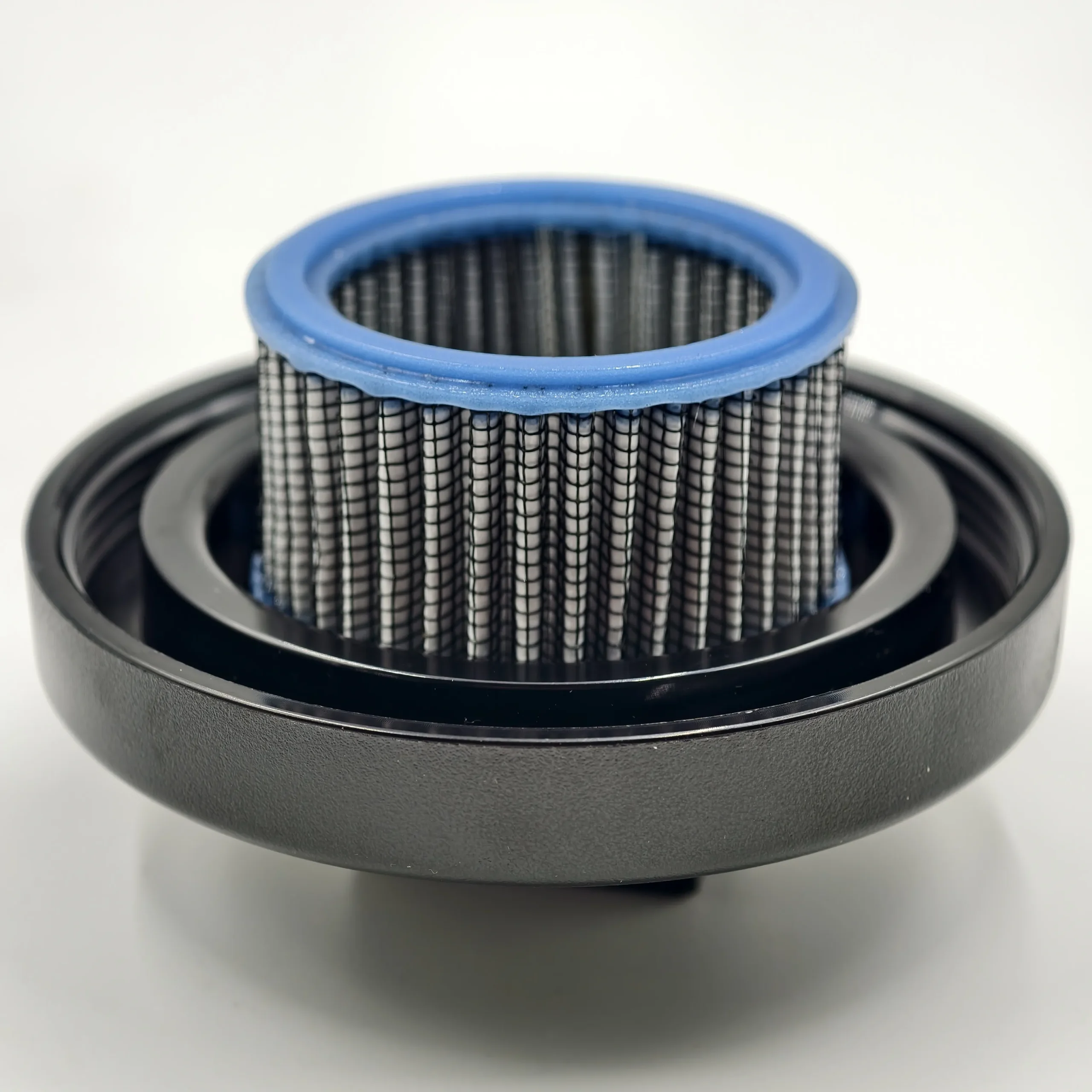 21T-04-31170 Komatsu Cap Assembly
 -
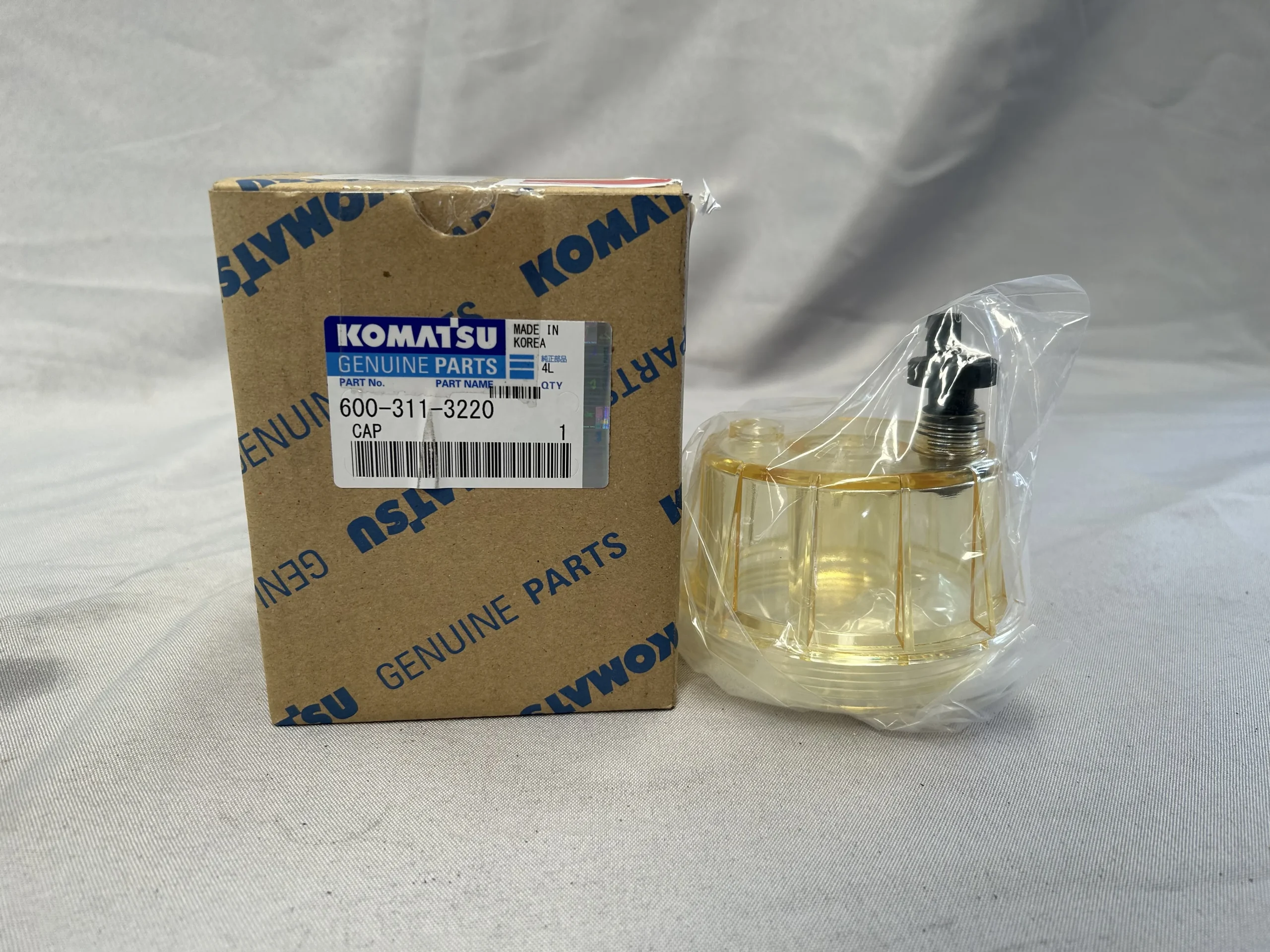 SA6D170E-3A Filter Cup 600-311-3220