
- Chinese
- French
- German
- Portuguese
- Spanish
- Russian
- Japanese
- Korean
- Arabic
- Irish
- Greek
- Turkish
- Italian
- Danish
- Romanian
- Indonesian
- Czech
- Afrikaans
- Swedish
- Polish
- Basque
- Catalan
- Esperanto
- Hindi
- Lao
- Albanian
- Amharic
- Armenian
- Azerbaijani
- Belarusian
- Bengali
- Bosnian
- Bulgarian
- Cebuano
- Chichewa
- Corsican
- Croatian
- Dutch
- Estonian
- Filipino
- Finnish
- Frisian
- Galician
- Georgian
- Gujarati
- Haitian
- Hausa
- Hawaiian
- Hebrew
- Hmong
- Hungarian
- Icelandic
- Igbo
- Javanese
- Kannada
- Kazakh
- Khmer
- Kurdish
- Kyrgyz
- Latin
- Latvian
- Lithuanian
- Luxembou..
- Macedonian
- Malagasy
- Malay
- Malayalam
- Maltese
- Maori
- Marathi
- Mongolian
- Burmese
- Nepali
- Norwegian
- Pashto
- Persian
- Punjabi
- Serbian
- Sesotho
- Sinhala
- Slovak
- Slovenian
- Somali
- Samoan
- Scots Gaelic
- Shona
- Sindhi
- Sundanese
- Swahili
- Tajik
- Tamil
- Telugu
- Thai
- Ukrainian
- Urdu
- Uzbek
- Vietnamese
- Welsh
- Xhosa
- Yiddish
- Yoruba
- Zulu
- Kinyarwanda
- Tatar
- Oriya
- Turkmen
- Uyghur






Komatsu attachment
When most people hear 'Komatsu attachment,' they immediately think of the genuine, yellow-painted parts that come straight from Komatsu's own channels. That's the gold standard, sure. But in the real world, especially in markets with complex supply chains or older machine populations, the picture gets muddier. There's a whole ecosystem around these attachments, and understanding it is what separates a paper spec-reader from someone who's actually had to get a machine back to work on a tight deadline. The assumption that only the OEM-direct part is viable can shut down a project. I've seen it happen.
The OEM Reality and the Third-Party Gap
Komatsu's official network is built for consistency and peak performance with their latest machines. If you're running a new 870 or a 980, you stick with their Komatsu attachment lineup. The engineering integration is seamless. But try sourcing a specific coupler or a specialized bucket for a decade-old PC300-8 in a remote region. The lead times can be prohibitive, or the part might simply be listed as discontinued. This is where the official system shows its limits. It's not a flaw in their design; it's just economics. They're focused on supporting current models and high-volume items.
This gap creates a very real, and often critical, niche. Companies that understand Komatsu specifications intimately can step in. They aren't producing knock-offs. The good ones are producing Komatsu attachment-compatible solutions that meet or exceed the original design criteria, filling the voids in the supply chain. Their value isn't in being cheaper (though often they are), but in being available. Availability keeps equipment from becoming static, depreciating assets.
I recall a project in Southeast Asia where we had three PC360s idled because the genuine tiltrotator attachments were on a 6-month backorder from Japan. The local dealer was powerless. We found a supplier, an OEM within the Komatsu system, who could fabricate the units to the exact hydraulic and mounting specifications. They weren't Komatsu branded, but they interfaced perfectly. That's the key—interoperability without compromise. It saved the contract.
Jining Gaosong: A Case Study in Bridging the Divide
This brings me to a specific example that illustrates this ecosystem well: Jining Gaosong Construction Machinery Co., Ltd.. Their model is instructive. They position themselves dually: as an OEM product supplier within the Komatsu system, and as a third-party sales company for Komatsu. That first role is crucial—it means they have the technical drawings, the material specs, and the engineering tolerance sheets. They're not reverse-engineering; they're manufacturing from the source blueprint.
Their second role, as a third-party sales channel, is what solves the practical problem. They're explicitly helping to solve parts supply challenges in certain countries. This isn't marketing fluff. I've interacted with similar entities in Africa and South America. The challenge isn't just cost; it's logistics, customs, and local dealer capacity. A company like Gaosong, operating through takematsumachinery.com, can often navigate these channels more fluidly than the monolithic official pipeline, getting a critical Komatsu attachment to a port or job site weeks faster.
The nuance here is trust. When you buy from such a source, you're not just buying a piece of steel. You're buying their fidelity to the OEM standard. Do they use the same grade of Hardox for the bucket? Is the pin bore hardness treated correctly? From my due diligence, the reputable ones like Gaosong do, because their entire business hinges on being a reliable alternative, not a cut-rate substitute. A failure would destroy their reputation in a tight-knit industry.
Practical Pitfalls and Compatibility Checks
Even with credible suppliers, the field work is where theory meets dirt. The biggest mistake is assuming 100% plug-and-play. Even with perfect dimensional specs, you must check the hydraulic flow and pressure ratings. A newer model Komatsu attachment like a crusher or pulverizer might require a higher GPM flow than an older machine's auxiliary circuit can provide. I learned this the hard way on a Demolition job with a PC400LC-6. We sourced a perfectly made shear, but the machine's stock hydraulic system was underpowered for it. We lost a week retrofitting a pump. Now, the first question I ask is for the attachment's required hydraulic profile, and I match it against the machine's service manual, not just the model number.
Another subtle point is the mounting interface. Komatsu has evolved its coupler systems. A bracket made for a Series 8 machine might need shim adjustments or minor modification to fit a Series 10 perfectly. A good third-party supplier will know these nuances and ask you for the machine's serial number range, not just the model. If they don't ask, that's a red flag. The website of Jining Gaosong Construction Machinery Co., Ltd. suggests this level of detailed engagement, which aligns with a professional operation.
Then there's wear parts. Will the teeth, adapters, and pins on a compatible bucket match the genuine article's inventory, or will you be locked into a single supplier? The best policy is to insist on common, industry-standard wear parts. This is a negotiable point with the supplier and one that has long-term operational cost implications.
The Economics of a Mixed Fleet Strategy
For fleet managers, the smart play is a hybrid strategy. For high-utilization, critical-path machines, you buy the genuine Komatsu attachment. The support warranty and resale value justification are clear. But for secondary machines, specialty attachments used infrequently, or for legacy equipment you plan to run into the ground, the certified-compatible route makes immense financial sense. It frees up capital.
This approach requires good data. You need to track attachment utilization and repair costs meticulously. We found that our rock buckets for 30-ton class excavators, which see brutal service, had a similar total cost of ownership whether genuine or high-quality compatible. The genuine ones lasted slightly longer, but the compatible ones had a 40% lower initial cost, allowing us to rotate them more frequently. It was a net win.
The role of a company like Jining Gaosong Construction Machinery Co., Ltd. is to be the reliable source for that secondary tier. Their existence validates the market need. They're not replacing the OEM; they're complementing it by extending the functional life and utility of Komatsu equipment in environments where pure OEM support is stretched thin.
Looking Ahead: The Value of the Ecosystem
The conversation around Komatsu attachment solutions is ultimately about practicality over purity. The construction and mining industries run on uptime. While the OEM brand represents the pinnacle of designed performance, the reality of global operations demands flexibility. The ecosystem of OEM-aligned manufacturers and specialized third-party distributors provides that flexibility.
It pushes the official dealers as well. In some regions, I've seen Komatsu dealers themselves start to stock select compatible attachments from trusted partners to meet customer demand they couldn't fulfill otherwise. It's a pragmatic acknowledgment of the market's complexity.
So, when evaluating an attachment, the question shifts from Is it genuine Komatsu? to Does it meet the Komatsu standard for this application, and does the supplier have the technical depth to prove it? That's the professional's calculus. It involves checking certificates, asking for references on specific models, and maybe even starting with a low-risk item like a thumb or a ditch-cleaning bucket. Companies that are transparent about their OEM manufacturing role, like the one discussed, are usually a solid bet for bridging that gap between ideal supply and on-the-ground necessity. The goal is always the same: get the machine working, reliably and efficiently. Sometimes, that path leads you beyond the official catalog.
Related Products
Related Products

Best Selling Products
Best Selling Products-
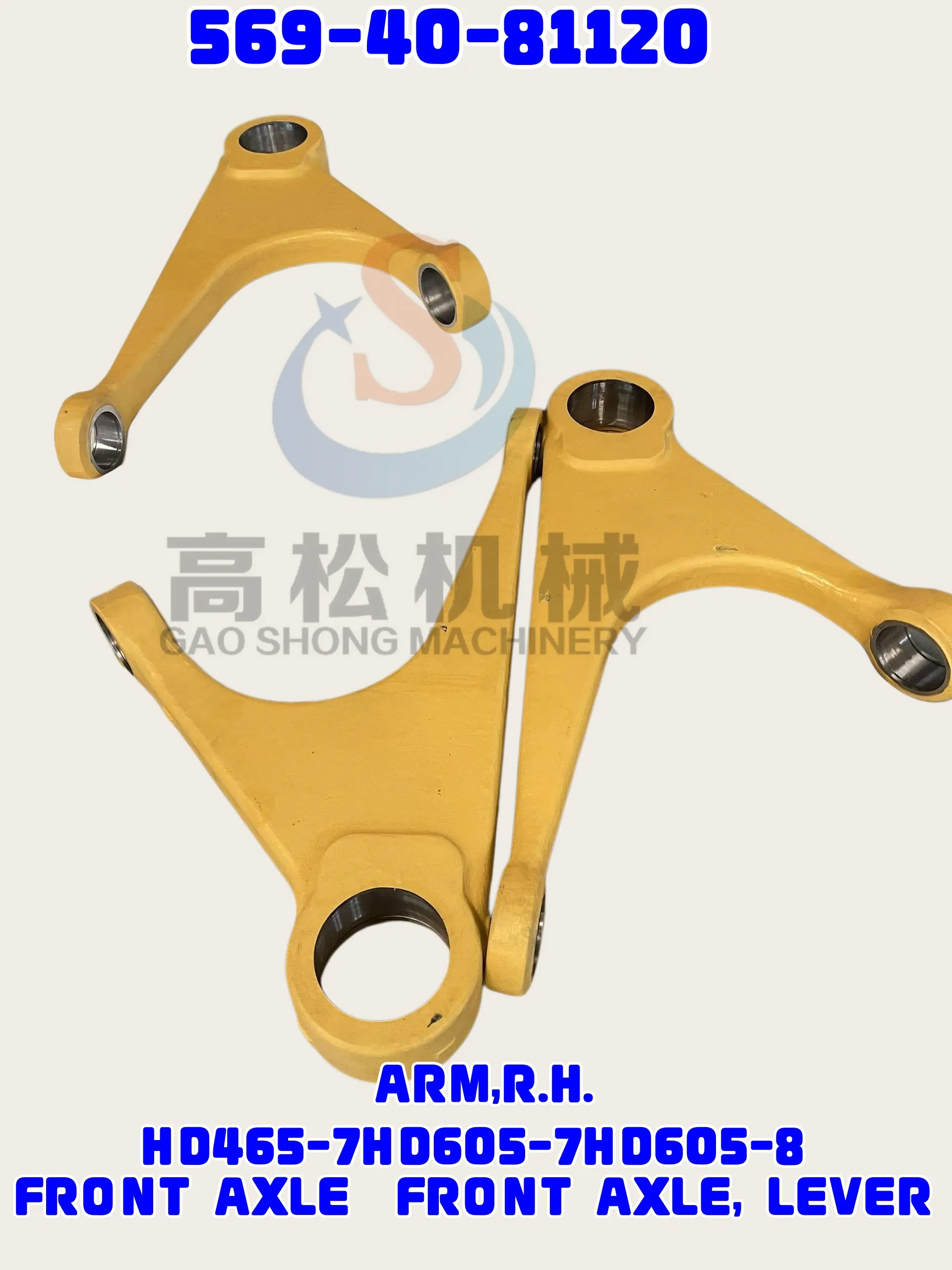 HD465-7 komatsu-part-569-40-81120 ARM,R.H. HD605-7 HD465-7 HD605-7E HD605-7E1 HD465-8 HD465-7R FRONT AXLE (R.H.) (KNUCKLE AND ARM LEVER)
 -
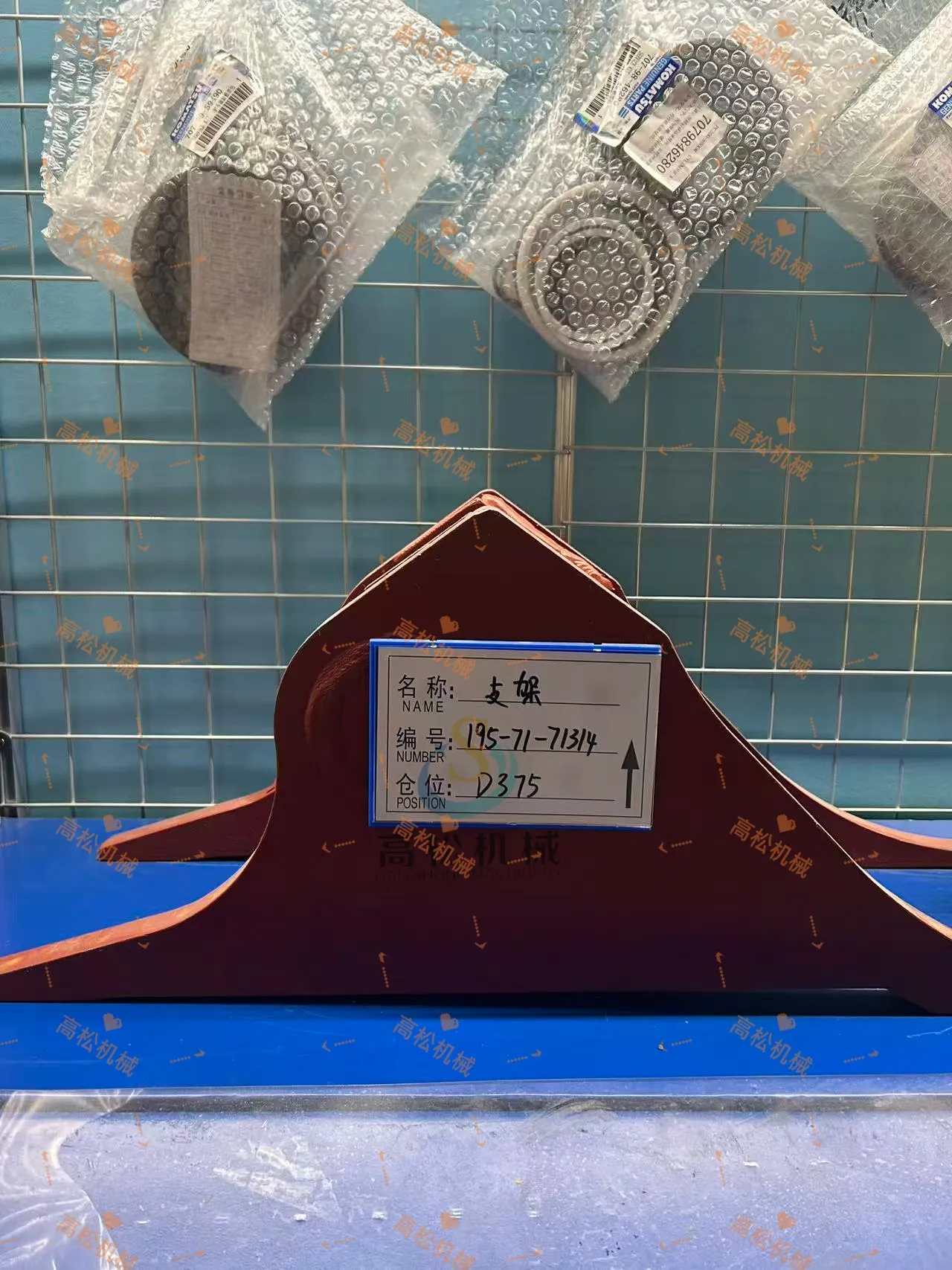 195-71-71314 BRACKET (WELDED) D375A-5 S/N 55001-UP (W/O EGR) BLADE
 -
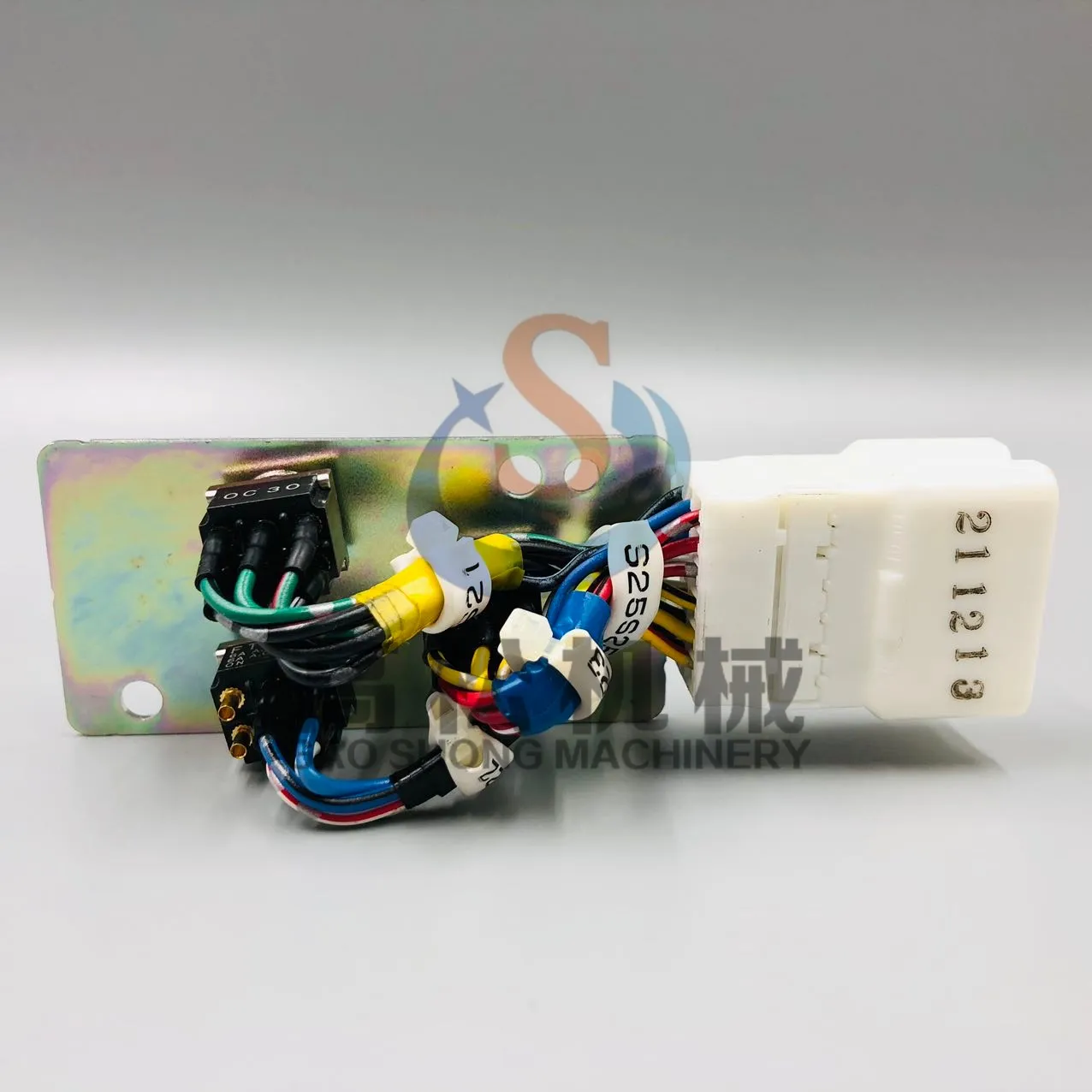 SWITCH ASS’Y 22U-06-22370 – KOMATSU
 -
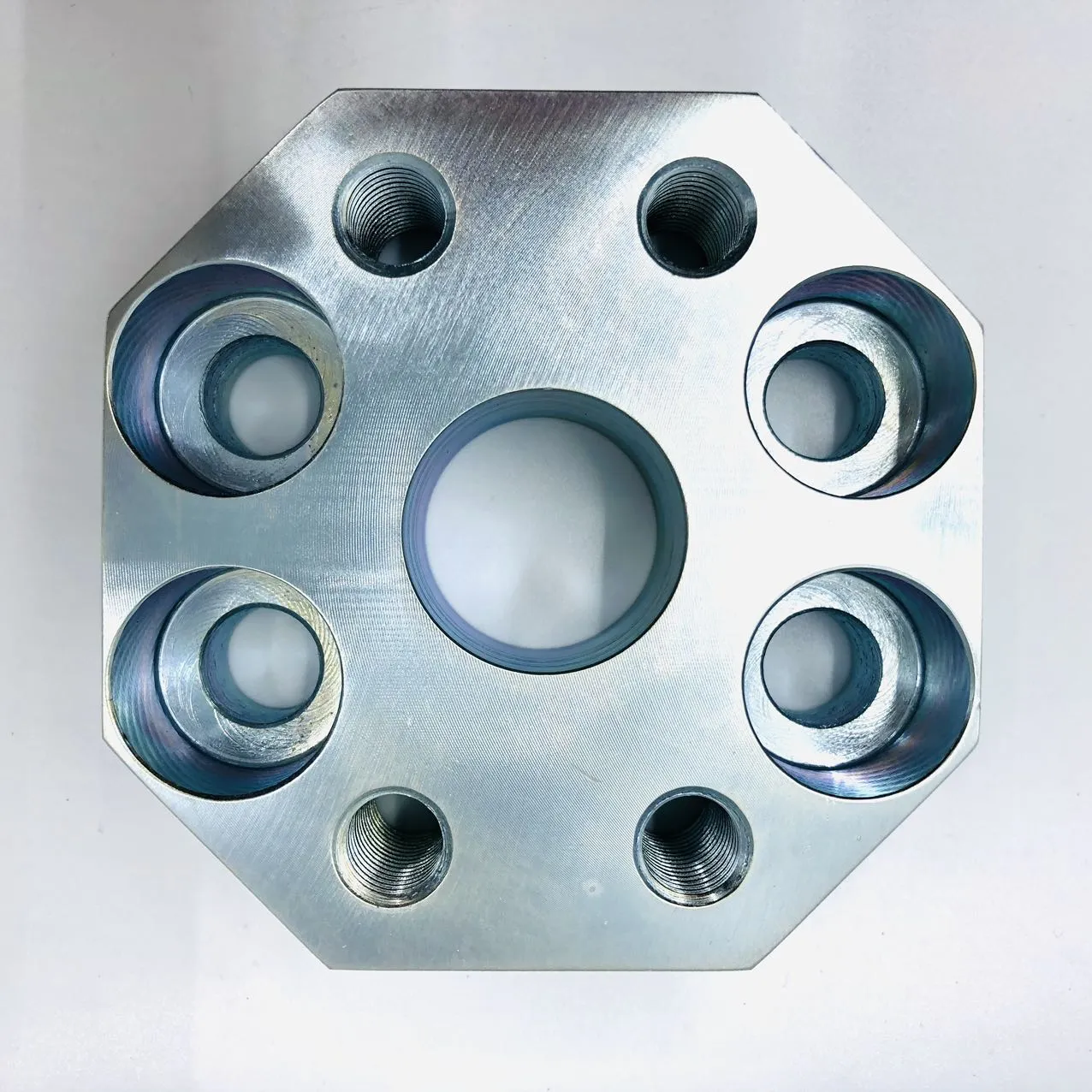 21N-62-11361 Komatsu Flange
 -
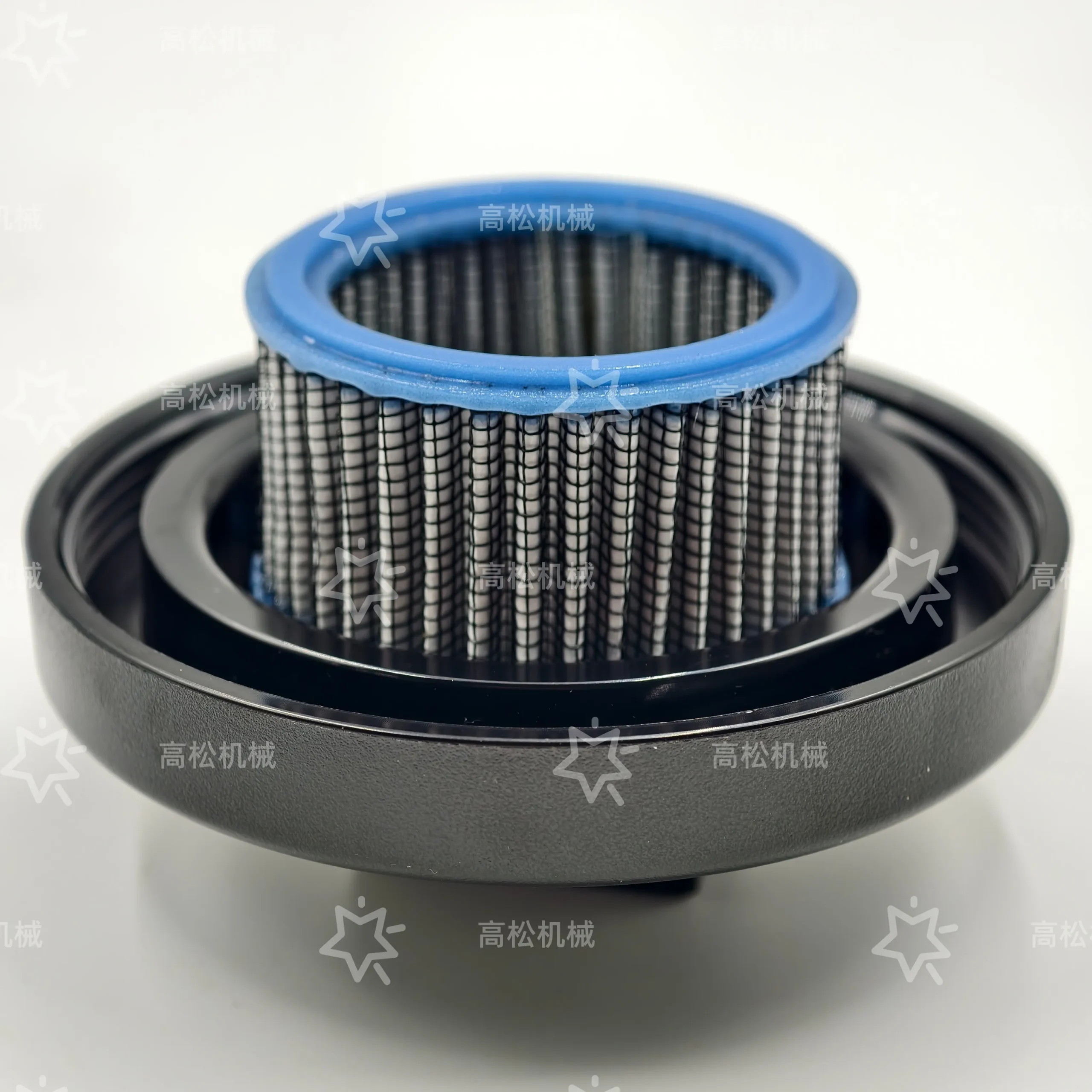 21T-04-31170 Komatsu Cap Assembly
 -
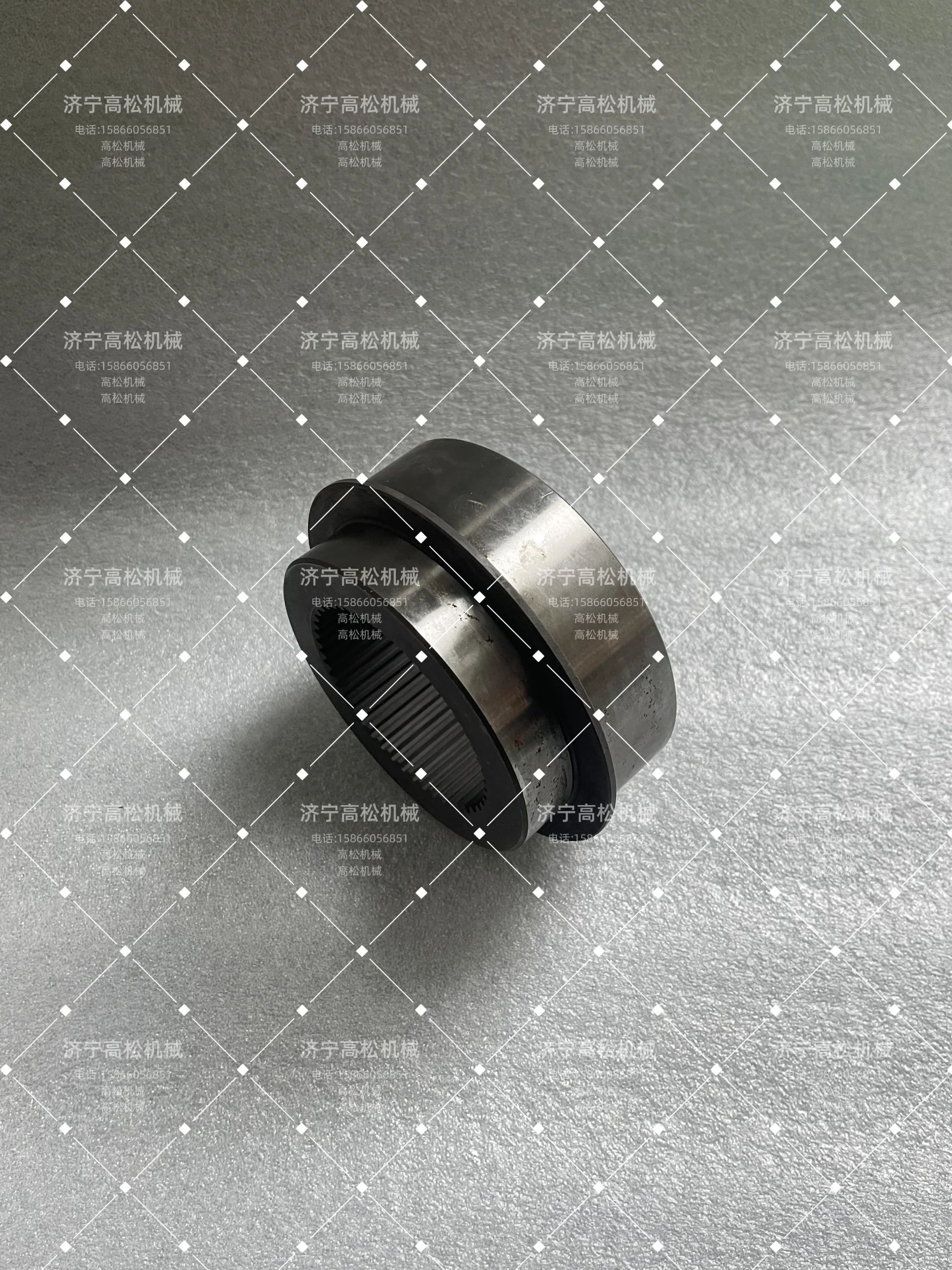 195-15-82570 Komatsu Spacer
 -
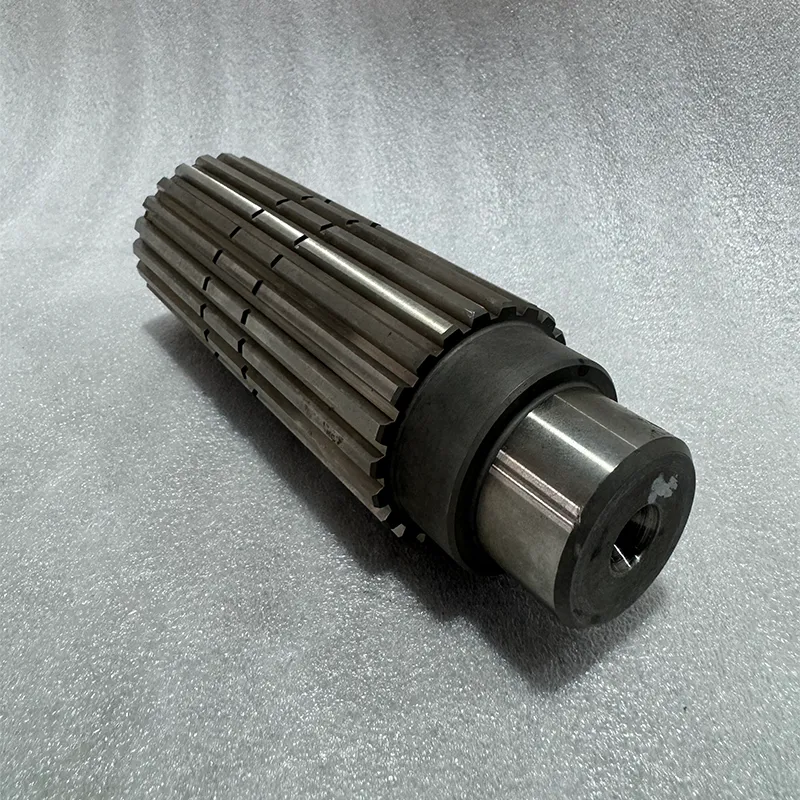 Komatsu original D65PX-15 Gear Shaft 14X-12-11411
 -
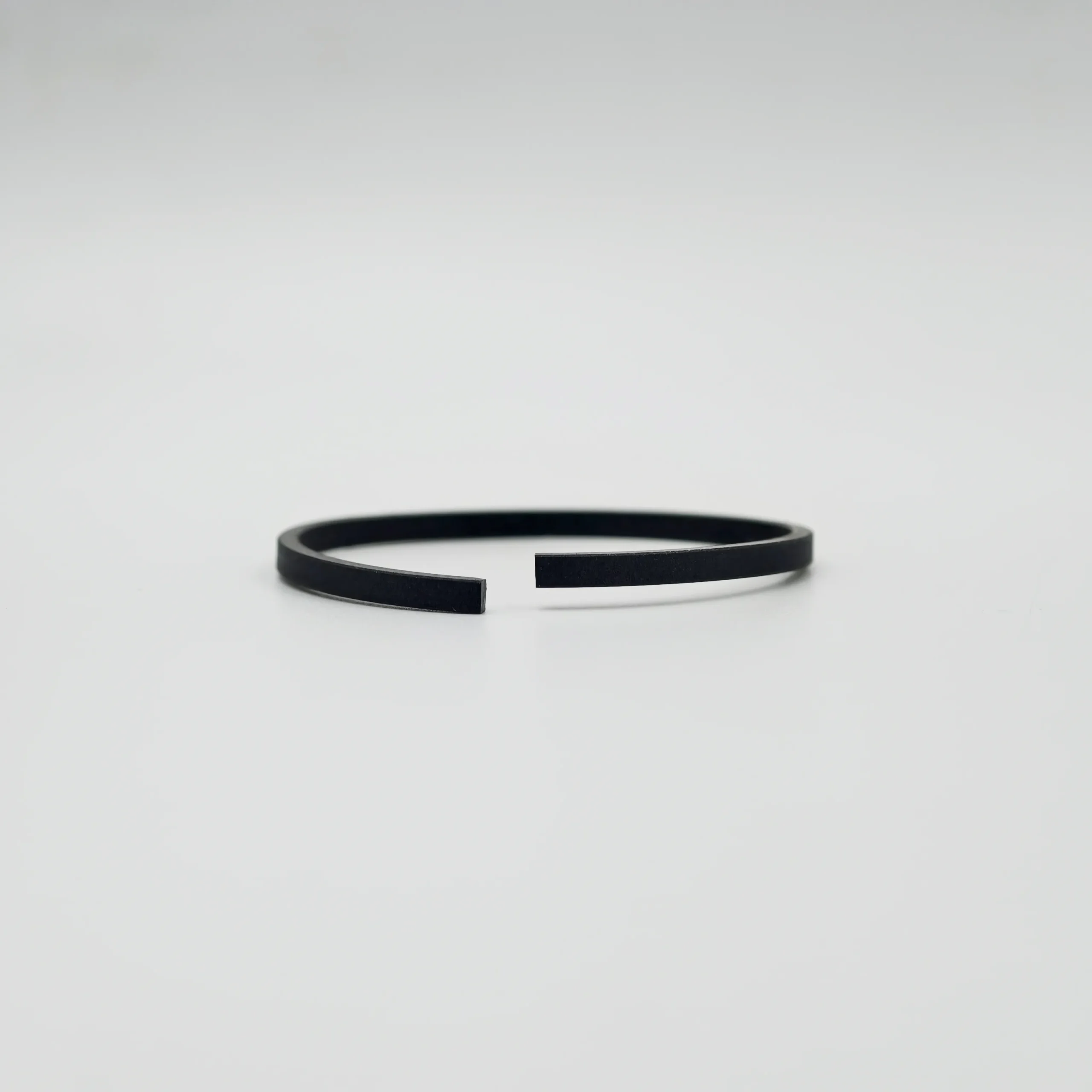 56D-15-19250 RING
 -
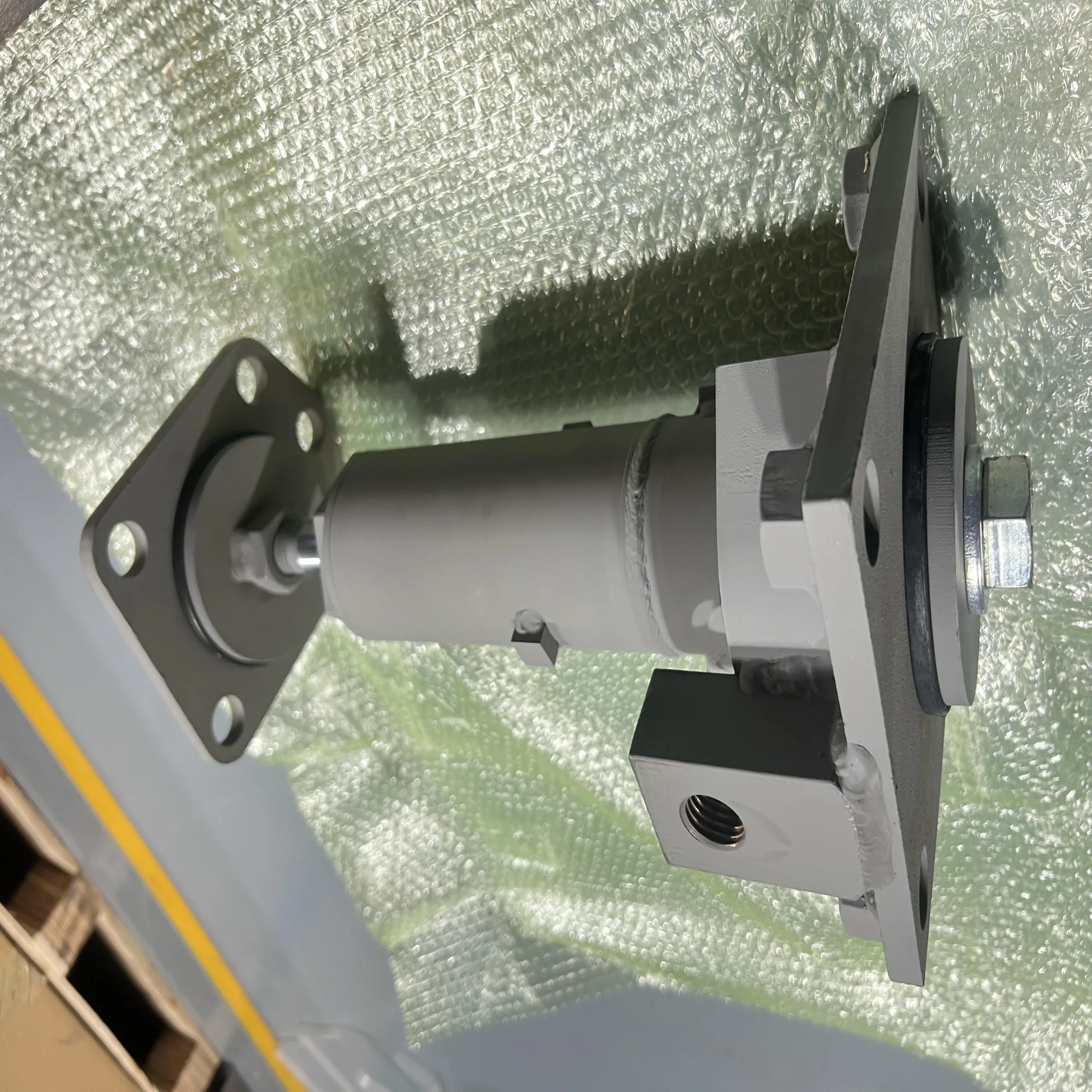 SUSPENSION ASS’Y 17A-54-16201 – KOMATSU
 -
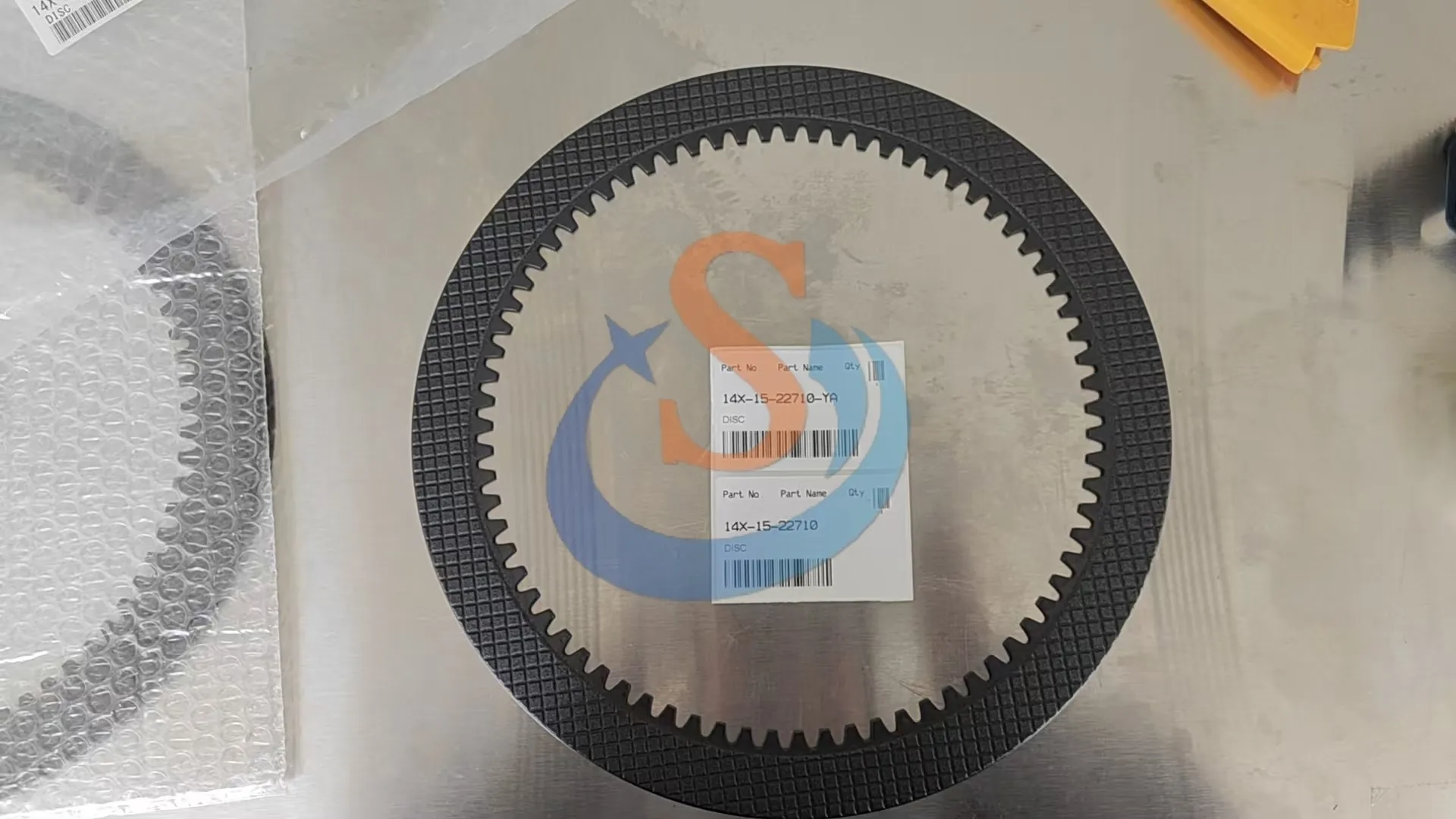 14X-15-22710,DISC,D65WX,D85ESS
 -
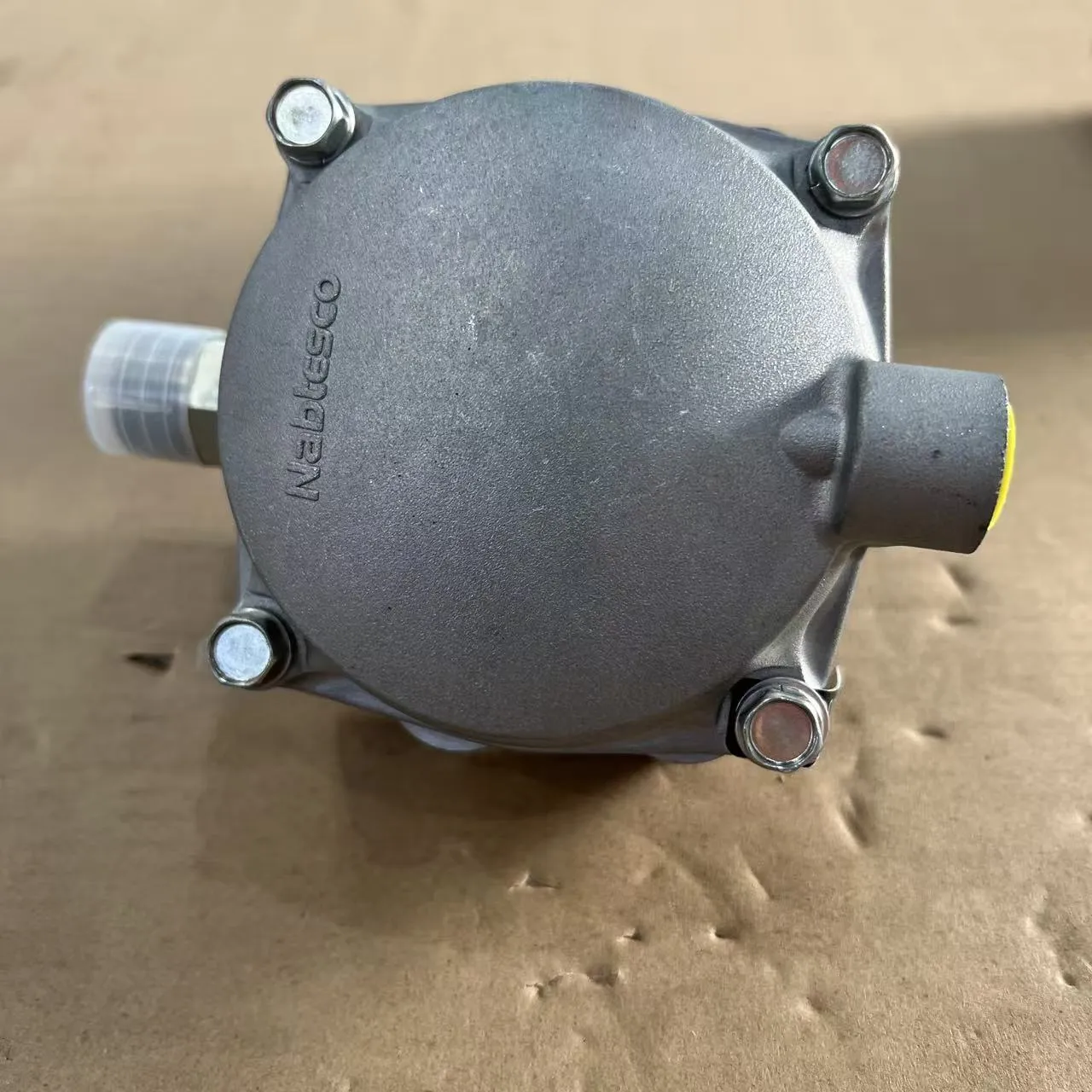 Relay Valve 561-35-61601 for Komatsu Dump Truck…
 -
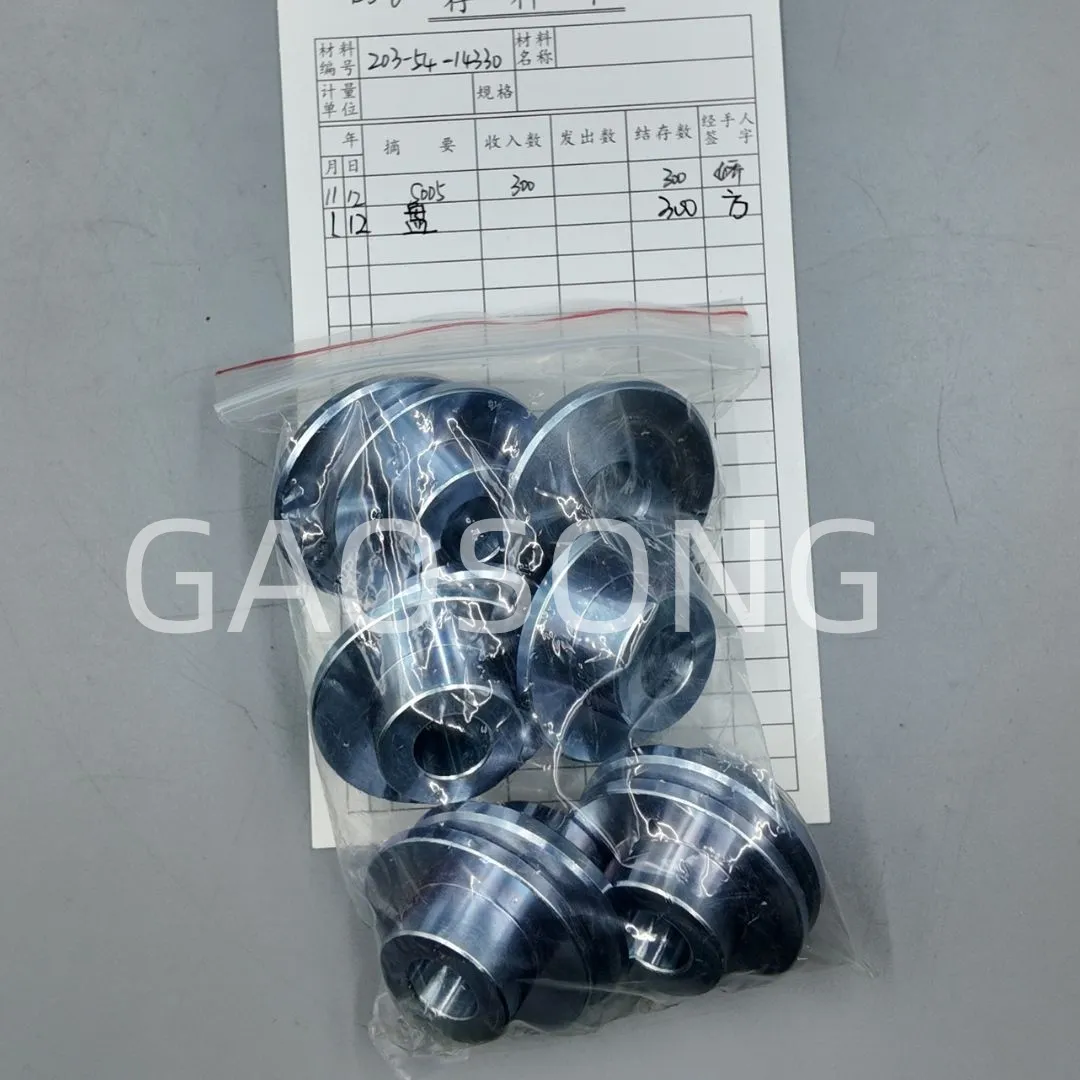 203-54-14330 COLLAR-Komatsu Original Factory