
- Chinese
- French
- German
- Portuguese
- Spanish
- Russian
- Japanese
- Korean
- Arabic
- Irish
- Greek
- Turkish
- Italian
- Danish
- Romanian
- Indonesian
- Czech
- Afrikaans
- Swedish
- Polish
- Basque
- Catalan
- Esperanto
- Hindi
- Lao
- Albanian
- Amharic
- Armenian
- Azerbaijani
- Belarusian
- Bengali
- Bosnian
- Bulgarian
- Cebuano
- Chichewa
- Corsican
- Croatian
- Dutch
- Estonian
- Filipino
- Finnish
- Frisian
- Galician
- Georgian
- Gujarati
- Haitian
- Hausa
- Hawaiian
- Hebrew
- Hmong
- Hungarian
- Icelandic
- Igbo
- Javanese
- Kannada
- Kazakh
- Khmer
- Kurdish
- Kyrgyz
- Latin
- Latvian
- Lithuanian
- Luxembou..
- Macedonian
- Malagasy
- Malay
- Malayalam
- Maltese
- Maori
- Marathi
- Mongolian
- Burmese
- Nepali
- Norwegian
- Pashto
- Persian
- Punjabi
- Serbian
- Sesotho
- Sinhala
- Slovak
- Slovenian
- Somali
- Samoan
- Scots Gaelic
- Shona
- Sindhi
- Sundanese
- Swahili
- Tajik
- Tamil
- Telugu
- Thai
- Ukrainian
- Urdu
- Uzbek
- Vietnamese
- Welsh
- Xhosa
- Yiddish
- Yoruba
- Zulu
- Kinyarwanda
- Tatar
- Oriya
- Turkmen
- Uyghur






Komatsu arm
When most people in the field hear 'Komatsu arm', they immediately picture the main boom and stick on a PC200 or PC360. That's not wrong, but it's a surface-level understanding that misses the critical nuances. The real discussion isn't just about the steel structure; it's about the integrated hydraulic architecture, the wear patterns in the pivot bushings that tell a story, and the subtle differences between, say, a standard-duty arm and a mass excavation arm that can make or break your cost-per-ton on a bulk earthmoving job. I've seen too many projects where the arm was treated as a simple commodity, leading to premature failure or mismatched performance. Let's dig into what actually matters.
The Anatomy of Force and Durability
Starting with the basics, the arm assembly is a force multiplier. The geometry—the distances between the cylinder pins and the main pivot points—is engineered for a specific balance of breakout force and speed. Komatsu's design philosophy often leans towards robust, consistent force over the entire arc of movement, which is why you feel that smooth power in a grading operation. But here's a practical observation: the genuine Komatsu arm isn't just about the plate thickness. It's the specific grade of steel and the post-weld heat treatment in their factories that gives it that resilience against crack propagation, especially at the stress-concentrated areas like the trunnion bracket welds.
Where the Komatsu arm truly separates itself is in the integration with the main hydraulic system. The valve spools are timed to provide optimal flow to the arm cylinders during combined movements. I recall a retrofit job where we put a third-party arm on a PC300-8. It fit physically, but the machine felt sluggish. The issue? The cylinder bore and rod diameter were slightly off-spec, altering the hydraulic pressure requirements and throwing off the pump's load-sensing system. The machine was constantly hunting for the right pressure, burning more fuel and delivering less performance. That was a hard lesson on why the arm is a system component, not just a stick.
Then there's the matter of attachments. The plumbing for the auxiliary hydraulics often runs internally through the arm. A genuine or properly engineered Komatsu arm will have the passages sized correctly to minimize pressure drop when you're running a hammer or a shear. I've seen aftermarket arms where these passages were undersized or had sharp bends, causing overheating and premature hammer failure. It's these hidden details that define uptime.
OEM vs. Aftermarket: A Supplier's Perspective
This is where the reality of the parts market gets interesting. As an OEM product supplier within the Komatsu system, our role at Jining Gaosong is to provide components that meet the original design and material specifications. When you source a Komatsu arm through the official channel, you're paying for that guaranteed integration and longevity. The traceability of the steel, the certified welding procedures, the exact pin hardness—it's all documented.
However, the global market has complexities. In certain regions, supply chain delays for genuine parts can stall critical projects for weeks. This is the niche where a company like ours, also operating as a third-party sales company for Komatsu, adds value. We help solve parts supply challenges in certain countries by providing authentic, traceable components through alternative logistical pathways. The key distinction we make is between a certified OEM-compatible part and a generic aftermarket copy. The former respects the engineering; the latter often just mimics the shape. Our website, Takematsu Machinery, outlines this dual role—it's not about undercutting the OEM network, but about ensuring machines stay operational where traditional supply chains are strained.
A case in point: we supplied an arm assembly for a Komatsu PC138 in a remote mining operation in Southeast Asia. The local dealer's lead time was 90 days. We had a genuine, factory-sourced arm on-site in 21 days by leveraging different logistics and our relationship within the system. The machine was back digging within a day of receipt because everything—the pins, the seals, the pre-applied grease in the bushings—was to spec. That's the practical solution we provide.
Failure Analysis and Common Missteps
You learn more from failures than from successes. One recurring theme is bushing wear. The arm linkages are constantly under immense radial and moment loads. The genuine Komatsu bushings are a specific composite material, often with a steel outer shell, a sintered bronze layer, and a PTFE-based lining. They're designed for gradual wear. A common mistake is replacing just the bushing but not reaming the housing to the correct tolerance, or using a cheaper, homogenous bronze bushing. This leads to rapid wear, play in the linkage, and then catastrophic loading on the pins and the arm structure itself. I've seen arms crack at the dipper end not from a single impact, but from months of operating with a half-millimeter of slop that created fatigue stresses the designers never accounted for.
Another misstep is ignoring the Komatsu arm cylinder mounting brackets. After a major impact, they can deform microscopically. The standard repair is to heat and straighten. But if the heat isn't controlled precisely, you alter the metallurgy of the high-tensile steel, creating a brittle zone. It might look straight, but the next impact could cause a clean fracture. Sometimes, the correct repair is a complete bracket section replacement, which is a more involved weld procedure but preserves the structural integrity. It's a cost-benefit analysis many fleet managers get wrong, opting for the cheap fix that leads to a total arm replacement down the line.
Corrosion is a silent killer, especially in coastal or chemical environments. The internal box sections of the arm can trap moisture. Komatsu arms have specific drain holes and often internal coatings. During a major rebuild, it's critical to inspect and clean these cavities. I've opened up arms where internal corrosion had eaten away 30% of the web thickness, turning a robust structure into a hazard. Regular pressure washing of the exterior does nothing for this internal threat.
The Nuances of Model-Specific Design
Not all Komatsu arms are created equal. The arm on a PC210LC-10, designed for general construction, has a different leverage ratio and weight distribution than the arm on a PC210FINE, which is tuned for finish grading and precision. Using the wrong one impacts stability, fuel efficiency, and controllability. I was once asked to source a PC210 arm for a customer. The first question had to be: What's the machine's serial number prefix and what's its primary application? The -10 model and the -8 model might have different mounting geometries. It sounds basic, but assuming compatibility across generations is a fast track to a very expensive paperweight sitting in your yard.
The evolution into the Dash-11 and now the -M0 series introduces even more refinement. The arms are often lighter through the use of higher-strength steels, but also stiffer. This contributes to the improved fuel efficiency Komatsu advertises—less moving mass for the hydraulics to accelerate and decelerate. But this also means repair techniques must evolve. Welding on these newer, higher-strength alloys requires specific pre-heat and post-heat procedures and approved electrodes. A standard 7018 stick electrode won't cut it and can create a hard, crack-prone heat-affected zone.
Then there are the specialized configurations: the long-reach arms, the demolition arms, the mass excavation arms. The mass excavation arm, for instance, is shorter and heavier-built. Its purpose is pure breakout force in easy-to-dig material. Putting that on a standard machine without checking the counterweight and pump pressure settings is a mistake. The machine will be nose-heavy, and the hydraulic system might not be calibrated to provide the sustained high pressure the shorter, larger-diameter cylinders demand, potentially leading to pump overload.
Practical Philosophy and Final Thoughts
So, what's the takeaway after years of dealing with these components? The Komatsu arm is a masterpiece of applied mechanical engineering, but it's not a magic black box. Its performance is the result of careful design integration. Treating it as a standalone item is where costs spiral. The smart approach is to see it as the central lever in a system that includes hydraulics, the undercarriage for reaction force, and the operator's inputs.
For parts procurement, understanding the source is everything. Whether through the official dealer or a trusted intermediary supplier like Jining Gaosong Construction Machinery Co., Ltd., the priority must be on authenticity and traceability, not just price and immediate availability. A breakdown from a failed aftermarket arm costs far more in downtime and secondary damage than the premium for the right part.
Finally, it comes down to respect for the engineering. Komatsu designs these machines to last tens of thousands of hours. The arm is a critical part of that lifespan. By understanding its role beyond the obvious, maintaining it with precision, and sourcing parts with discernment, you're not just fixing a machine—you're protecting a significant capital investment and ensuring it delivers the productivity it was designed for. That's the real job.
Related Products
Related Products

Best Selling Products
Best Selling Products-
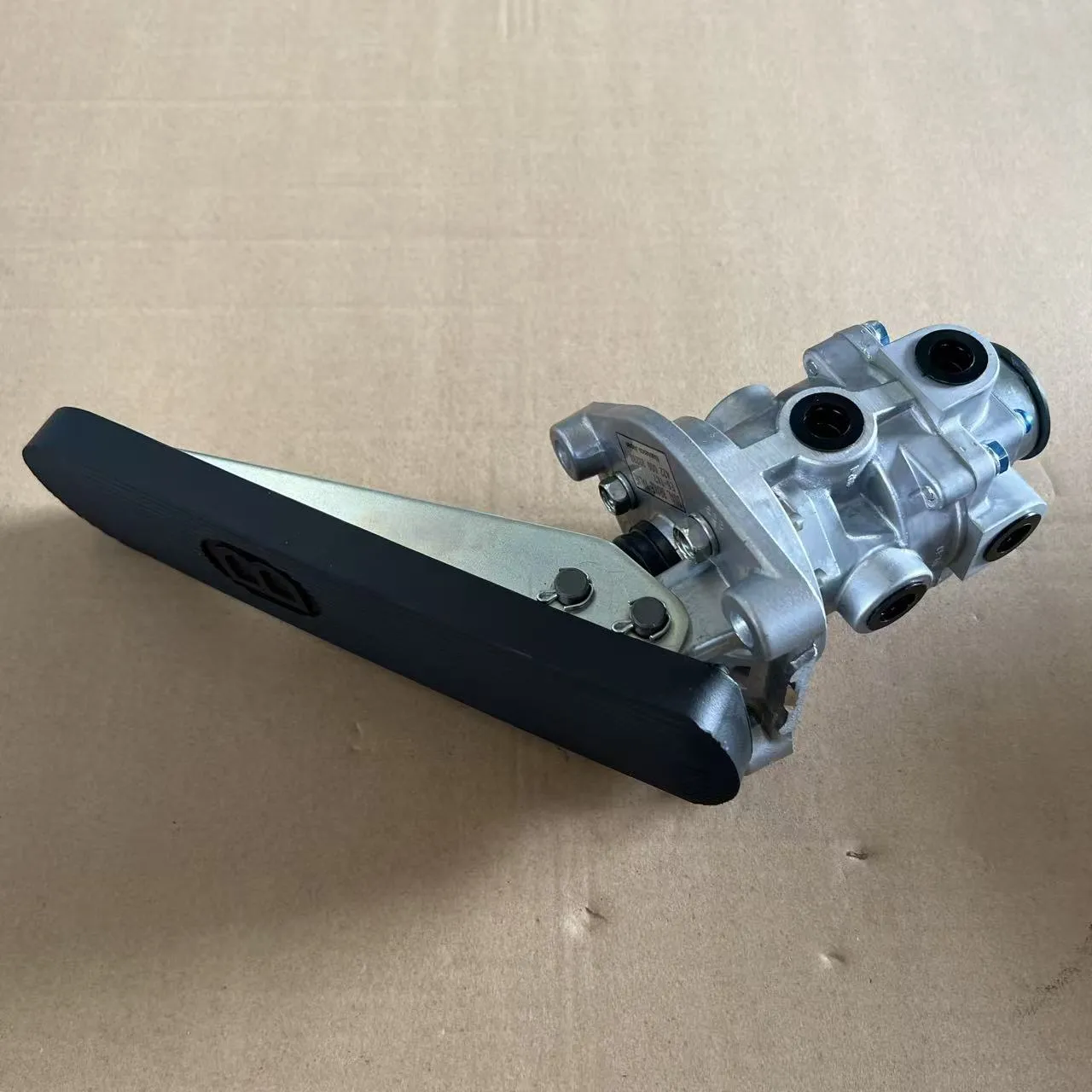 566-35-44110 Komatsu VALVE ASSEMBLY
 -
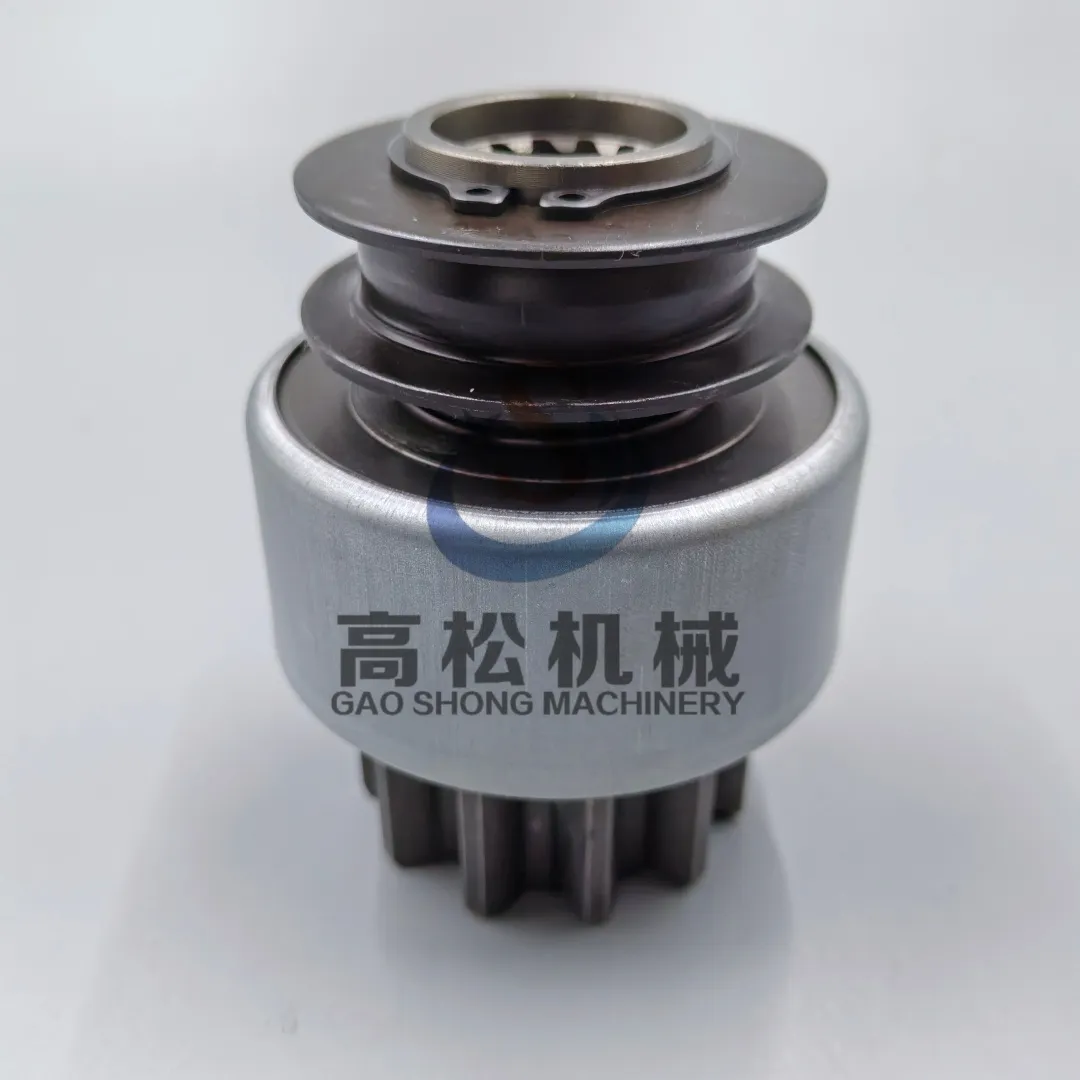 KD0-23500-1024 Komatsu CLUTCH ASS’Y
 -
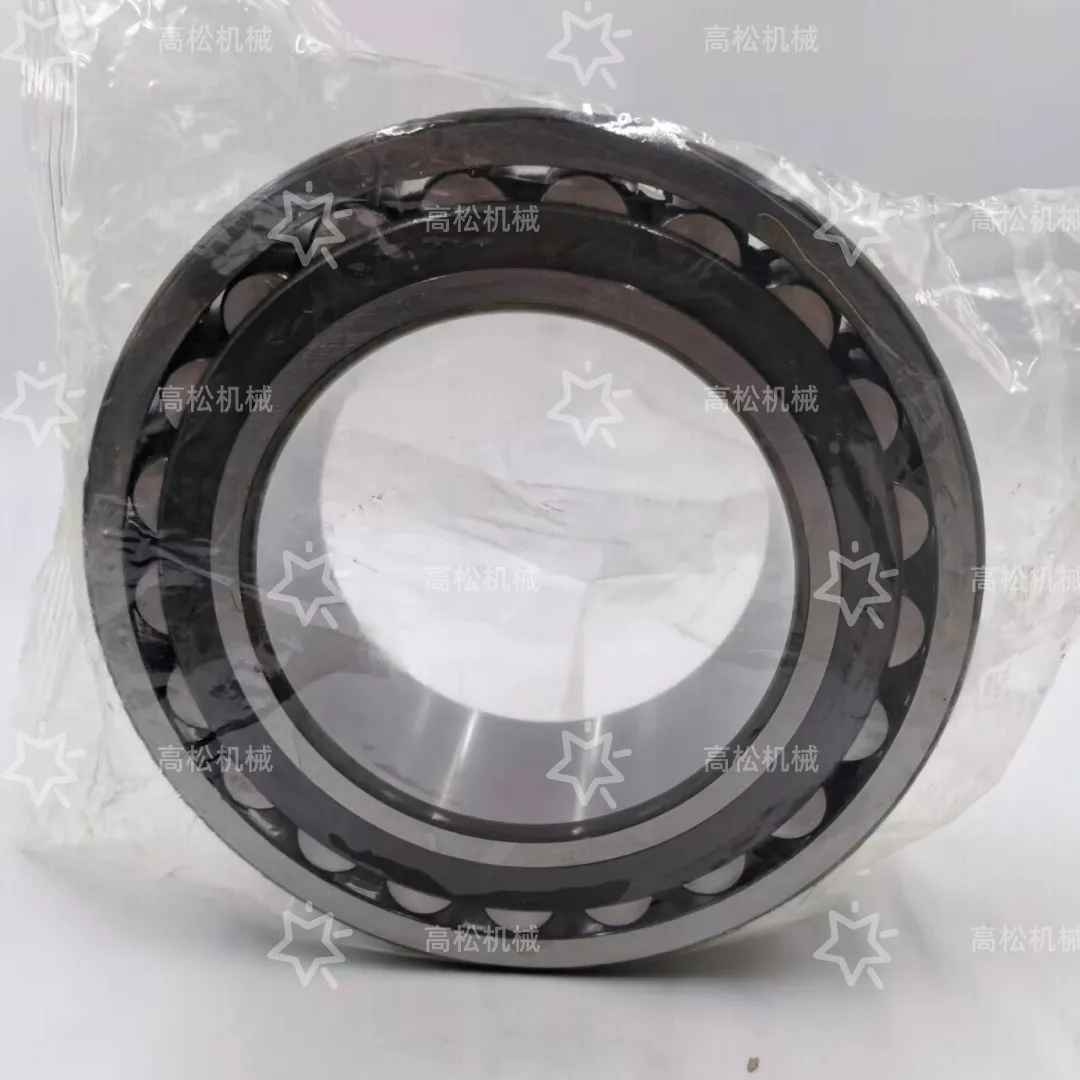 208-26-71530 2082671530 Bearing for Komatsu PC450 PC460 PC500 Excavator Swing Drive Bearing Reducer Bearing
 -
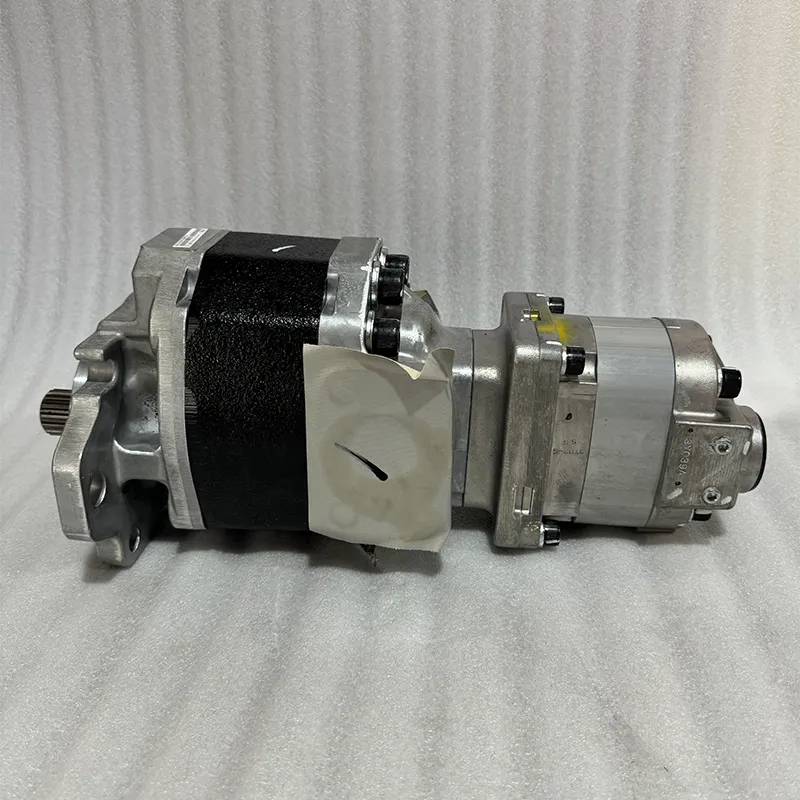 Original komatsu HD605-7R Gear Pump 705-95-05140
 -
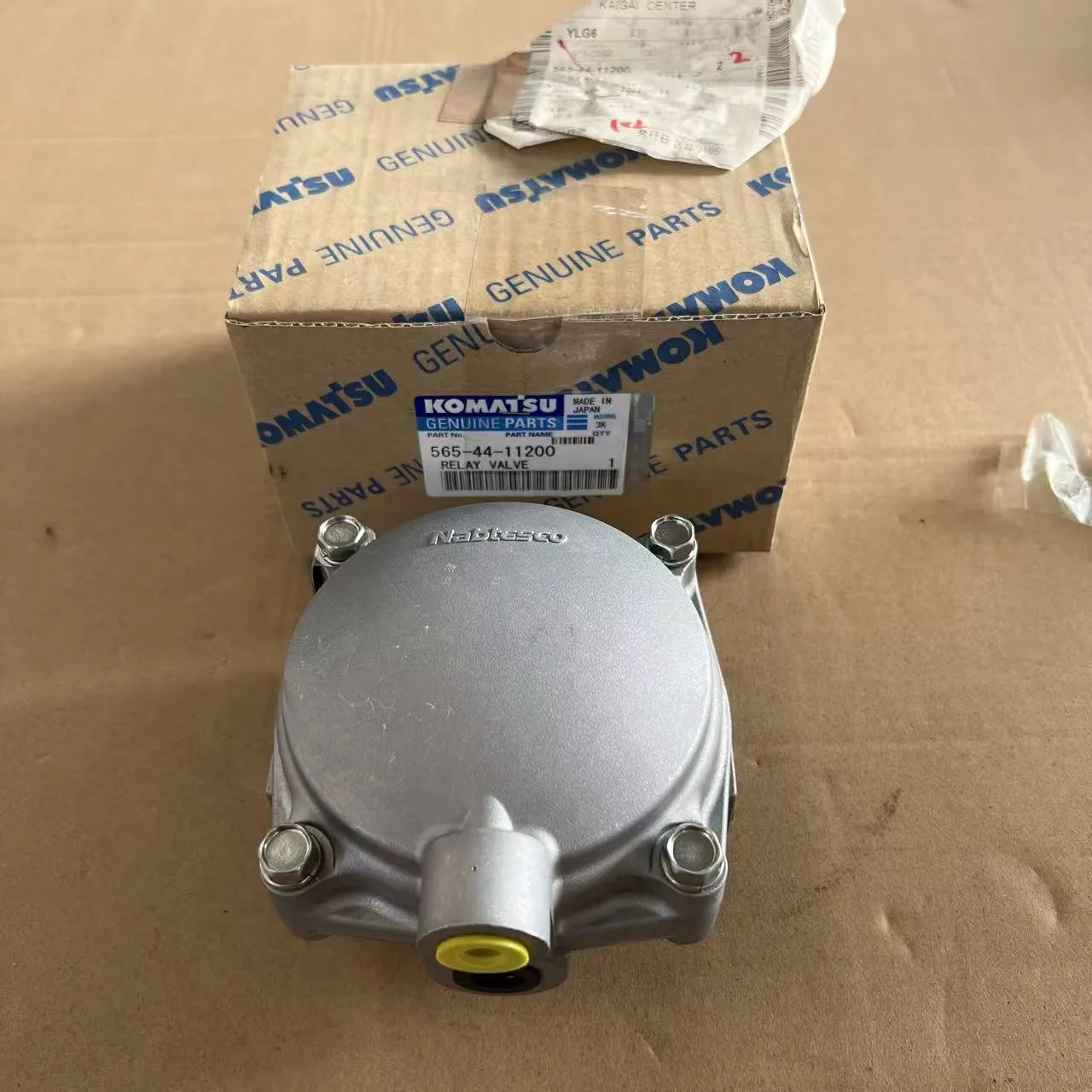 Komatsu (565-44-11200) VALVE ASS’Y, PARKING… — Pricing.Parts
 -
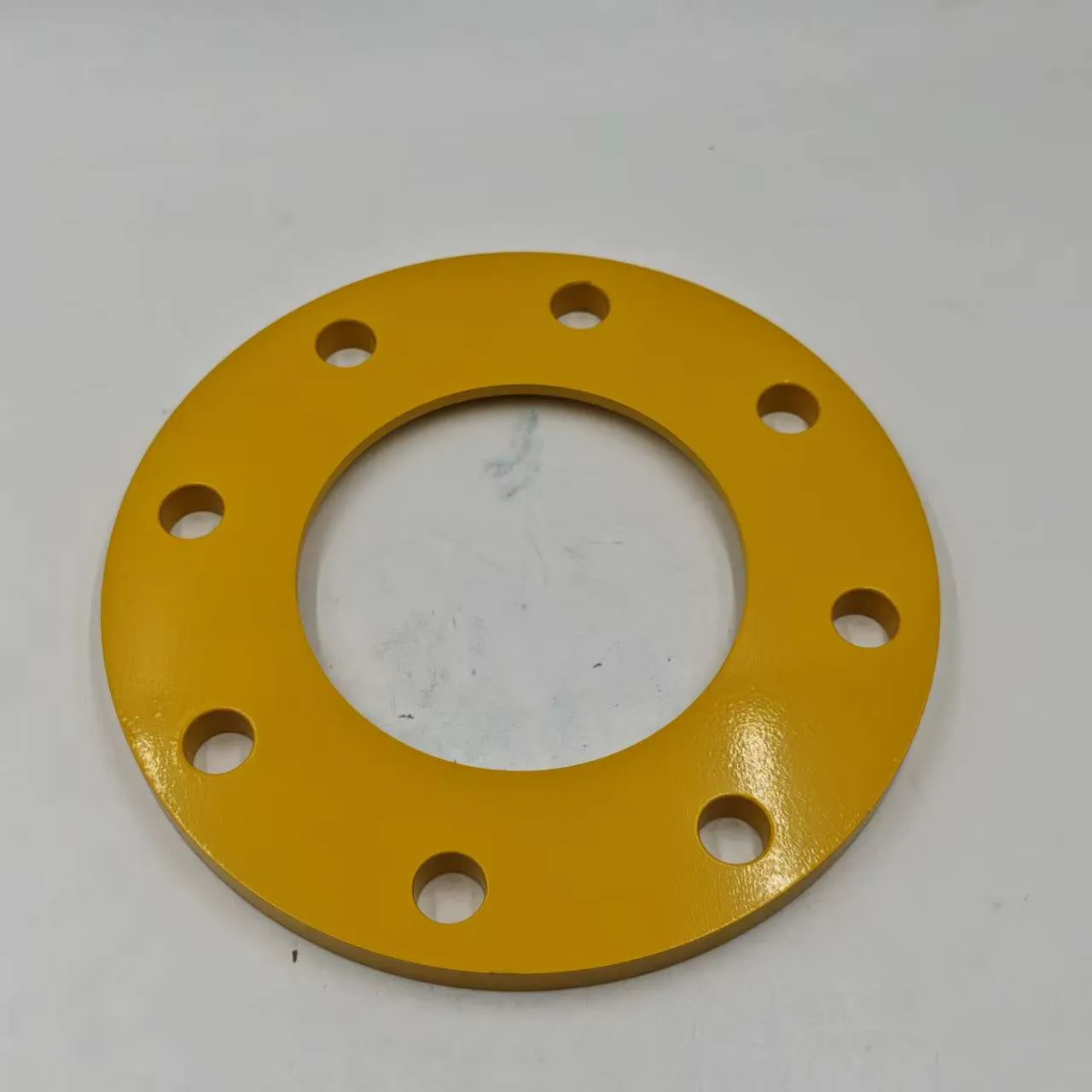 Komatsu 41E-70-15461 Plate
 -
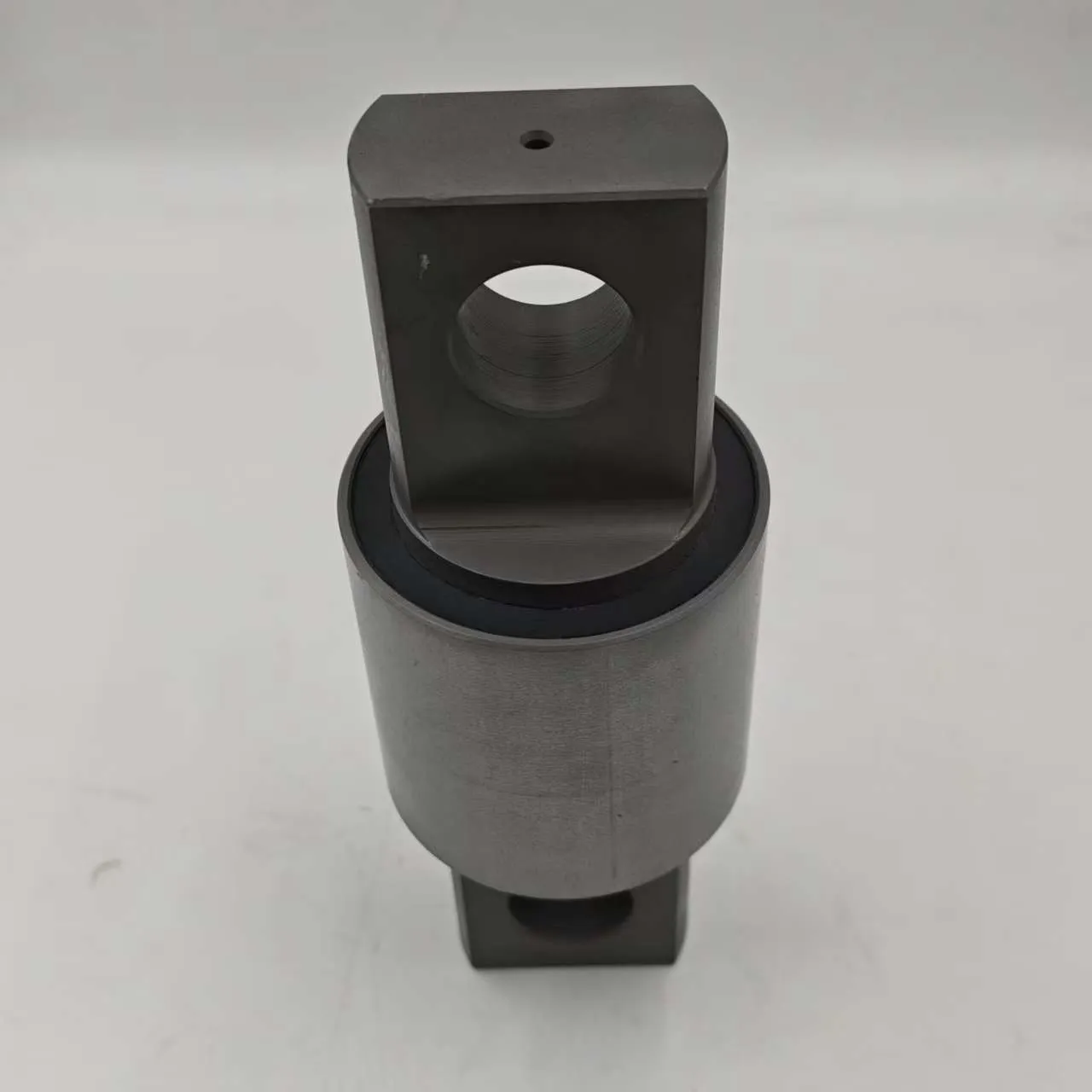 Komatsu hinge card HM350 shock absorber 56B-16-11211
 -
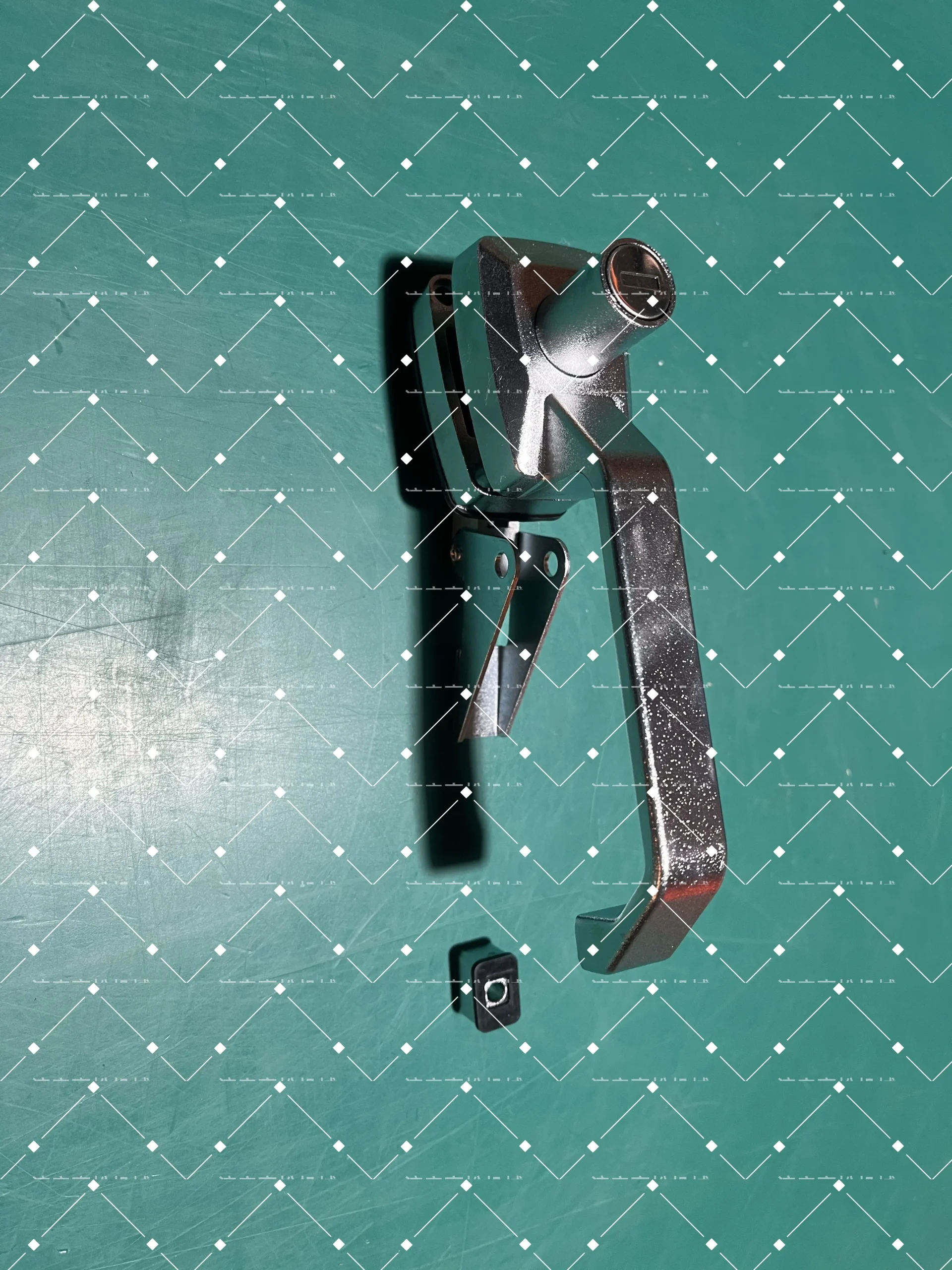 198-Z11-3710 Komatsu Handle Assembly
 -
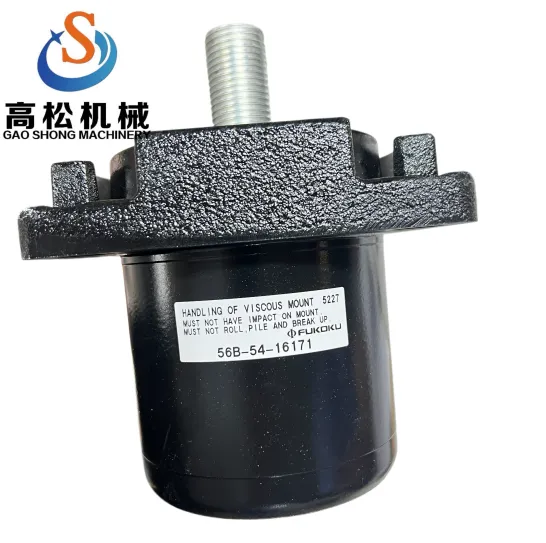 Komatsu 56B-54-16171 Cabin Mount viscous mount
 -
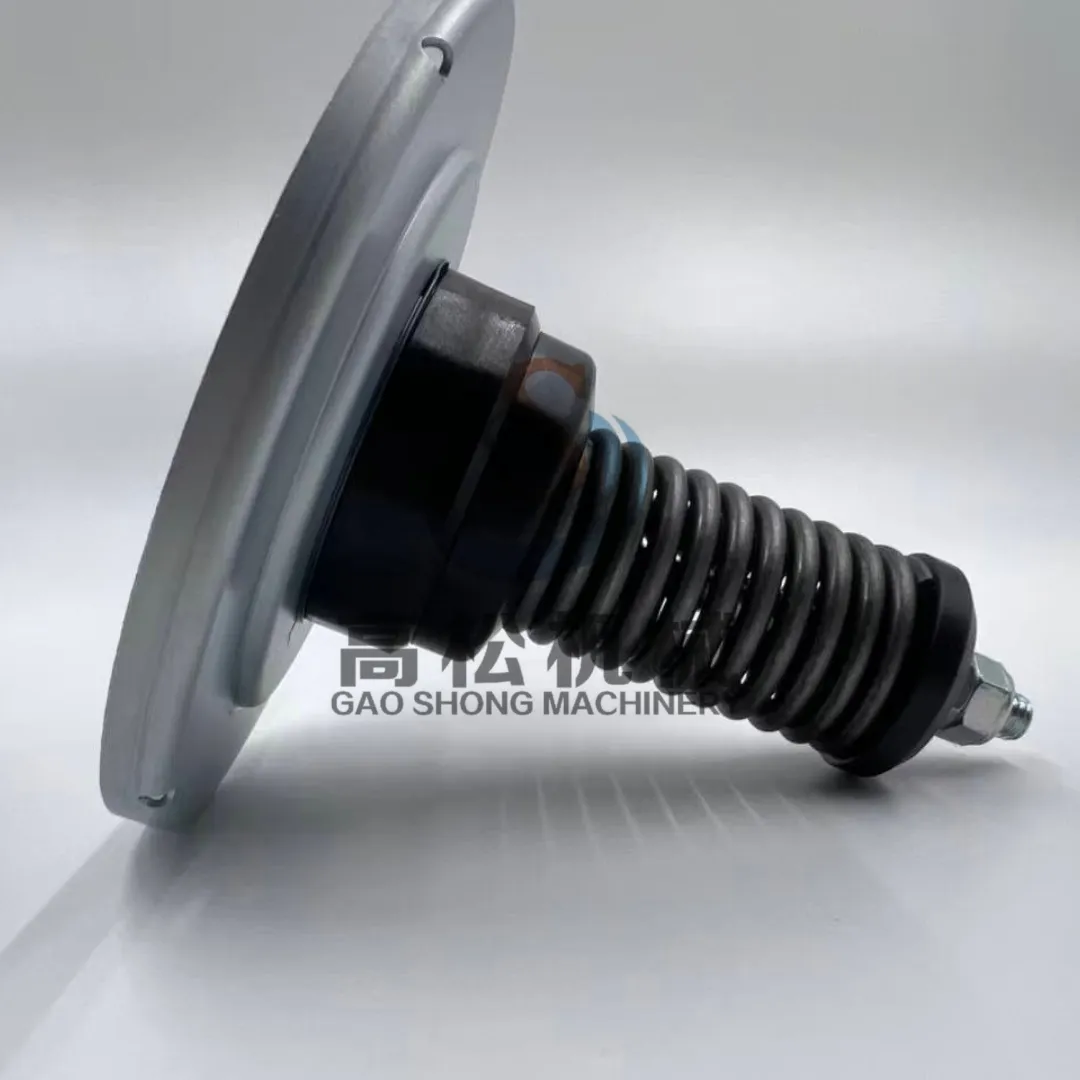 20Y-60-31450 Valve Assembly Komatsu For Hydraulic Tank PC300-8MO Excavator Parts
 -
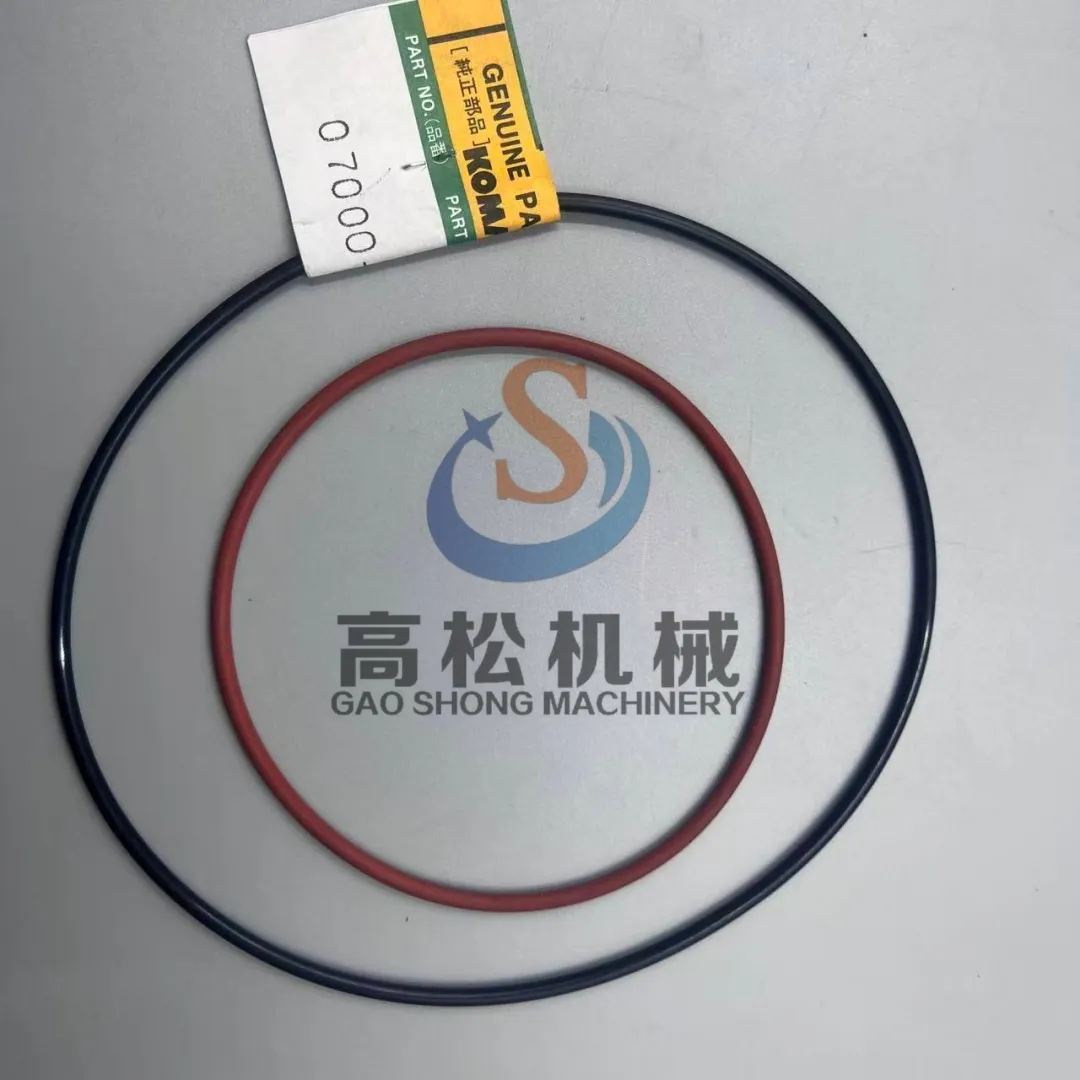 6241-K6-9900
 -
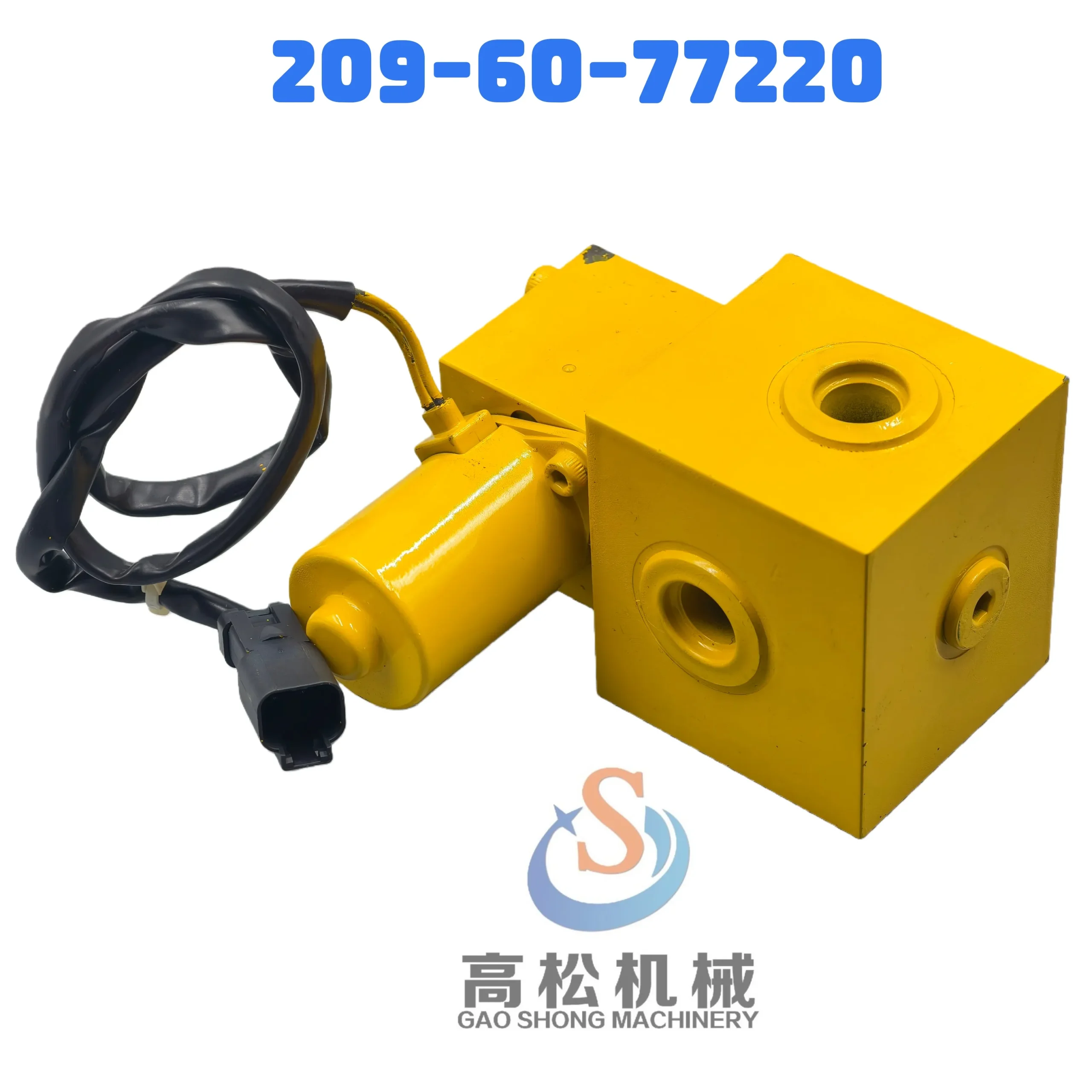 209-60-77220 VALVE ASS’Y KOMATSU parts BOTTOM, COOLANT, PC1250, PC1250SP, PC2000, PC600, PC650, PC700, PC800, PC800SE, PC850, PC850SE, TRAVEL