
- Chinese
- French
- German
- Portuguese
- Spanish
- Russian
- Japanese
- Korean
- Arabic
- Irish
- Greek
- Turkish
- Italian
- Danish
- Romanian
- Indonesian
- Czech
- Afrikaans
- Swedish
- Polish
- Basque
- Catalan
- Esperanto
- Hindi
- Lao
- Albanian
- Amharic
- Armenian
- Azerbaijani
- Belarusian
- Bengali
- Bosnian
- Bulgarian
- Cebuano
- Chichewa
- Corsican
- Croatian
- Dutch
- Estonian
- Filipino
- Finnish
- Frisian
- Galician
- Georgian
- Gujarati
- Haitian
- Hausa
- Hawaiian
- Hebrew
- Hmong
- Hungarian
- Icelandic
- Igbo
- Javanese
- Kannada
- Kazakh
- Khmer
- Kurdish
- Kyrgyz
- Latin
- Latvian
- Lithuanian
- Luxembou..
- Macedonian
- Malagasy
- Malay
- Malayalam
- Maltese
- Maori
- Marathi
- Mongolian
- Burmese
- Nepali
- Norwegian
- Pashto
- Persian
- Punjabi
- Serbian
- Sesotho
- Sinhala
- Slovak
- Slovenian
- Somali
- Samoan
- Scots Gaelic
- Shona
- Sindhi
- Sundanese
- Swahili
- Tajik
- Tamil
- Telugu
- Thai
- Ukrainian
- Urdu
- Uzbek
- Vietnamese
- Welsh
- Xhosa
- Yiddish
- Yoruba
- Zulu
- Kinyarwanda
- Tatar
- Oriya
- Turkmen
- Uyghur






Komatsu alternator
If you've ever just typed 'Komatsu alternator' into a search, you know the rabbit hole it can be. Most hits will throw a list of part numbers and generic specs at you, which is fine if you're just cross-referencing. But the real story, the one that matters when a machine is down in the yard, isn't in the catalog. It's in the subtle differences between an OEM unit, a so-called 'OEM-equivalent', and the genuine article sourced through the right channels. A lot of folks think an alternator is just an alternator—bolt it on, plug it in, and you're golden. That assumption has cost more than a few site managers a couple of extra downtime days.
The OEM Illusion and the System Reality
Here's where it gets practical. Komatsu alternator isn't just a component; it's a system part. Komatsu doesn't necessarily manufacture every bearing or diode in-house. They design the spec and integrate it. Companies operating within their system, like Jining Gaosong, function as OEM product suppliers. This means they produce to Komatsu's exact design and testing protocols. The unit you get from them carries the same performance DNA as one from a Komatsu warehouse. The key is that 'within the system' status—it’s not a reverse-engineered copy.
I learned this distinction the hard way years ago. We had a PC300-6 that kept cooking alternators. We'd buy units that matched the part number, had the right amperage, physically fit... but they'd overheat and fail within 200 hours. The voltage regulator was the culprit. The aftermarket unit's regulator had a slightly different set point, causing it to over-excite just enough under the specific load cycle of that machine's hydraulic system. It wasn't a 'bad' alternator; it was an incompatible one. The genuine system part from a supplier like Gaosong? It understood that load profile because it was designed for it.
This is the core of what Jining Gaosong Construction Machinery Co., Ltd. does. They bridge a critical gap. As they state, they are an OEM product supplier within the Komatsu system, and we are also a third-party sales company for Komatsu. In practice, this means they can provide the authentic system part, but through a more flexible, often more accessible supply chain, especially for regions where the official network is thin or slow. You're not compromising on the part's integrity; you're finding a smarter route to it.
Decoding the Third-Party Lifeline
The term 'third-party sales' can sound sketchy if you don't understand the context. In this case, it's a legitimate and crucial function. Komatsu's primary network is vast, but there are always pockets—certain countries, older machine populations—where parts distribution hits snags. Logistics, tariffs, simple inventory allocation can stall a project. A company acting as a sanctioned third-party seller can hold inventory for these specific market challenges.
I've used their channel, found via their portal at https://www.takematsumachinery.com, for a fleet of older Dash-5 models in a remote location. The local Komatsu dealer had a 6-week lead time for a single alternator. Gaosong had three in a warehouse halfway across the world and could ship them in 10 days. The parts arrived, Komatsu-branded boxes, with all the correct seals and paperwork. The machine serial numbers matched. It wasn't a grey market gamble; it was a supply chain workaround using an authorized source.
The nuance is in the relationship. They're not just drop-shippers. Because they are also OEM suppliers, their technical understanding is deeper. When I called with a question about the mounting bracket variance between a PC200LC-8 and a PC200-8MO, they knew immediately it was a different part number, not because the catalog said so, but because they knew the casting was revised in that model year. That's the kind of detail that comes from being inside the system, not just selling from it.
Failure Points You Won't Find in a Manual
Let's get granular. A common failure point on these Komatsu alternators, especially in high-dust environments, isn't the windings or the rectifier. It's the internal cooling fan. The OEM-spec fan has a specific blade pitch and material composite. Aftermarket units often use a cheaper, more brittle plastic. Over time, dust buildup unbalances it, it cracks, and then you lose airflow. The alternator doesn't immediately die; it just runs hotter and hotter, slowly baking the insulation on the stator windings until it finally shorts. You replace the alternator, blaming a 'bad unit,' but the root cause was a sub-component not built to the environmental spec.
Another gotcha is the pulley. Komatsu often uses a specific multi-groove profile. An aftermarket alternator might come with a pulley that looks right but has a half-degree difference in the groove angle. It'll run, but it'll wear out the belt twice as fast and create a harmonic whine. You chase belt tension and alignment for days before you think to check the pulley that came pre-installed on the new unit. A system supplier's part will have the correct pulley, torqued to spec, from the start.
These aren't hypotheticals. I've stripped down failed units side-by-side. The difference in bearing quality, the thickness of the diode heat sinks, the gauge of the stator wiring—it's all visible. The system part is built for the 20,000-hour service life target of the machine. Many alternatives are built to a price point for the 1-year warranty period. The cost of the second or third replacement, plus the downtime, always eclipses the initial premium of the right part.
The Practical Sourcing Decision
So, when do you go direct to Komatsu, and when do you use a channel like Gaosong? It's a triage decision. For a machine under warranty, always go direct—you need that paper trail. For a critical machine on a tight-timeline project, if the local dealer has it, buy it there for speed. But for older machines, for fleet stocking, or when facing those certain countries supply challenges they mention, their model makes perfect sense.
Their website isn't flashy, which I actually appreciate. It's a tool. You can find what you need without wading through marketing fluff. It signals that their primary audience is people who already know what a Komatsu alternator is and just need a reliable source. The value is in their position in the ecosystem: they are both a manufacturer to Komatsu's blueprint and a distributor that fills the cracks in the global supply network.
Ultimately, managing equipment is about risk management. Putting a non-system-critical part on a machine is a calculated risk. The alternator is not one of those parts. It's the heart of the electrical system. A failure doesn't just stop the machine; it can fry the ECU, the monitors, everything. Sourcing it from within the Komatsu system, whether through the front door or the side door that companies like Jining Gaosong provide, isn't about brand loyalty. It's about eliminating a known variable. You have enough unknowns on a job site; your parts shouldn't be one of them.
Beyond the Alternator: A Model for Other Parts
This whole experience with alternators changed how I source other system-critical parts. Starters, hydraulic pumps, even sensors. The principle is the same. Is this a part that interacts intelligently with the rest of the machine, or is it just a dumb component? For anything with an electronic control or a precise performance curve, the system part is non-negotiable.
The work that Jining Gaosong does highlights a modern reality in heavy equipment: the official distribution map has blank spots. Their role as a third-party sales company that also has OEM manufacturing credentials is a sophisticated solution. It's not for every part, every day. But knowing this channel exists is a tool in the box. When you're in a bind, when lead times are impossible, or when you're supporting a legacy fleet that the main network has deprioritized, it's a legitimate path to the right part.
In the end, typing 'Komatsu alternator' should be the start of your search, not the end of it. The search should lead you to an understanding of the system, the failure modes, and the available pipelines. It’s the difference between just buying a part and solving a problem. The right part, from the right source, doesn't just fix the machine. It lets you forget about it, which is the highest compliment you can pay to any component in this business.
Related Products
Related Products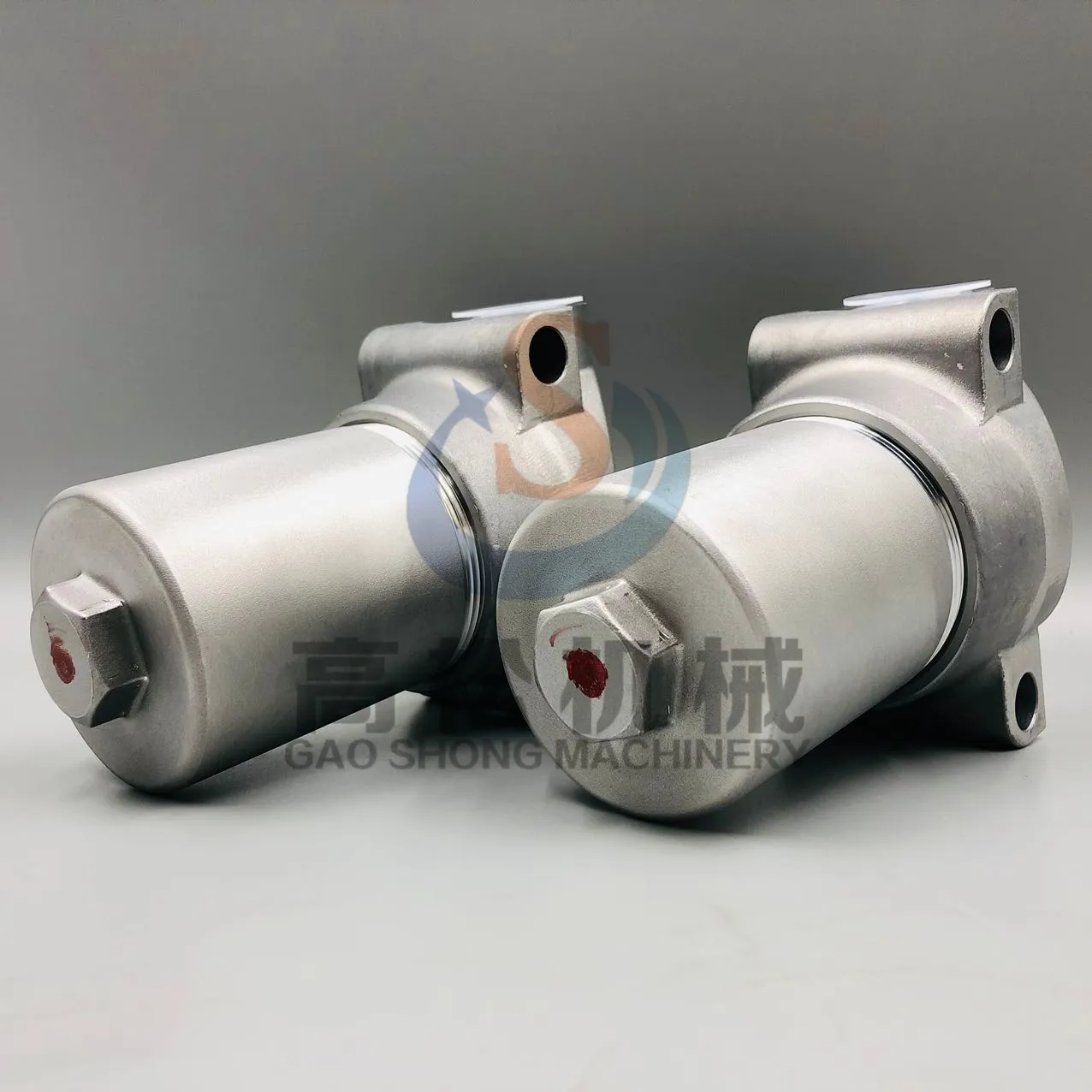
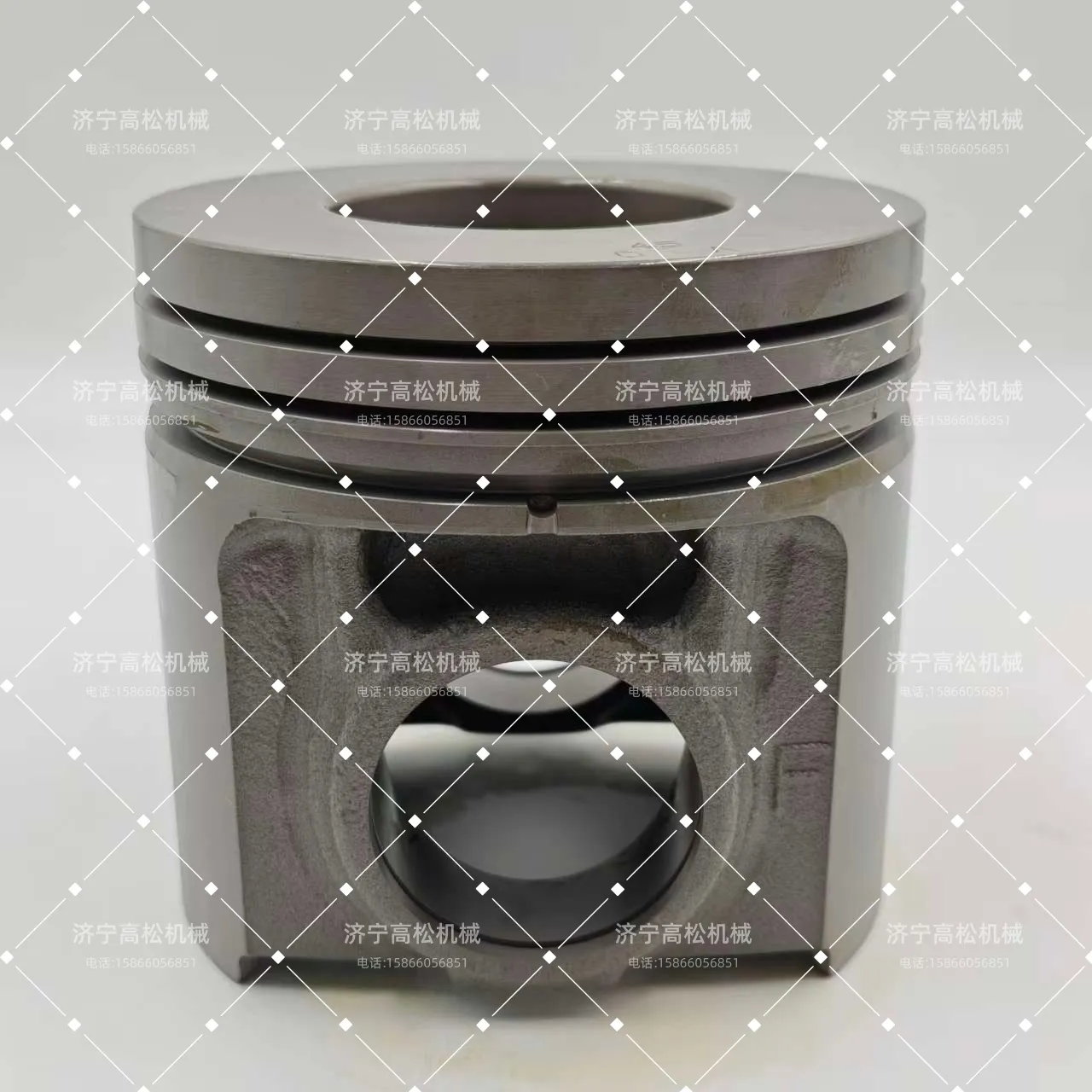
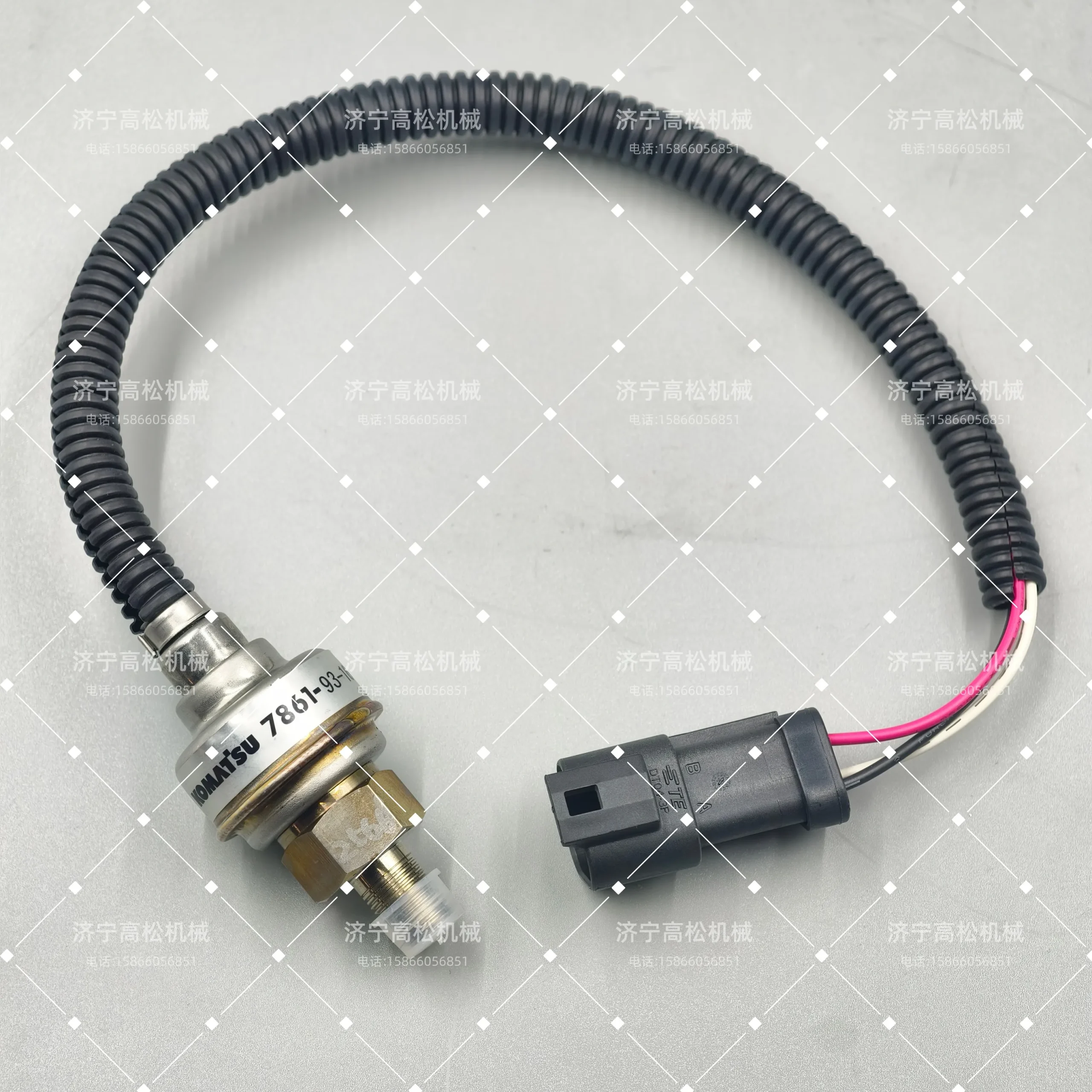
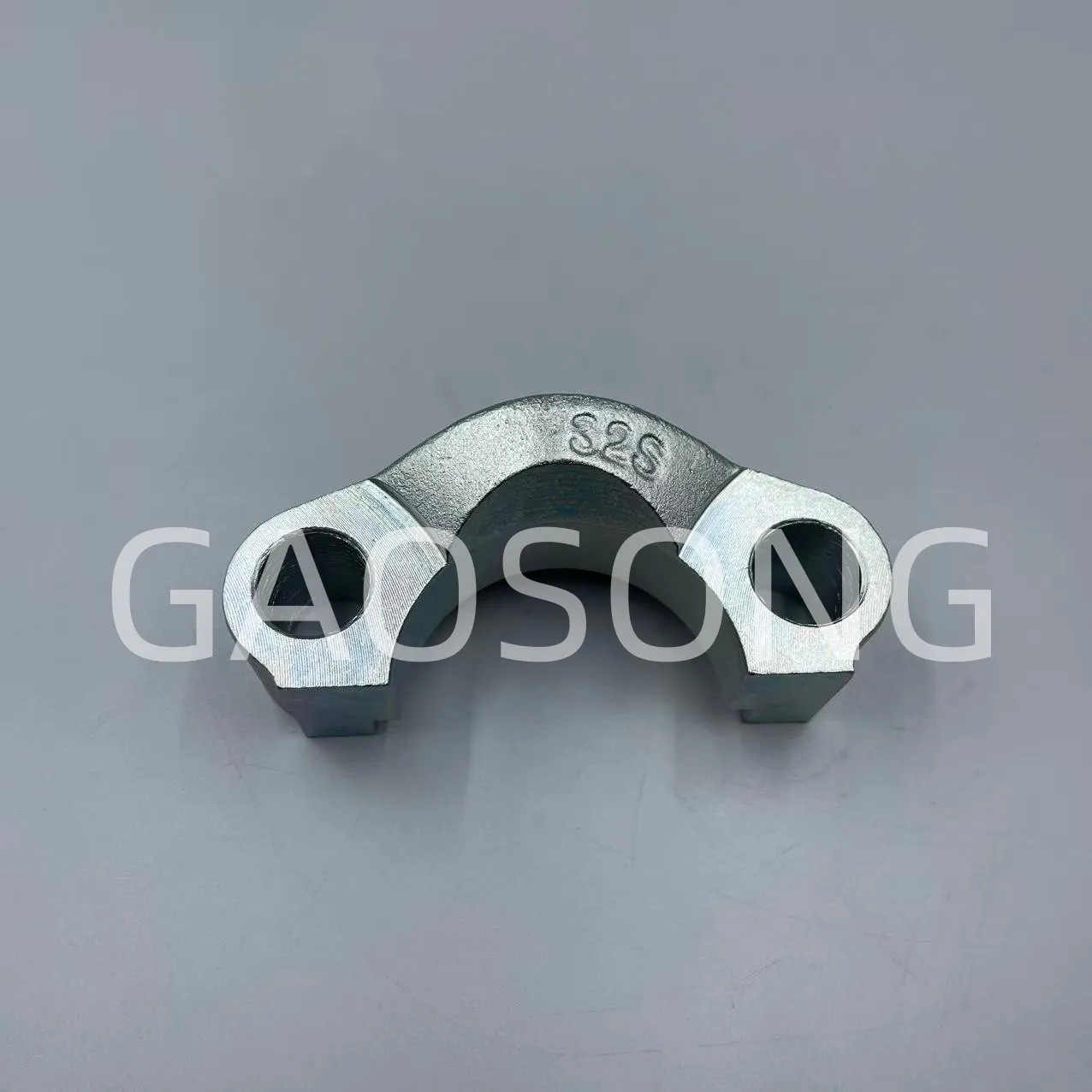

Best Selling Products
Best Selling Products-
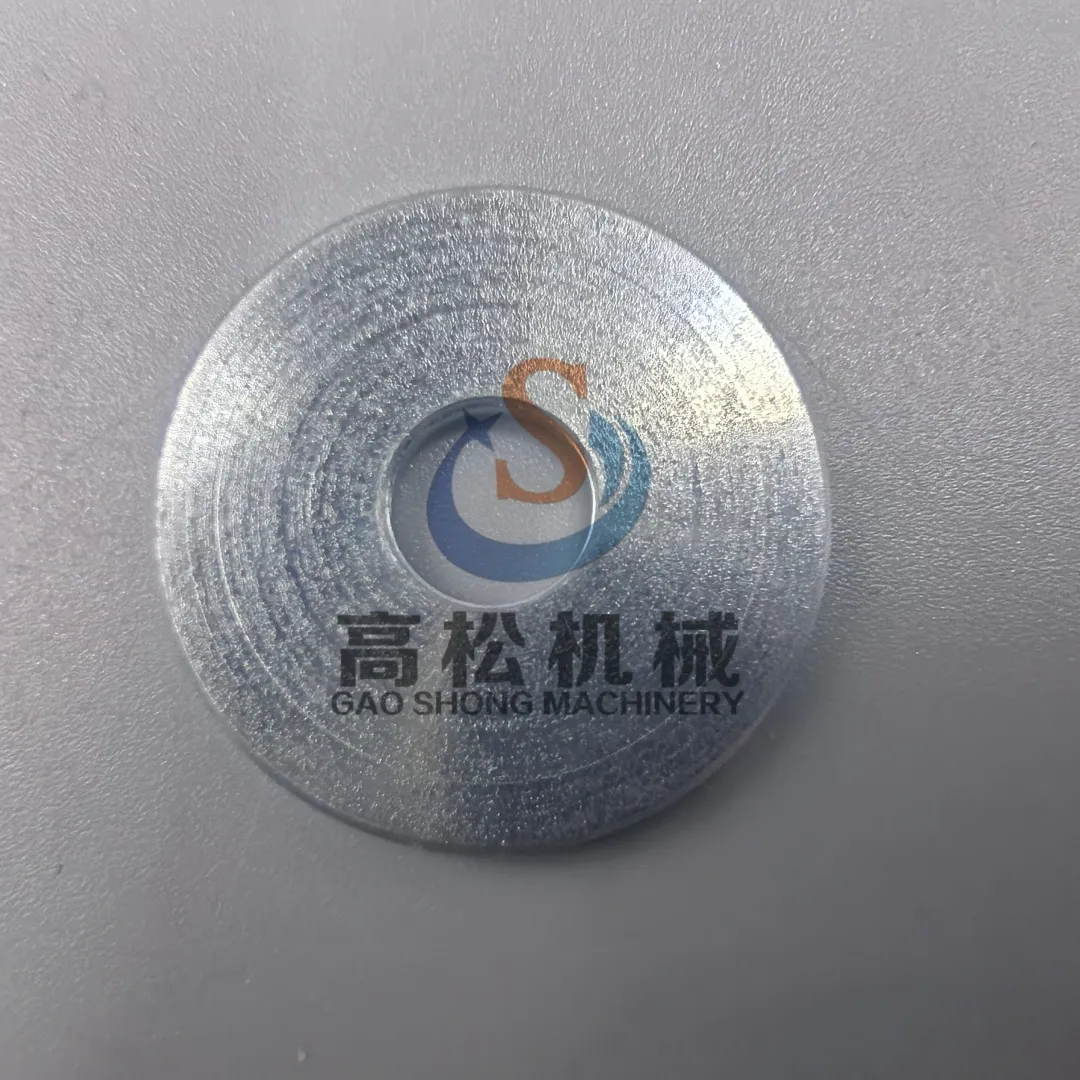 22W-70-16120 WASHER (50A ALTERNATOR) – 22w7016120
 -
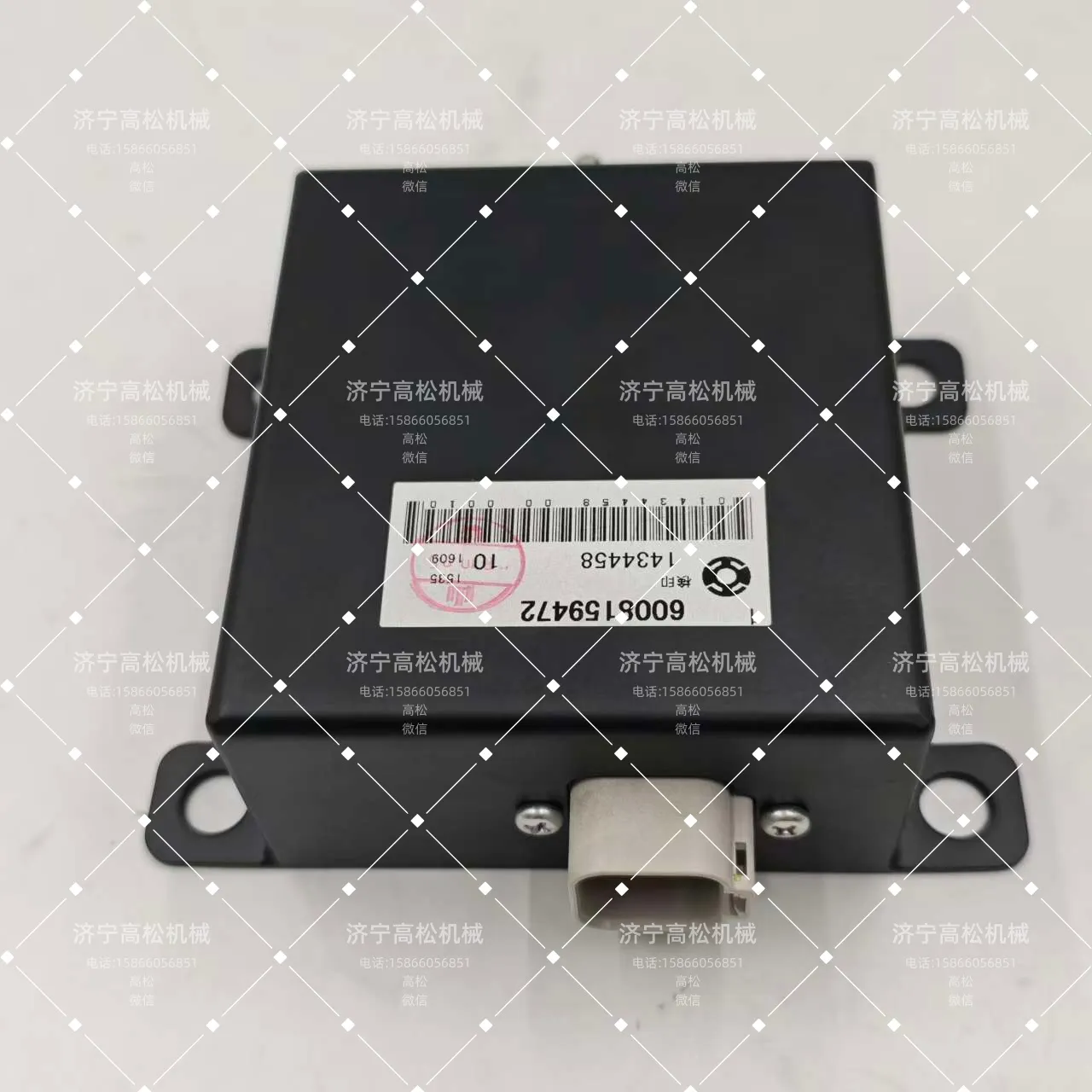 600-815-9472 Komatsu Switch
 -
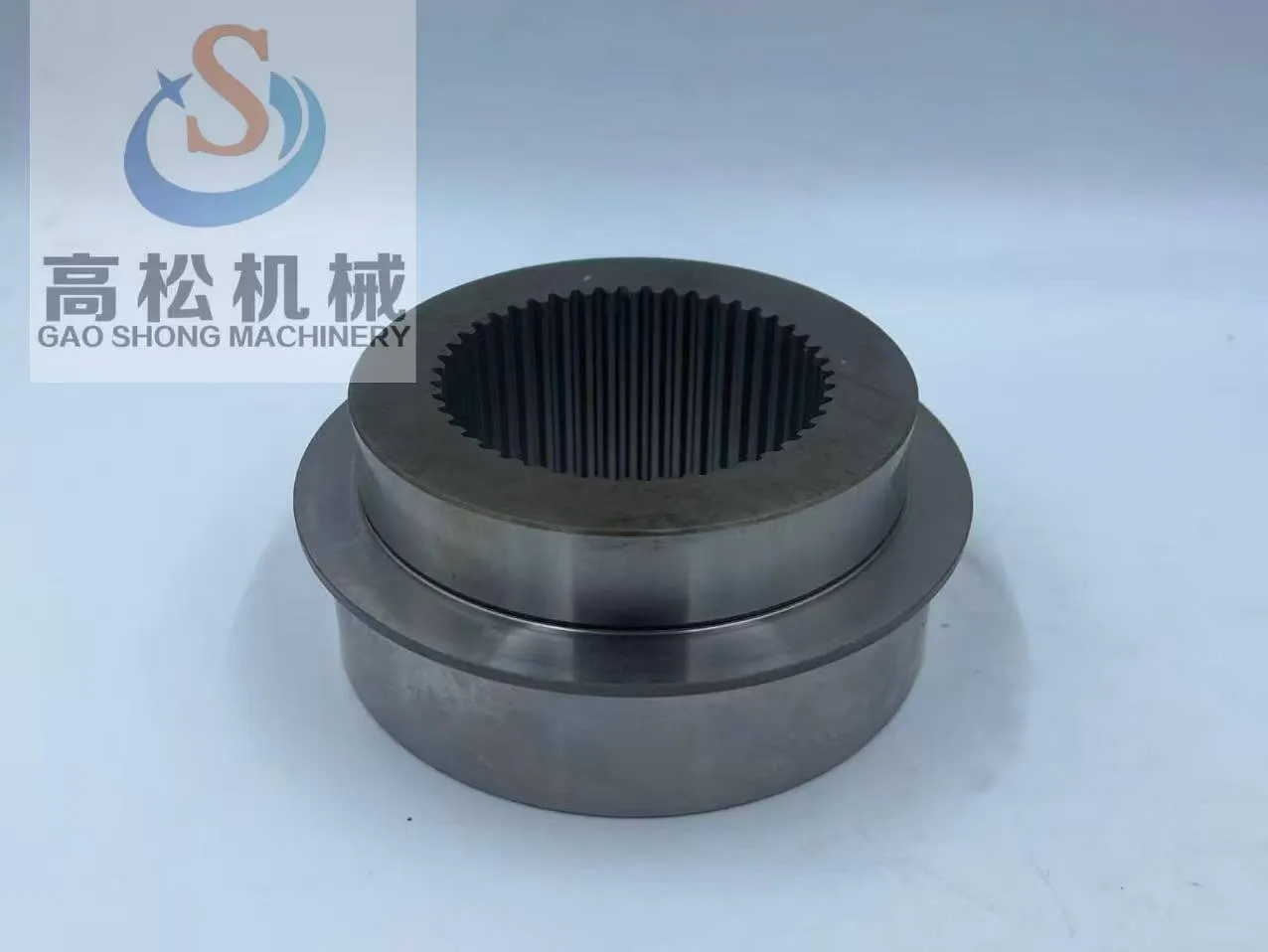 Original separator 195-15-82570 for d375a-5 domer komatsu
 -
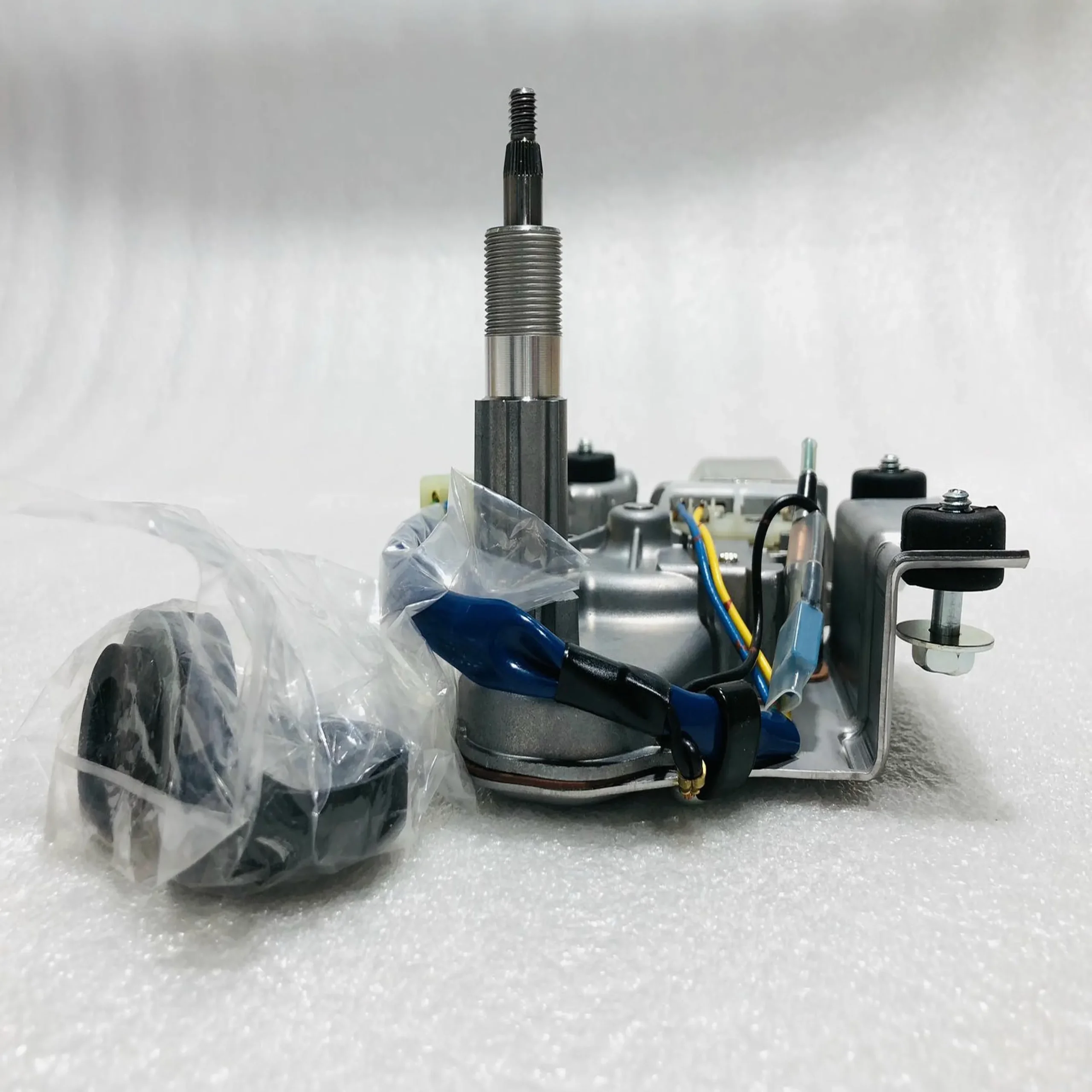 Komatsu grader GD555 wiper motor 42C-56-11391
 -
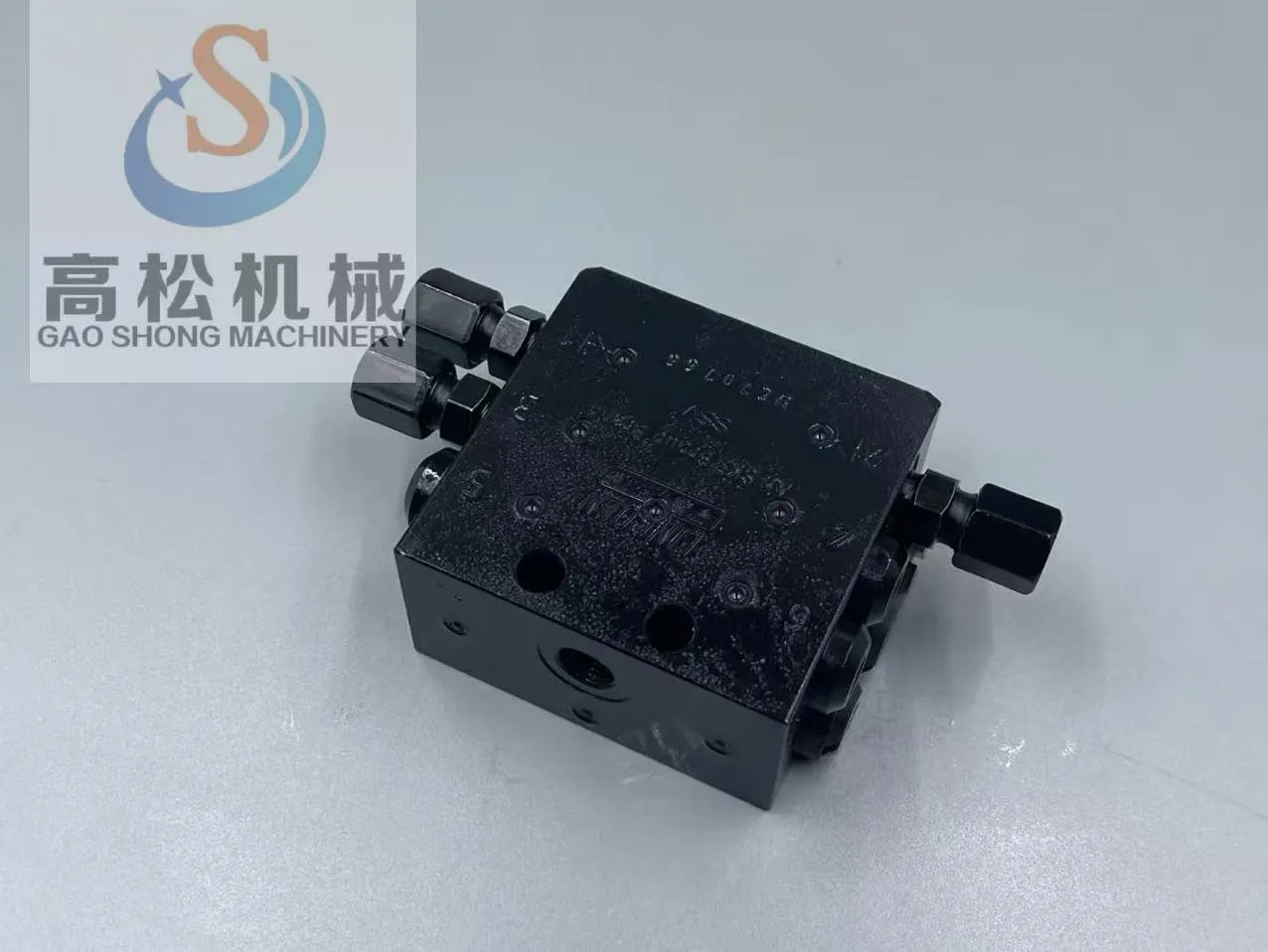 Valve Assembly 21T-68-67940 for Komatsu PC2000-8 Excavator
 -
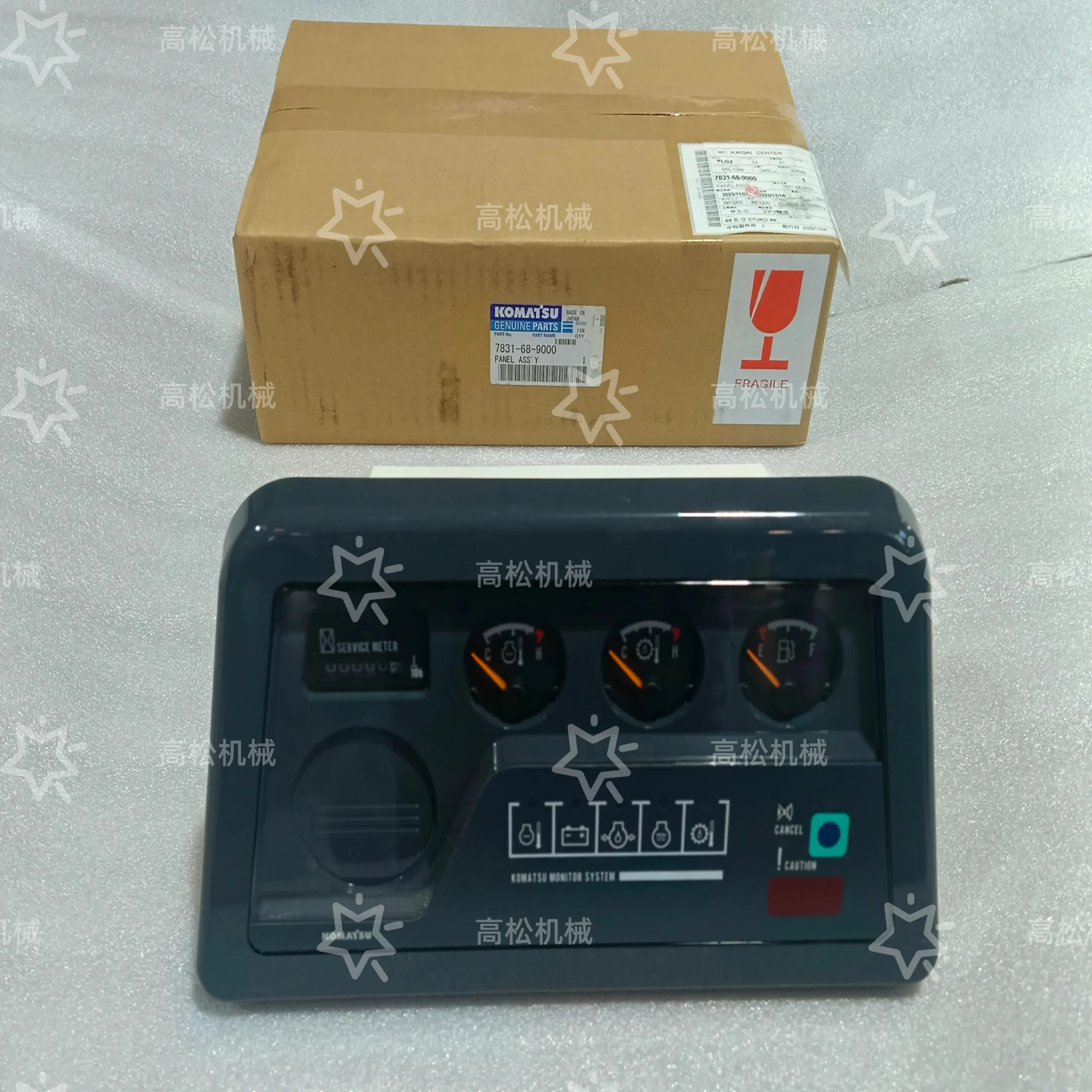 Original New Stock Panel 7831-68-9000 Instrument Panel Assembly Suitable for Komatsu D375A-3/5 Bulldozer
 -
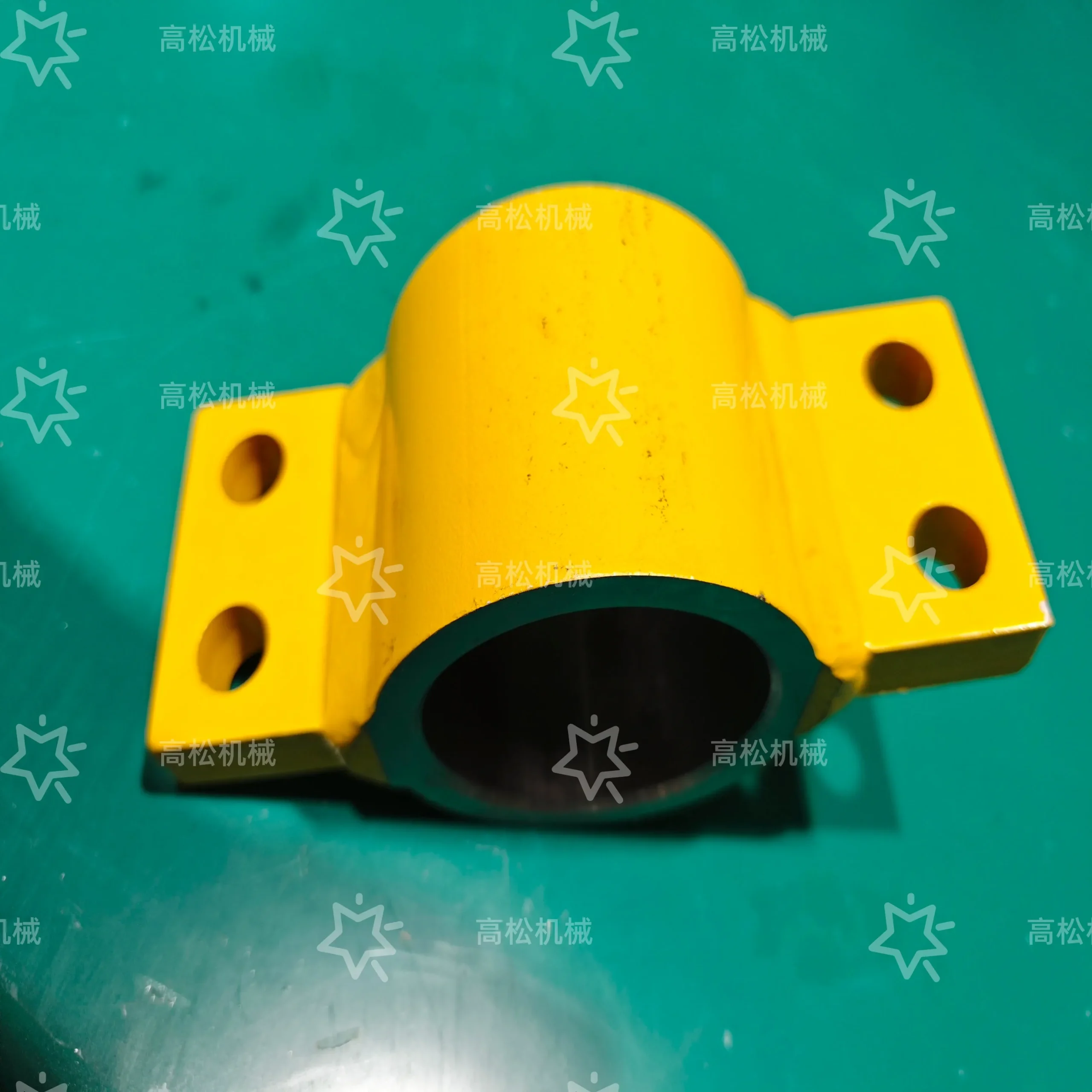 part 566-14-41160 Bracket (Komatsu)
 -
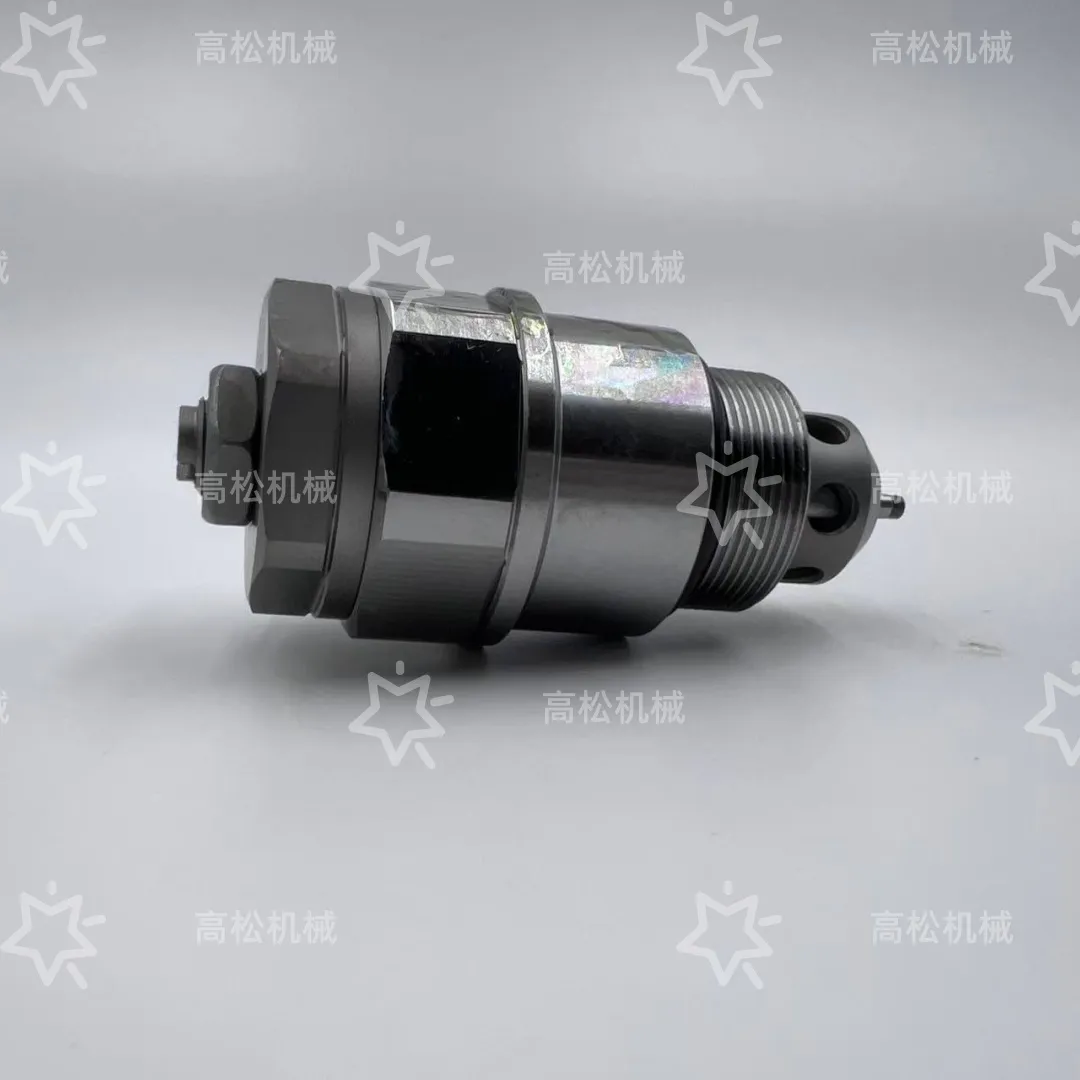 709-90-71700 Valve Assembly, Suction and Relief Komatsu
 -
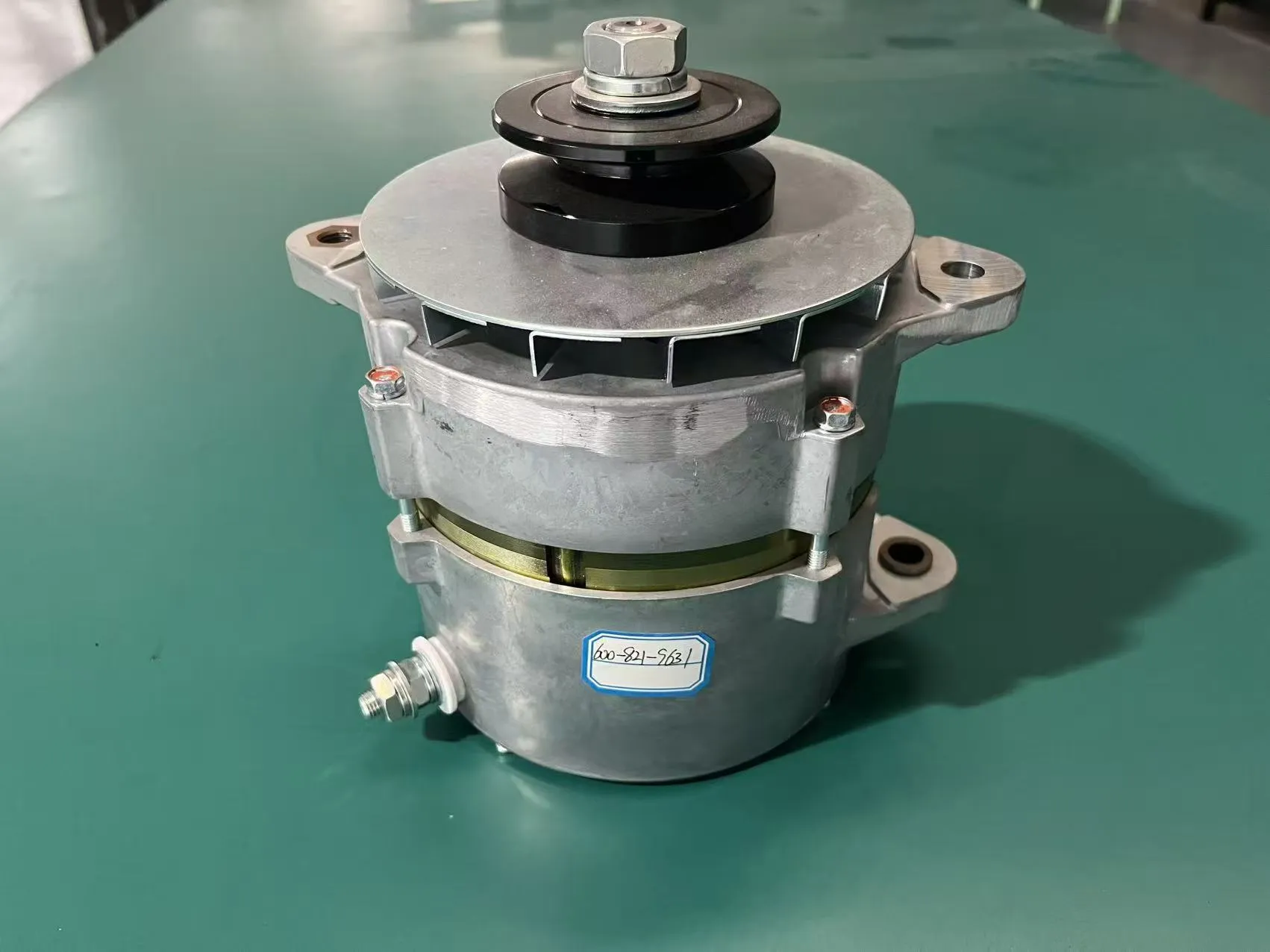 600-821-9631 Komatsu SA12V140 ALTERNATOR
 -
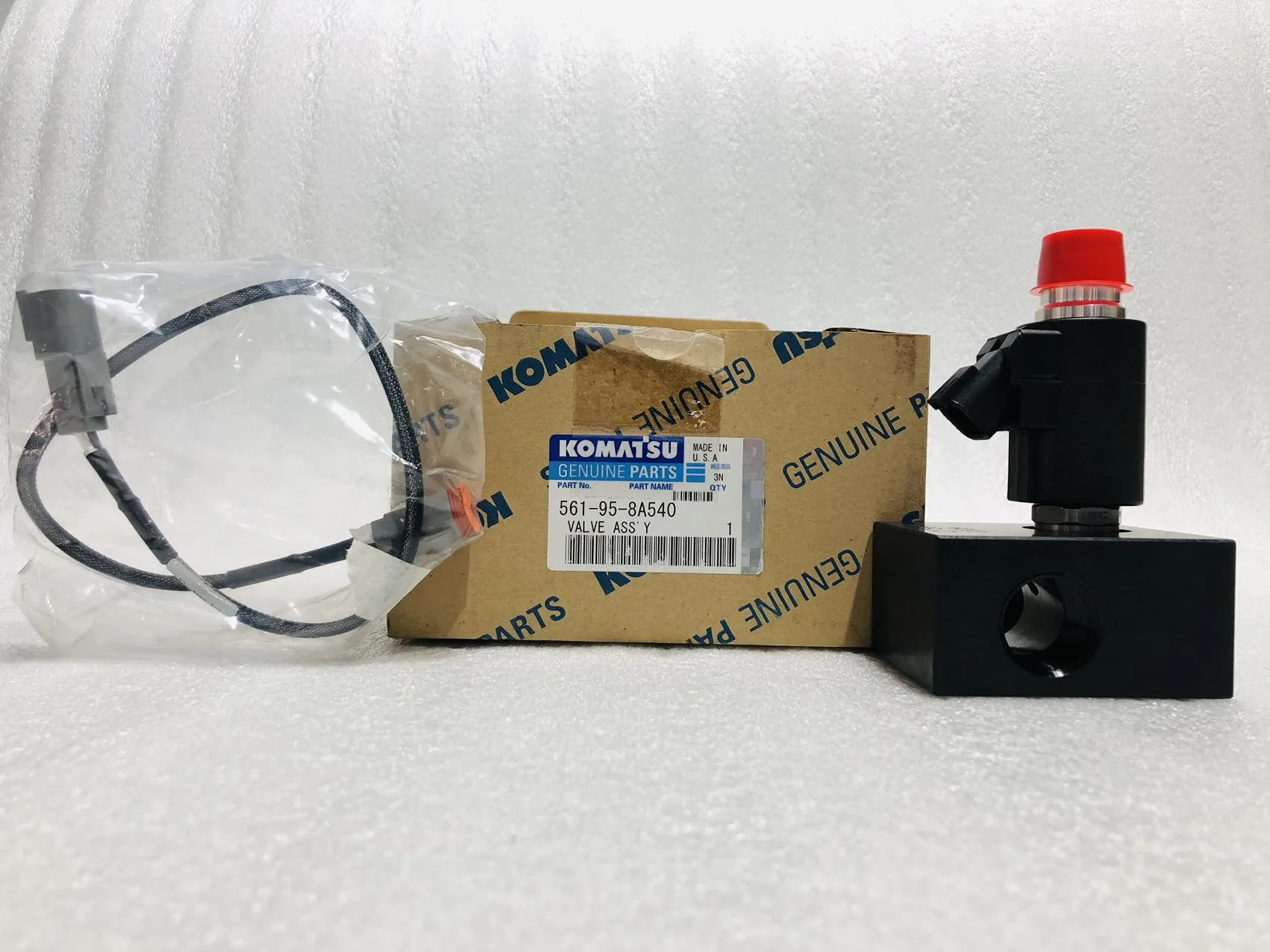 Komatsu 561-95-8A540 VALVE ASS’Y
 -
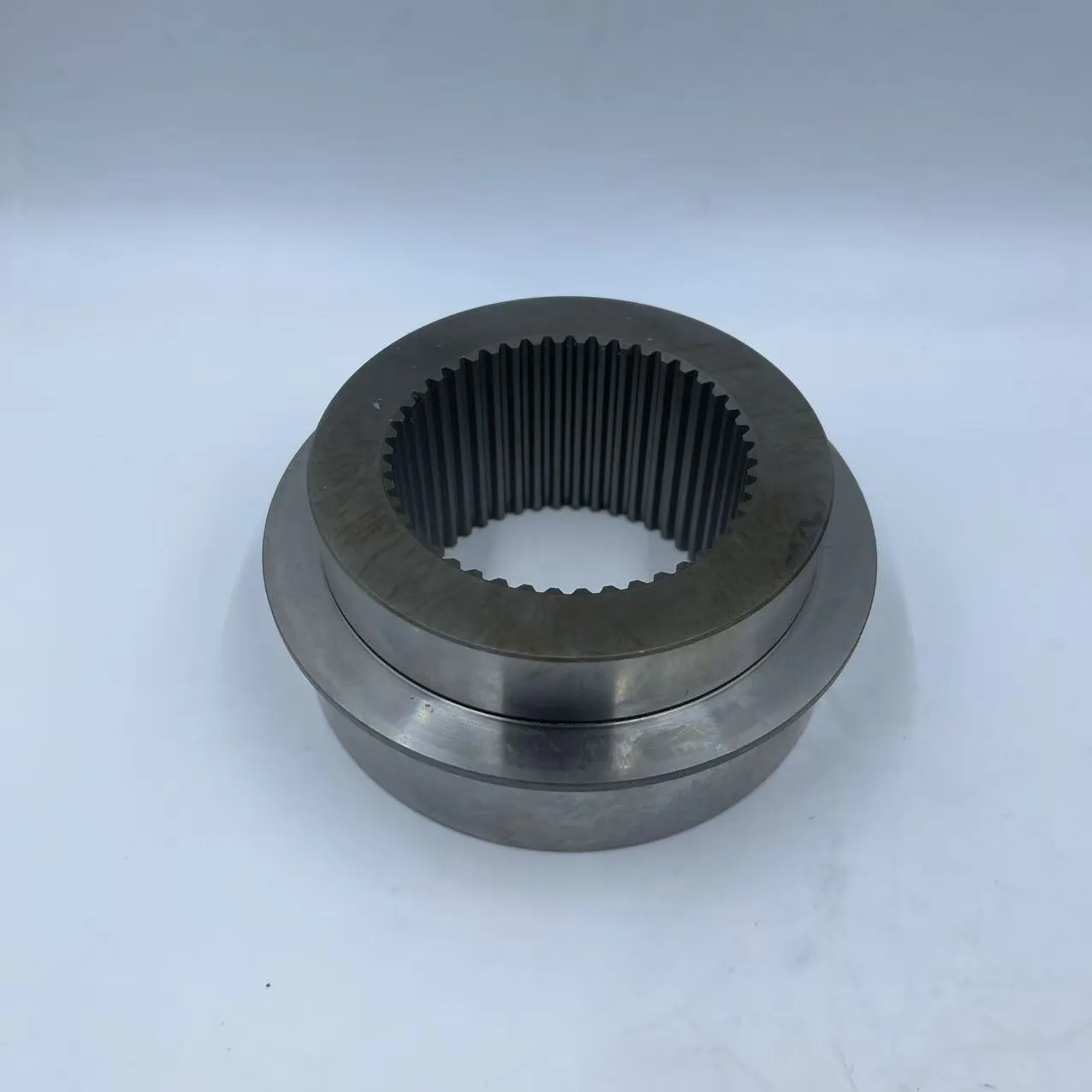 Standard D375A-5 Spacer 195-15-82570 for Komatsu Mining Equipment
 -
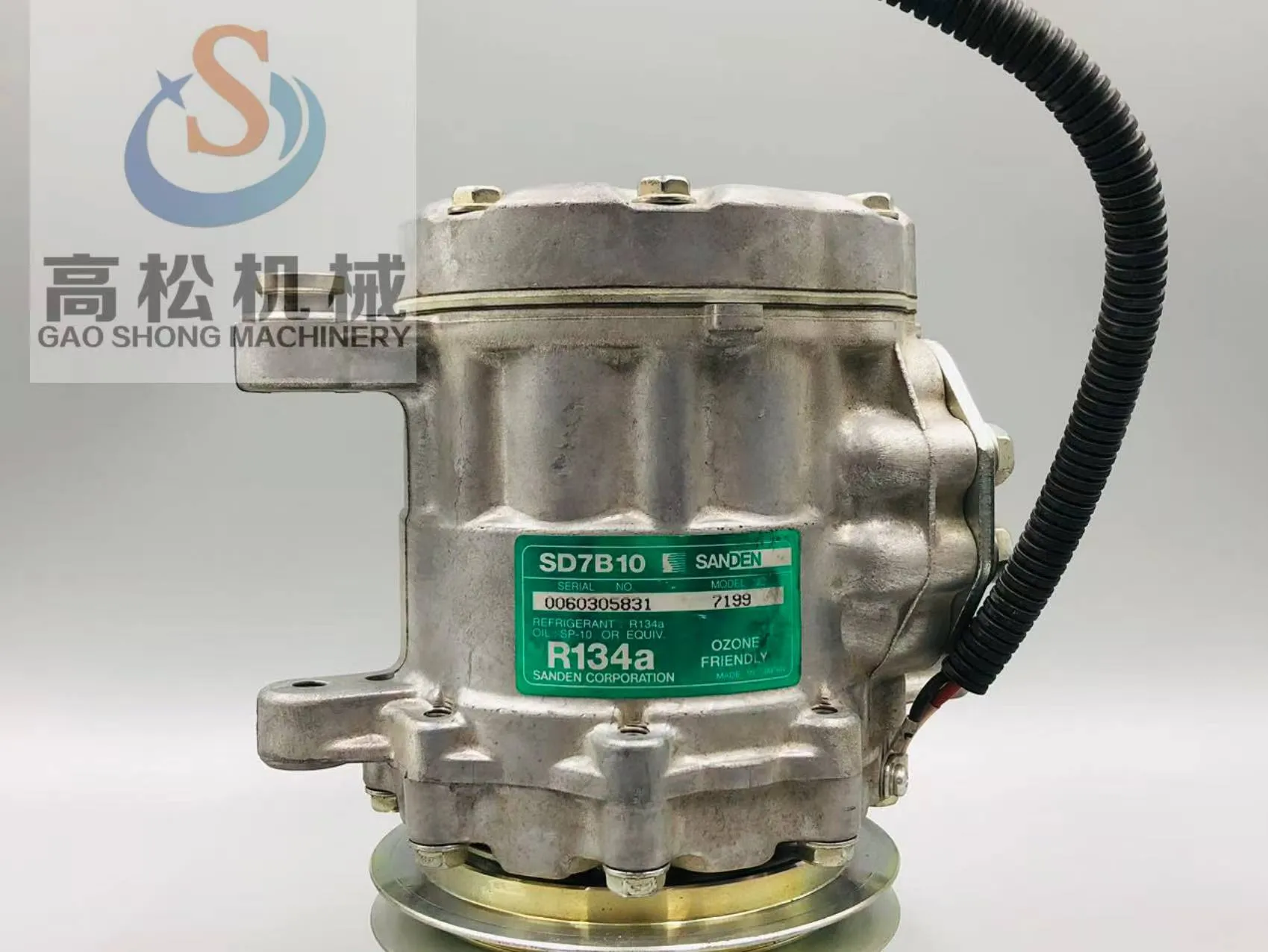 Compress0r 22L-979-2211 22l-979-2200 for Komatsu