
- Chinese
- French
- German
- Portuguese
- Spanish
- Russian
- Japanese
- Korean
- Arabic
- Irish
- Greek
- Turkish
- Italian
- Danish
- Romanian
- Indonesian
- Czech
- Afrikaans
- Swedish
- Polish
- Basque
- Catalan
- Esperanto
- Hindi
- Lao
- Albanian
- Amharic
- Armenian
- Azerbaijani
- Belarusian
- Bengali
- Bosnian
- Bulgarian
- Cebuano
- Chichewa
- Corsican
- Croatian
- Dutch
- Estonian
- Filipino
- Finnish
- Frisian
- Galician
- Georgian
- Gujarati
- Haitian
- Hausa
- Hawaiian
- Hebrew
- Hmong
- Hungarian
- Icelandic
- Igbo
- Javanese
- Kannada
- Kazakh
- Khmer
- Kurdish
- Kyrgyz
- Latin
- Latvian
- Lithuanian
- Luxembou..
- Macedonian
- Malagasy
- Malay
- Malayalam
- Maltese
- Maori
- Marathi
- Mongolian
- Burmese
- Nepali
- Norwegian
- Pashto
- Persian
- Punjabi
- Serbian
- Sesotho
- Sinhala
- Slovak
- Slovenian
- Somali
- Samoan
- Scots Gaelic
- Shona
- Sindhi
- Sundanese
- Swahili
- Tajik
- Tamil
- Telugu
- Thai
- Ukrainian
- Urdu
- Uzbek
- Vietnamese
- Welsh
- Xhosa
- Yiddish
- Yoruba
- Zulu
- Kinyarwanda
- Tatar
- Oriya
- Turkmen
- Uyghur






Komatsu air filter
You know, when most folks hear 'Komatsu air filter,' they picture that blue box on the shelf. The genuine part. But in the field, it's rarely that simple. The real story is about airflow balance, dust ingress in specific climates, and the supply chain headaches that make you consider alternatives—sometimes wisely, sometimes not. It's a component where the wrong choice doesn't just mean replacing a filter; it means premature wear on the turbo, or worse, scoring in the cylinder. I've seen both.
The OEM Promise vs. On-Ground Reality
The OEM spec is engineered for a reason. Komatsu designs their Komatsu air filter assemblies—the housing, the safety element, the primary—as a system. The restriction indicators, the sealing surfaces, it's all integrated. Using a non-genuine filter that's close enough on dimensions can mess with the air-to-fuel ratio sensor readings, leading to derating. I recall a D375 dozer in a quarry that kept throwing codes. We swapped sensors, checked lines. Turned out, a third-party filter's media was causing a higher-than-specified restriction, fooling the system into thinking it was clogged. Put the genuine one back in, problem gone. It wasn't a filter 'failure' in the traditional sense, but a systems incompatibility.
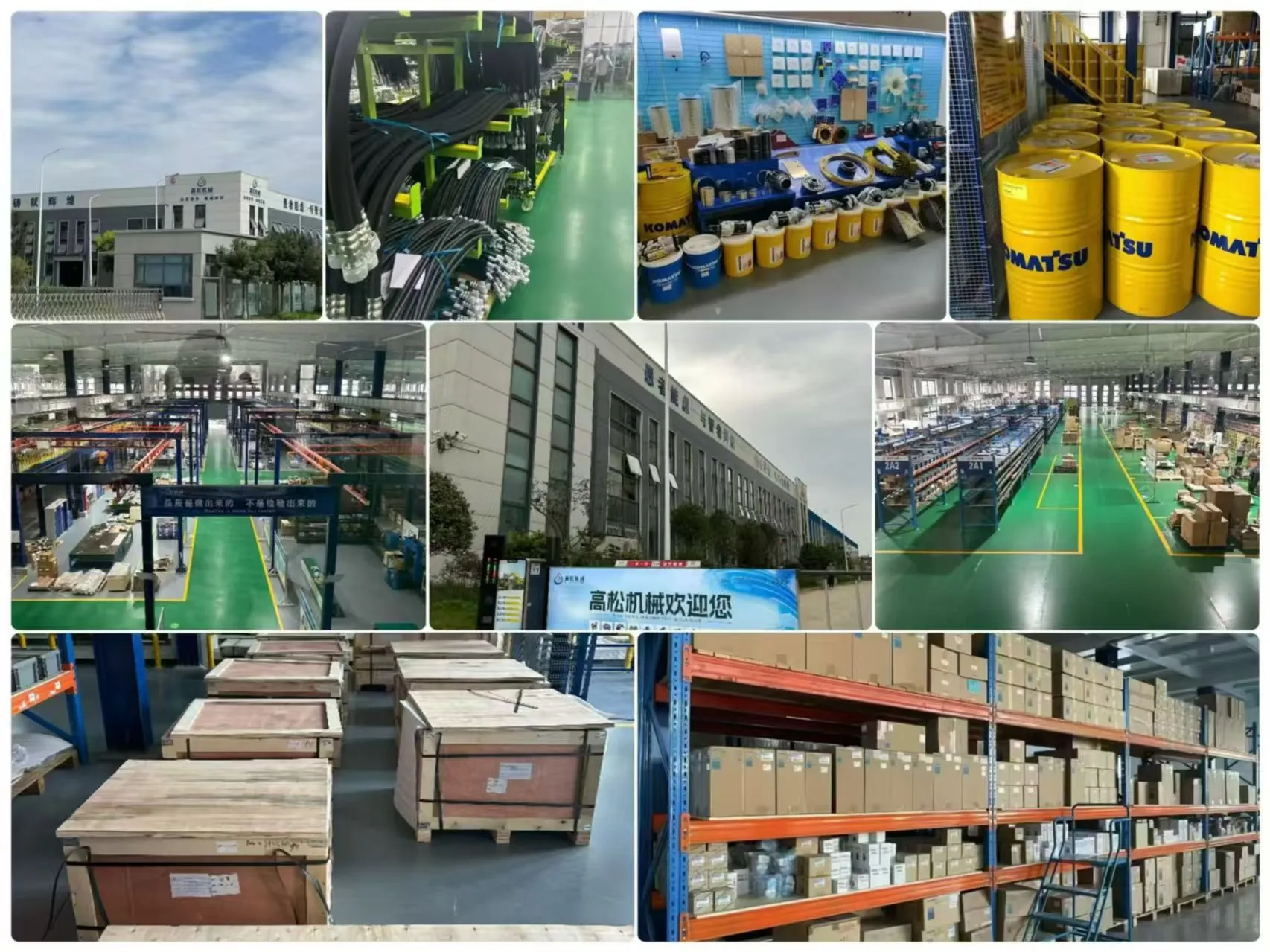
That's where the role of a dedicated supplier within the system becomes critical. A company like Jining Gaosong Construction Machinery Co., Ltd. operates in that space. They're not just a reseller; as an OEM product supplier within Komatsu's network, they understand these system integrations. Their website, https://www.takematsumachinery.com, positions them as a solution for parts supply challenges. In practice, this means they can often provide the genuine system component—the right filter with the right gasket and seals—in regions where the main distribution channel is thin. This isn't about undercutting price; it's about ensuring availability of the correct part.
The common mistake is treating the air filter as a commodity. It's not. The pleat spacing, the adhesive used, the anti-static treatment—these aren't marketing fluff. In dry, sandy environments, static buildup can actually cause dust to cling to the outside of the filter media, caking it prematurely. Komatsu's genuine filters account for this. A cheap alternative might look identical but lack that treatment, leading to more frequent changes and higher long-term cost.
When the Genuine Part is a Continent Away
Here's the real-world tension. A machine is down in a remote location. The nearest Komatsu depot is a week away. The project manager is screaming. This is the scenario where the third-party sales function of a company like Gaosong comes into play. They help solve parts supply challenges. But does this mean they'd push a compatible alternative? Not necessarily from my experience. A reputable supplier in that position will first try to locate genuine stock across their network. Their value is logistics and access, not just alternative inventory.
I've been in the position of having to try an aftermarket filter as a temporary fix. One case involved a PC700 excavator. We used a well-known aftermarket brand. Fit was okay, but the restriction gauge never settled in the green, even when new. We ran it for 250 hours under close watch. At teardown, we found a fine dust layer on the safety element—not much, but some. The primary had filtered 99.5% maybe, not the 99.9%+ it needed to. That's the gamble. For a short-term fix to finish a job, with daily checks? Maybe. As a standard practice? No.
This is the nuance. Their company intro says they're an OEM supplier and a third-party sales company. That dual role is pragmatic. Sometimes, the solution is expediting the genuine part. Other times, for older models or in crisis situations, a high-quality, validated alternative might be the only pragmatic call to keep operations moving. The key is the supplier's expertise in knowing the difference and being transparent about it.
Observing Failure: What a Worn Filter Really Tells You
Inspecting a used Komatsu air filter is like reading a logbook. Uneven dust patterns can point to a leaking gasket or a warped housing seal. I've seen filters where one corner is pristine and the rest is dirty—a sure sign of a bypass. That's often an installation error, not a part failure. The rubber gaskets on genuine filters are formulated to stay pliable in heat and cold. Cheaper versions can harden or shrink, creating that leak path.
Then there's moisture. In high-humidity regions, paper media can degrade if the machine sees a lot of stop-start cycles without reaching full operating temperature. The filter never gets hot enough to drive off absorbed moisture. This weakens the media. Komatsu's filters use synthetic media blends in some applications to combat this. It's a detail you'd only know if you've had to diagnose unexplained restriction alarms in tropical climates.
The failure I fear most is the silent one. No alarm, because someone disabled the restriction sensor after it kept beeping (often due to a bad aftermarket filter!). The filter eventually ruptures, dumping dirt directly into the engine. I witnessed a complete rebuild on a SAA6D140 engine from this. The cost of that rebuild bought a lifetime supply of genuine air filters. The lesson was brutal.
The Logistics & Economics of Being The Solution
For a supplier focused on solving supply challenges, inventory strategy is everything. It's not about stocking every filter for every model. It's about data—knowing which models are prevalent in their service regions (like certain countries in Africa or Southeast Asia where they might operate), and which parts are most prone to supply gaps. For Komatsu air filters, this might mean heavy focus on common models for 20-ton excavators or 40-ton dump trucks, and less on niche, brand-new models.
Their website, Takematsu Machinery, serves as a portal, but the real work is offline. Building relationships with end-users and workshops to understand their pain points: Is it lead time? Is it cost pressure? Is it simply a lack of information? Sometimes the challenge isn't the filter itself, but the related parts—the housing clips, the rubber boots, the restriction indicator. A holistic supplier can provide that whole kit.
From a cost perspective, running a genuine filter isn't the highest expense. The downtime from a failed component is. A supplier acting as a true partner educates on this total cost of ownership. They might show a comparison: genuine filter changed at 500-hour intervals vs. two cheaper filters changed at 200-hour intervals plus the labor and downtime for the extra service. The math usually wins.
Final Take: It's a Component, Not a Consumable
So, my stance has evolved over the years. Early on, I looked for cost savings everywhere. Now, with the Komatsu air filter, I see it as a critical engine component, just like a fuel injector. You wouldn't install a knock-off injector. Why treat the first line of defense for the engine any differently?
Companies like Jining Gaosong fill a vital niche. They bridge the gap between Komatsu's global standards and local, on-the-ground realities. Their value is in reliable access to the right part, and the expertise to know when only the genuine part will do. In an ideal world, every workshop would have the correct OEM filter on the shelf. Since we don't live in that world, having a dedicated, knowledgeable supply channel is the next best thing.
It boils down to trust. Trust in the part, and trust in the supplier. When you order a Komatsu filter, you need to be confident it's the real deal, designed for that specific airflow and protection level. And when you're sourcing it through a third-party sales company, you need confidence they understand the engineering behind it, not just the part number. That's the difference between just selling a filter and solving a supply challenge.
Related Products
Related Products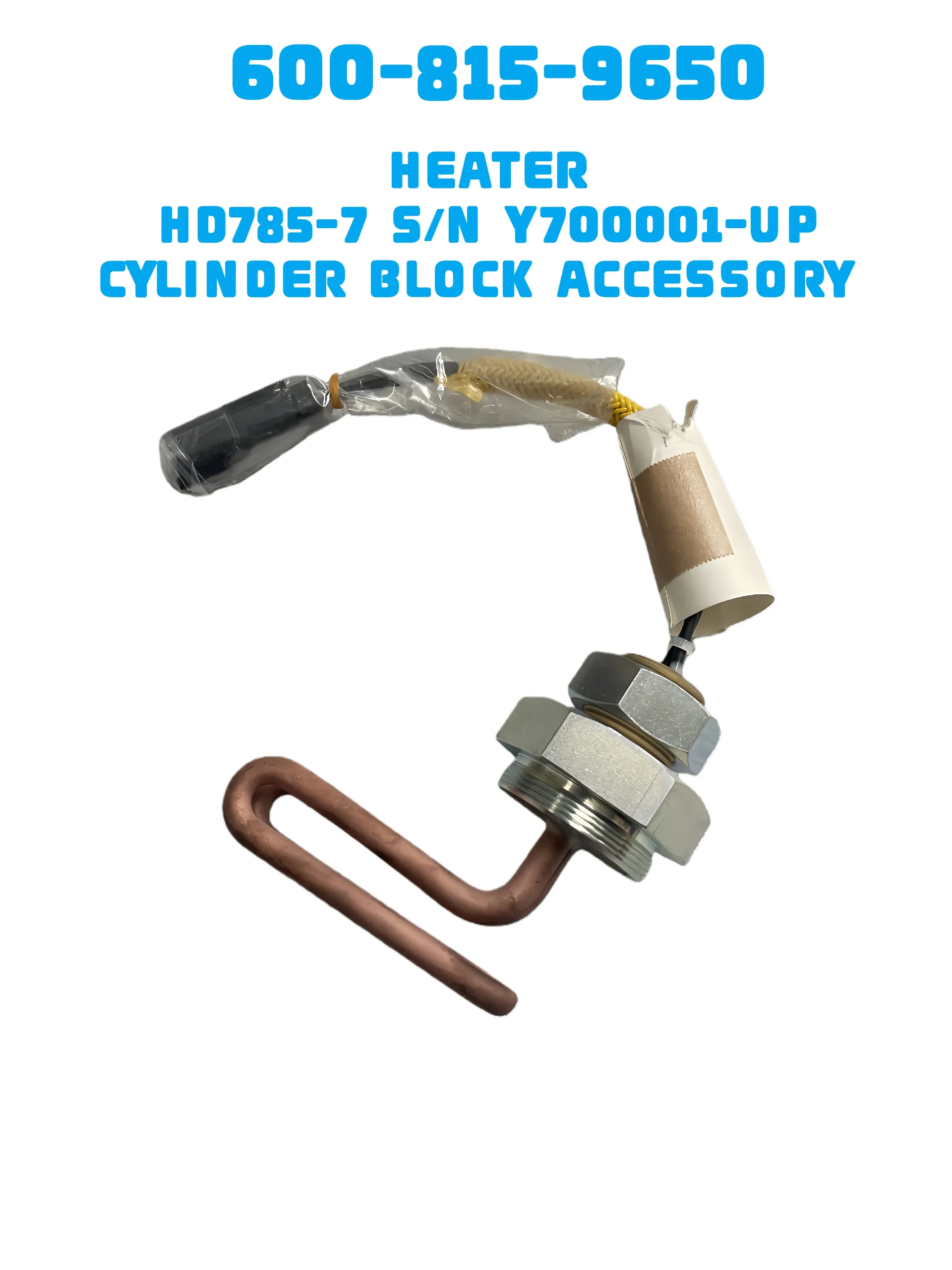
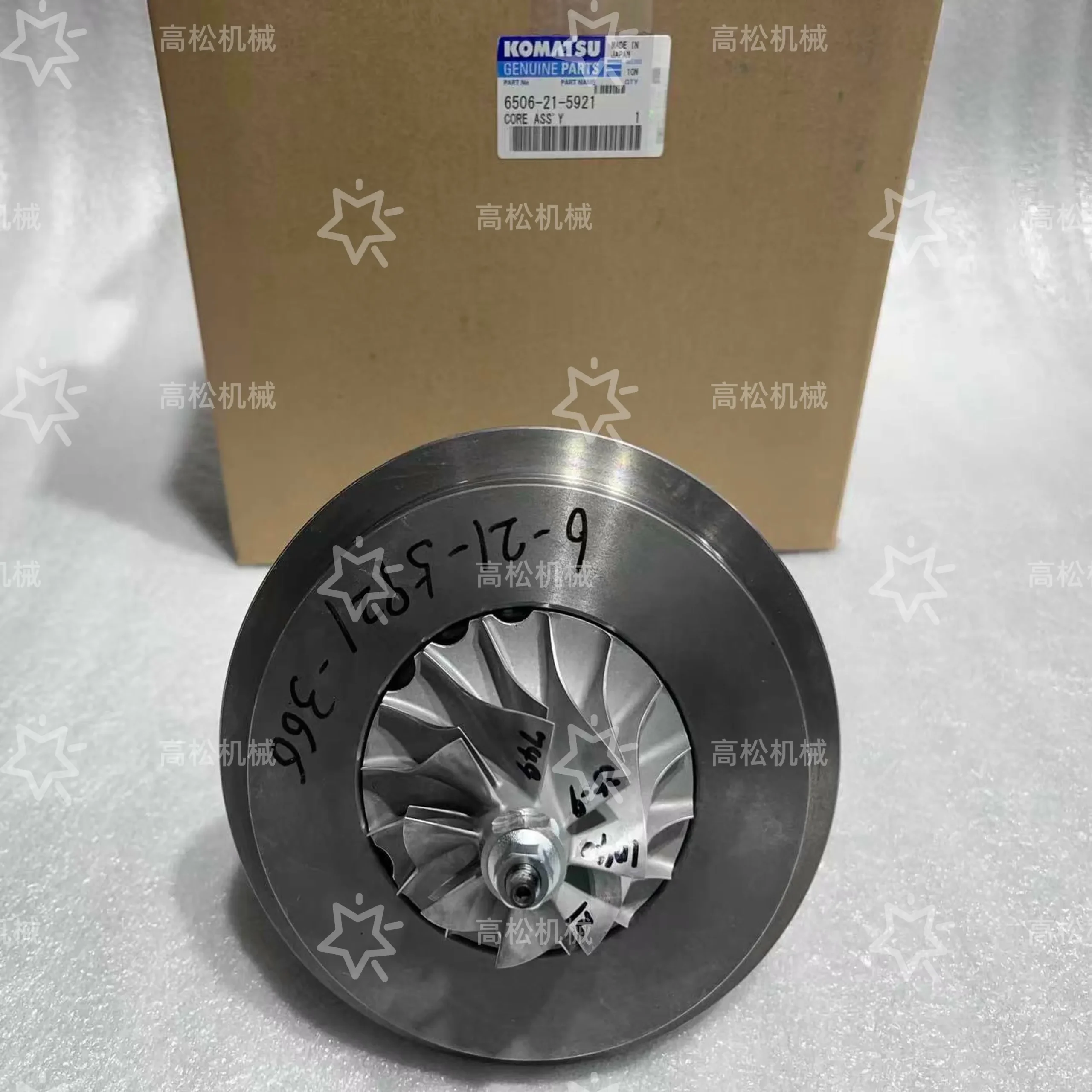

Best Selling Products
Best Selling Products-
 56B-50-12150 Komatsu Plate komatsu original
 -
 CORE ASSEMBLY 6506-21-5921, myKomatsu
 -
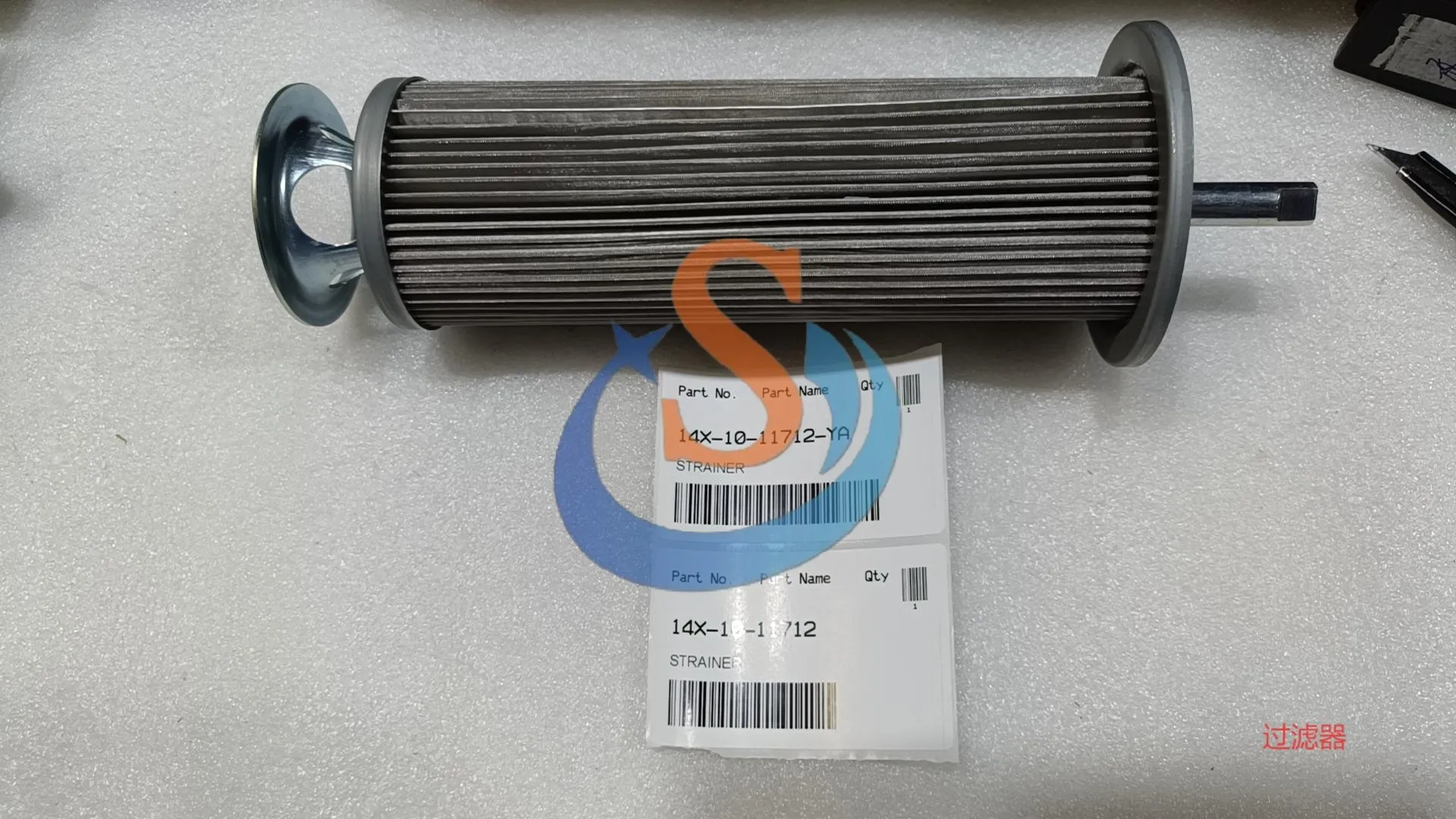 14X-10-11712 STRAINER D65EX/D85EX
 -
 Original original fuse 561-06-81610 for hd785-7 wheel loaders wa500-6 bulldozer parts bulldozer parts ass ‘y
 -
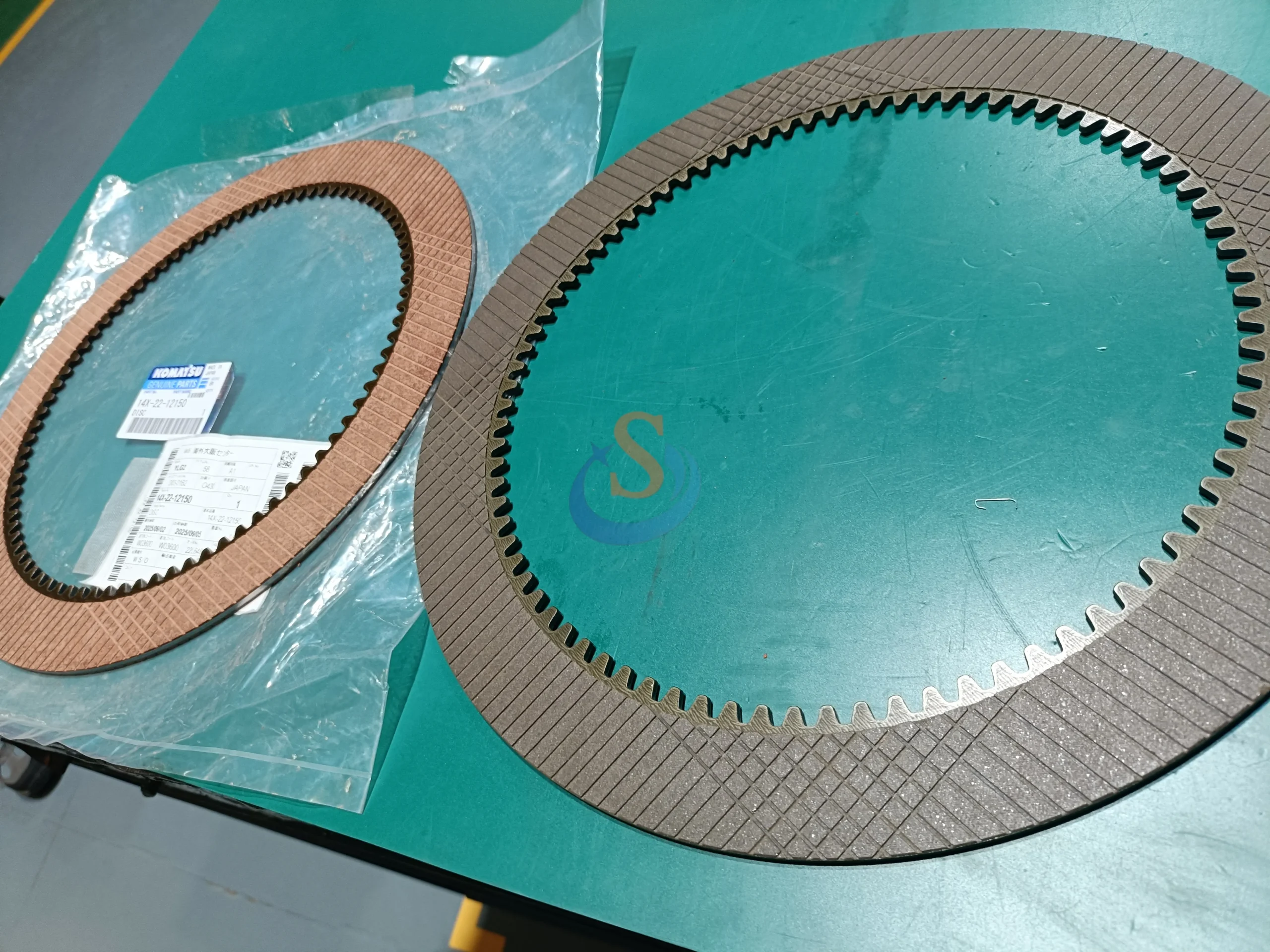 Komatsu frosted sheet 23S-15-12710
 -
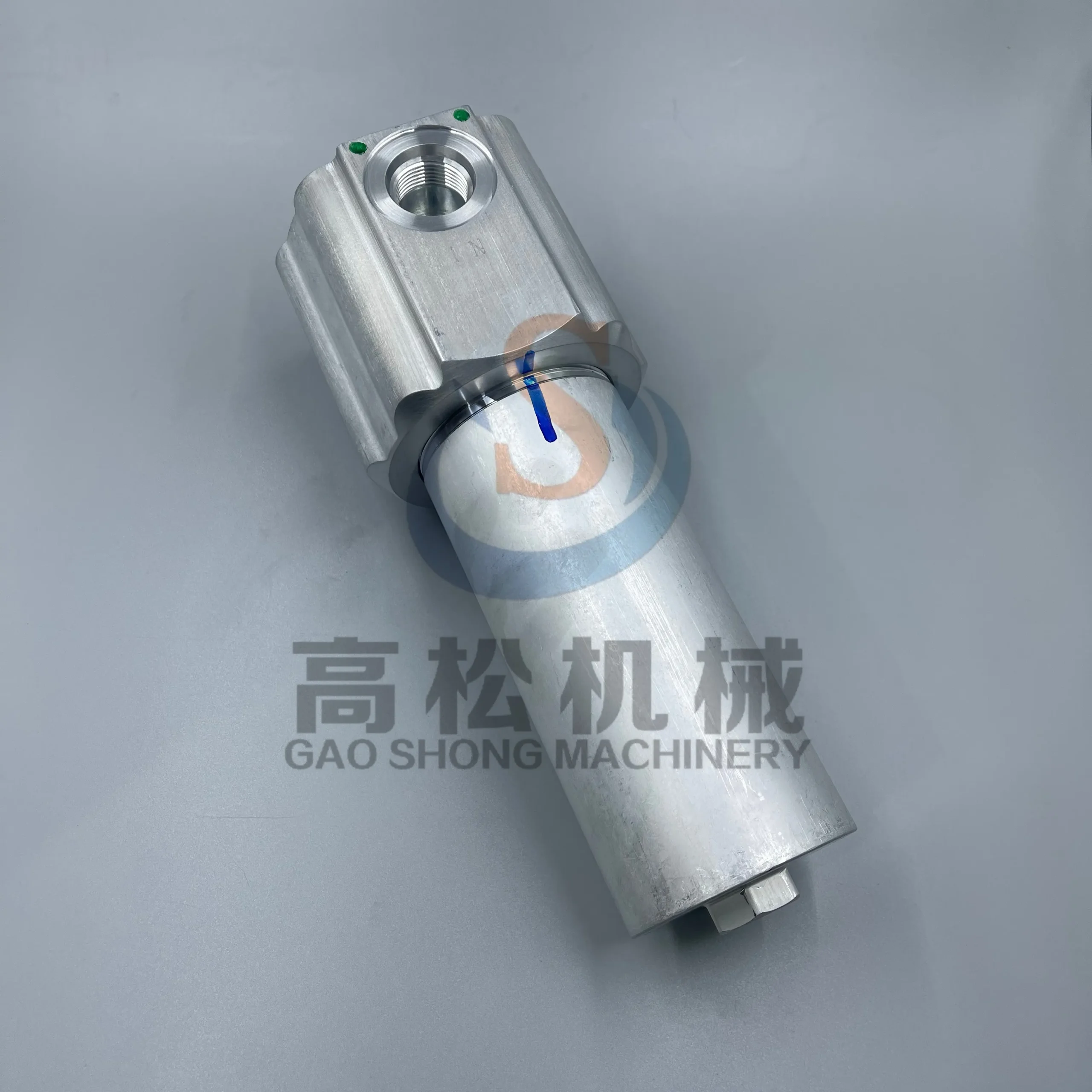 569-43-83911 Komatsu Filter Assembly
 -
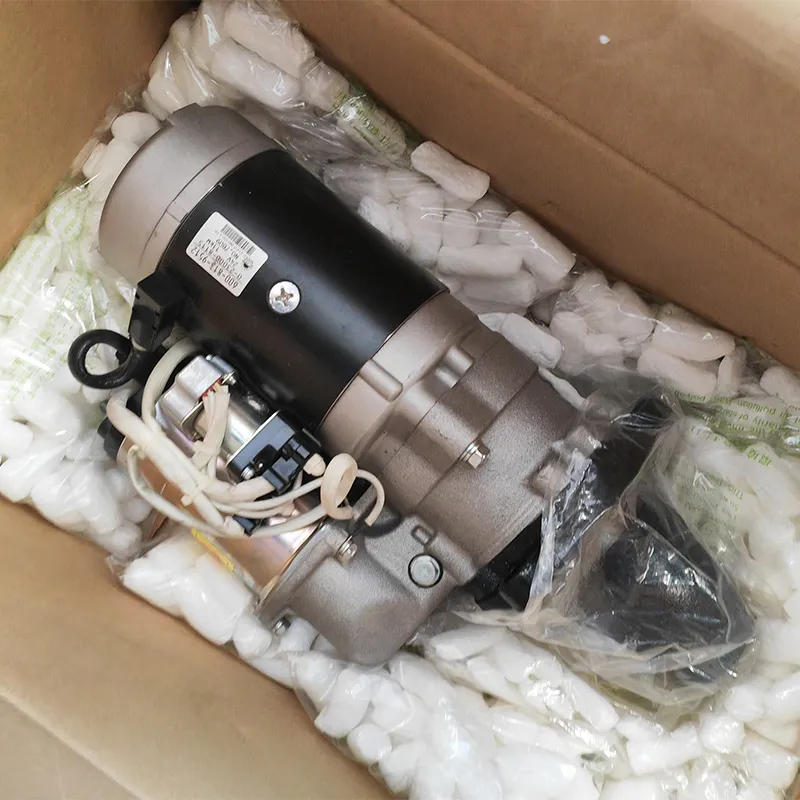 600-813-9512 Original komatsu Starter Motor for PC1250-8 D375-6 WA600-8
 -
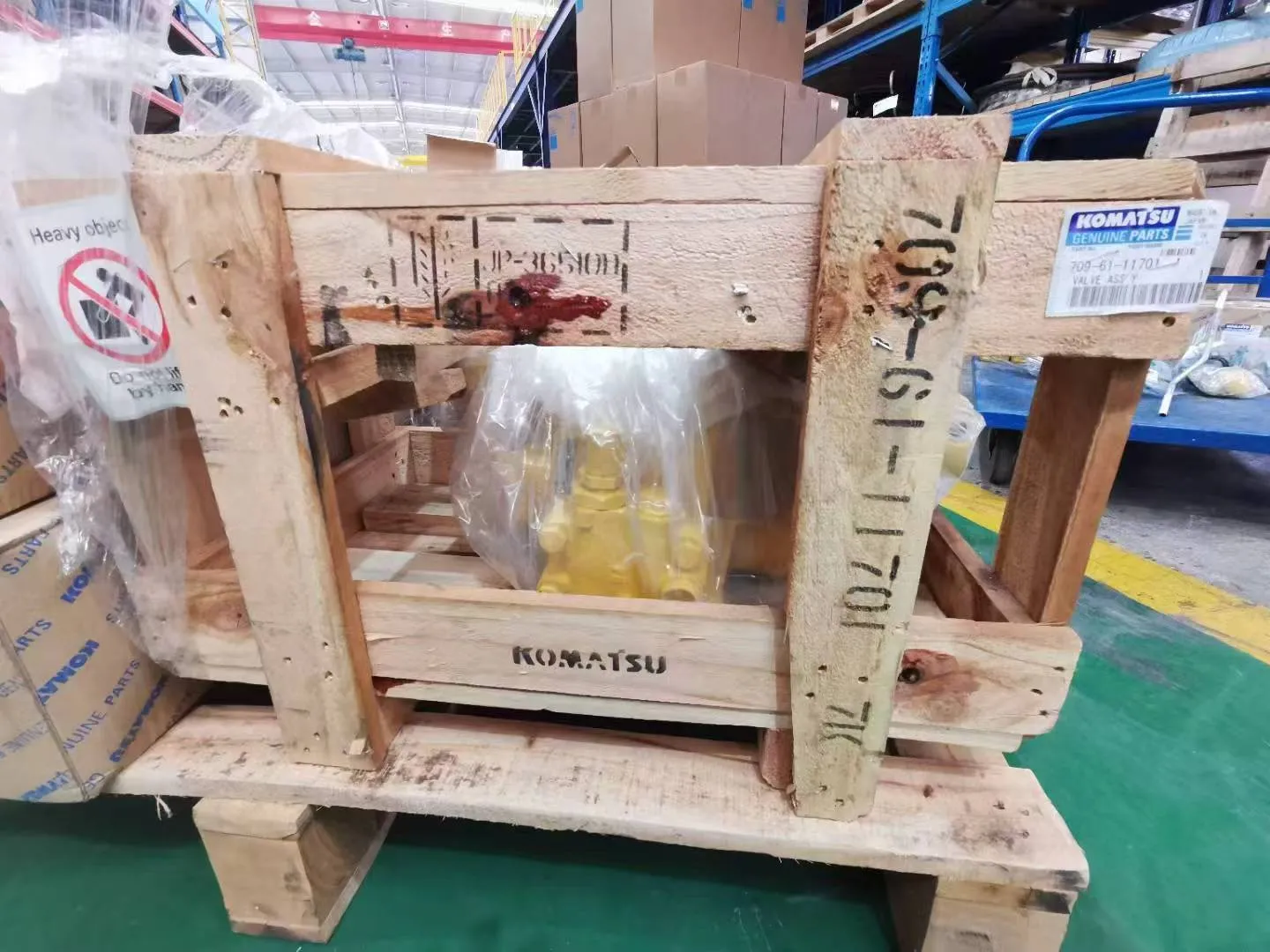 709-61-11701 709-61-11700 Vane poppet valve assembly
 -
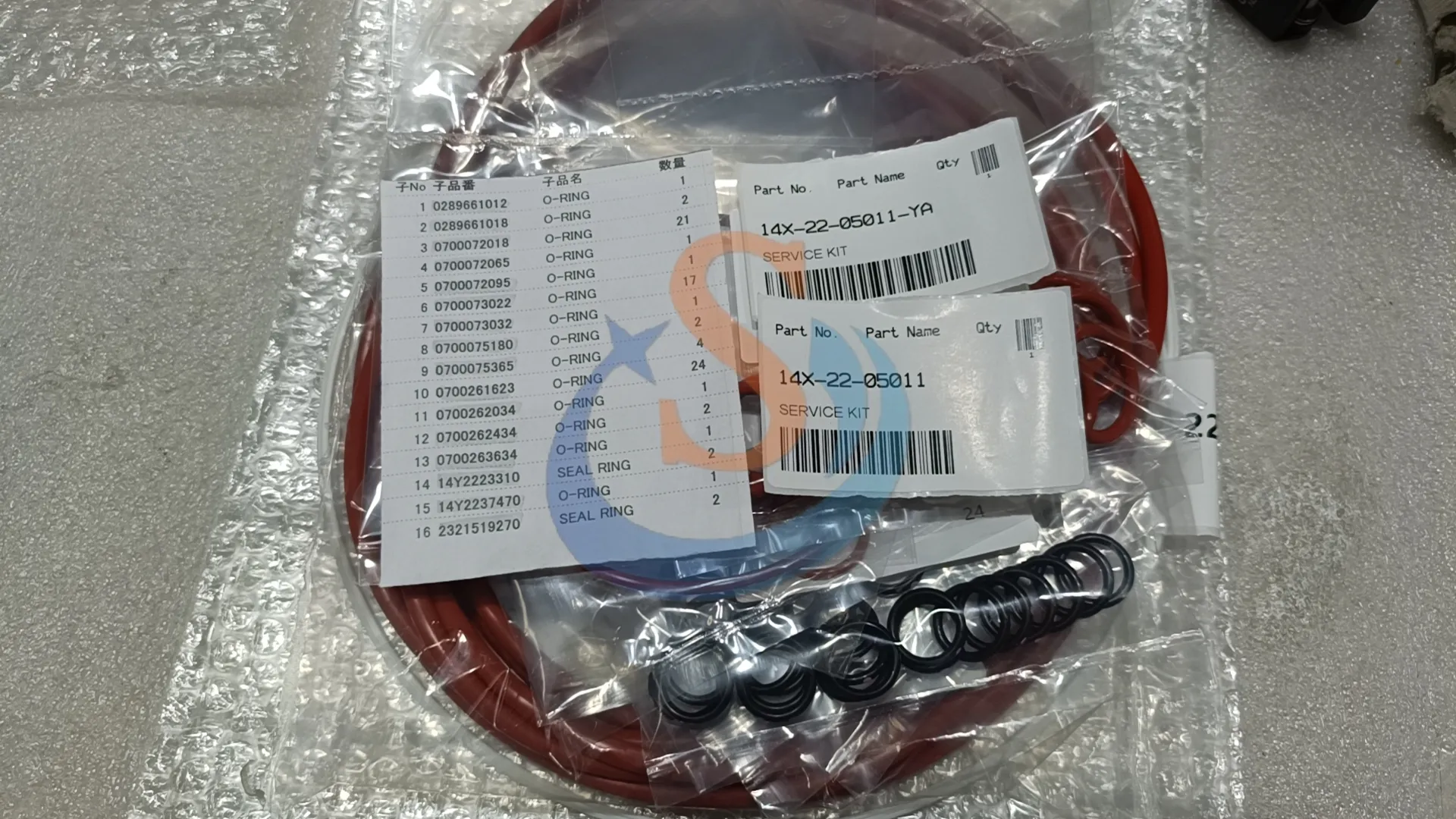 14X-22-05011,SERVICE KIT,D65PX,D65EX,D65WX
 -
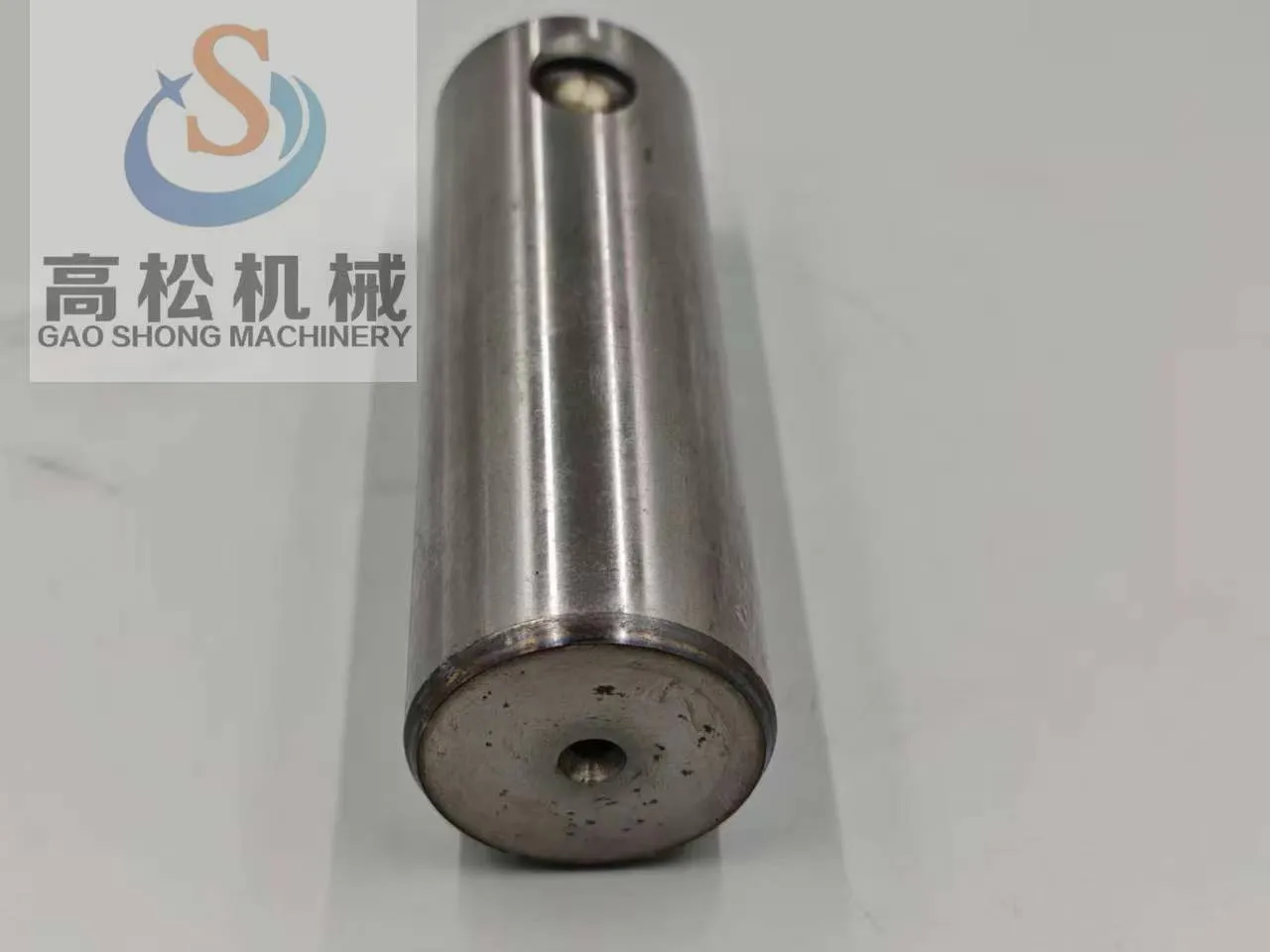 High quality new finger – pin 424-22-12510 for komatsu hm350-2 hm400-2 articulated dump truck
 -
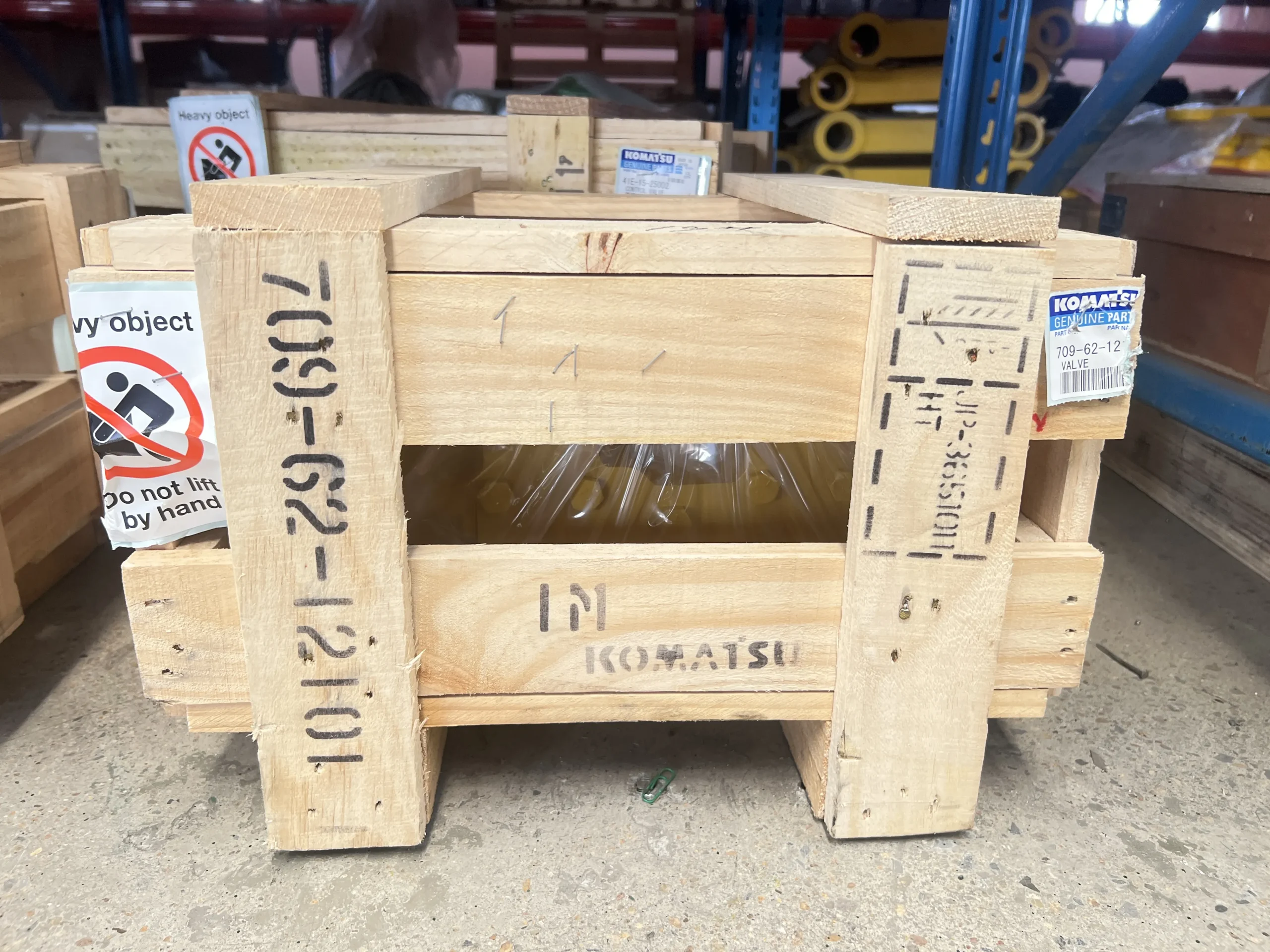 D375A-5E0 Valve Assembly 709-62-12101
 -
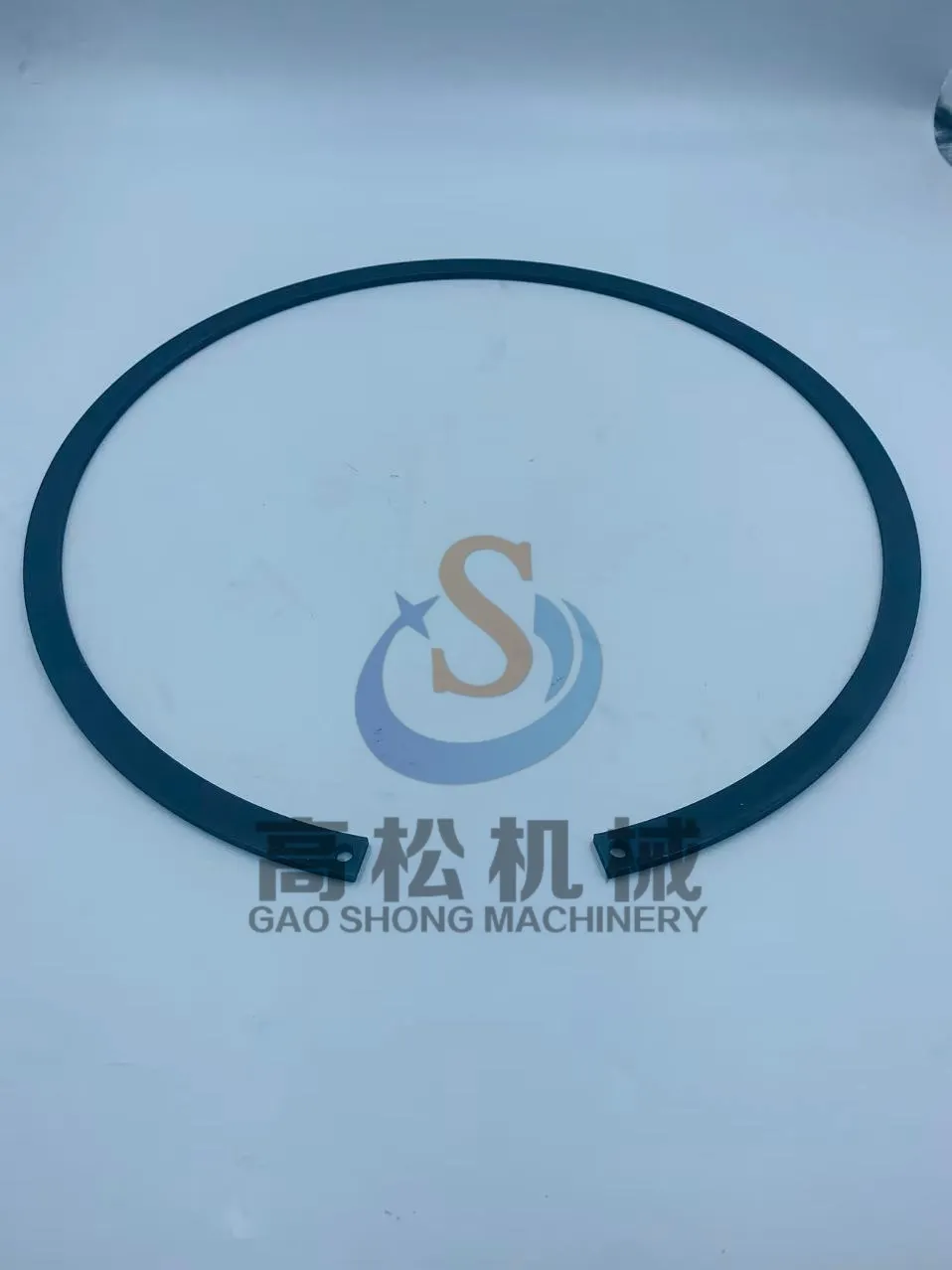 SNAP RING – 21T-26-11270