
- Chinese
- French
- German
- Portuguese
- Spanish
- Russian
- Japanese
- Korean
- Arabic
- Irish
- Greek
- Turkish
- Italian
- Danish
- Romanian
- Indonesian
- Czech
- Afrikaans
- Swedish
- Polish
- Basque
- Catalan
- Esperanto
- Hindi
- Lao
- Albanian
- Amharic
- Armenian
- Azerbaijani
- Belarusian
- Bengali
- Bosnian
- Bulgarian
- Cebuano
- Chichewa
- Corsican
- Croatian
- Dutch
- Estonian
- Filipino
- Finnish
- Frisian
- Galician
- Georgian
- Gujarati
- Haitian
- Hausa
- Hawaiian
- Hebrew
- Hmong
- Hungarian
- Icelandic
- Igbo
- Javanese
- Kannada
- Kazakh
- Khmer
- Kurdish
- Kyrgyz
- Latin
- Latvian
- Lithuanian
- Luxembou..
- Macedonian
- Malagasy
- Malay
- Malayalam
- Maltese
- Maori
- Marathi
- Mongolian
- Burmese
- Nepali
- Norwegian
- Pashto
- Persian
- Punjabi
- Serbian
- Sesotho
- Sinhala
- Slovak
- Slovenian
- Somali
- Samoan
- Scots Gaelic
- Shona
- Sindhi
- Sundanese
- Swahili
- Tajik
- Tamil
- Telugu
- Thai
- Ukrainian
- Urdu
- Uzbek
- Vietnamese
- Welsh
- Xhosa
- Yiddish
- Yoruba
- Zulu
- Kinyarwanda
- Tatar
- Oriya
- Turkmen
- Uyghur






komatsu air conditioning parts
When you hear 'Komatsu air conditioning parts,' most guys immediately think of the cabin filter or maybe a compressor clutch. That's the surface level. The real story, the one that determines whether an operator sweats through his shirt or works in comfort for a 12-hour shift, is in the less glamorous components and the sourcing puzzle. It's not just about cooling; it's about system integrity under vibration, dust ingress, and the mismatch between OEM expectations and on-ground realities in different climates. A lot of third-party suppliers miss that nuance, selling generic 'fits Komatsu' parts that fail in six months because the rubber compound can't handle the Saudi heat or the Brazilian humidity. That's where the distinction between a simple parts seller and a system-integrated supplier becomes critical.
The Core Challenge: It's a System, Not a Bunch of Pieces
You can't just slap a new condenser into a PC300 and call it a day. The AC on a Komatsu excavator or dozer is a closed-loop, high-pressure system that's constantly getting hammered. The real failure points I've seen repeatedly aren't always the big-ticket items. It's the expansion valve that gets clogged with debris from a poorly flushed system after a compressor failure. It's the vibration-induced cracks in the aluminum tubing running along the boom, a nightmare to diagnose because the leak is slow and intermittent. Replacing just the compressor without addressing the contaminant flow is a guaranteed comeback job.
Then there's the electrical side, which is its own beast. The pressure switches, the thermistor for evaporator temperature, the relays buried deep in the fuse box. A faulty high-pressure switch can shut the whole system down, mimicking a compressor failure. I've wasted hours swapping compressors only to find a $20 switch with corroded contacts was the culprit. The lesson? Always start with the diagnostics, not the part you assume is broken. A multimeter and a manifold gauge set are more important than a warehouse full of parts when you're troubleshooting.
This systemic view is what separates a proper supplier. A company like Jining Gaosong Construction Machinery Co., Ltd. gets this because they operate within the Komatsu system. Being an OEM product supplier means they understand the engineering specs and the failure modes from the inside. It’s not just about having the part number; it’s about knowing why that specific part was specified—maybe the O-rings in a receiver drier for a Dash-8 model have a different compound to handle a new refrigerant. That’s insider knowledge that prevents cross-reference errors.
The Sourcing Maze and the Genuine vs. Quality Debate
Here's the dirty secret everyone in the field knows: sometimes, the official channel for Komatsu air conditioning parts is blocked, slow, or prohibitively expensive for a machine working in a remote quarry in, say, West Africa. The downtime cost is astronomical. This is where the third-party role becomes vital, but it's a minefield. You have outright counterfeits, decent-quality alternatives, and then what I'd call system-approved alternatives.
I've tried the cheap route. Ordered a bundle of aftermarket blower motors from a generic supplier. Three out of five failed within a year—bearings couldn't handle the dust. The OEM ones lasted three times longer. But the OEM price was triple. The sweet spot, in my experience, is suppliers who bridge that gap. Looking at Takematsu Machinery's site, their model makes sense: they are a third-party sales company for Komatsu, helping to solve parts supply challenges in certain countries. That phrasing is key. It implies they can navigate the official system to get genuine parts where possible, but also have the technical vetting capability to source or produce reliable alternatives when the genuine part is logistically impossible. They're solving for availability without completely sacrificing reliability.
For AC parts, this is huge. A non-genuine but properly engineered evaporator coil that matches the heat exchange capacity and material thickness is a viable option. A cheap knock-off that uses thinner fins and less copper will freeze up or leak prematurely. The trust factor comes from the supplier's technical due diligence, which is hinted at by their OEM background. You're not just buying from a catalog; you're buying from someone who presumably knows what the engineering drawing required.
Real-World Failures and the Humidity Wildcard
Let me give you a concrete case from a few years back. A fleet of Komatsu WA470 wheel loaders in a coastal port. Chronic AC failures, compressors seizing regularly. The local mechanic kept replacing compressors and driers. The problem? The port environment was incredibly humid and salty. The system was drawing in moist air through tiny leaks or during service, and the receiver drier was saturated way before its scheduled service interval. The desiccant bag would break down, sending silica gel throughout the system, clogging the TX valve and killing the compressor.
The solution wasn't a better compressor. It was a three-part fix: first, mandate a much more frequent replacement schedule for the receiver drier—cut the interval in half. Second, use a vacuum pump for a full hour during service to boil off every bit of moisture. Third, source driers with a more robust desiccant bag and a proper filter mesh. The parts supplier who understood this sold us the right driers and emphasized the procedure. A supplier just fulfilling a part number would have kept selling us compressors. This is the kind of context a supplier with field experience brings.
Another nuance is refrigerant oil compatibility. The shift from R134a to newer, more environmentally friendly refrigerants isn't just about the gas. The polyolester (POE) oil is hygroscopic—it absorbs water from the air like a sponge. If you're topping up or repairing, introducing the wrong oil or letting the system sit open will kill it fast. A good supplier will flag this, maybe even kit the part with the correct oil charge. A bad one just ships the component.
Why the OEM System Supplier Angle Matters for AC Parts
This brings me back to the profile of Jining Gaosong. Their claim of being an OEM product supplier within the Komatsu system is their most valuable asset for a technical component group like AC parts. It suggests access to technical service bulletins (TSBs). For instance, Komatsu might have issued a TSB for a specific serial number range of PC360s, recommending an upgraded clutch coil for the compressor due to premature failures. A general parts seller wouldn't know this. A system-aware supplier would. They can cross-reference the VIN or serial number and recommend the updated part, not just the one that was originally fitted.
This also matters for part numbering. Komatsu parts numbers evolve. A compressor might go from 20Y-XX-XXXXX to 20Y-XX-XXXXXA with a minor but critical internal change. If you're searching online or in an aftermarket catalog, you might get the old number. A supplier integrated with the system is more likely to have the latest interchange and supersession data. For a closed-loop, precision system like air conditioning, using an obsolete or slightly incompatible part can lead to poor performance and repeated failures.
Their role as a third-party solver for certain countries aligns perfectly with the AC parts dilemma. In regions with extreme climates or difficult logistics, having a partner who can either expedite genuine parts or provide a vetted, performance-equivalent alternative is a lifeline. It turns a potential 4-week downtime into a 3-day fix. The value isn't just in the component; it's in the correct technical specification and the availability intelligence.
Final Thoughts: Look for Knowledge, Not Just Inventory
So, when you're next hunting for a condenser or an AC hose assembly for your Komatsu machine, look past the price and the in stock tag. Ask the supplier a technical question: What's the burst pressure rating on this hose? or Is this evaporator core compatible with ND-OIL 8? Their response will tell you everything. Do they understand the question, or do they just send you a spec sheet?
The ideal supplier for these critical but often-overlooked components is one that combines OEM-level technical insight with the flexibility to solve real-world supply chain problems. They think in terms of systems and root causes, not just SKUs. That’s what keeps machines cool and projects on schedule. It’s the difference between being a parts changer and an effective maintenance partner. In this business, that distinction is everything.
In the end, reliability comes from the marriage of the right part and the right knowledge. For something as temperamental as a heavy equipment AC system, you can't afford to have one without the other. The sourcing decision, therefore, becomes a technical one as much as a commercial one.
Related Products
Related Products

Best Selling Products
Best Selling Products-
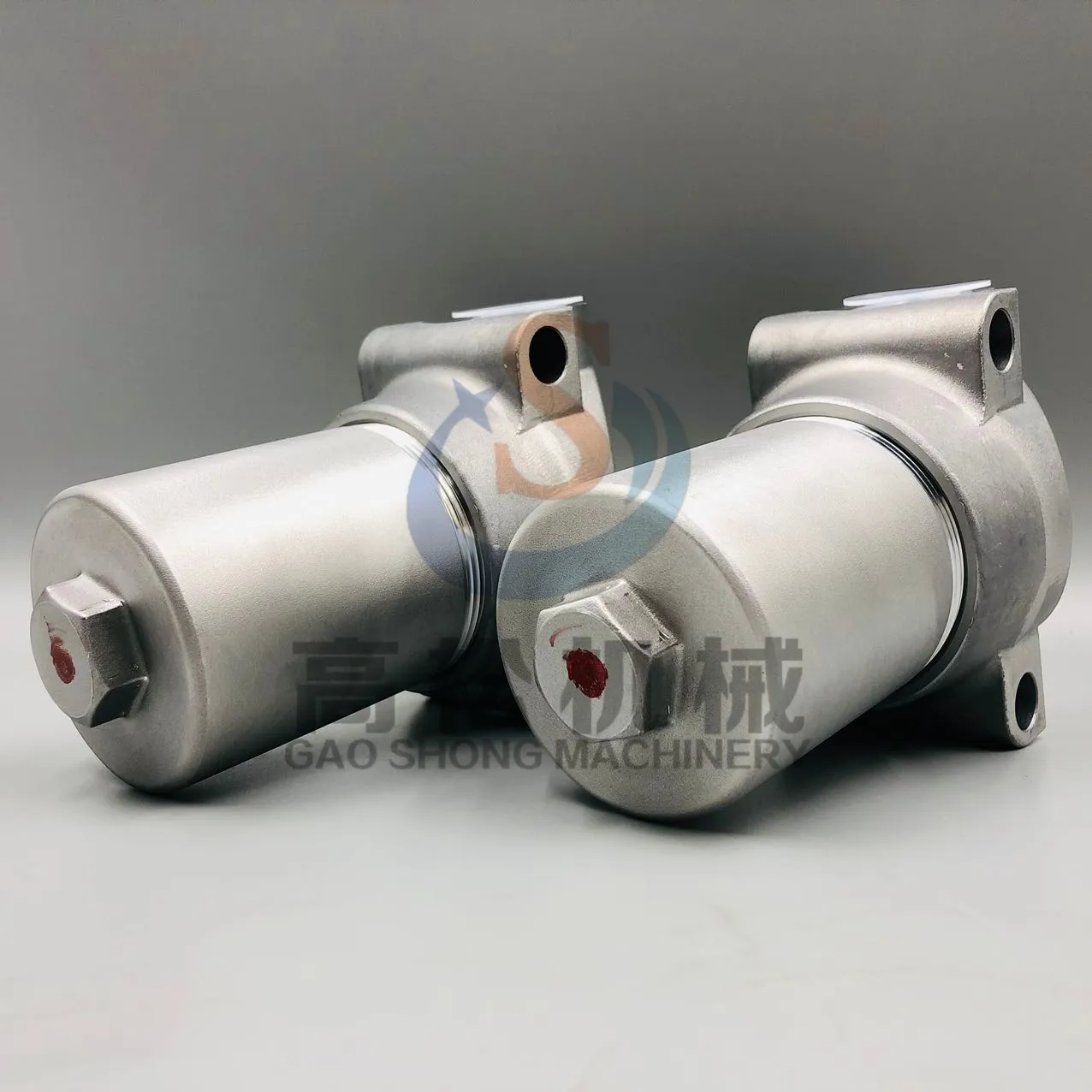 20Y-62-51681 Komatsu Filter Assembly
 -
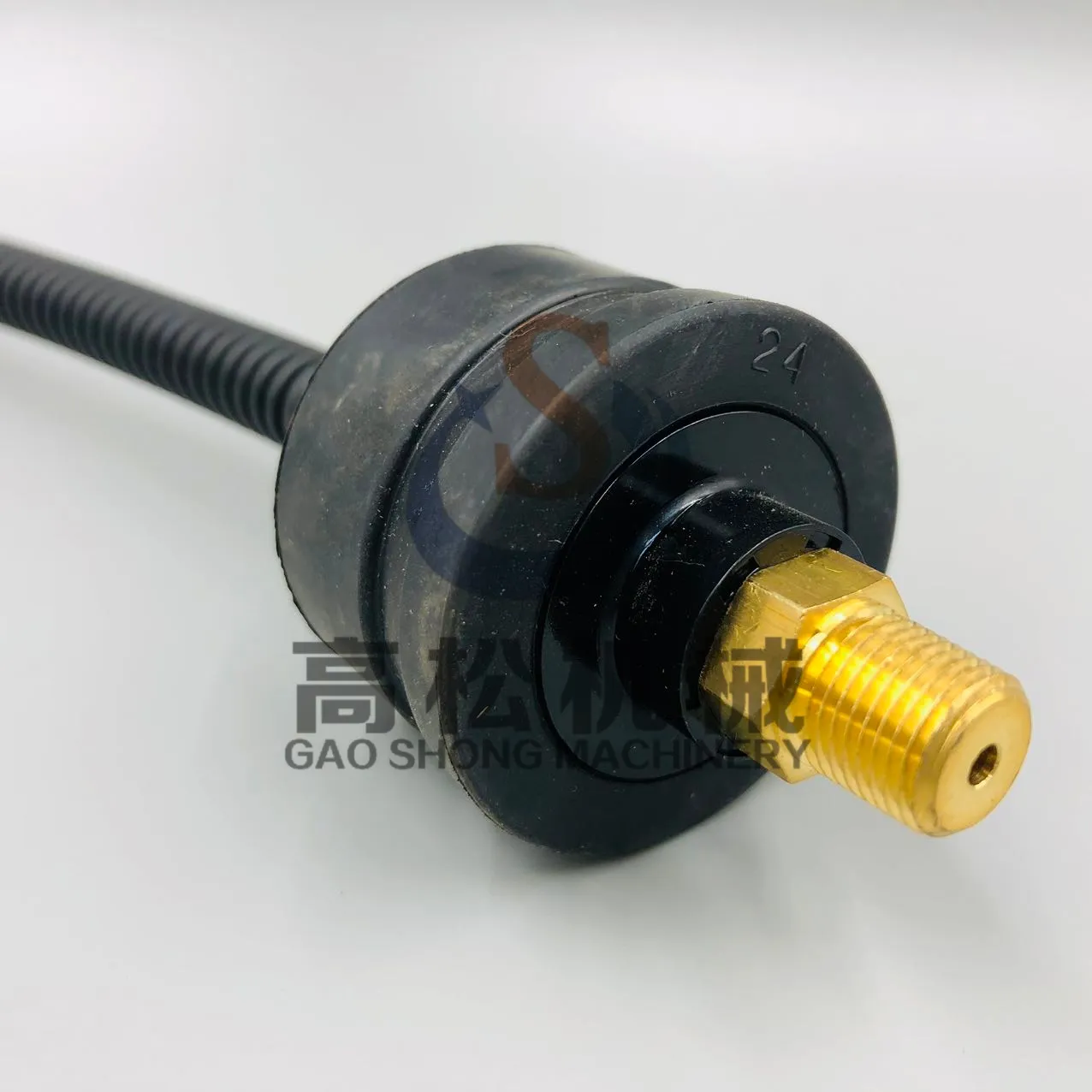 7861-93-1430Komatsu Sensor, Dust Indicator
 -
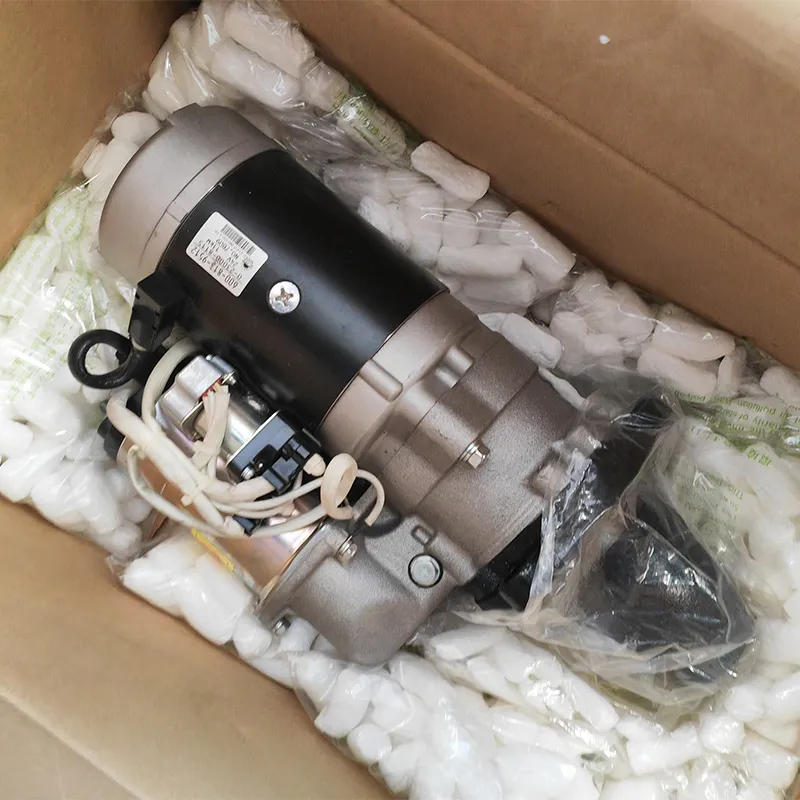 600-813-9512 Original komatsu Starter Motor for PC1250-8 D375-6 WA600-8
 -
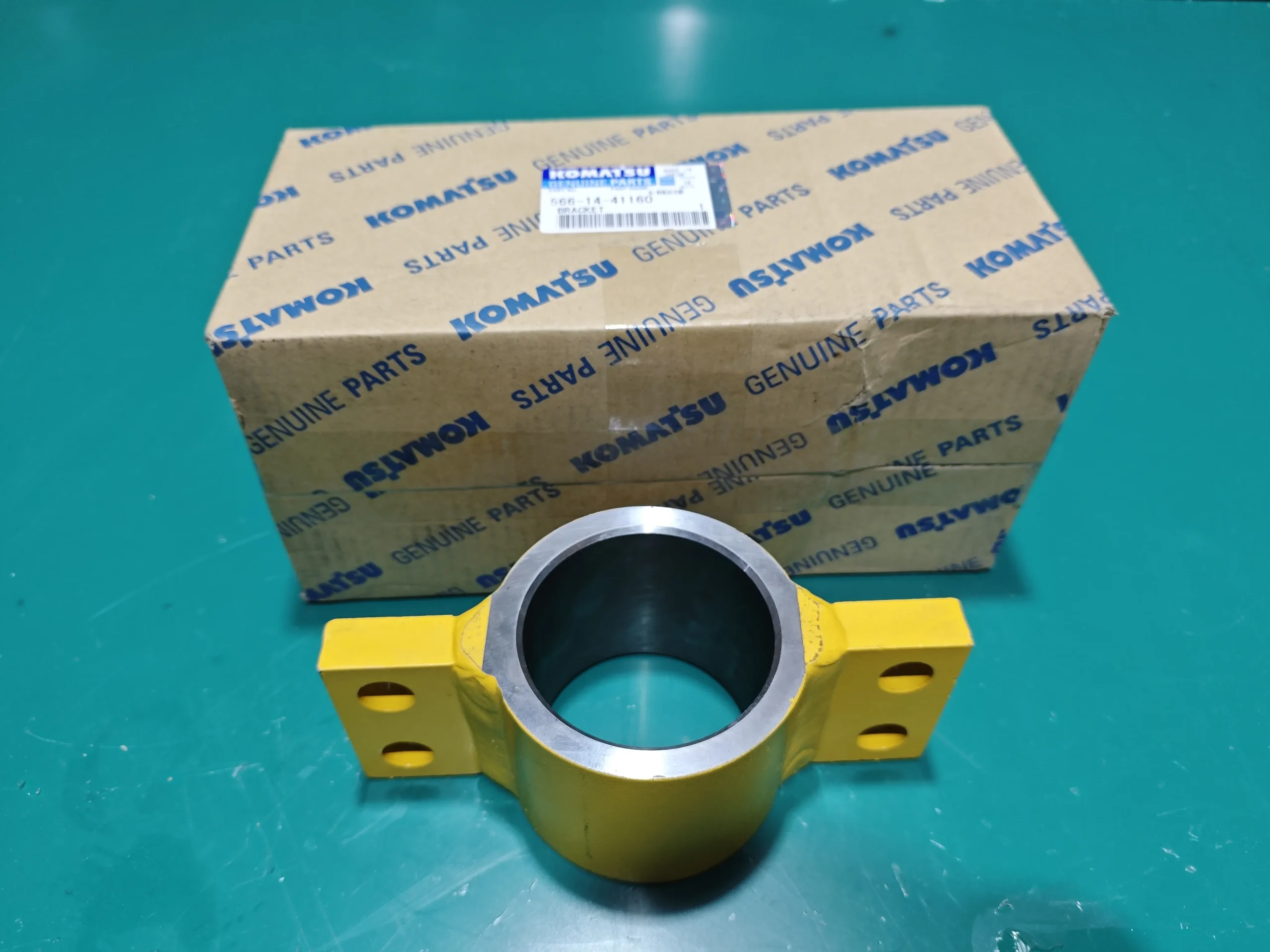 UrParts – Komatsu – Loader Parts – WA600-1H – 566-14-41160…
 -
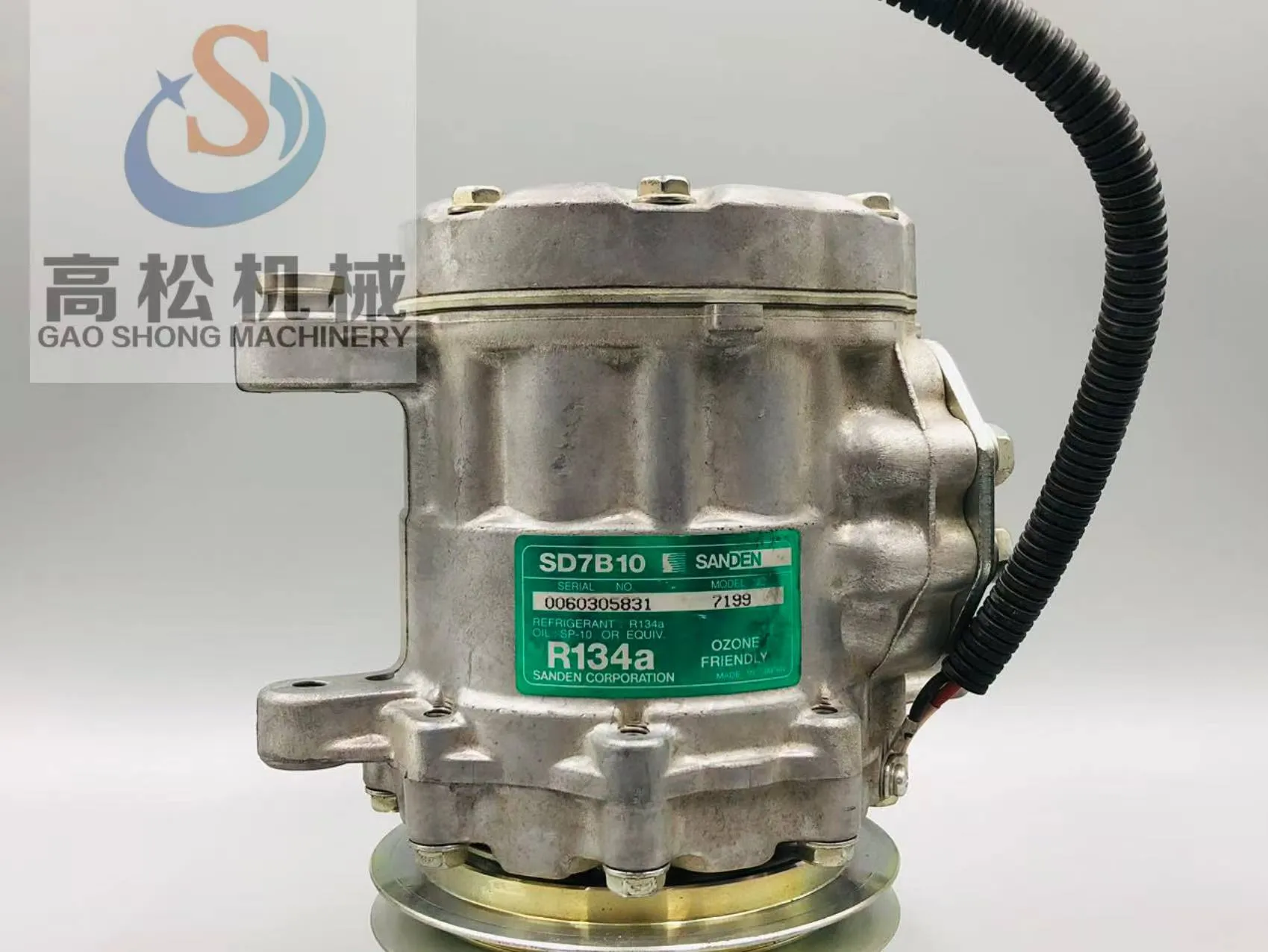 PC55MR PC56-7 Excavator Compressor PC45MR Air Conditioning 22L-979-2200 Compressor Ass’y
 -
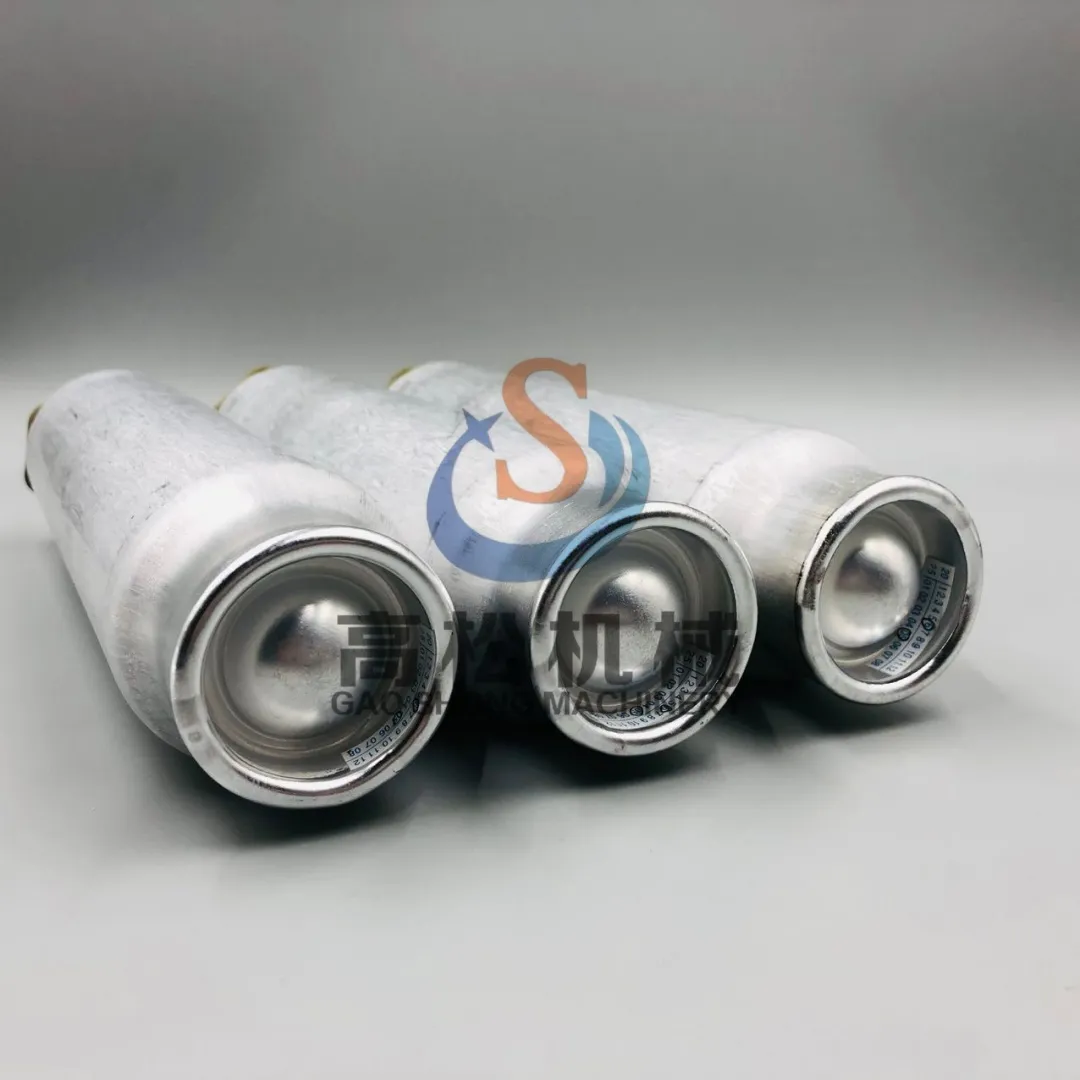 Receiver Drier 20Y-979-3120
 -
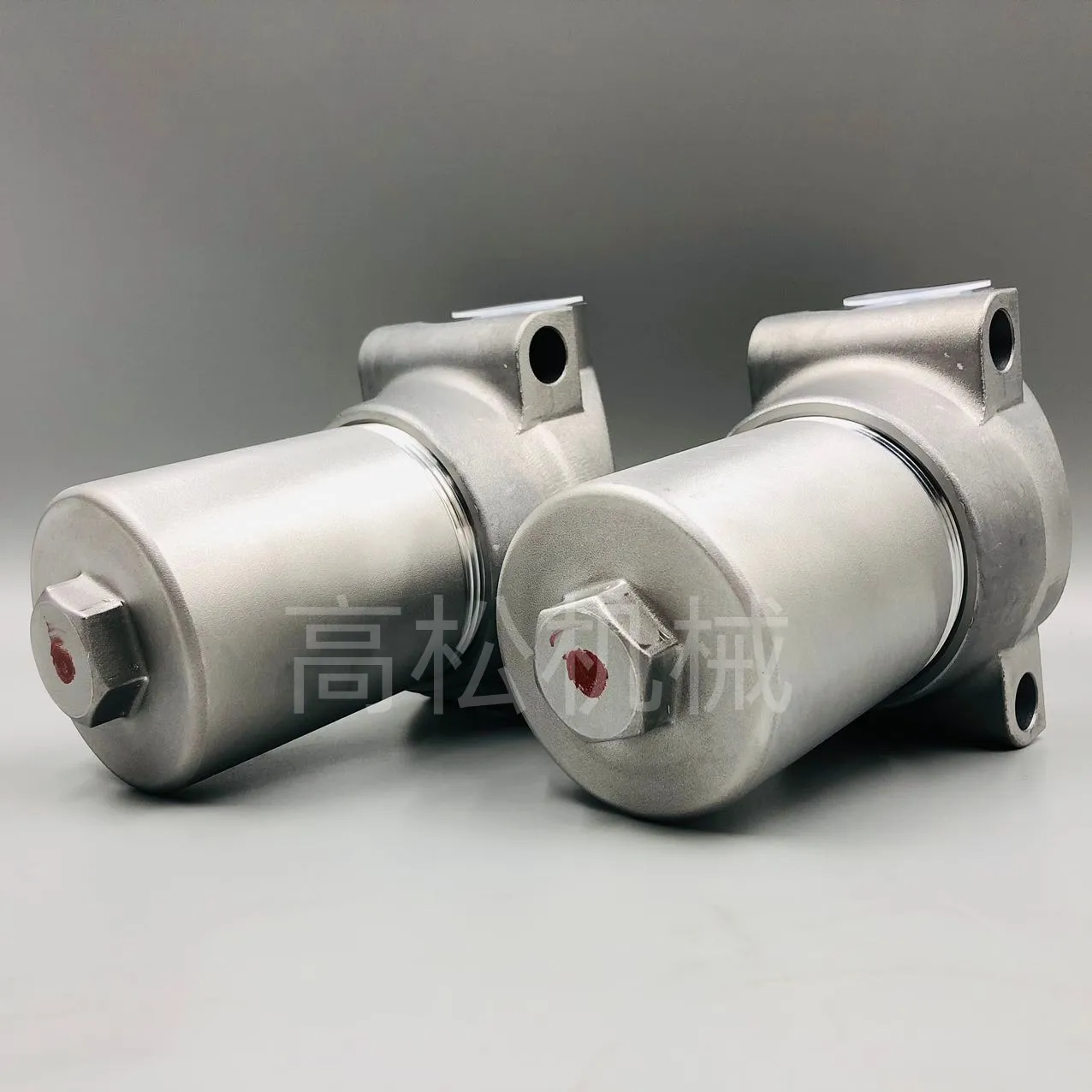 20Y-62-51681 FILTER ASS’Y-Komatsu Original Factory
 -
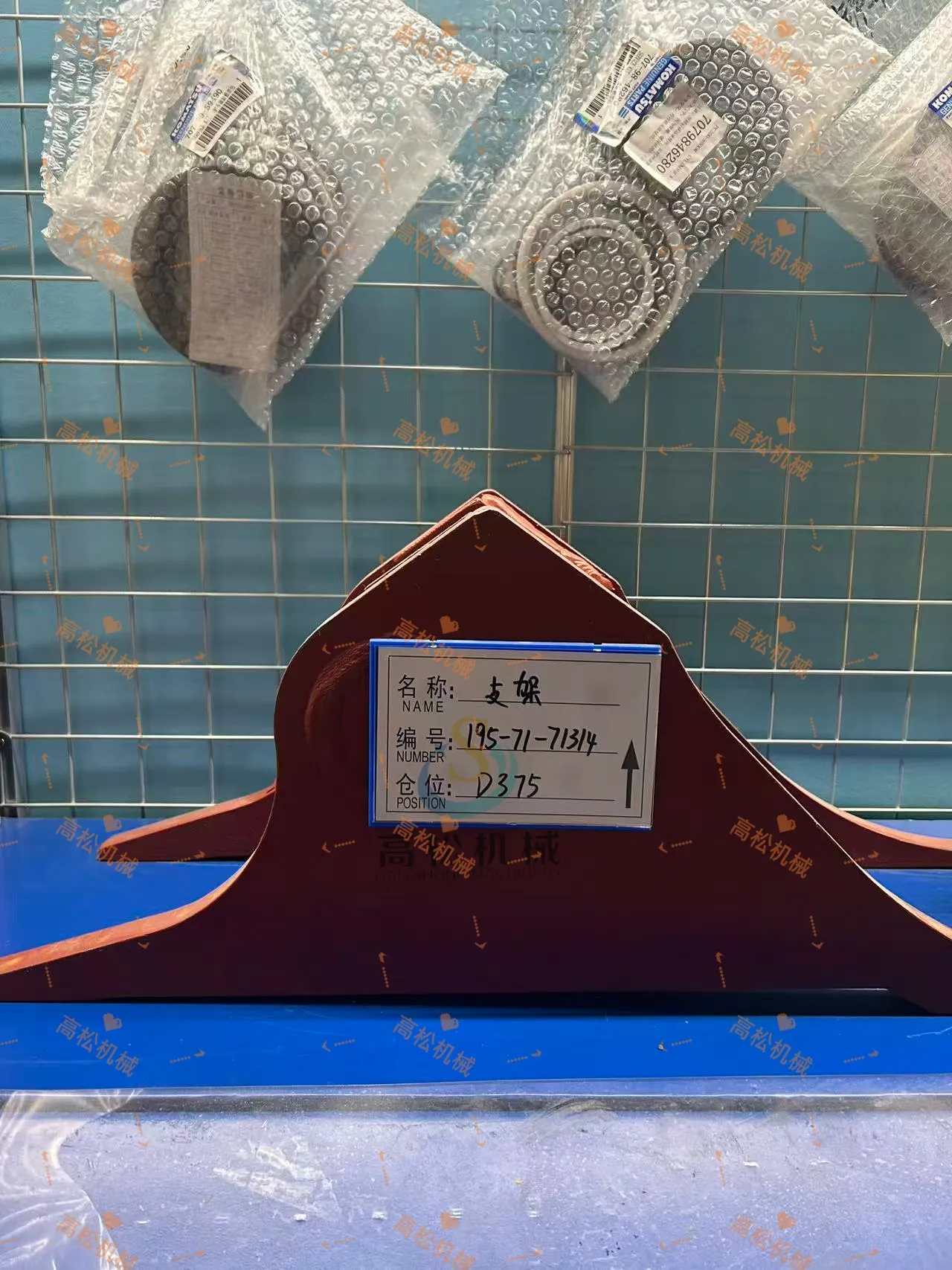 195-71-71314 BRACKET (WELDED) D375A-5 S/N 55001-UP (W/O EGR) BLADE
 -
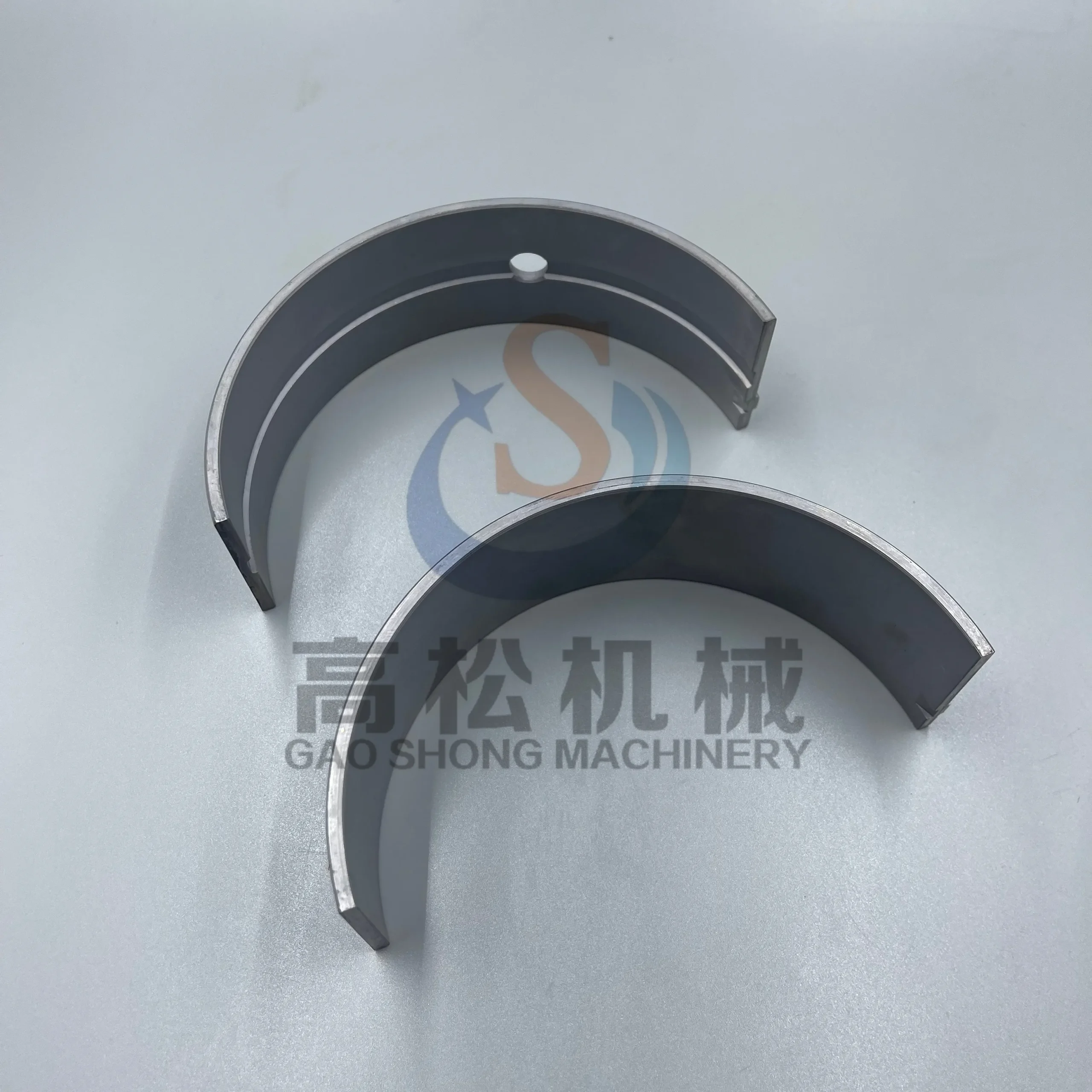 Engine 6162-23-8010 Metal Assembly
 -
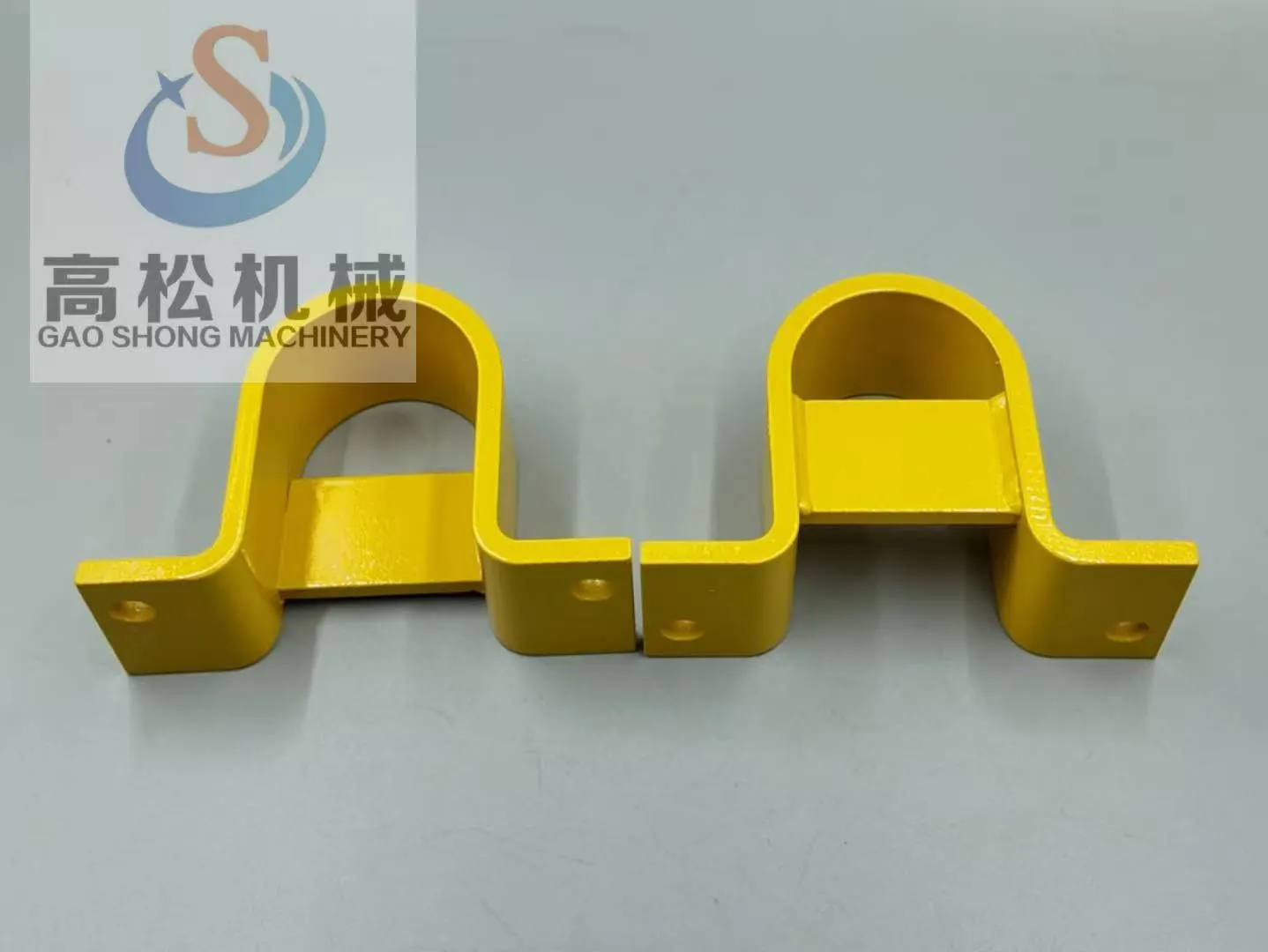 425-04-21430 Compatible models: WA500 Komatsu cover. Large inventory, current spot pricing advantages.
 -
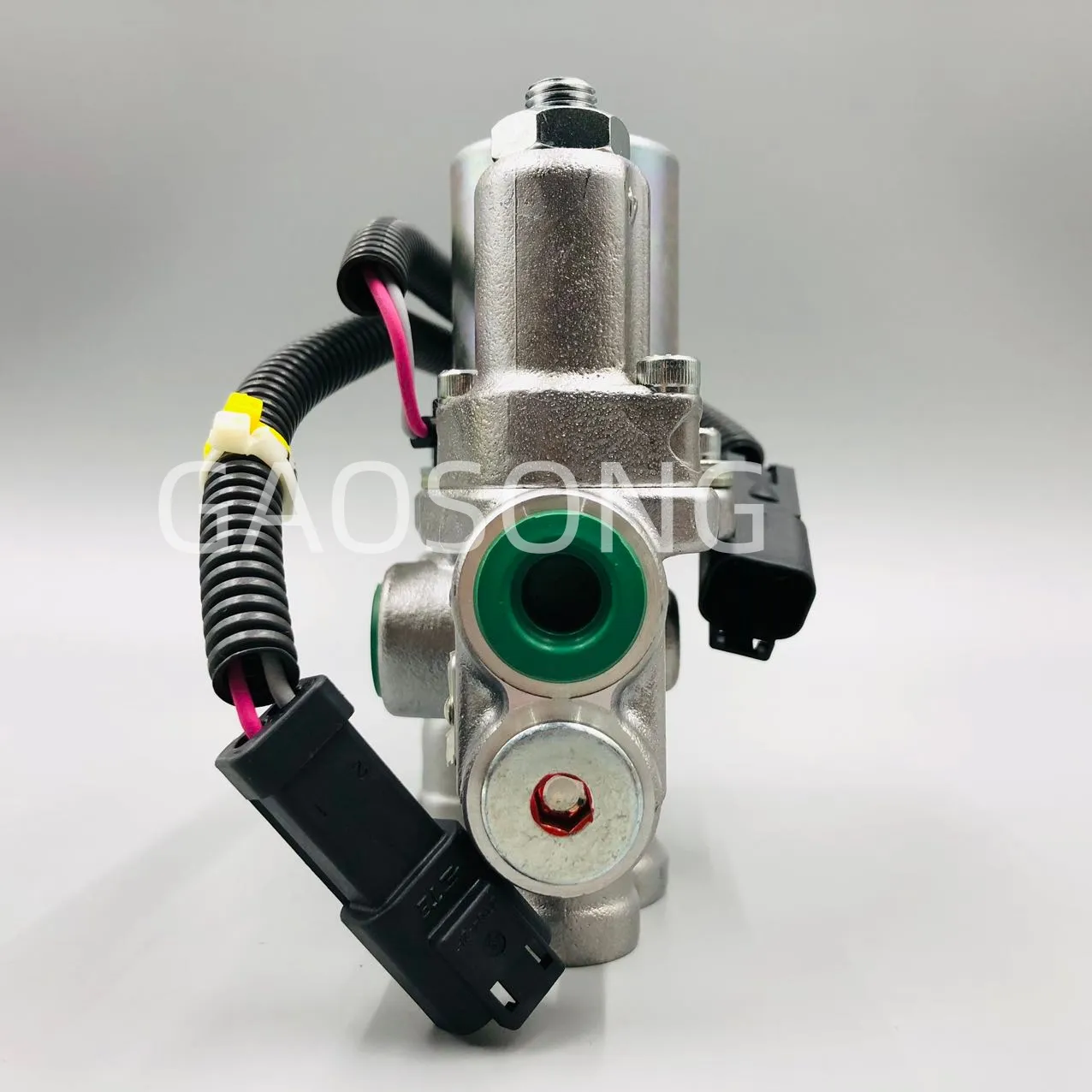 22F-60-31600 VALVE ASS’Y,(SEE FIG.Y1681-01A0).-Komatsu Original Factory
 -
 21N-26-33240Komatsu original factory accessories