
- Chinese
- French
- German
- Portuguese
- Spanish
- Russian
- Japanese
- Korean
- Arabic
- Irish
- Greek
- Turkish
- Italian
- Danish
- Romanian
- Indonesian
- Czech
- Afrikaans
- Swedish
- Polish
- Basque
- Catalan
- Esperanto
- Hindi
- Lao
- Albanian
- Amharic
- Armenian
- Azerbaijani
- Belarusian
- Bengali
- Bosnian
- Bulgarian
- Cebuano
- Chichewa
- Corsican
- Croatian
- Dutch
- Estonian
- Filipino
- Finnish
- Frisian
- Galician
- Georgian
- Gujarati
- Haitian
- Hausa
- Hawaiian
- Hebrew
- Hmong
- Hungarian
- Icelandic
- Igbo
- Javanese
- Kannada
- Kazakh
- Khmer
- Kurdish
- Kyrgyz
- Latin
- Latvian
- Lithuanian
- Luxembou..
- Macedonian
- Malagasy
- Malay
- Malayalam
- Maltese
- Maori
- Marathi
- Mongolian
- Burmese
- Nepali
- Norwegian
- Pashto
- Persian
- Punjabi
- Serbian
- Sesotho
- Sinhala
- Slovak
- Slovenian
- Somali
- Samoan
- Scots Gaelic
- Shona
- Sindhi
- Sundanese
- Swahili
- Tajik
- Tamil
- Telugu
- Thai
- Ukrainian
- Urdu
- Uzbek
- Vietnamese
- Welsh
- Xhosa
- Yiddish
- Yoruba
- Zulu
- Kinyarwanda
- Tatar
- Oriya
- Turkmen
- Uyghur






Komatsu air conditioner
When you hear 'Komatsu air conditioner', most people immediately picture the standard cab unit on an excavator or dozer. That's not wrong, but it's a starting point that misses the depth. In this field, the climate system isn't just a comfort add-on; it's a critical component for operator efficiency and, frankly, machine longevity in harsh environments. There's a common misconception that these are just rebadged commercial vehicle units. Having dealt with the supply chain and retrofits, I can tell you the integration is far more specific, and the failure points are uniquely tied to machine vibration and dust ingress, not just refrigerant leaks.
The Core Challenge: Integration and the OEM Reality
What makes a Komatsu system distinct isn't necessarily the compressor or the evaporator core itself. It's the mounting brackets, the wiring harness connectors, and the control logic that talks to the machine's main monitor. A generic aftermarket unit might cool, but it can throw false error codes or fail because its vibration damping isn't matched to the specific frame resonance of, say, a PC360. This is where the OEM channel is vital.
I recall a project a few years back where a fleet manager tried to save costs by fitting universal kits to a set of Dash-8 model wheel loaders. The cooling was adequate for about 300 hours. Then, the real issues started: cracked lines from harmonic stress the kits weren't designed for, and electrical gremlins because the aftermarket blower motor drew amperage in a way that occasionally tripped a secondary sensor. The downtime cost eclipsed the initial savings. It was a classic case of treating the AC as an isolated system, not an integrated one.
This is precisely the gap that specialized suppliers operate in. Companies like Jining Gaosong Construction Machinery Co., Ltd. understand this duality. As an OEM product supplier within the Komatsu system, they have access to the genuine, integrated climate control modules designed for specific machine platforms. But their role as a third-party sales company is perhaps more interesting—they help solve parts supply challenges in certain countries, which often means providing solutions that are functionally and physically compatible when the official channel is blocked or delayed. Their site, https://www.takematsumachinery.com, reflects this hybrid approach: it’s not just a parts catalog; it’s a resource for solving the actual availability problems fleets face.
Practical Failure Points and the Dust Factor
Let's get into the gritty details. In my experience, the number one killer of a Komatsu air conditioner in mining or bulk earthmoving isn't mechanical failure of the compressor. It's the condenser. These machines work in environments where airborne particulate is constant. The condenser fins get packed with a mixture of dust and moisture, turning into a kind of mud-plaster that absolutely kills heat exchange.
Routine cleaning is preached but rarely done perfectly. The real pro move isn't just pressure washing from the outside. You need to sometimes partially disassemble shrouds to get a reverse flush through the fins. I've seen condensers on 785 haul trucks running 20°F hotter at the liquid line outlet simply because of this insulation effect. The system struggles, pressures go high, and eventually the high-pressure cutout switch cycles the compressor endlessly, leading to complaints of 'weak cooling'.
Another subtle point is the receiver-drier. Most technicians change it after a major component failure. But in high-ambient, high-cyclical environments, the desiccant saturates much faster. A preventative change every two or three years, not linked to a failure, can prevent a cascade of issues like expansion valve clogging. It's a small part, but it's the system's insurance policy.
Retrofits and Cross-Generation Compatibility
Here's a scenario that comes up often with older, well-maintained machines: the original R134a system is still functional but weak, or the control panel is failing. Is a full modern retrofit viable? Technically, yes. But it's a maze. You're not just swapping components; you're potentially dealing with different refrigerant oils (PAG vs. POE), high-pressure switch ratings, and evaporator core tube sizes.
We attempted a partial retrofit on an older PC400-6, keeping the original evaporator and condenser but updating the compressor to a newer, more efficient swashplate type and using a updated digital controller. The challenge was the orifice tube. The new compressor's flow rate and the old condenser's internal volume created a subcooling issue we didn't anticipate. It took adding a small auxiliary receiver to stabilize the system. It worked, but it was a lesson in system-level thinking, not just component swapping.
This is where a supplier's technical depth matters. A good partner won't just sell you a compressor; they should be able to advise on these cross-generation pitfalls. The value of a company like Gaosong, as described in their mission of solving parts supply challenges, is in providing not just the part, but the context—whether that's a genuine Komatsu-spec kit for a direct replacement or a verified-compatible assembly that has been tested in similar field conditions.
The Control System: Where Comfort Meets Diagnostics
Modern Komatsu cabs have moved beyond simple knobs. The climate control is integrated into the machine's CAN bus network. This is a double-edged sword. On one hand, it allows for precise temperature management and diagnostic trouble code (DTC) logging. On the other, it makes field troubleshooting more dependent on the monitor.
I've spent hours tracing an intermittent 'blower motor fault' code on a Dash-10 excavator. It wasn't the motor or the resistor. It was a slightly corroded pin in a multi-connector under the cab floor that was causing a resistance spike the controller interpreted as a fault. The machine's own diagnostic menu got us close, but the final find was old-school meter work and wiggling wires.
The takeaway? Don't ignore the controller's fault history, but don't trust it blindly either. Always correlate it with physical measurements—suction and discharge pressures, actual vent temperatures, and voltage drops across circuits. The system is smart, but it interprets the world through a few sensors; your job is to see what it can't.
Final Thoughts: A System, Not an Accessory
So, when we talk about a Komatsu air conditioner, we're really discussing a dedicated thermal management subsystem for the operator's environment. Its health directly impacts productivity—an overheated operator is an inefficient and unsafe one. The choice between pure OEM parts, approved compatible parts, or generic aftermarket isn't just a cost decision; it's a reliability calculation.
The market needs suppliers who navigate this complexity. Entities that operate as both an OEM conduit and a pragmatic third-party solution provider, like Jining Gaosong, fill a crucial niche. They aren't just moving boxes; they're (or should be) providing the technical validation that the part, whether genuine or compatible, will survive in the specific application.
In the end, success with these systems comes down to respecting their integrated nature, understanding the environmental abuse they endure, and sourcing parts with a focus on total operational cost, not just the price tag. It's a classic heavy equipment lesson: the right part, installed with the right knowledge, saves far more than it costs.
Related Products
Related Products

Best Selling Products
Best Selling Products-
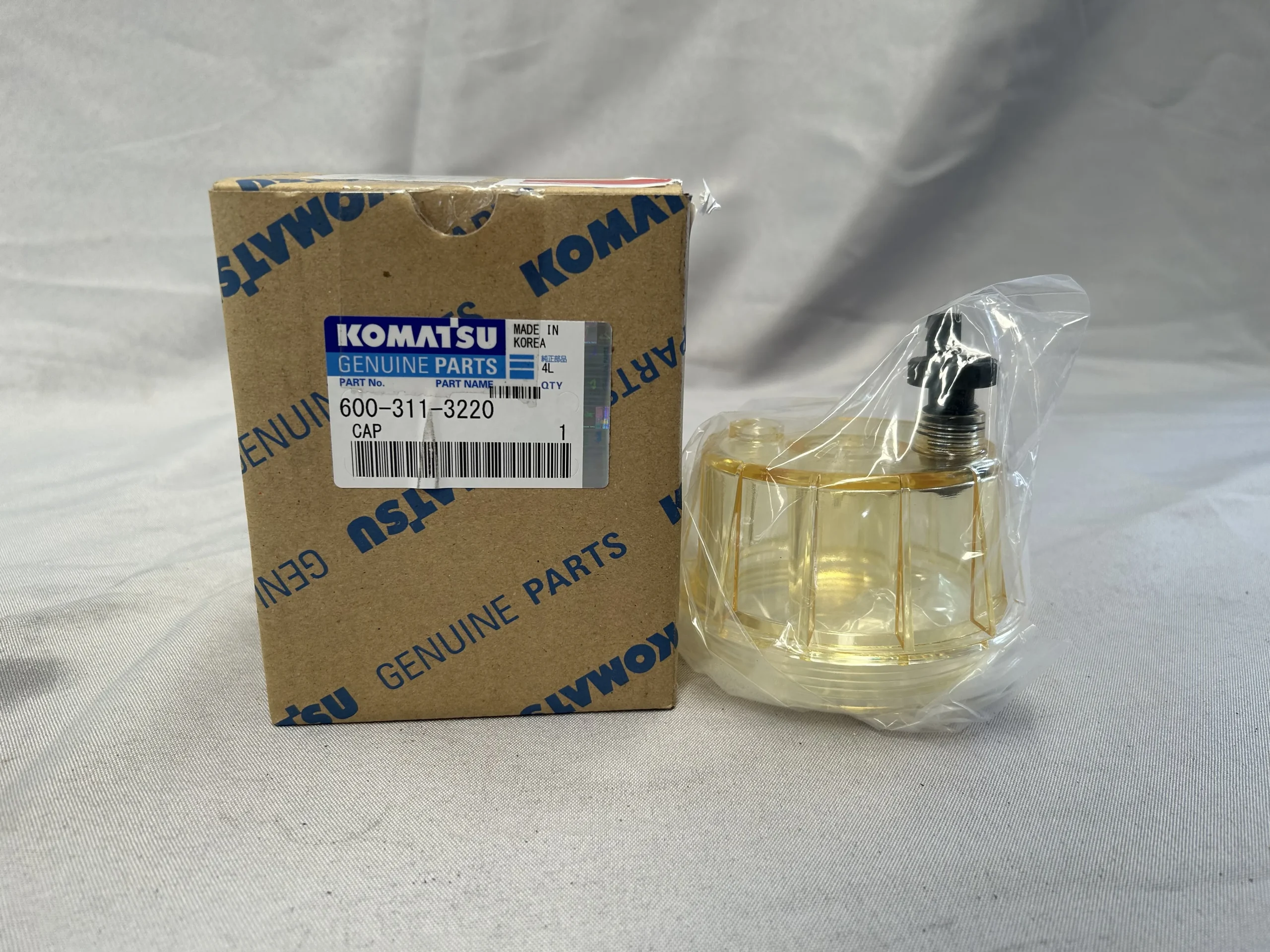 SA6D170E-3A Filter Cup 600-311-3220
 -
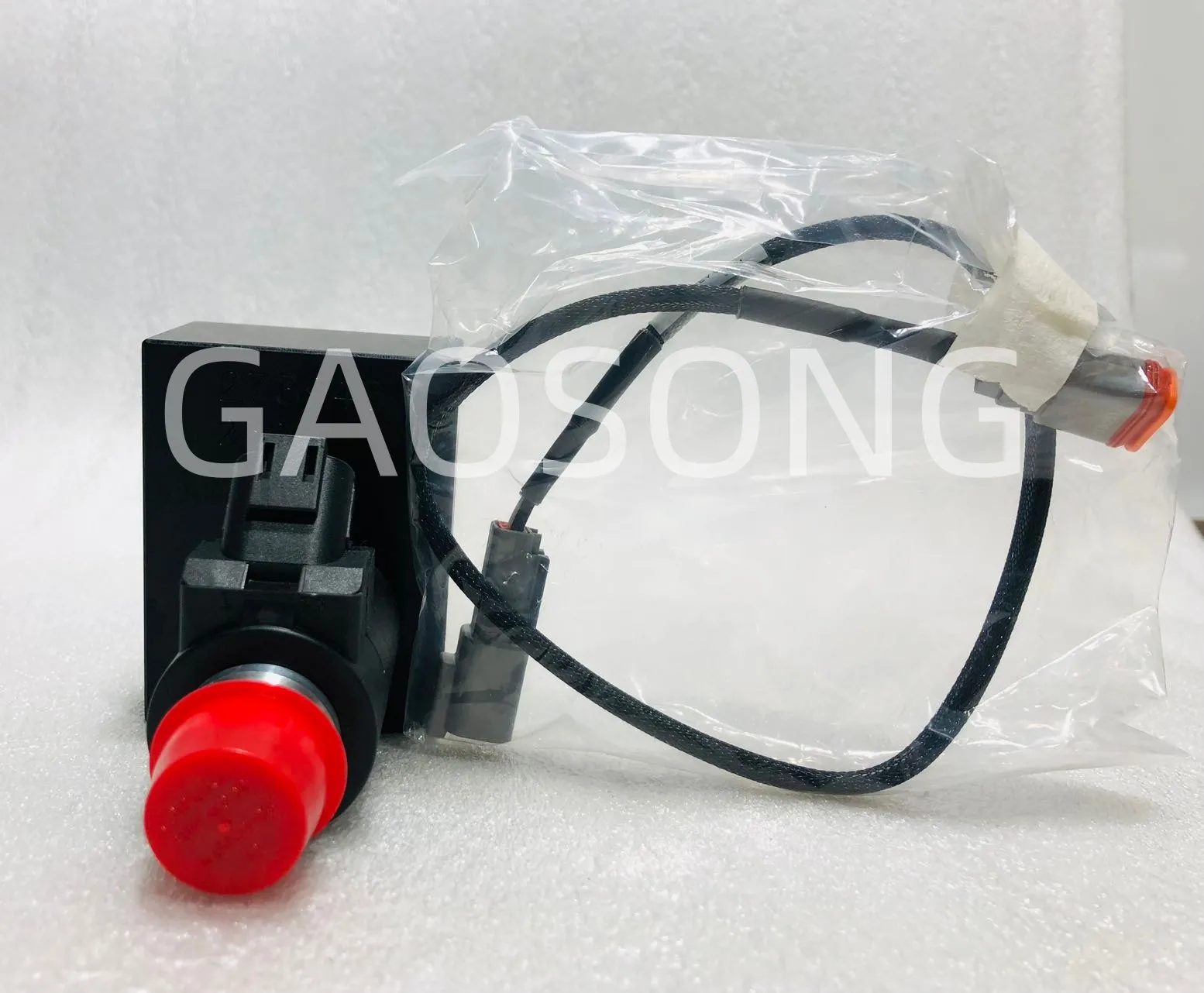 561-95-8A540 • VALVE ASSEMBLY,VENT-Komatsu Original Factory
 -
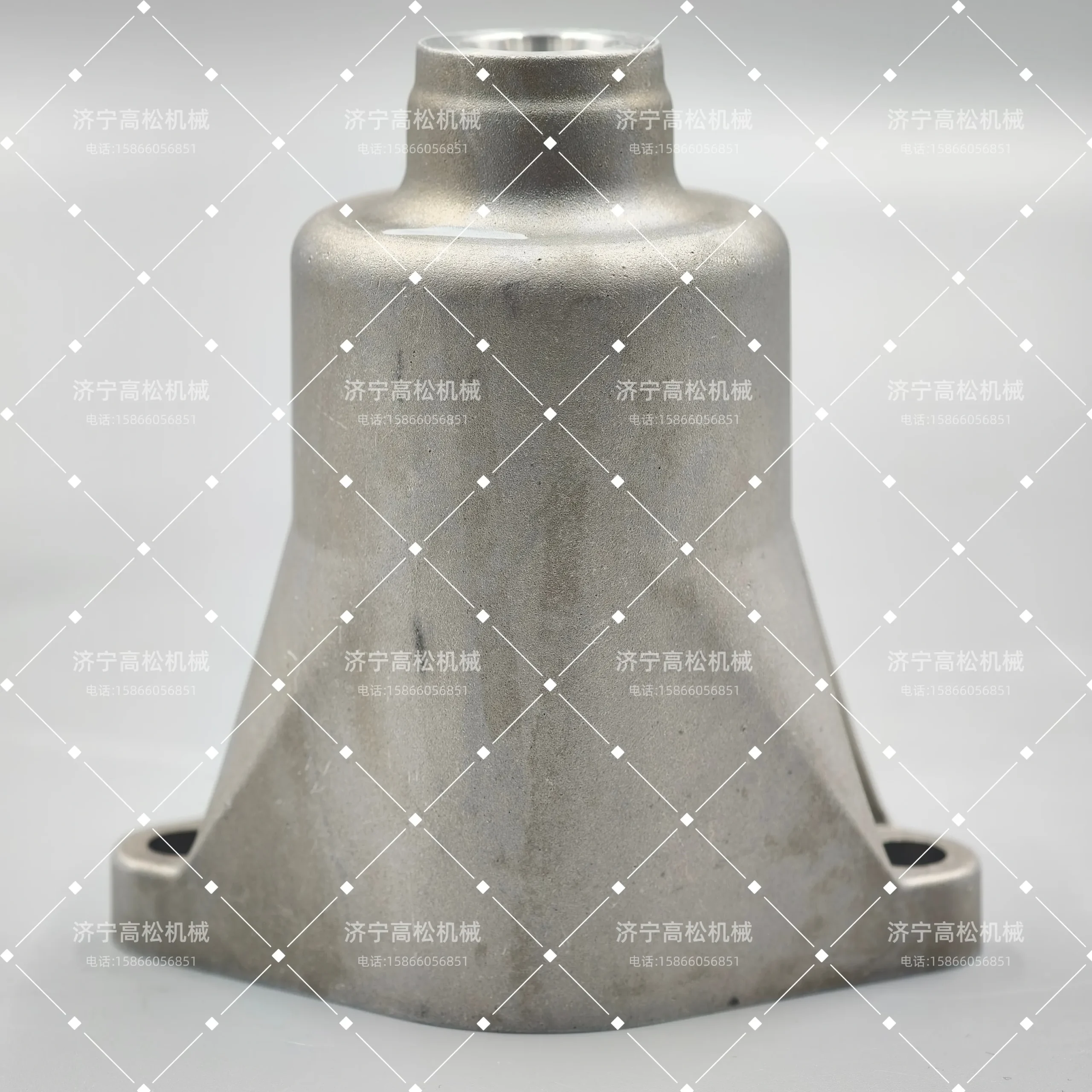 Excavator Valve Case 723-46-15111: Parts Search, High Quality…
 -
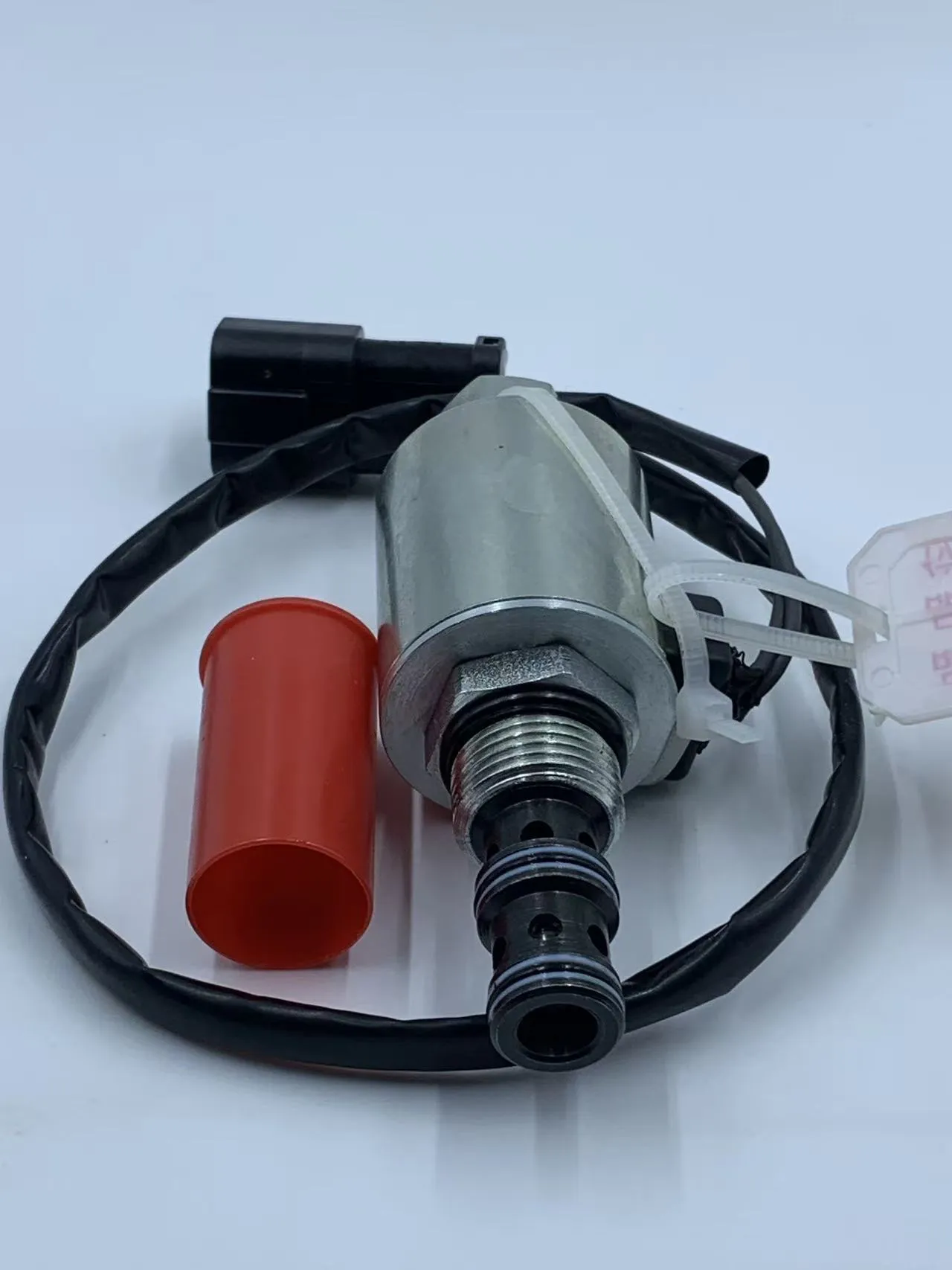 20Y6011713 excavator solenoid valve construction machinery parts suitable for Komatsu PC200-7 20Y-60-11713
 -
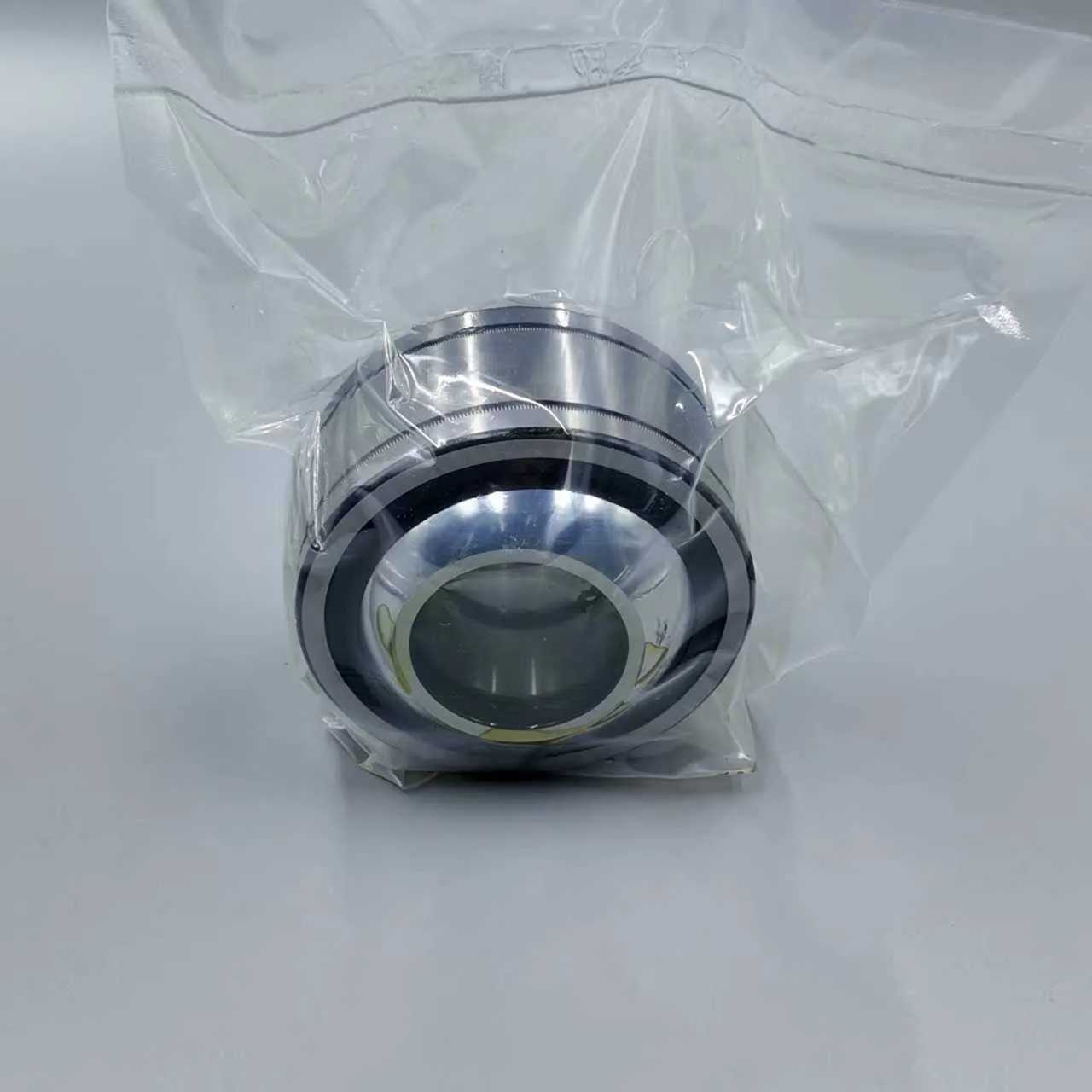 07137-04006 • BUSHING-Komatsu Original Factory
 -
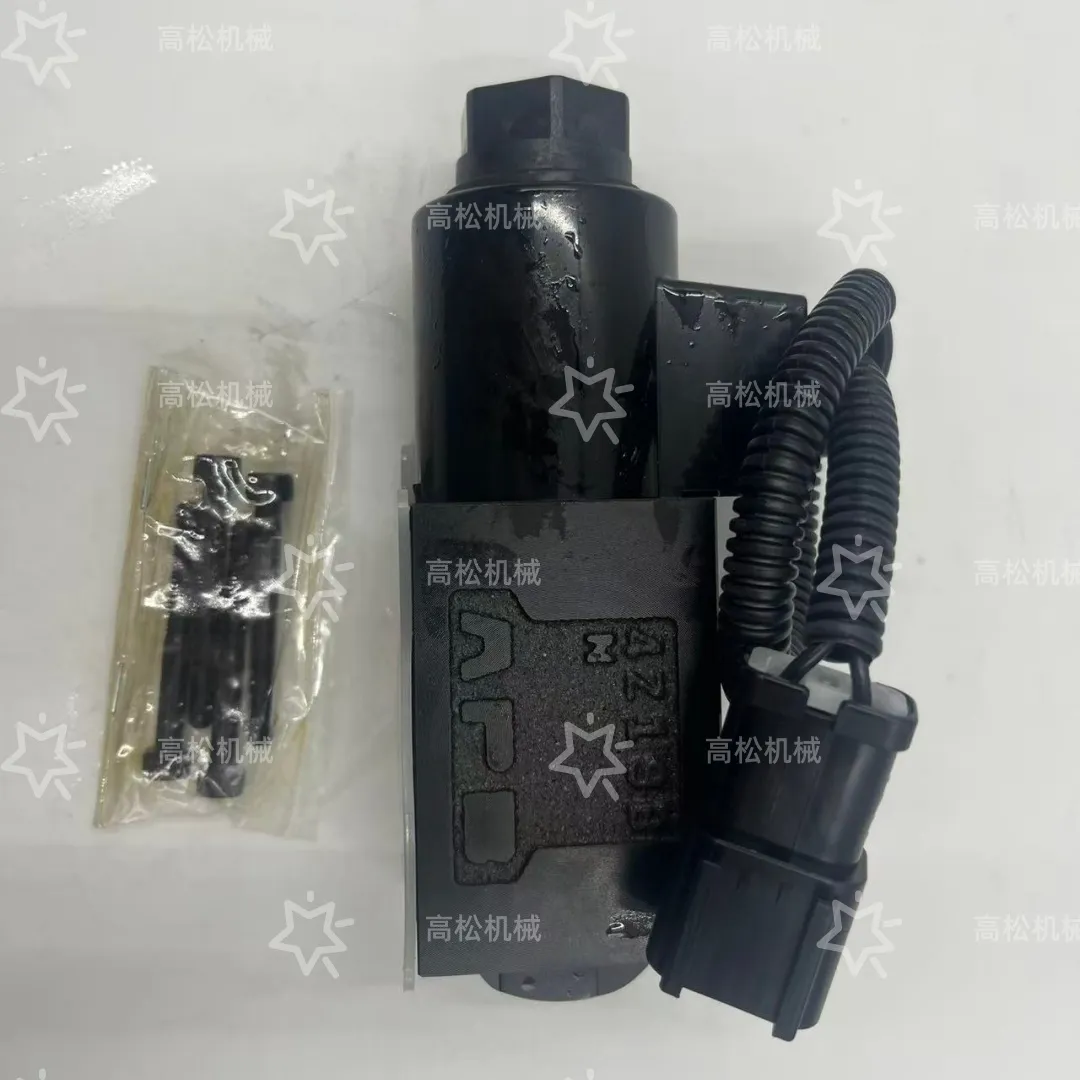 23W-60-28230 VALVE ASSEMBLY,SOLENOID – Komatsu
 -
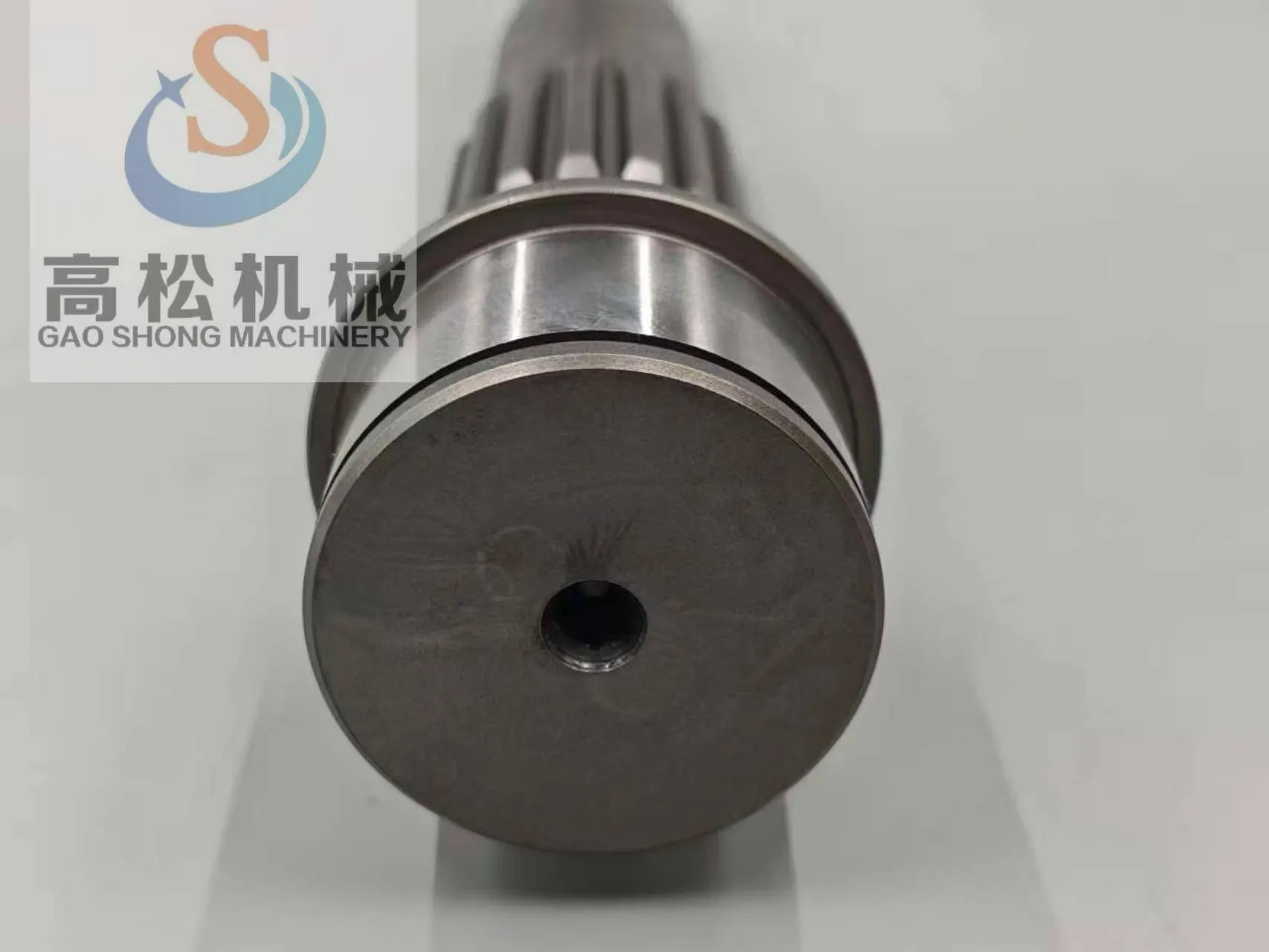 Hydraulic pump original parts 708-2g-12121 708-2g-04153 708-2g-04151 708-2g-03710 708-2g-03910 for pc300-7 excavator
 -
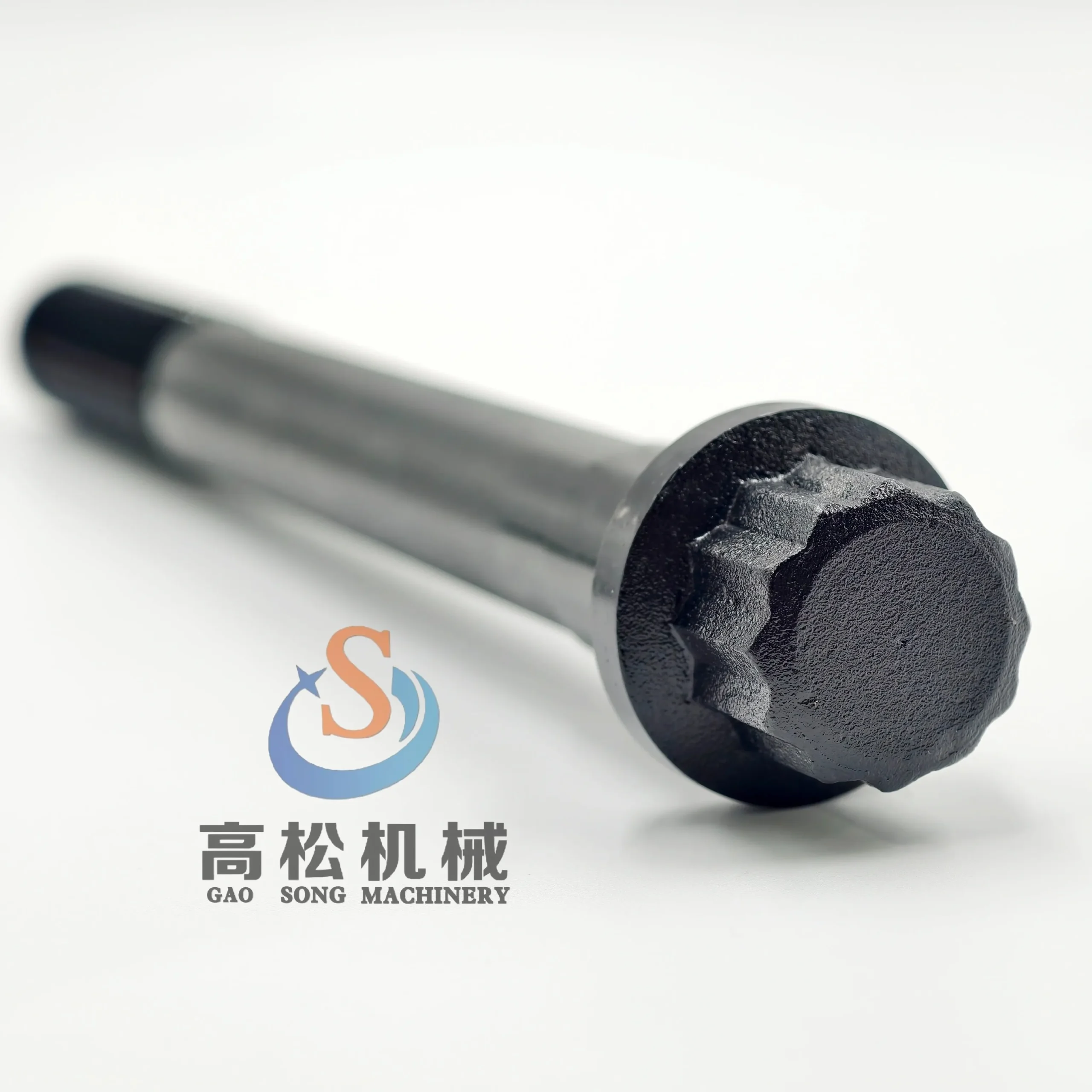 6162-15-1610 komatsu-parts BOLT,HEAD
 -
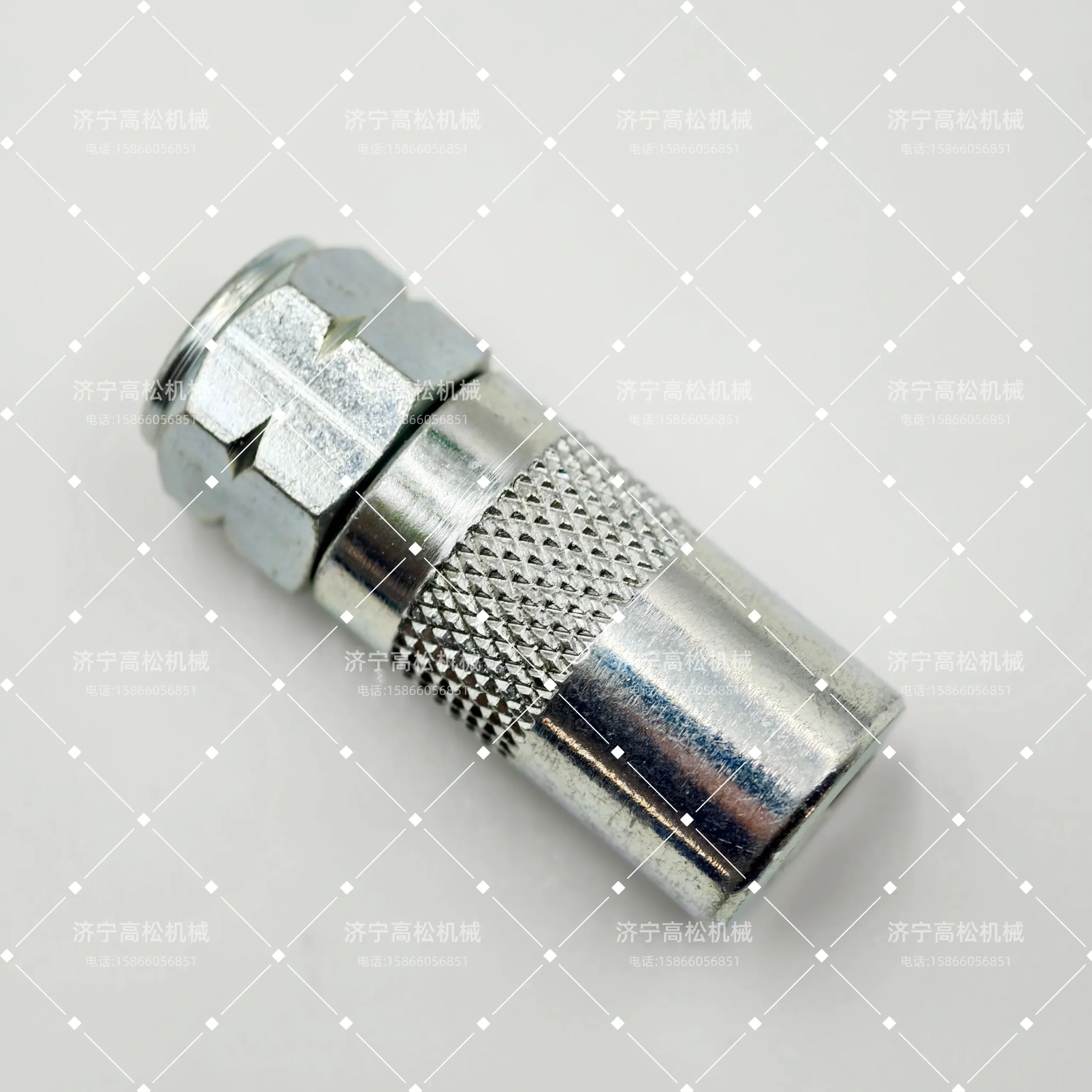 209-68-11640 Komatsu Coupling Assembly
 -
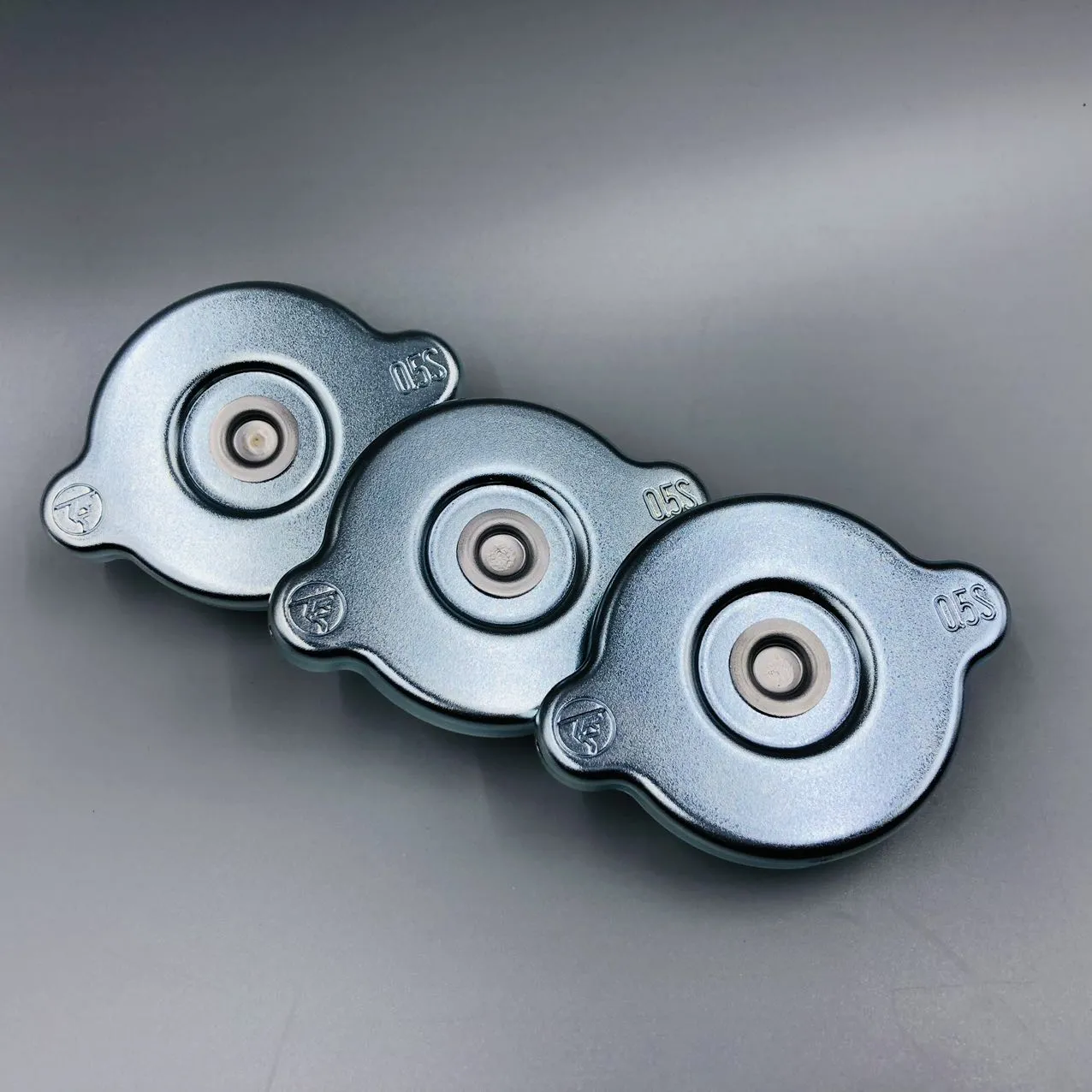 Water Tank Radiator Cap 20Y-03-22110 for Komatsu PC130-8 PC200-8 PC220-8 PC300-8 PC400-8
 -
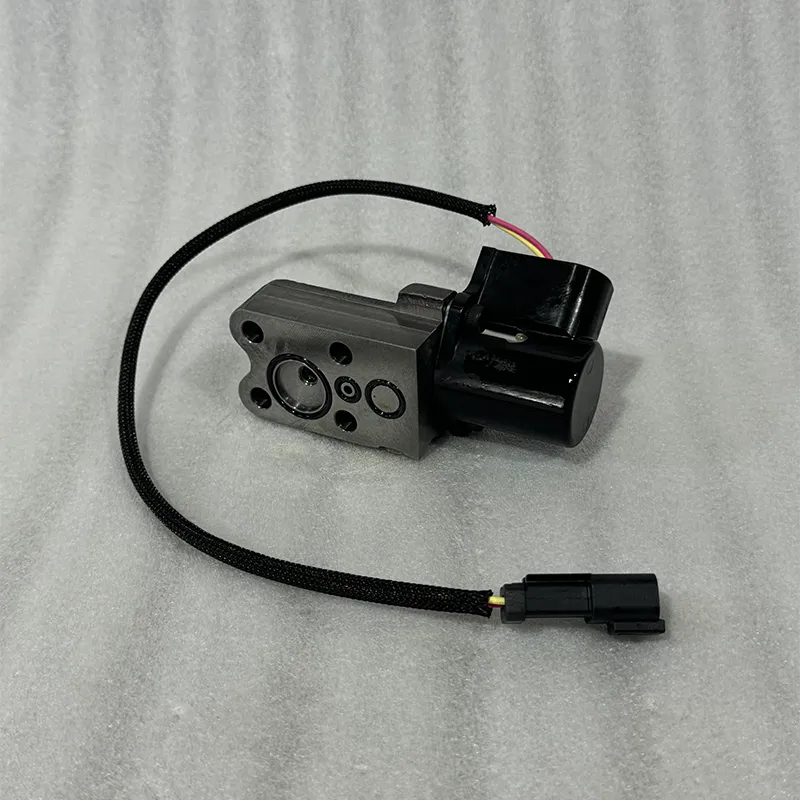 Original komatsu PC2000-8 Pilot Valve 708-7S-01330
 -
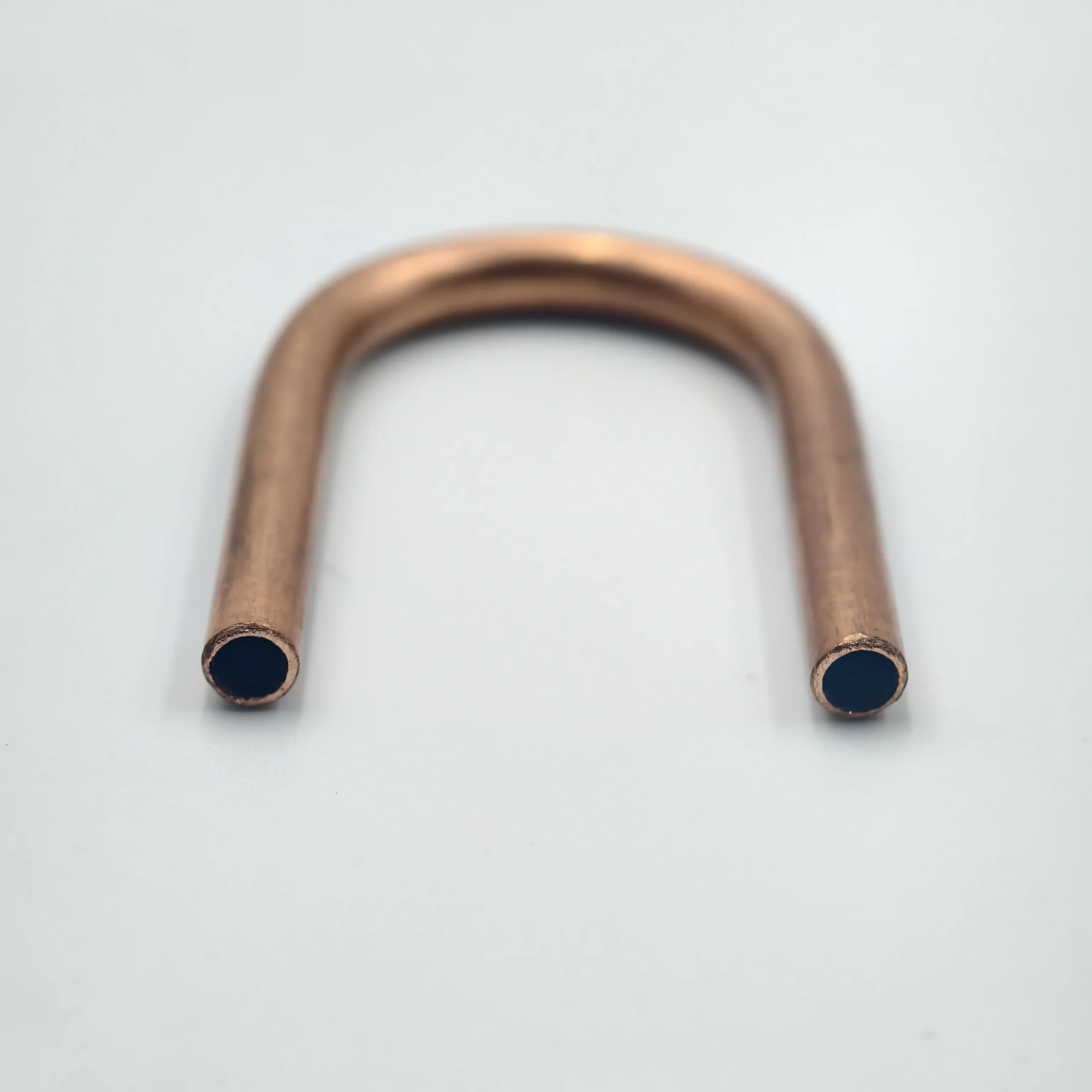 TUBE 21N-68-32360 – KOMATSU.