
- Chinese
- French
- German
- Portuguese
- Spanish
- Russian
- Japanese
- Korean
- Arabic
- Irish
- Greek
- Turkish
- Italian
- Danish
- Romanian
- Indonesian
- Czech
- Afrikaans
- Swedish
- Polish
- Basque
- Catalan
- Esperanto
- Hindi
- Lao
- Albanian
- Amharic
- Armenian
- Azerbaijani
- Belarusian
- Bengali
- Bosnian
- Bulgarian
- Cebuano
- Chichewa
- Corsican
- Croatian
- Dutch
- Estonian
- Filipino
- Finnish
- Frisian
- Galician
- Georgian
- Gujarati
- Haitian
- Hausa
- Hawaiian
- Hebrew
- Hmong
- Hungarian
- Icelandic
- Igbo
- Javanese
- Kannada
- Kazakh
- Khmer
- Kurdish
- Kyrgyz
- Latin
- Latvian
- Lithuanian
- Luxembou..
- Macedonian
- Malagasy
- Malay
- Malayalam
- Maltese
- Maori
- Marathi
- Mongolian
- Burmese
- Nepali
- Norwegian
- Pashto
- Persian
- Punjabi
- Serbian
- Sesotho
- Sinhala
- Slovak
- Slovenian
- Somali
- Samoan
- Scots Gaelic
- Shona
- Sindhi
- Sundanese
- Swahili
- Tajik
- Tamil
- Telugu
- Thai
- Ukrainian
- Urdu
- Uzbek
- Vietnamese
- Welsh
- Xhosa
- Yiddish
- Yoruba
- Zulu
- Kinyarwanda
- Tatar
- Oriya
- Turkmen
- Uyghur





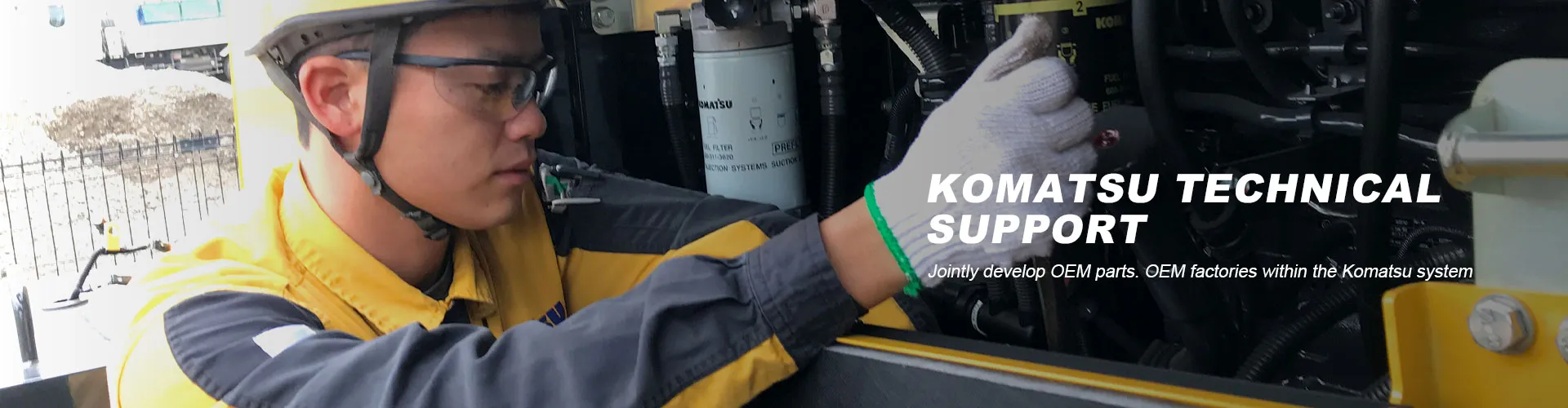
komatsu aftermarket parts usa
When you hear 'komatsu aftermarket parts usa', the immediate thought for many fleet managers is often just about finding a cheaper alternative to the dealer. That's the first pitfall. The real conversation isn't just about price; it's about supply chain resilience, specification variances for different markets, and knowing which components you can safely go generic on versus where you absolutely cannot cut corners. I've seen too many operations burn money on a 'great deal' for a hydraulic pump that lasted half the OEM's lifecycle, wiping out any upfront savings in downtime and labor. The U.S. market is particularly tricky—it's flooded with options, from high-quality independent manufacturers to repackaged junk, and the distinction isn't always on the label.
The OEM vs. Aftermarket Dichotomy Isn't Black and White
Let's clear something up. The term 'OEM' gets thrown around loosely. True Komatsu OEM parts come through their official distribution network. But within that system, there are authorized manufacturers who produce those exact components. This is a key nuance. A company like Jining Gaosong Construction Machinery Co., Ltd. operates in this space. They describe themselves as an OEM product supplier within the Komatsu system. In practice, this often means they manufacture or supply components that meet the original engineering specifications, sometimes for specific regional markets or channels outside the primary dealer network. It's a different tier of the aftermarket, closer to the source.
This is where the U.S. market gets interesting. Many third-party suppliers here are simply resellers. They might source from a network of factories, including ones like Gaosong, but the trail gets murky. The value of a supplier that has a direct manufacturing link, as hinted at on their site https://www.takematsumachinery.com, is traceability. Their stated role in helping to solve parts supply challenges in certain countries directly translates to the USA when there's a backorder on a critical component from the main dealer. I've used similar channels for older models, like a PC200-7 swing drive, where the official parts were phased out.
The risk, always, is verification. Just because a company is in the system doesn't mean every part in their catalog is to Komatsu spec. You have to ask for material certifications, test reports, and—critically—cross-reference part number suffixes. A part for a machine destined for Southeast Asia might have different metallurgy tolerances than one for North American winter operations. I learned this the hard way with a batch of track bushings that wore out prematurely in a Minnesota winter; the supplier had sent the 'tropical' spec variant.
Sourcing Realities and the Fit-Form-Function Test
Operational downtime is the ultimate cost. So, the professional's approach to komatsu aftermarket parts isn't about avoiding OEM, it's about strategic sourcing. For non-safety-critical, high-wear items—think bucket teeth, cutting edges, some seals and filters—the aftermarket is not just viable, it's smart business. The savings are real and the performance delta is minimal if you pick a reputable brand. But for engine components, hydraulic valves, and electronics, the calculus changes.
Here's a concrete scenario. We had a Komatsu WA470 wheel loader with a failing transmission control module. The dealer quote was astronomical with a 6-week lead time. We found a rebuilt unit from a specialized aftermarket electronics shop in Florida and a 'new' unit from a third-party supplier with Komatsu system links. The rebuilt unit came with a 1-year warranty and a known history. The 'new' one was more of a question mark. We opted for the rebuild for speed and traceability. The lesson? The aftermarket isn't a monolith; it has its own ecosystem of specialists. Sometimes the best aftermarket parts usa solution isn't a part, but a service.
This is where a supplier's stated mission matters. A company positioning itself as a problem-solver for supply challenges, like the one mentioned, is aiming at a specific pain point. They're not trying to beat the dealer on a common air filter. They're targeting the obsolete, the long-lead-time, the sorry, it's discontinued parts. For a fleet of older Komatsu excavators, that's a valuable niche. But you must vet them: ask for references on specific, complex parts they've supplied into North America. A generic website promise isn't enough.
The Importance of Logistics and Total Landed Cost
An often-overlooked aspect when searching for komatsu aftermarket parts usa is the USA part. It implies local stock, quick shipping. The reality is, many parts, even if ordered from a .com address, ship from overseas warehouses. The lead time and freight cost kill the deal. True U.S.-based aftermarket support means having inventory on this side of the Pacific, or at least a streamlined air freight agreement.
I recall ordering what seemed like a great-price final drive from a supplier. The part was technically fine, but it shipped from a port in Asia, got held up in customs for two weeks, and arrived just as we'd already cannibalized another machine to keep the site running. The total cost, including downtime, was a loss. Now, we always ask: Where is the inventory physically located? and What are the INCOTERMS? A supplier integrated into the Komatsu system might have better access to consolidated logistics, potentially avoiding these pitfalls.
This logistics web is why partnerships matter. You want a parts supplier, not just a vendor. Someone who will tell you, Look, I have that pump, but the seals in this batch have had issues. I can get it to you tomorrow, but plan to replace the seals. Here's the part number for the better seal kit. That level of practical, experience-based advice is worth more than any discount. It's the difference between a transaction and a solution.
Quality Verification and the Trust but Verify Rule
How do you actually verify quality? It's not just about a certificate. For critical components, we started implementing a simple incoming inspection protocol. For a cylinder, measure the chrome thickness and rod hardness. For a gear, check the tooth profile with blue dye. It sounds basic, but you'd be shocked at the variance. Suppliers who are confident in their manufacturing, especially those with claimed OEM ties, shouldn't balk at this. In fact, they often provide these inspection sheets upfront.
Let's tie this back to the specific company profile. Jining Gaosong Construction Machinery Co., Ltd. presents an interesting case. As an OEM supplier and third-party sales company, their potential value is in bridging the gap between pure generic aftermarket and the premium dealer channel. Their website, Takematsu Machinery, suggests a focus on solving supply challenges. For a U.S. operation, the test would be: Can they provide documented quality evidence (material certs, dimensional reports) comparable to Komatsu's? Can they support a complex assembly, not just a component? And can they navigate the logistics to get it here reliably?
We tried a similar approach with a different Asia-based system supplier for a Komatsu dozer idler wheel assembly. The part was physically perfect, but the bearing pre-load was set incorrectly from the factory. It failed in 400 hours. The supplier made it right, but the downtime cost was ours. The takeaway? Even with good pedigree, the final assembly and quality control are everything. It shifted our policy: for assembled units, we now factor in the cost and time for our own mechanics to disassemble, inspect, and reassemble with our preferred lubricants and torque specs before installation.
Building a Sustainable Aftermarket Strategy
So, what's the endgame? It's about building a layered parts strategy. Dealer for critical, high-tech, and warranty-sensitive items. Trusted, specialized aftermarket rebuilders for components like starters, alternators, and electronics. And for the in-between—the structural components, the wear items, the obsolete parts—developing relationships with a select few high-tier suppliers who have transparent sourcing and solid logistics. A company operating as a third-party sales company within the Komatsu system could fit into this last category, provided they prove themselves on a few trial orders of non-critical parts.
Don't chase the lowest price per part. Chase the lowest total cost of ownership, which includes price, durability, logistics speed, and technical support. Sometimes, that means the dealer wins. Often, for a savvy operator, a strategic mix wins. The keyword search for komatsu aftermarket parts usa is the starting point, not the finish line. It leads you to a marketplace where discernment, built on hard-won experience (and a few expensive mistakes), is your most valuable tool.
Ultimately, the landscape is about mitigating risk while controlling costs. There's no universal answer. It's a continuous process of vetting, testing, and building relationships with suppliers who demonstrate they understand not just the part number, but the consequence of that part failing in the field. That's the professional's filter. Everything else is just noise.
Related Products
Related Products
Best Selling Products
Best Selling Products-
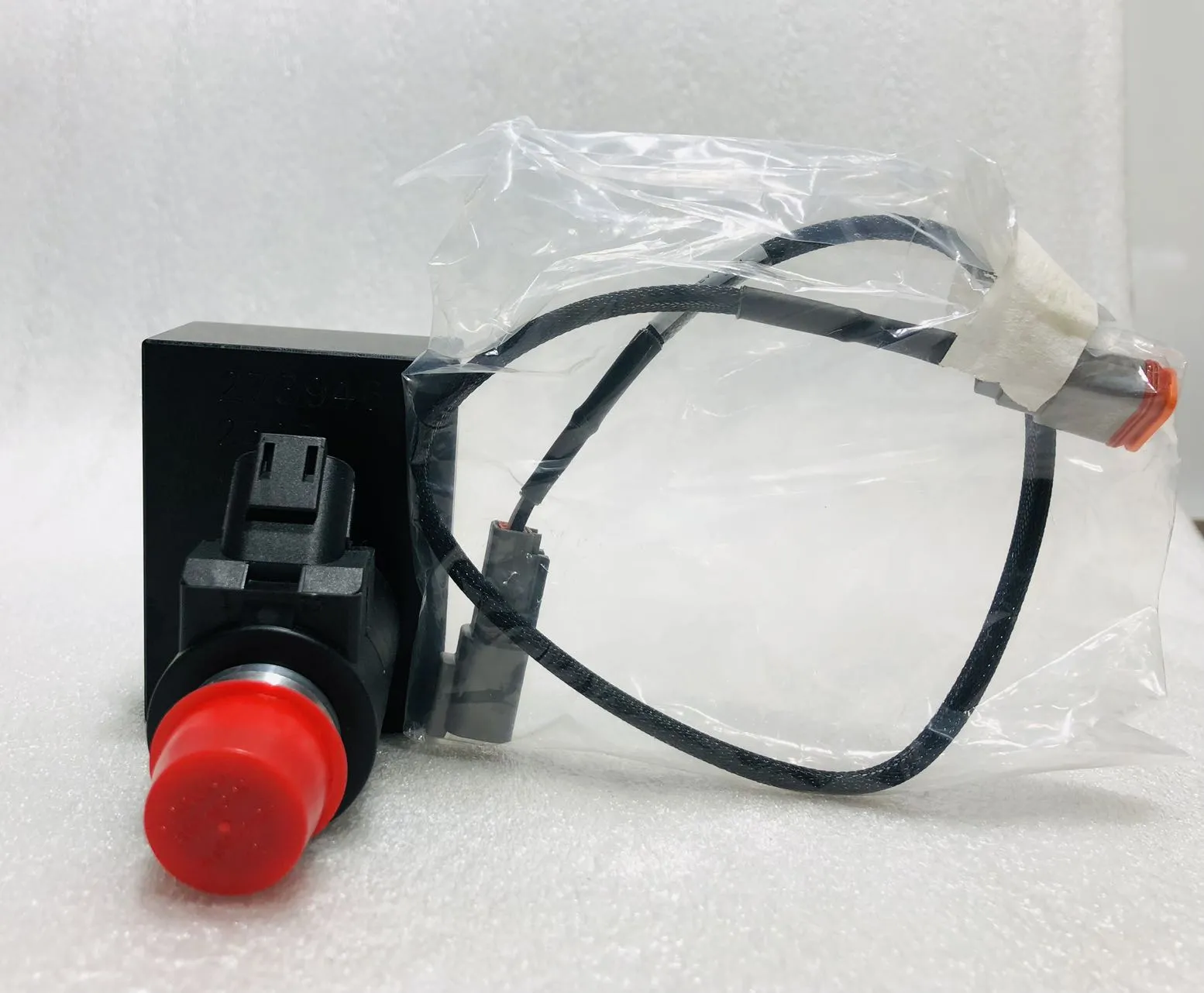 561-95-8A530• PUMP ASSEMBLY Applicable: Komatsu self-unloading truck HD series
 -
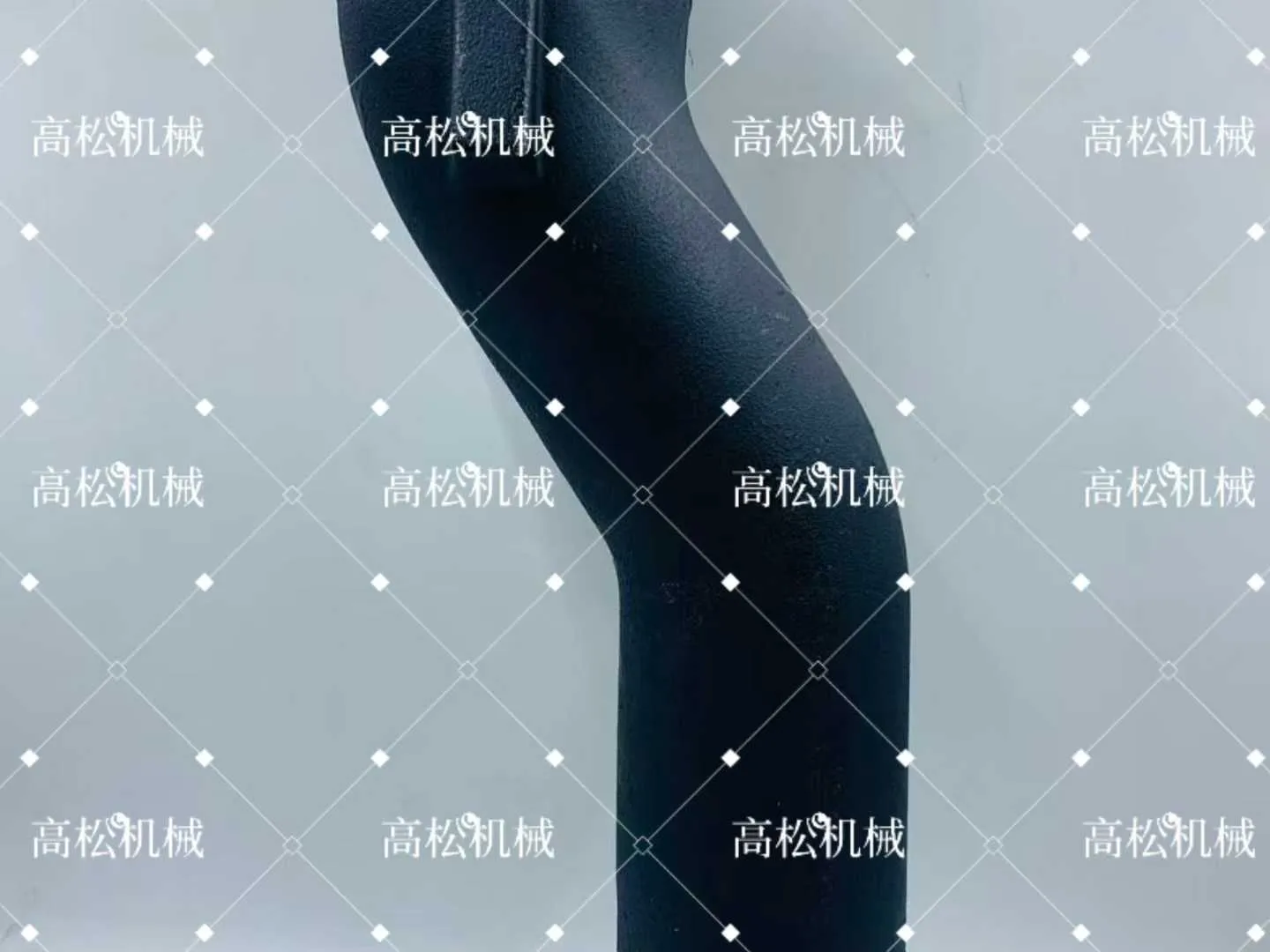 Connector Hose 6156-11-5521 for SAA6D125E Engine, PC400-7 Excavator Spare Part
 -
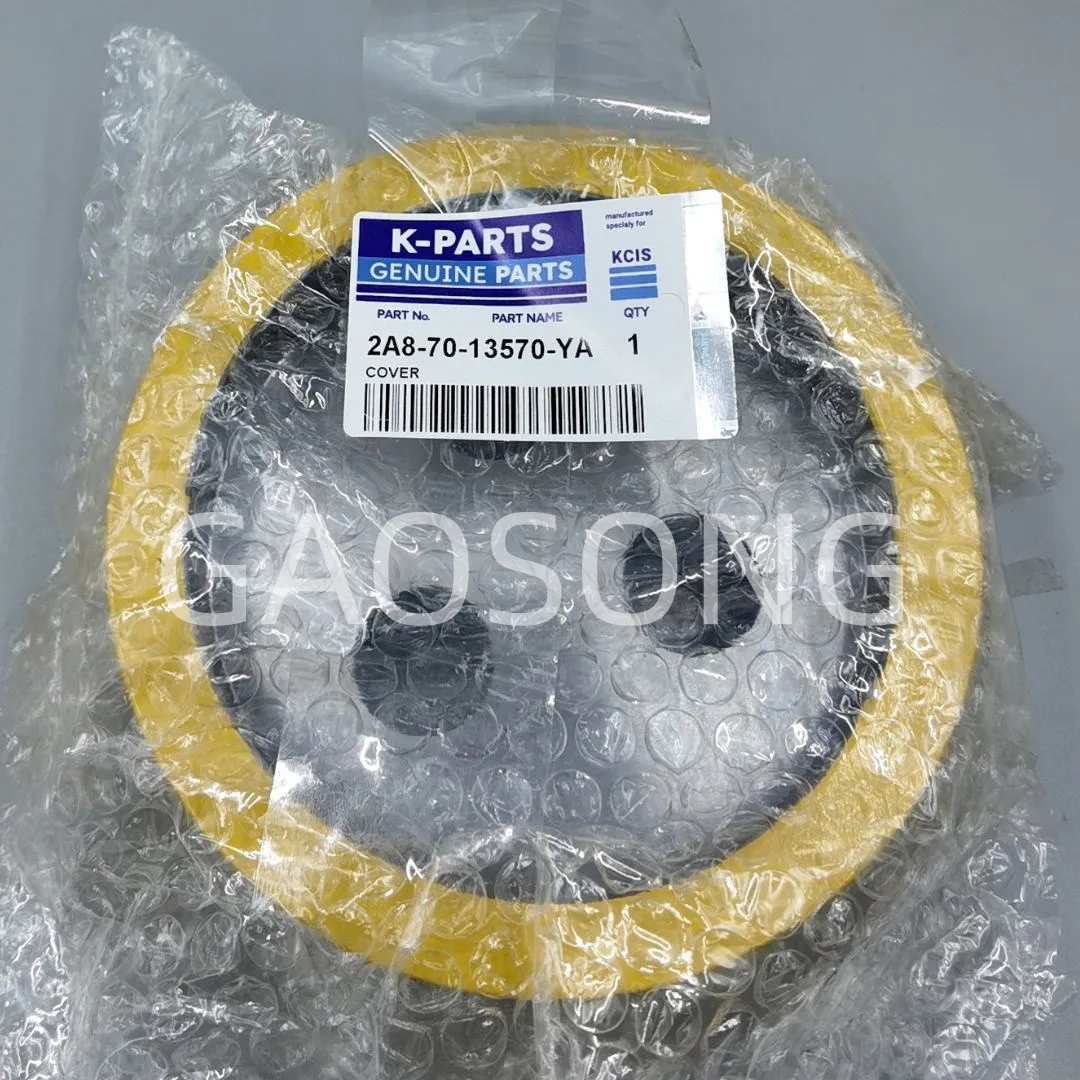 2A8-70-13570 Cover-Komatsu Original Factory
 -
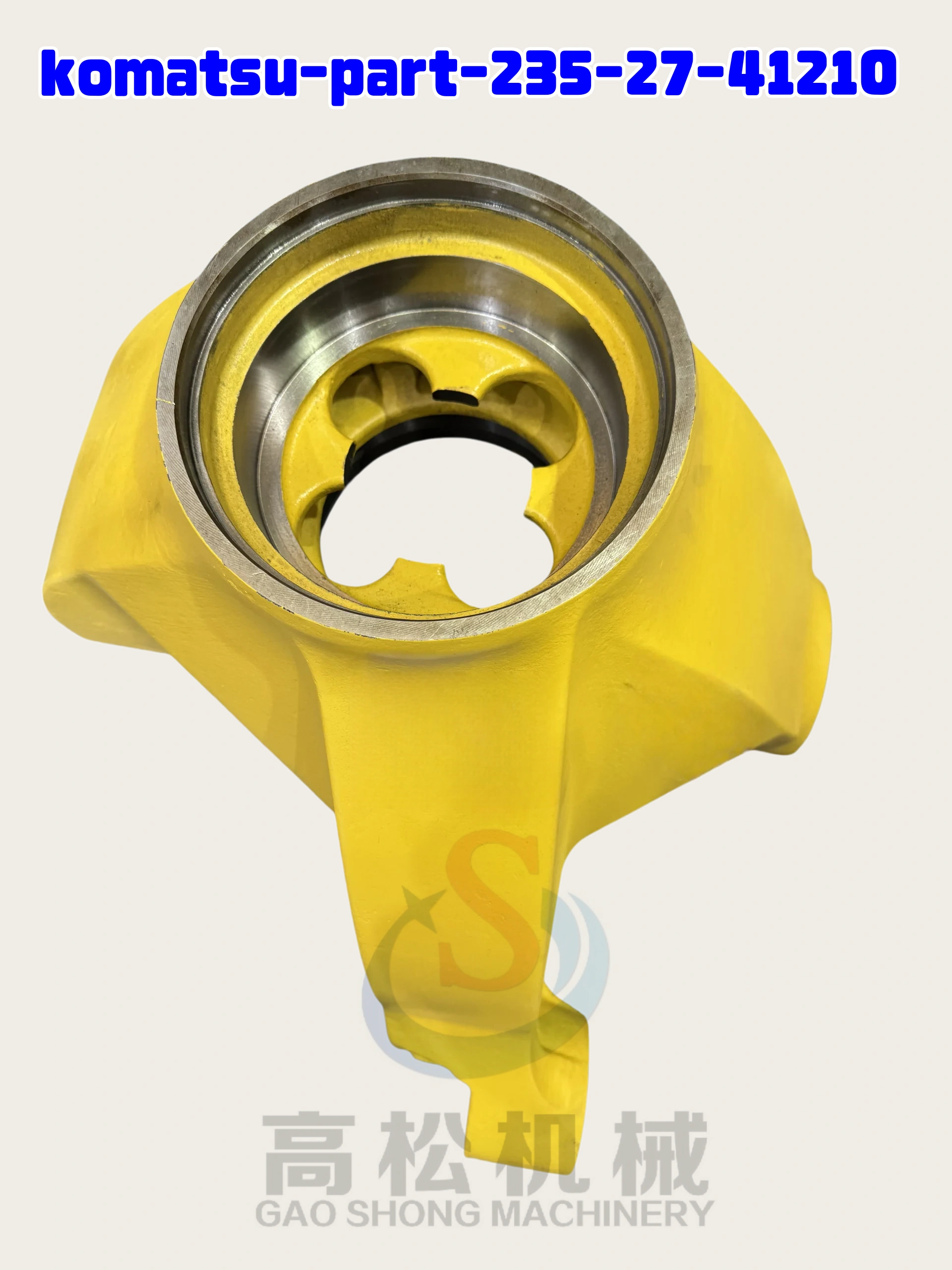 komatsu-part-235-27-41210 HOUSING,L.H. GD825A-2 GD825A-2E0 FRONT AXLE
 -
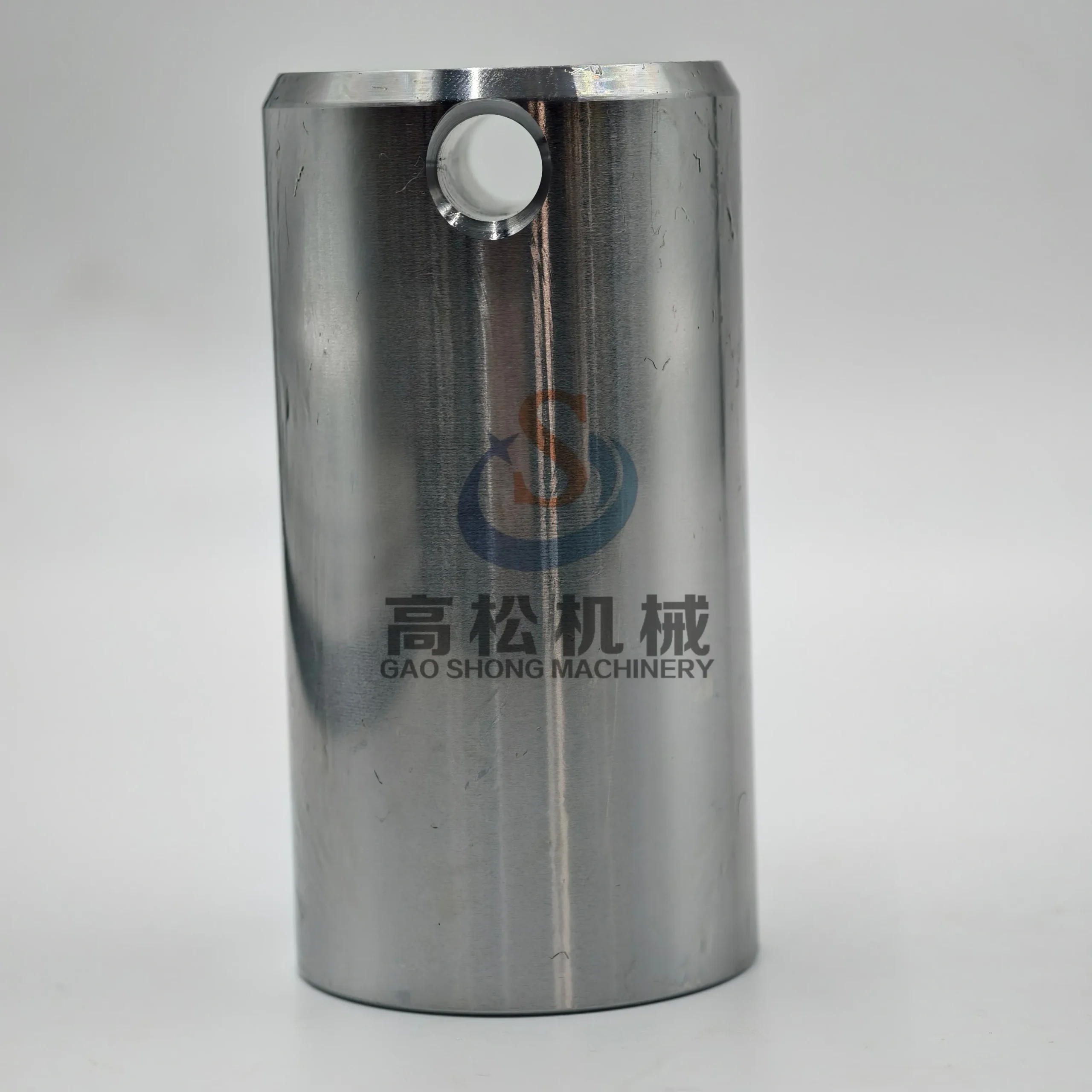 20Y-27-31160Komatsu Pin – 20Y-27-31160
 -
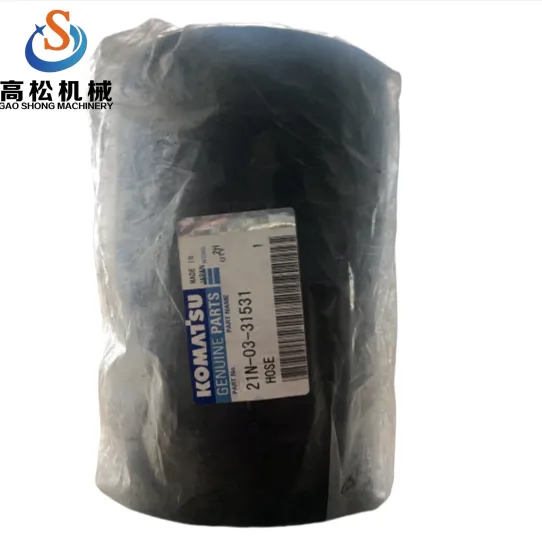 HOSE PC1250 EXCAVATOR 21N-03-31531
 -
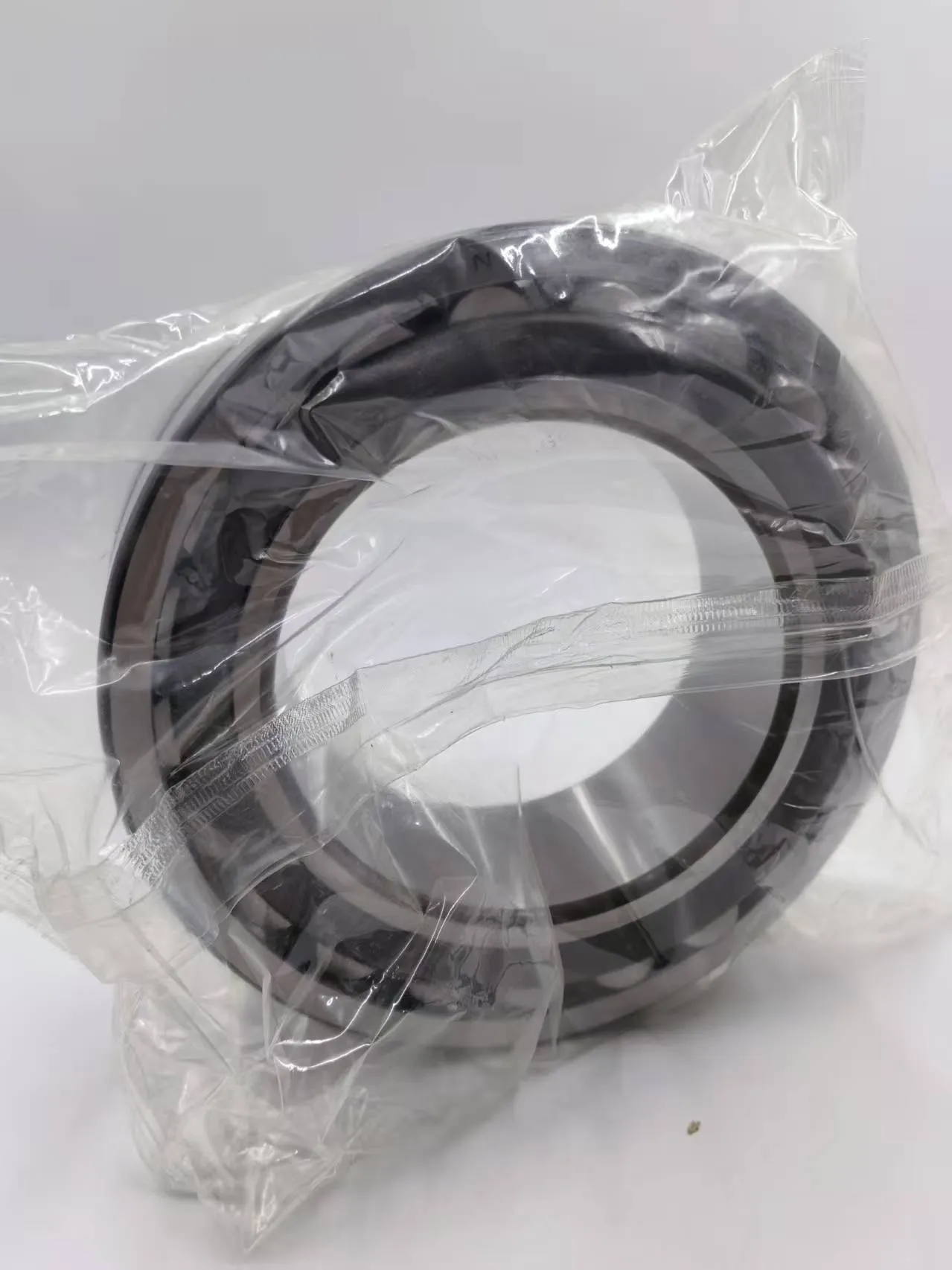 208-26-71530 Bearing Komatsu Original Factory
 -
 HD785-7 center exhaust manifold 6215-11-5172
 -
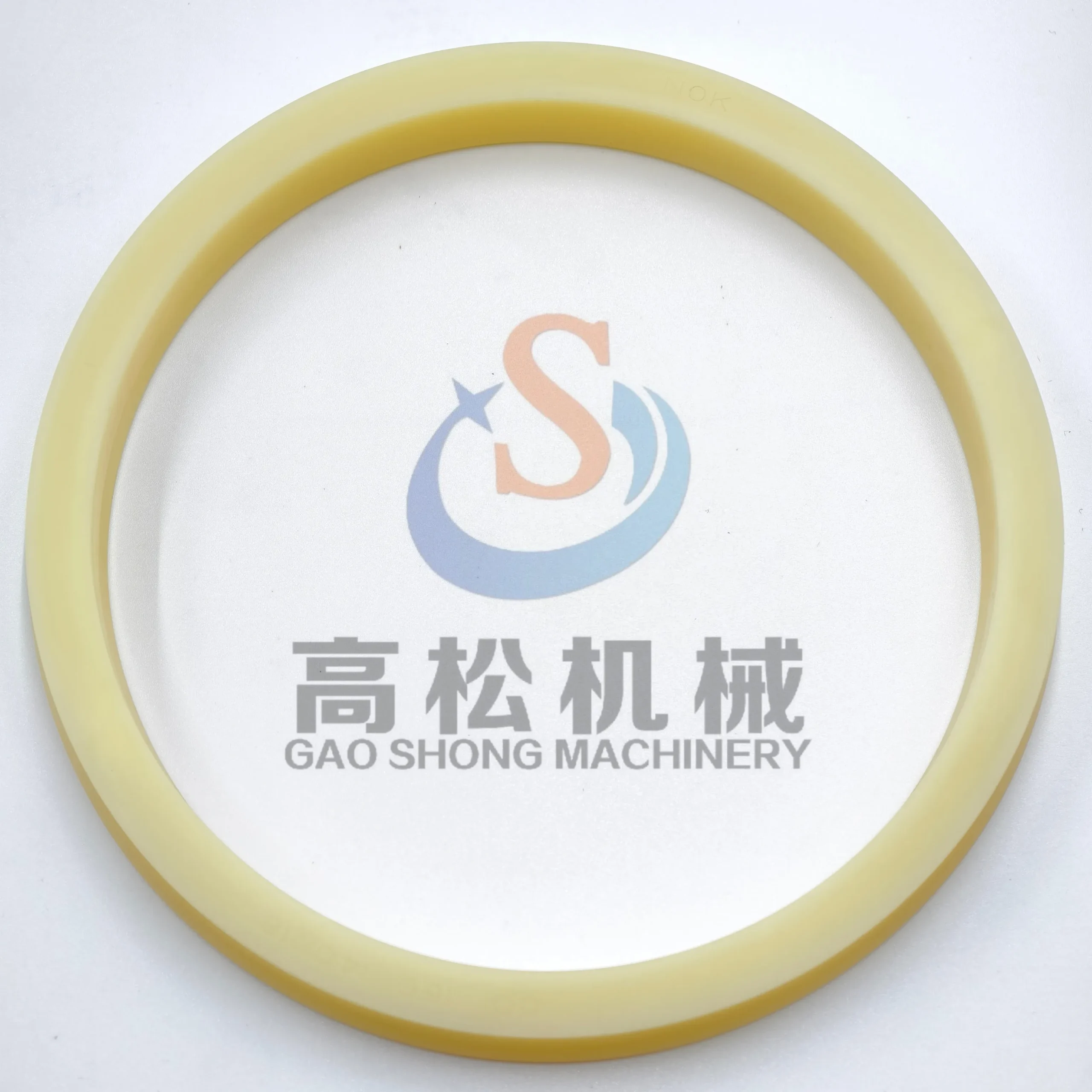 21N-30-14160 PACKING (Komatsu)
 -
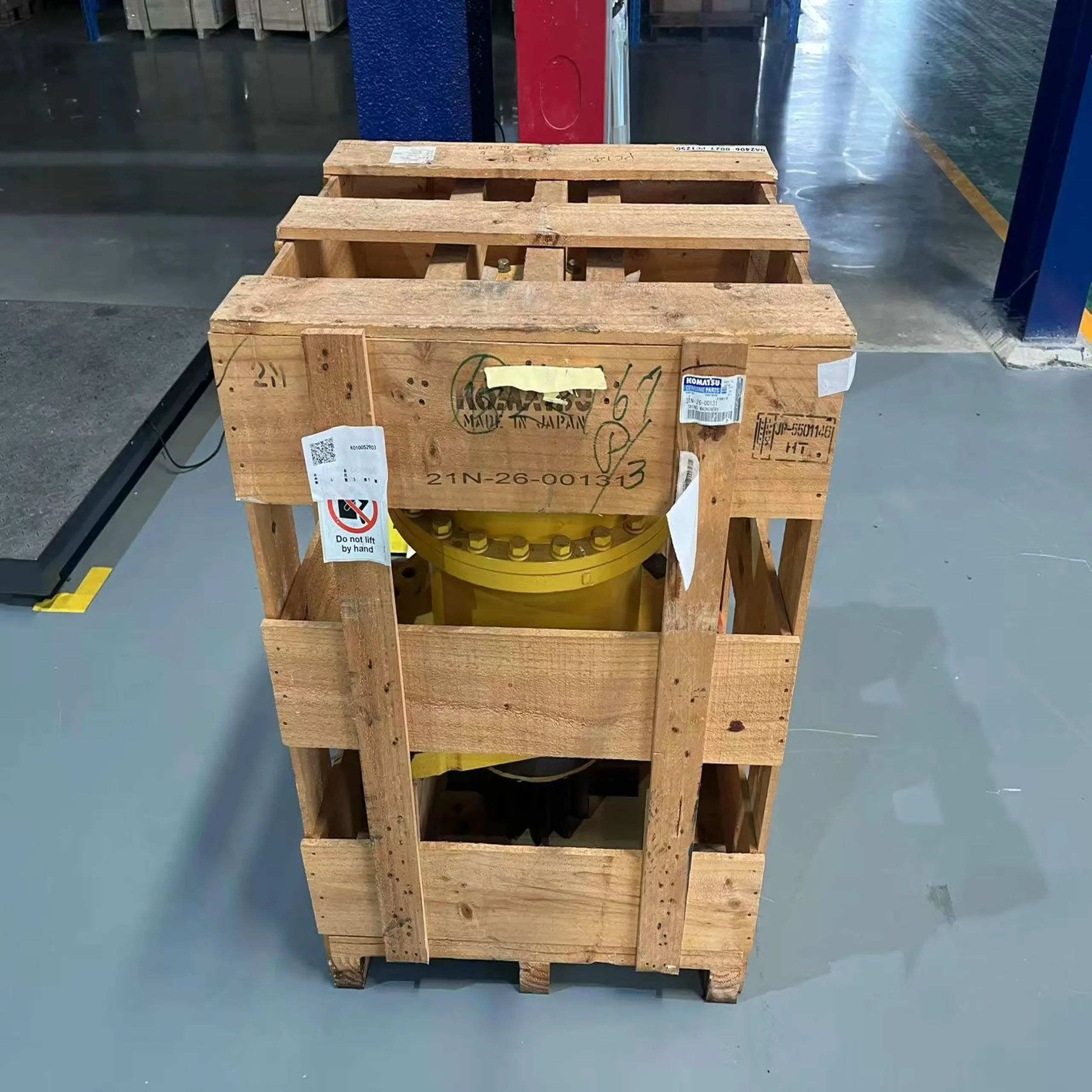 21N-26-00131 Rotary reducer, suitable for PC1250-11 #komatsu #komatsuparts #PC1250 #komatsurotaryreducer
 -
 21N-01-11120 21T-01-11150 Komatsu PC600-8 PC1250-7 PC750-7
 -
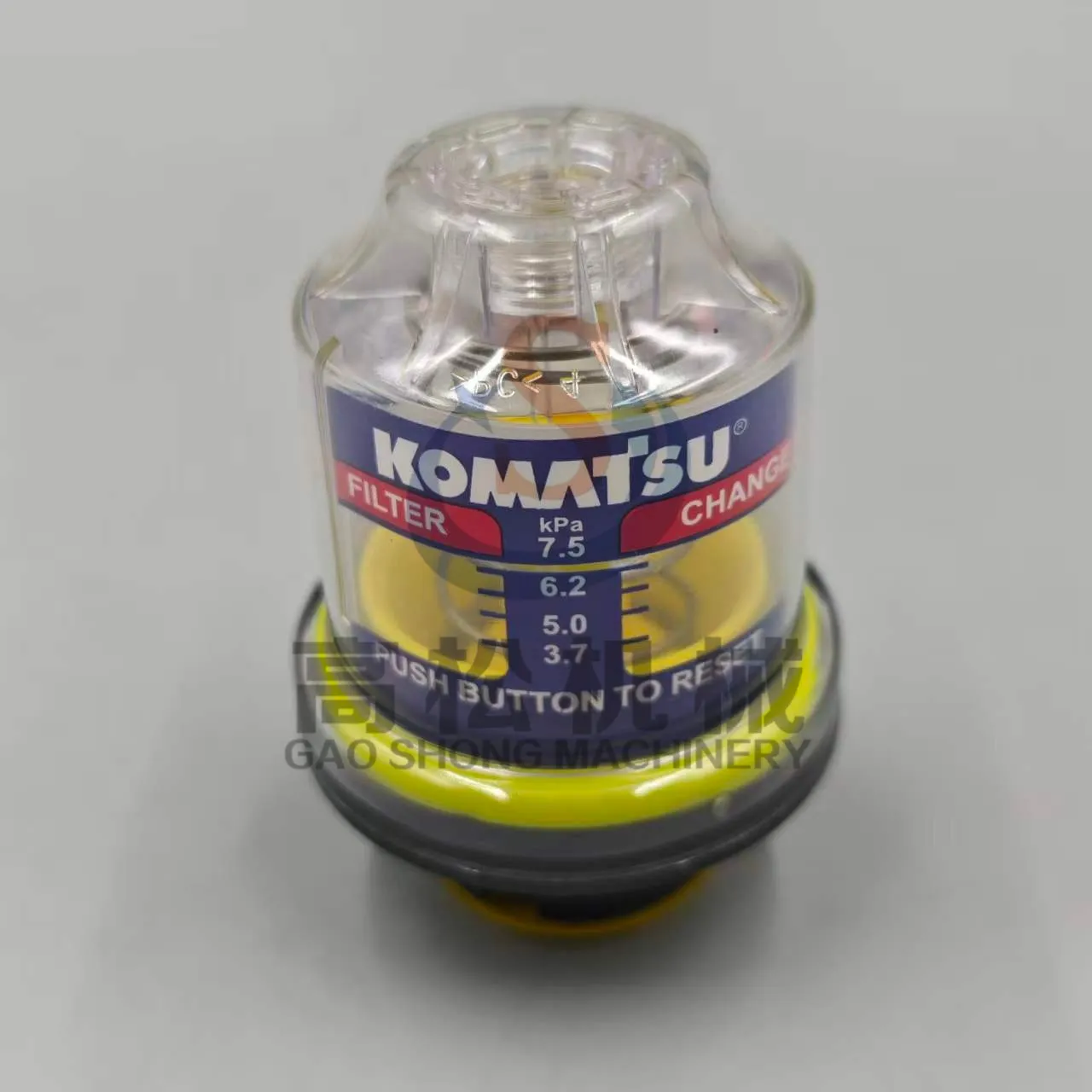 08672-01000 Indicator
Related Search
Related Search- 195-57-43501
- Komatsu parts manufacturer
- Komatsu engine gasket set
- OEM AND ORIGINAL KOMATSU BUSHING 707-46-18050
- Komatsu boom
- Komatsu electrical parts
- OEM AND ORIGINAL KOMATSU VALVE 419-43-27913
- OEM AND ORIGINAL KOMATSU BEARING 208-27-51240
- OEM AND ORIGINAL KOMATSU GEAR 209-38-73130
- komatsu pc450 parts manual